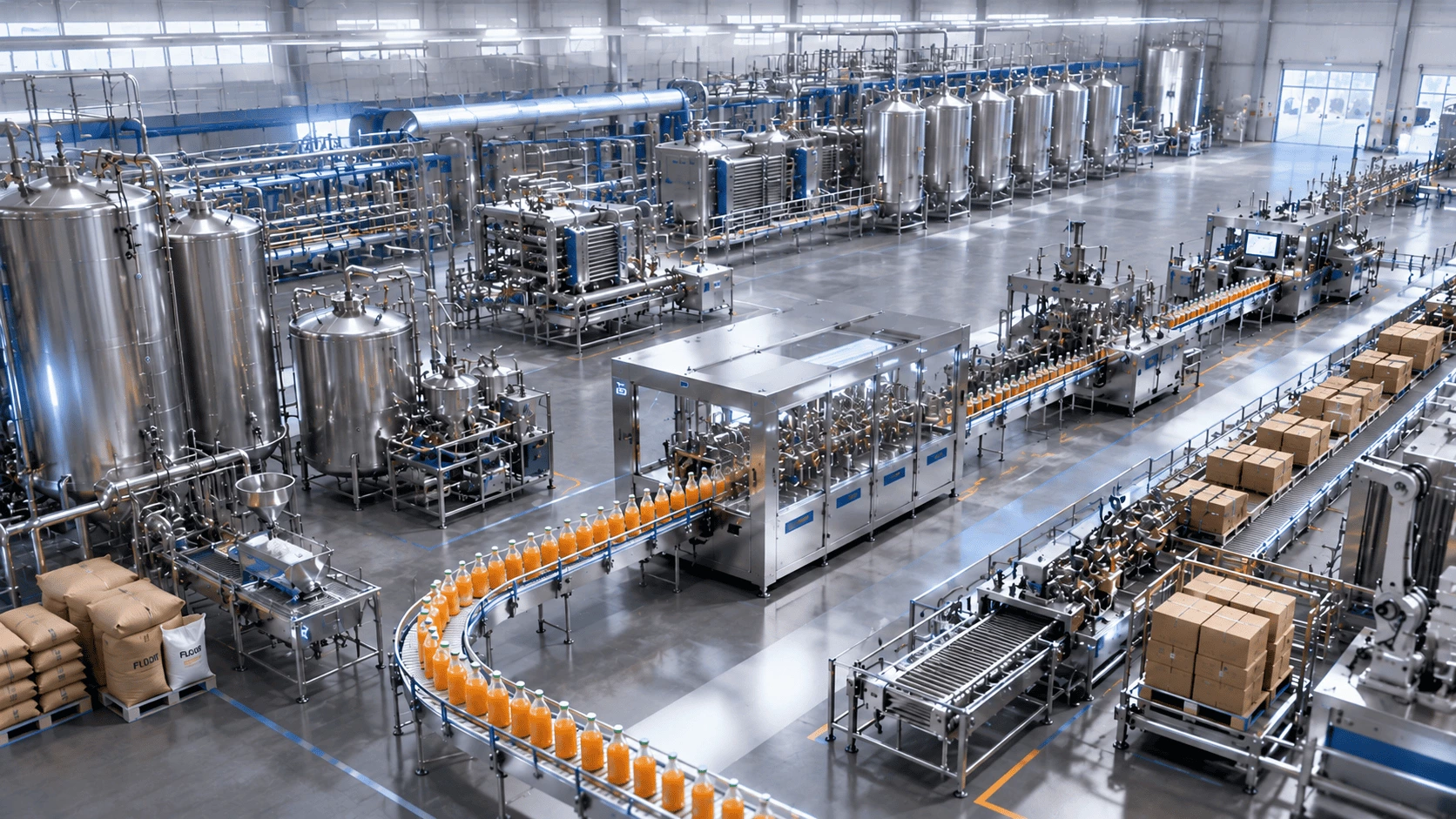



Challenges in the Food & Beverage Industry
Food and beverage manufacturers need precise, hygienic, and reliable measurement solutions to maintain product quality, production efficiency, and regulatory compliance.
Strict Food Safety
Maintaining hygienic production conditions and preventing contamination are critical for consumer safety and brand reputation.
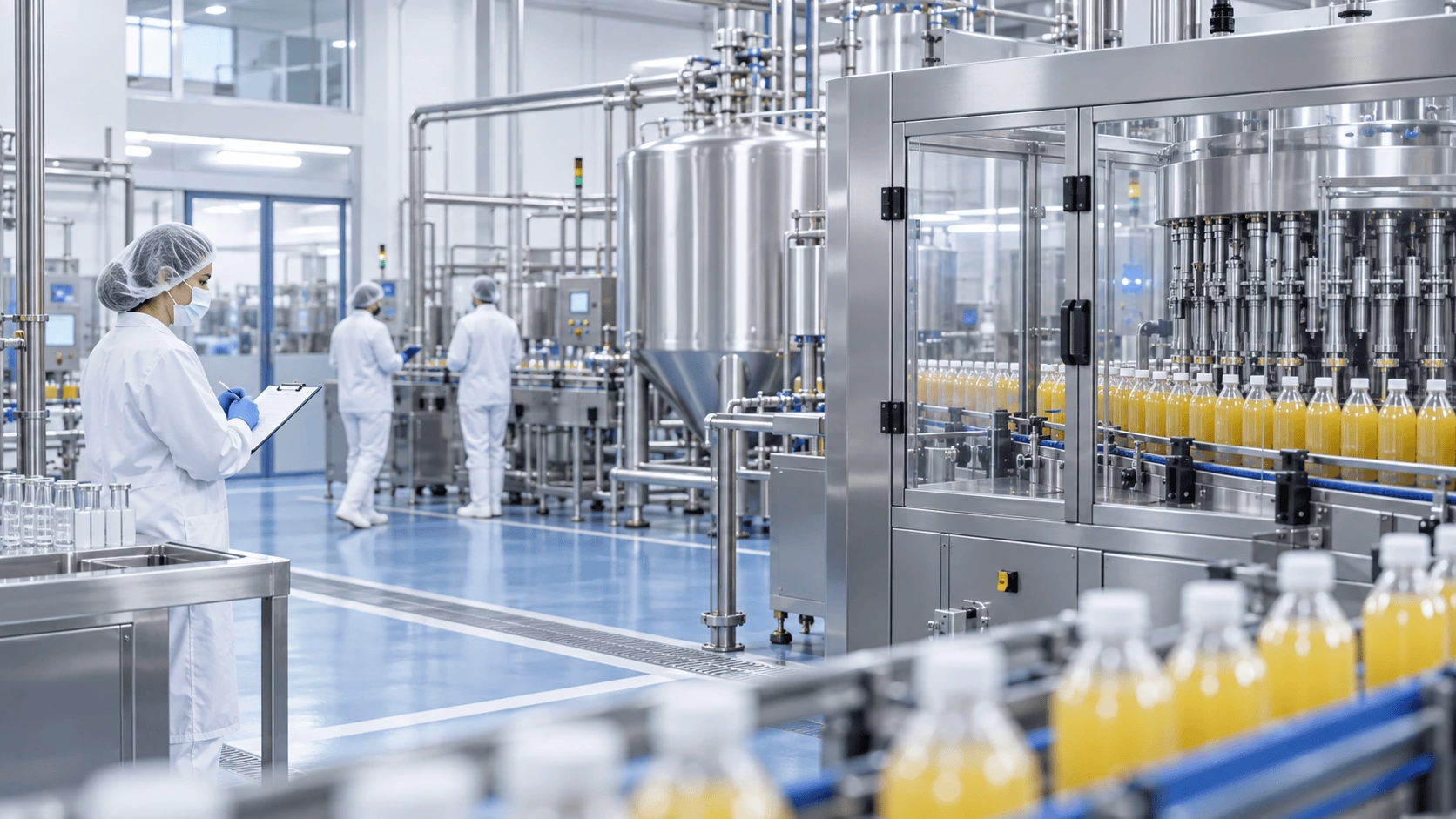
Accurate Process Control
Precise monitoring of flow, temperature, level, and quality parameters ensures consistent taste, texture, and product performance.
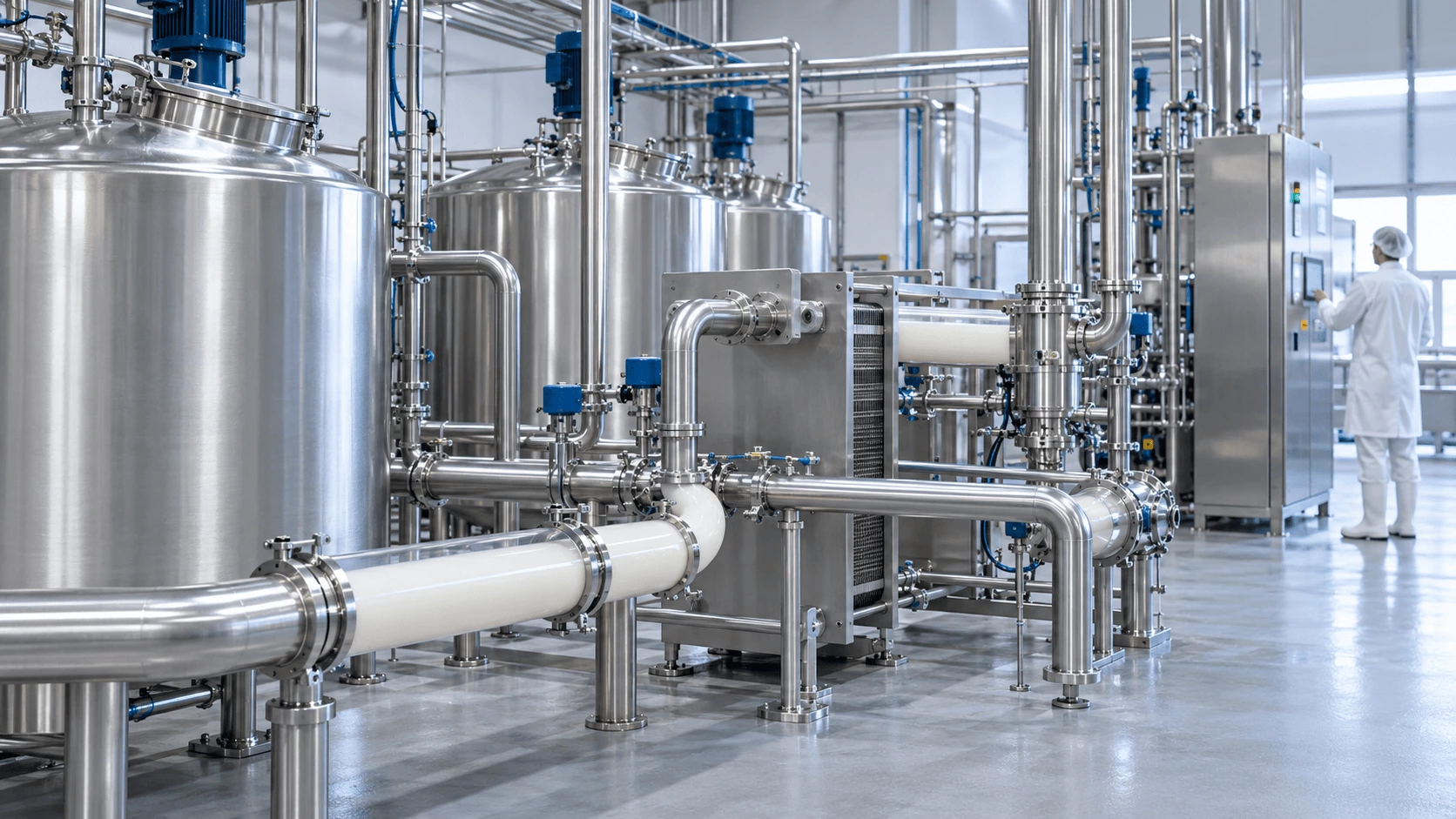
Hygienic Measurement
Food-grade processes require reliable instruments designed for sanitary environments and frequent cleaning operations.
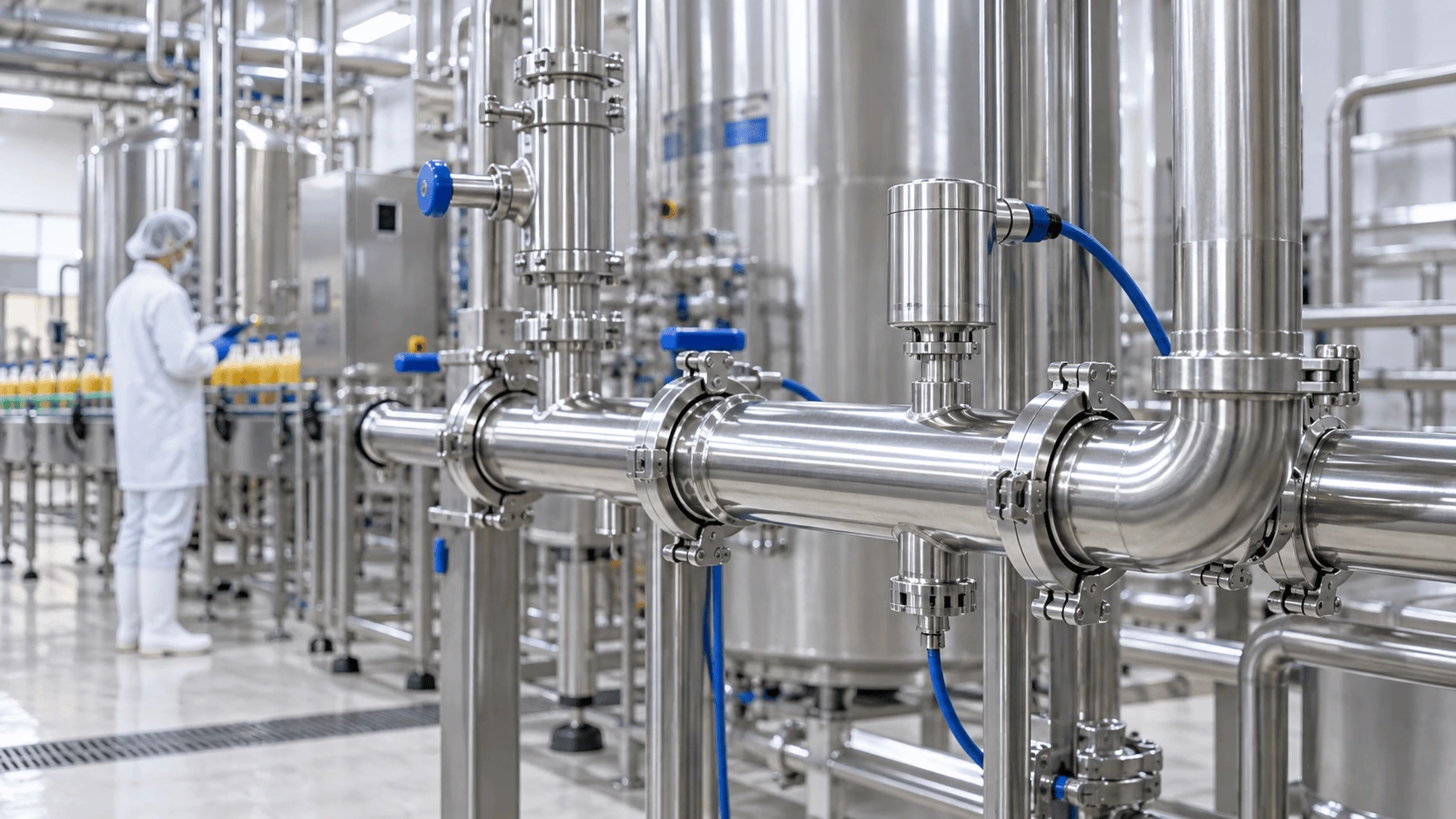
Efficient CIP Cleaning
Optimized cleaning processes help reduce water consumption, chemical usage, and production downtime.
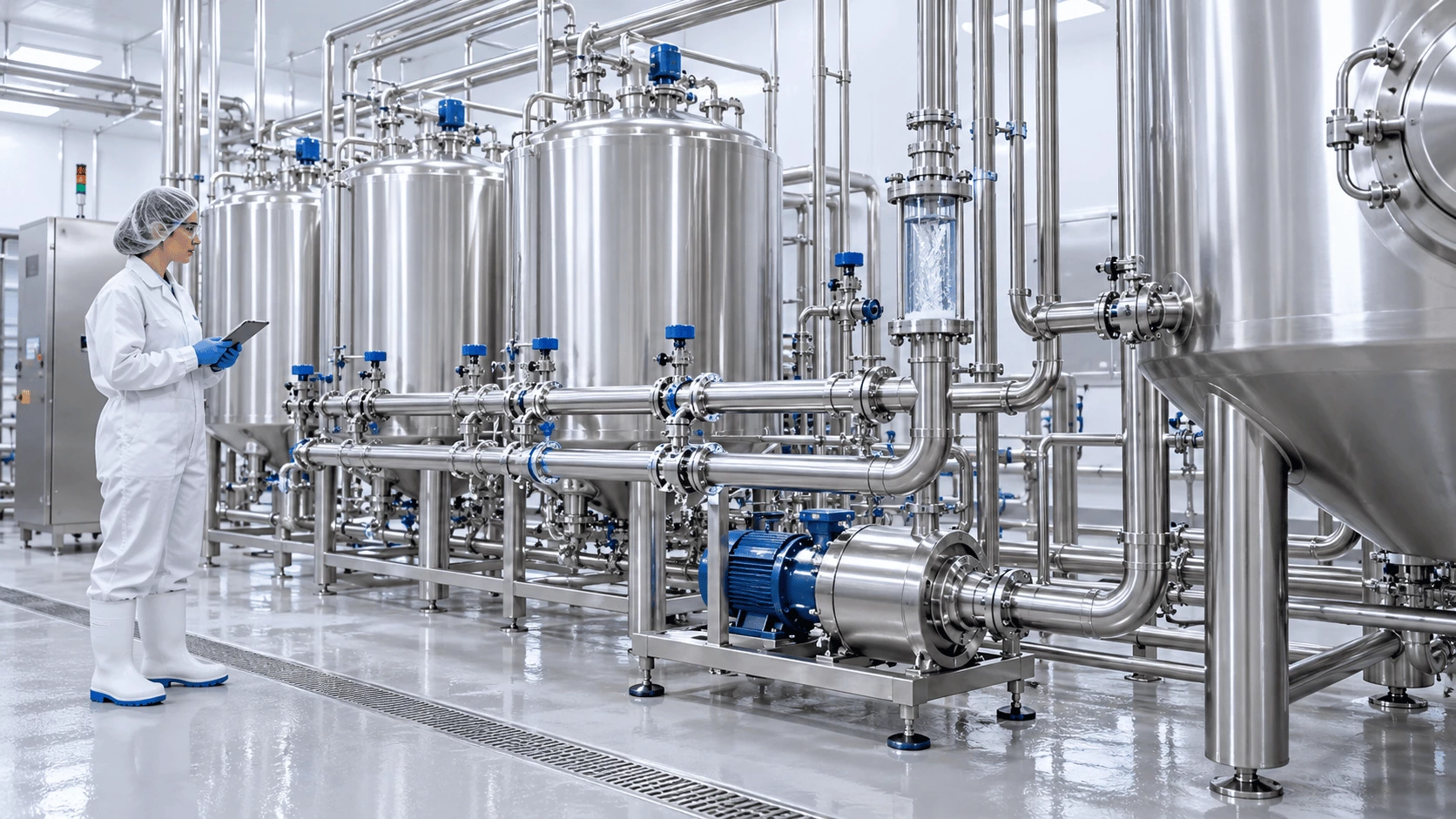
Production Efficiency
Real-time process monitoring helps manufacturers improve productivity and reduce operational costs.
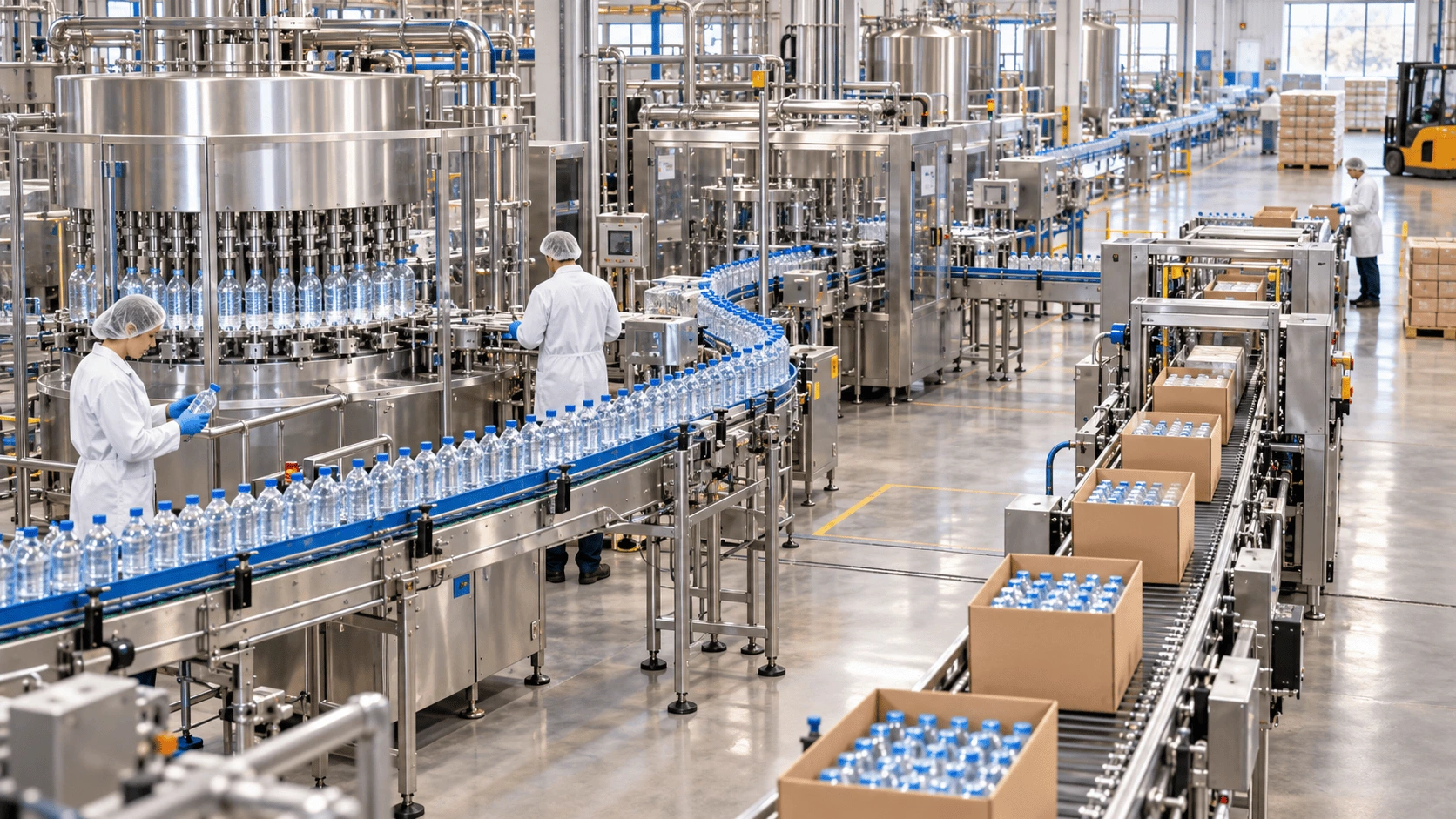
Energy Management
Accurate measurement of water, steam, and energy consumption supports sustainable production.
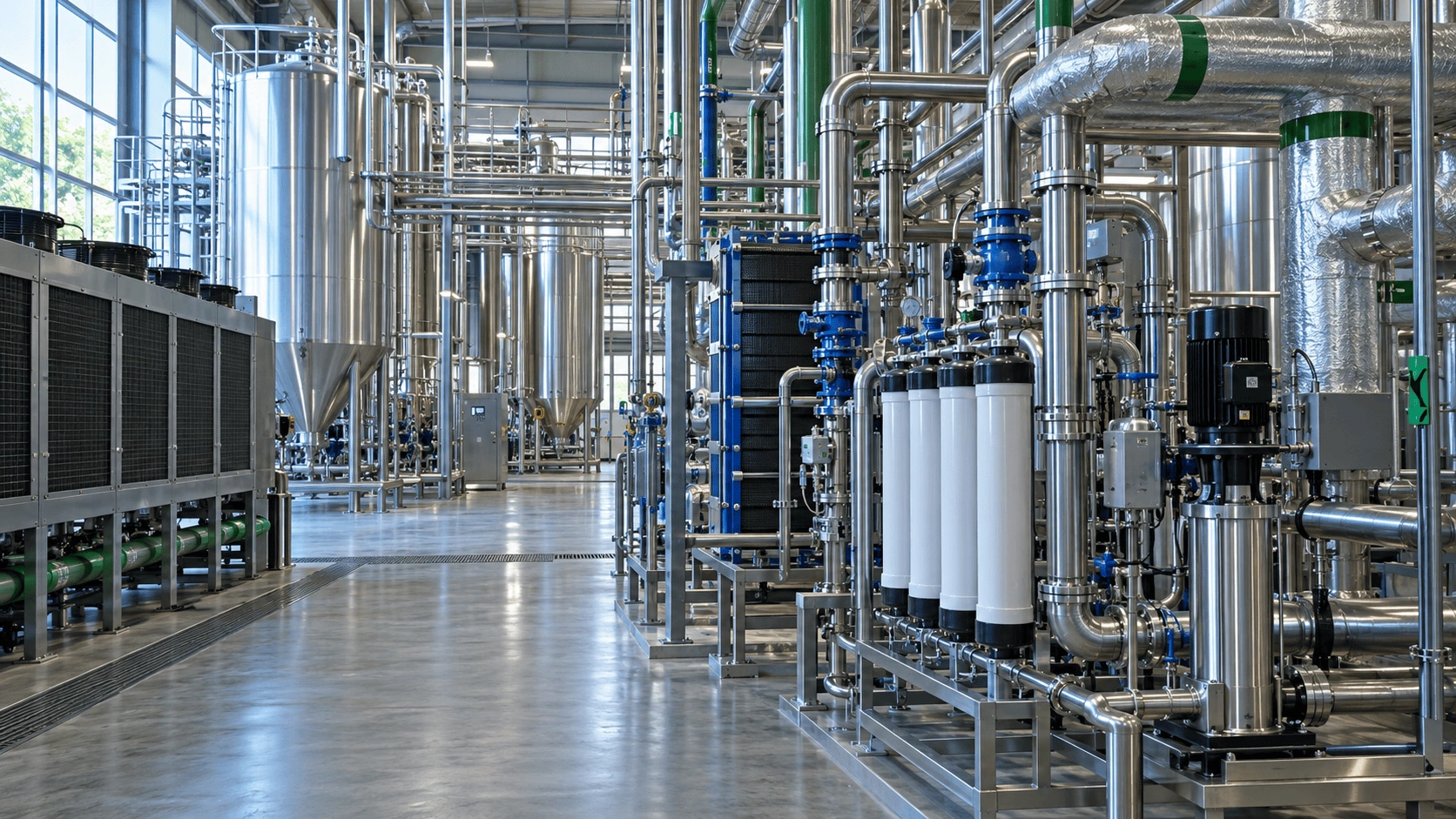
Improve Your Food & Beverage Production Efficiency
Explore every stage of food and beverage production and discover reliable instrumentation solutions that ensure hygienic processing, consistent product quality, and efficient manufacturing.
Raw Material Receiving & Storage
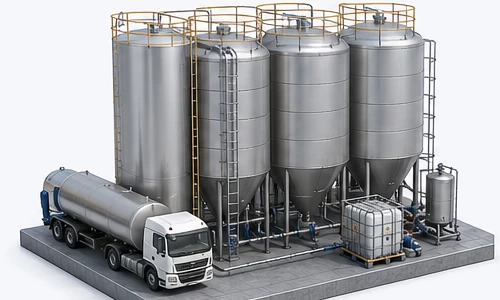
Mixing & Ingredient Dosing
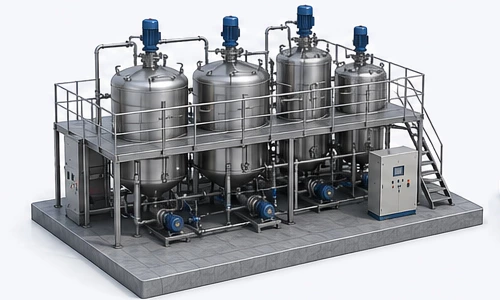
Processing, Heating & Fermentation
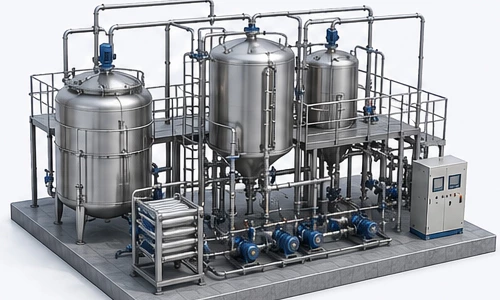
Filtration & Separation
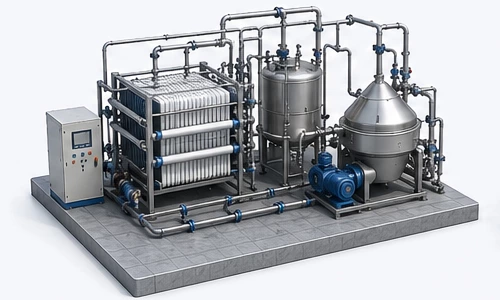
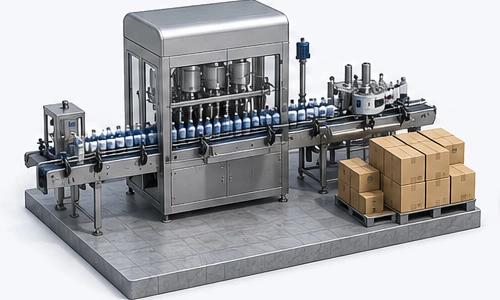
Filling, Packaging & Finished Product Storage
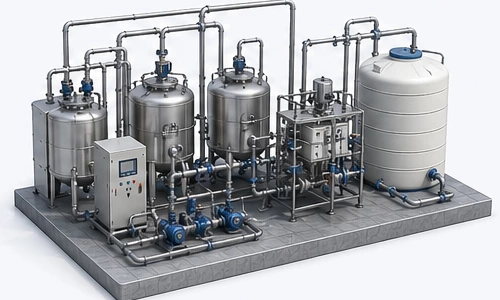
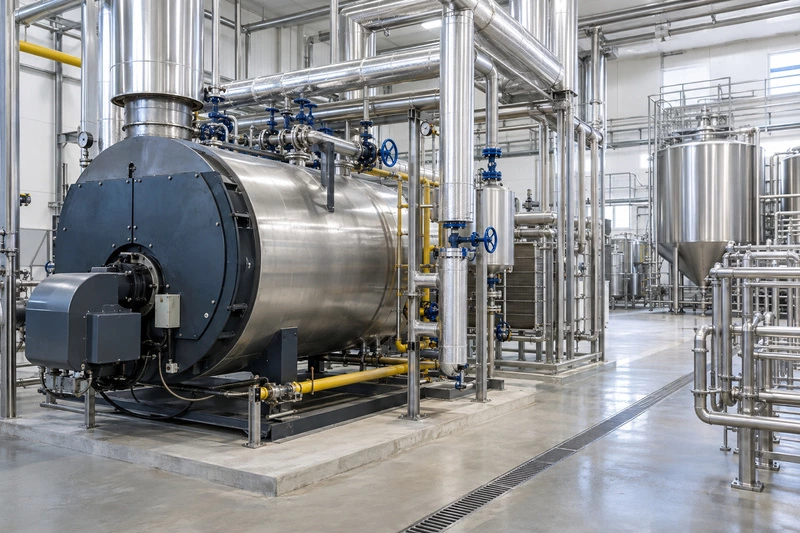
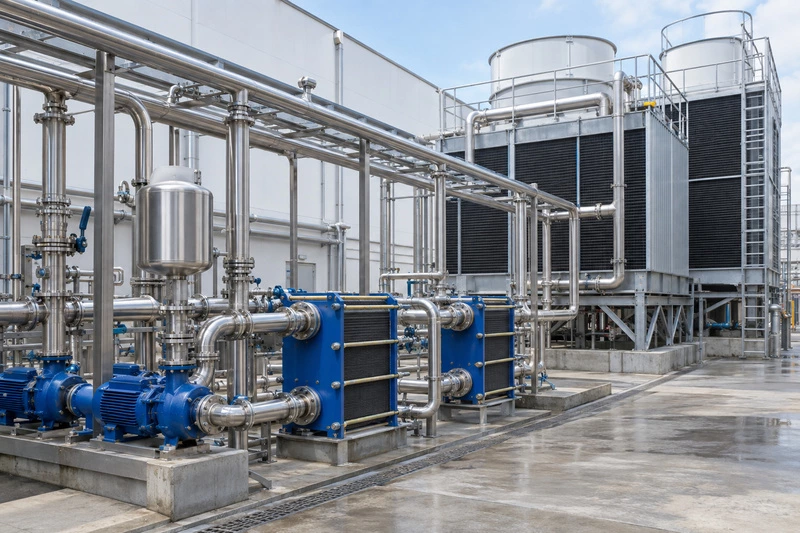
CIP Cleaning & Utility Systems
Process Overview
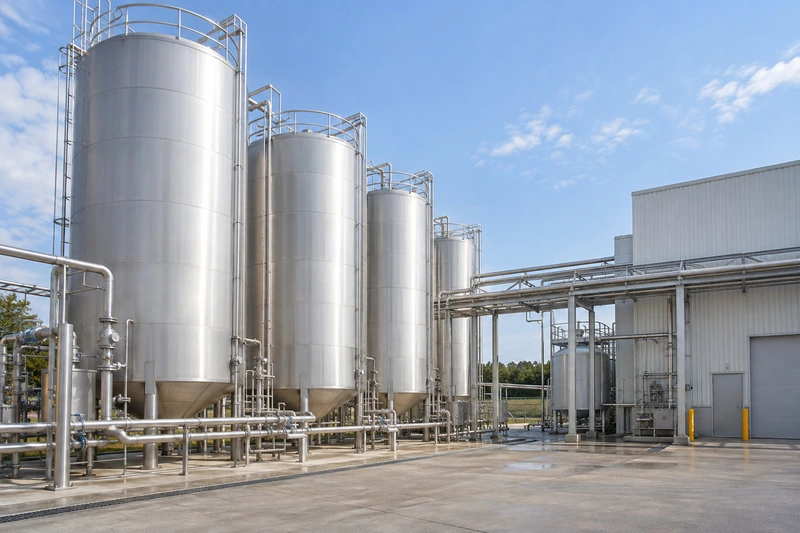
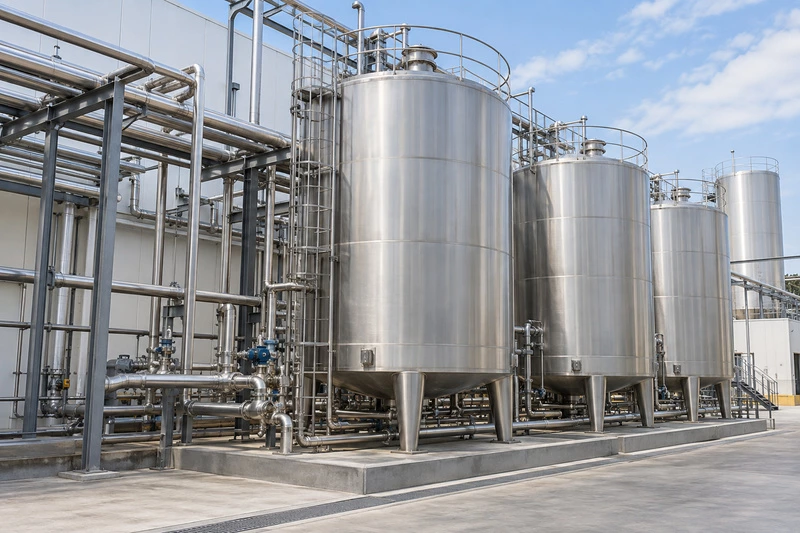
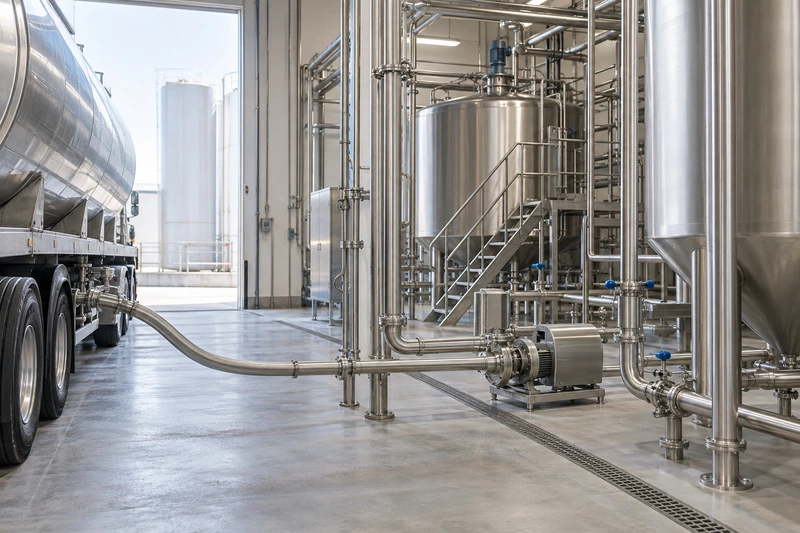
Raw materials such as water, milk, syrup, sugar, edible oils, and food additives are received, stored, and monitored before entering the production process. Accurate level, temperature, and pressure measurement helps ensure inventory control, product freshness, and production continuity.
Typical Applications
Process Overview
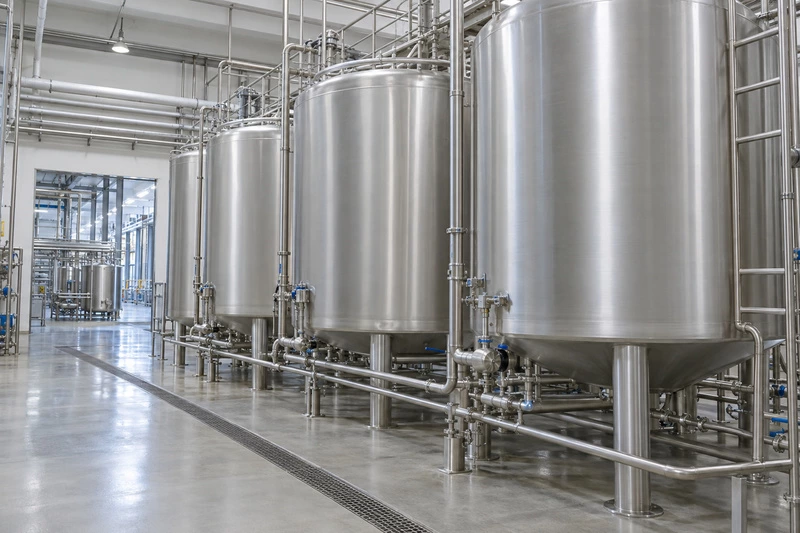
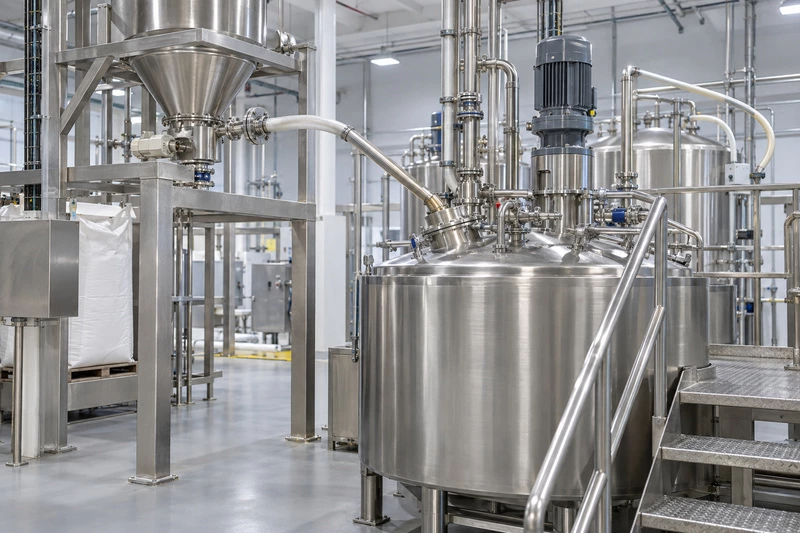
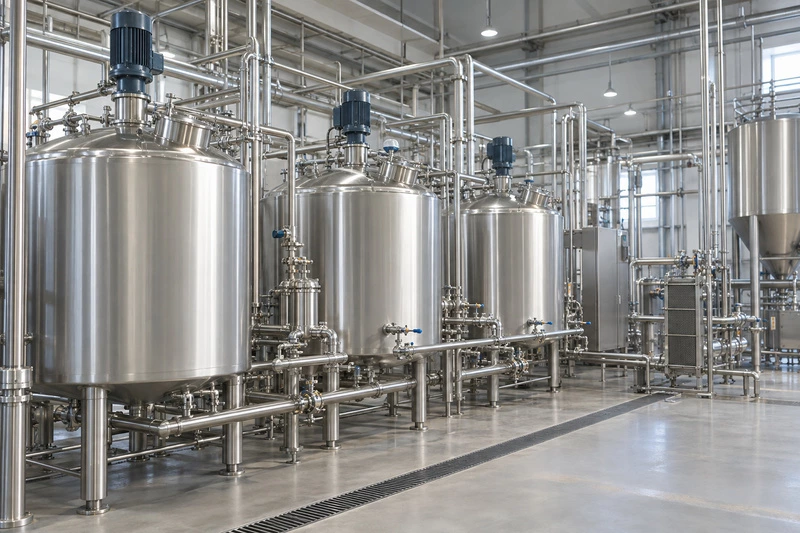
Ingredients are accurately measured, mixed, and dosed according to production recipes. Reliable flow and mass measurement ensures batch consistency, reduces raw material waste, and improves final product quality.
Typical Applications
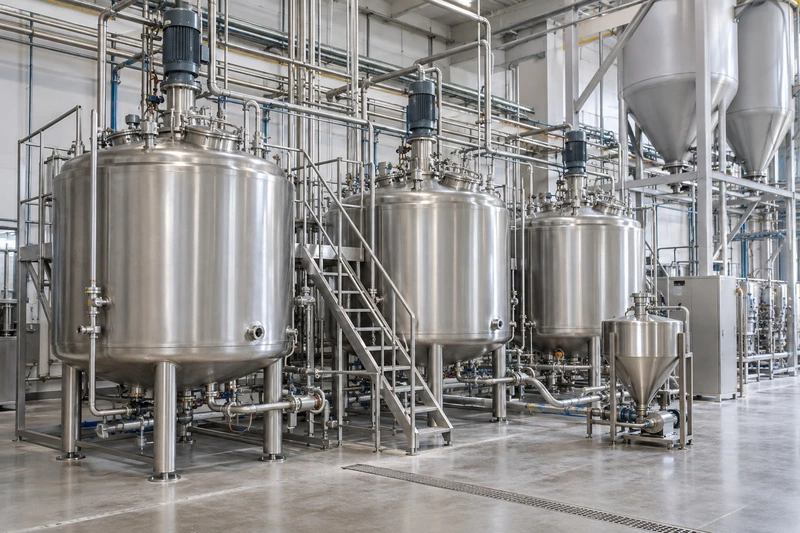
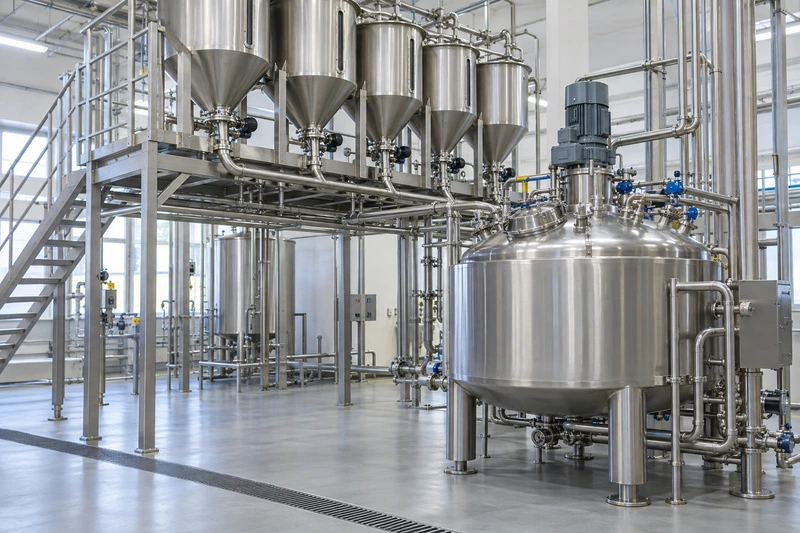
Process Overview
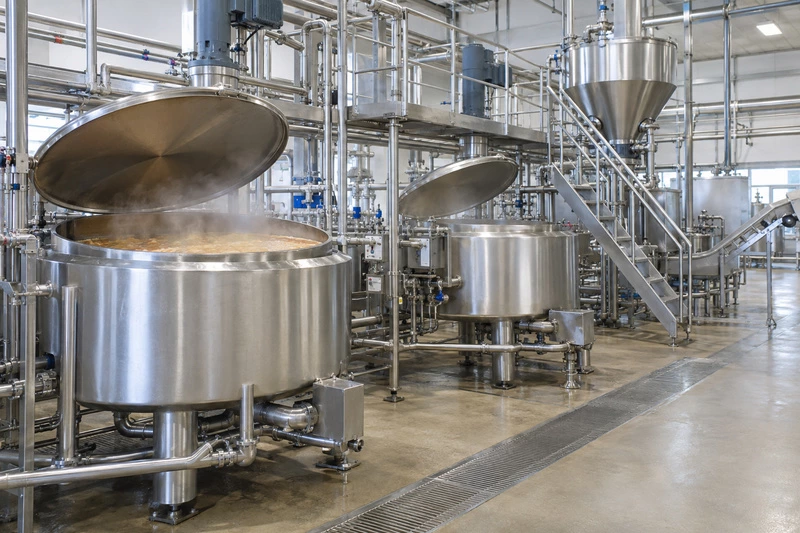
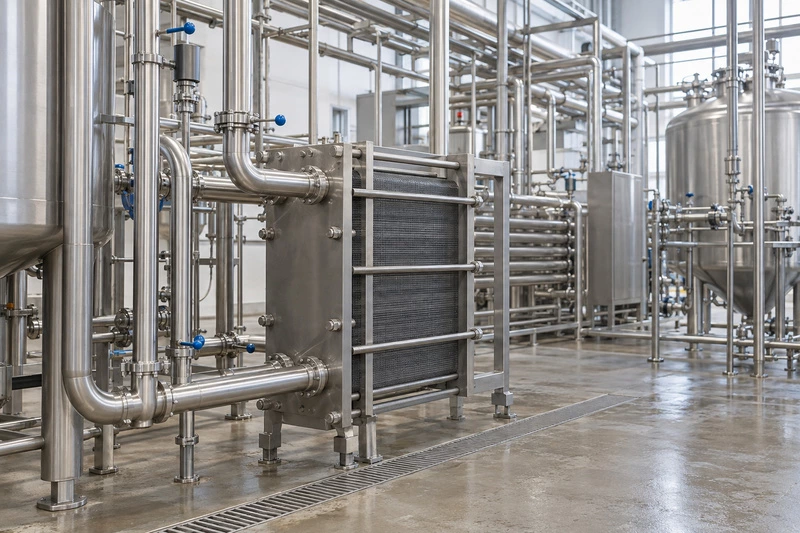
During heating, pasteurization, fermentation, cooking, or other processing stages, continuous monitoring of temperature, pressure, pH, and level ensures stable production conditions and consistent product quality.
Typical Applications
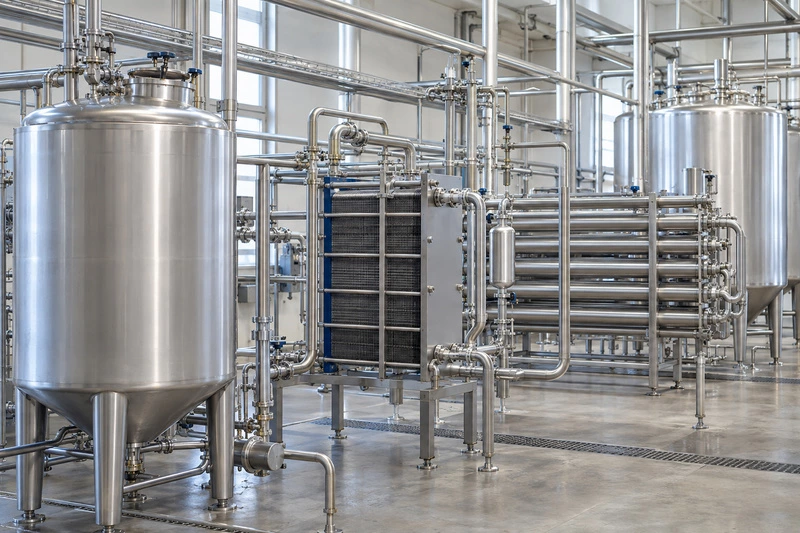
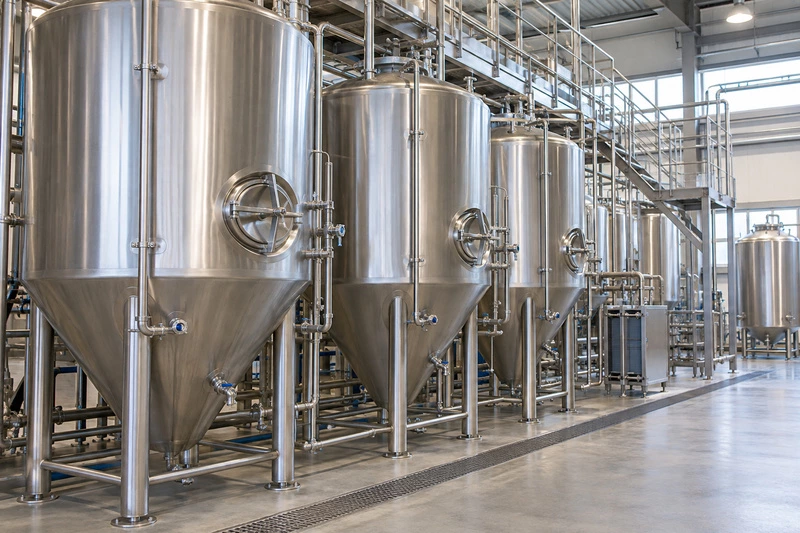
Process Overview
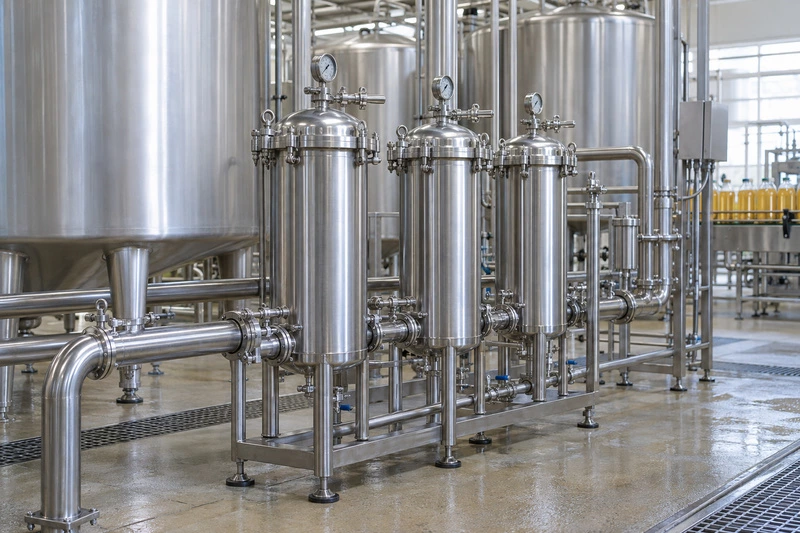
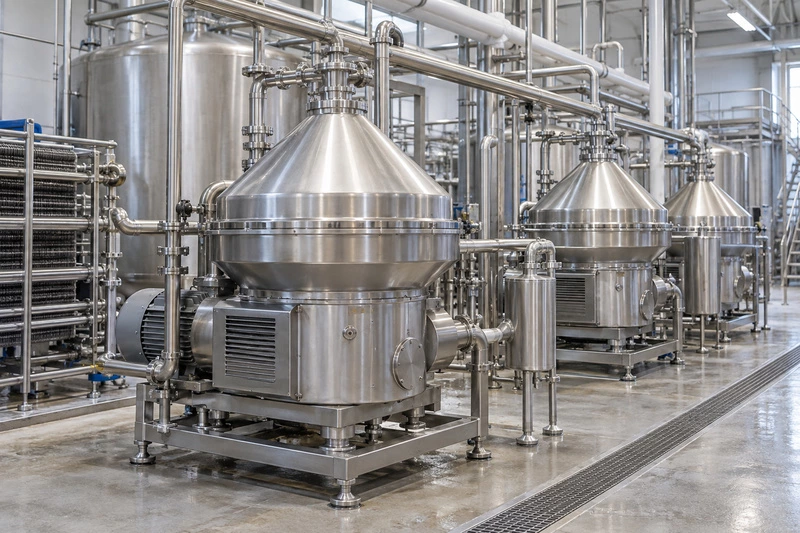
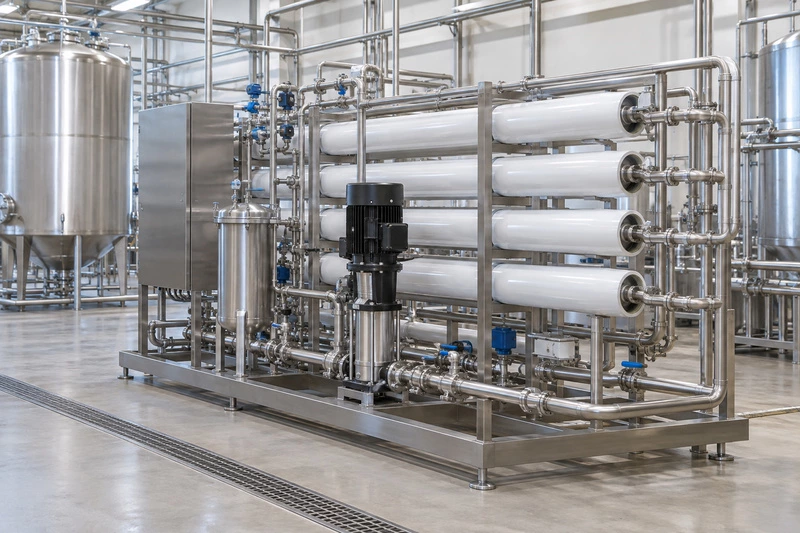
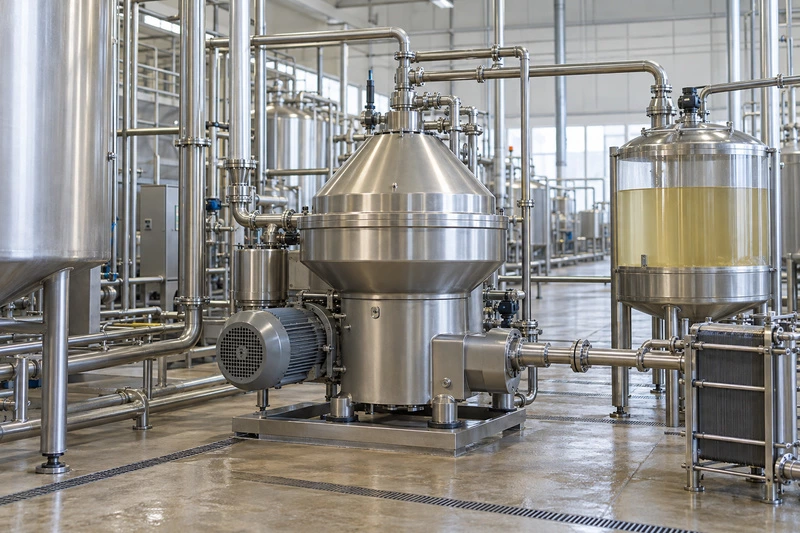
Filtration and separation processes remove impurities, improve product clarity, and maintain product consistency. Accurate process monitoring enhances filtration efficiency while minimizing production losses.
Typical Applications
Process Overview
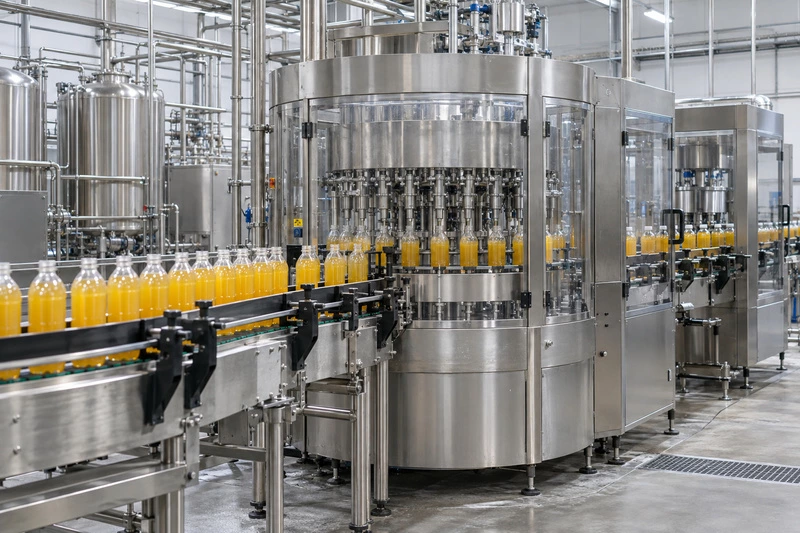
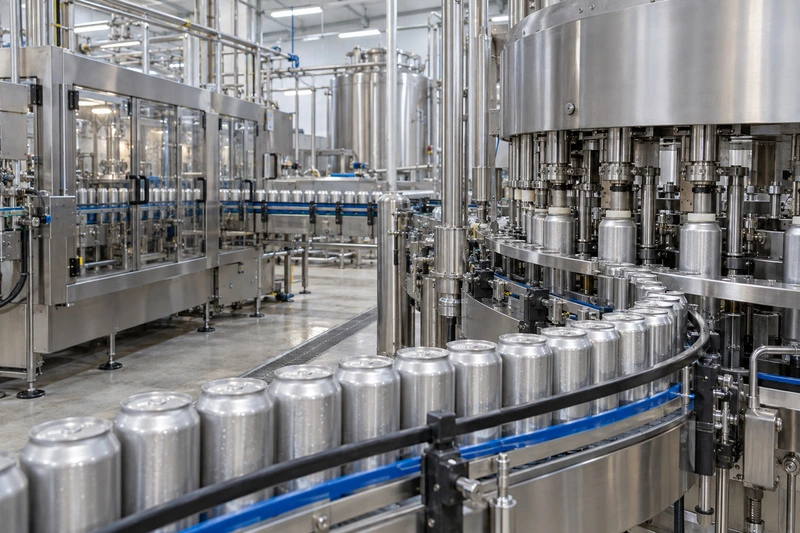
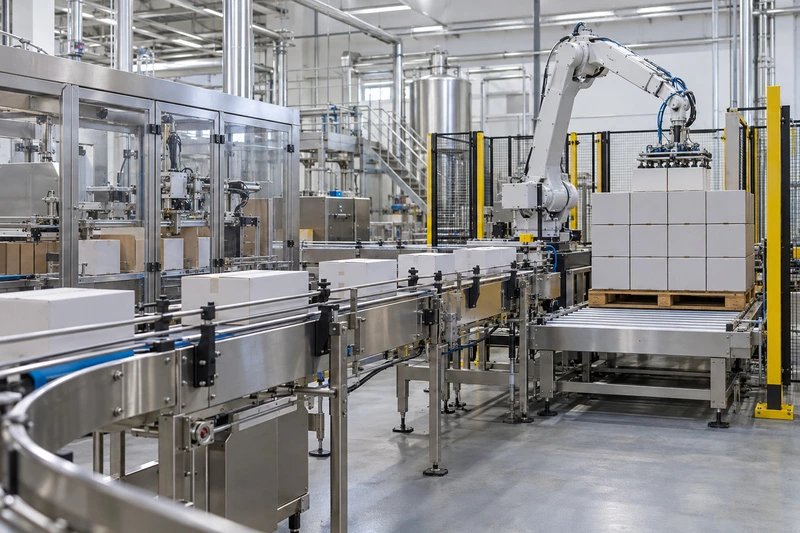
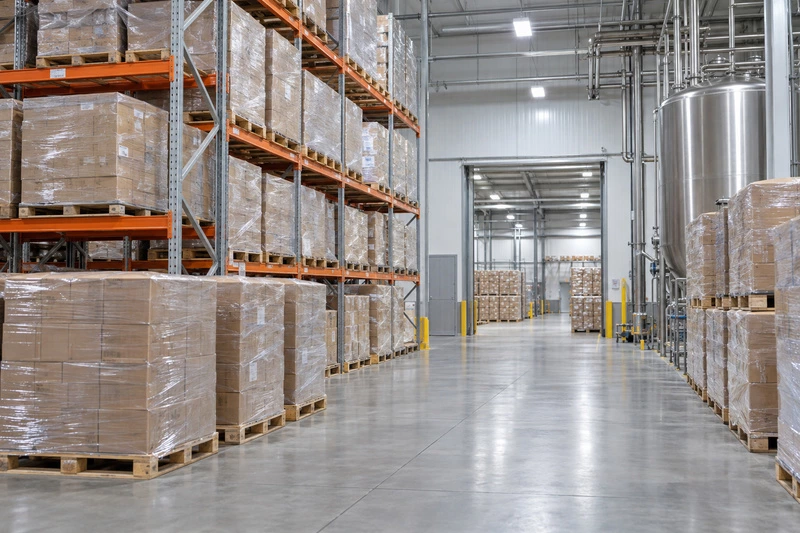
Finished products are accurately filled, packaged, and stored before shipment. Reliable measurement improves filling accuracy, minimizes product waste, and ensures stable packaging line performance.
Typical Applications
Process Overview
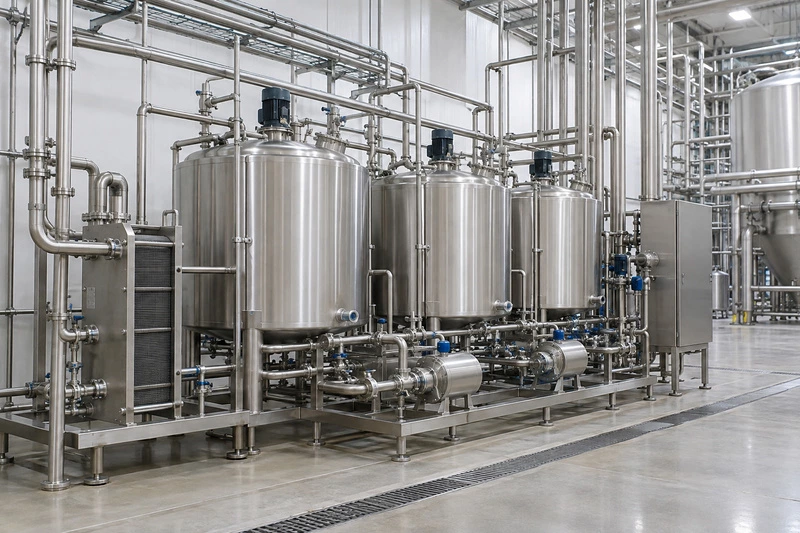
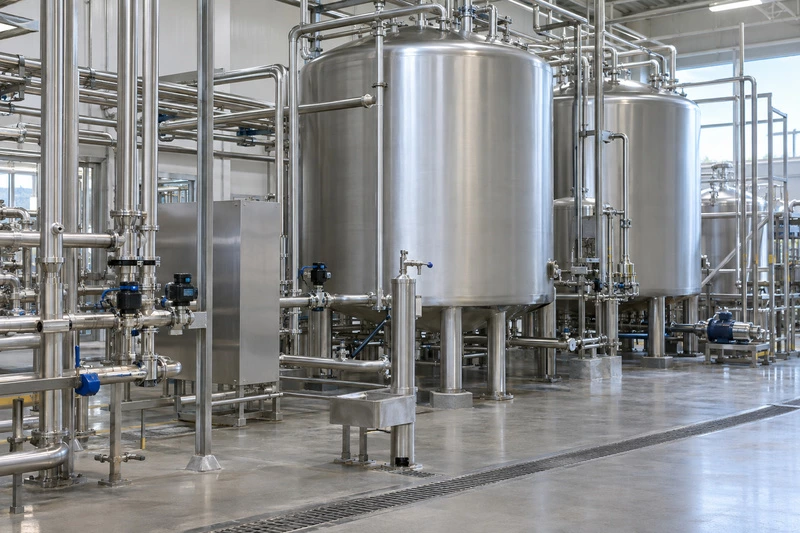
Cleaning-In-Place (CIP) systems and plant utilities maintain hygienic production conditions while optimizing water, steam, and chemical consumption. Continuous monitoring improves cleaning efficiency and reduces operating costs.
Typical Applications
Complete Food & Beverage Solutions
Partner with Supmea to improve process control, food safety, and production efficiency through reliable industrial instrumentation.
Industry Solution
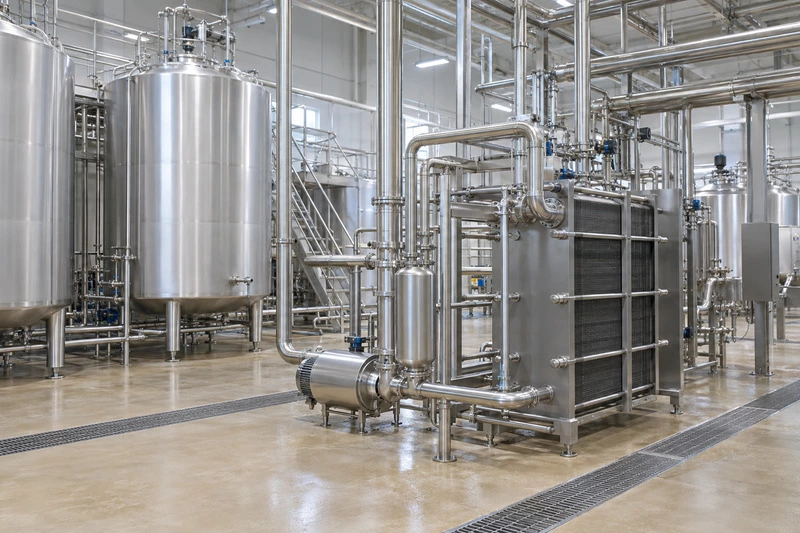
Dairy Processing
Reliable measurement solutions for milk processing, yogurt production, cheese manufacturing, and other dairy applications, ensuring hygienic operation and consistent product quality.
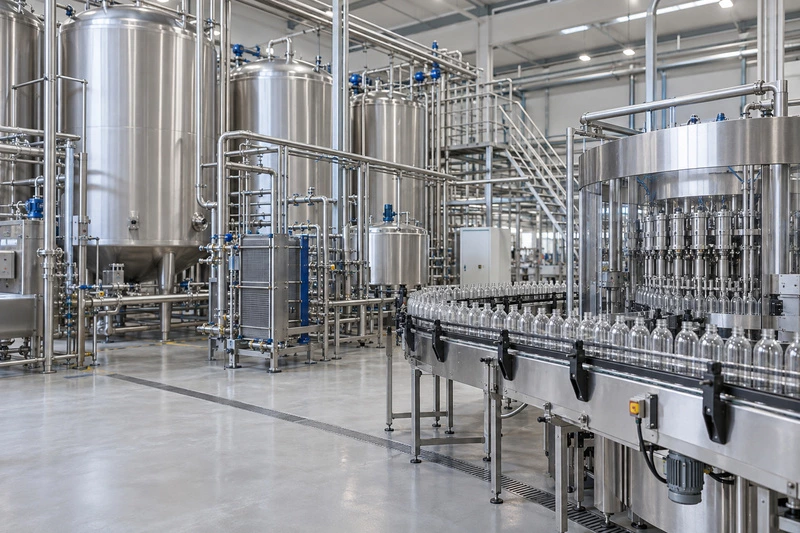
Beverage Production
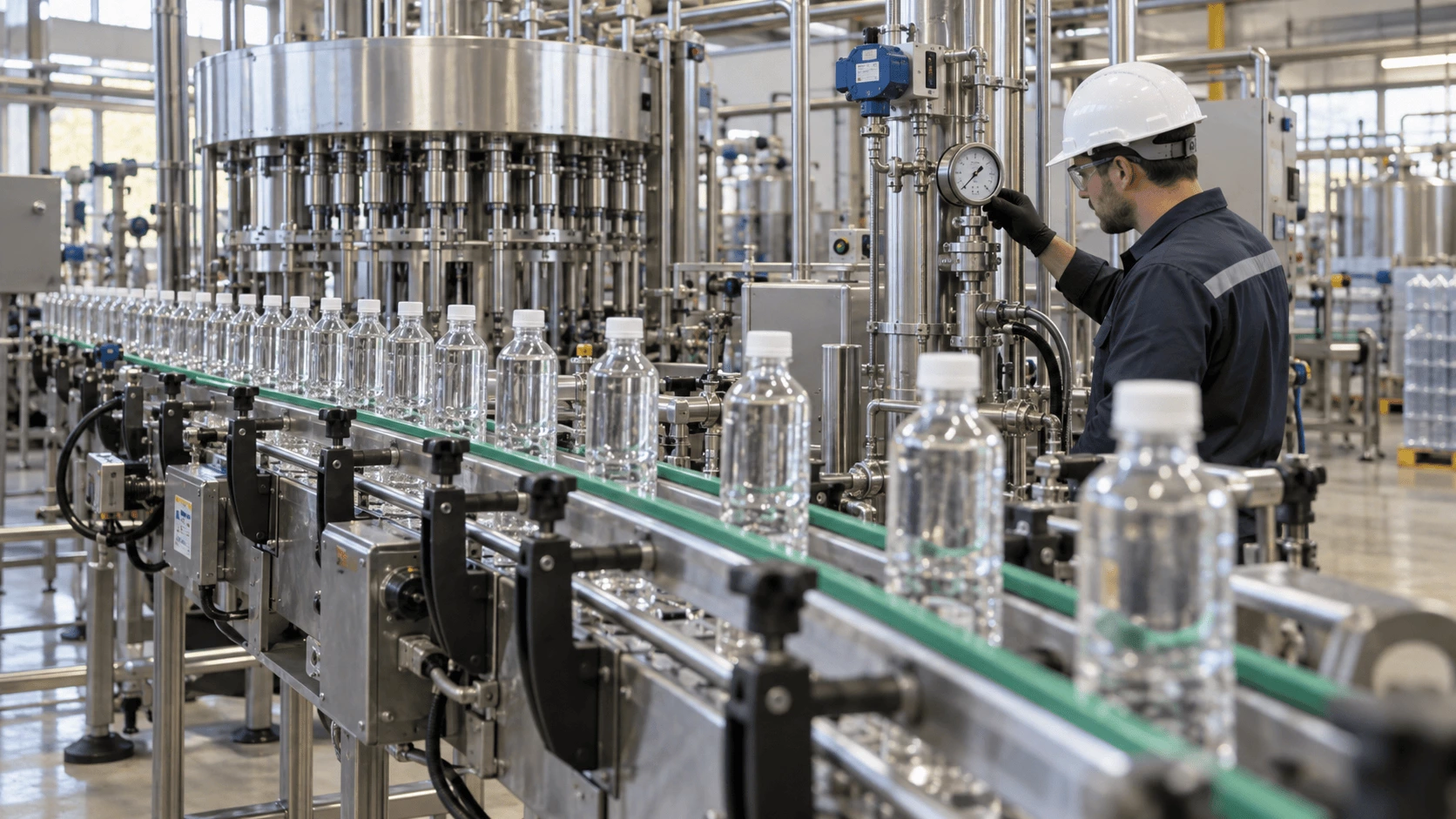
Accurate flow, level, and temperature measurement for soft drinks, bottled water, juices, carbonated beverages, and functional drinks.
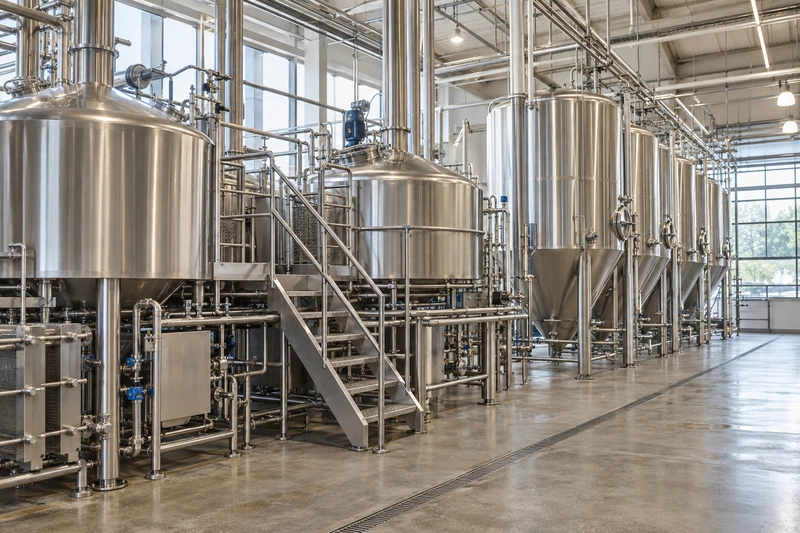
Brewing & Distilling
Precision instrumentation for brewing, fermentation, distillation, and alcohol production to improve product consistency and process efficiency.
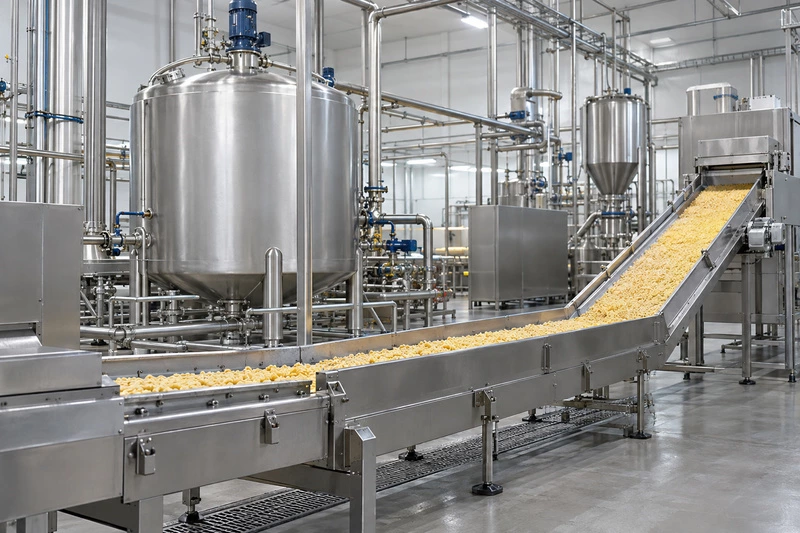
Food Manufacturing
Comprehensive measurement solutions for processed foods, sauces, edible oils, seasonings, and prepared food production.
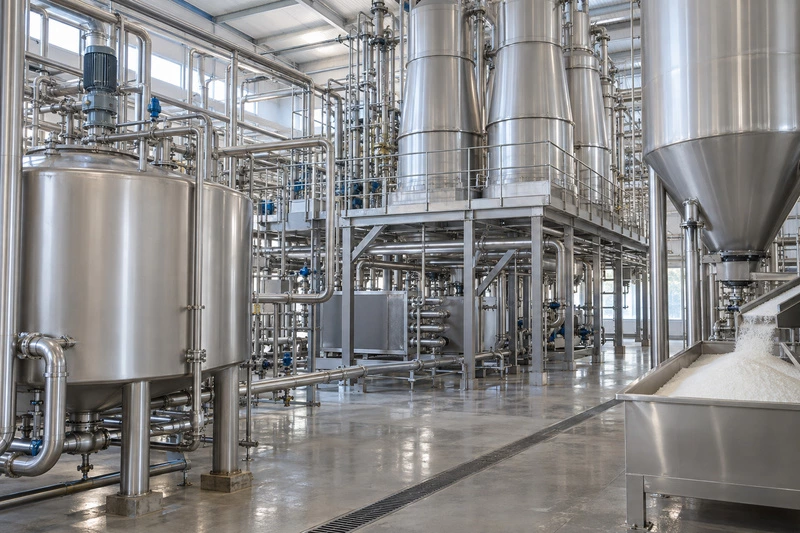
Sugar & Sweetener Processing
Improve production efficiency and product consistency with reliable measurement solutions for sugar refining, syrup preparation, and sweetener manufacturing.
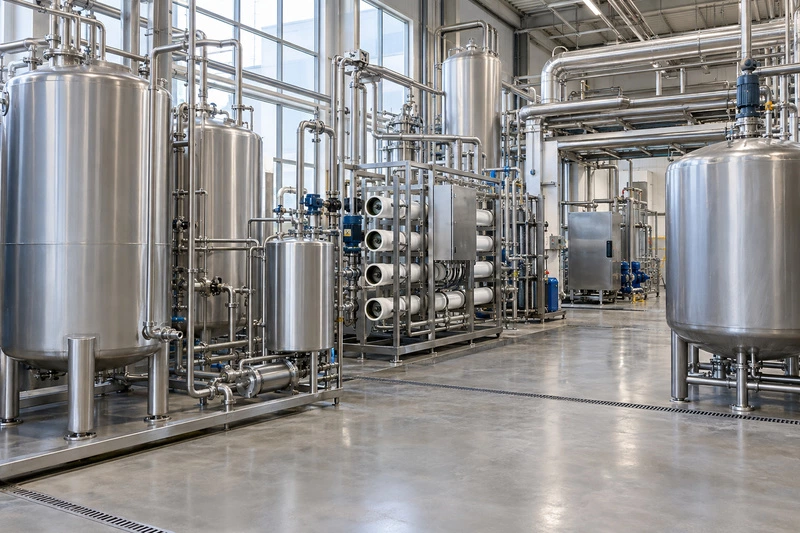
Utilities & Water Management
Optimize utility systems including process water, steam, cooling, CIP, and wastewater treatment to improve operational efficiency and sustainability.
Featured Products
Explore Supmea's instrumentation portfolio designed for hygienic processing, accurate measurement, and efficient food production.
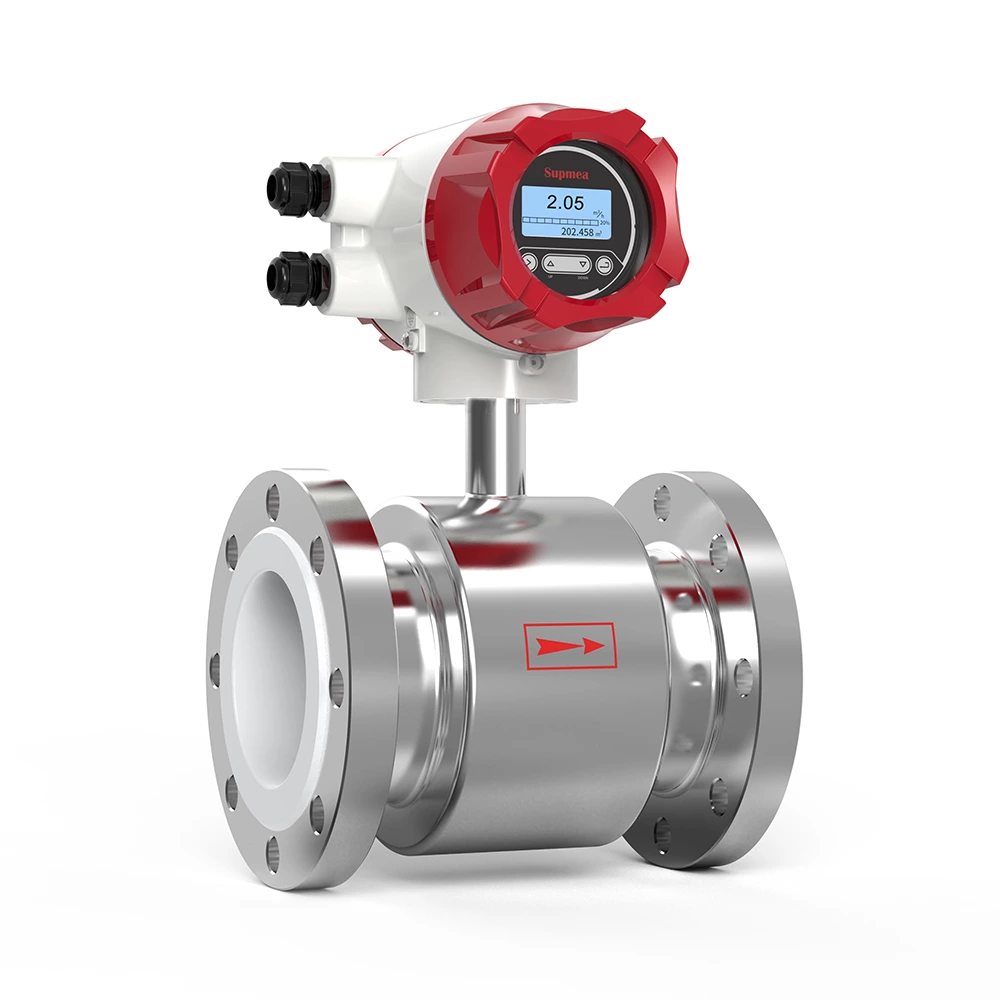
SUP-LDG Stainless steel body electromagnetic flowmeter
View Products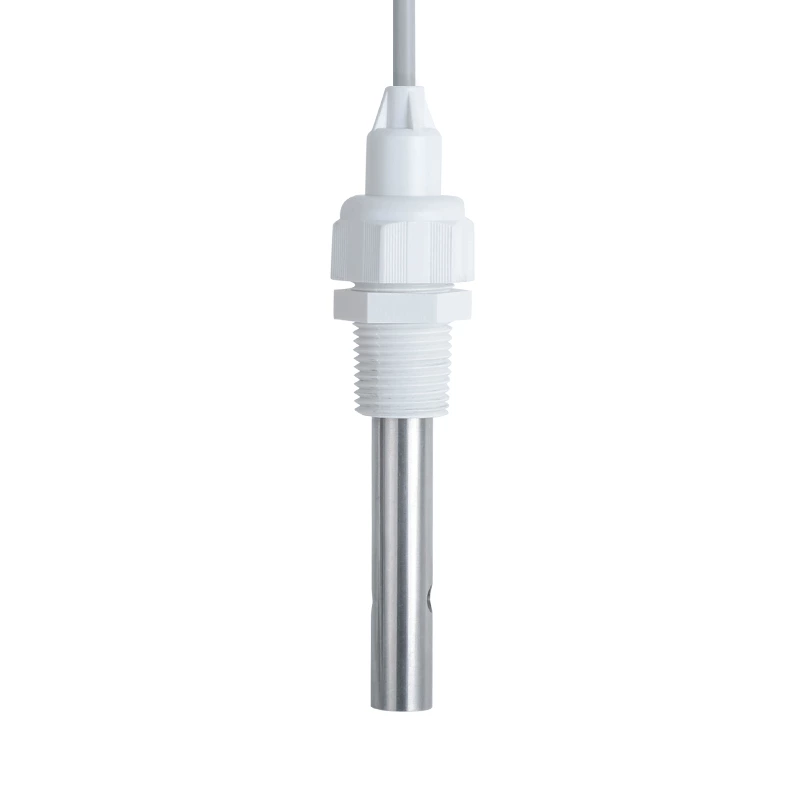
SUP-TDS6012 Conductivity sensor
View Products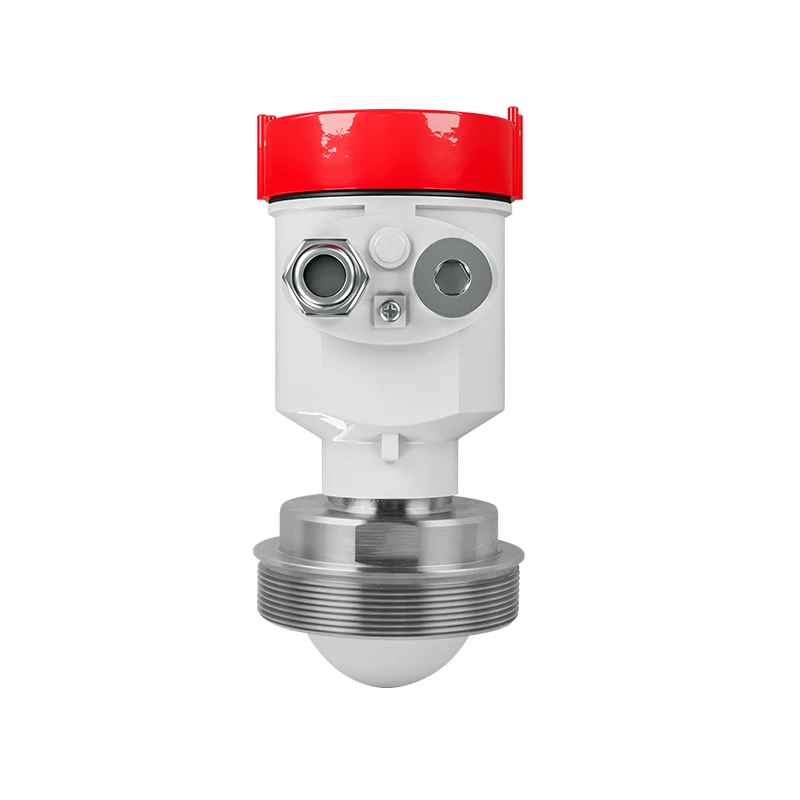
WSR550 76-81GHz Radar Level Transmitter | FMCW Millimeter-Wave Sensor
View Products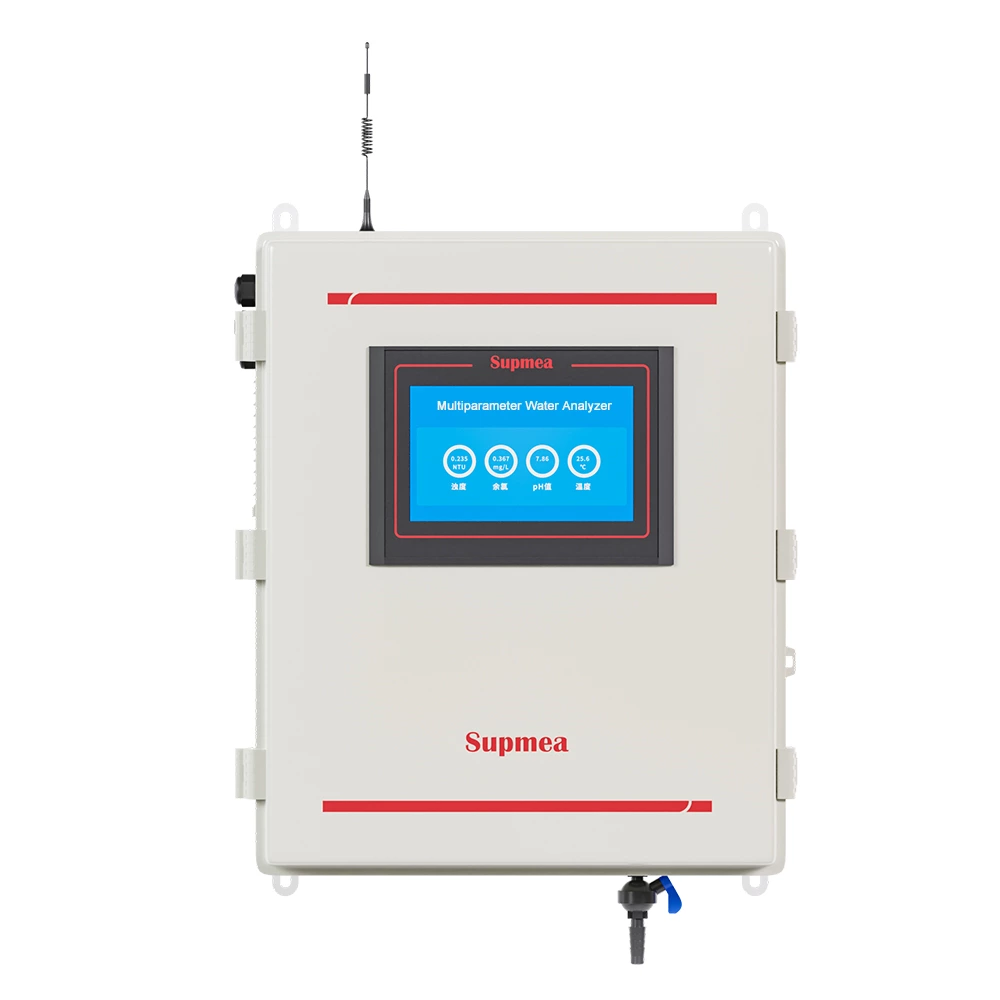
SUP-MPP500 Economy Multi-parameter Water Analyzer
View Products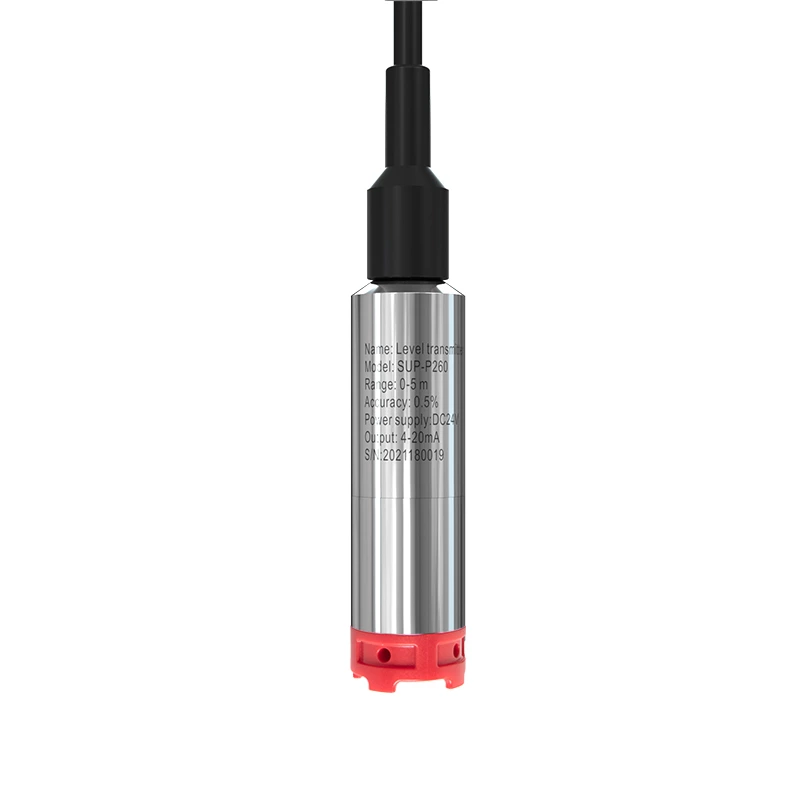
SUP-P260-B Submersible level meter
View ProductsSuccess Stories
Discover how food and beverage manufacturers improve production quality, efficiency, and sustainability with Supmea measurement solutions.
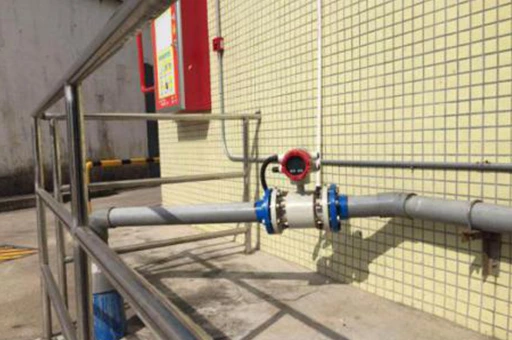
Case of Guangzhou Guangweiyuan Food Co., Ltd.
Case of Guangdong Jianlibao Group Co., Ltd.
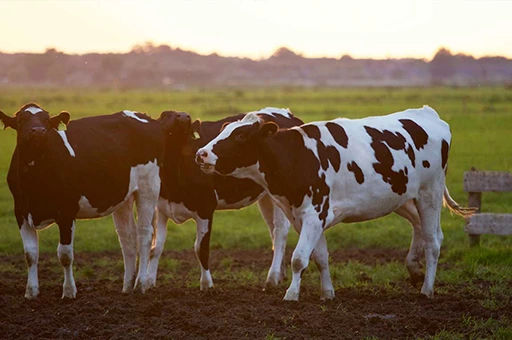
Dairy production
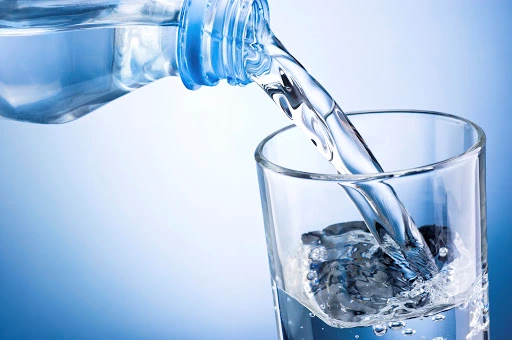
Pure water production & application
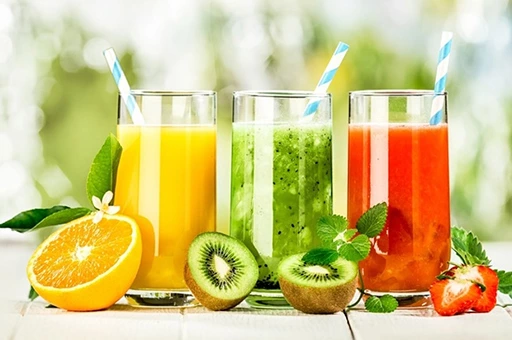
Flow measurement in juice process
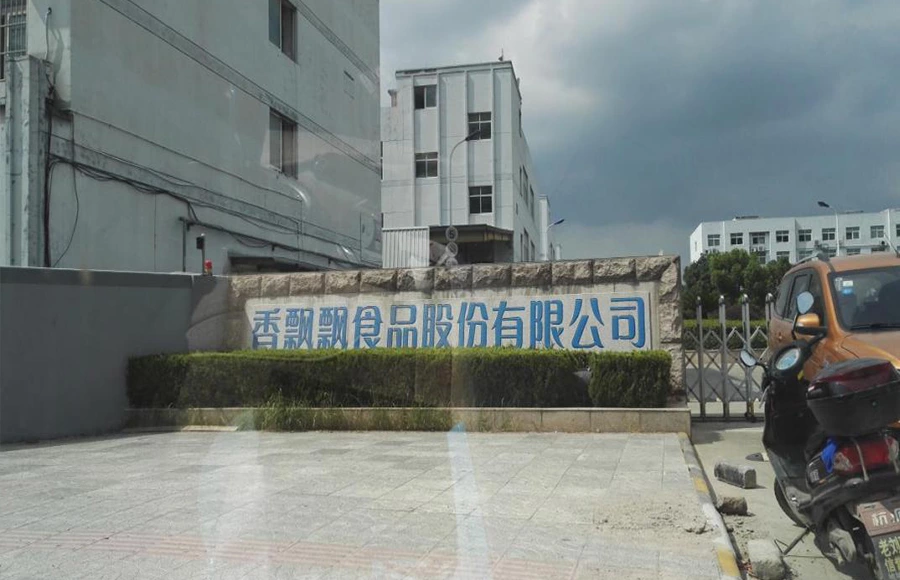
Zhejiang Xiangpiaopiao Food Co., Ltd.
Consistent Product Quality
Supmea provides reliable measurement solutions that help food and beverage manufacturers achieve safer production, consistent quality, and operational excellence.
Hygienic Measurement Solutions
Designed for food-grade applications with reliable performance in demanding production environments.
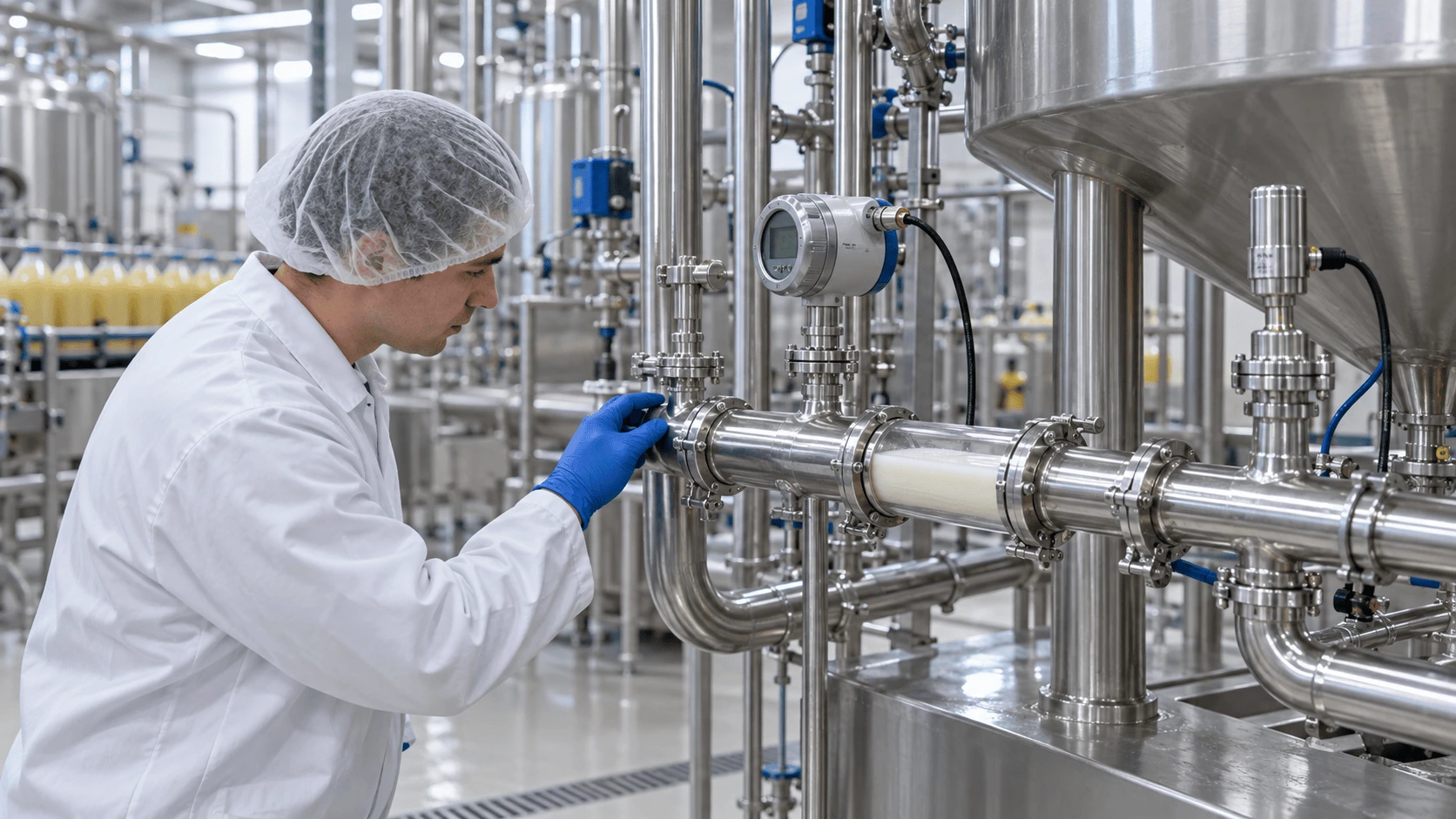
Complete Process Instrumentation
One-stop solutions covering flow, level, pressure, temperature, and water quality measurement.
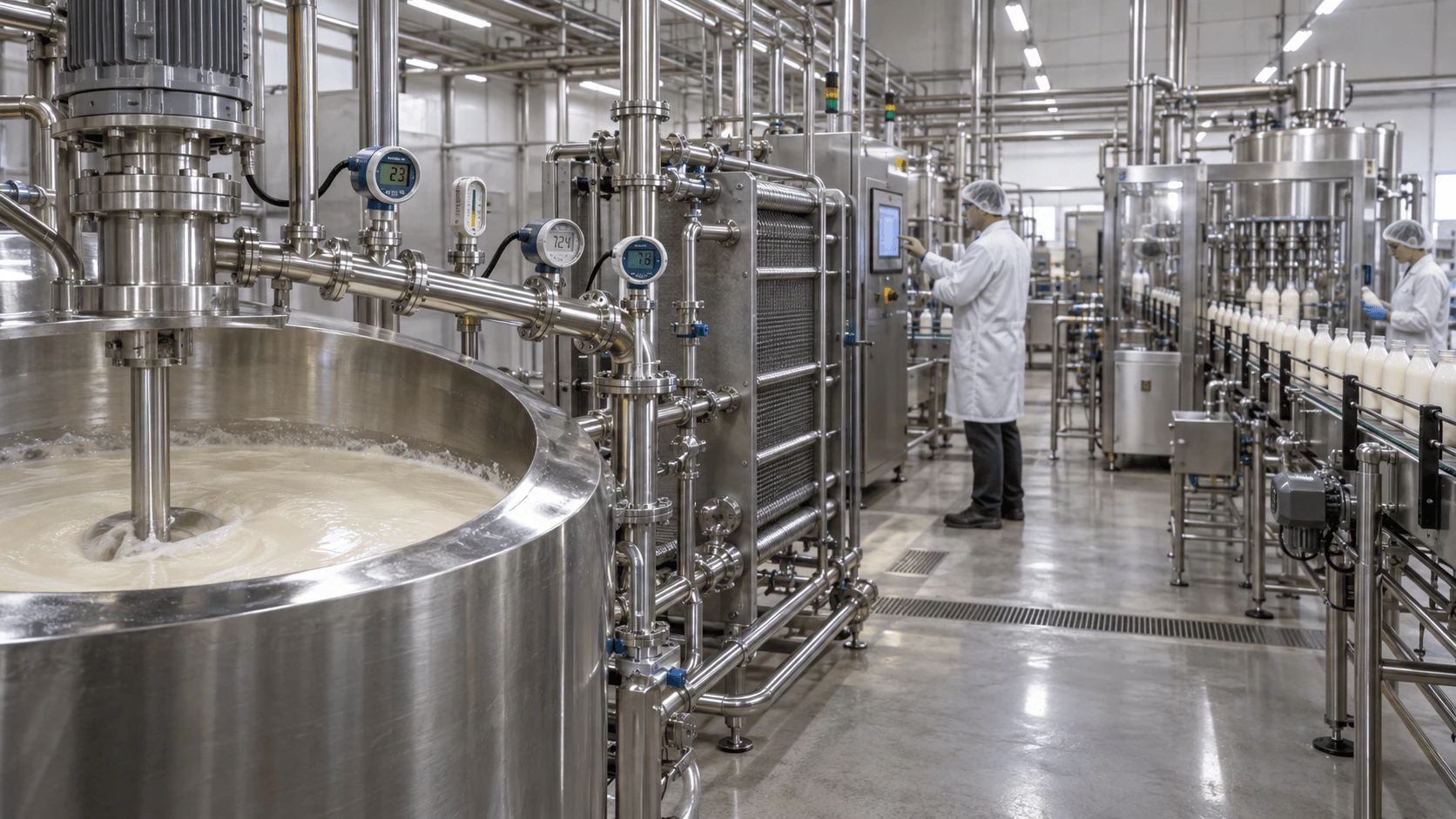
Accurate Quality Control
Precise measurement ensures consistent product quality and production stability.
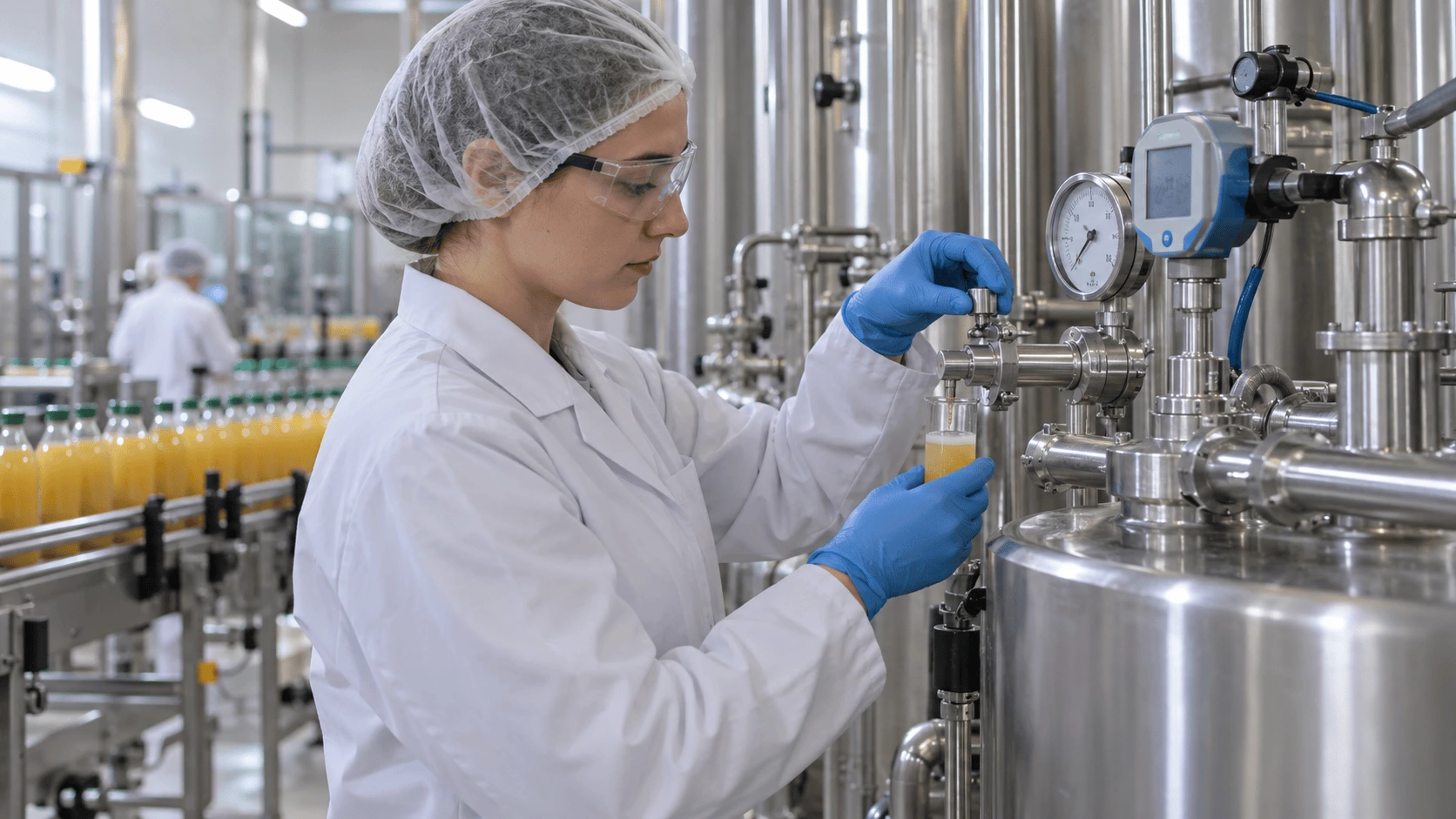
Flexible Application Experience
Supporting diverse applications from beverage production to dairy and food processing.
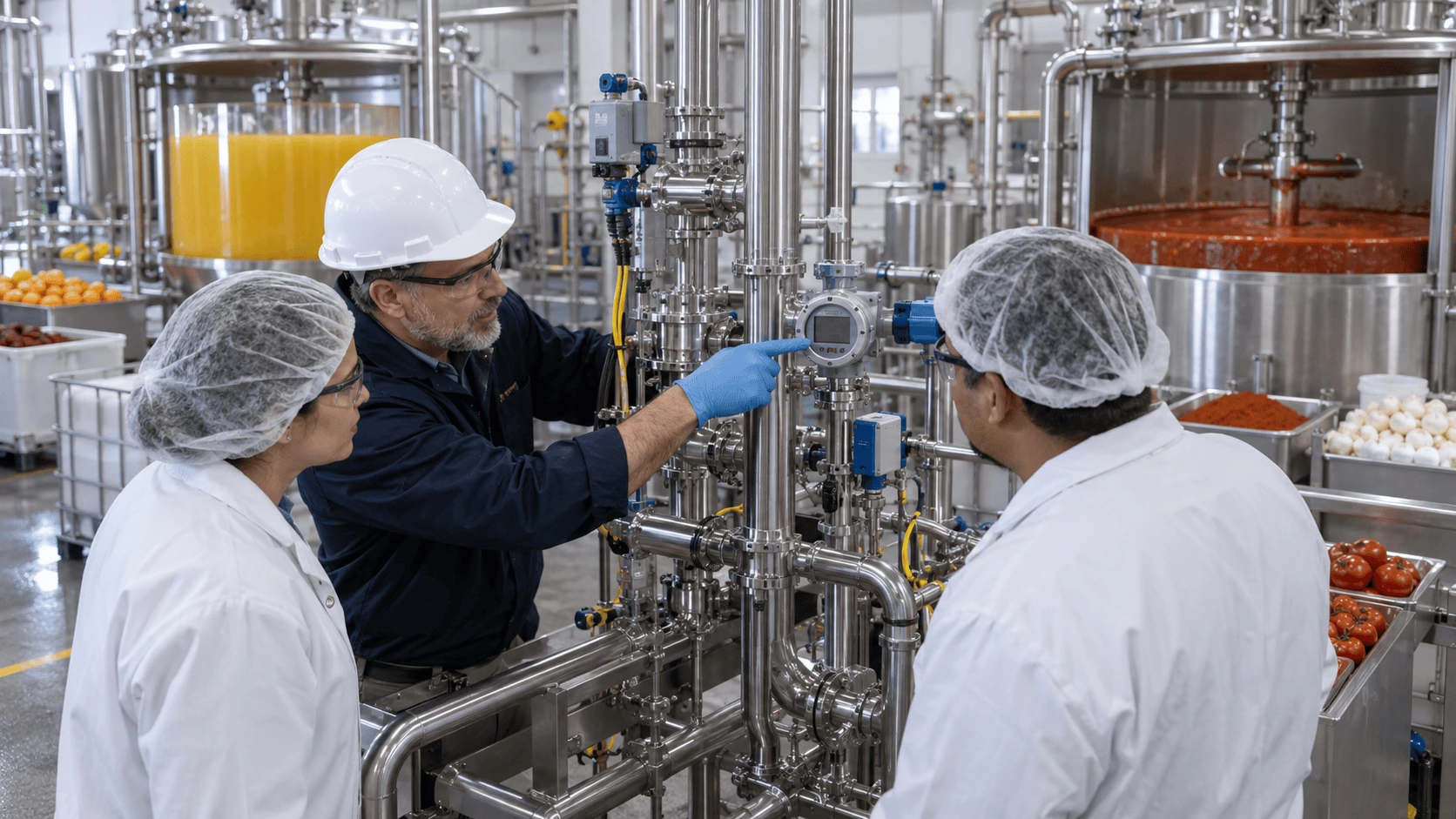
Global Technical Support
Professional assistance from product selection to application implementation.
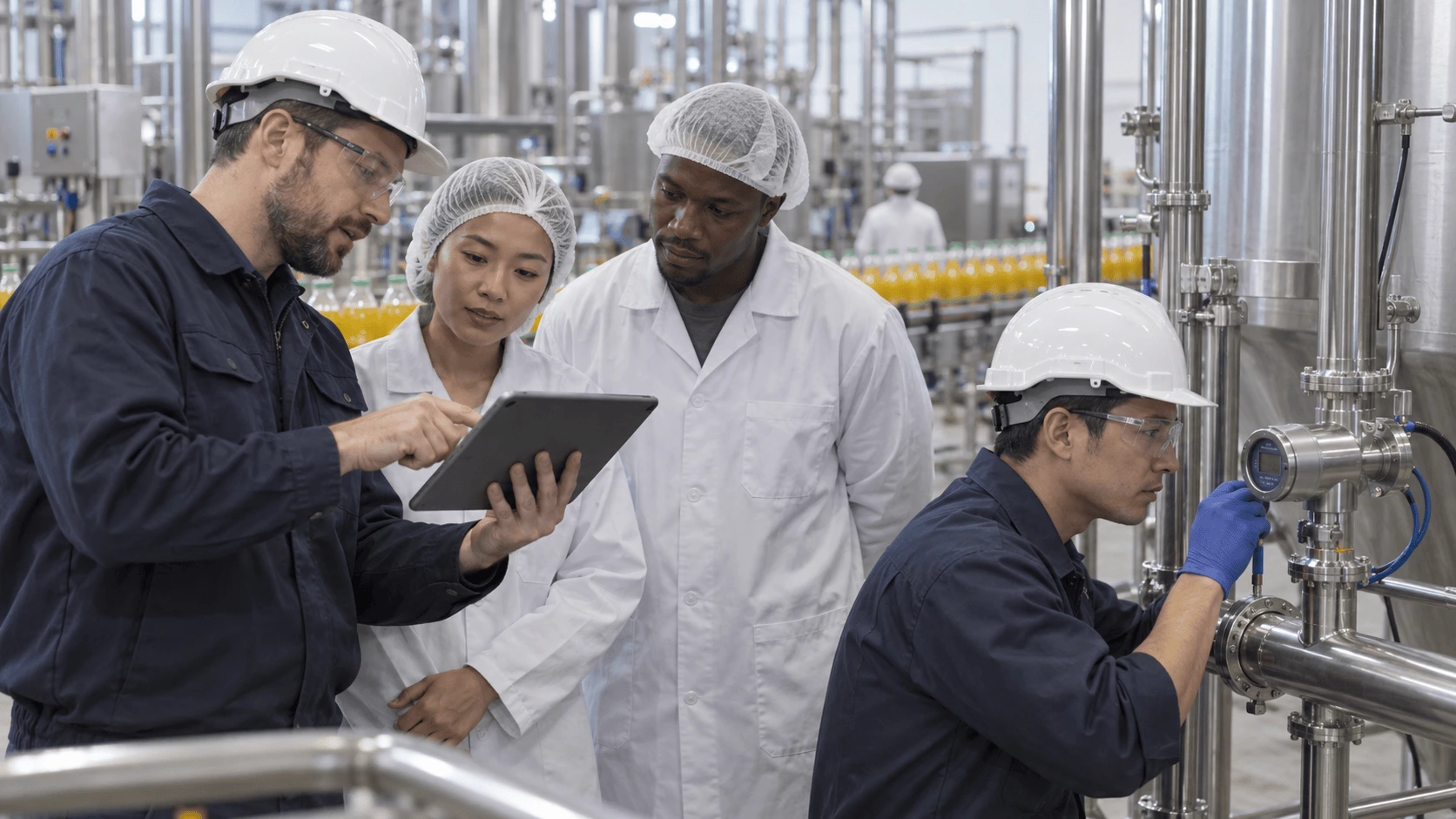
Cost-Effective Industrial Solutions
Reliable performance with competitive ownership costs for global manufacturers
Frequently Asked Questions
What flow meter technology is suitable for sanitary applications like milk or beer?
Sanitary electromagnetic flow meters with Tri-Clamp connections are the standard. They offer a crevice-free design that prevents bacteria growth, are 3-A or EHEDG compliant, and can withstand CIP/SIP cleaning cycles.
Can process sensors withstand Clean-in-Place (CIP) and Steam-in-Place (SIP) processes?
Yes, sensors designed for F&B are built to endure rapid temperature changes (thermal shock) and high temperatures (up to 130°C+) used in CIP/SIP. High-temperature versions of pressure and level transmitters should be selected for these applications.
How can tank level be measured when an agitator or mixer is present?
Non-contact radar level transmitters are the optimal choice. They can be configured to "map out" and ignore false echoes from moving agitator blades. Alternatively, installing the sensor in a bypass chamber or stilling well isolates it from the turbulence.
Which sensor is best for measuring the concentration of cleaning solutions in CIP lines?
Inductive conductivity sensors are ideal for CIP lines. Unlike contacting sensors, they use a toroidal coil design that resists fouling and accurately measures high-conductivity acid and caustic solutions used for cleaning.
How is the flow of viscous products like syrup or tomato paste measured?
Coriolis mass flow meters are the premium choice for high viscosity, as they measure mass directly and are unaffected by viscosity changes. For a more cost-effective solution, electromagnetic flow meters work well if the fluid is conductive.
What is the best way to monitor filter integrity in beverage production?
Differential pressure (DP) transmitters are used to monitor the pressure drop across a filter. An increasing pressure difference indicates the filter is clogging and requires maintenance or replacement.
Are there pressure sensors available that do not trap food particles?
Yes, sanitary flush-diaphragm pressure transmitters are designed with the diaphragm flush against the process connection (e.g., Tri-Clamp). This eliminates "dead legs" or cavities where food particles could get trapped and spoil.
How are accurate temperature readings ensured in a jacketed cooking tank?
Using a fast-response RTD (Pt100) sensor with a sanitary thermowell is standard practice. The thermowell protects the sensor and allows for removal without draining the tank, while a spring-loaded tip ensures positive contact for accurate heat transfer measurement.