Quick product selection
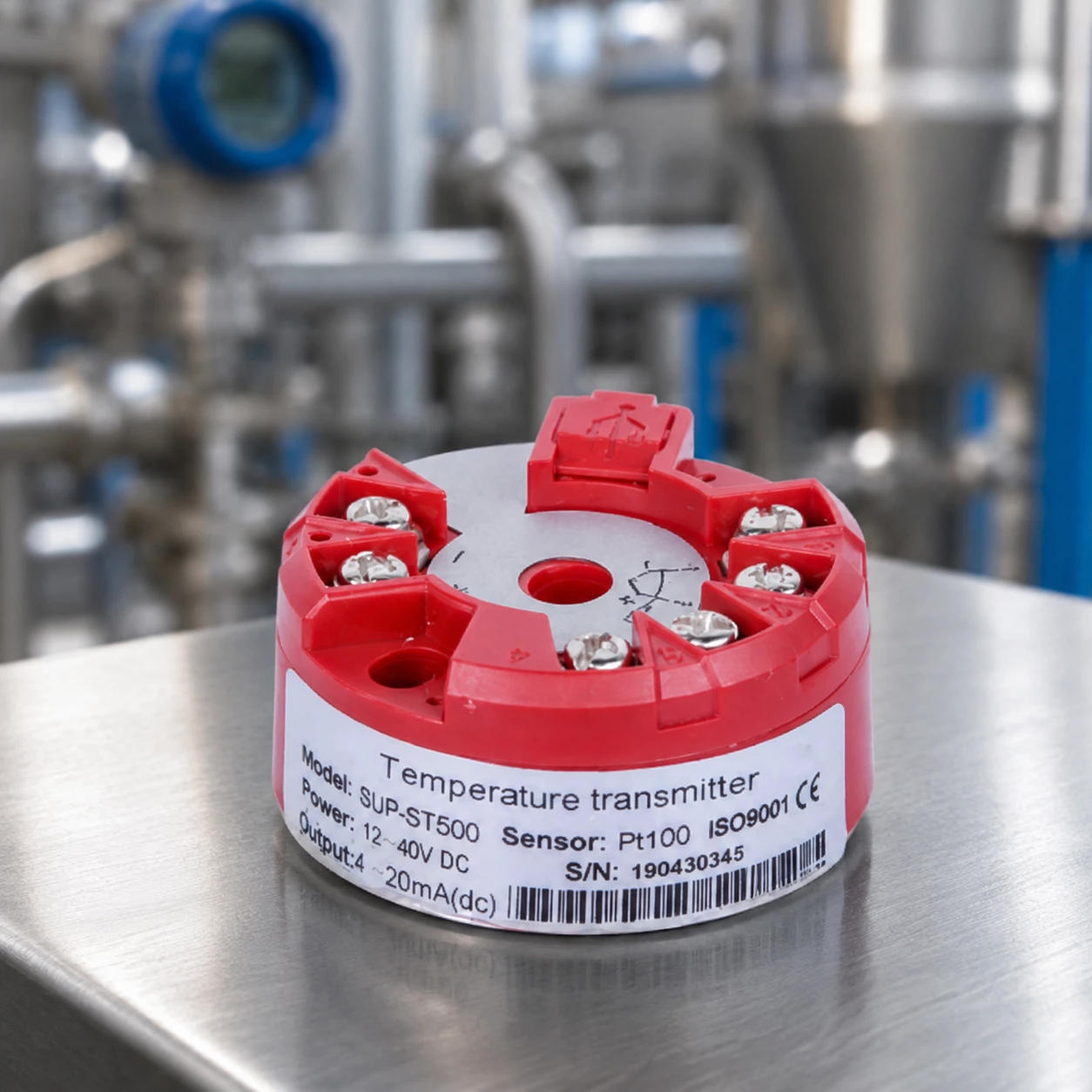
Find the right instrument for your application.
How temperature transmitter work
Applications & Industries
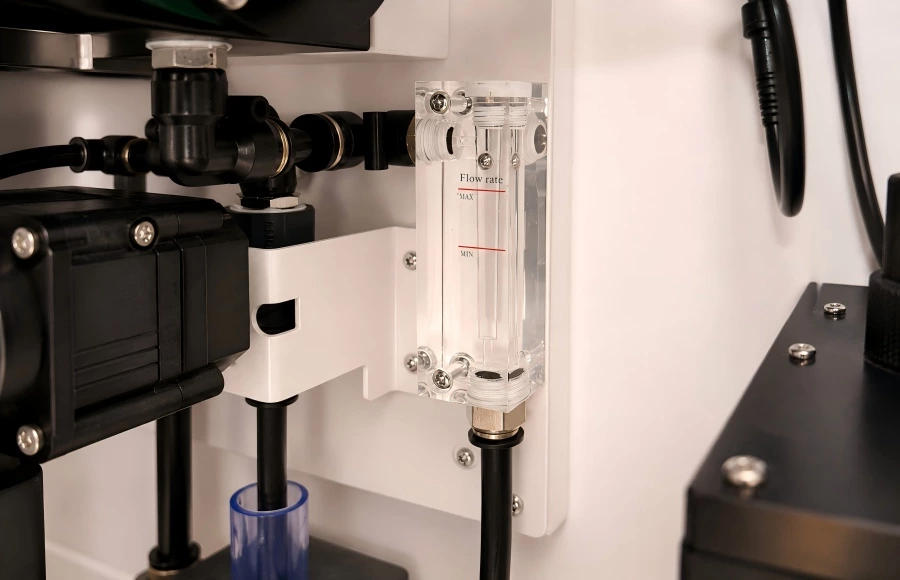
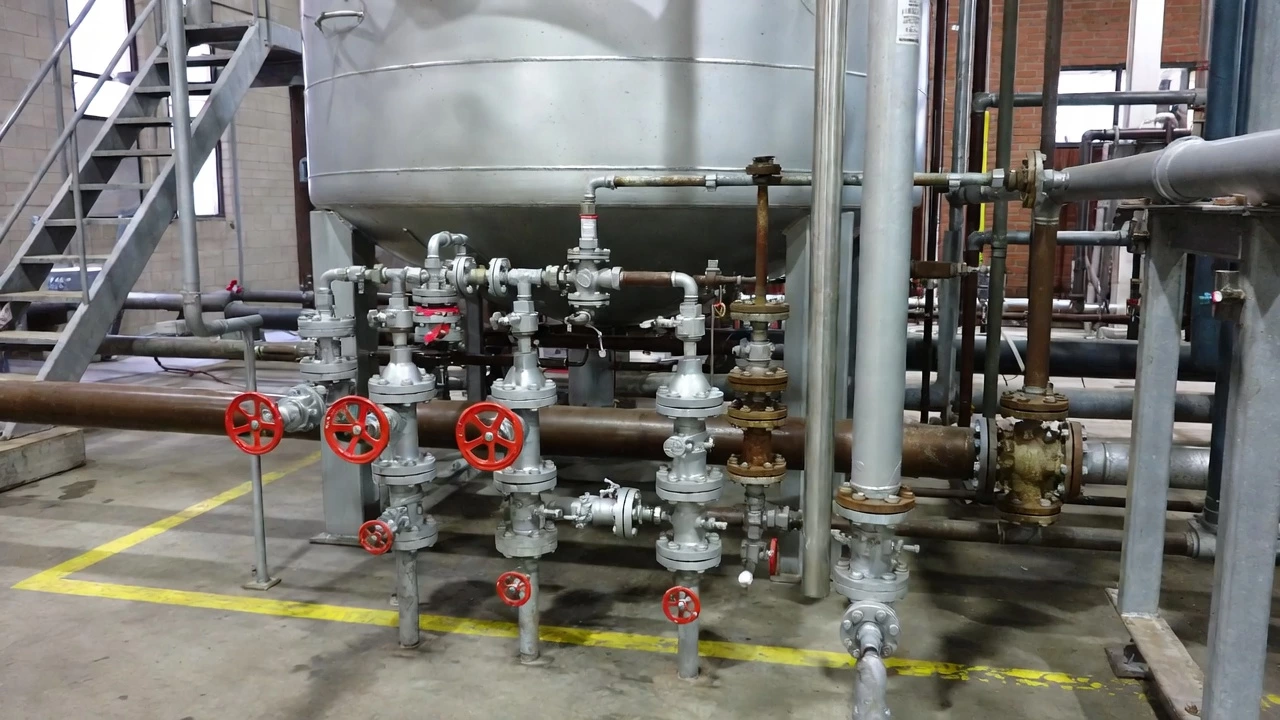
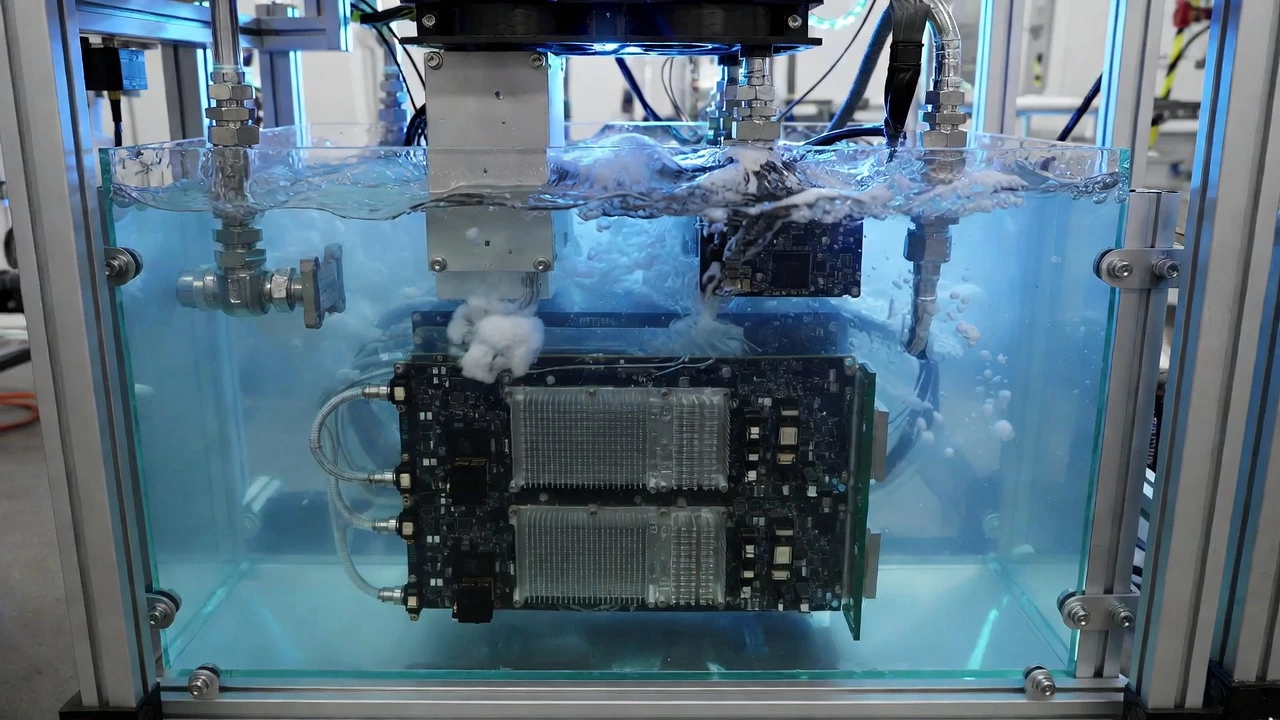
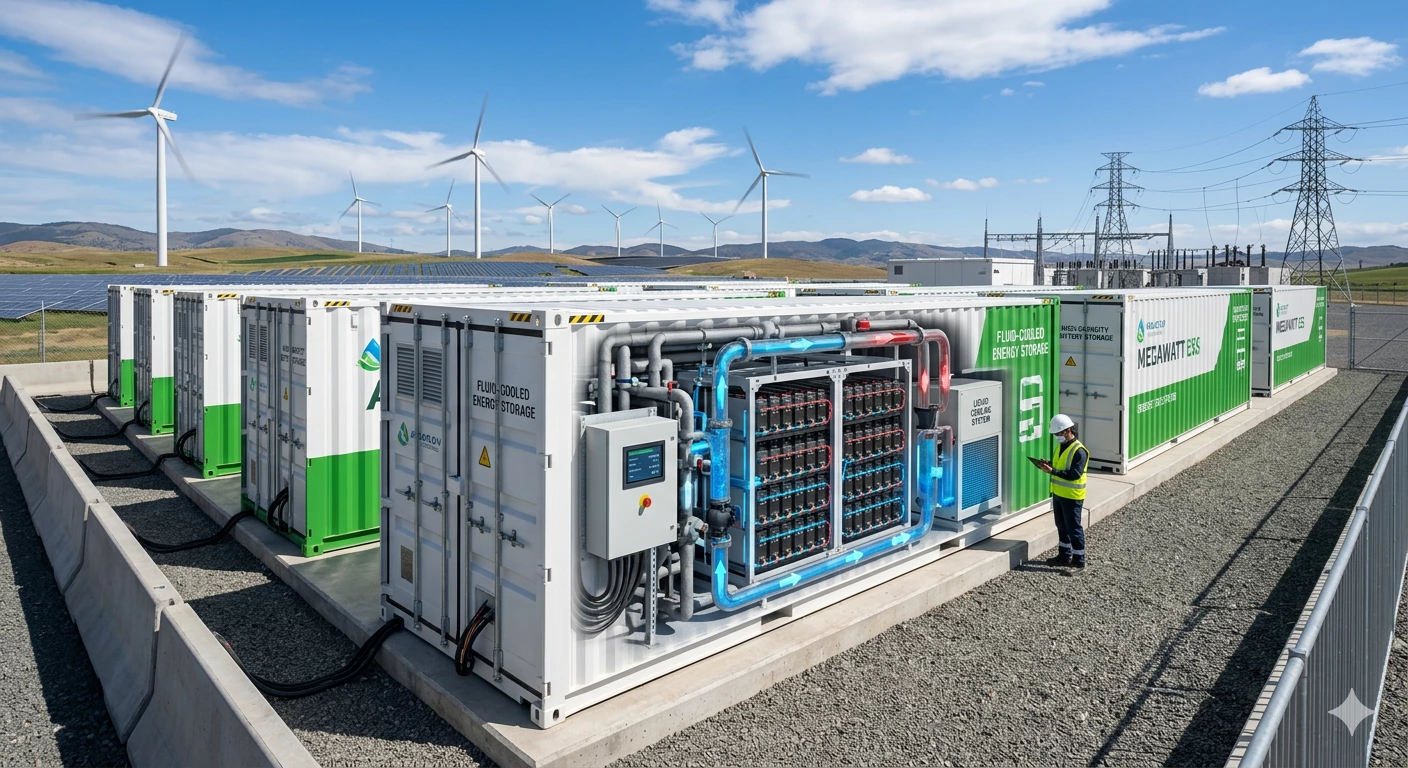
Multi-Parameter Water Quality Monitoring for a Building Project in Dubai
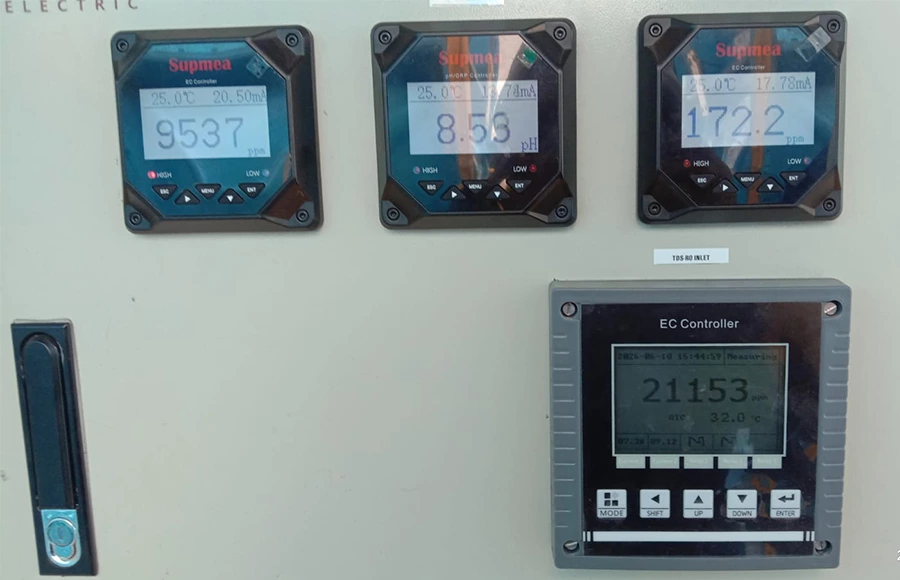
Integrated Flow and Water Quality Monitoring for an RO System in Indonesia
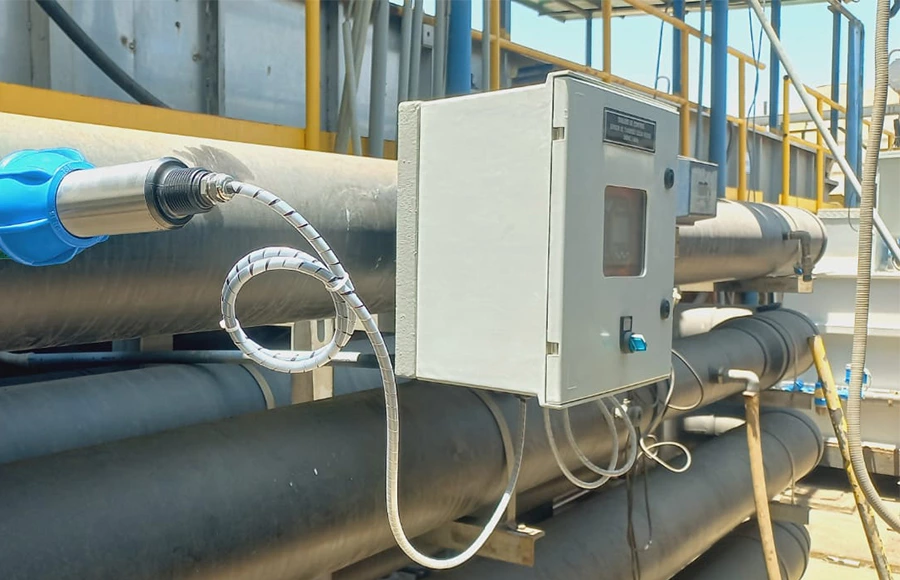
Inline Wastewater Turbidity Monitoring for a Treatment Pipeline in Peru
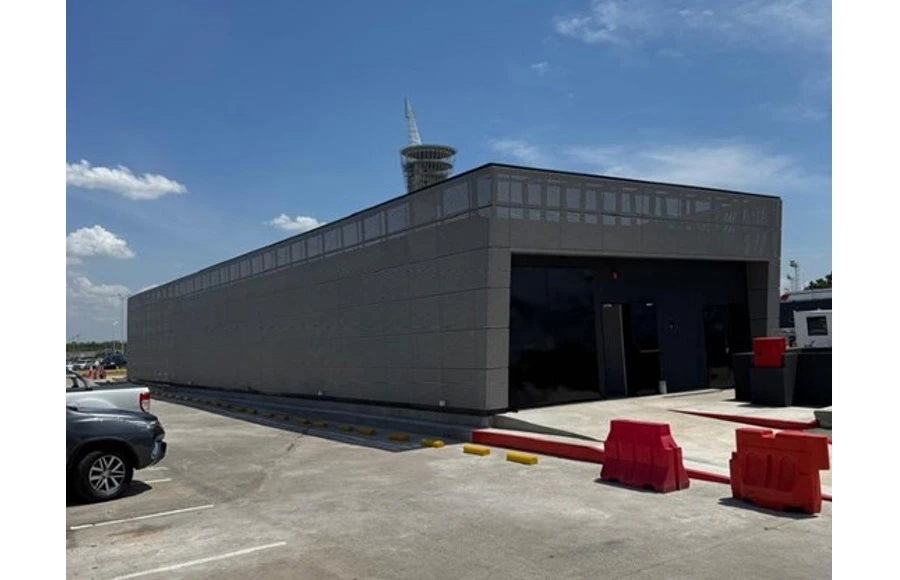
Supmea Multi-Parameter Monitoring Supports Water Treatment at an International Airport in Argentina
Related Products
Discover our most trusted process instruments for water and wastewater applications. Designed for reliable measurement, intelligent monitoring, and efficient process control across every stage of the treatment cycle.
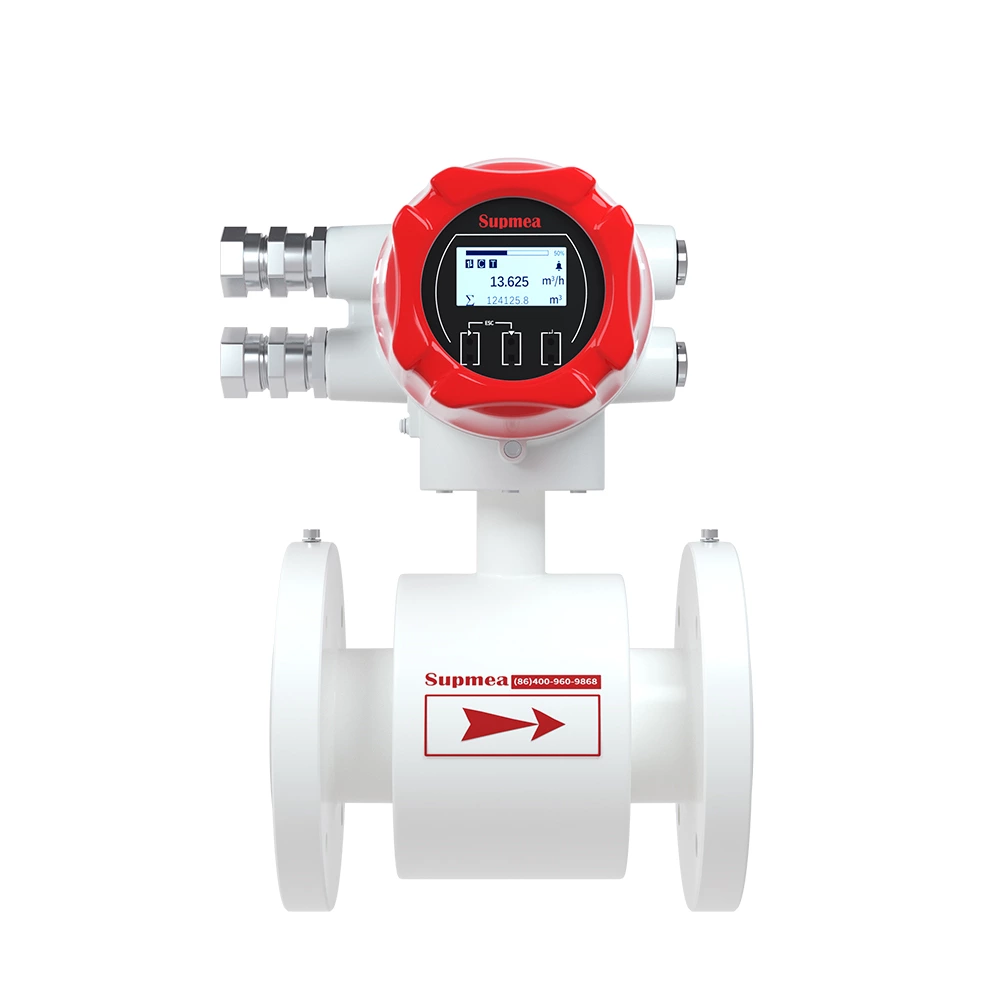
LDG-SUP-A100D Explosion-Proof Electromagnetic Flowmeter
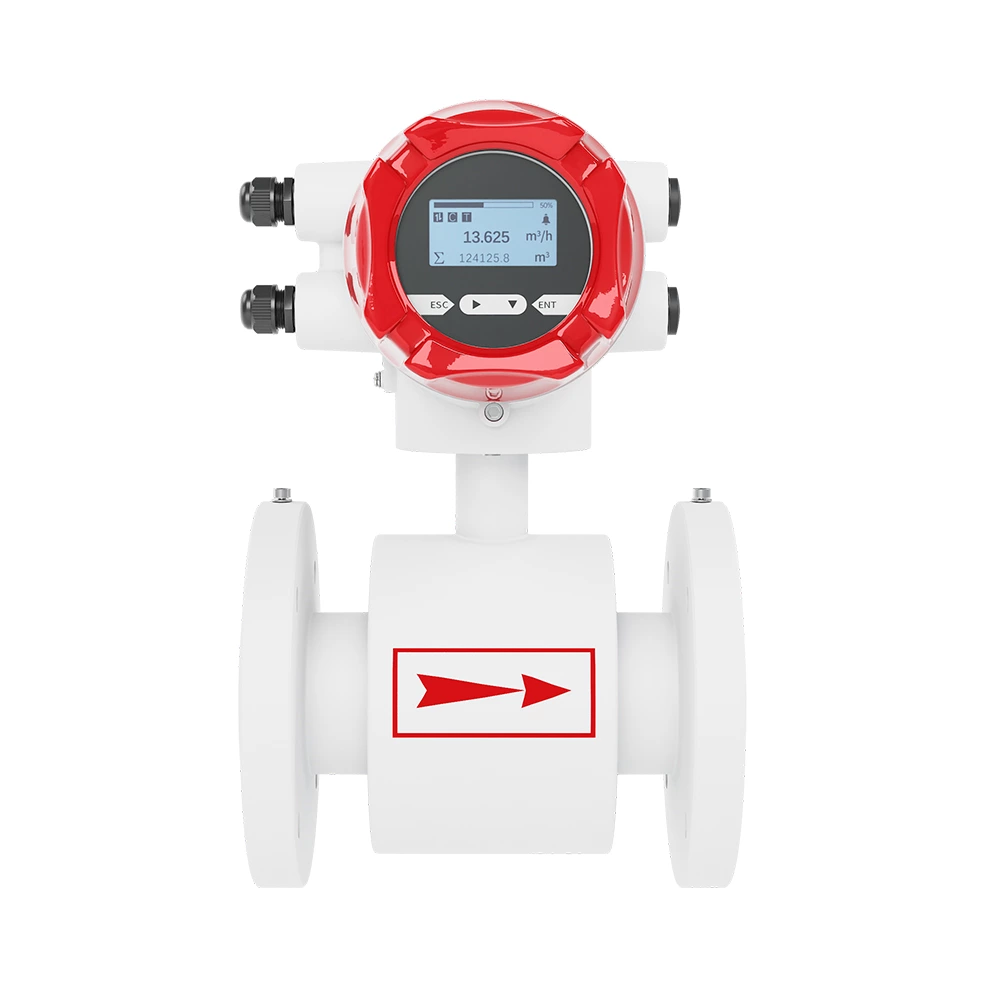
LDG-SUP-A100 Electromagnetic Flow Meter — High-Accuracy Conductive Liquid Measurement
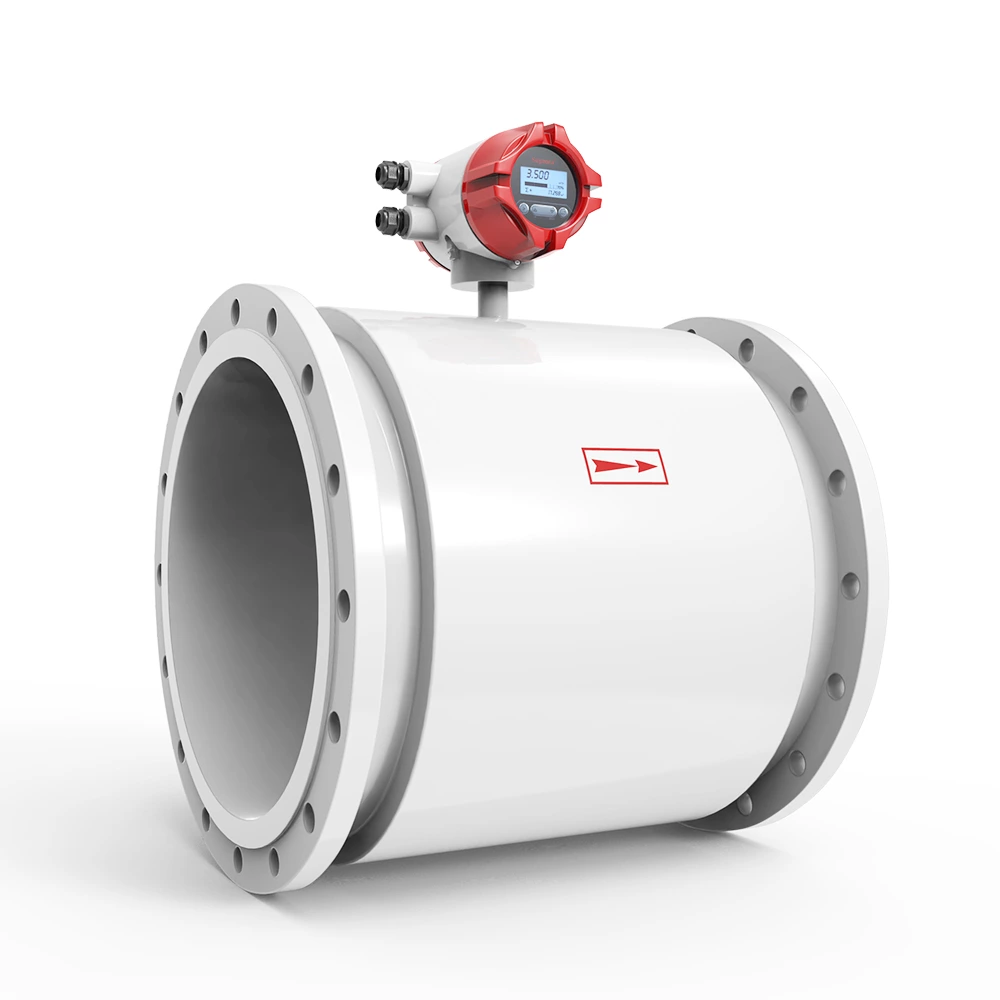
LDG-SUP Electromagnetic Flowmeter: Precision Flow Measurement for Demanding Industrial Applications
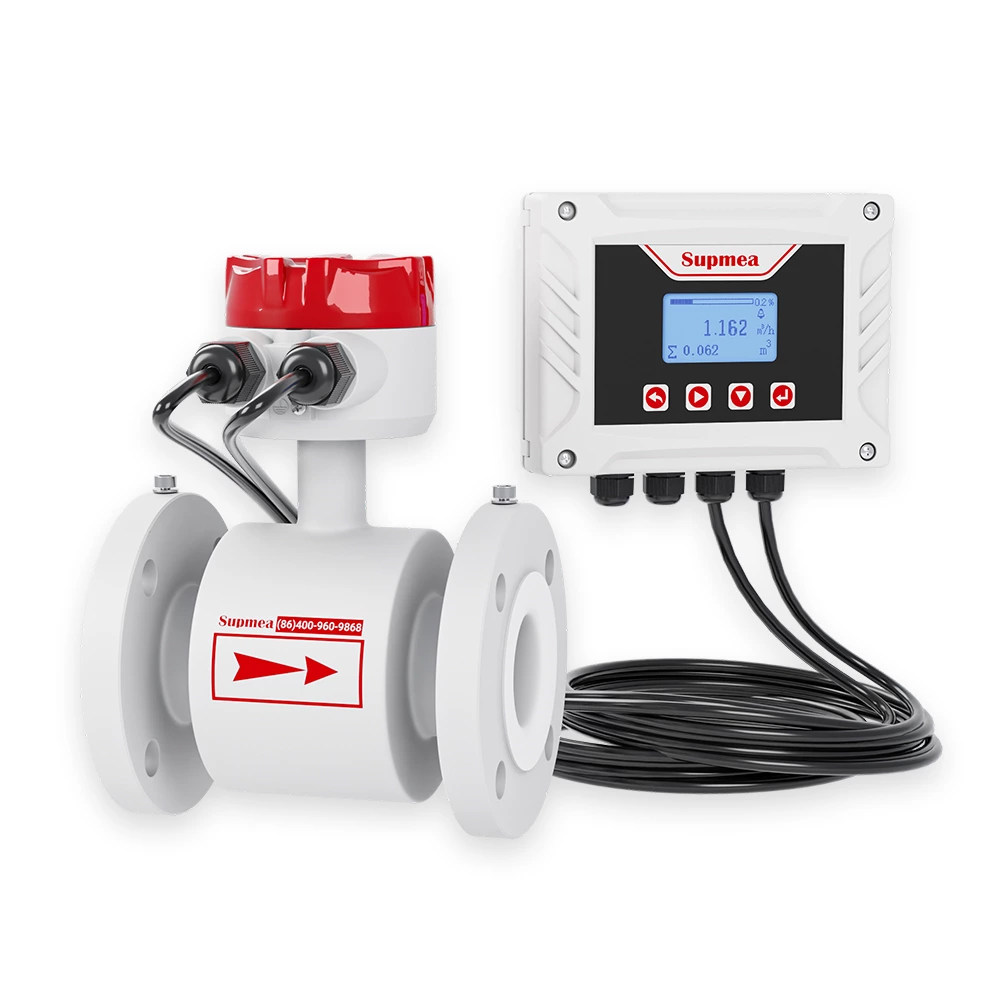
SUP-LDG Remote type electromagnetic flowmeter
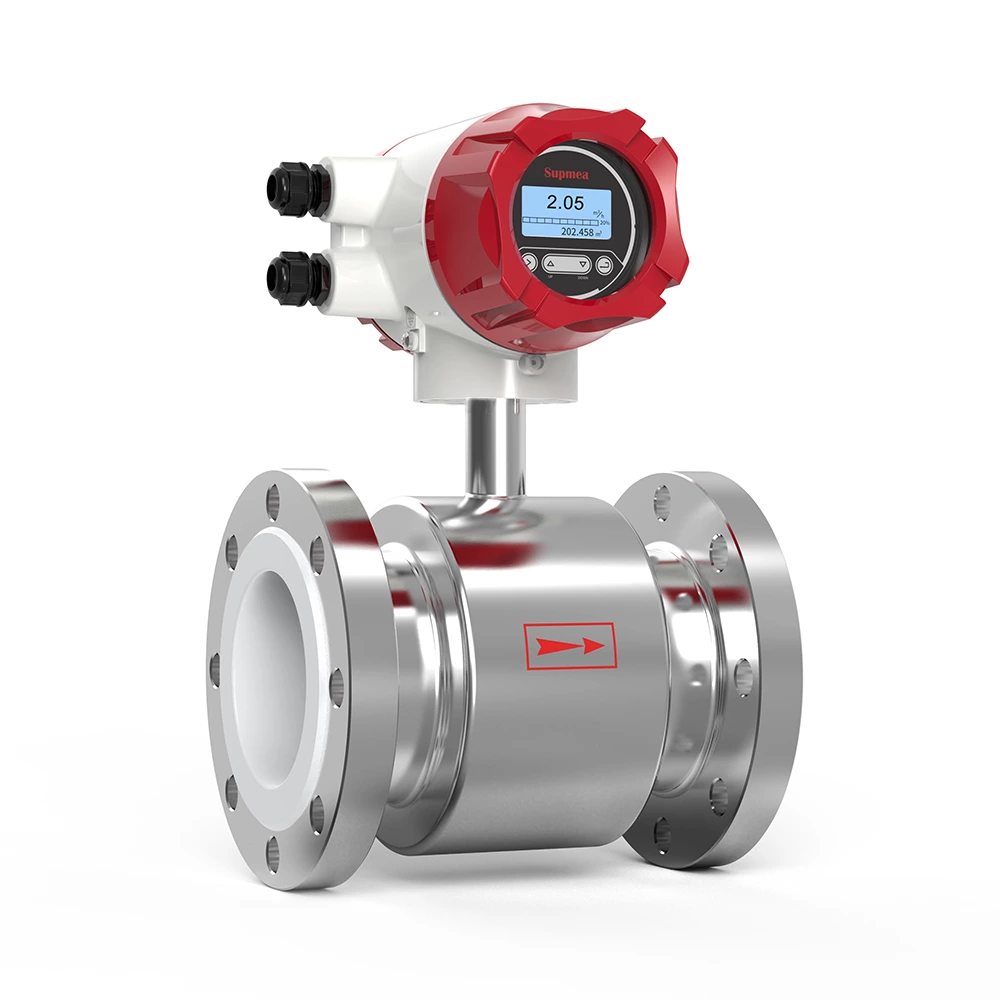
SUP-LDG Stainless steel body electromagnetic flowmeter
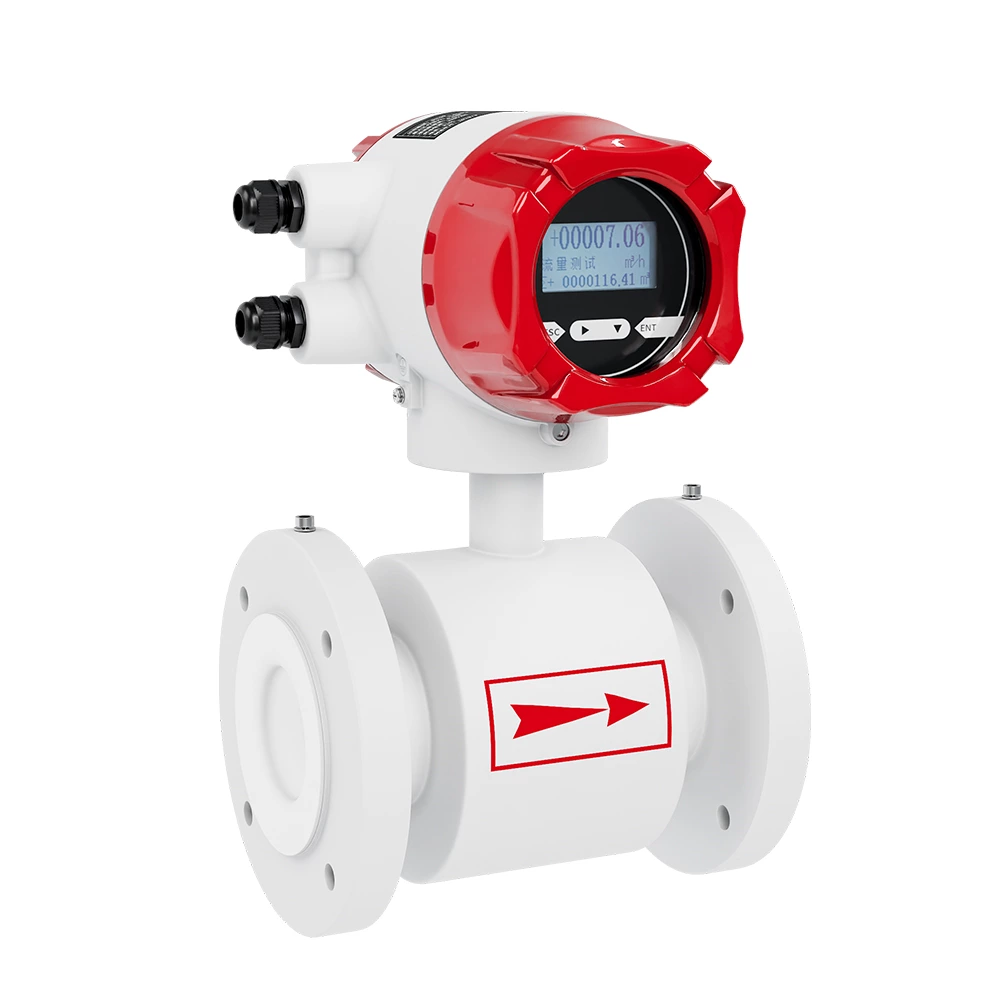
SUP-FMC400 Low Conductivity Electromagnetic flow meter
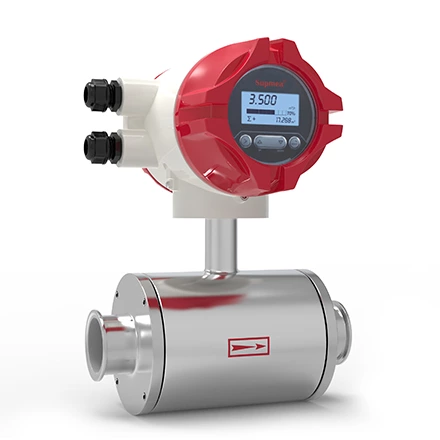
SUP-LDG Sanitary electromagnetic flowmeter for food processing
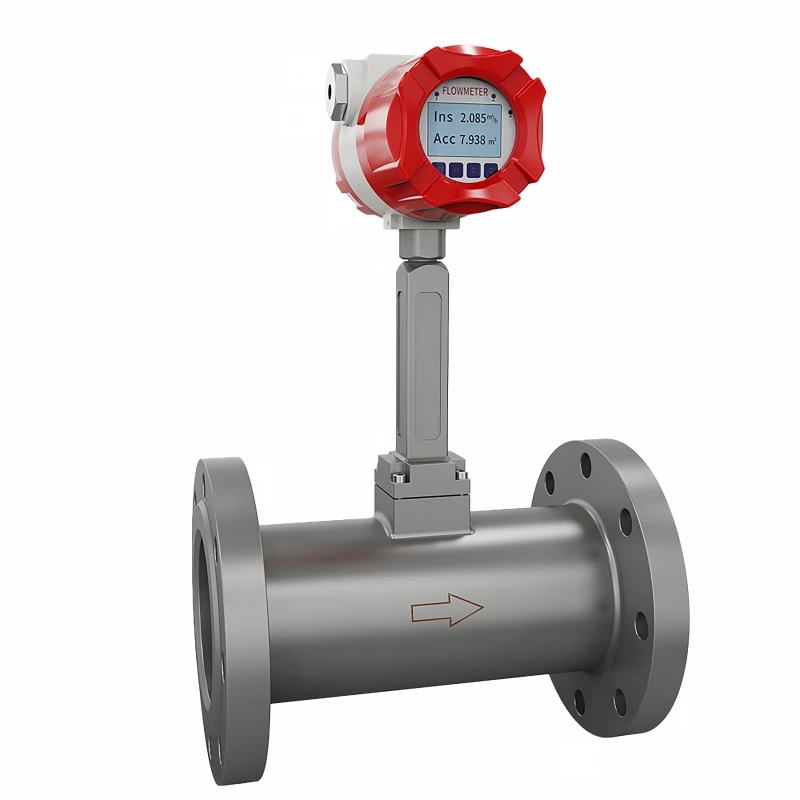
SUP-LUGB Vortex flowmeter without temperature & pressure compensation
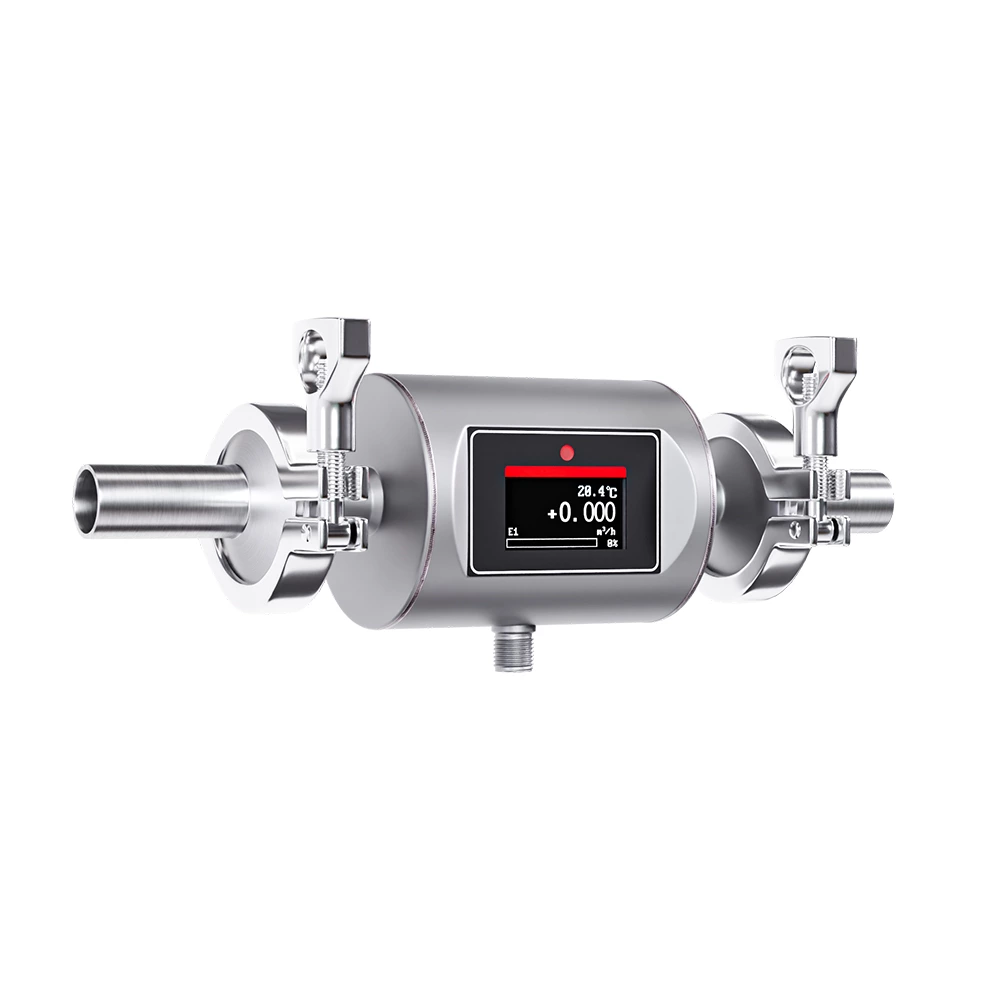
SUP-FMX240 Compact Electromagnetic Flow Meter—Precision Flow Measurement in a Space-Saving Design
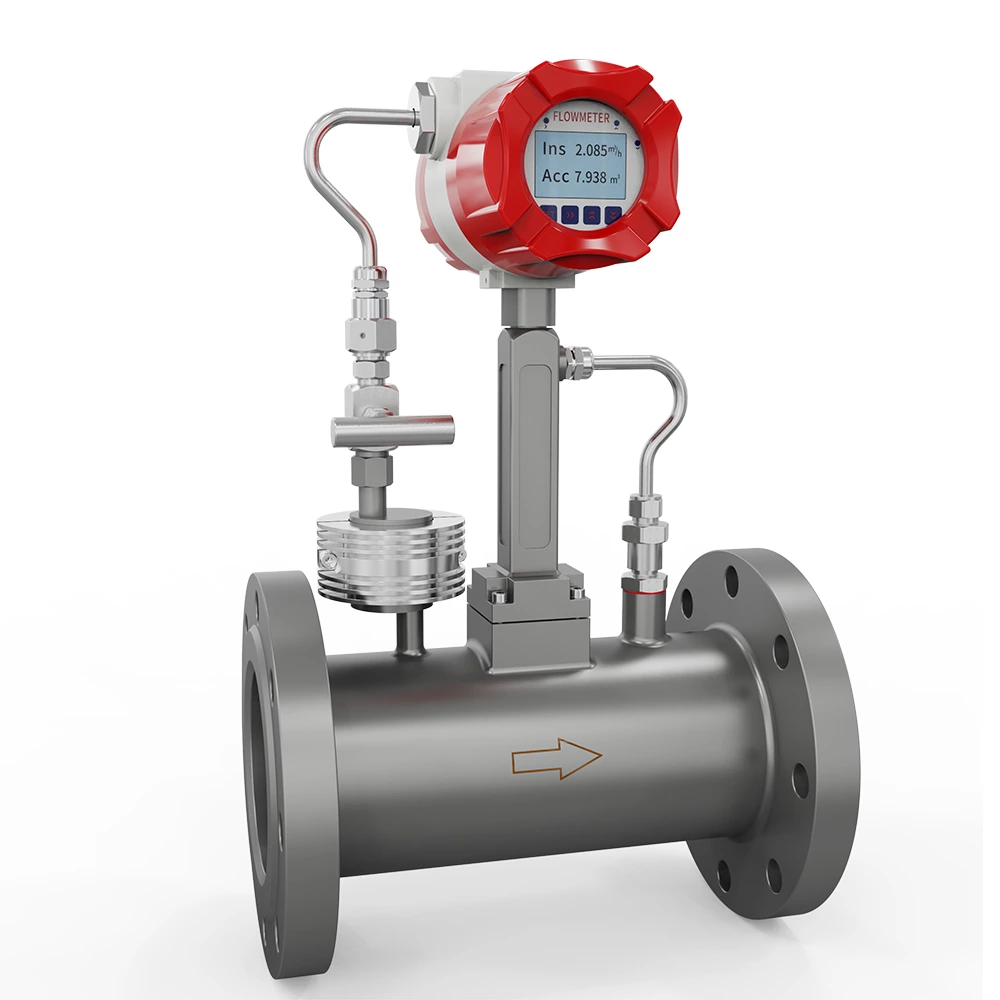
SUP-LUGB Vortex flowmeter with temperature & pressure compensation
Frequently Asked Questions
What is a temperature transmitter?
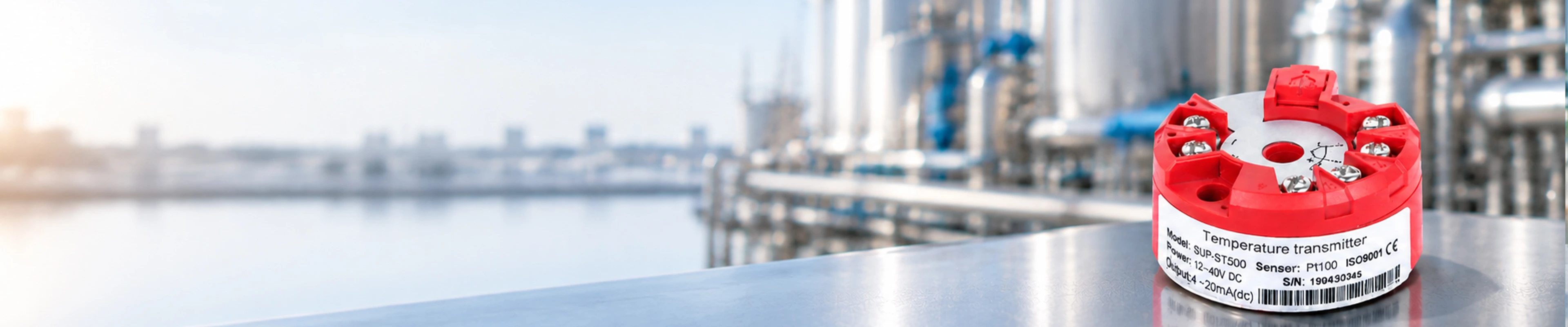
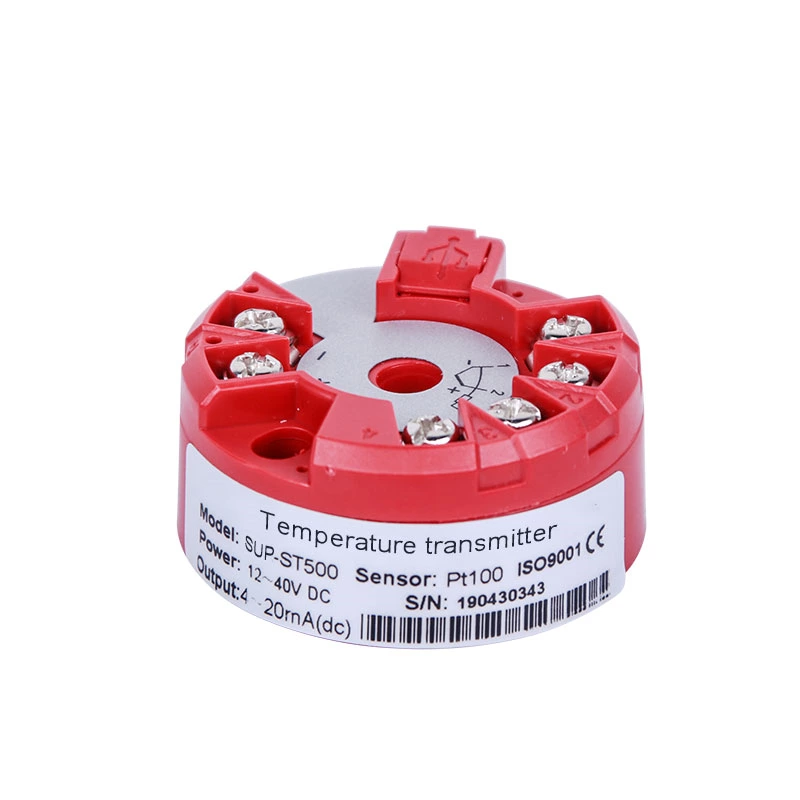
A temperature transmitter converts signals from temperature sensors such as RTD and thermocouple into standard electrical output signals for monitoring and control.
What inputs do SUPMEA temperature transmitters support?
SUPMEA temperature transmitters support RTD and thermocouple sensor inputs depending on the transmitter model and configuration.
What output signals are available?
Common outputs include 4–20mA, HART communication and RS485 communication options.
What is the difference between a temperature sensor and a temperature transmitter?
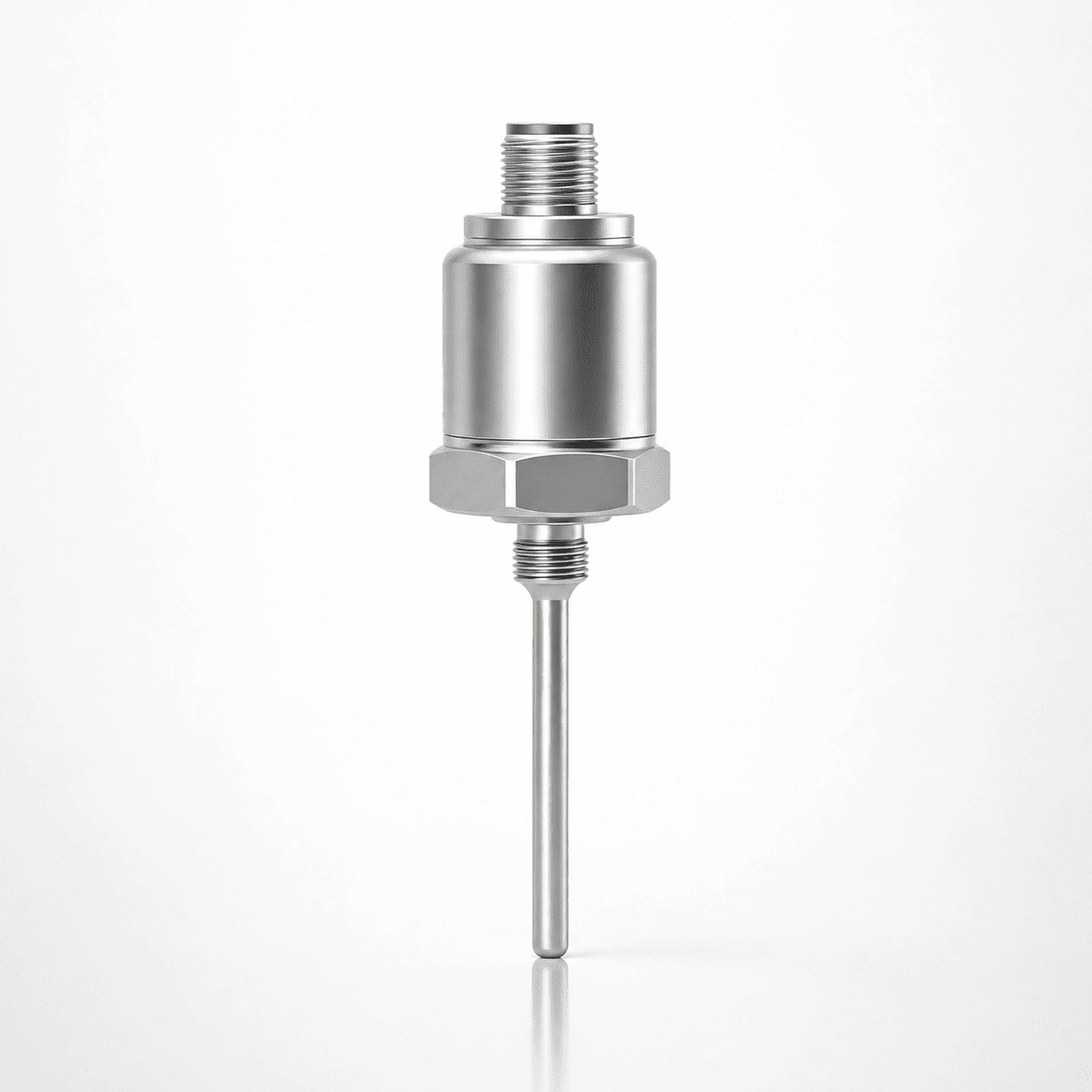
A temperature sensor detects temperature changes, while a temperature transmitter converts the sensor signal into a standardized output signal for control systems.
Can temperature transmitters be used in hazardous areas?
Yes. Explosion-proof temperature transmitter solutions are available for applications requiring additional safety protection.
How accurate are SUPMEA temperature transmitters?
Accuracy depends on the selected model, sensor type and application requirements. High-stability solutions are available for industrial process measurement.
How do I select the right temperature transmitter?
Selection should consider sensor input type, temperature range, output signal, installation method and environmental conditions.