Common Challenges in Oil & Gas Operations
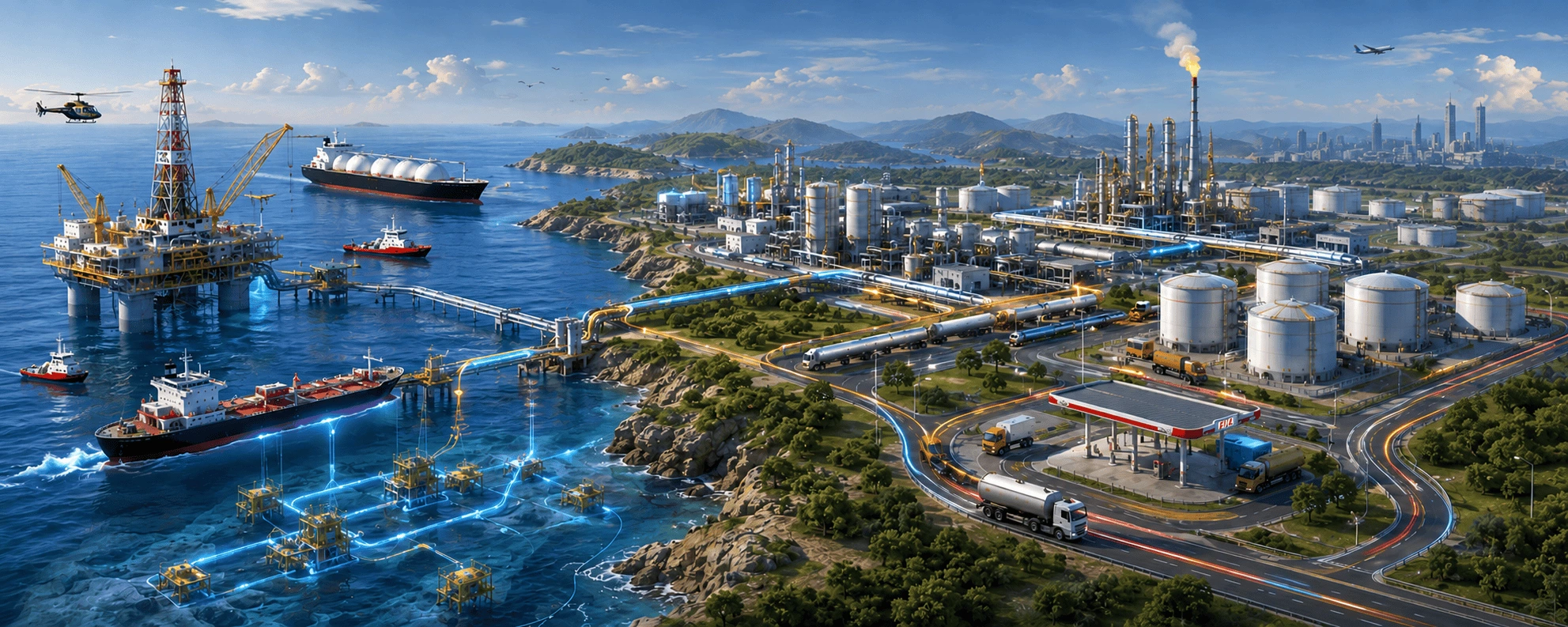
From upstream production to downstream refining, operators face increasingly complex measurement requirements. Supmea delivers reliable instrumentation solutions that improve safety, efficiency, and process visibility across the entire oil & gas value chain.
Harsh Conditions
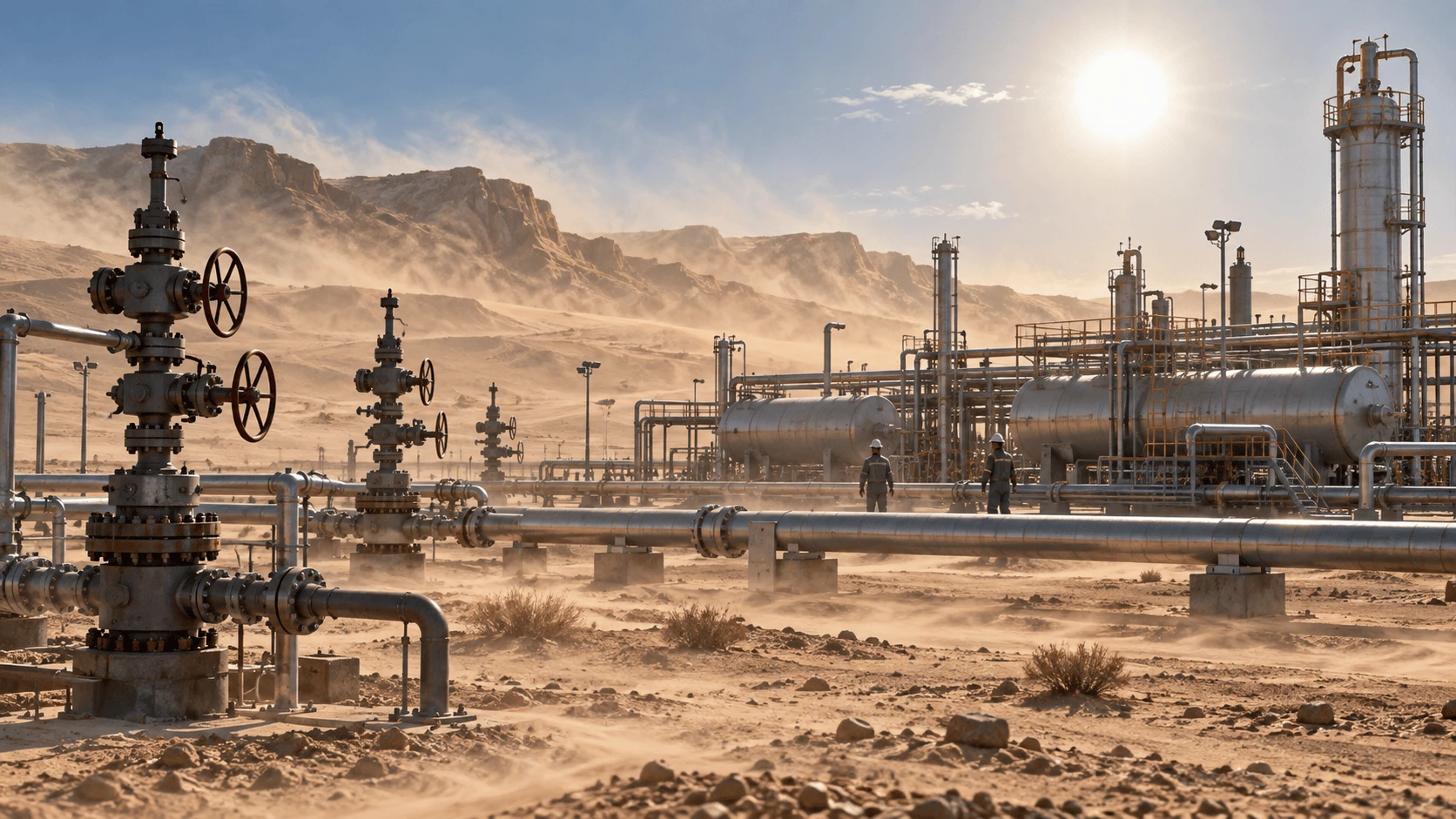
Extreme temperatures, high pressures, and corrosive media demand durable instrumentation for reliable operation.
Measurement Accuracy
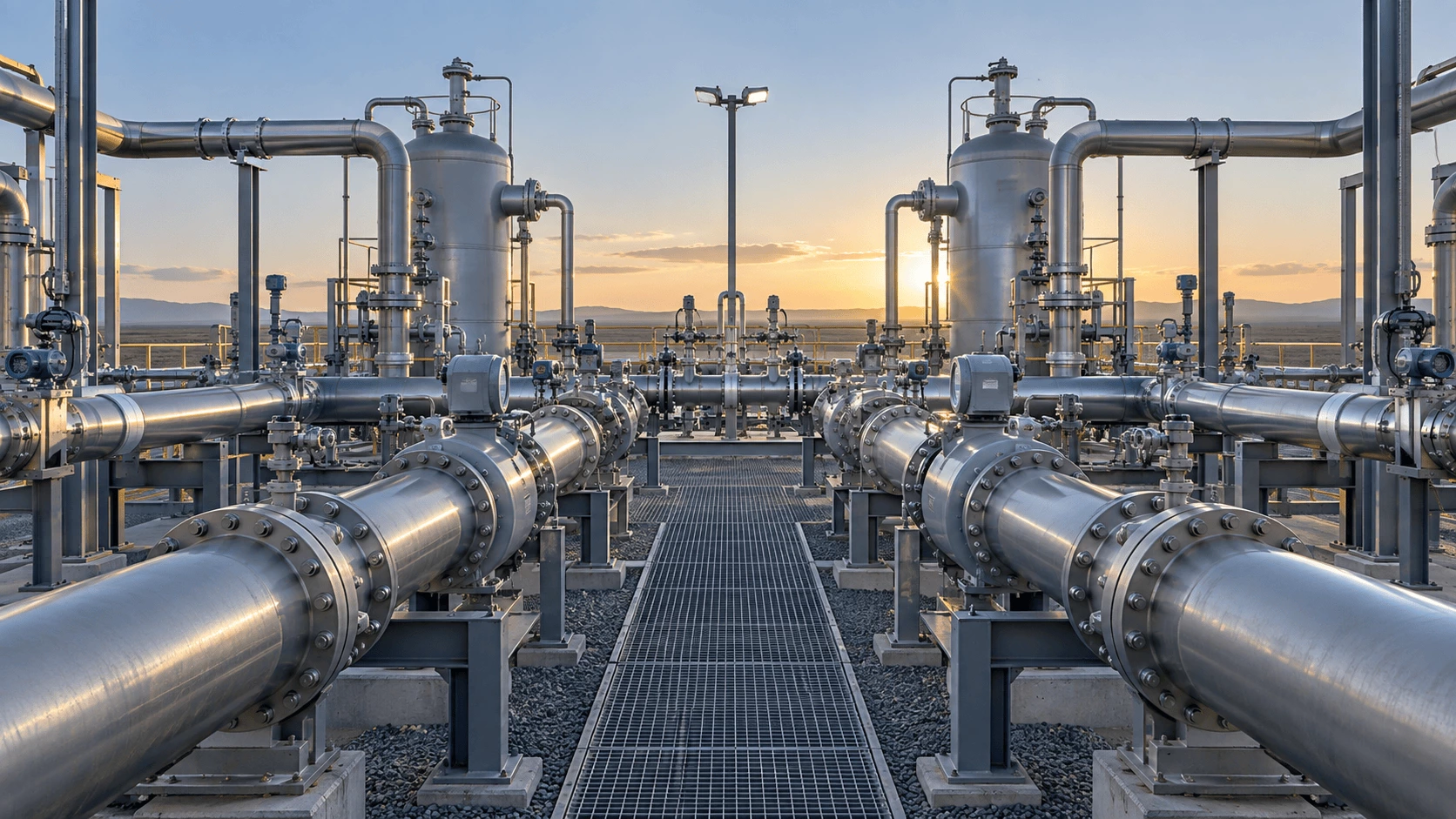
Accurate flow, pressure, and level data support stable process control, product quality, and production efficiency.
Safety & Compliance
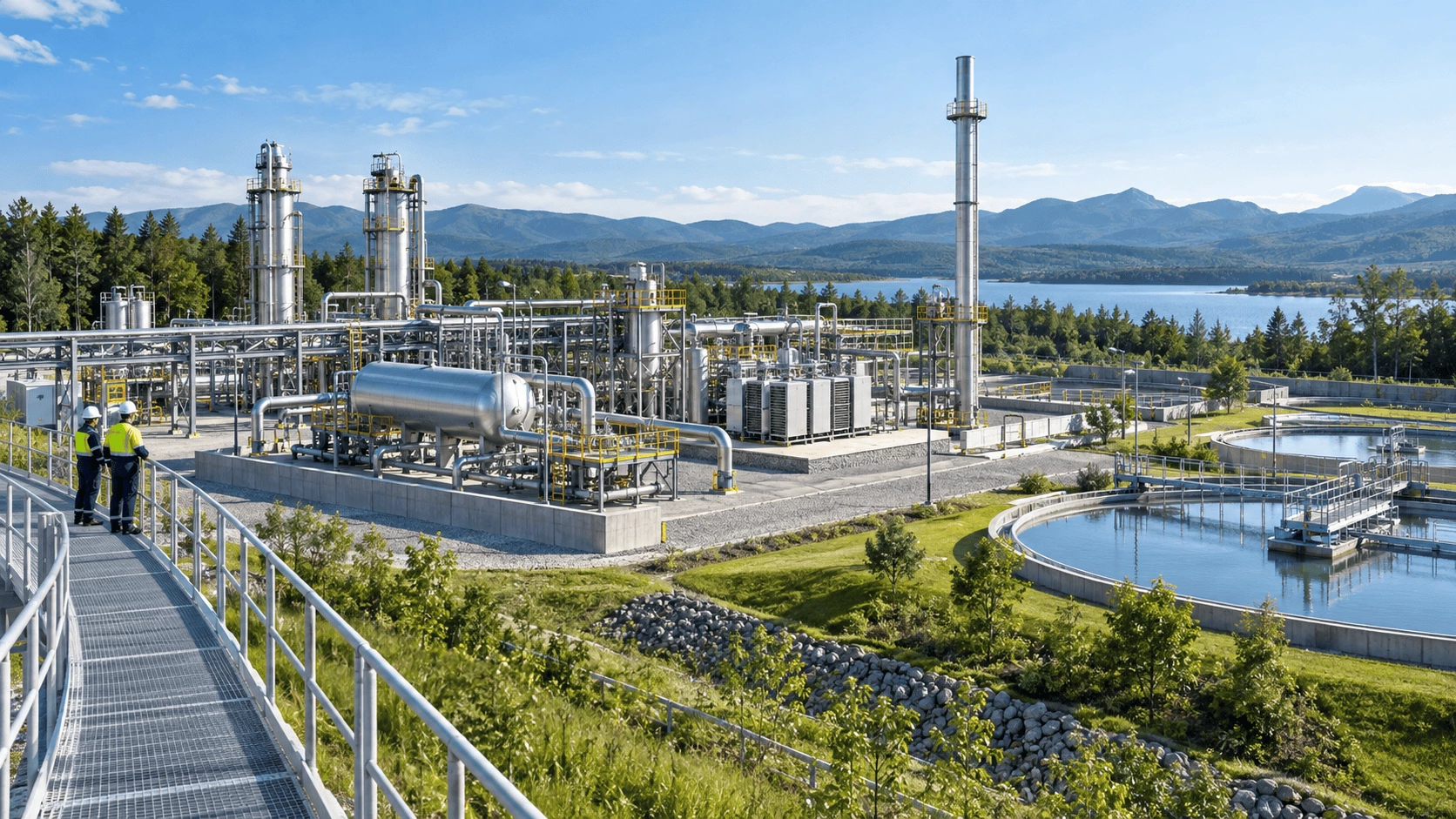
Continuous monitoring helps detect leaks, prevent overfilling, and manage pressure risks while supporting environmental compliance.
Digital Integration
Modbus and HART communication support integration with PLC, DCS, and SCADA systems for centralized monitoring.
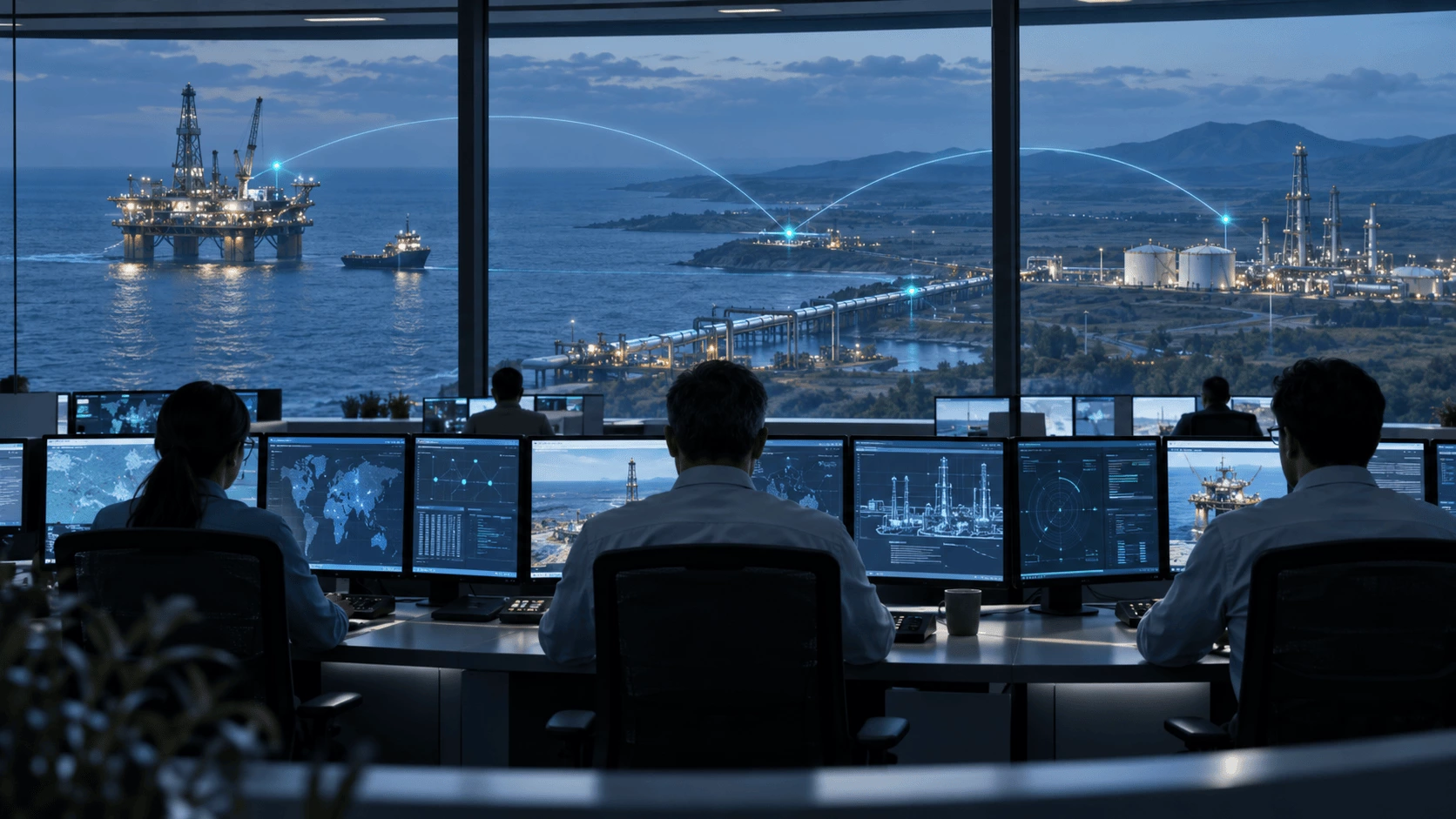
Equipment Reliability
Durable instruments help reduce maintenance needs, unplanned downtime, and production losses.
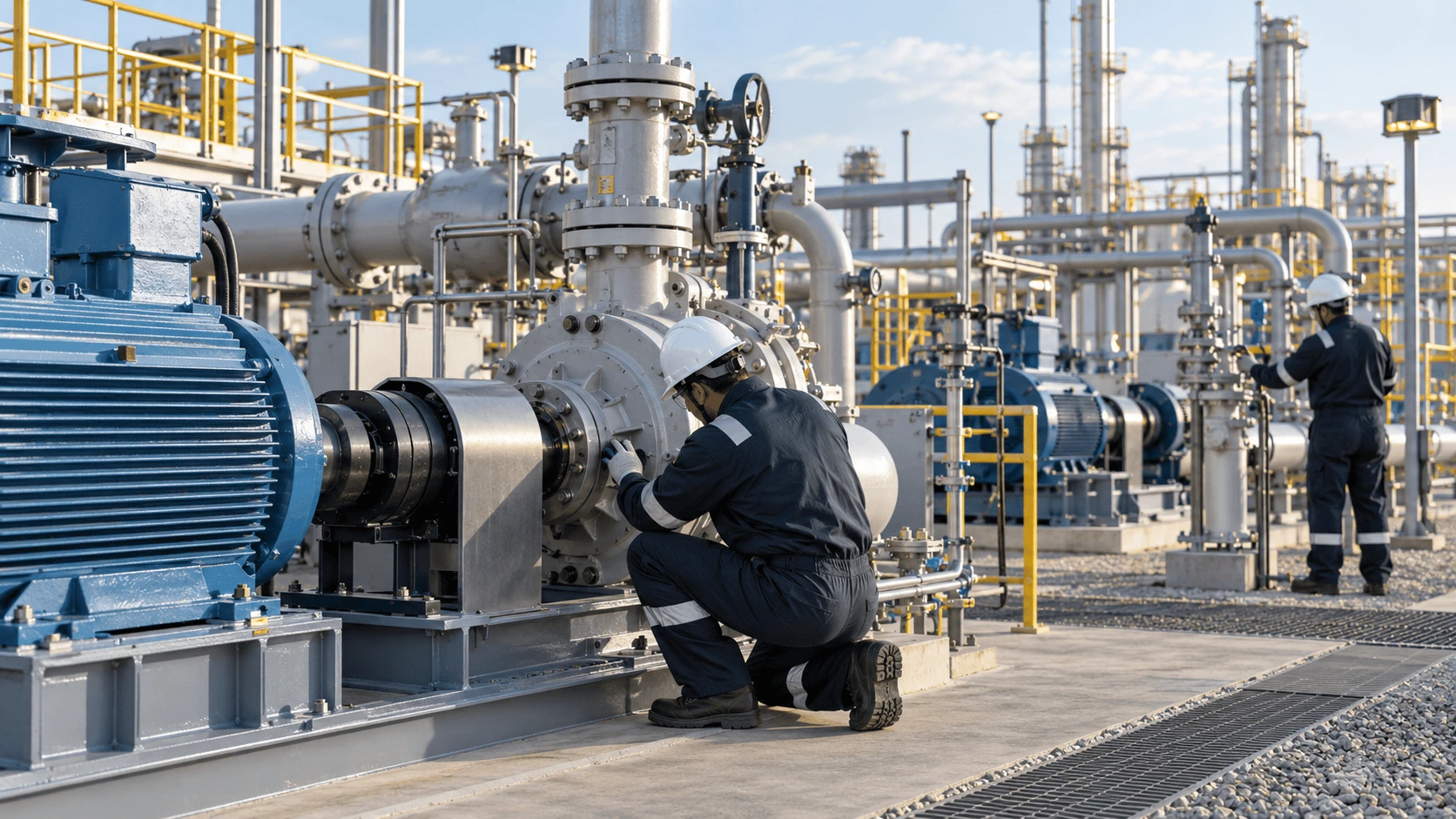
Process Coverage
Flow, pressure, level, temperature, and analytical instruments support measurement needs across oil and gas processes.
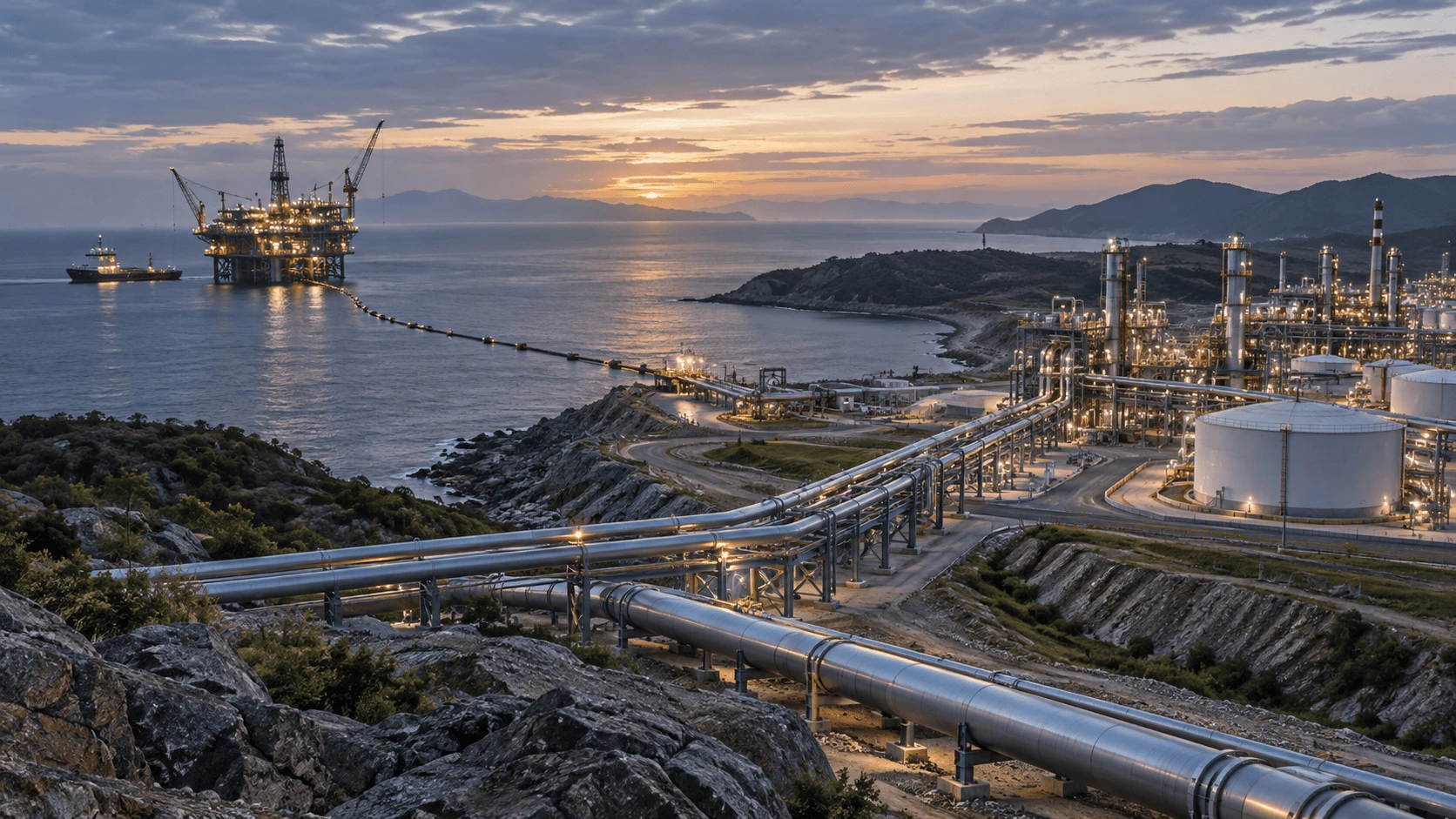
Instrumentation Throughout the Oil & Gas Process
Reliable instrumentation solutions for every stage of the oil & gas value chain. From production and transportation to refining and storage, Supmea helps improve process visibility, operational safety, and measurement accuracy.
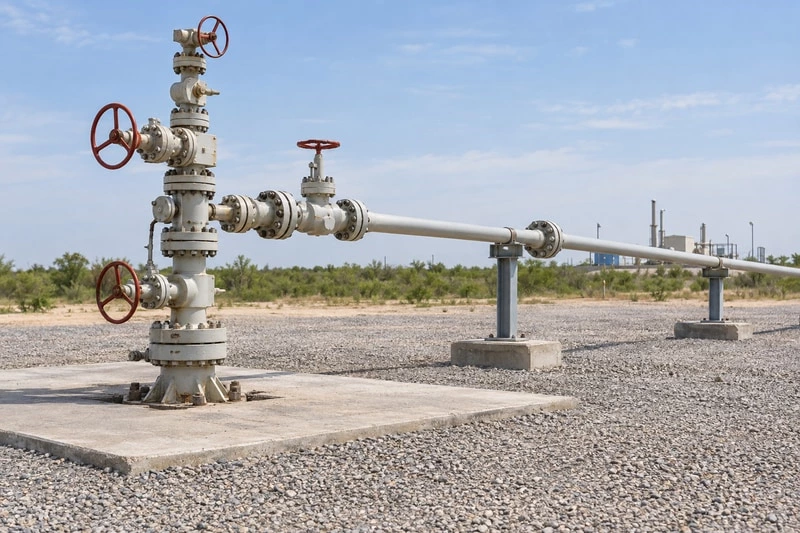
Upstream Production
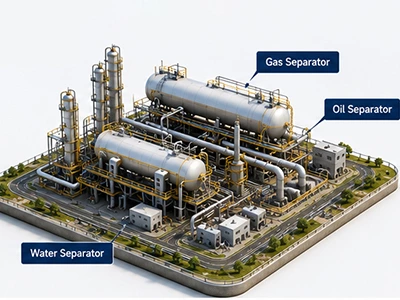
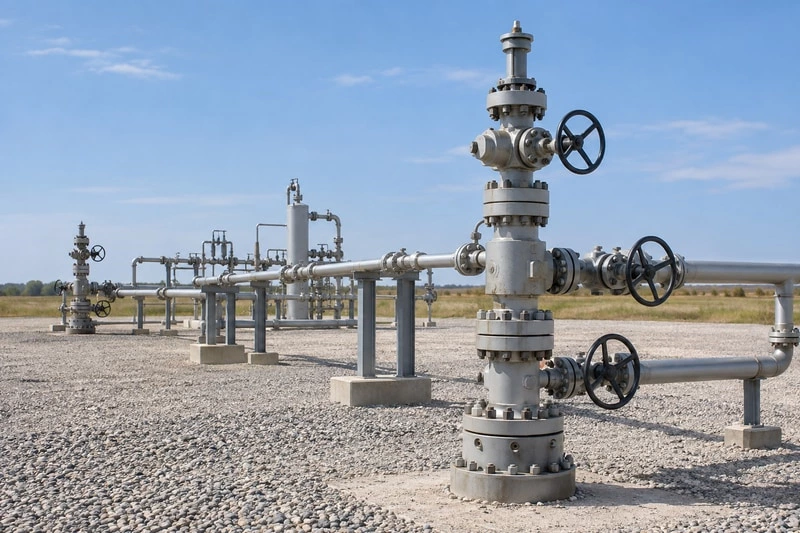
Oil, Gas & Water Separation
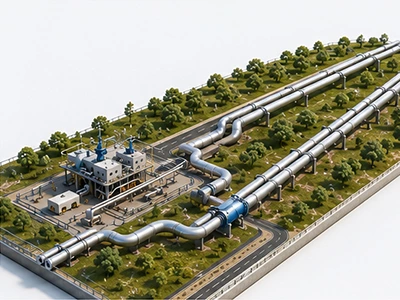
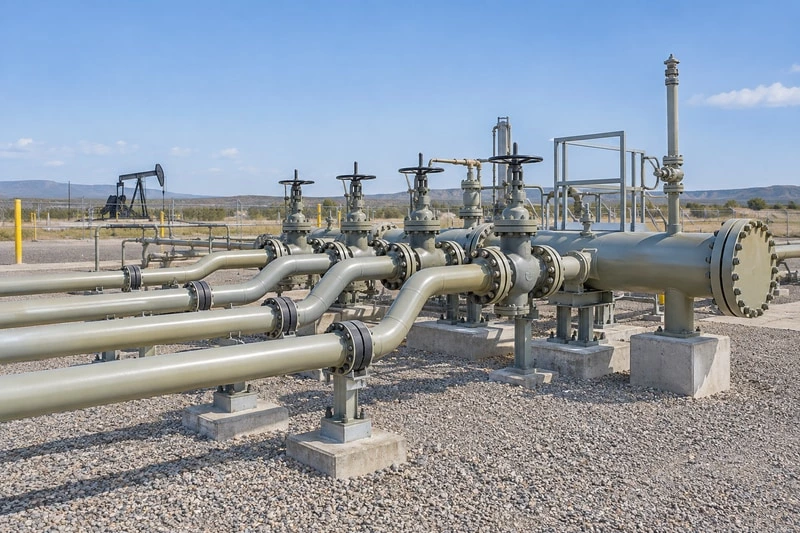
Pipeline Transportation
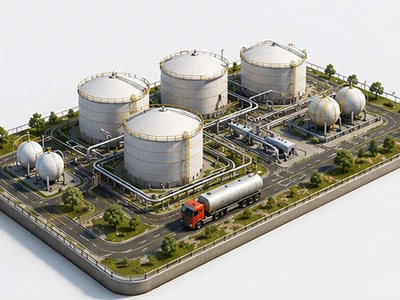
Storage & Tank Farm
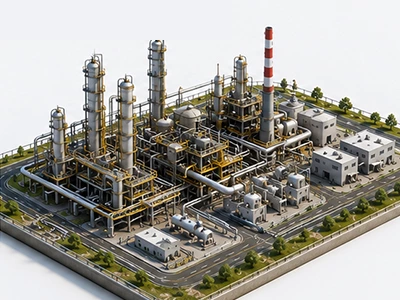
Refining & Processing
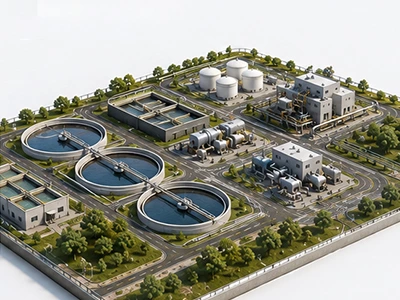
Utilities & Wastewater
Process Overview
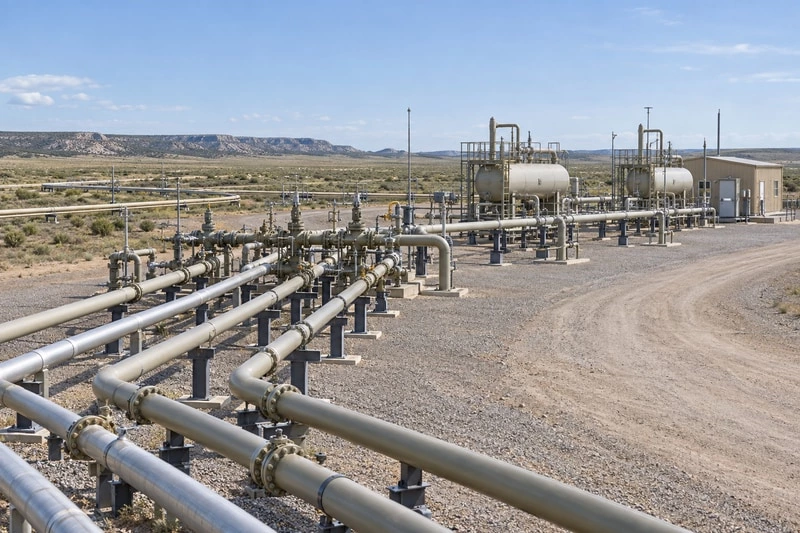
Monitor flow, pressure, temperature, and level during crude oil and natural gas extraction to ensure safe, stable, and efficient upstream production.
Typical Applications
Process Overview
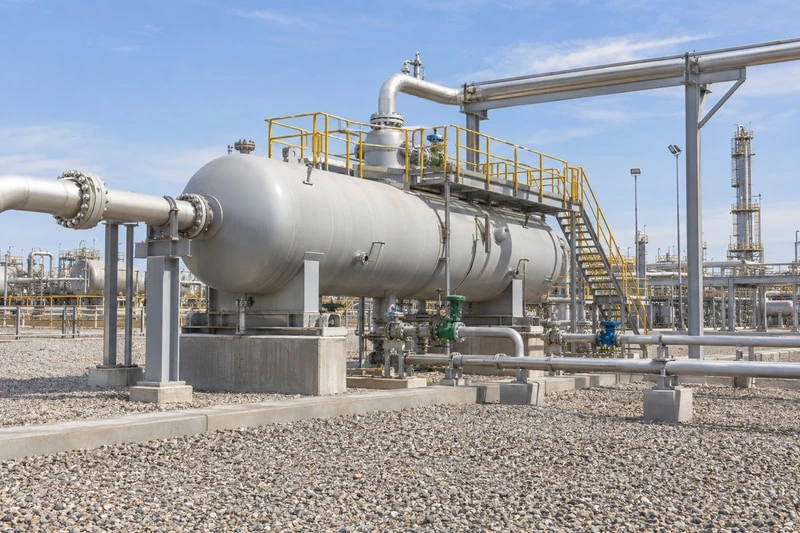
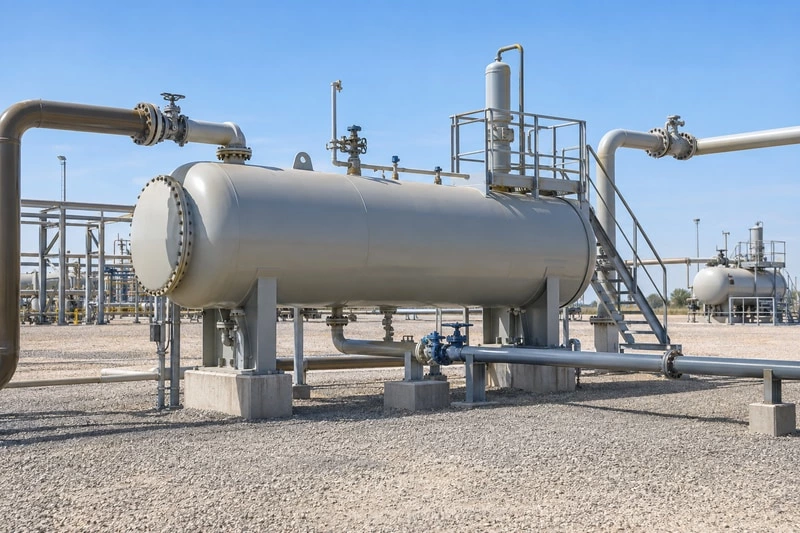
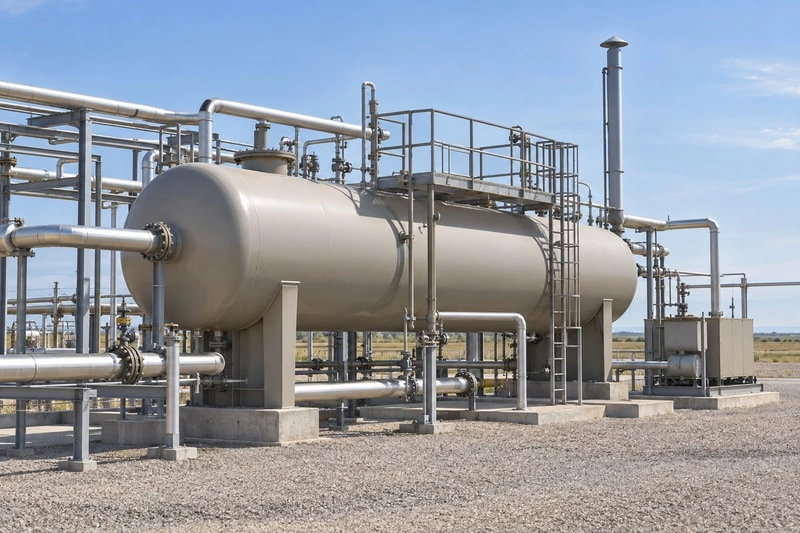
Improve separation efficiency and production stability with accurate measurement of multiphase flow, pressure, temperature, and interface level.
Typical Applications
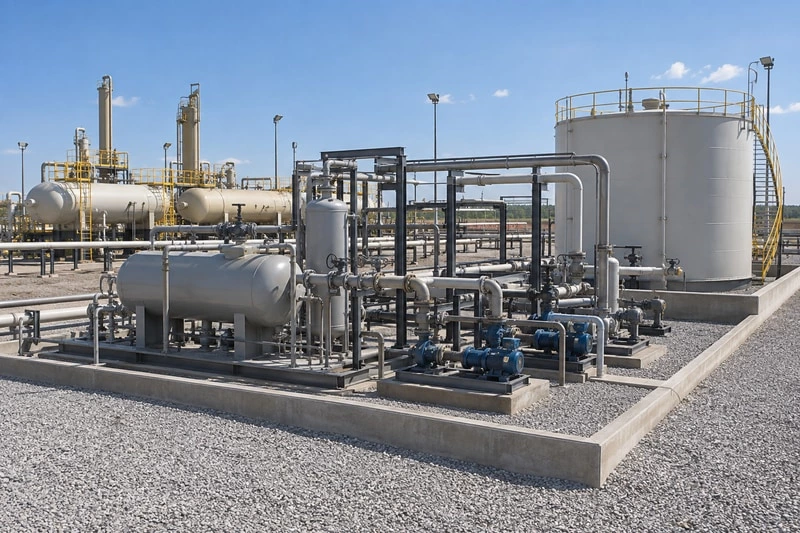
Process Overview
Maintain accurate flow monitoring and pipeline integrity while supporting safe transportation and operational efficiency.
Typical Applications
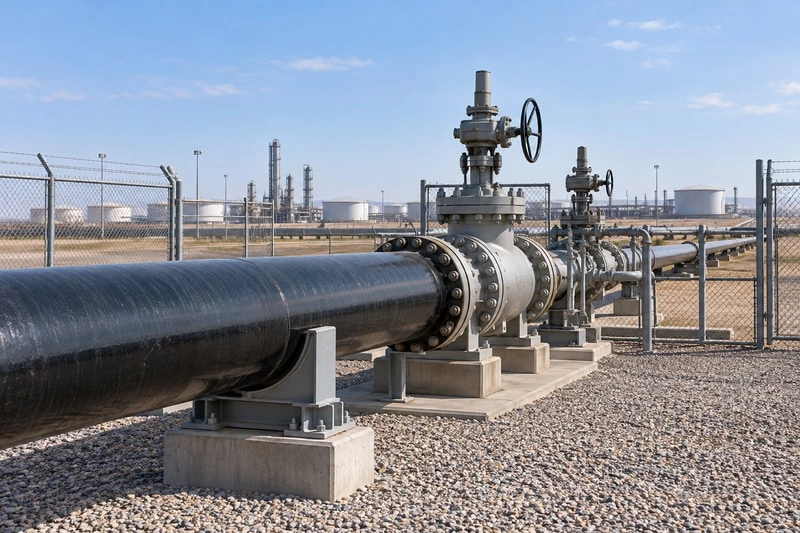
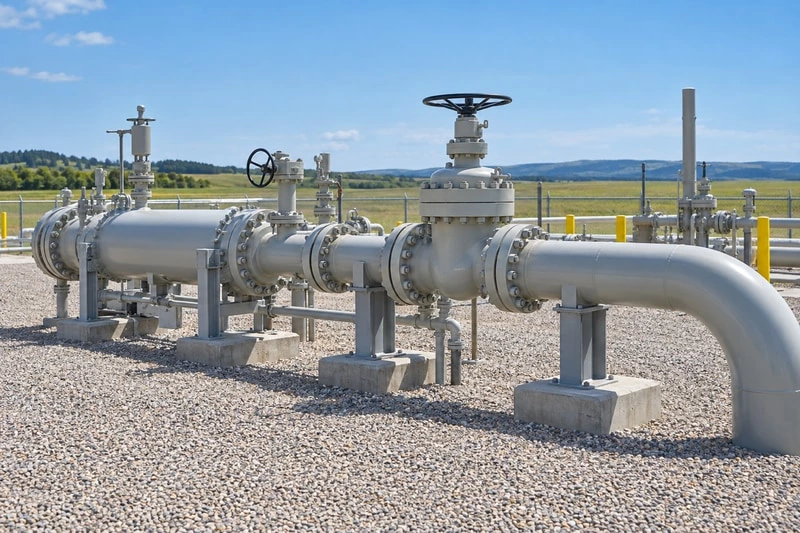
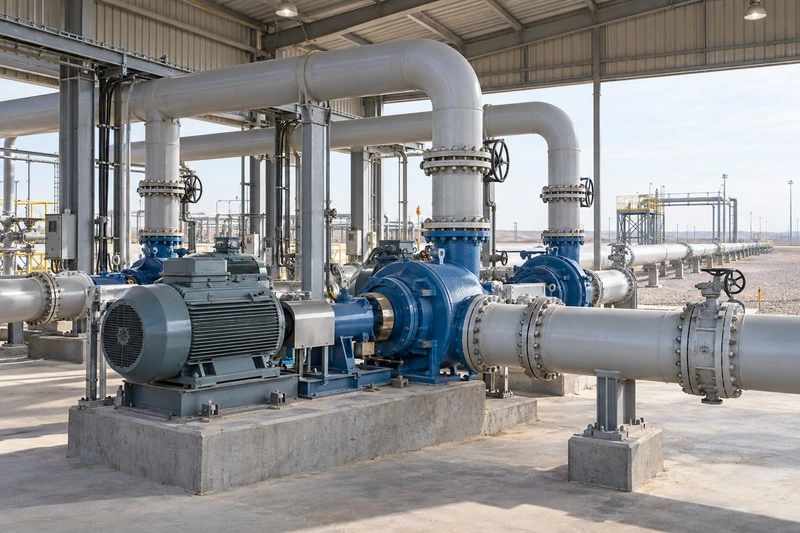
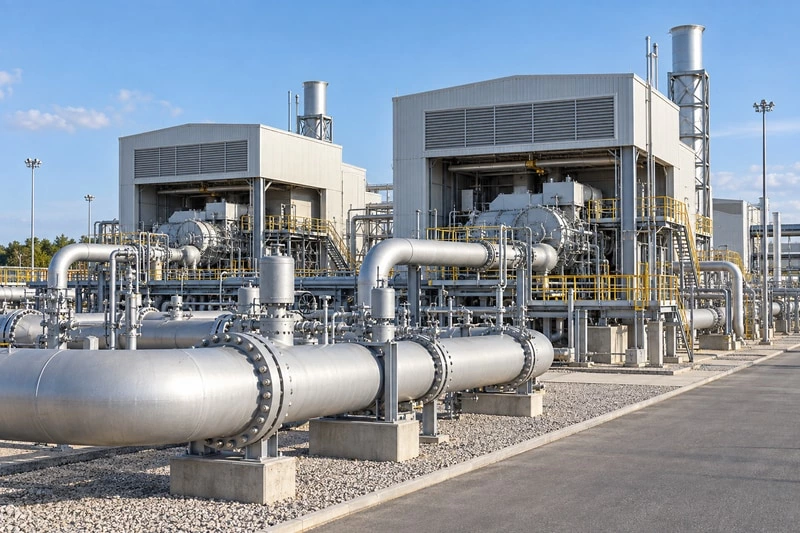
Process Overview
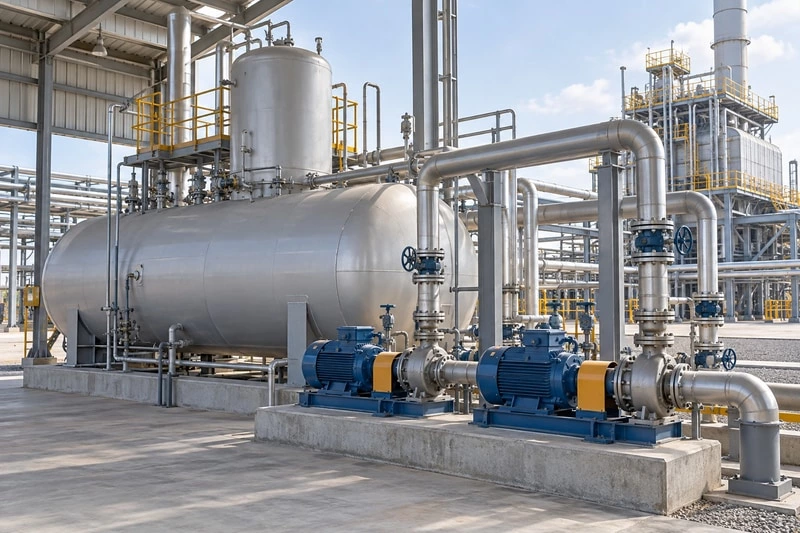
Monitor tank inventory, overfill protection, and storage conditions with continuous level, pressure, and temperature measurement.
Typical Applications
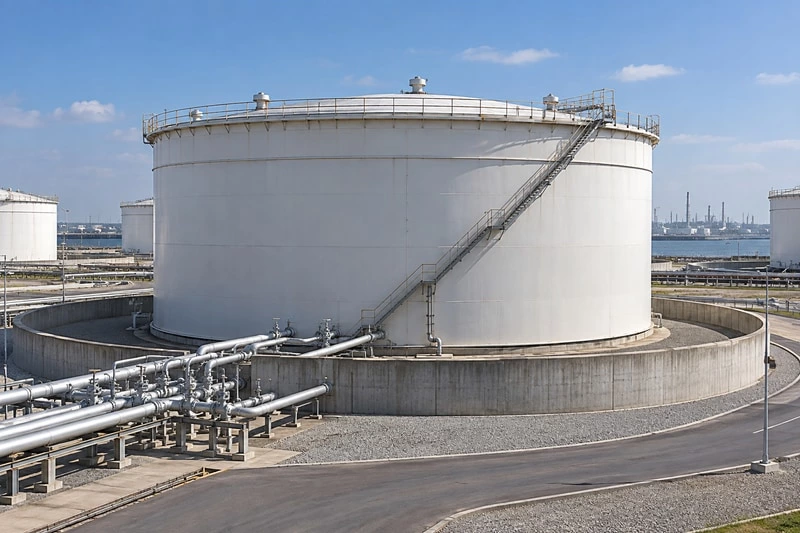
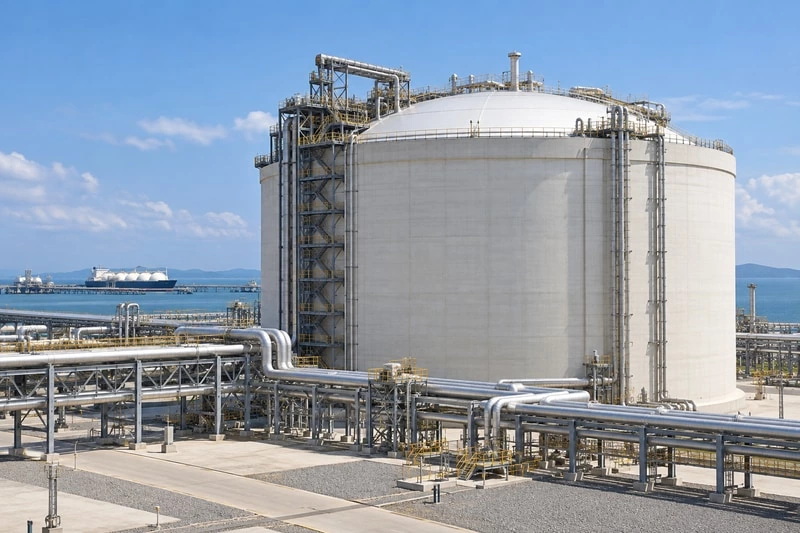
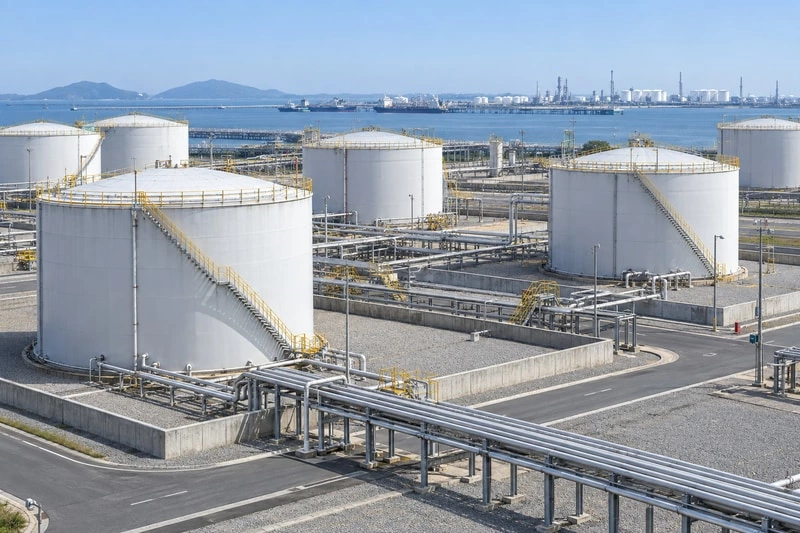
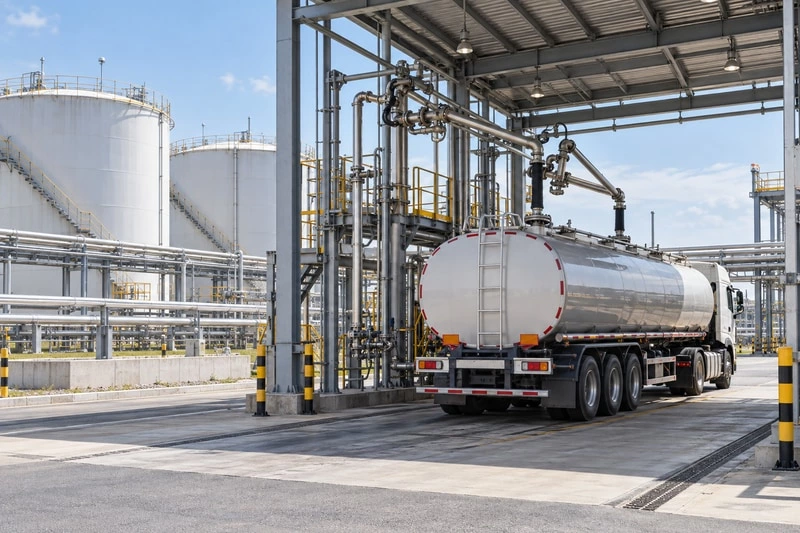
Process Overview
Enhance refining performance and product quality through precise process measurement across critical refining operations.
Typical Applications
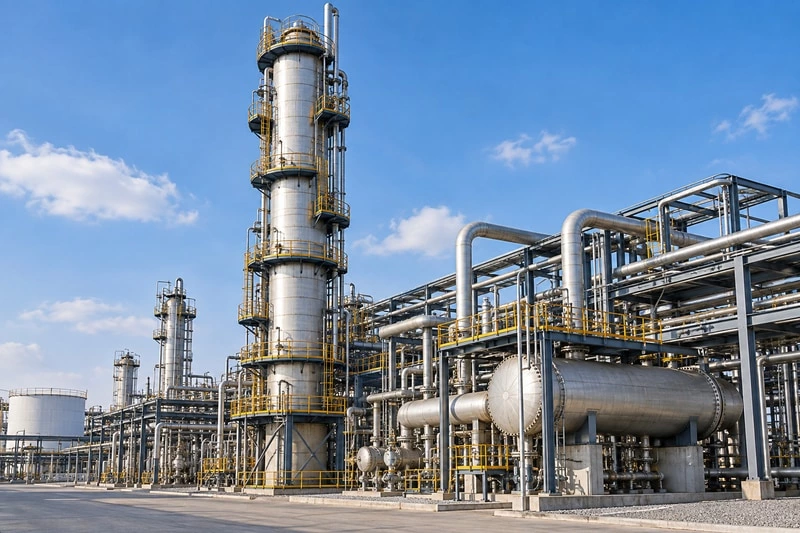
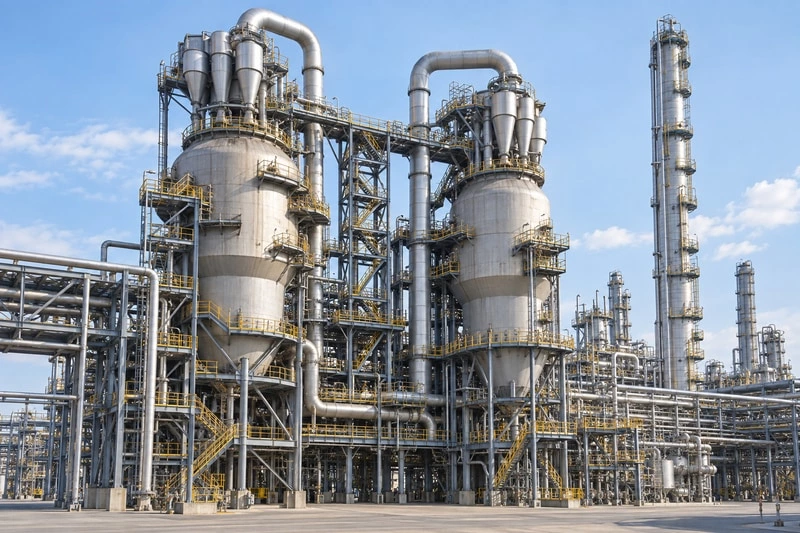
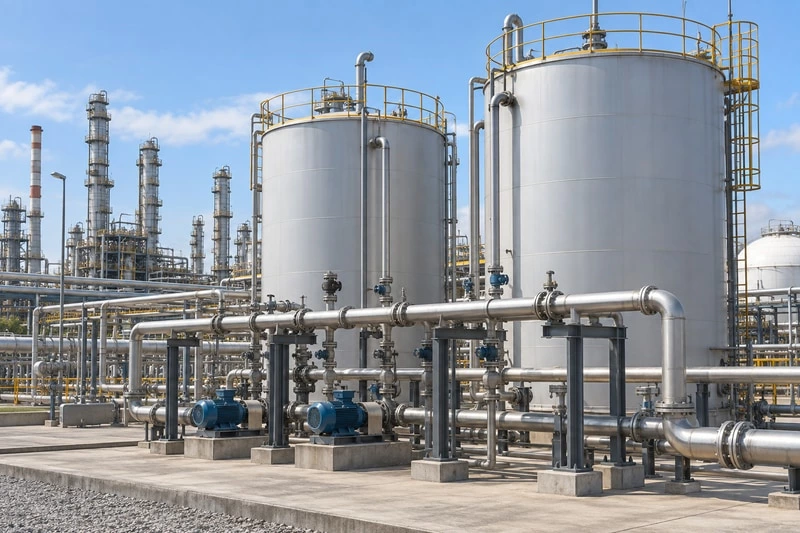
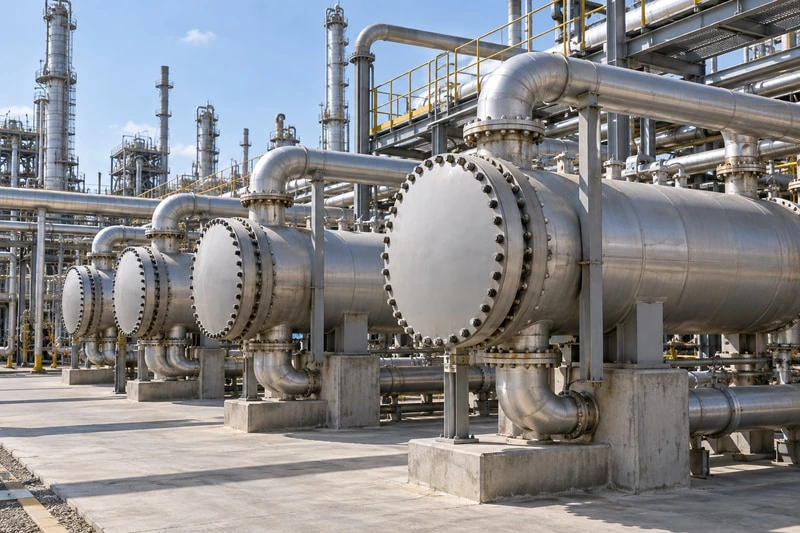
Process Overview
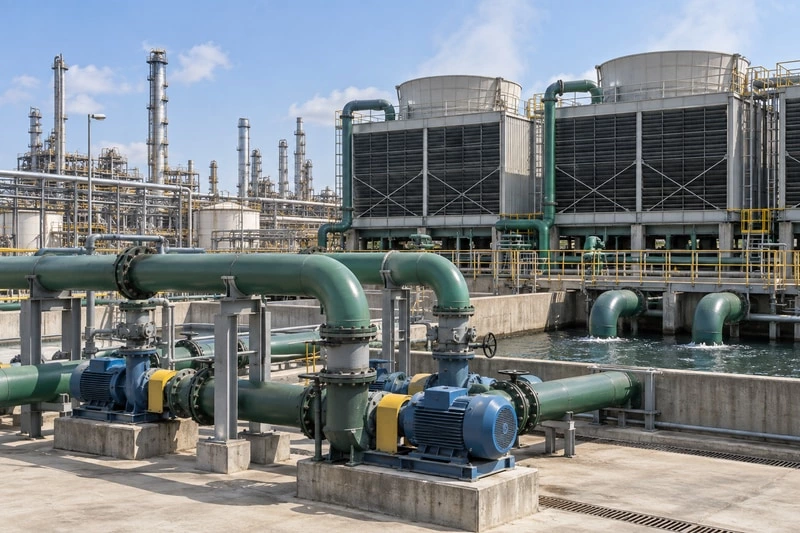
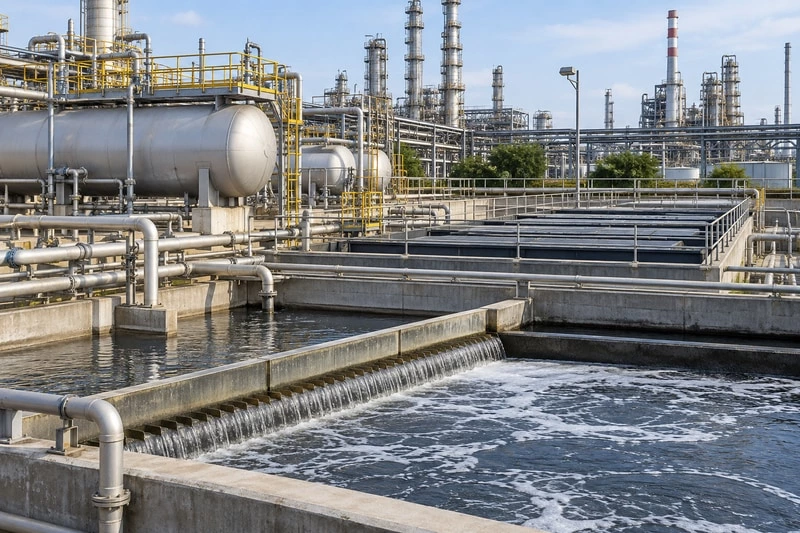
Support reliable plant operation and environmental compliance by monitoring utility systems and wastewater treatment processes.
Typical Applications
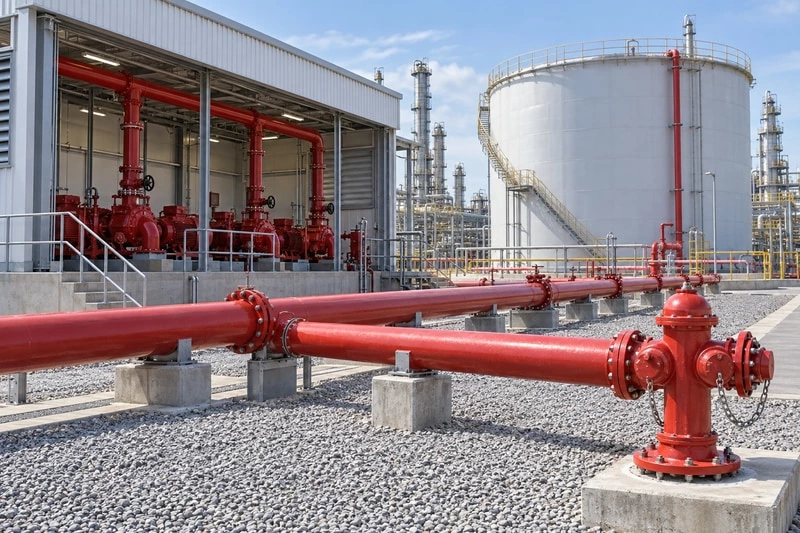
Build a Smarter Oil & Gas Operation
Discover instrumentation solutions designed for demanding oil & gas applications, helping you achieve accurate measurement, safer operations, and improved plant performance.
Industry Solution
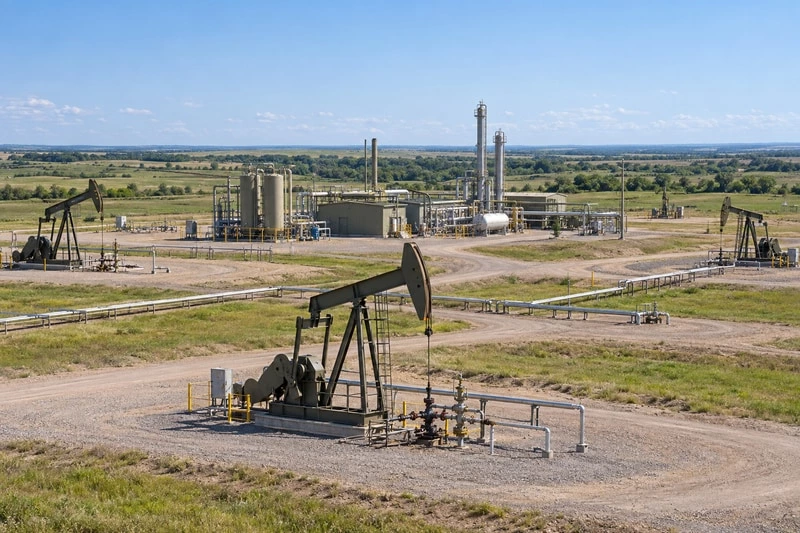
Onshore Oil & Gas
Reliable measurement solutions for efficient onshore oil and gas production, from wellheads to gathering systems.
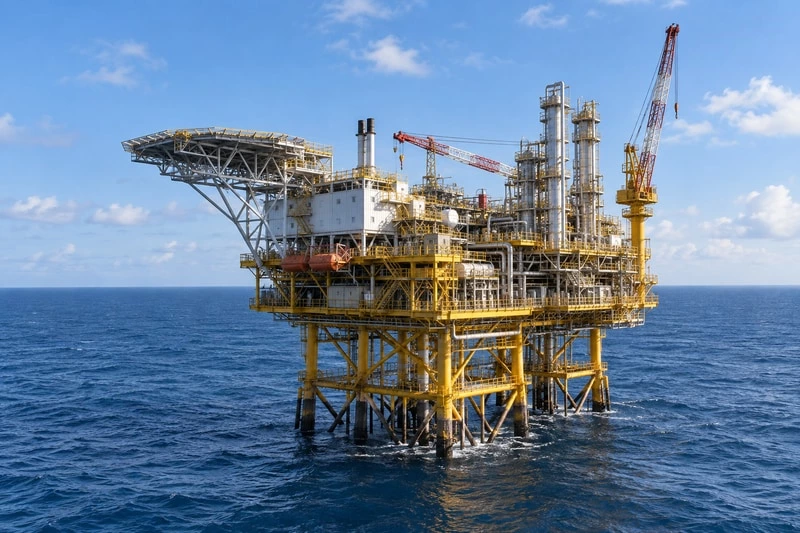
Offshore Platforms
Built for demanding offshore environments, ensuring safe and reliable process measurement on production platforms.
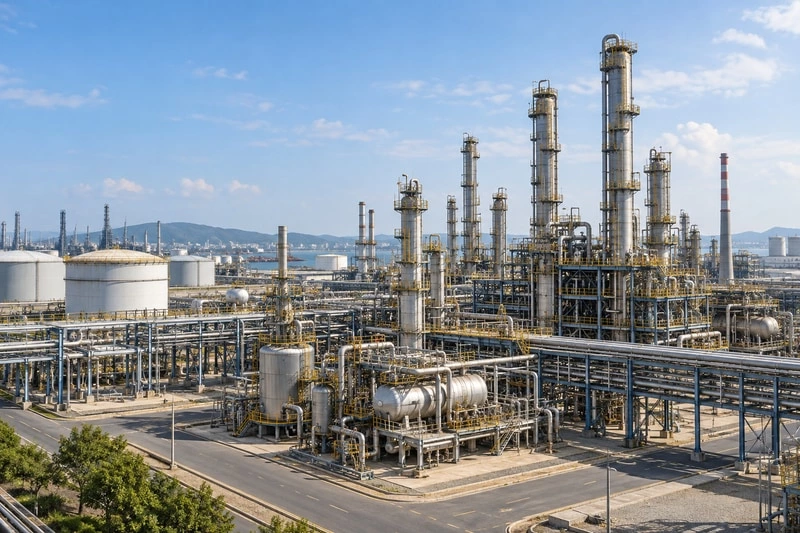
Refineries
Optimize refining processes with accurate instrumentation for improved efficiency, quality, and operational safety.
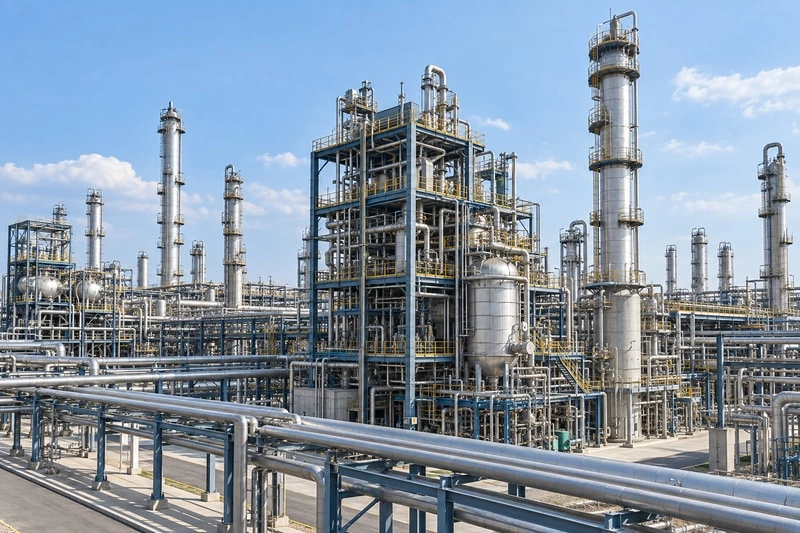
Petrochemical Plants
Support complex chemical processing with precise measurement solutions for critical production applications.
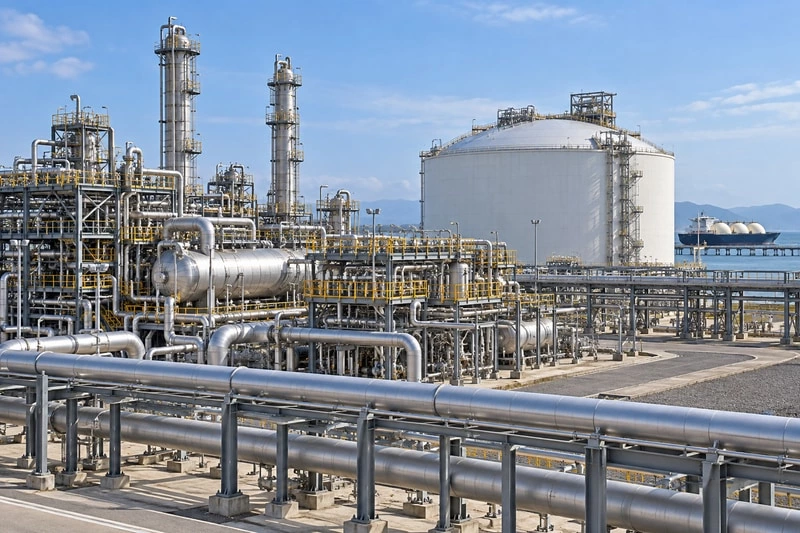
LNG & Natural Gas
Deliver reliable measurement for LNG production, storage, transportation, and gas processing facilities.
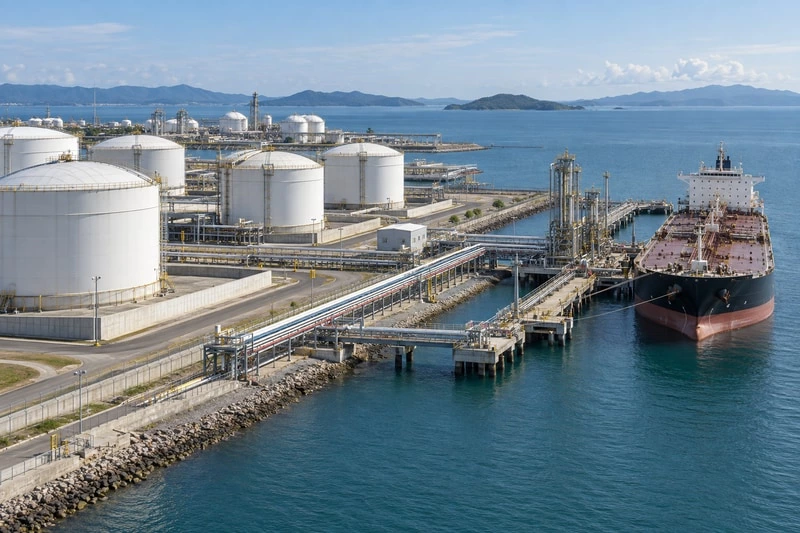
Tank Terminals & Storage
Enhance inventory management and storage safety with continuous level, pressure, and temperature monitoring.
Featured Products
Explore reliable instrumentation designed for critical oil and gas applications, delivering accurate measurement and dependable performance across the entire process.
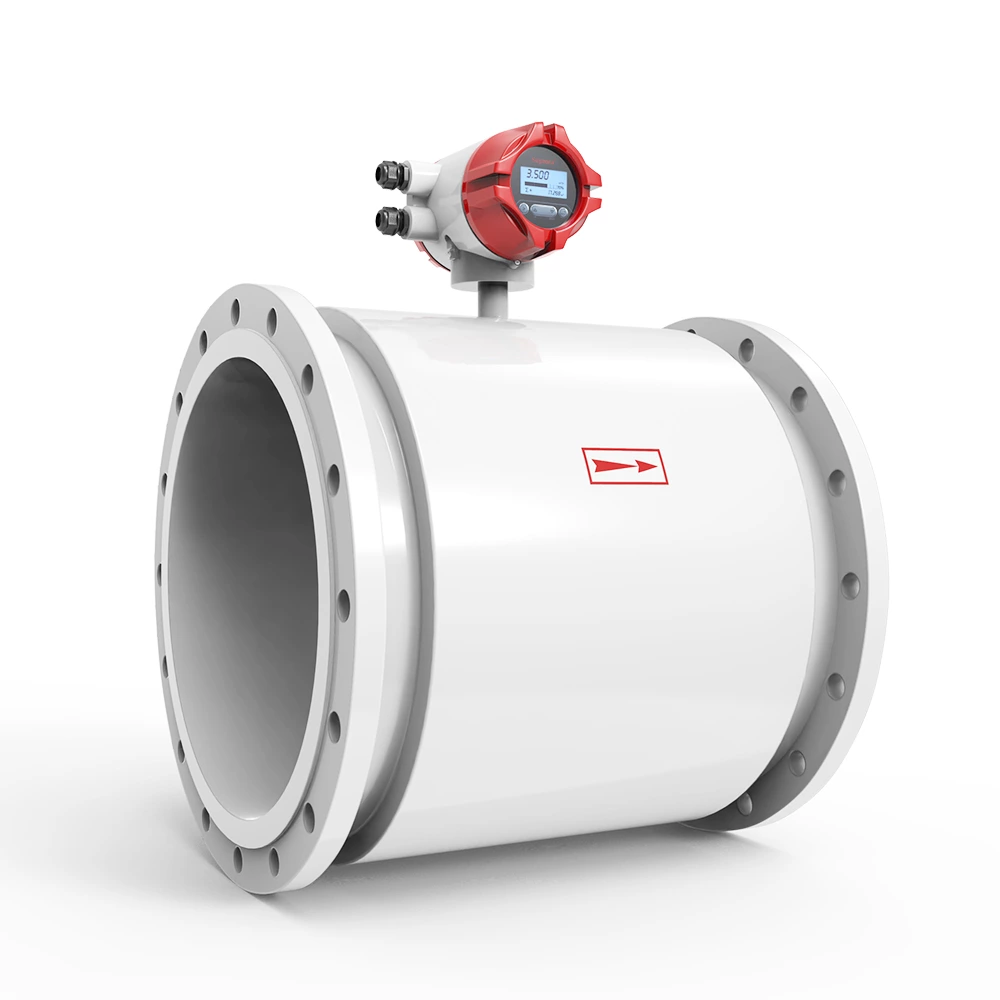
LDG-SUP Electromagnetic Flowmeter: Precision Flow Measurement for Demanding Industrial Applications
View Products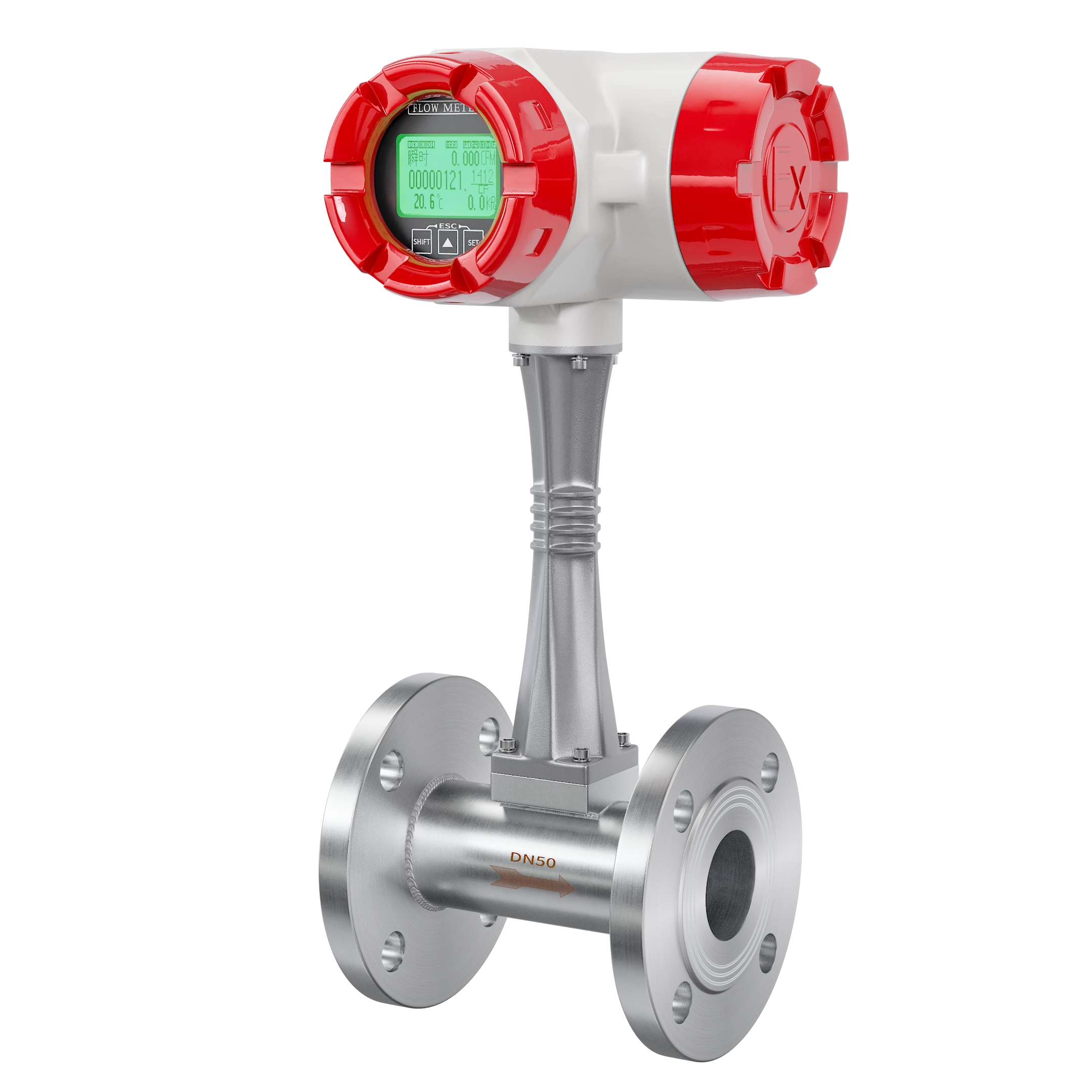
SUP-LUGB-C Vortex Flow Meter for Steam, Gas & Liquid Flow Measurement
View Products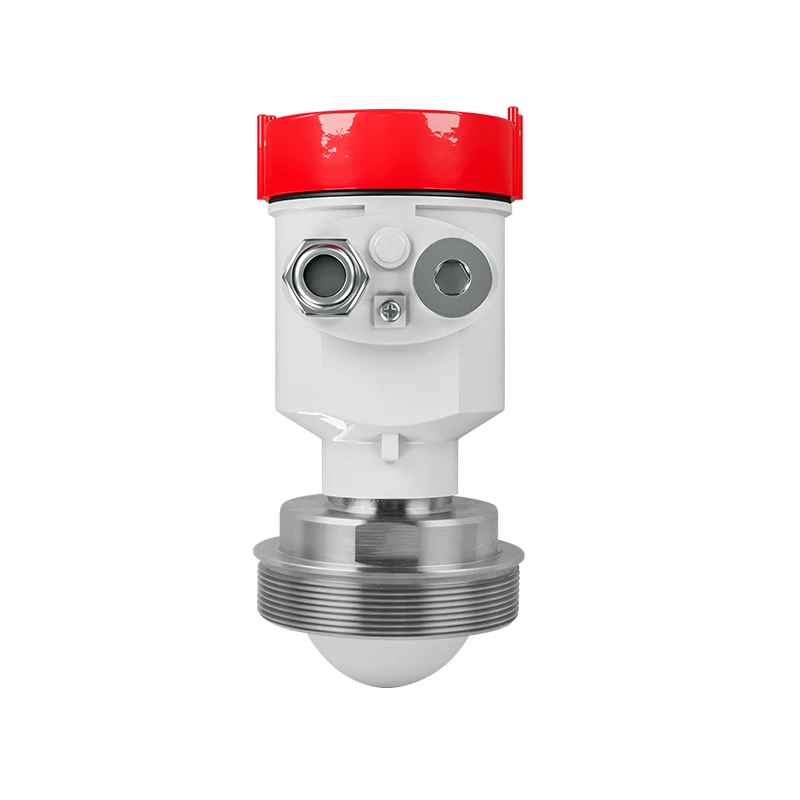
WSR550 76-81GHz Radar Level Transmitter | FMCW Millimeter-Wave Sensor
View Products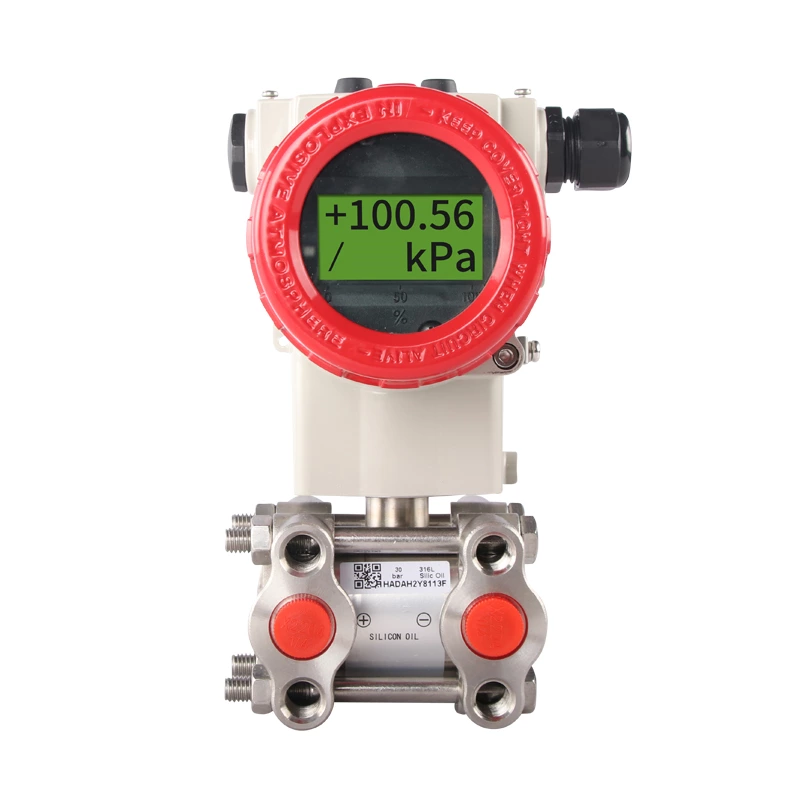
SUP-2051 Differential Pressure transmitter
View Products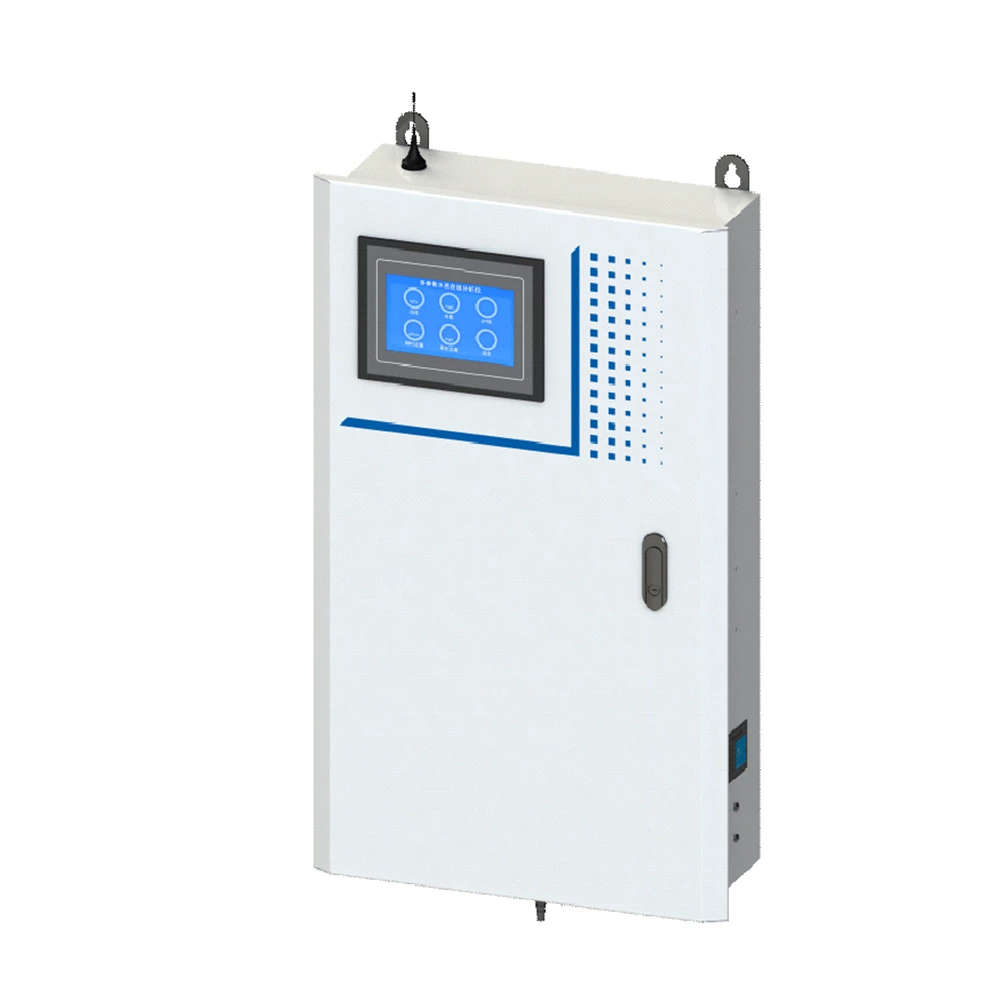
SUP-MPP1000 Multi-Parameter Analyzer
View Products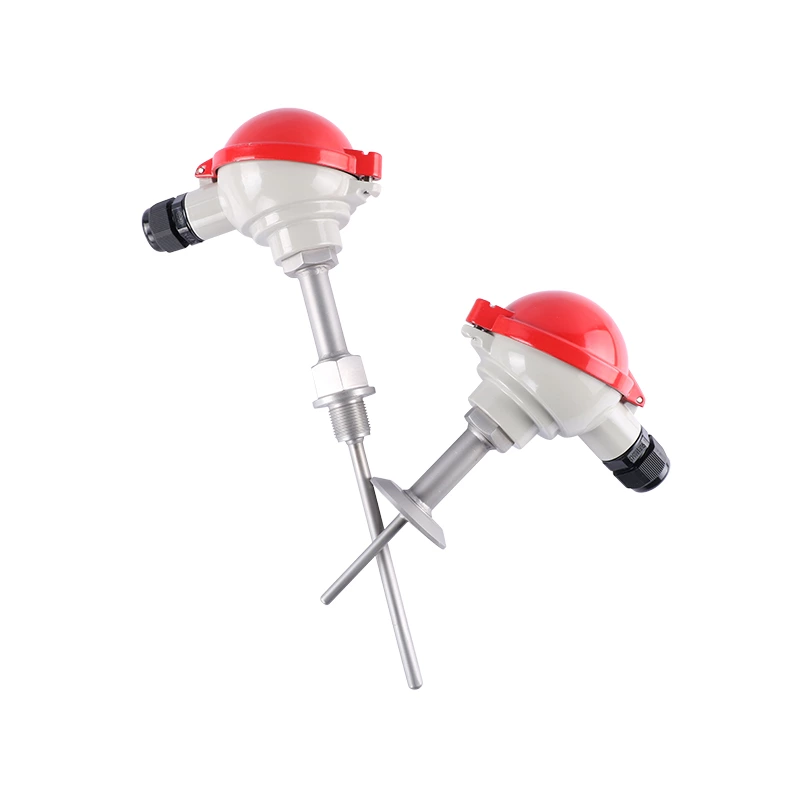
SUP-WZPK/WRNK RTD Temperature sensors with mineral insulated resistance thermometers
View ProductsSuccess Stories
Discover how Supmea instrumentation helps customers improve operational efficiency, measurement reliability, and process safety across diverse oil and gas applications.
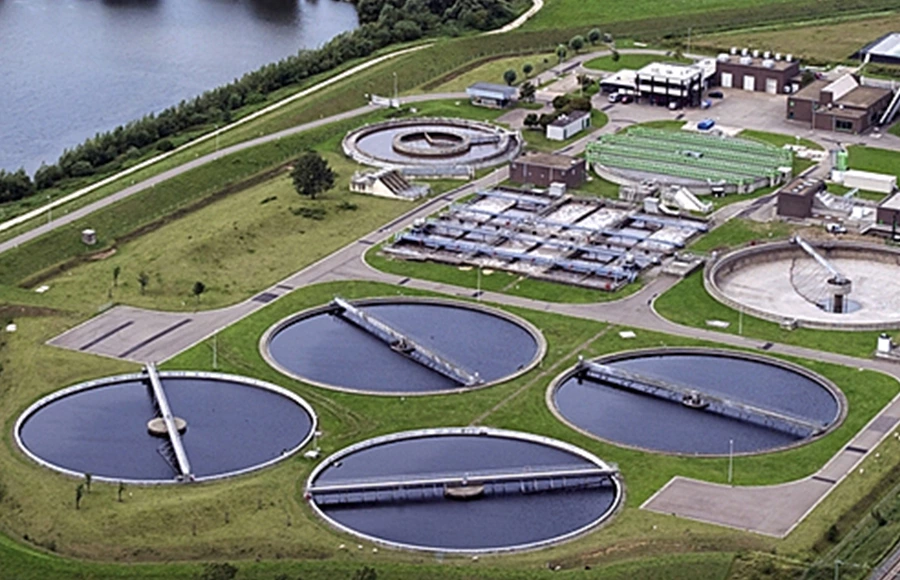
Case of liangshan Xichang West Metallurgical Factory
Reliable Oil & Gas Operations
Trusted by industrial customers worldwide, Supmea combines reliable products, engineering expertise, and responsive service to support oil and gas projects from design to operation.
Comprehensive Solutions
Complete instrumentation for flow, level, pressure, temperature, and analysis.
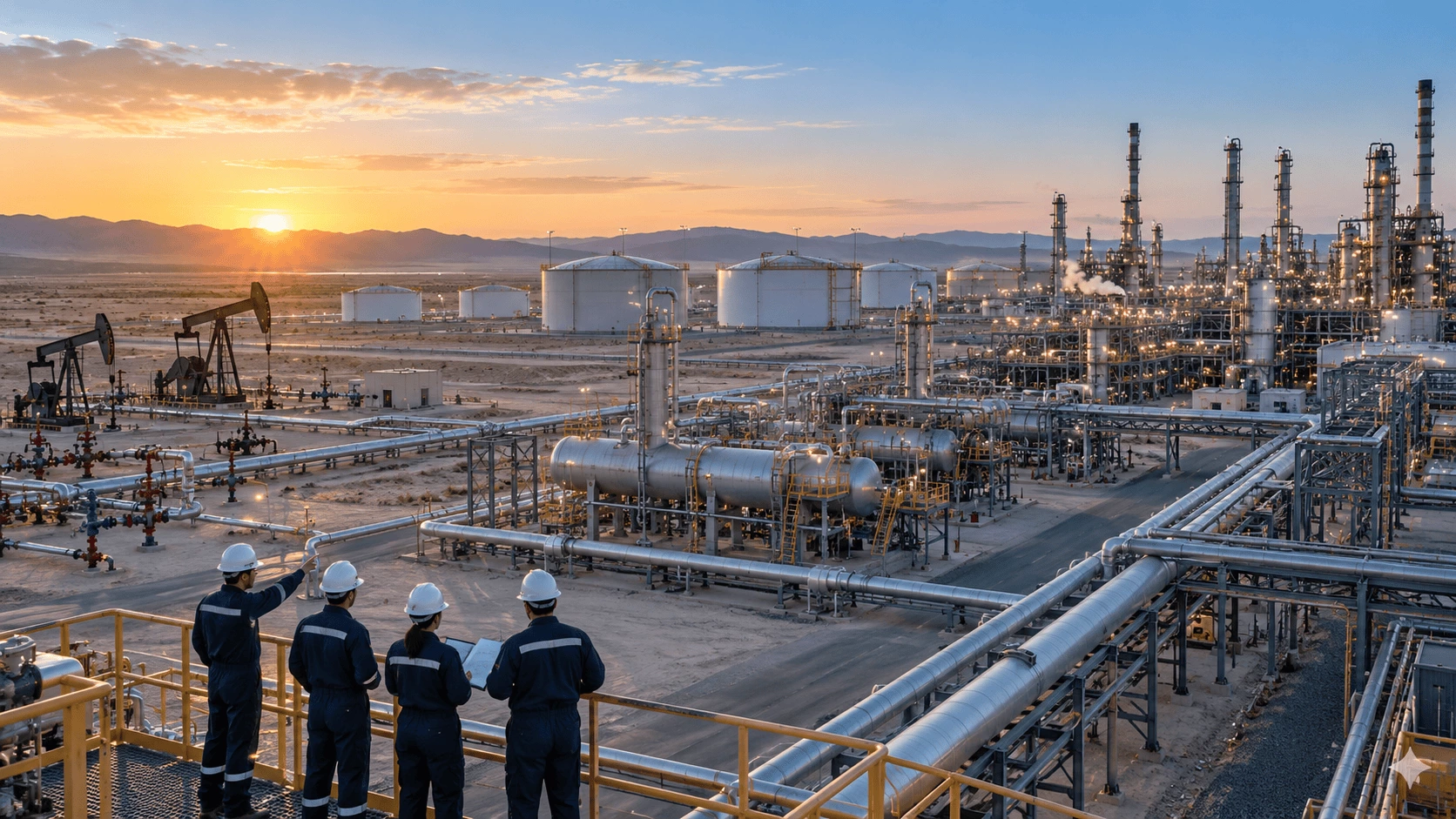
Reliable Performance
Built for demanding oil & gas environments with stable, long-term operation.
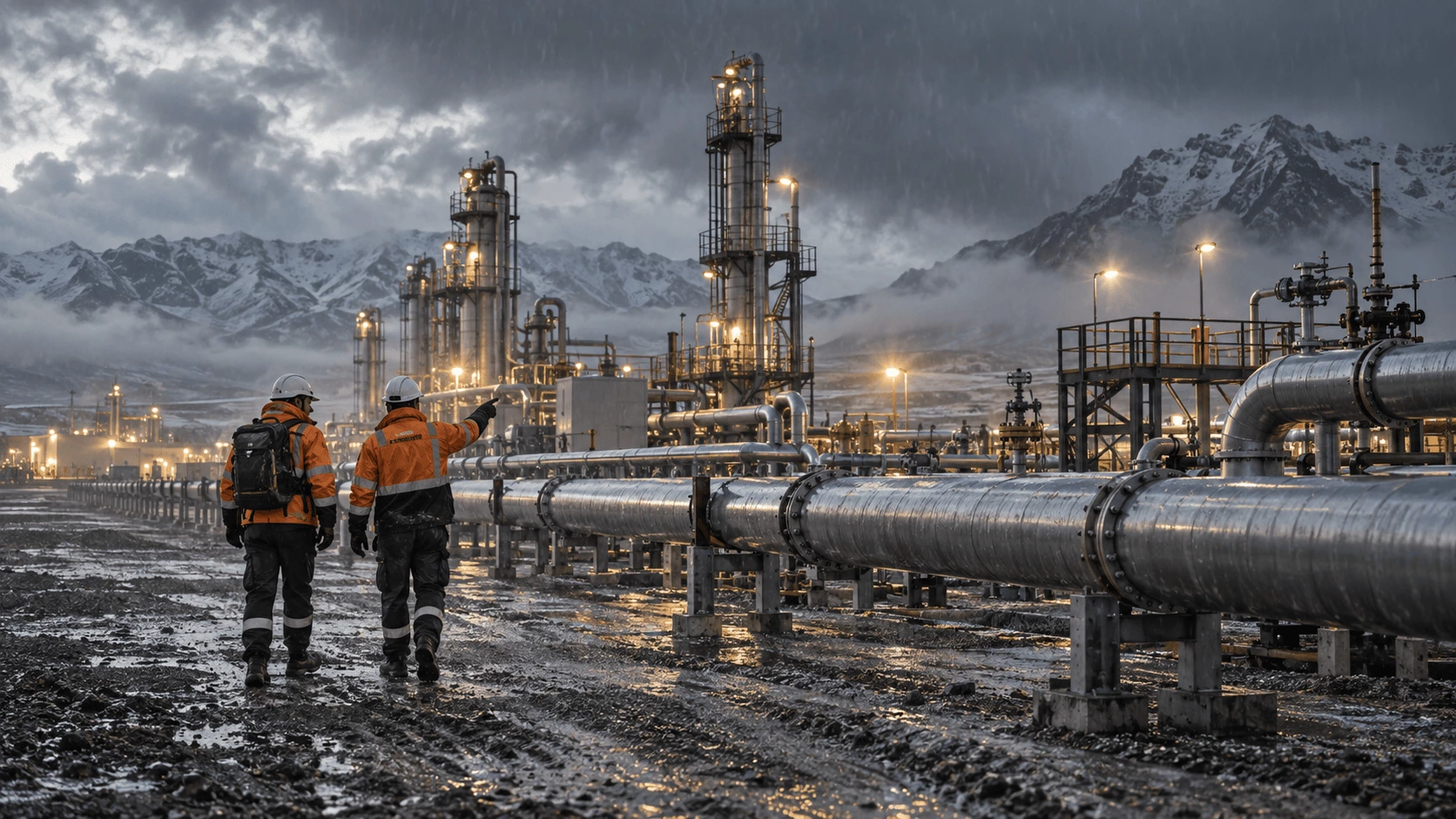
High Measurement Accuracy
Ensure precise measurement for safer processes and improved efficiency.
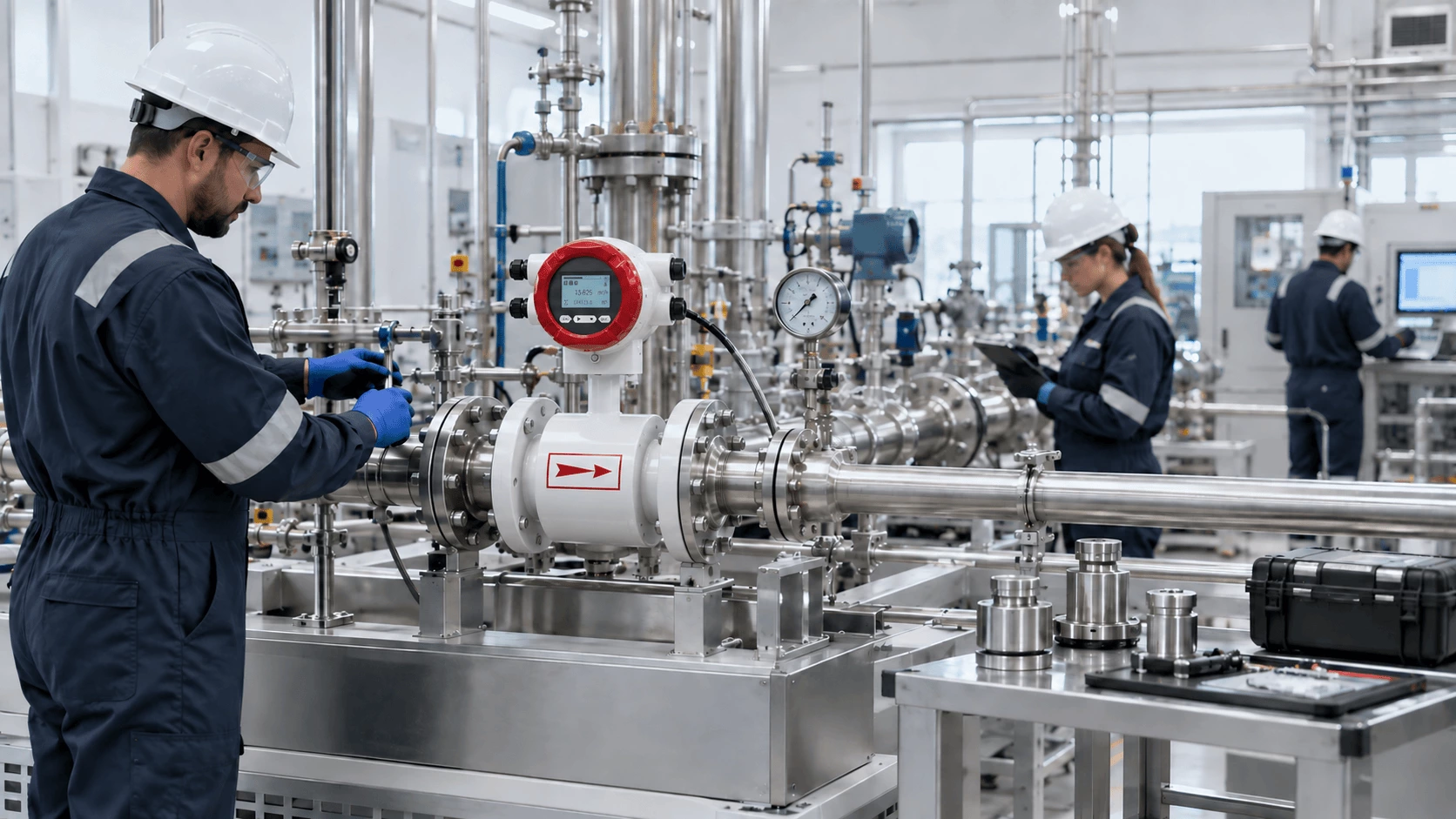
Easy System Integration
Compatible with PLC, DCS, SCADA, and standard industrial protocols.
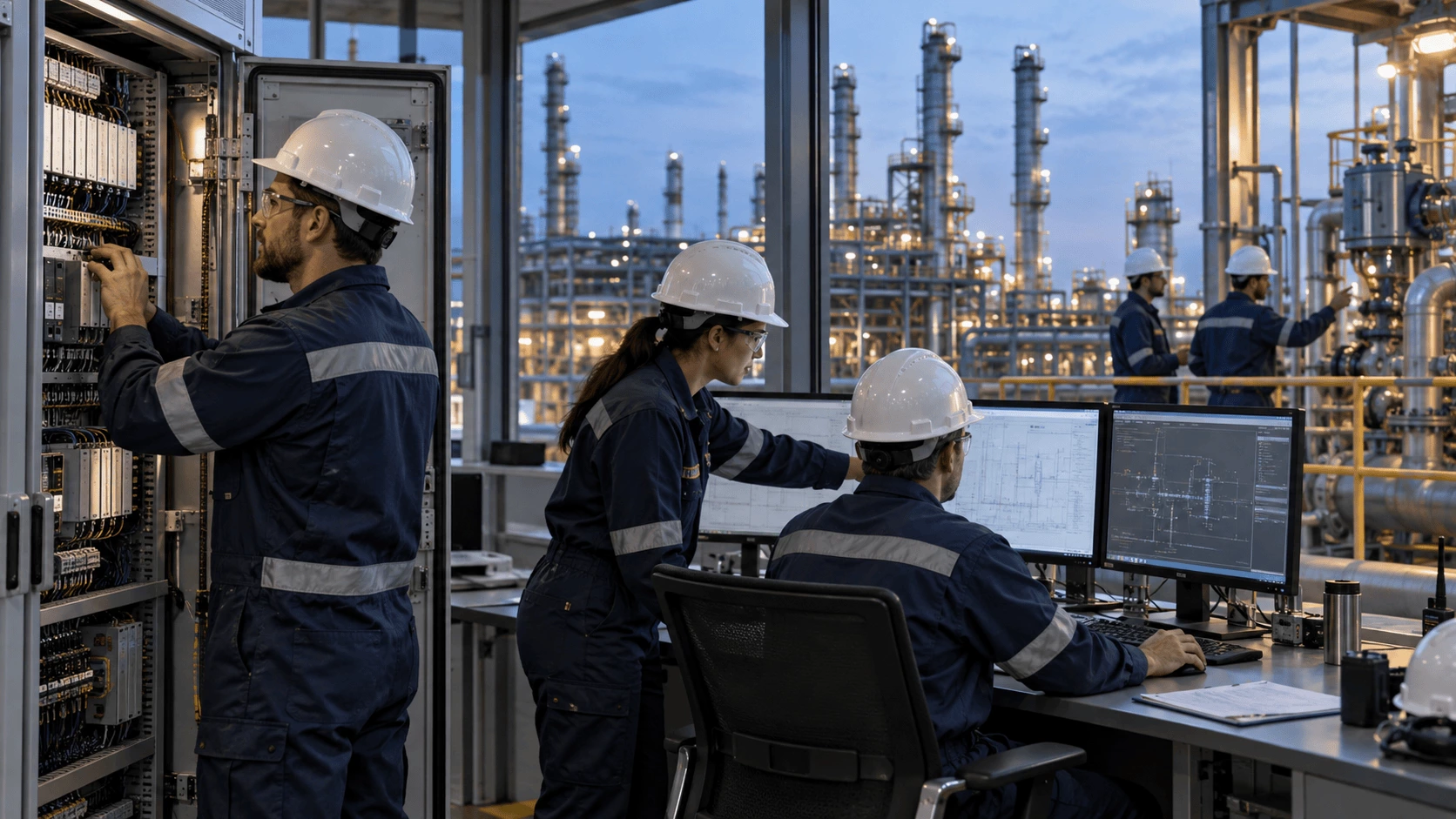
Global Project Support
Professional application expertise and responsive technical assistance worldwide.
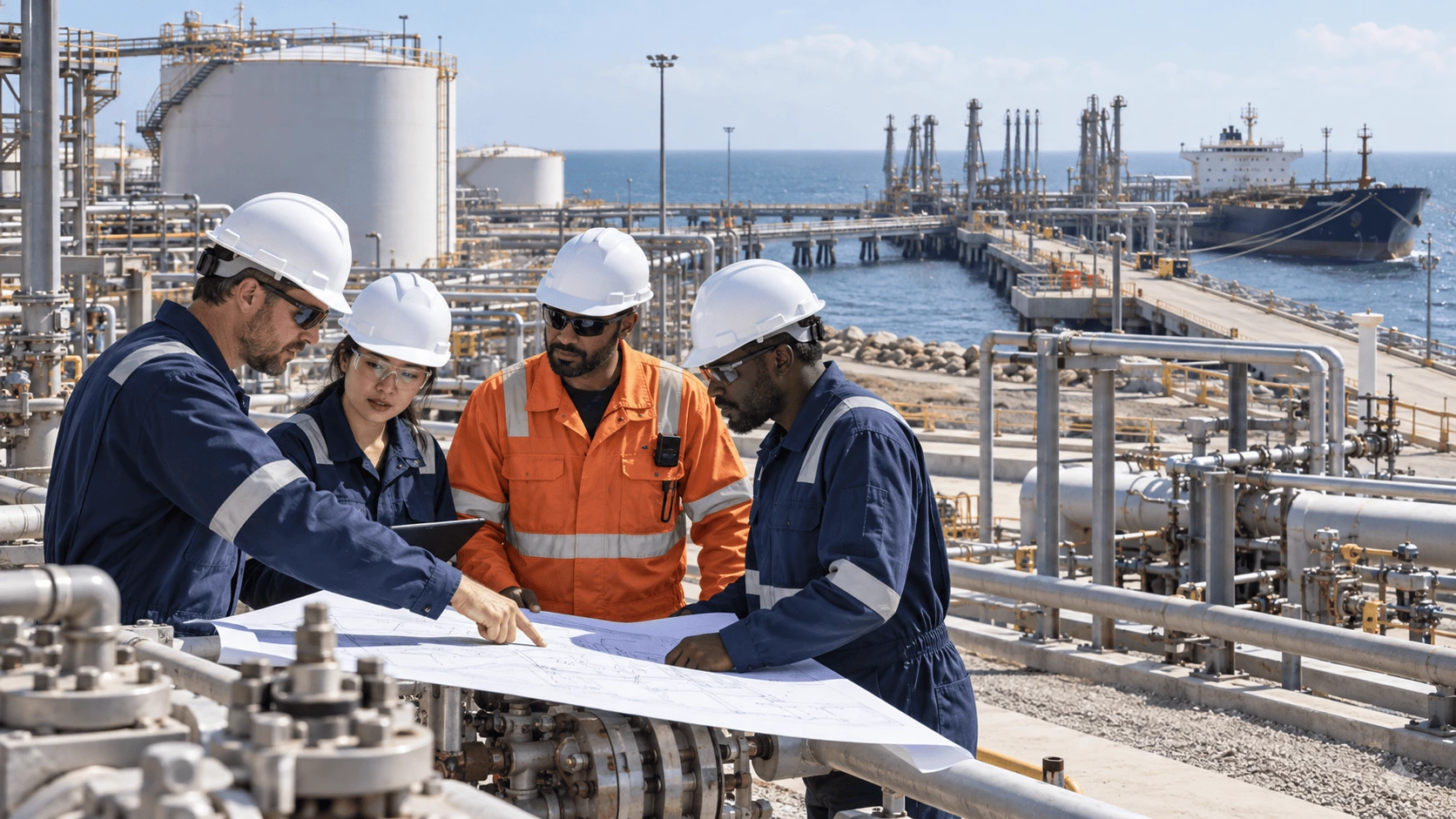
Trusted Quality
Engineered to international standards for consistent and reliable performance.
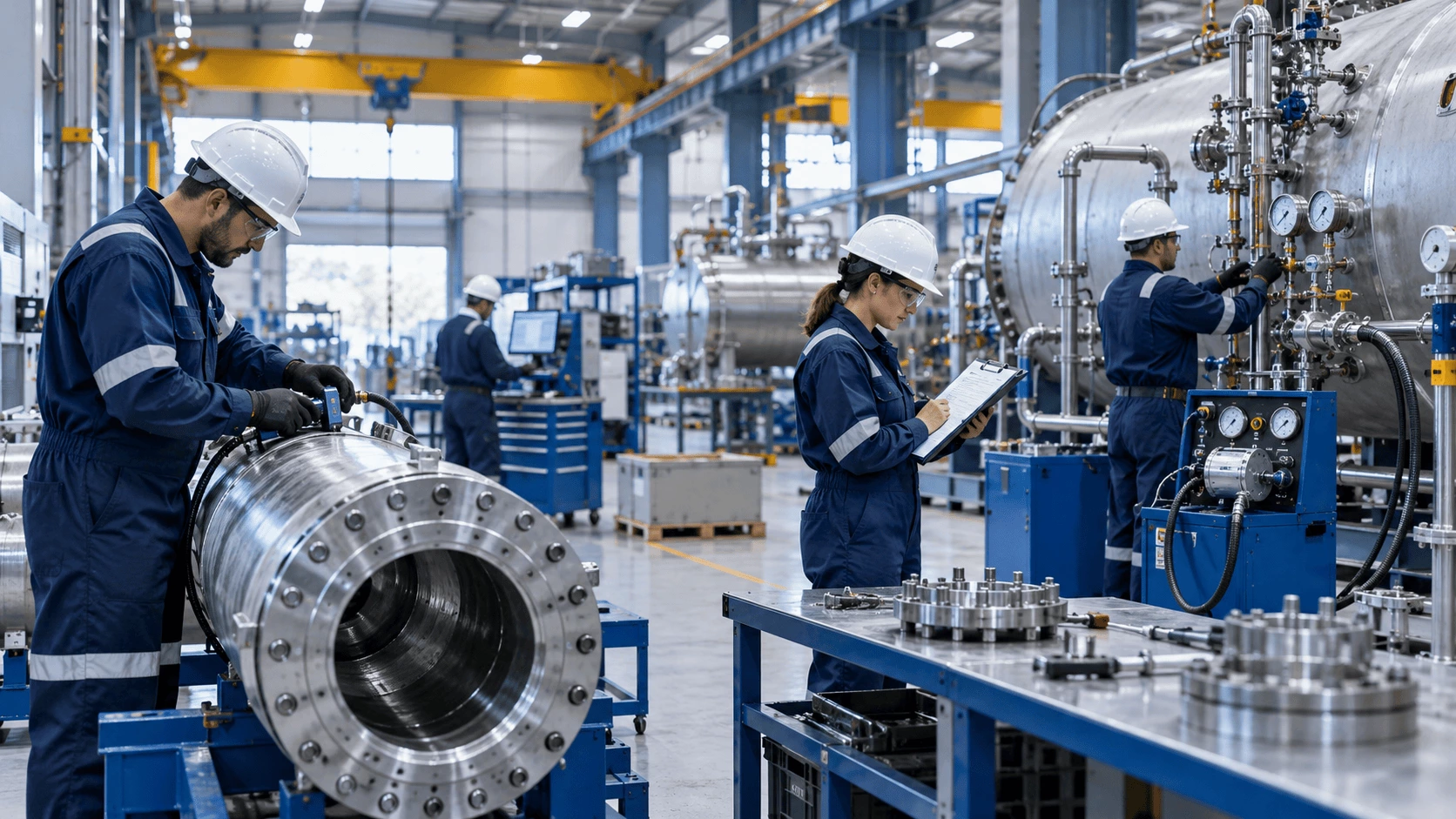
Frequently Asked Questions
What certifications are required for sensors in oil and gas fields?
Instruments must typically carry Explosion-Proof (Ex d) or Intrinsically Safe (Ex ia) certifications (ATEX, IECEx, or FM) to prevent spark ignition in environments where flammable gases or vapors are present.
How is the interface between oil and water measured in a separator?
Guided Wave Radar (GWR) or magnetostrictive level transmitters are ideal for interface measurement. They can detect two distinct liquid layers (oil on top, water on bottom) based on the difference in dielectric constants.
Which flow meter is best for high-pressure water injection applications?
High-pressure electromagnetic flow meters (rated for 2500# ANSI or higher) are often used for conductive water injection. For non-conductive fluids or extremely high pressures, Coriolis or Ultrasonic meters are preferred.
How is gas flow measured with changing pressure and temperature?
A Multivariable Transmitter or a Vortex Flow Meter with built-in pressure and temperature compensation is essential. It automatically corrects the volumetric flow to "Standard" or "Normal" volume (SCFM/Nm3/h) for accurate mass balancing.
Can a standard pressure transmitter be used for sour gas (H2S)?
No. Standard stainless steel can suffer from sulfide stress cracking. Specifications must include a Gold-plated diaphragm or, more commonly, a Hastelloy C diaphragm compliant with NACE MR0175 standards for H2S service.
What is the most accurate method for custody transfer of crude oil?
Coriolis mass flow meters are the premier choice for custody transfer due to their high accuracy (typically 0.1%) and ability to measure mass directly, independent of fluid properties like viscosity or density changes.
How is mud pit level monitored during drilling?
Ultrasonic level sensors are cost-effective and common for mud pits. For pits with heavy vapor or foam, or for higher precision, non-contact radar sensors are the superior, low-maintenance alternative.
How can a pipeline leak be detected remotely?
Combining high-accuracy flow meters at both ends of a pipeline section with pressure transmitters allows a control system to detect imbalances (mass balance method) or pressure waves that indicate a leak.