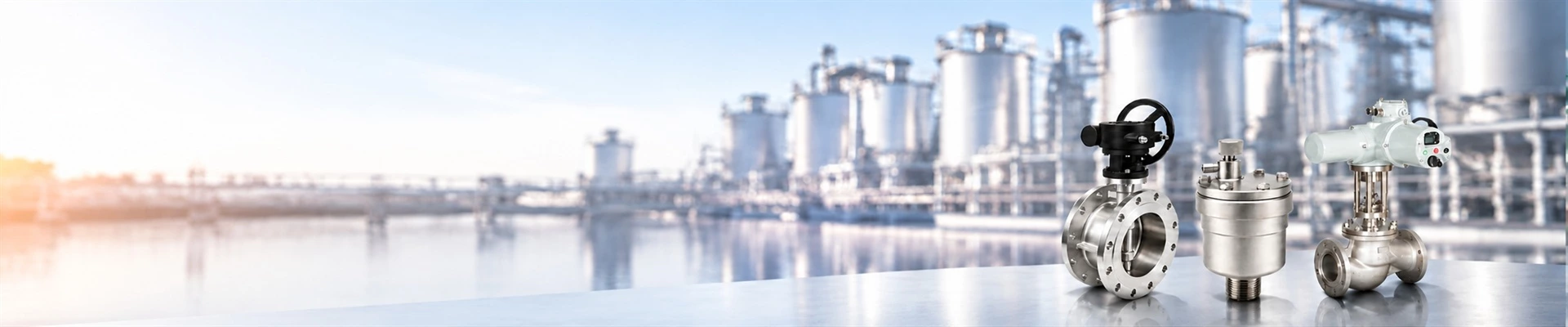
Quick product selection
Find the right instrument for your application.
How metal valve work
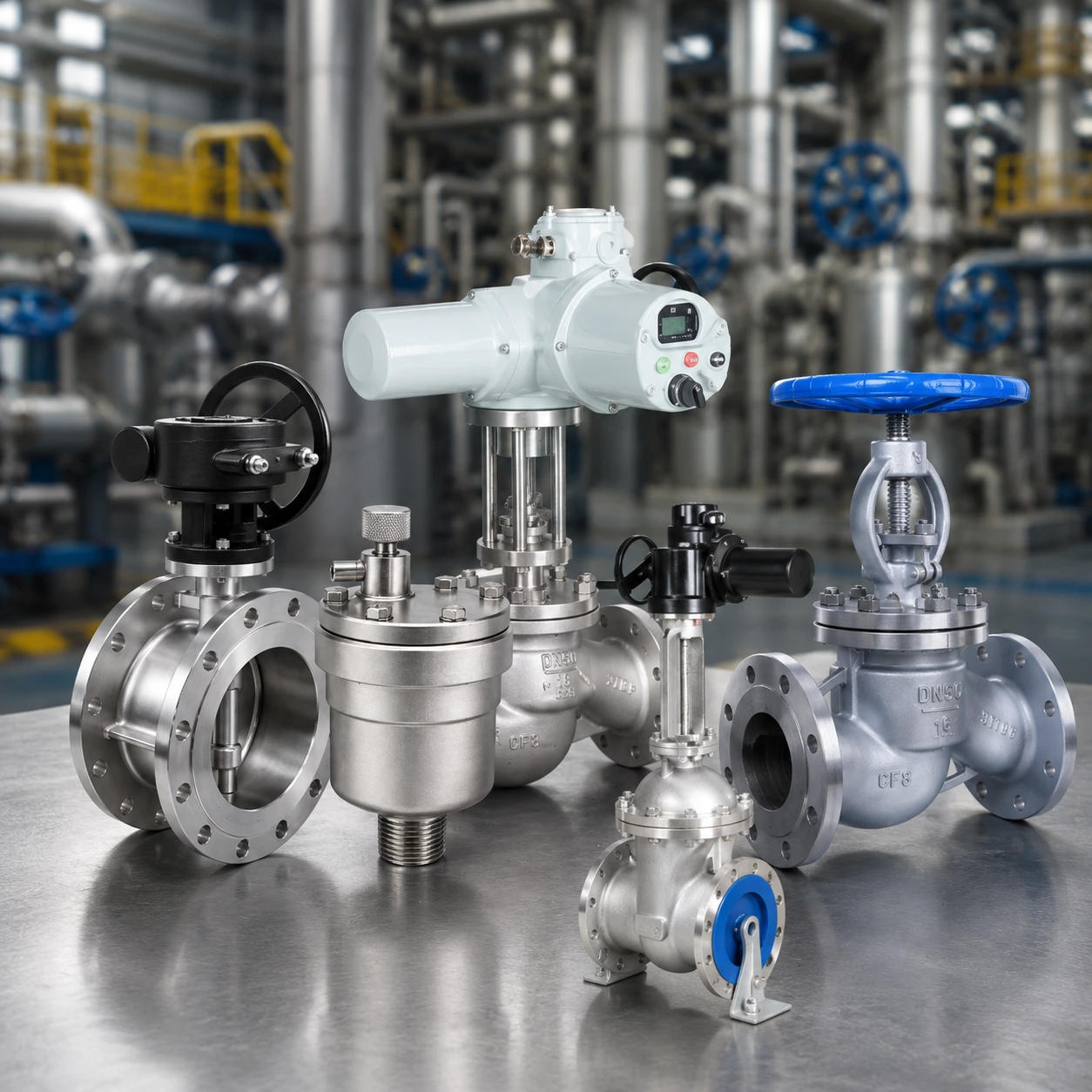
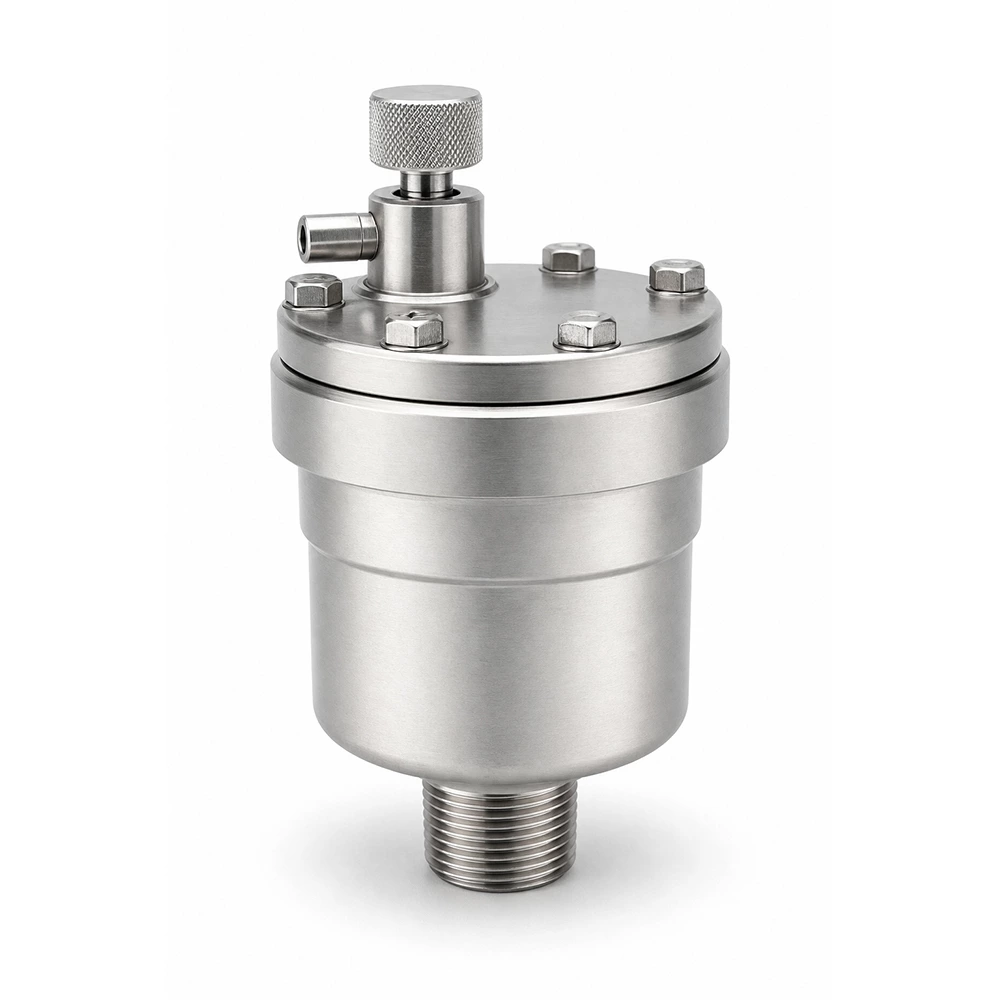
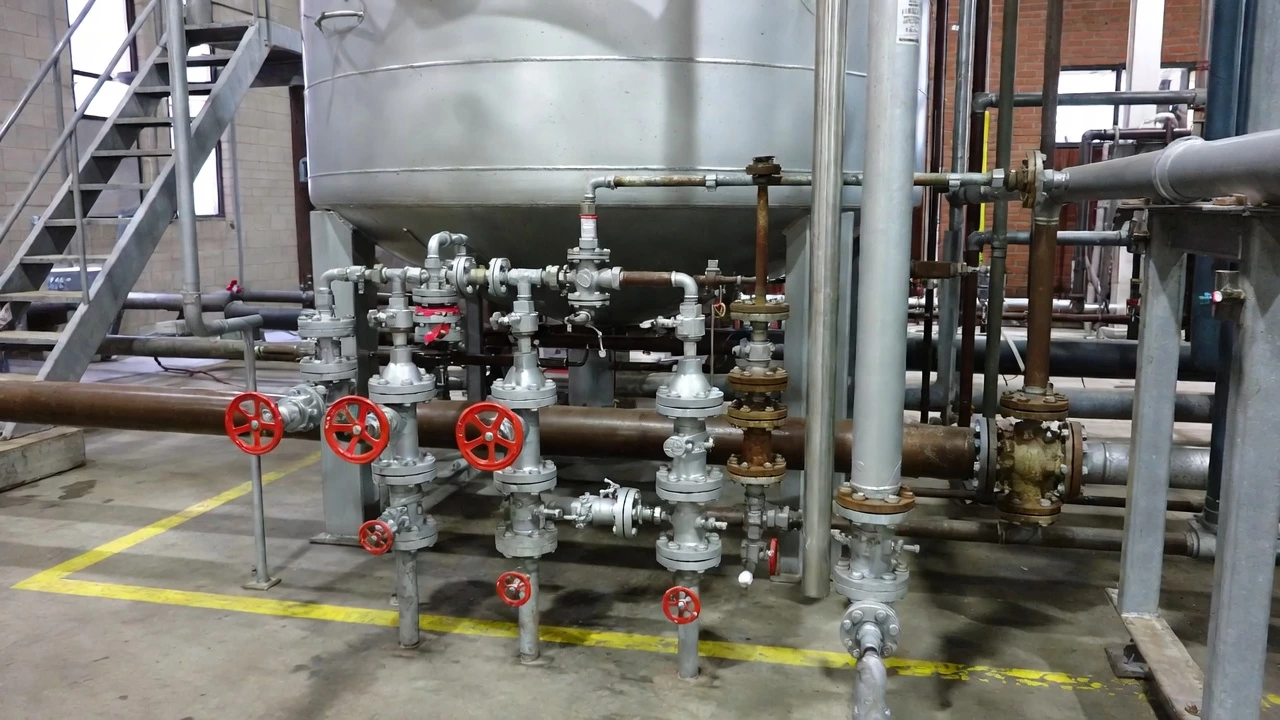
Check valves prevent reverse flow, strainers remove debris before it reaches pumps, valves and other equipment, and air vent valves release trapped air from pipeline high points. SUPMEA pipeline accessories help support stable flow and reduce problems such as blockage, air lock, cavitation and pressure surges. Strainers use removable filter elements to capture solids while limiting pressure loss, while air vent valves use float mechanisms for automatic air discharge.
Selection Note: Select each valve or accessory according to the medium, maximum operating pressure and temperature, required flow capacity, connection standard, body and seal materials. Nominal pipe diameter alone is not sufficient; pressure class, material compatibility and actual system conditions must also be verified.
Applications & Industries
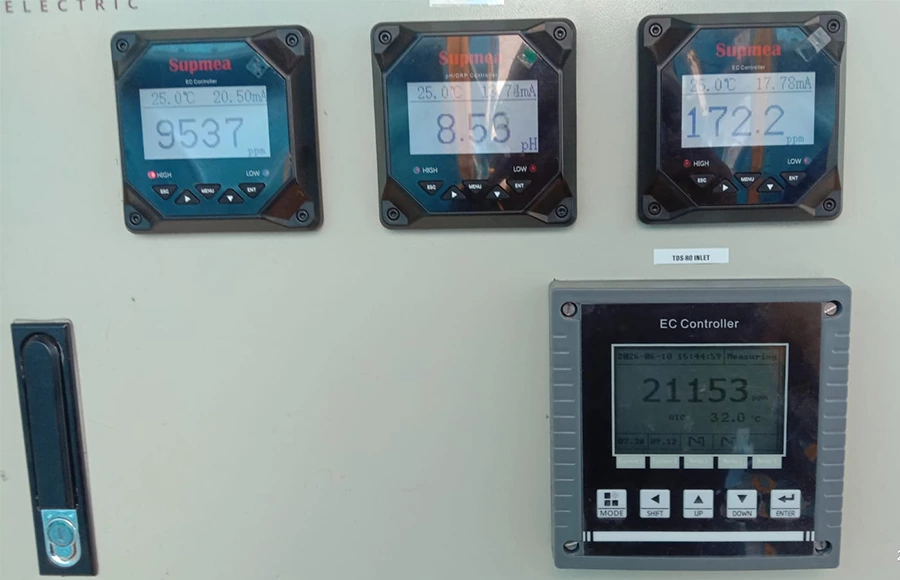
Multi-Parameter Water Quality Monitoring for a Building Project in Dubai
Integrated Flow and Water Quality Monitoring for an RO System in Indonesia
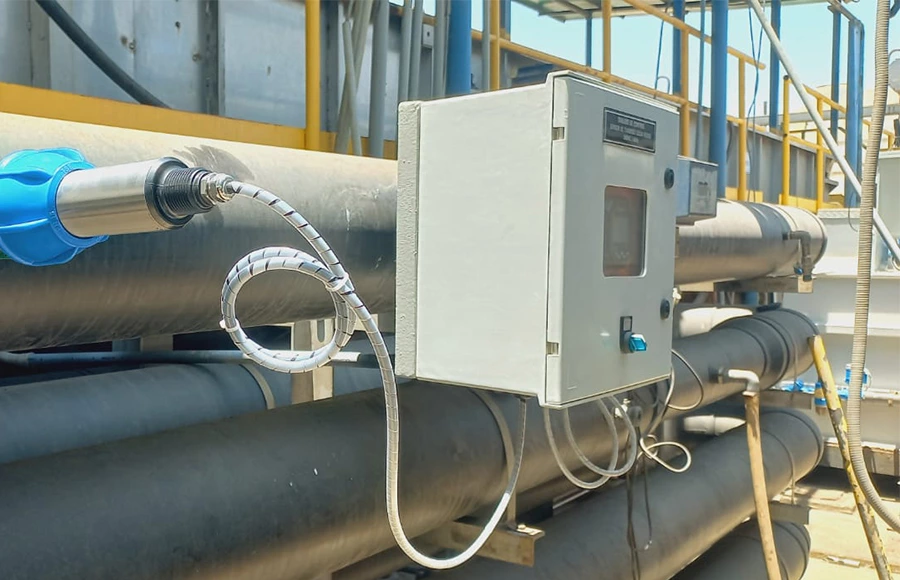
Inline Wastewater Turbidity Monitoring for a Treatment Pipeline in Peru
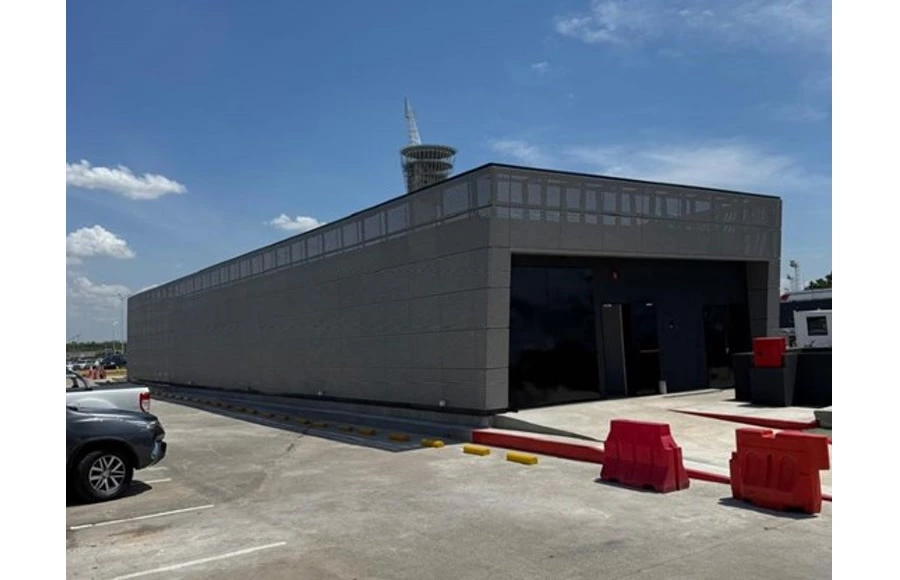
Supmea Multi-Parameter Monitoring Supports Water Treatment at an International Airport in Argentina
Related Products
Discover our most trusted process instruments for water and wastewater applications. Designed for reliable measurement, intelligent monitoring, and efficient process control across every stage of the treatment cycle.
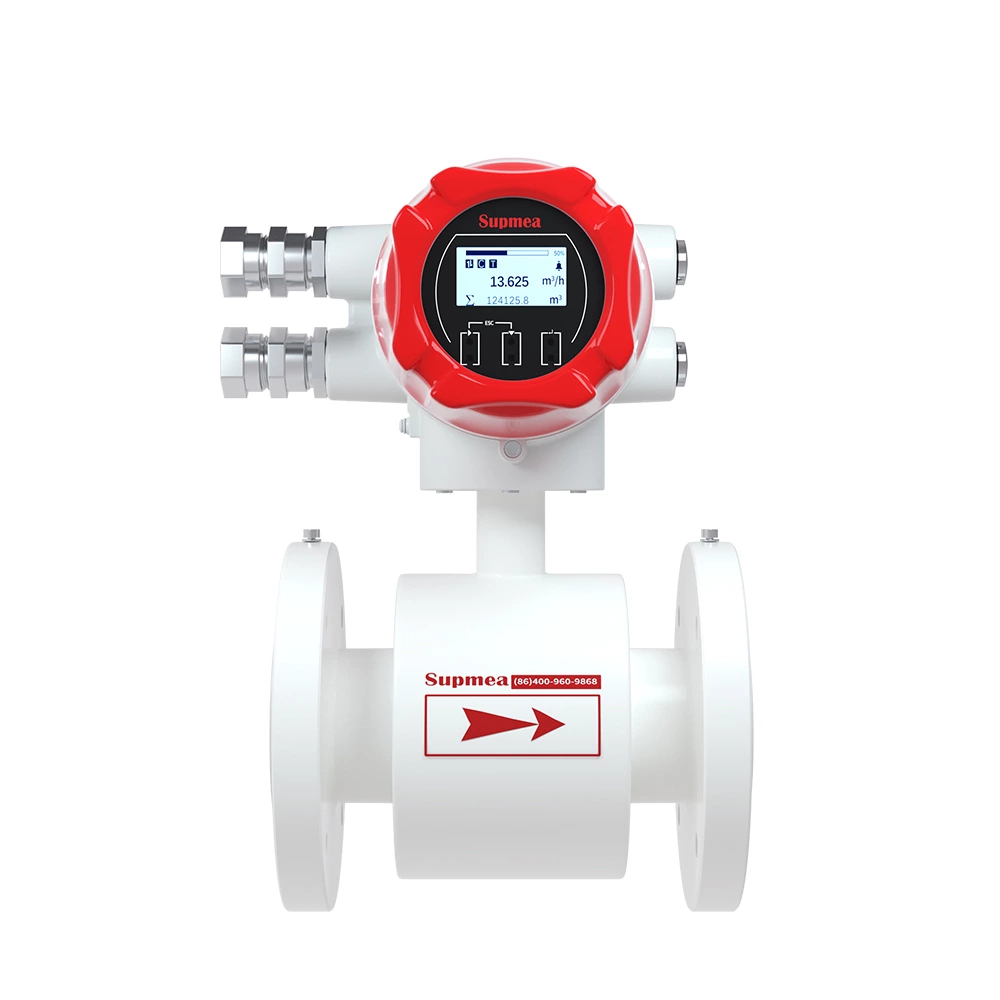
LDG-SUP-A100D Explosion-Proof Electromagnetic Flowmeter
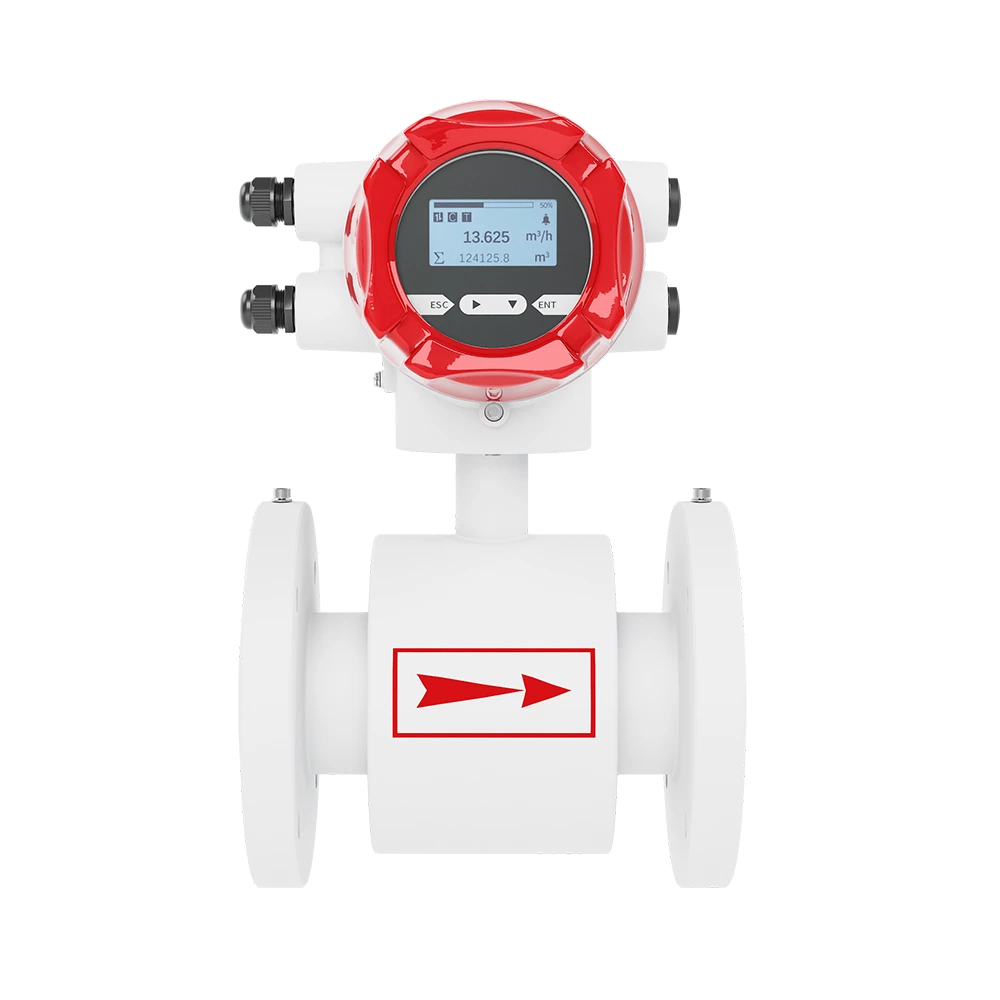
LDG-SUP-A100 Electromagnetic Flow Meter — High-Accuracy Conductive Liquid Measurement
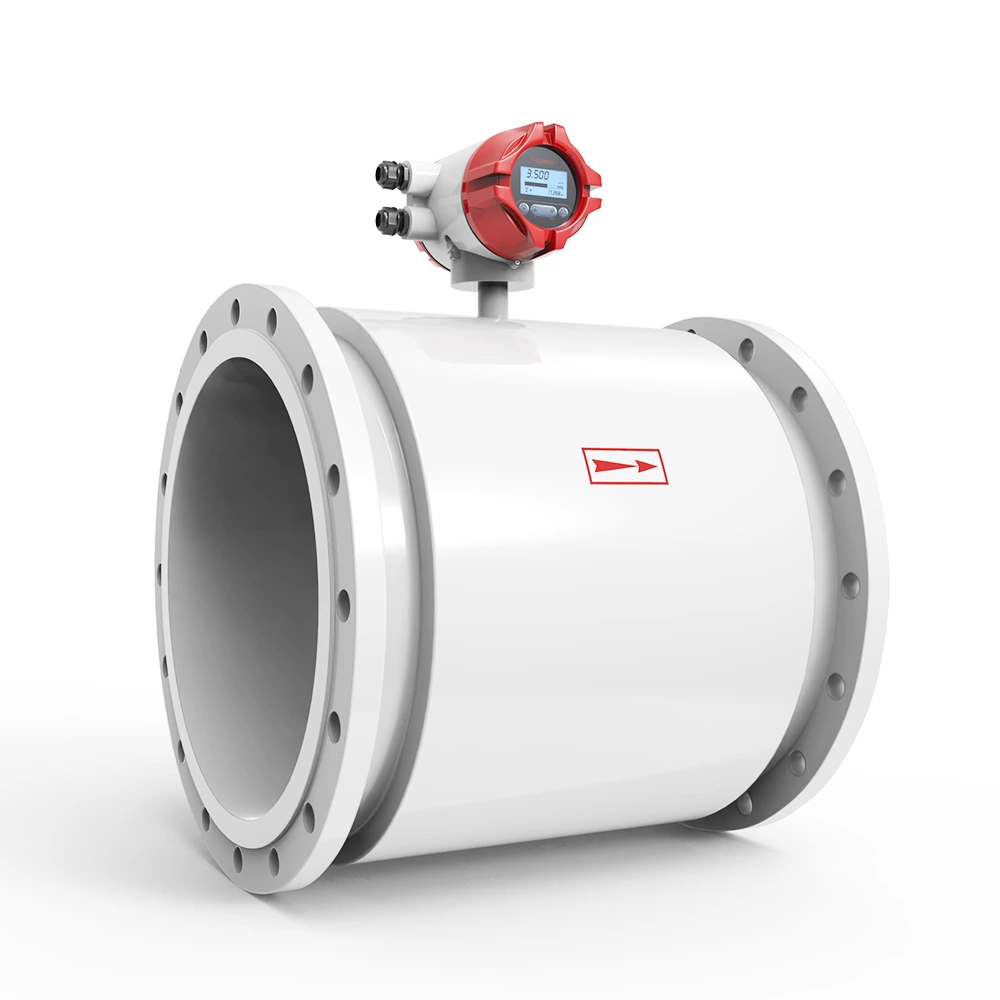
LDG-SUP Electromagnetic Flowmeter: Precision Flow Measurement for Demanding Industrial Applications
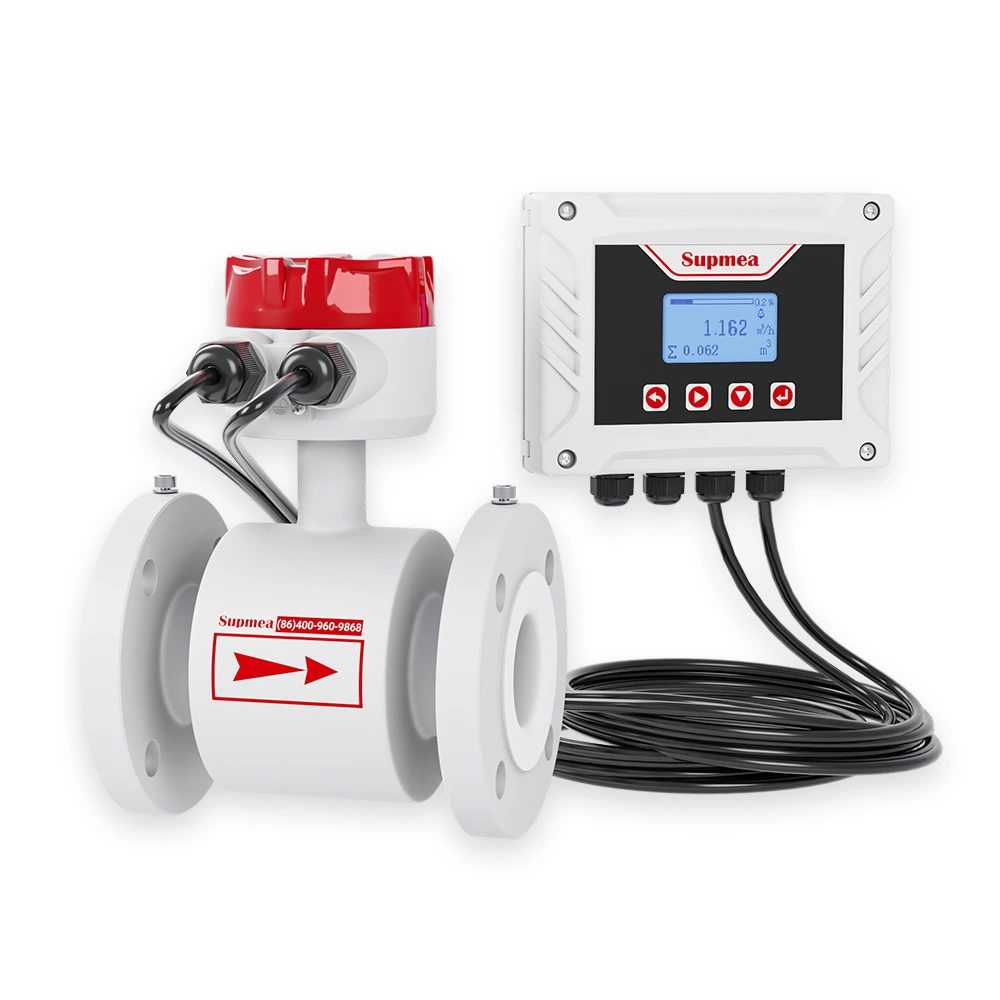
SUP-LDG Remote type electromagnetic flowmeter
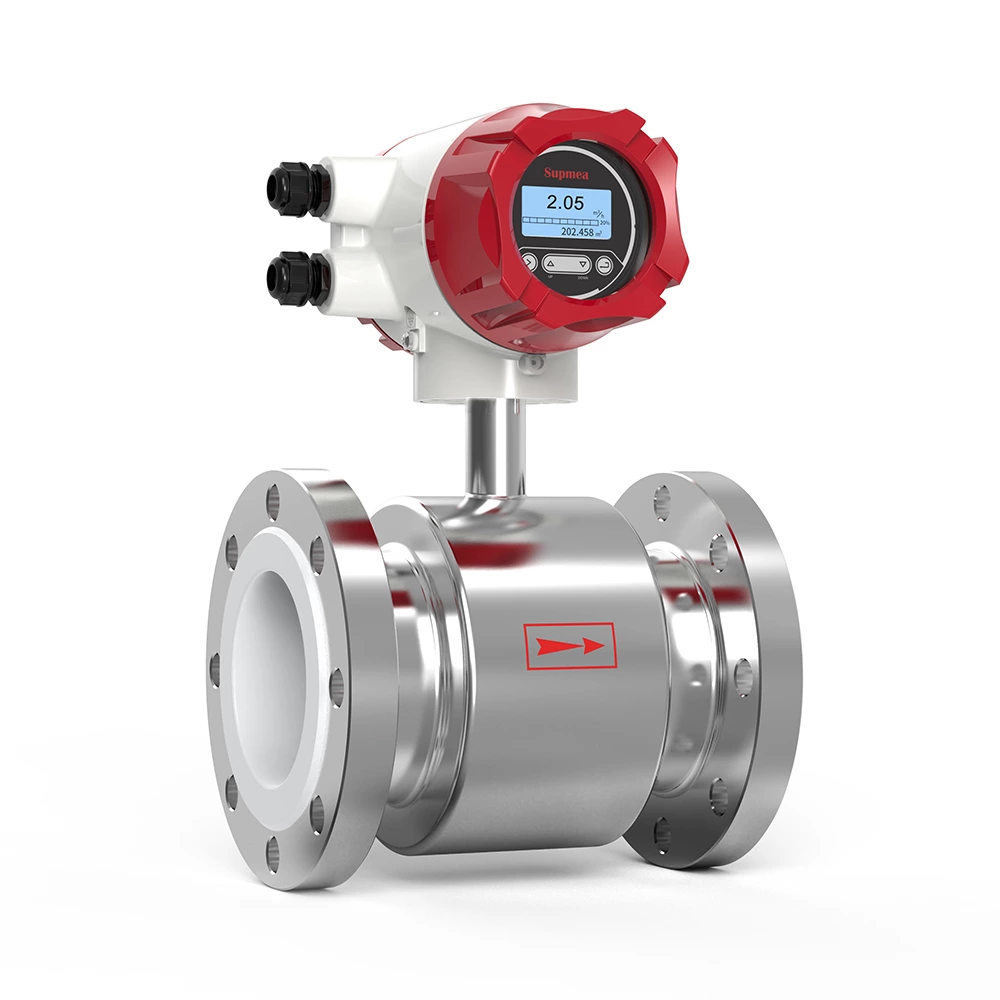
SUP-LDG Stainless steel body electromagnetic flowmeter
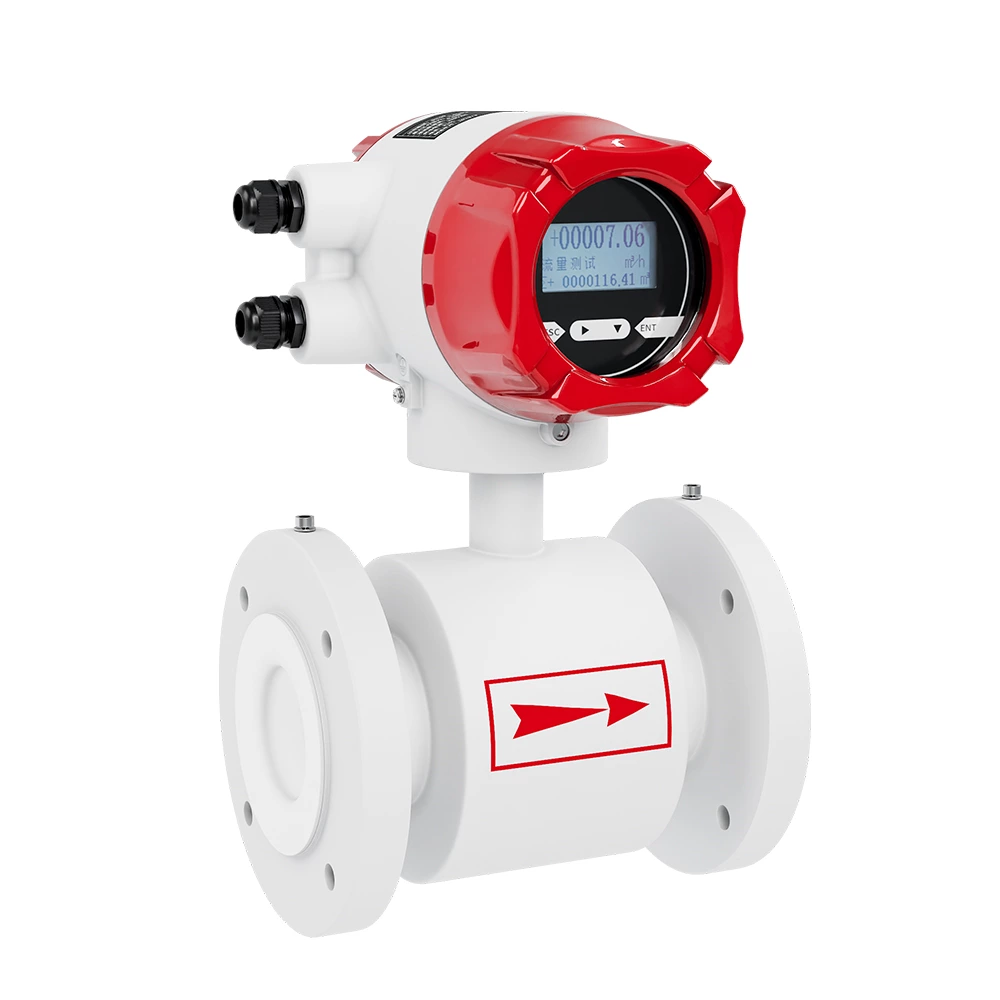
SUP-FMC400 Low Conductivity Electromagnetic flow meter
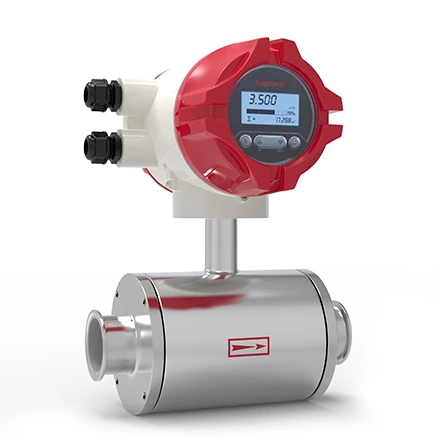
SUP-LDG Sanitary electromagnetic flowmeter for food processing
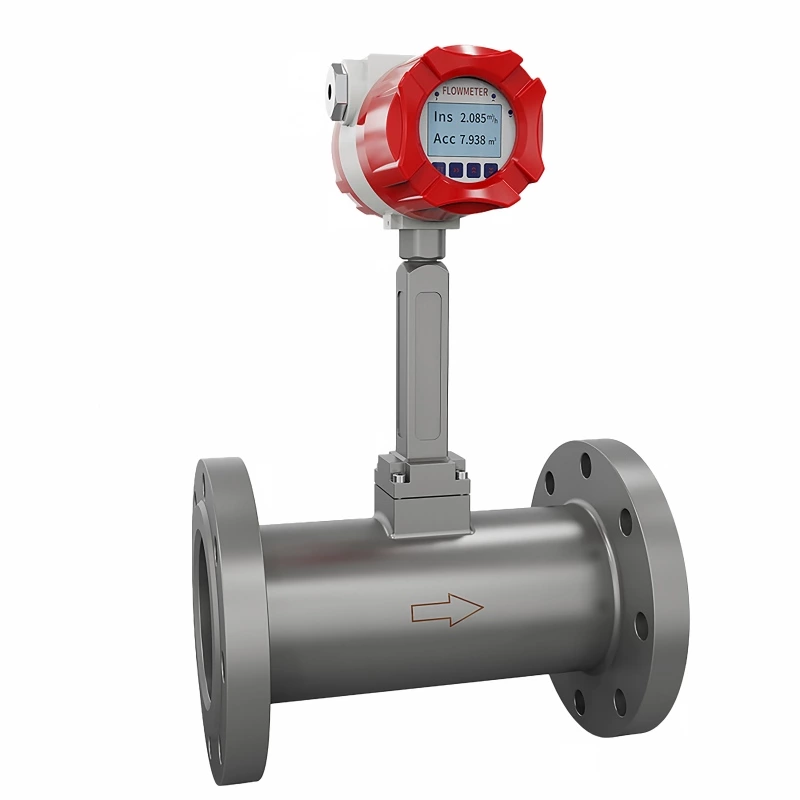
SUP-LUGB Vortex flowmeter without temperature & pressure compensation
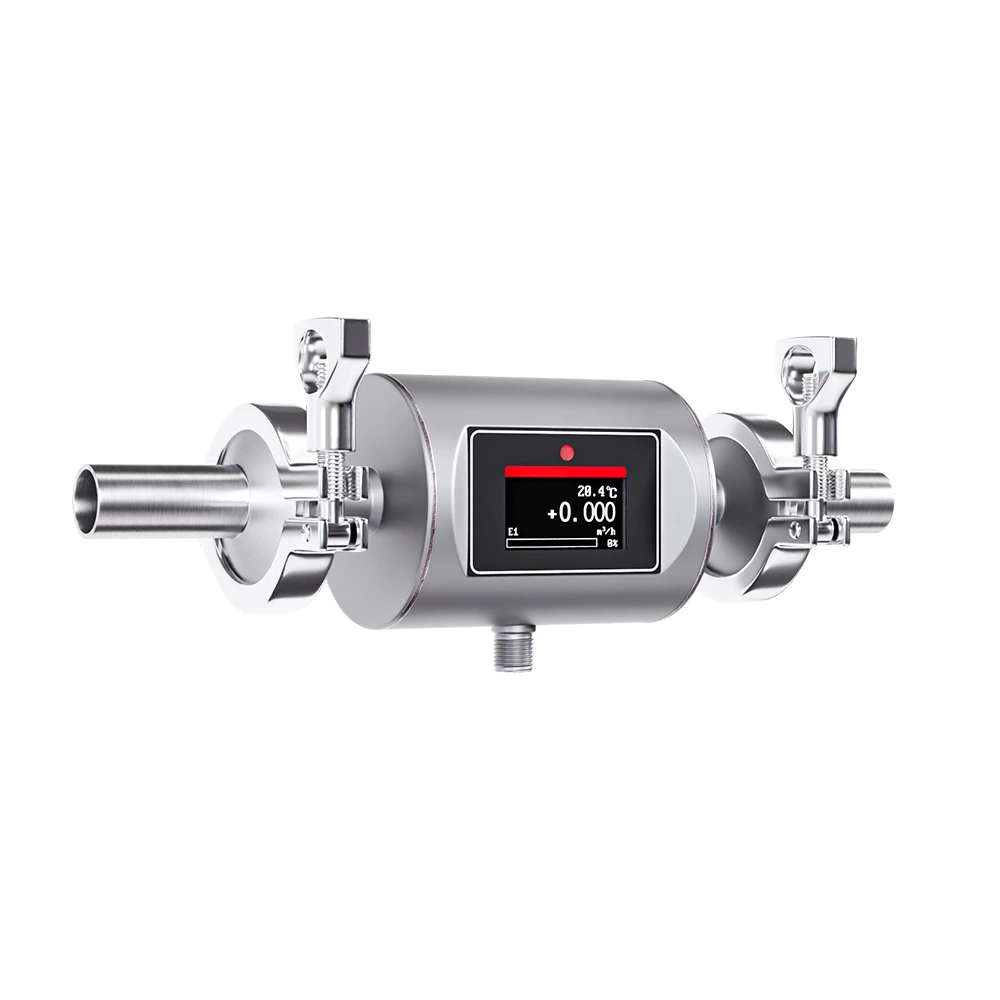
SUP-FMX240 Compact Electromagnetic Flow Meter—Precision Flow Measurement in a Space-Saving Design
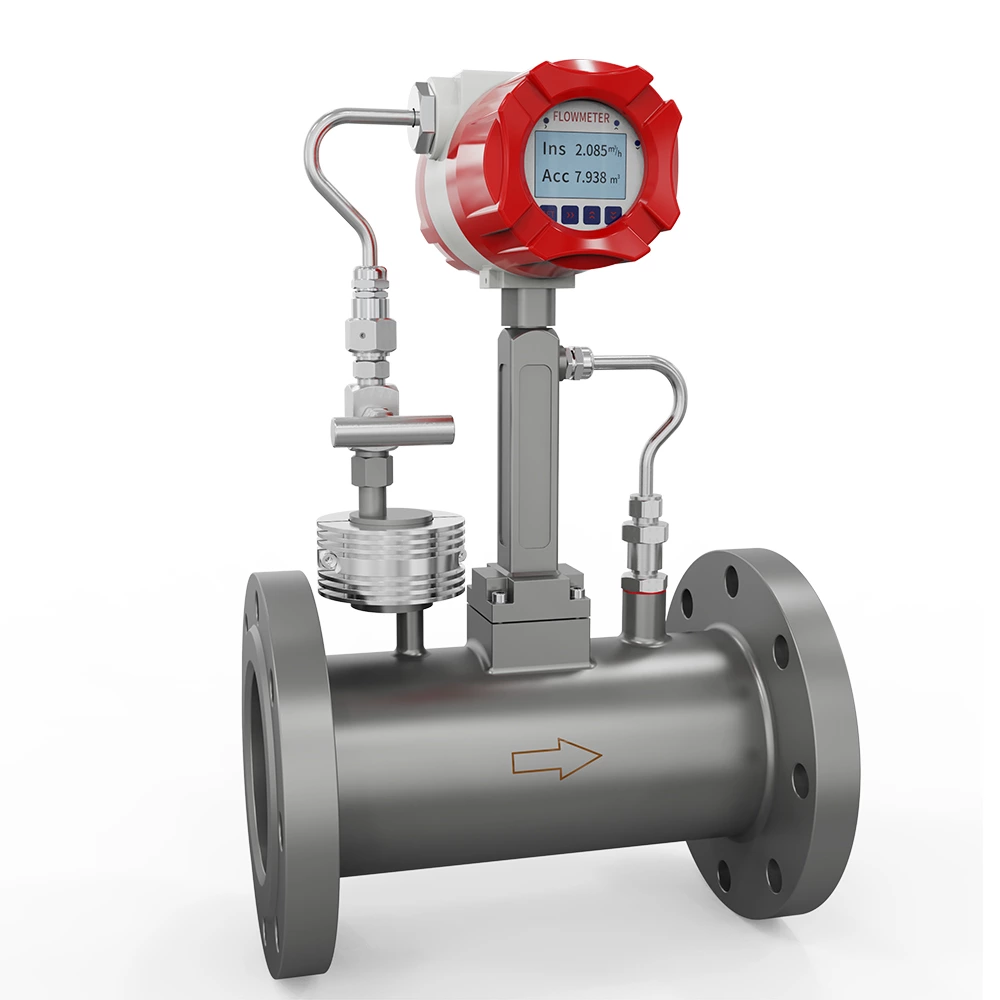
SUP-LUGB Vortex flowmeter with temperature & pressure compensation
Frequently Asked Questions
What types of metal valves does Supmea offer?
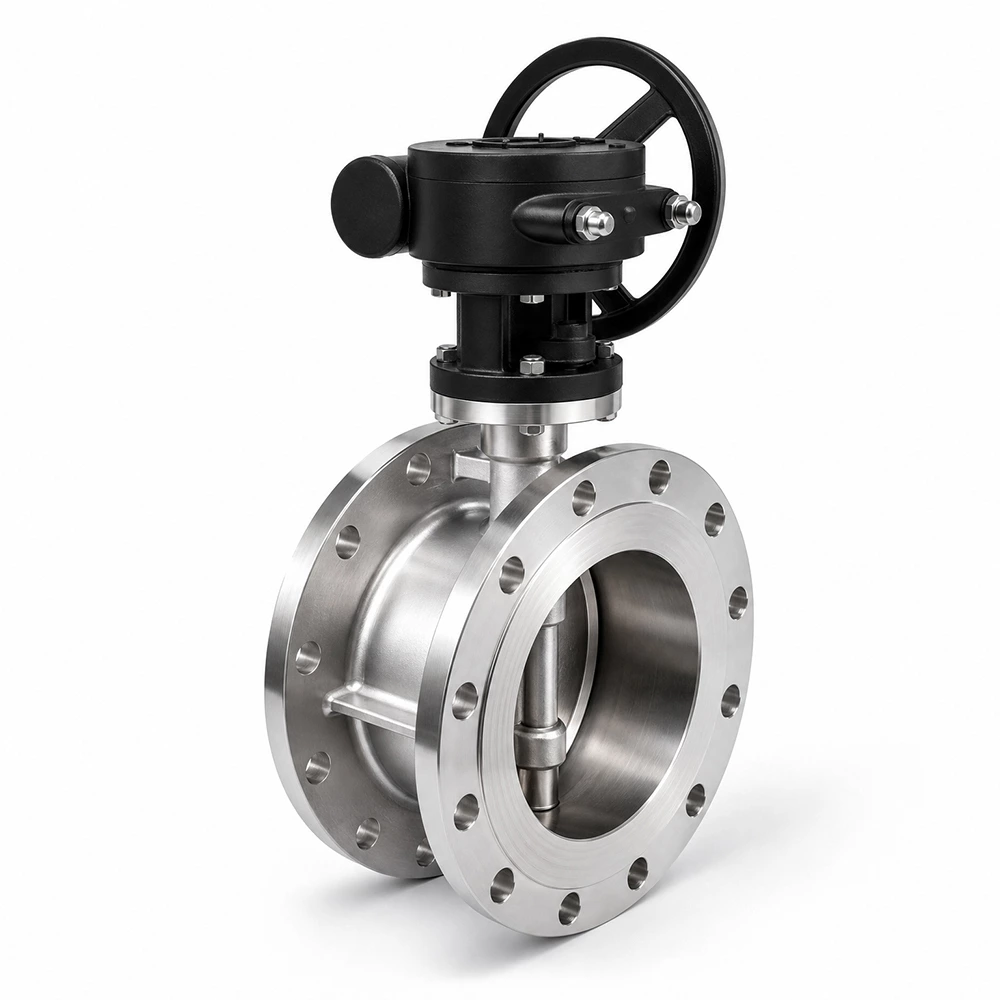
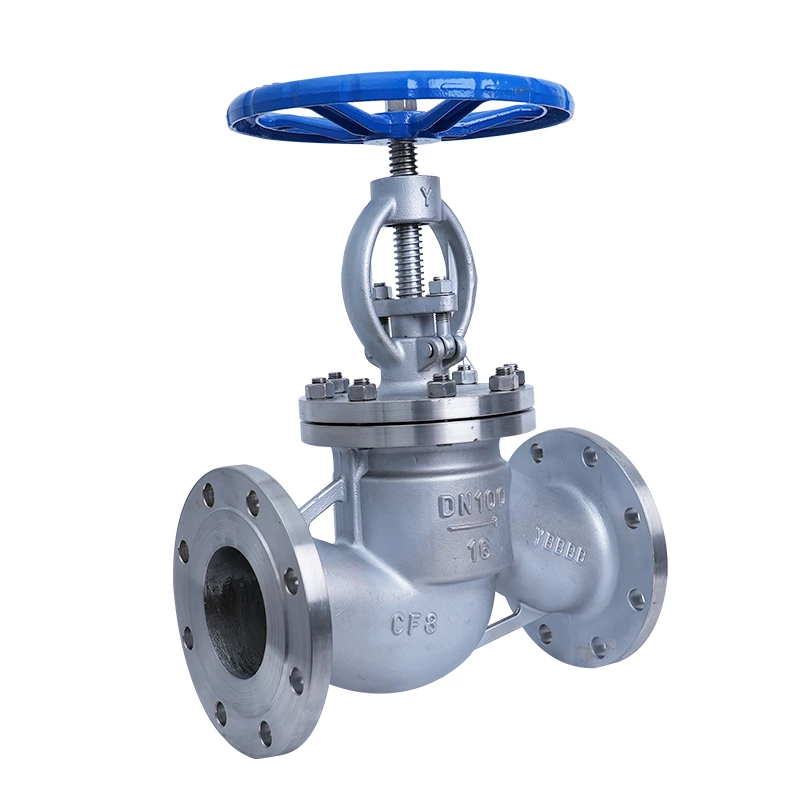
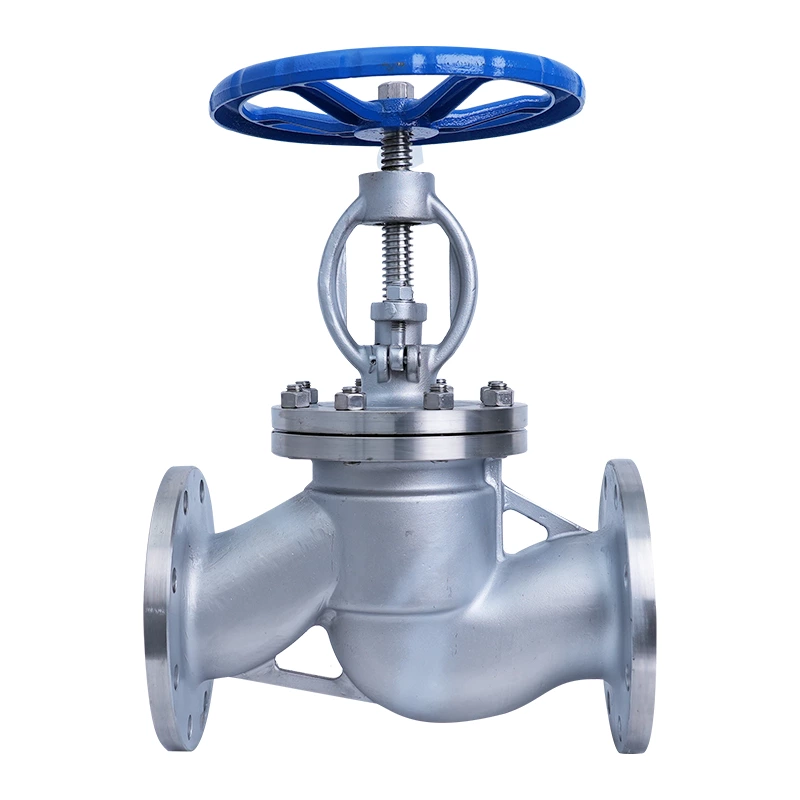
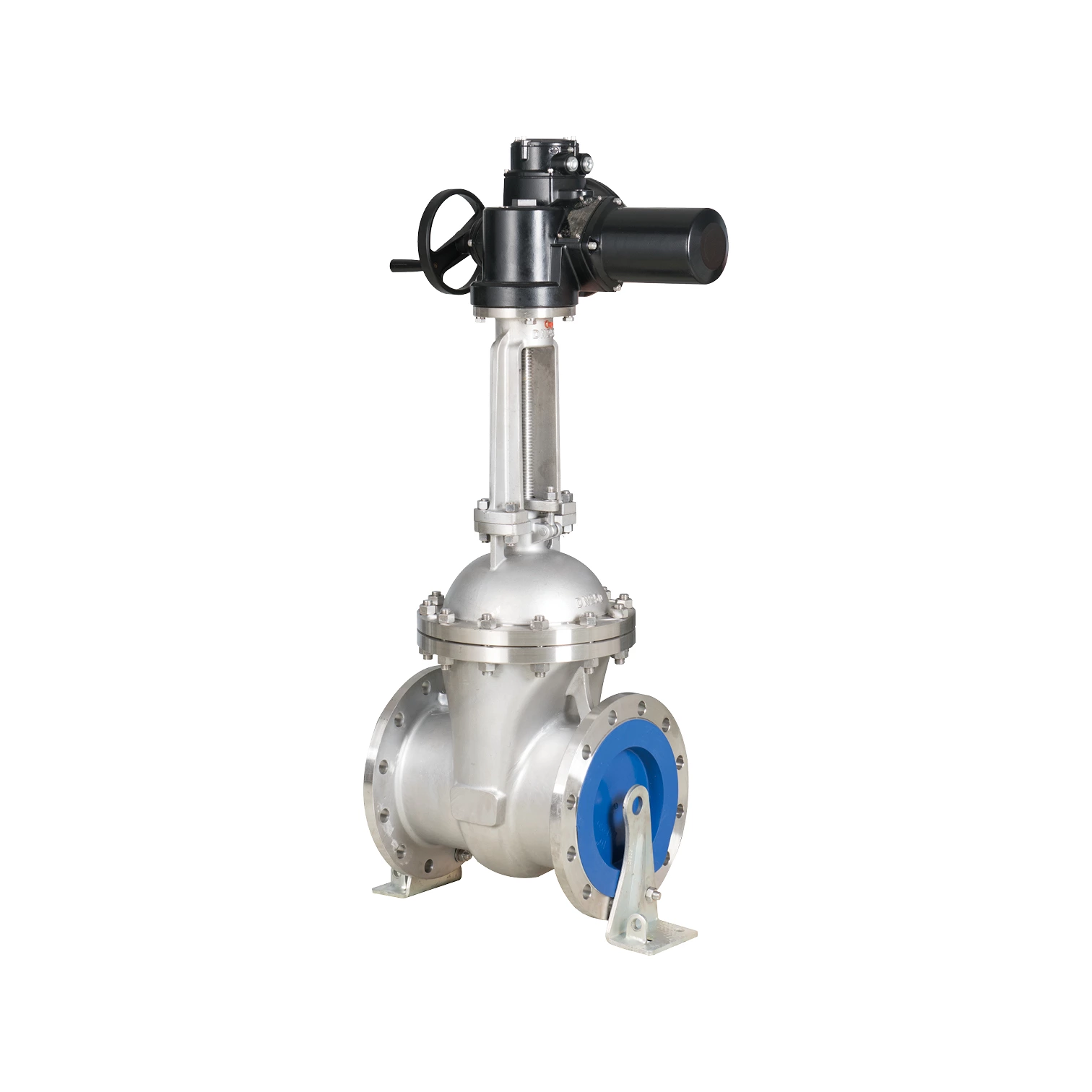
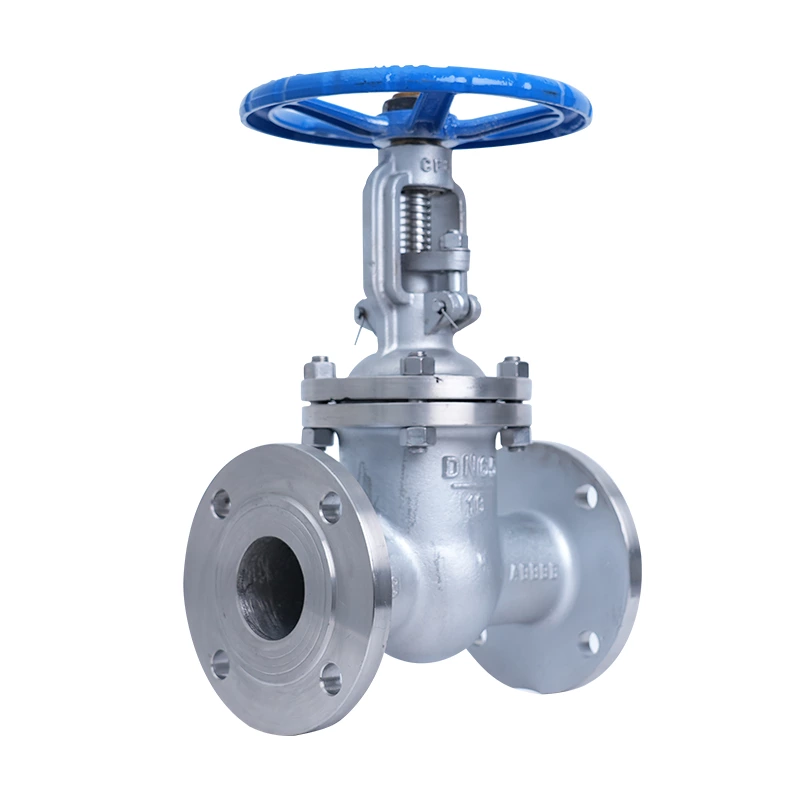
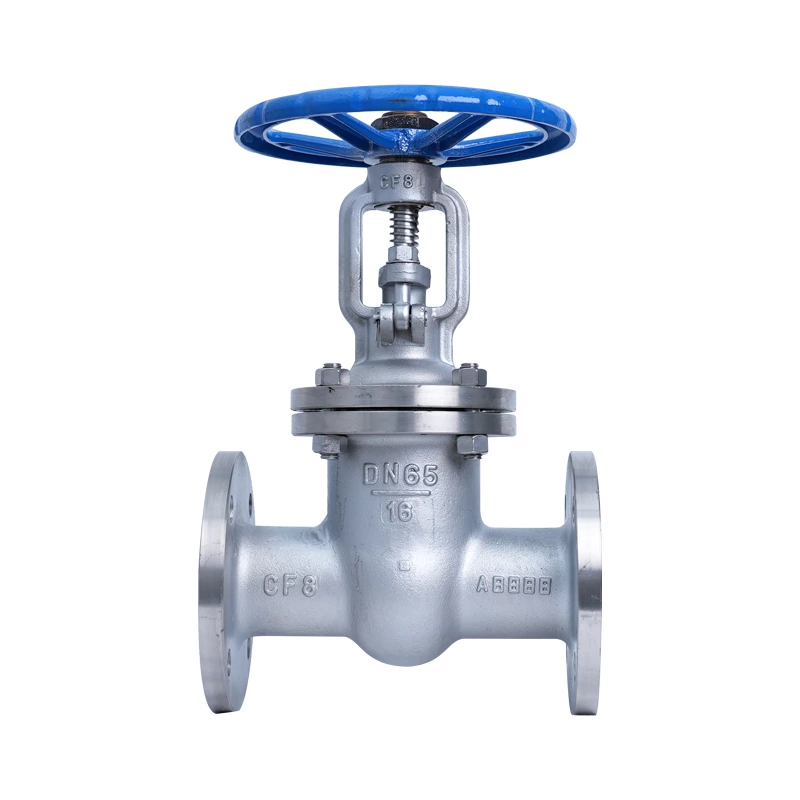
Supmea offers butterfly valves, air vent valves, globe valves, gate valves, electric and pneumatic ball valves, basket strainers, electric control valves and check valves. The range includes manual, electric and pneumatic operating options.
How do I select the correct metal valve?
Start by defining the required function: isolation, throttling, automated control, backflow prevention, air release or filtration. Then confirm the process medium, pipe diameter, operating pressure, temperature, connection standard, body material and actuation method.
Which valves are suitable for pipeline isolation?
Gate valves, ball valves and butterfly valves are commonly used for pipeline isolation. Gate valves are generally selected for full-open or full-close service, ball valves provide fast quarter-turn shut-off, and butterfly valves offer a compact solution for larger pipe sizes. Final selection must be based on the actual operating conditions.
Which valves are suitable for flow regulation?
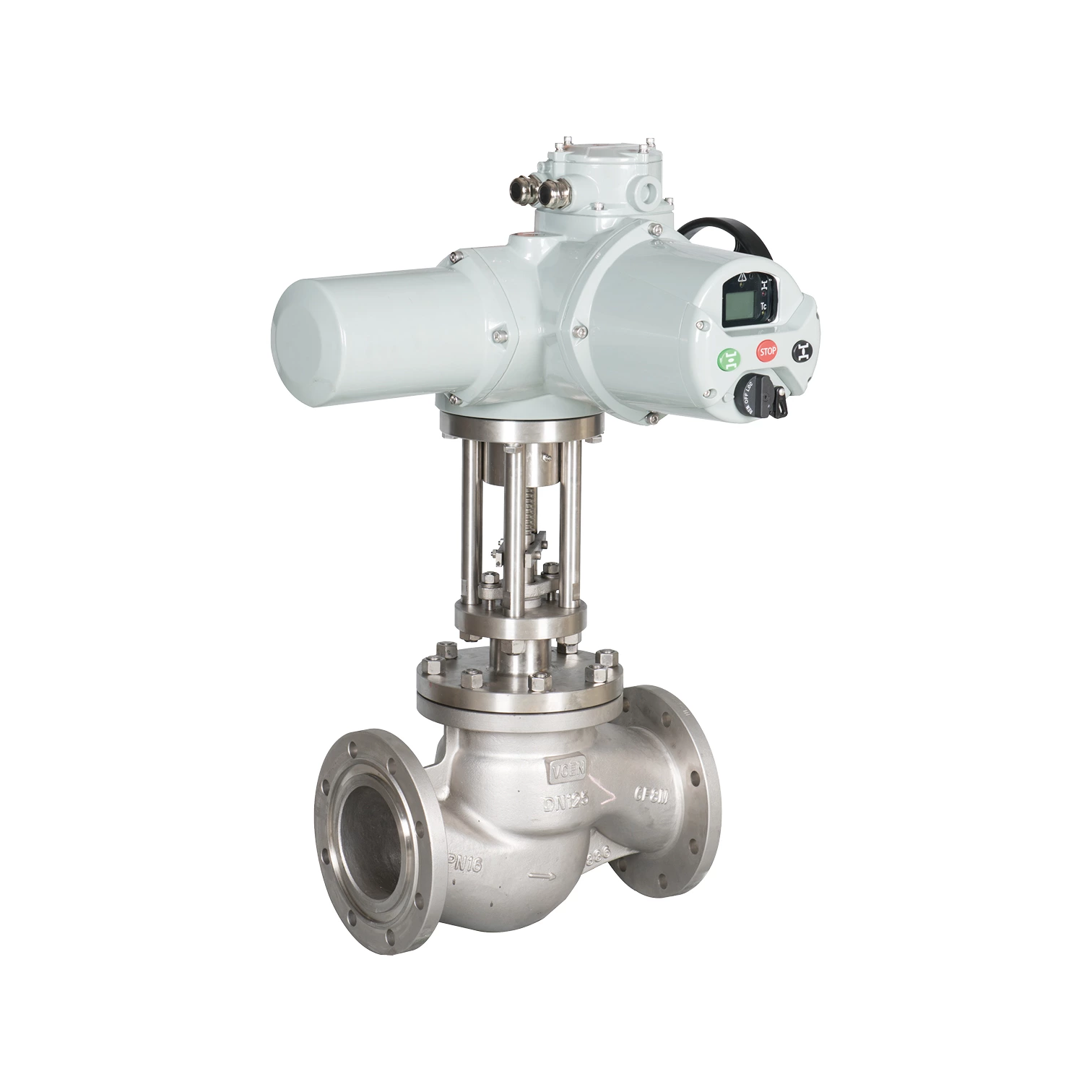
Globe valves and electric control valves are generally more suitable for throttling and modulating control. Standard gate valves are intended primarily for isolation rather than continuous throttling service.
What is the difference between electric and pneumatic valves?
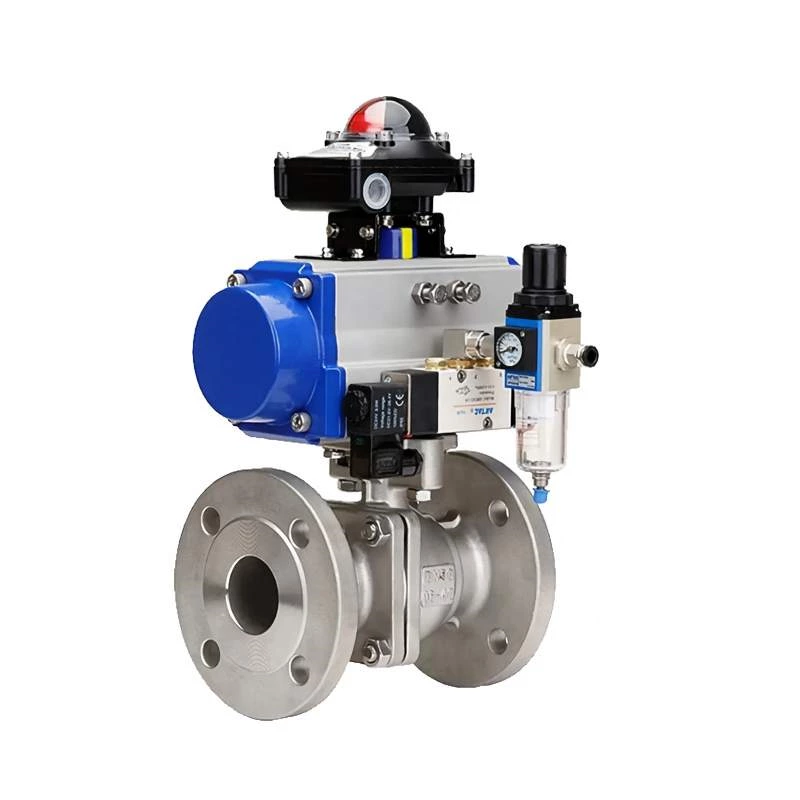
Electric valves use an electric actuator and can be integrated into PLC, DCS, BMS or SCADA systems. Pneumatic valves use compressed air and are suitable for fast, repeatable operation. The preferred actuator depends on available utilities, operating speed, control signal and fail-safe requirements.
What is the purpose of an air vent valve?
An air vent valve automatically releases trapped air from a closed piping system. It is normally installed at pipeline high points to help prevent air lock, flow interruption, pump cavitation and pressure surges.