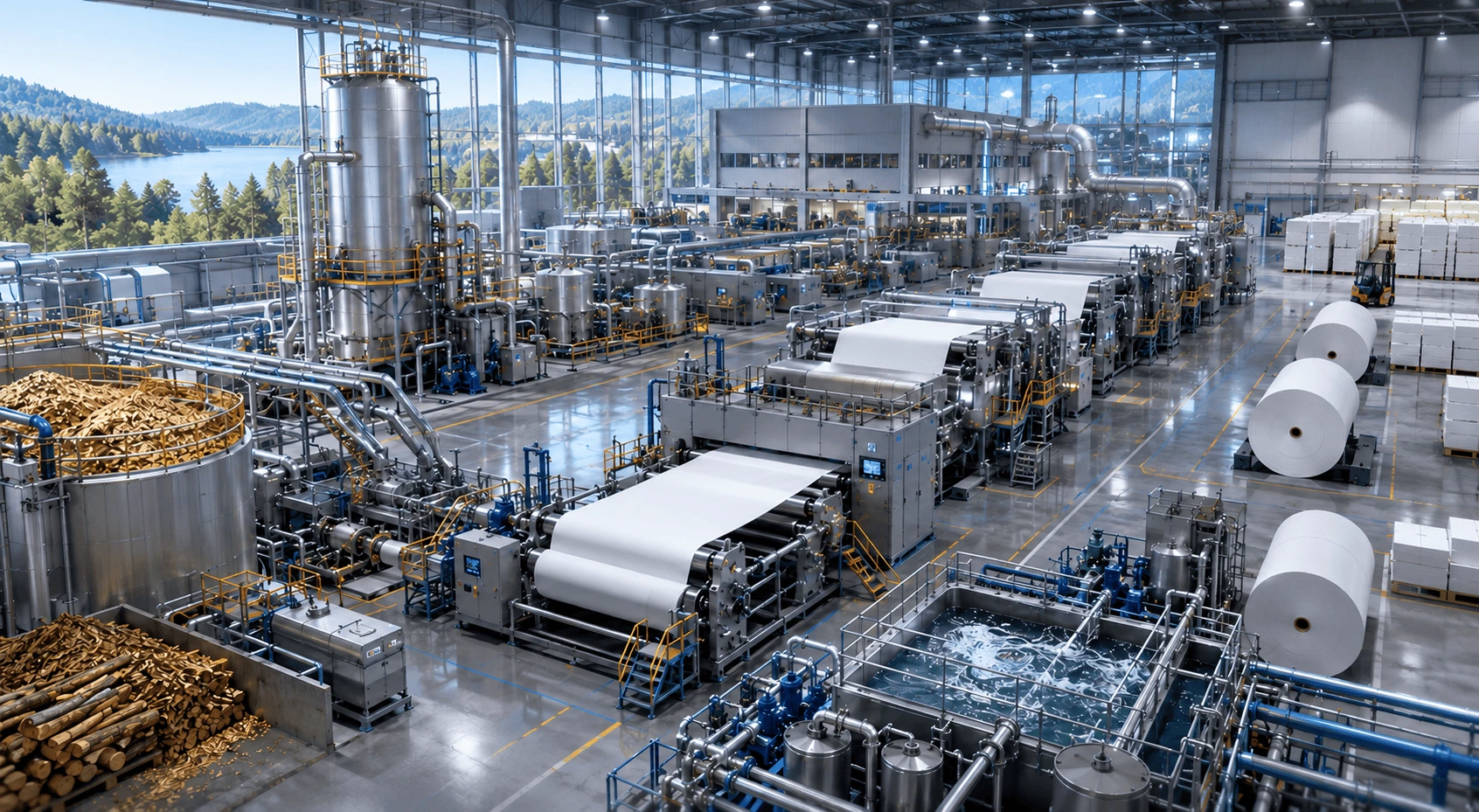




Challenges in the Pulp & Paper Industry
Pulp and paper manufacturers require accurate measurement and intelligent process control to improve production efficiency, reduce resource consumption, and ensure consistent paper quality.
Resource Efficiency
Optimize water, steam, and energy usage to reduce operating costs and improve sustainability.
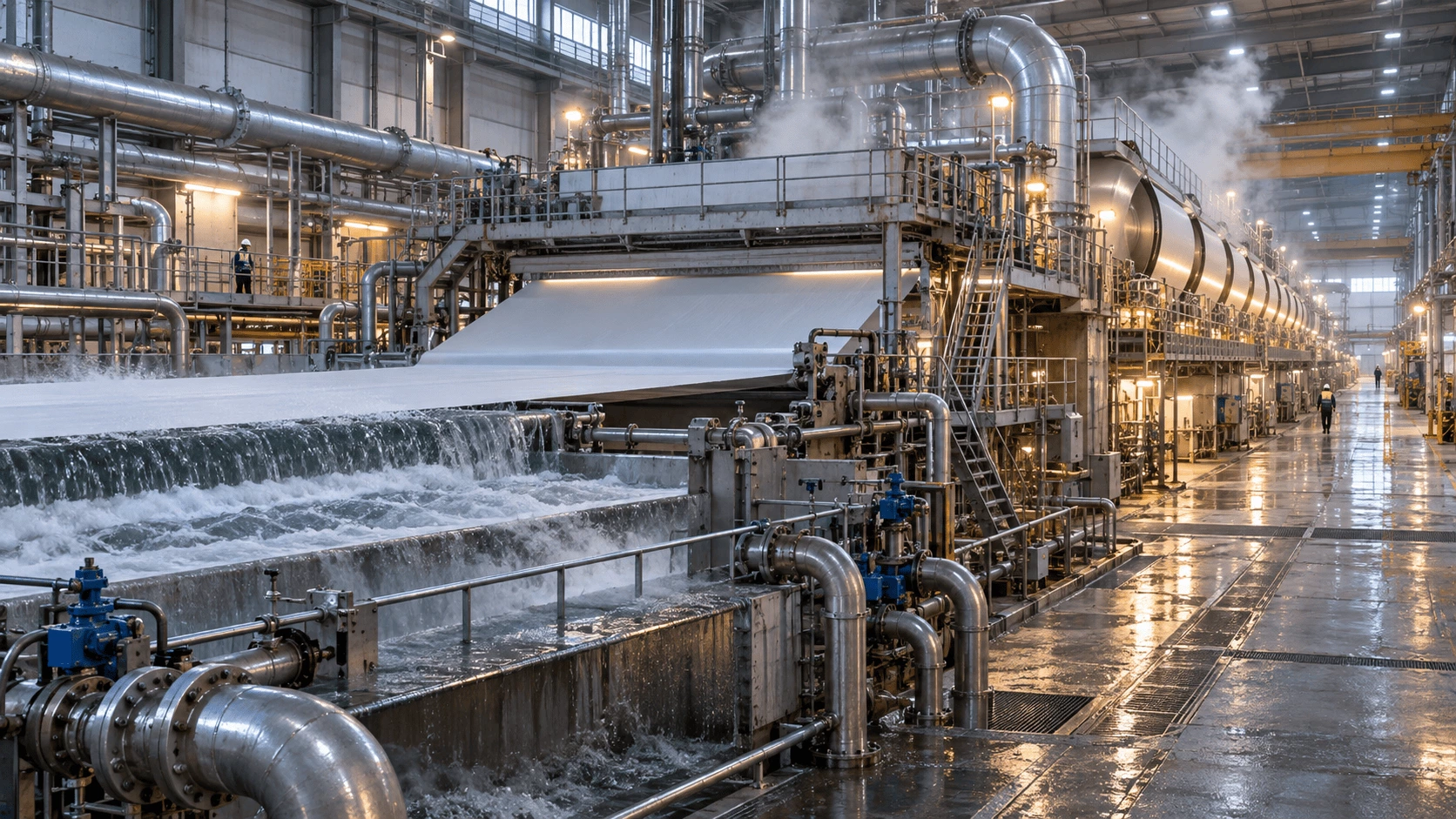
Stable Pulp Consistency
Maintain accurate flow and level measurement to ensure consistent pulp concentration and paper quality.
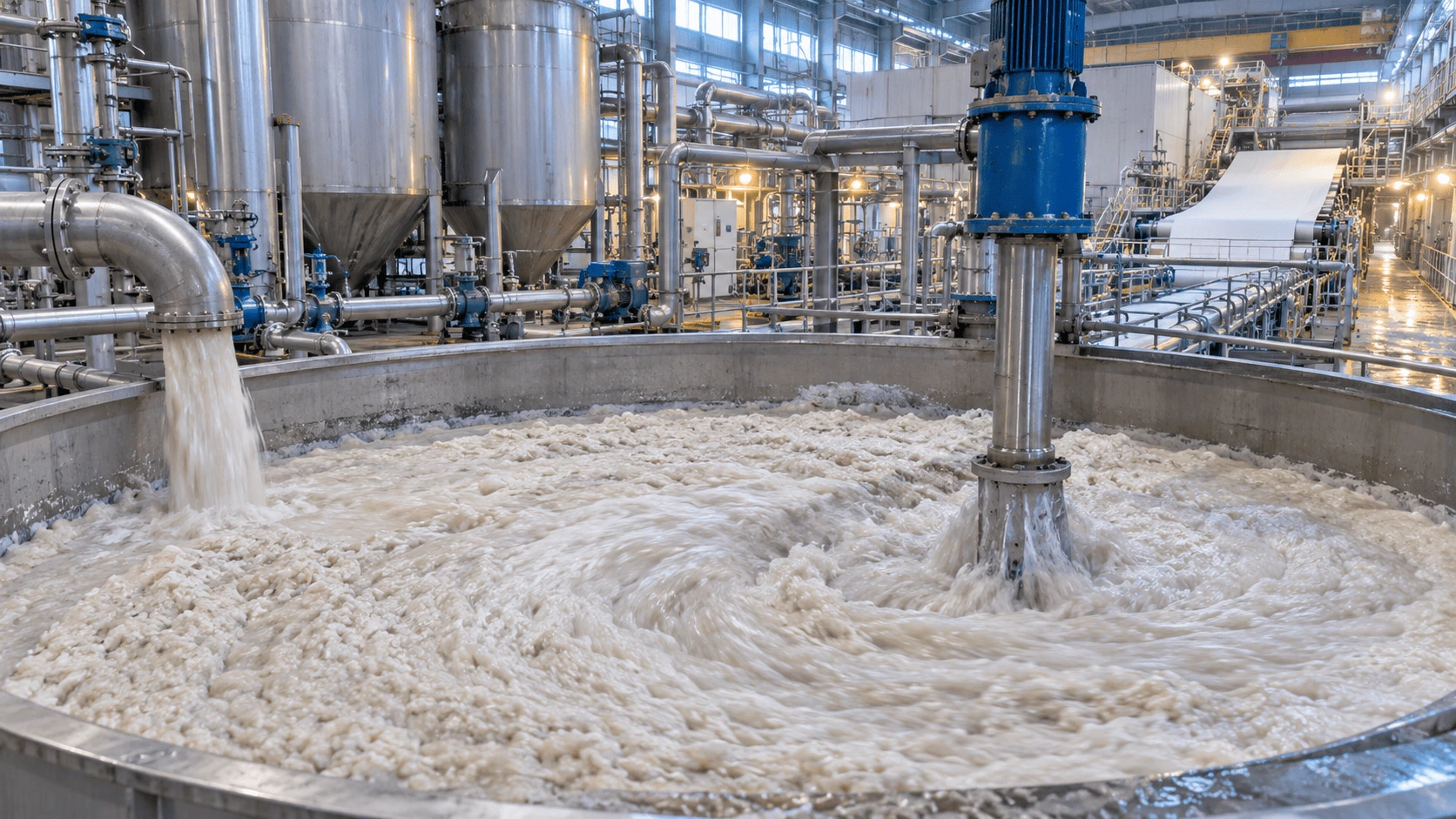
Chemical Dosing Accuracy
Control bleaching chemicals, fillers, and additives with precise flow measurement to reduce waste.
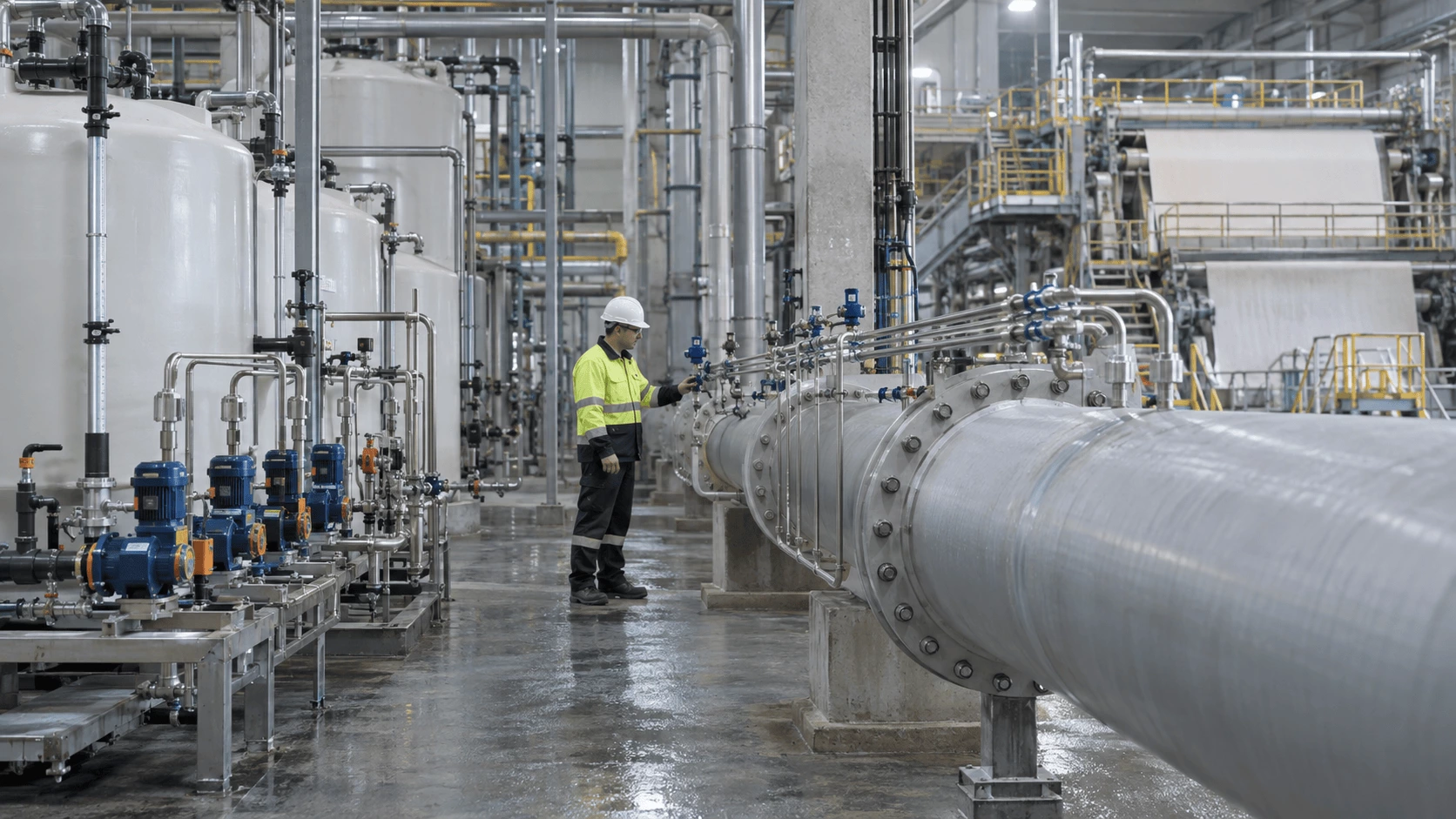
Reliable Production
Reliable instrumentation minimizes downtime and supports stable 24/7 production.
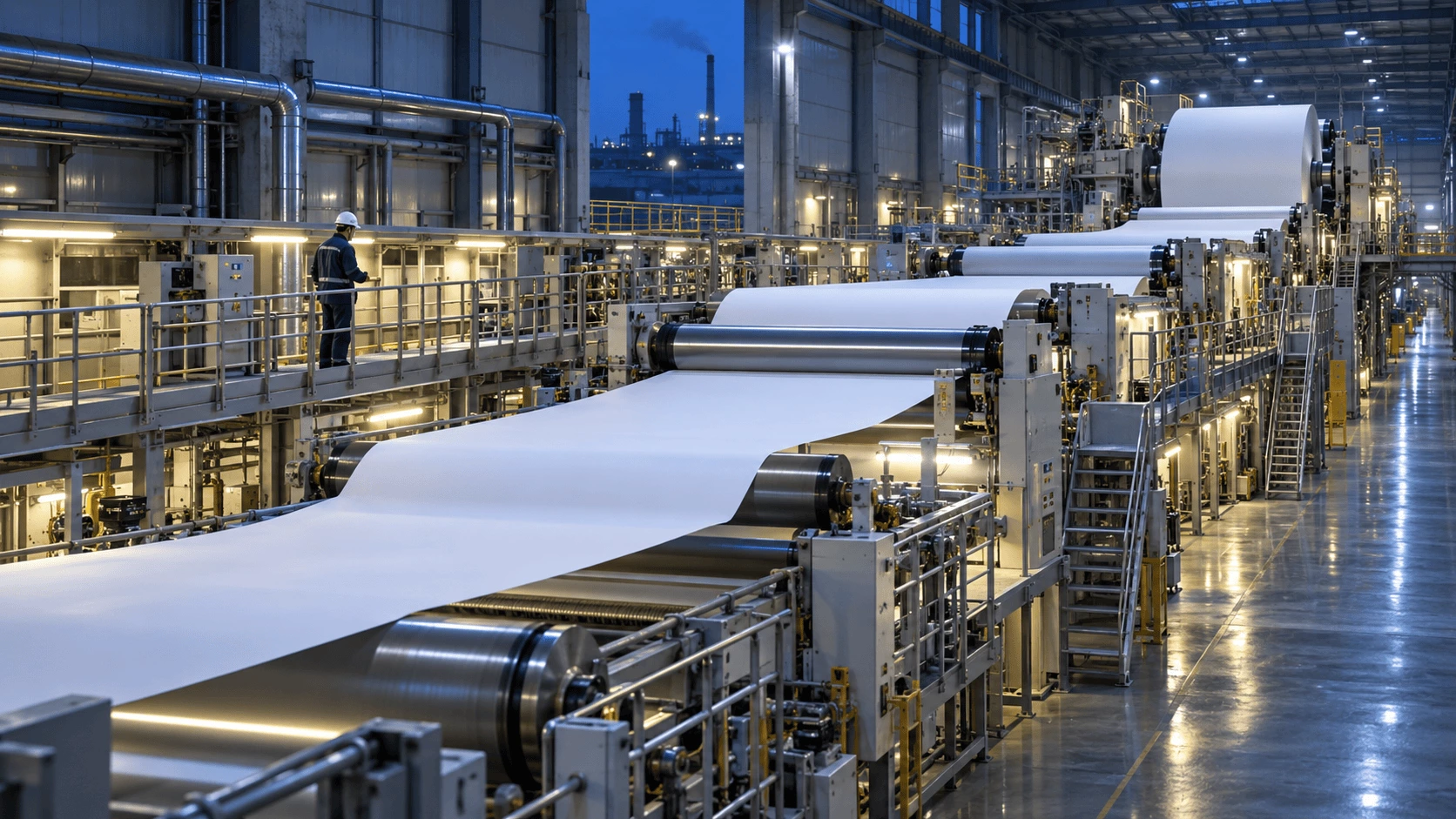
Harsh Process Conditions
Instrumentation must withstand high temperature, humidity, abrasion, and corrosive process media.
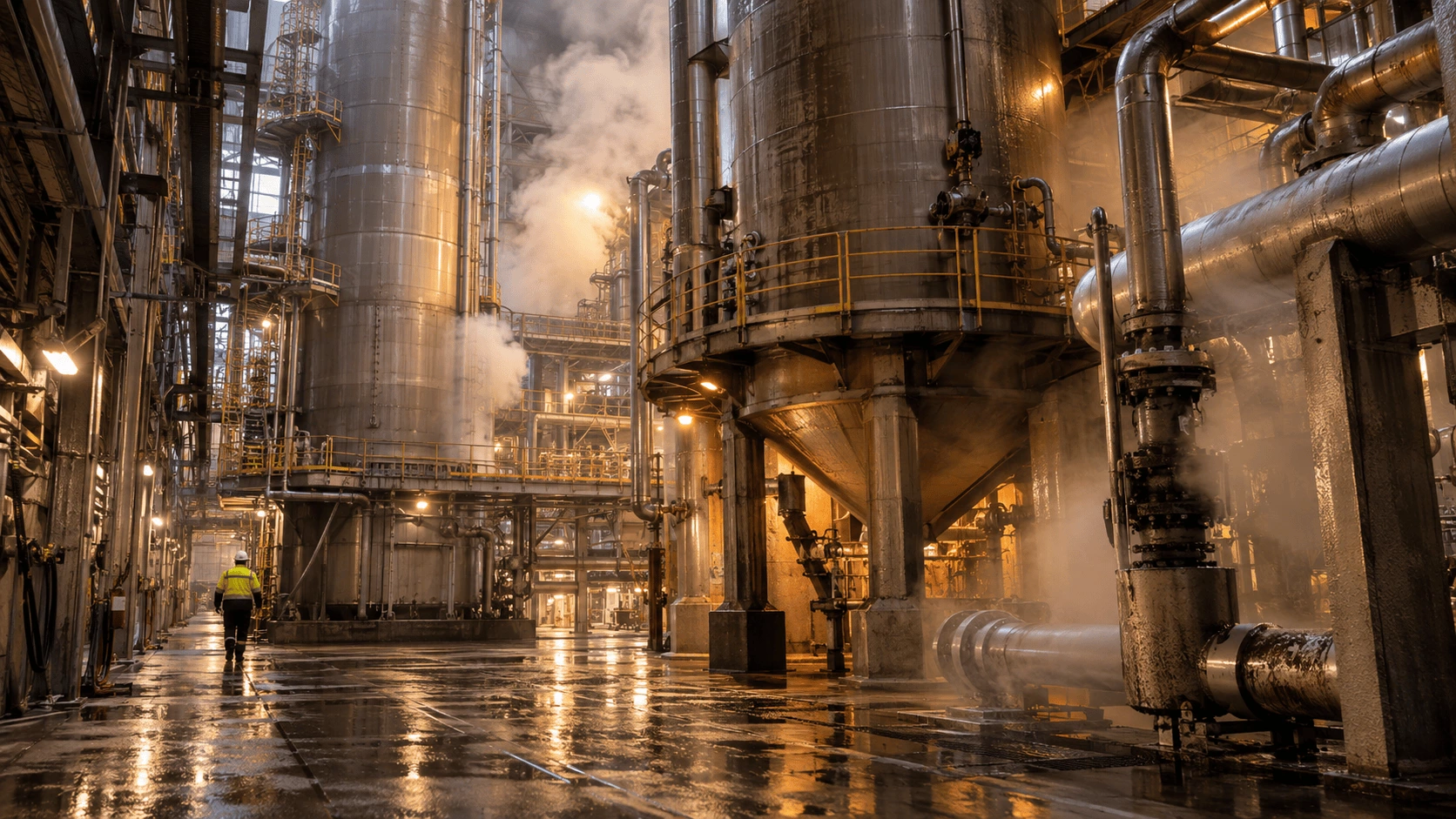
Discharge Compliance
Accurate wastewater monitoring helps mills comply with increasingly strict environmental regulations
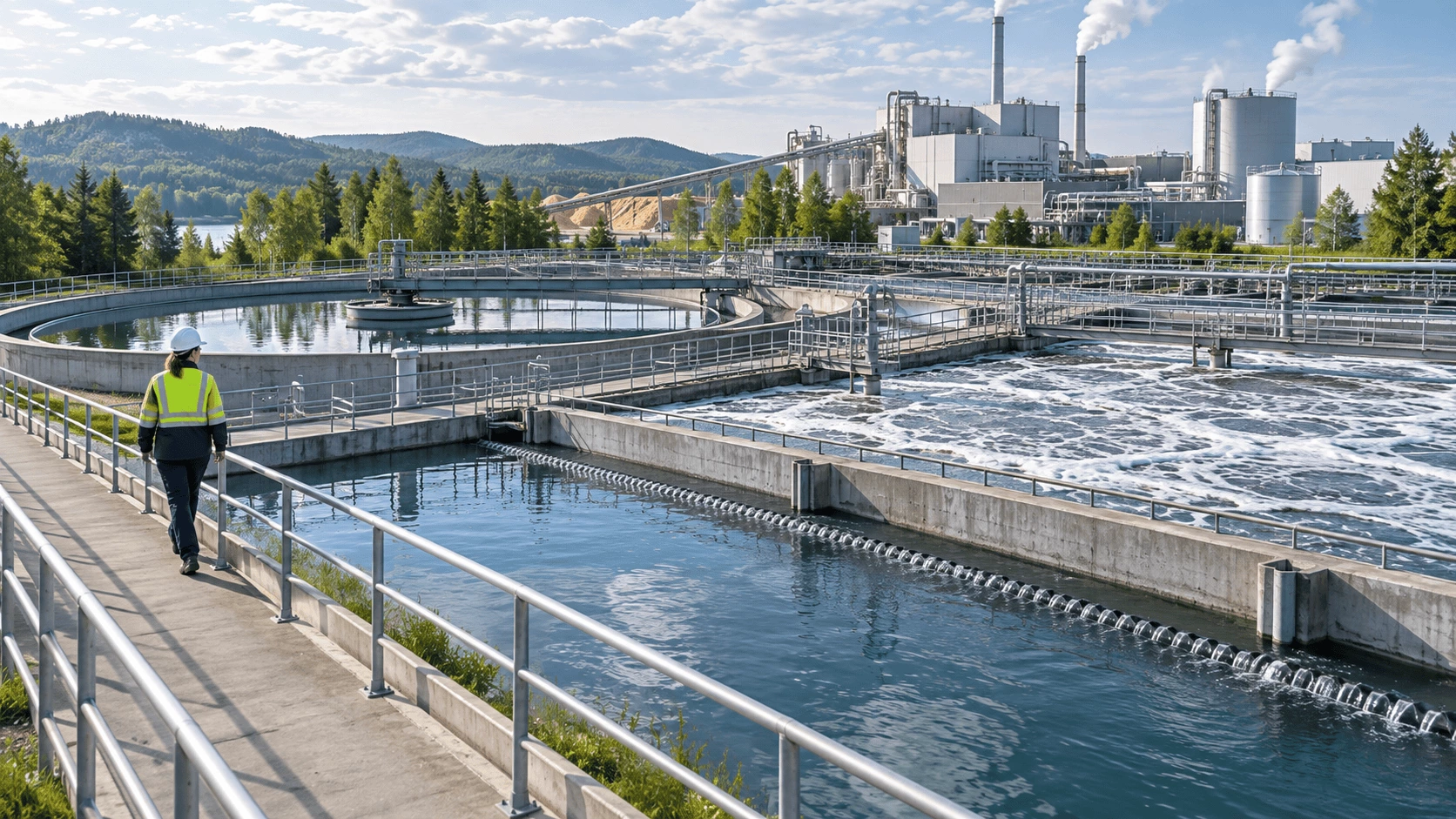
Improve Your Pulp & Paper Production Efficiency
Discover reliable measurement solutions for every stage of pulp and paper manufacturing to improve efficiency, product quality, and process reliability.
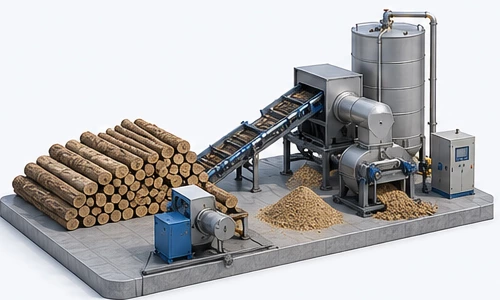
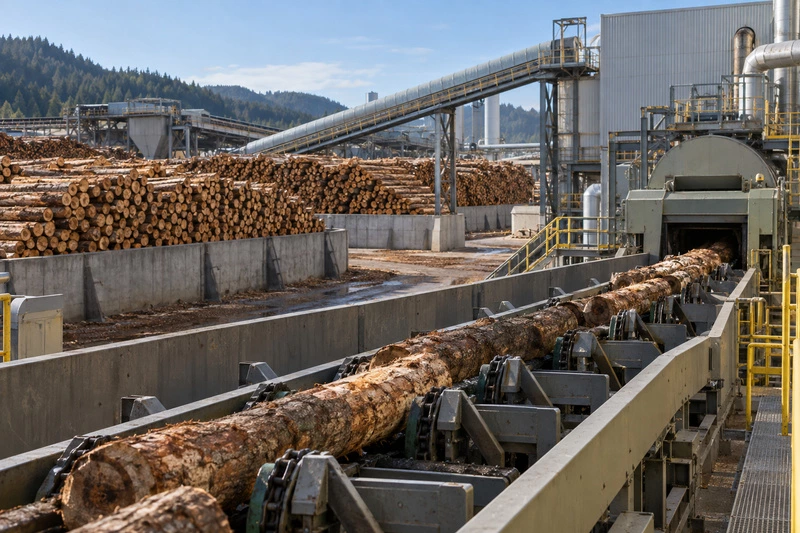
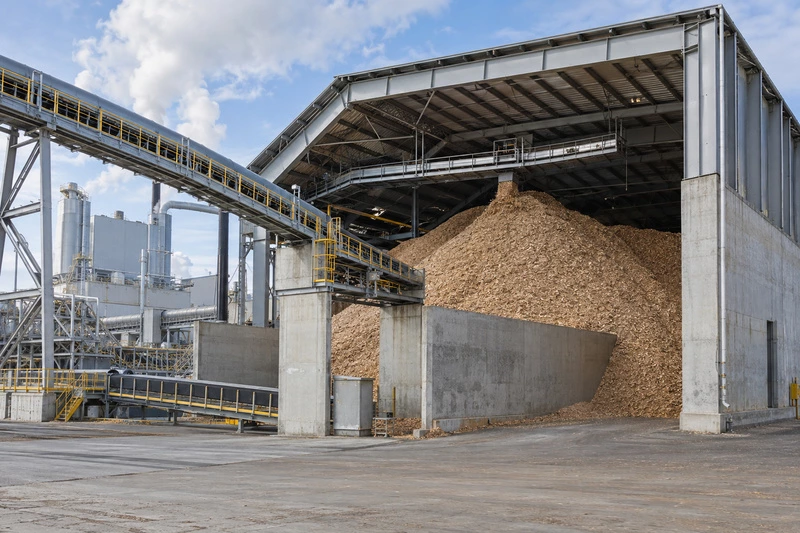
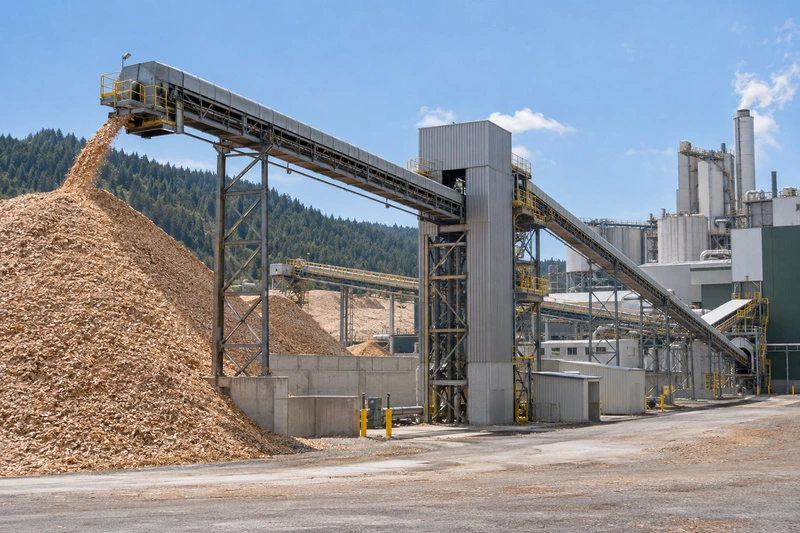
Wood Preparation
Pulping & Digestion
Bleaching & Chemical Dosing
Paper Machine
Finishing & Reel Storage
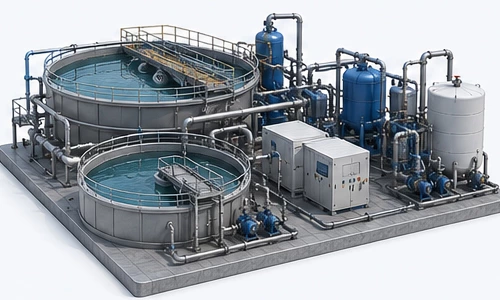
Utilities & Wastewater
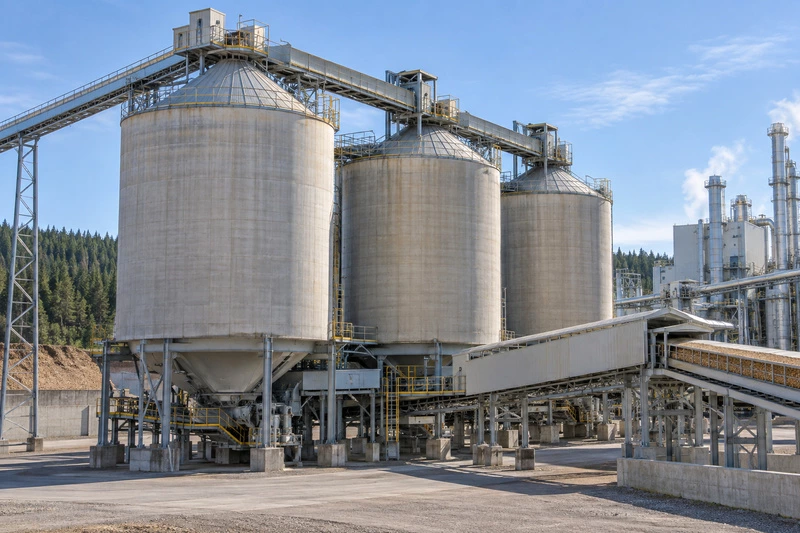
Process Overview
Logs and wood chips are prepared before entering the pulping process, ensuring consistent raw material supply and efficient production.
Typical Applications
Process Overview
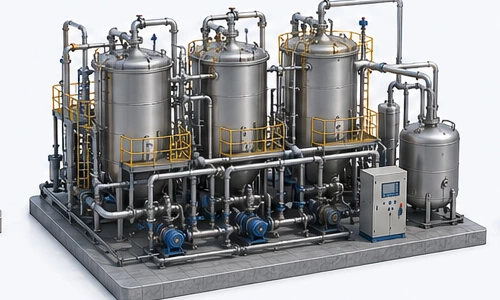
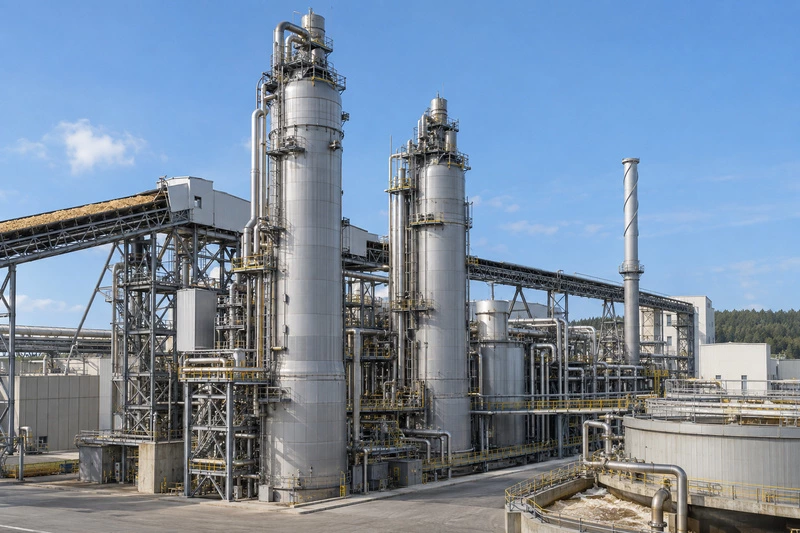
Wood chips are cooked with chemicals to separate fibers. Accurate monitoring improves pulp quality and process stability.
Typical Applications
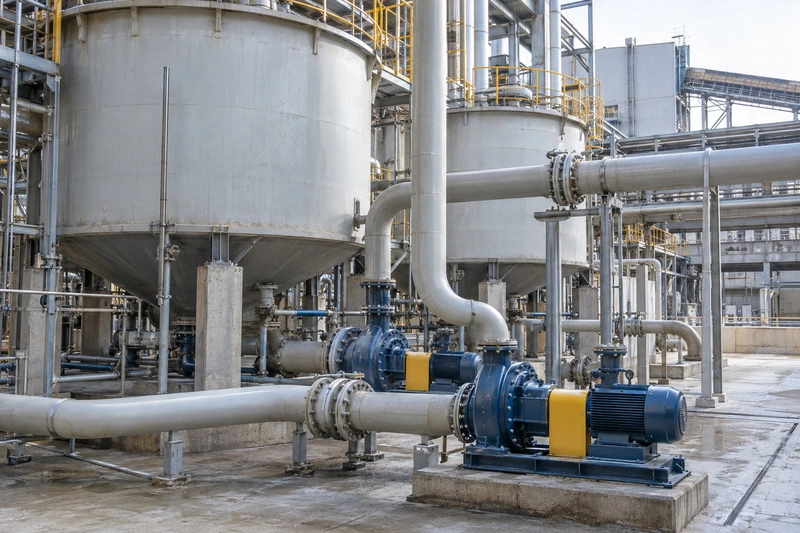
Process Overview
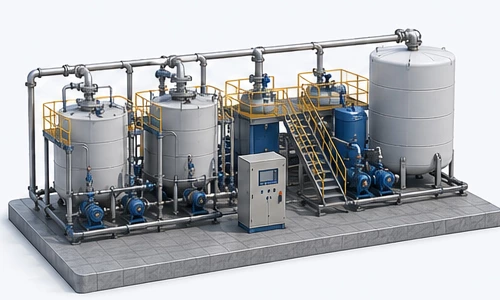
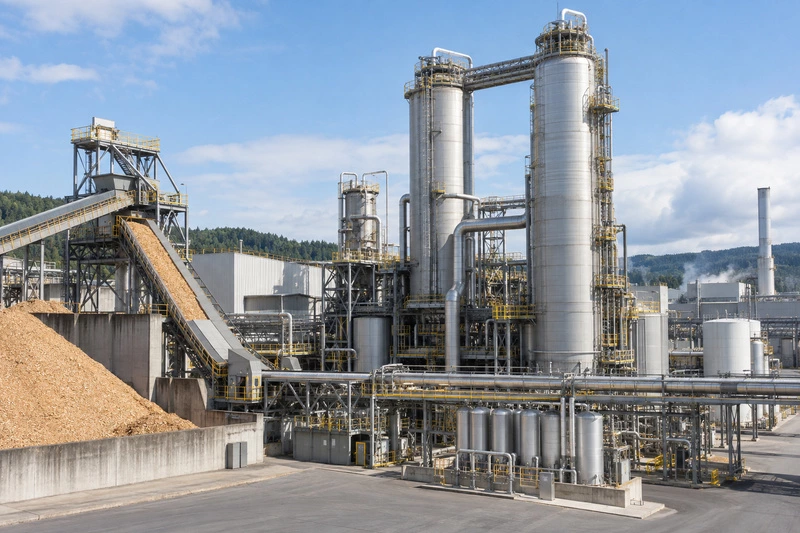
Bleaching chemicals and additives are precisely controlled to achieve target brightness while minimizing chemical consumption.
Typical Applications
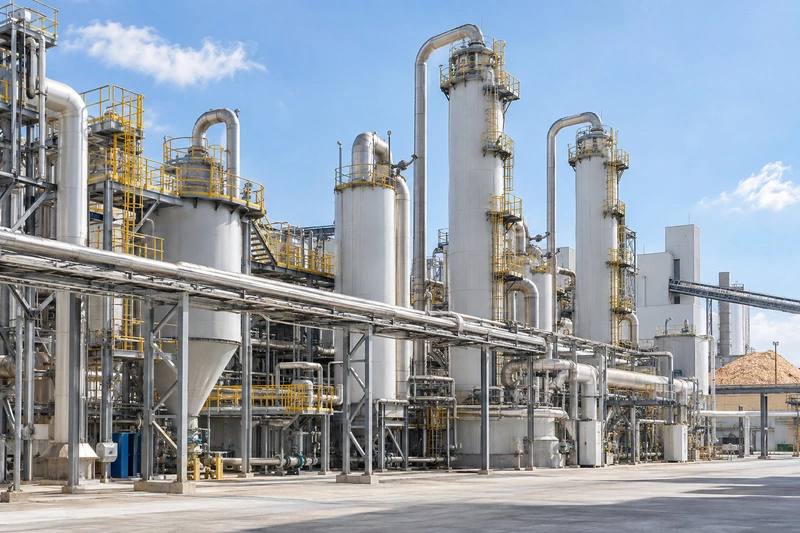
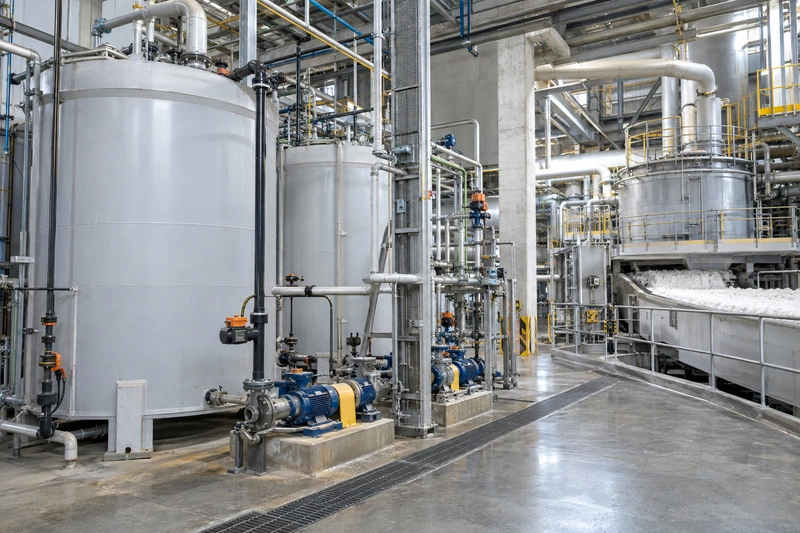
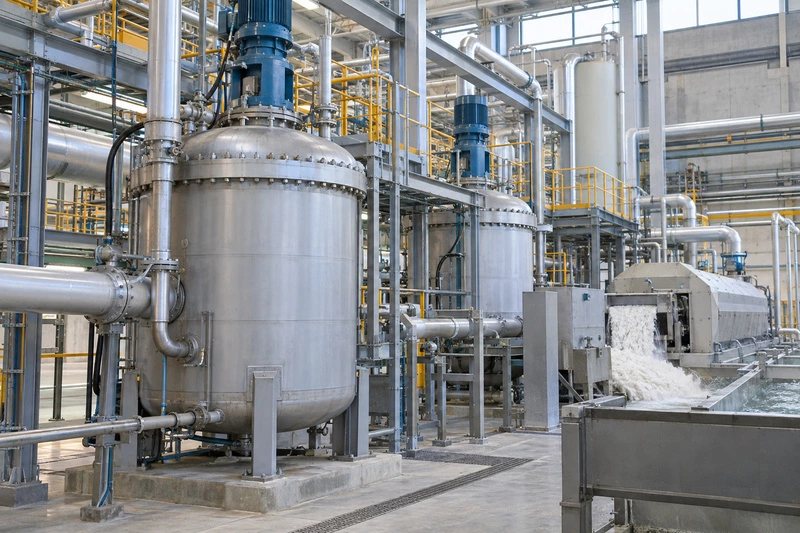
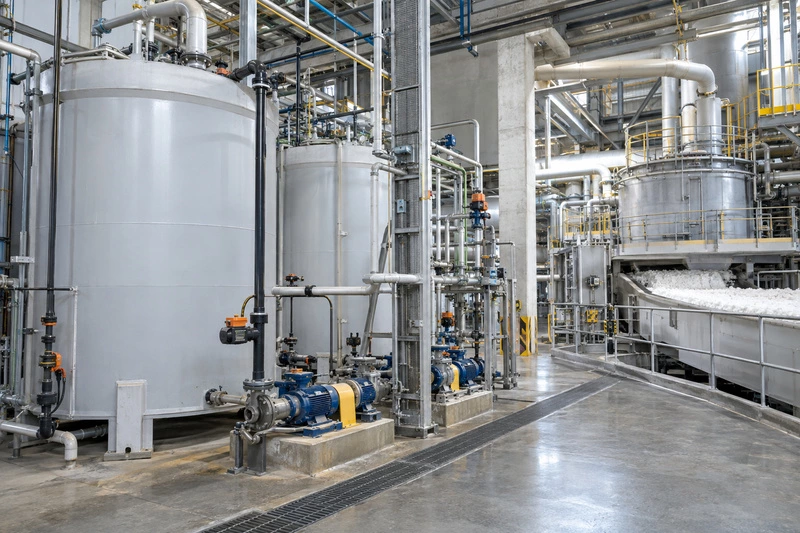
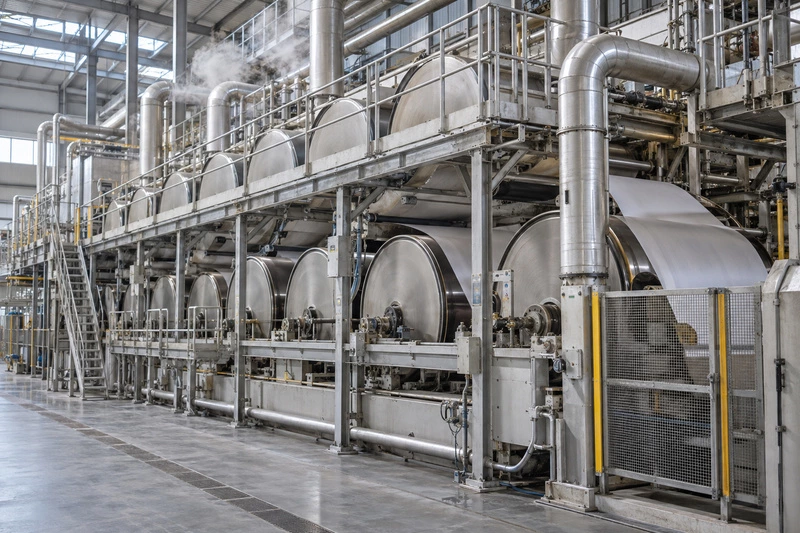
Process Overview
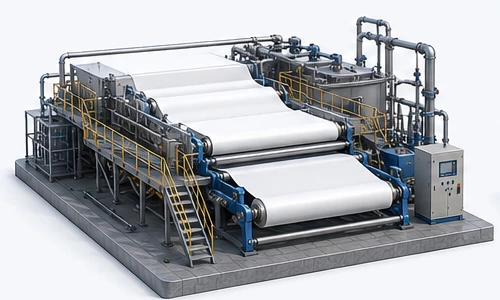
Pulp is formed, pressed, and dried into paper under tightly controlled operating conditions.
Typical Applications
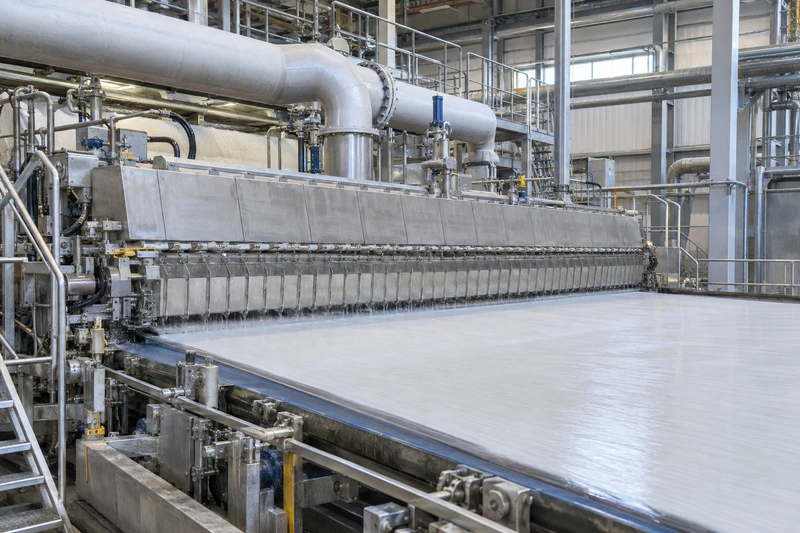
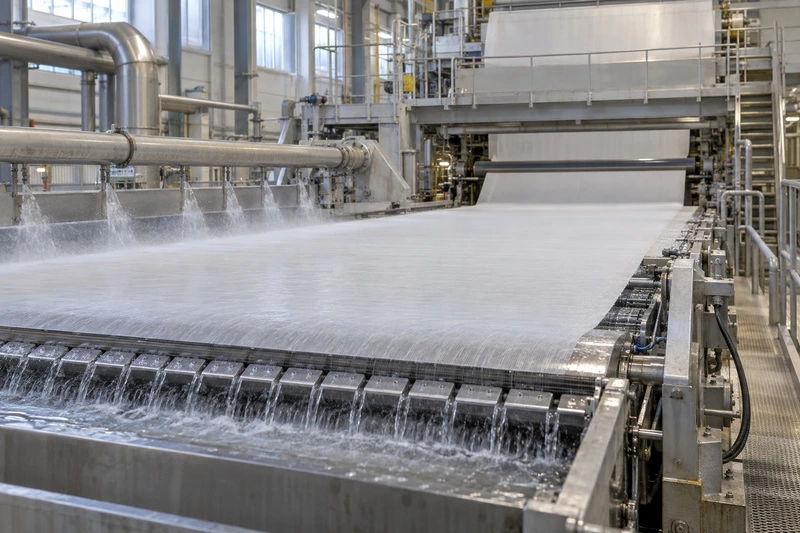
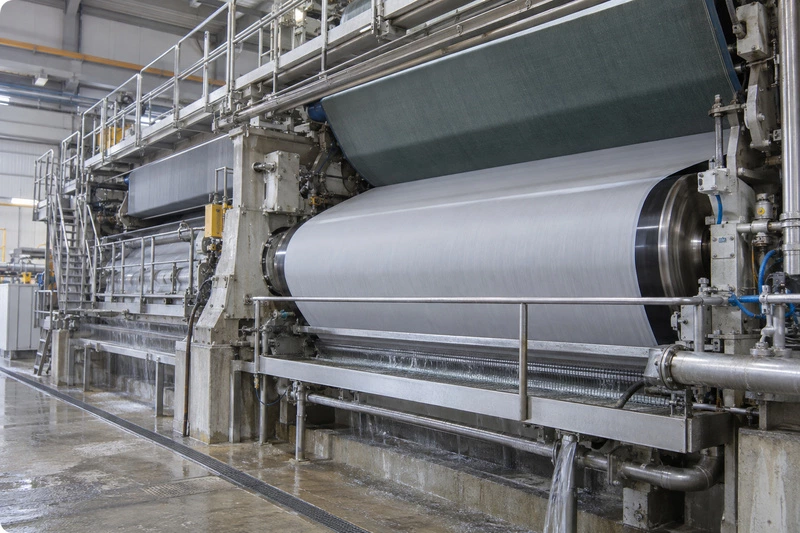
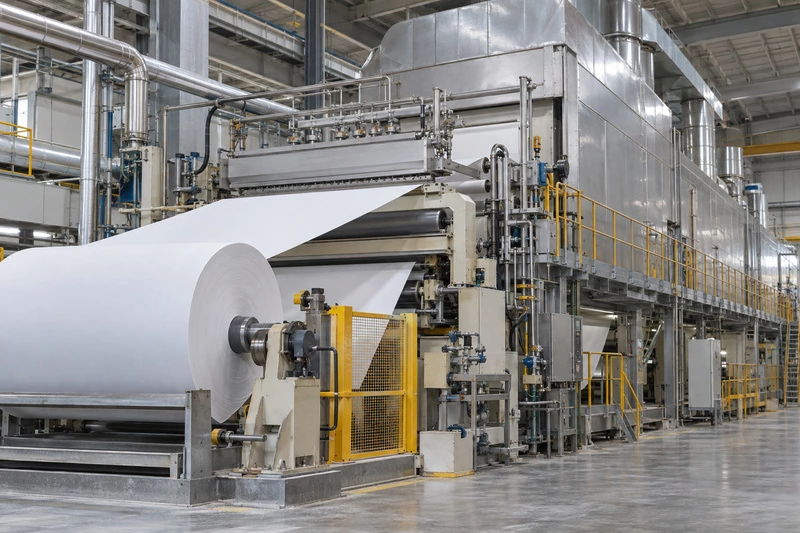
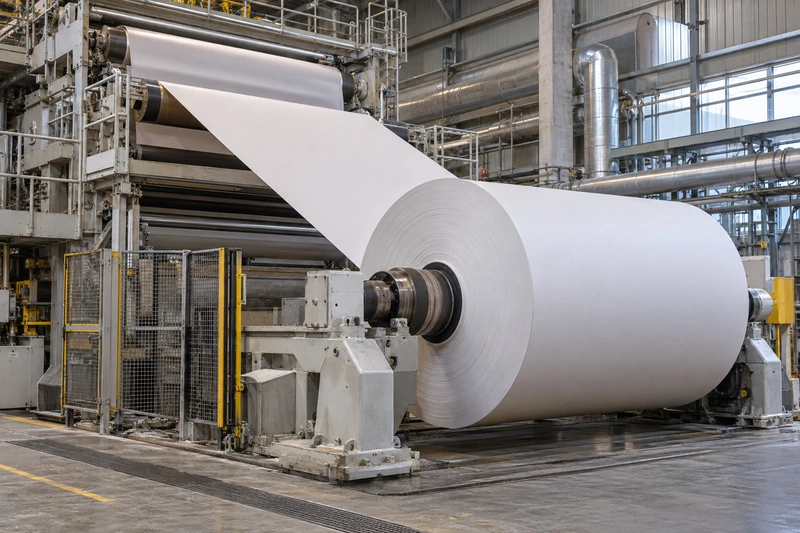
Process Overview
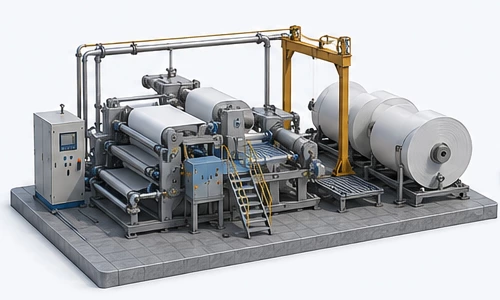
Finished paper is coated, wound, cut, and prepared for storage or shipment while maintaining product consistency.
Typical Applications
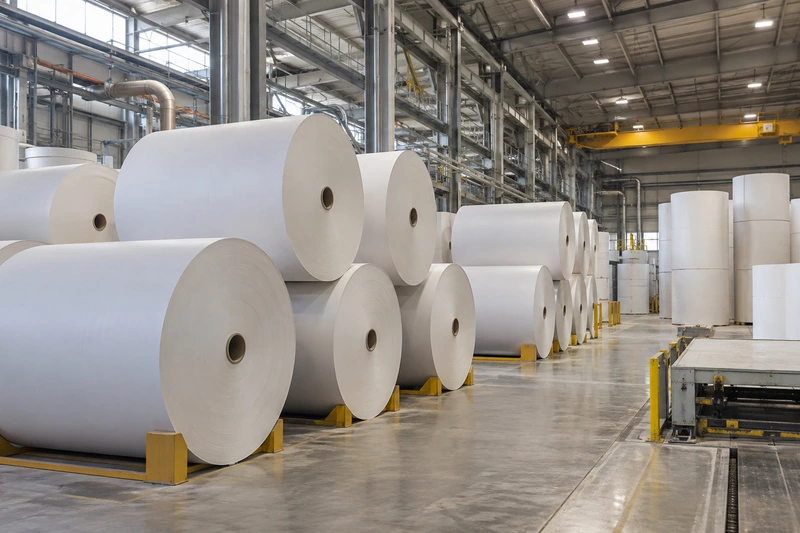
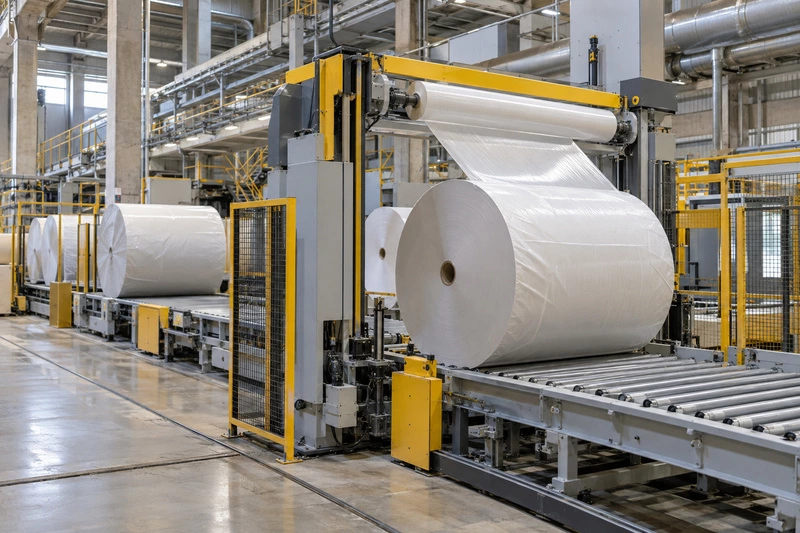
Process Overview
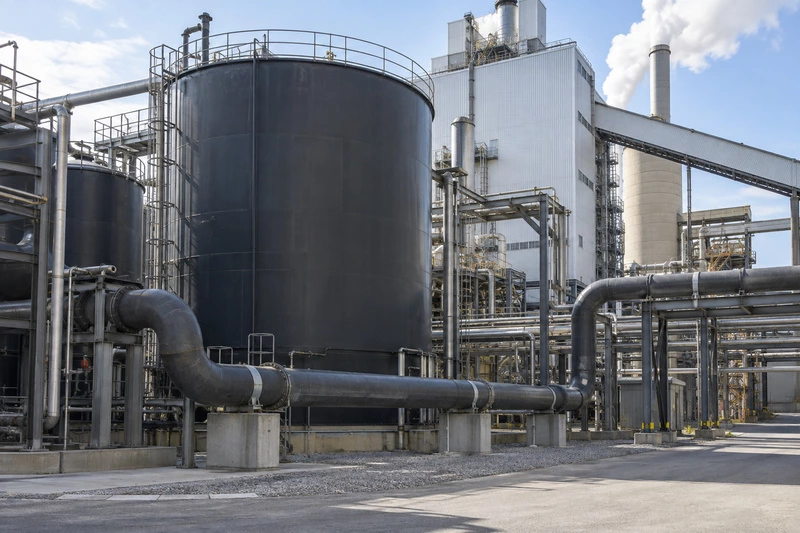
Water treatment, steam generation, cooling systems, and wastewater treatment improve resource efficiency and environmental compliance
Typical Applications
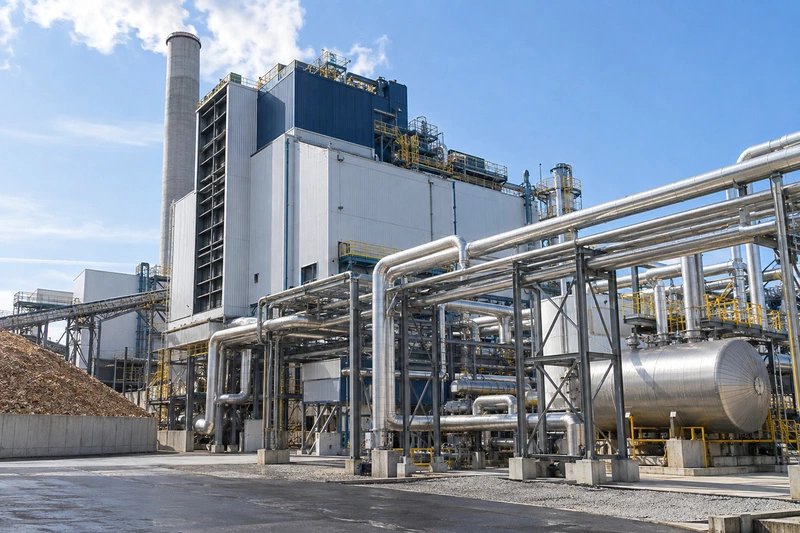
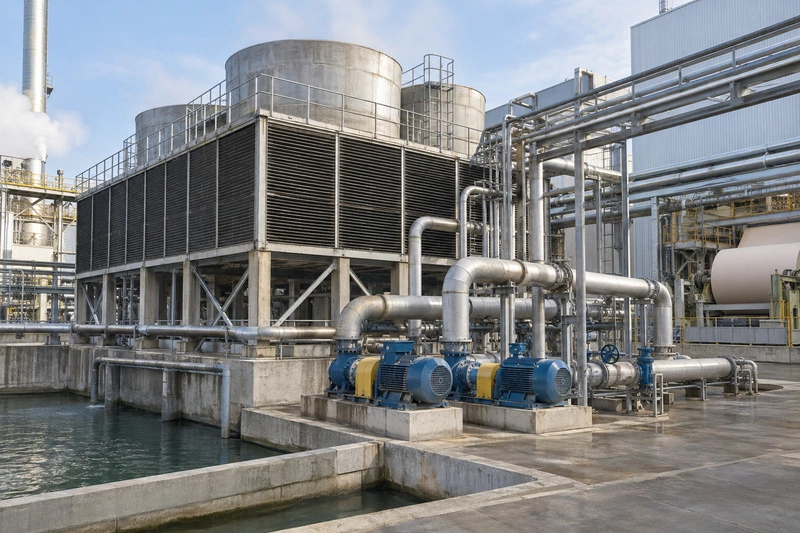
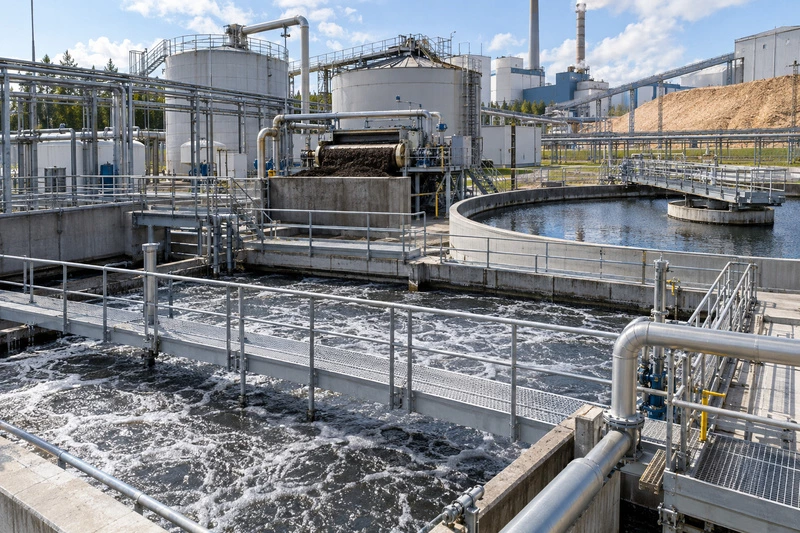
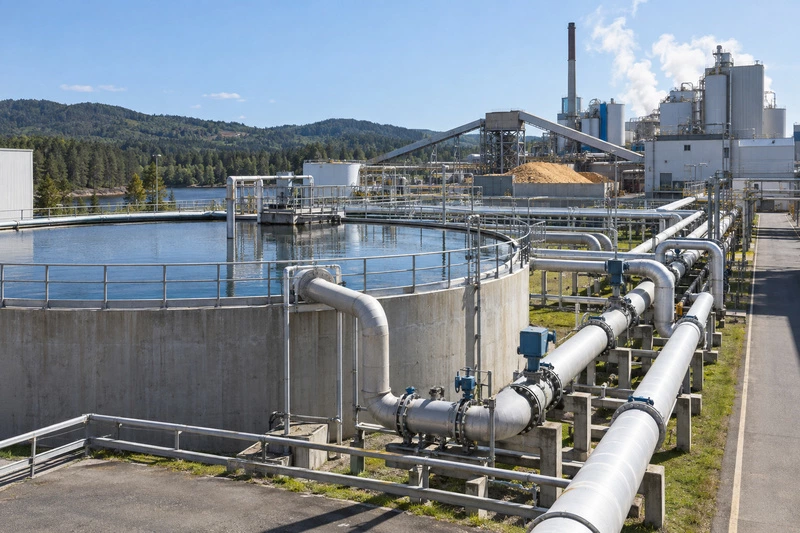
Complete Pulp & Paper Solutions
Improve production efficiency, reduce resource consumption, and ensure consistent product quality with Supmea's reliable instrumentation solutions.
Industry Solution
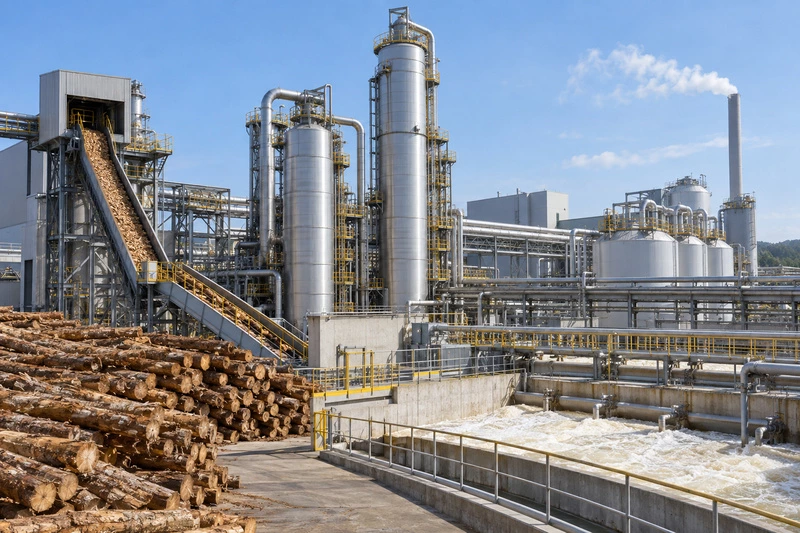
Pulp Production
Reliable measurement solutions for kraft, mechanical, and recycled pulp production, helping improve fiber quality, optimize chemical consumption, and maintain stable processing conditions.
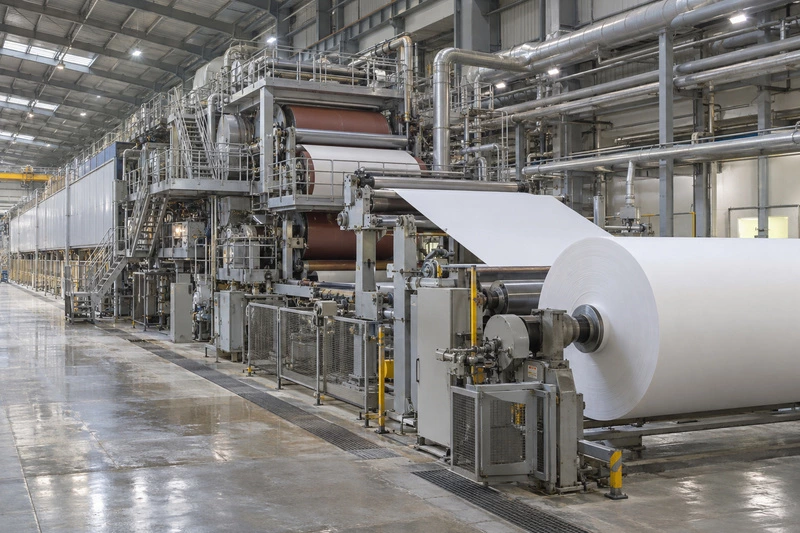
Paper Manufacturing
Enhance production stability with accurate monitoring of flow, pressure, temperature, and level throughout high-speed paper manufacturing processes.
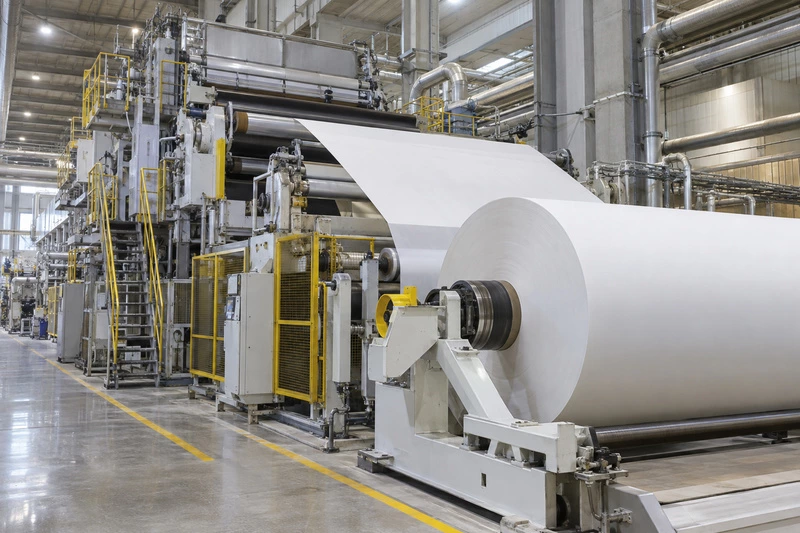
Tissue & Hygiene Products
Ensure consistent product quality and efficient production for tissue, napkin, toilet paper, and other hygiene paper applications.
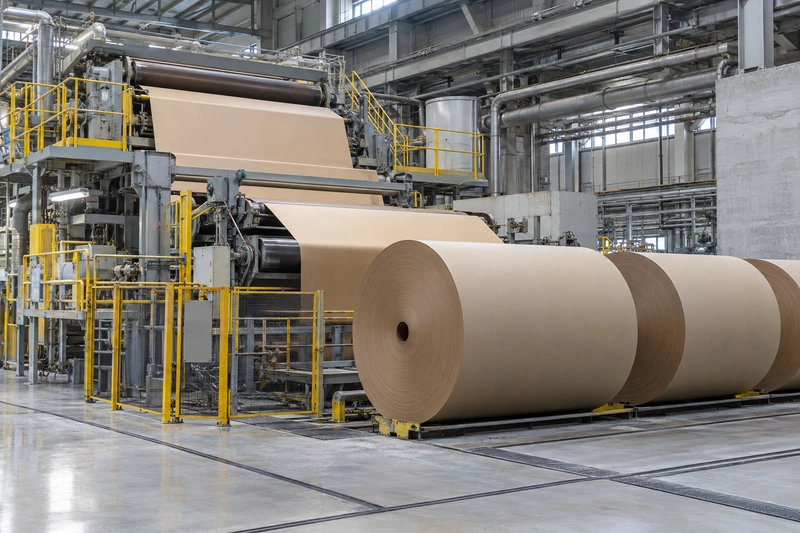
Packaging Paper & Paperboard
Reliable instrumentation supports containerboard, corrugated paper, kraft paper, and paperboard manufacturing with improved process control.
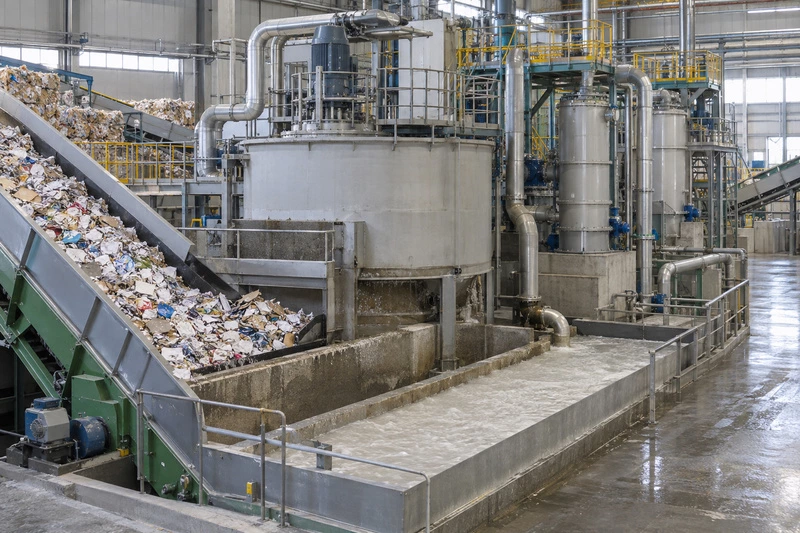
Recycled Paper Processing
Improve resource utilization and production efficiency through accurate monitoring of recycled fiber preparation, screening, and stock handling.
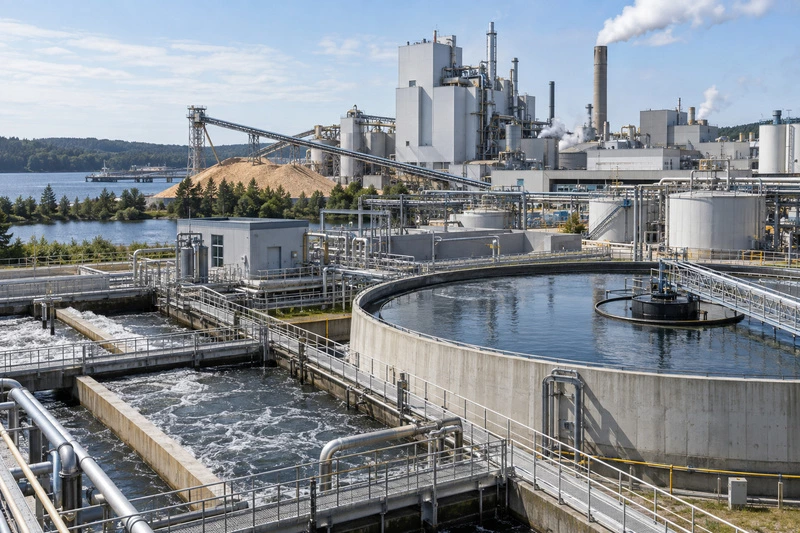
Water & Environmental Management
Optimize process water, wastewater treatment, and utility systems while supporting environmental compliance and sustainable manufacturing.
Featured Products
Discover Supmea's reliable instrumentation portfolio engineered for demanding pulp and paper applications, delivering accurate measurement, stable operation, and long-term performance.
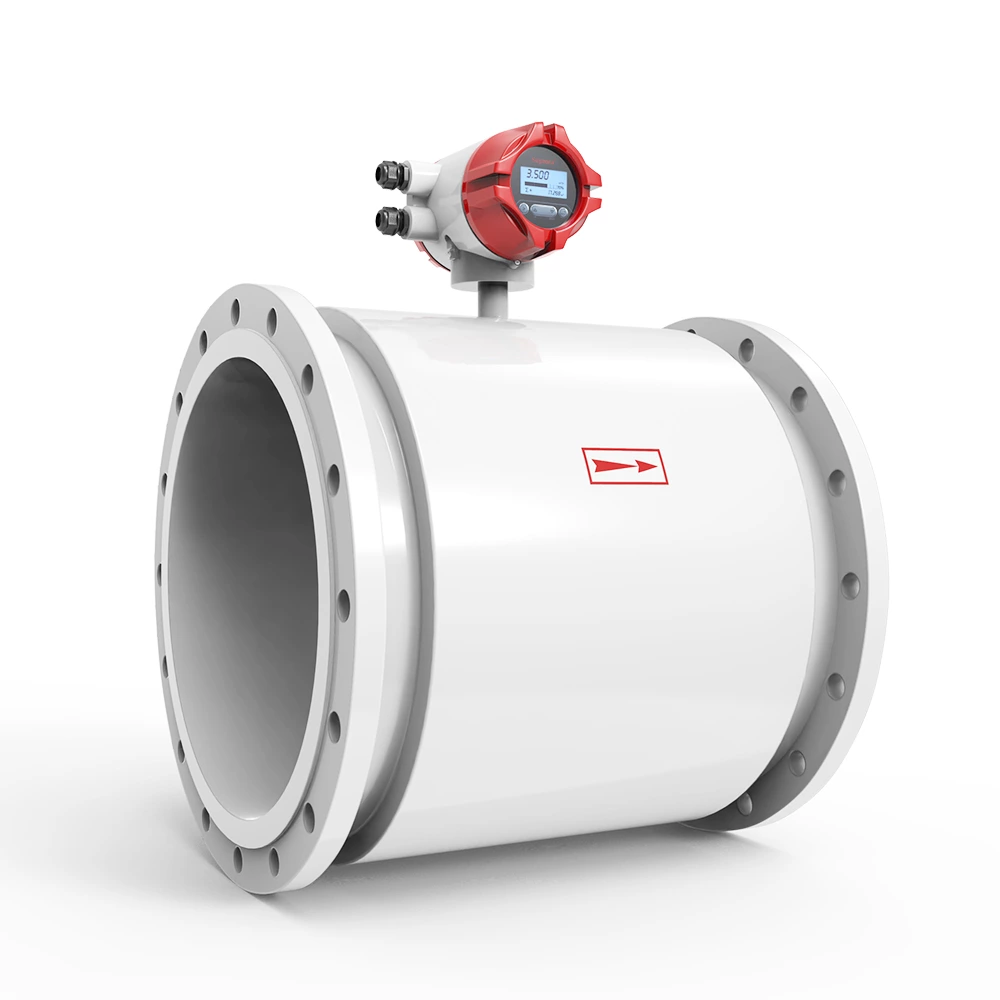
LDG-SUP Electromagnetic Flowmeter: Precision Flow Measurement for Demanding Industrial Applications
View Products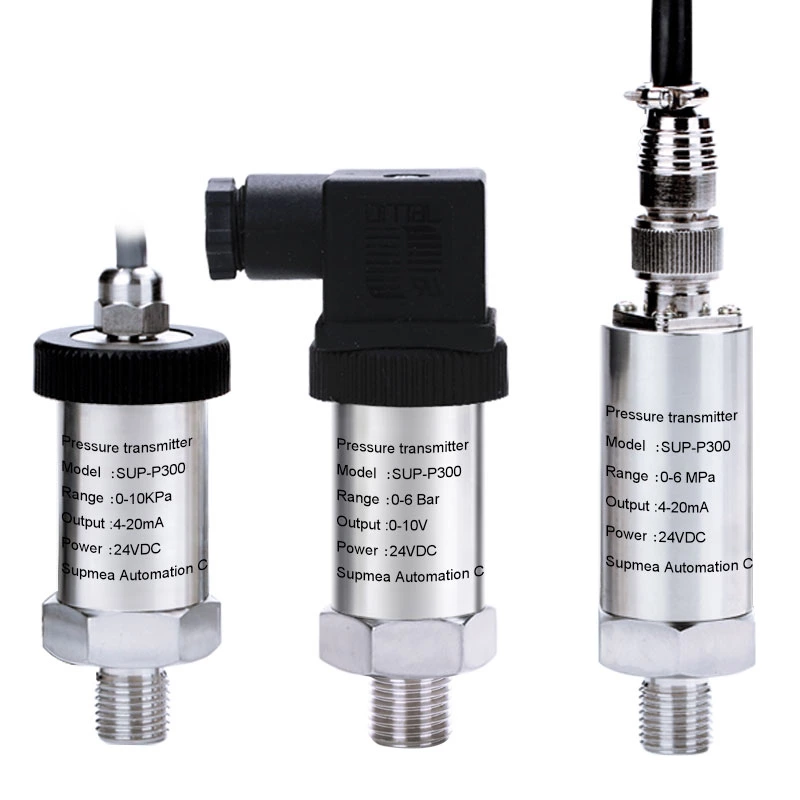
SUP-P300 Pressure transmitter with compact size for universal use
View Products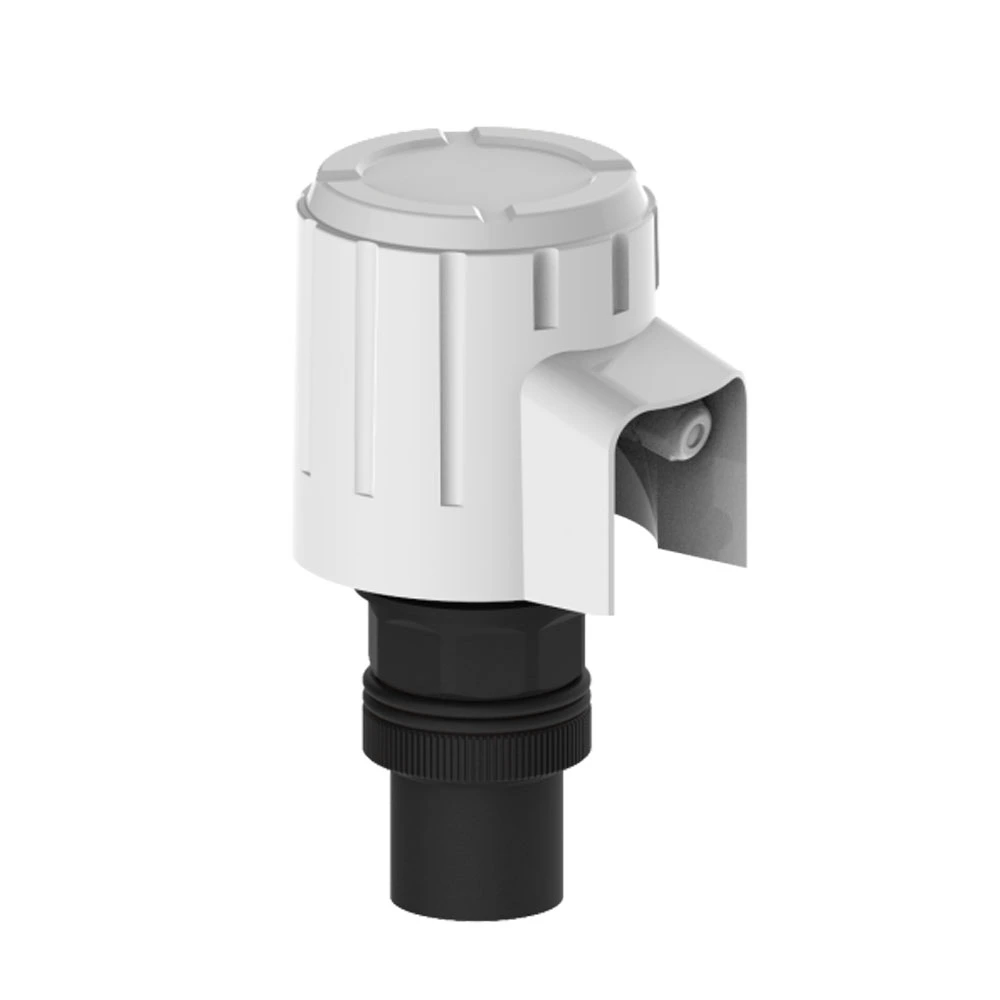
SUP-MP-C Ultrasonic level transmitter
View Products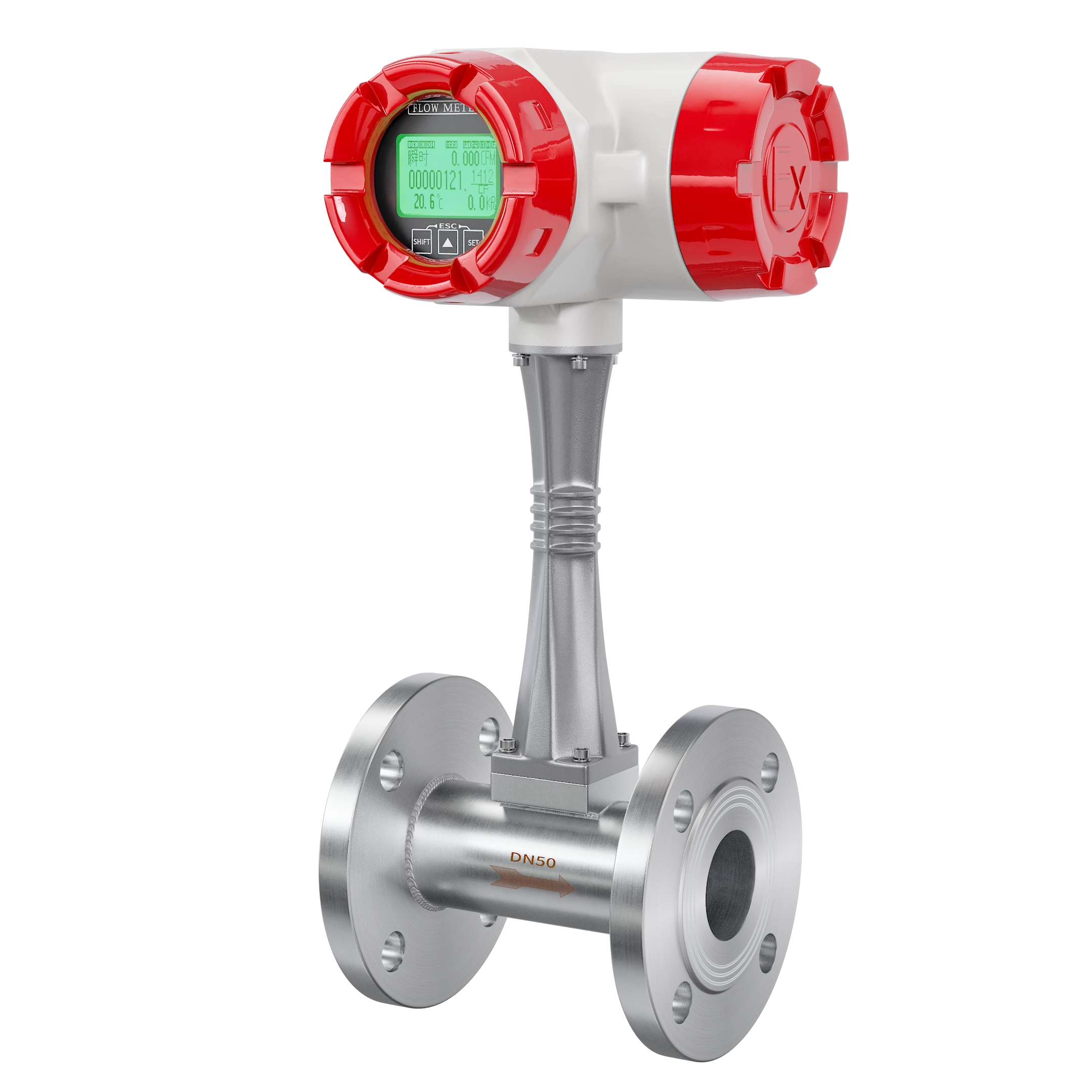
SUP-LUGB-C Vortex Flow Meter for Steam, Gas & Liquid Flow Measurement
View Products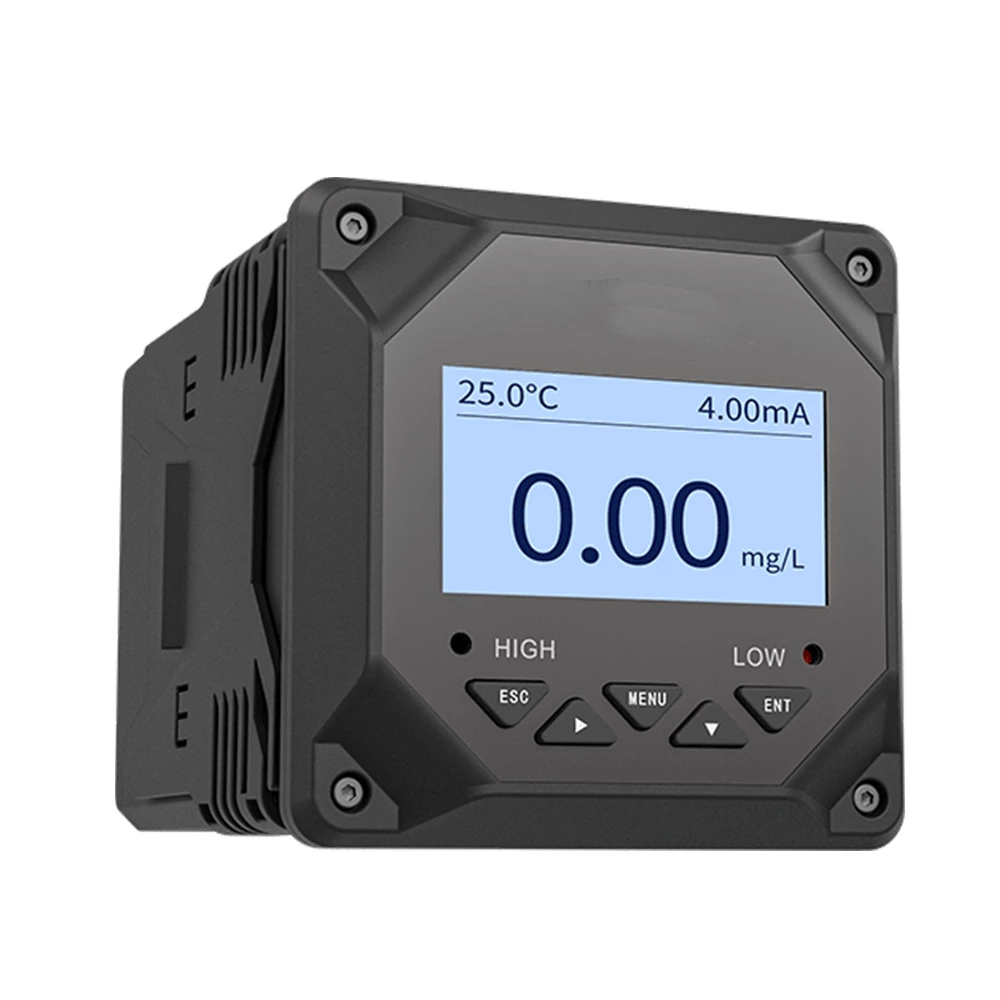
SUP-DC2000 Liquid TSS/SS analyzing meter
View Products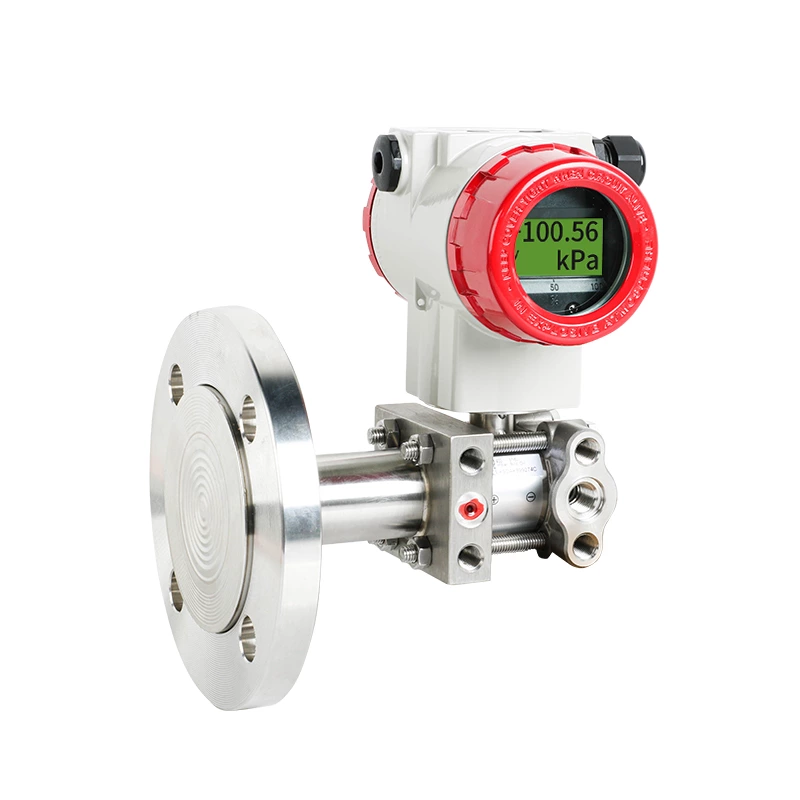
SUP-2051LT Flange mounted differential pressure transmitters
View Products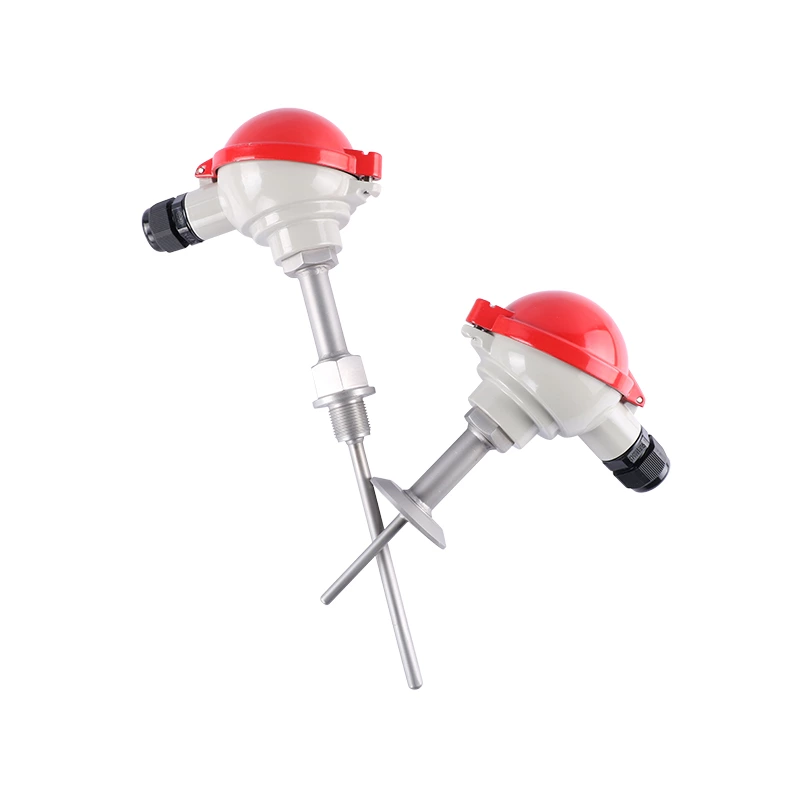
SUP-WZPK/WRNK RTD Temperature sensors with mineral insulated resistance thermometers
View ProductsSuccess Stories
Discover how pulp and paper manufacturers improve efficiency, product quality, and sustainability with Supmea instrumentation.
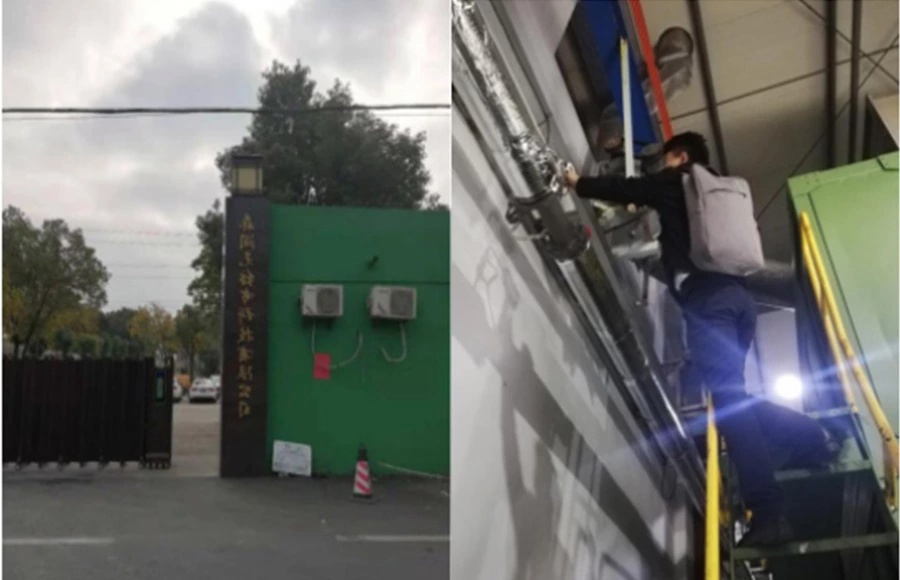
Hangzhou Senrun Nonwoven Technology Co., Ltd.
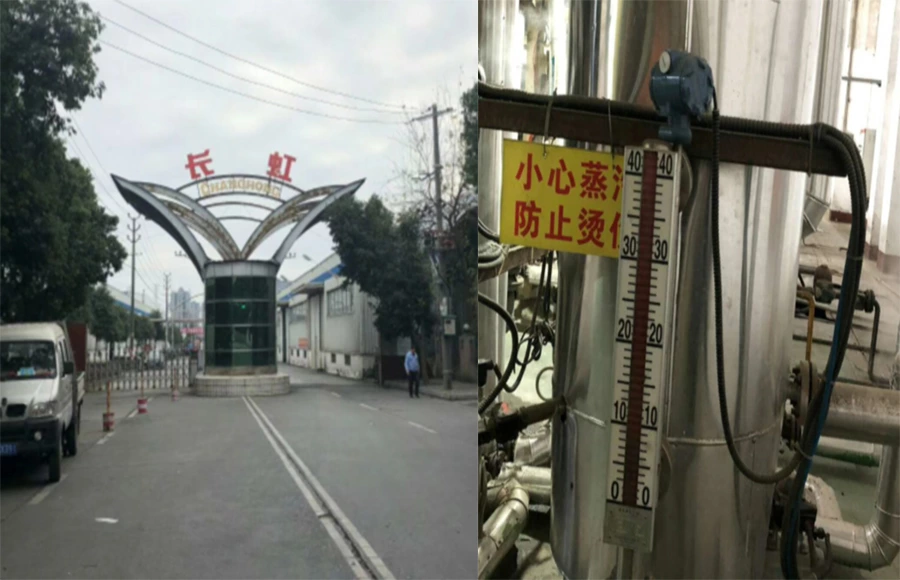
Case of mianyang Changhong Packaging Pressure Transmitter Application
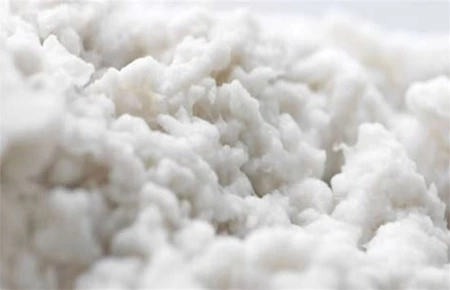
Pulping and fibers separate, clean
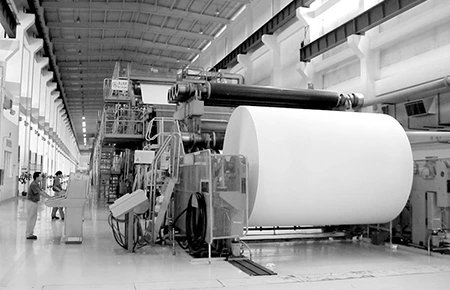
Magnetic flow meter in pulp & Paper
Reliable Mill Operations
Supmea delivers reliable measurement solutions that help pulp and paper manufacturers improve productivity, optimize resource utilization, and achieve sustainable operations.
Comprehensive Product Portfolio
Complete solutions covering flow, level, pressure, temperature, and analytical measurement.
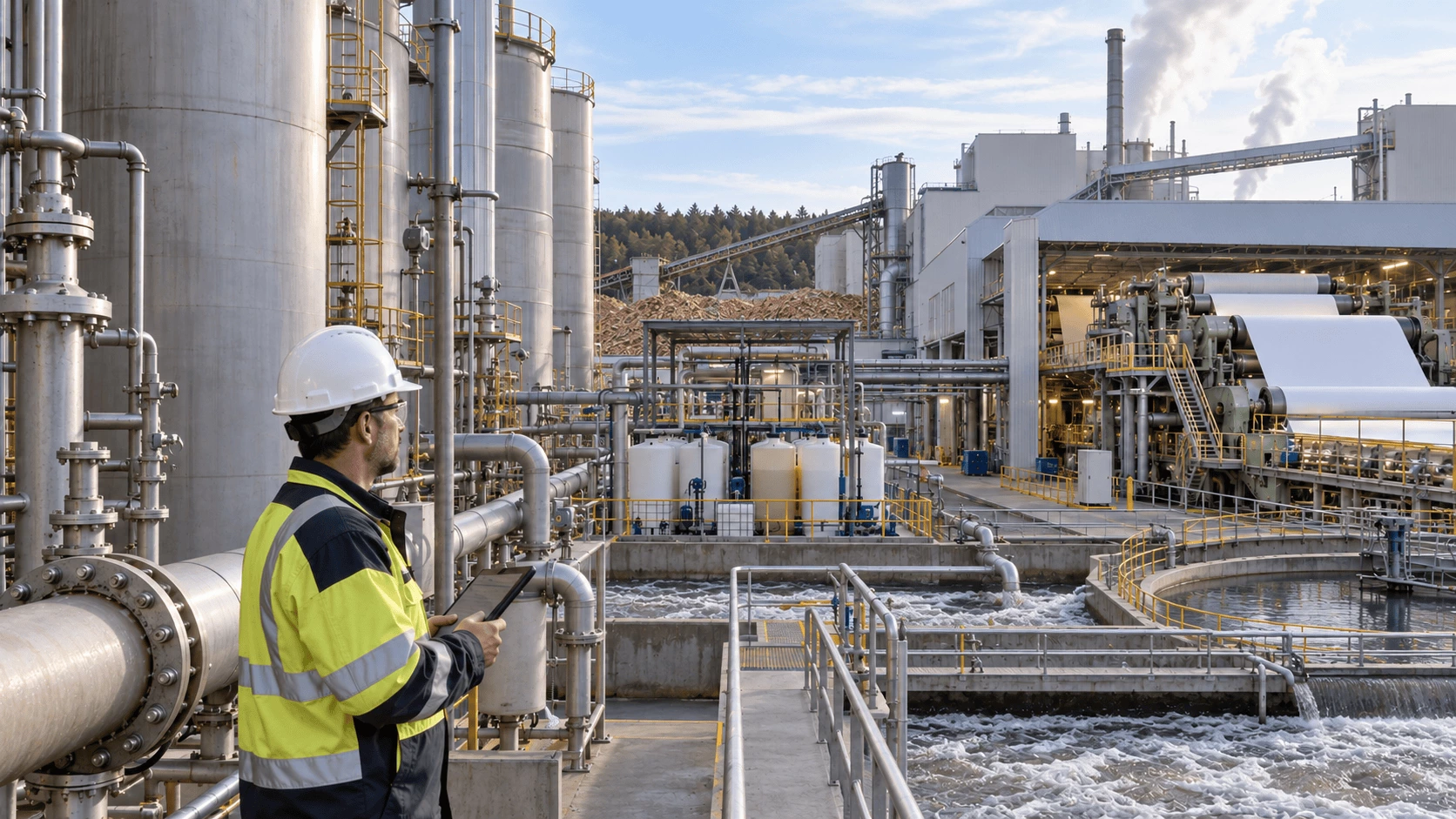
Reliable in Harsh Environments
Designed to withstand demanding conditions including high temperature, moisture, vibration, and abrasive media.
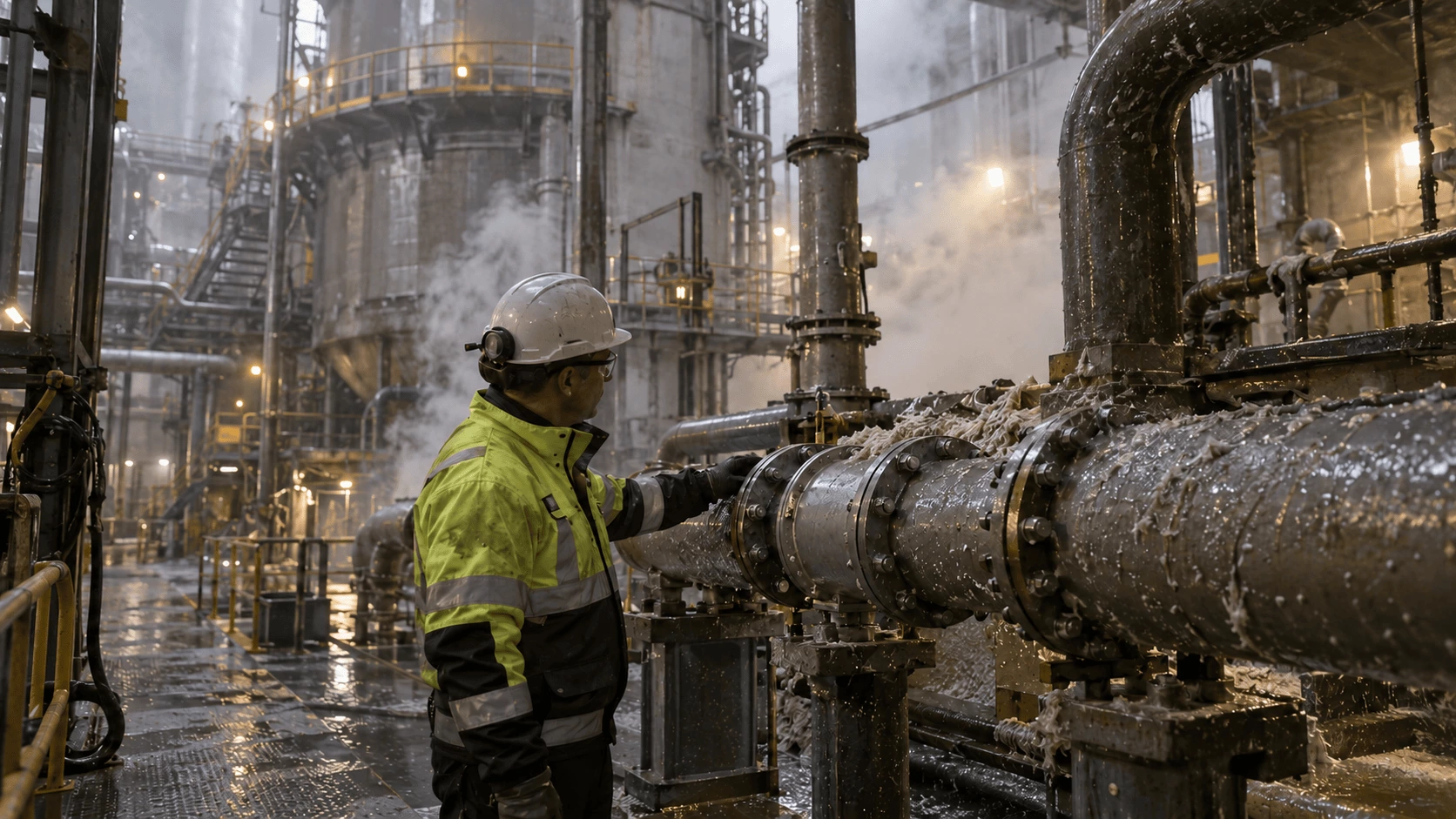
Precise Process Control
Improve pulp consistency, product quality, and overall production efficiency.
Extensive Industry Experience
Supporting pulp, paper, tissue, and packaging manufacturers across diverse applications.

Global Technical Support
Professional engineering assistance from selection and commissioning to long-term operation.

Cost-Effective Solutions
Deliver long service life, dependable performance, and lower total cost of ownership.

Frequently Asked Questions
How is the flow of paper pulp (stock) measured without clogging?
Electromagnetic flow meters are the industry standard for pulp stock as they have no moving parts to clog. For high-consistency pulp, special "low noise" or "high frequency" excitation modes are used to filter out signal noise caused by fiber friction.
What material is resistant to the corrosive nature of Black Liquor and White Liquor?
For flow measurement, a PFA-lined magnetic flow meter with Platinum-Iridium or Tantalum electrodes is typically required to withstand the high alkalinity and temperature of black and white liquors.
What is the reliable method for measuring level in a pulp digester under high pressure and heat?
Guided Wave Radar (GWR) or Differential Pressure (DP) transmitters with remote diaphragm seals are commonly used. GWR is often preferred as it is unaffected by the drastic changes in density and pressure that occur during the cooking cycle.
Which flow meter works best for steam measurement in the drying section?
Vortex flow meters are widely used for saturated and superheated steam. They are robust, have no moving parts, and can include built-in temperature and pressure compensation to output accurate mass flow data.
How is pulp consistency measured in the pipe?
While specific consistency transmitters exist, shear-force or microwave consistency sensors are standard. For general process control, correlating mass flow (Coriolis) or density measurements can sometimes serve as an inferred consistency check.
What prevents pressure sensors from failing due to pipe vibration near pumps?
Pulp mills have high vibration levels. Using a remote seal capillary system isolates the sensitive electronic transmitter from the vibrating pipe. Alternatively, sensors with potted electronics and robust housing designs are essential.
How can a filter screen blockage be detected in the stock preparation area?
Installing a differential pressure transmitter across the screen allows for monitoring. As the screen blinds with fiber, the differential pressure rises, triggering a backwash cycle or maintenance alarm.
Are sensors in recovery boiler sections rated for hazardous areas?
Yes, instrumentation in recovery areas often requires Explosion-Proof (Ex d) or Intrinsic Safety (Ex ia) certification. It is crucial to ensure the selected device carries the appropriate ATEX, IECEx, or local hazardous area approval.