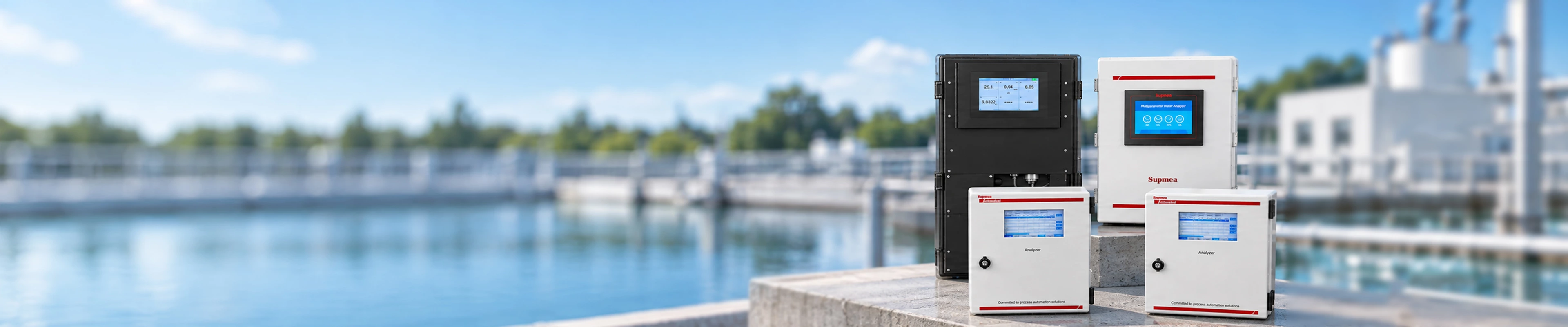
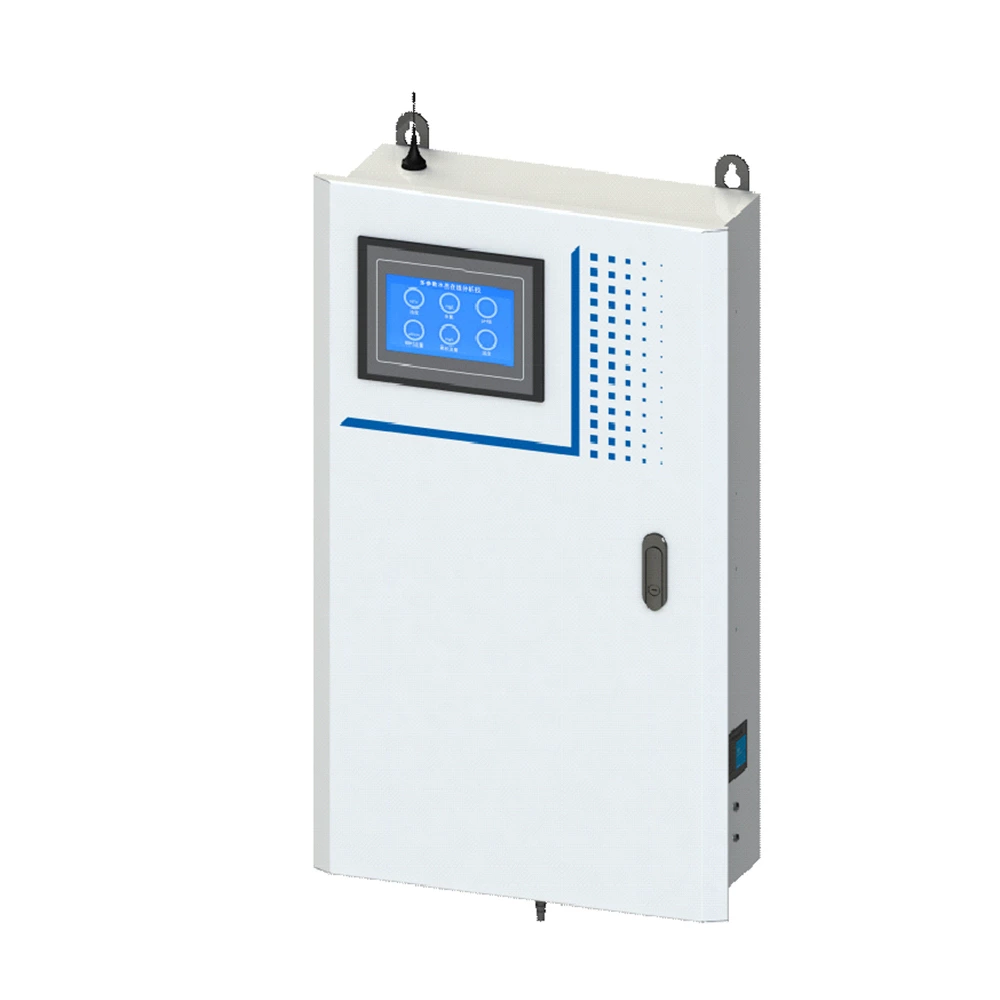
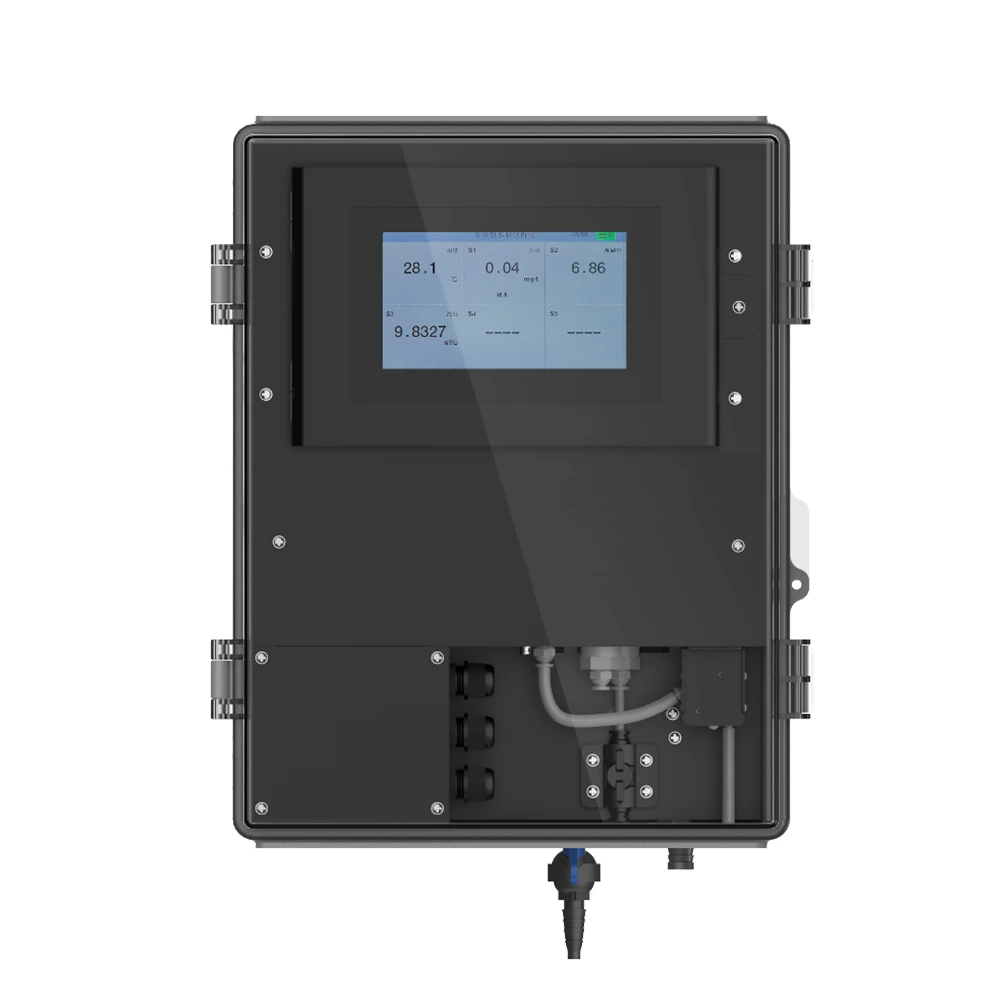
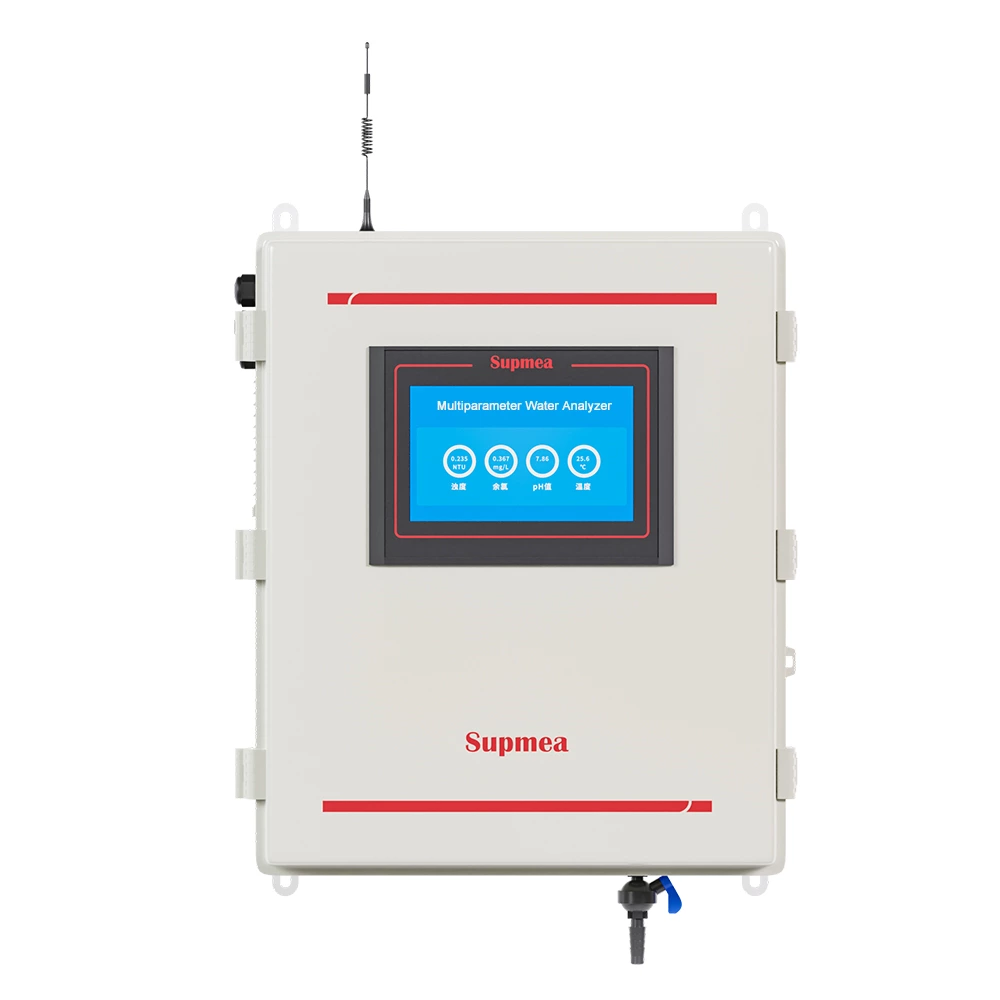
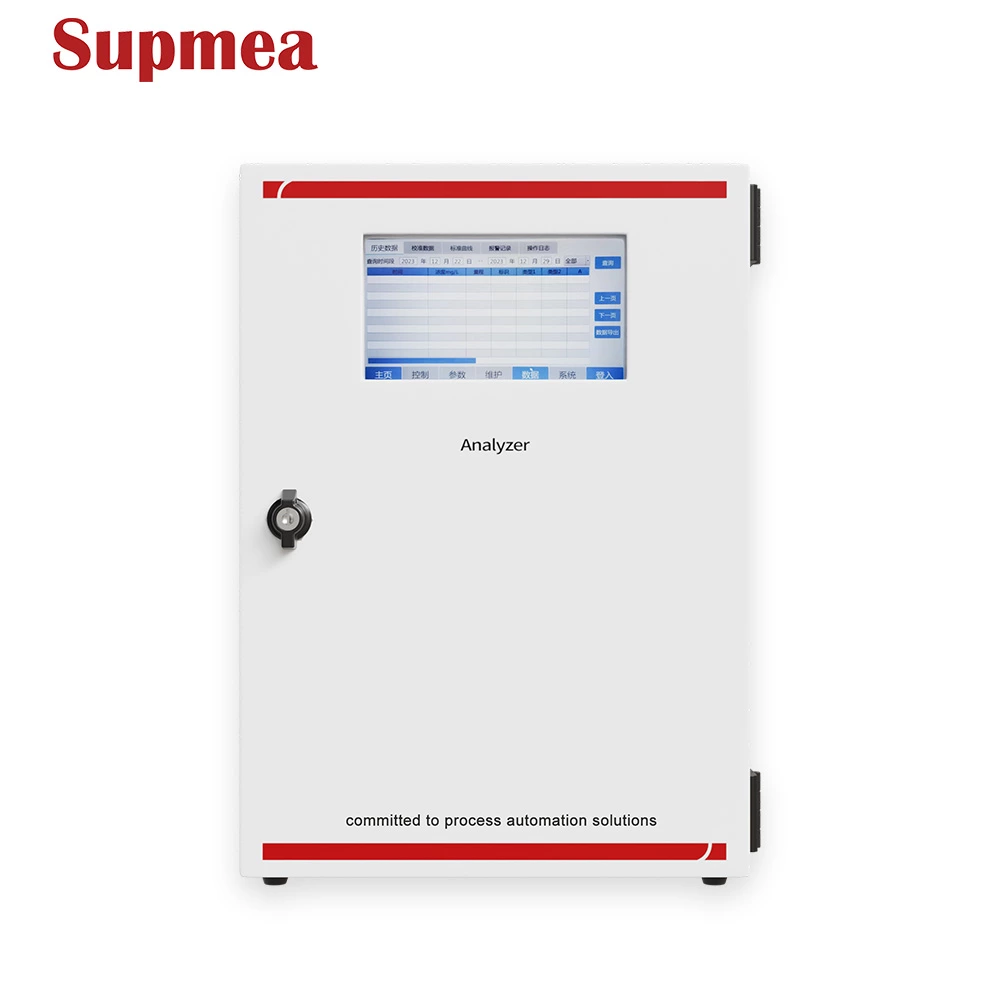
Quick product selection
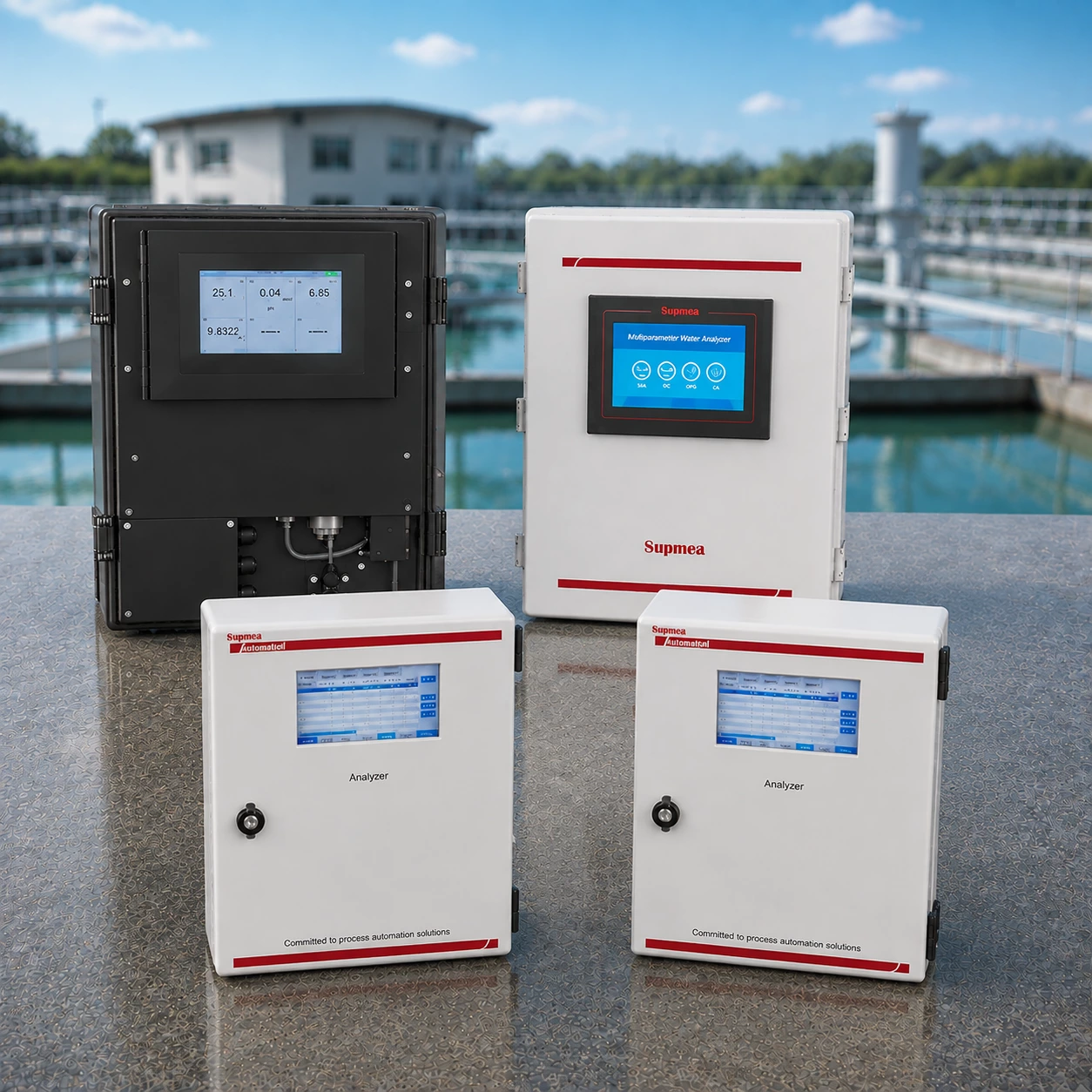
Find the right instrument for your application.
How Multi-Parameter Water Quality Analyzer work
Applications & Industries
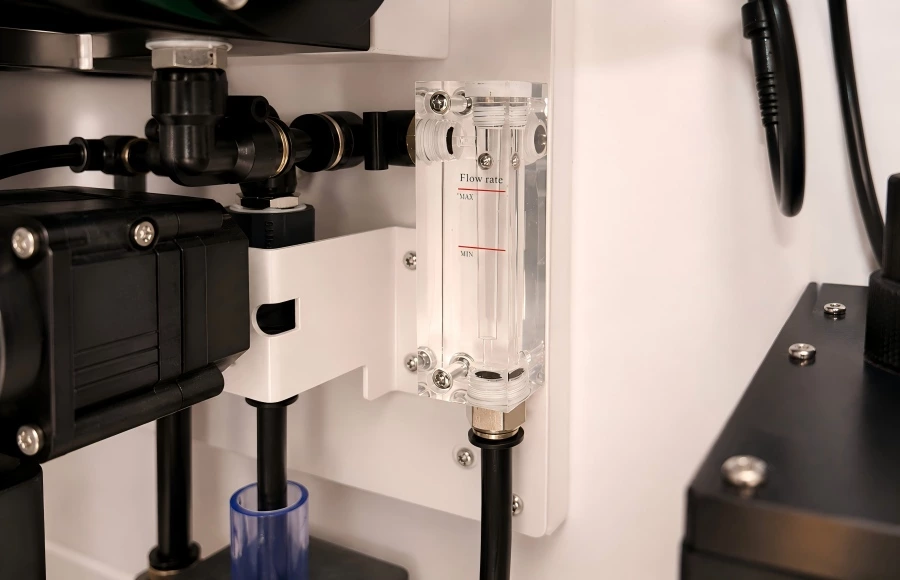
Multi-Parameter Water Quality Monitoring for a Building Project in Dubai
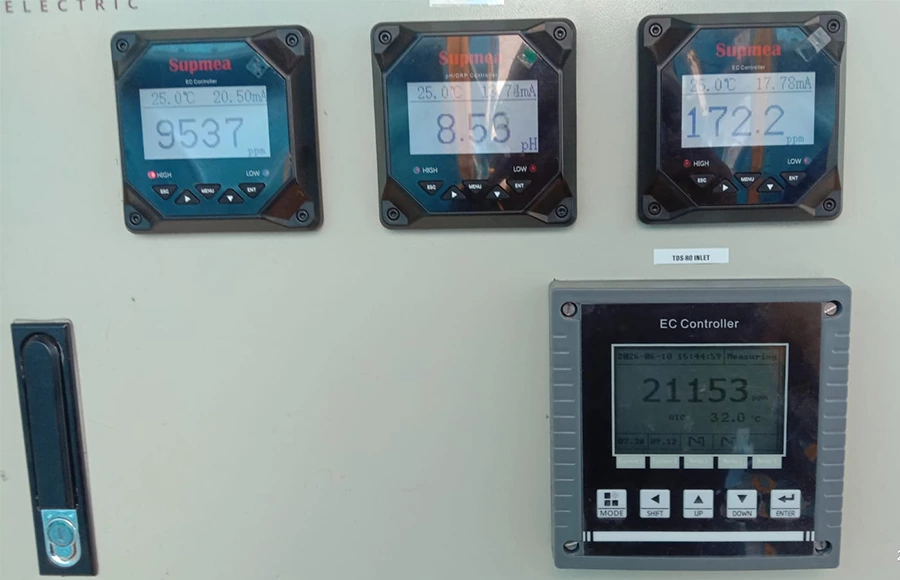
Integrated Flow and Water Quality Monitoring for an RO System in Indonesia
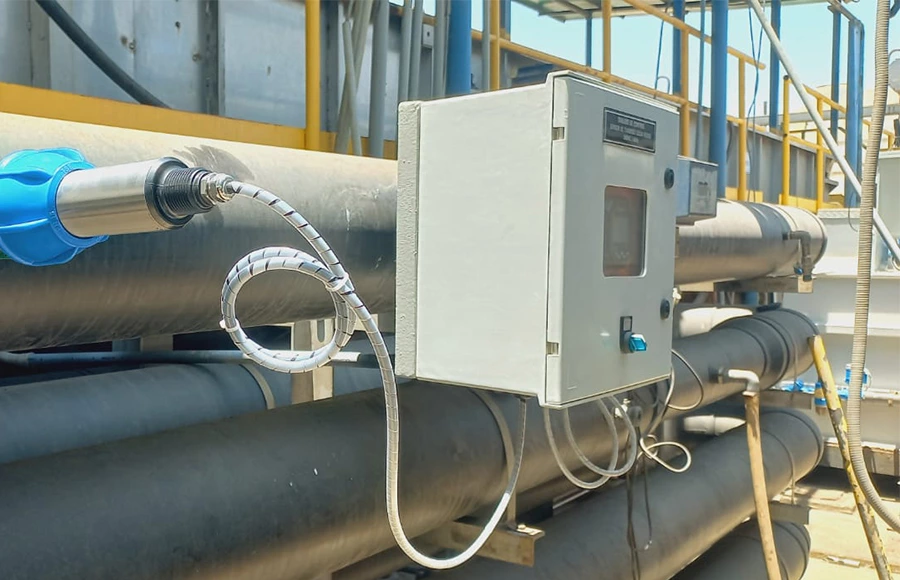
Inline Wastewater Turbidity Monitoring for a Treatment Pipeline in Peru
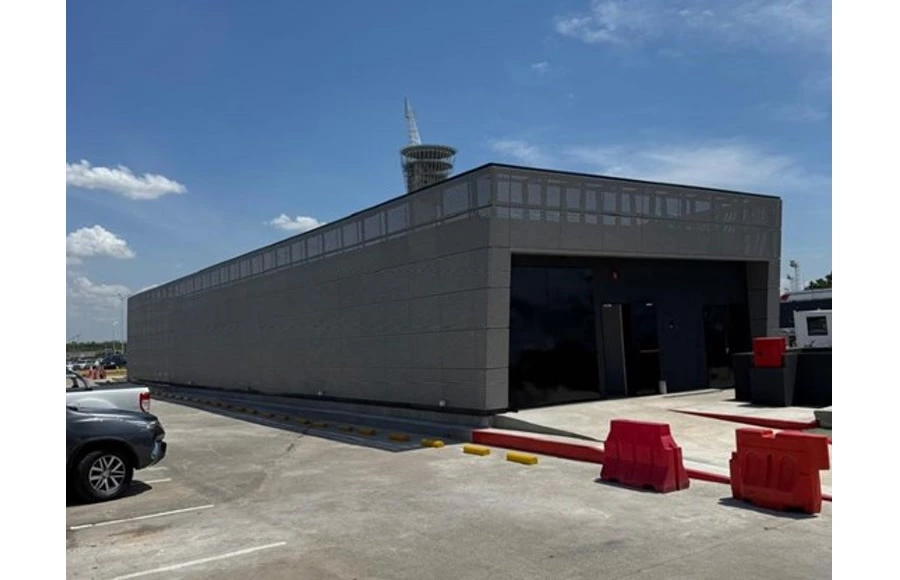
Supmea Multi-Parameter Monitoring Supports Water Treatment at an International Airport in Argentina
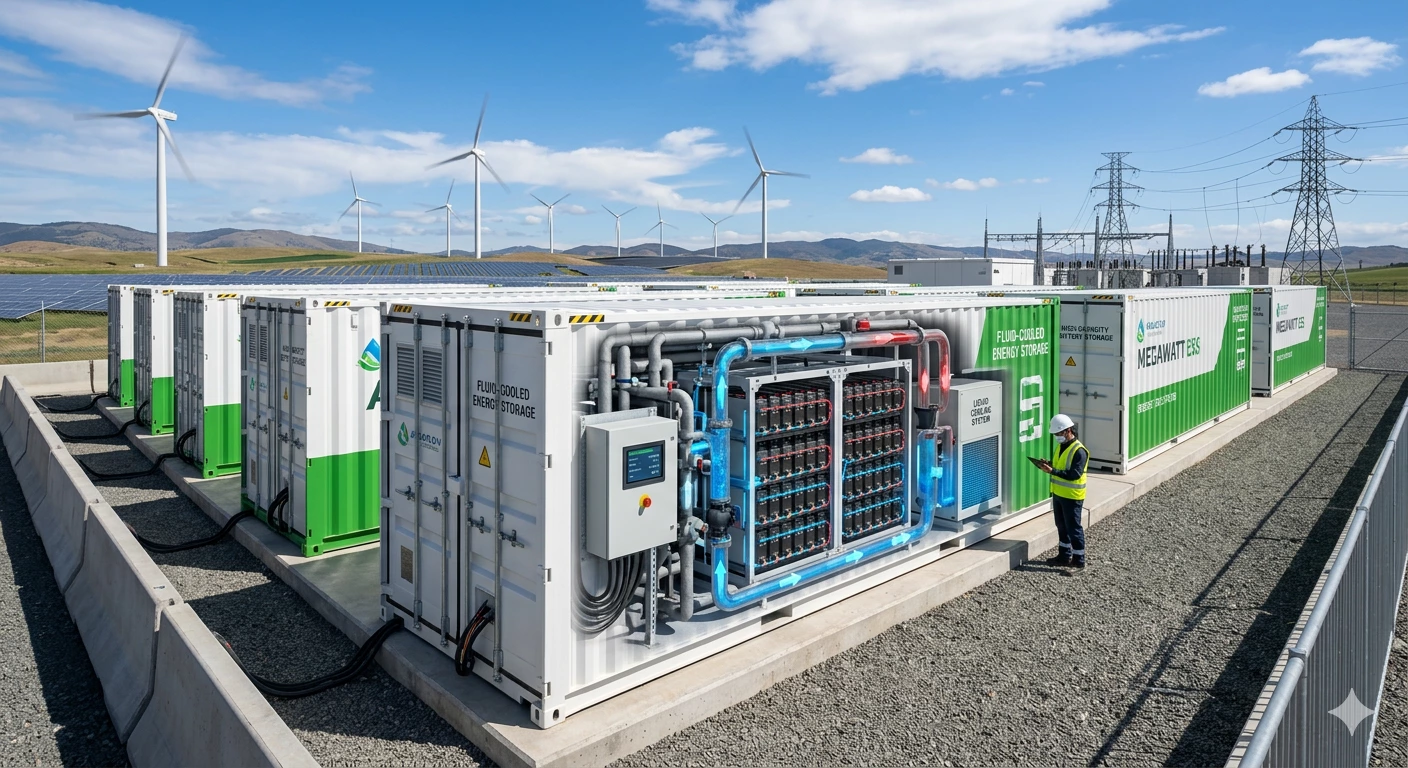
Related Products
Discover our most trusted process instruments for water and wastewater applications. Designed for reliable measurement, intelligent monitoring, and efficient process control across every stage of the treatment cycle.
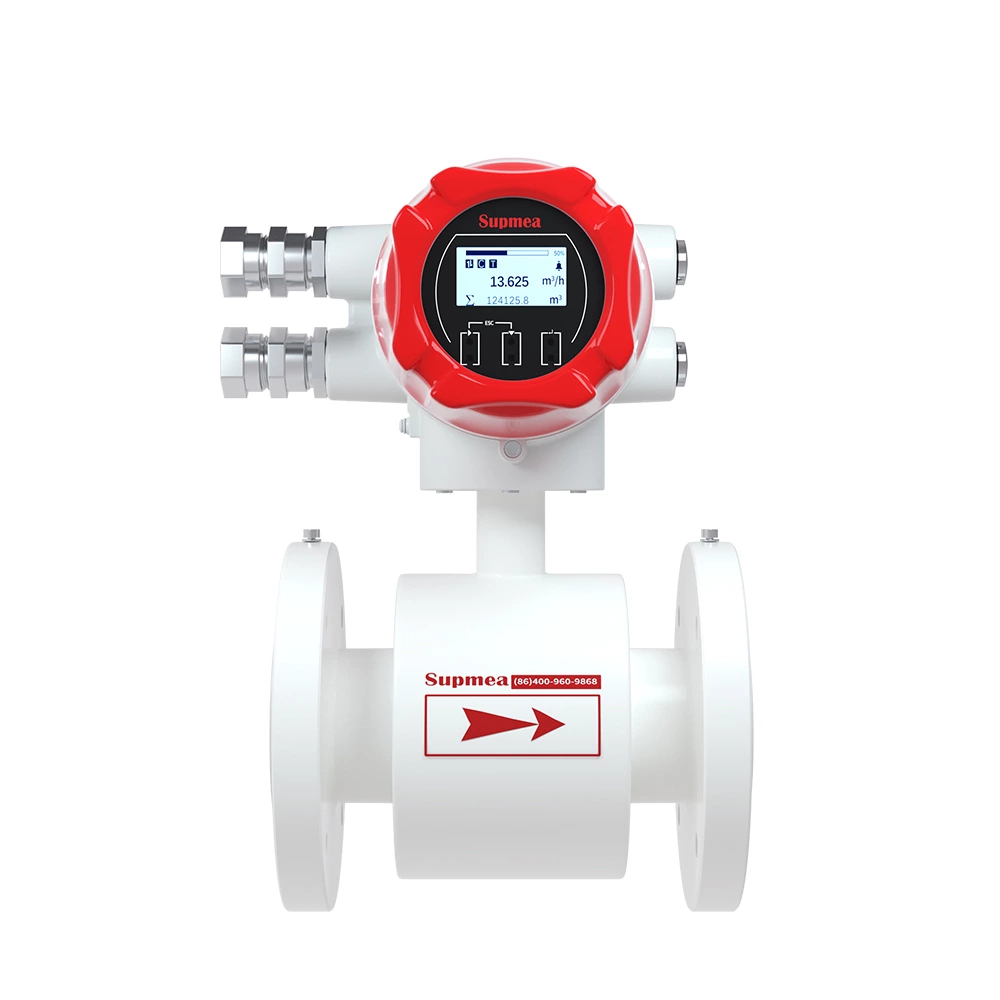
LDG-SUP-A100D Explosion-Proof Electromagnetic Flowmeter
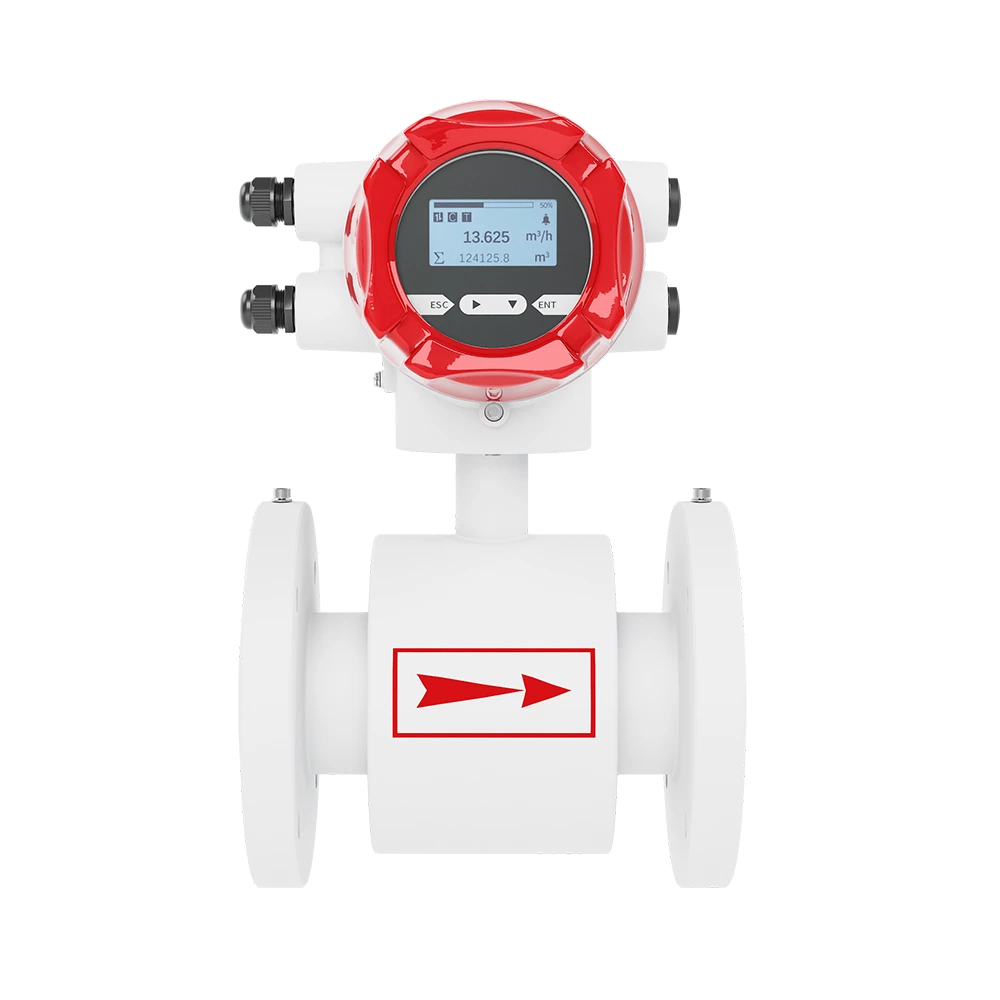
LDG-SUP-A100 Electromagnetic Flow Meter — High-Accuracy Conductive Liquid Measurement
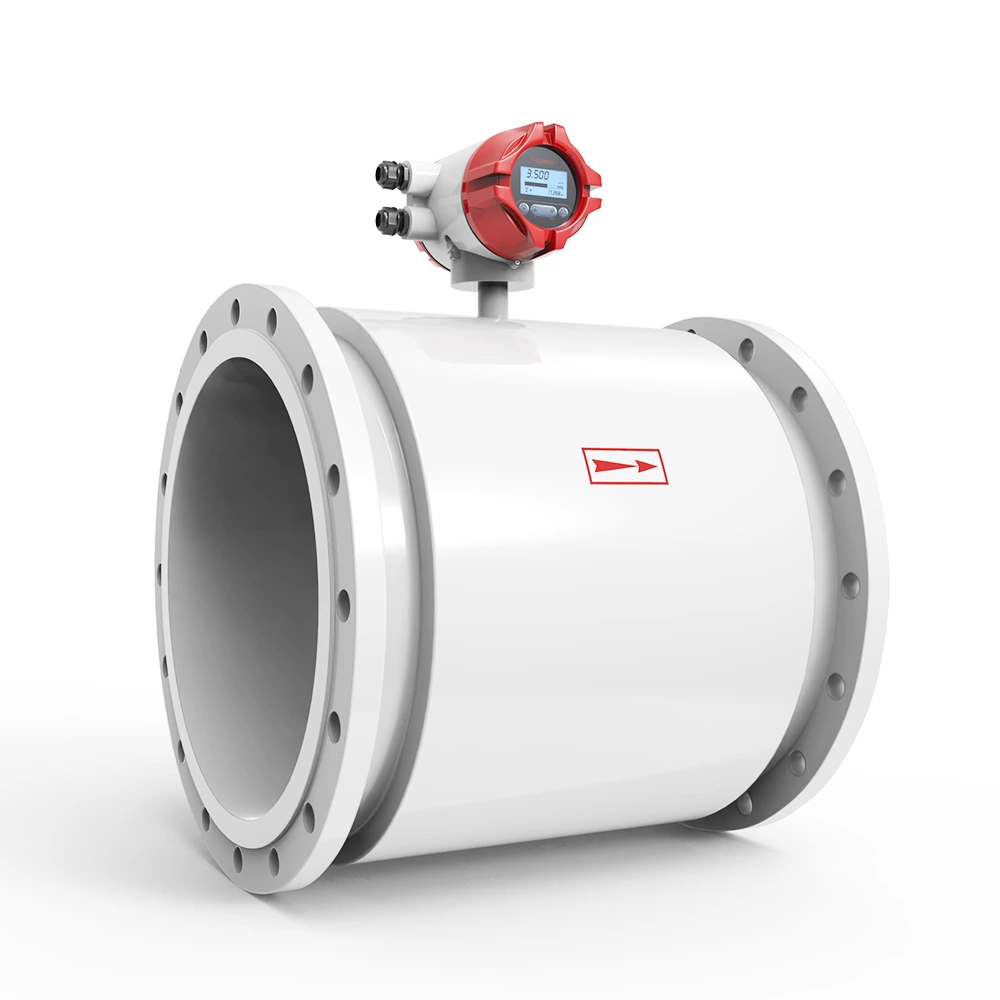
LDG-SUP Electromagnetic Flowmeter: Precision Flow Measurement for Demanding Industrial Applications
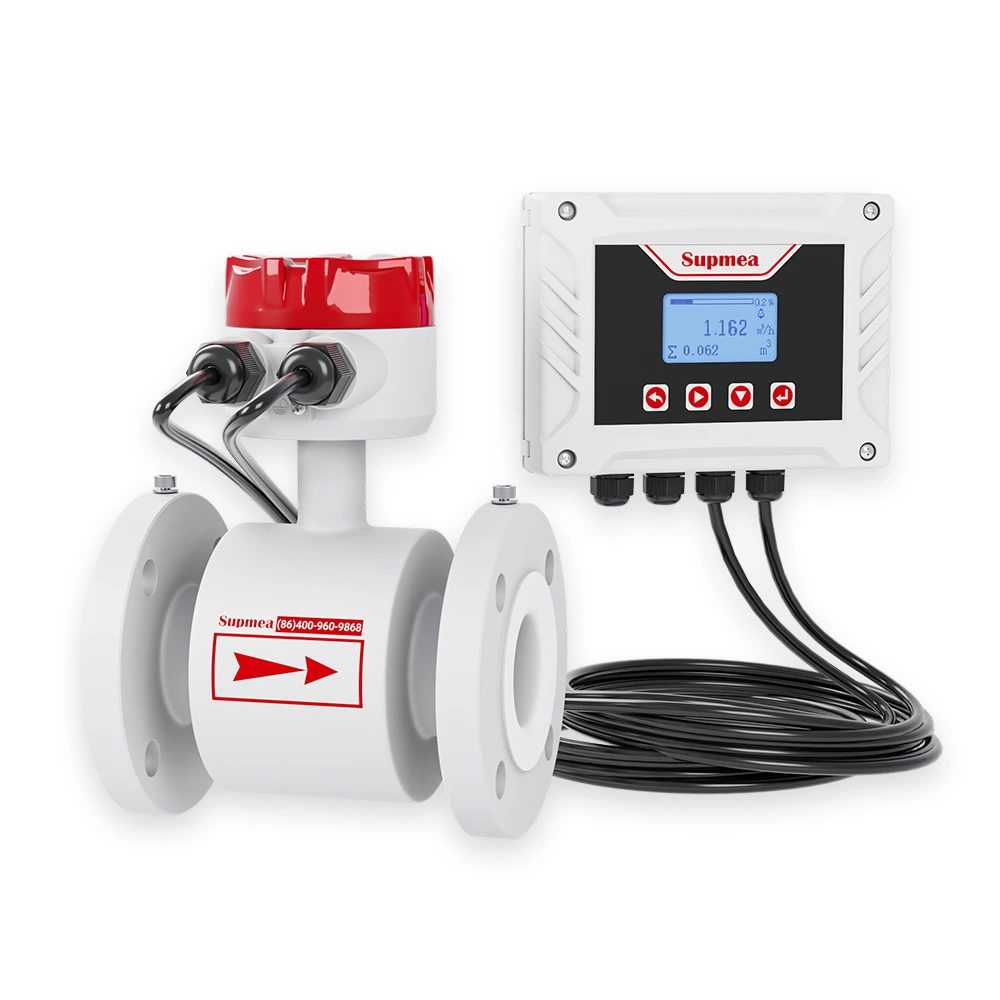
SUP-LDG Remote type electromagnetic flowmeter
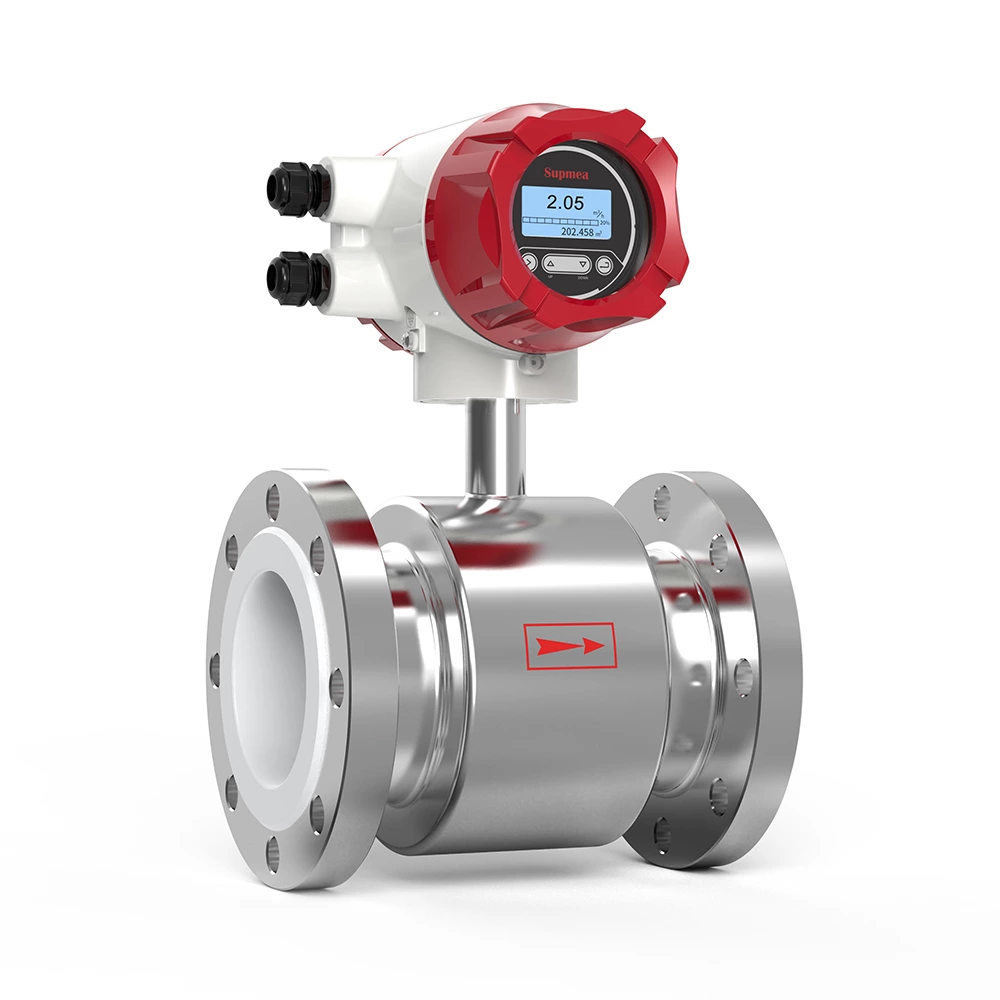
SUP-LDG Stainless steel body electromagnetic flowmeter
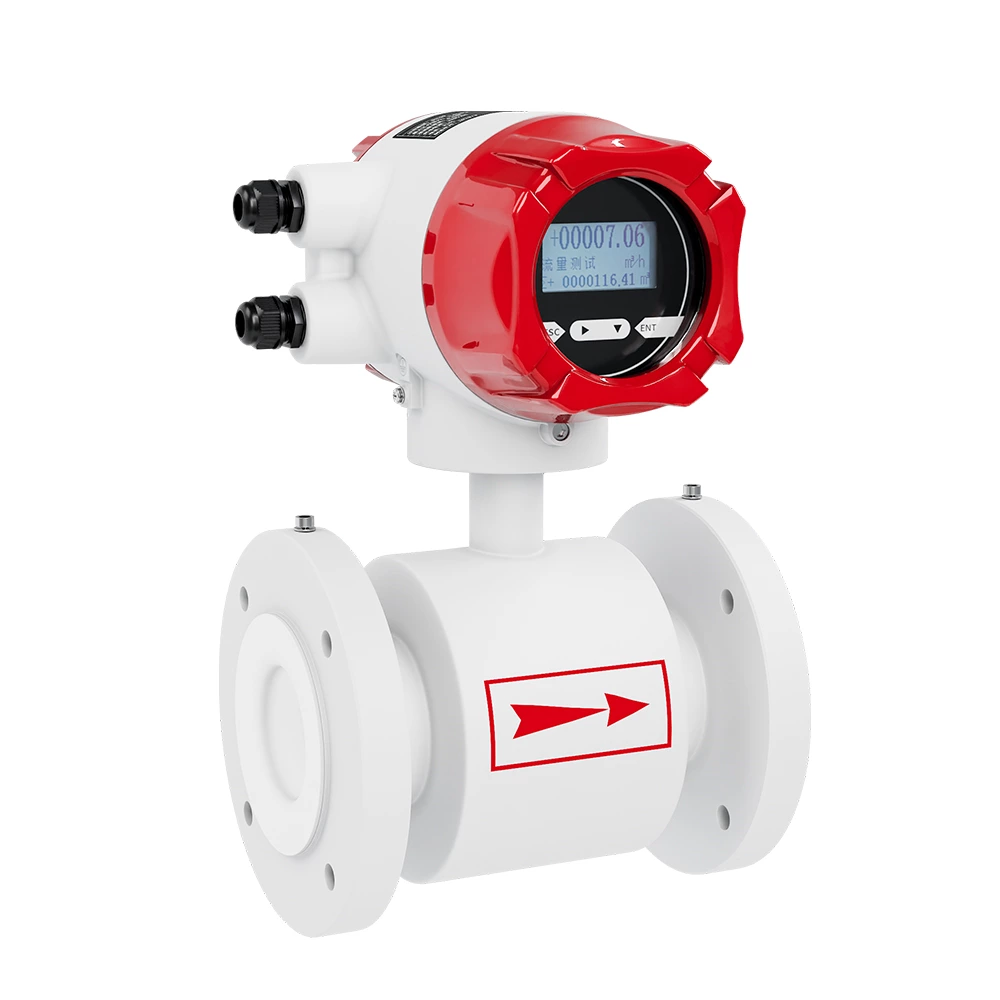
SUP-FMC400 Low Conductivity Electromagnetic flow meter
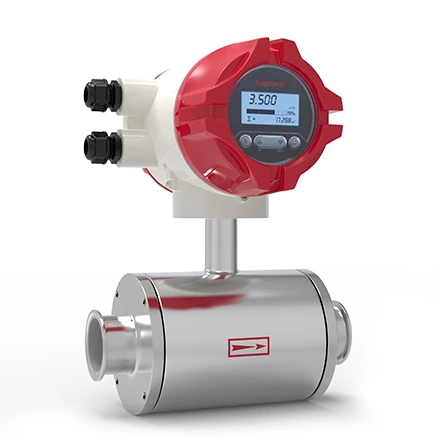
SUP-LDG Sanitary electromagnetic flowmeter for food processing
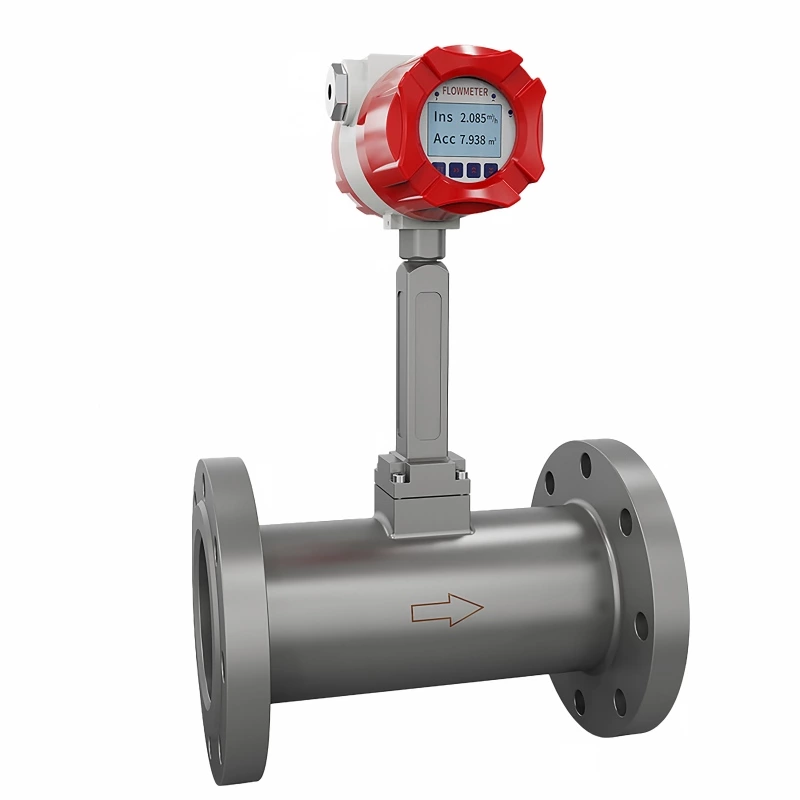
SUP-LUGB Vortex flowmeter without temperature & pressure compensation
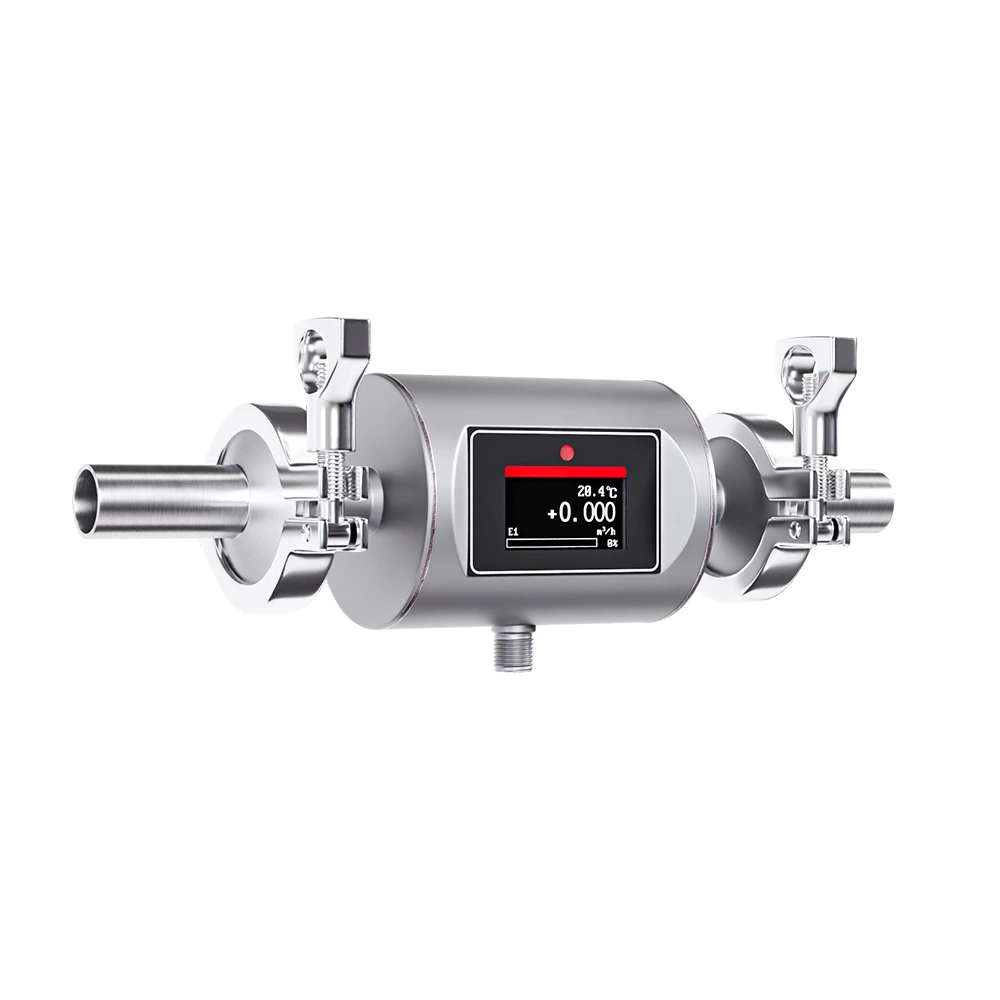
SUP-FMX240 Compact Electromagnetic Flow Meter—Precision Flow Measurement in a Space-Saving Design
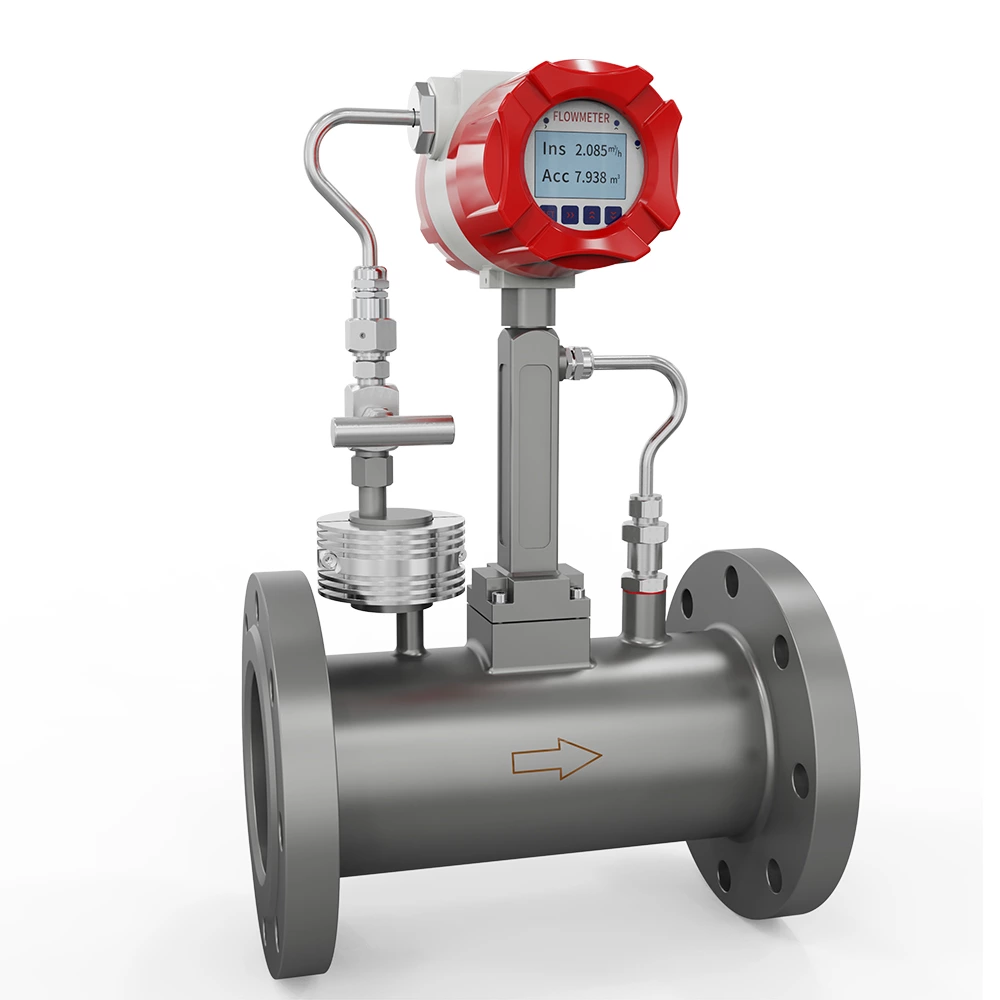
SUP-LUGB Vortex flowmeter with temperature & pressure compensation
Frequently Asked Questions
What parameters can a multi-parameter water quality analyzer measure?
Depending on the selected model and configuration, the system may monitor pH, ORP, turbidity, residual chlorine, chlorine dioxide, ozone, temperature, conductivity, TDS, salinity and dissolved oxygen. The product range also includes dedicated analyzers for COD, ammonia nitrogen, total nitrogen and total phosphorus.
Can one analyzer measure every parameter listed on this page?
No. Parameter availability depends on the analyzer model, installed sensors and selected configuration. COD, ammonia nitrogen, total nitrogen and total phosphorus are measured by dedicated analytical systems.
What is the difference between SUP-MPP1000, SUP-MDX100 and SUP-MPP500?
SUP-MPP1000 is an integrated multi-parameter online monitoring system. SUP-MDX100 uses a modular wall-mounted design and supports flexible combinations of up to six parameters. SUP-MPP500 is an economical integrated solution for common online and remote water quality monitoring applications.
What is the difference between sensor-based and wet-chemistry analysis?
Sensor-based systems use dedicated electrodes or optical sensors for continuous measurement. Wet-chemistry analyzers introduce samples and reagents, complete a chemical reaction or digestion process, and calculate concentration from the optical response.
Does the analyzer require reagents?
The SUP-MDX100 sensor-based system does not require reagents. COD, ammonia nitrogen, total nitrogen and total phosphorus analyzers use reagents as part of their analytical processes. Reagent requirements for other configurations should be confirmed during product.
What communication methods are available?
Depending on the product, available options may include 4–20 mA, RS232, RS485, Modbus-RTU, RJ45 network communication and wireless data transmission.
Can the monitoring parameters be customized?
Selected multi-parameter systems support configurable parameter combinations. The final configuration should be confirmed according to the application, required ranges, installation conditions and communication requirements.