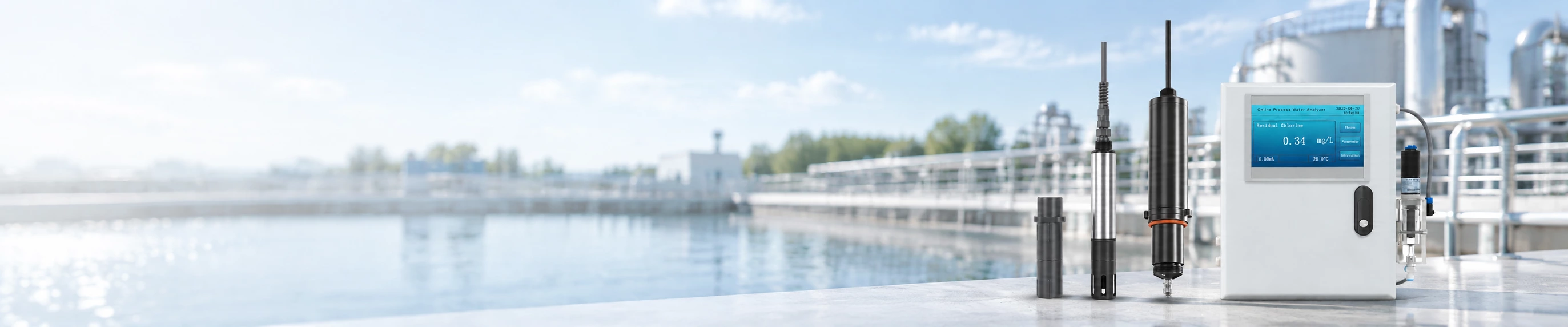
Quick product selection
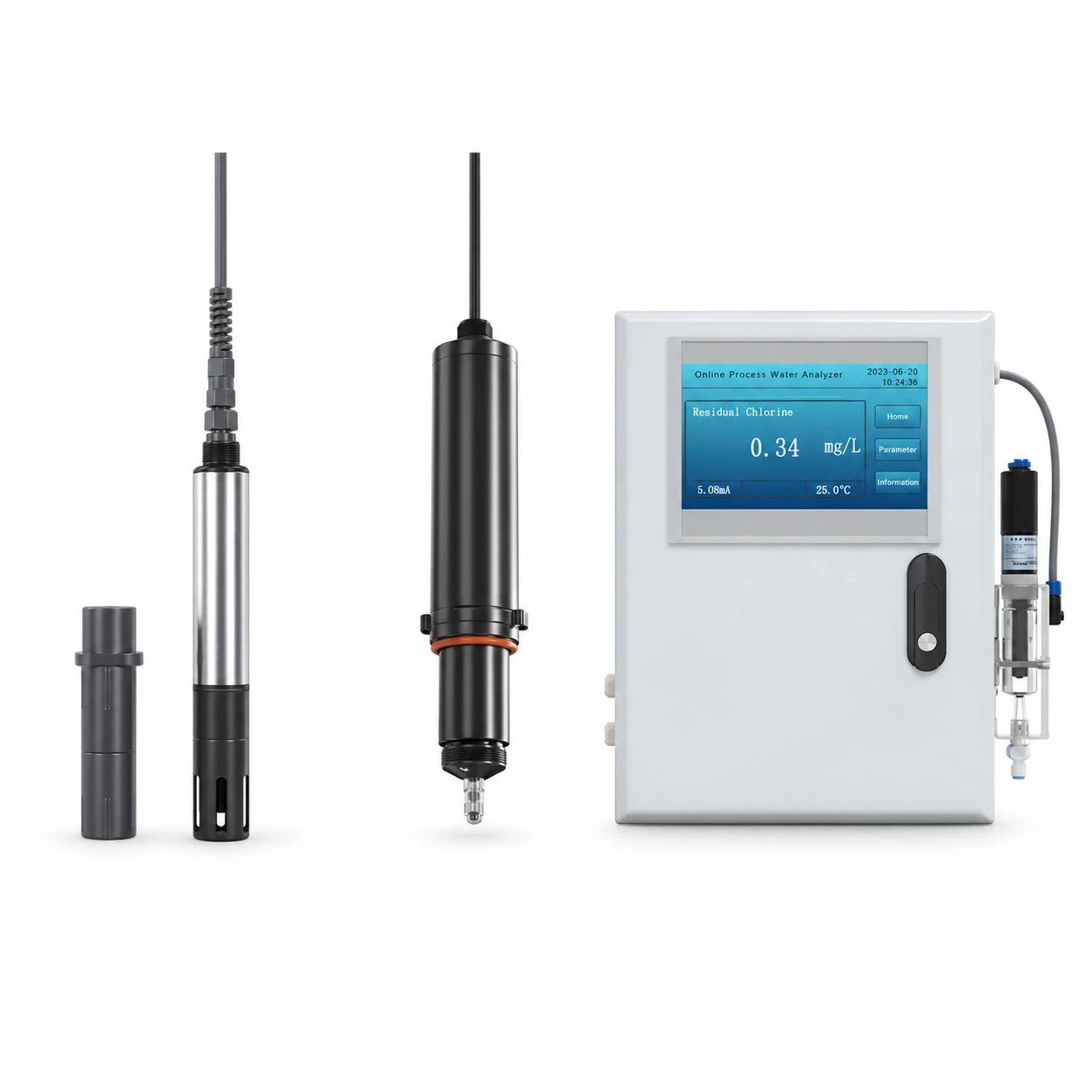
Find the right instrument for your application.
How chlorine meters work
Applications & Industries
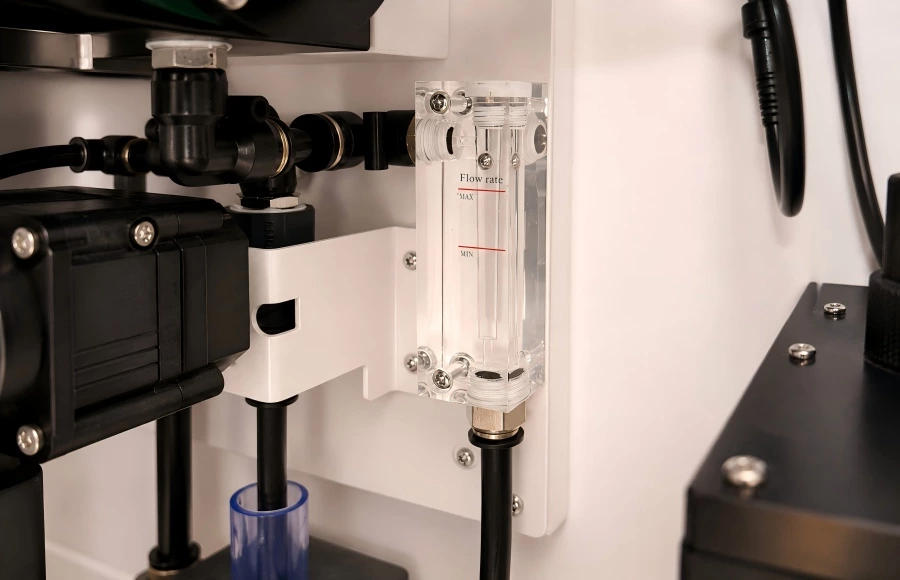
Multi-Parameter Water Quality Monitoring for a Building Project in Dubai
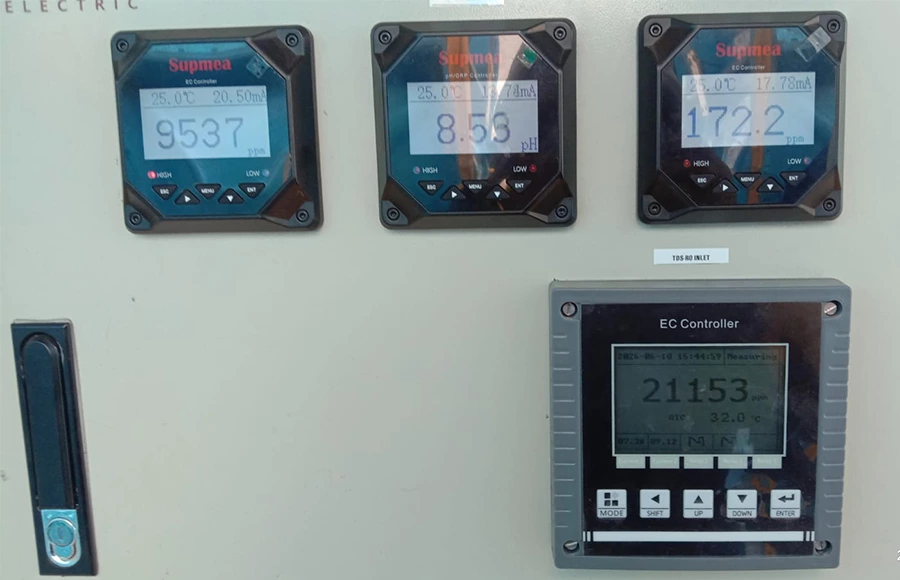
Integrated Flow and Water Quality Monitoring for an RO System in Indonesia
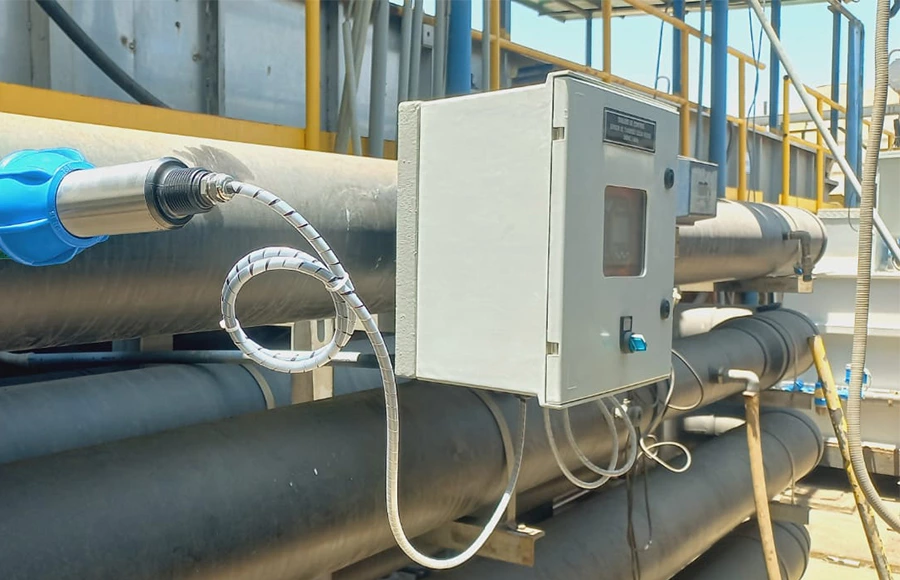
Inline Wastewater Turbidity Monitoring for a Treatment Pipeline in Peru
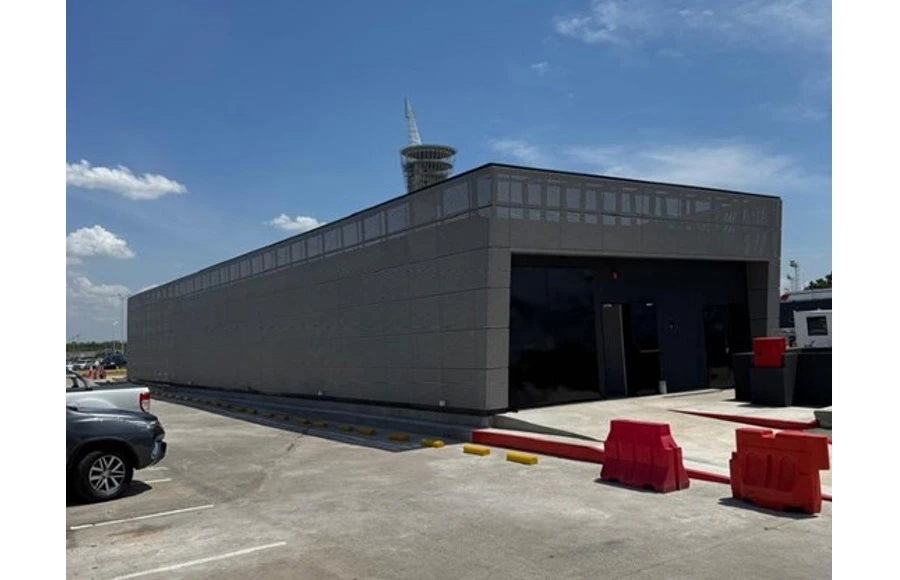
Supmea Multi-Parameter Monitoring Supports Water Treatment at an International Airport in Argentina
Related Products
Discover our most trusted process instruments for water and wastewater applications. Designed for reliable measurement, intelligent monitoring, and efficient process control across every stage of the treatment cycle.
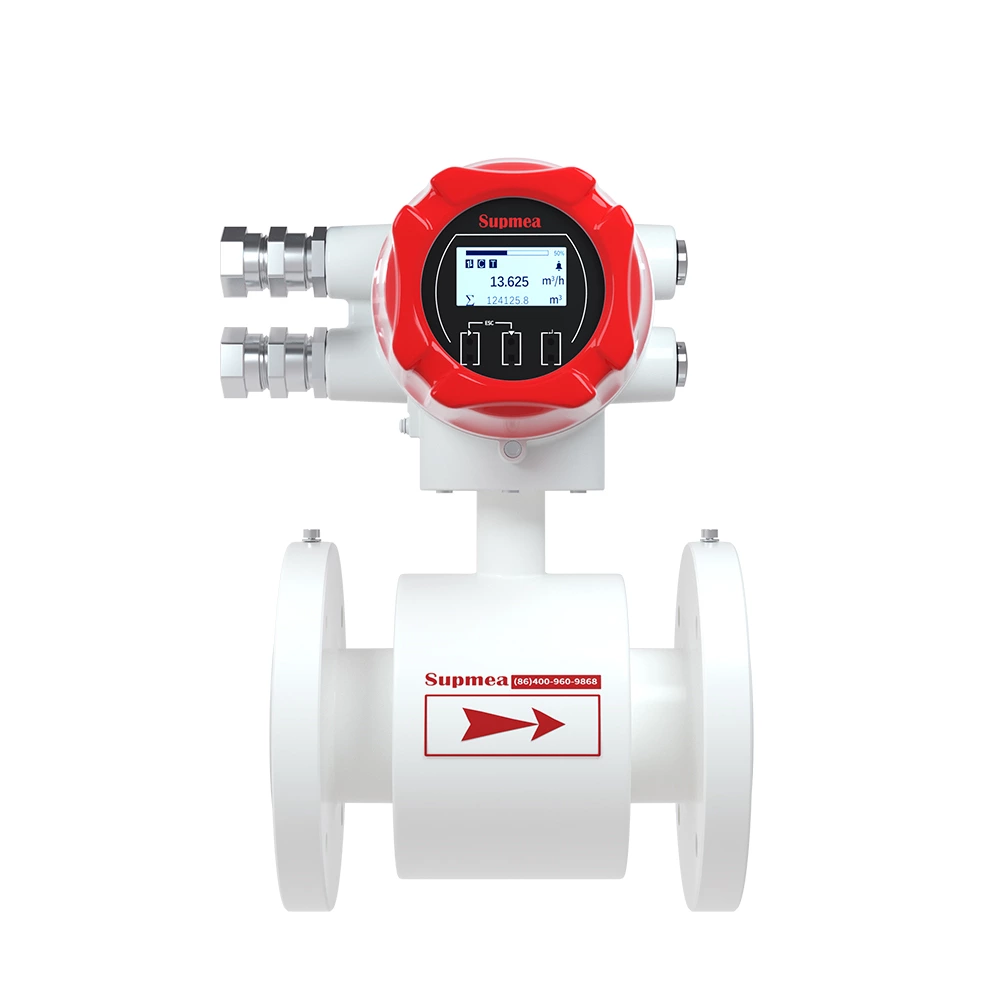
LDG-SUP-A100D Explosion-Proof Electromagnetic Flowmeter
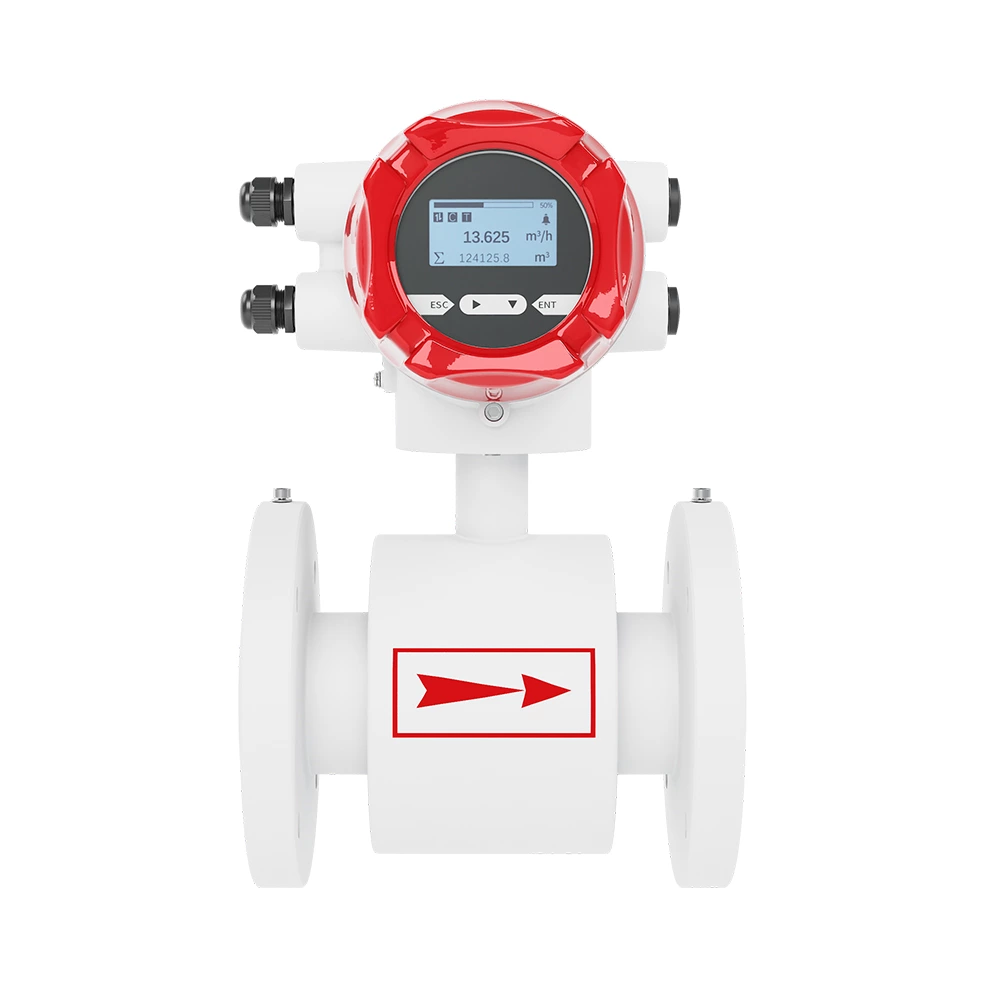
LDG-SUP-A100 Electromagnetic Flow Meter — High-Accuracy Conductive Liquid Measurement
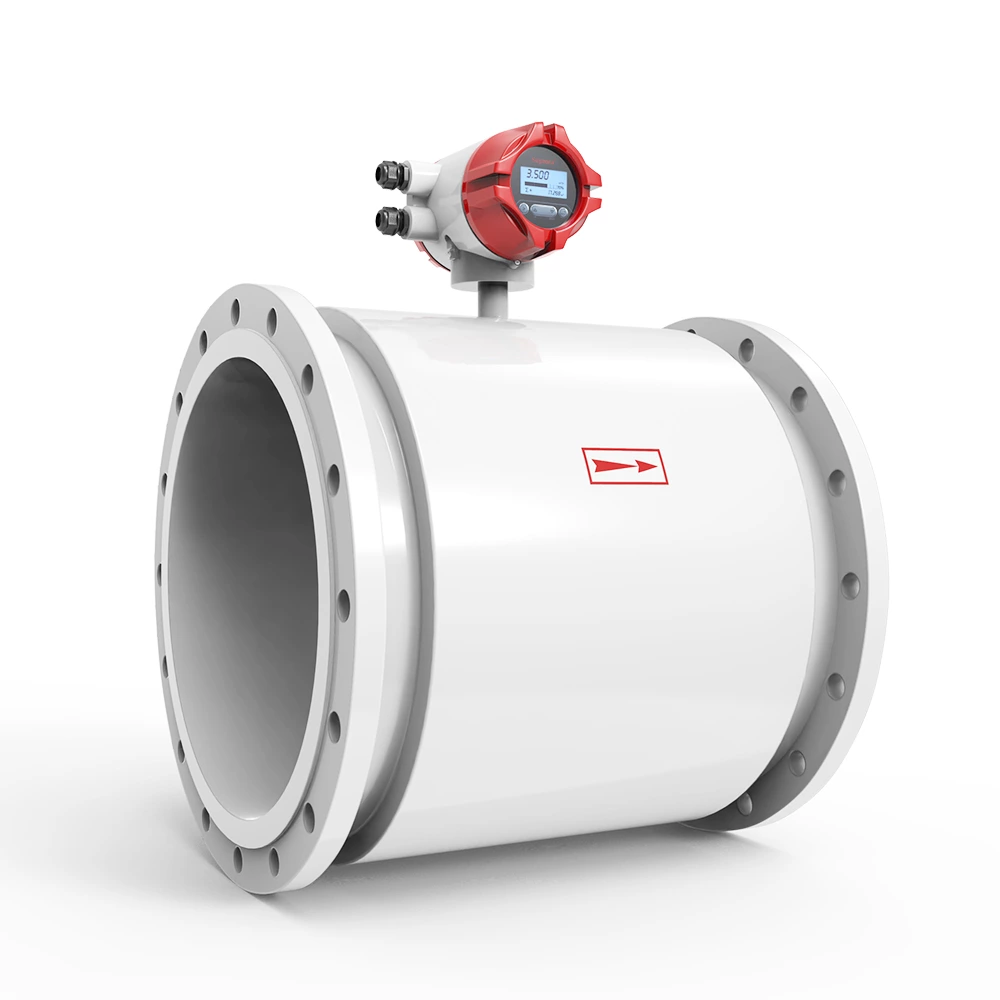
LDG-SUP Electromagnetic Flowmeter: Precision Flow Measurement for Demanding Industrial Applications
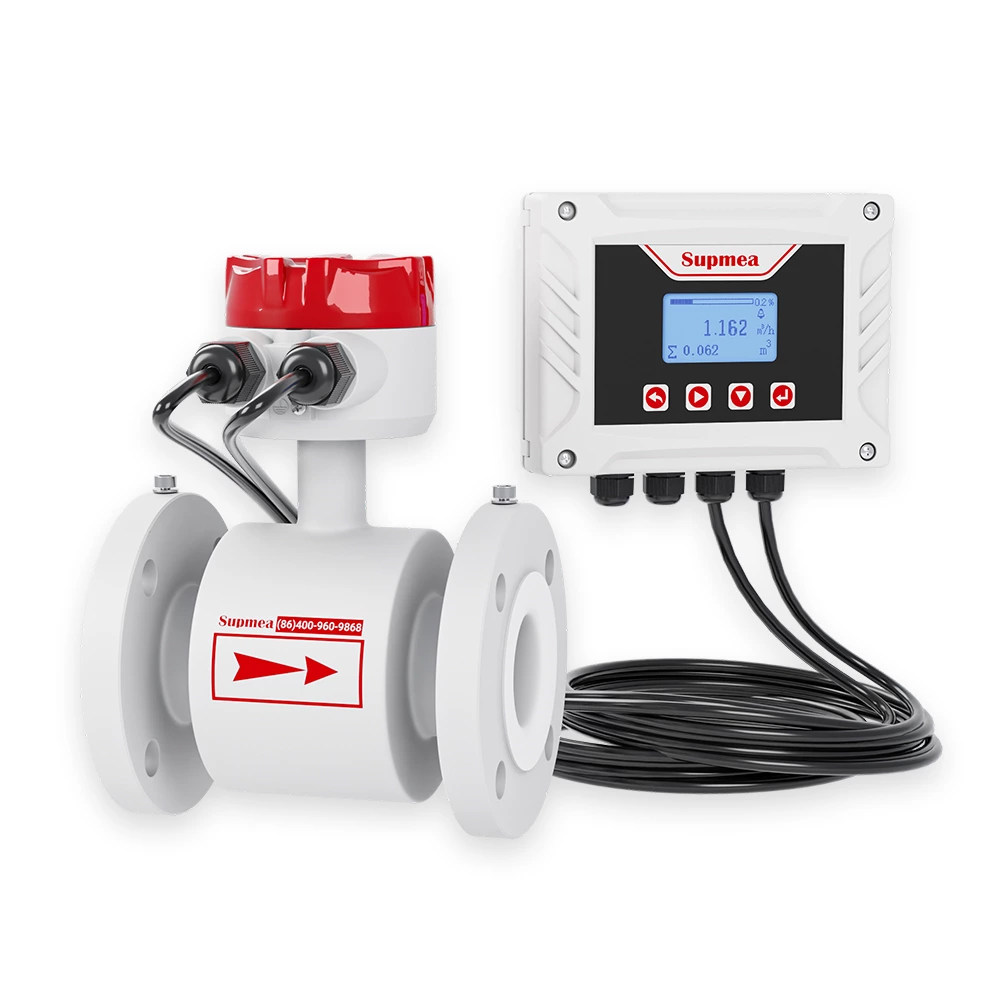
SUP-LDG Remote type electromagnetic flowmeter
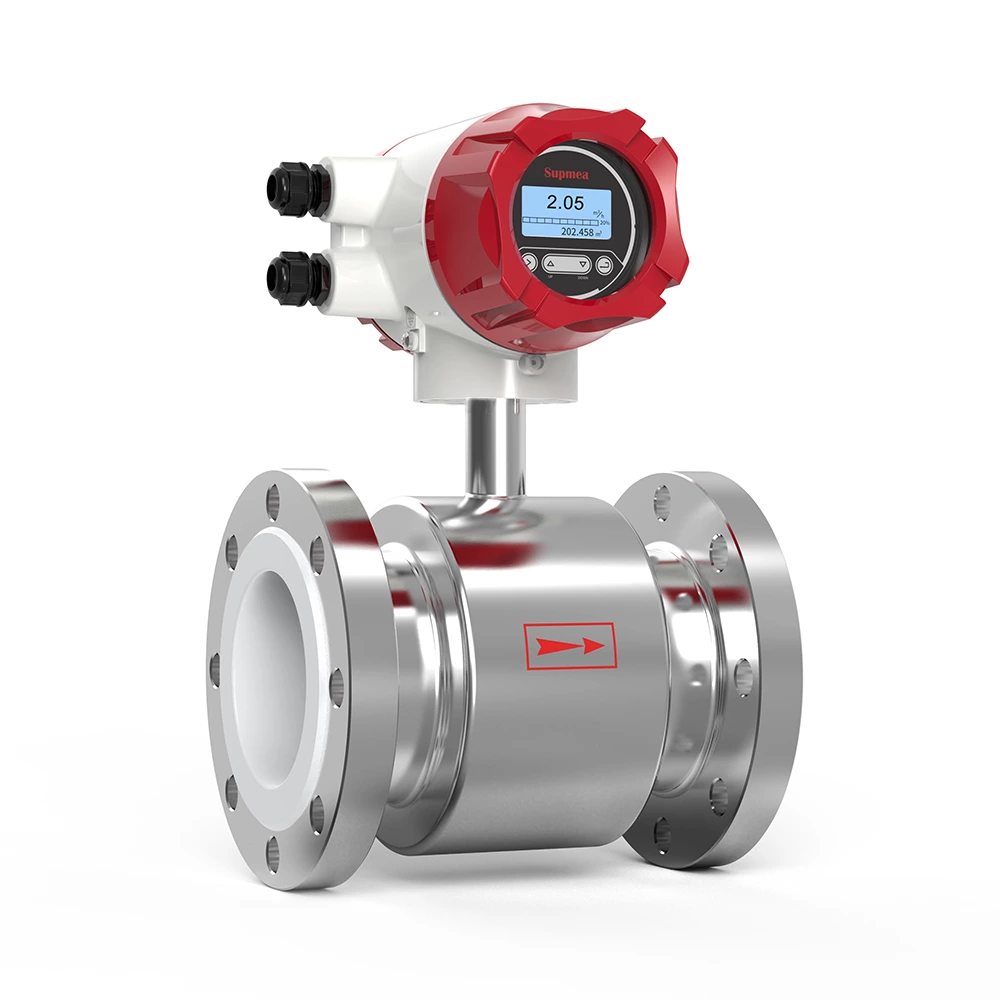
SUP-LDG Stainless steel body electromagnetic flowmeter
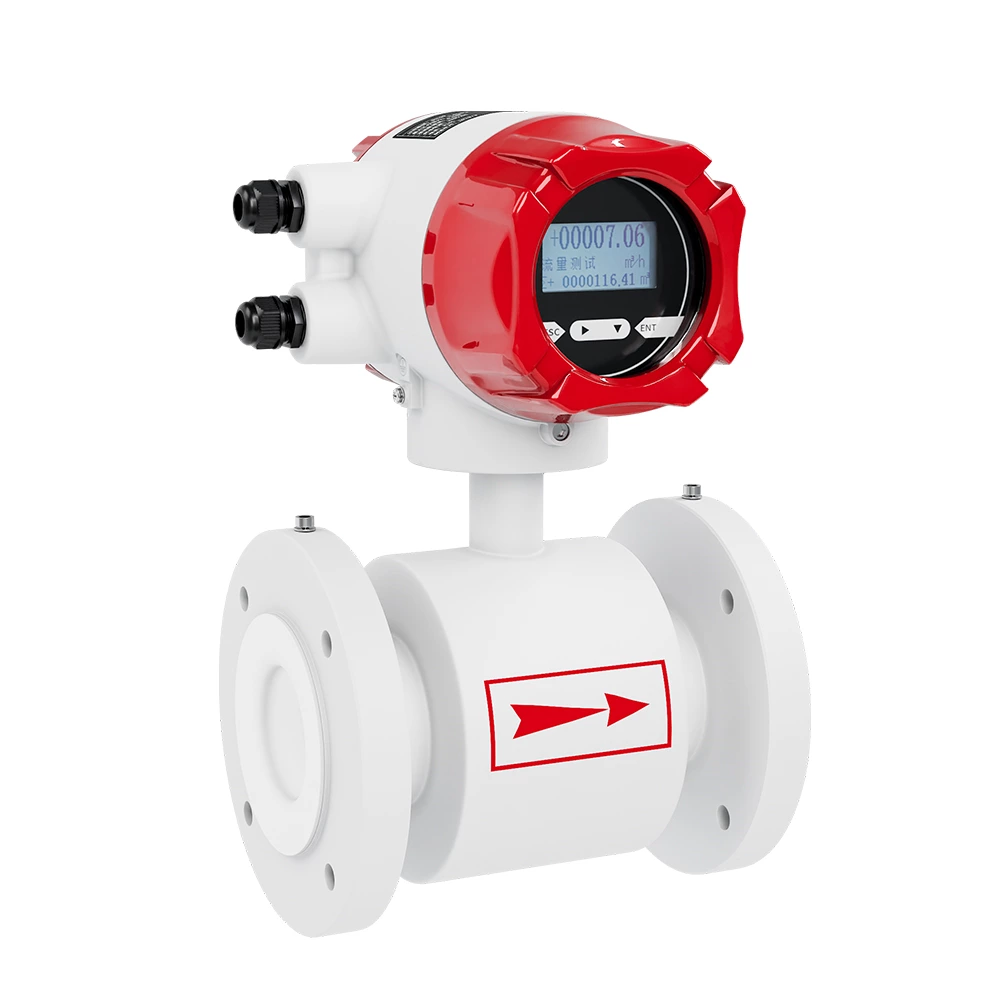
SUP-FMC400 Low Conductivity Electromagnetic flow meter
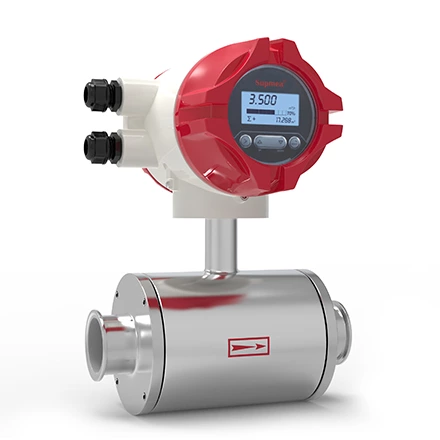
SUP-LDG Sanitary electromagnetic flowmeter for food processing
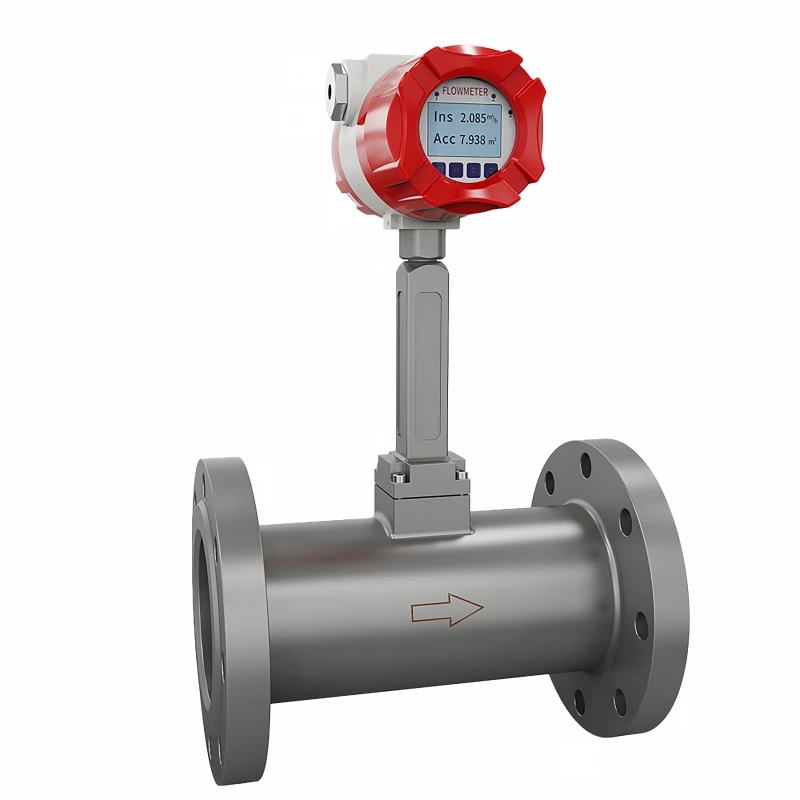
SUP-LUGB Vortex flowmeter without temperature & pressure compensation
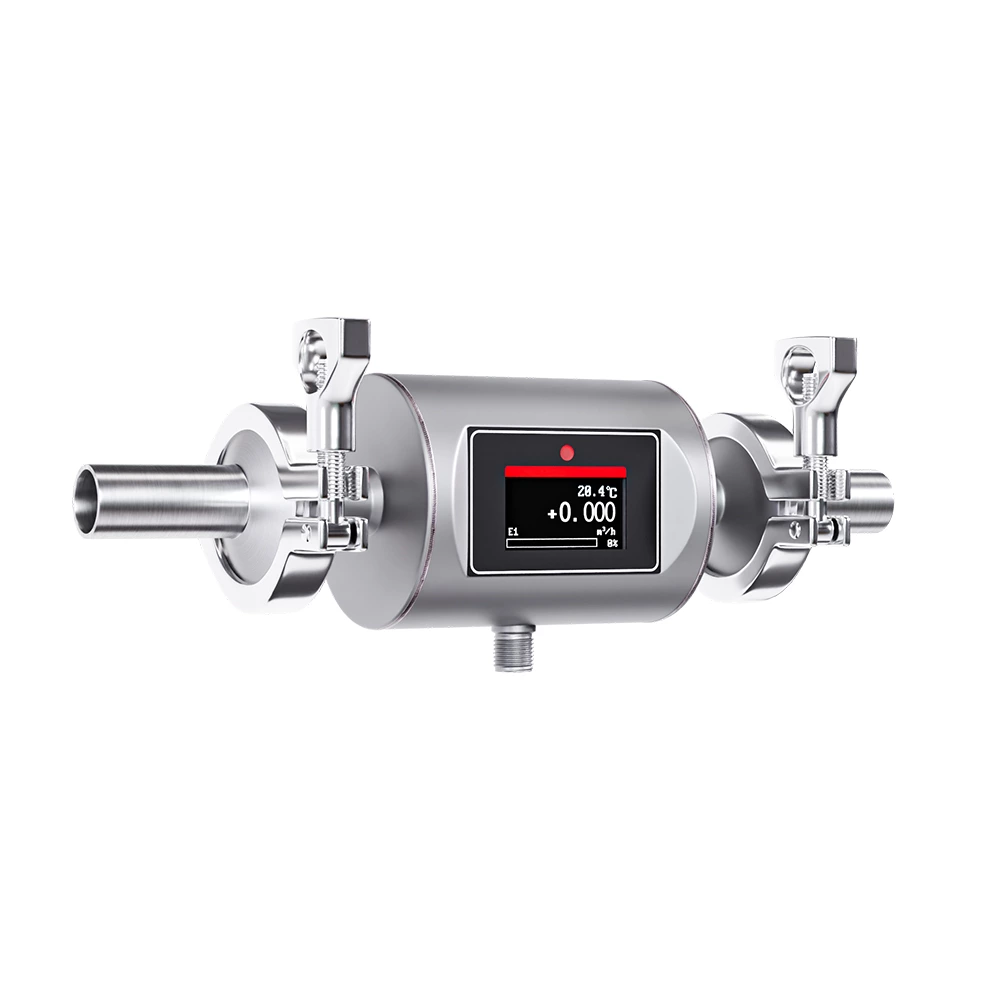
SUP-FMX240 Compact Electromagnetic Flow Meter—Precision Flow Measurement in a Space-Saving Design
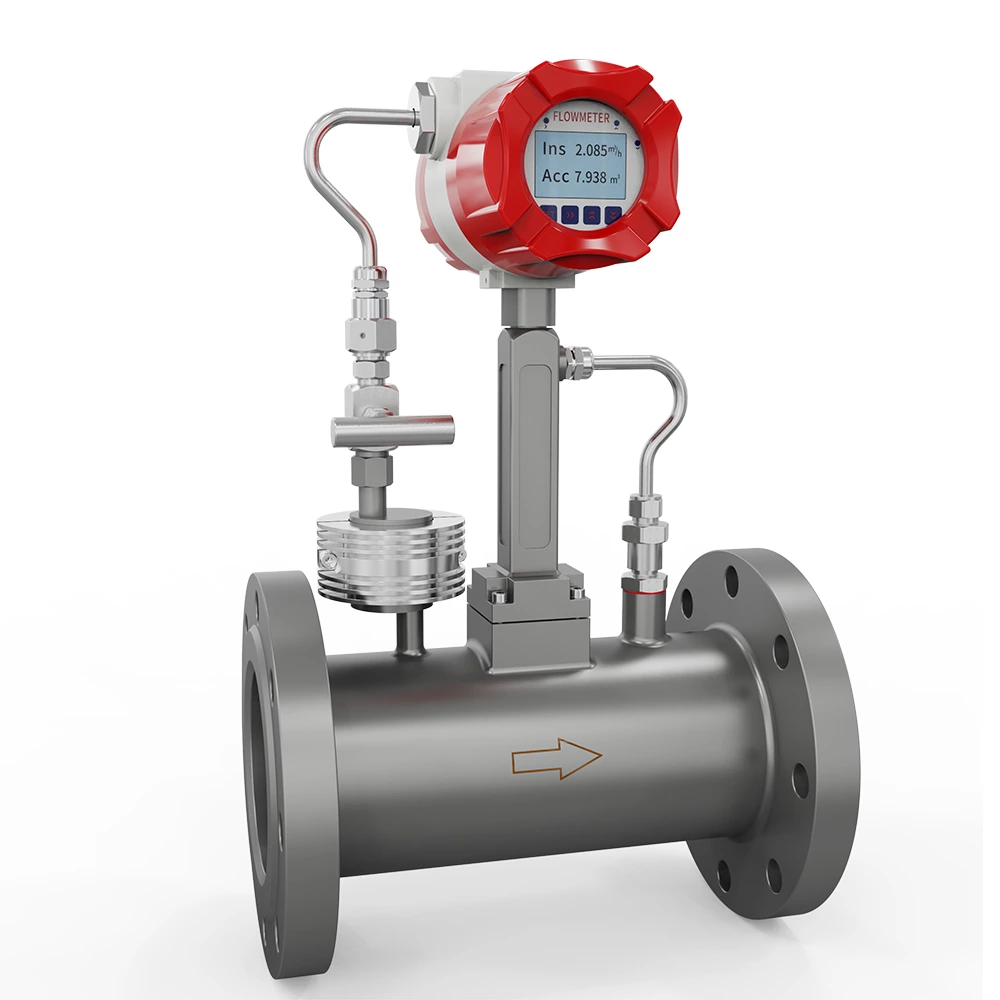
SUP-LUGB Vortex flowmeter with temperature & pressure compensation
Frequently Asked Questions
What can SUPMEA chlorine sensors measure?
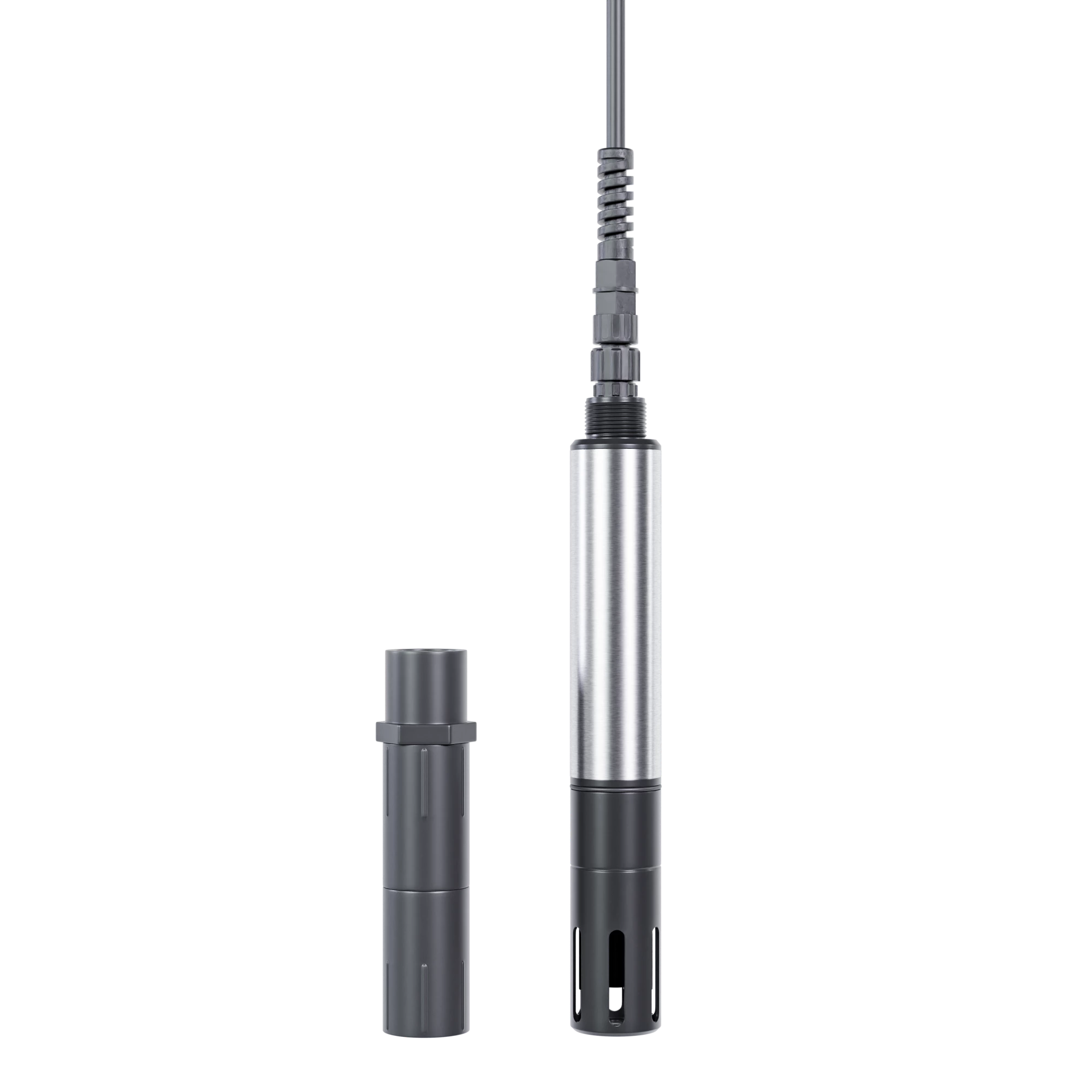
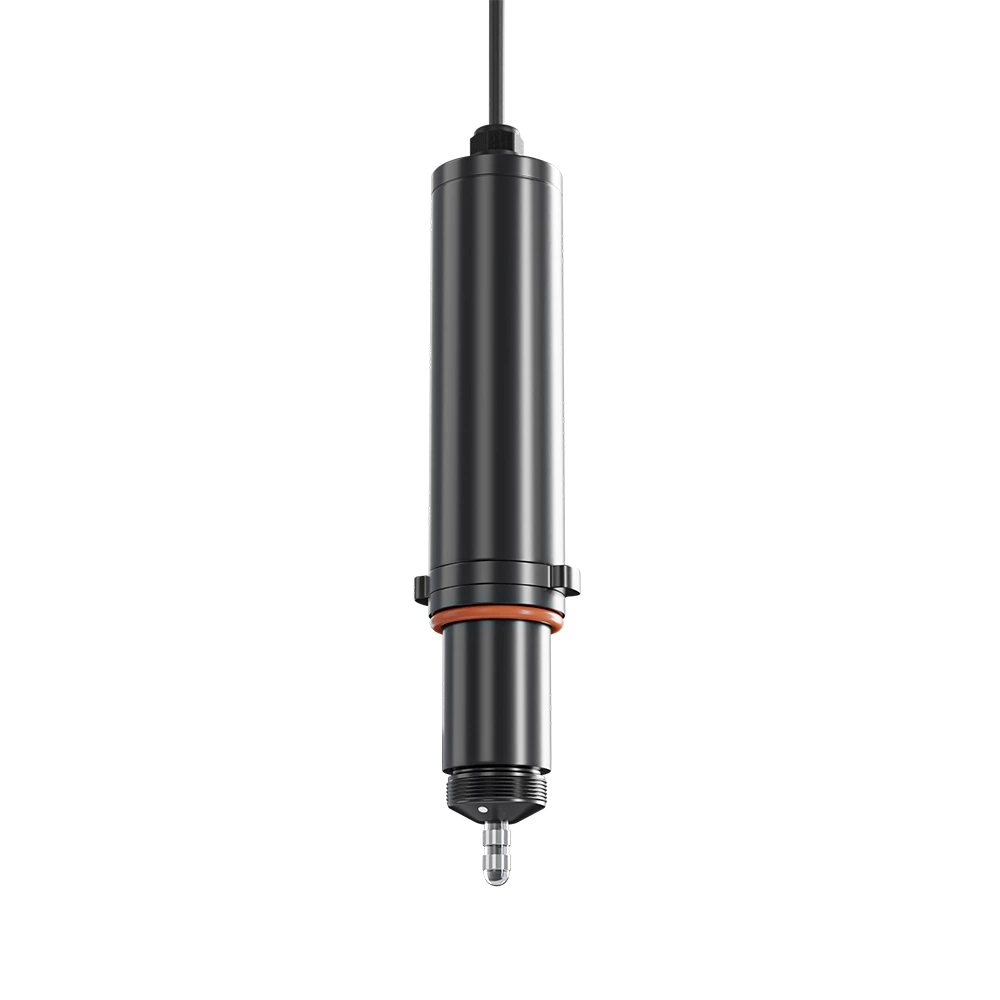
SUP-ADI7000 is designed for residual chlorine and can also be configured for high-purity chlorine dioxide, ozone and other applicable disinfectants. The SUP-ERC400 sensor used with SUP-TRC400 measures HClO and chlorine dioxide.
What is the difference between SUP-ADI7000 and SUP-TRC400?
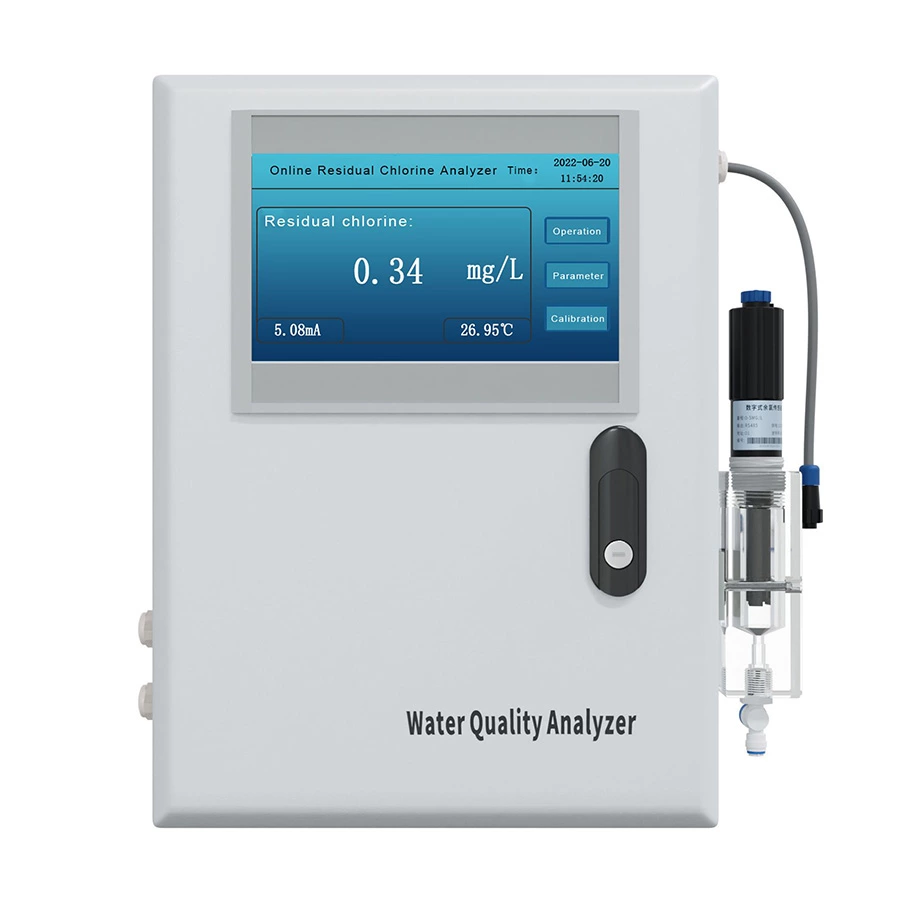
SUP-ADI7000 is a stand-alone digital sensor with RS485 Modbus RTU output. SUP-TRC400 is a complete analyzer system with a 7-inch touchscreen, SUP-ERC400 sensor, RS485 Modbus communication and optional 4–20 mA output.
Does the measurement require chemical reagents?
SUP-ADI7000 performs direct electrochemical measurement without reagent consumption. Its membrane-less design also eliminates membrane-cap replacement and electrolyte refilling. The SUP-ERC400 uses a special membrane sensor structure and has different maintenance requirements.
Can the sensor be used in ultrapure water?
The SUP-ERC400 sensor cannot be used in ultrapure water and requires conductivity of at least 100 μS/cm. Suitability of other models should be confirmed according to the complete water conditions.
Does pH affect chlorine measurement?
Yes. Chlorine species and electrochemical sensor response can be affected by pH. SUP-ERC400 is specified for pH 5–9, while SUP-TRC400 provides a manual pH compensation function. Stable pH also supports more consistent comparison between SUP-ADI7000 and the DPD method.
What communication outputs are supported?
SUP-ADI7000 provides RS485 Modbus RTU communication. SUP-TRC400 provides RS485 Modbus and can be configured with an optional isolated 4–20 mA output.
Is flow-through installation required?
Both products require controlled water movement for stable online measurement. SUP-ADI7000 specifies a stable flow of 0.5–1 L/min, while SUP-ERC400 specifies flow-cell operation with a recommended velocity of at least 0.03 m/s.