




Challenges in the HVAC Industry
Modern HVAC systems require accurate measurement, intelligent control, and reliable equipment performance to maintain indoor comfort while reducing energy consumption and operating costs.
Energy Efficiency
Accurate flow, temperature, and pressure monitoring helps identify energy losses and improve heating and cooling efficiency.
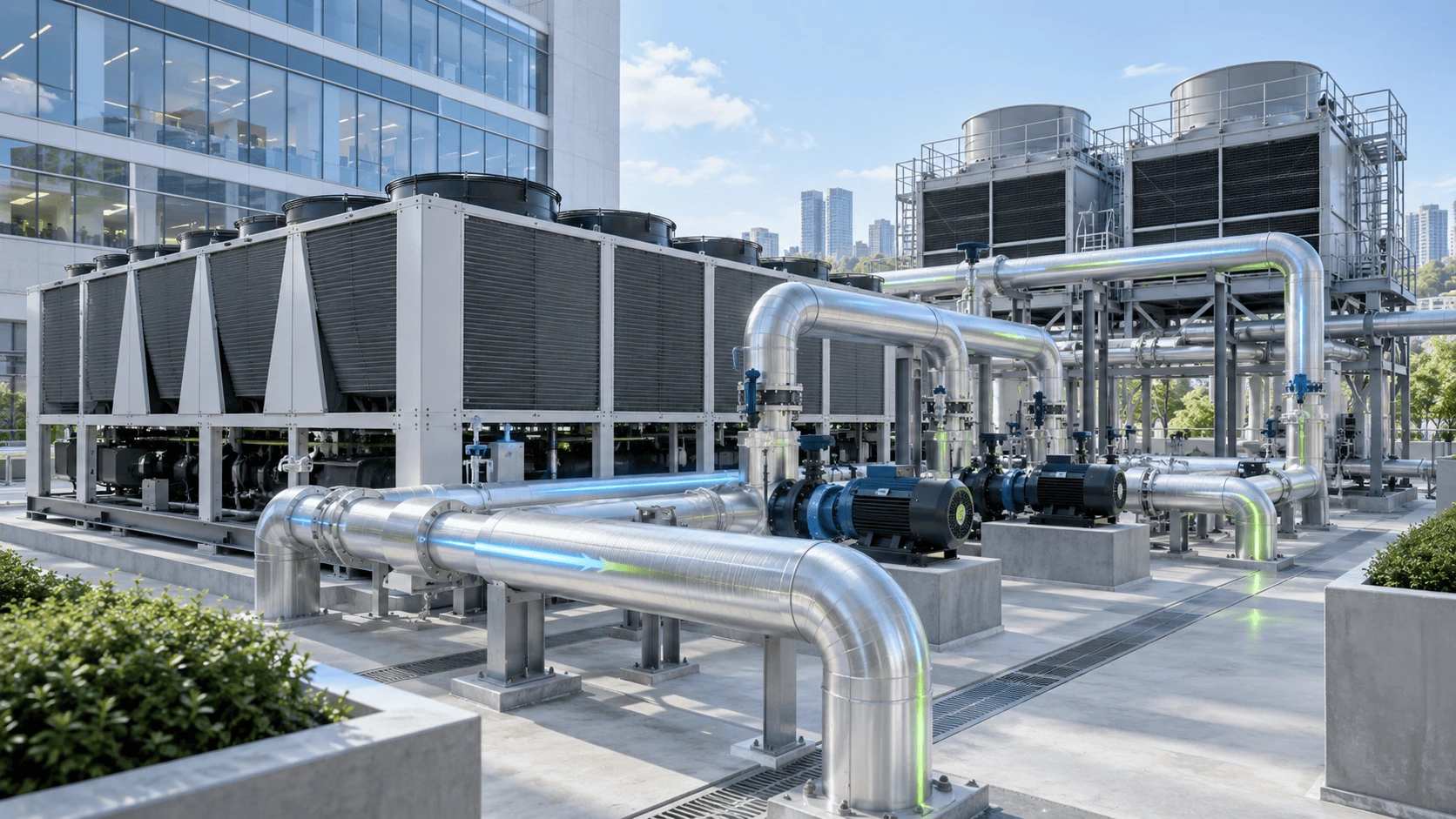
Temperature Control
Stable water and air temperatures support occupant comfort, process consistency, and efficient equipment operation.
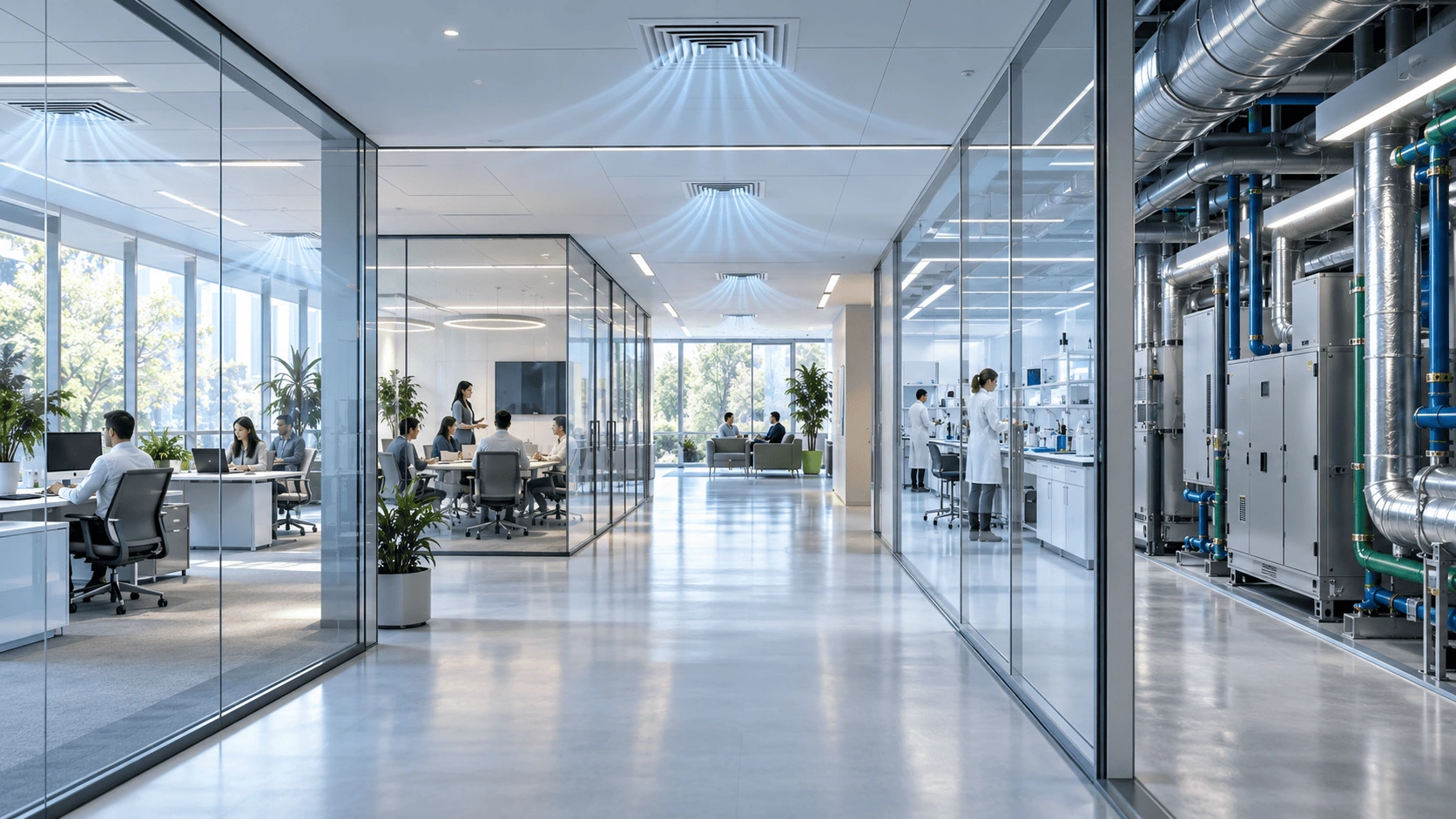
Hydraulic Balance
Balanced water circuits support uniform heating and cooling, reduce pump energy consumption, and improve system performance.
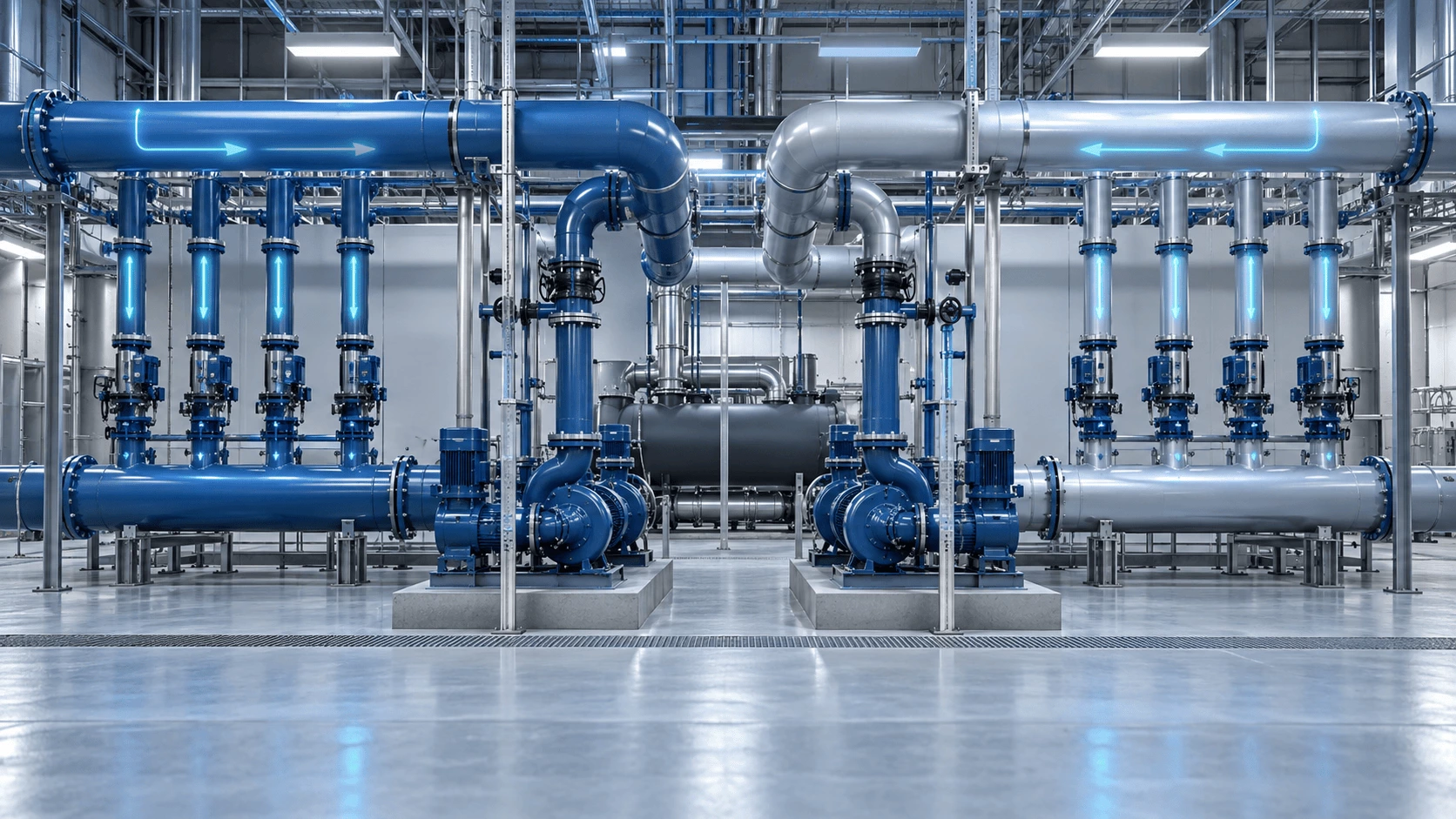
Reliable Equipment
Continuous monitoring of key HVAC equipment helps detect abnormal conditions and reduce unplanned downtime.
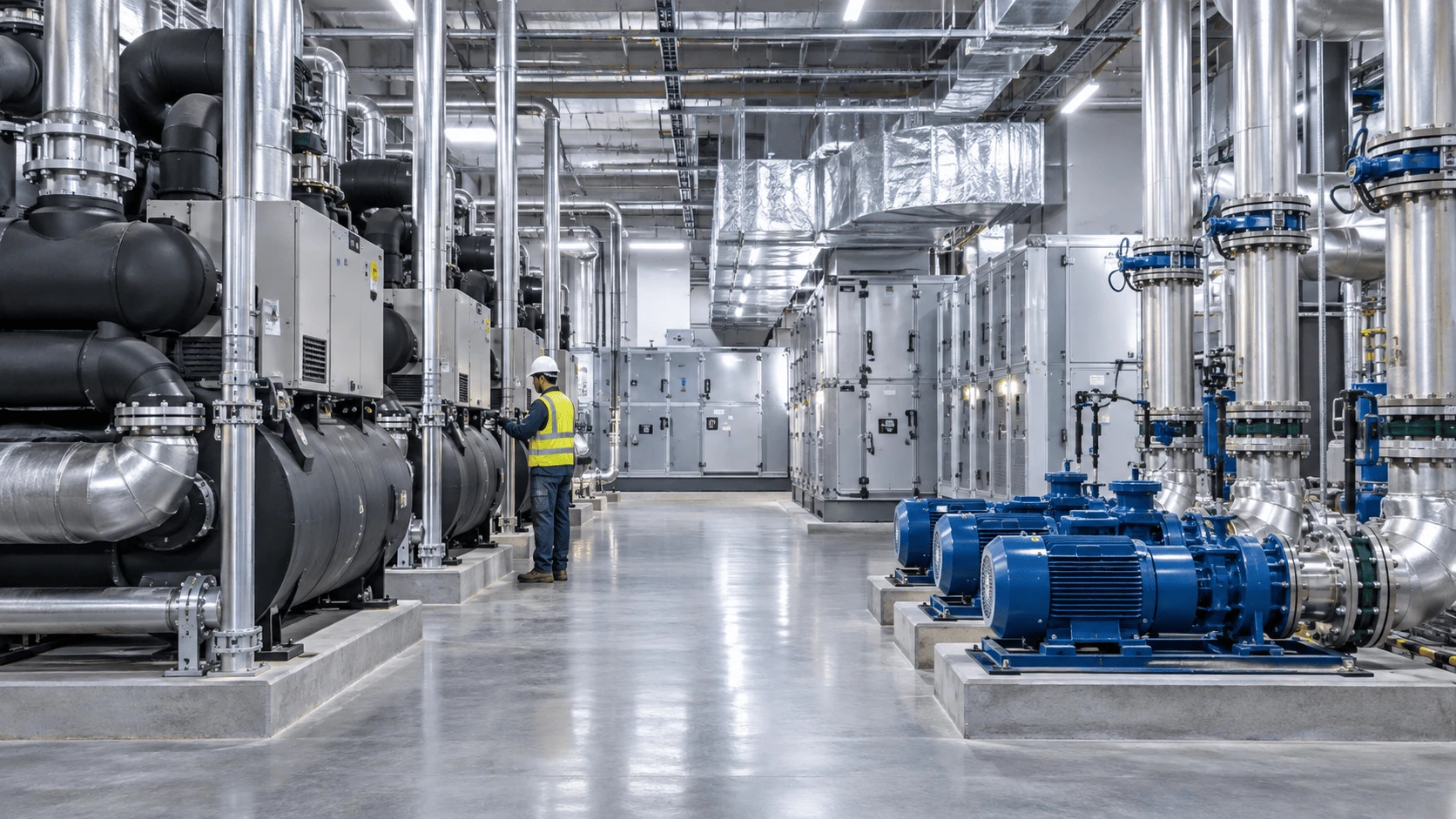
Water Quality
Monitoring water quality helps control corrosion, scaling, and biological growth while maintaining heat-transfer efficiency.
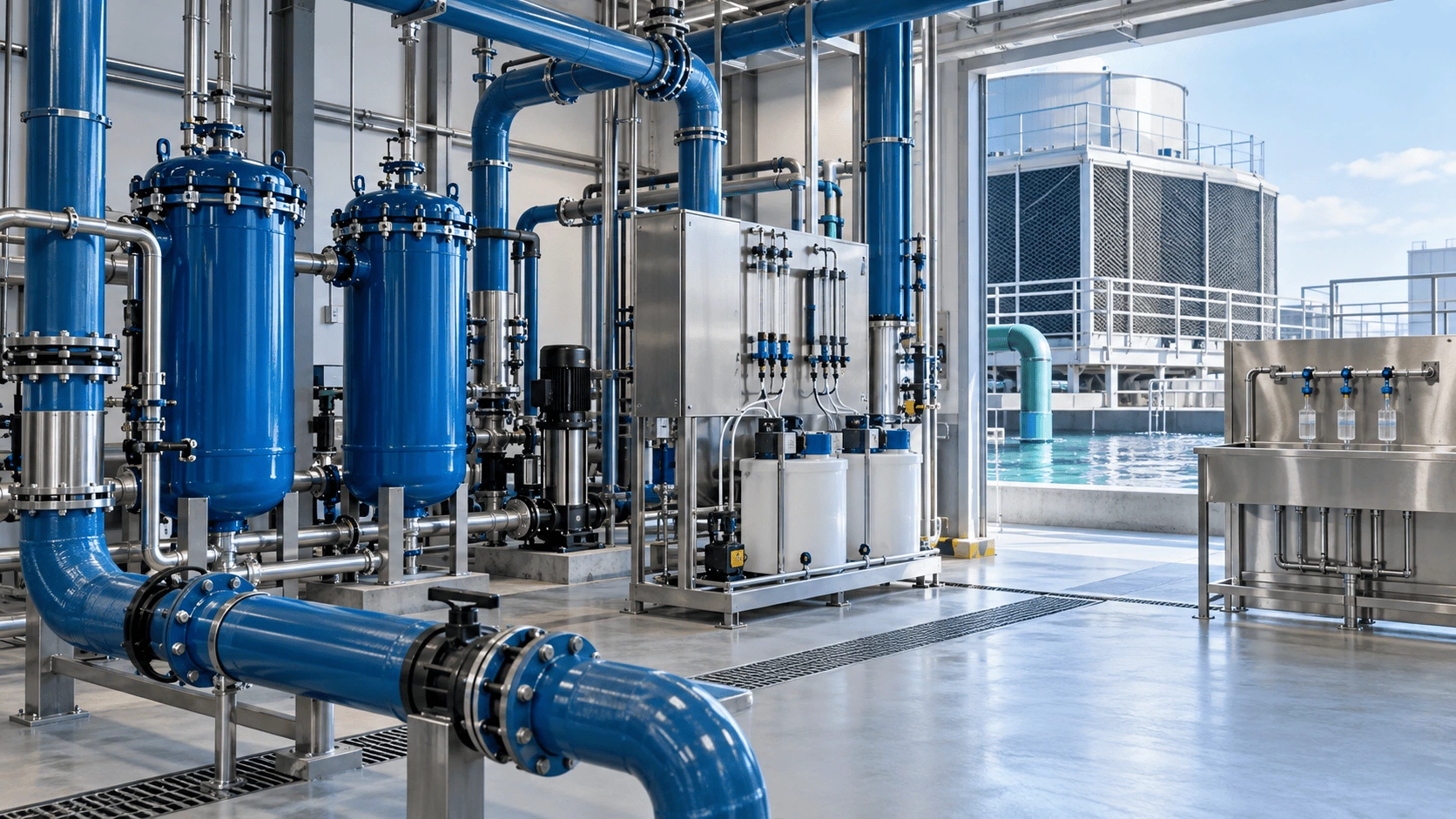
System Integration
Reliable communication supports integration with building management systems, energy management platforms, and automation networks.

Improve Your HVAC Industry Efficiency
Explore the key stages of modern HVAC systems and discover reliable instrumentation solutions for efficient heating, cooling, water circulation, and building operation.
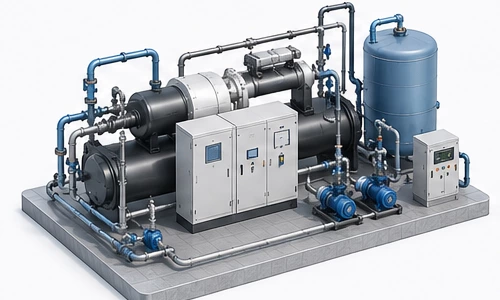
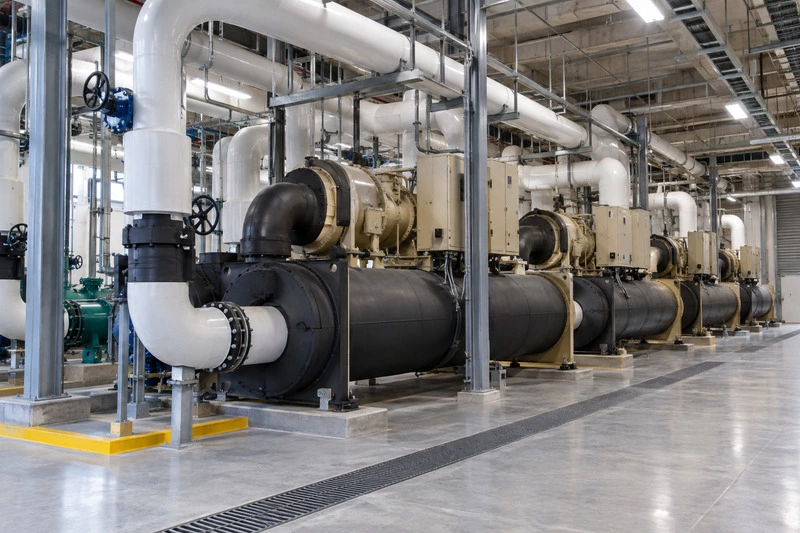
Chilled Water Generation
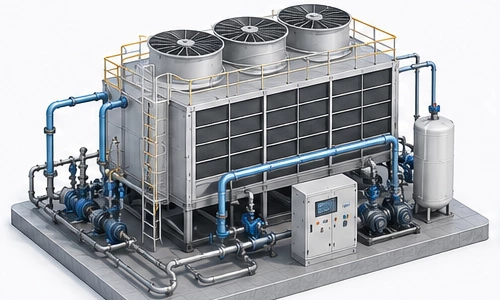
Cooling Water Circulation
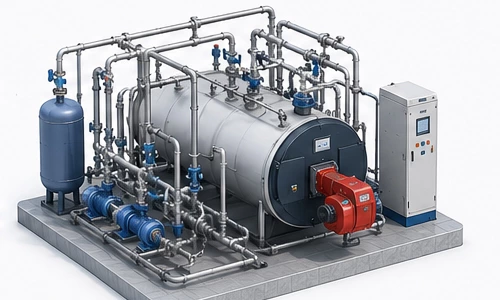
Heating & Boiler Systems
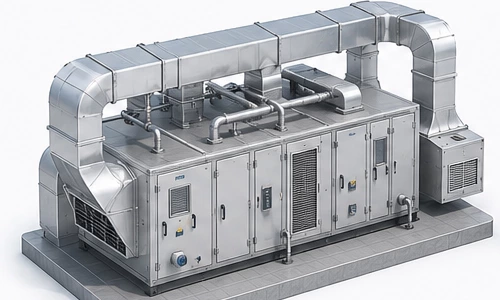
Air Handling & Distribution
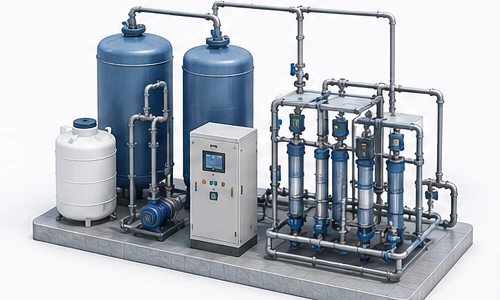
Water Treatment & Quality Control
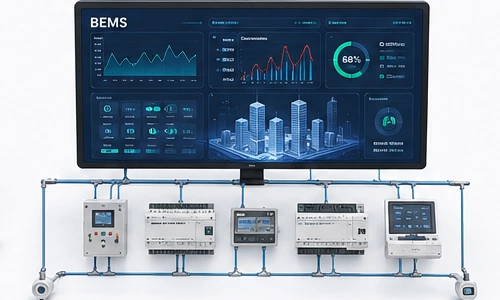
Building Energy Management
Process Overview
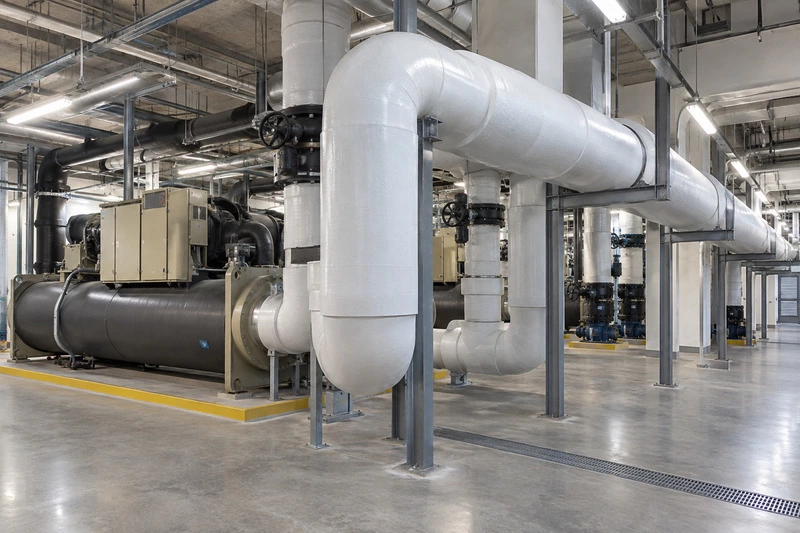
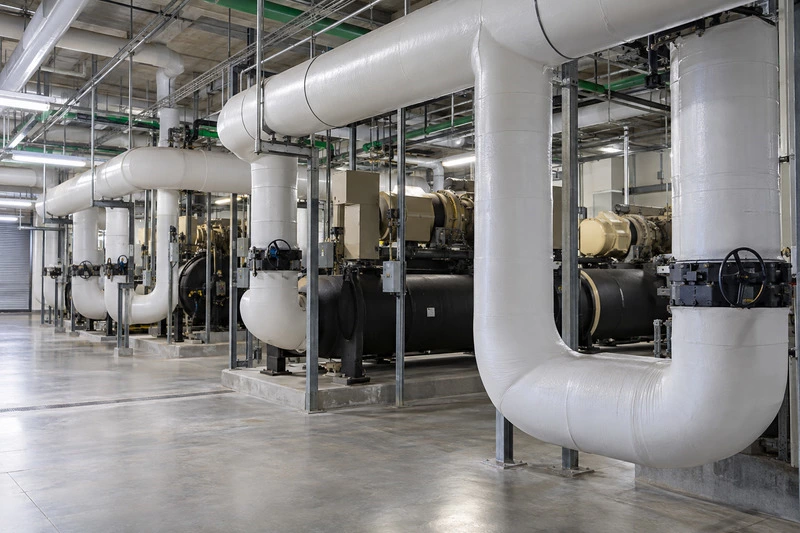
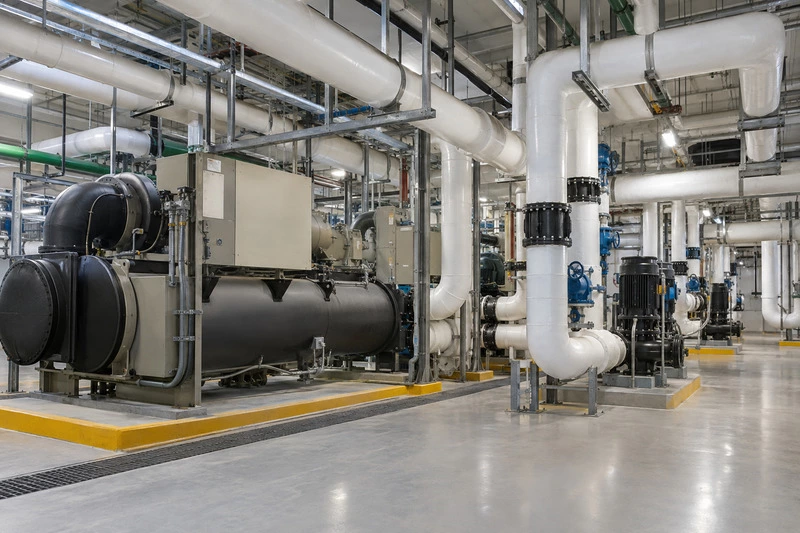
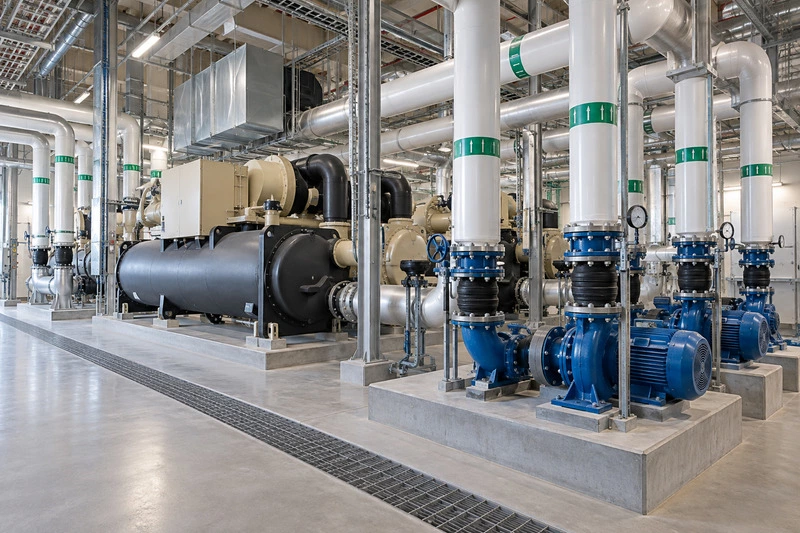
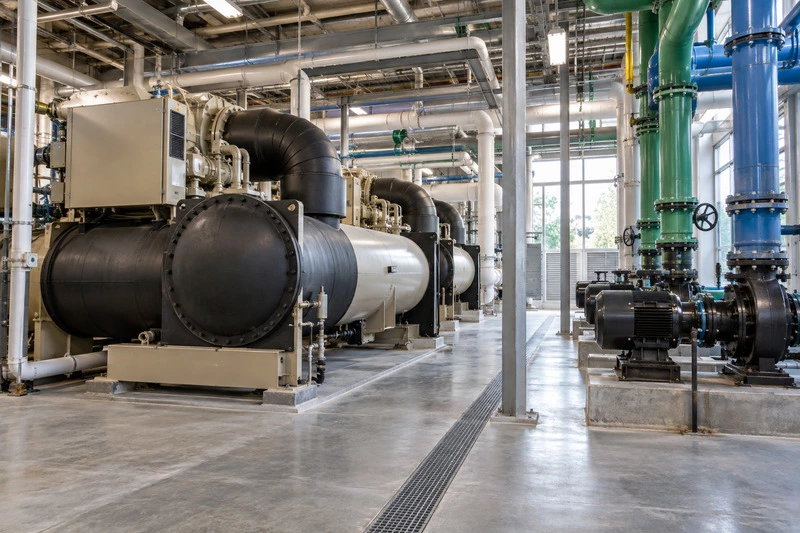
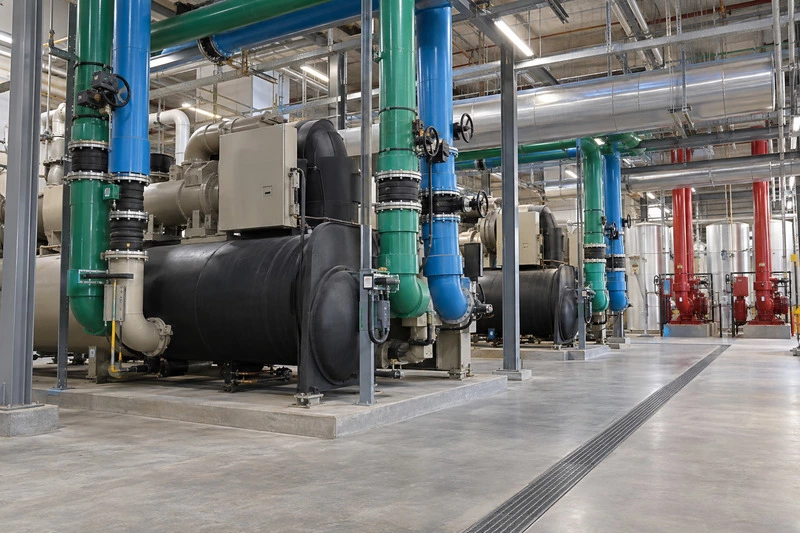
Chillers remove heat from the circulating water and supply chilled water to air handling units, fan coil units, and process cooling equipment.
Typical Applications
Process Overview
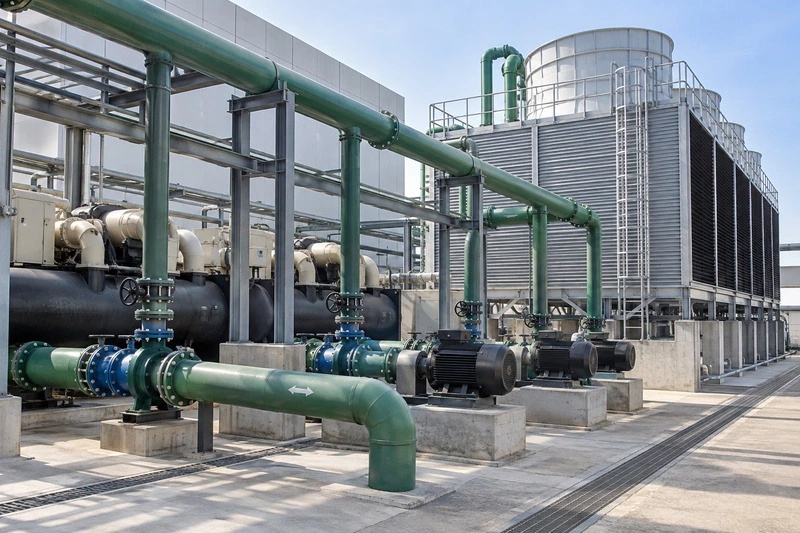
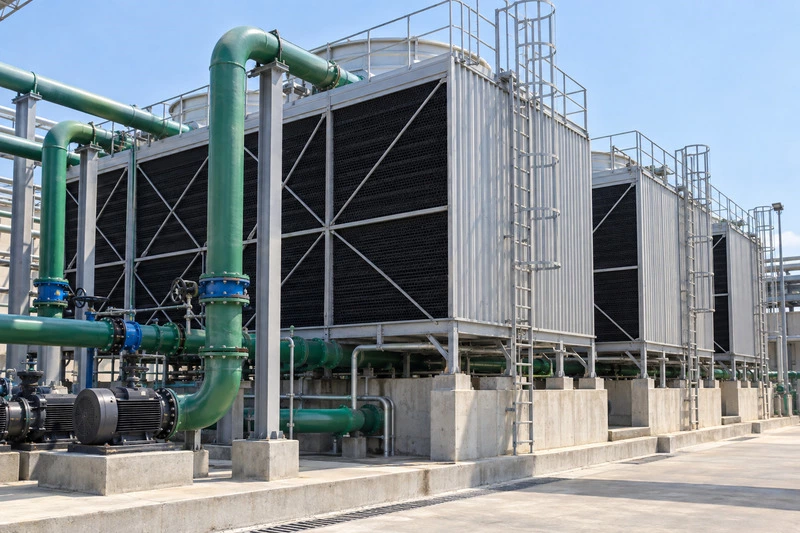
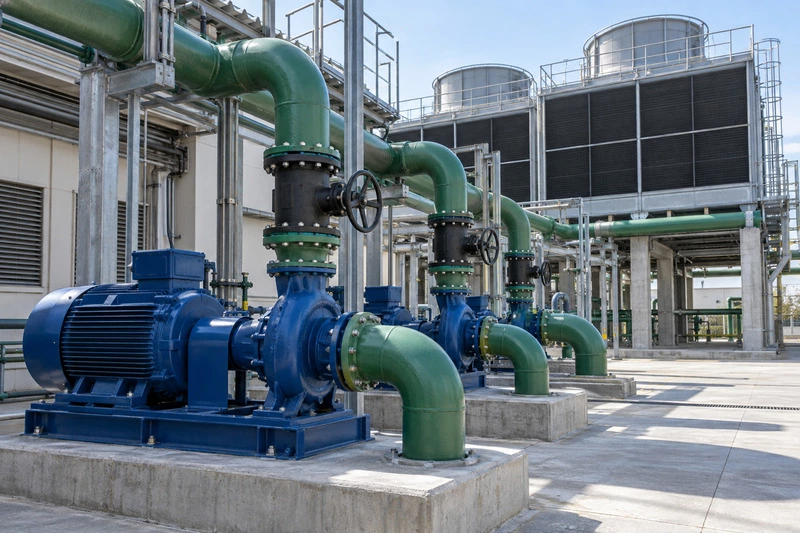
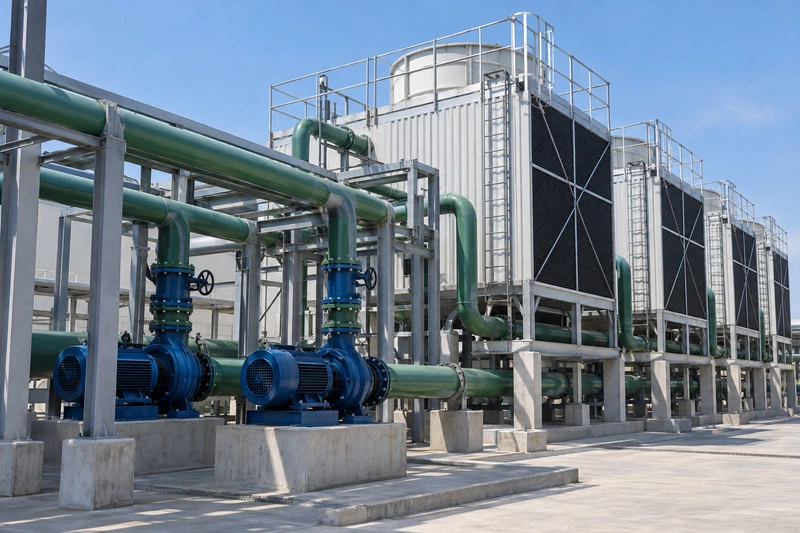
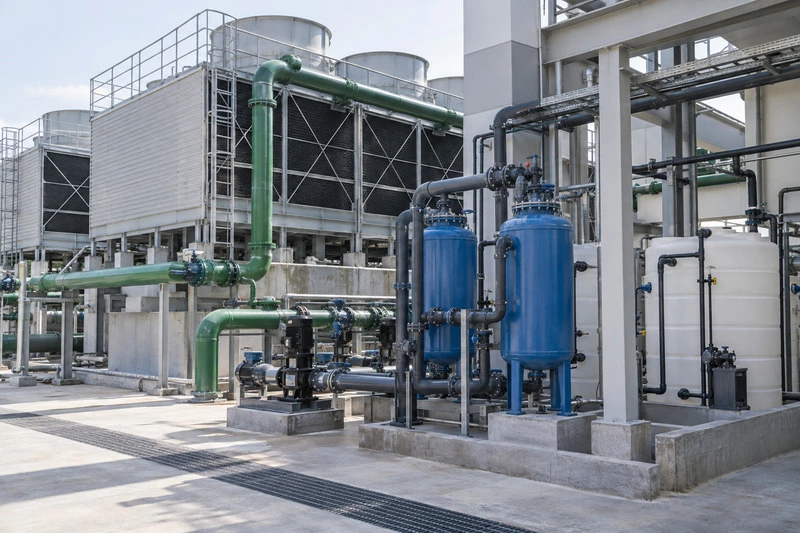
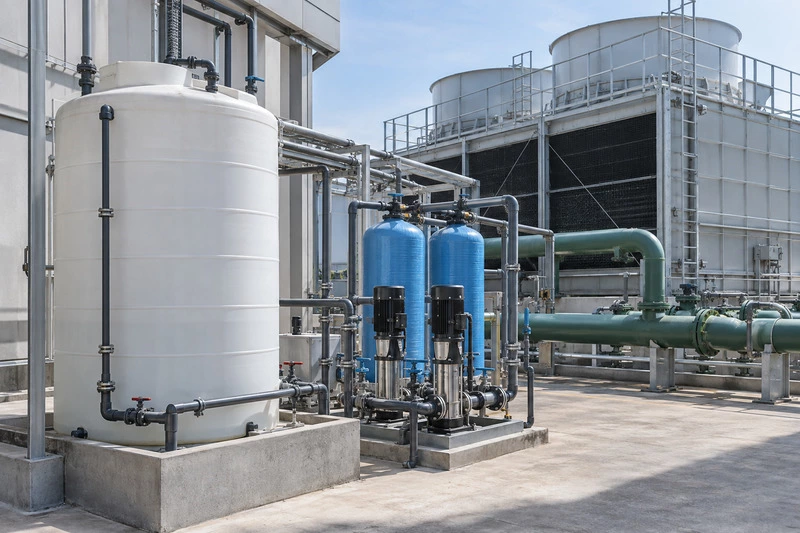
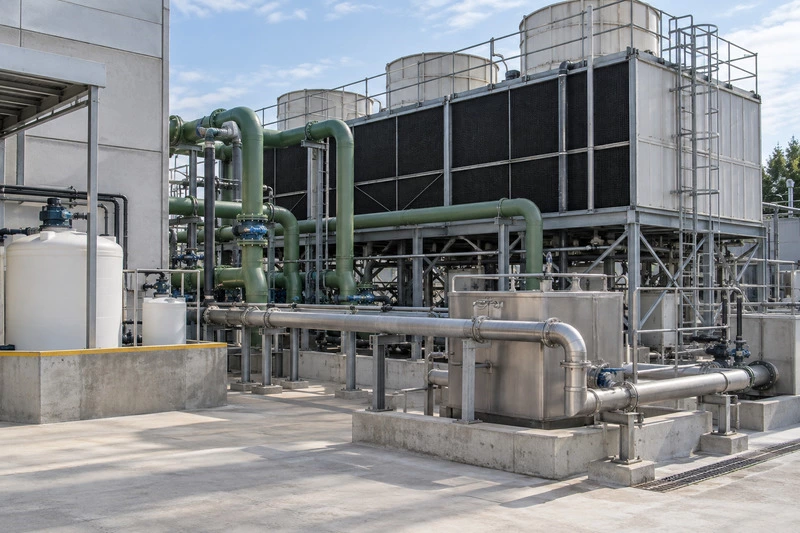
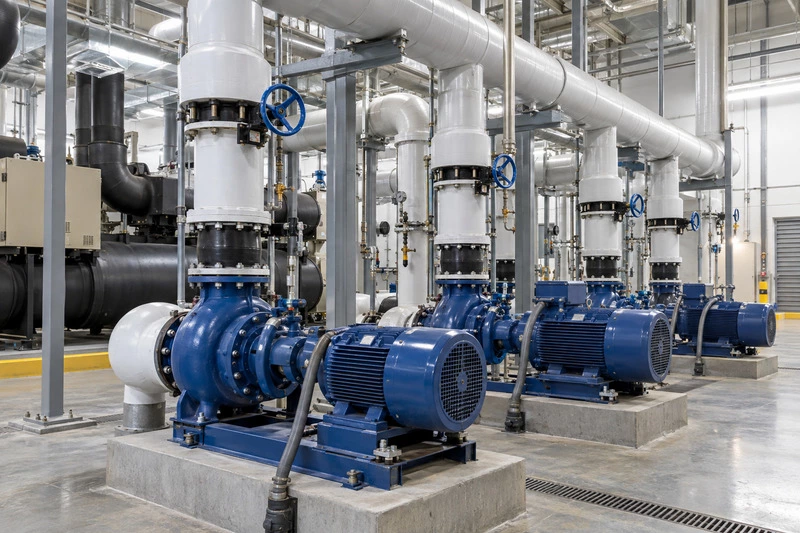
Cooling water transfers heat from chillers to cooling towers, where the heat is released into the atmosphere.
Typical Applications
Process Overview
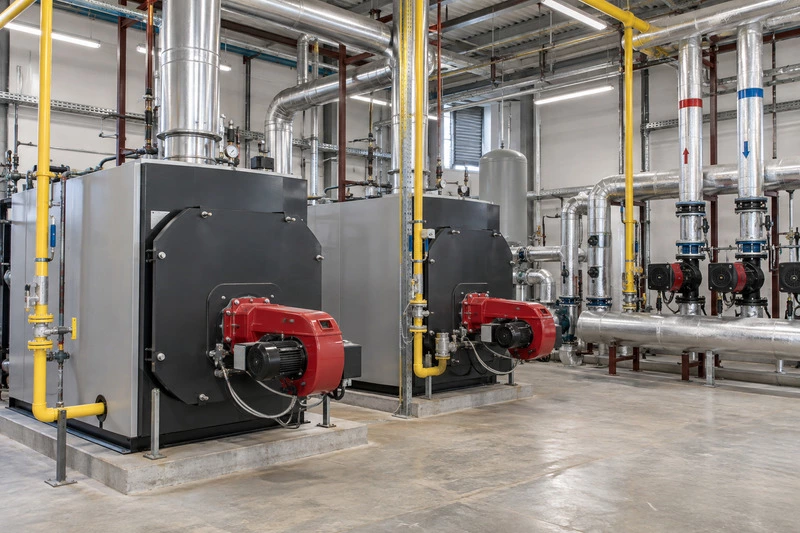
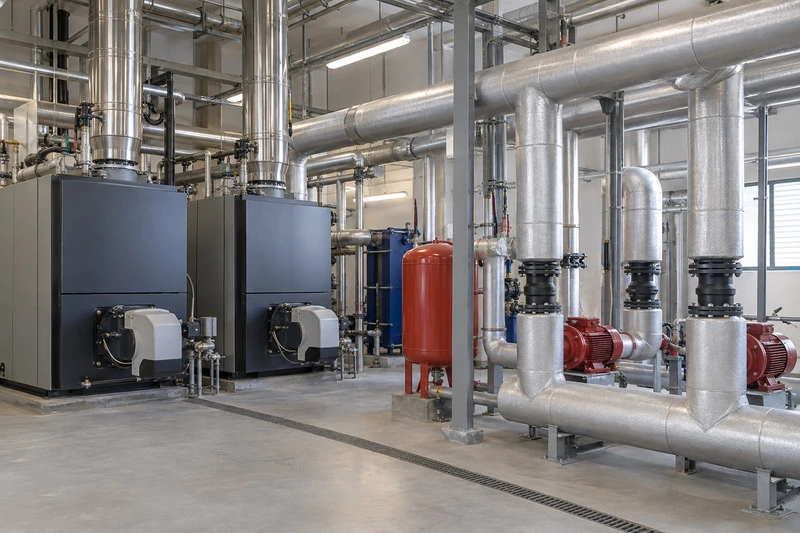
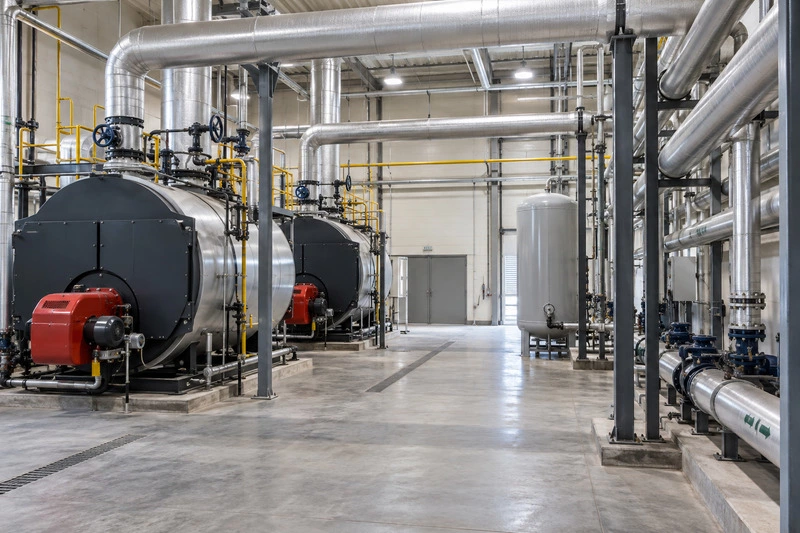
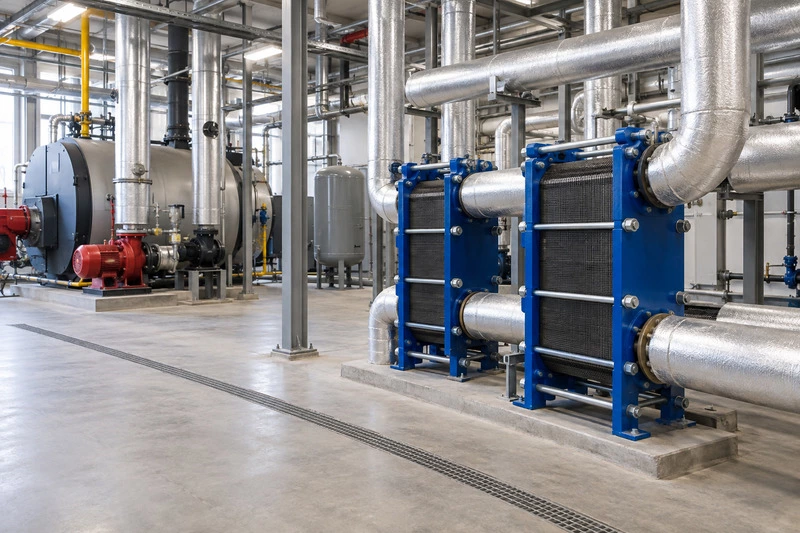
Boilers, heat pumps, and heat exchangers generate and distribute hot water or steam for space heating and industrial HVAC applications.
Typical Applications
Process Overview
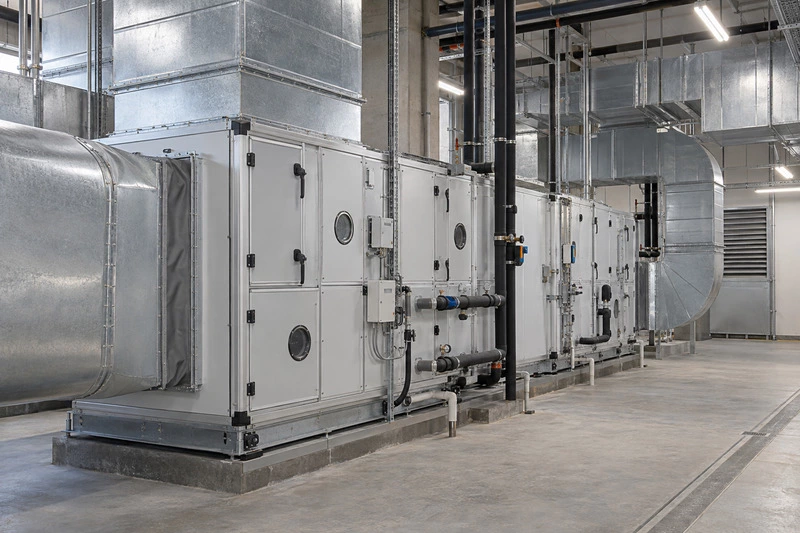
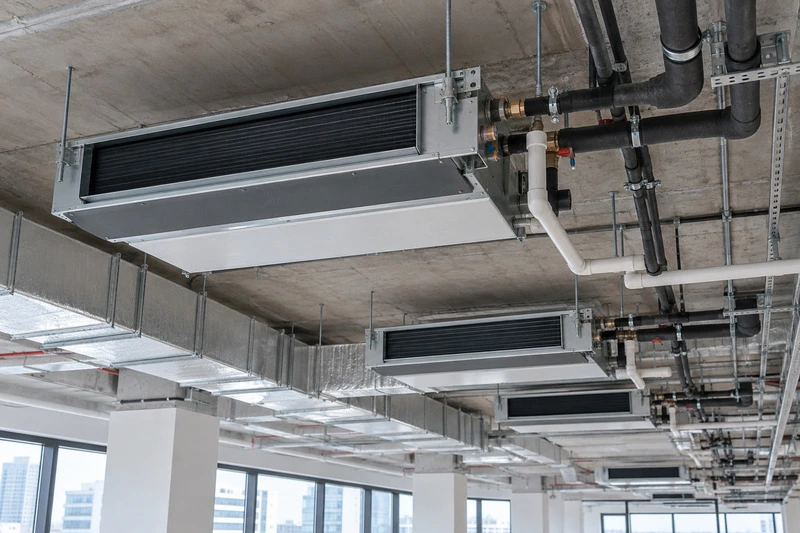
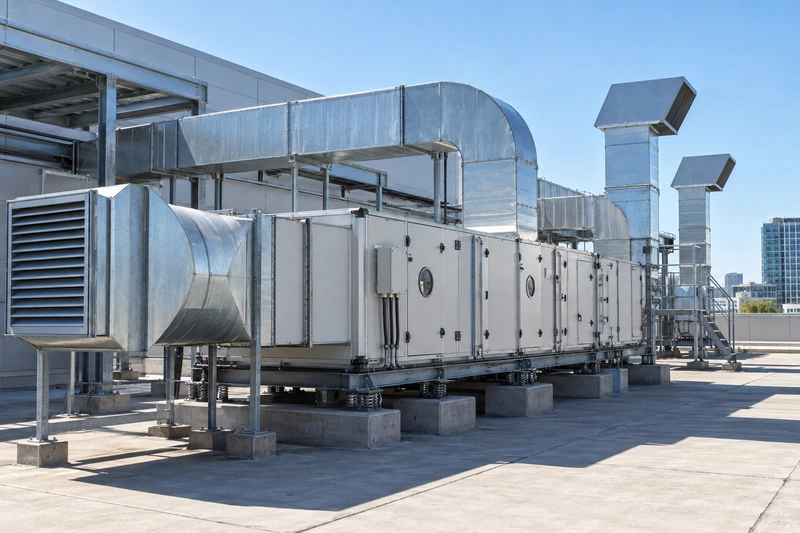
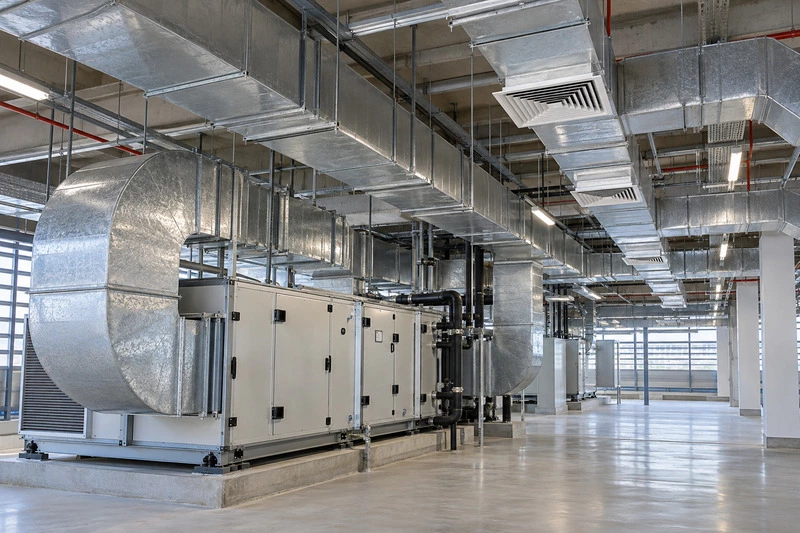
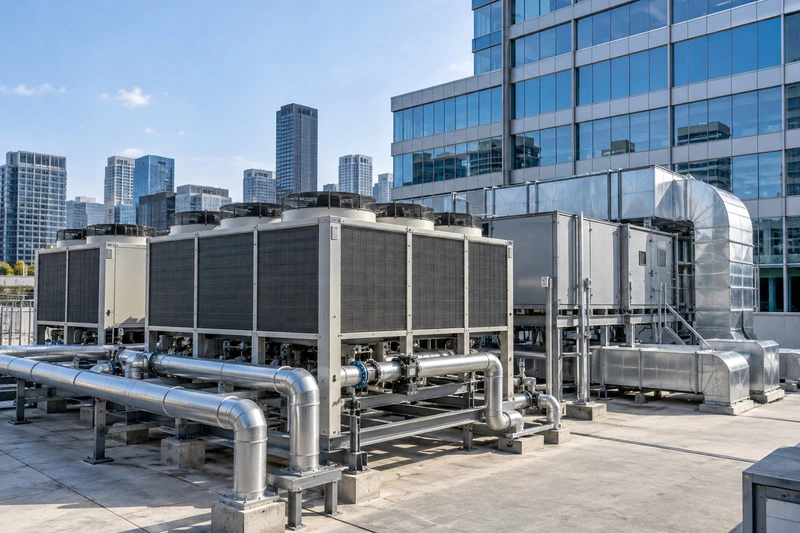
Air handling units condition, filter, and distribute air throughout buildings to maintain temperature, humidity, and indoor air quality.
Typical Applications
Process Overview
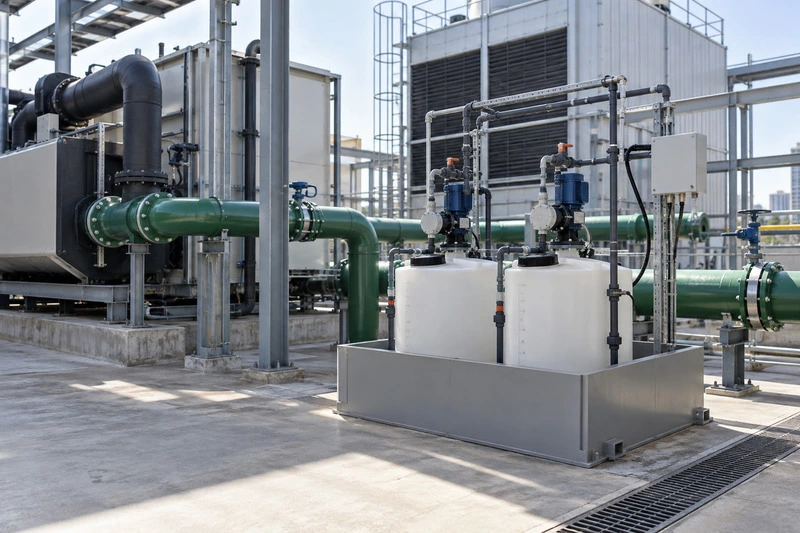
Water treatment systems control scaling, corrosion, and biological contamination in chilled water, cooling water, and heating circuits.
Typical Applications
Process Overview
Building automation and energy management systems collect operational data from HVAC equipment to optimize energy consumption and system performance.
Typical Applications
Improve HVAC Efficiency Through Accurate Measurement
Optimize heating, cooling, water circulation, and energy performance with reliable Supmea instrumentation solutions.
Industry Solution
Commercial Buildings
Improve indoor comfort and building energy performance with intelligent HVAC monitoring solutions.
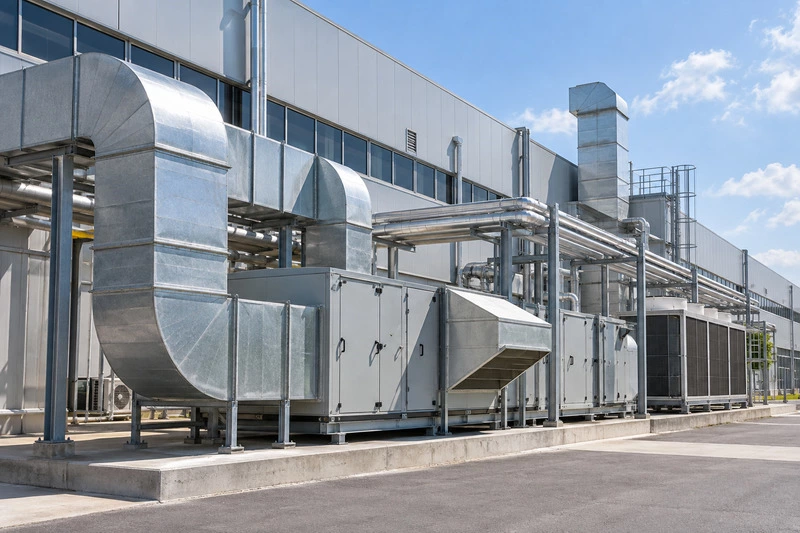
Industrial Facilities
Maintain reliable production environments through accurate HVAC and utility measurement.
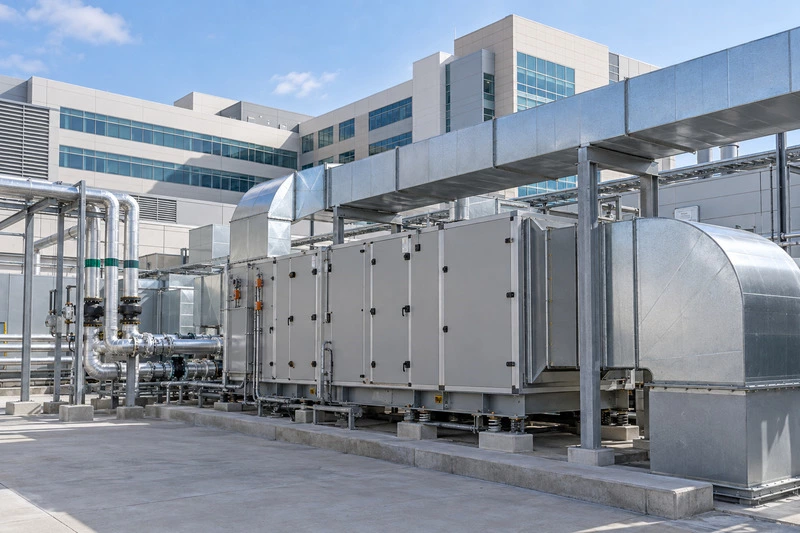
Hospitals & Healthcare
Support safe and hygienic healthcare spaces with precise environmental monitoring.
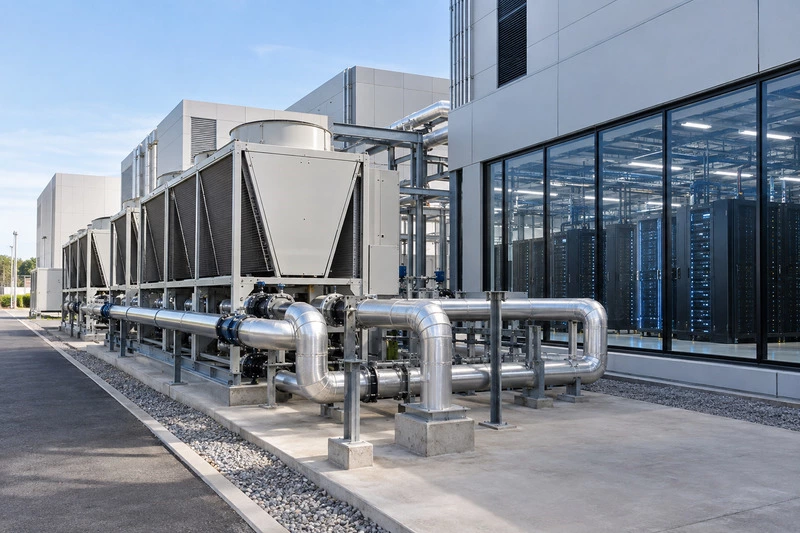
Data Centers
Enhance cooling reliability and protect critical IT infrastructure from thermal risks.
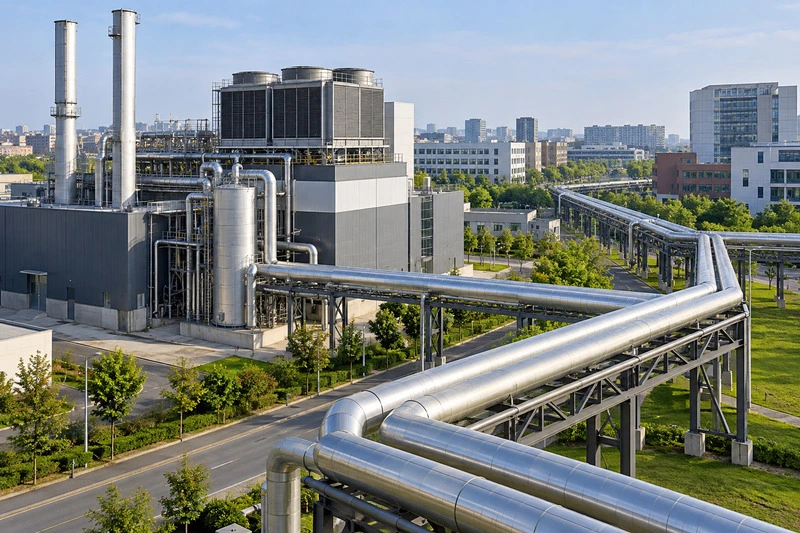
District Energy
Optimize centralized heating and cooling networks through accurate energy measurement.
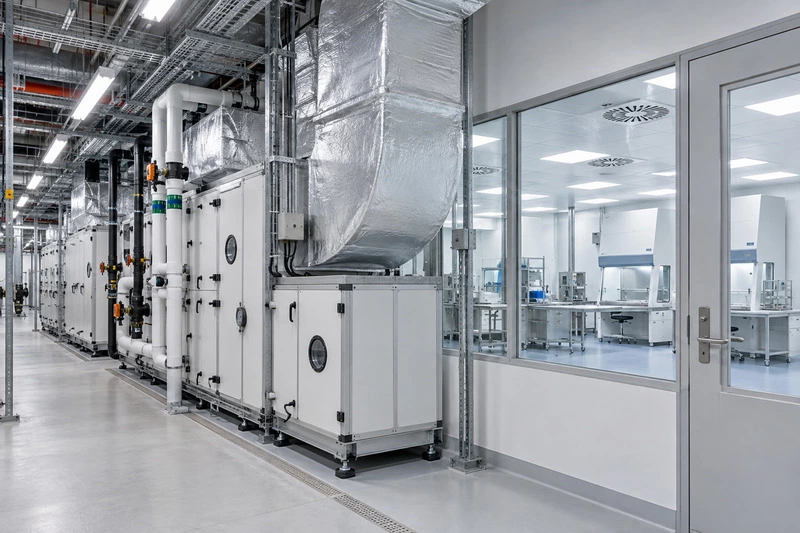
Cleanrooms & Laboratories
Maintain controlled temperature, humidity, airflow, and pressure for sensitive environments.
Featured Products
Explore Supmea's reliable instrumentation portfolio for HVAC water circulation, thermal energy management, equipment monitoring, and water quality control.
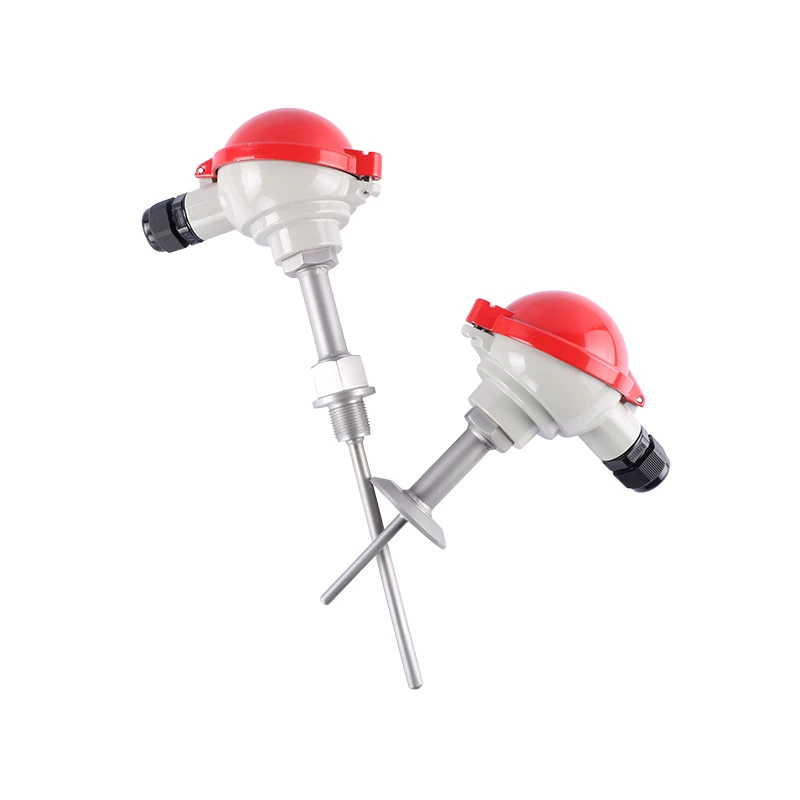
SUP-WZPK/WRNK RTD Temperature sensors with mineral insulated resistance thermometers
View Products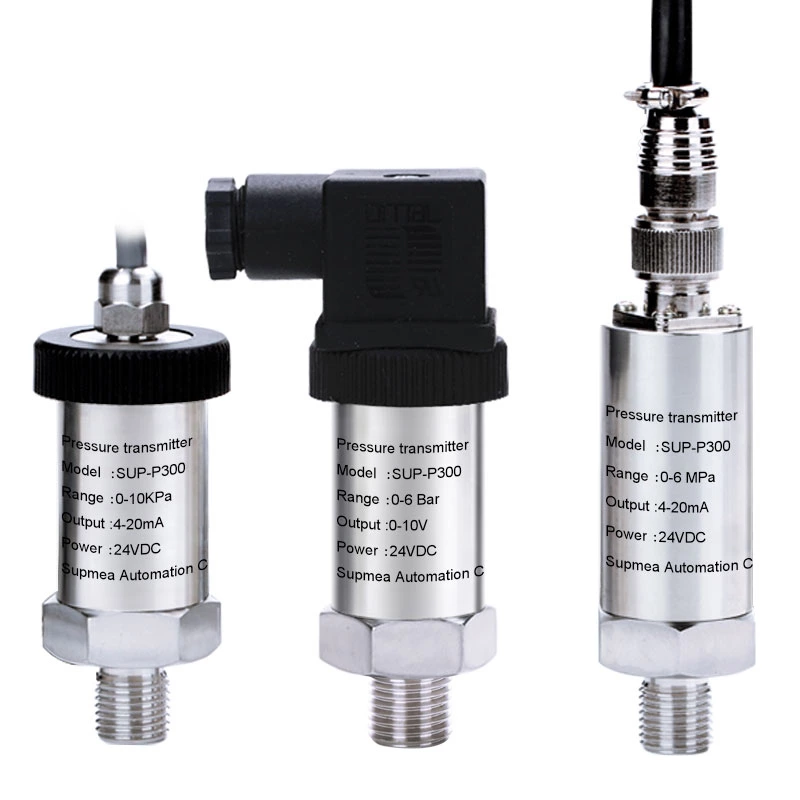
SUP-P300 Pressure transmitter with compact size for universal use
View Products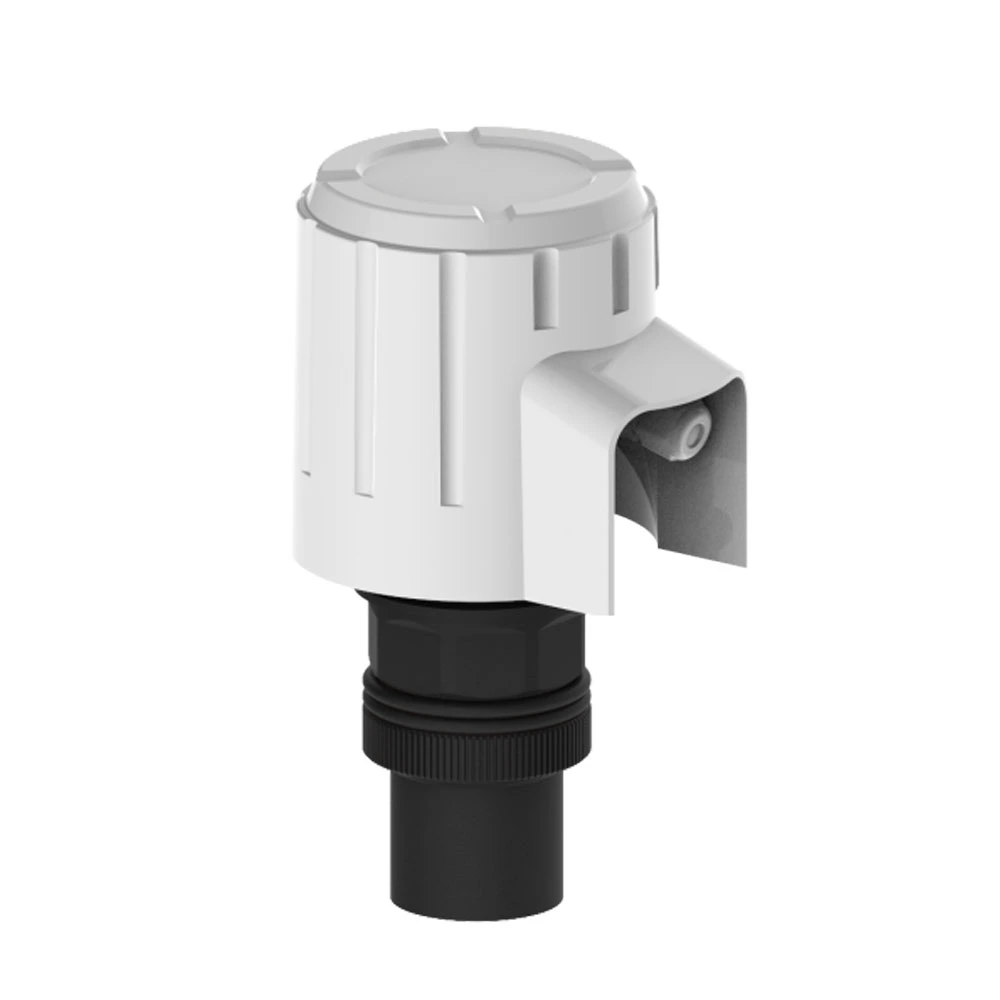
SUP-MP-C Ultrasonic level transmitter
View Products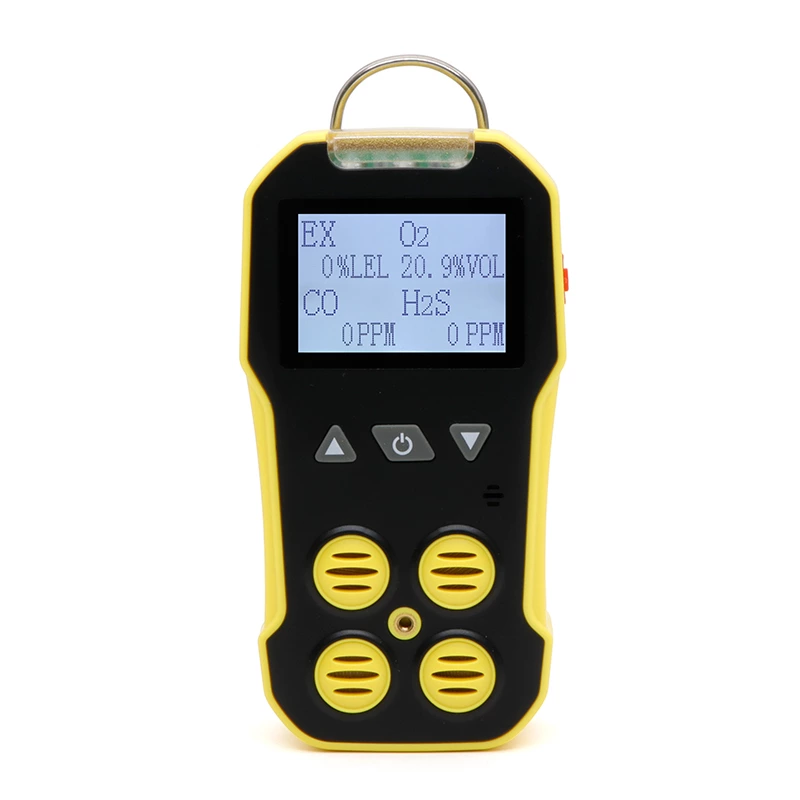
BH-4A Portable multi-gas detector for gas, O2 and other two types toxic gases
View Products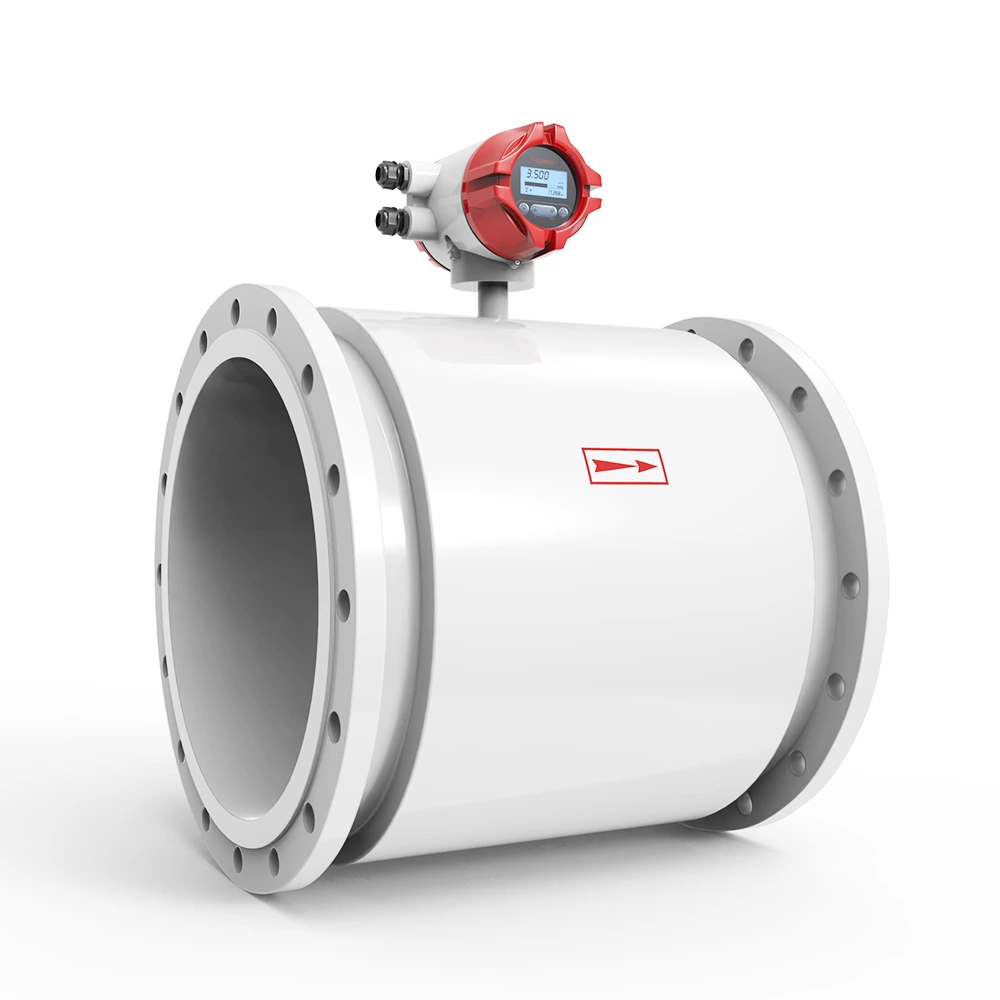
LDG-SUP Electromagnetic Flowmeter: Precision Flow Measurement for Demanding Industrial Applications
View ProductsSuccess Stories
Discover how HVAC operators improve energy efficiency, equipment reliability, and system control with Supmea instrumentation solutions.
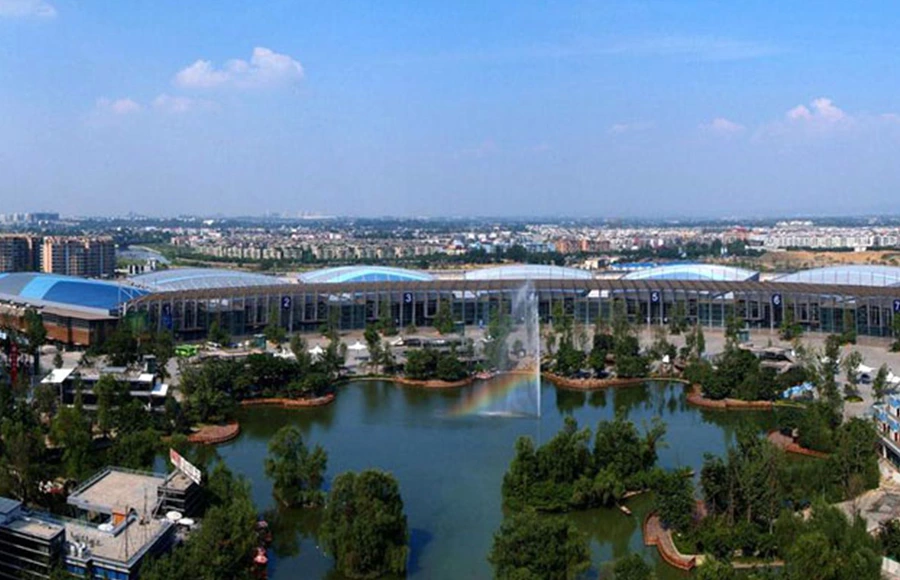
Magnetic heat meters are used in Chengdu Century City International Exhibition Center
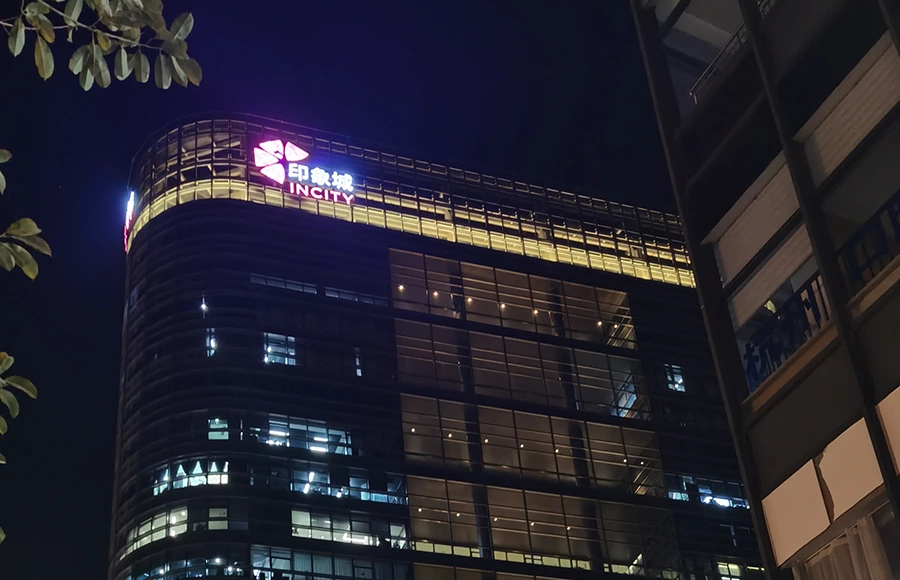
Supmea ultrasonic BTU meter used in Jinsha Impression City
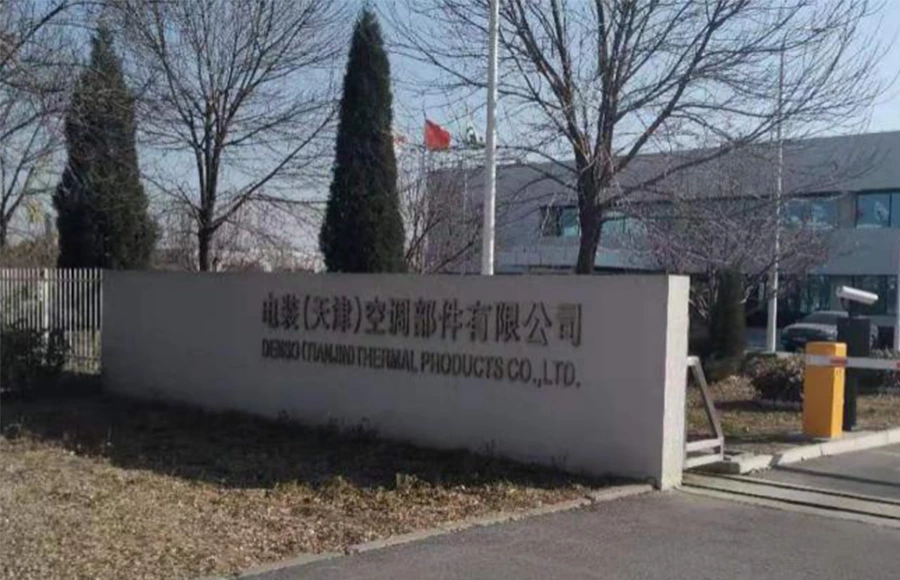
Case of Japanese company-Denso (Tianjin) air conditioning parts sewage treatment
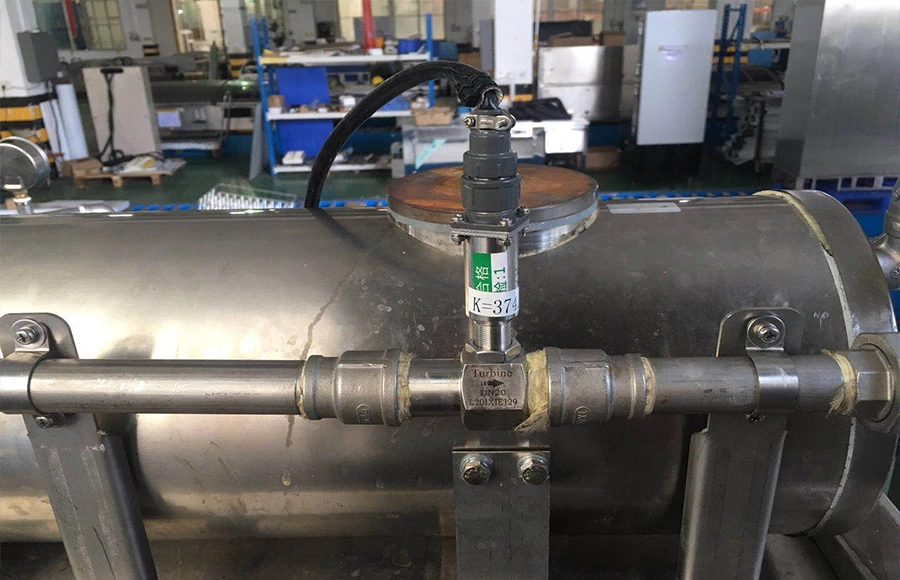
Case of Guangzhou Guangleng Huaxu Refrigeration and Air Conditioning Industry Co., Ltd.
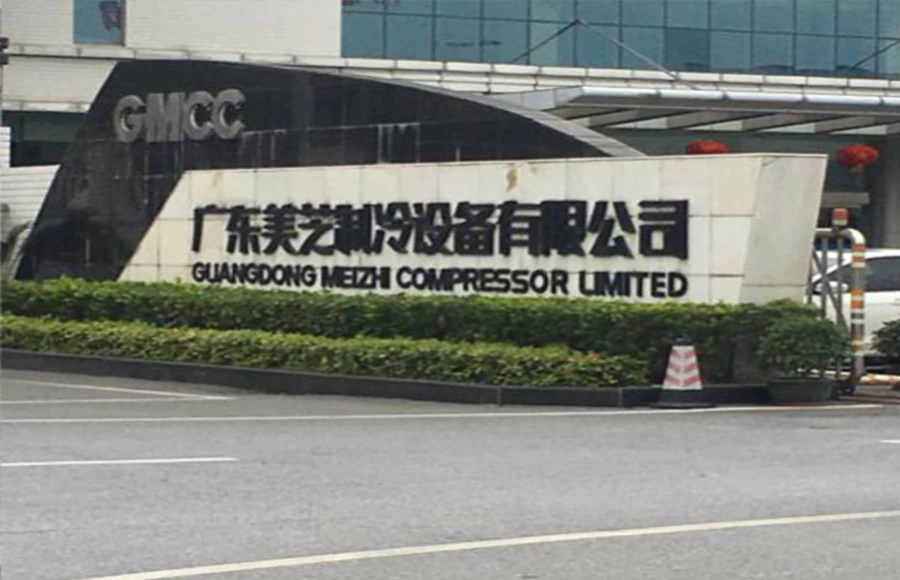
Case of Guangdong Meizhi Refrigeration Equipment Co., Ltd.
Efficient HVAC Operations
Supmea provides reliable measurement solutions that help HVAC operators improve energy efficiency, system stability, water management, and equipment performance.
Complete HVAC Measurement Portfolio
Covering flow, pressure, differential pressure, temperature, level, and water quality measurement.
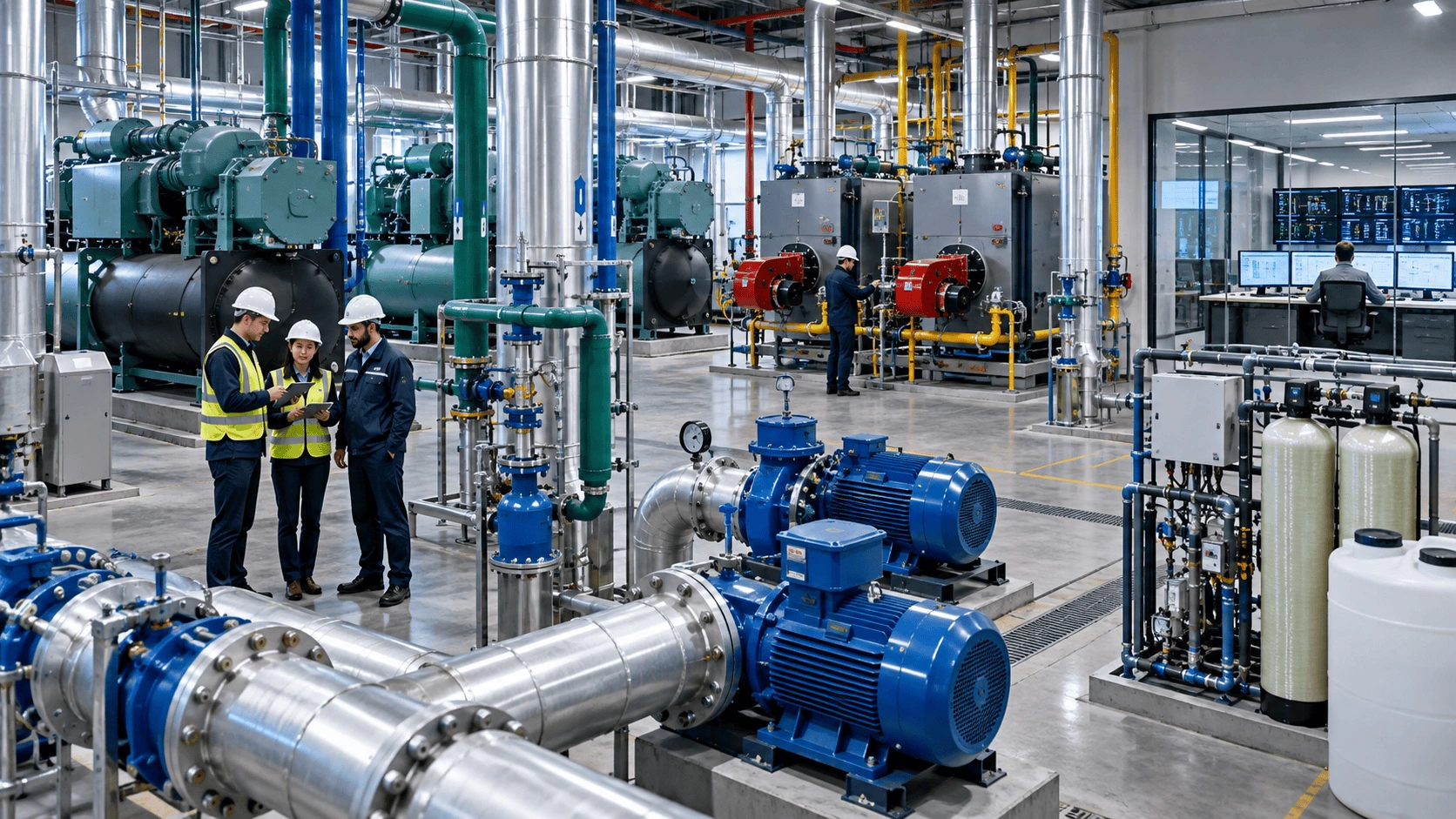
Accurate Energy Monitoring
Reliable data supports chiller optimization, thermal energy management, and system performance analysis.
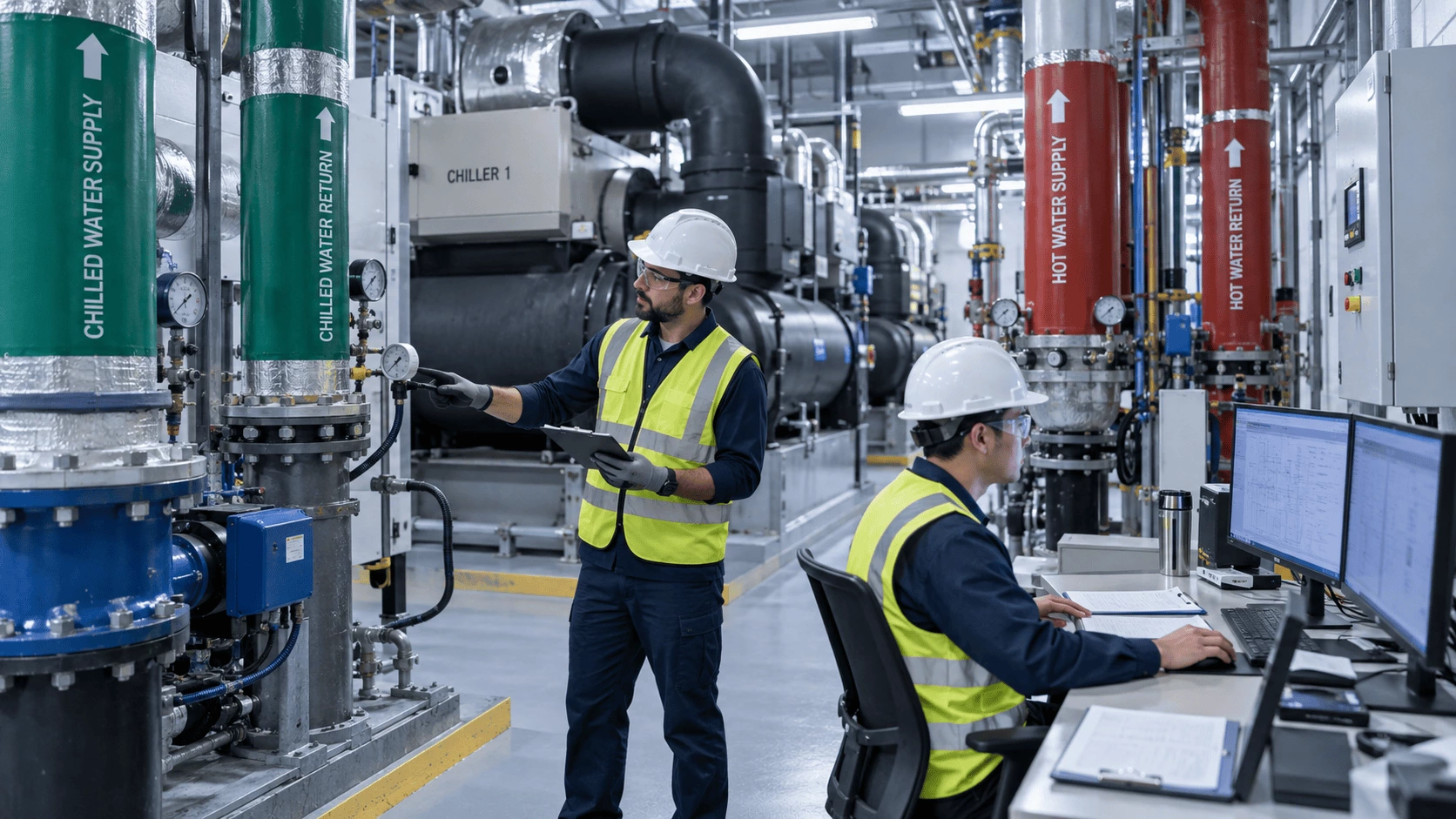
Flexible Installation Options
Inline and clamp-on flow solutions support both new HVAC projects and retrofit applications.
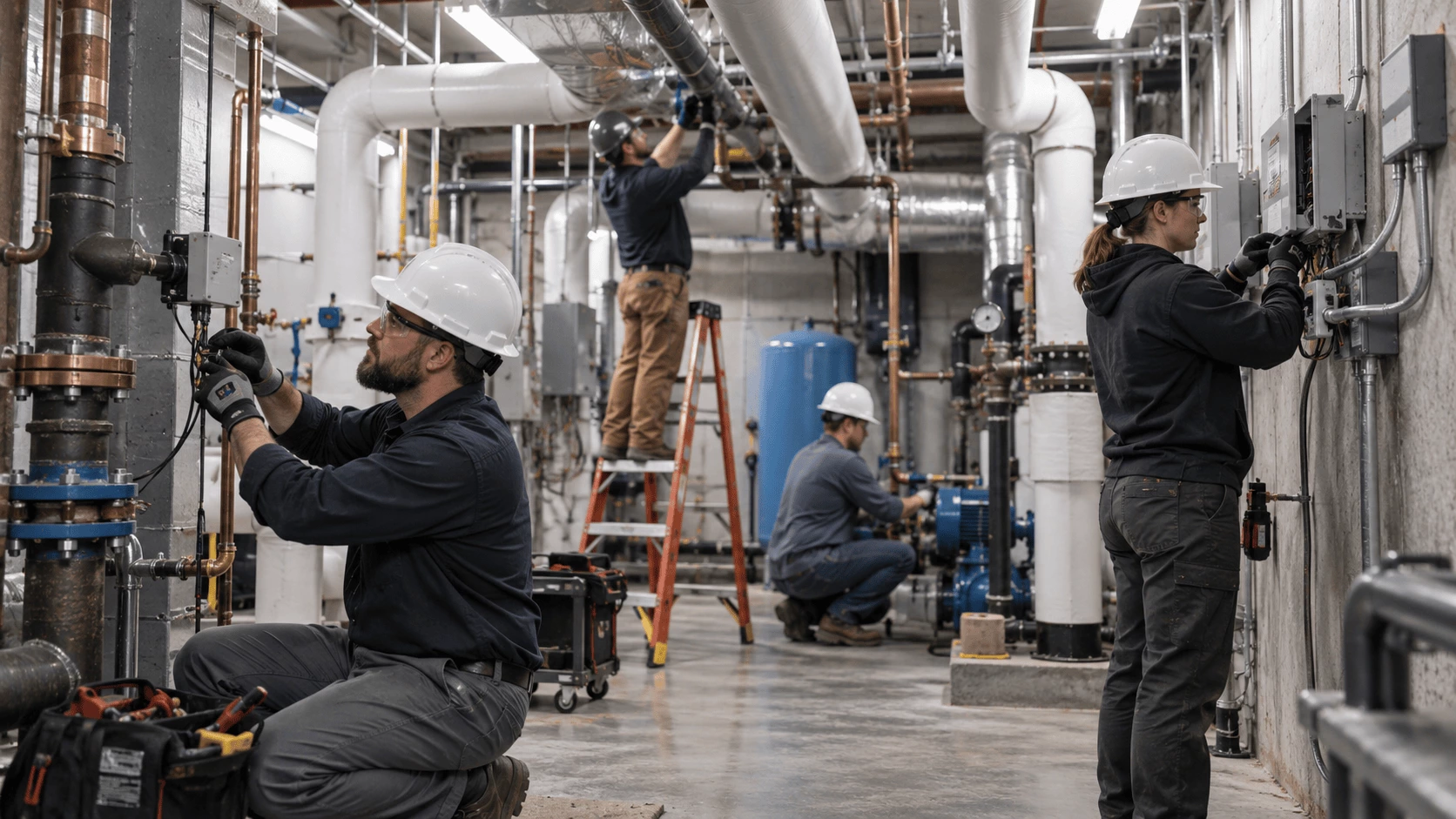
Reliable System Integration
Standard industrial outputs and communication protocols simplify integration with BMS, EMS, PLC, and SCADA platforms.
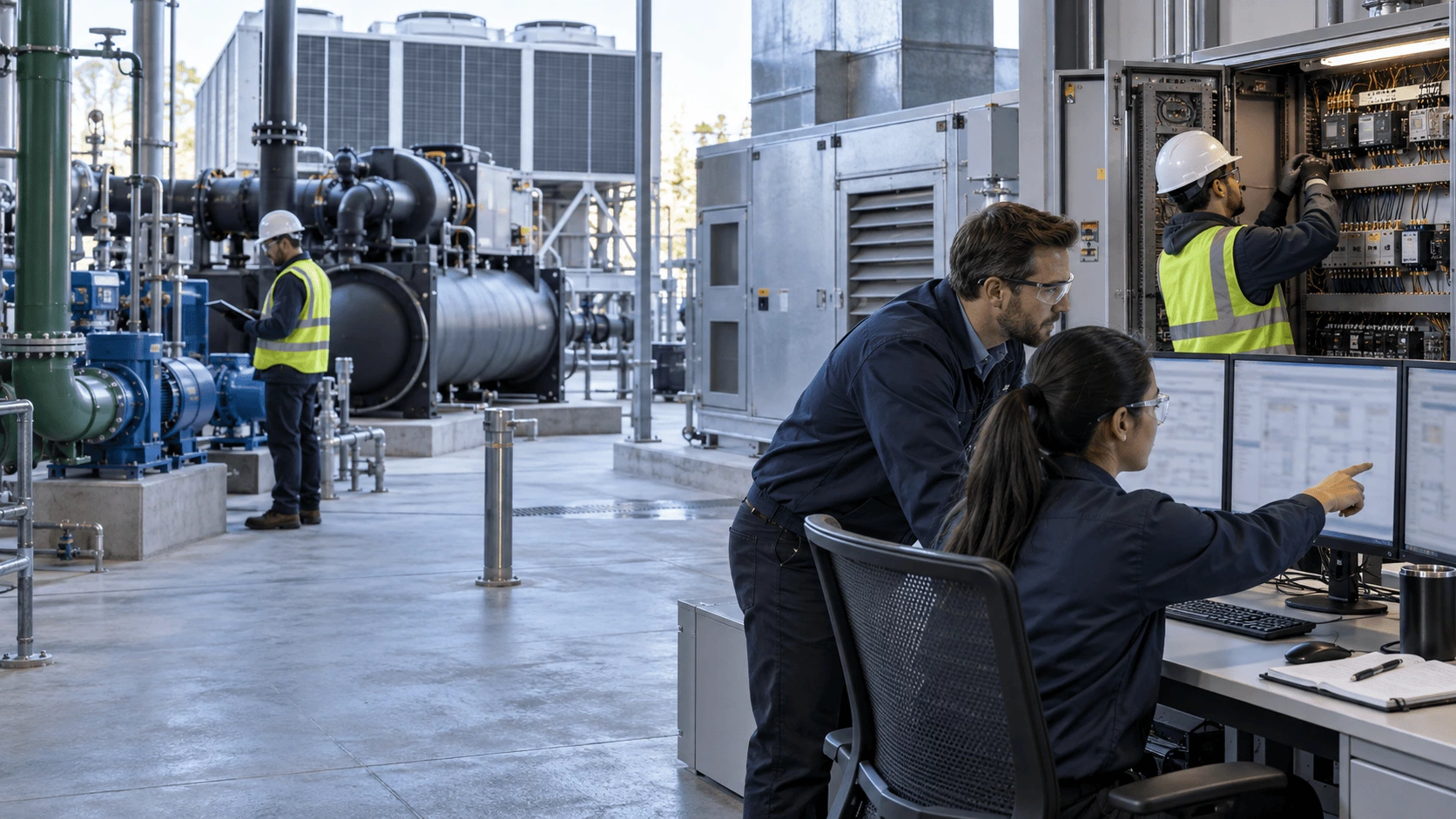
Application-Focused Support
Professional support for product selection, installation, commissioning, and system optimization.
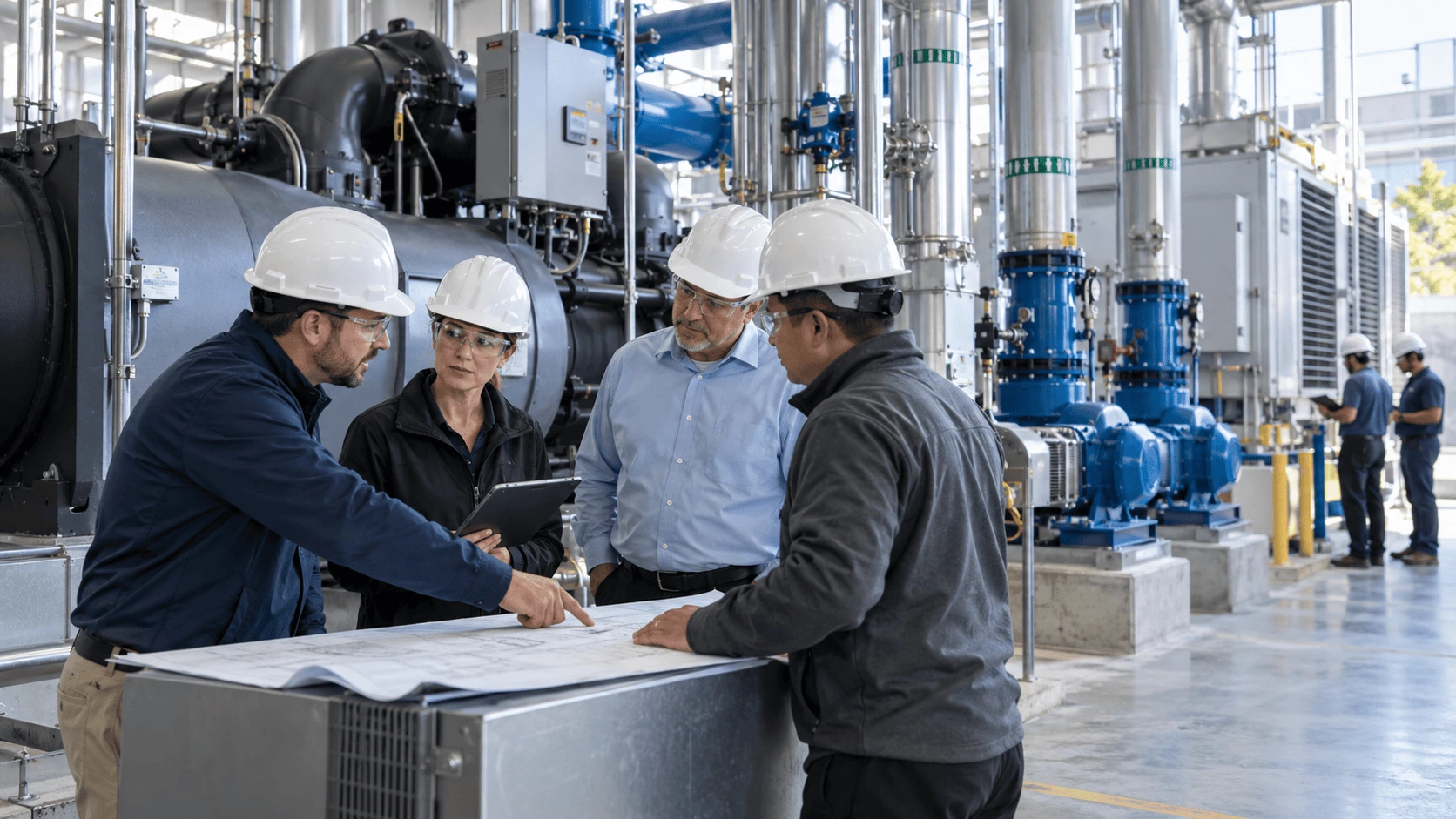
Cost-Effective Lifecycle Performance
Reliable instruments, simplified maintenance, and stable operation help reduce total ownership costs.
Frequently Asked Questions
Which flow meter is best for chilled water and cooling water systems?
Electromagnetic flow meters are widely used for chilled water, cooling water, and heating water systems because they provide accurate measurement with no moving parts and minimal pressure loss. For existing pipelines where shutdown or pipe cutting is not possible, clamp-on ultrasonic flow meters are a practical alternative.
Can I measure HVAC flow without cutting or shutting down the pipeline?
Yes. Clamp-on ultrasonic flow meters are installed on the outside of the pipe and do not require cutting, welding, or process interruption. They are especially suitable for HVAC retrofit projects, energy audits, large-diameter pipes, and temporary flow verification.
Why is my chilled water flow reading unstable?
Unstable readings may be caused by air bubbles, partially filled pipes, insufficient straight pipe length, pump vibration, or poor sensor installation. The flow meter should be installed on a fully filled pipeline, preferably away from elbows, pumps, valves, and other sources of turbulence.
How can I monitor HVAC system energy efficiency?
HVAC energy performance can be evaluated by measuring water flow together with supply and return temperatures. These values allow the system to calculate cooling or heating energy, compare actual performance with design conditions, and identify inefficient chillers, pumps, or distribution circuits.
How do I monitor filter blockage in an air handling unit?
A differential pressure transmitter can be installed across the air filter to measure pressure loss. As dust accumulates, the differential pressure increases. The transmitter can send an alarm to the building management system when the filter reaches a predefined replacement threshold.
What instruments are recommended for cooling tower water quality control?
Conductivity analyzers are commonly used to monitor dissolved solids and control cooling tower blowdown. pH analyzers may also be used to support chemical dosing and corrosion control. Flow meters and level transmitters help manage makeup water, blowdown water, and basin levels.
Can HVAC instruments be connected to a BMS or EMS platform?
Yes. HVAC instruments can be supplied with standard output signals and communication protocols such as 4–20 mA, pulse output, RS485 Modbus, or other industrial communication options. These signals can be integrated into BMS, EMS, PLC, or SCADA platforms for centralized monitoring and control.
How can I improve hydraulic balancing in a chilled water system?
Install flow, pressure, and temperature instruments at key branches, pumps, and terminal circuits. Comparing measured values across the network helps identify low-flow areas, excessive bypass flow, unbalanced branches, and inefficient pump operation.