


Challenges in the Mining Industry
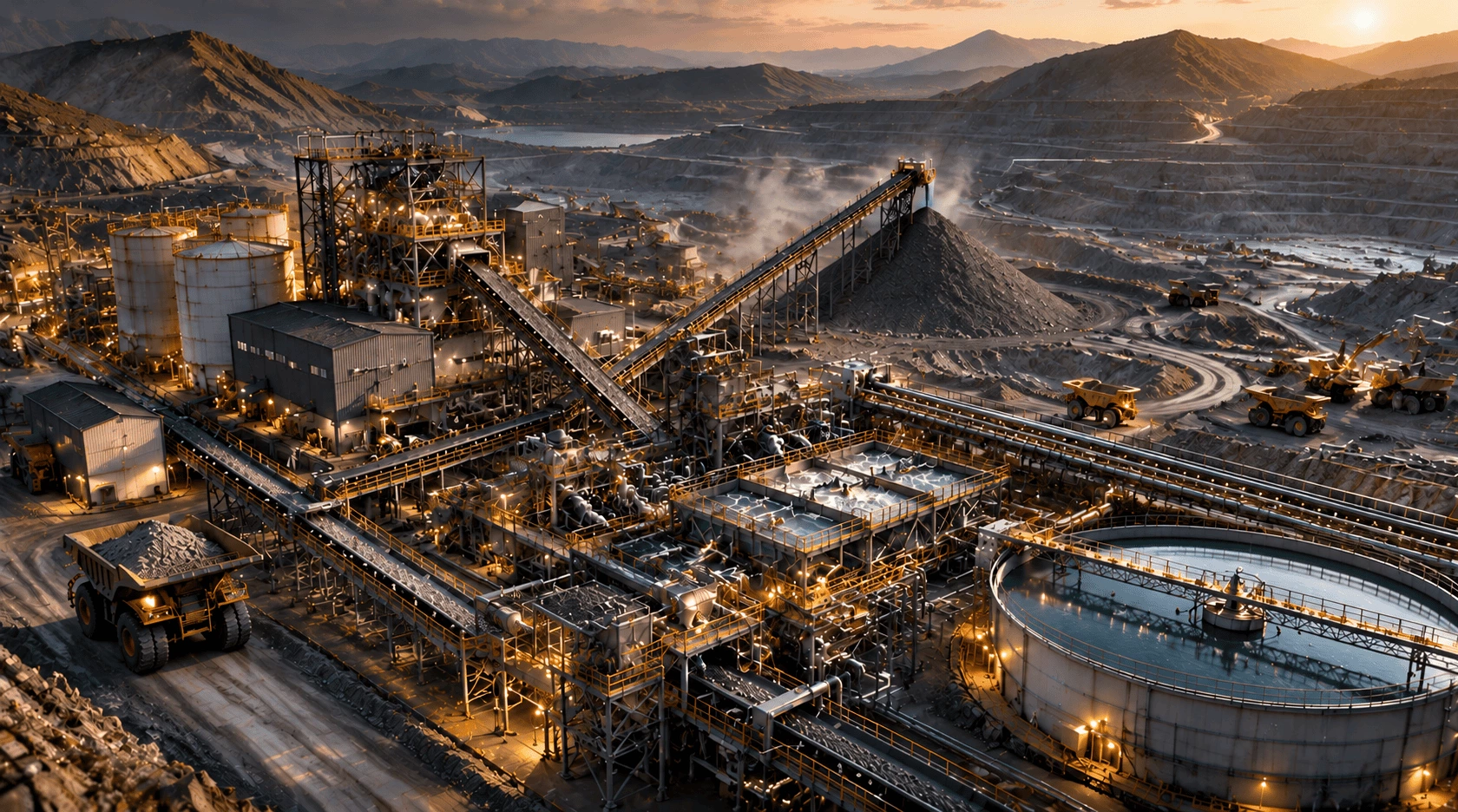
Mining operations face demanding conditions including abrasive materials, extreme environments, and strict environmental requirements. Reliable measurement solutions are essential for safe and efficient production.
Harsh Conditions
Mining environments involve dust, vibration, extreme temperatures, and abrasive media that require durable instrumentation solutions.
Slurry Measurement
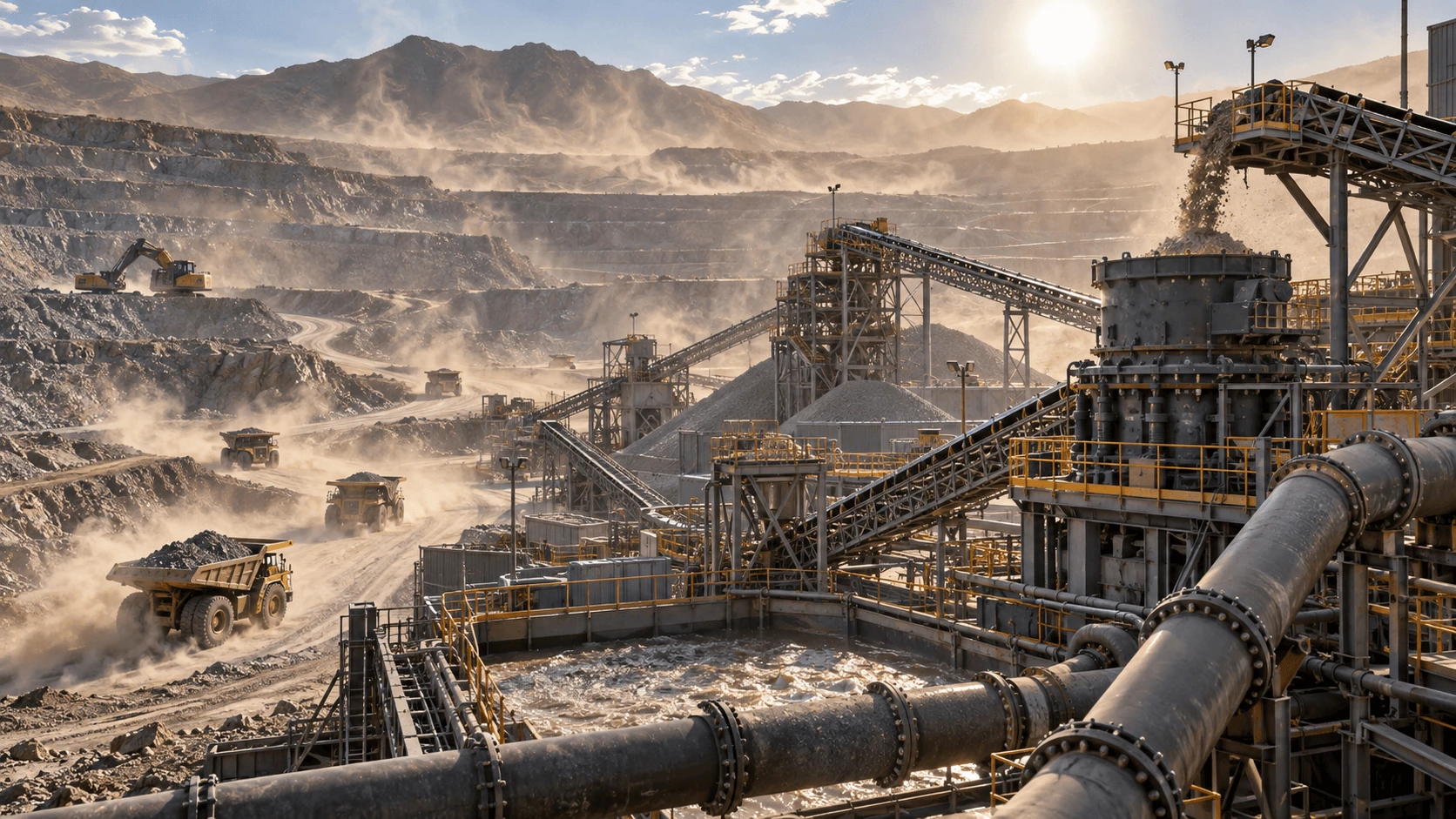
Accurate measurement of high-density slurry and mineral mixtures is critical for improving process efficiency and reducing material losses.
Process Efficiency
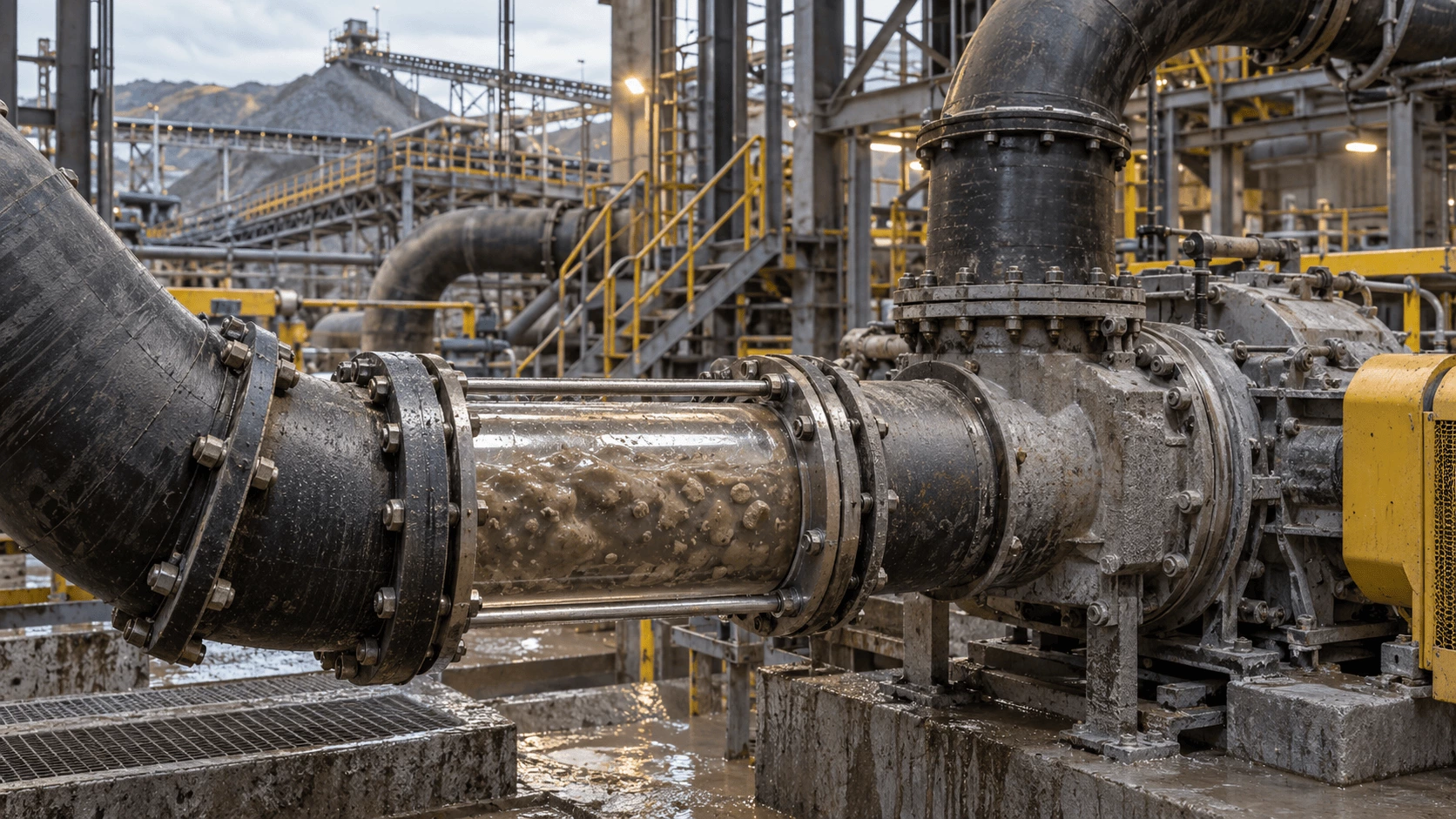
Real-time monitoring of flow, level, pressure, and water quality helps maximize production efficiency and reduce operational costs.
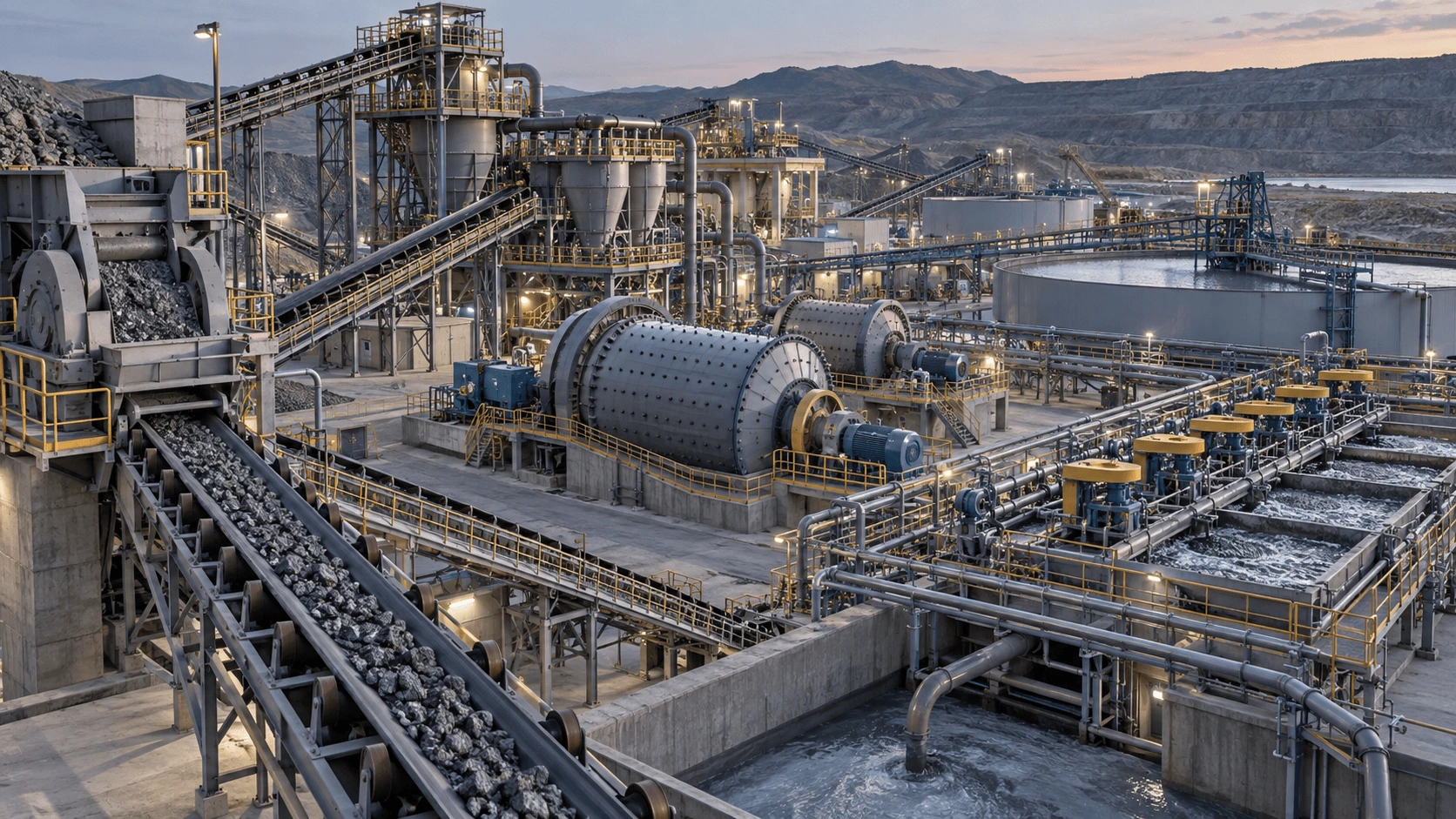
Water Management
Efficient water monitoring and recycling systems are essential for sustainable mining operations.
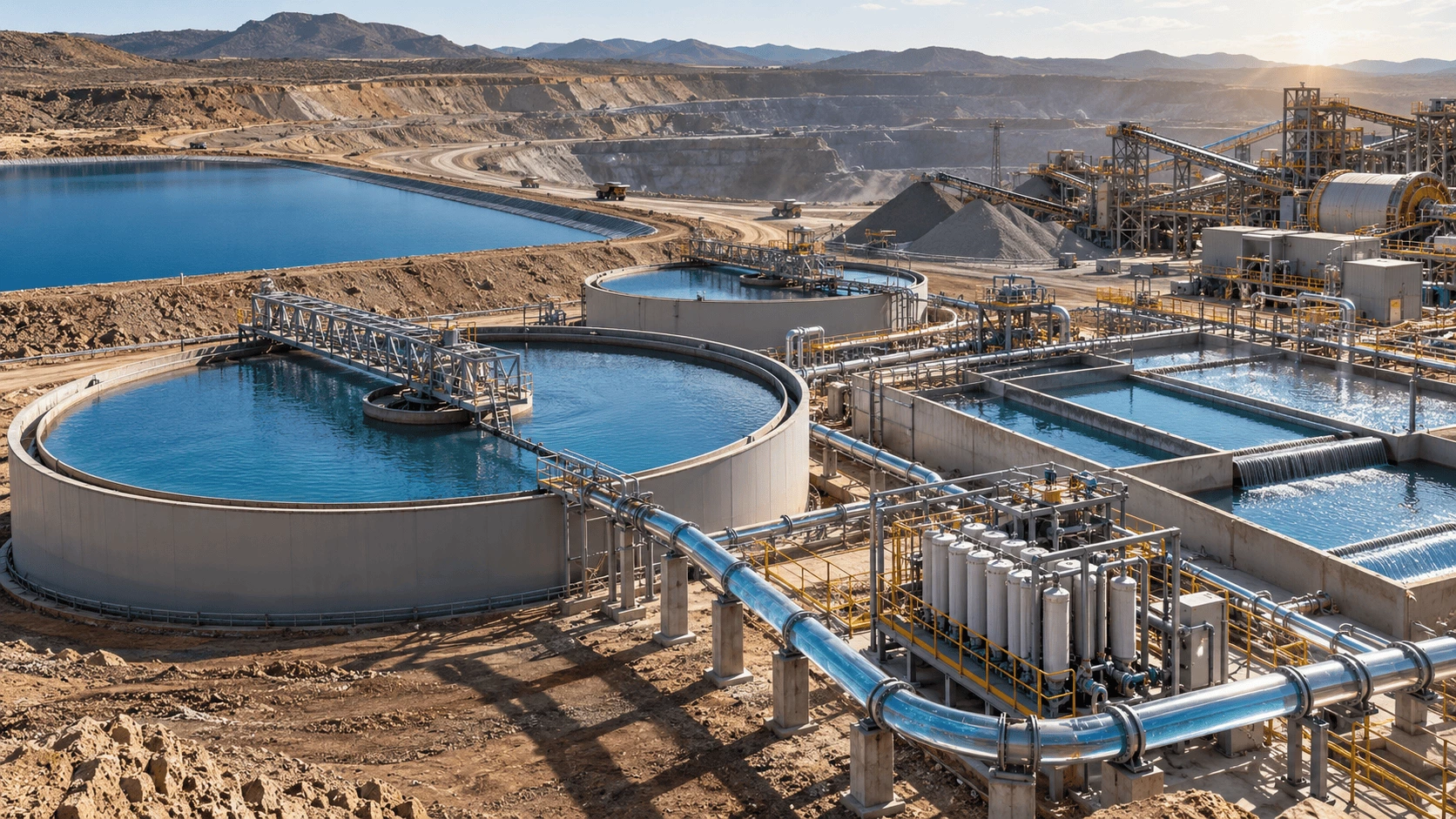
Tailings Compliance
Reliable monitoring supports safe tailings management and helps mining companies meet environmental regulations.
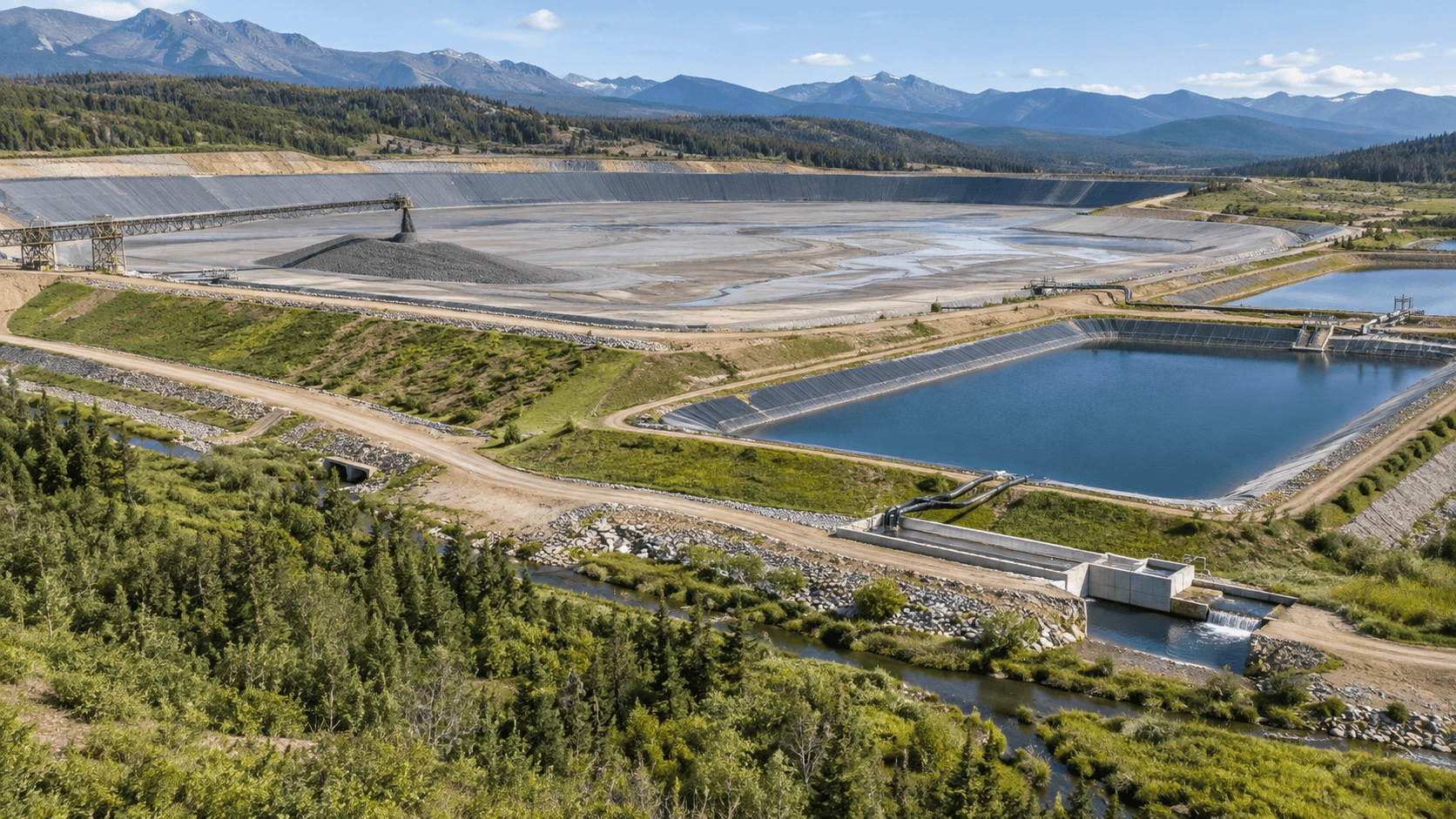
Remote Monitoring
Mining sites require reliable instrumentation for remote monitoring and stable operation in challenging locations.
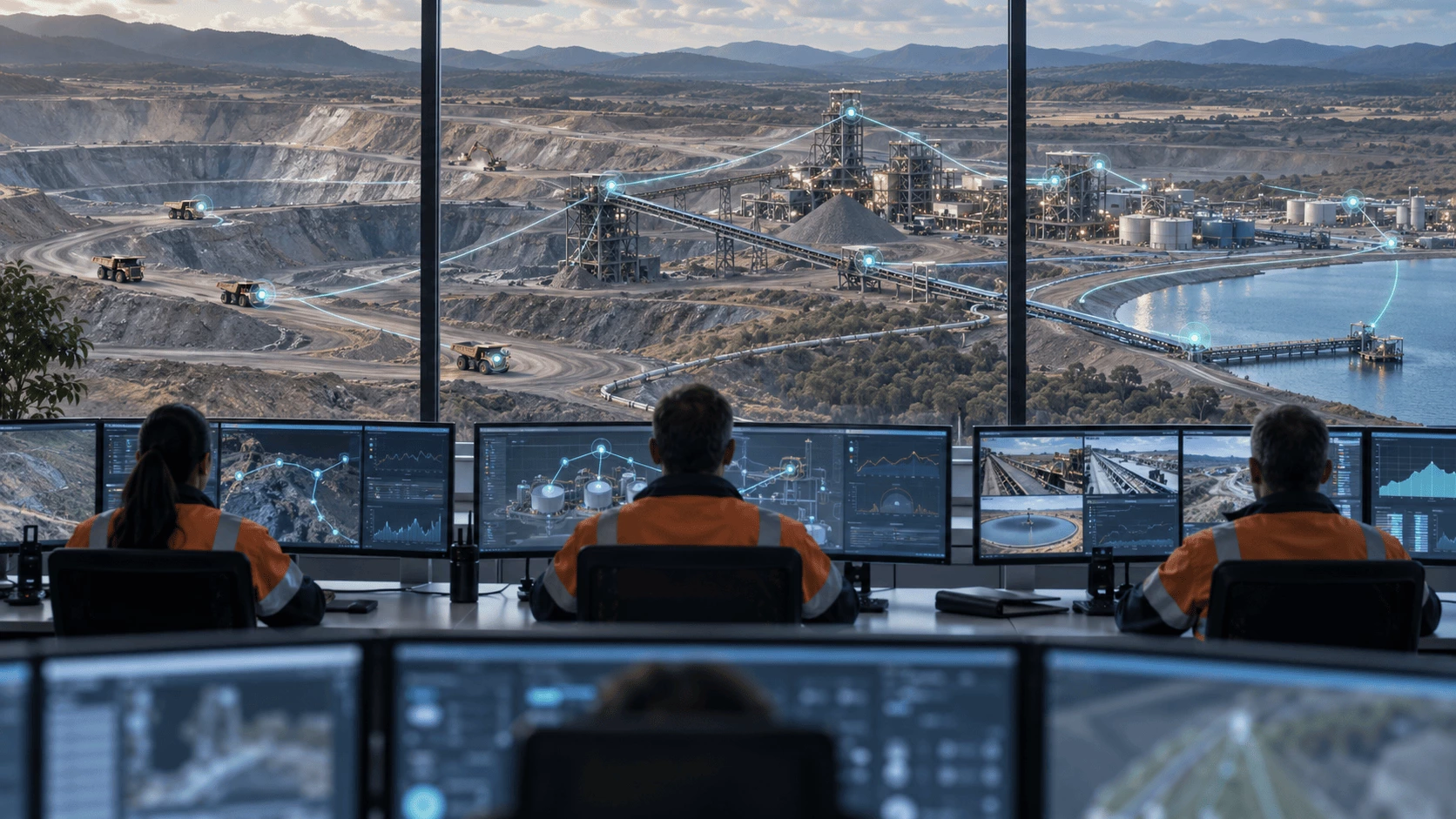
Improve Your Mining & Other Production Efficiency
Explore key stages of mining operations and discover reliable instrumentation solutions that improve process control, safety, and operational efficiency.
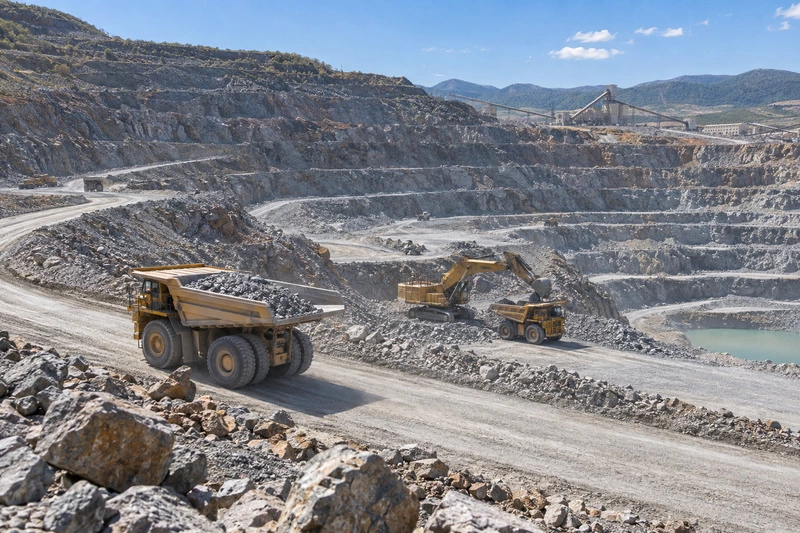
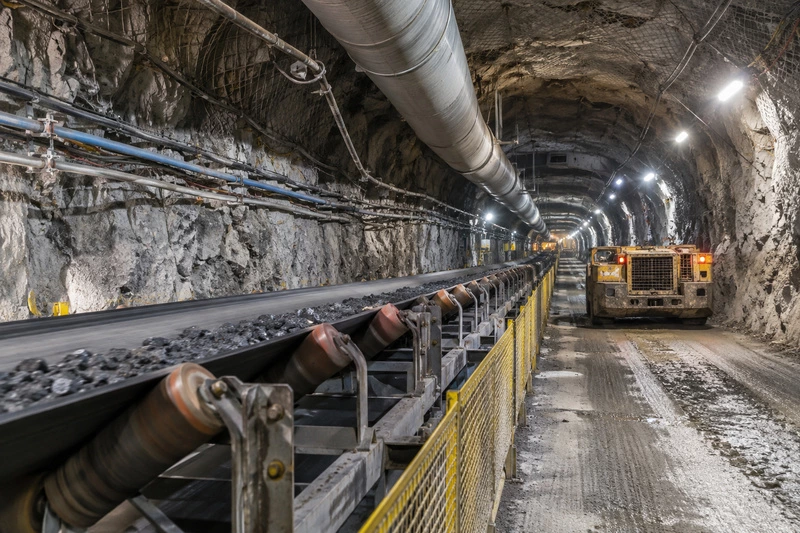
Mining & Ore Extraction
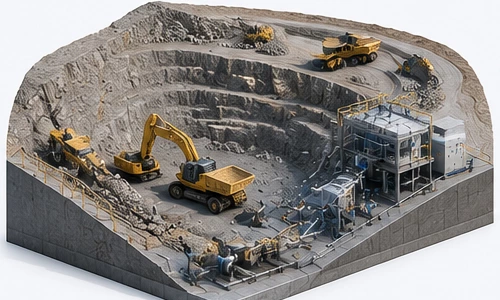
Crushing & Grinding
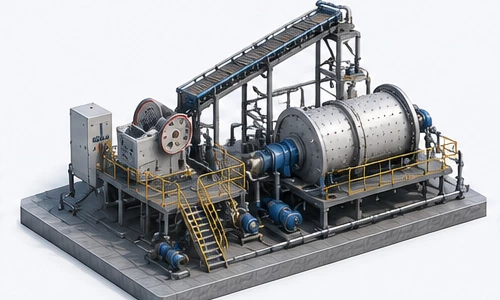
Mineral Processing & Separation
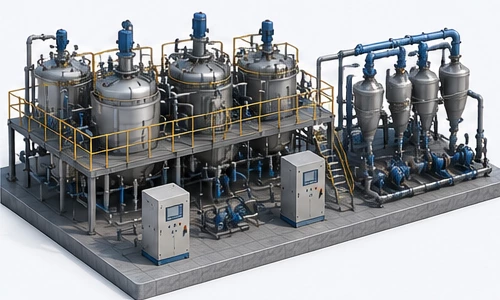
Dewatering & Filtration
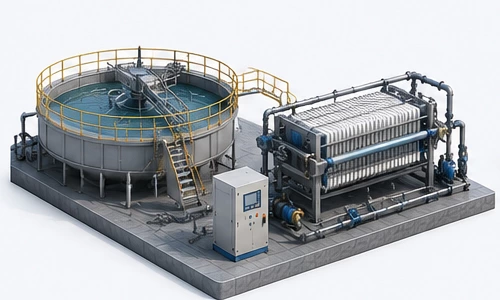
Tailings Management
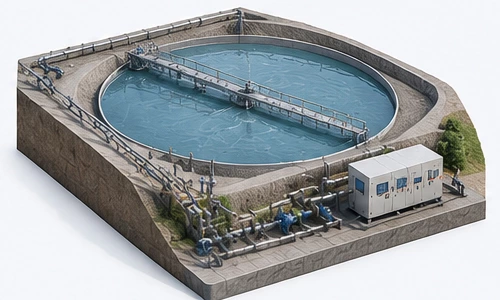
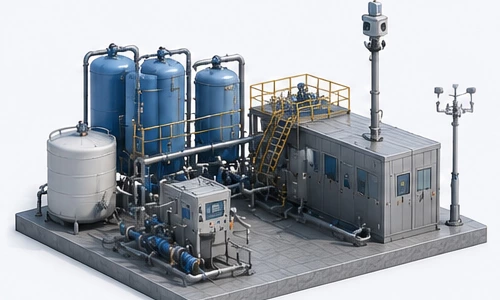
Utilities & Environmental Monitoring
Process Overview
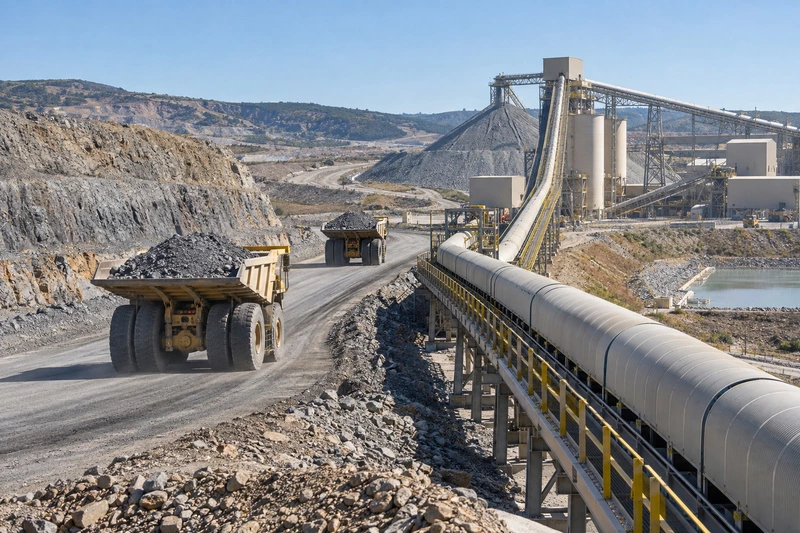
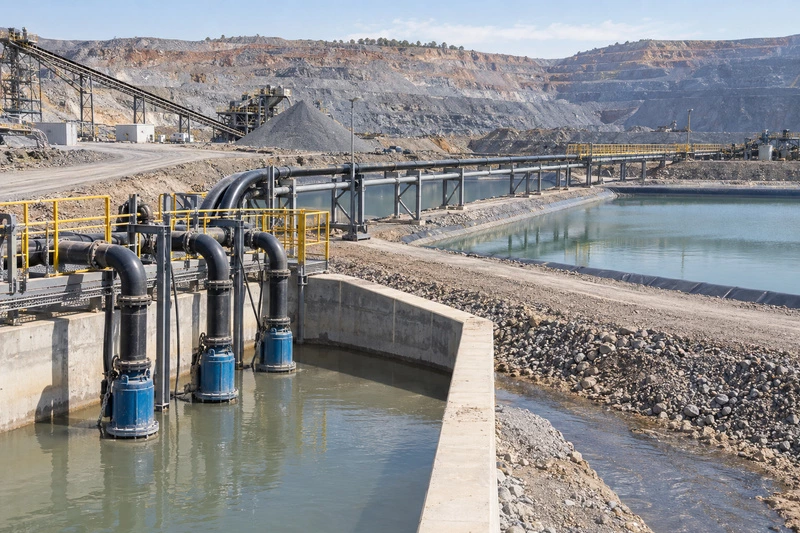
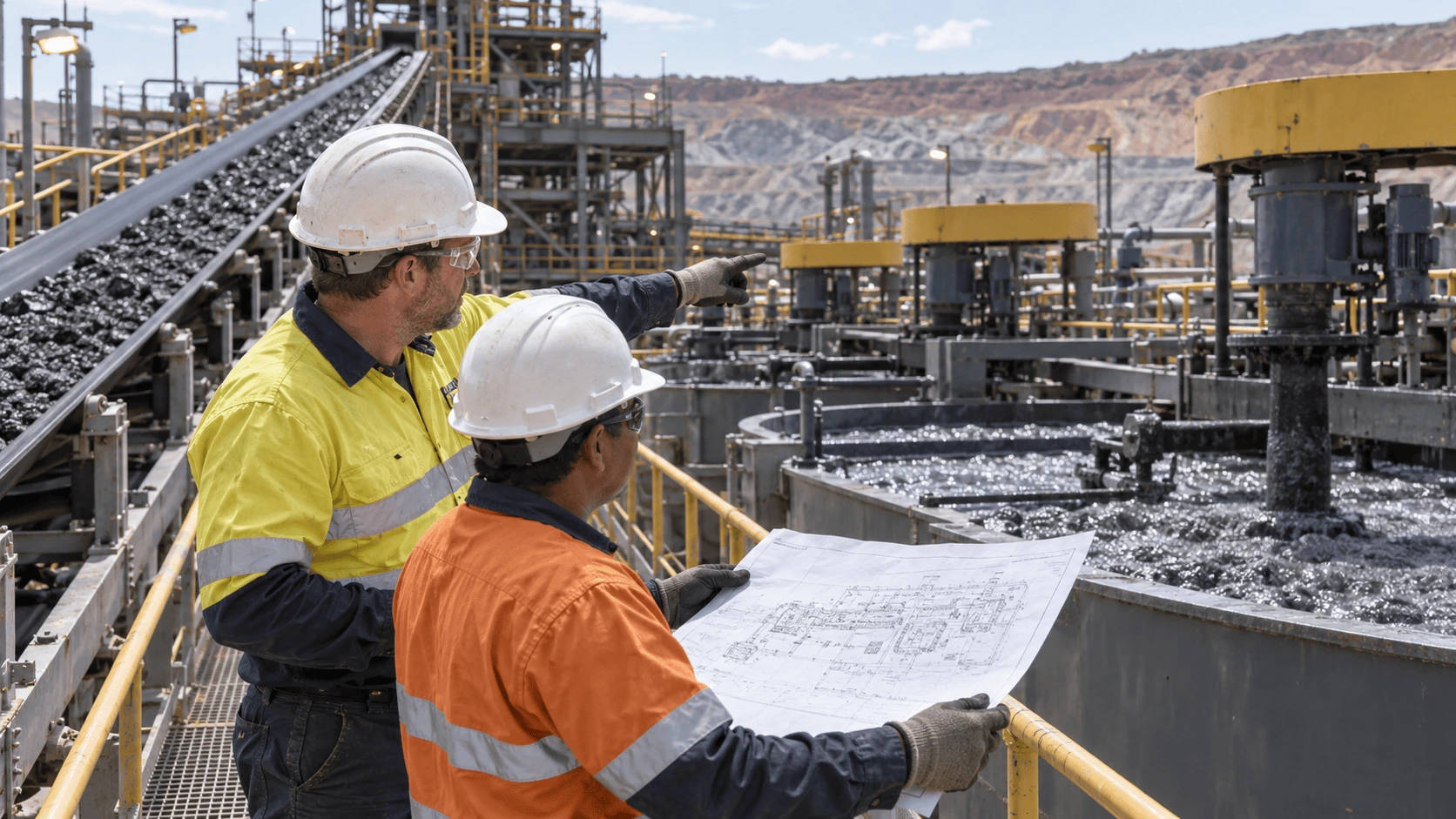
Raw ore is extracted from open-pit or underground mines and transported for further processing. Reliable monitoring ensures safe and efficient material handling.
Typical Applications
Process Overview
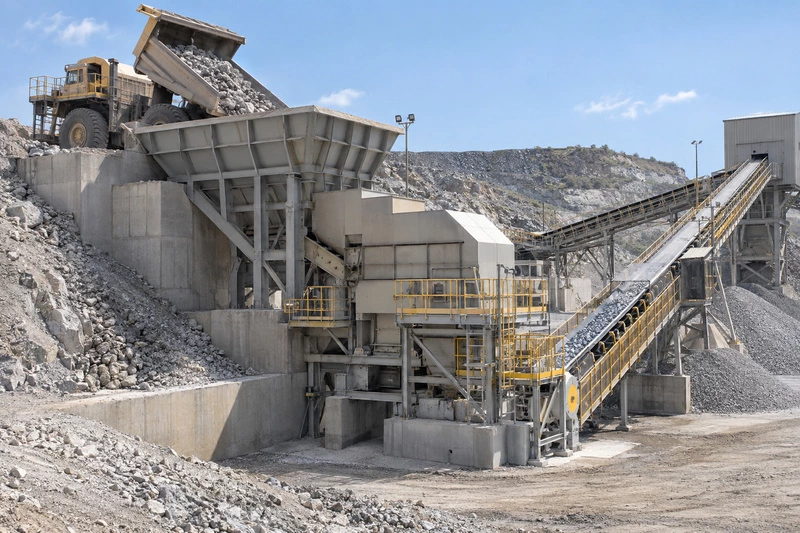
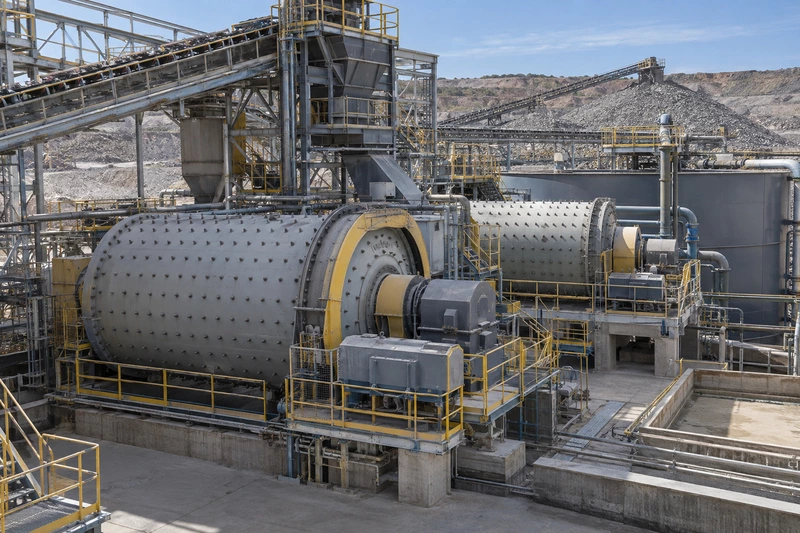
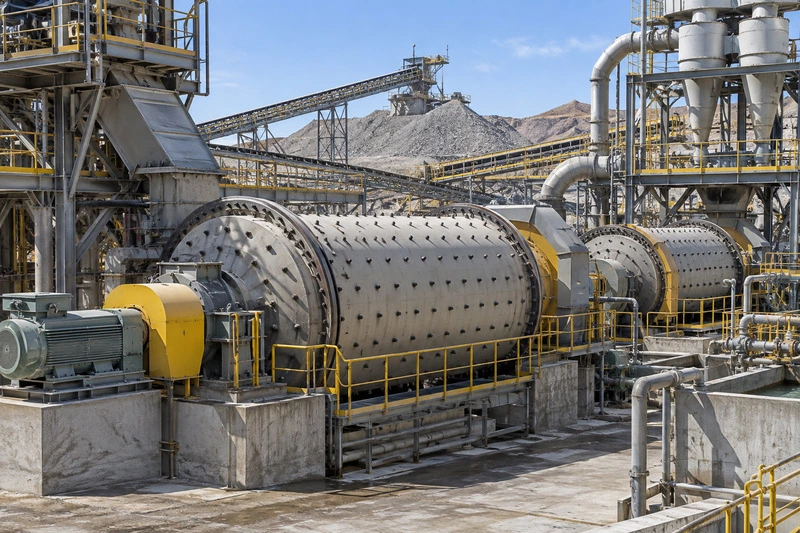
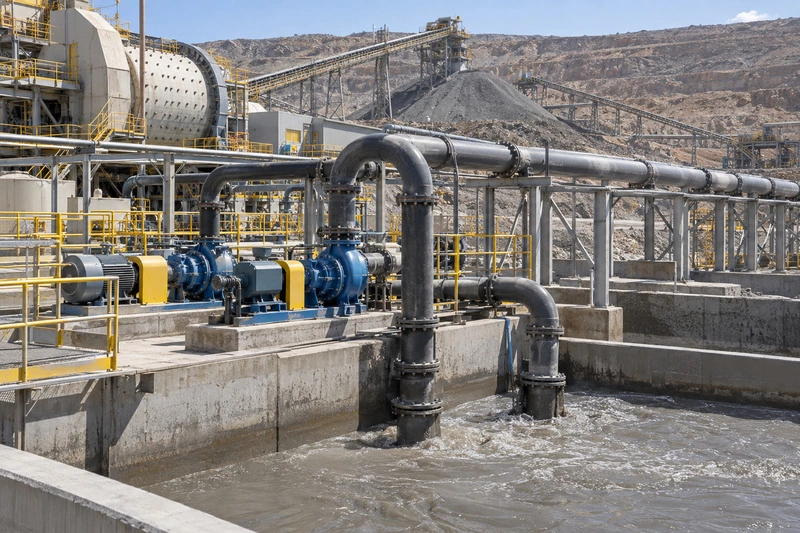
Large ore particles are reduced into smaller sizes through crushing and grinding processes to prepare materials for mineral separation.
Typical Applications
Process Overview
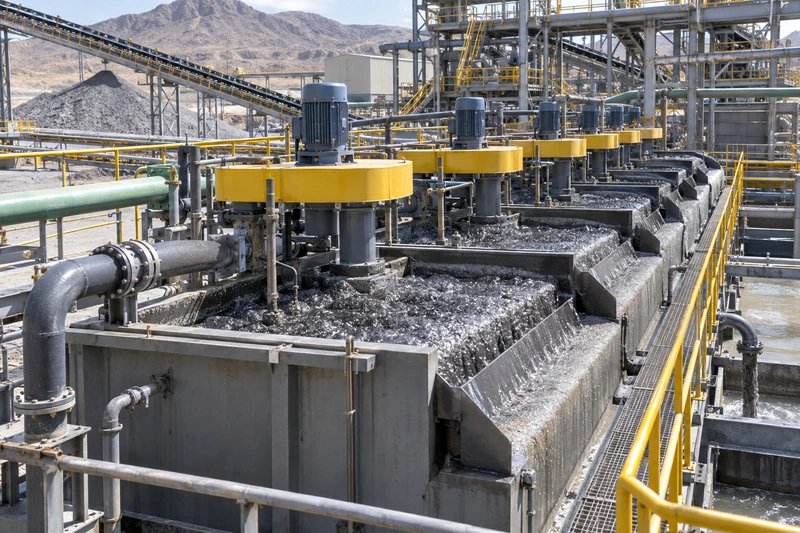
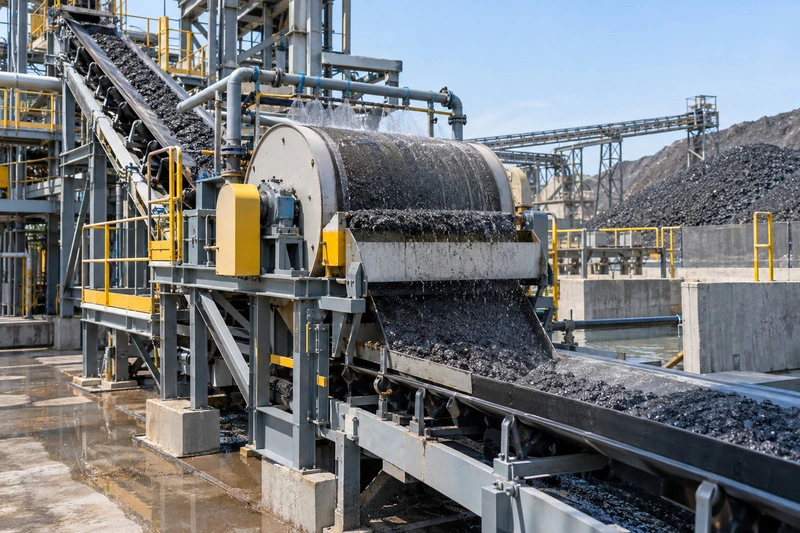
Valuable minerals are separated from ore through flotation, concentration, and other beneficiation processes.
Typical Applications
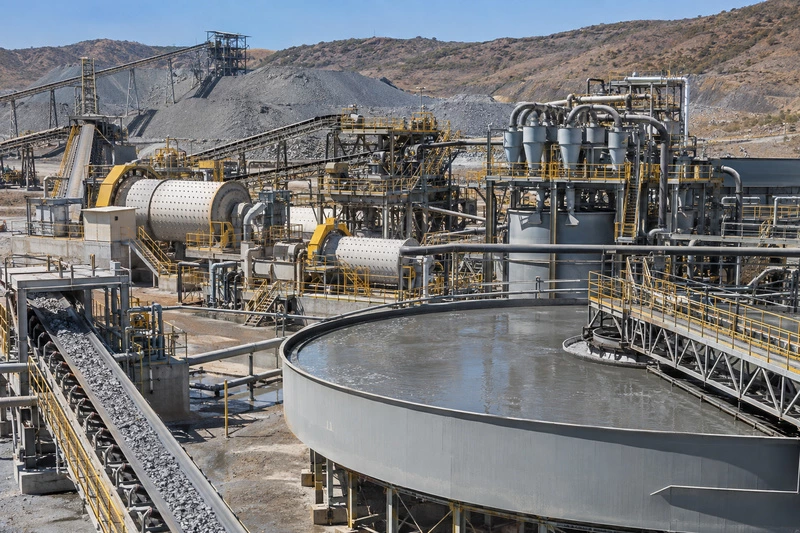
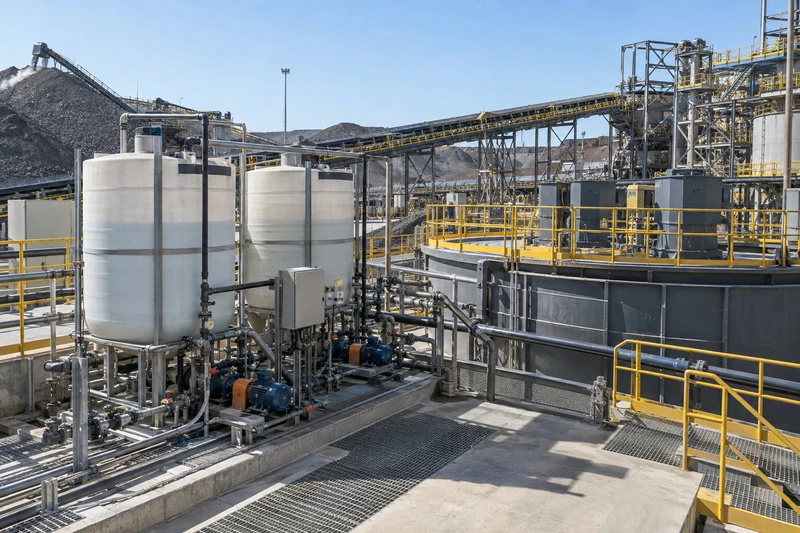
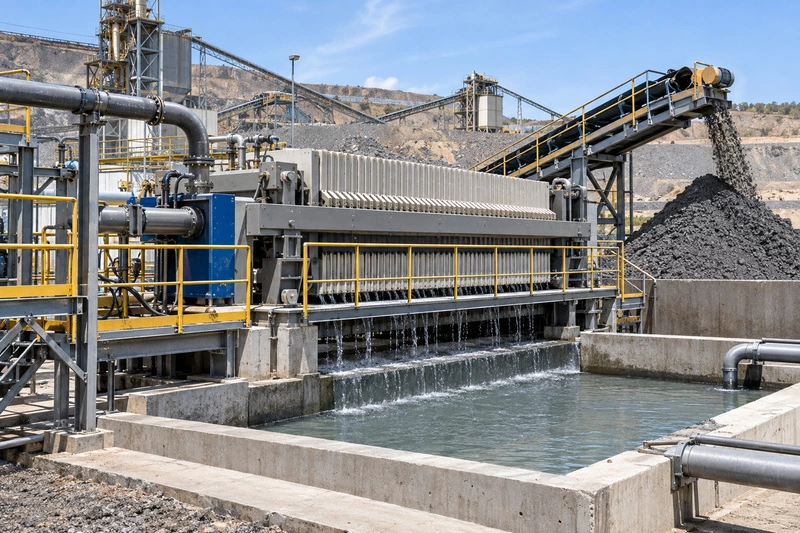
Process Overview
Water is removed from processed materials to improve product quality and recover valuable resources.
Typical Applications
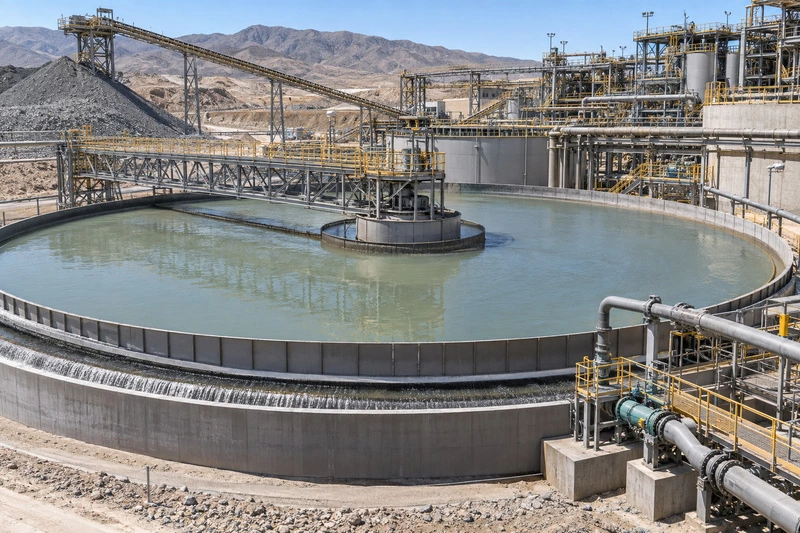
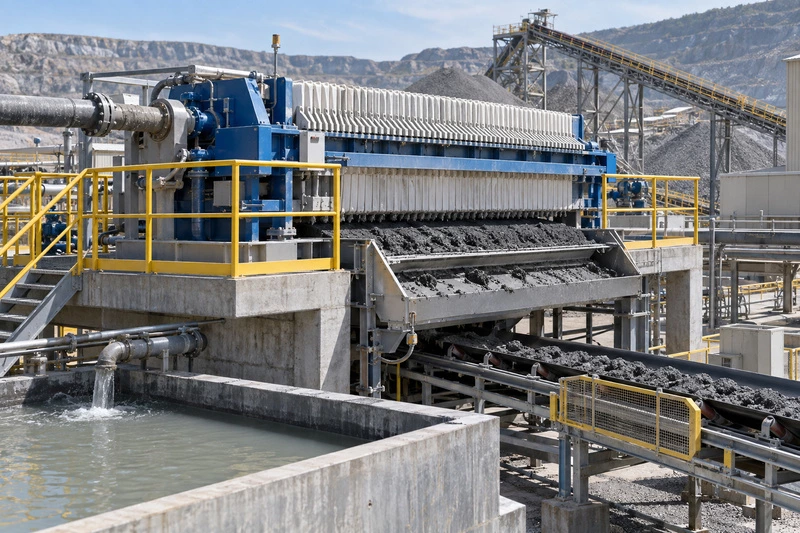
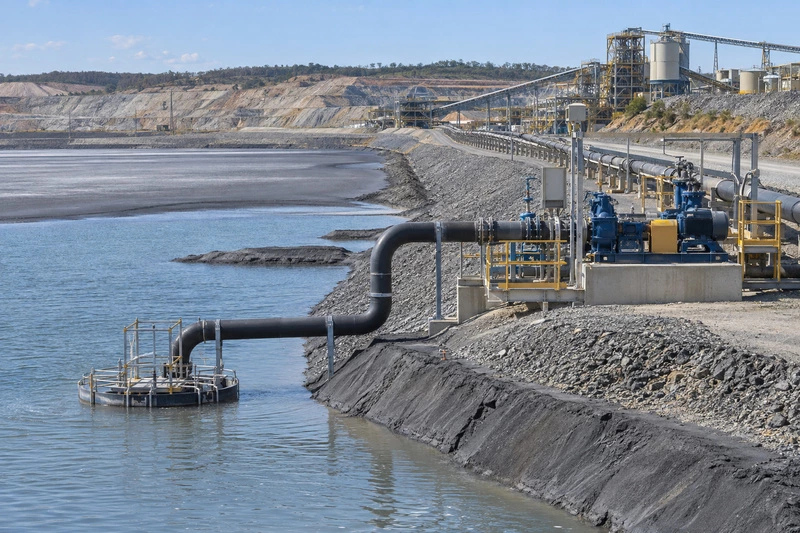
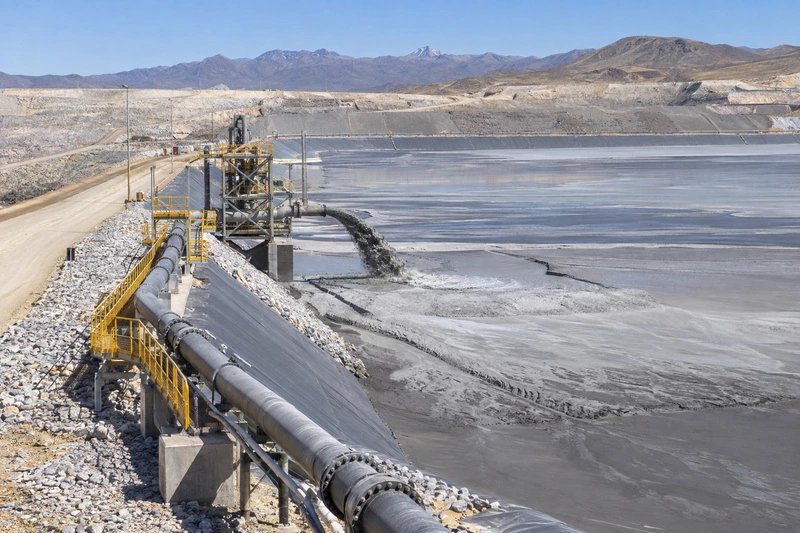
Process Overview
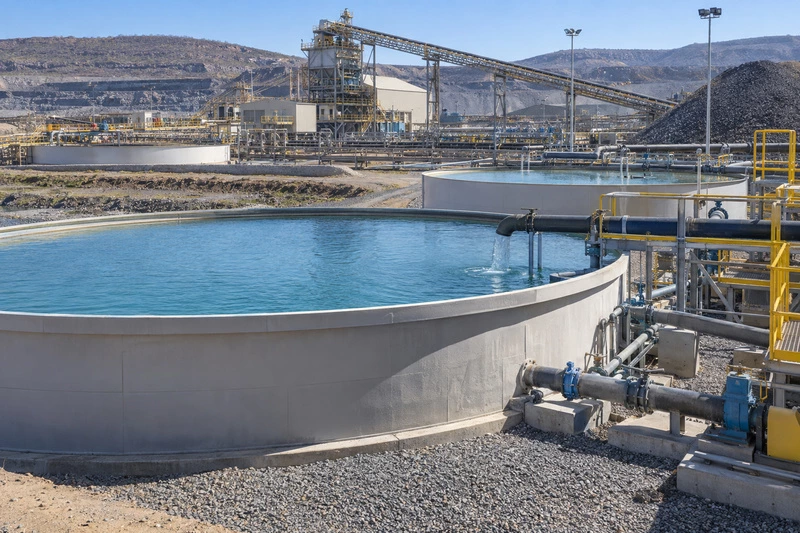
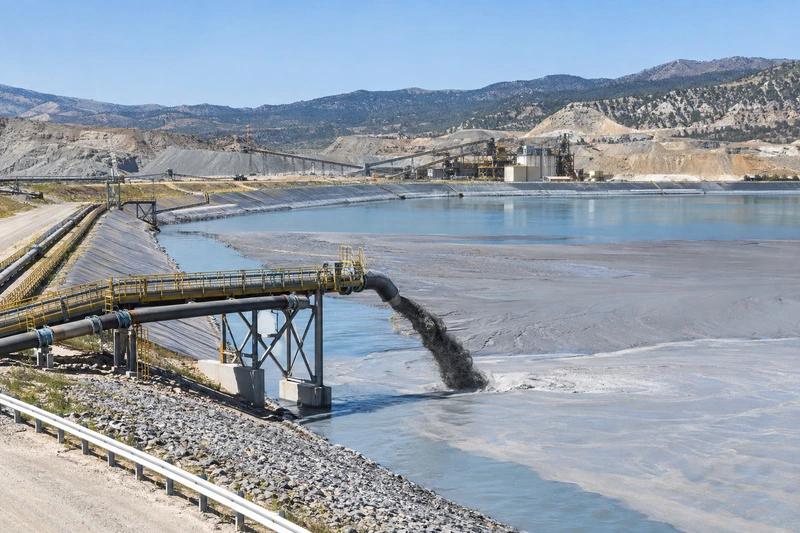
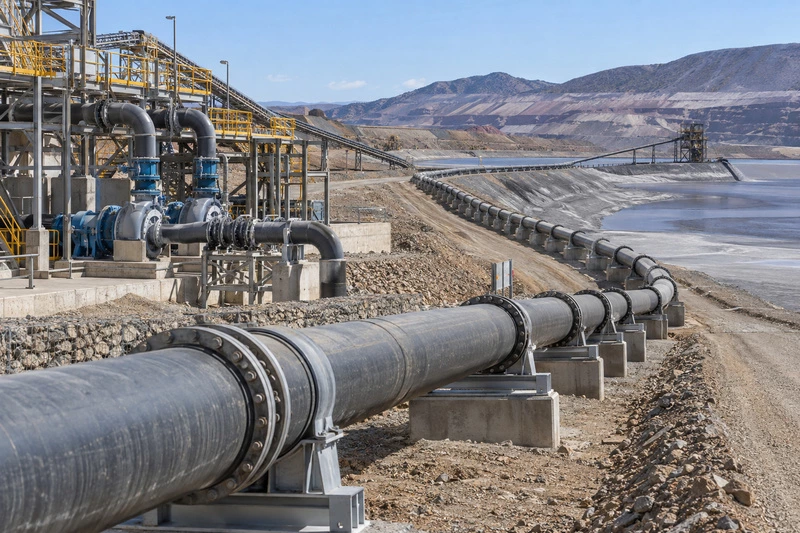
Tailings are treated and stored safely while recovering water resources and minimizing environmental impact.
Typical Applications
Process Overview
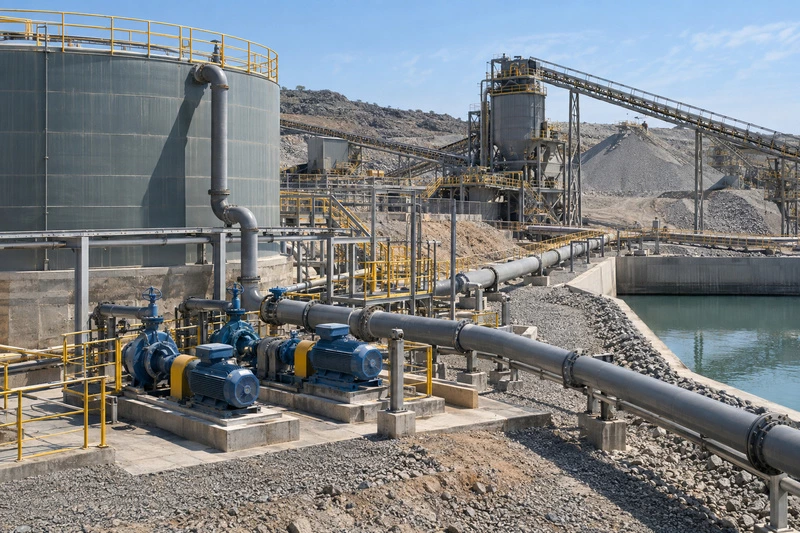
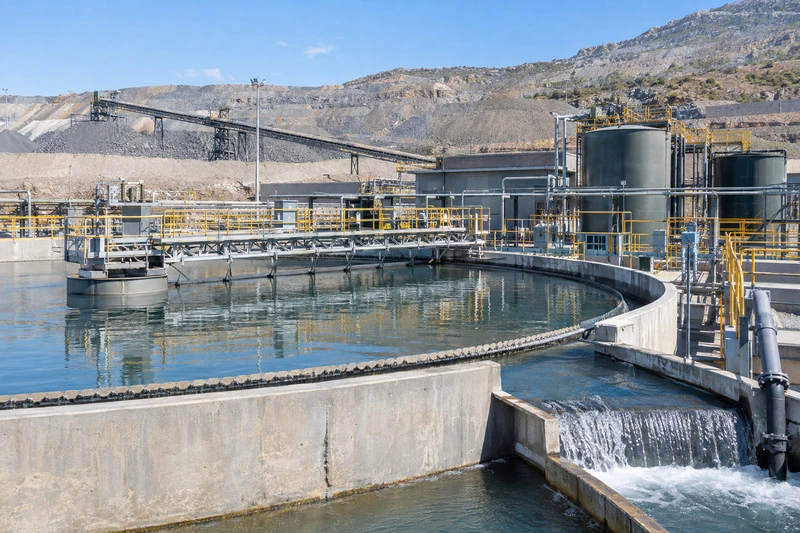
Supporting systems including water treatment, wastewater management, and energy systems ensure sustainable mining operations.
Typical Applications
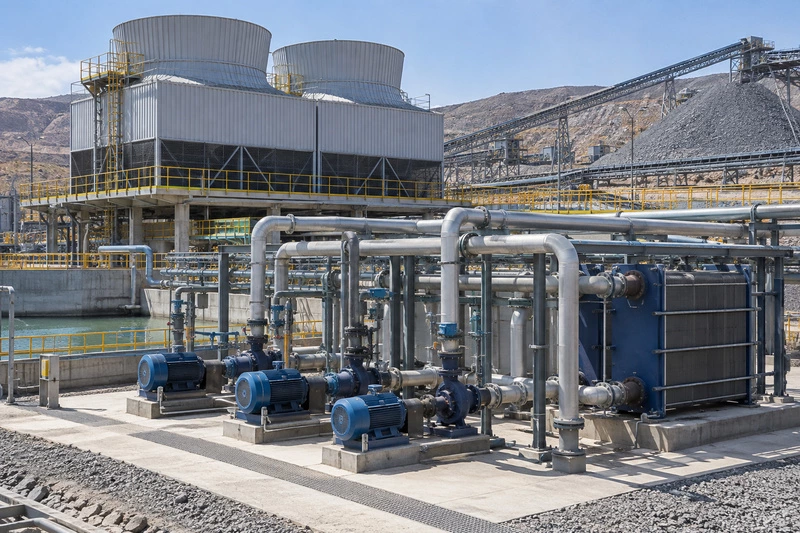
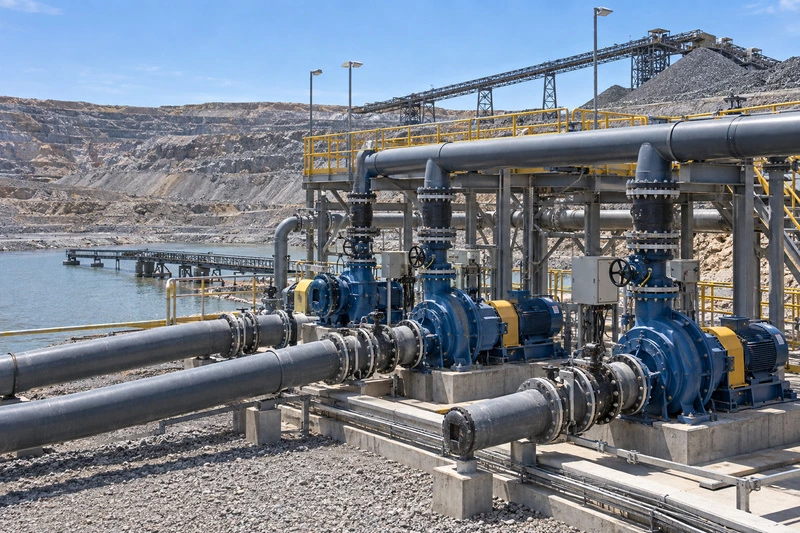
Improve Mining Efficiency with Reliable Measurement Solutions
From extraction to mineral processing and environmental management, Supmea delivers durable instrumentation solutions designed for demanding mining applications.
Industry Solution
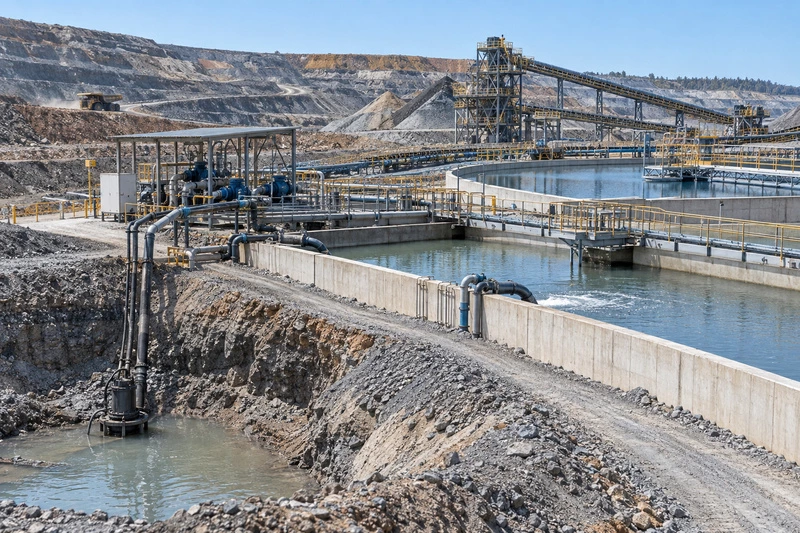
Mining Water Management
Optimize water usage, recycling, and wastewater treatment with accurate monitoring solutions.
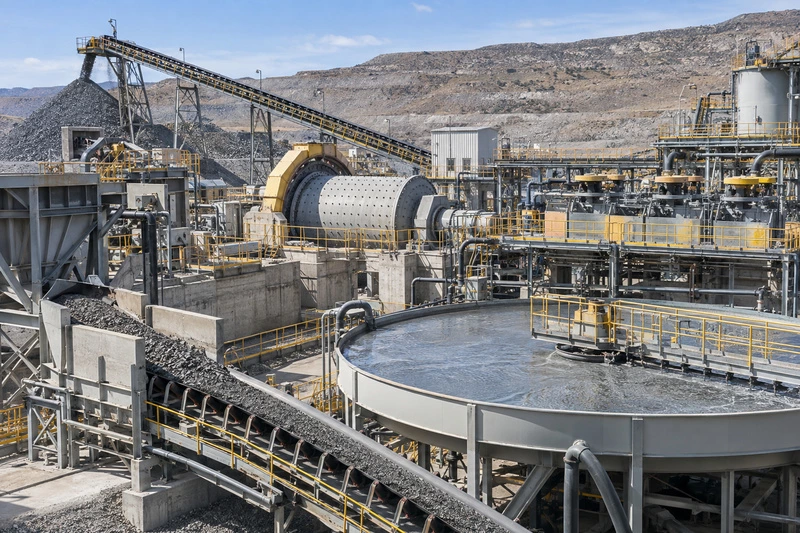
Mineral Processing
Improve beneficiation efficiency with precise measurement of slurry, chemicals, and process conditions.
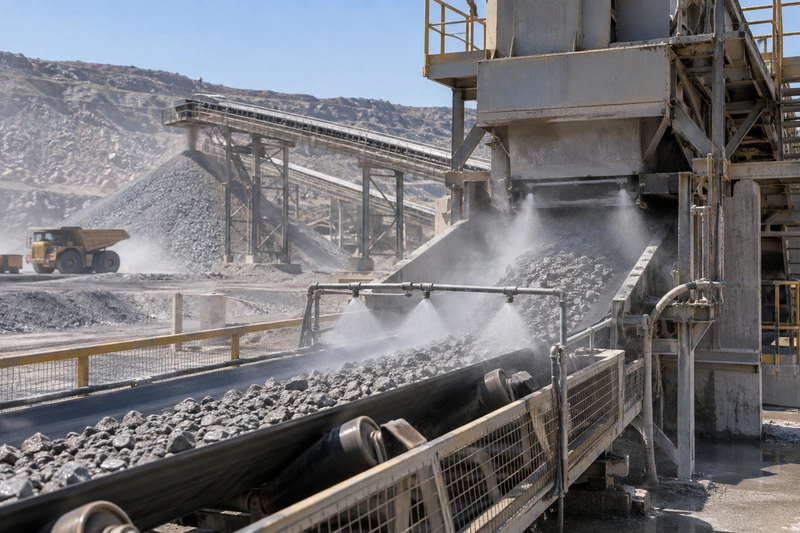
Dust Suppression
Support safer mining operations through reliable water flow and pressure monitoring for dust control systems.
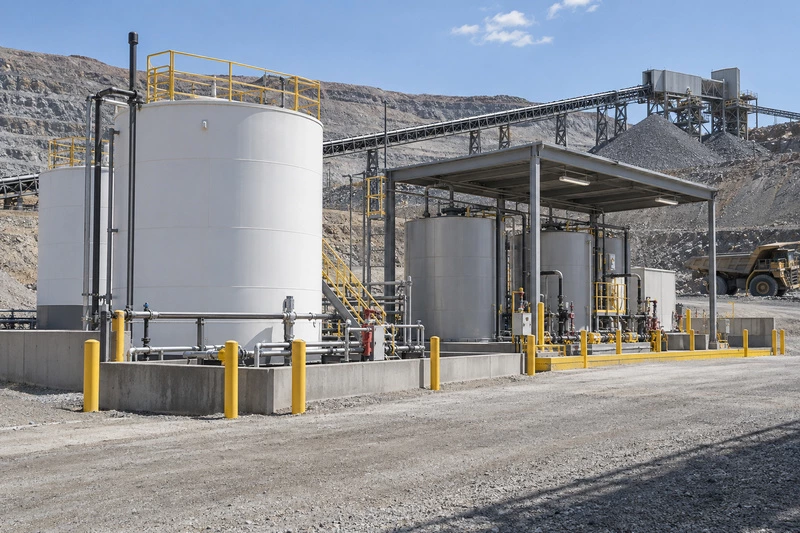
Fuel & Chemical Storage
Enhance storage safety and inventory control with accurate level and flow measurement solutions.
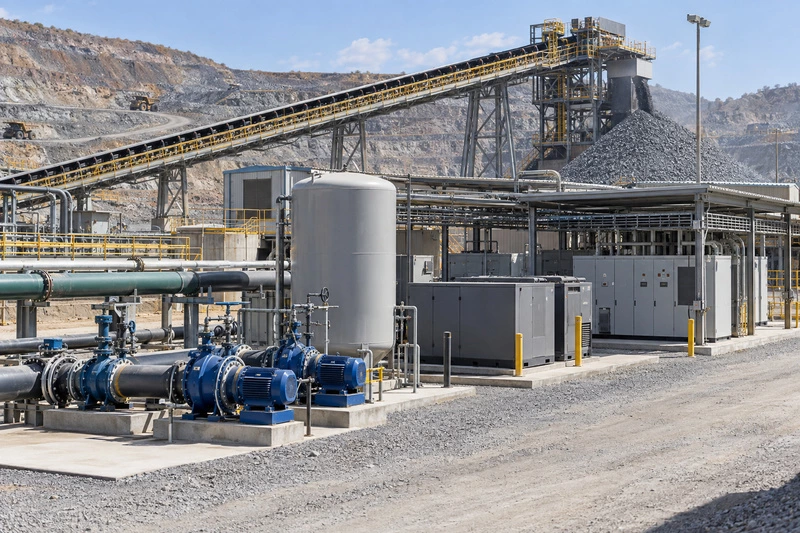
Equipment & Utilities
Improve operational reliability through continuous monitoring of critical mining equipment and utility systems.
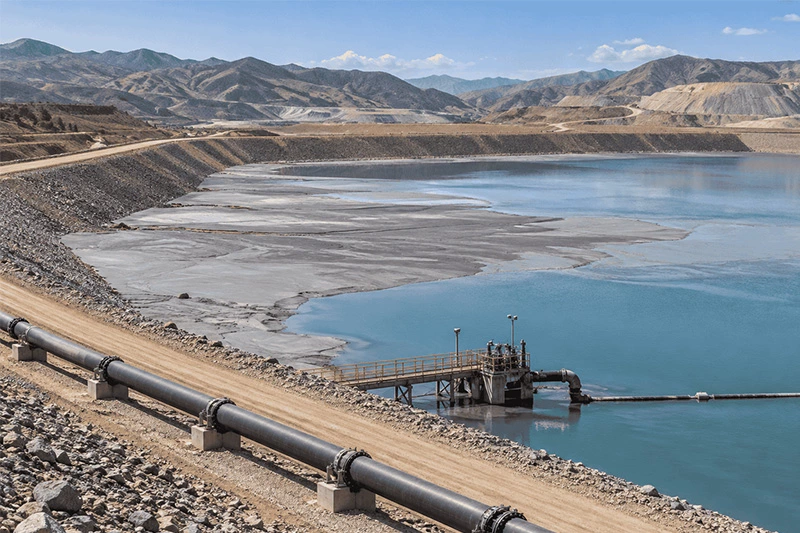
Tailings Management
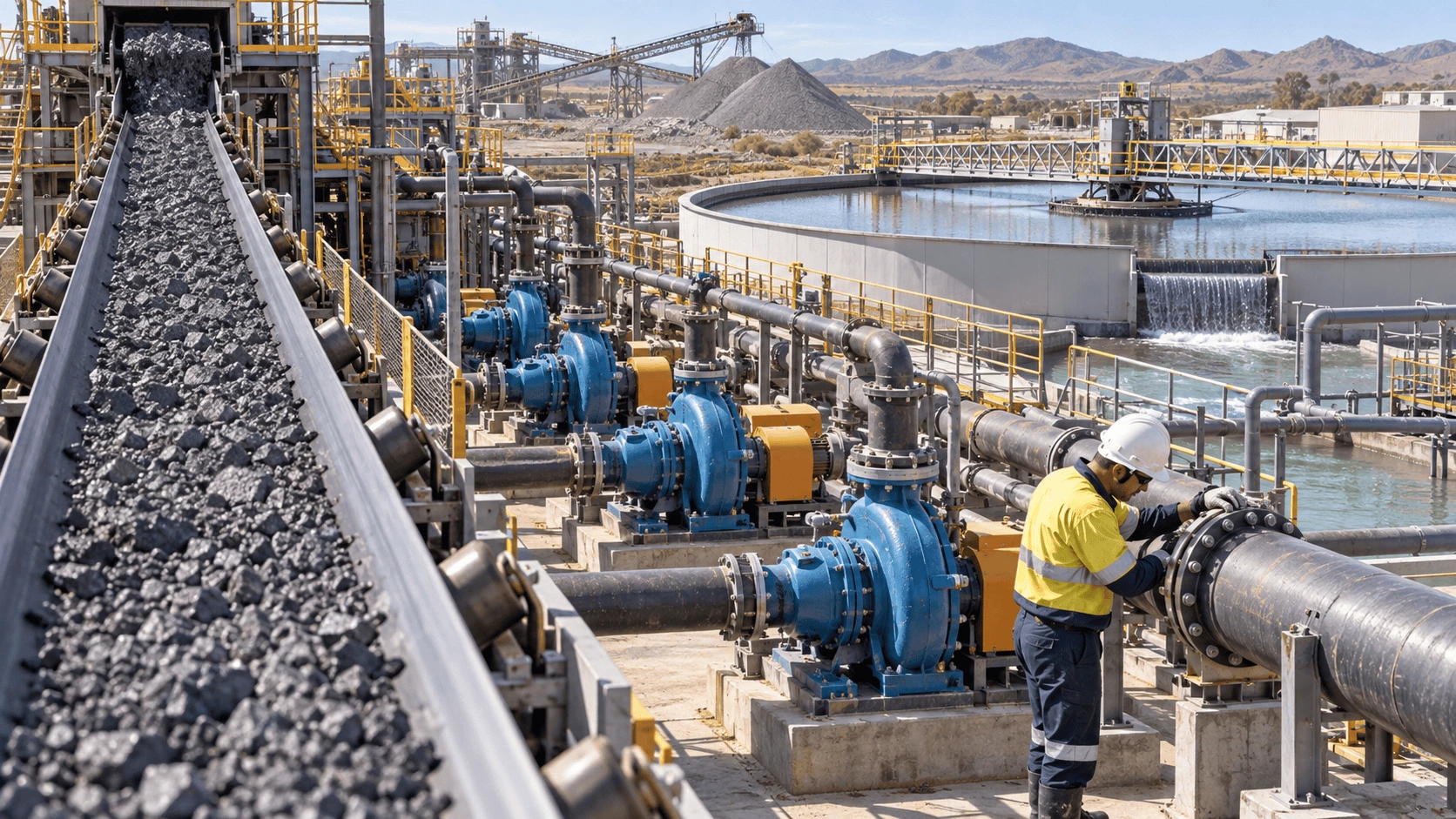
Monitor slurry flow, pipeline pressure, and pond levels to support reliable tailings transfer, storage, and water recovery.
Featured Products
Reliable instrumentation solutions engineered for demanding mining environments, enabling accurate measurement, efficient process control, and sustainable operations across extraction, processing, and utility systems.
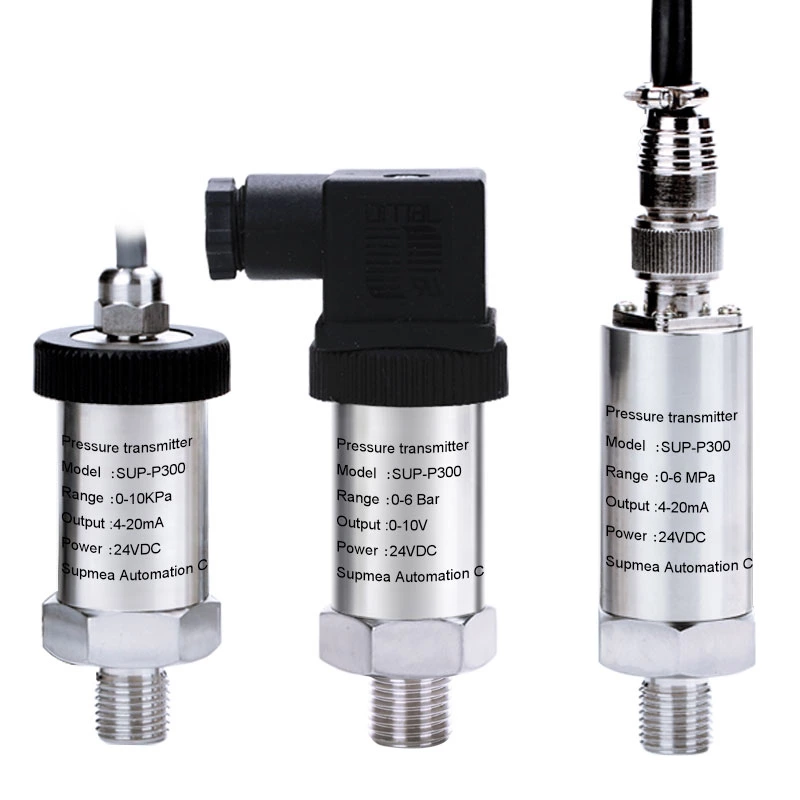
SUP-P300 Pressure transmitter with compact size for universal use
View Products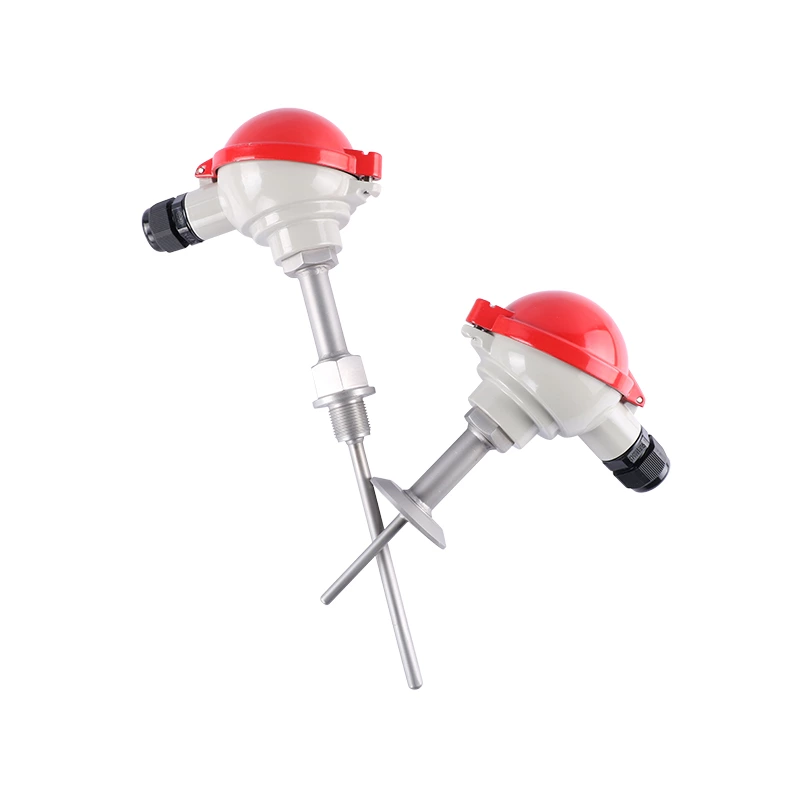
SUP-WZPK/WRNK RTD Temperature sensors with mineral insulated resistance thermometers
View Products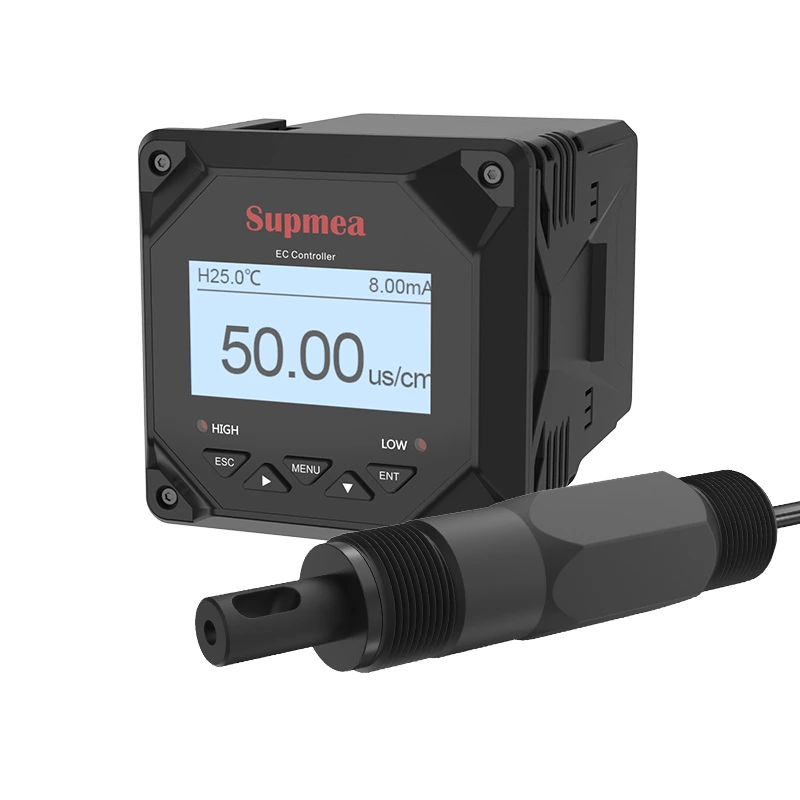
SUP-DC2000 Digital analyzer monitor
View Products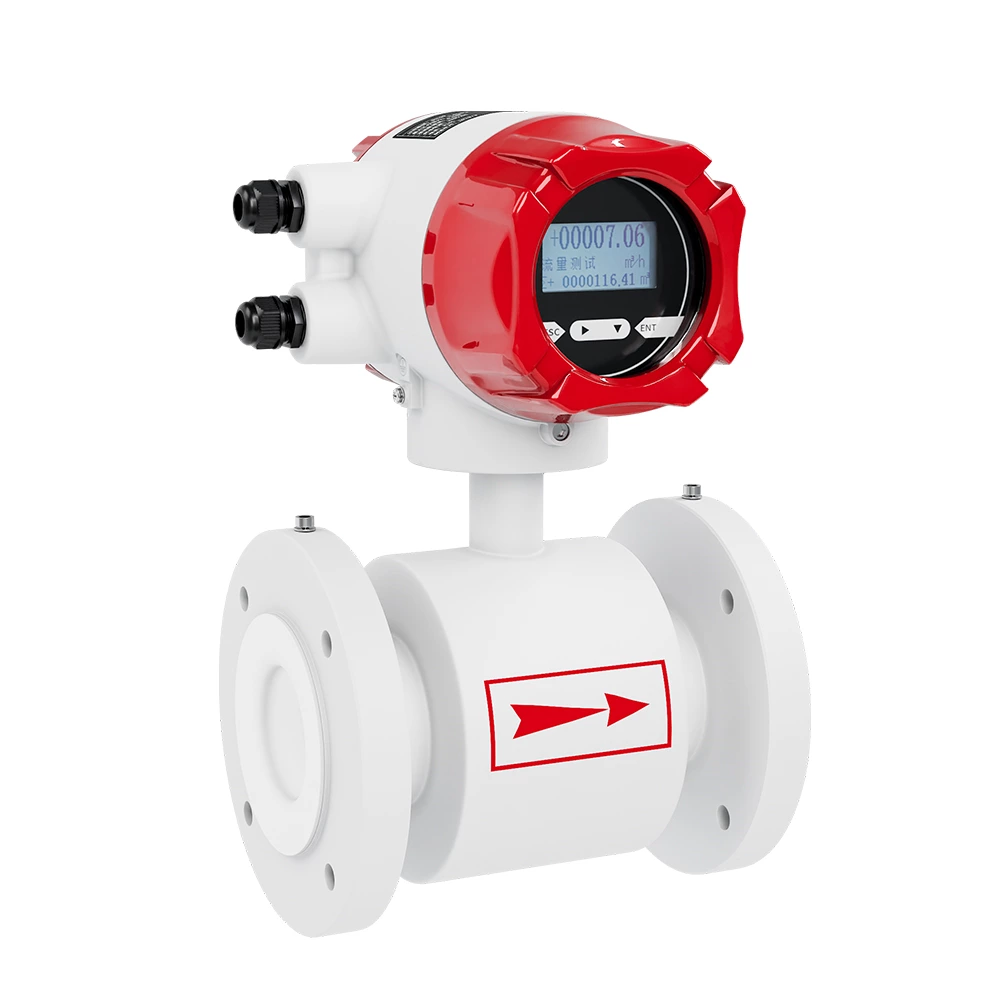
SUP-FMC400 Low Conductivity Electromagnetic flow meter
View Products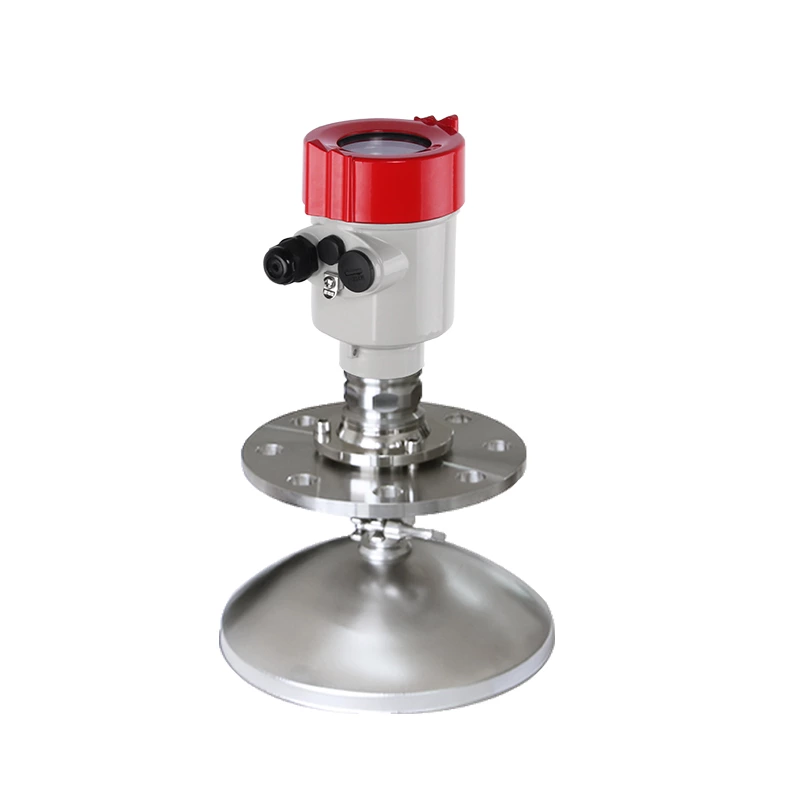
SUP-RD904 Solid material radar level meter
View Products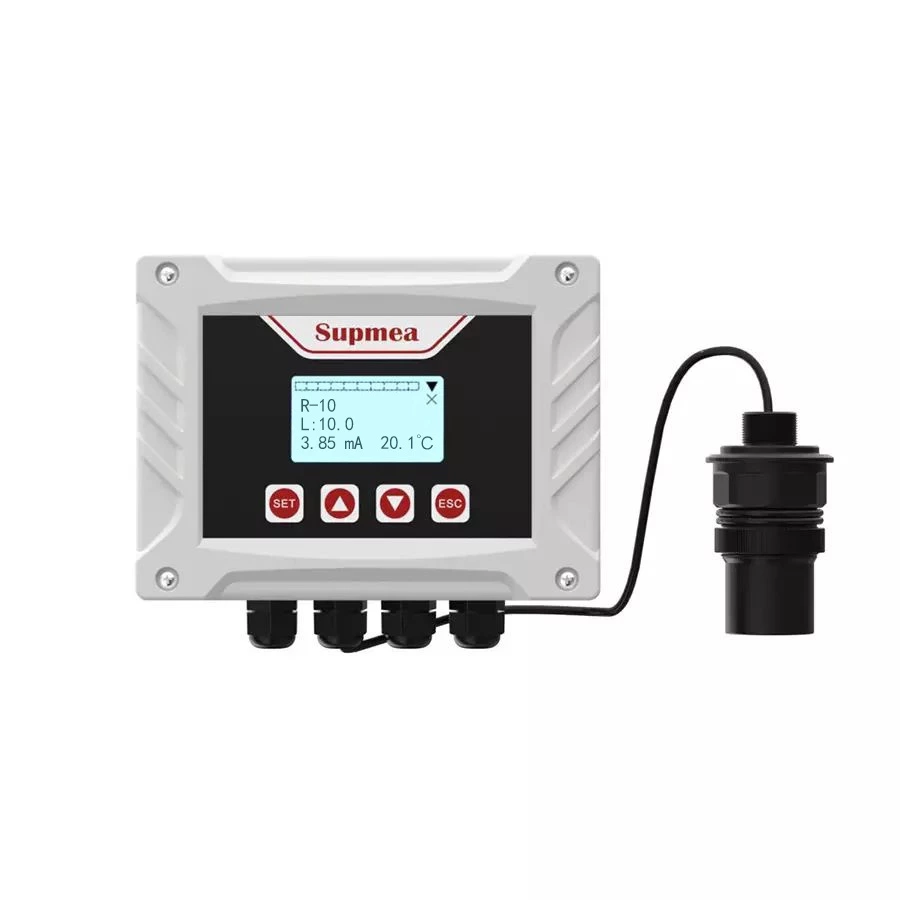
SUP-ULS-B Ultrasonic level transmitter
View ProductsSuccess Stories
Discover how mining companies improve operational efficiency, process control, and environmental performance with Supmea instrumentation
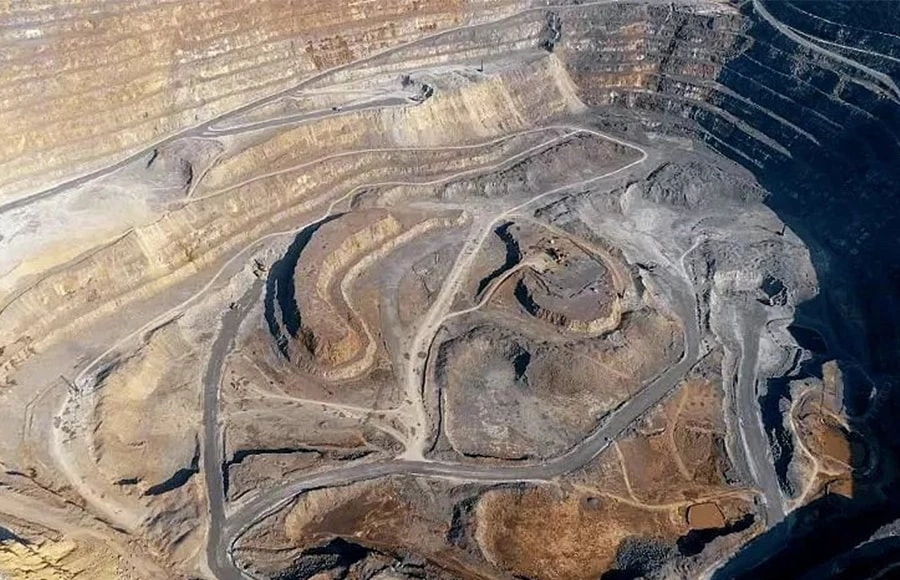
Supmea Empowers Smart Drainage at Dexing Copper Mine
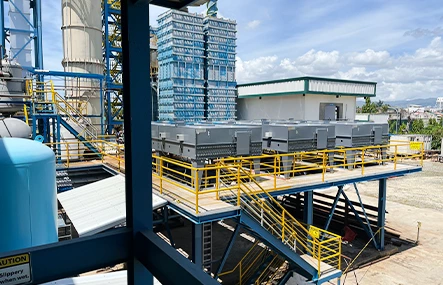
Supmea Automation's Products Successfully Applied in a Thermal Power Plant in Cebu, Philippines
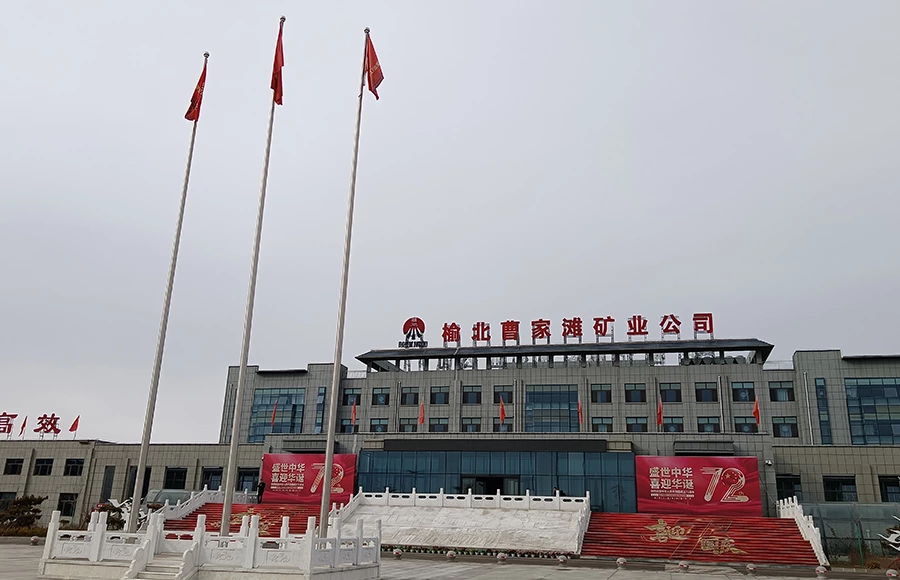
Supmea level transmitter be used in Shaanxi Coal Caojiatan Mining

SUP-825-J Signal calibrator is used in one of the largest green plants cultivation base in Thailand
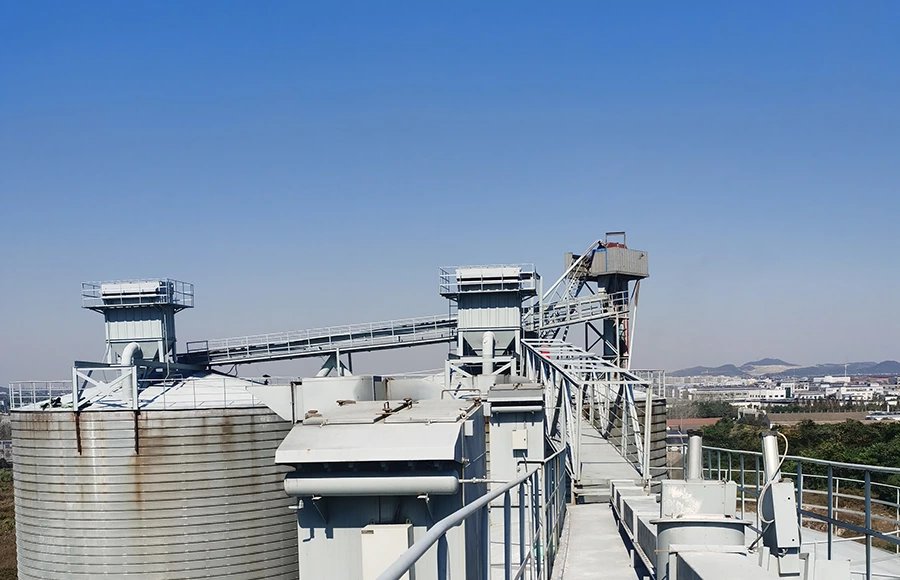
Supmea tank radar level gauge for powder level measurement
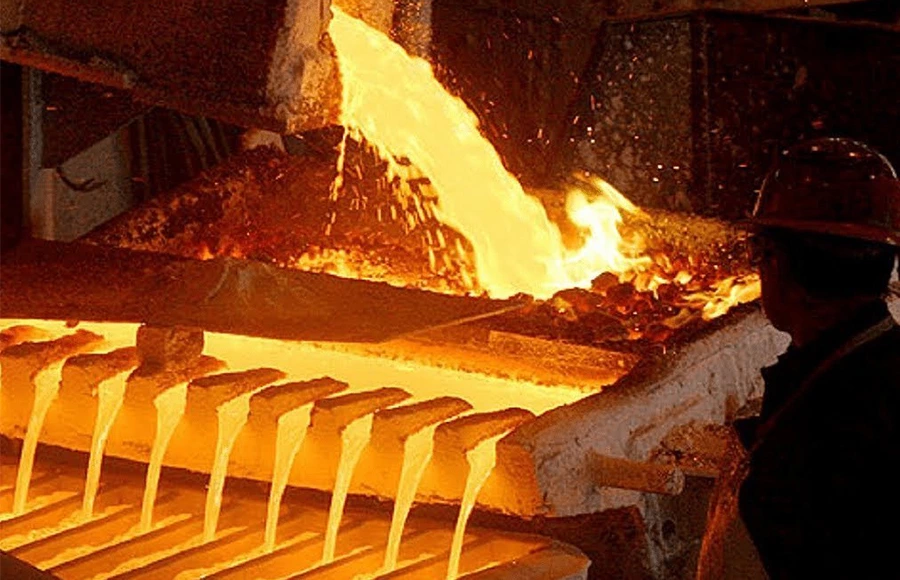
Temperature recorder is used in high temperature forging workshop
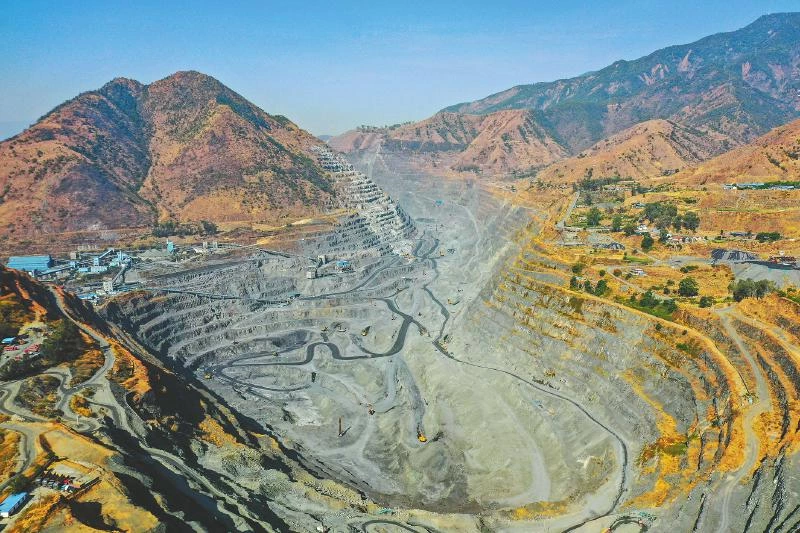
Supmea magnetic flowmeter used for mining
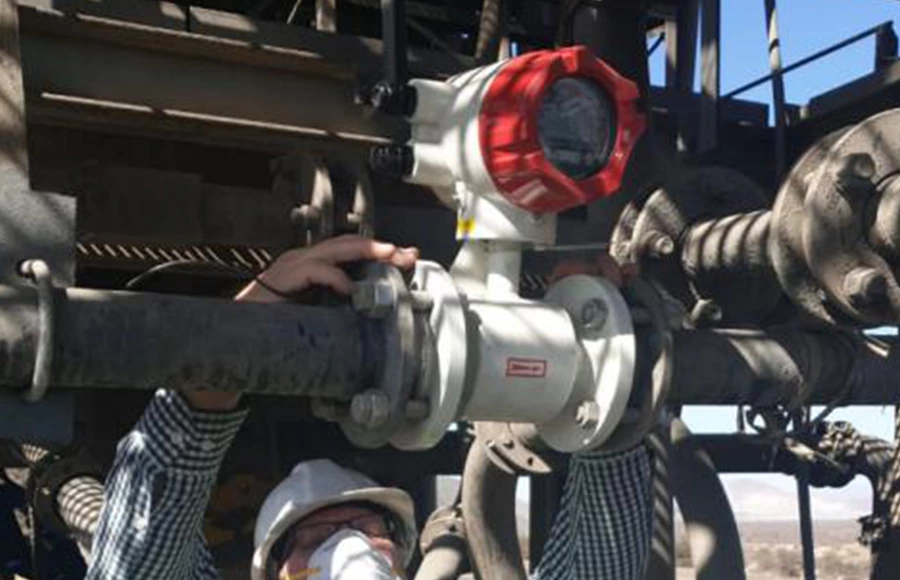
Supmea electromagnetic flowmeter used in South African
Reliable Mining Measurement
Supmea delivers reliable measurement solutions engineered for challenging industrial environments, helping customers improve safety, efficiency, and sustainability.
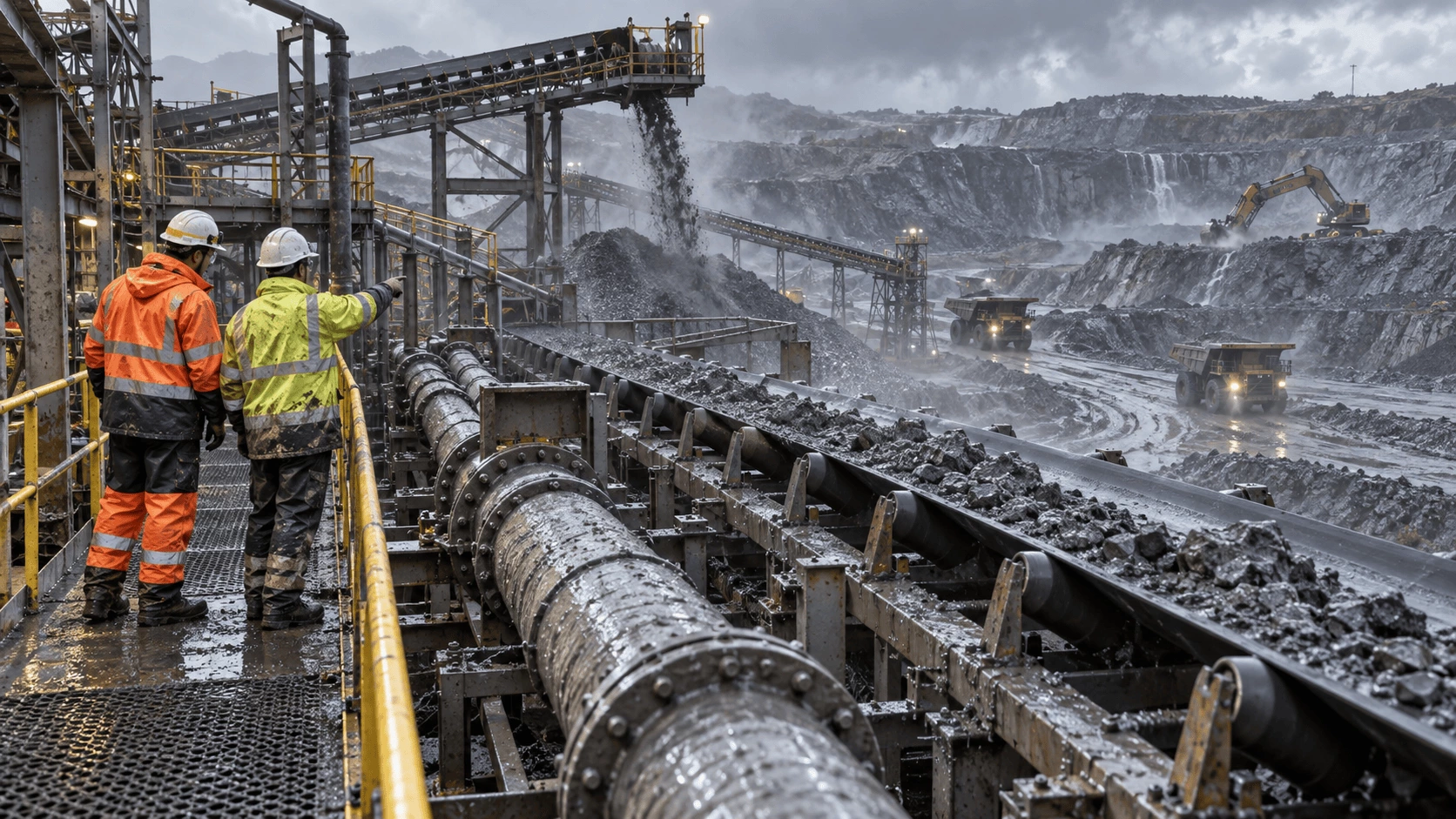
Designed for Harsh Environments
Reliable performance in dusty, abrasive, and demanding industrial conditions.
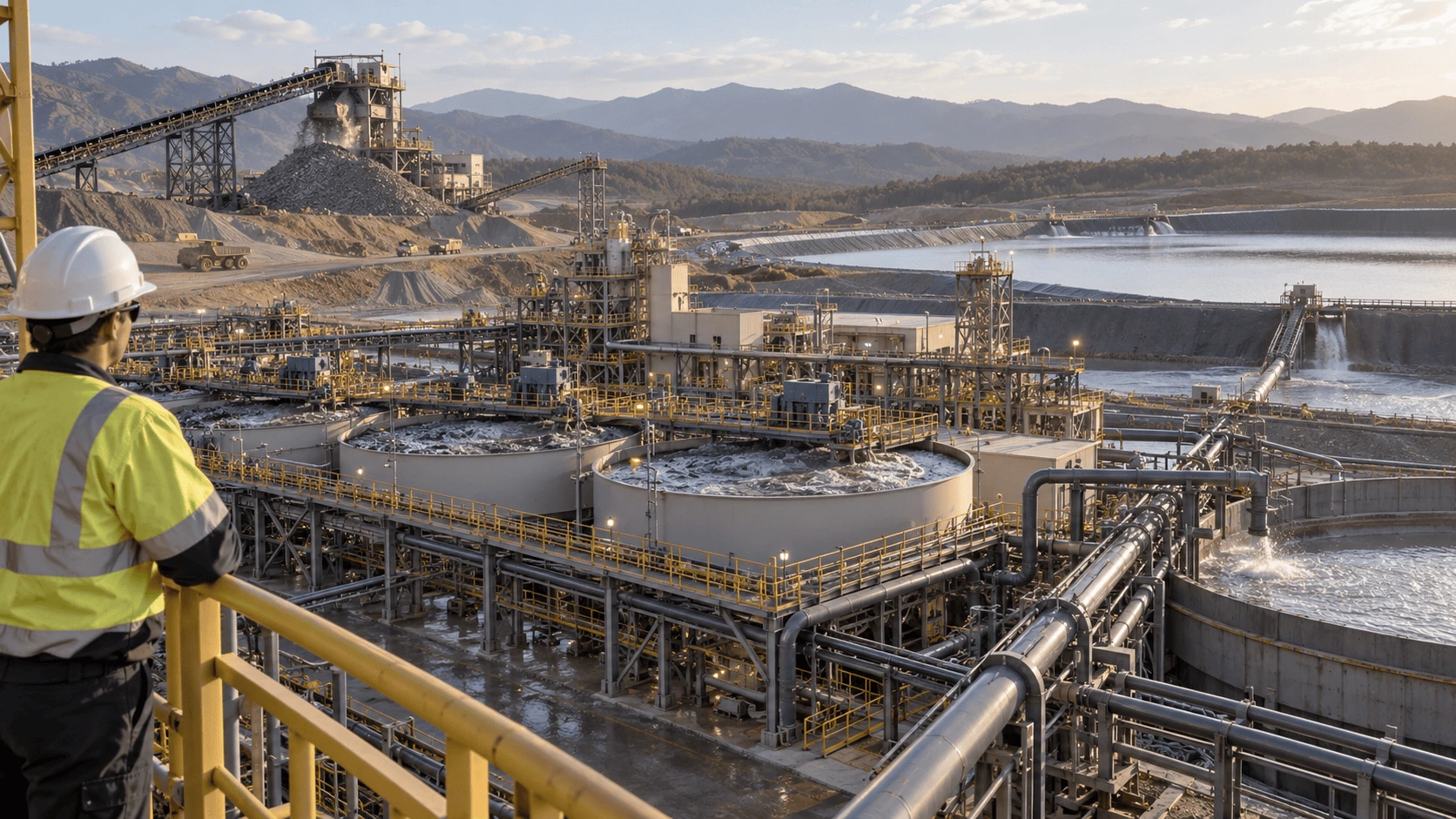
Complete Measurement Solutions
One-stop solutions covering flow, level, pressure, temperature, and water quality monitoring.
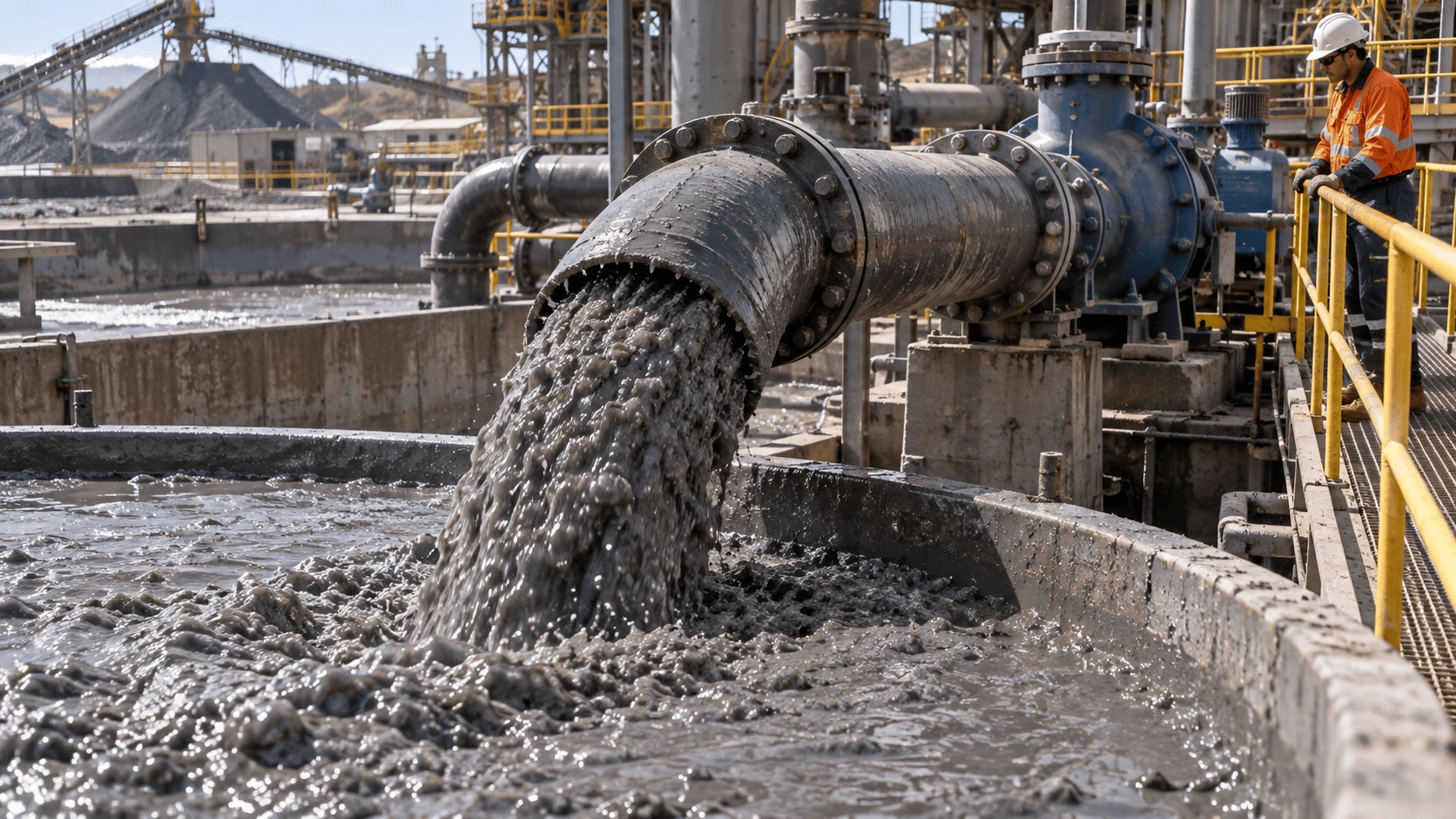
Reliable Slurry Measurement
Accurate measurement solutions for challenging slurry and mineral processing applications.
Industry Application Experience
Supporting mining, mineral processing, and heavy industries worldwide.
Global Technical Support
Professional assistance from product selection to installation and operation.
Cost-Effective Industrial Solutions
High reliability with optimized total ownership costs.
Frequently Asked Questions
Which flow meter can survive the extreme abrasion of mining slurries?
A slurry-type electromagnetic flow meter is required. These feature specialized liners (such as soft rubber, polyurethane, or ceramic) that bounce back or resist wear, and durable electrodes (like Tungsten Carbide) that resist abrasion from passing rocks and ore.
How is the level of crushed ore measured in a silo?
Non-contact radar level sensors (specifically 80GHz solids radar) are the best choice. They can penetrate severe dust clouds that would blind ultrasonic or laser sensors and provide an accurate profile of the solid surface
What is the best way to monitor water flow in remote dewatering sites?
Battery-powered electromagnetic flow meters with GPRS/4G wireless transmission are ideal. They do not require external power cabling and can transmit flow data directly to a cloud server or control room from remote mine pits.
How can density be measured to determine the solids content of a slurry?
Non-nuclear density meters (using resonance or microwave technology) or Coriolis mass flow meters (for smaller pipes) can measure fluid density. This data, combined with flow rate, allows for the calculation of the dry tonnage of ore being transported.
Why do flow readings spike when measuring rock-heavy slurry?
Large rocks striking the electrodes create "slurry noise." To solve this, a high-frequency excitation magnetic flow meter or a meter with a digital signal processor (DSP) specifically tuned to filter out high-frequency noise spikes is recommended.
Can the flow of leaching reagents (Cyanide/Sulfuric Acid) be measured?
Yes, but material compatibility is key. Using an electromagnetic flow meter with a chemically resistant liner like PFA or PTFE and electrodes made of Hastelloy C or Tantalum prevents corrosion from aggressive leaching agents.
How can hydrostatic level sensors be protected in tailings ponds?
Tailings ponds settle into heavy sludge that can bury and damage sensors. A "cage" can be used to protect the sensor diaphragm from impact, mounting the sensor slightly above the sludge bottom. Alternatively, a non-contact radar sensor mounted above the pond avoids contact entirely.
What sensor is used to monitor airflow in underground mine ventilation?
Thermal mass flow meters or vortex flow meters are commonly used to monitor air intake and exhaust rates in ventilation shafts, ensuring safety compliance and adequate oxygen supply.