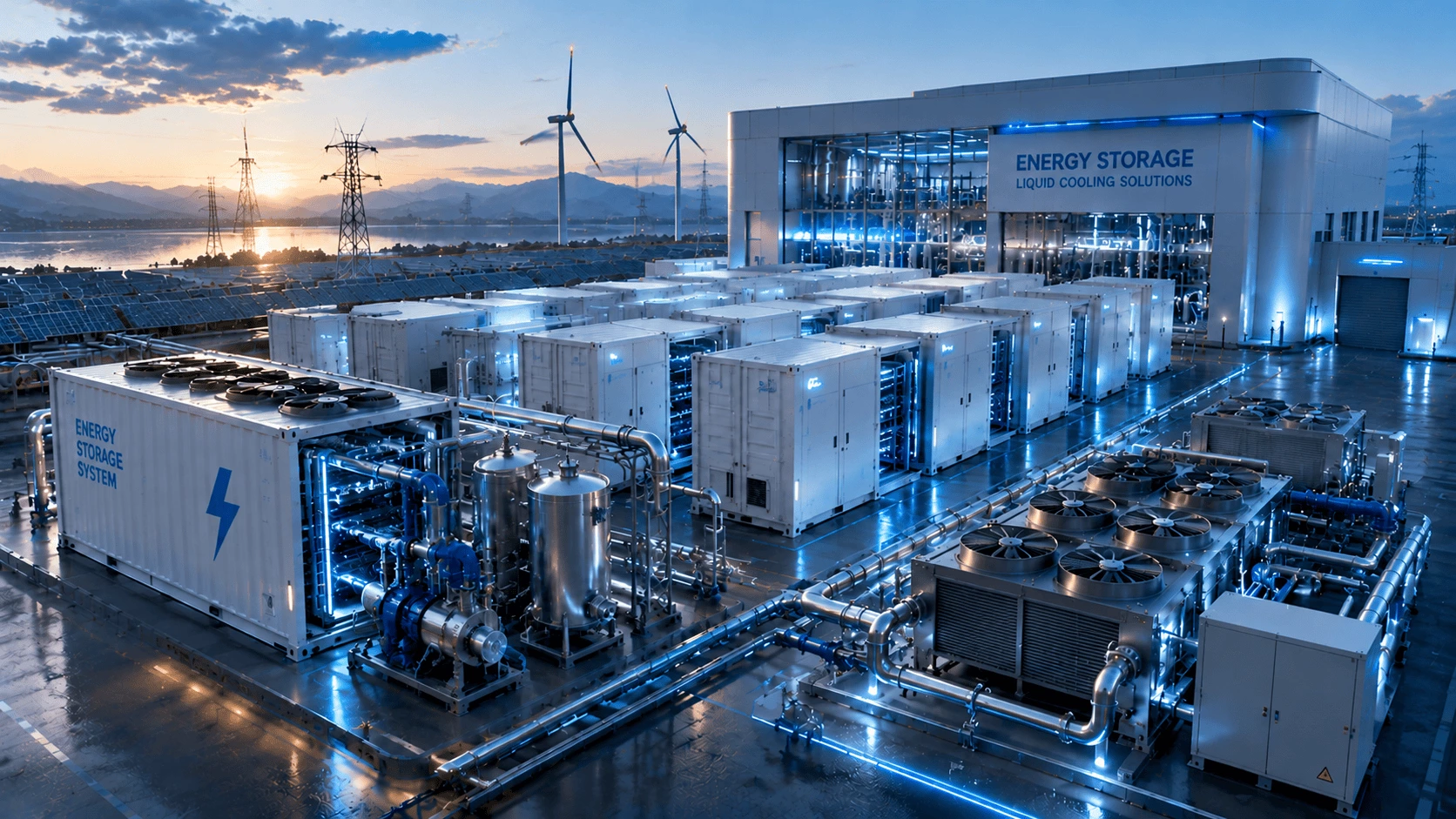



Challenges in Energy Storage & Cooling Industry
Efficient thermal management is critical for battery safety, performance, and lifetime. Reliable measurement solutions help maintain stable operating conditions and prevent system failures.
Thermal Management
Battery performance and lifespan depend on maintaining stable temperature conditions through accurate monitoring and control.

Cooling Efficiency
Reliable flow and pressure measurement ensures optimal coolant circulation and improves overall cooling efficiency.
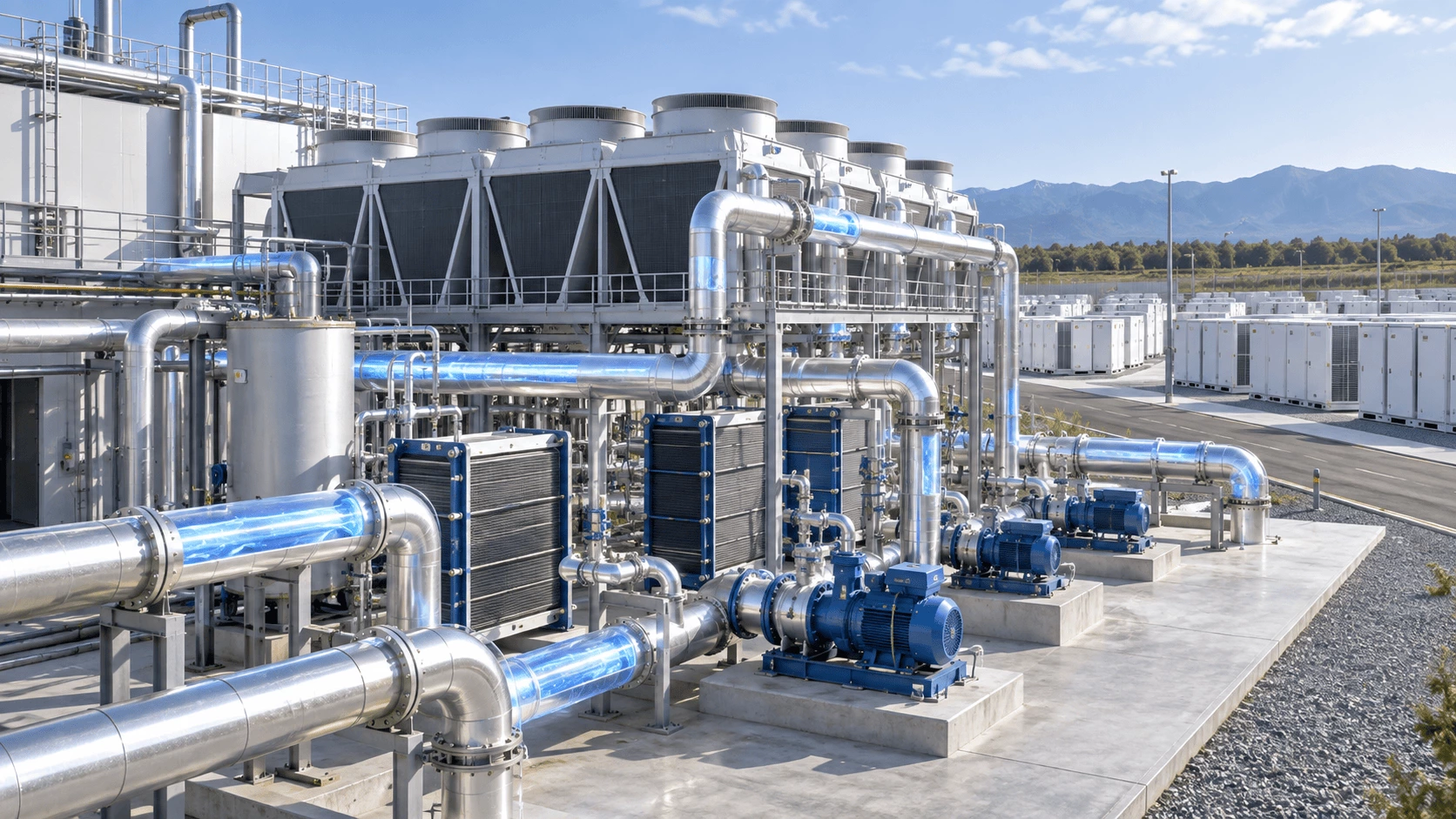
Battery Safety
Continuous monitoring helps identify abnormal conditions and reduces risks caused by overheating or thermal imbalance.
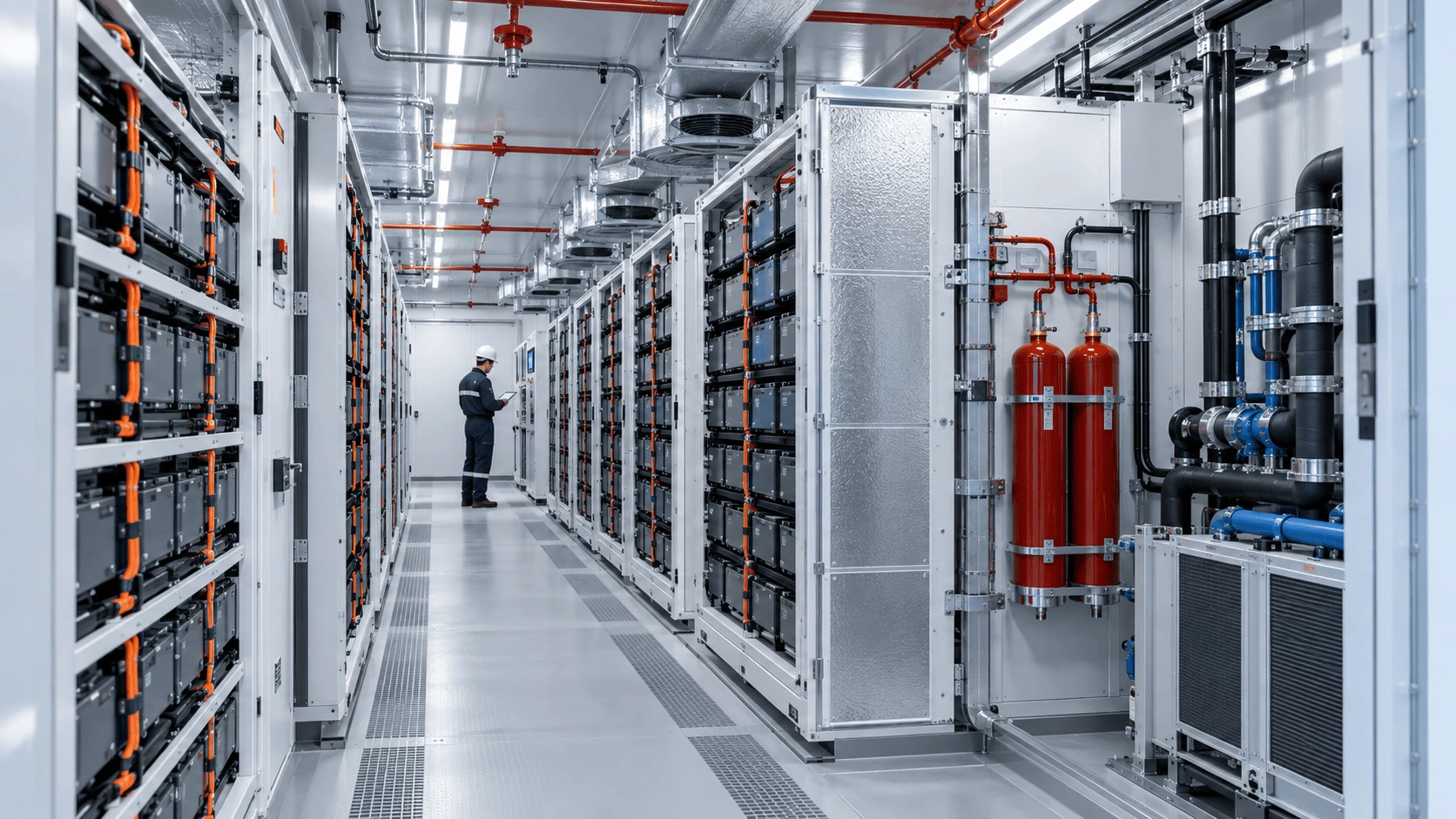
Harsh Conditions
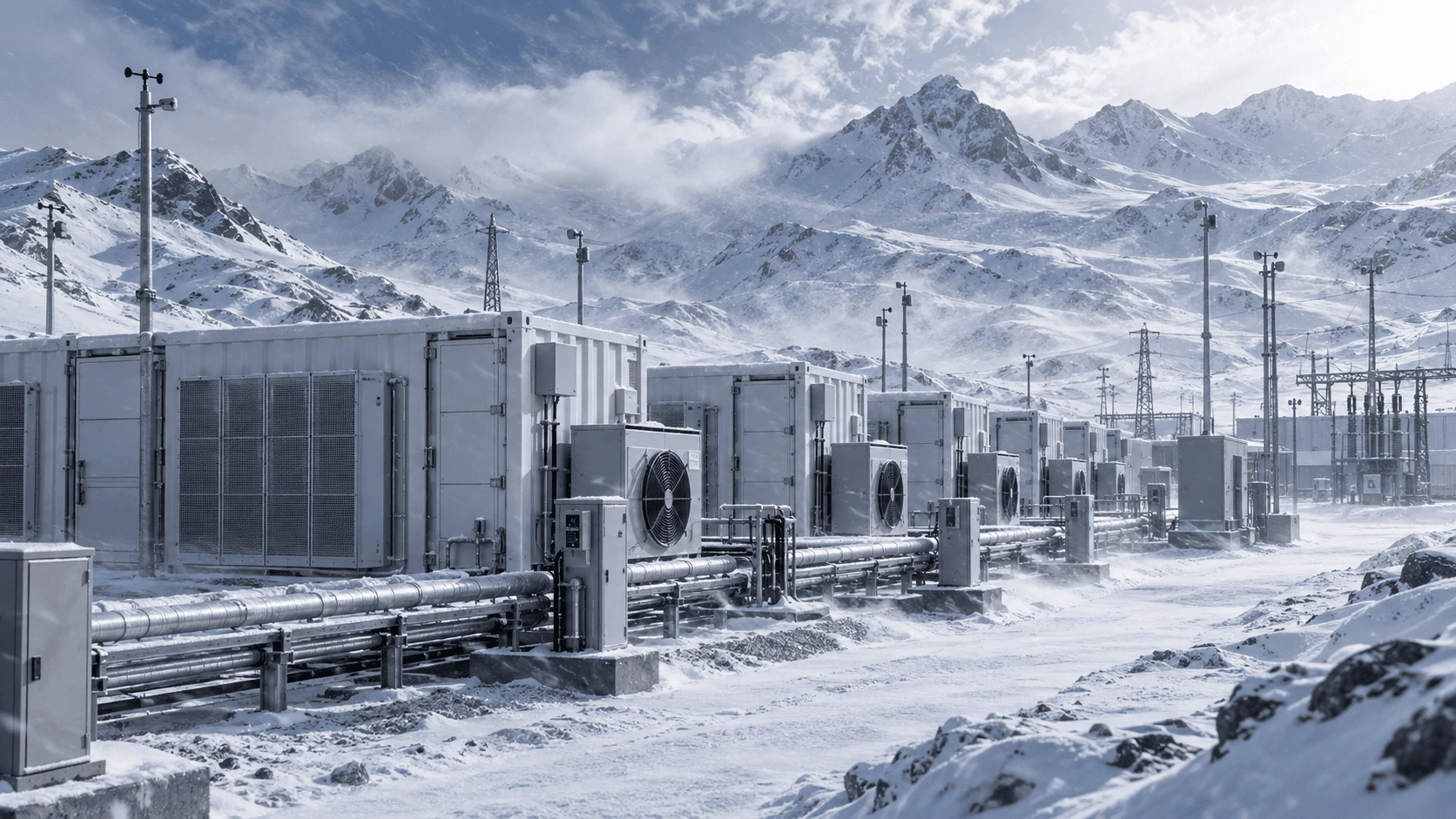
Energy storage systems require durable instrumentation capable of continuous operation in outdoor and industrial environments.
Energy Efficiency
Accurate measurement helps reduce unnecessary cooling energy consumption and improve system efficiency.

System Integration
Compatible instrumentation enables seamless integration with BMS, EMS, and industrial control systems.

Improve Your Energy Storage & Cooling Production Efficiency
Explore key stages of battery energy storage systems and discover reliable instrumentation solutions for efficient thermal management and safe operation.
Battery Energy Storage System
Liquid Cooling Circulation
Thermal Management System
Cooling Medium Monitoring
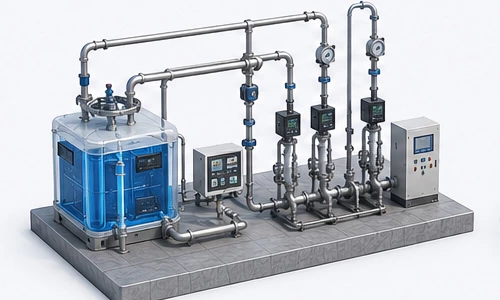
Energy Management & Optimization
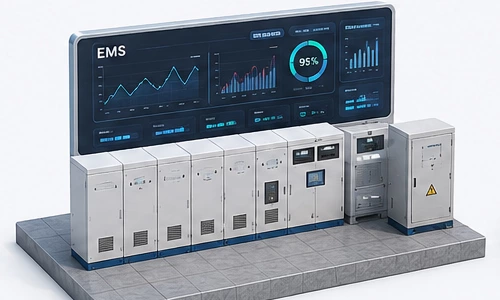
Safety Monitoring & Utilities
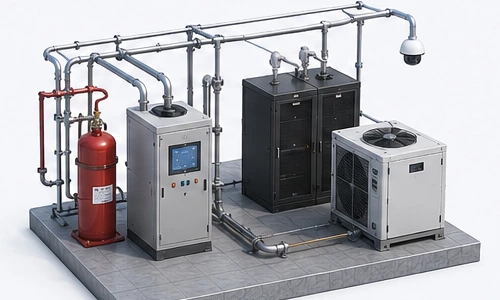
Process Overview
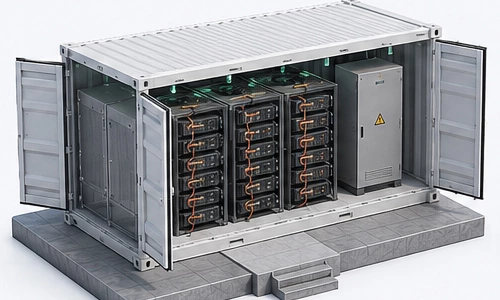
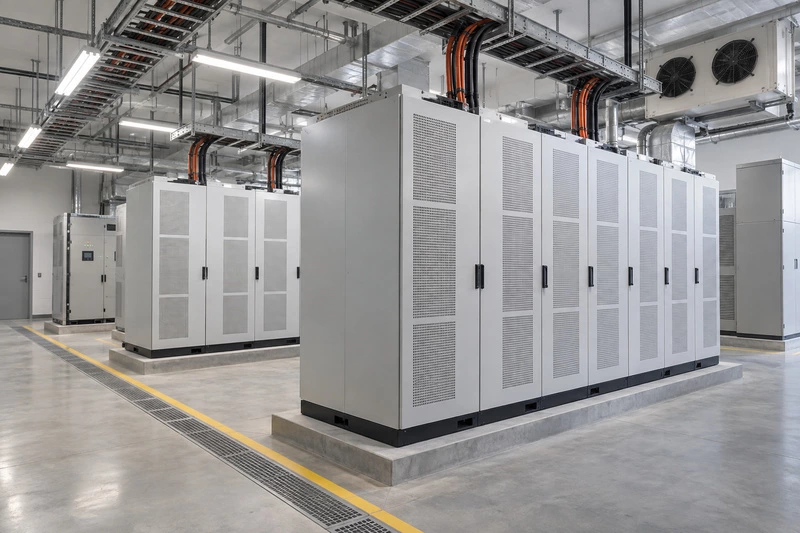
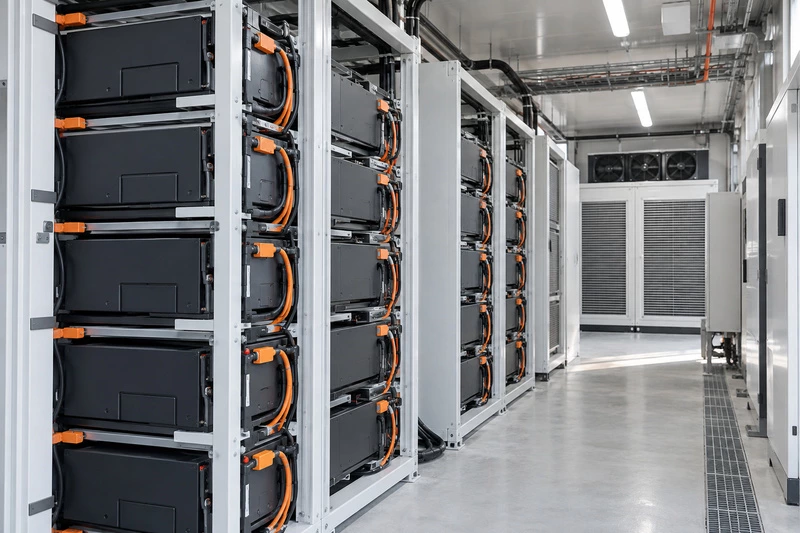
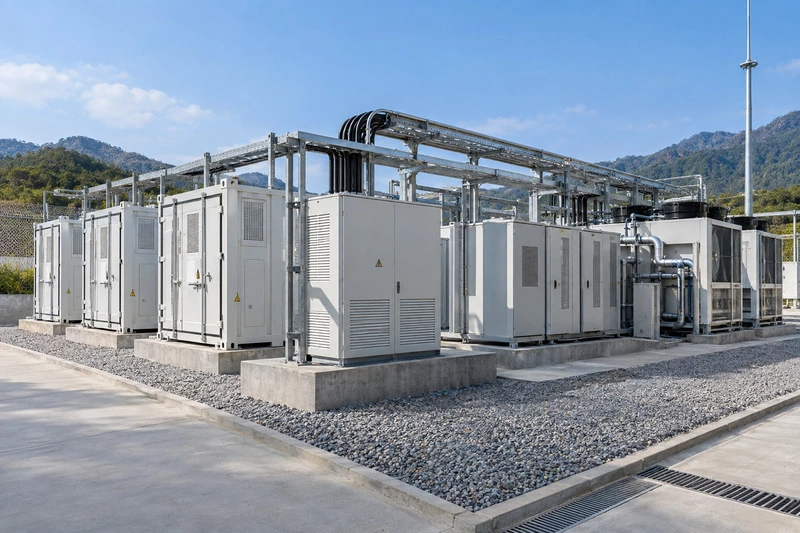
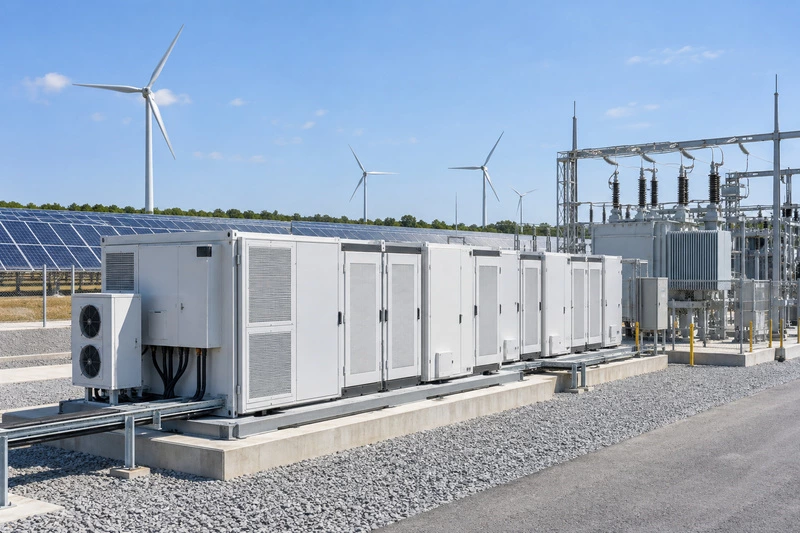
Battery modules and energy storage containers require continuous monitoring to maintain safe operating conditions and maximize system performance.
Typical Applications
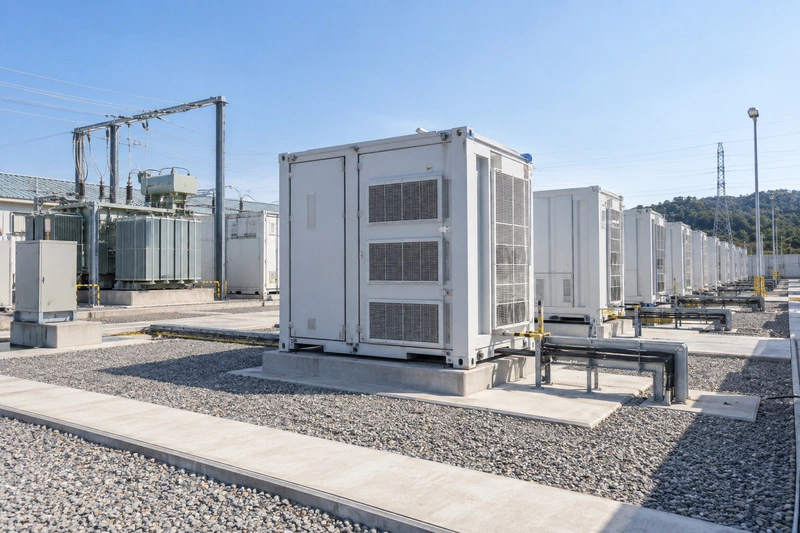
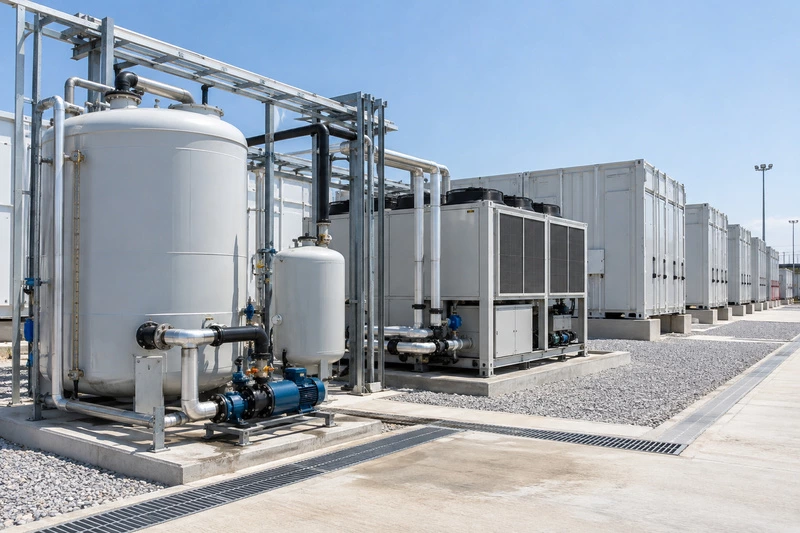
Process Overview
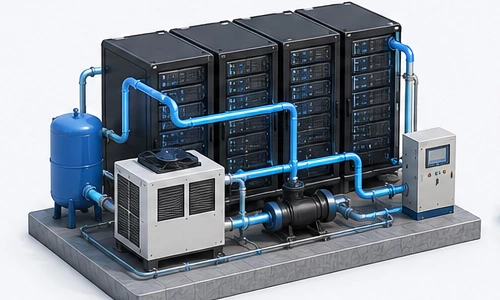
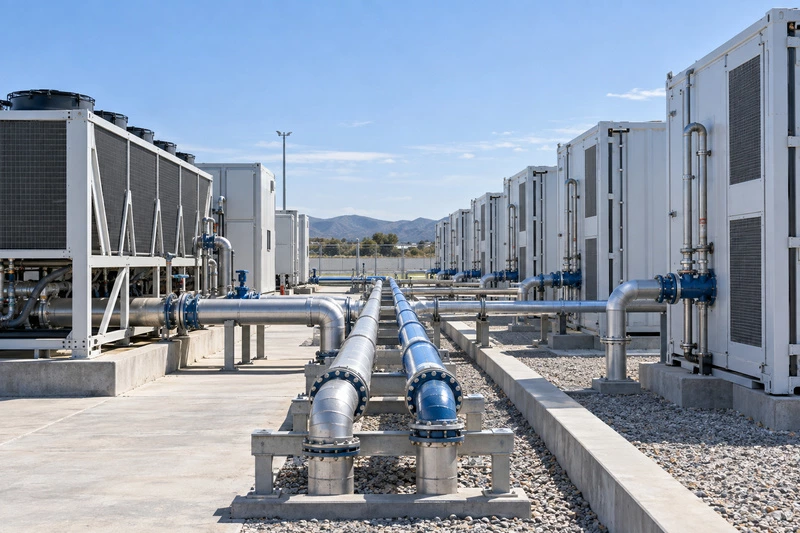
Cooling liquid circulates through battery systems to remove heat and maintain optimal temperature balance during charging and discharging.
Typical Applications
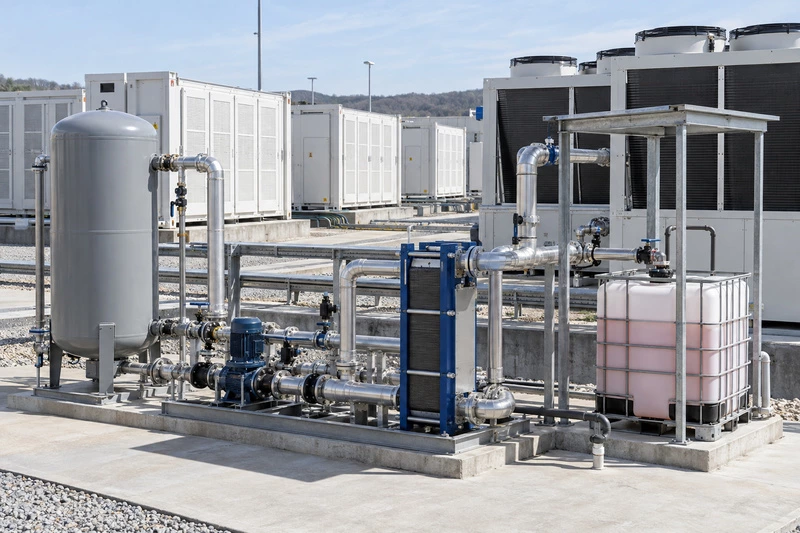
Process Overview
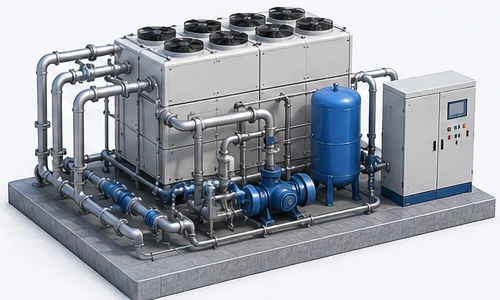
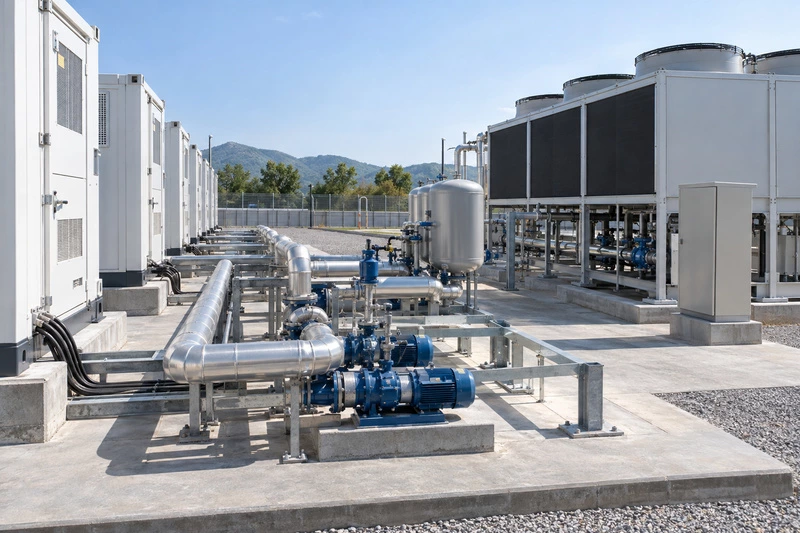
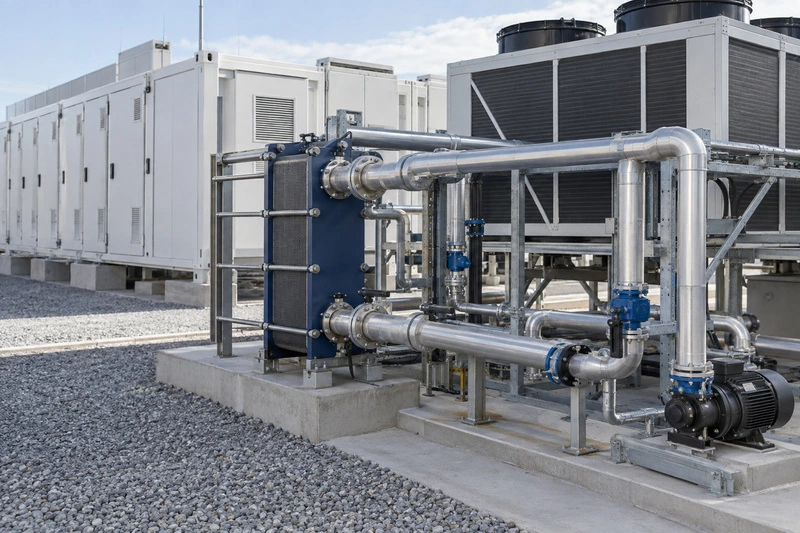
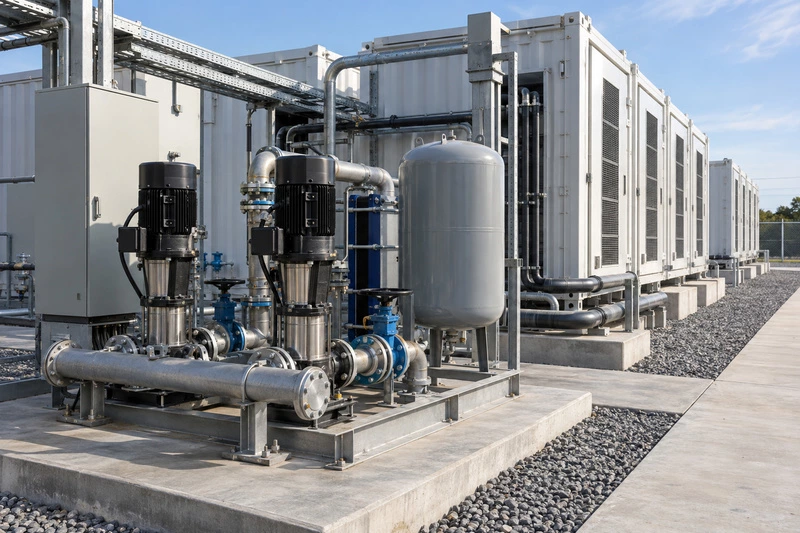
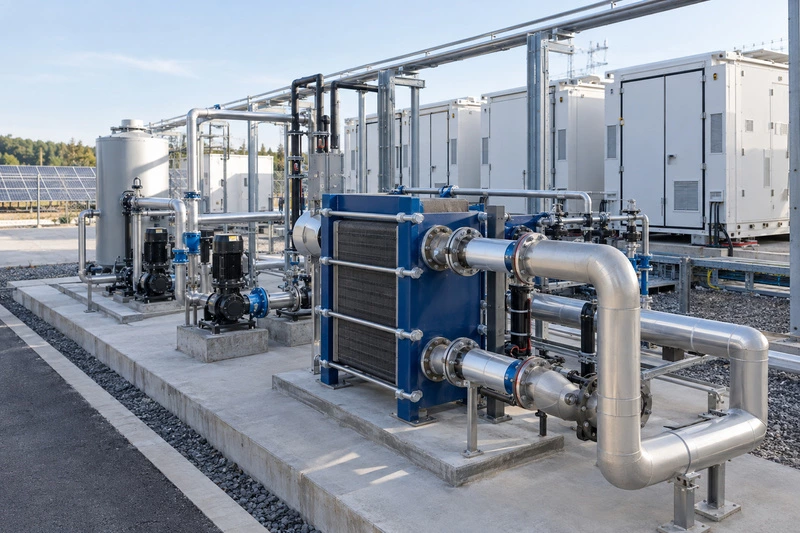
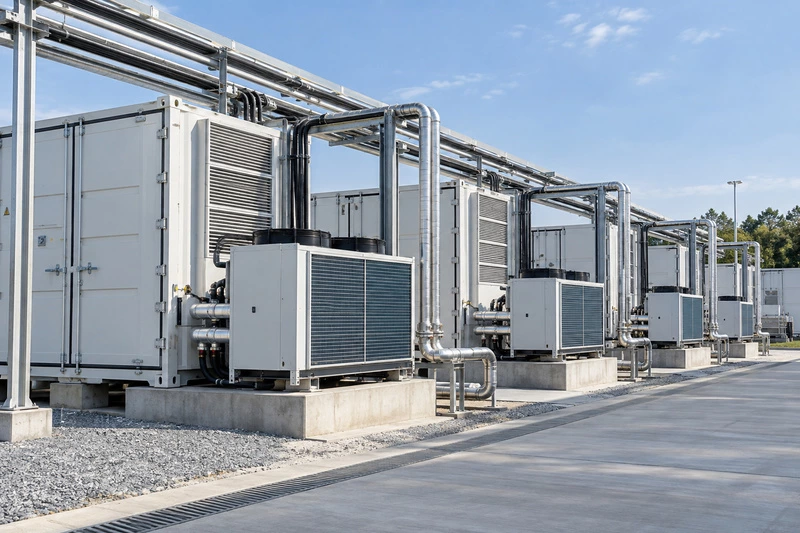
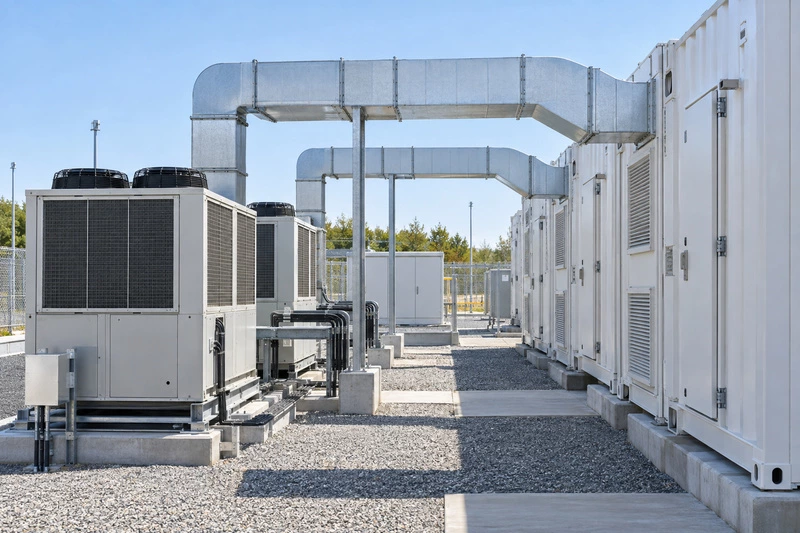
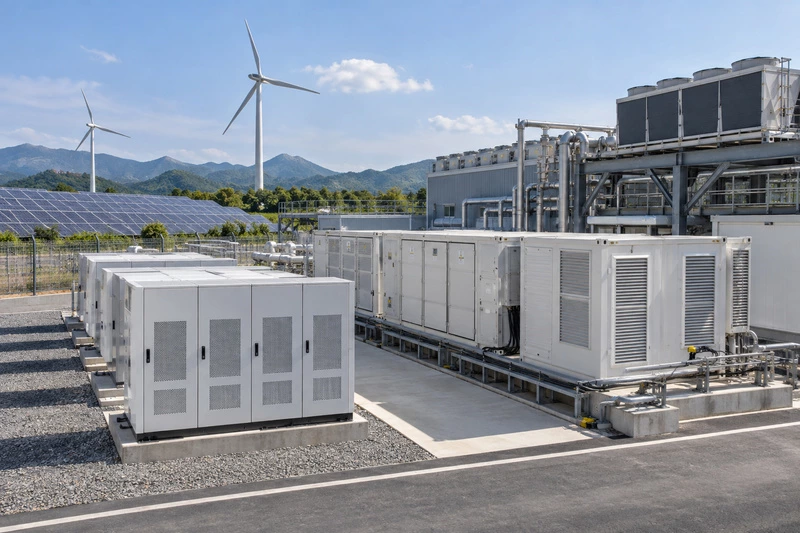
Thermal management systems regulate temperature through cooling units, pumps, and heat exchangers to ensure stable battery performance.
Typical Applications
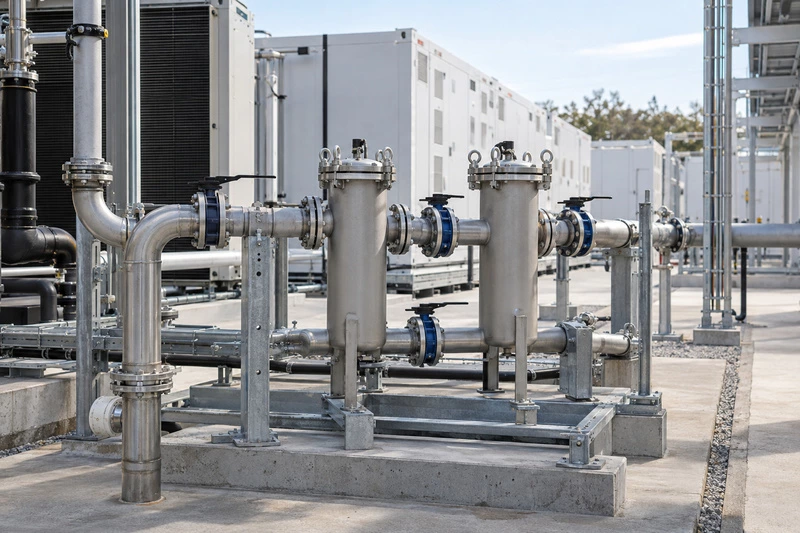
Process Overview
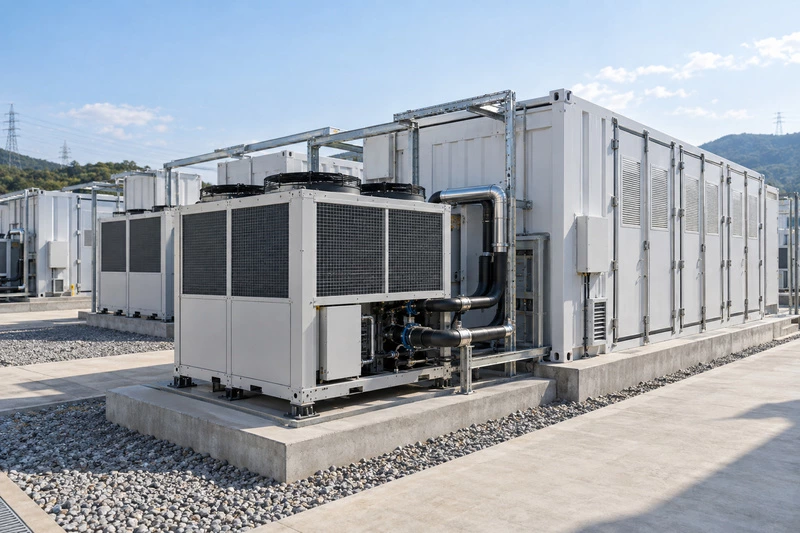
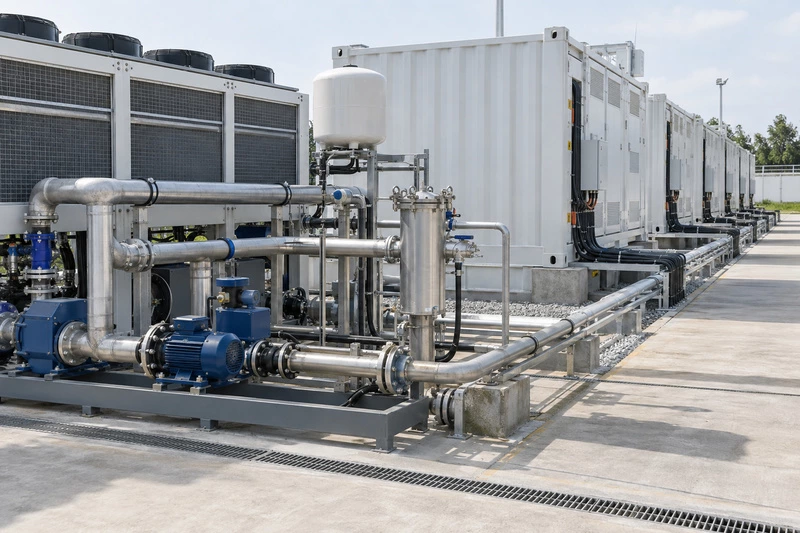
Monitoring coolant quality and circulation conditions helps maintain cooling efficiency and prevent system degradation.
Typical Applications
Process Overview
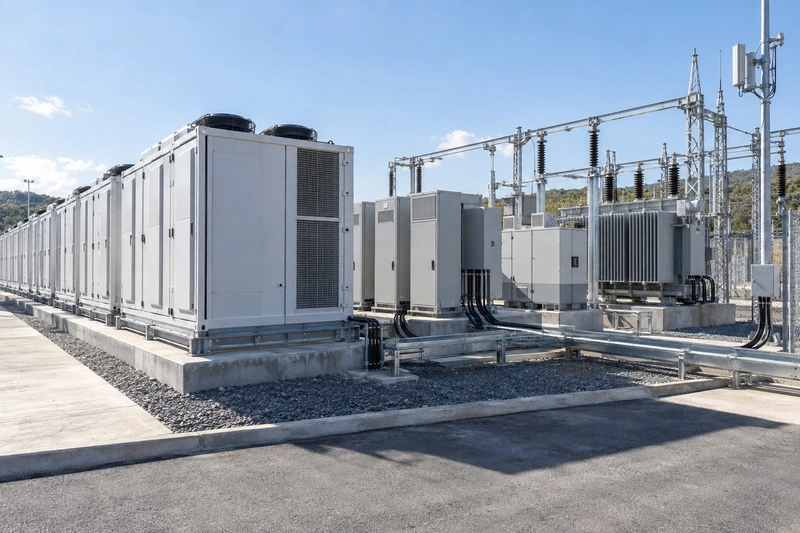
Real-time monitoring of energy-related parameters improves system efficiency and supports intelligent energy management.
Typical Applications
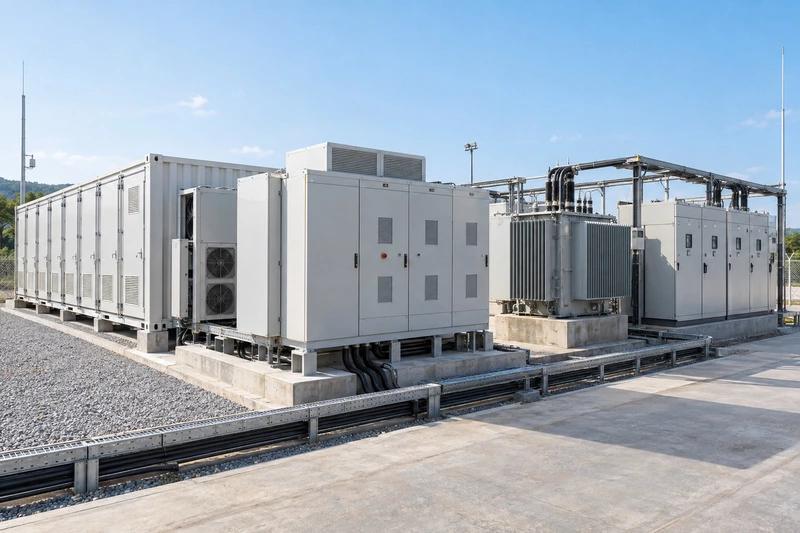
Process Overview
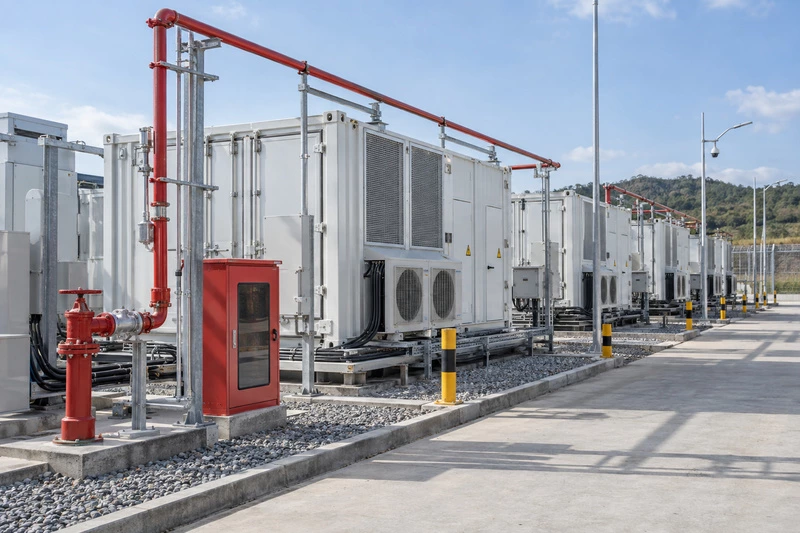
Supporting systems ensure safe operation through continuous monitoring of cooling, water, and environmental conditions.
Typical Applications
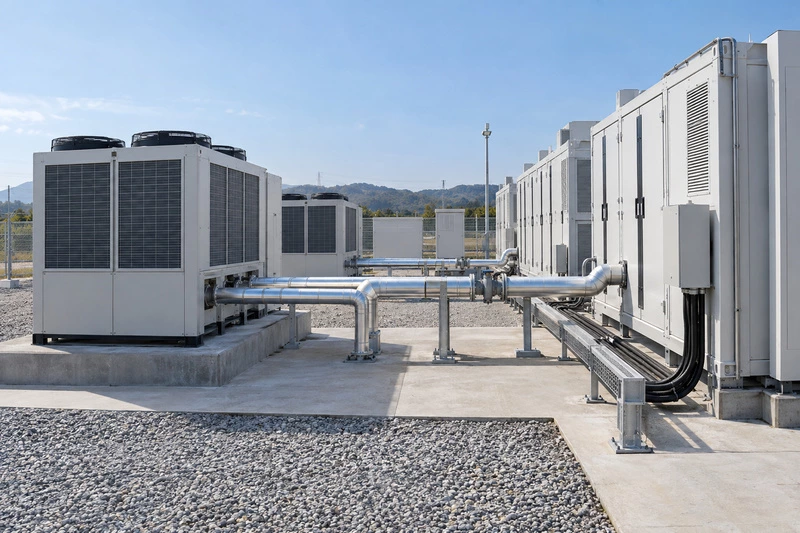
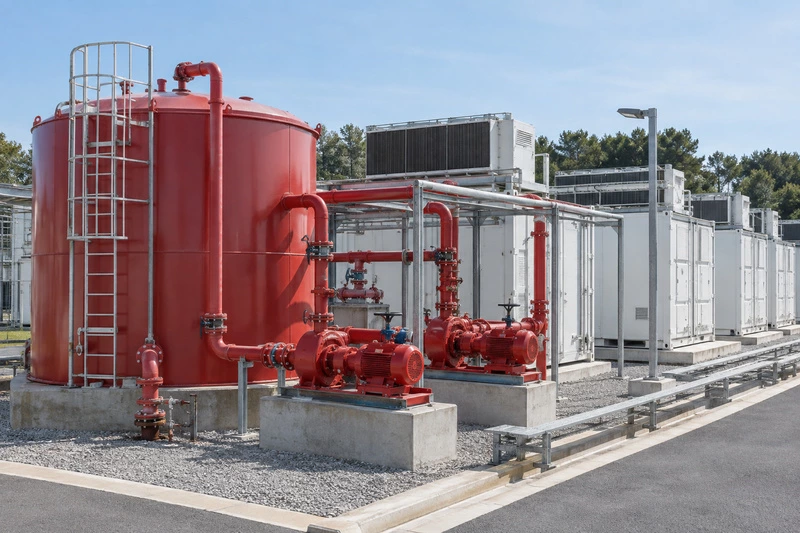
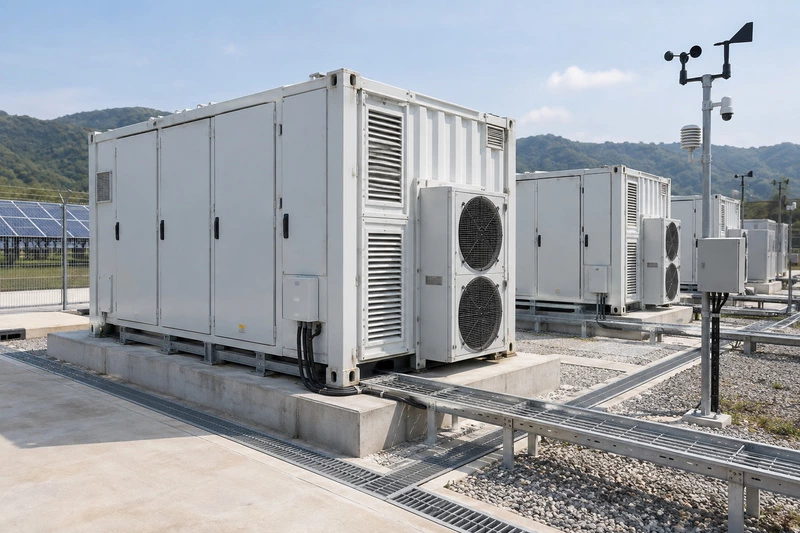
Optimize Your Energy Storage Cooling System
Supmea provides reliable measurement solutions that improve thermal management efficiency, enhance battery safety, and support long-term energy storage performance.
Industry Solution
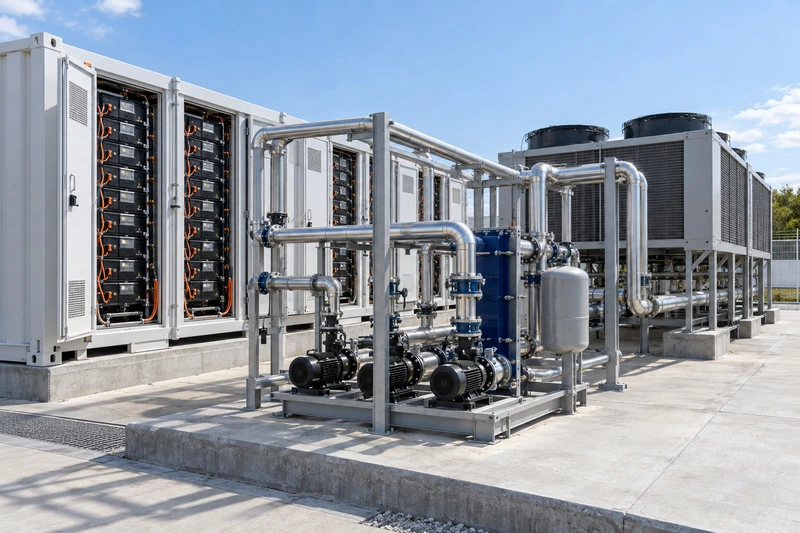
Battery Liquid Cooling
Optimize coolant circulation and thermal efficiency with accurate flow, pressure, and temperature measurement.
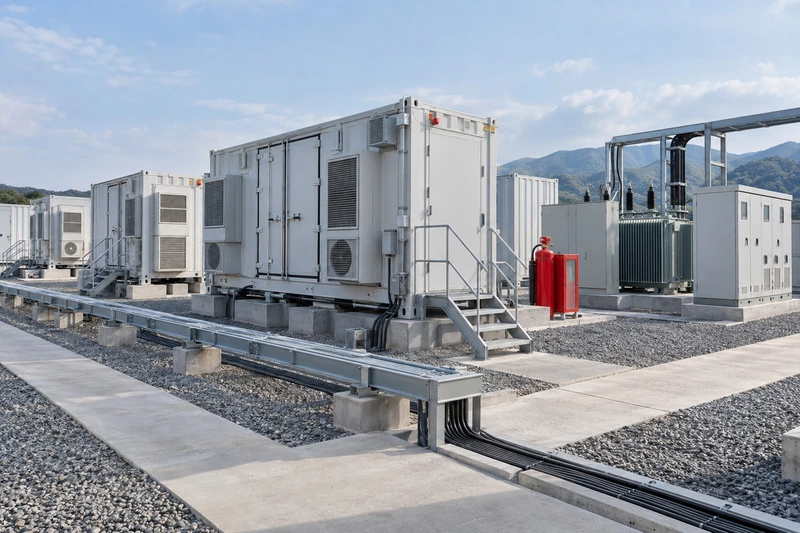
Containerized ESS
Reliable monitoring solutions for integrated battery containers and outdoor energy storage systems.
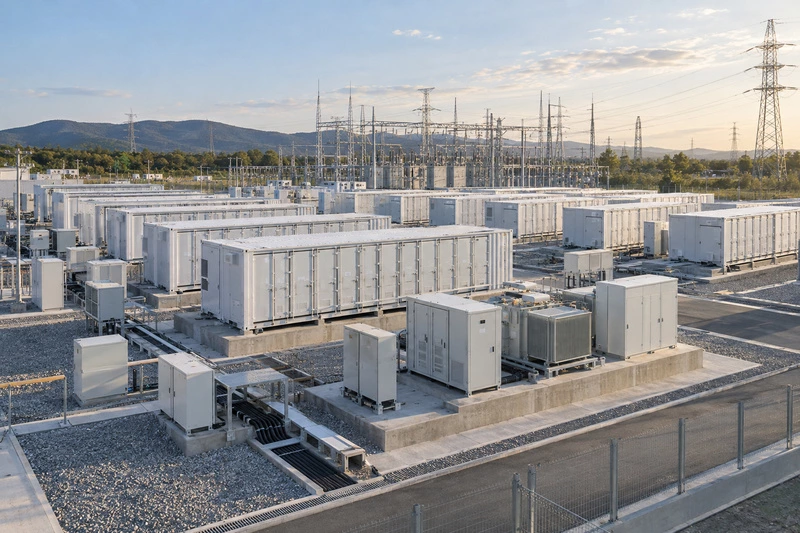
Grid-scale Energy Storage
Support utility-scale battery projects with intelligent thermal management and process monitoring.
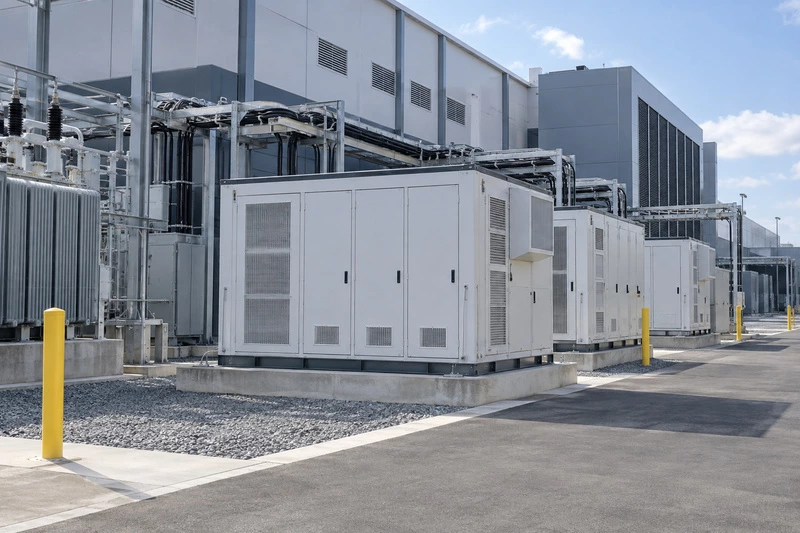
Data Center Backup Power
Enhance UPS battery reliability through continuous cooling and operating condition monitoring.
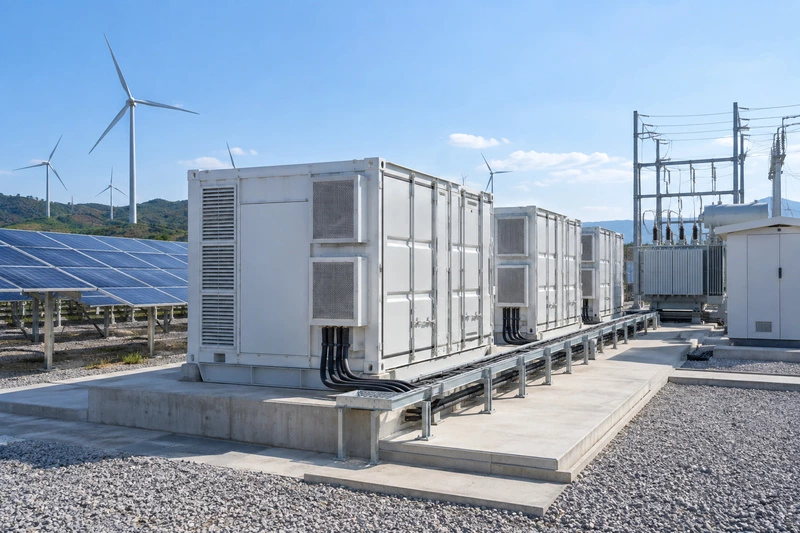
Renewable Energy Storage
Improve energy efficiency and operational stability for solar, wind, and hybrid storage applications.
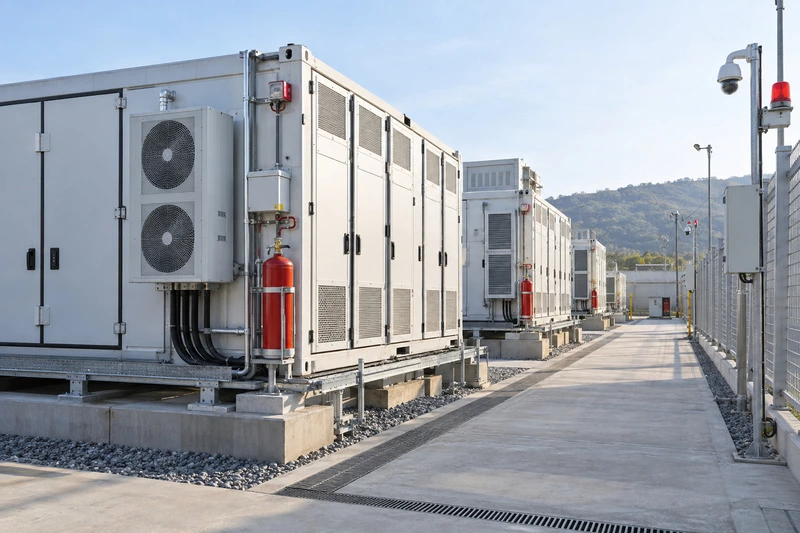
Thermal Safety Protection
Protect battery systems through real-time monitoring of cooling performance and thermal conditions.
Featured Products
Explore Supmea's reliable instrumentation portfolio designed for energy storage thermal management, liquid cooling, and safety monitoring applications.
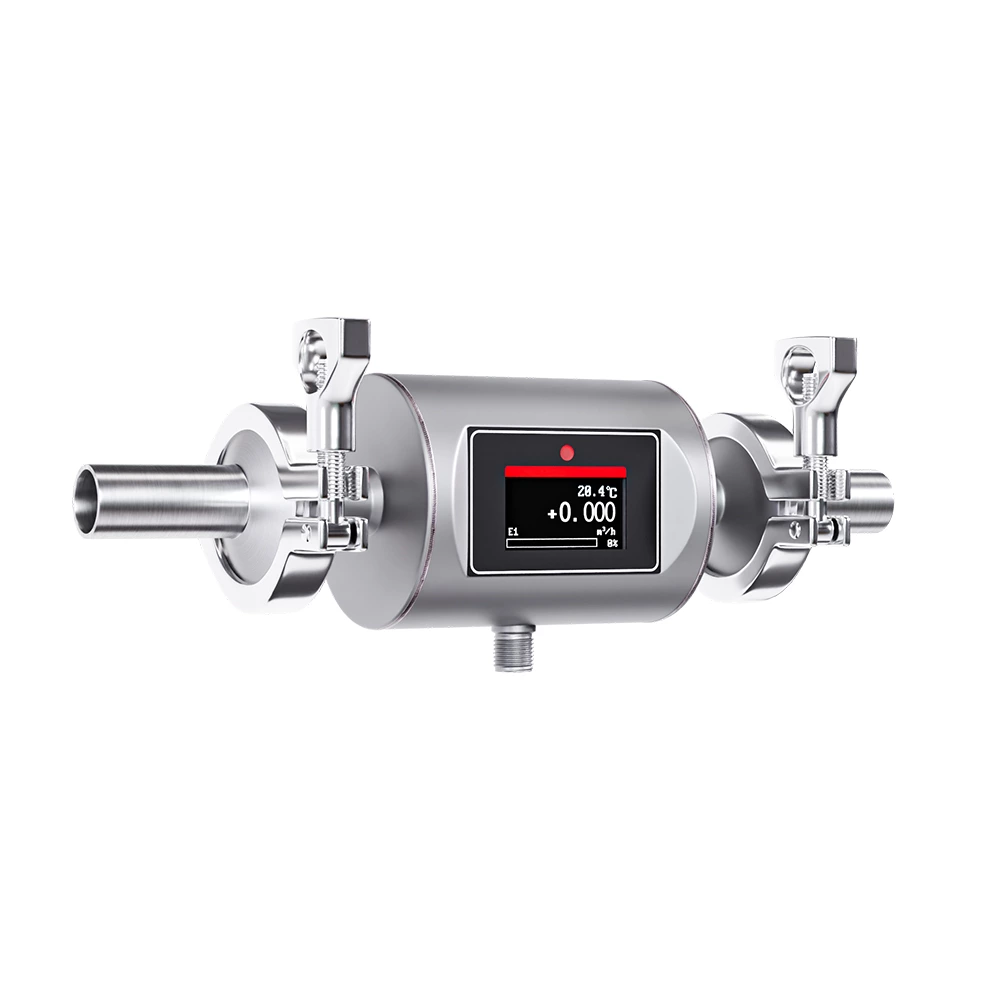
SUP-FMX240 Compact Electromagnetic Flow Meter—Precision Flow Measurement in a Space-Saving Design
View Products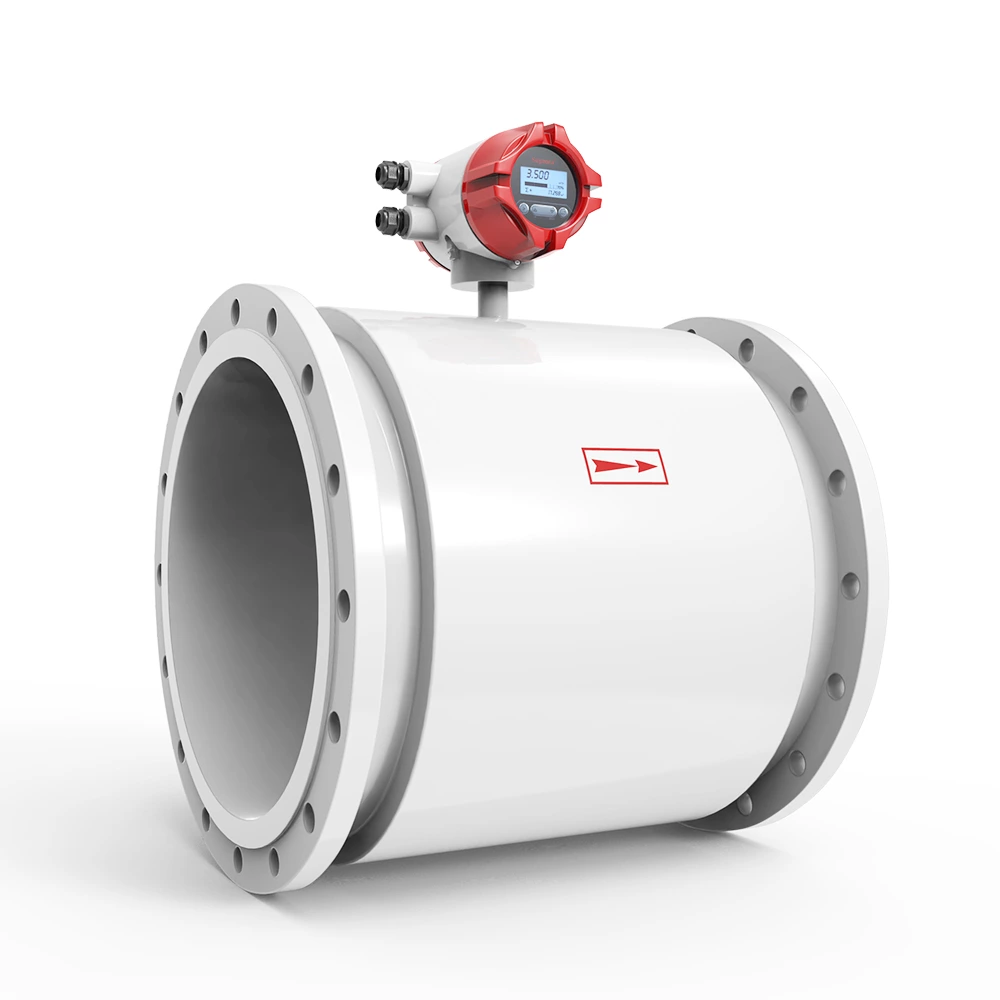
LDG-SUP Electromagnetic Flowmeter: Precision Flow Measurement for Demanding Industrial Applications
View Products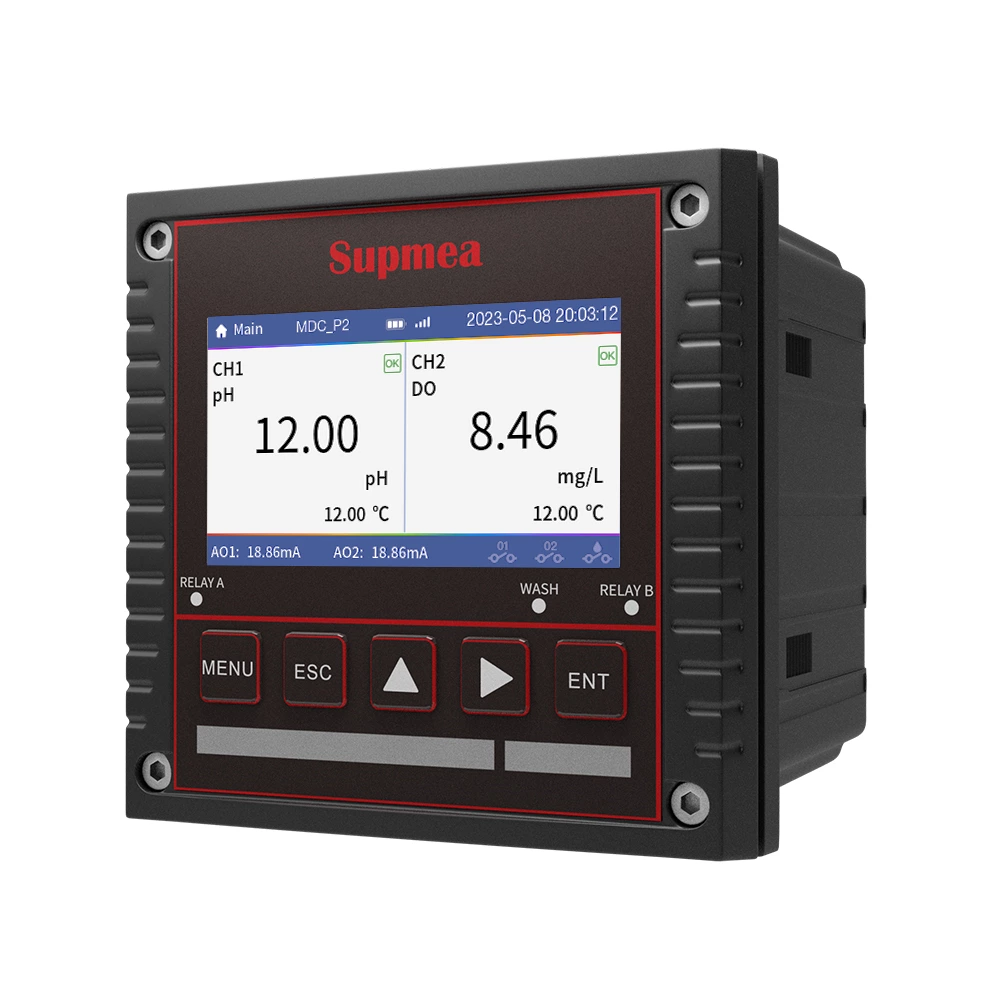
PH Controller SUP-DC-P2 Dual Channel Universal Controller
View Products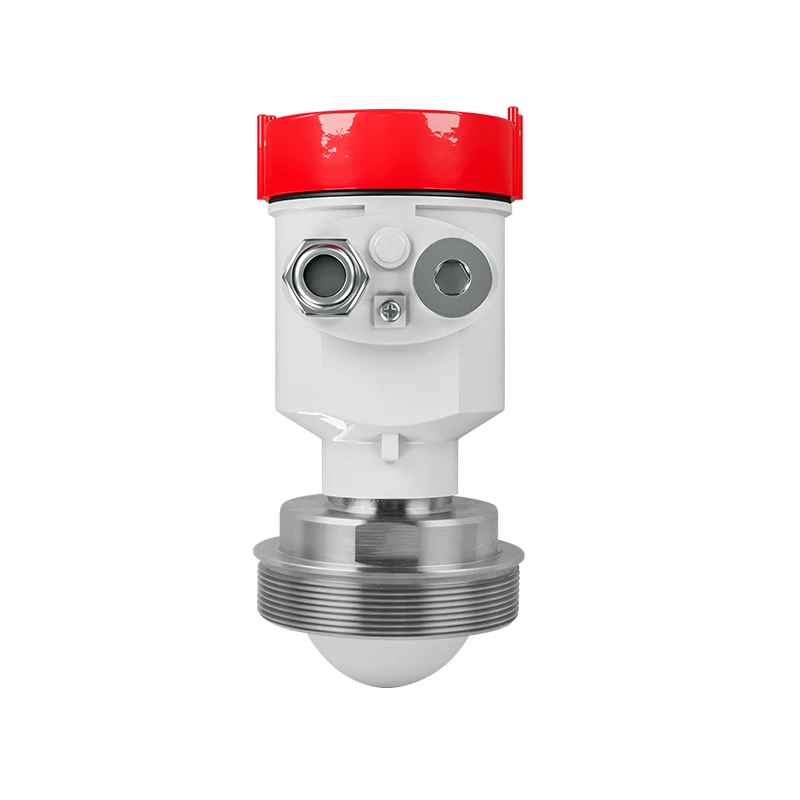
WSR550 76-81GHz Radar Level Transmitter | FMCW Millimeter-Wave Sensor
View Products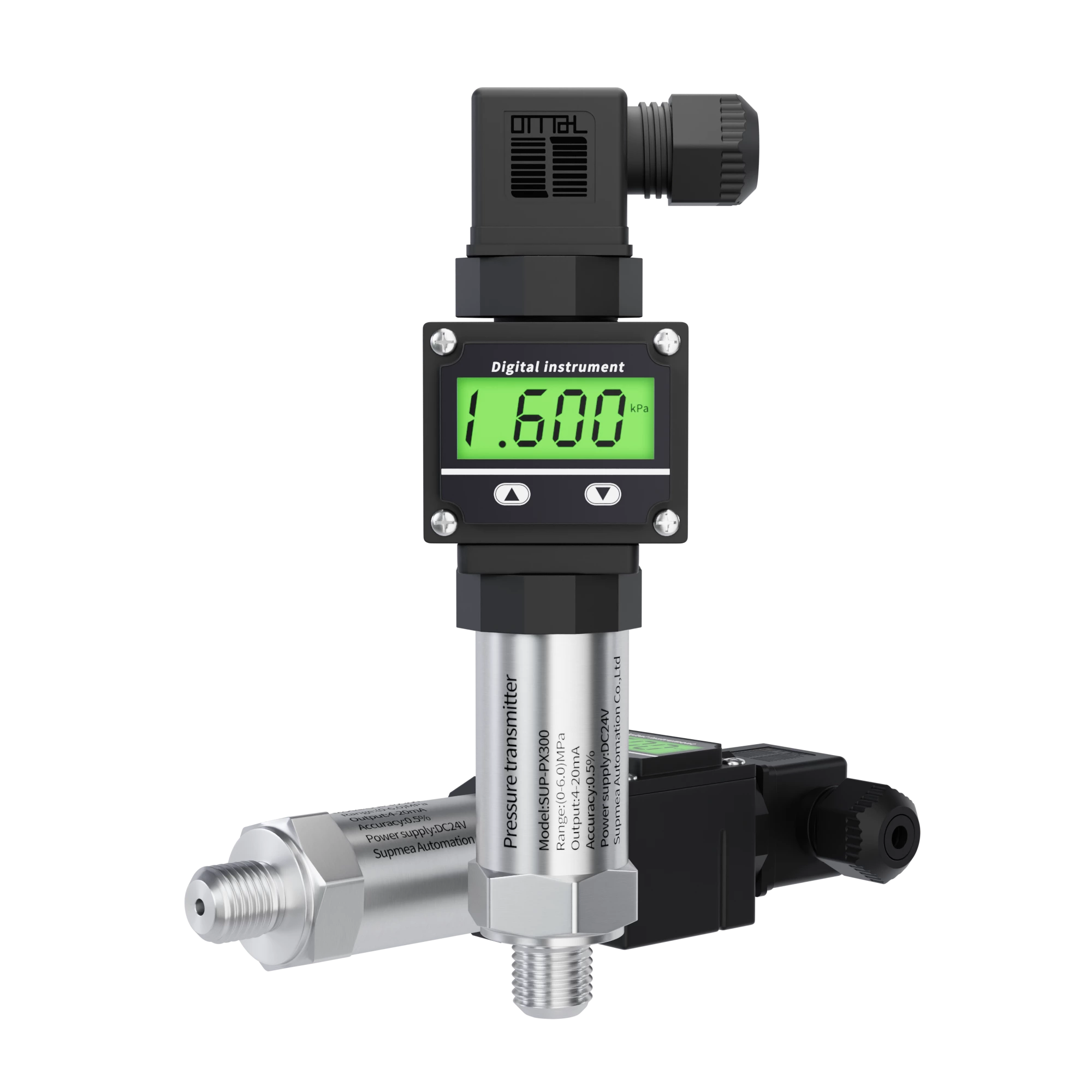
SUP-PX300 Pressure transmitter with display
View Products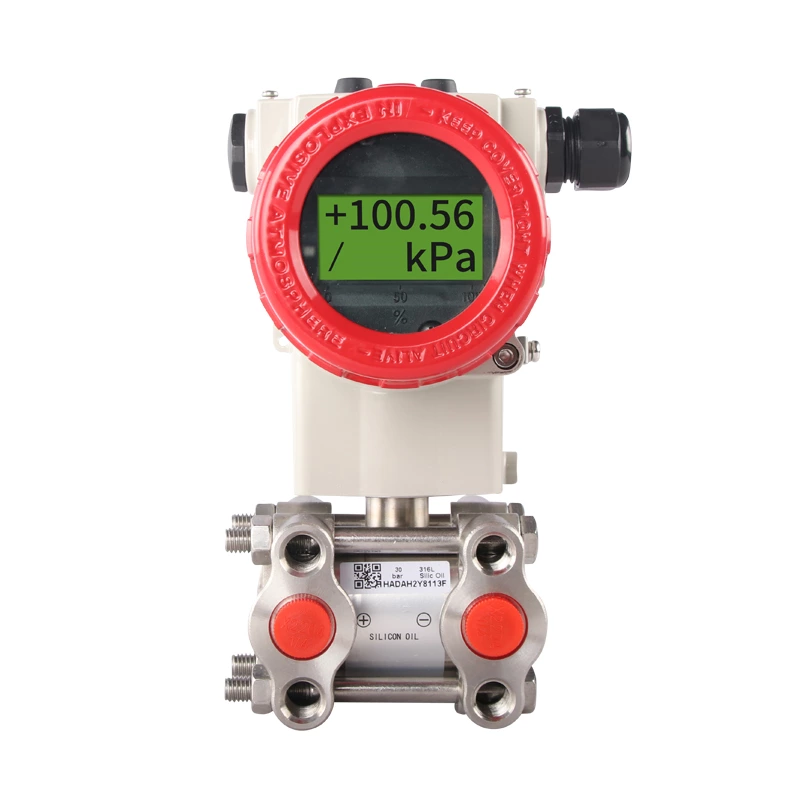
SUP-2051 Differential Pressure transmitter
View Products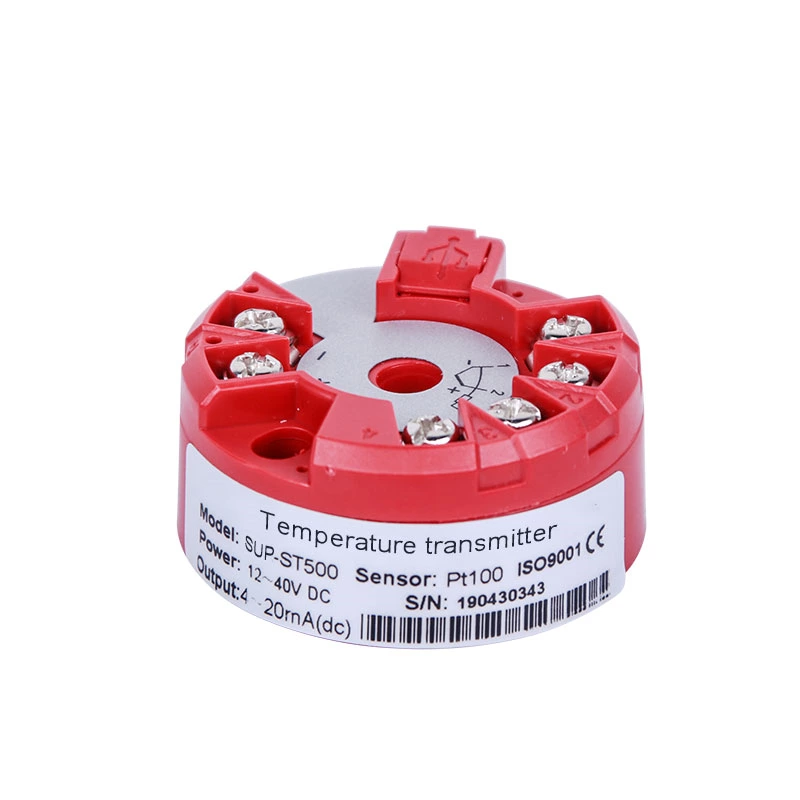
SUP-ST500 Temperature transmitter programmable
View ProductsSuccess Stories
Discover how energy storage and cooling system operators improve reliability, efficiency, and safety with Supmea measurement solutions.


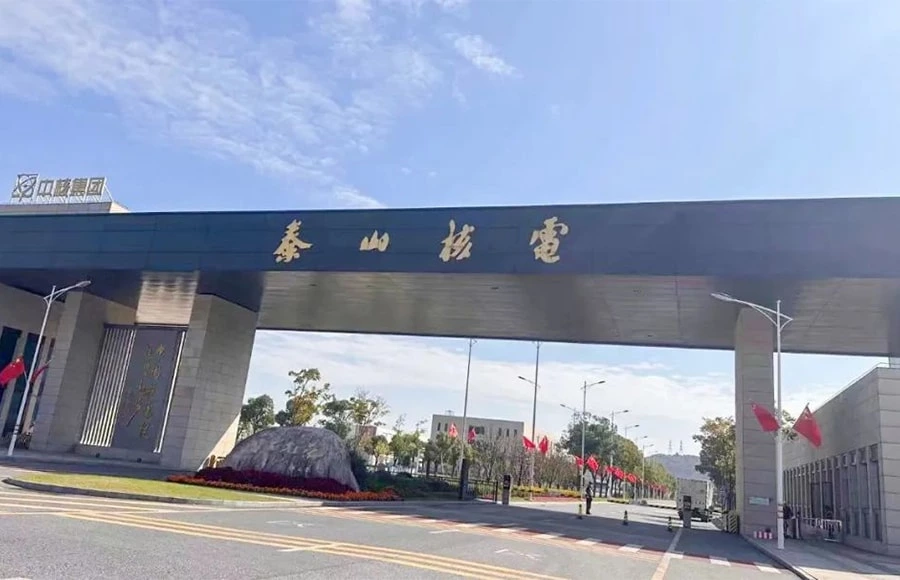
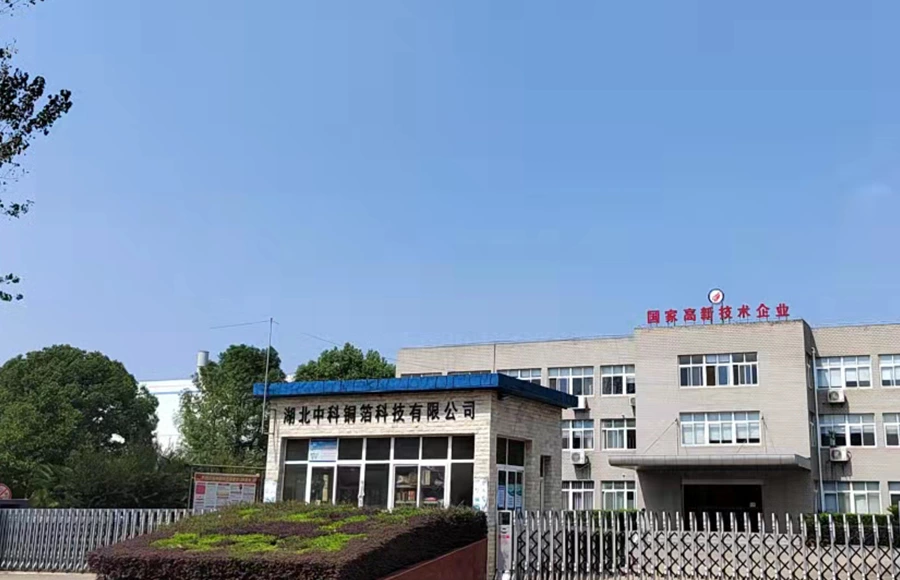
Supmea flowmeter be used in Zhongke Copper Foil Technology
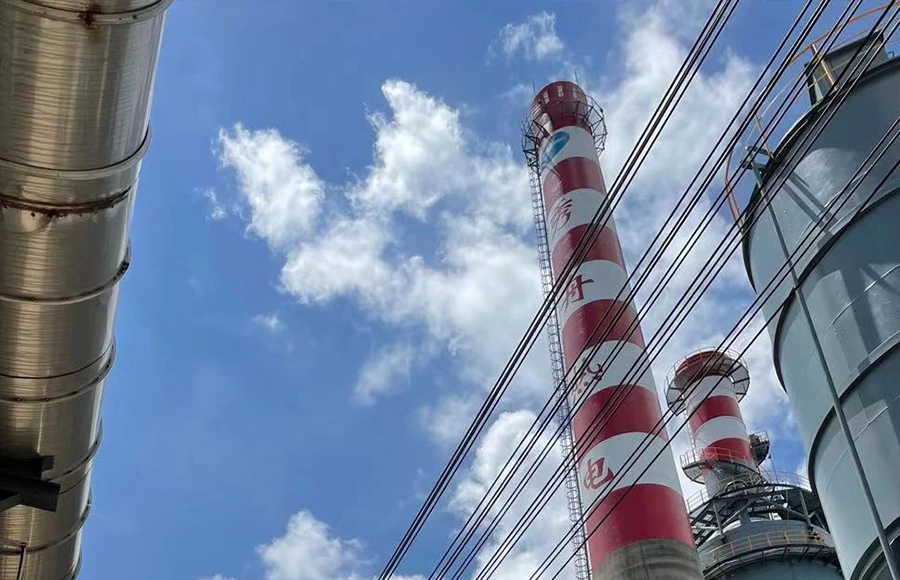
Online turbidimeter be used in Thermal Power Co., Ltd
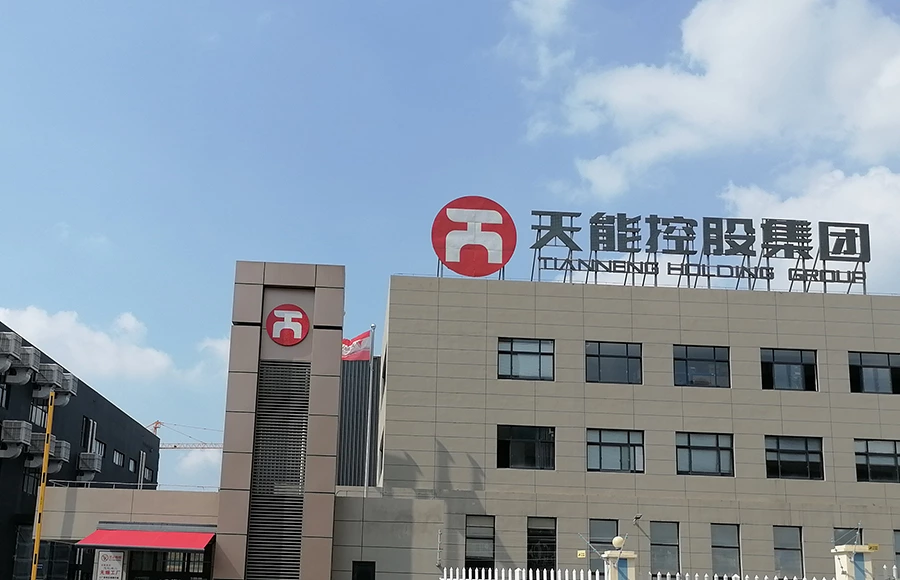
Supmea pH controller be used in Tianneng New Material Co., Ltd
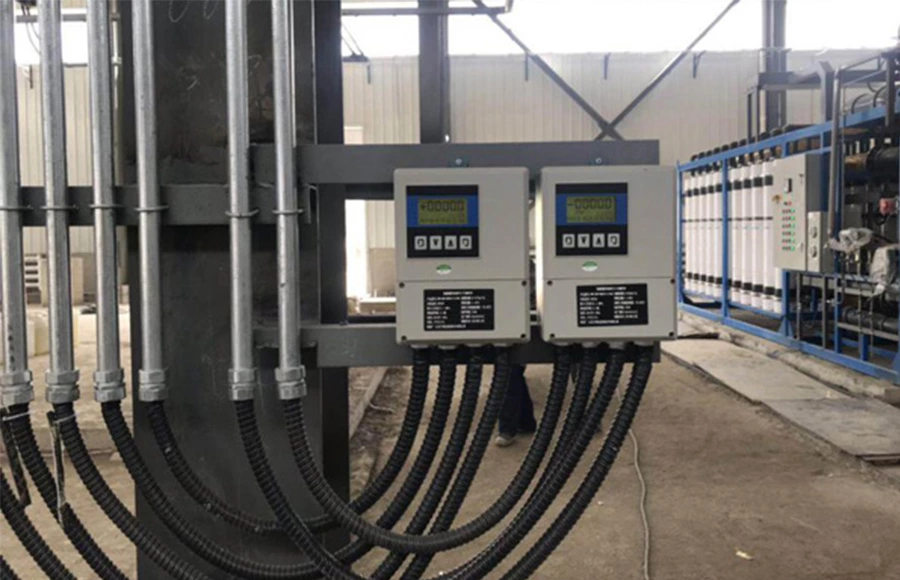
Case of Liaoning Dongfang Power Generation Co., Ltd.
Precise Thermal Management
Supmea provides reliable measurement solutions that help energy storage companies improve thermal management, system safety, and operational efficiency.
Complete Thermal Management Solutions
Covering flow, temperature, pressure, level, and liquid quality monitoring.
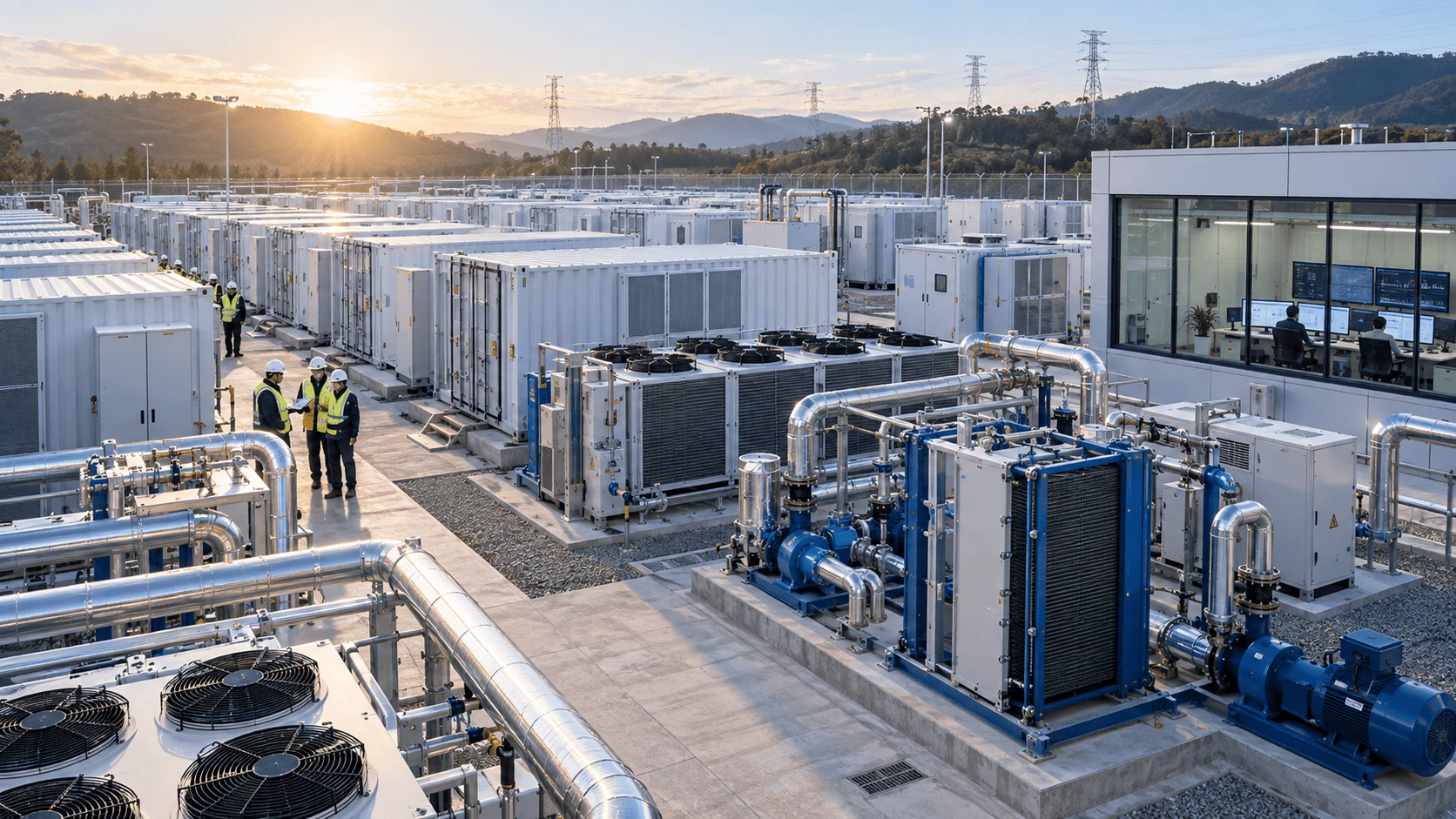
Reliable Continuous Operation
Designed for long-term operation in industrial and outdoor environments.
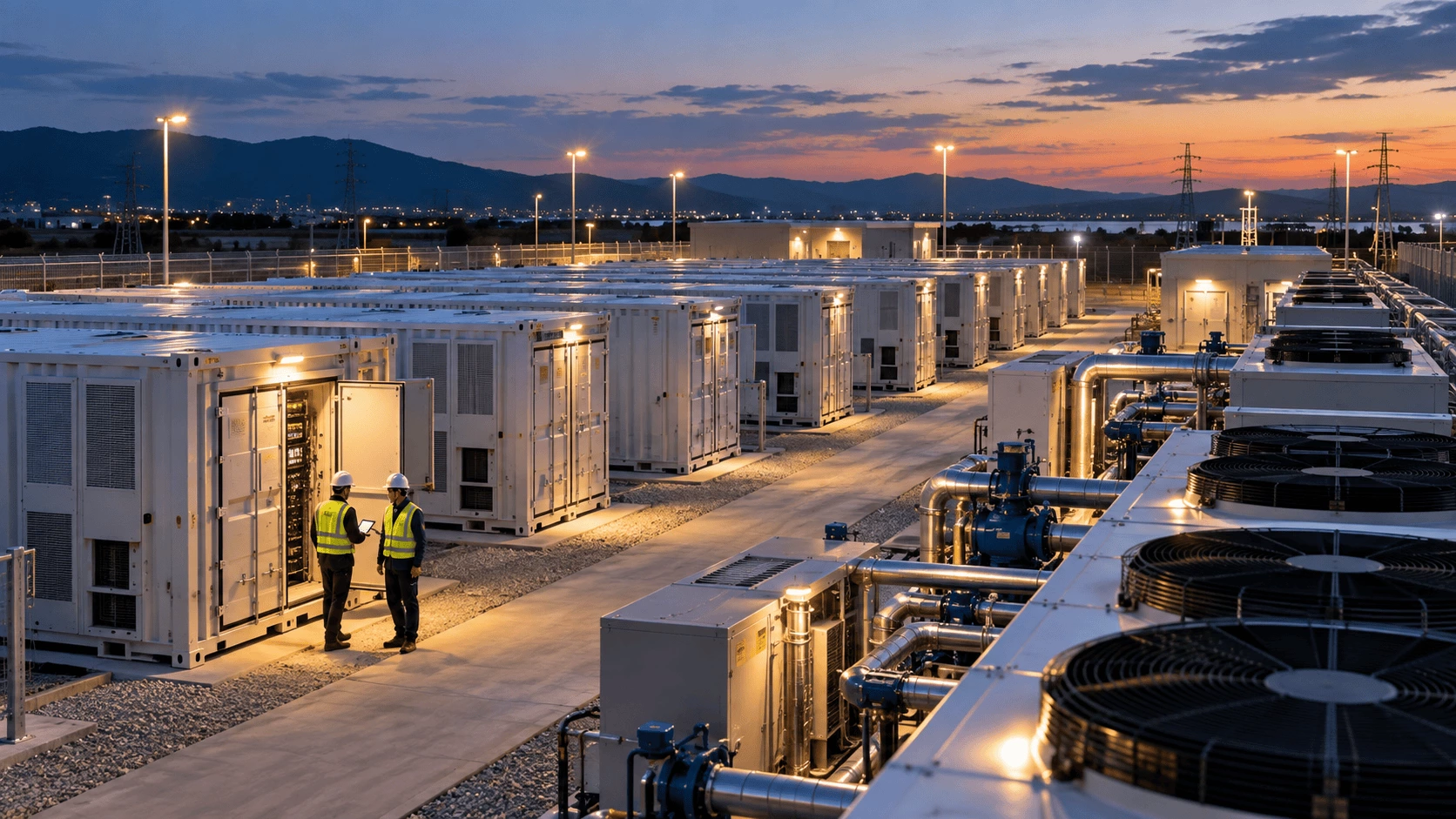
Accurate Cooling Control
Precise measurement improves cooling efficiency and battery performance.

Flexible System Integration
Compatible with BMS, EMS, and industrial automation systems.
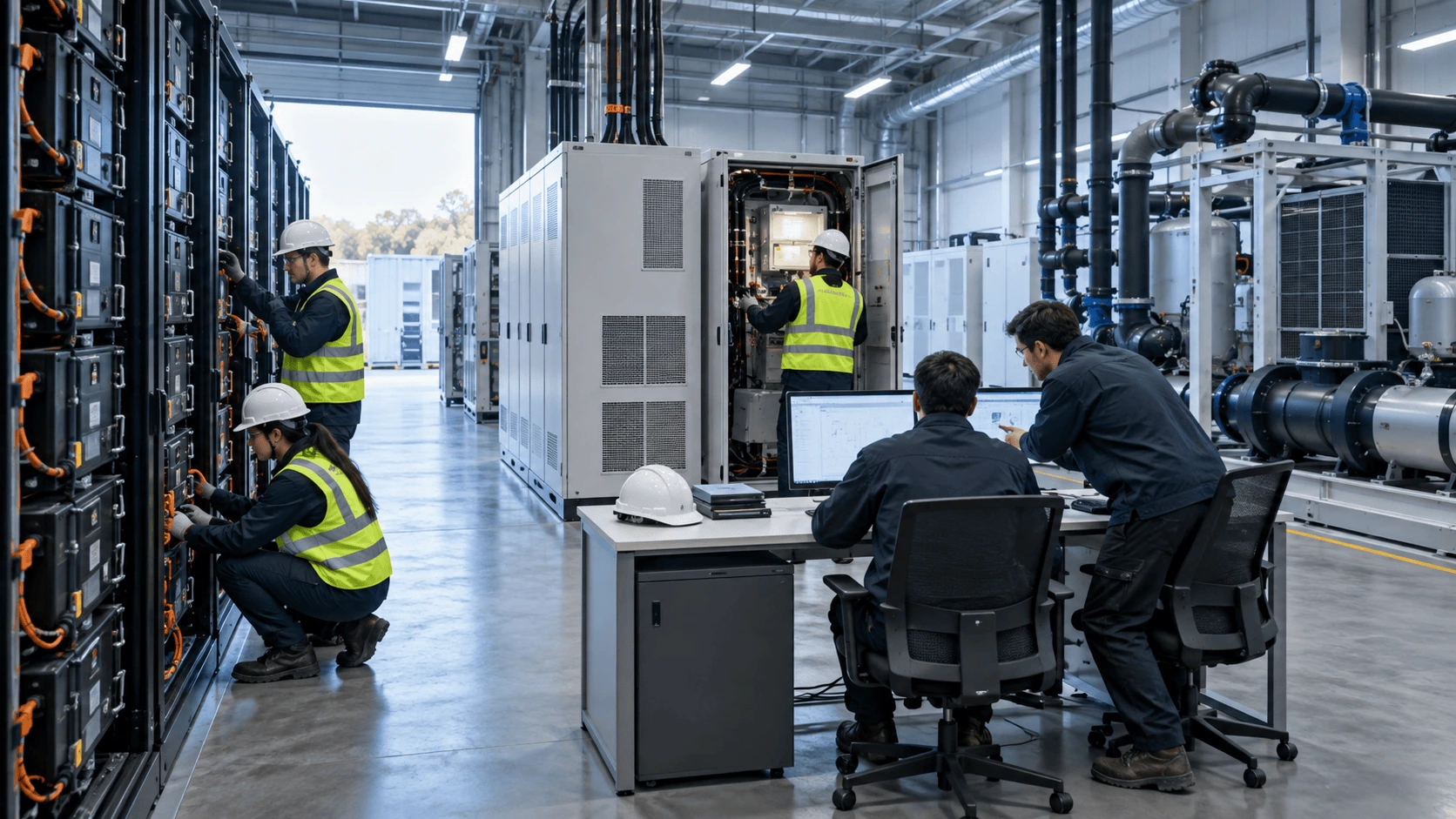
Application Expertise
Supporting energy storage, cooling systems, and industrial energy applications.

Cost-Effective Solutions
Reliable performance with optimized lifecycle costs.
Frequently Asked Questions
What is a BTU meter and why is it needed for cooling systems?
A BTU meter measures the thermal energy consumed. It consists of a flow meter, two temperature sensors (supply and return), and a calculator. It is essential for accurately billing tenants for cooling usage or monitoring the efficiency of a chiller plant.
Which flow meter is best for non-conductive coolants (like glycol or dielectric fluids) in battery packs?
Since electromagnetic meters require conductivity, they cannot be used here. Ultrasonic clamp-on meters or Turbine flow meters are excellent choices for glycol mixtures and dielectric oils used in battery thermal management.
How is a coolant leak detected inside a Battery Energy Storage System (BESS) container?
A low-level float switch or an optical liquid sensor installed in the drain pan of the battery rack can provide an immediate "dry contact" alarm to the BMS (Battery Management System) if any coolant leaks out.
Can electromagnetic flow meters be used for cooling tower water?
Yes, cooling tower water is conductive, making magnetic meters a cost-effective and reliable solution. However, ensuring correct grounding is vital to prevent noise from nearby variable frequency drives (VFDs) on pumps and fans.
How accurate are temperature sensors for calculating Delta-T (ΔT)?
For BTU calculation, the "Delta-T" (difference between supply and return temp) is critical. Matched-pair RTD (Pt100 or Pt1000) sensors are recommended; these are calibrated together to ensure the difference reading is accurate to within 0.1°C or better.
Which sensor is recommended to monitor air pressure in battery pack ventilation?
Low-differential pressure transmitters are used to monitor the airflow across filters and fans. They ensure the ventilation system is working correctly to prevent heat buildup or hydrogen gas accumulation.
How is the level of the expansion tank in a cooling loop measured?
A compact guided wave radar or a magnetic float level gauge is ideal. They provide a continuous level reading to ensure the system has enough thermal mass (fluid) to operate safely.
Can coolant conductivity be monitored to prevent short circuits?
Yes. In direct-cooling battery applications, the coolant must remain non-conductive. An online conductivity meter can monitor the fluid; if conductivity rises (indicating contamination), it triggers an alarm to prevent electrical faults.