
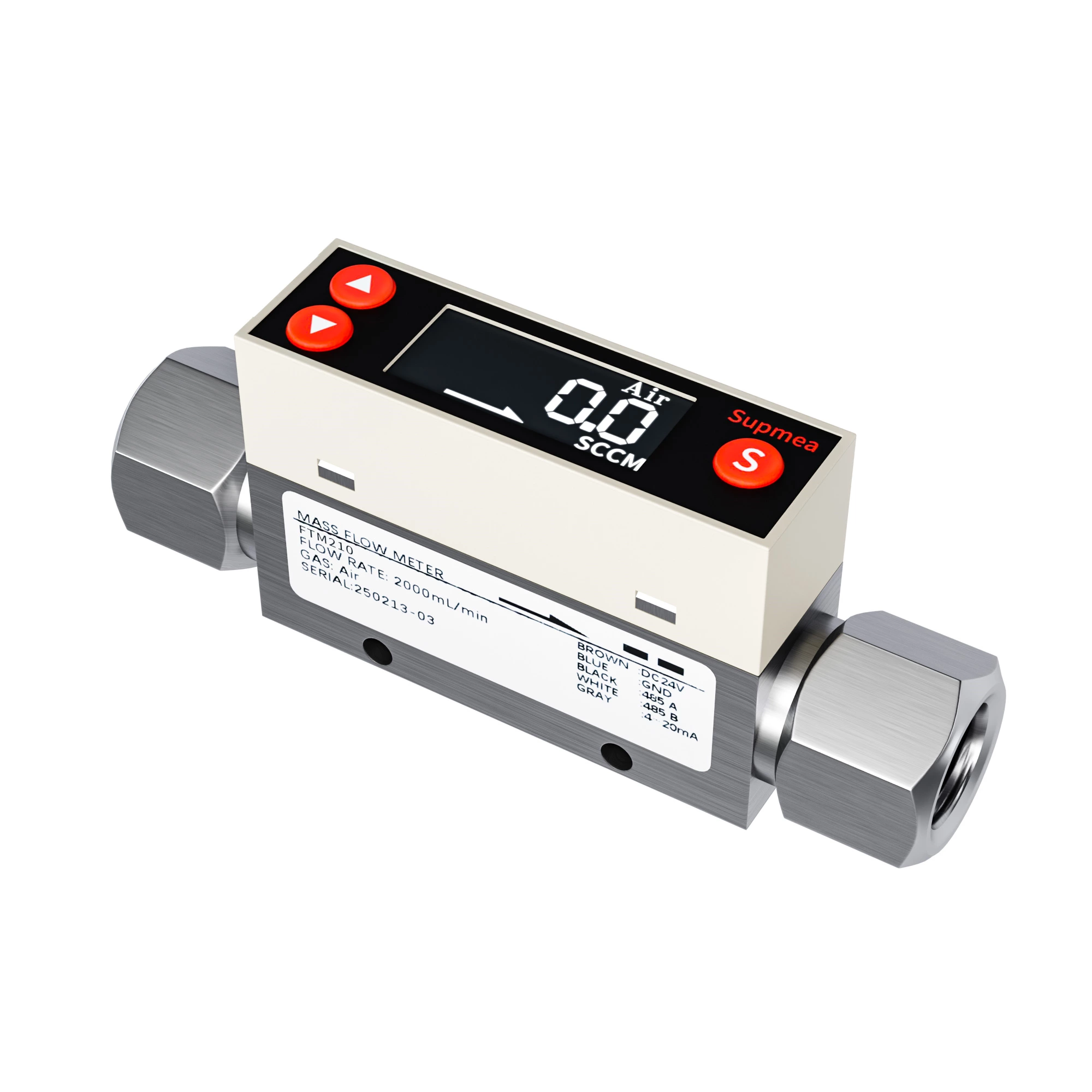
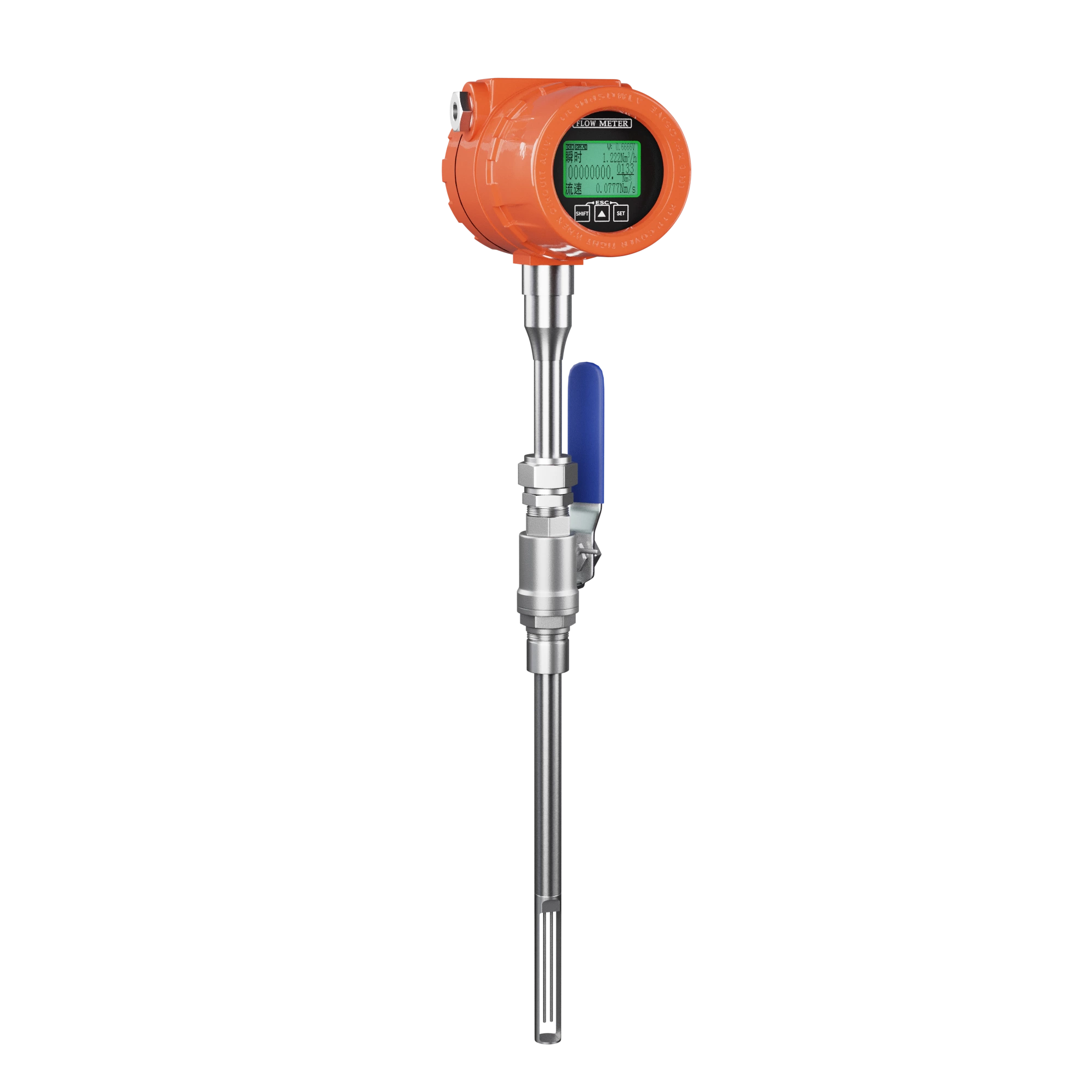
Quick product selection
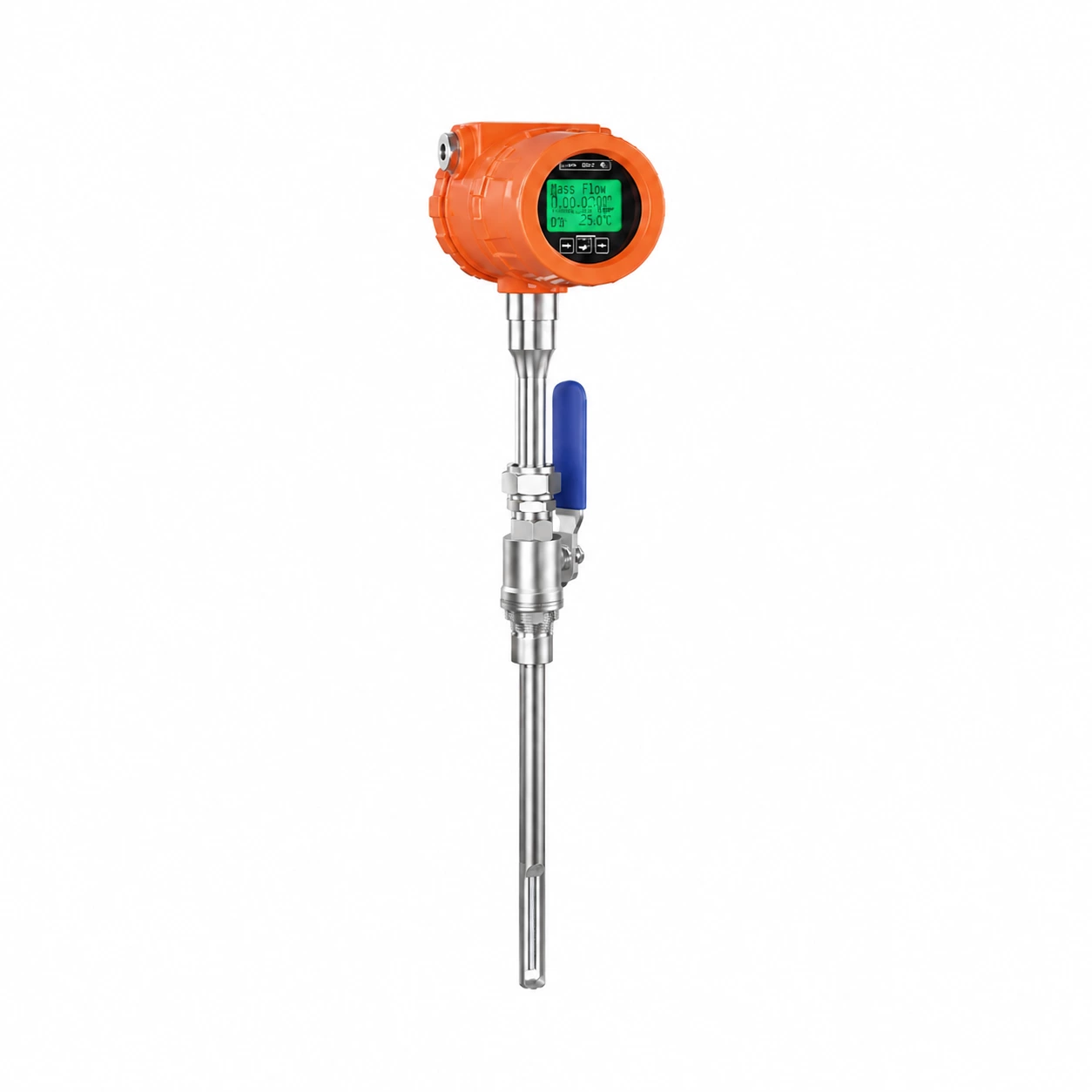
Find the right instrument for your application.
How thermal mass flowmeters work
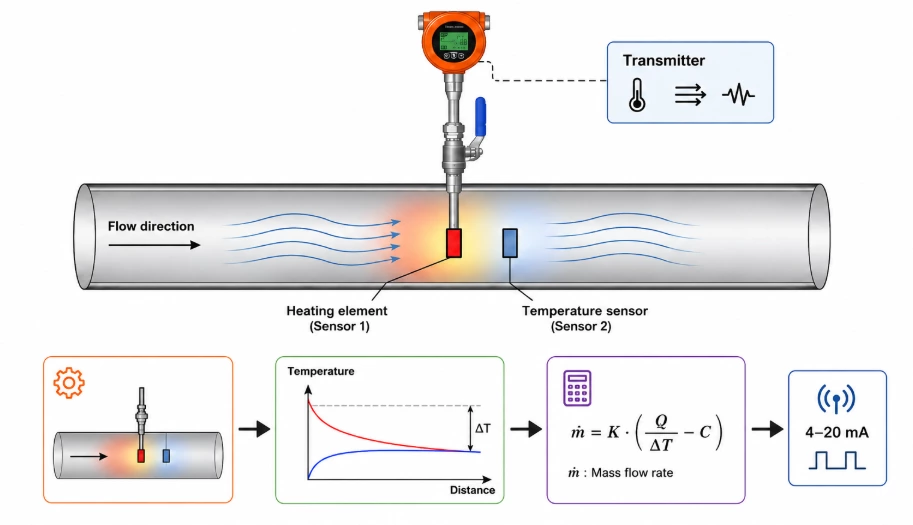
Thermal mass flowmeters determine gas mass flow by measuring the heat transferred from a heated sensor to the flowing gas.
Supmea’s thermal dispersion design uses two platinum resistance temperature sensors: one monitors gas temperature, while the other is heated and maintained at a constant temperature difference above the gas. As flow increases, the gas removes more heat, so additional power is required to maintain this temperature difference.
The electronics use this change in heater power to calculate mass flow rate and totalized flow. Because the measurement responds directly to gas mass flow, separate pressure and temperature compensation is generally not required in principle. With no moving parts in the sensing section, the meter supports stable, low-maintenance gas flow measurement.
Applications & Industries
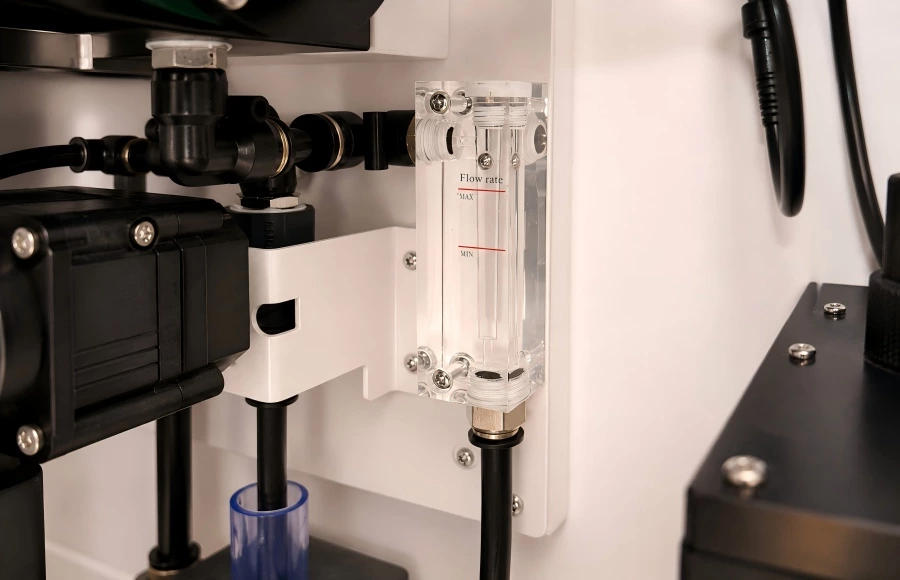
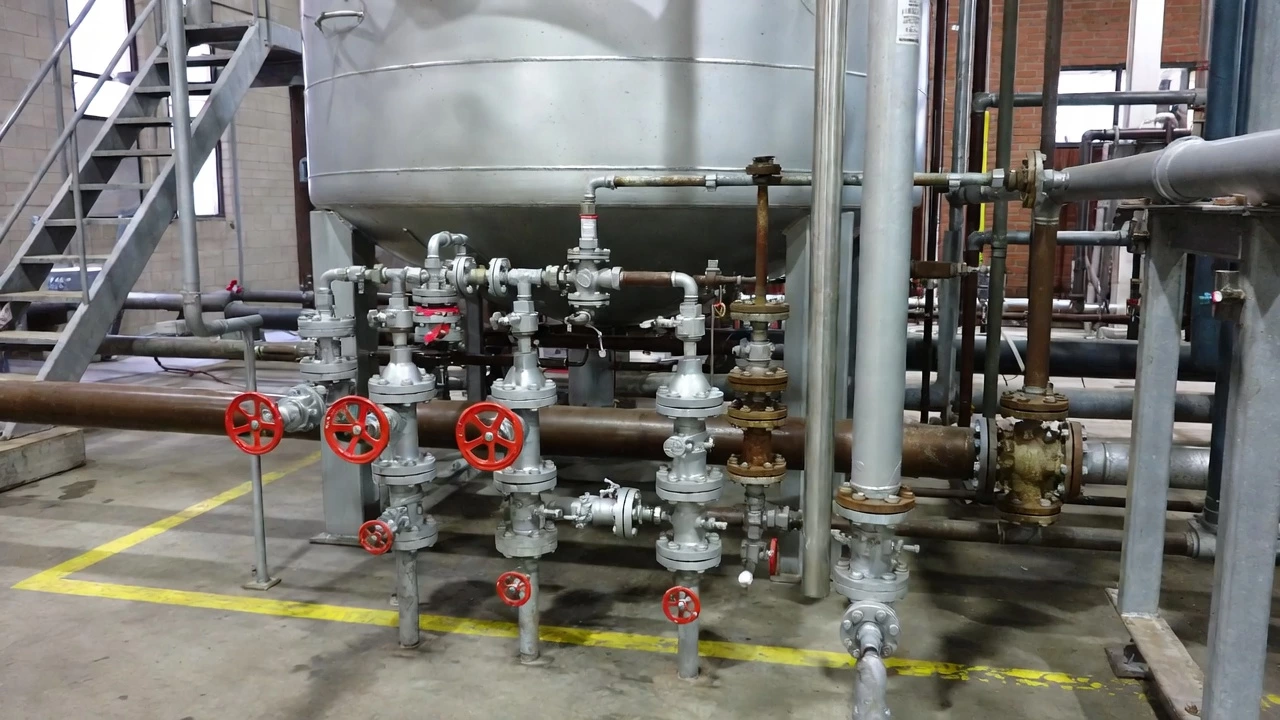
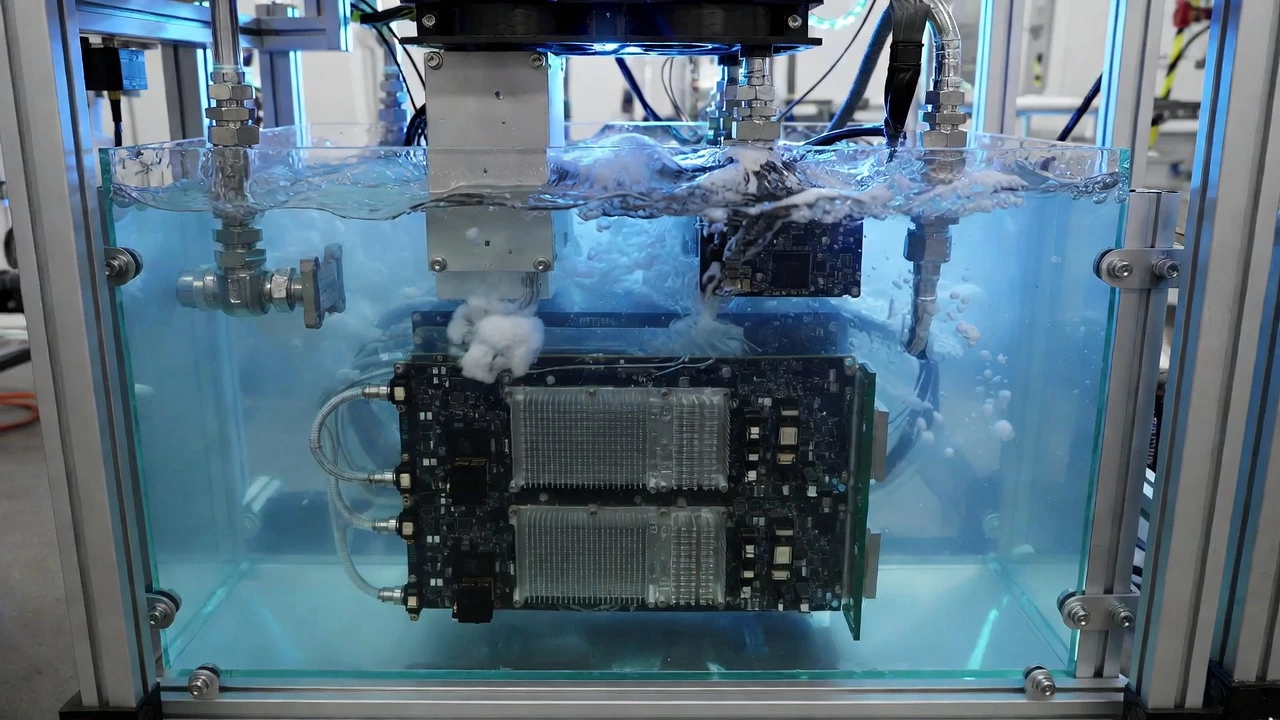
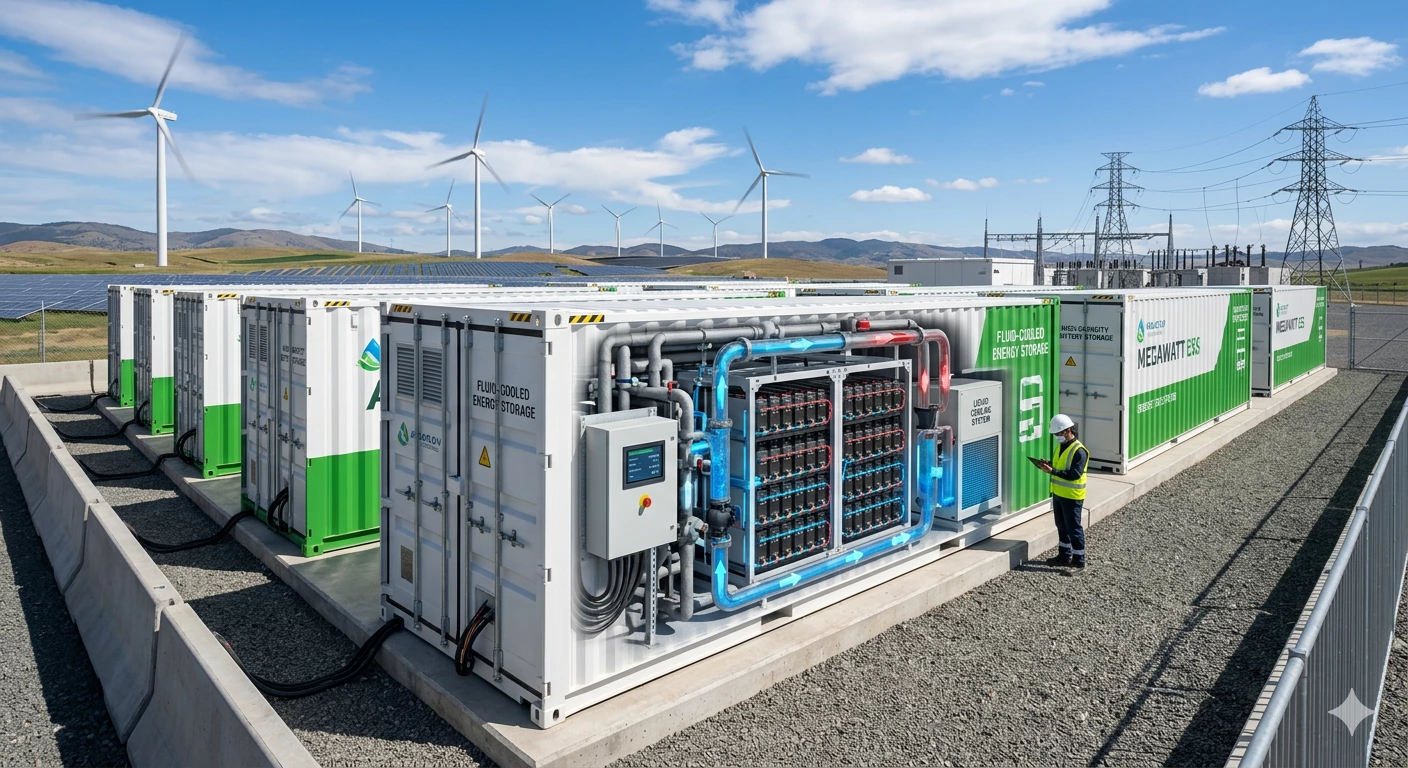
Multi-Parameter Water Quality Monitoring for a Building Project in Dubai
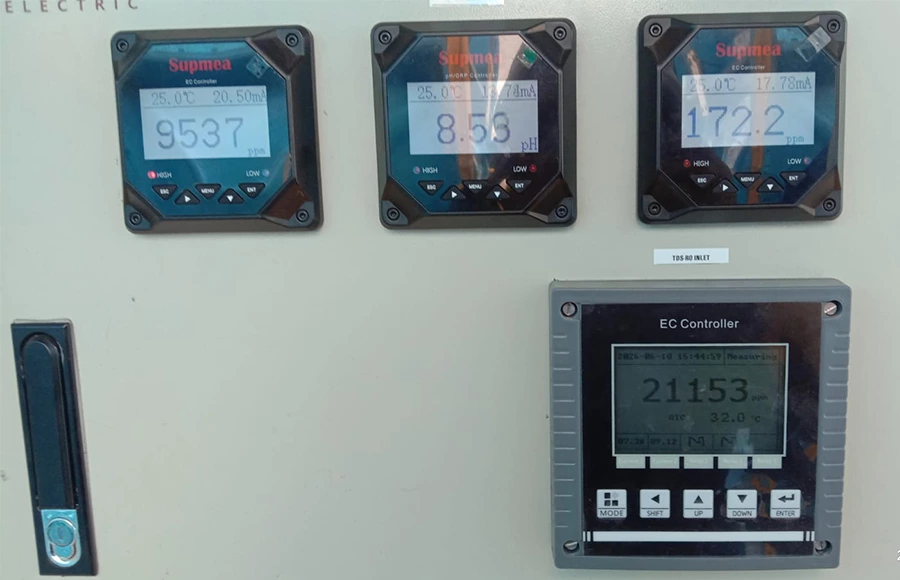
Integrated Flow and Water Quality Monitoring for an RO System in Indonesia
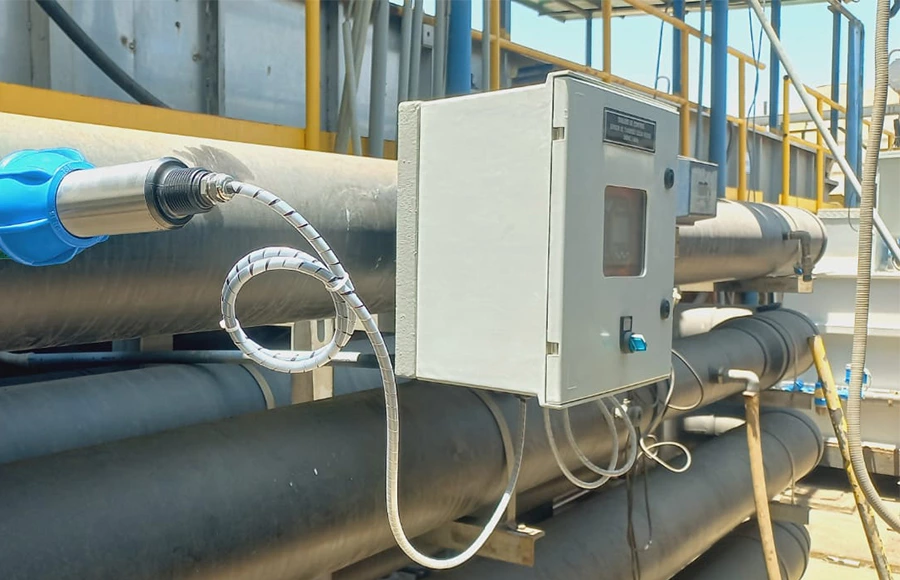
Inline Wastewater Turbidity Monitoring for a Treatment Pipeline in Peru
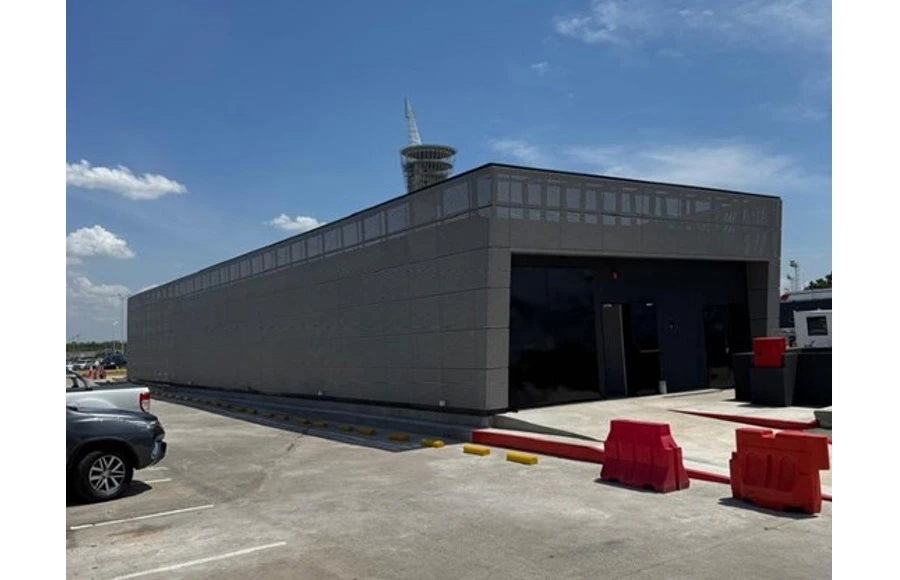
Supmea Multi-Parameter Monitoring Supports Water Treatment at an International Airport in Argentina
Related Products
Discover our most trusted process instruments for water and wastewater applications. Designed for reliable measurement, intelligent monitoring, and efficient process control across every stage of the treatment cycle.
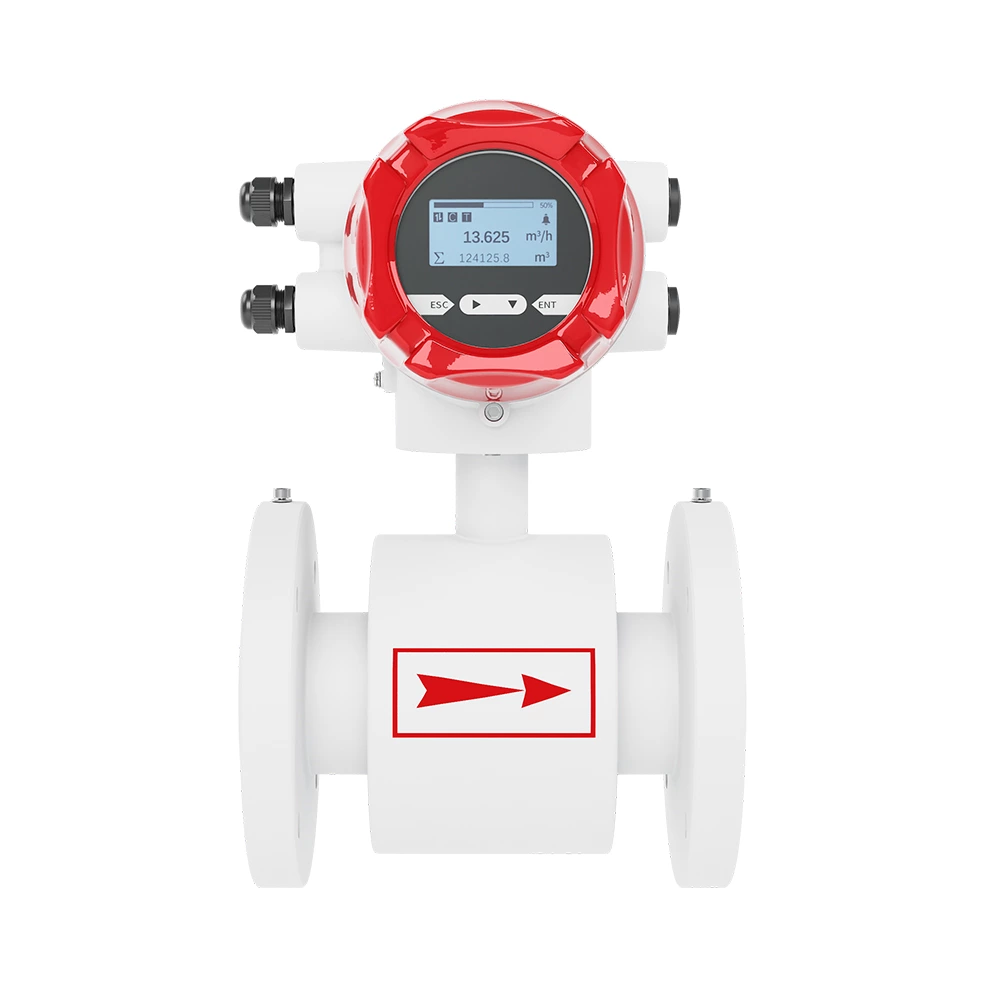
LDG-SUP-A100 Electromagnetic Flow Meter — High-Accuracy Conductive Liquid Measurement
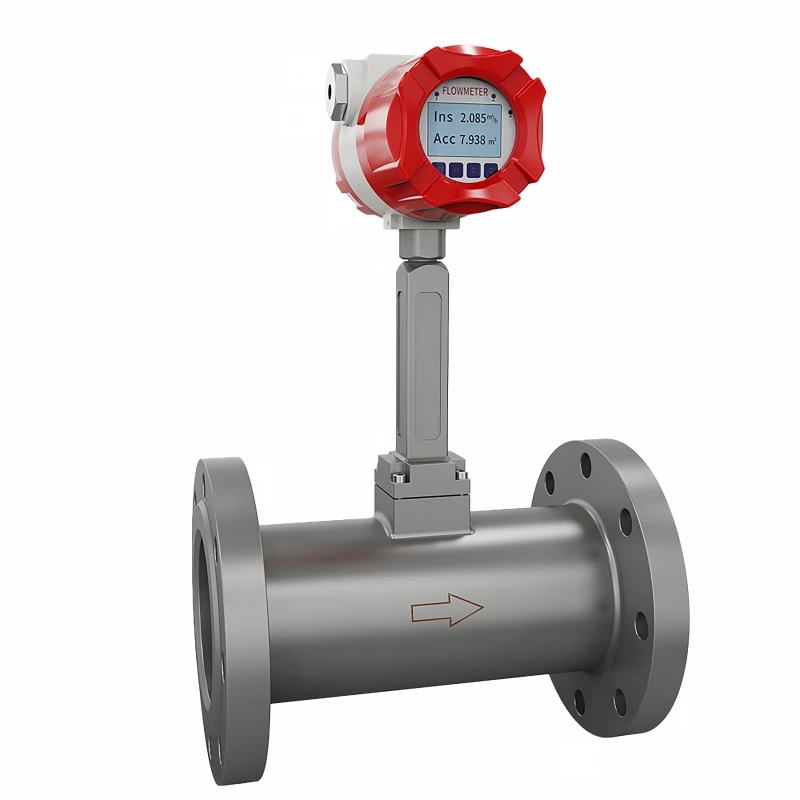
SUP-LUGB Vortex flowmeter without temperature & pressure compensation
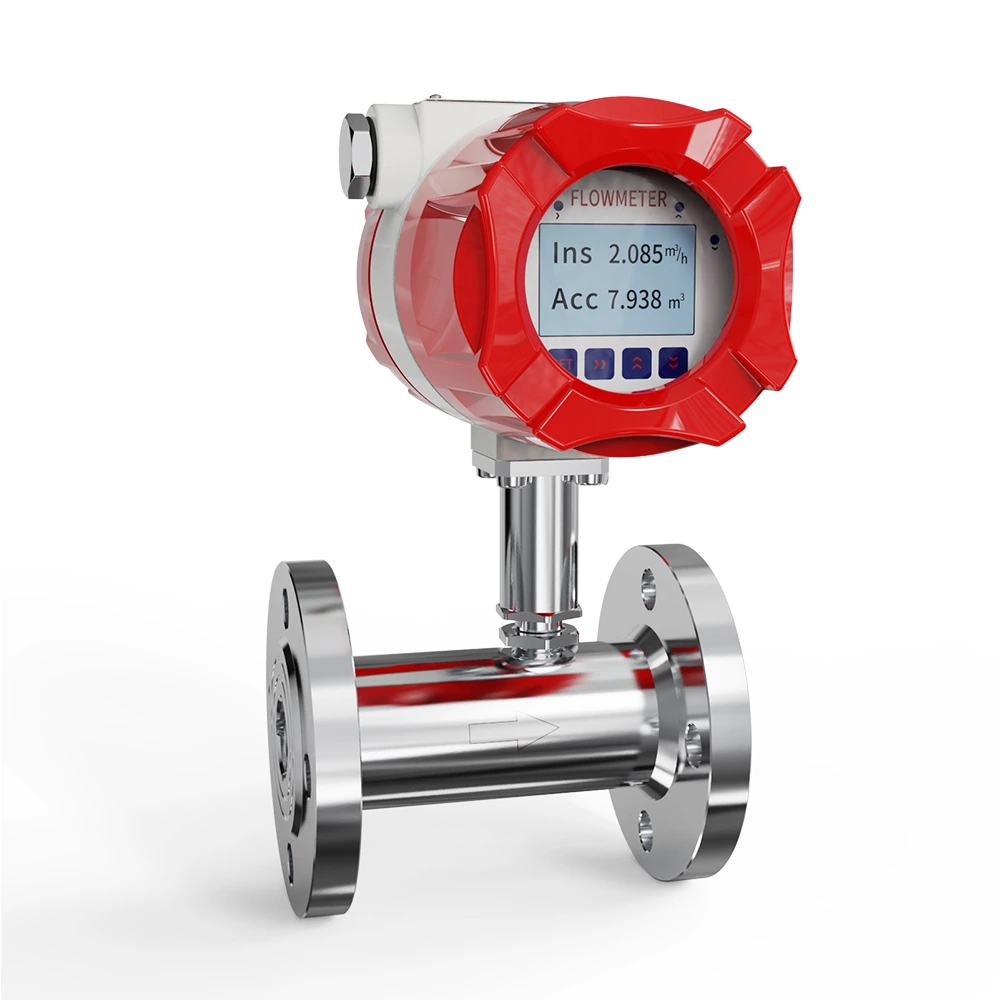
SUP-LWGY Turbine flowmeter flange connection
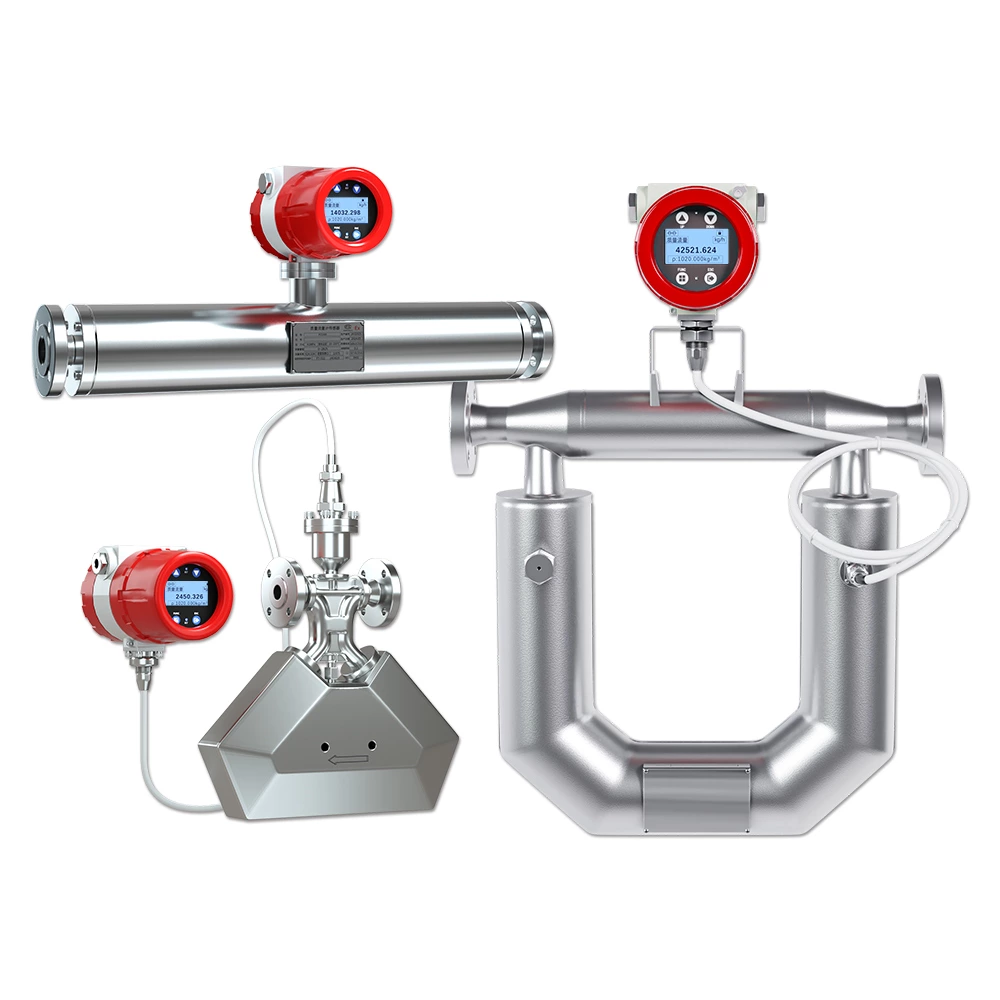
FCC-300 Coriolis Effect Mass Flow Meter For Oil, Gas, Liquid Processing
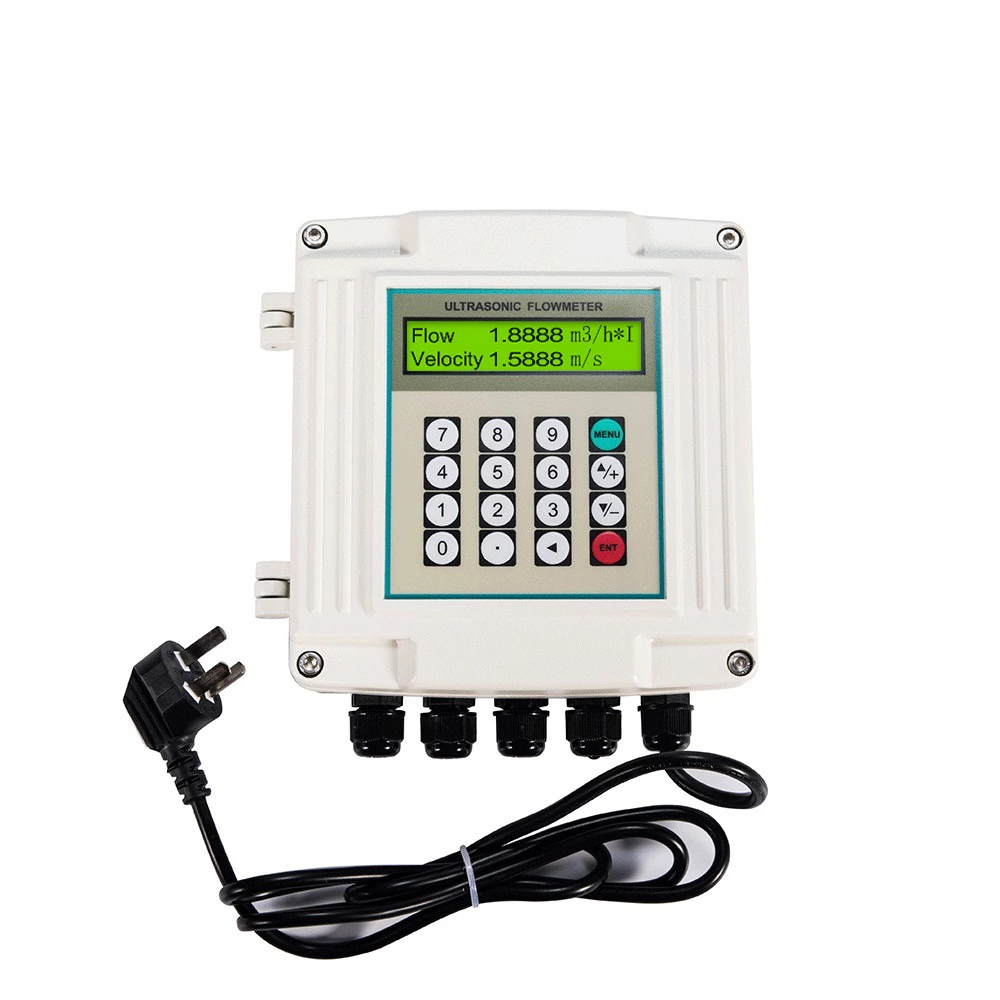
SUP-1158S Wall mounted ultrasonic flowmeter
Frequently Asked Questions
What gases can Supmea thermal mass flowmeters measure?
The FTM210 supports air, nitrogen, oxygen, argon and carbon dioxide. The SUP-MF is designed for stable industrial gases. Exact suitability depends on the gas composition, flow range and calibration conditions.
Do thermal mass flowmeters require pressure and temperature compensation?
Thermal mass flowmeters measure gas mass flow directly and generally do not require separate pressure and temperature compensation instruments. Gas type and calibration conditions must still be confirmed.
What is the difference between the FTM210 and SUP-MF?
The FTM210 is designed for compact, low-flow gas applications from 1 mL/min to 200 L/min. The SUP-MF is an insertion-type meter for industrial pipelines from DN65 to DN1000.
Can a thermal mass flowmeter measure liquids or steam?
The thermal mass flowmeters currently shown on this page are designed for gas measurement. Do not use them for liquids, steam or two-phase flow unless the specific model documentation confirms suitability.
Does changing gas composition affect accuracy?
Yes. Thermal measurement depends on the thermal properties of the gas. Pure gases or gas mixtures with known and stable composition should be specified during selection and calibration.
Can the meter be used with wet or dirty gas?
Clean, dry gas is recommended for best performance. Condensation, oil or particulate deposits on the sensor can disturb heat transfer and affect accuracy. Filtration may be required.