
Quick product selection
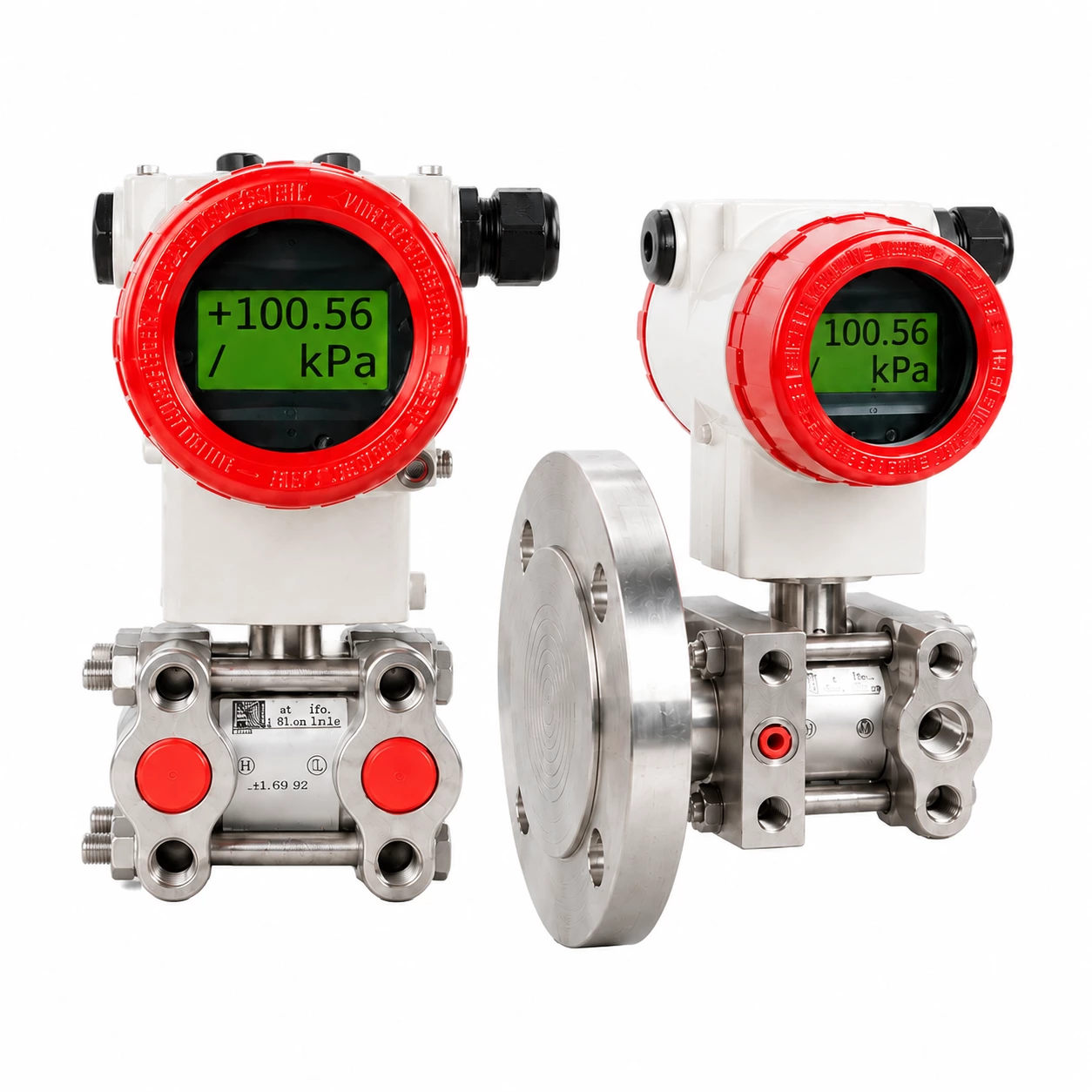
Find the right instrument for your application.
How differential pressure transmitter work
Applications & Industries
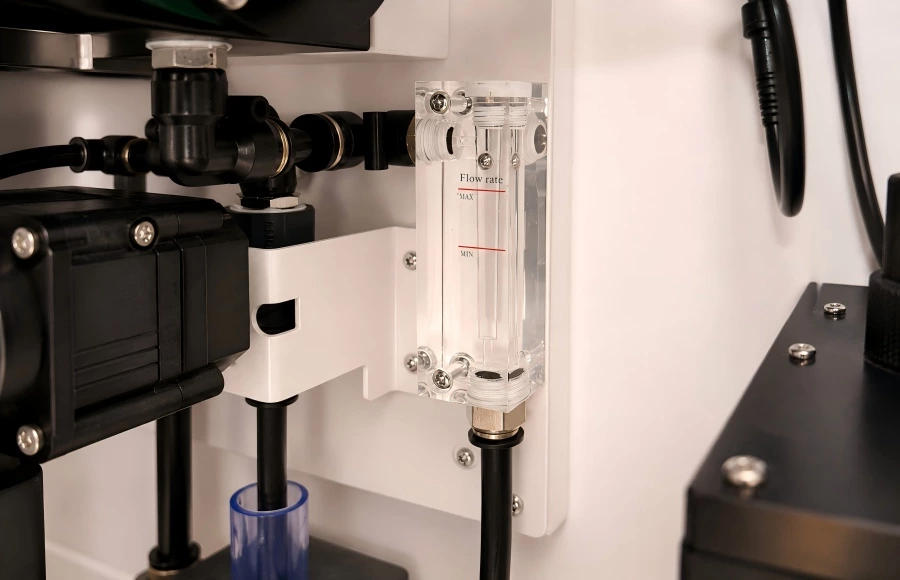
Multi-Parameter Water Quality Monitoring for a Building Project in Dubai
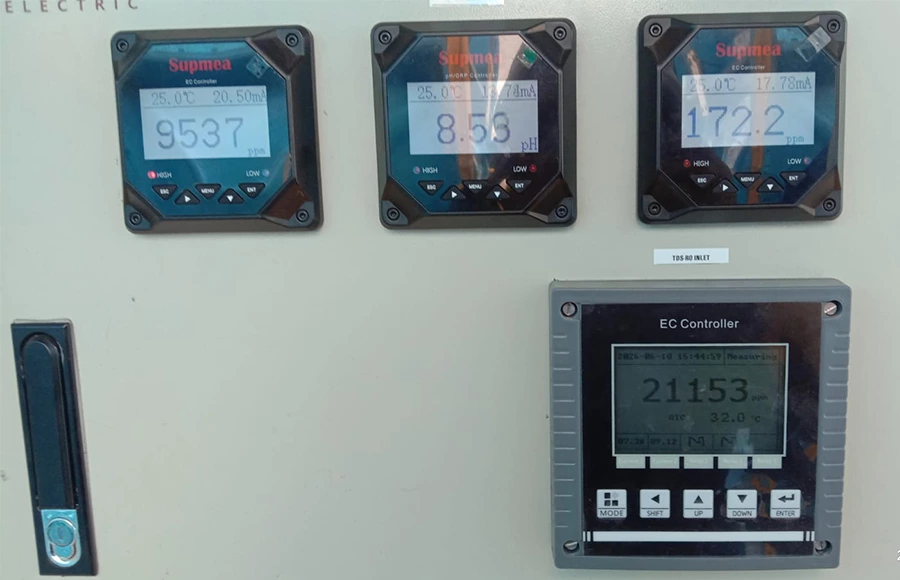
Integrated Flow and Water Quality Monitoring for an RO System in Indonesia
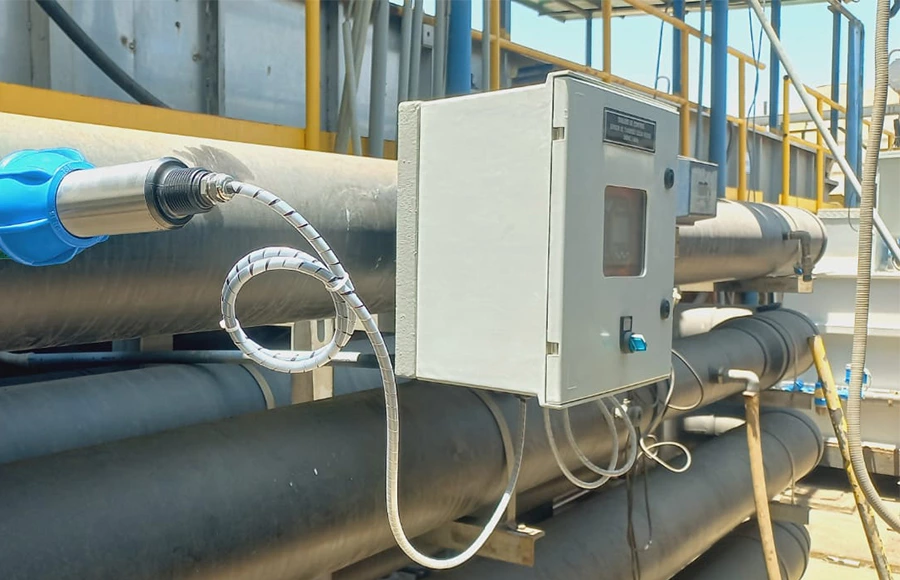
Inline Wastewater Turbidity Monitoring for a Treatment Pipeline in Peru

Supmea Multi-Parameter Monitoring Supports Water Treatment at an International Airport in Argentina
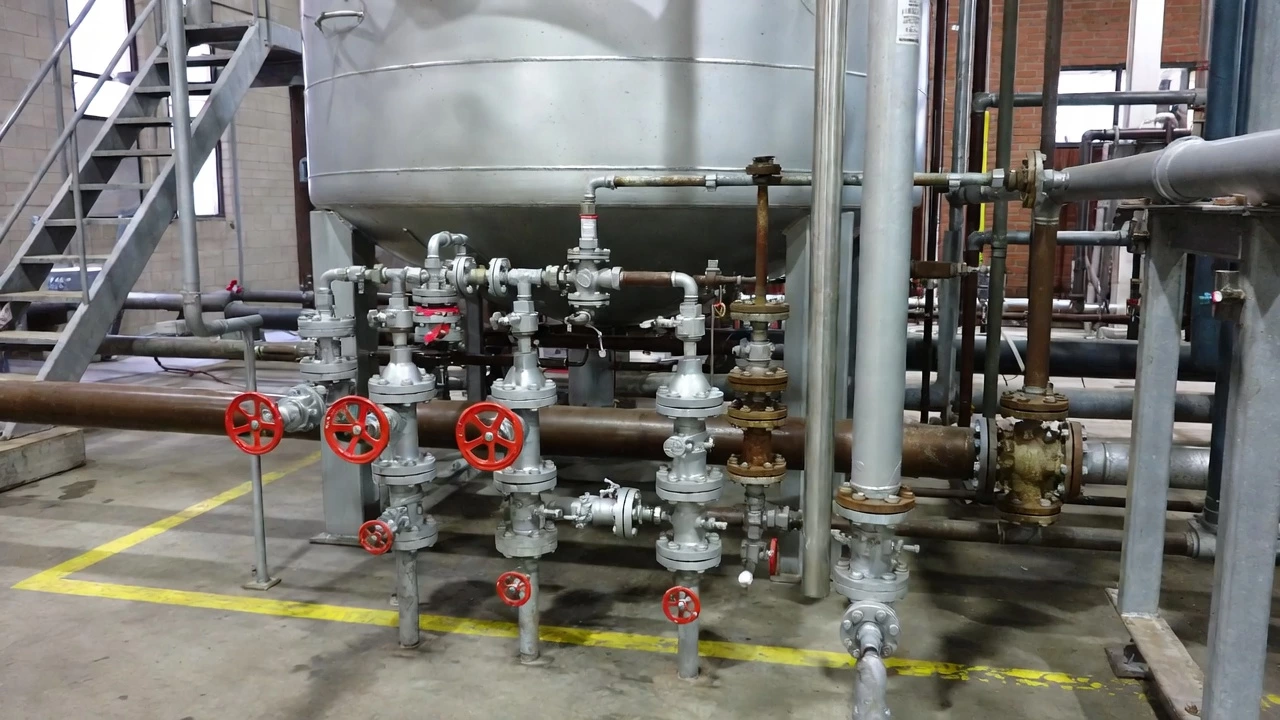
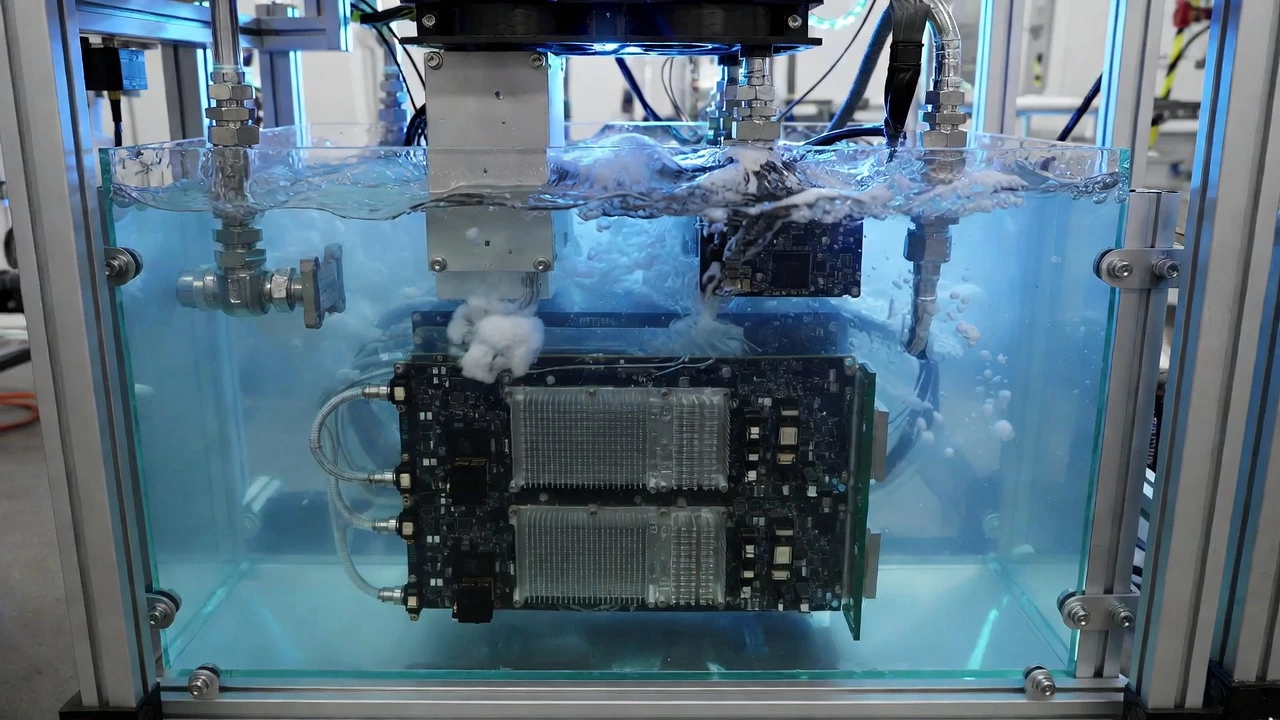

Related Products
Discover our most trusted process instruments for water and wastewater applications. Designed for reliable measurement, intelligent monitoring, and efficient process control across every stage of the treatment cycle.
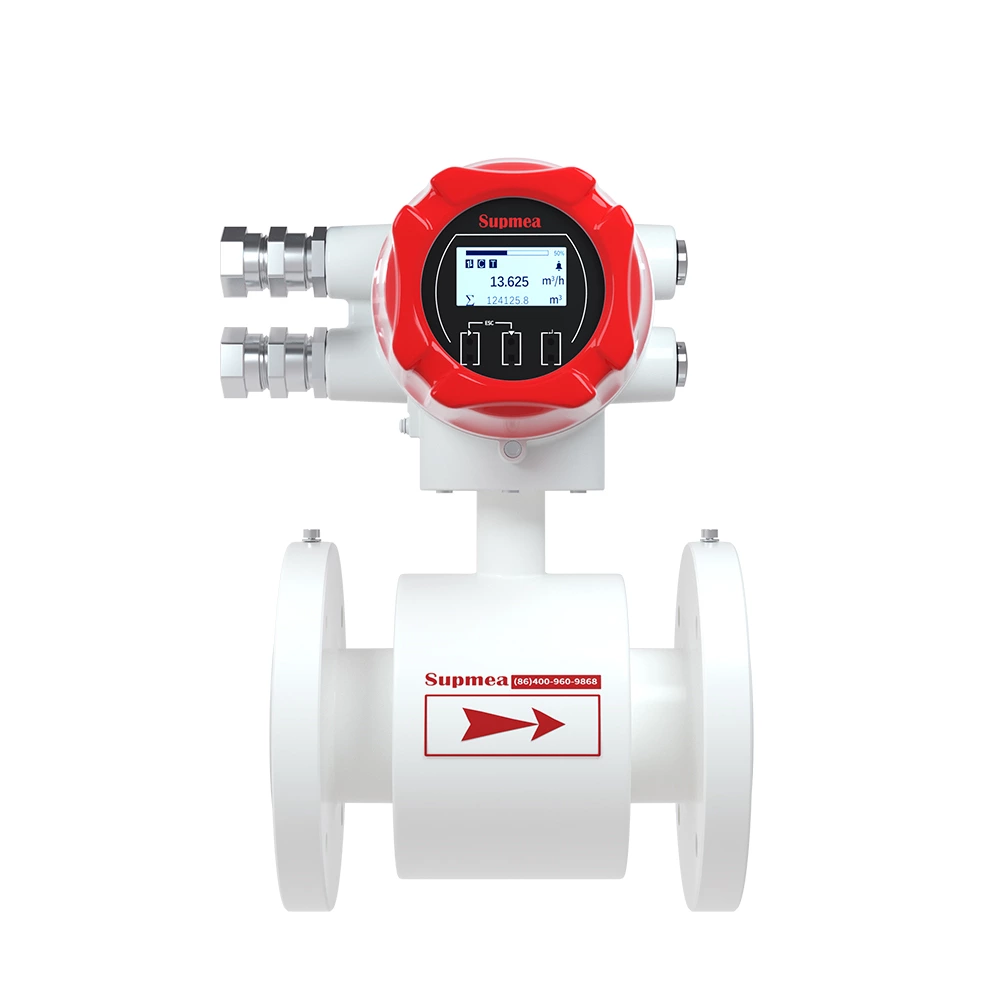
LDG-SUP-A100D Explosion-Proof Electromagnetic Flowmeter
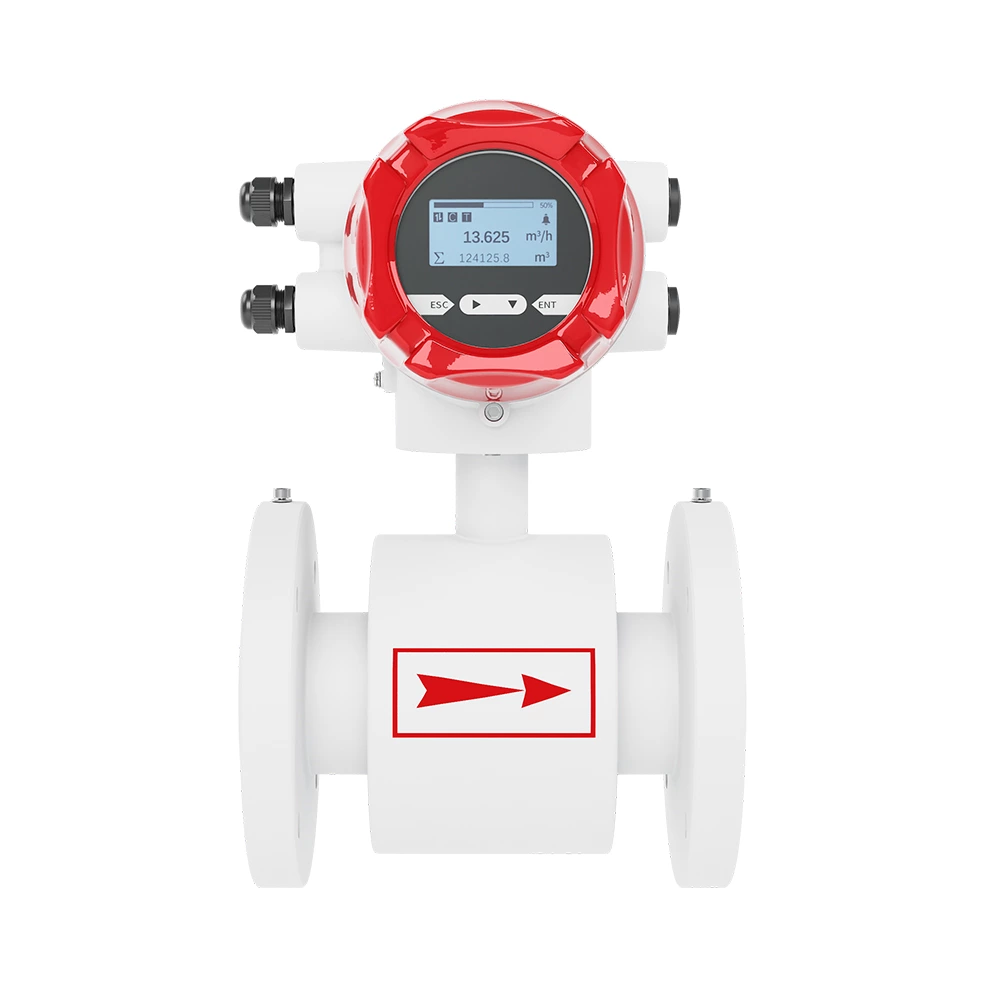
LDG-SUP-A100 Electromagnetic Flow Meter — High-Accuracy Conductive Liquid Measurement
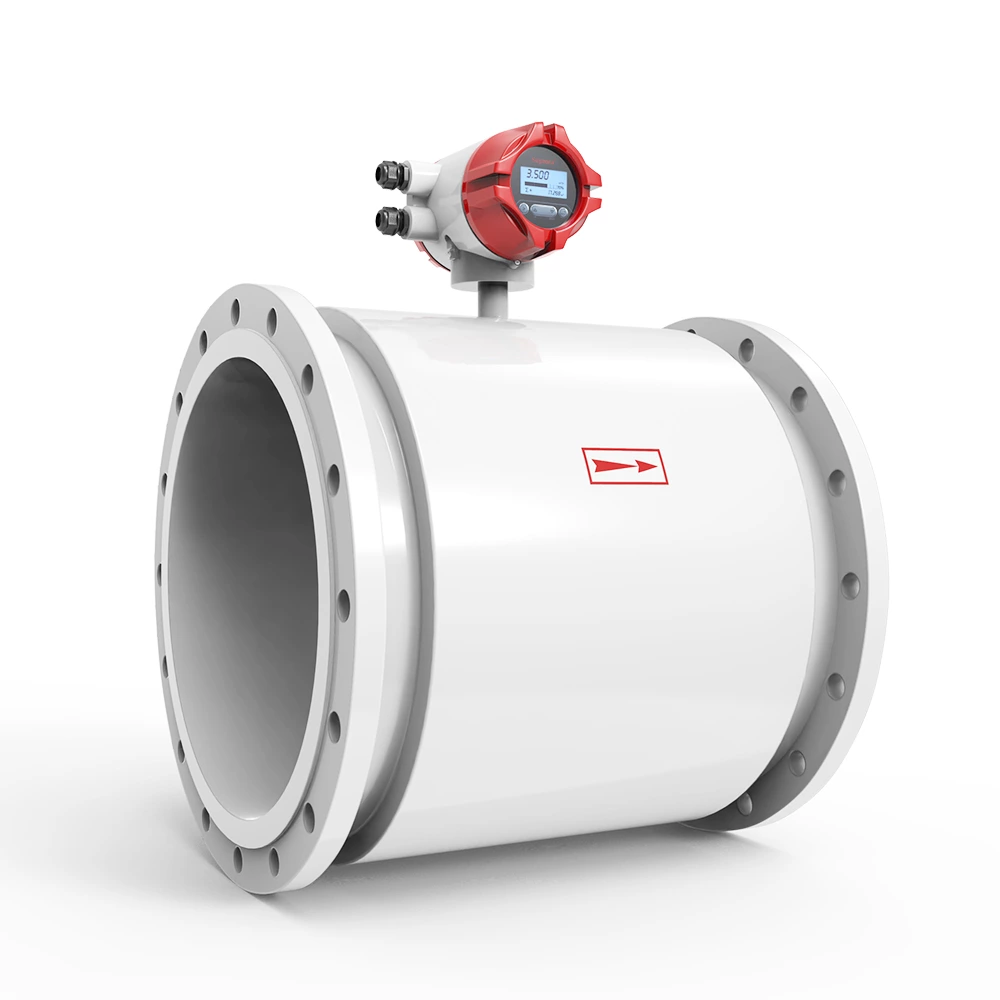
LDG-SUP Electromagnetic Flowmeter: Precision Flow Measurement for Demanding Industrial Applications
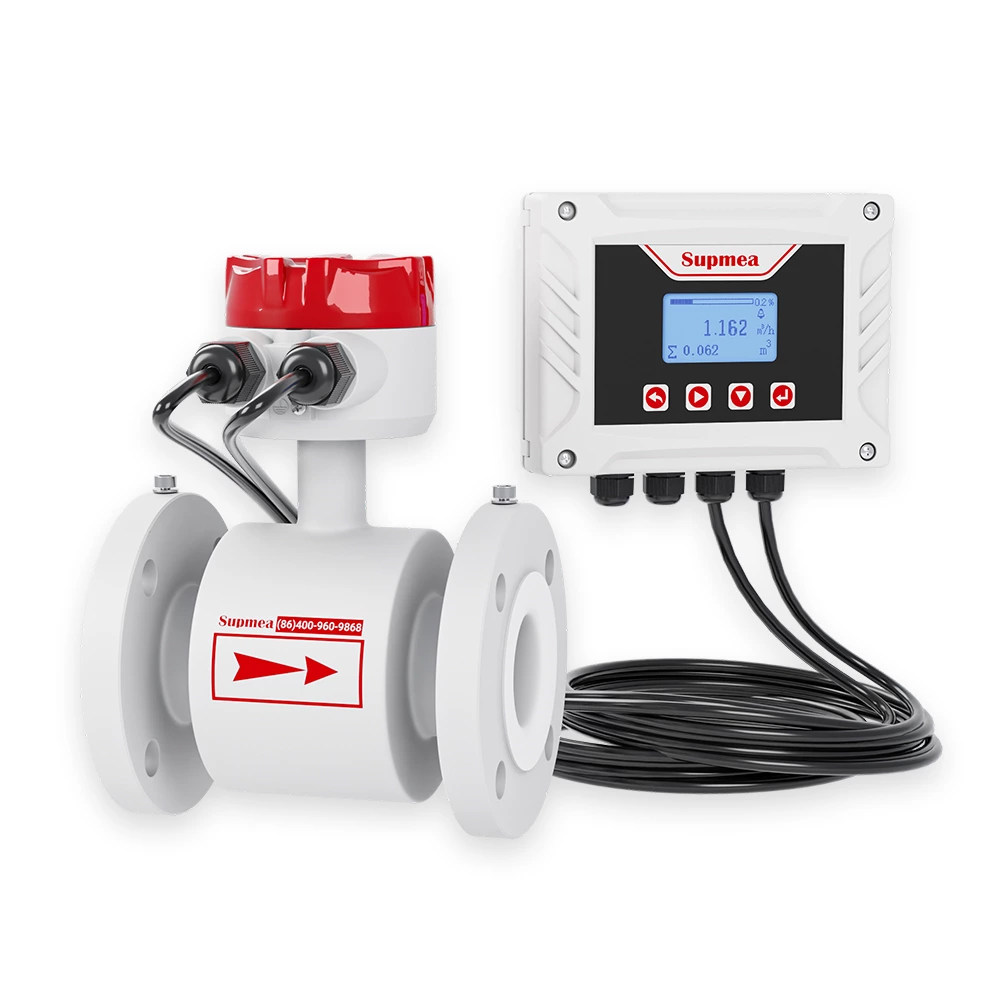
SUP-LDG Remote type electromagnetic flowmeter
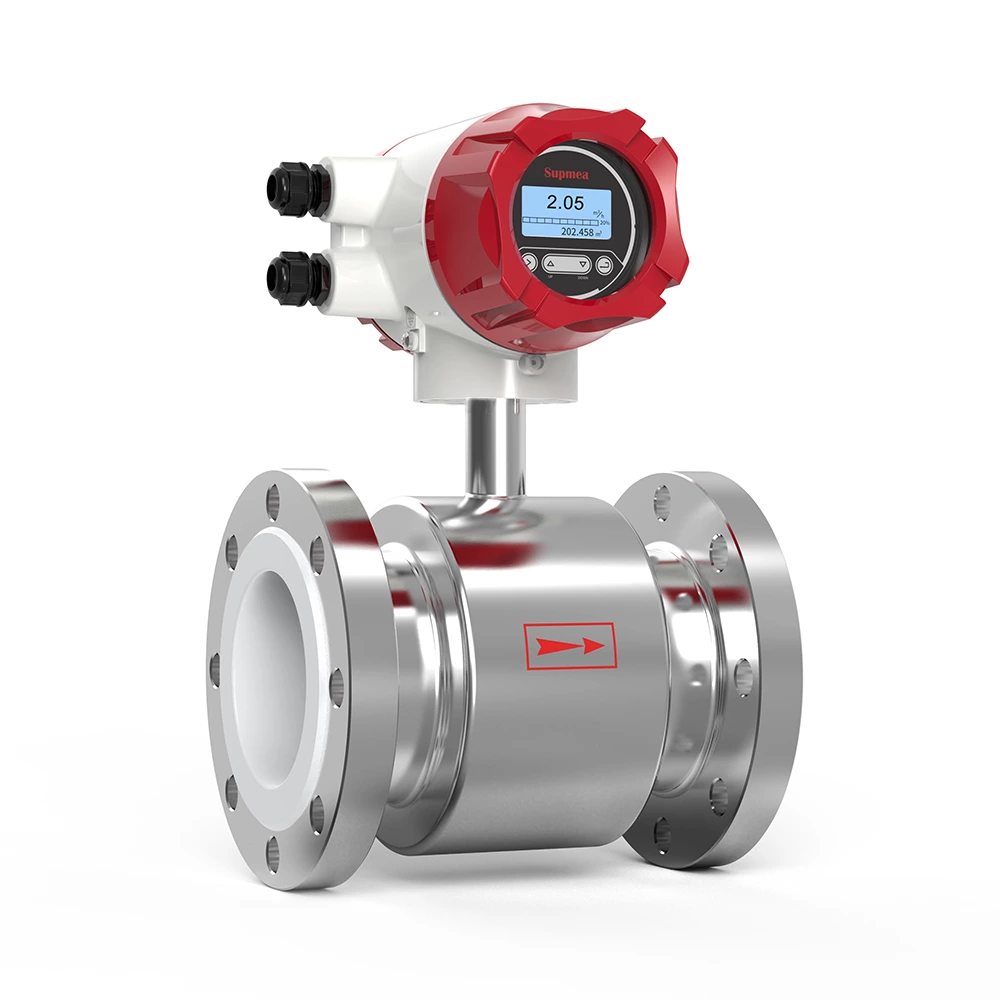
SUP-LDG Stainless steel body electromagnetic flowmeter
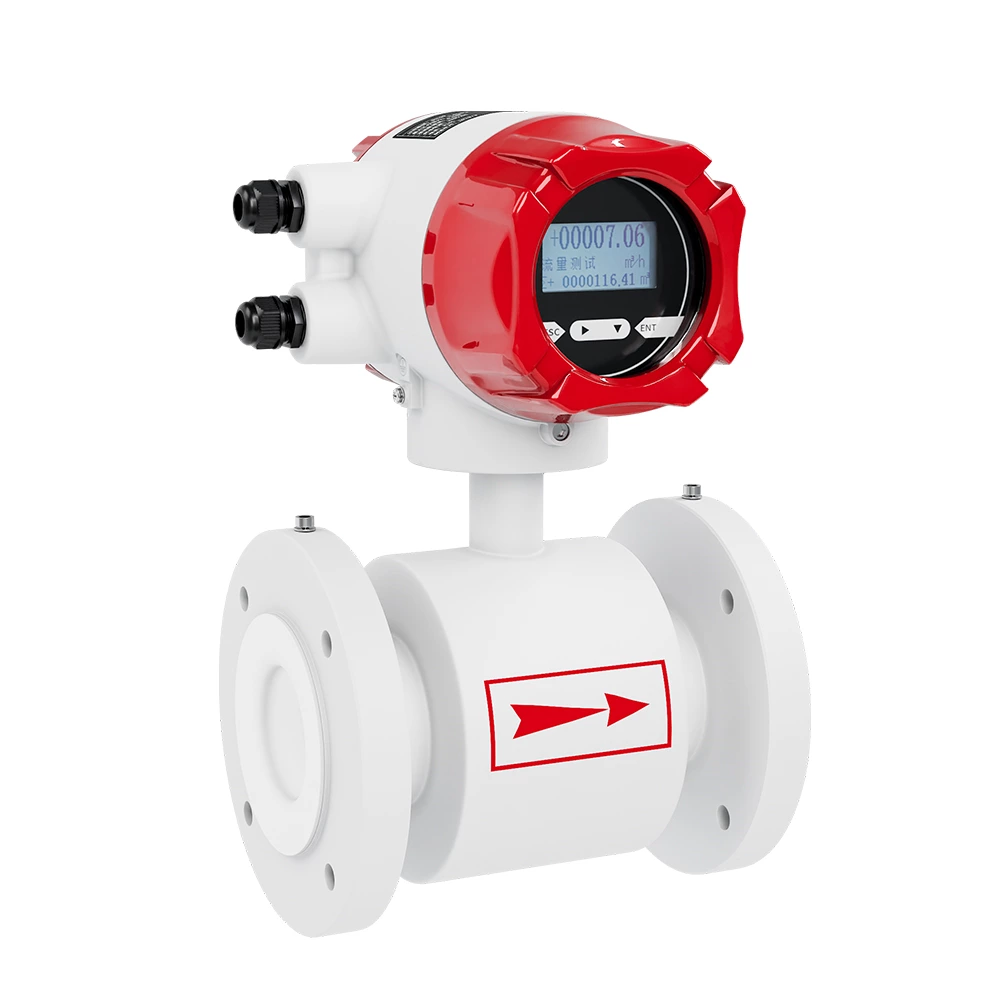
SUP-FMC400 Low Conductivity Electromagnetic flow meter
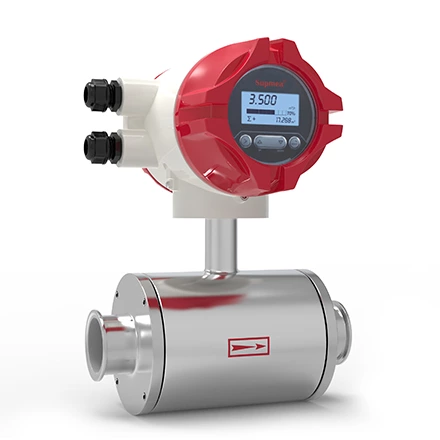
SUP-LDG Sanitary electromagnetic flowmeter for food processing
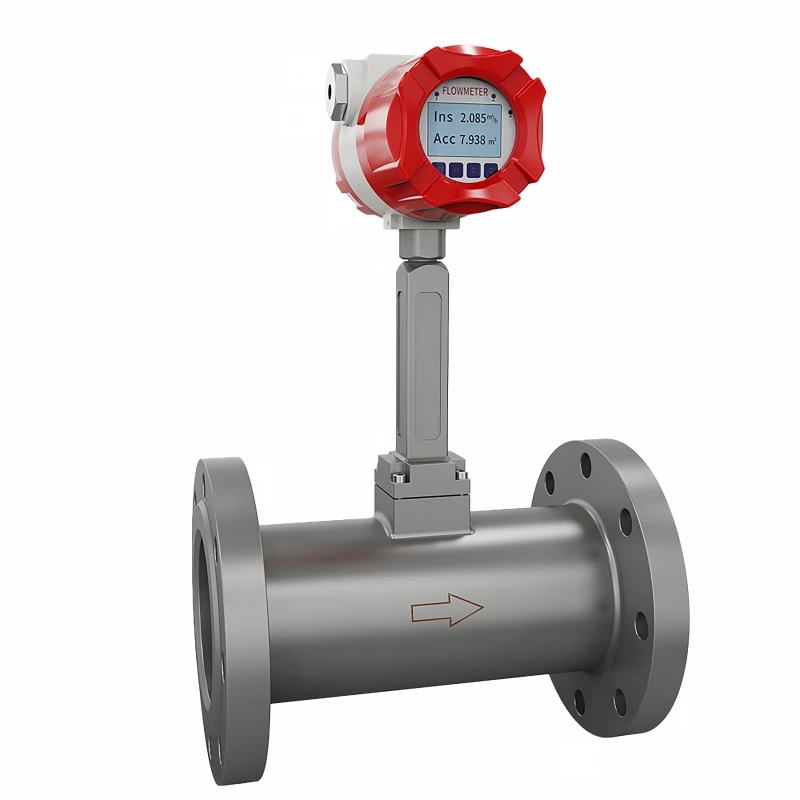
SUP-LUGB Vortex flowmeter without temperature & pressure compensation
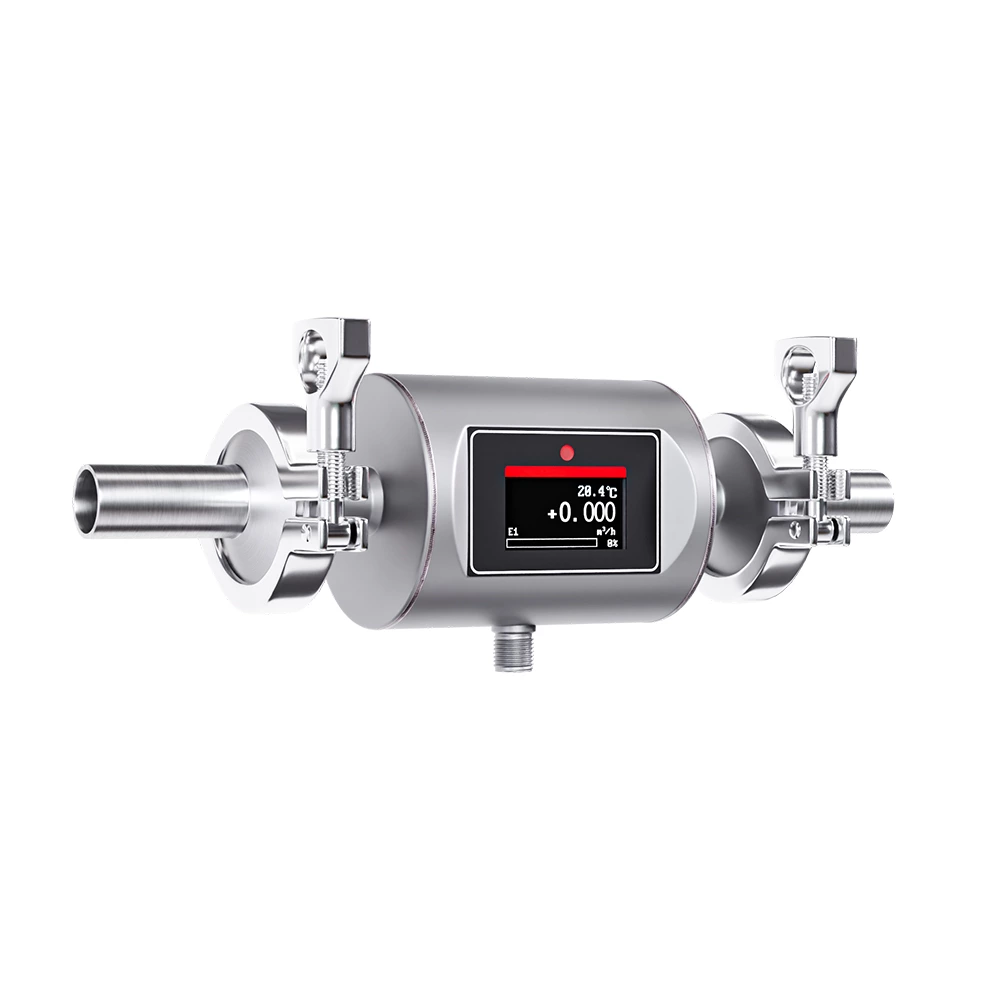
SUP-FMX240 Compact Electromagnetic Flow Meter—Precision Flow Measurement in a Space-Saving Design
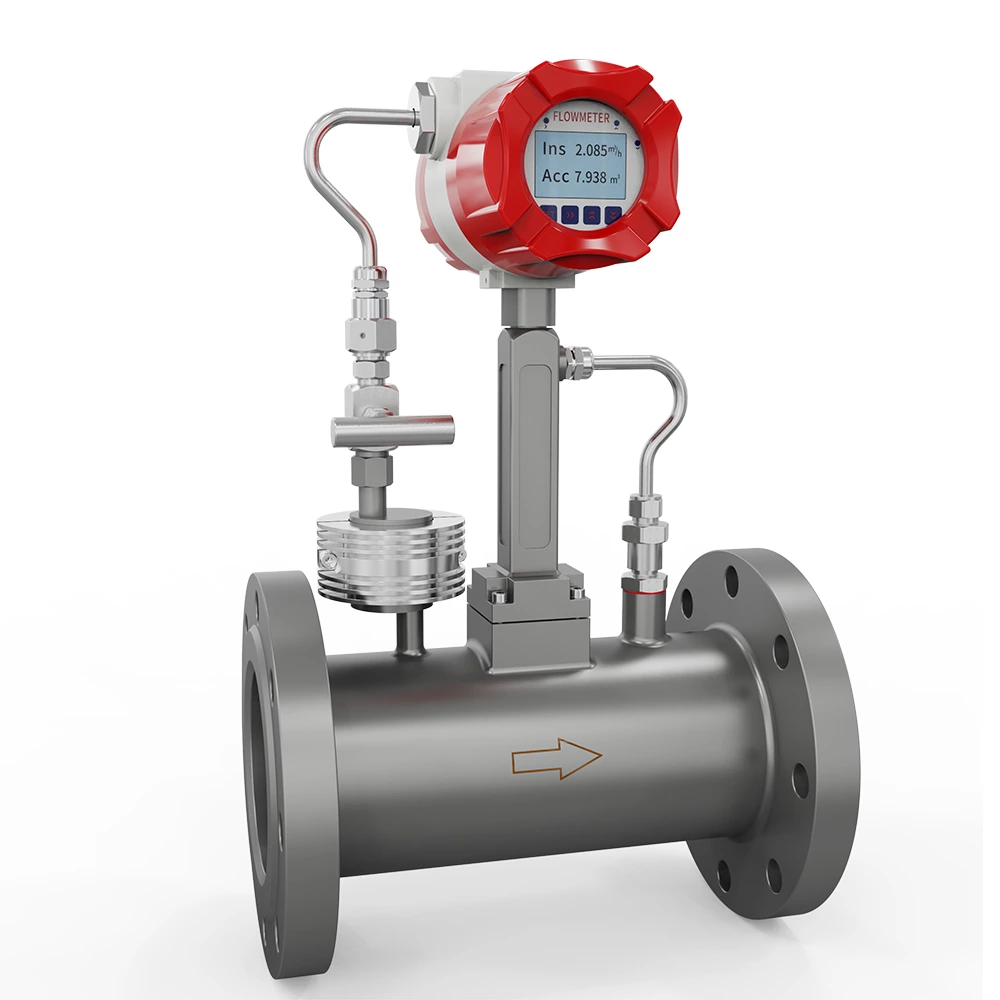
SUP-LUGB Vortex flowmeter with temperature & pressure compensation
Frequently Asked Questions
What does a differential pressure transmitter measure?
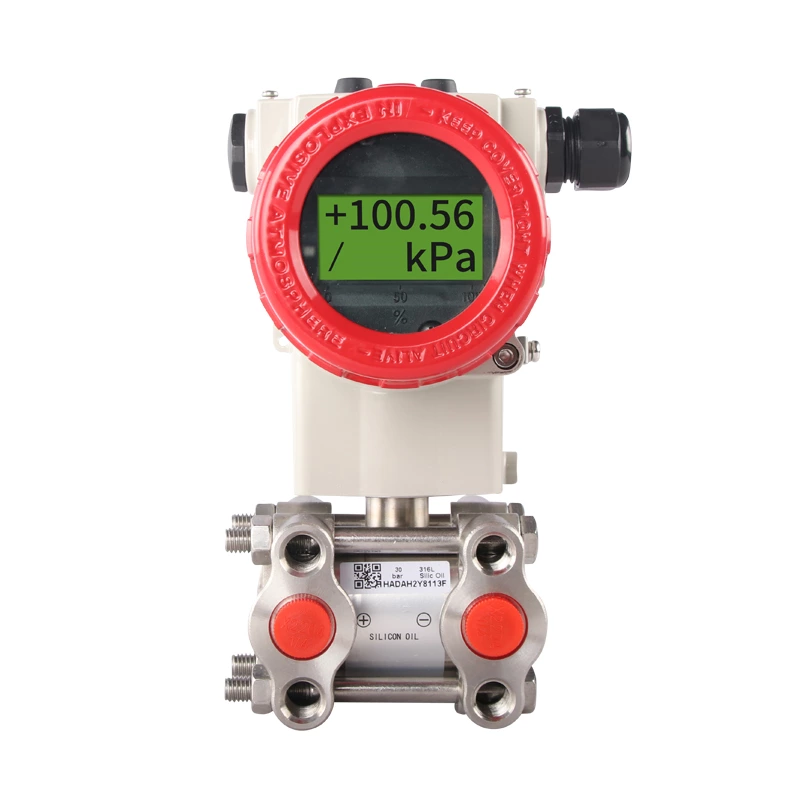
A differential pressure transmitter measures the difference between two process pressures and converts the result into a standard electrical output signal.
Can a differential pressure transmitter measure flow?
Yes. When installed across a primary flow element such as an orifice plate, the measured differential pressure can be used to calculate flow rate.
Can it measure liquid level in a closed tank?
Yes. Differential pressure transmitters can measure hydrostatic liquid level while compensating for the pressure above the liquid in a sealed vessel.
What output signals are available?
Depending on the model, available outputs include two-wire 4–20 mA, HART communication and optional RS485/Modbus.
What diaphragm materials are available?
Available materials depend on the model and configuration and may include stainless steel 316L, Hastelloy C, tantalum and selected coated diaphragm materials.
Can these transmitters measure steam?
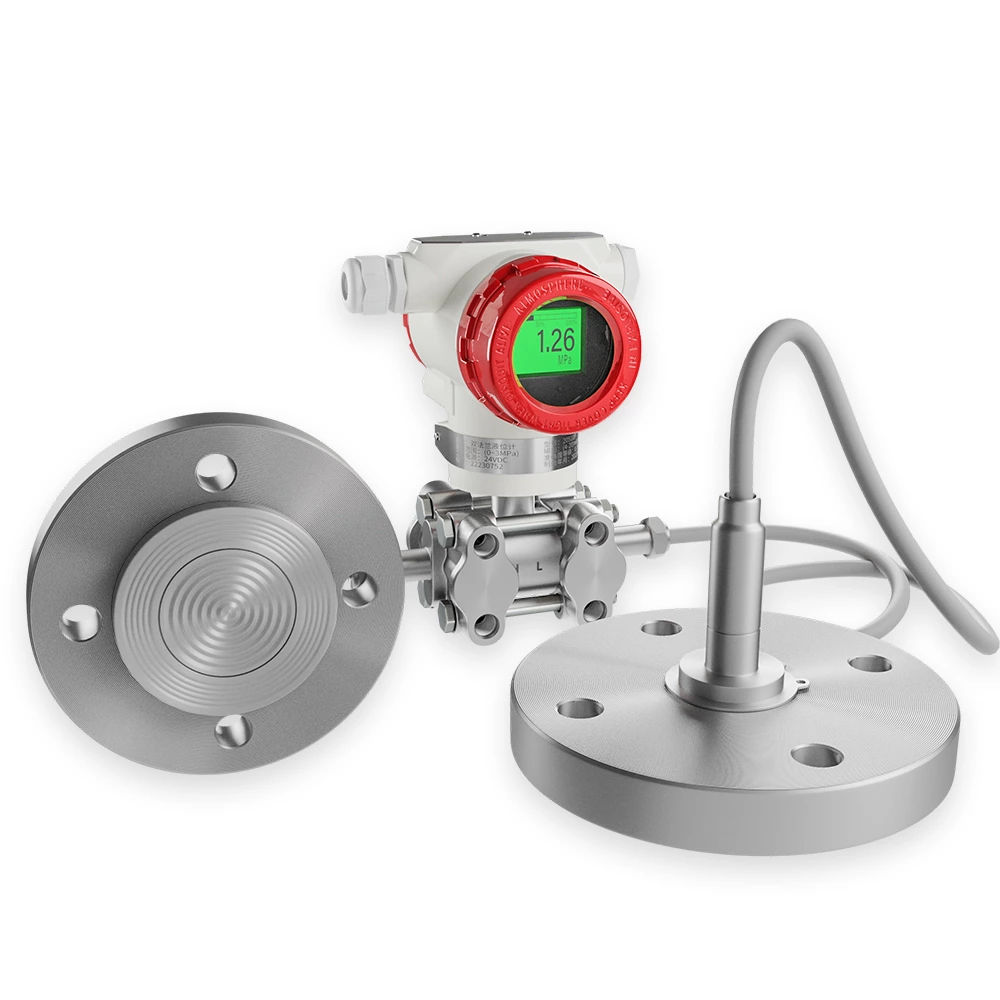
SUP-2051 and SUP-2051DP can be applied to steam measurement when the transmitter, impulse piping or remote-seal arrangement is selected and installed for the process temperature.