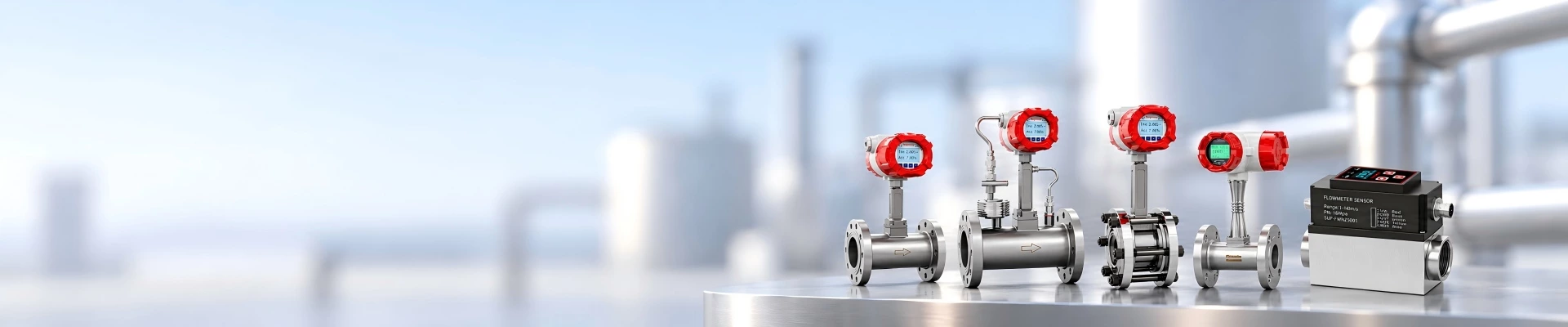
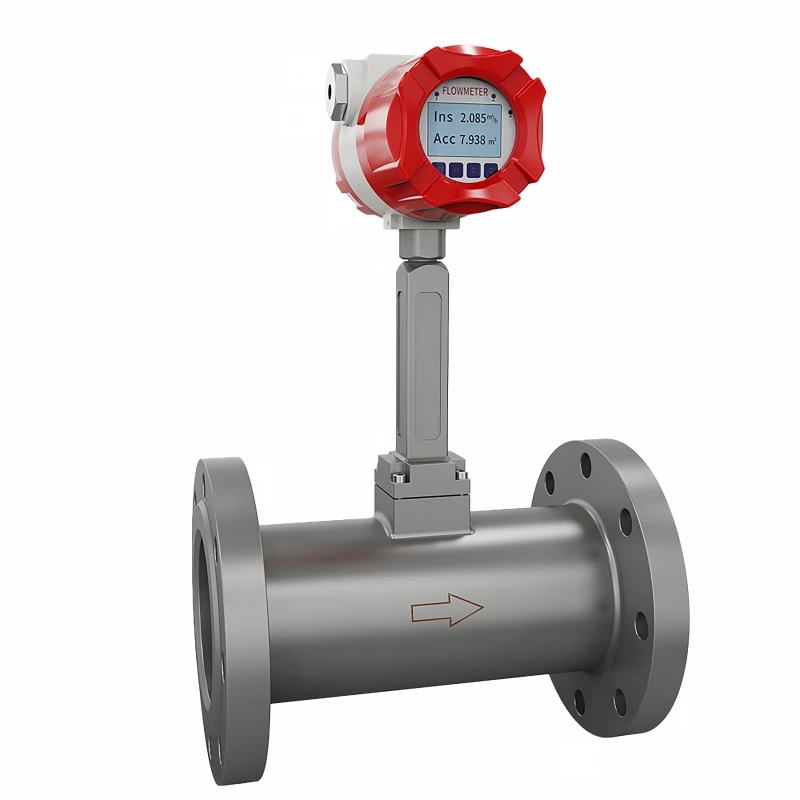
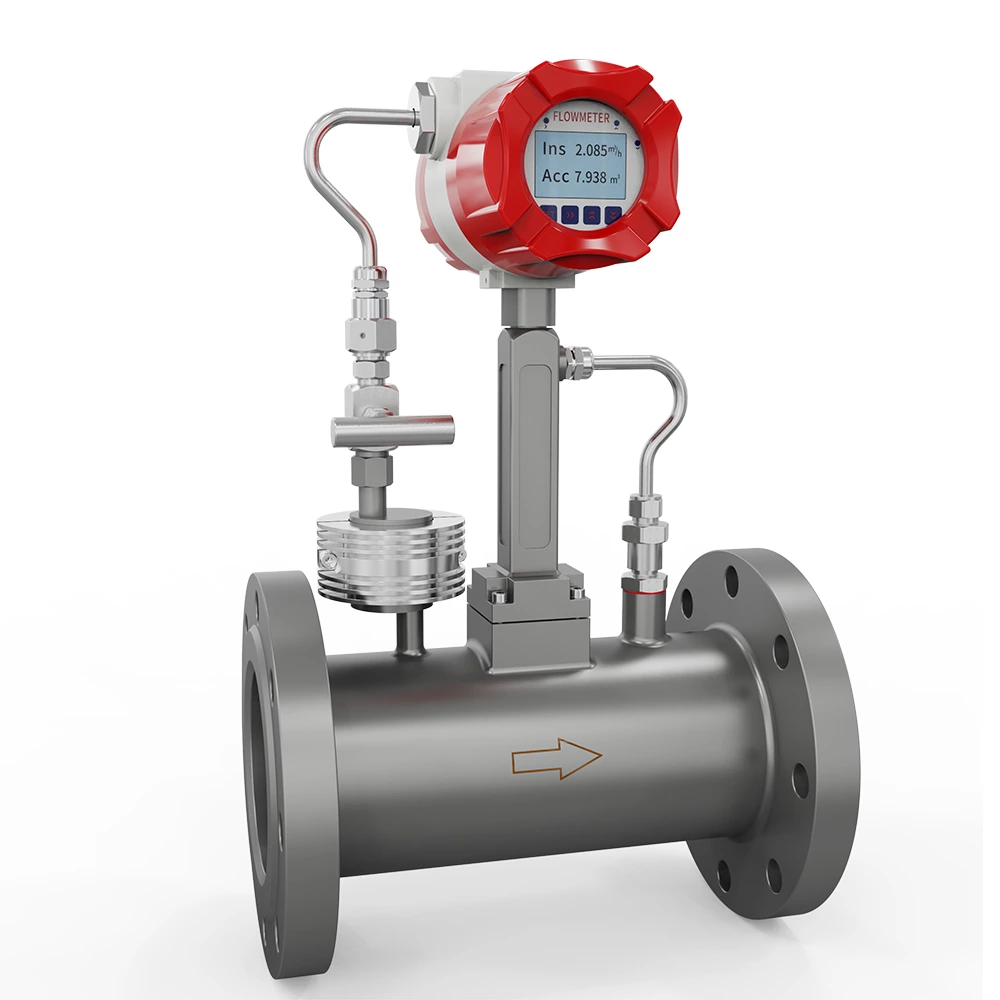
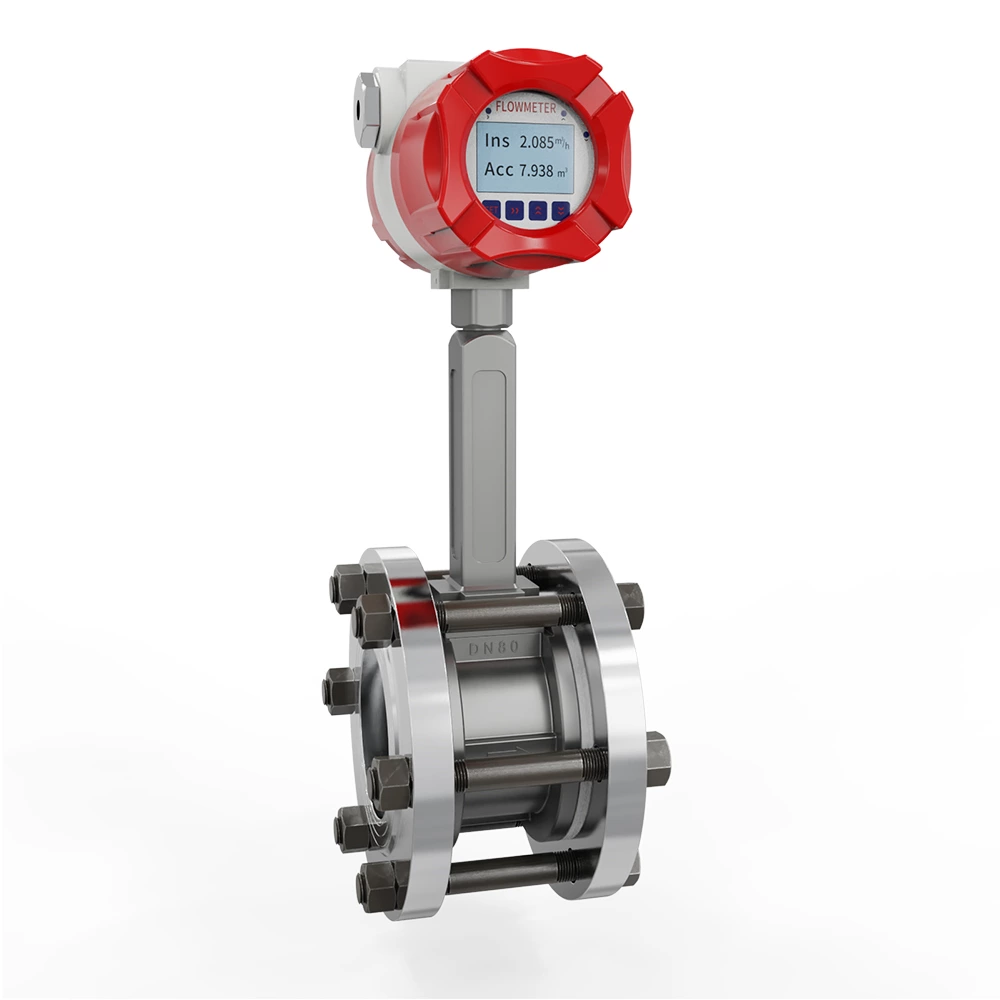
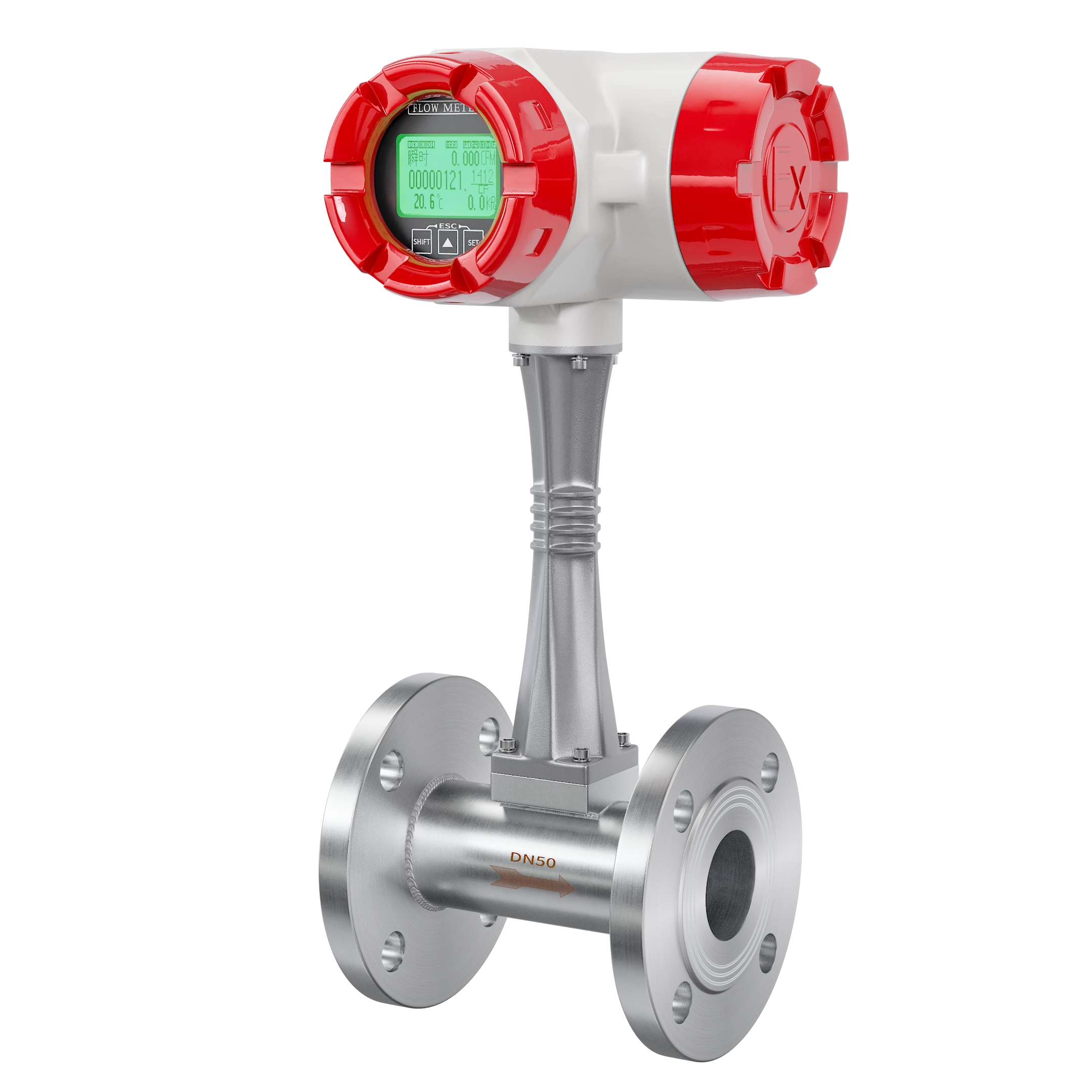
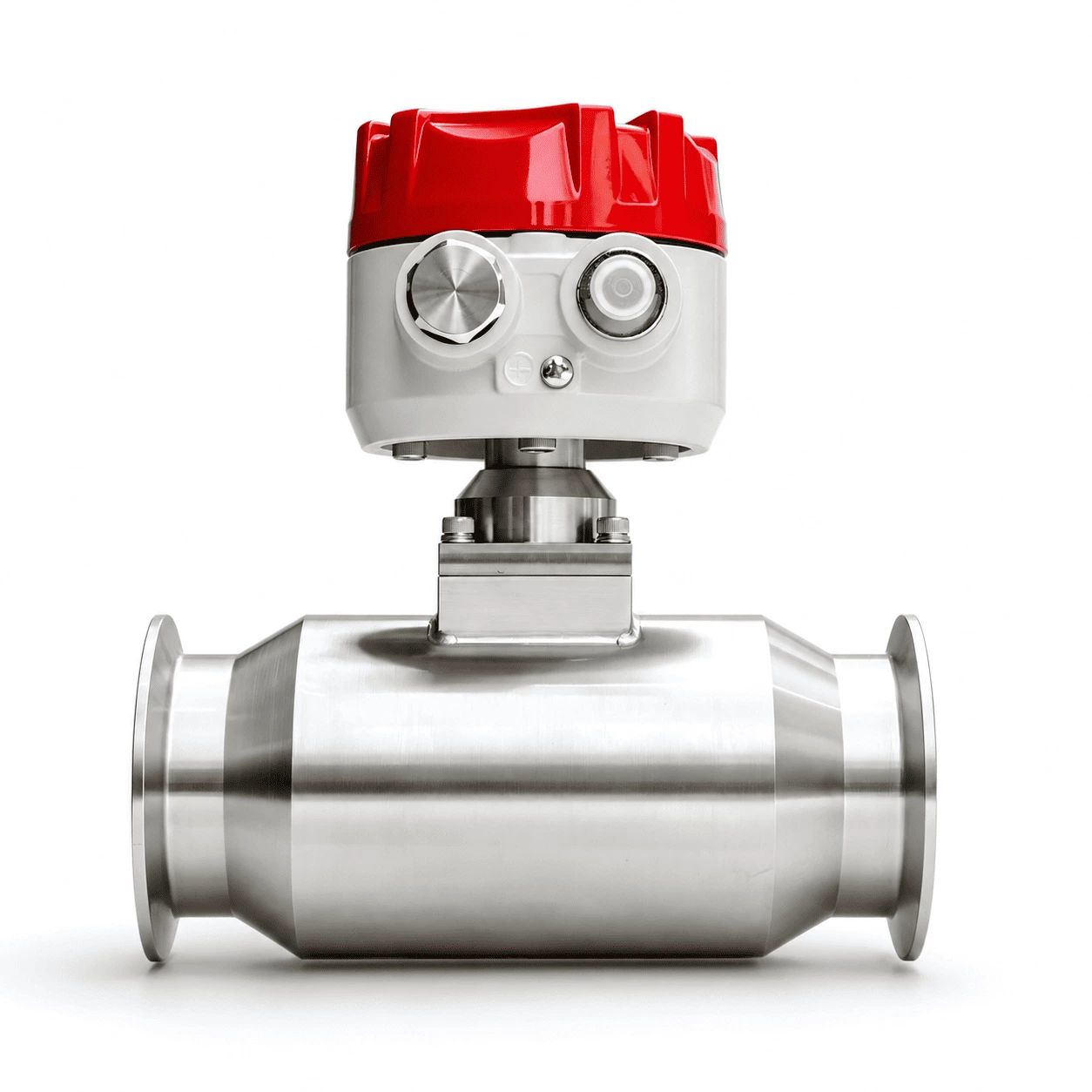
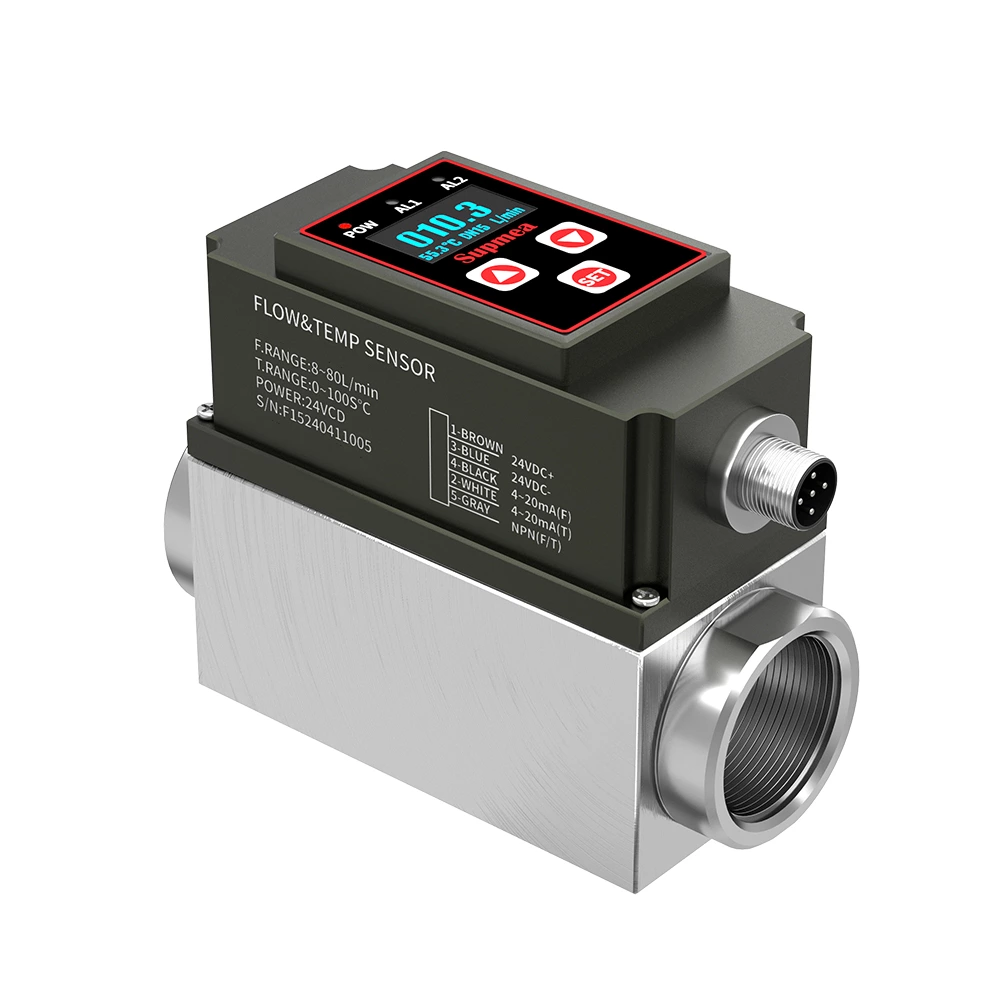
Quick product selection
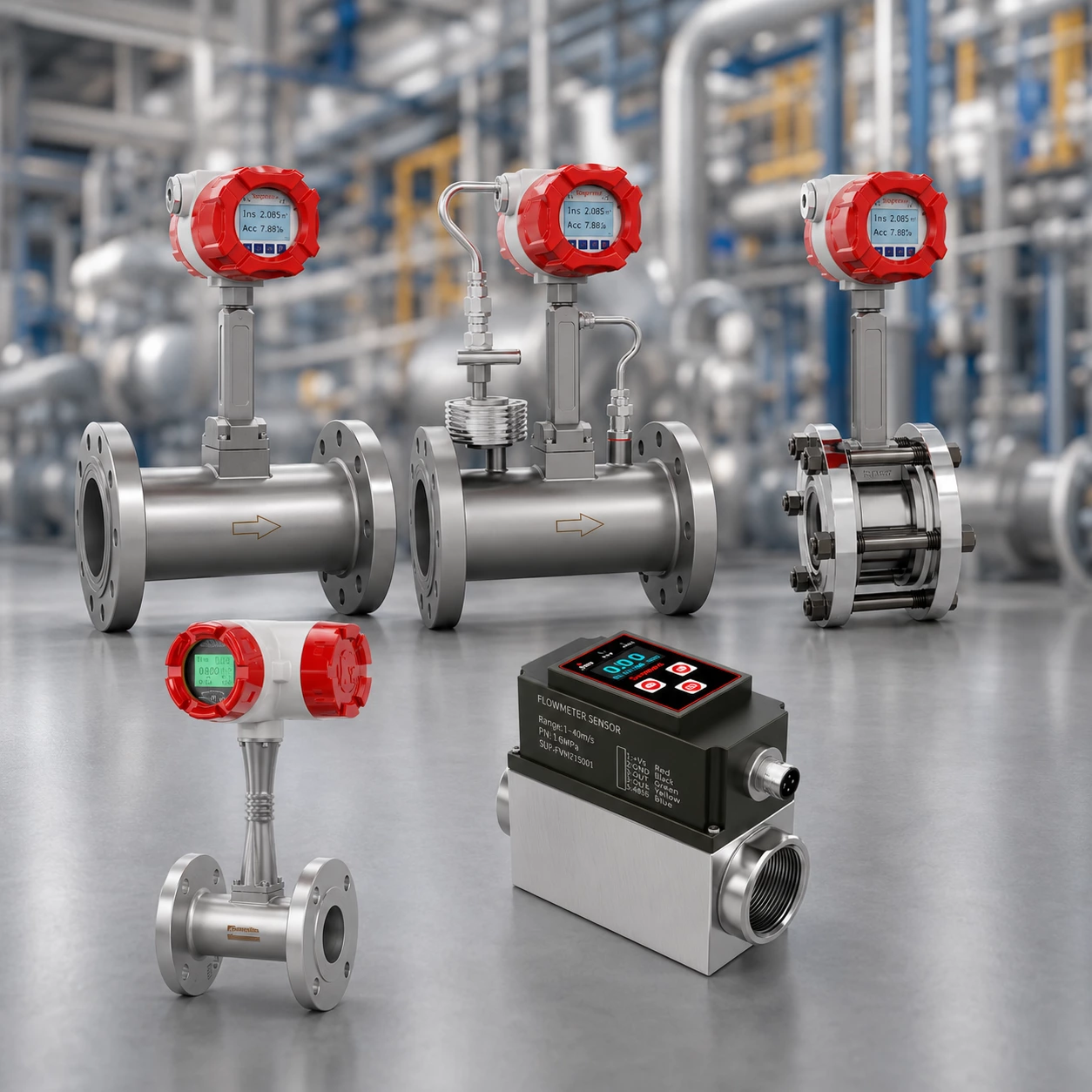
Find the right instrument for your application.
How vortex flowmeters work
Applications & Industries
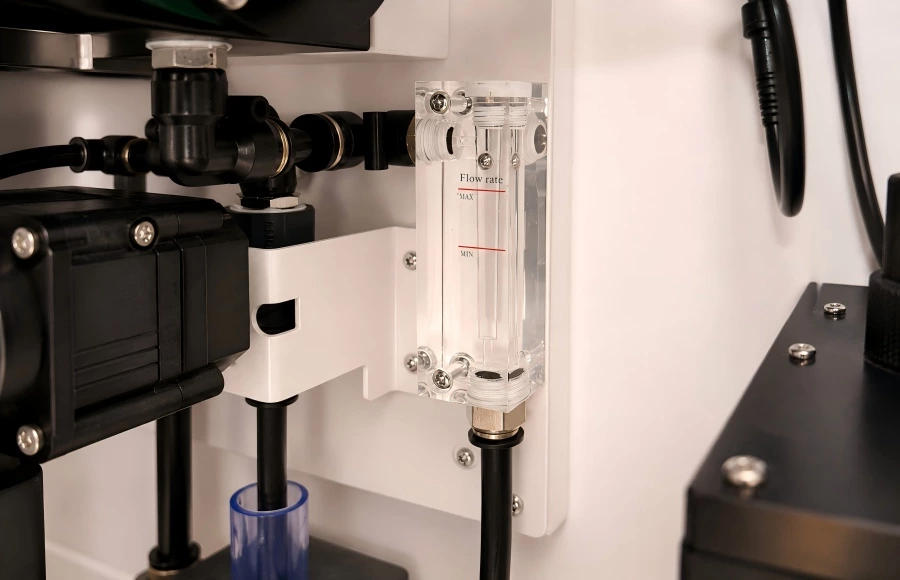
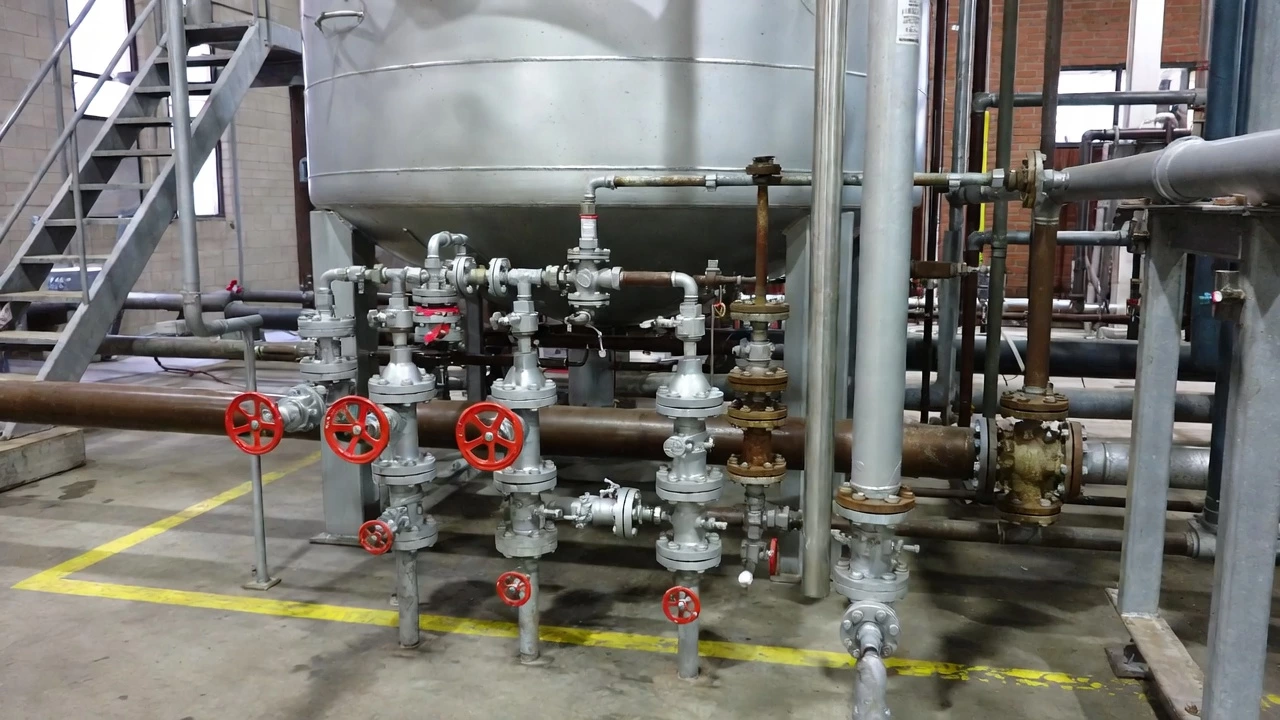
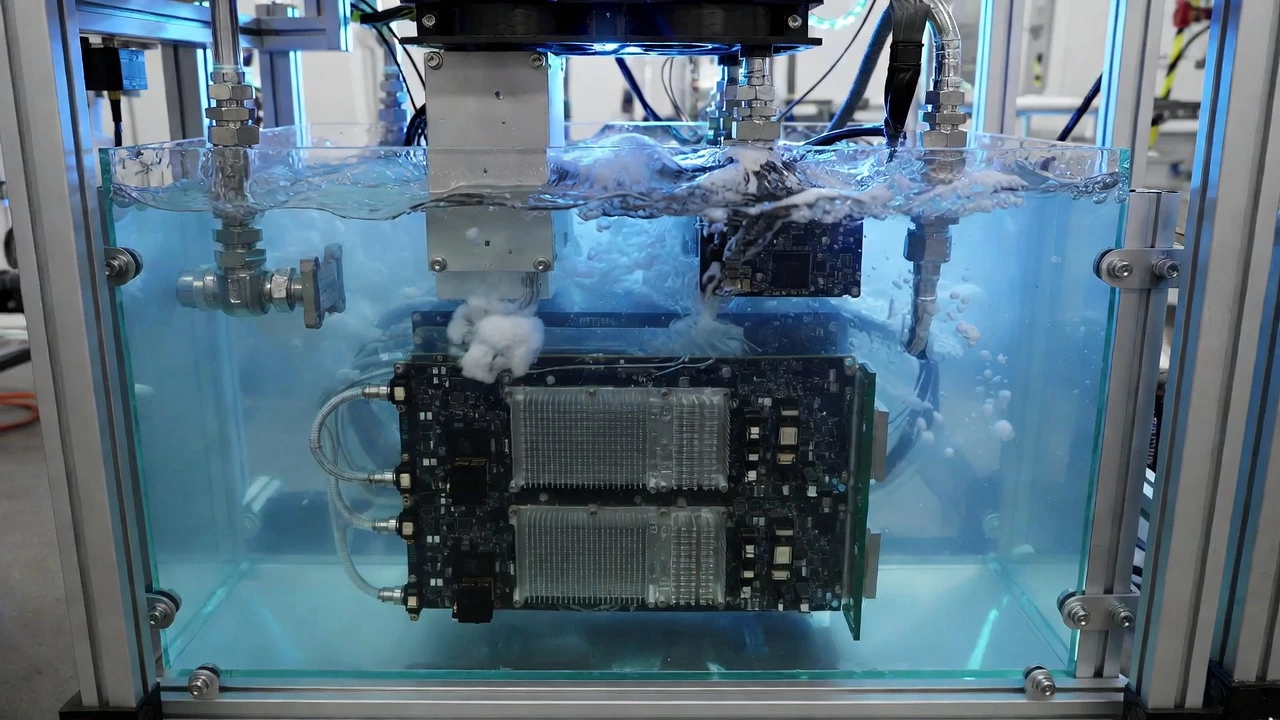
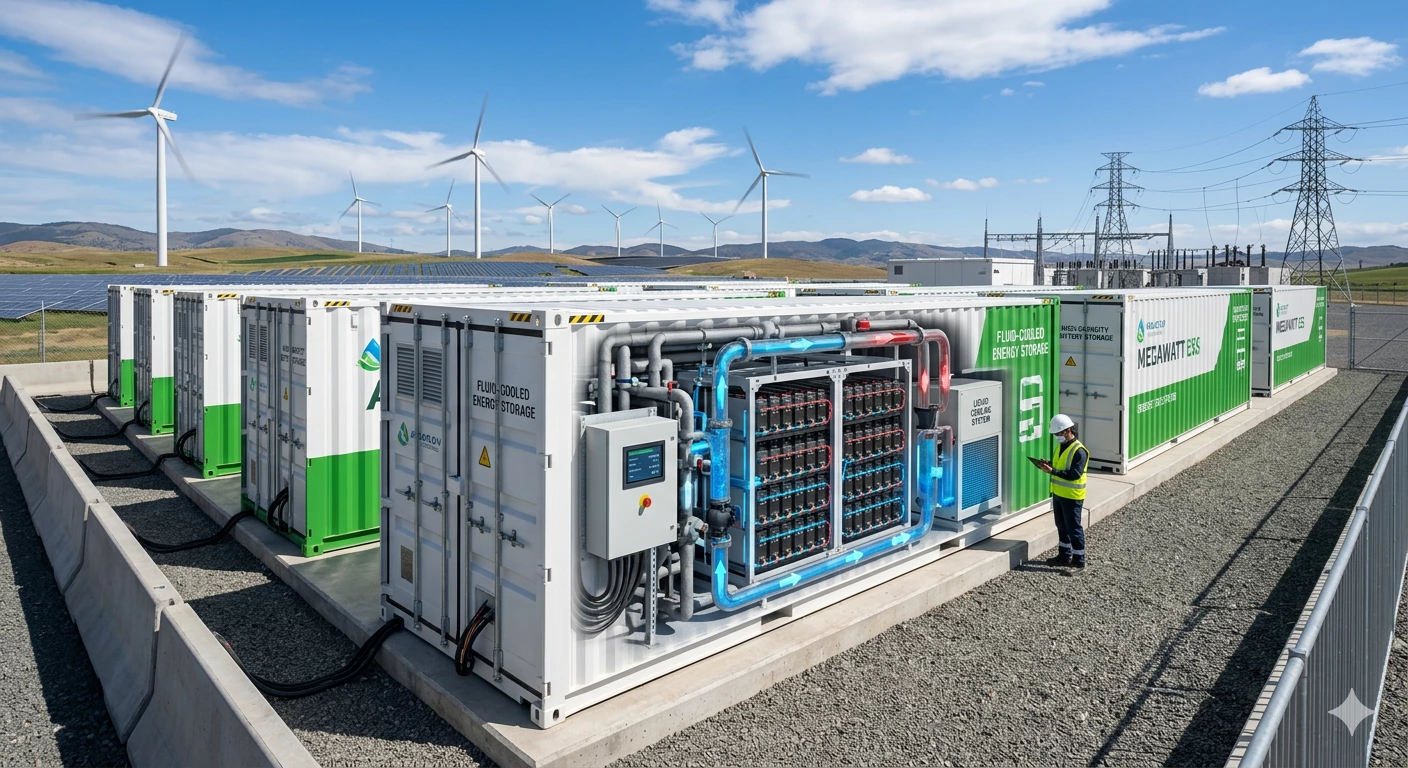
Multi-Parameter Water Quality Monitoring for a Building Project in Dubai
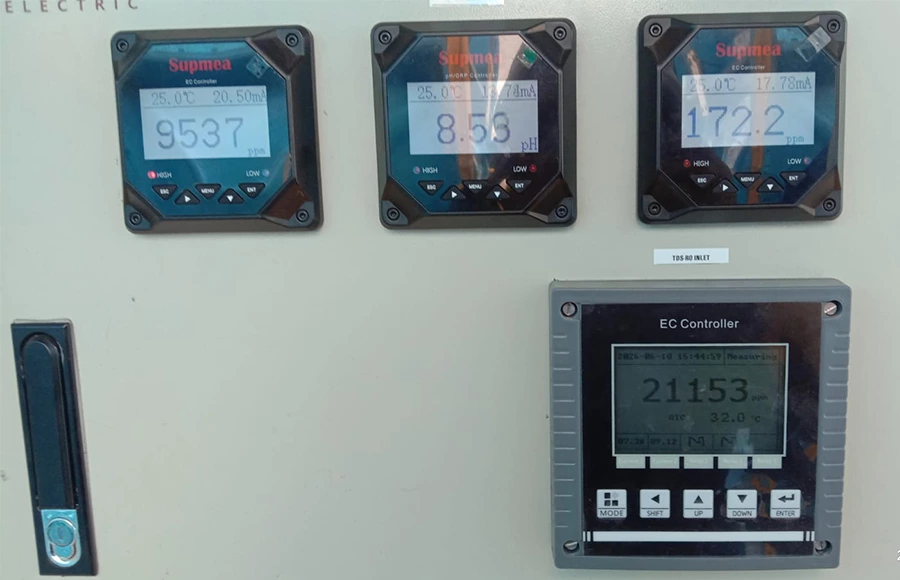
Integrated Flow and Water Quality Monitoring for an RO System in Indonesia
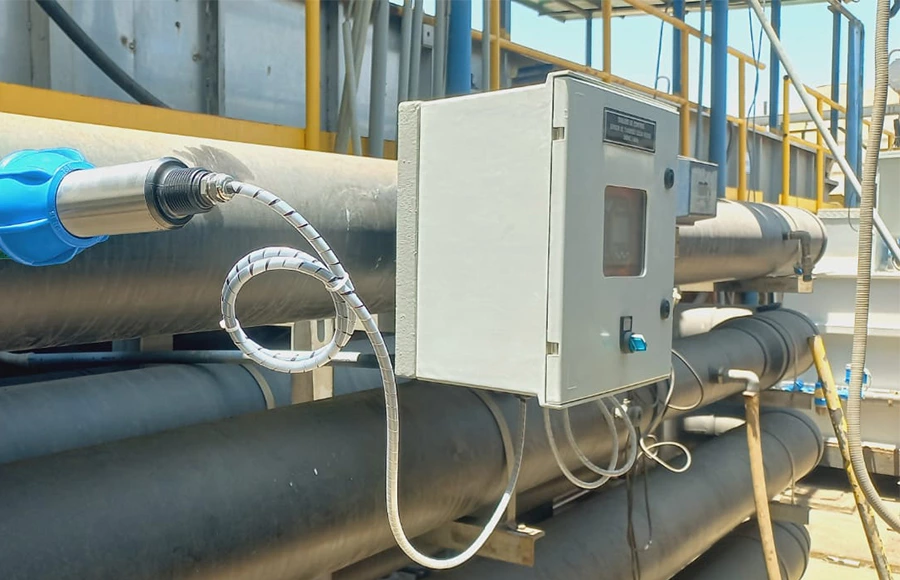
Inline Wastewater Turbidity Monitoring for a Treatment Pipeline in Peru
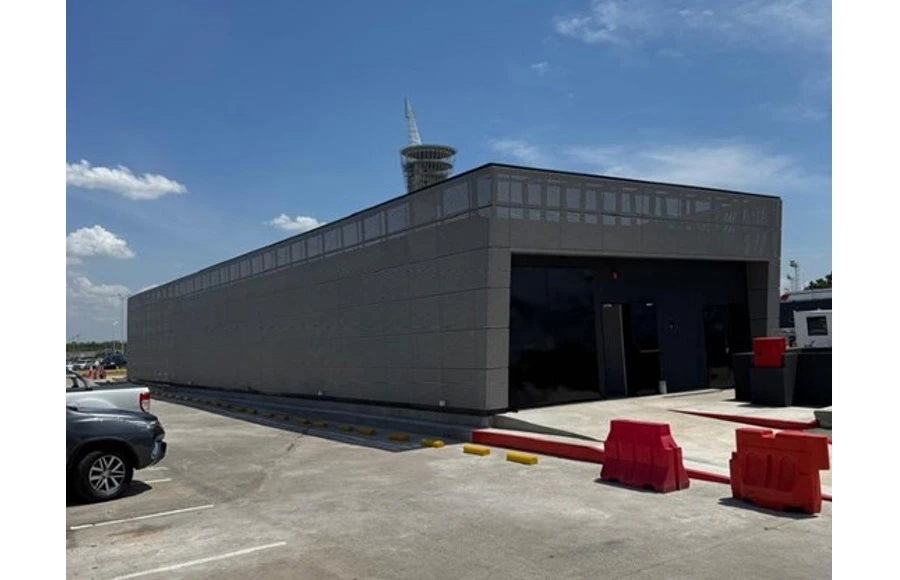
Supmea Multi-Parameter Monitoring Supports Water Treatment at an International Airport in Argentina
Related Products
Discover our most trusted process instruments for water and wastewater applications. Designed for reliable measurement, intelligent monitoring, and efficient process control across every stage of the treatment cycle.
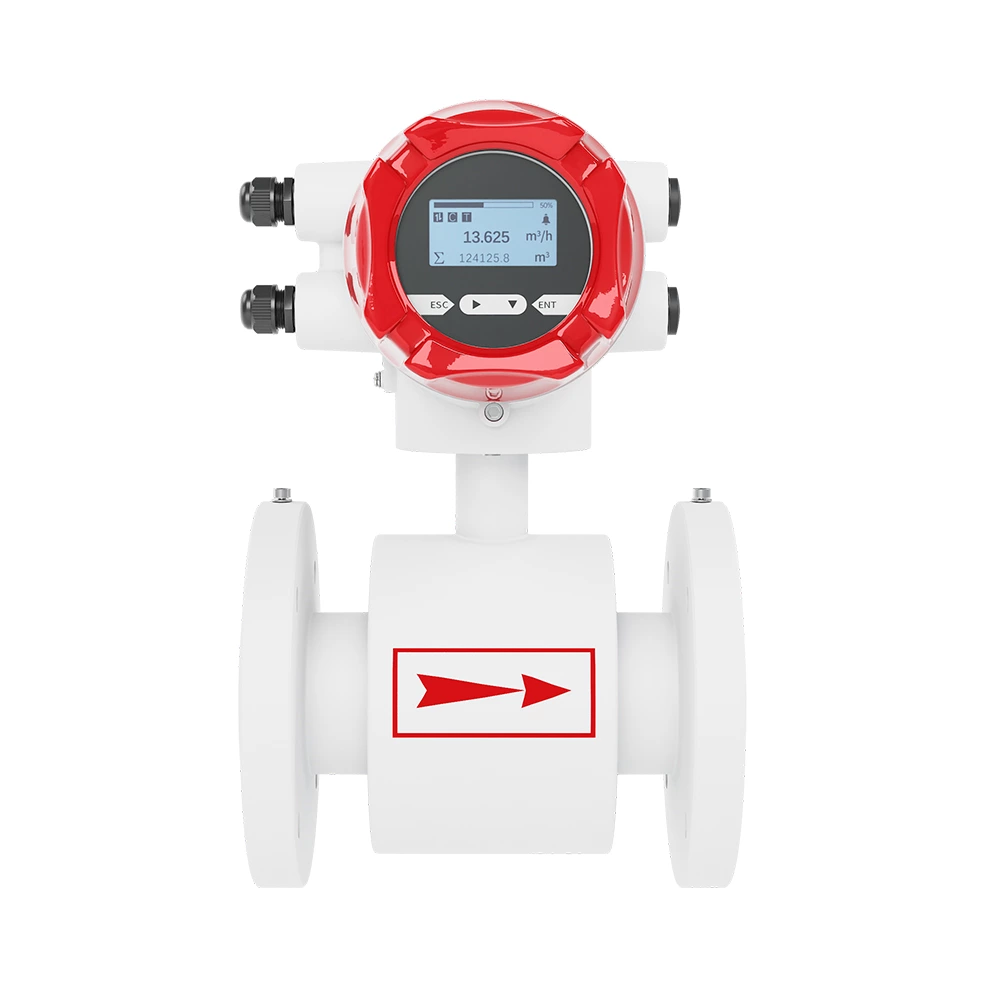
LDG-SUP-A100 Electromagnetic Flow Meter — High-Accuracy Conductive Liquid Measurement
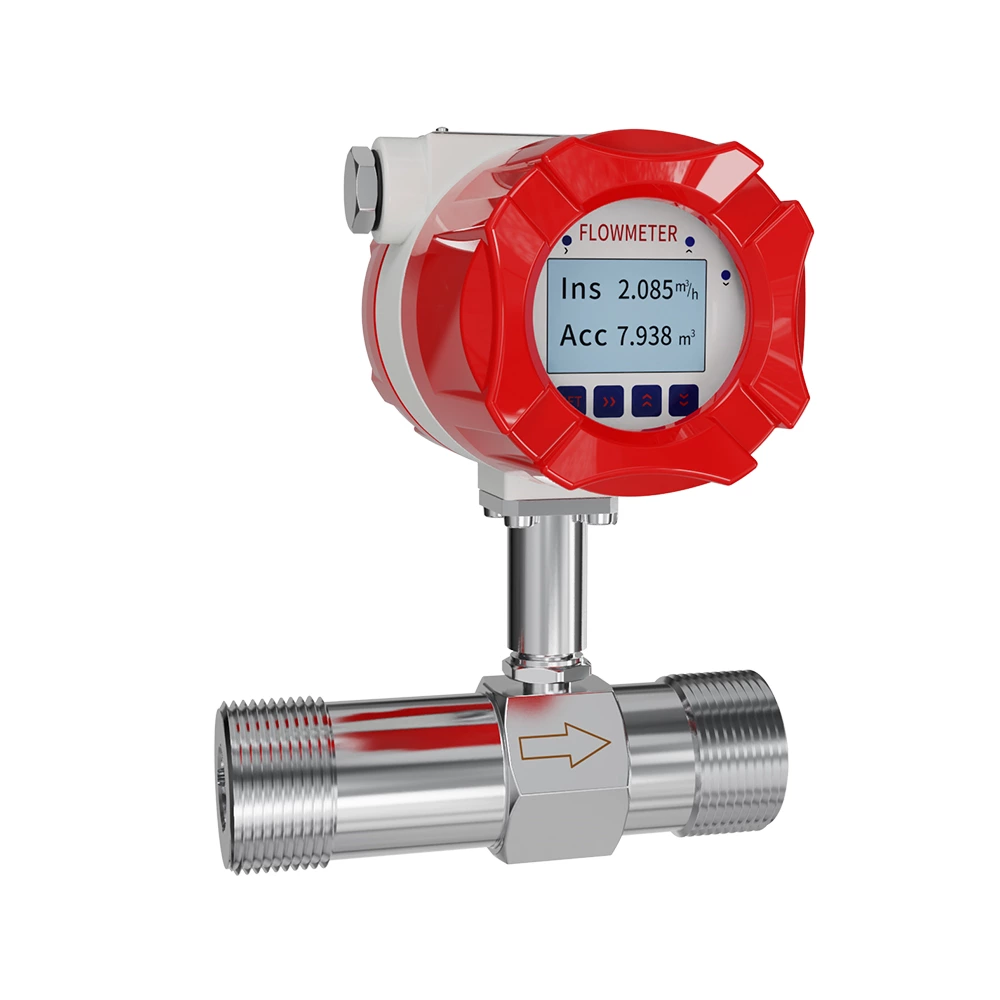
SUP-LWGY Turbine flowmeter thread connection
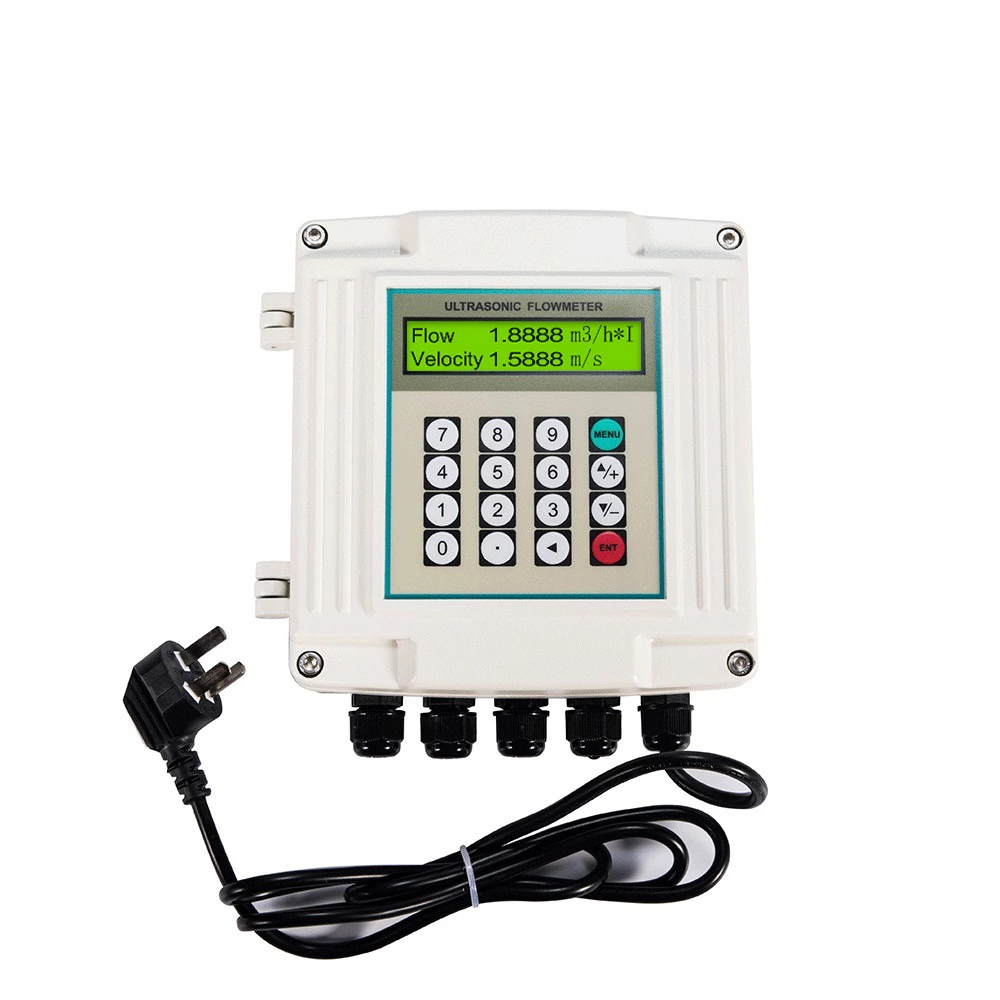
SUP-1158S Wall mounted ultrasonic flowmeter
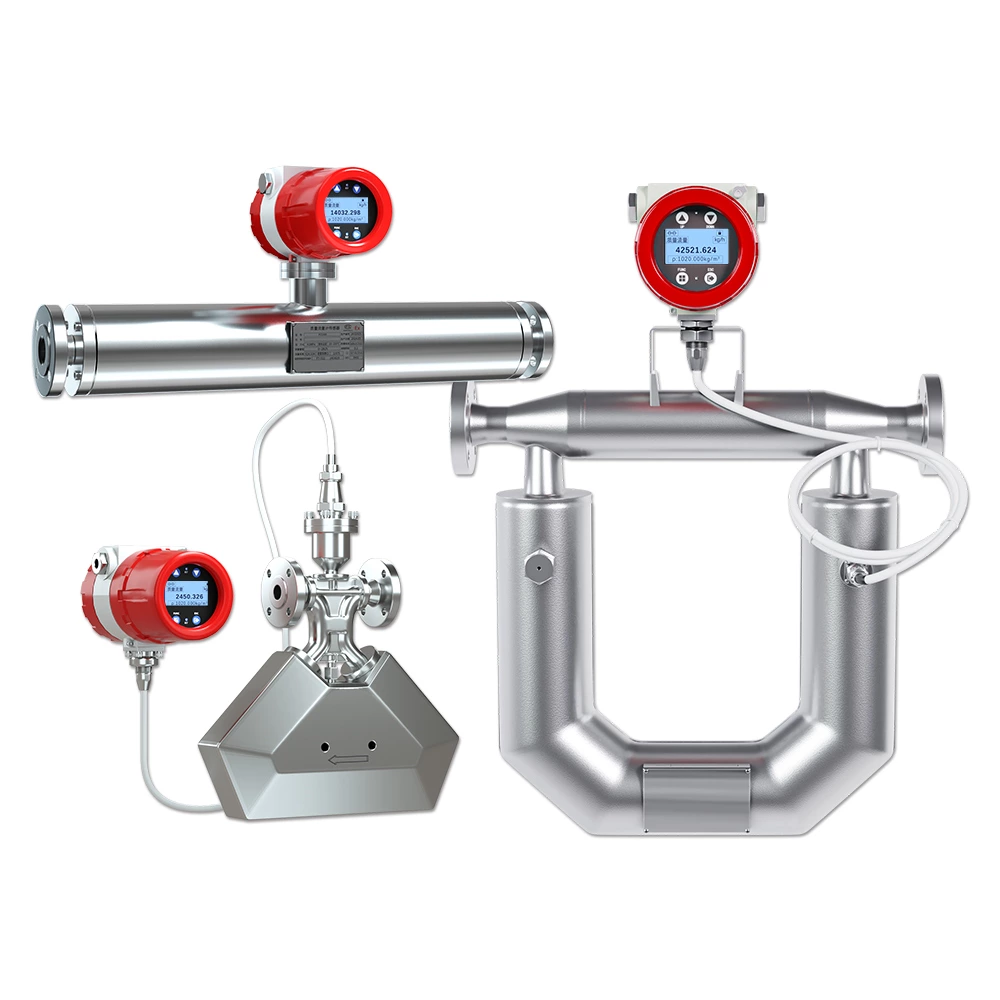
FCC-300 Coriolis Effect Mass Flow Meter For Oil, Gas, Liquid Processing
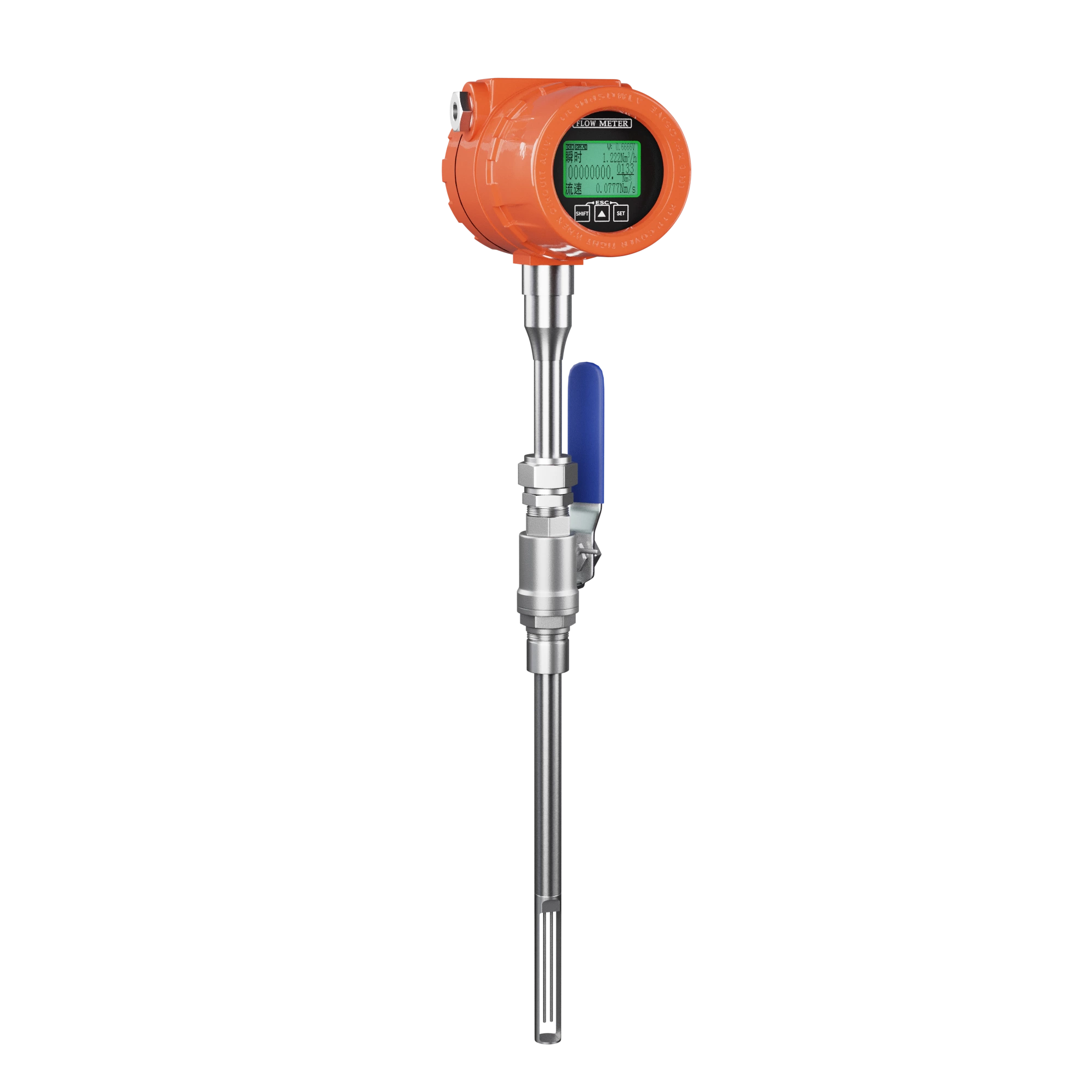
SUP-MF Thermal mass flowmeter
Frequently Asked Questions
Can a vortex flowmeter measure mass flow?
A standard model measures volume flow. A compensated model can calculate mass flow using temperature, pressure and density data.
Which vortex model is suitable for pipeline vibration?
The SUP-LUGB-C anti-vibration model is designed for applications where pipeline vibration may affect measurement stability.
What pipe sizes are available?
Supmea vortex flowmeters cover DN8 to DN500, depending on the selected model and installation type.
What media can vortex flowmeters measure?
They are commonly used for steam, gases and suitable low-viscosity liquids in industrial pipelines.
How does a vortex flowmeter work?
A bluff body generates alternating vortices. Their frequency is proportional to fluid velocity and is converted into flow rate.
When is temperature and pressure compensation needed?
It is recommended for steam and gas when changing temperature or pressure causes significant density variation.