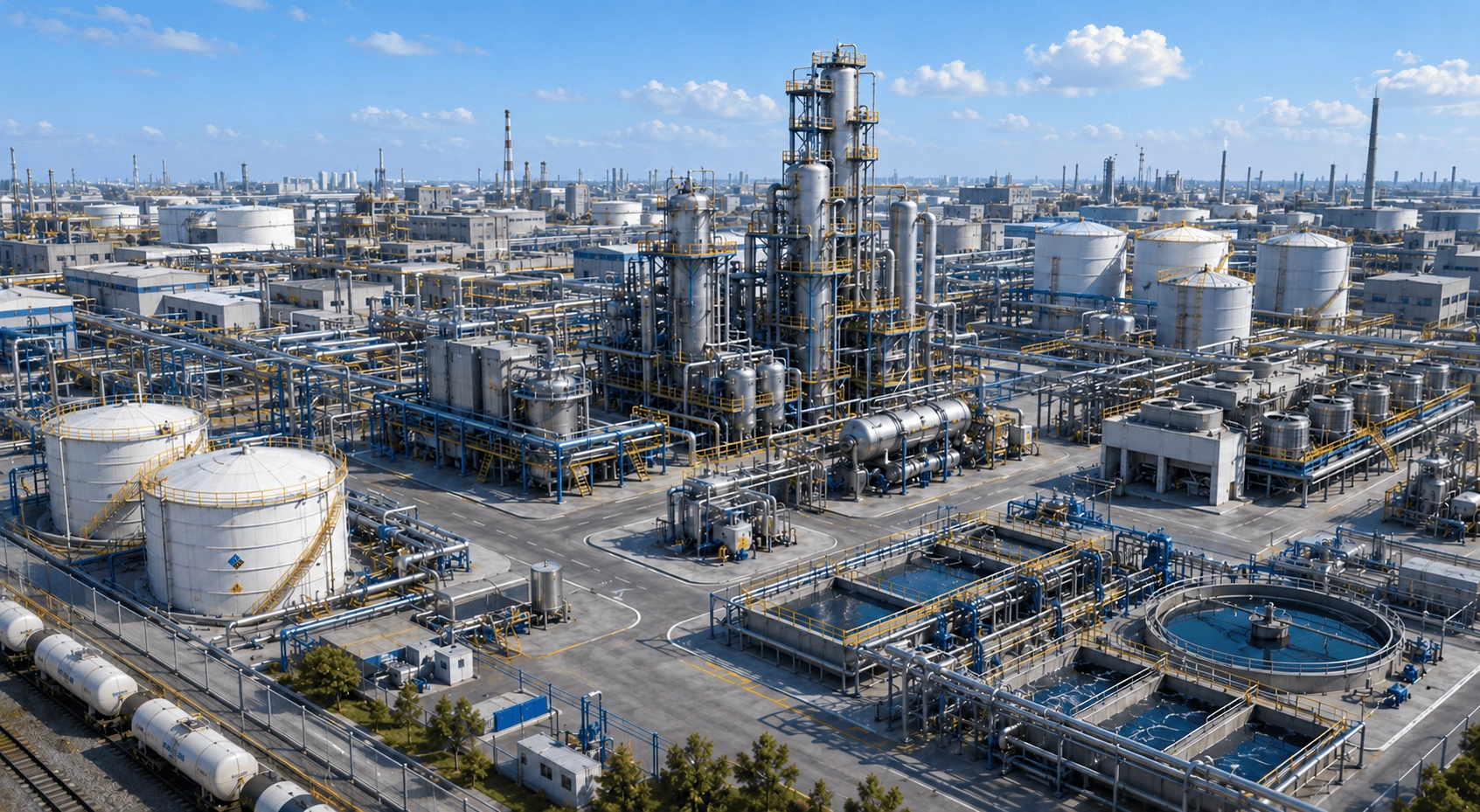




Challenges in the Chemical Industry
From corrosive chemicals and hazardous environments to strict process control and environmental compliance, chemical manufacturers require reliable instrumentation to ensure safe, efficient, and continuous production.
Corrosive Media
Strong acids, alkalis, and aggressive chemicals demand highly durable instruments with excellent corrosion resistance.
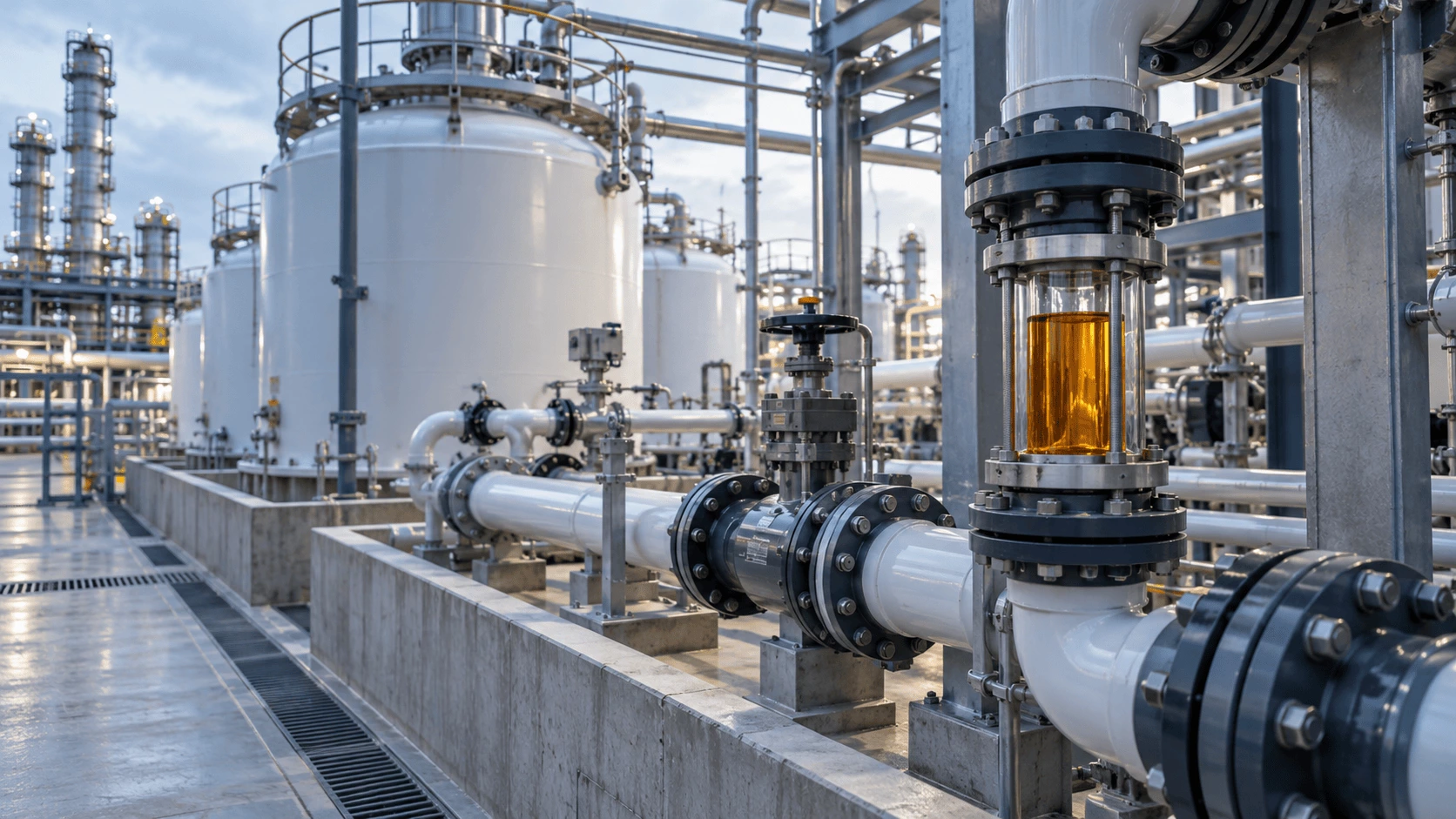
Process Safety
Accurate monitoring of pressure, temperature, level, and flow helps prevent process upsets and ensures plant safety.
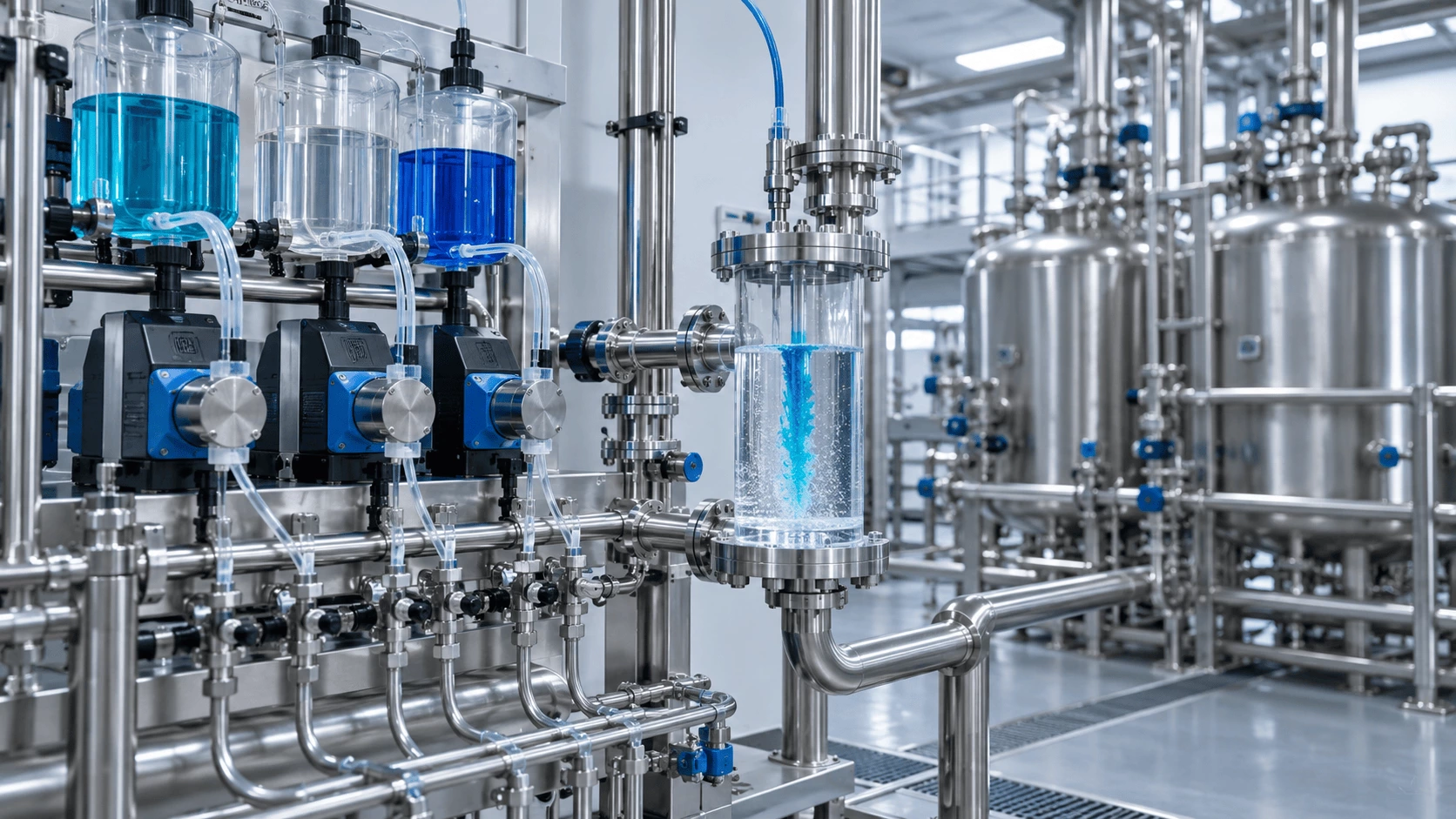
Dosing Accuracy
Stable dosing accuracy is essential for maintaining product quality, reaction efficiency, and production consistency.
Process Stability
Real-time measurement minimizes production interruptions and improves overall operational efficiency.
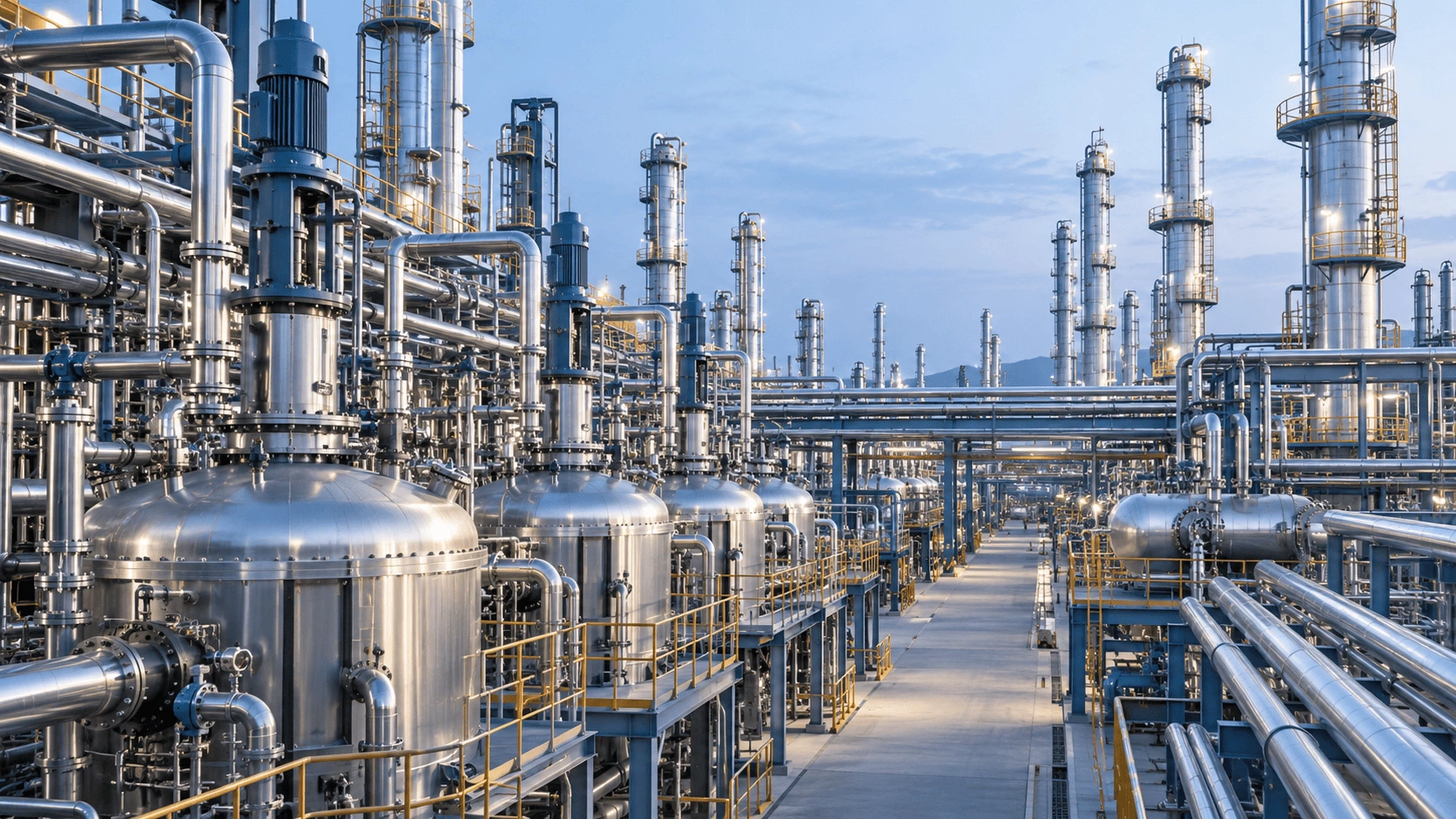
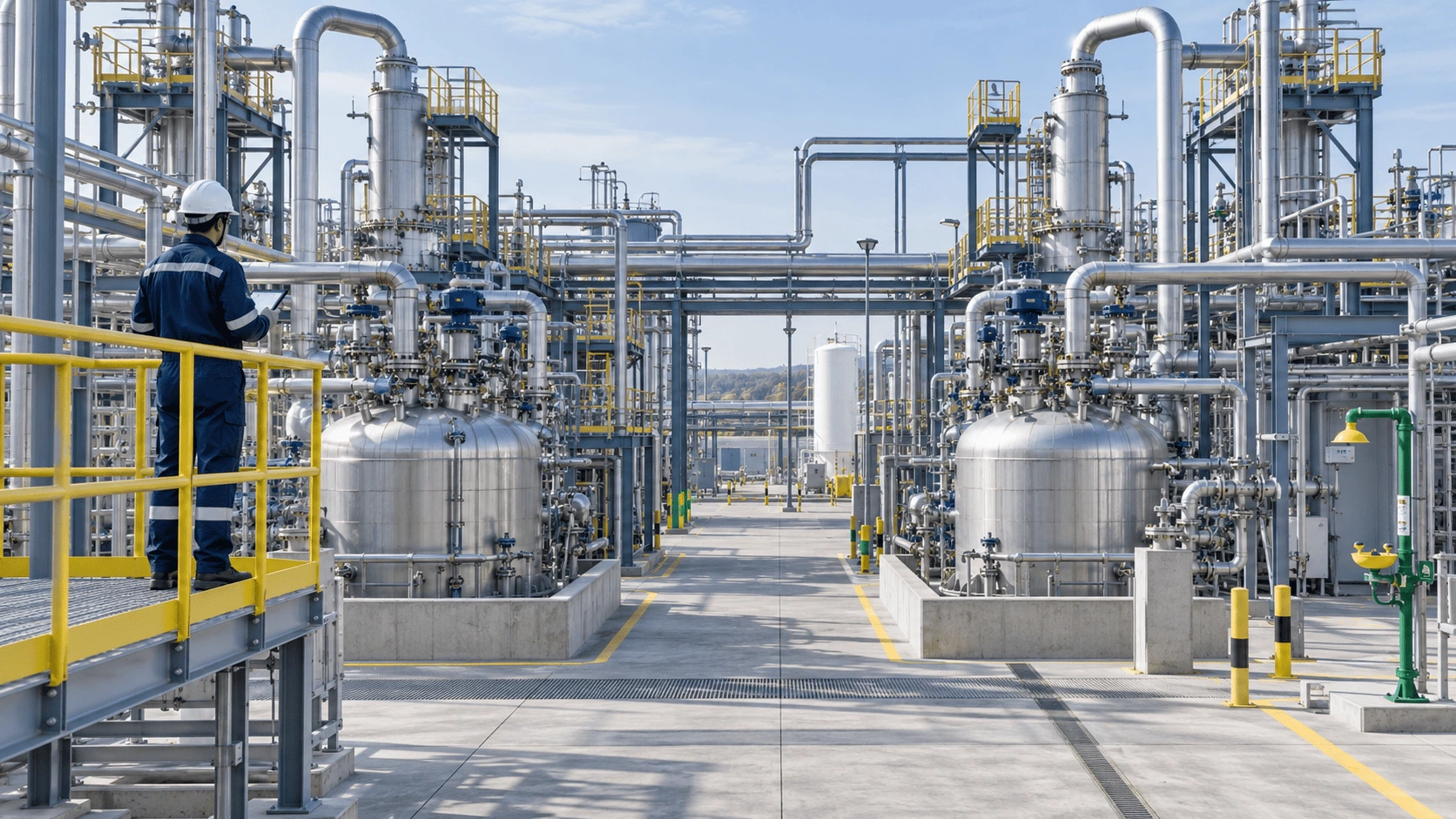
Hazardous Areas
Explosion-proof instrumentation supports safe operation in flammable and explosive environments.
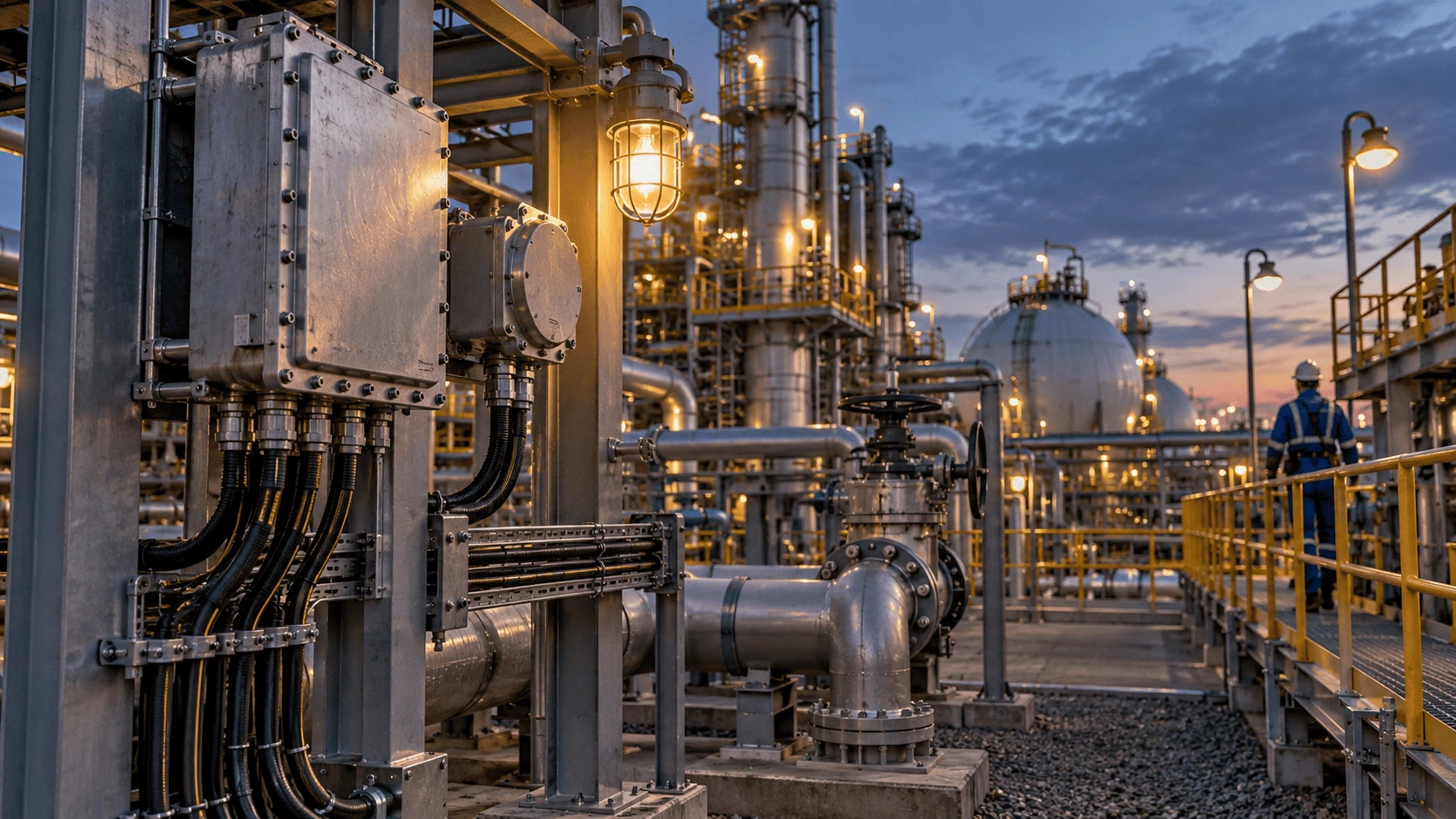
Emission Compliance
Reliable wastewater and emission monitoring helps chemical plants meet increasingly strict environmental regulations.
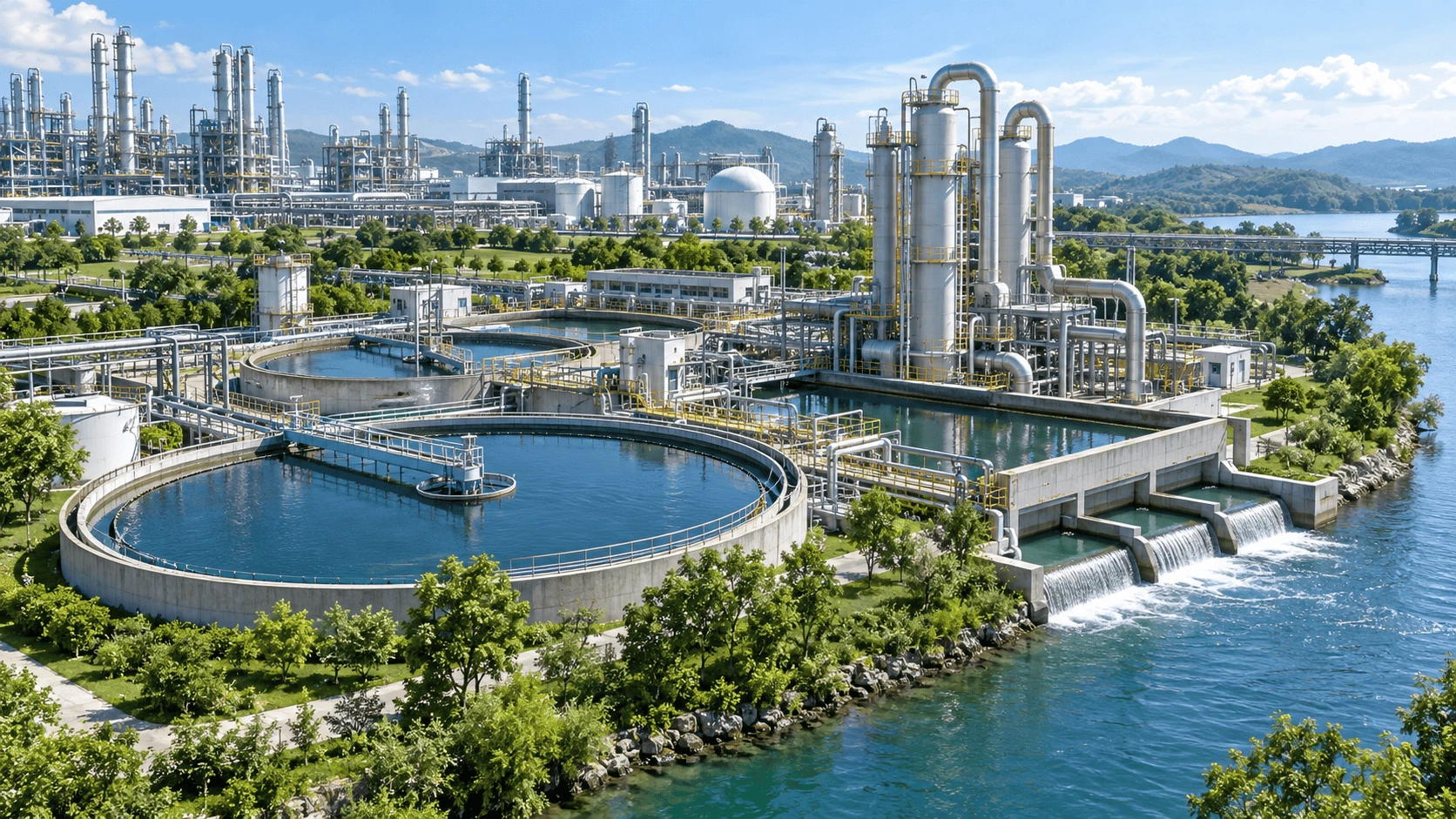
Instrumentation Throughout the Chemical Process
Reliable instrumentation solutions for every stage of the oil & gas value chain. From production and transportation to refining and storage, Supmea helps improve process visibility, operational safety, and measurement accuracy.
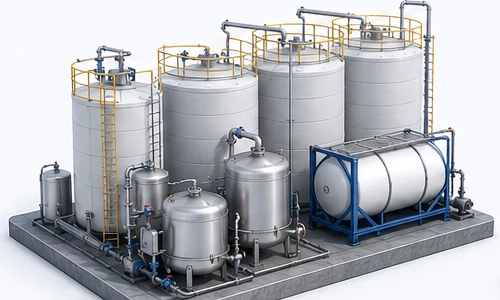
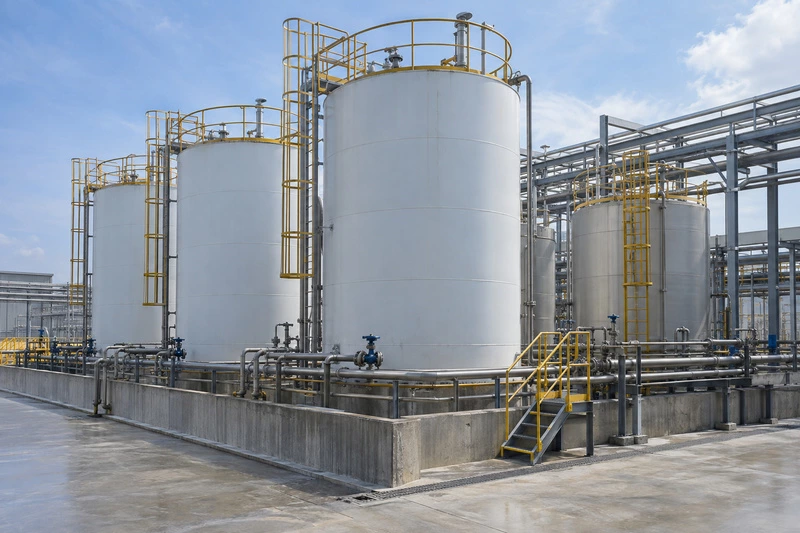
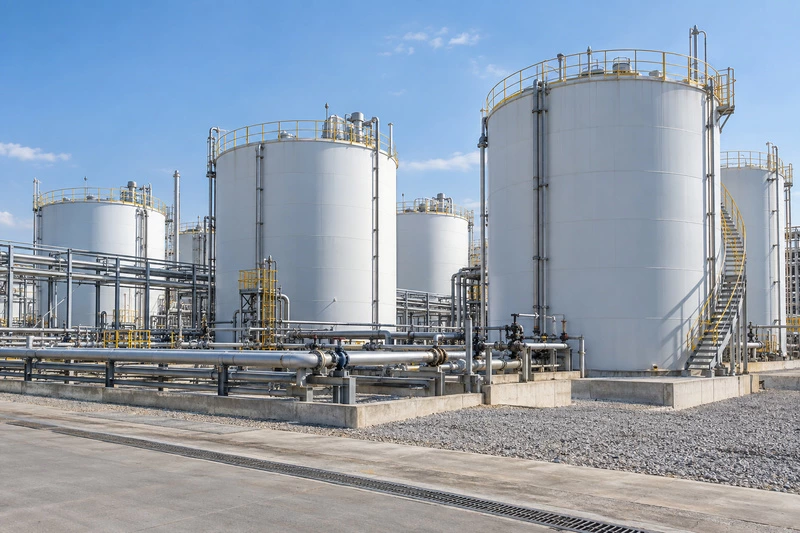
Raw Material Storage
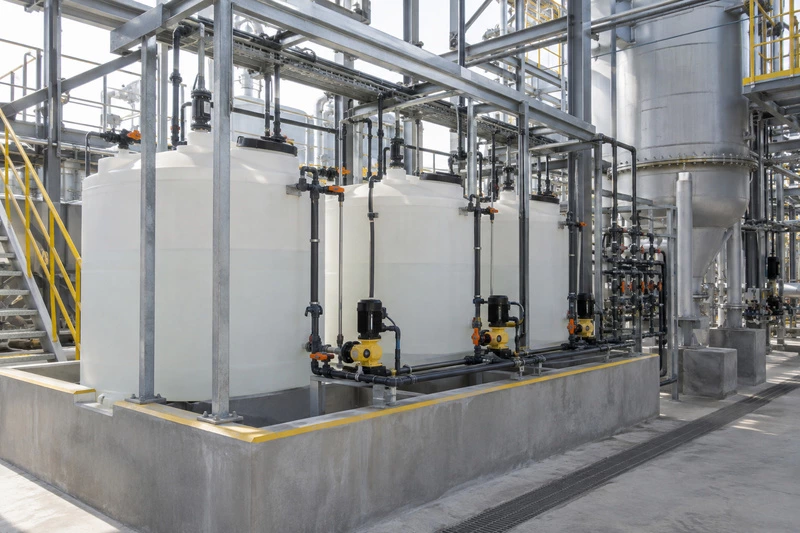
Feeding & Dosing
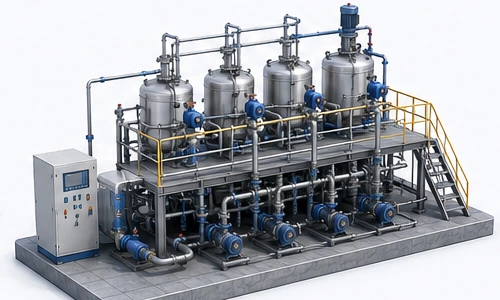
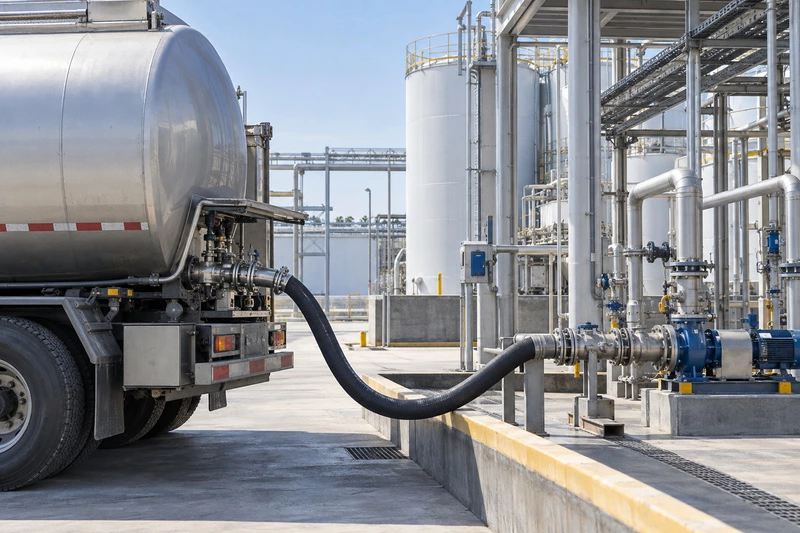
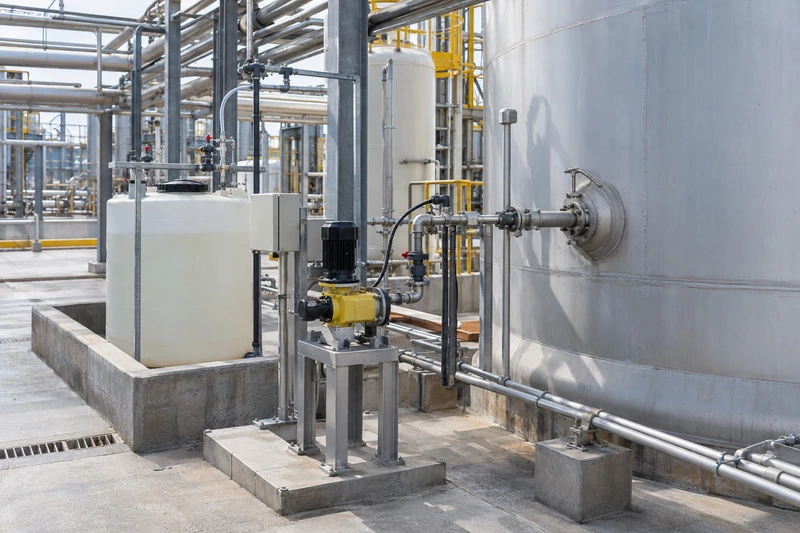
Reaction Process
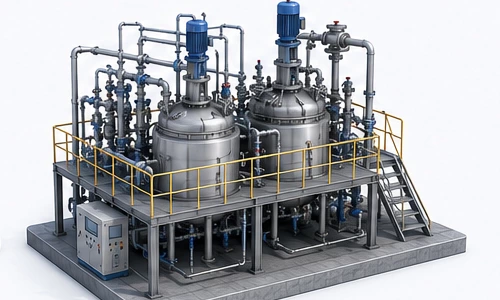
Separation & Filtration
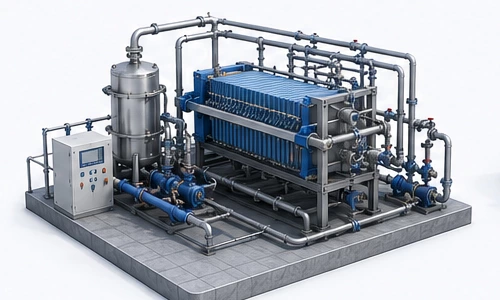
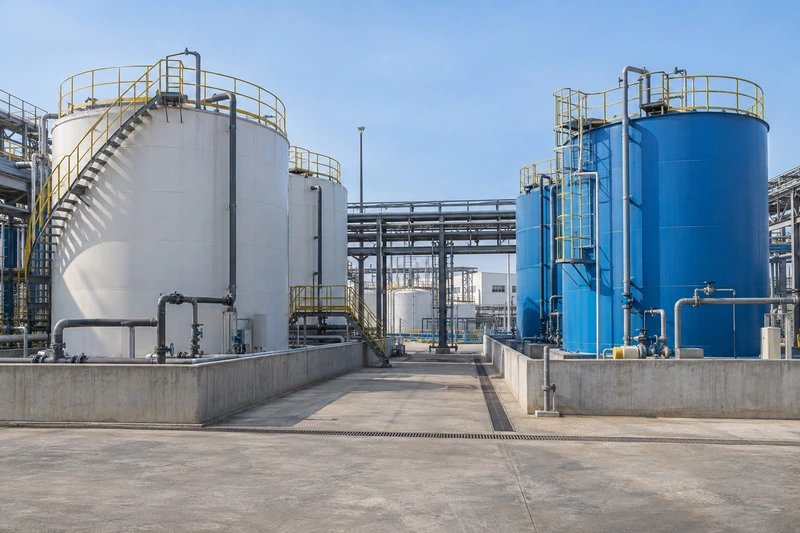
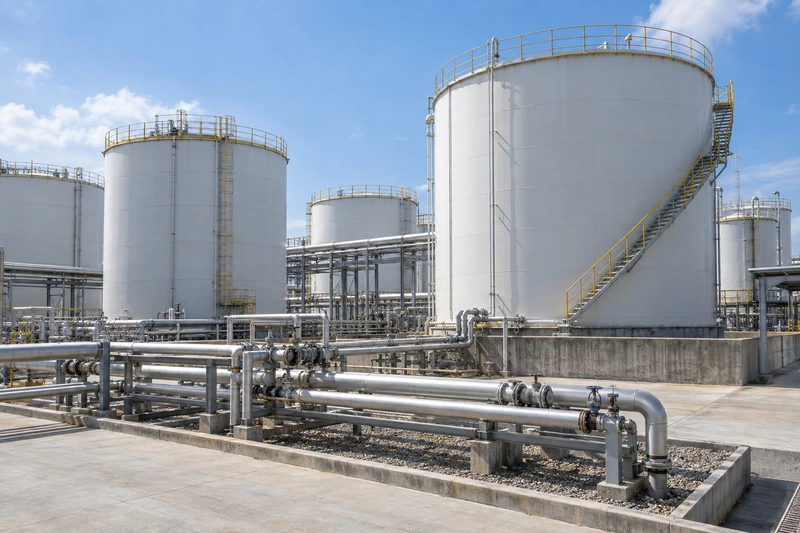
Storage & Tank Farm
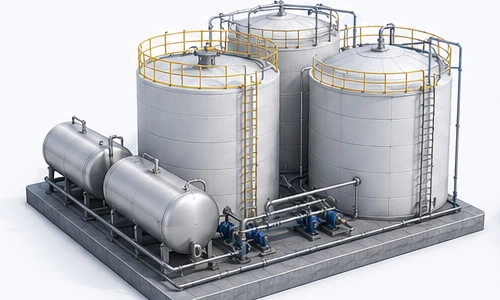
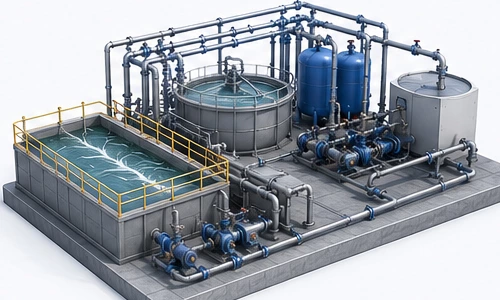
Utilities & Wastewater
Process Overview
Safely store liquid chemicals, solvents, acids, alkalis, and bulk raw materials before production while ensuring accurate inventory management.
Typical Applications
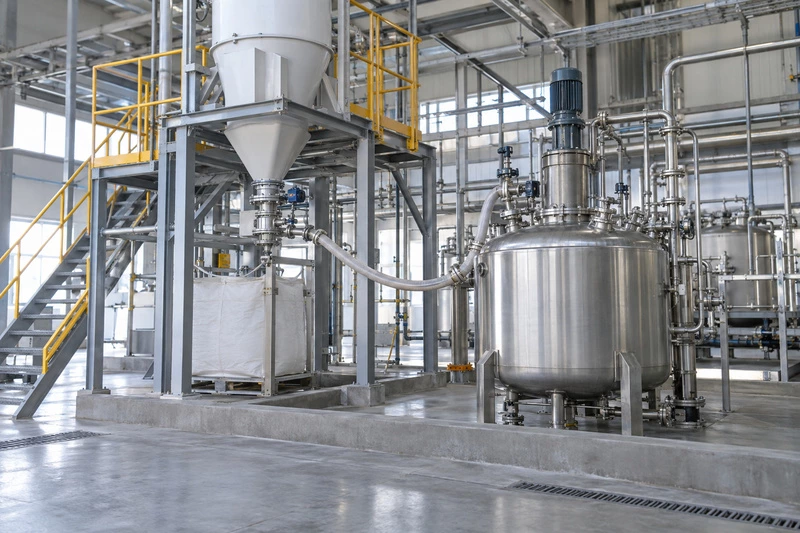
Process Overview
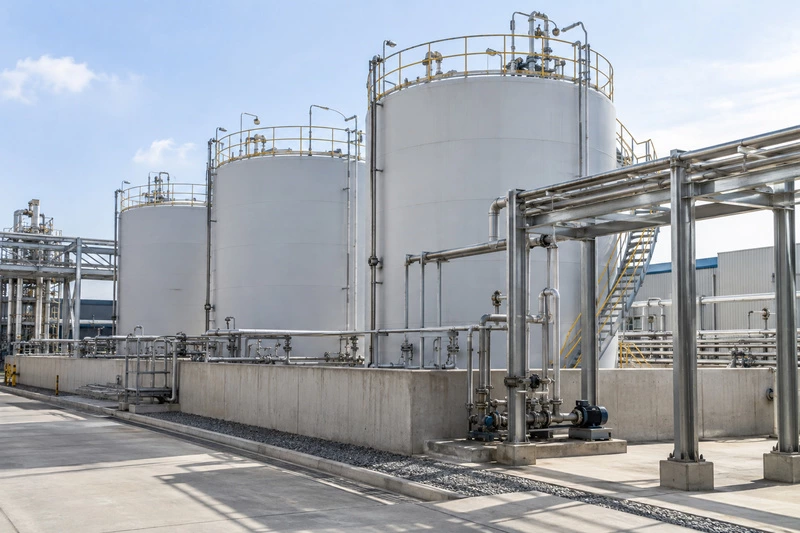
Accurately measure and control the flow of raw materials and additives entering reactors for consistent product quality.
Typical Applications
Process Overview
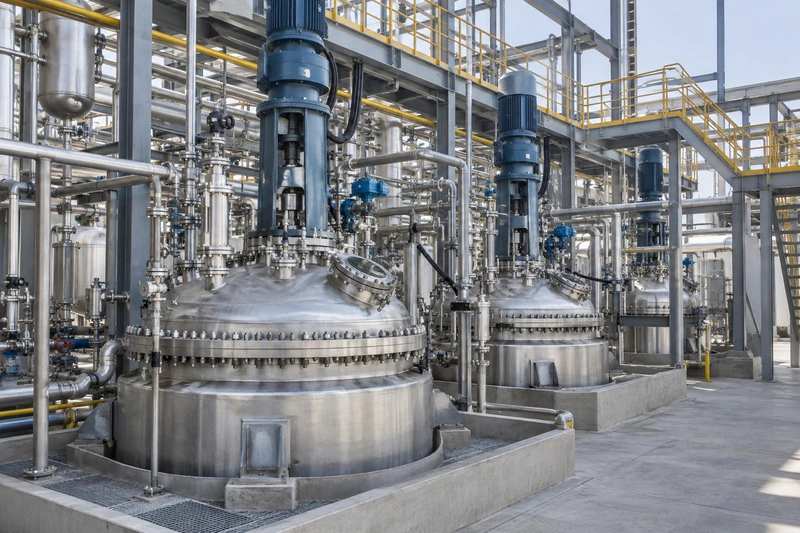
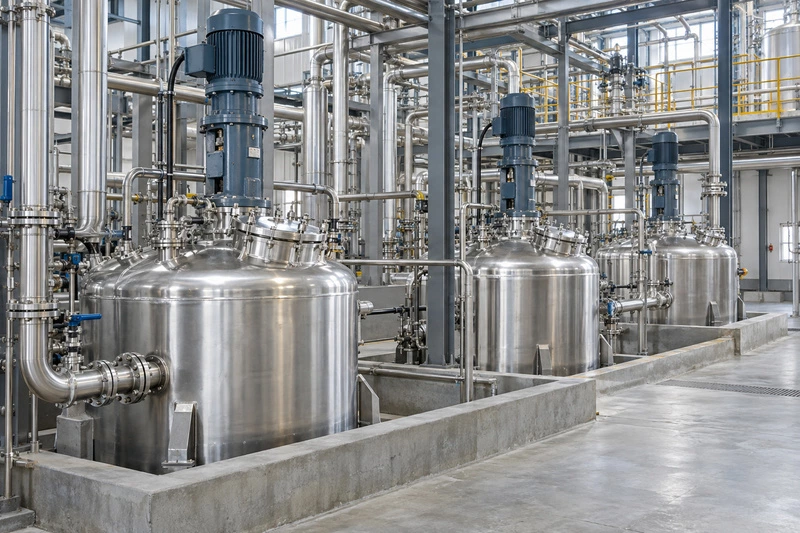
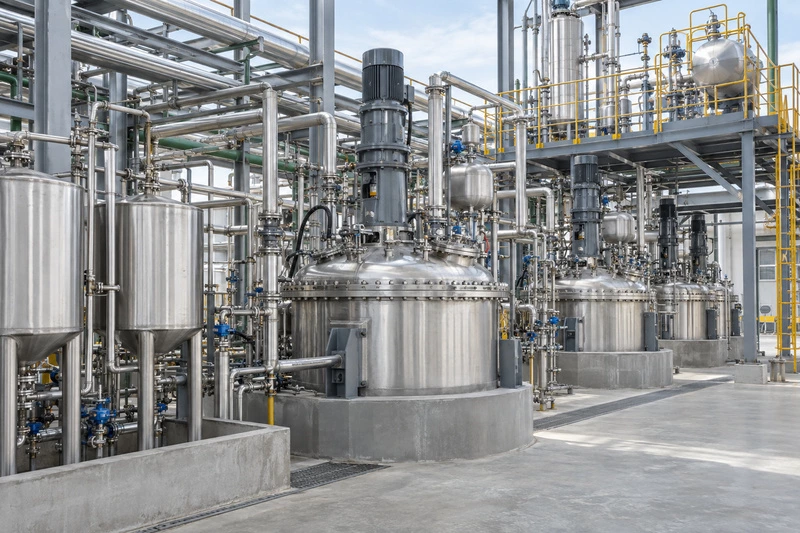
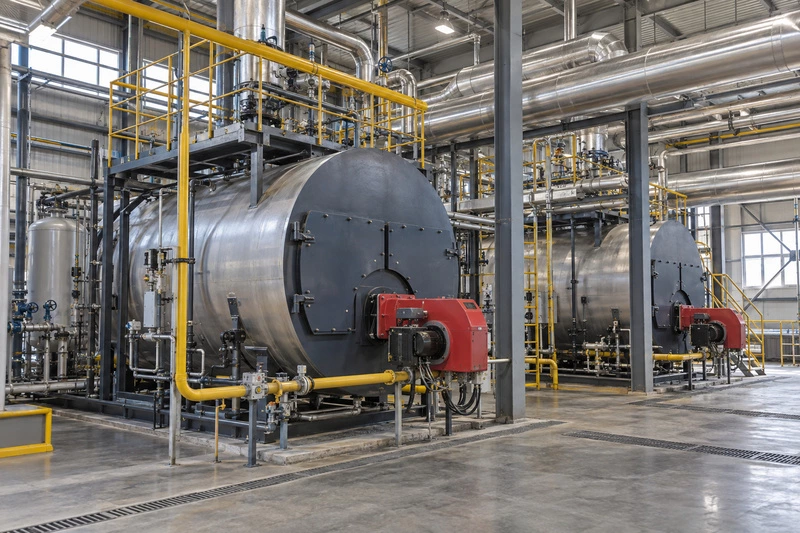
Monitor critical process variables to maintain stable reaction conditions and maximize production efficiency.
Typical Applications
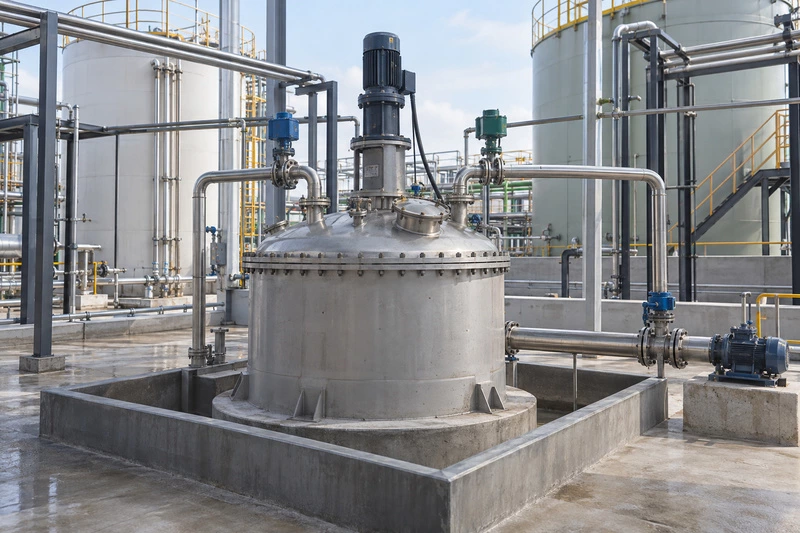
Process Overview
Separate reaction products and remove impurities through filtration, distillation, centrifuges, or evaporation systems.
Typical Applications
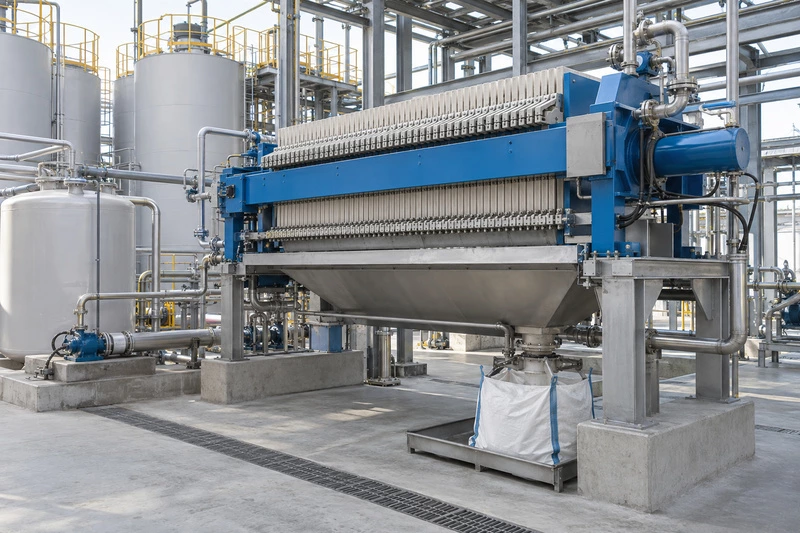
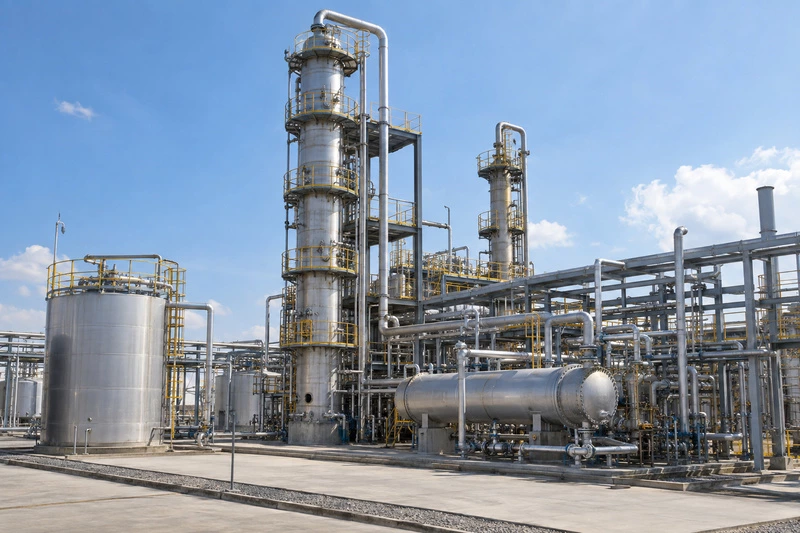
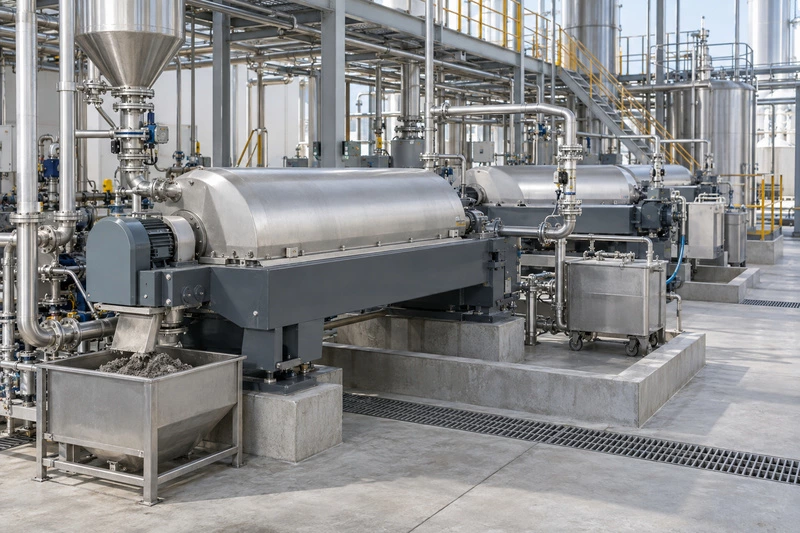
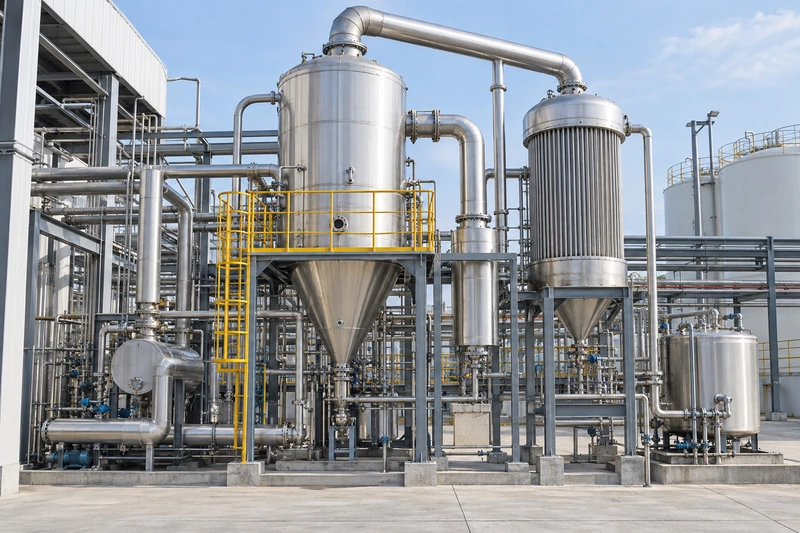
Process Overview
Maintain safe storage and inventory control for finished chemicals before packaging or transportation.
Typical Applications
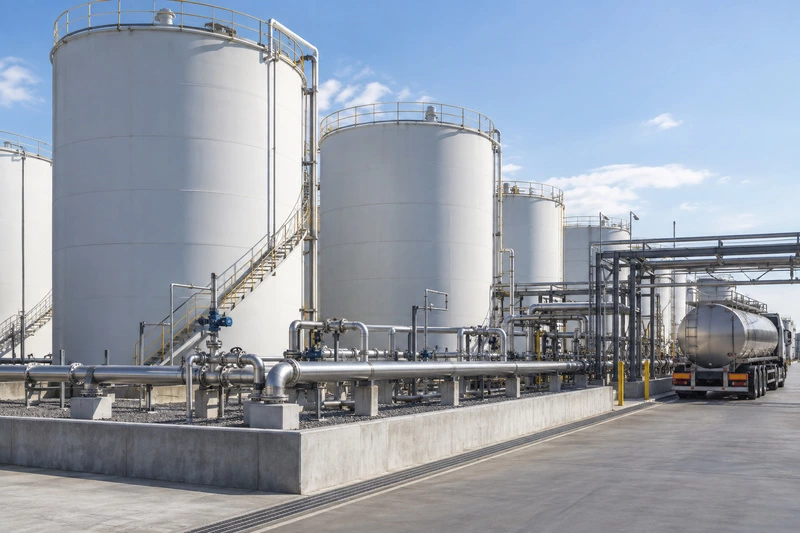
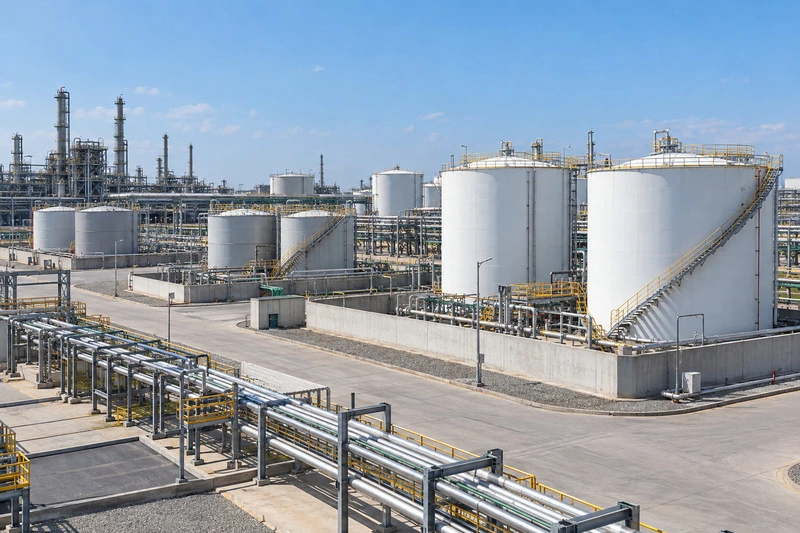
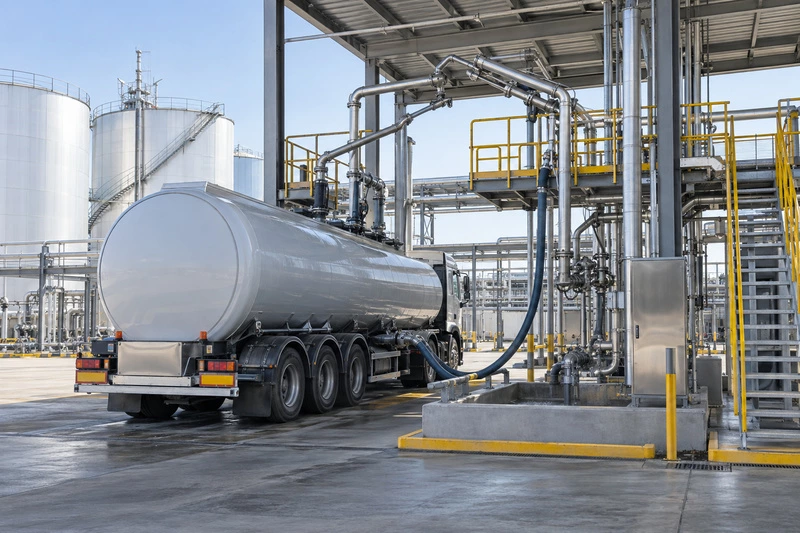
Process Overview
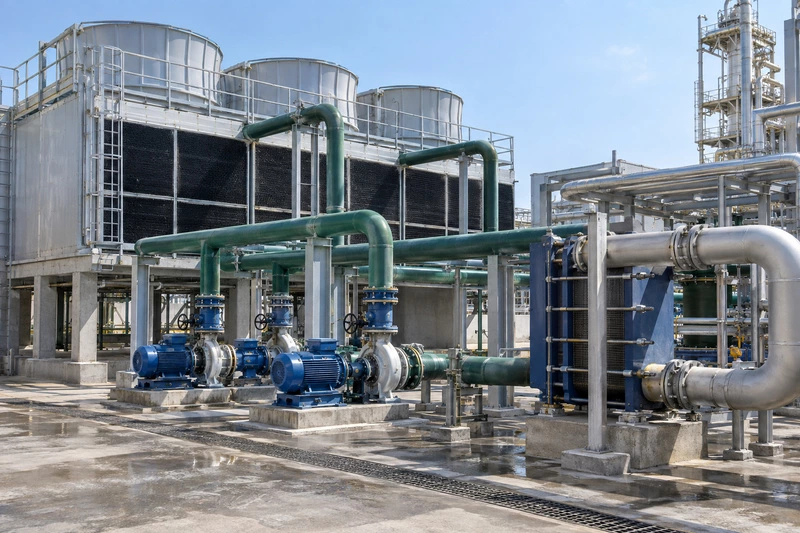
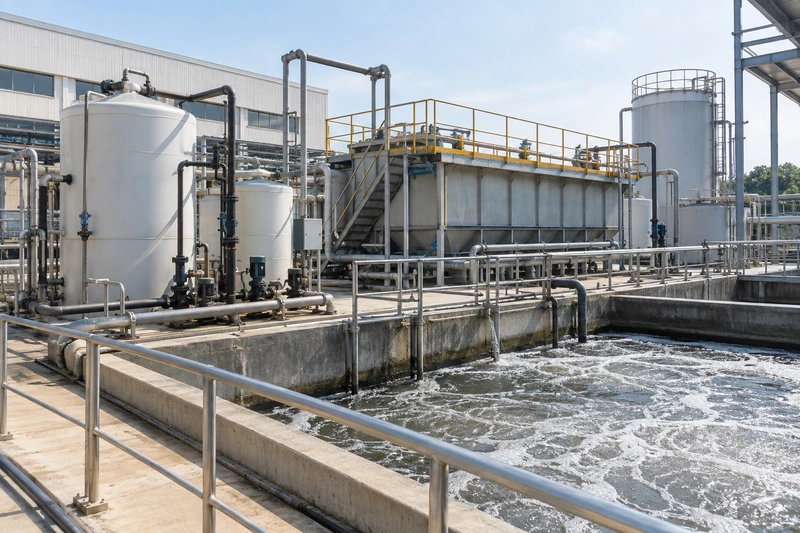
Optimize utility systems and wastewater treatment to improve sustainability and regulatory compliance.
Typical Applications
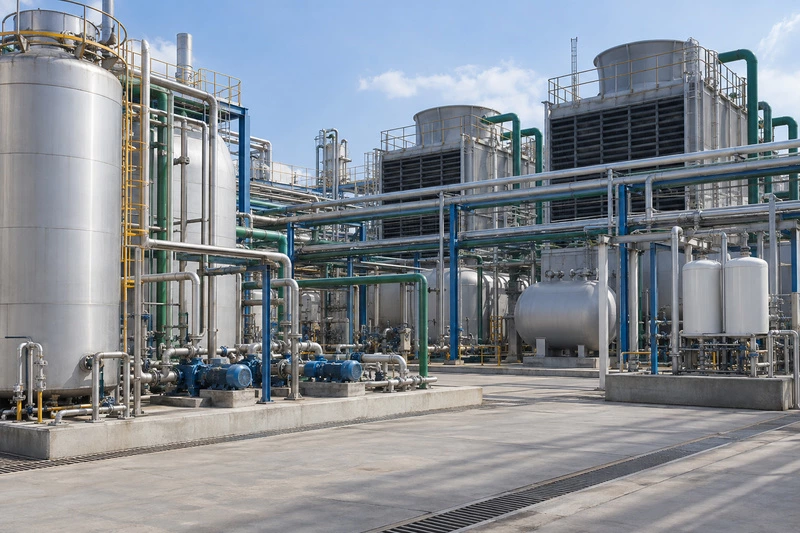
Looking for the Right Instrumentation Solution?
Our engineers help chemical manufacturers improve process safety, production efficiency, and measurement reliability with customized instrumentation solutions.
Industry Solution
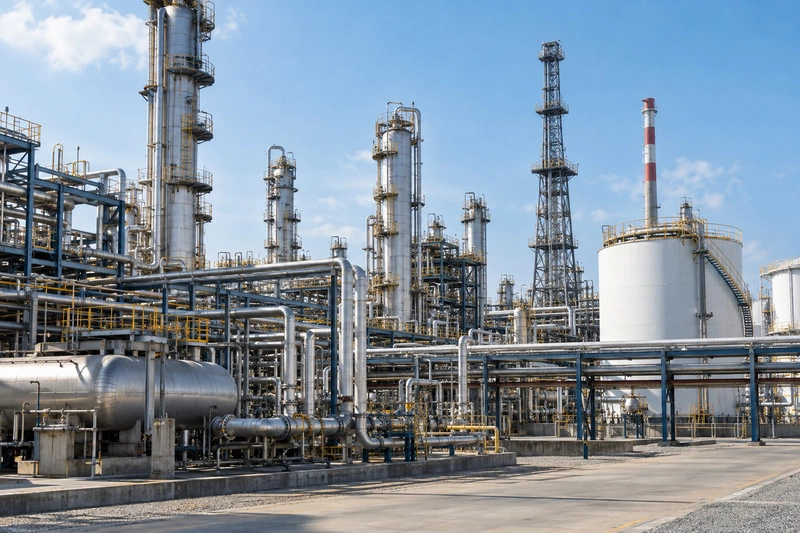
Petrochemical
Reliable process measurement solutions for refining, petrochemical processing, and hydrocarbon production.
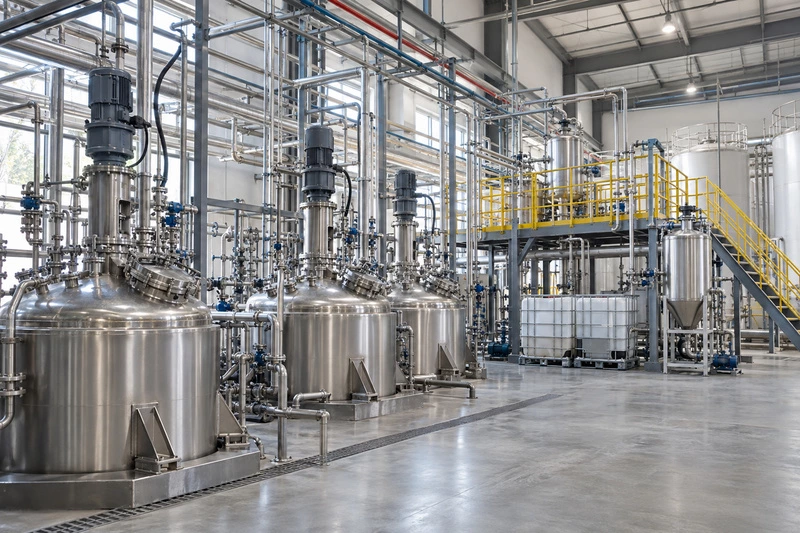
Fine Chemicals
High-precision instrumentation supporting specialty chemical manufacturing with stable process control.
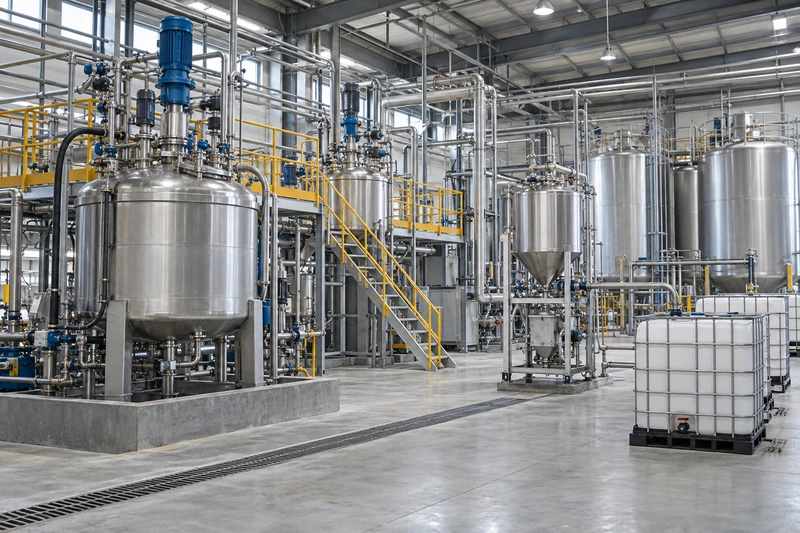
Specialty Chemicals
Flexible measurement solutions for complex batch production and customized chemical formulations.
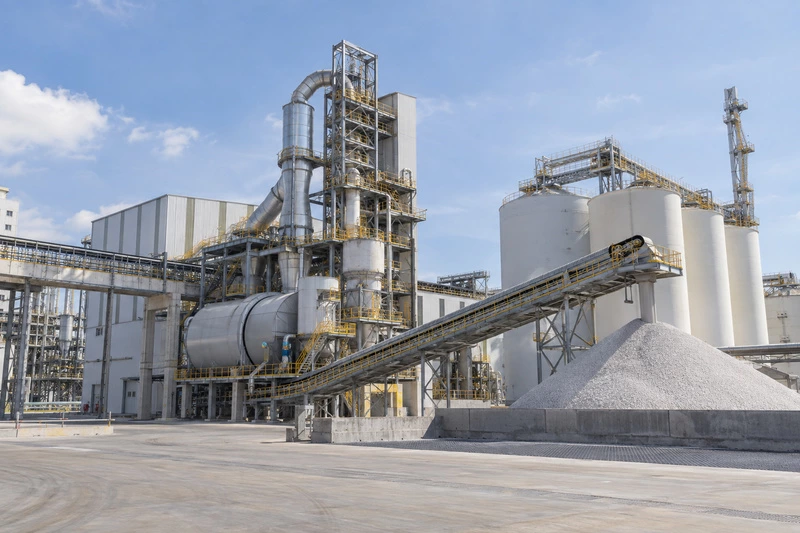
Fertilizer
Improve production efficiency with accurate flow, pressure, level, and temperature monitoring across fertilizer manufacturing.
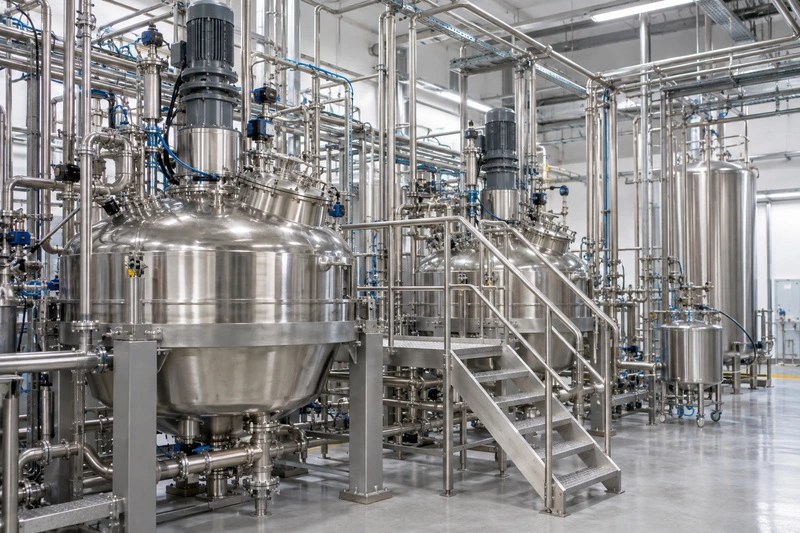
Pharmaceutical Chemicals
Support high-purity chemical production with reliable measurement and strict process consistency.
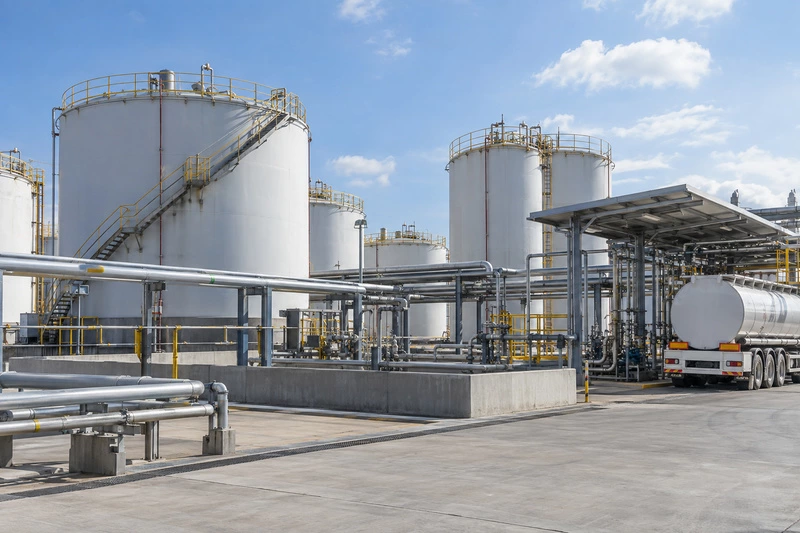
Chemical Storage & Tank Farm
Ensure safe inventory management and overfill protection for bulk chemical storage facilities.
Featured Products
Explore Supmea's reliable instrumentation portfolio designed to meet the demanding requirements of chemical manufacturing.
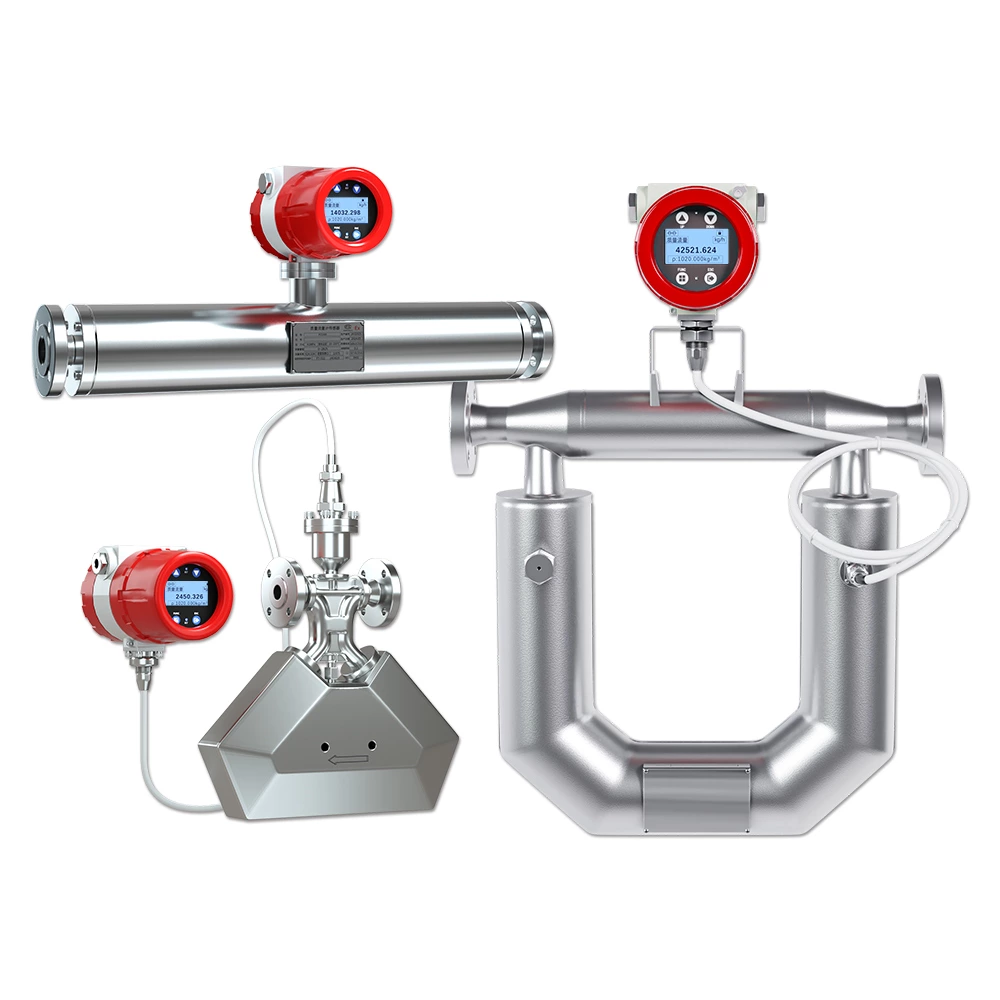
FCC-300 Coriolis Effect Mass Flow Meter For Oil, Gas, Liquid Processing
View Products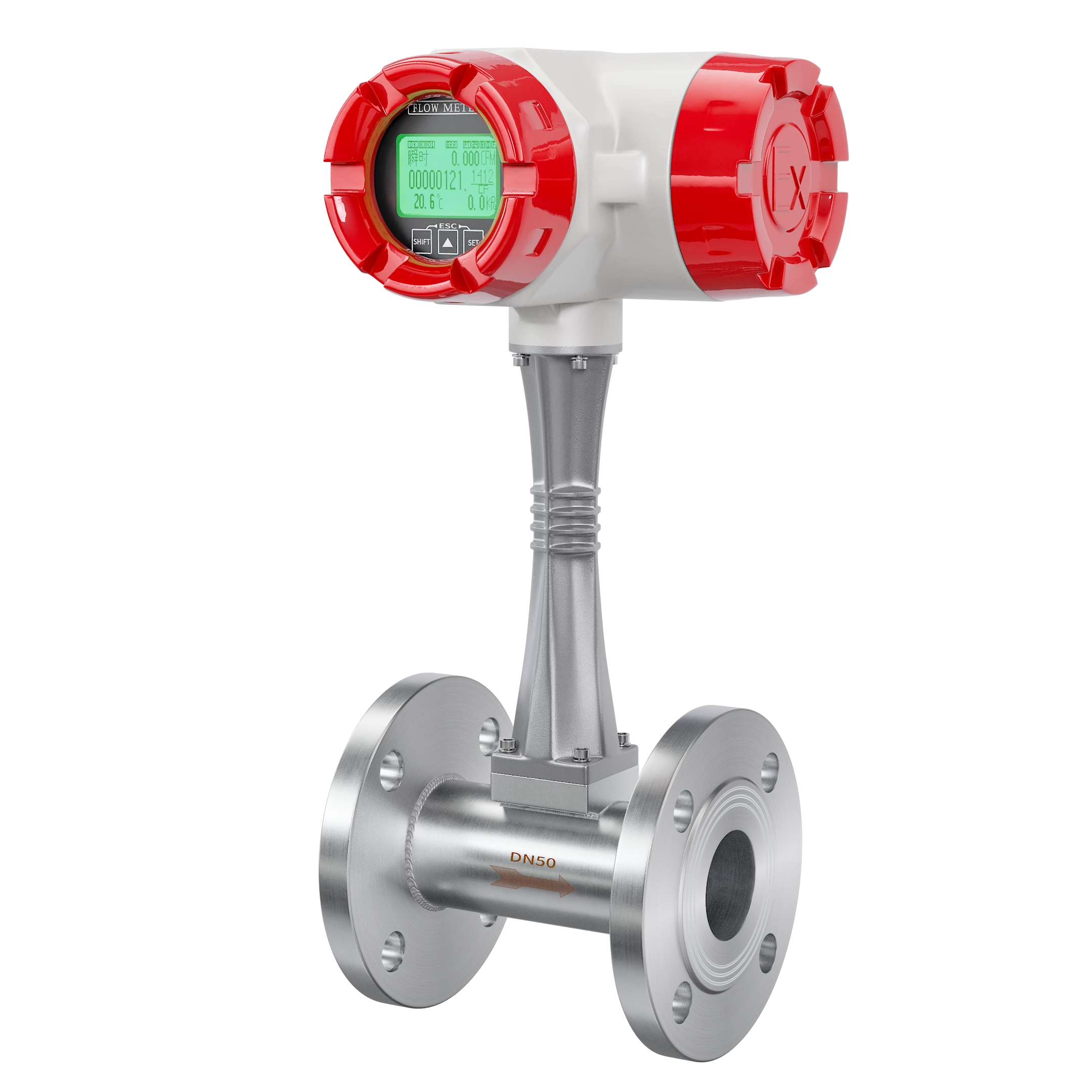
SUP-LUGB-C Vortex Flow Meter for Steam, Gas & Liquid Flow Measurement
View Products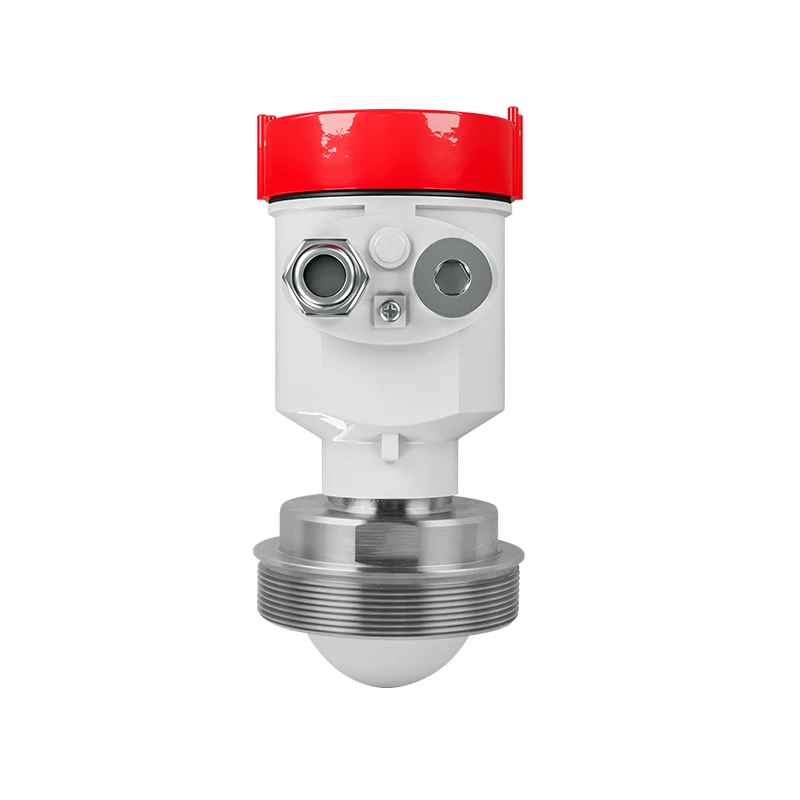
WSR550 76-81GHz Radar Level Transmitter | FMCW Millimeter-Wave Sensor
View Products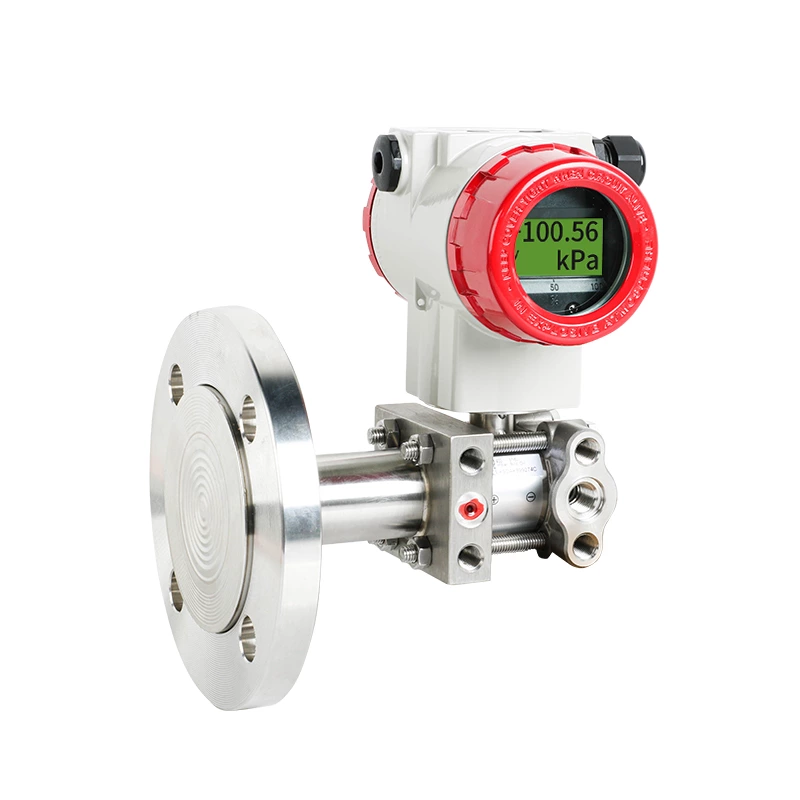
SUP-2051LT Flange mounted differential pressure transmitters
View Products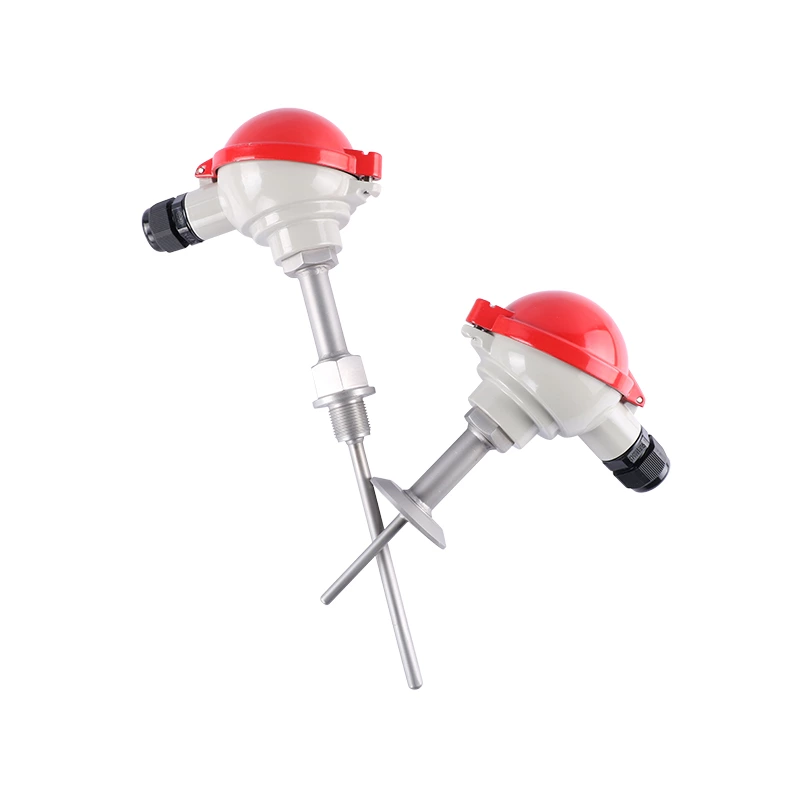
SUP-WZPK/WRNK RTD Temperature sensors with mineral insulated resistance thermometers
View Products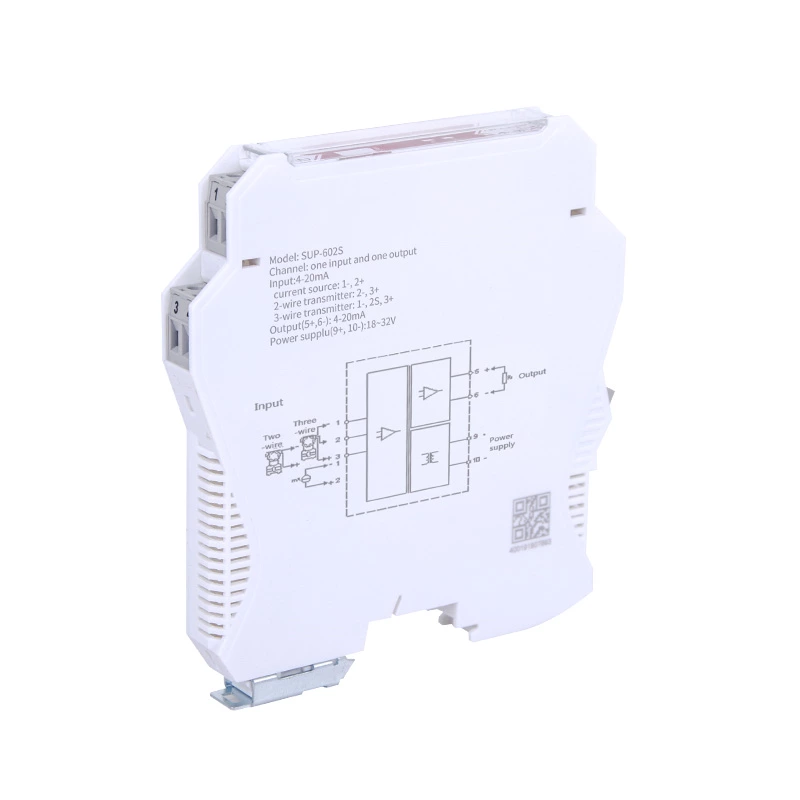
SUP-602S Intelligent signal isolator for voltage/current
View ProductsSuccess Stories
Discover how chemical manufacturers worldwide improve production efficiency, operational safety, and process reliability with Supmea instrumentation.
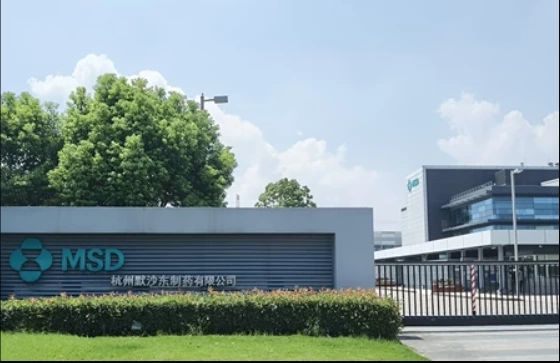
Supmea radar level transmitter for MSD Wastewater Monitoring in Pharmaceutical Plant
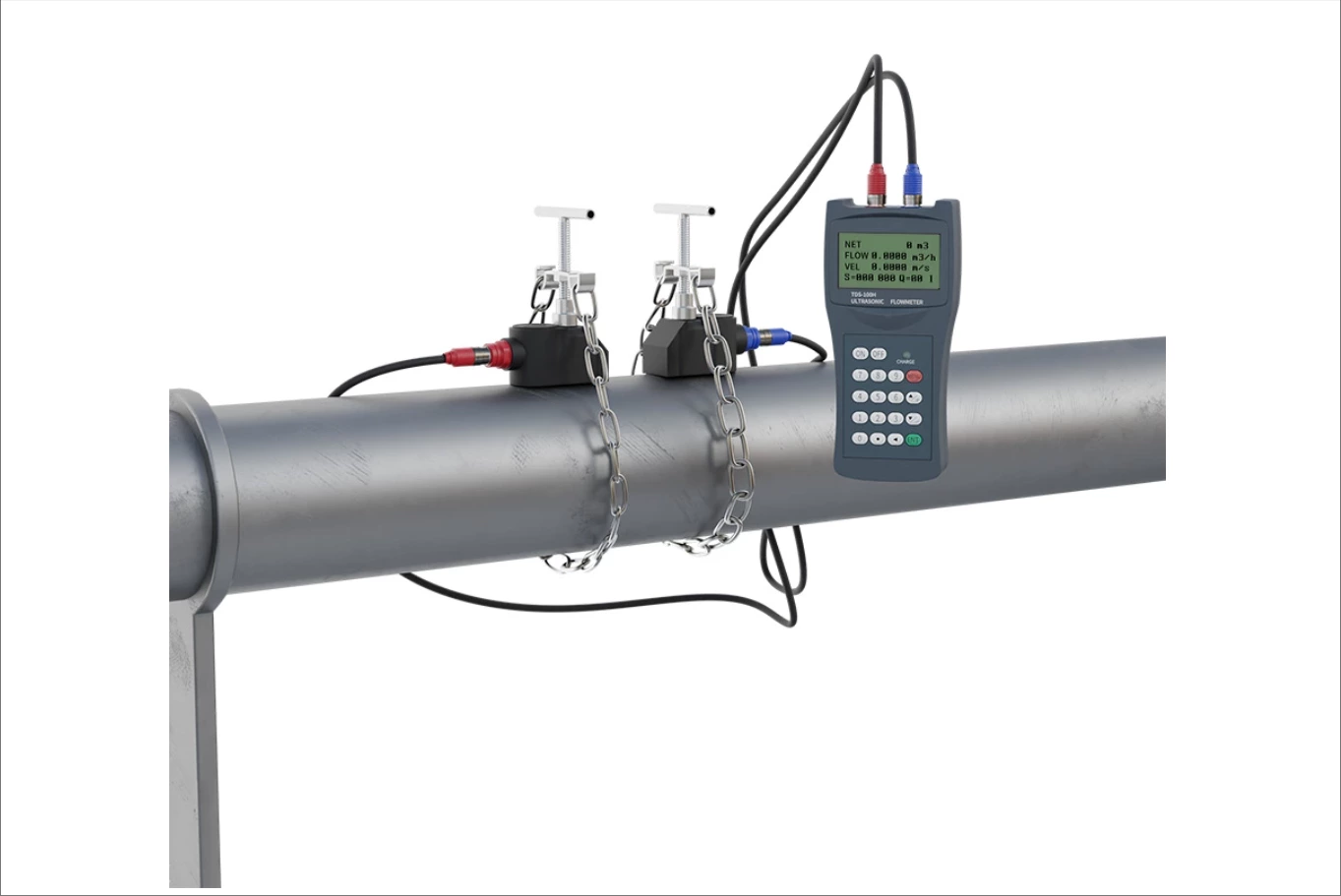
Supmea Ultrasonic Flow Meters Enable Smart Water Monitoring for Wuxi Fortune Pharma
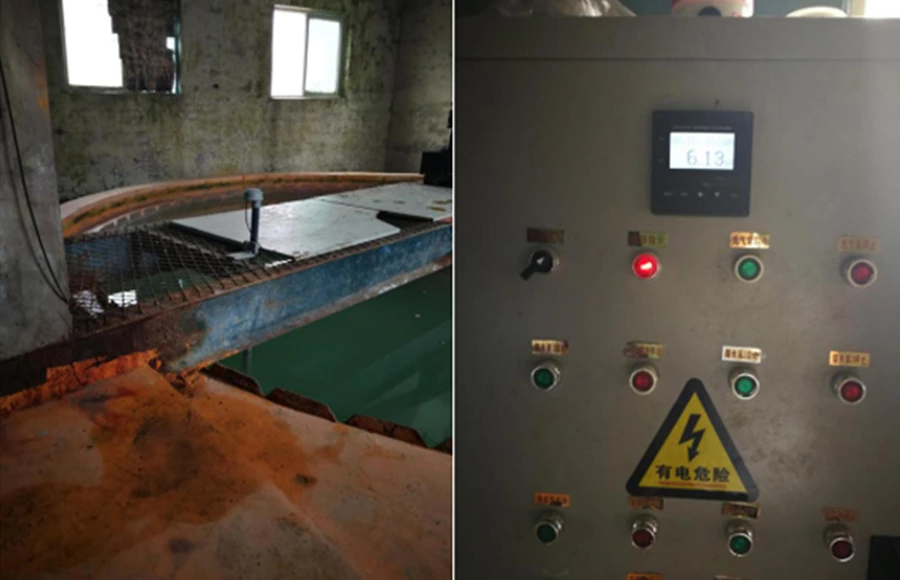
Case of shenyang Xinri Aluminum Products Sewage Treatment
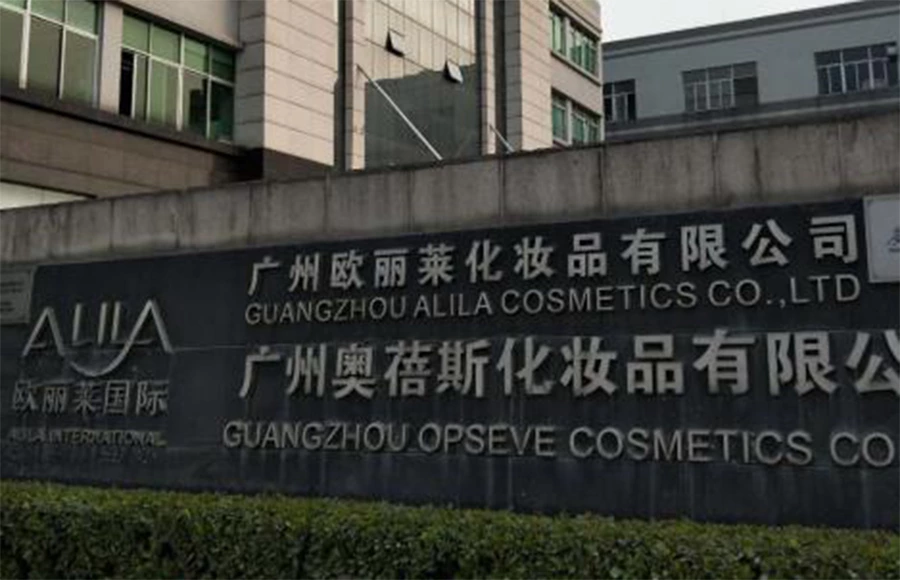
Case of Guangzhou Aobeisi Cosmetics Co., Ltd.
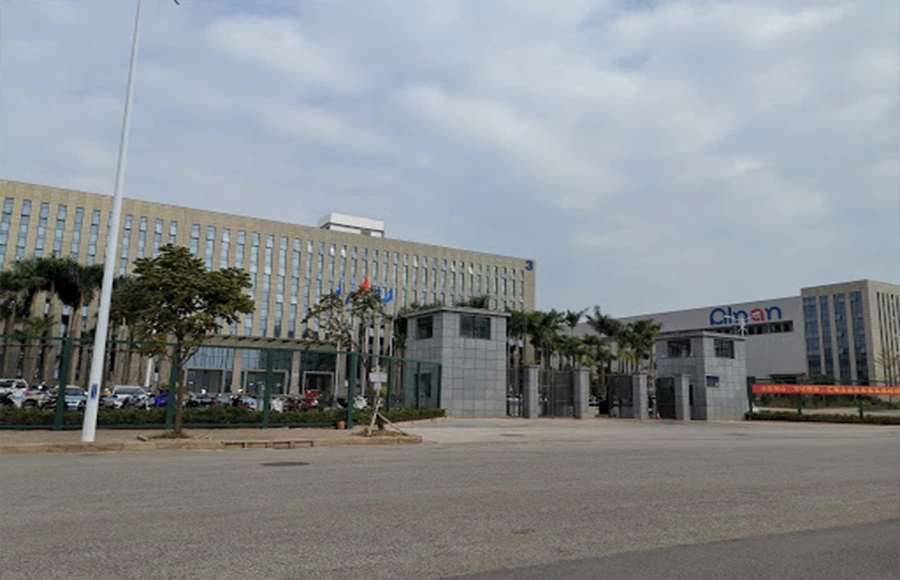
Case of Guangxi Nannan Aluminum
Stable Chemical Processes
Supmea provides reliable industrial instrumentation that helps chemical manufacturers achieve safer operations, higher production efficiency, and long-term measurement reliability.
Wide Product Portfolio
Complete solutions covering flow, level, pressure, temperature, and analytical measurement.
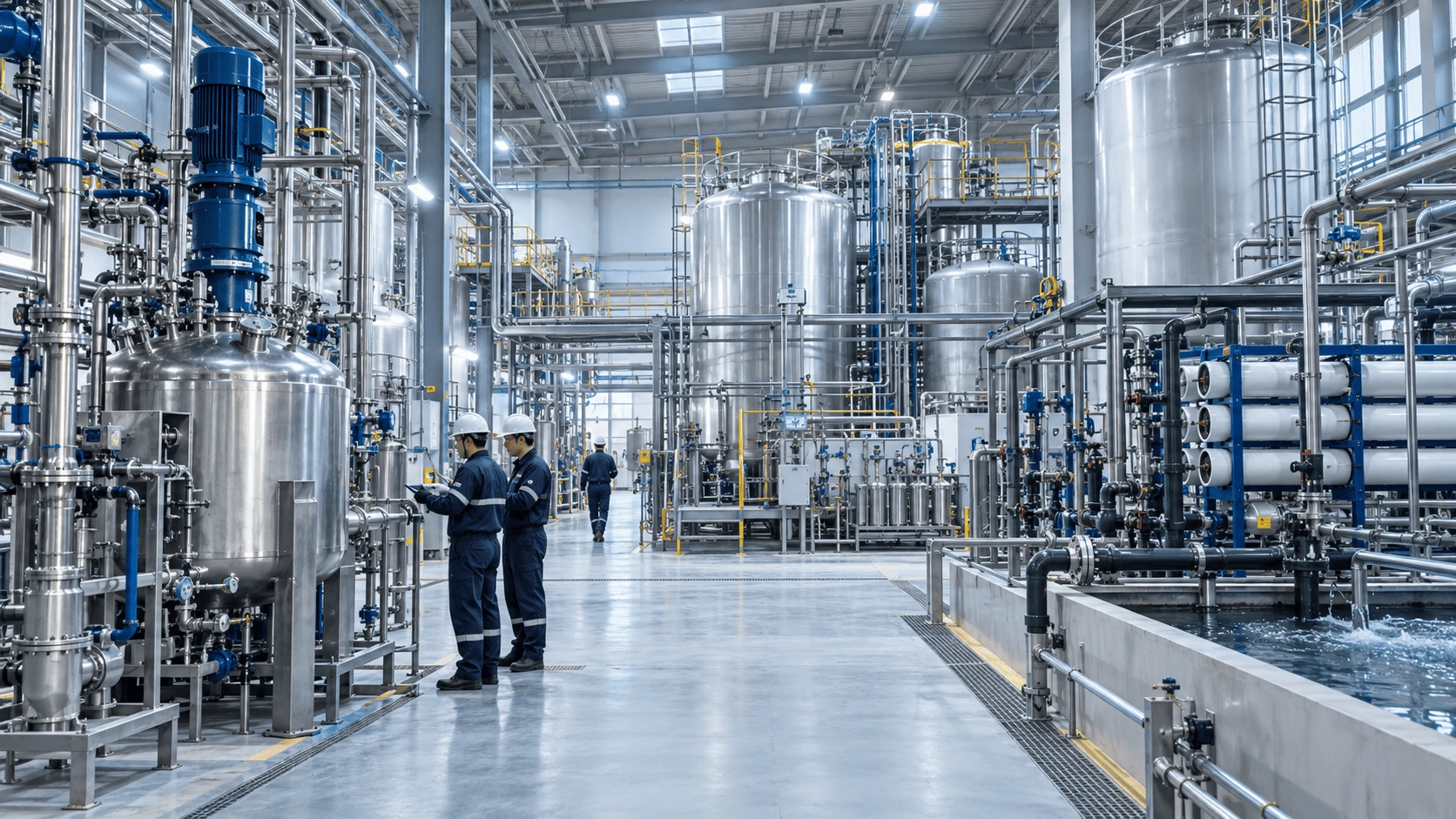
Reliable in Harsh Conditions
Designed for corrosive media, demanding industrial environments, and continuous operation.
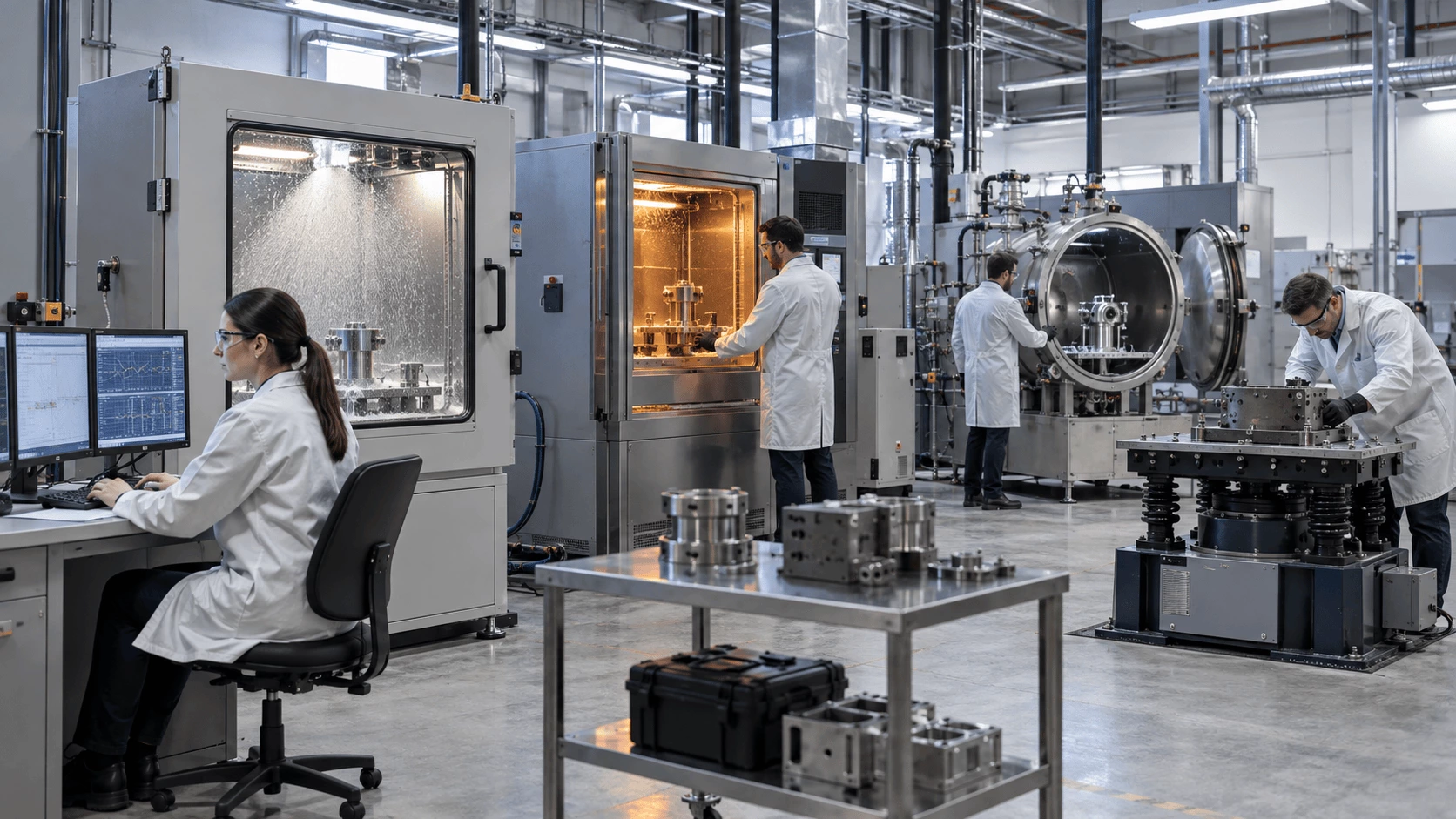
Accurate Process Measurement
Stable and precise monitoring improves product quality and production consistency.
Industry Application Expertise
Extensive experience supporting chemical plants across diverse production processes.

Global Technical Support
Professional engineering assistance from product selection through commissioning.

Cost-Effective Solutions
Deliver high performance, long service life, and competitive total cost of ownership.
Frequently Asked Questions
How is the right liner material chosen for an electromagnetic flow meter?
The choice depends on the chemical properties:
PTFE/PFA: Best for almost all acids, alkalis, and solvents (universal resistance).
Rubber: Suitable for water and mild, abrasive chemicals.
Ceramic: Excellent for highly abrasive and corrosive mixtures but fragile.
What level sensor works best for fuming acids (like Hydrochloric or Nitric Acid)?
Non-contact Radar (specifically with a PTFE antenna shield) is best because it is unaffected by vapors/fumes. Ultrasonic sensors often fail as fumes absorb the sound waves, causing signal loss.
How is the flow of deionized (RO/DI) water measured?
Electromagnetic flow meters cannot be used, as DI water is non-conductive. Instead, a Vortex flow meter, Turbine meter, or Ultrasonic flow meter, which do not rely on fluid conductivity, should be utilized.
Is it possible to measure pressure in a pipe carrying chlorine gas?
Yes, but moisture in chlorine gas creates hydrochloric acid, which attacks steel. A pressure transmitter with a diaphragm seal made of Tantalum or Hastelloy C is required, along with a fill fluid that is inert to chlorine (like Halocarbon oil) in case of rupture.
How can "runaway" reactions be prevented in a batch reactor?
Precise temperature control is key. Redundant temperature sensors (e.g., dual RTDs) and fast-response thermowells are used to provide immediate feedback to the cooling jacket control valve.
What is the best way to detect a chemical leak in a containment sump?
A tuning fork liquid level switch or a conductive point level switch is reliable for leak detection. They are simple, robust, and trigger an immediate alarm when liquid touches the probe.
How is the mass flow of a solvent measured when density changes?
Coriolis flow meters are the only technology that measures true mass flow directly. They are unaffected by changes in density, viscosity, or temperature, making them perfect for precise chemical batching.
Are these sensors suitable for PLCs using 4-20mA HART or Profibus?
Yes, modern process sensors typically output 4-20mA as a standard, with digital protocols like HART, RS485 (Modbus), or Profibus PA available as options for deeper integration and remote diagnostics.