

Challenges in Modern Data Centers
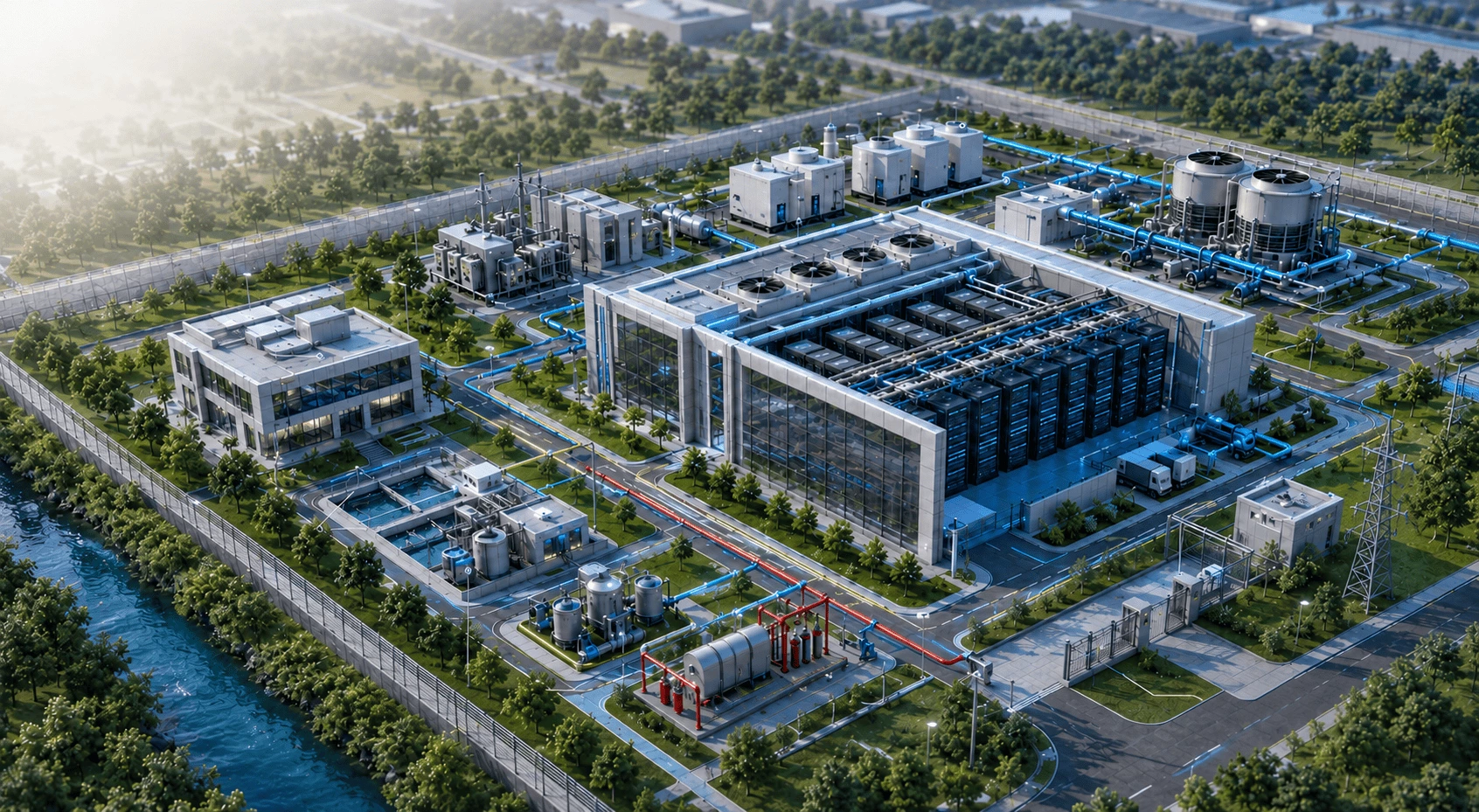
As AI computing and high-density server deployments continue to grow, data centers require more precise monitoring of cooling systems, water quality, and utility infrastructure. Reliable instrumentation is essential for maximizing uptime, improving energy efficiency, and reducing operational costs.
High Cooling Loads
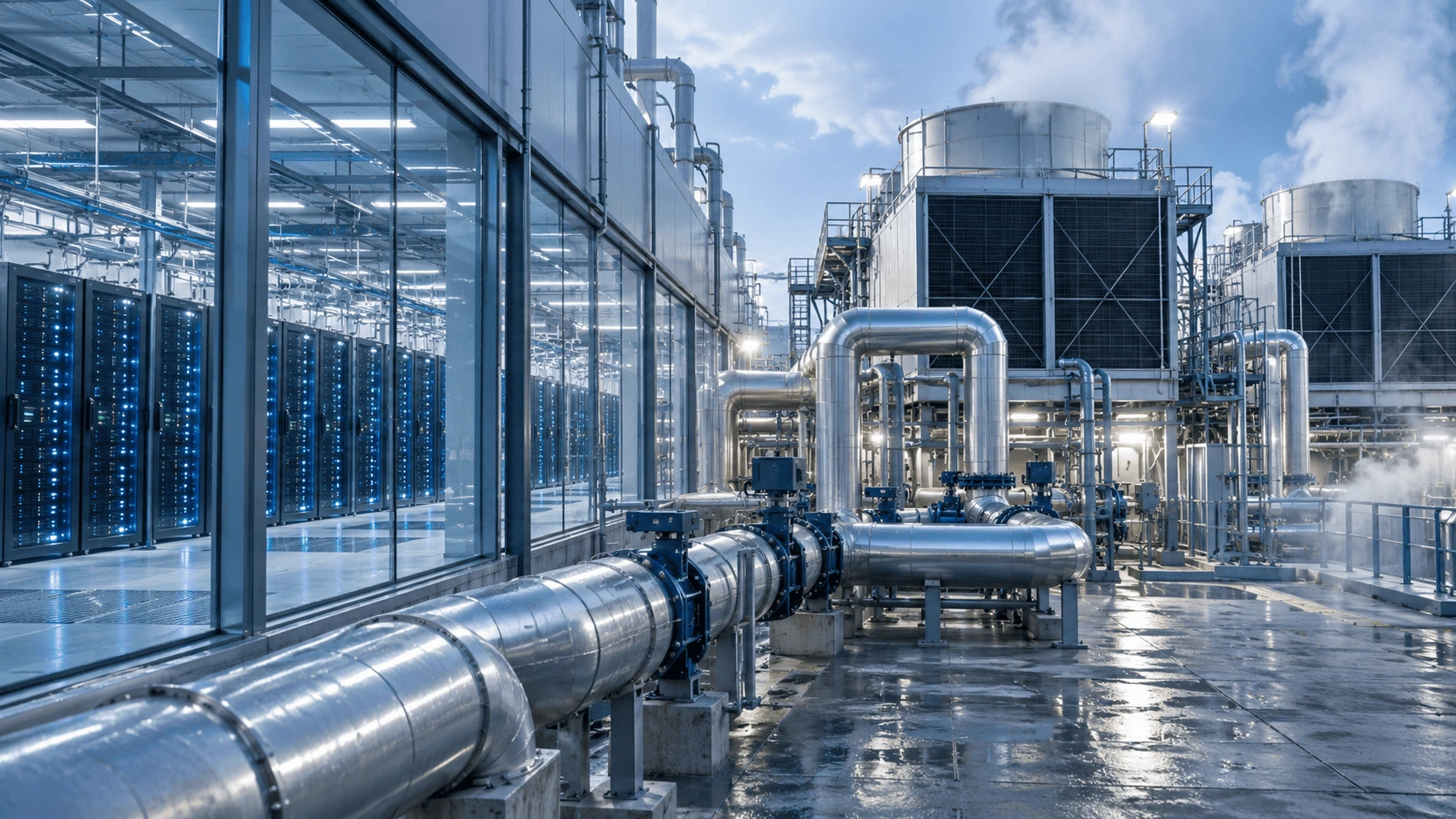
AI workloads create higher thermal density, requiring more efficient cooling systems and accurate process monitoring.
Energy Optimization
Reducing energy consumption and improving PUE demand reliable measurement throughout utility and cooling networks.
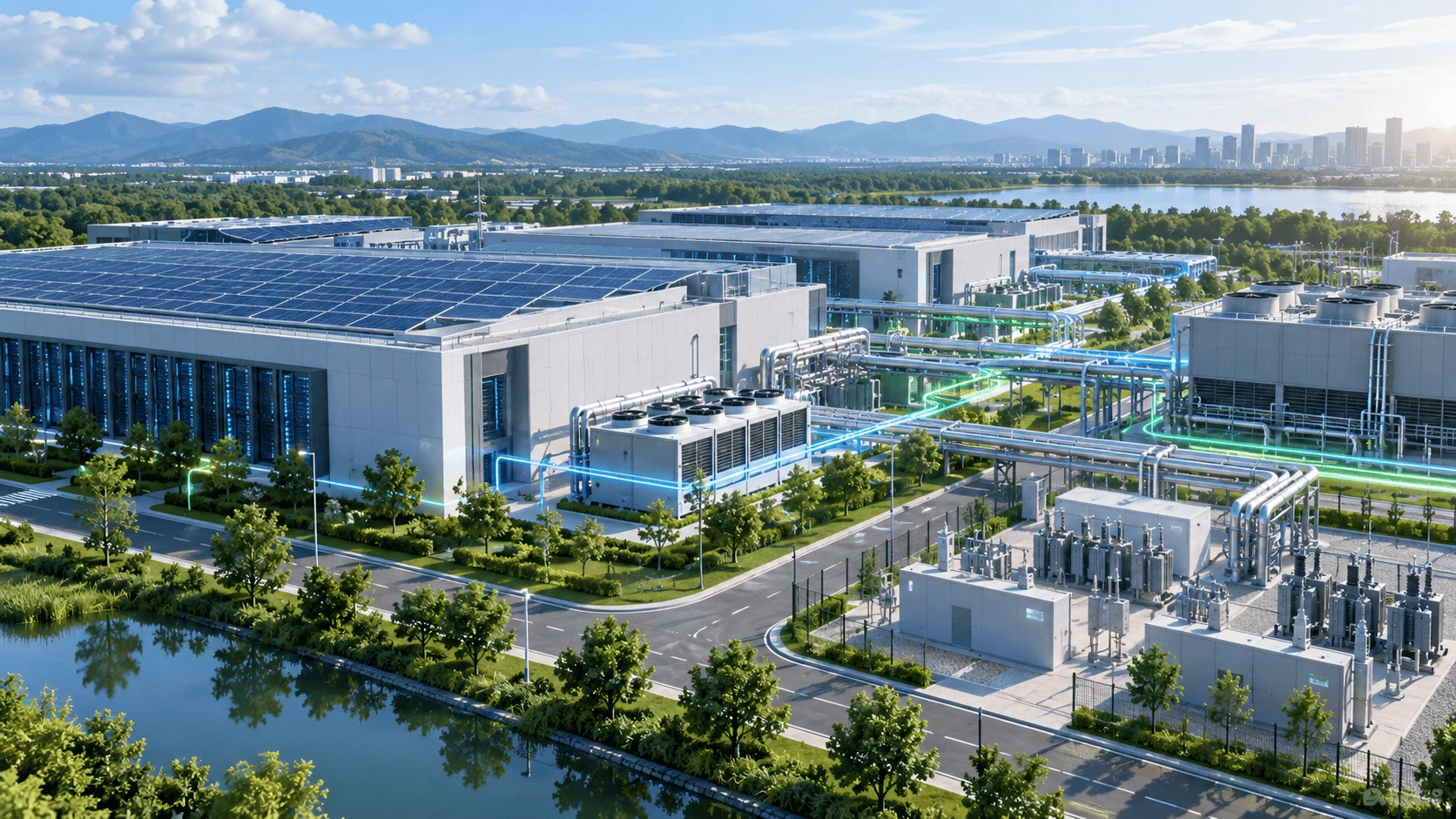
Water System Reliability
Maintaining stable cooling water flow, pressure, temperature, and quality is essential for continuous operation.
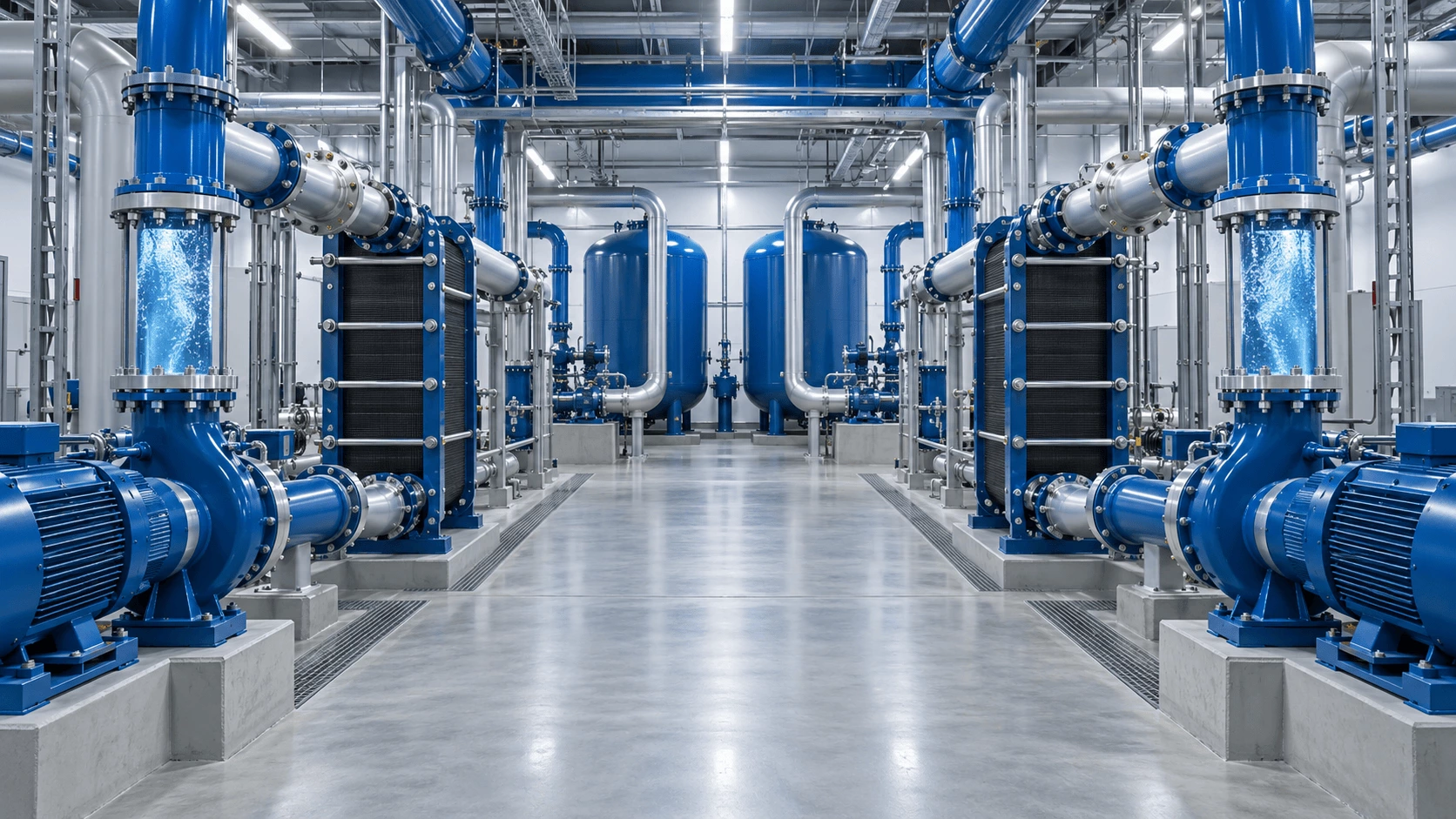
Maximum Uptime
Critical infrastructure requires highly reliable instrumentation to minimize operational risks and avoid unexpected shutdowns.
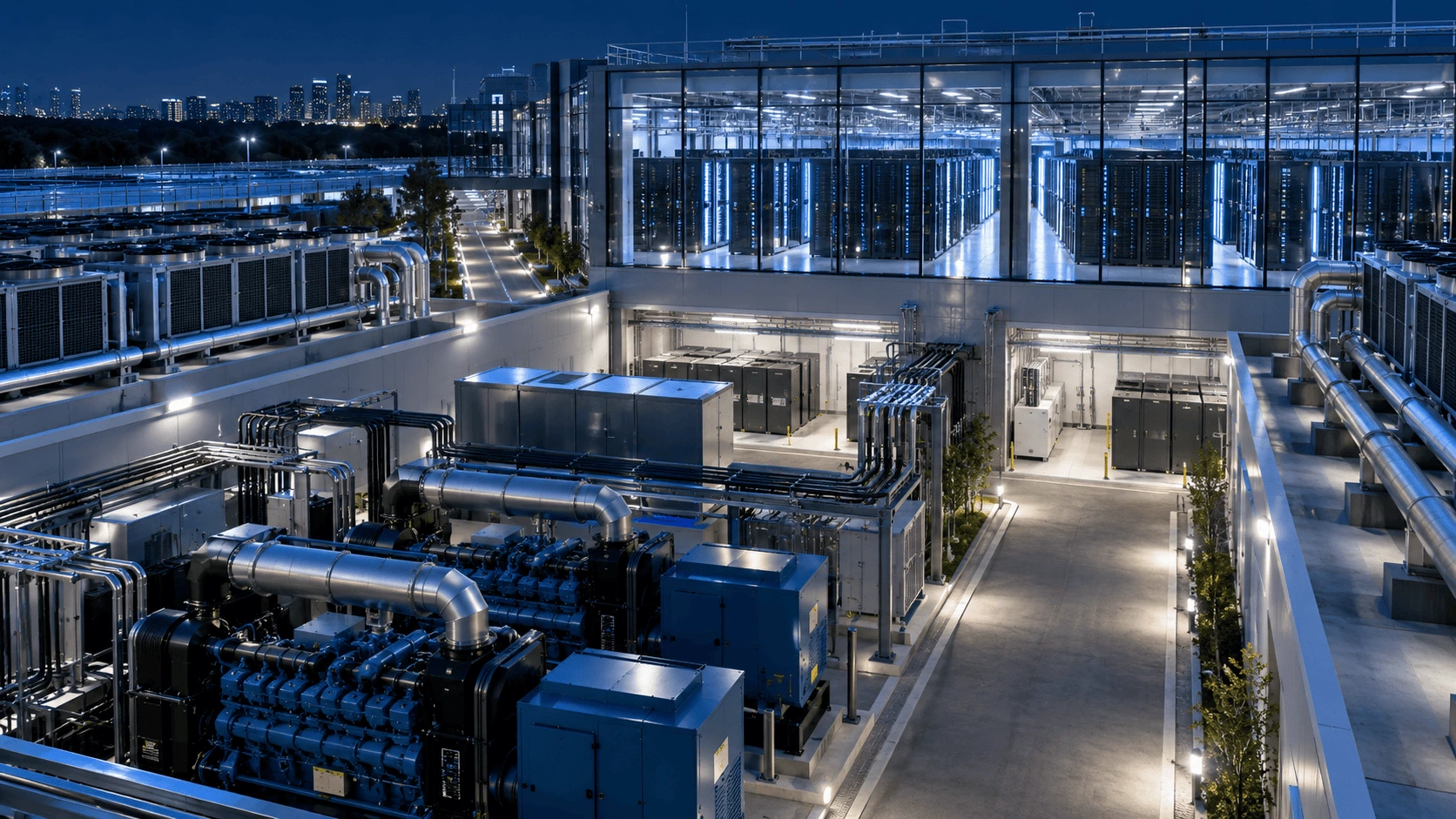
Digital Monitoring
Real-time process visibility enables predictive maintenance, faster troubleshooting, and optimized facility performance.
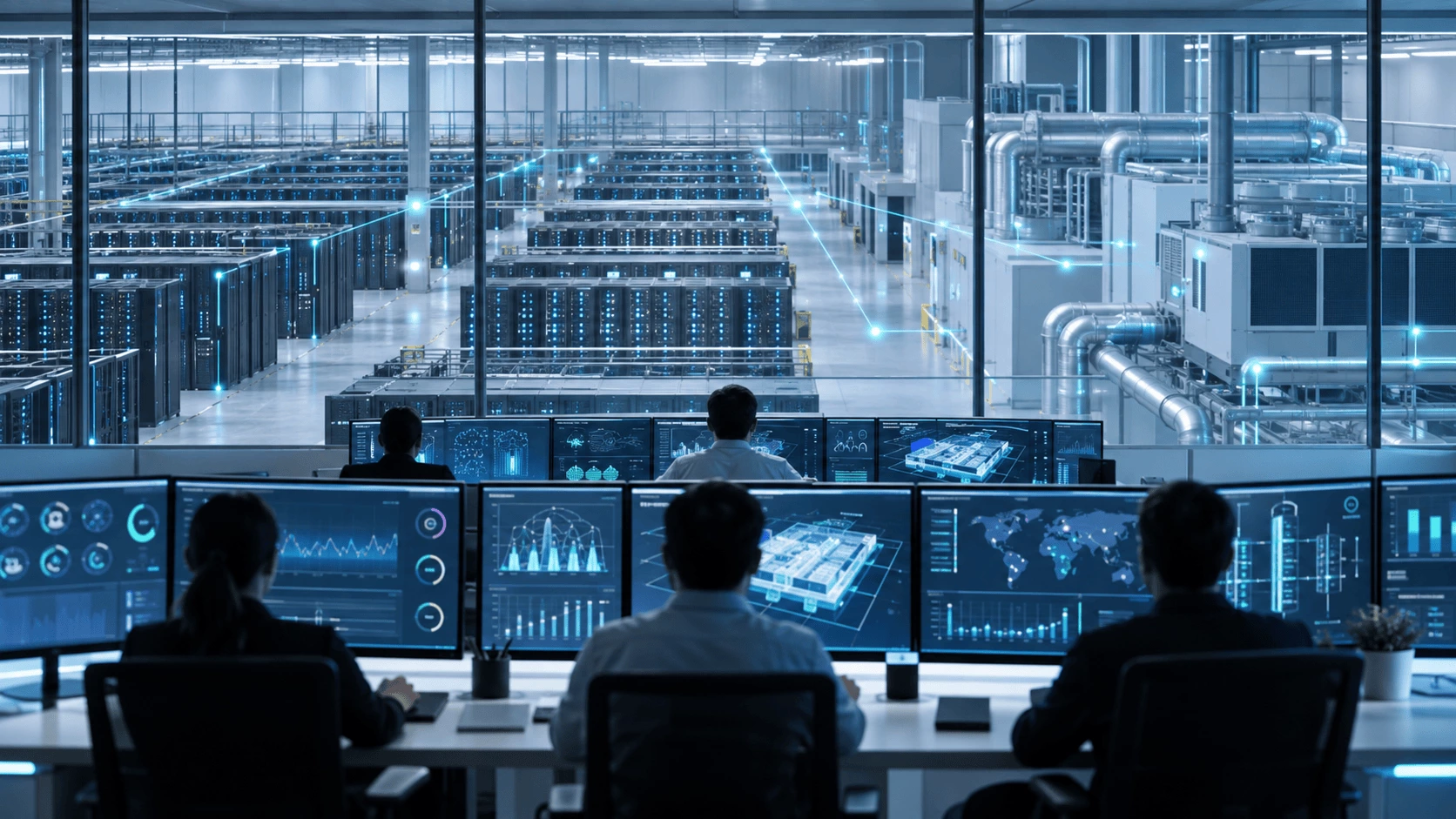
Future-Ready Expansion
Modern data centers need scalable automation solutions that adapt to increasing computing capacity and evolving cooling technologies.
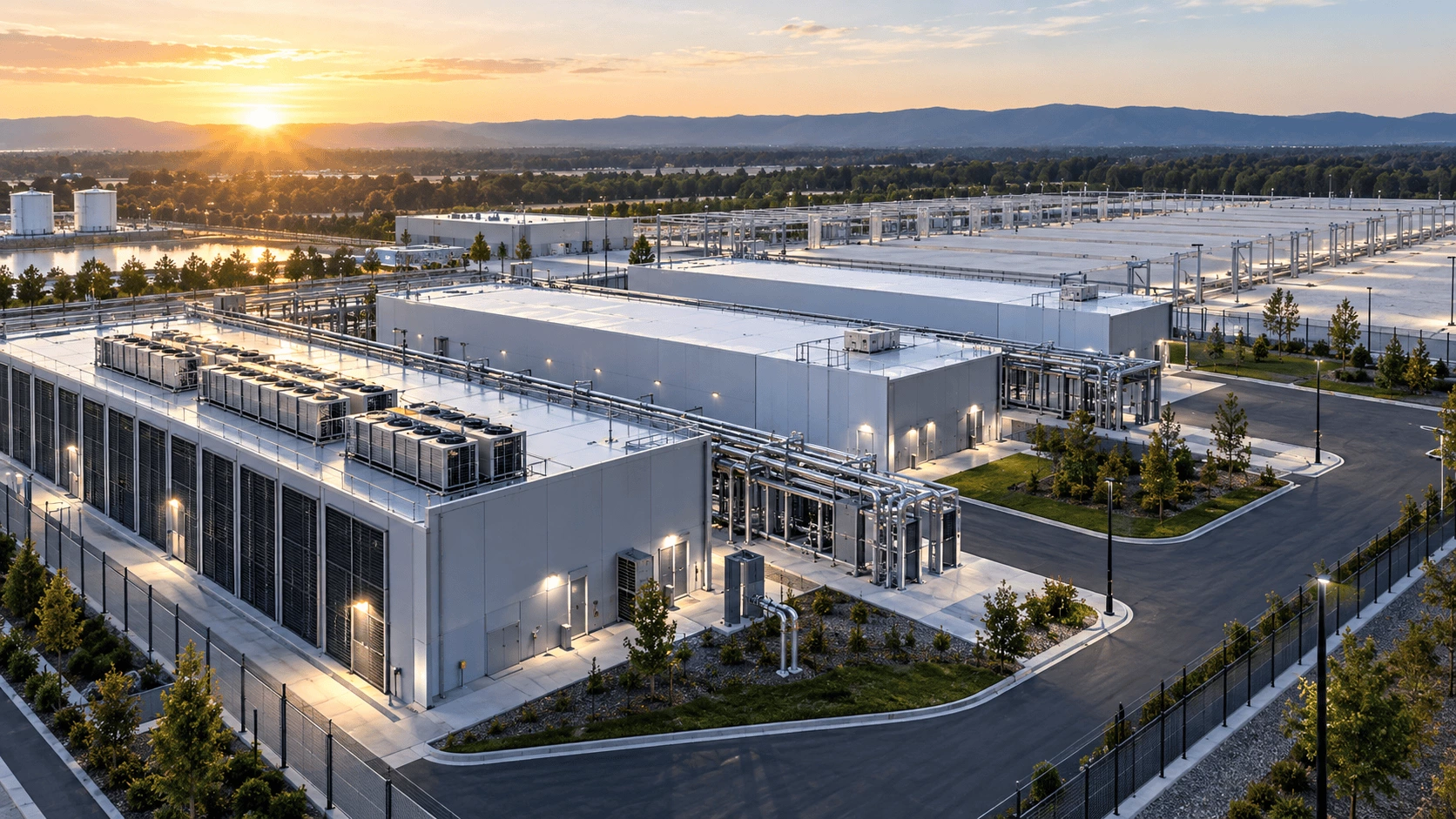
Data Center Infrastructure Process
Optimize every stage of data center infrastructure with reliable process measurement—from utility water and chilled water systems to liquid cooling, HVAC, power utilities, and water treatment—ensuring maximum efficiency, uptime, and sustainable operation.
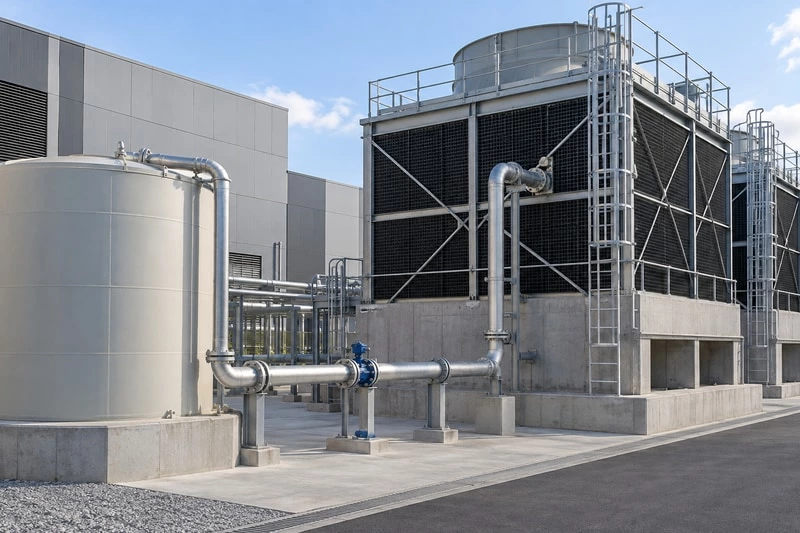
Utility Water Supply
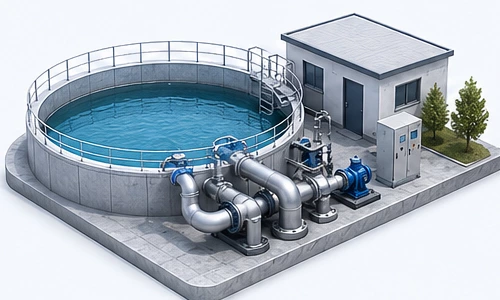
Chilled Water Plant
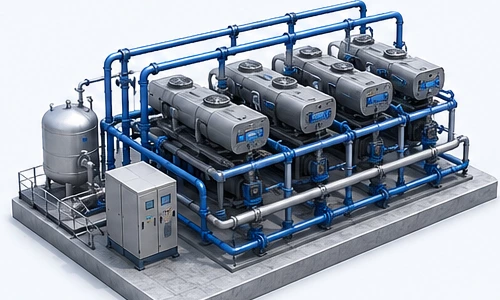
Liquid Cooling Distribution
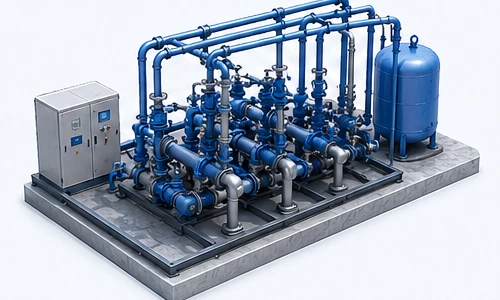
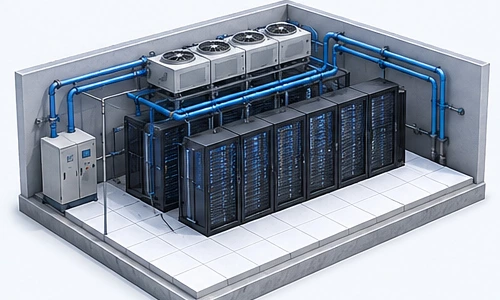
Computer Room Cooling
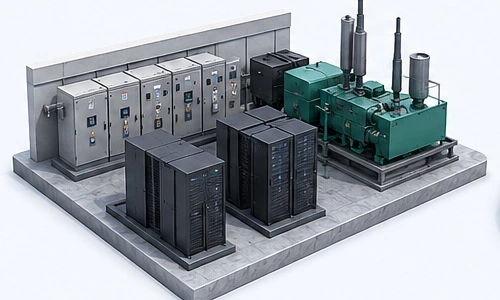
Power & Utility Infrastructure
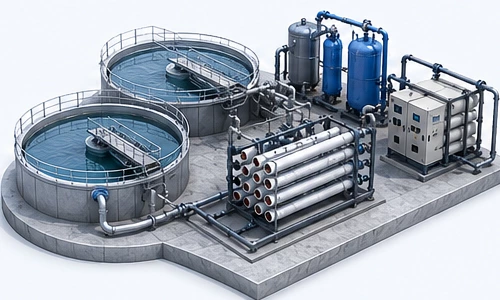
Water Treatment & Reuse
Process Overview
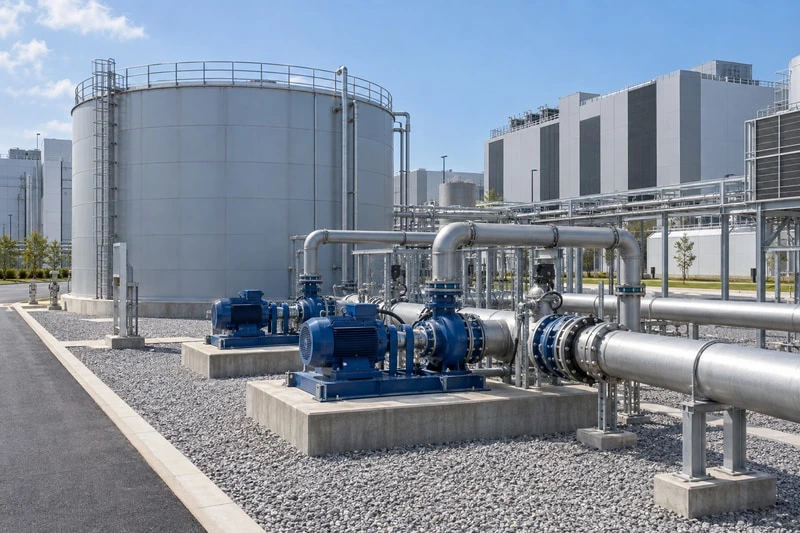
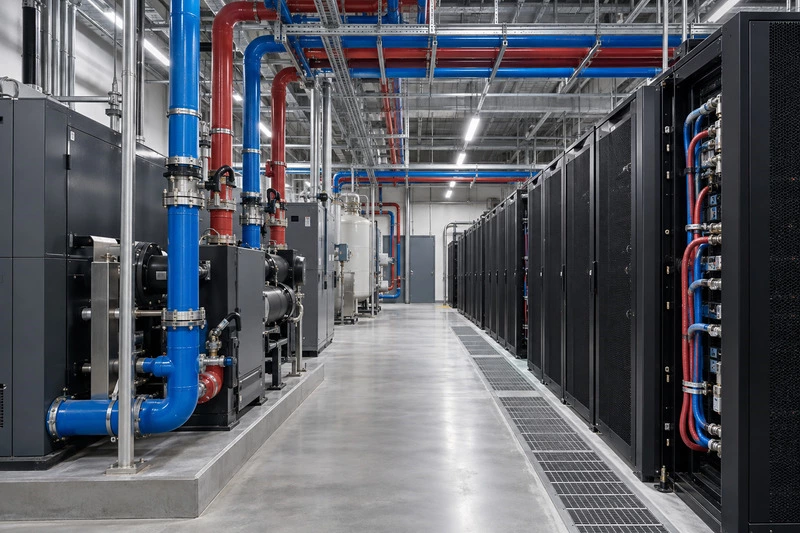
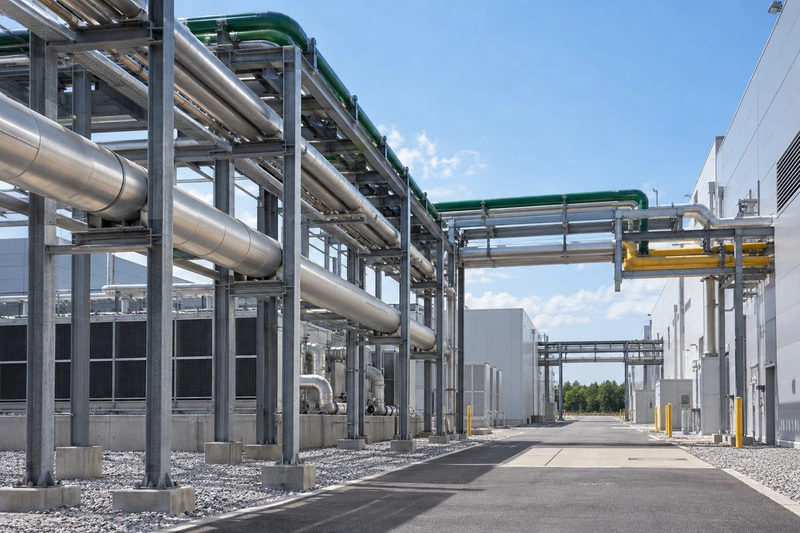
The utility water system supplies make-up water to cooling towers, chillers, and cooling loops, ensuring stable water availability for continuous thermal management throughout the data center.
Typical Applications
Process Overview
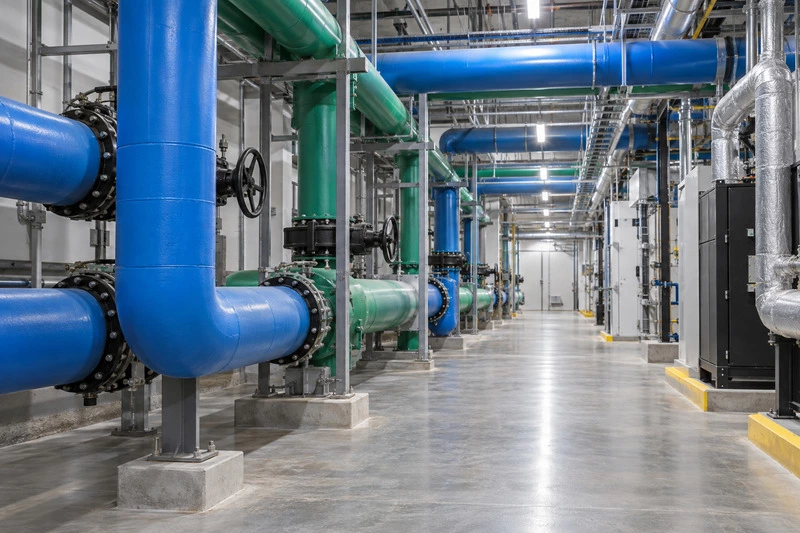
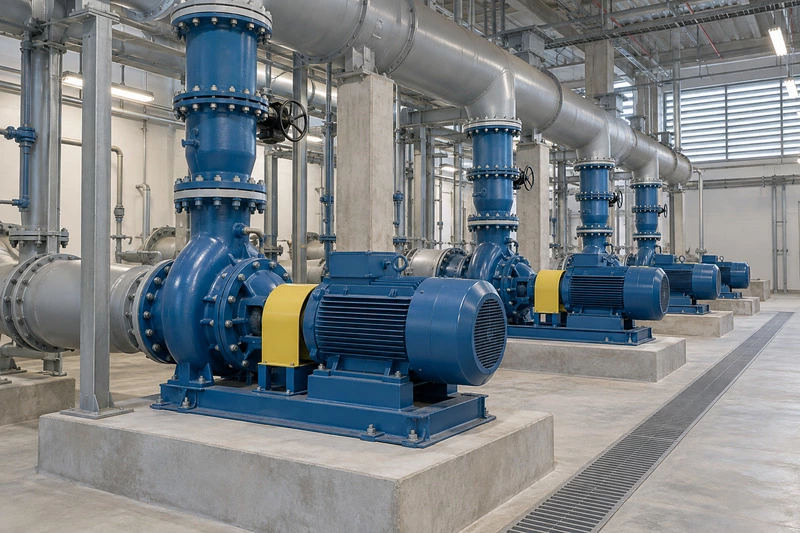
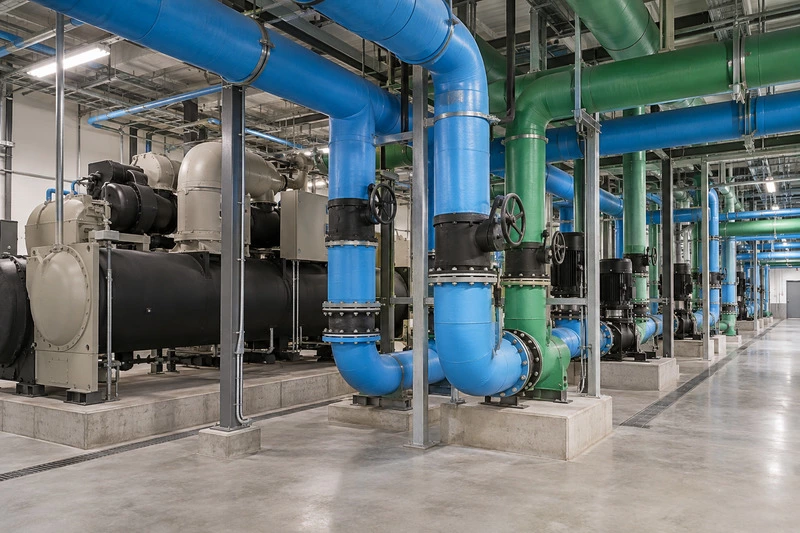
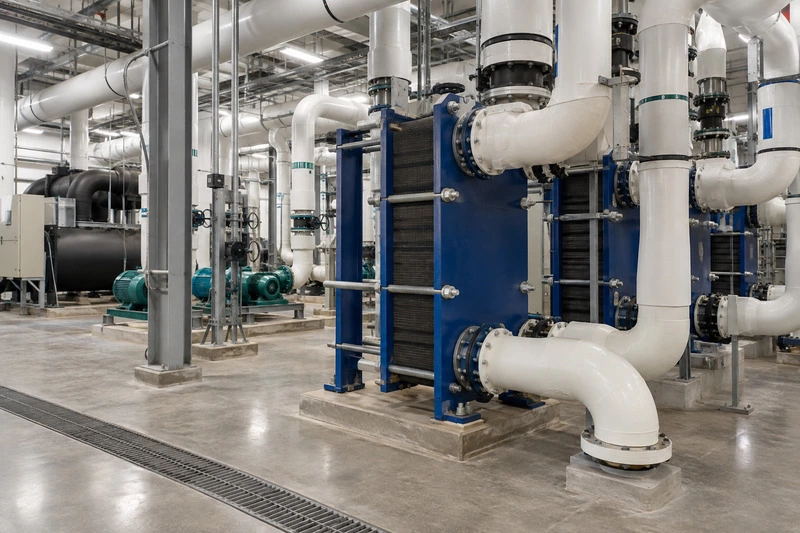
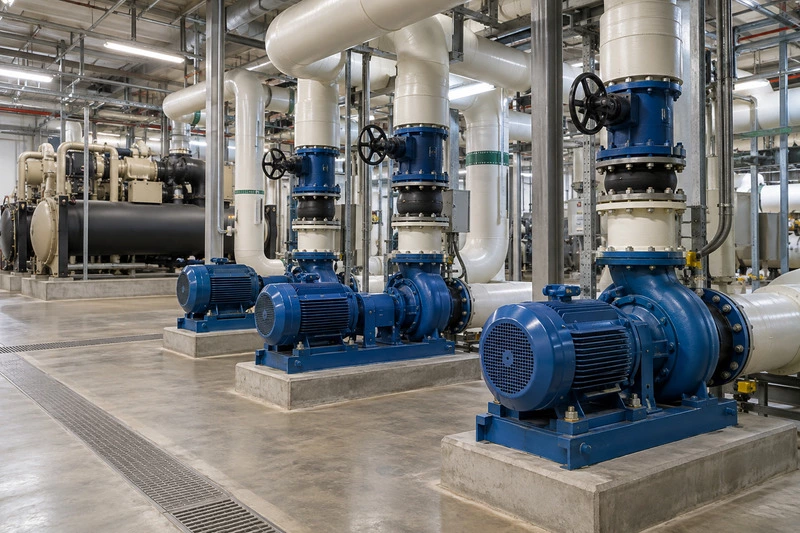
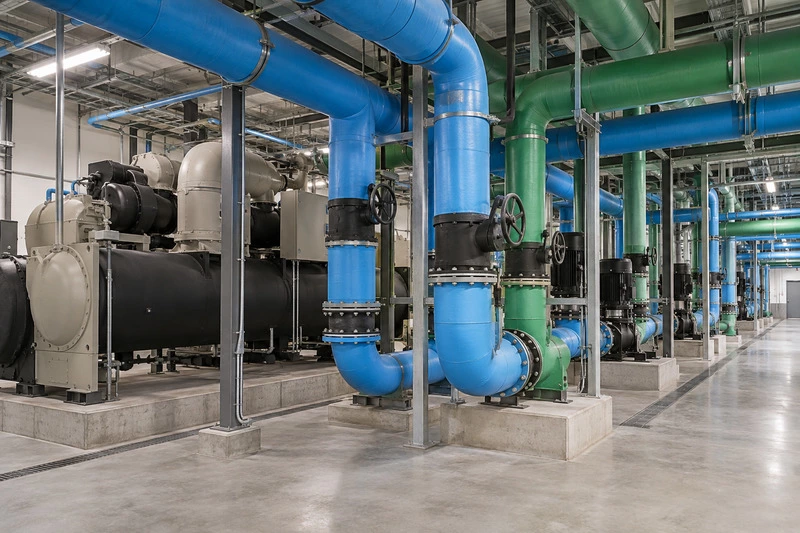
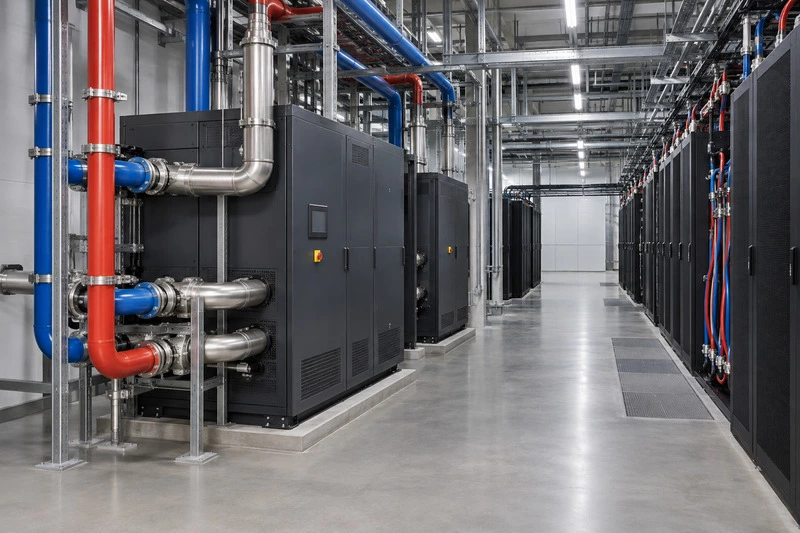
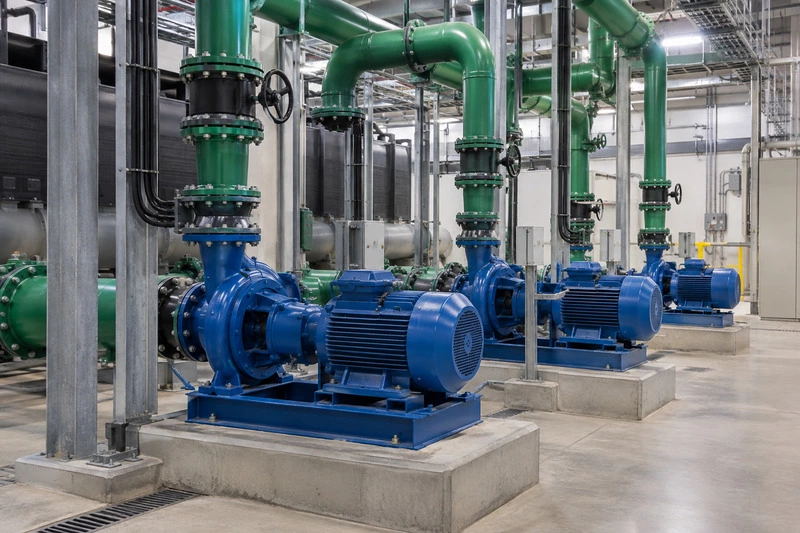
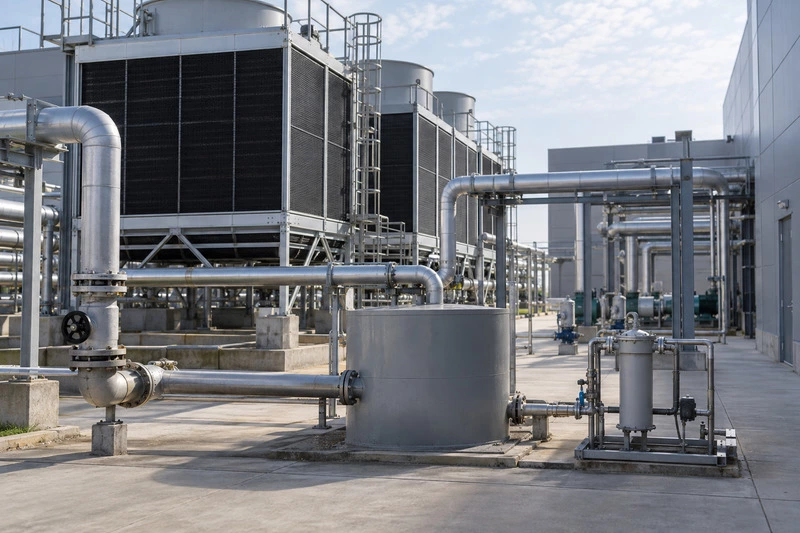
The chilled water plant removes heat generated by IT equipment through chillers, pumps, and heat exchangers. Accurate monitoring helps maximize cooling efficiency and reduce energy consumption.
Typical Applications
Process Overview
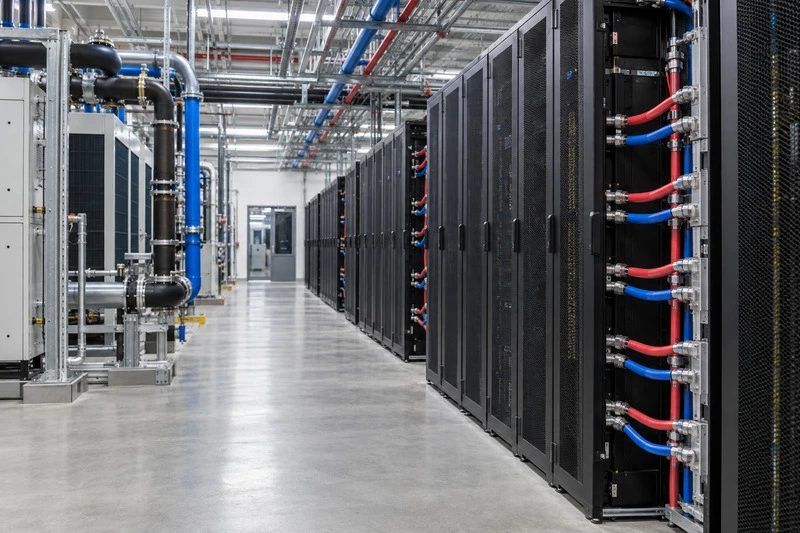
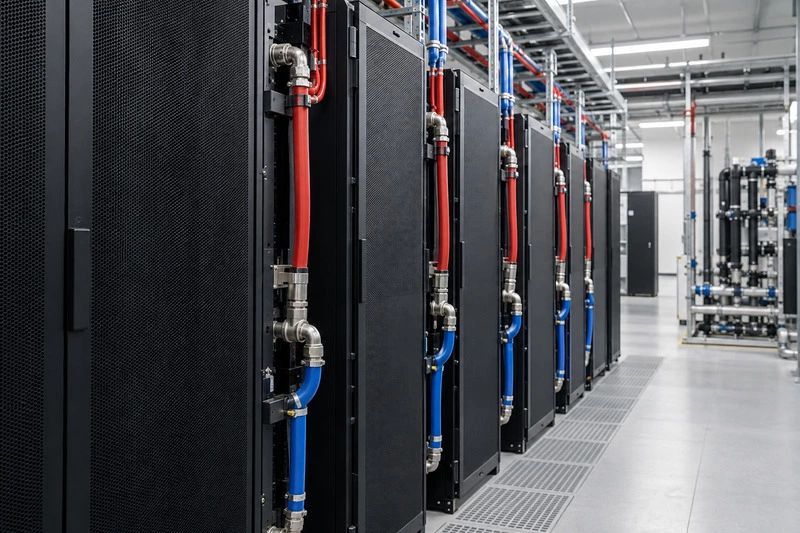
Liquid cooling systems circulate coolant directly to high-density AI servers and racks. Precise flow, pressure, and temperature measurement ensure stable cooling performance and equipment protection.
Typical Applications
Process Overview
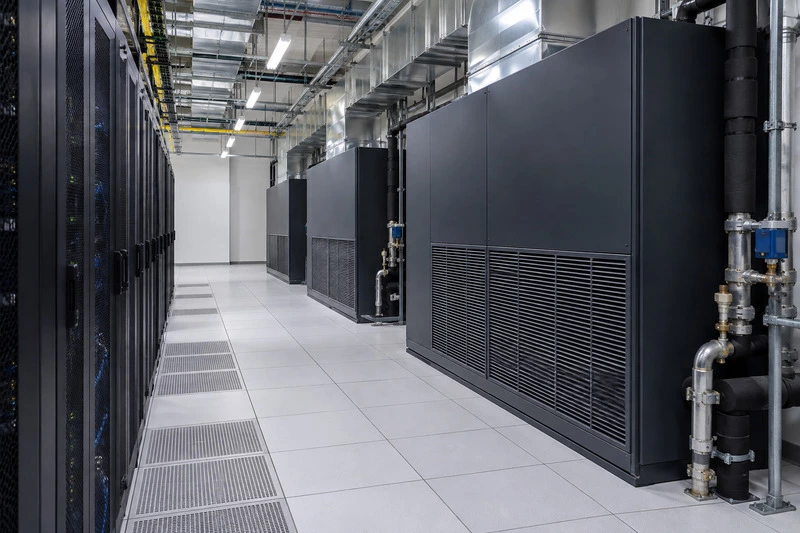
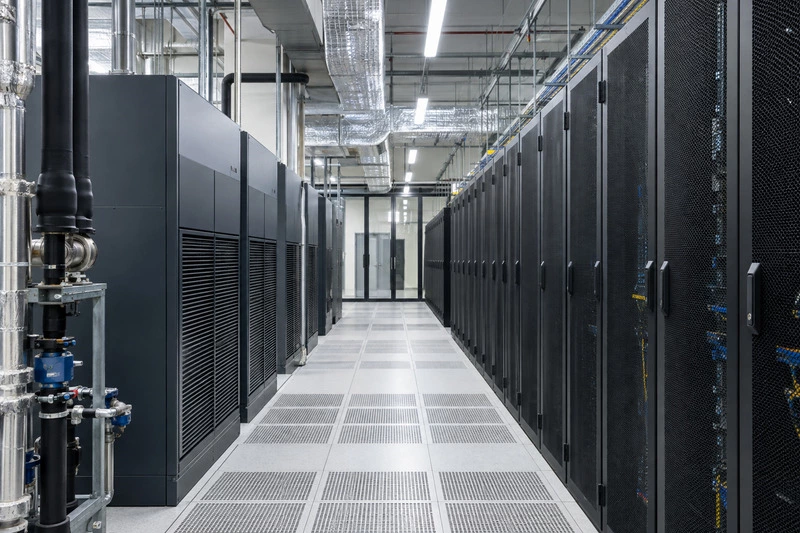
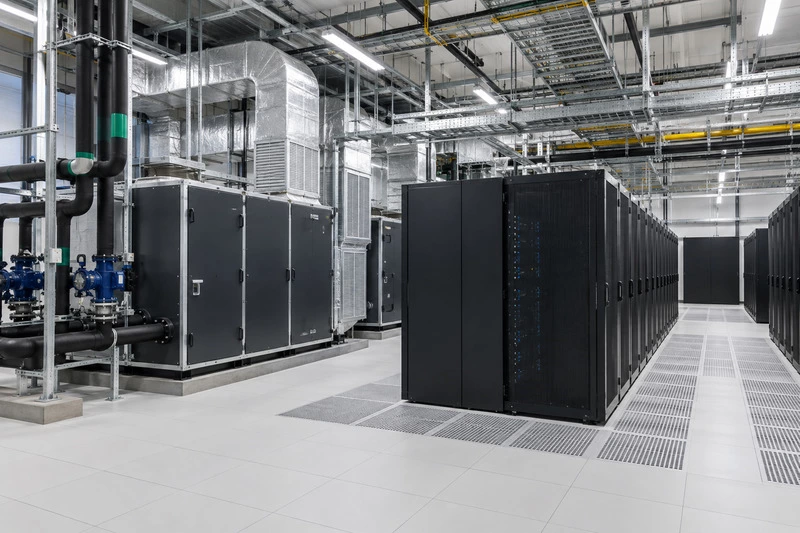
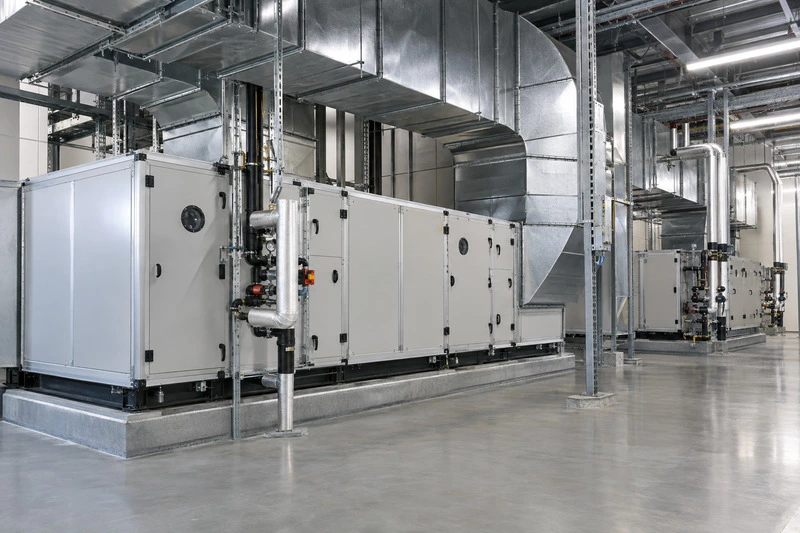
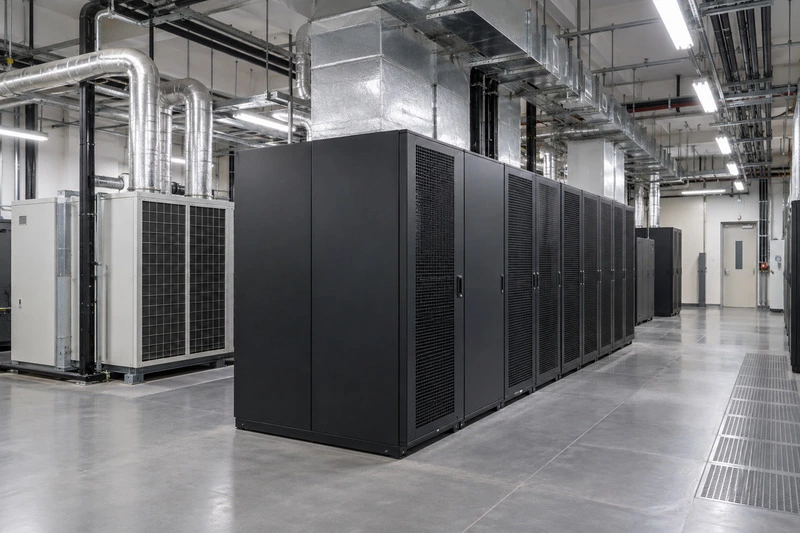
Computer room air conditioning and precision cooling systems maintain optimal environmental conditions for servers by continuously regulating airflow, temperature, and humidity.
Typical Applications
Process Overview
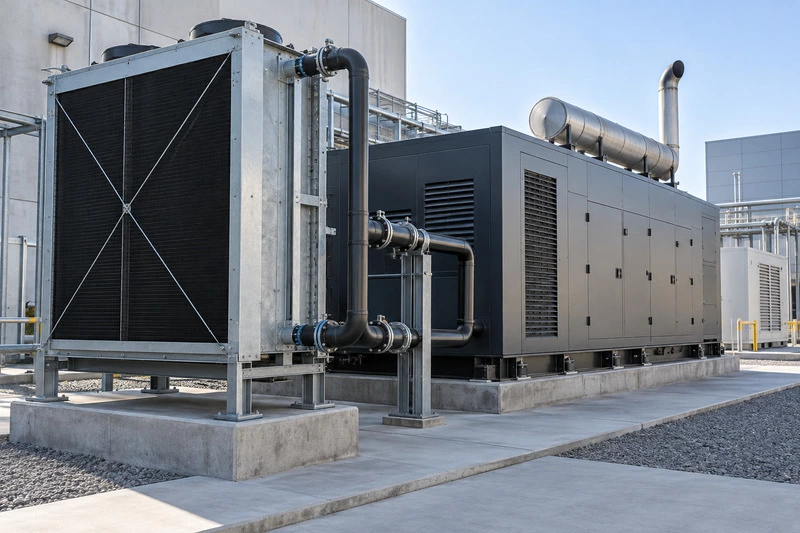
Reliable utility systems support uninterrupted power delivery and cooling operations. Continuous monitoring improves operational safety and enables predictive maintenance.
Typical Applications
Process Overview
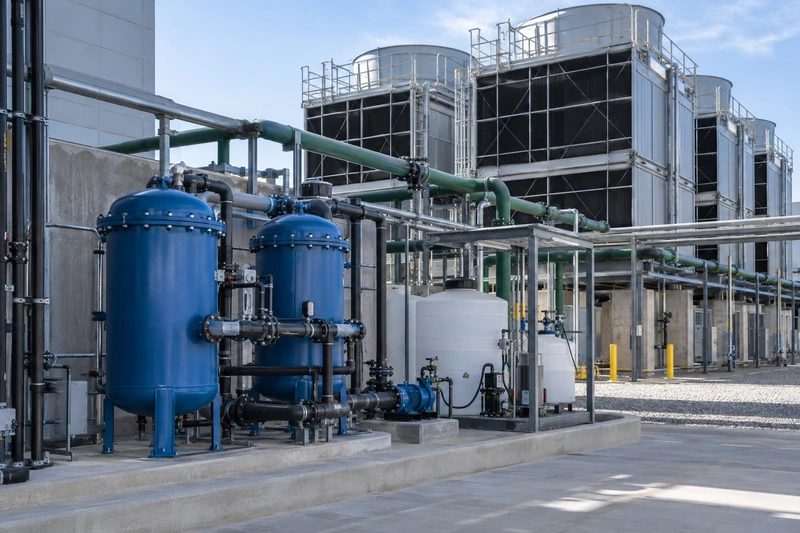
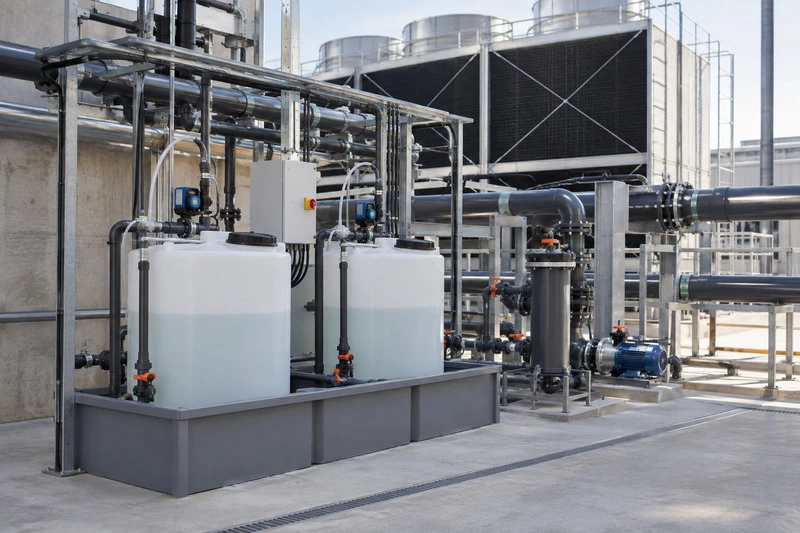
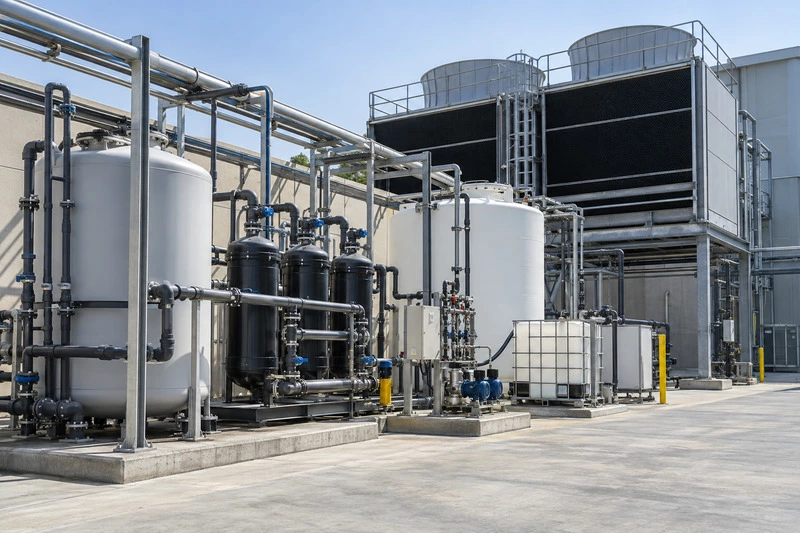
Water treatment systems maintain cooling water quality, reduce scaling and corrosion, and support sustainable water reuse while minimizing operational costs.
Typical Applications
Optimize Your Data Center with Confidence
Whether you're designing a new AI data center or upgrading an existing facility, Supmea provides reliable instrumentation solutions for cooling, utilities, and water systems to improve efficiency, maximize uptime, and support long-term operational reliability.
Industry Solution
Cooling System Monitoring
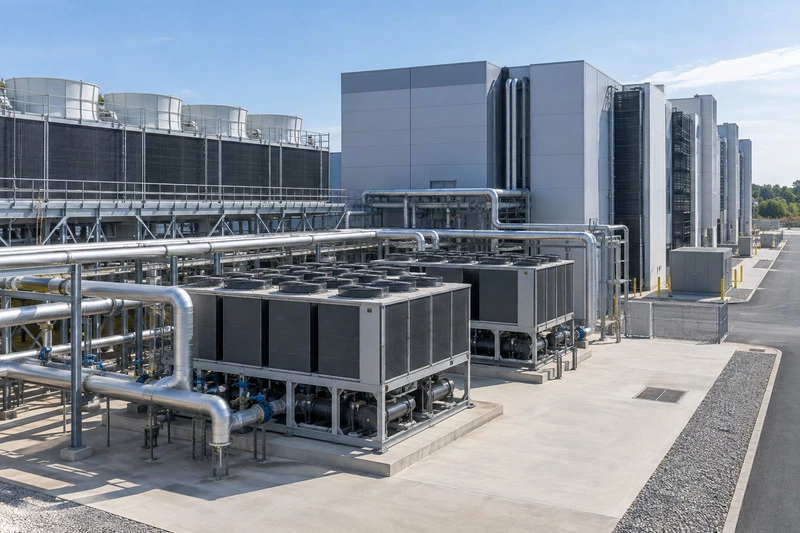
Ensure optimal cooling performance across chilled water, HVAC, CDU, and CRAH/CRAC systems with real-time monitoring of flow, temperature, pressure, and liquid level to maximize cooling efficiency and equipment reliability.
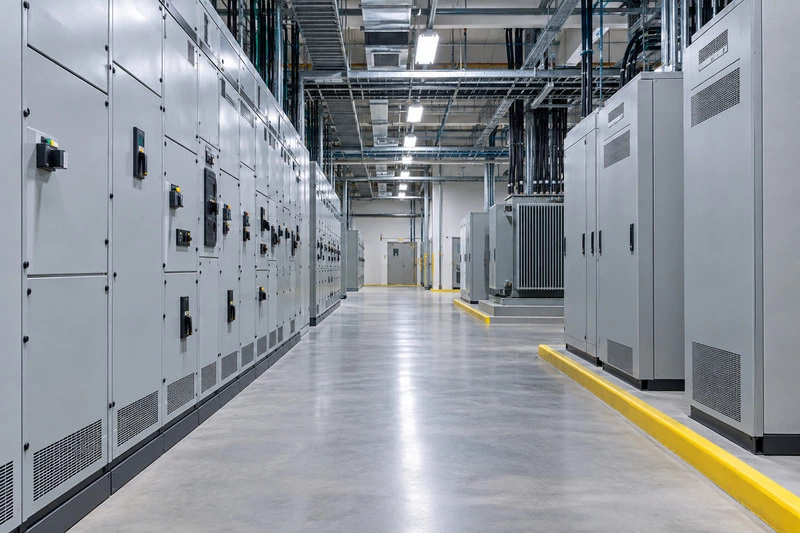
Power Distribution Monitoring
Monitor critical power infrastructure with accurate measurement of cooling water, utility systems, and environmental parameters to improve energy efficiency, operational reliability, and power availability.
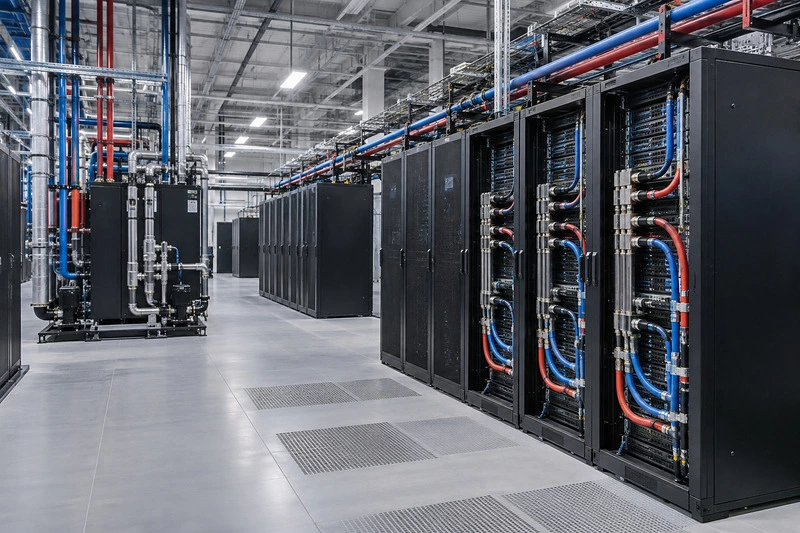
Liquid Cooling Solutions
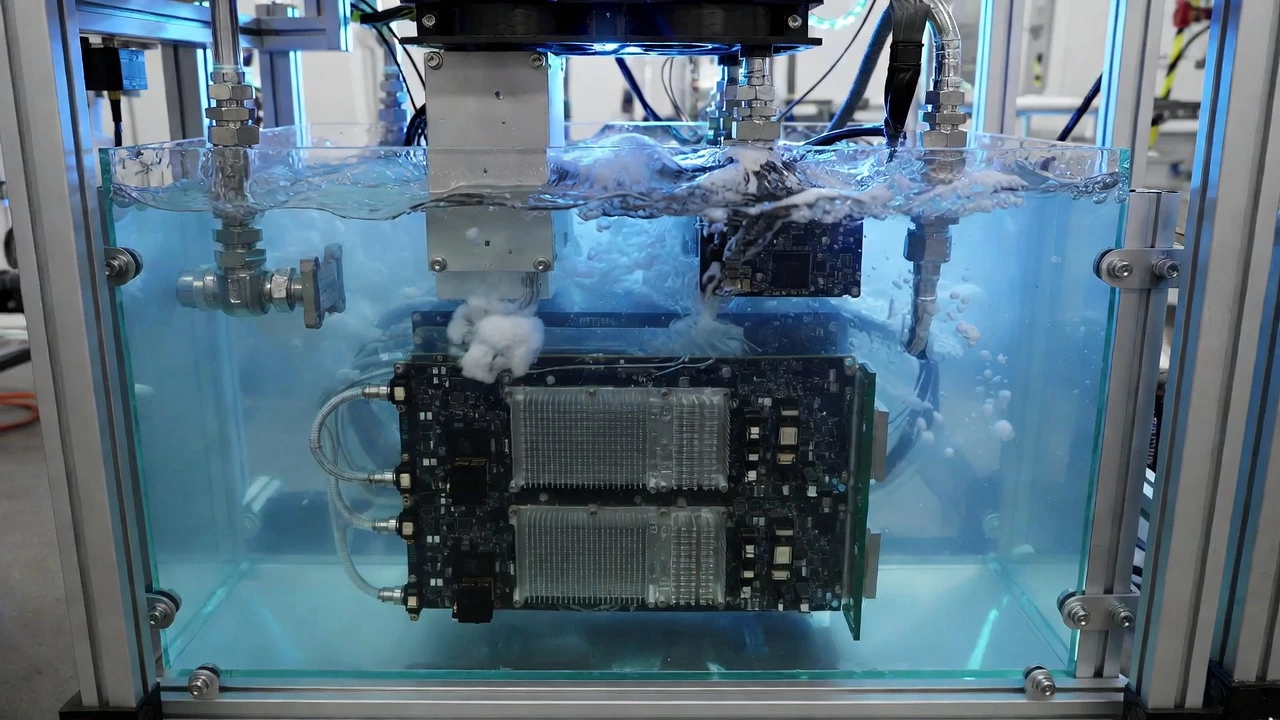
Deliver precise monitoring for direct-to-chip, immersion, and CDU liquid cooling systems through accurate flow, pressure, temperature, conductivity, and leakage monitoring.
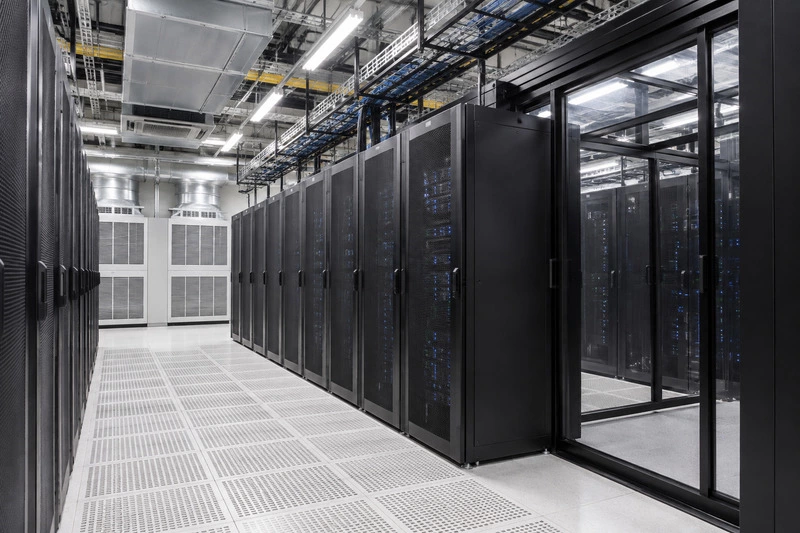
Environmental Monitoring
Maintain stable operating conditions by continuously monitoring temperature, humidity, pressure, water leakage, and other environmental parameters throughout mission-critical facilities.
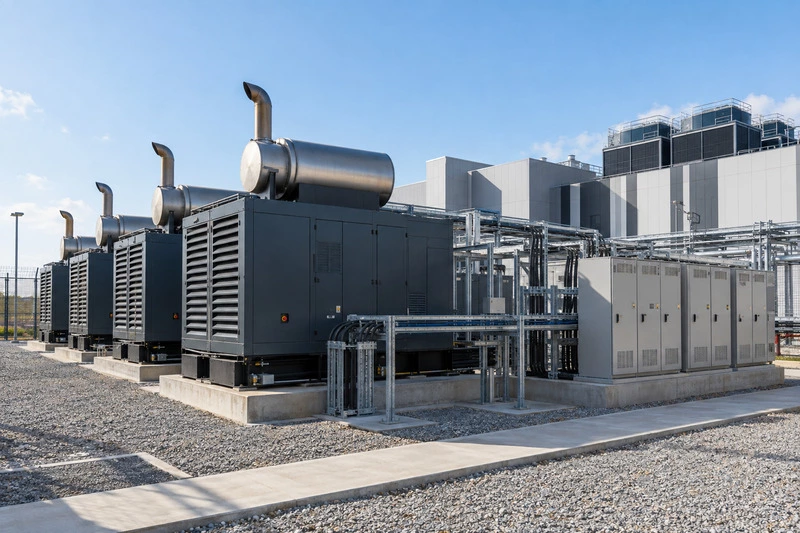
Backup Power Management
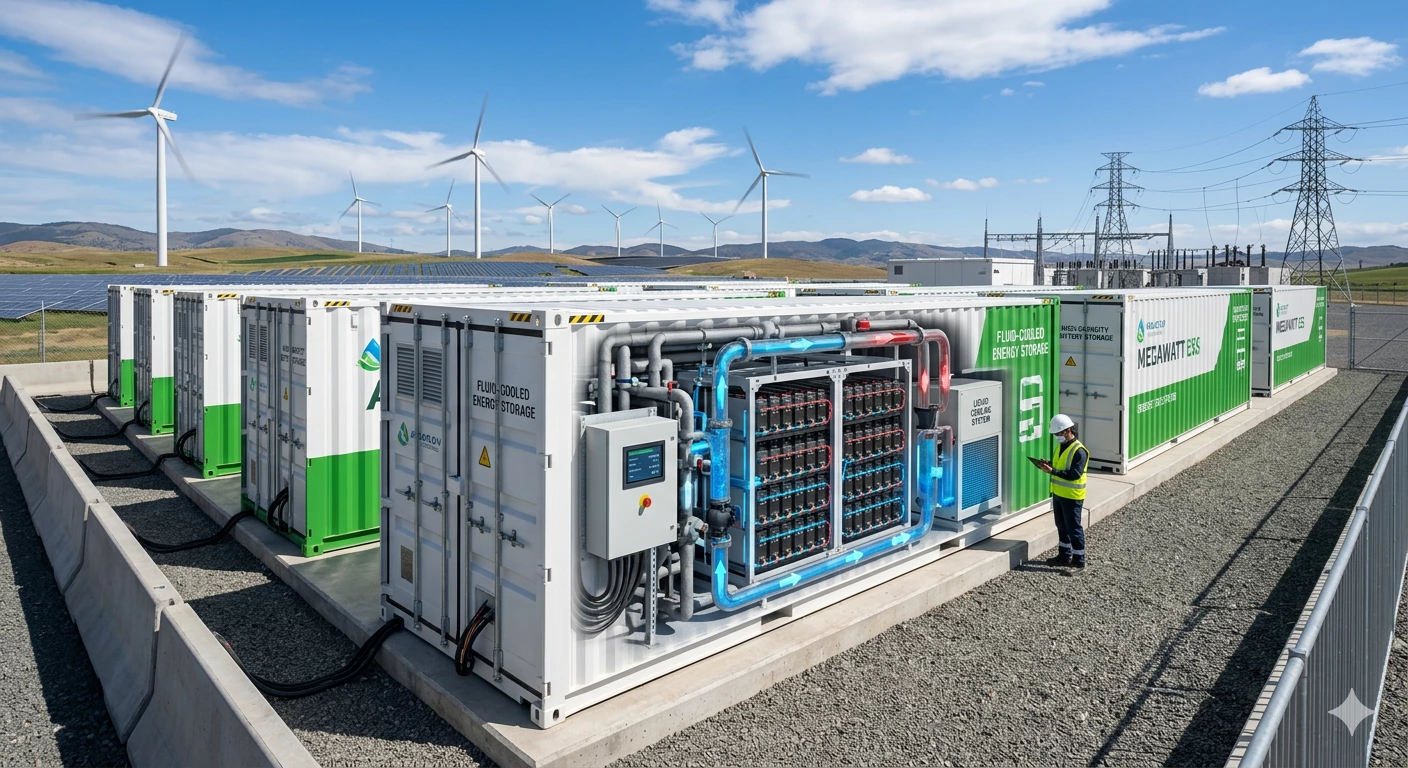
Improve the reliability of emergency power systems by monitoring cooling circuits, fuel storage, utility pipelines, and supporting infrastructure for UPS, battery energy storage, and generators.
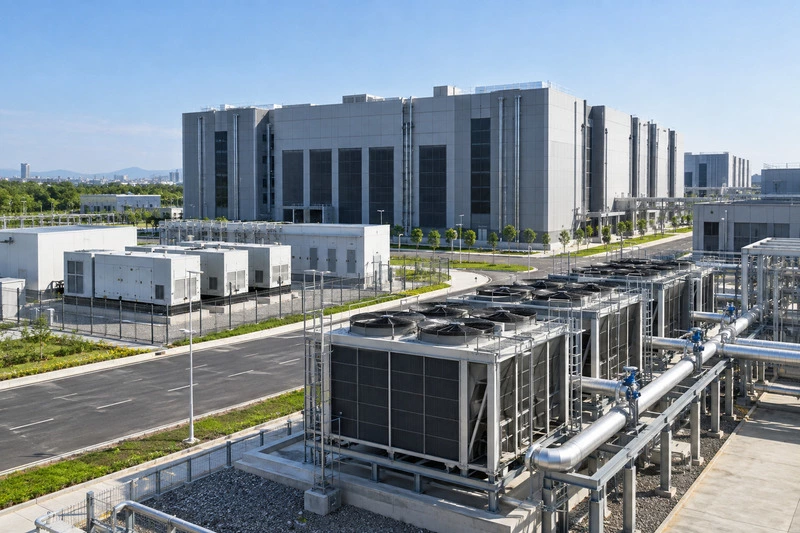
Smart Data Center Management
Integrate field instrumentation with DCIM, BMS, and industrial automation platforms to provide centralized visualization, predictive maintenance, energy optimization, and intelligent operation management.
Featured Products
Reliable measurement solutions designed for AI computing facilities, liquid cooling systems, HVAC infrastructure, power utilities, and intelligent building management.
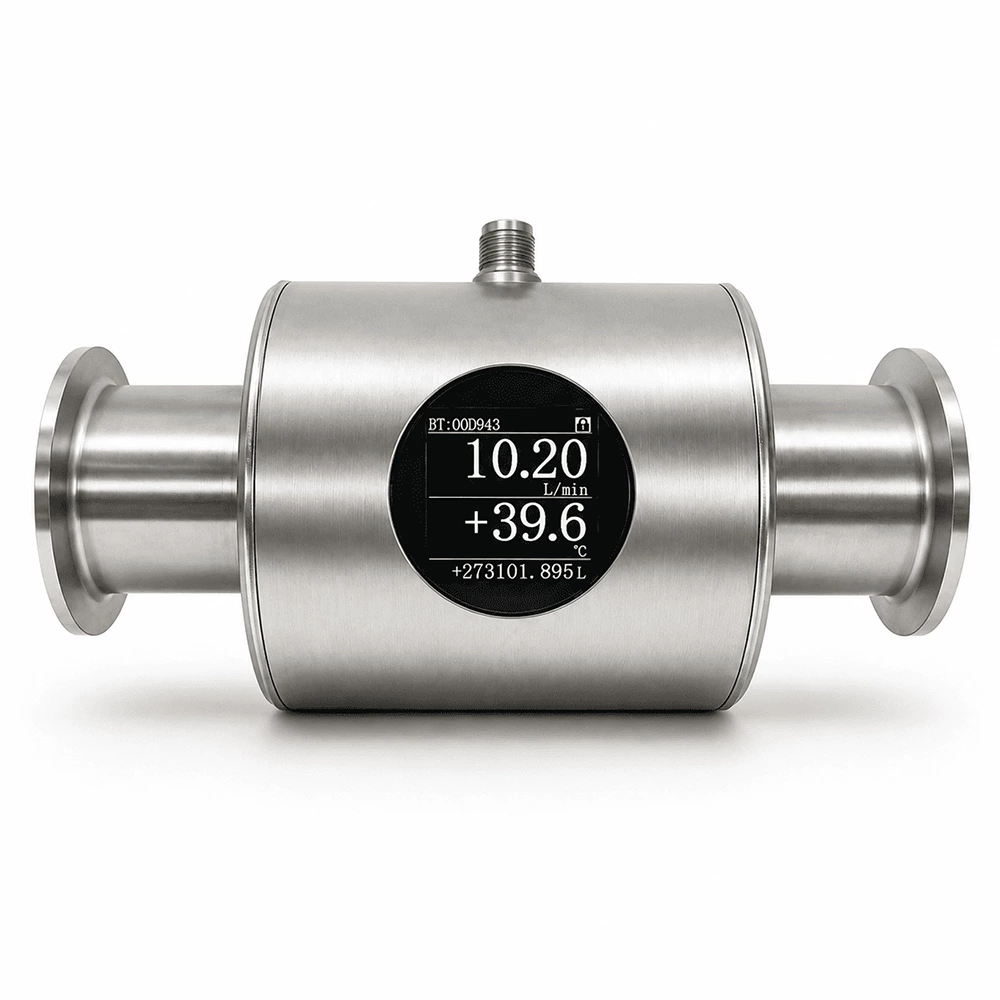
FMX300 Compact Electromagnetic Flowmeter for Data Center
View Products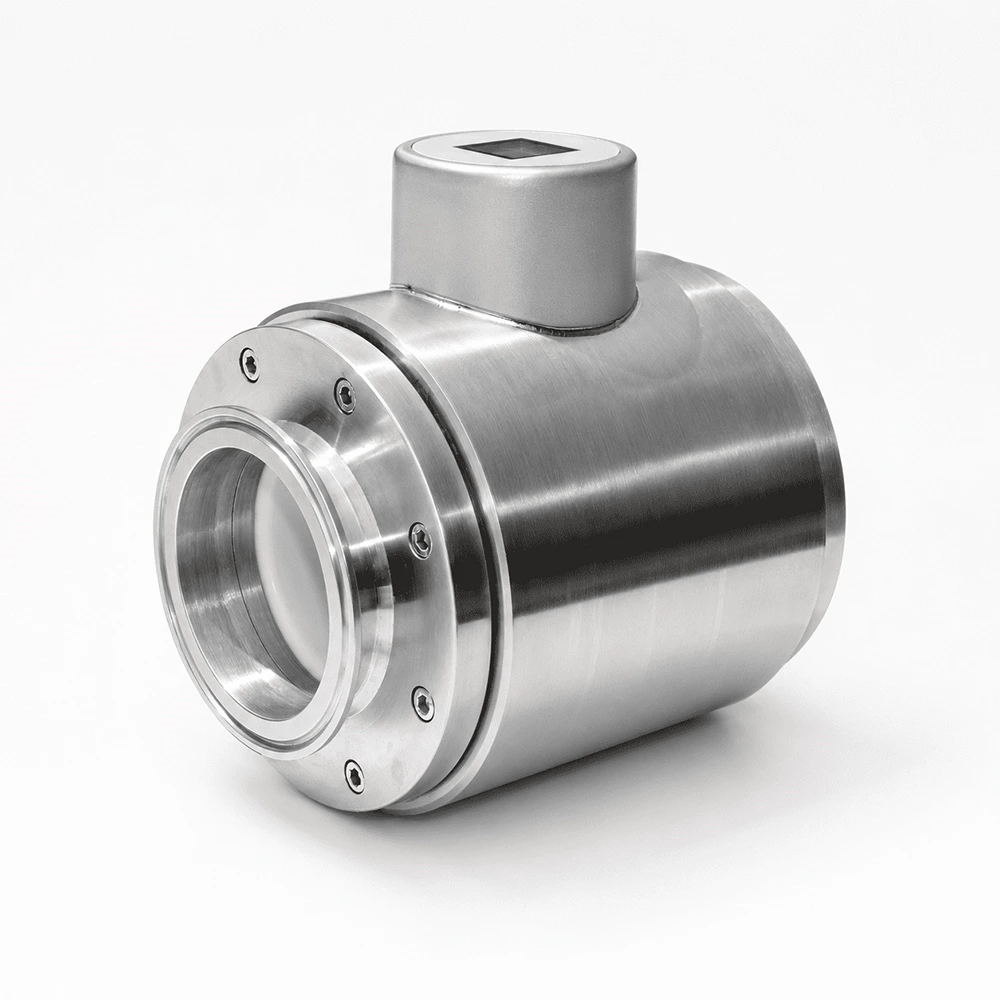
FMX400 Compact Electromagnetic Flowmeter
View Products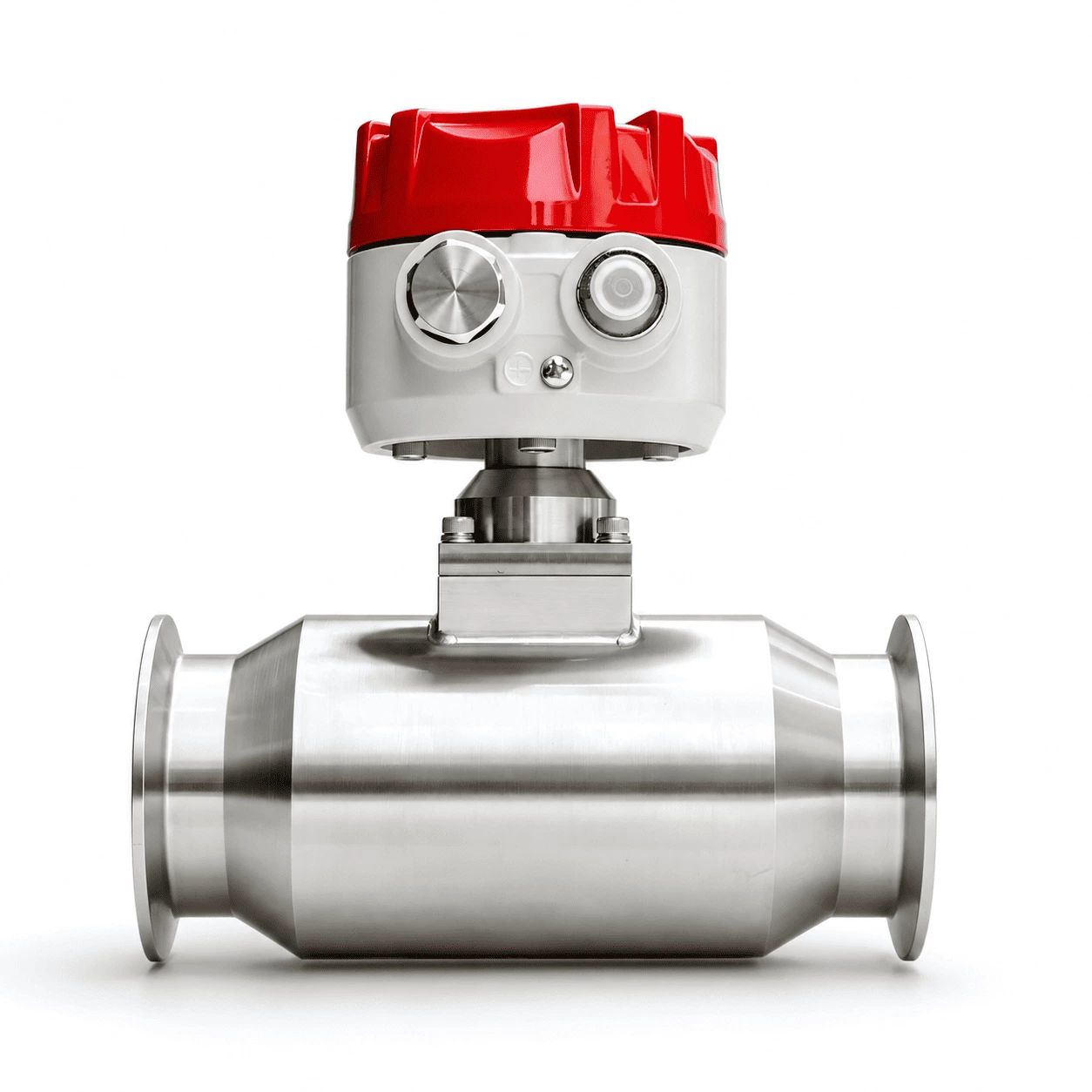
SUP-FVX260 Compact Vortex Flowmeter for Reliable Liquid Flow Measurement
View Products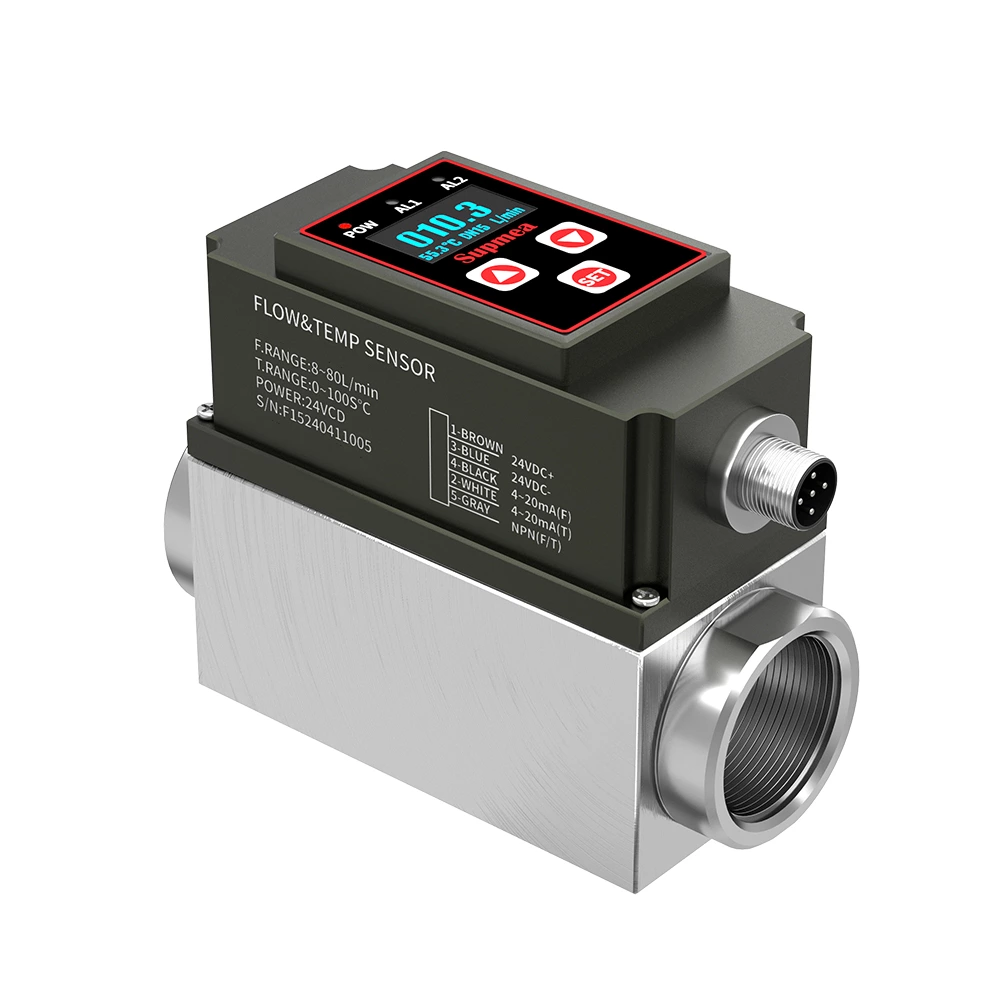
SUP-FVM200 Micro Vortex Flow Meter
View Products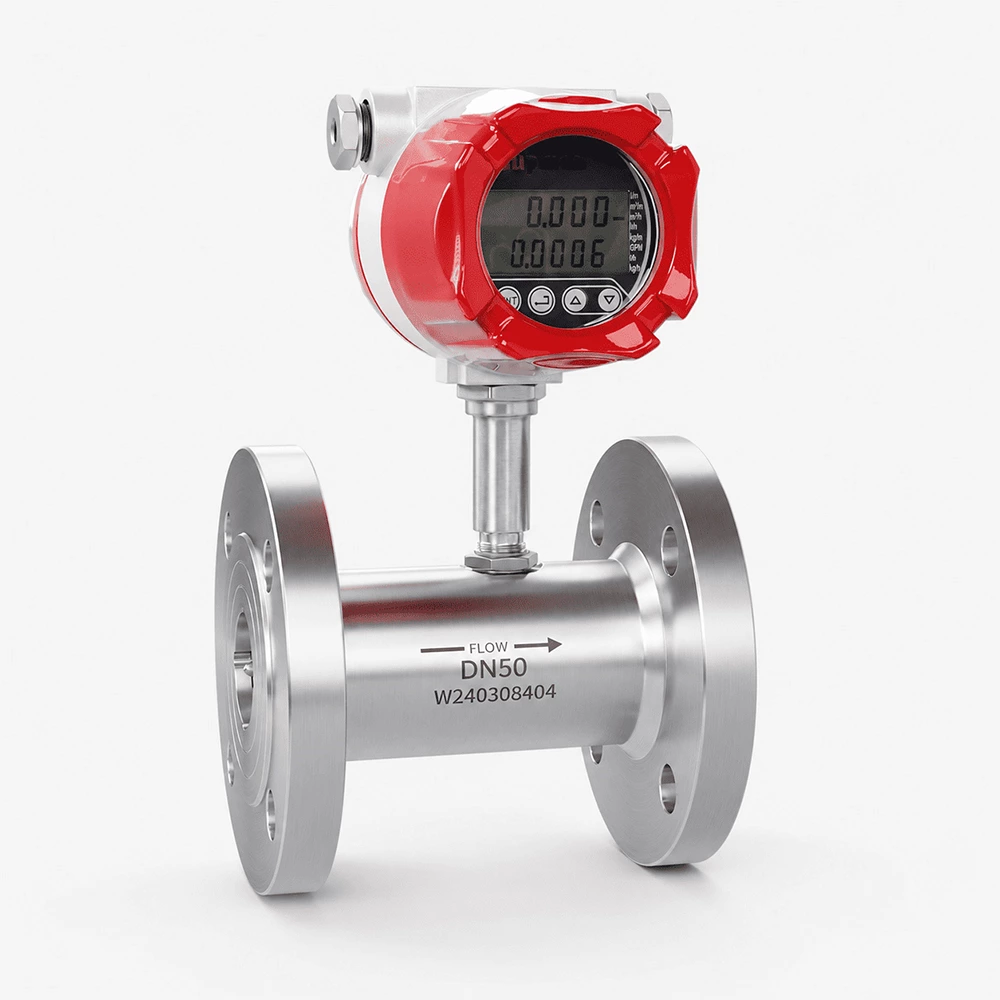
FLC400 Turbine Flowmeter for Precision Liquid Flow Measurement
View Products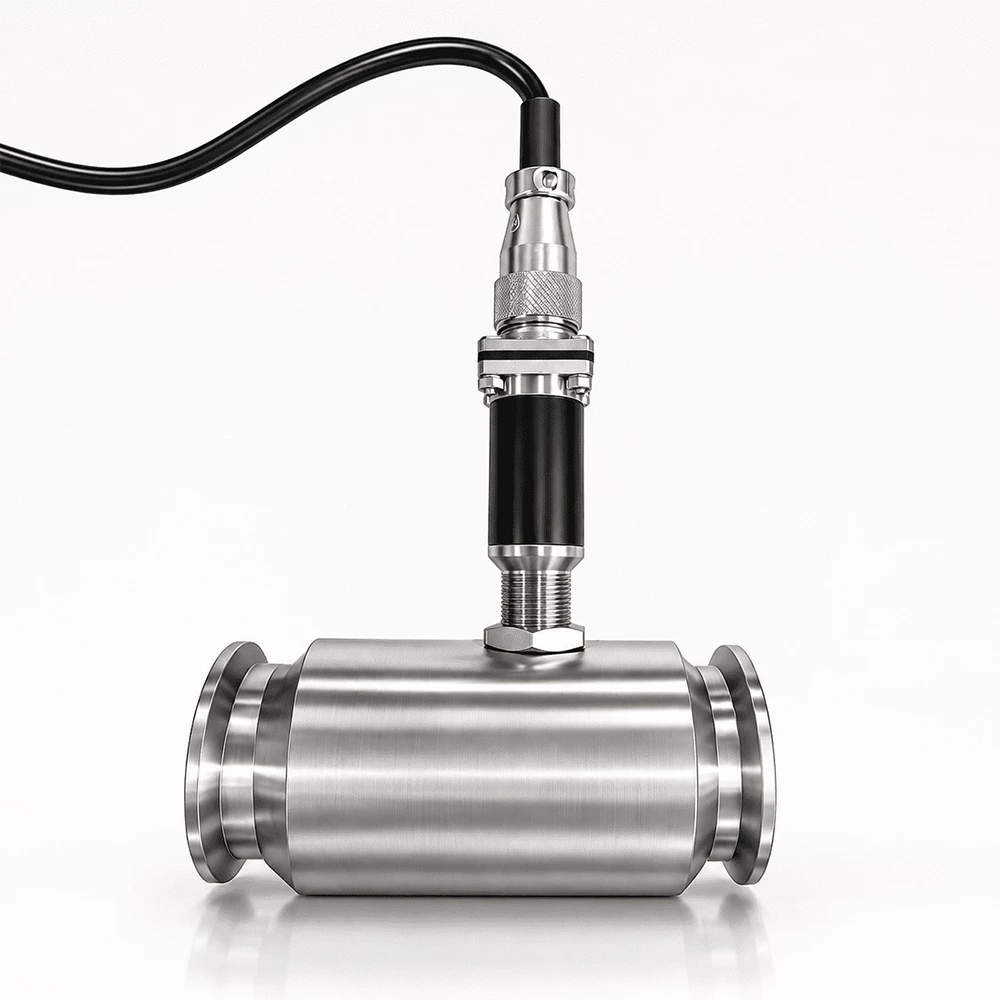
FLC420 Turbine Flowmeter - High-Accuracy Liquid Flow Measurement for Data Center
View Products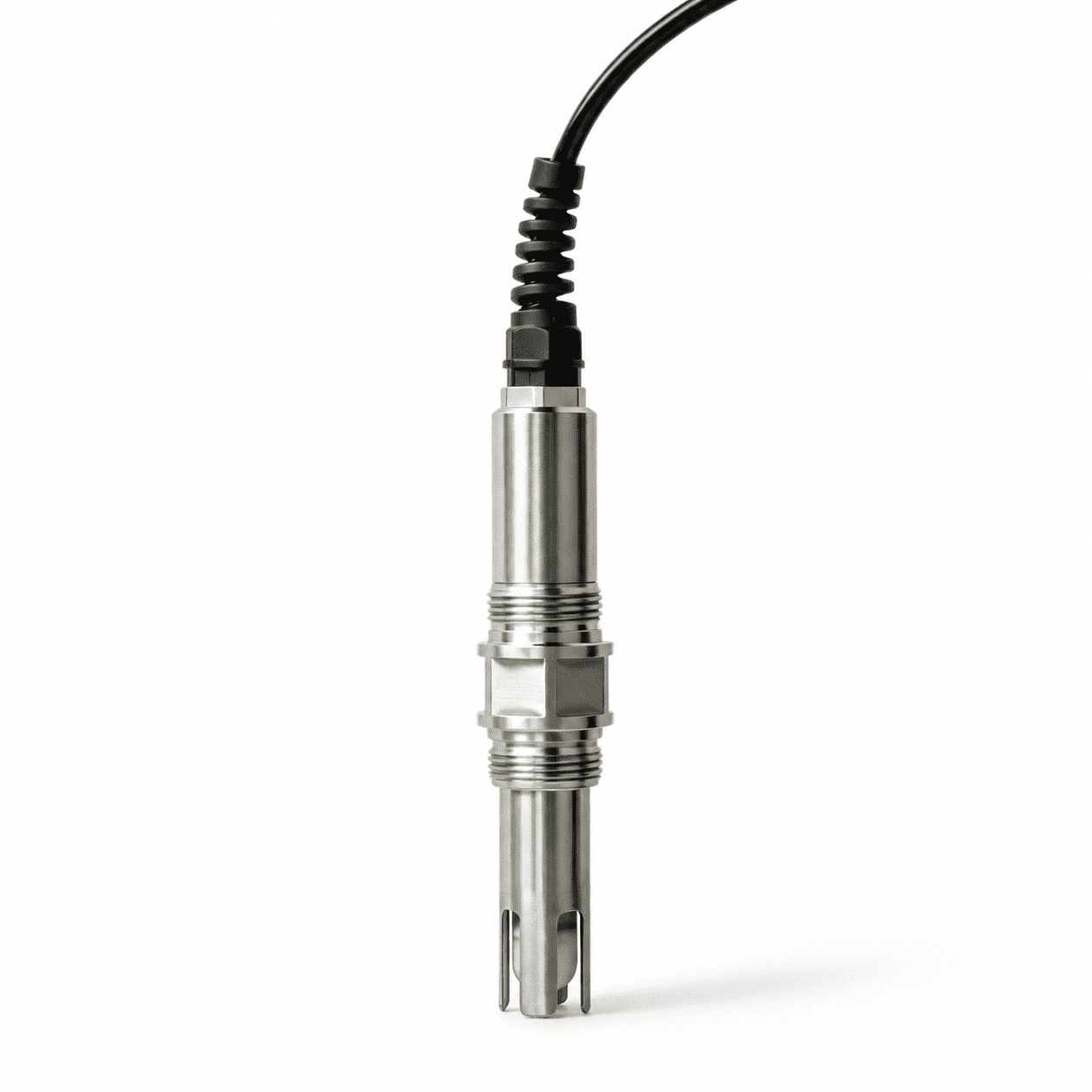
SUP-ADP2400 Digital pH Sensor for Reliable Online Water Quality Monitoring
View Products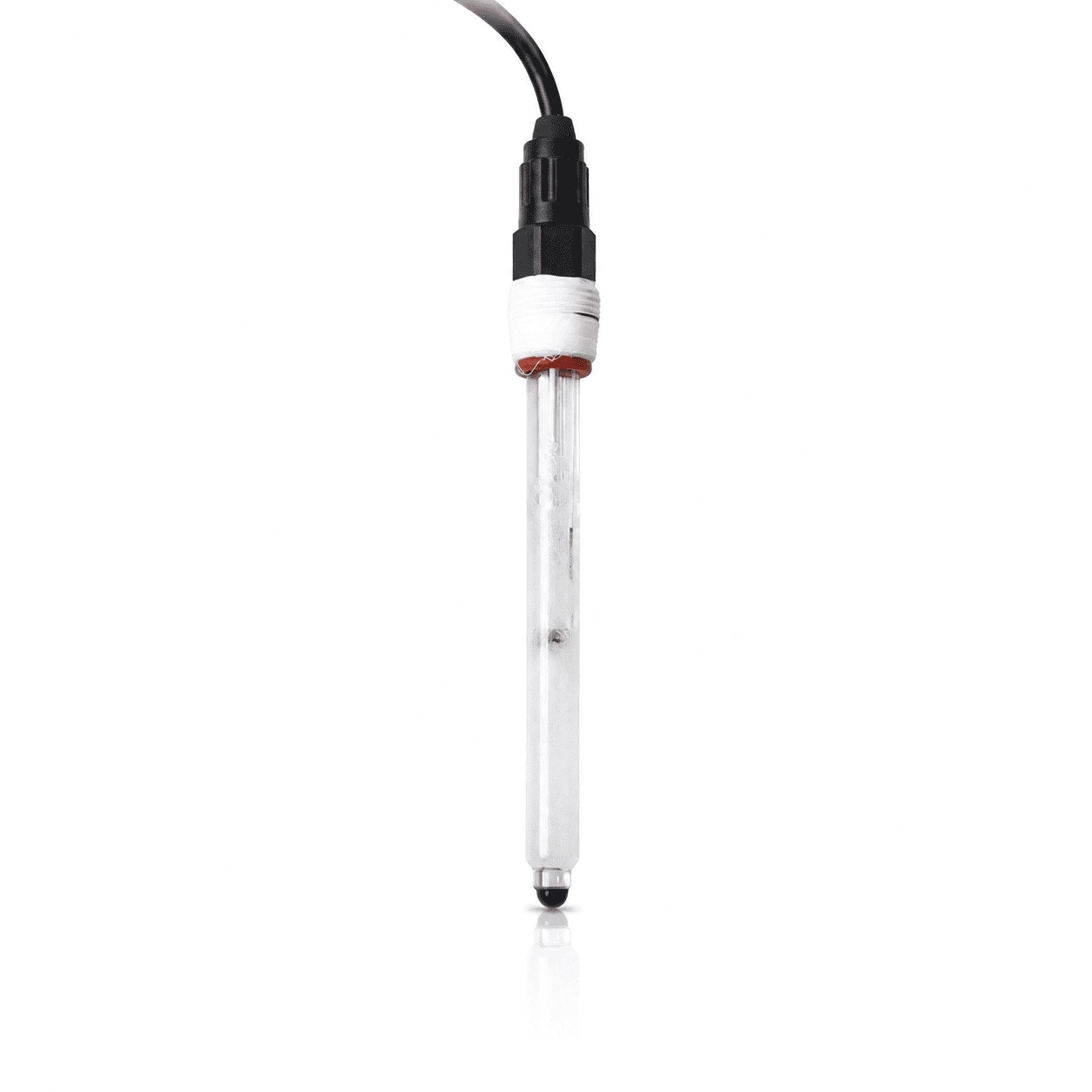
ASP2330 glass pH electrode for data center
View Products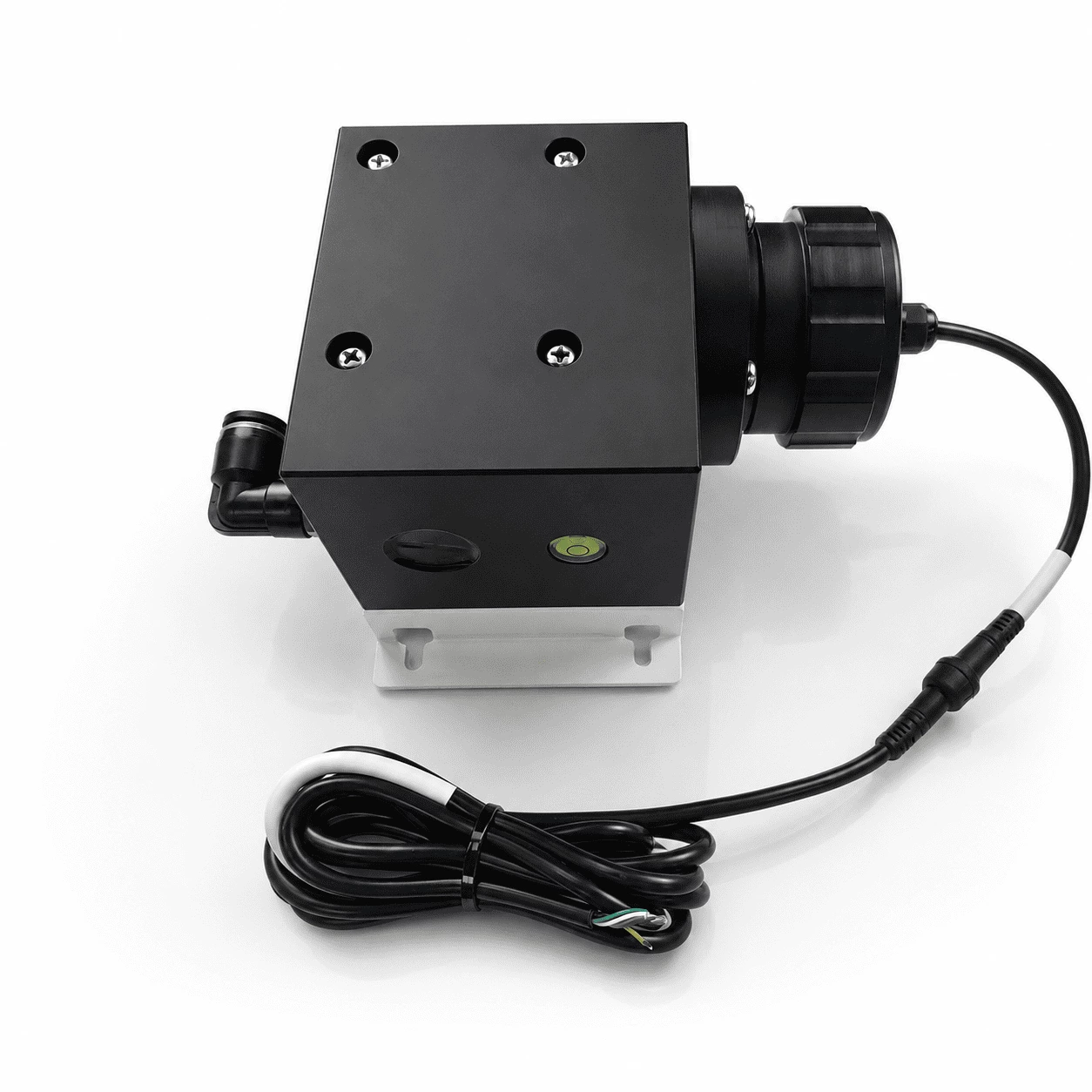
ADU3500 Pressure-resistant Turbidity Sensor for data center
View ProductsSuccess Stories
Discover how Supmea instrumentation helps customers improve cooling efficiency, optimize energy consumption, and ensure reliable operation across mission-critical data center infrastructure.
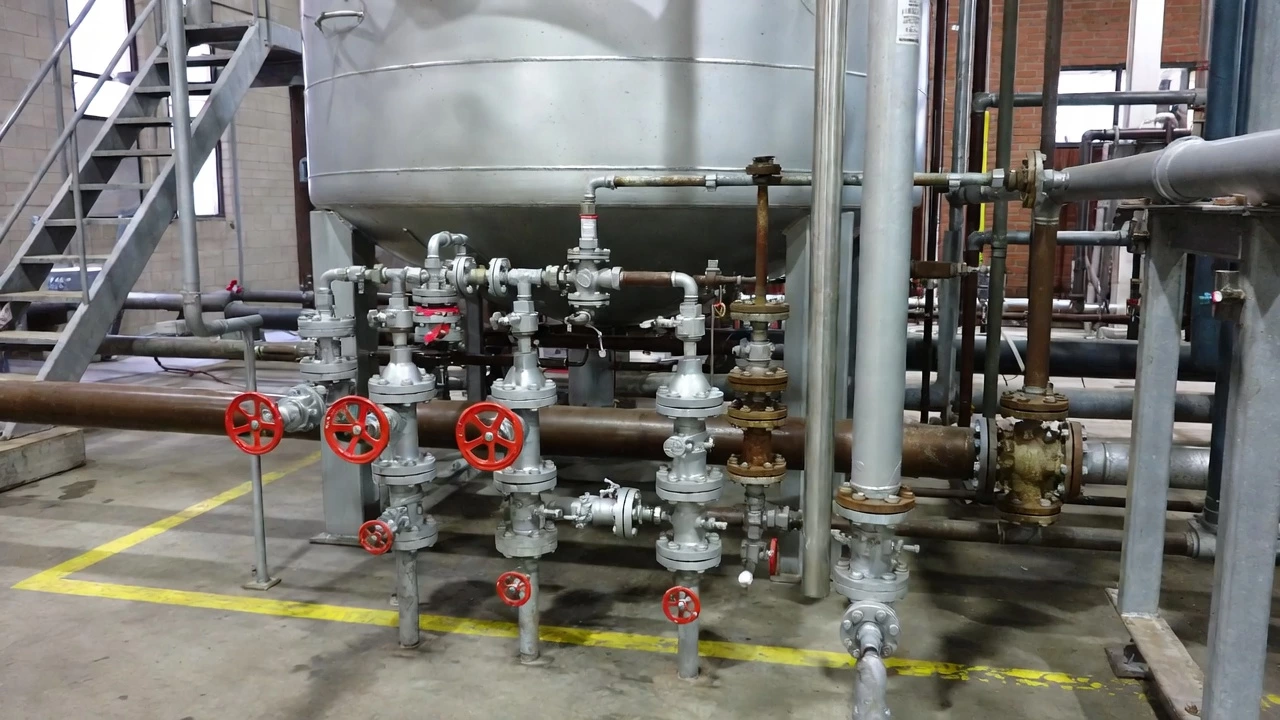
Reliable Data Center Cooling
Delivering reliable measurement solutions that improve cooling efficiency, enhance operational reliability, and support intelligent management across AI and hyperscale data center infrastructure.
Comprehensive Instrumentation
One-stop solutions covering flow, pressure, temperature, level, and water quality measurement.
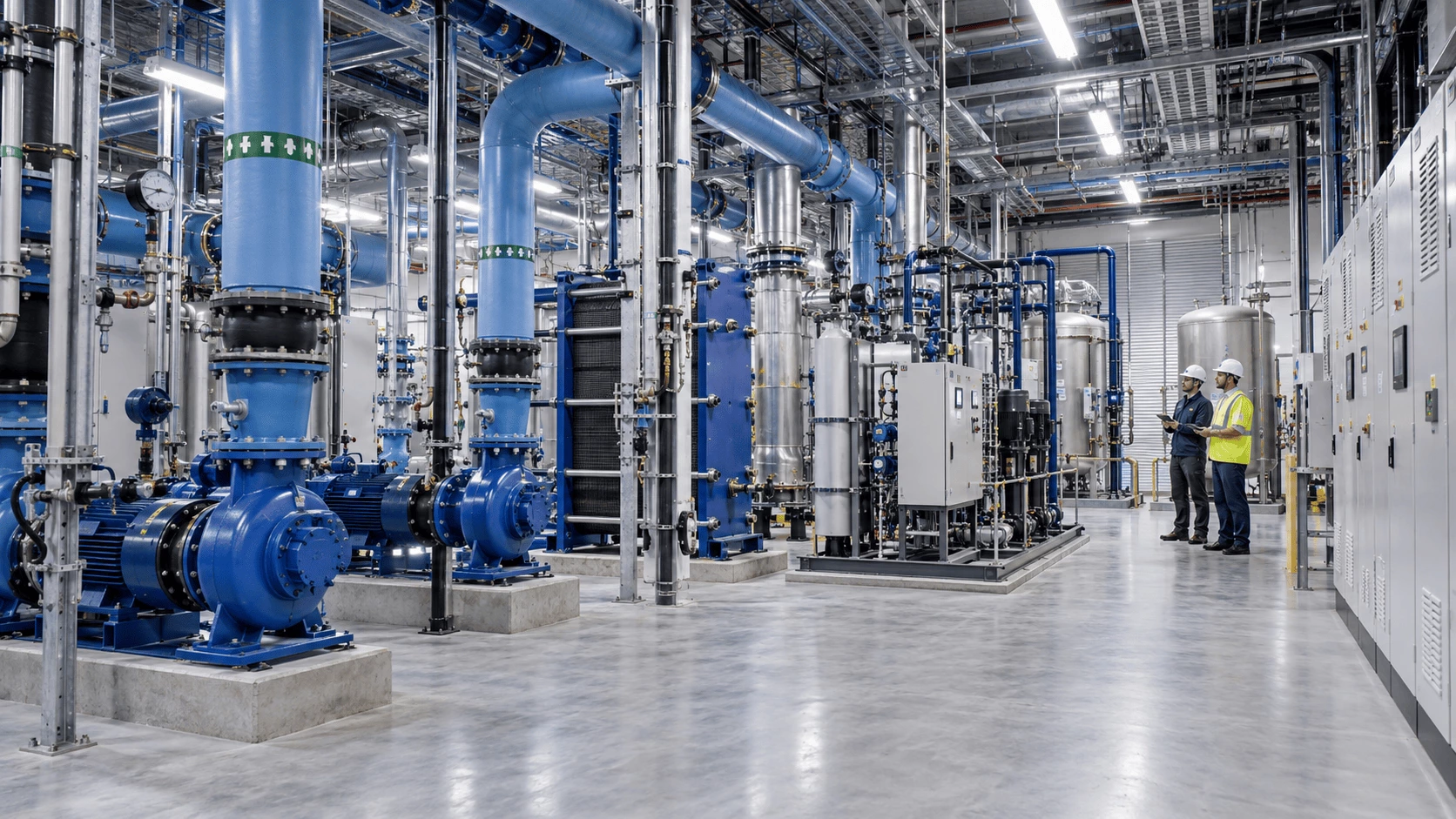
Built for Cooling Applications
Designed for chilled water, liquid cooling, CDU, HVAC, and utility systems in modern data centers.
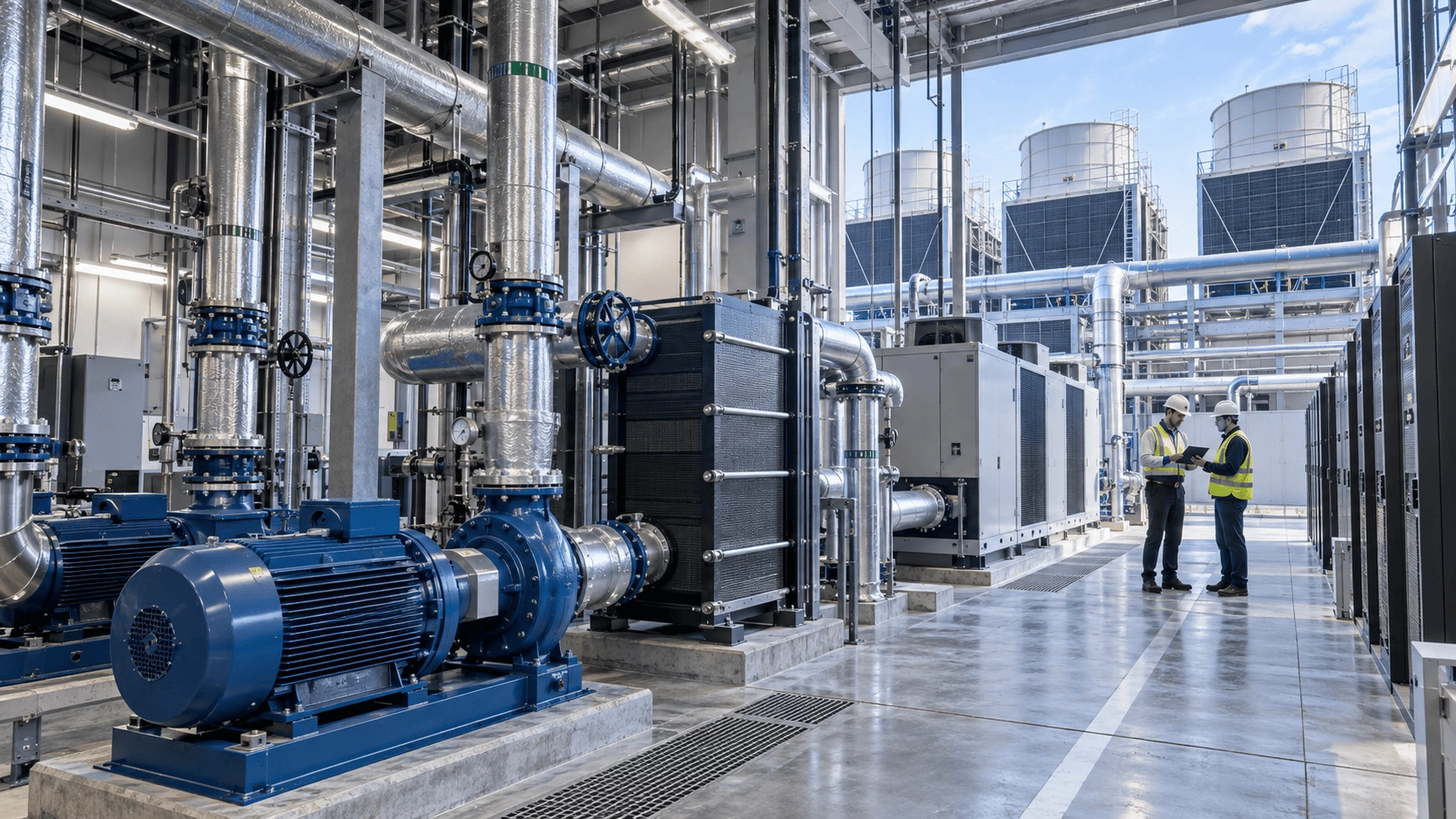
Accurate & Reliable Performance
Industrial-grade instruments provide stable, precise measurements for continuous operation.
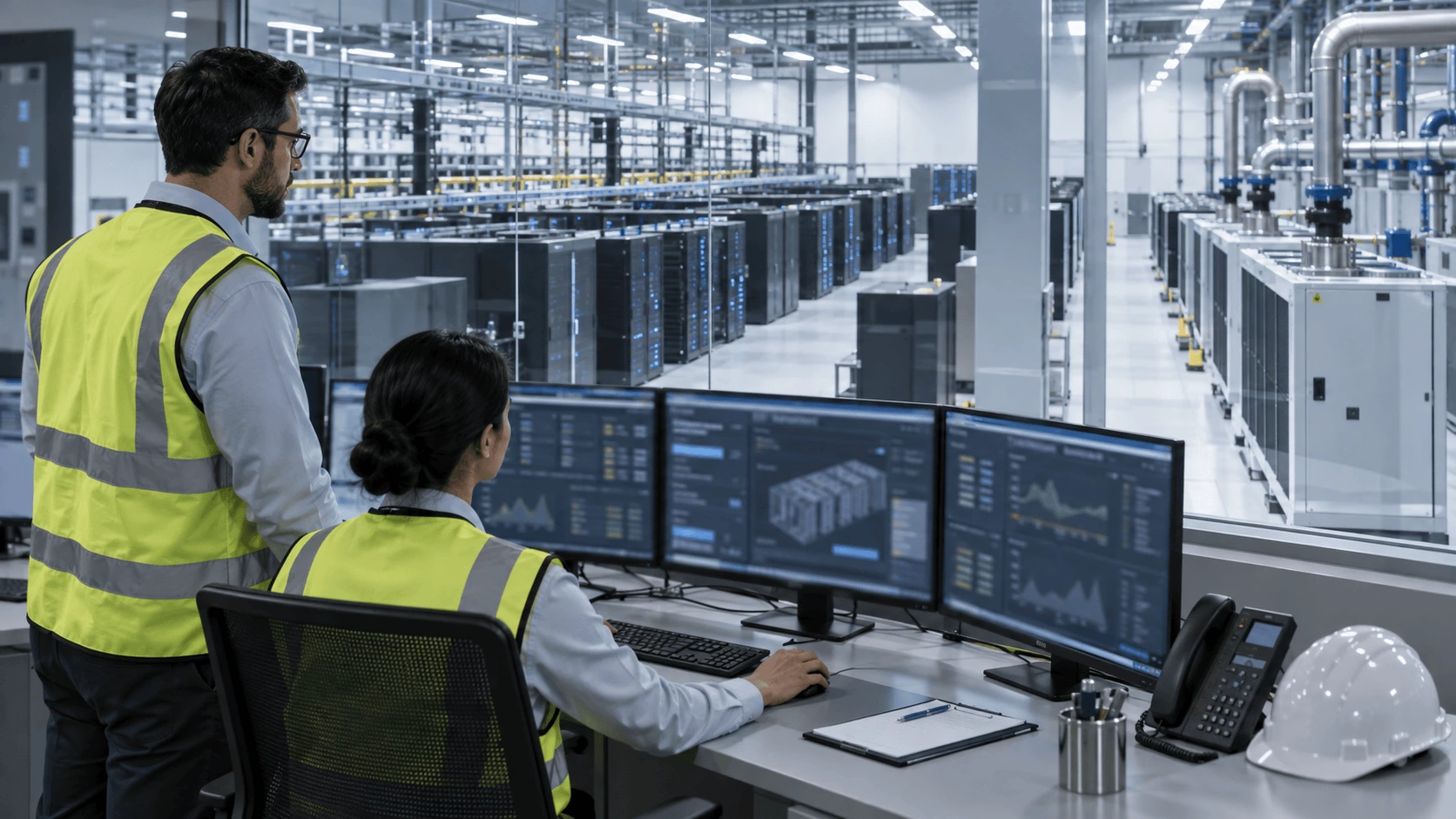
Easy System Integration
Supports Modbus, HART, RS485, and 4–20 mA for seamless integration with DCIM, BMS, PLC, and SCADA.
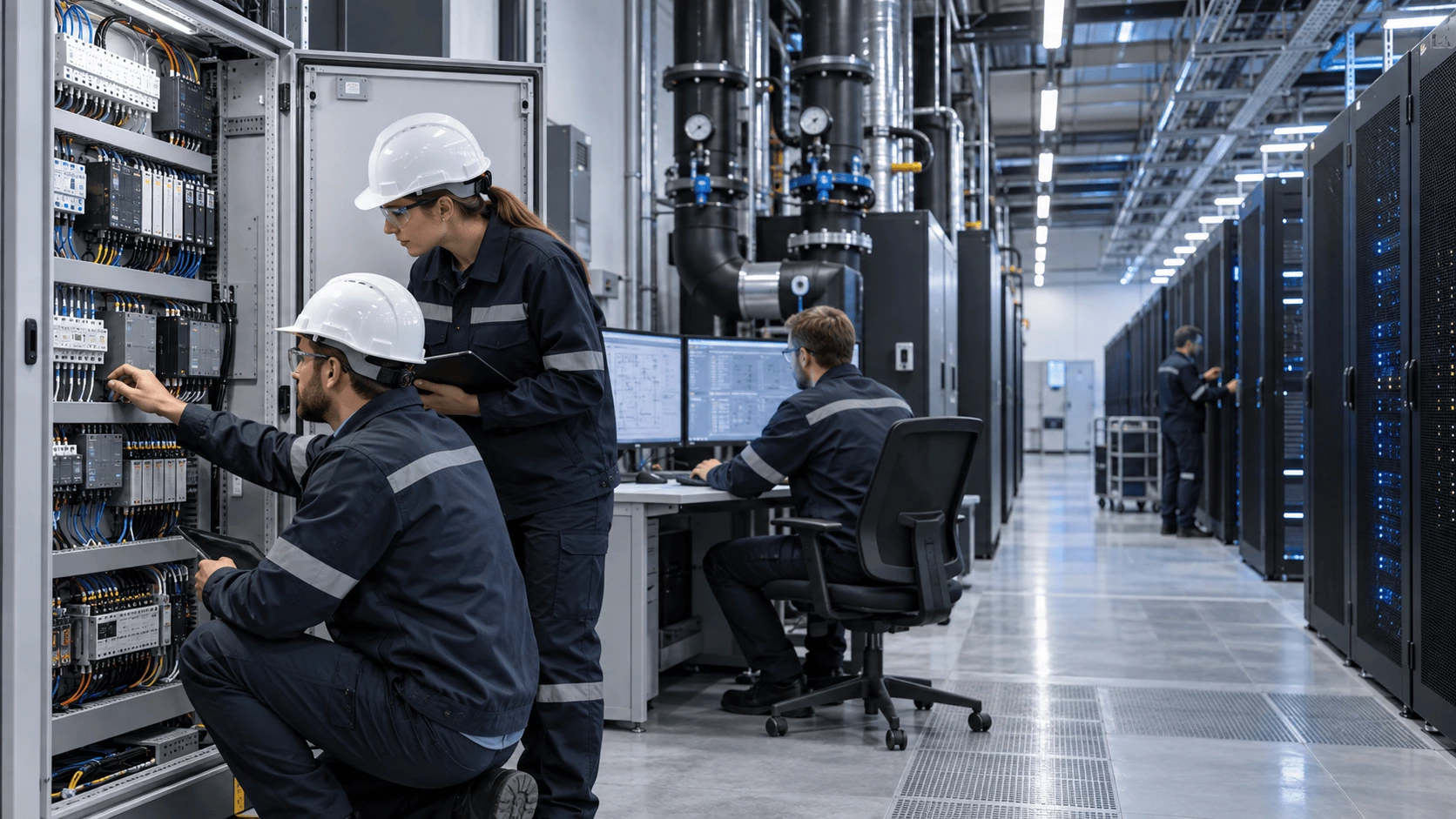
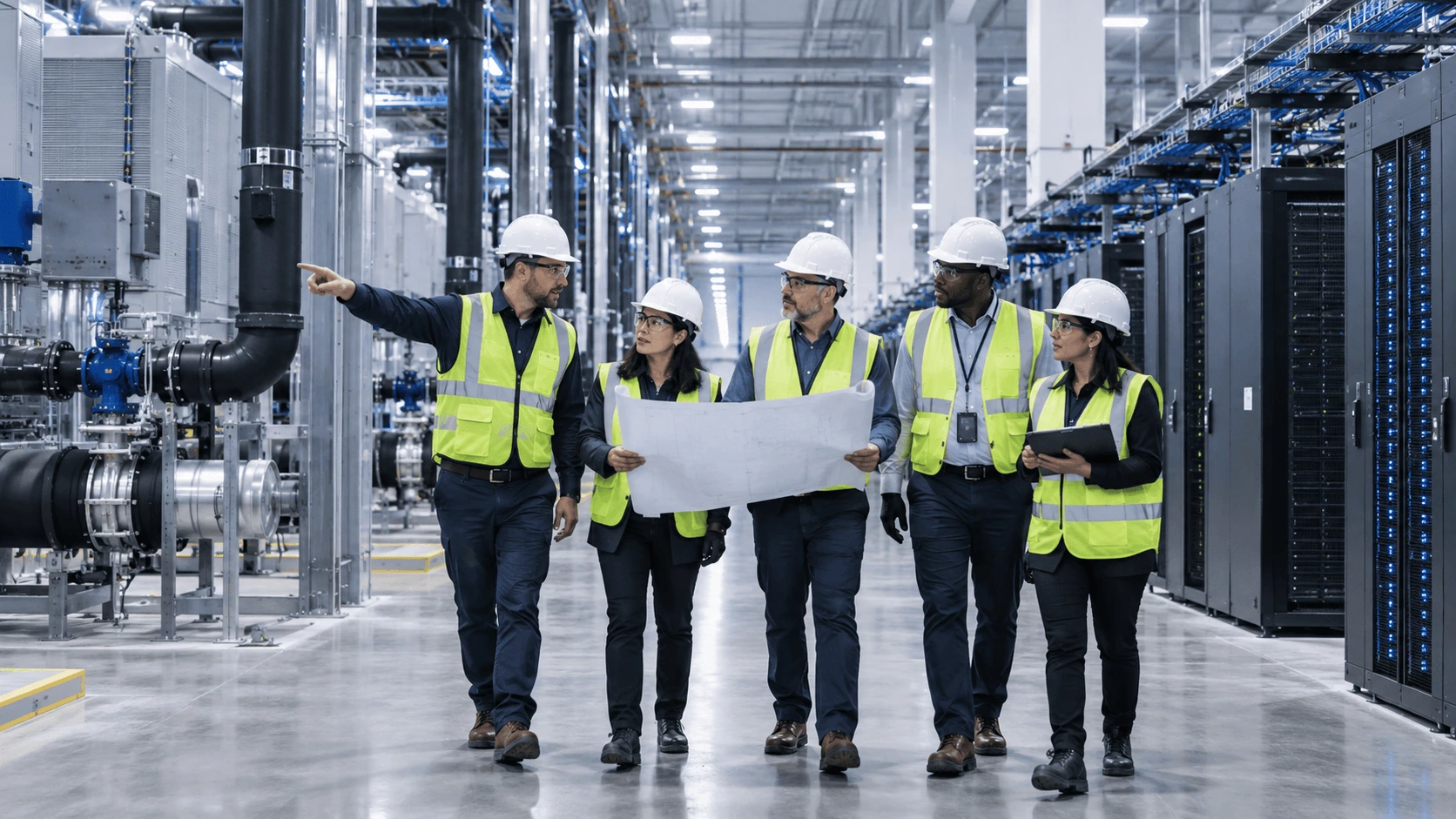
Global Project Experience
Trusted by customers worldwide across data centers, utilities, manufacturing, and critical infrastructure.
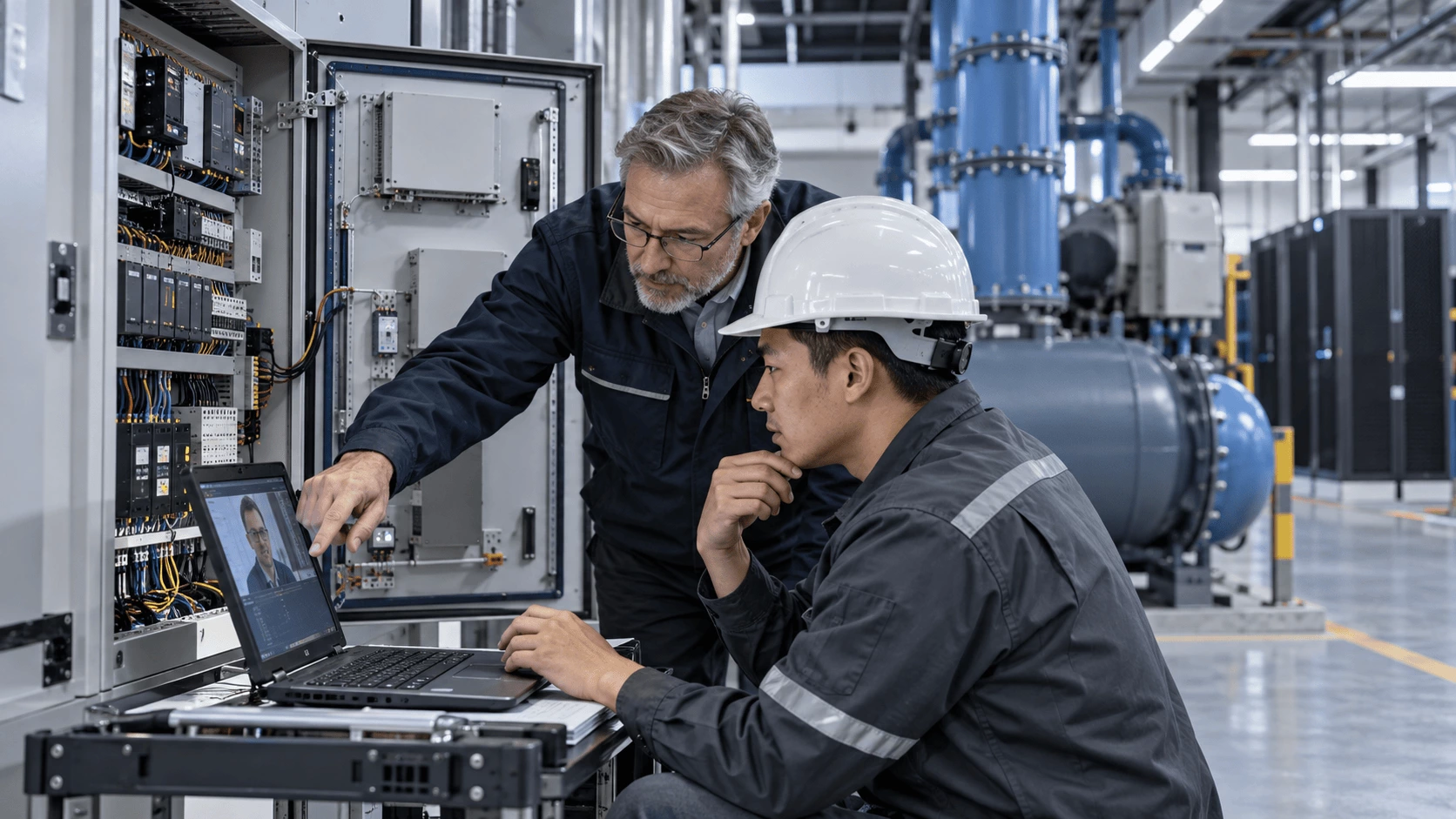
Professional Technical Support
Expert engineering support from product selection to commissioning and after-sales service.
Frequently Asked Questions
Which flow meter is best for data center chilled water and liquid cooling systems?
Electromagnetic flow meters are widely used for closed-loop chilled water and liquid cooling systems because they provide high accuracy, no moving parts, and low pressure loss. For retrofit projects or large-diameter pipelines, clamp-on ultrasonic flow meters offer a non-invasive solution without interrupting operation.
How can I improve cooling efficiency in high-density AI data centers?
Accurate monitoring of coolant flow, supply and return temperatures, and system pressure is essential for maintaining thermal balance. Continuous measurement allows operators to optimize cooling distribution, reduce energy consumption, and prevent localized hotspots around high-density server racks.
What is the best way to monitor liquid cooling systems for AI servers?
A combination of electromagnetic flow meters, temperature transmitters, and pressure transmitters provides comprehensive monitoring of coolant circulation. These instruments help verify adequate flow, detect pressure changes, and maintain stable operating temperatures for direct-to-chip or liquid-cooled rack systems.
Why is pressure monitoring important in data center cooling systems?
Pressure monitoring helps identify pump failures, clogged filters, blocked pipelines, or abnormal coolant circulation before they affect cooling performance. Continuous pressure measurement also supports preventive maintenance and improves system reliability.
How can I monitor cooling water quality to protect critical equipment?
Conductivity analyzers monitor dissolved solids and coolant quality, helping operators maintain proper water chemistry, reduce corrosion, and prevent scaling inside cooling circuits and heat exchangers. Stable water quality extends equipment life and improves thermal efficiency.
How can measurement instruments help reduce data center PUE?
Accurate flow, temperature, pressure, and energy monitoring provide the operational data needed to optimize cooling systems, balance water distribution, improve chiller performance, and eliminate unnecessary energy consumption. These improvements contribute directly to lower Power Usage Effectiveness (PUE).
What level measurement technology is recommended for cooling water tanks?
Radar level transmitters are recommended because they provide reliable, non-contact measurement regardless of vapor, condensation, or temperature fluctuations. They are suitable for chilled water tanks, make-up water tanks, expansion tanks, and other utility reservoirs.
Which instruments are most important for predictive maintenance in data centers?
Flow meters, pressure transmitters, temperature transmitters, conductivity analyzers, and level transmitters provide continuous operational data that helps identify abnormal system behavior, optimize maintenance schedules, and minimize unexpected downtime.