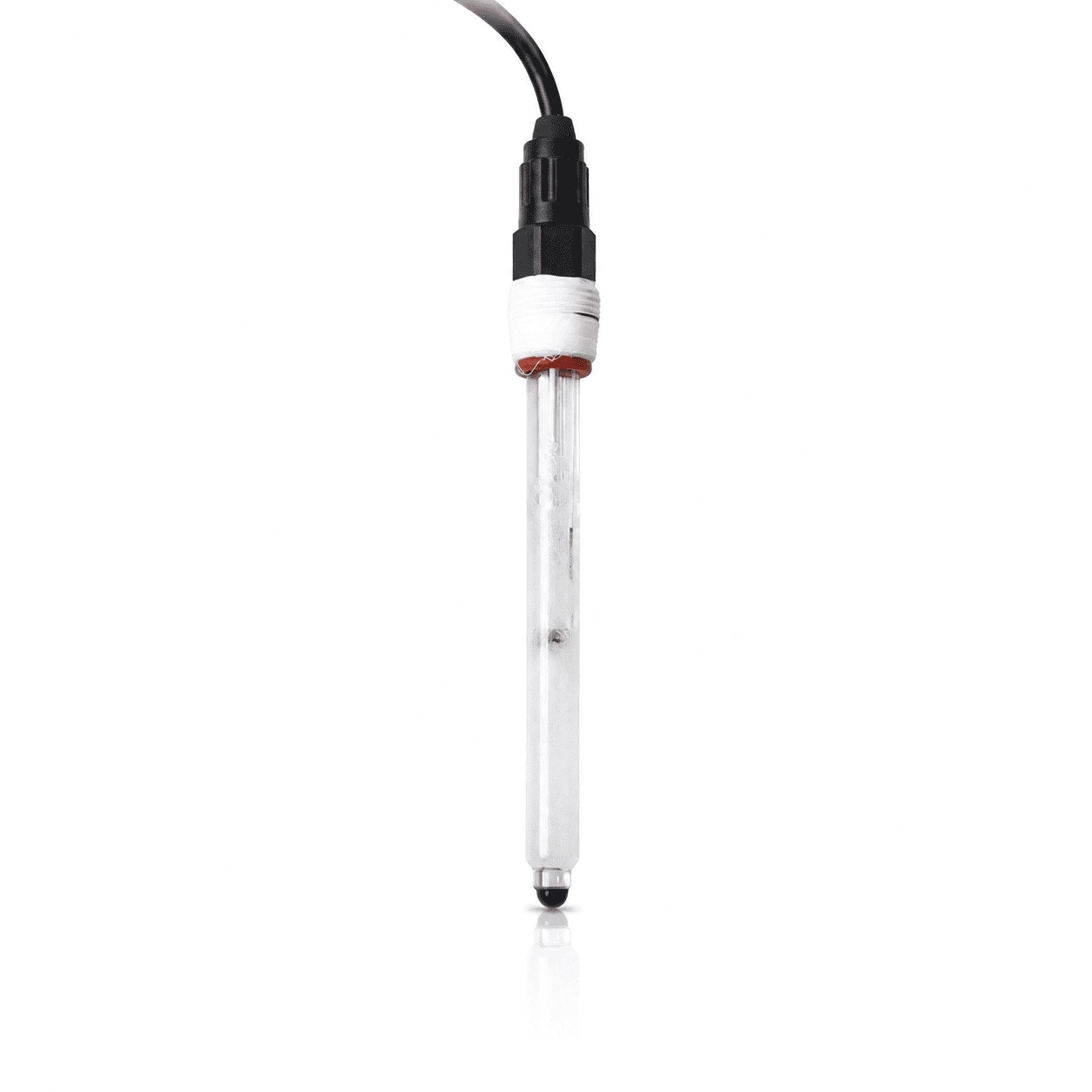
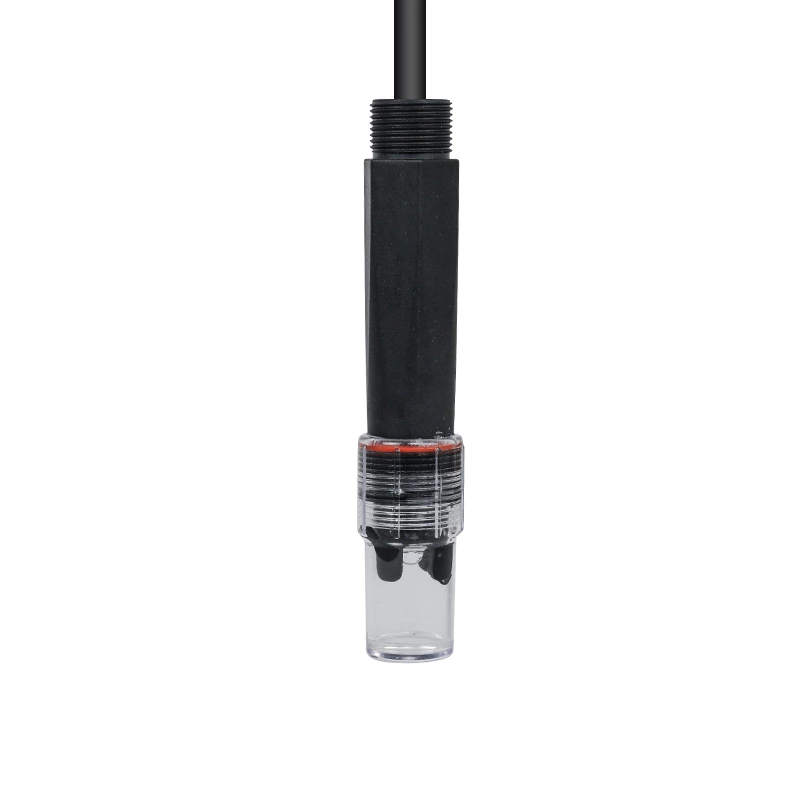
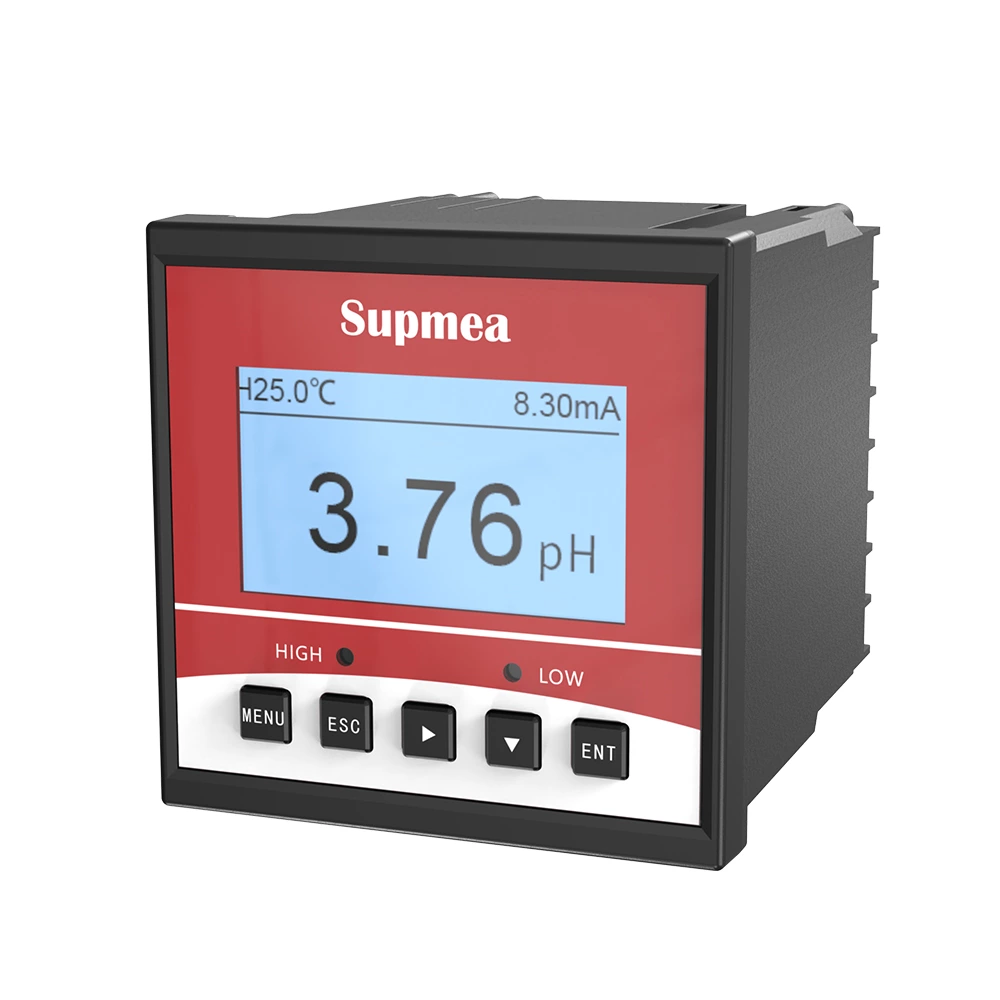
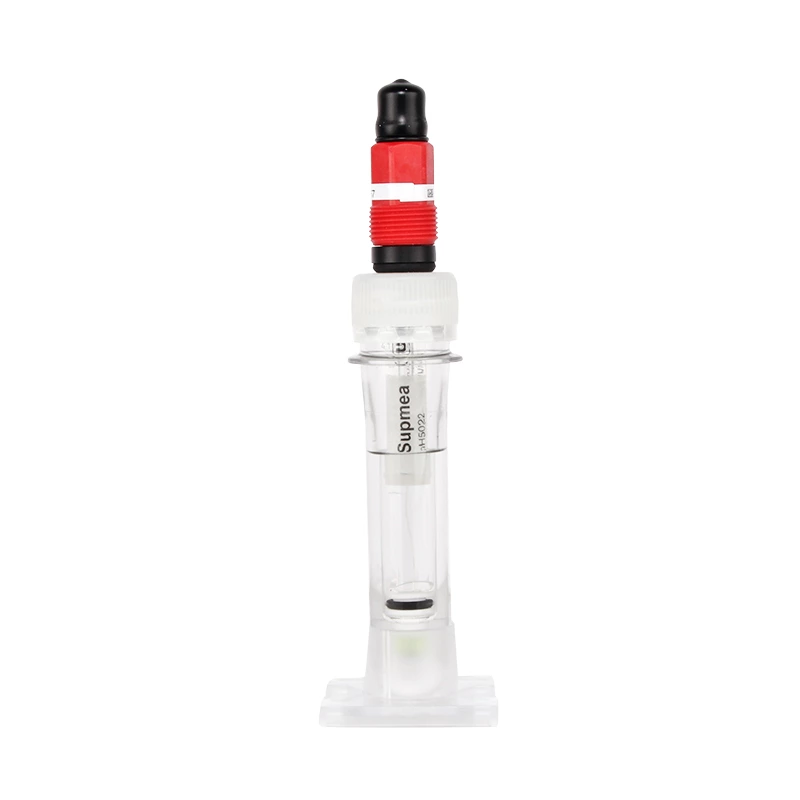
Technical Parameters
| Measured variables |
pH value |
| Measuring range |
(0~ 14) pH |
| Accuracy |
0.1 pH |
| Zero potential pH value |
(7 ± 0.1) pH |
| Temperature range |
(0~ 100)℃ |
| Accuracy |
0.5℃ |
| Sensor |
Pt1000 / Pt100 / NTC 2.252K / NTC 10K / NTC 22K / NTC 30K |
| Maximum pressure |
0.7MPa |
| pH-sensitive membrane |
Low-resistance blue / High-resistance white |
| Membrane impedance |
< 150 MΩ or < 450 MΩ |
| Reference system |
Ag/AgCl/KCl |
| Electrolytes |
SNEX high-temperature solid gel |
| Liquid junction |
Annular ceramic pores |
| Electrode rod material |
Glass |
Installation methods for pH electrodes

Fig. 1 Typical electrode installation methods
Installation methods for pH electrodes
The electrodes are connected to the controller via cables. Refer to the product manual for the controller's wiring diagram. See the electrode cable diagram below:

Figure 4. Cable without temperature compensation electrode

Figure 5. Cable with temperature compensation electrode
Electrode wiring markings:
INPUT: Measurement interface.
REF: Reference interface.
Temp +/PT+ , Temp- /PT- : Temperature output
Use and Maintenancel
If the electrode is not used for a long period of time, it should be cleaned with deionized water, dried and put back into the soaking cap.
After long-term use, the slope and response speed of the electrode may decrease. At this time, the sensitive bulb part of the electrode can be immersed in 4% HF for 3-5 seconds or in dilute HCl solution for 1-2 minutes. After rinsing with deionized water, it can be immersed in the soaking solution for 1-2 days to restore its function. After the electrode returns to zero, it can be calibrated with an industrial pH meter to restore normal use.
If the solution being tested contains substances that easily contaminate the sensitive bulb or clog the reference junction, electrode passivation can occur. This is typically manifested by a significantly slower response time, reduced slope, or unstable readings. In such cases, select an appropriate cleaning solution based on the type of contaminant to restore electrode performance. Refer to the table below for common contaminants and their recommended cleaning agents.
Table1 Cleaning Agent Reference Table
| pollutants |
Cleaning agents |
| Inorganic metal oxides |
dilute hydrochloric acid below 1M |
| Organic oils |
Diluted detergent (weakly alkaline) |
| Resin polymers |
Dilute alcohol, acetone, ether |
| Protein hemoglobin precipitation |
Acidic enzyme solutions (such as pepsin). |
| Pigment-like substances |
Dilute bleach, hydrogen peroxide |