Quick product selection
Find the right instrument for your application.
How coriolis mass flowmeter work
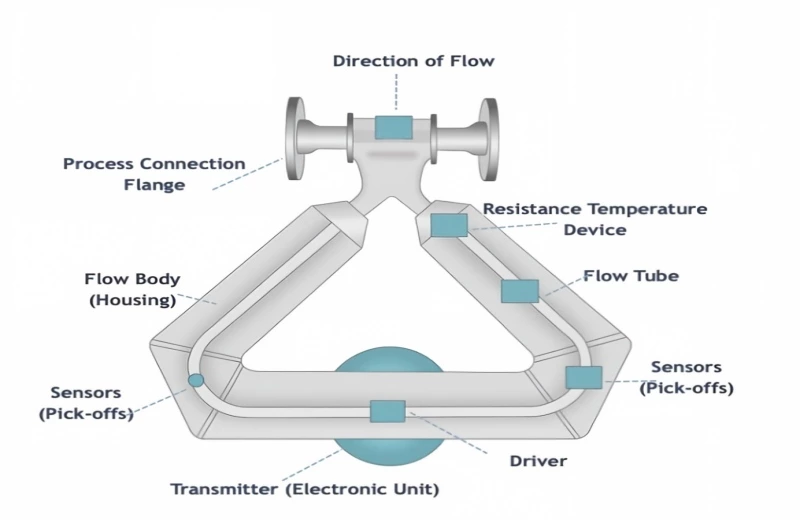
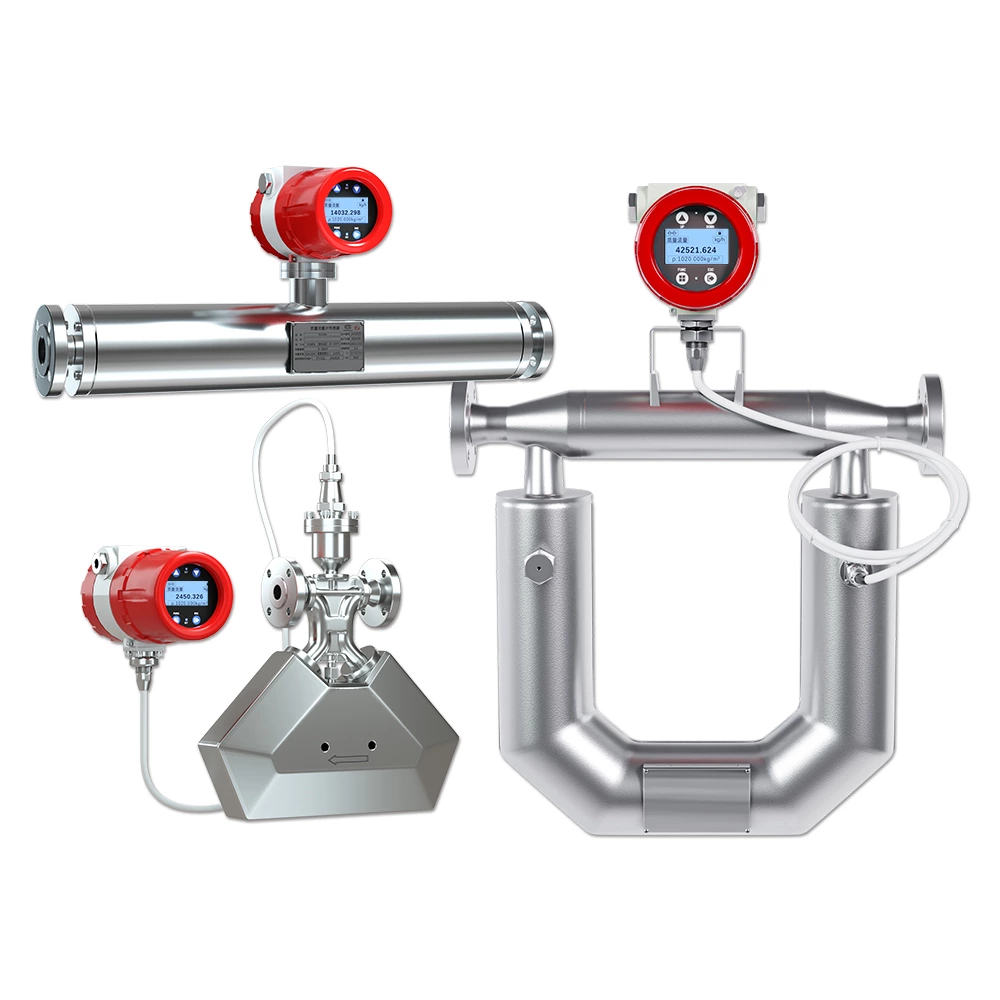
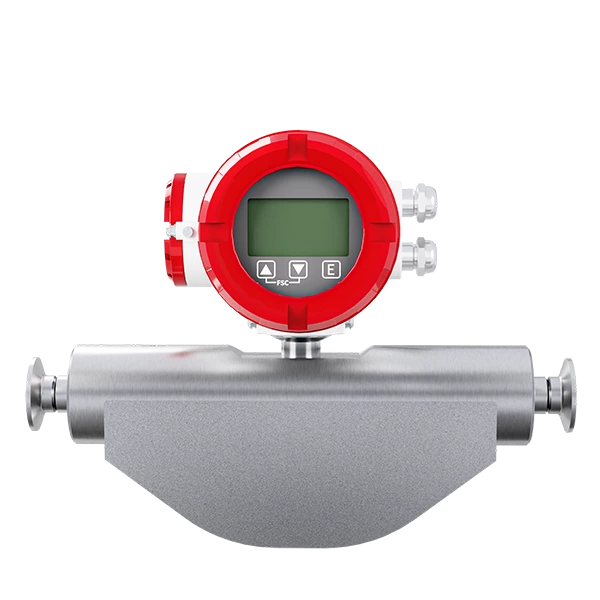
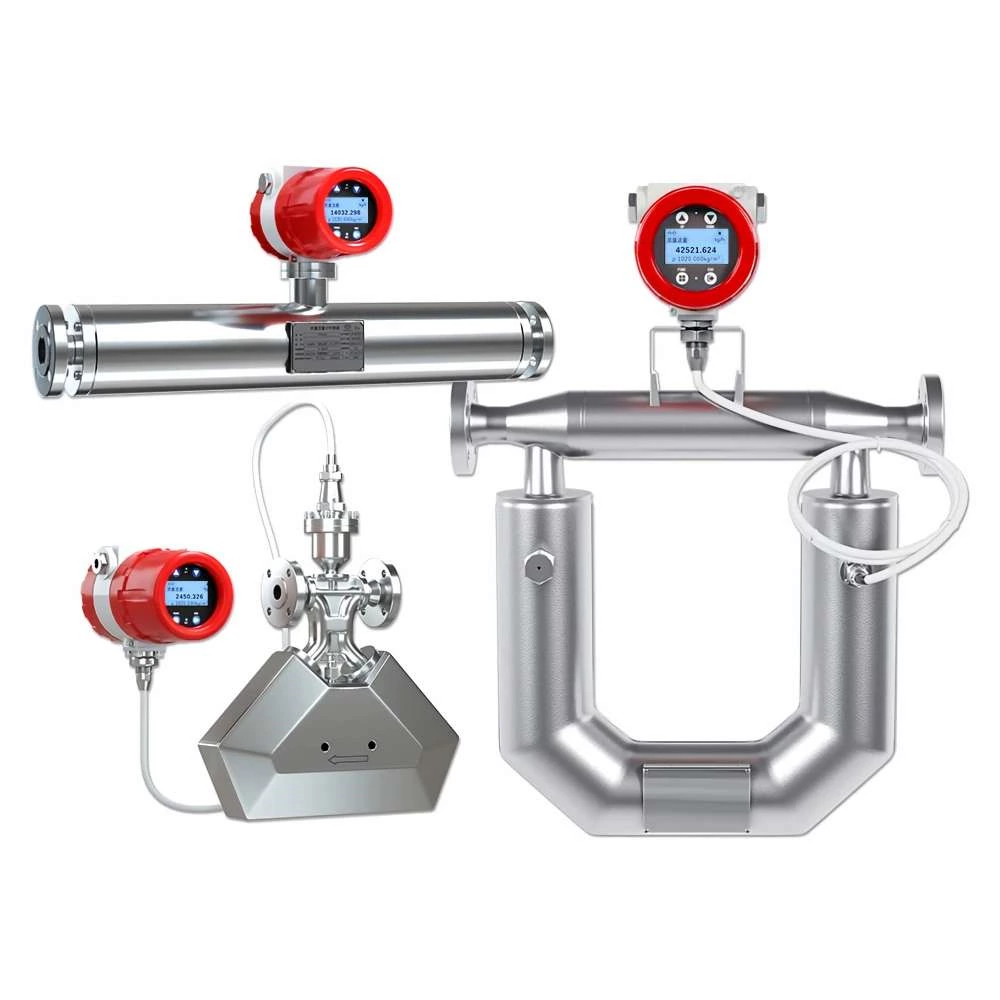
The measuring tubes are driven to vibrate at a stable frequency. When fluid flows through the tubes, Coriolis forces cause a slight twist and create a phase difference between the inlet and outlet sensor signals. This phase difference is directly proportional to the mass flow rate, allowing the meter to measure mass flow directly without relying on fluid velocity.
The vibration frequency of the measuring tubes also changes with fluid density, enabling the transmitter to determine density, while a sensor measures process temperature. Using these values, the meter can calculate volumetric flow and other variables. Because the measurement is based on tube vibration and has no moving mechanical parts in the flow path, Coriolis meters provide stable measurement for liquid and gas applications.
Applications & Industries
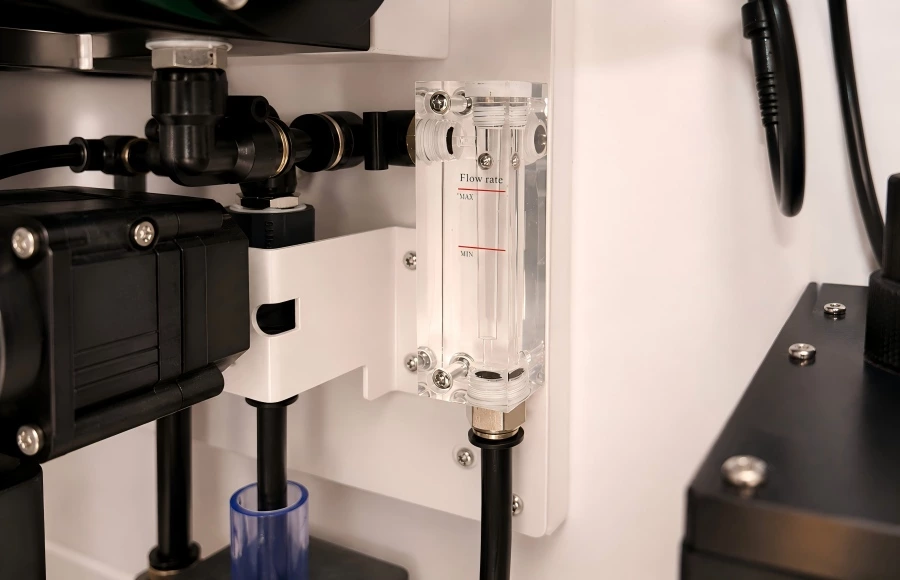
Multi-Parameter Water Quality Monitoring for a Building Project in Dubai
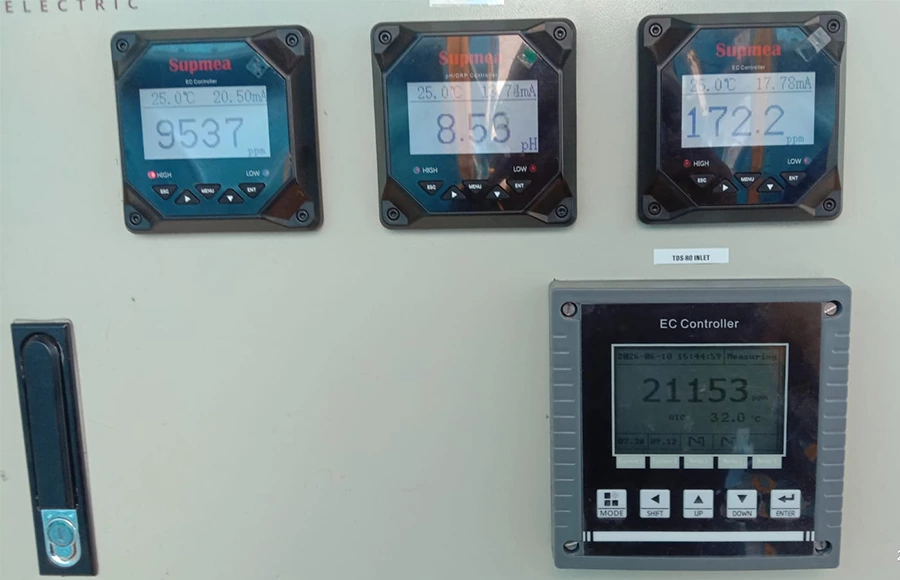
Integrated Flow and Water Quality Monitoring for an RO System in Indonesia
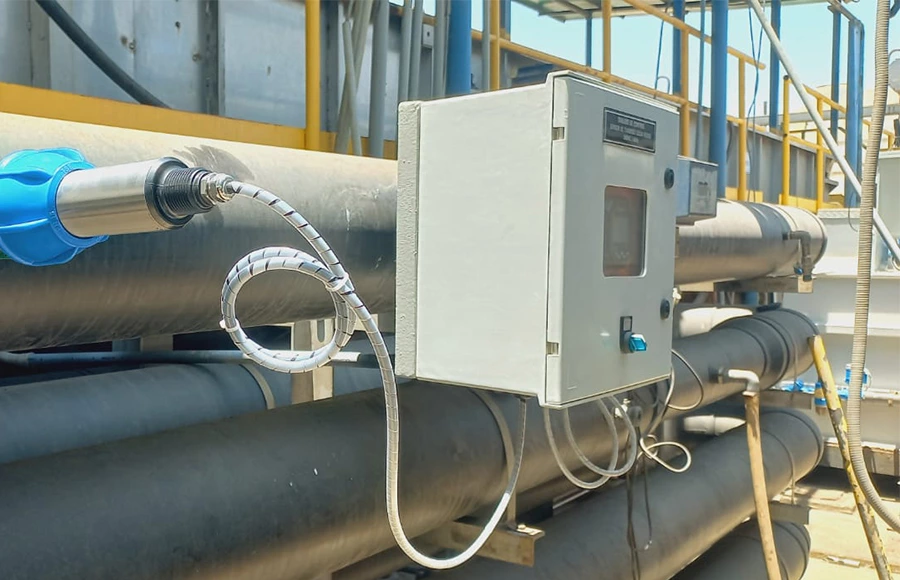
Inline Wastewater Turbidity Monitoring for a Treatment Pipeline in Peru
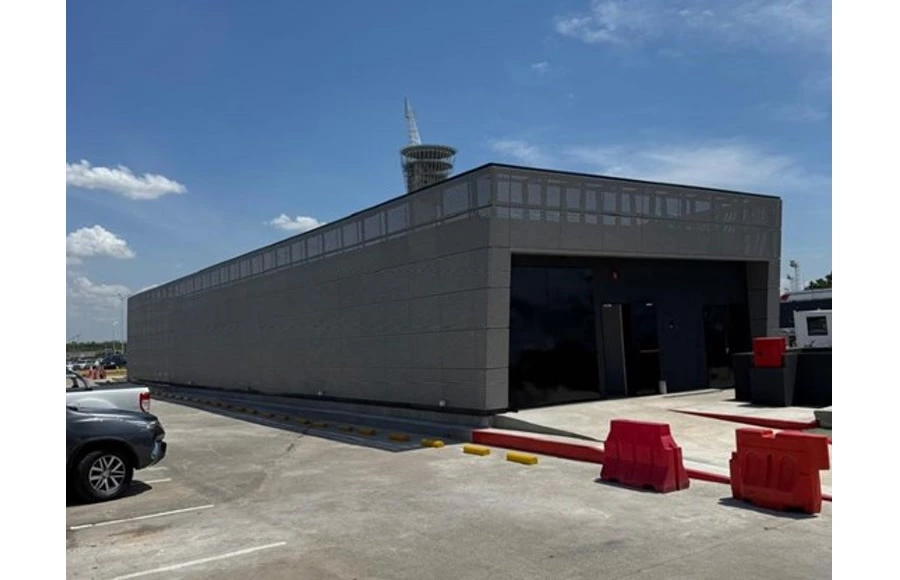
Supmea Multi-Parameter Monitoring Supports Water Treatment at an International Airport in Argentina
Related Products
Discover our most trusted process instruments for water and wastewater applications. Designed for reliable measurement, intelligent monitoring, and efficient process control across every stage of the treatment cycle.
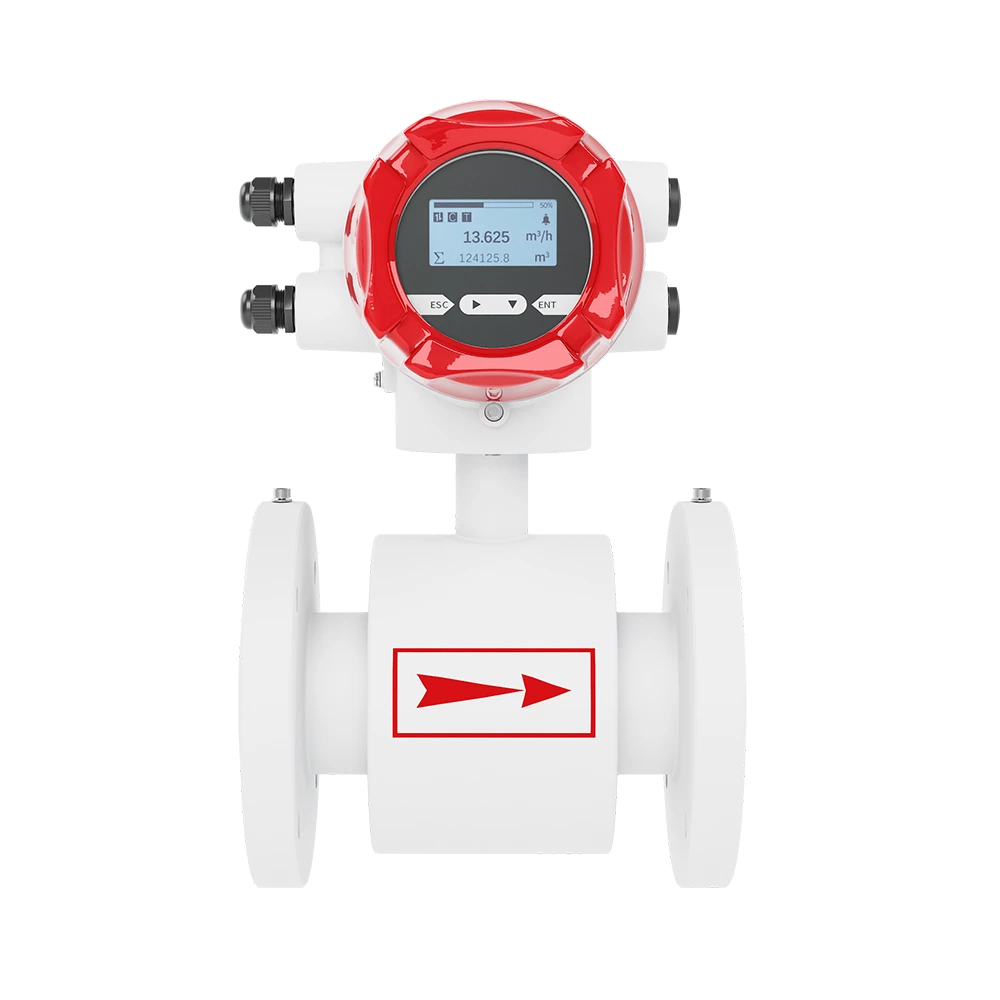
LDG-SUP-A100 Electromagnetic Flow Meter — High-Accuracy Conductive Liquid Measurement
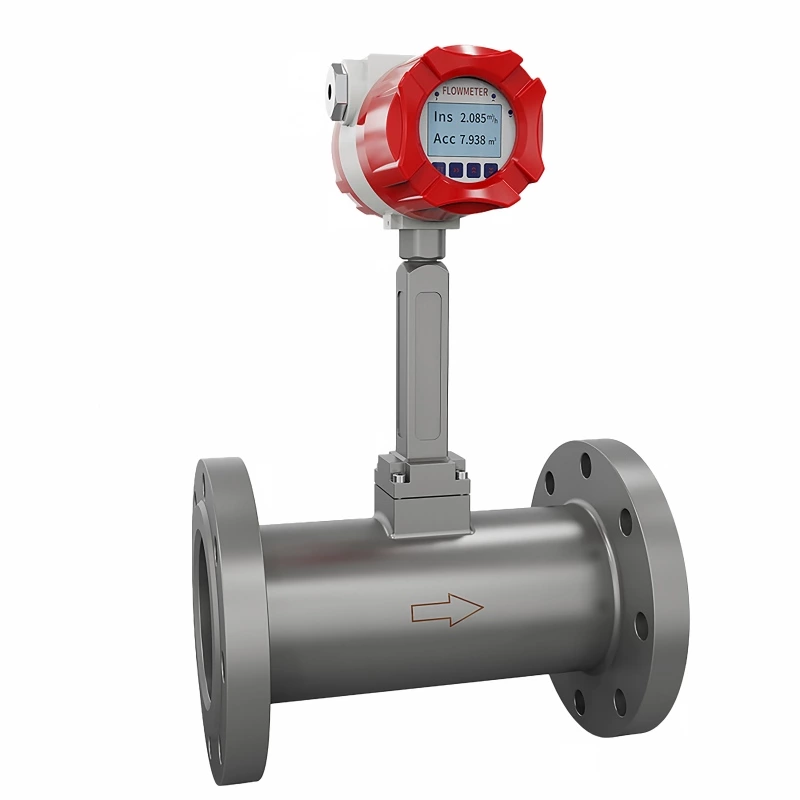
SUP-LUGB Vortex flowmeter without temperature & pressure compensation
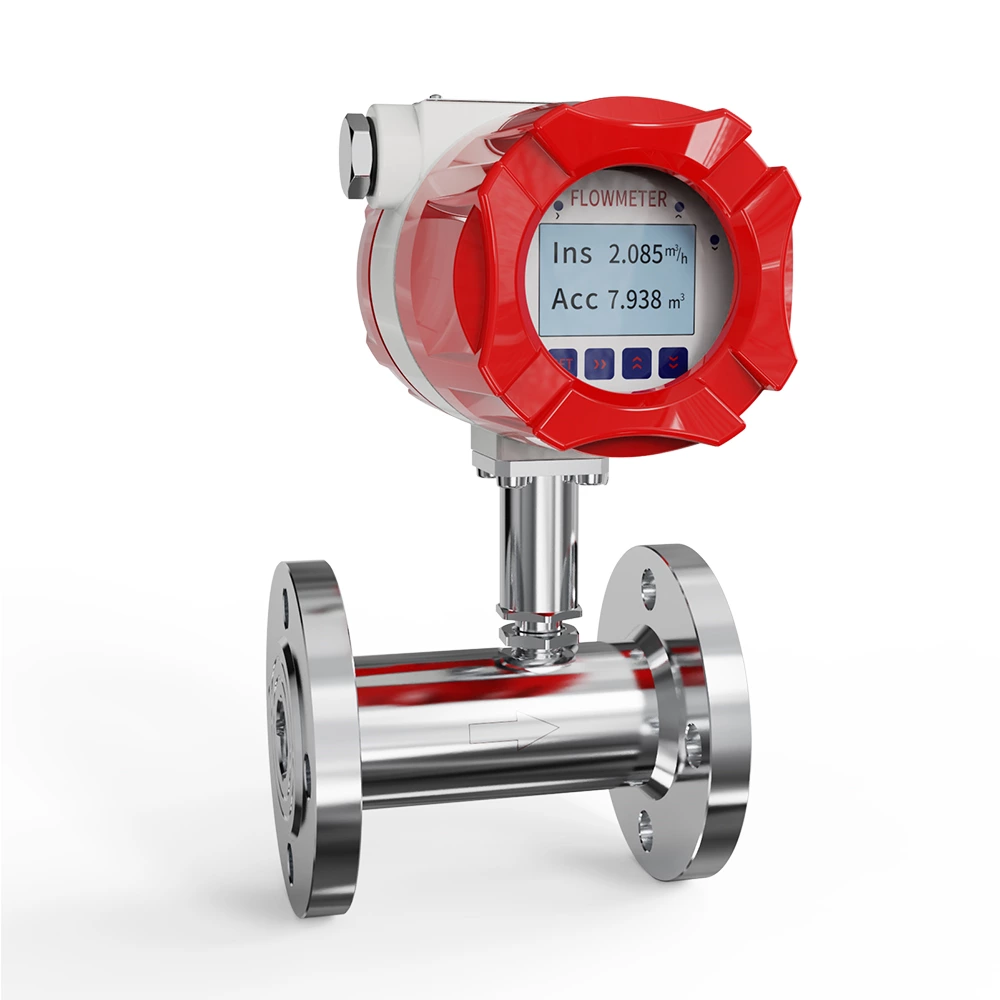
SUP-LWGY Turbine flowmeter flange connection
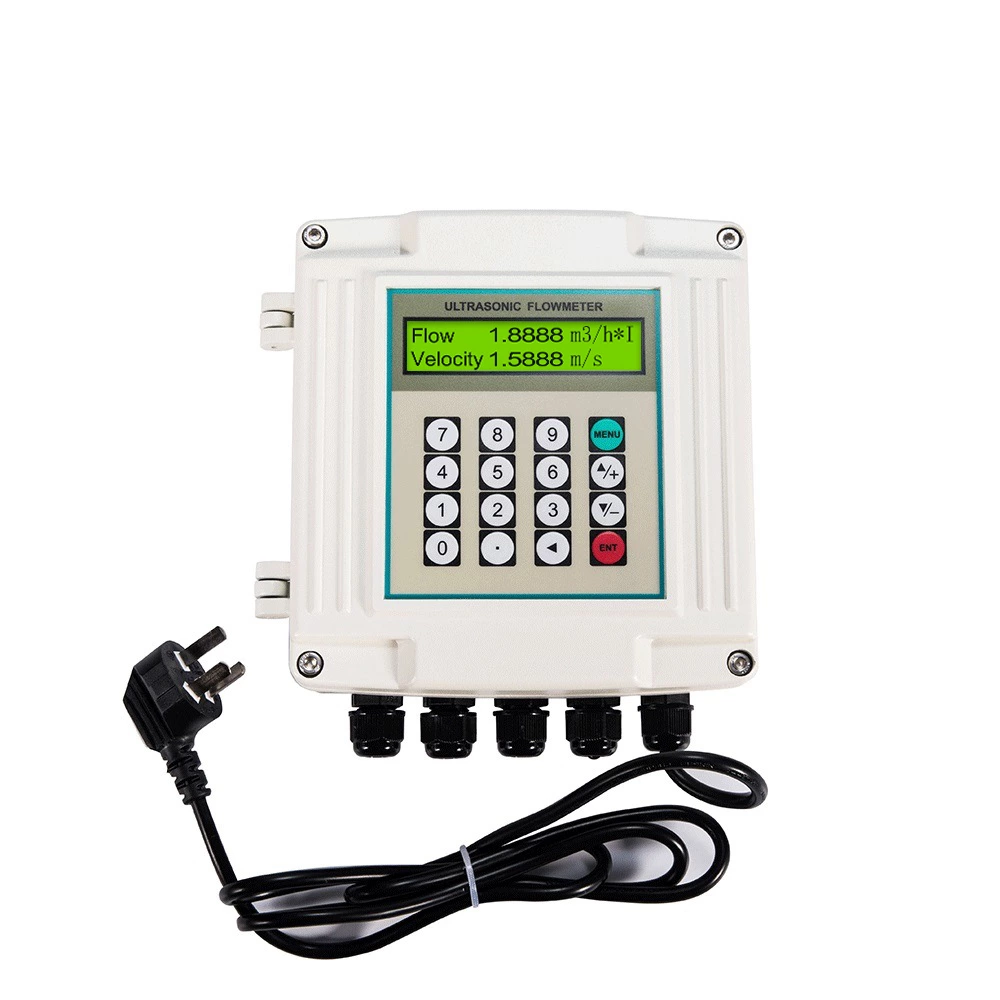
SUP-1158S Wall mounted ultrasonic flowmeter
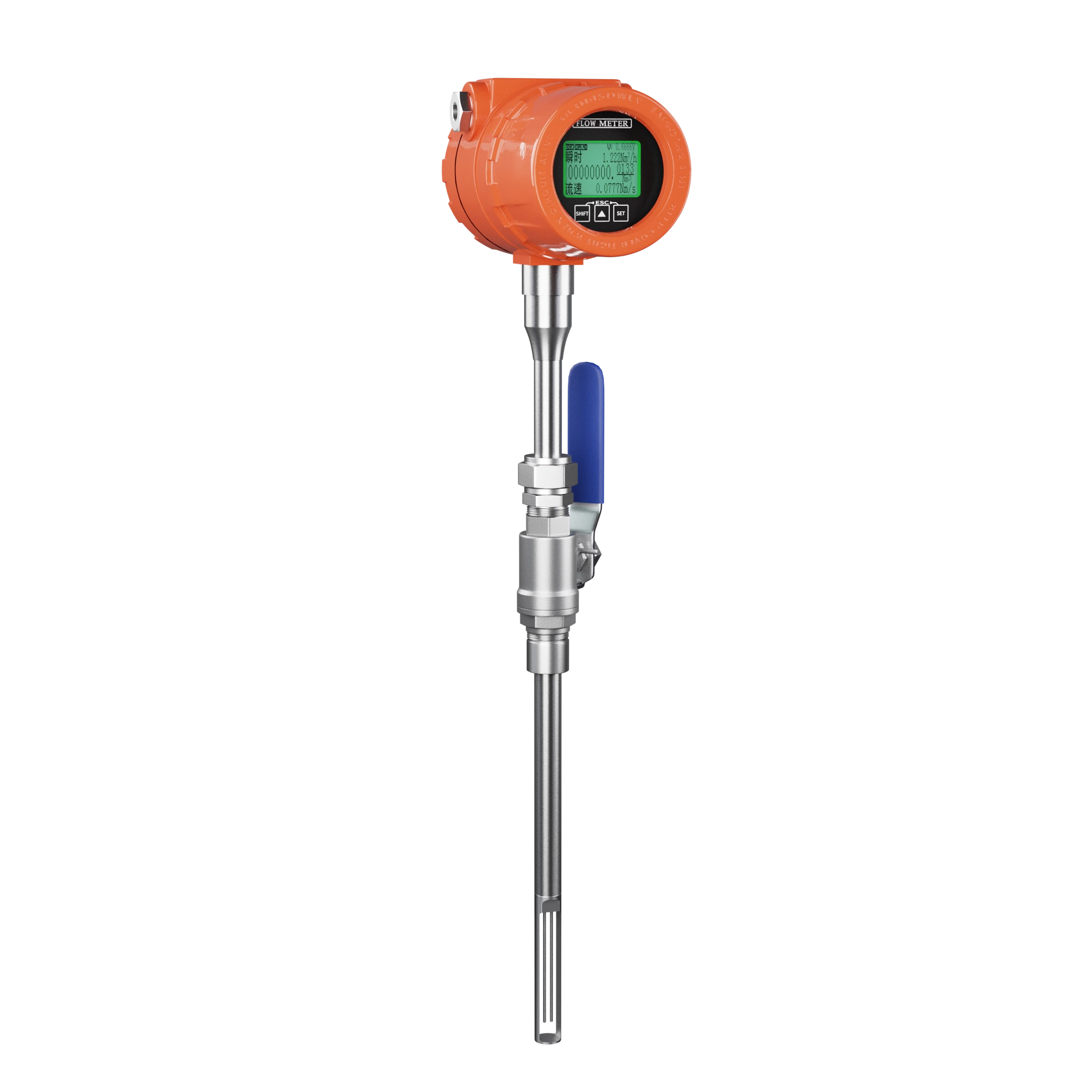
SUP-MF Thermal mass flowmeter
Frequently Asked Questions
What does a Coriolis mass flowmeter measure?
A Coriolis flowmeter directly measures mass flow. It can also measure fluid density and temperature, while volumetric flow can be calculated from the mass flow and density data.
Can Coriolis flowmeters measure both liquids and gases?
Yes. Supmea Coriolis flowmeters can measure liquids and gases. Suitable configuration depends on the fluid properties, flow range, pressure, temperature and installation conditions.
How do I size a Coriolis mass flowmeter?
Select the meter according to the fluid, minimum and maximum flow rates, density, viscosity, temperature, pressure and allowable pressure drop—not only the existing pipe size.
How does pressure drop affect model selection?
The selected meter must keep pressure loss within the process limit. Flow range, fluid density, viscosity and measuring-tube size should therefore be evaluated together during sizing.
Can it measure high-viscosity fluids, slurry or suspensions?
Yes. Supmea Coriolis meters can be used for high-viscosity fluids, slurries and suspensions. Tube size and pressure loss should be checked for each application.
Does a Coriolis flowmeter require straight pipe runs?
Generally, no special inlet or outlet straight runs are required because Coriolis measurement is not dependent on the flow profile. Proper pipe support and stress-free installation are still important.
How does entrained gas affect measurement accuracy?
Entrained gas can make mass-flow and density readings unstable, especially when the gas fraction changes. High or intermittent gas content should be reviewed during model selection.