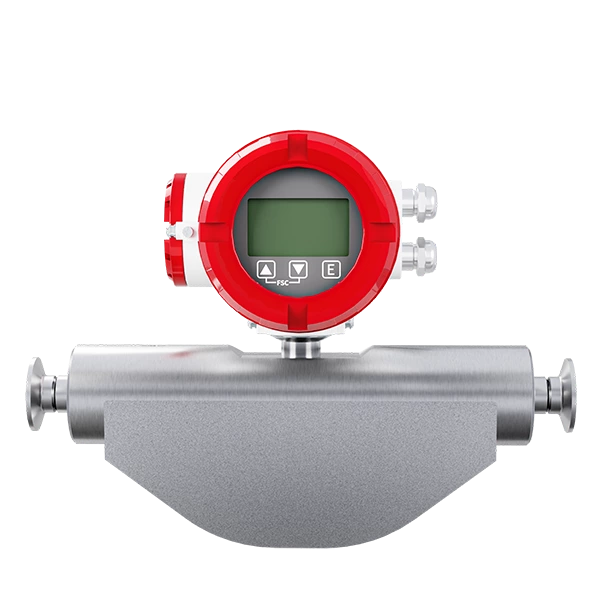
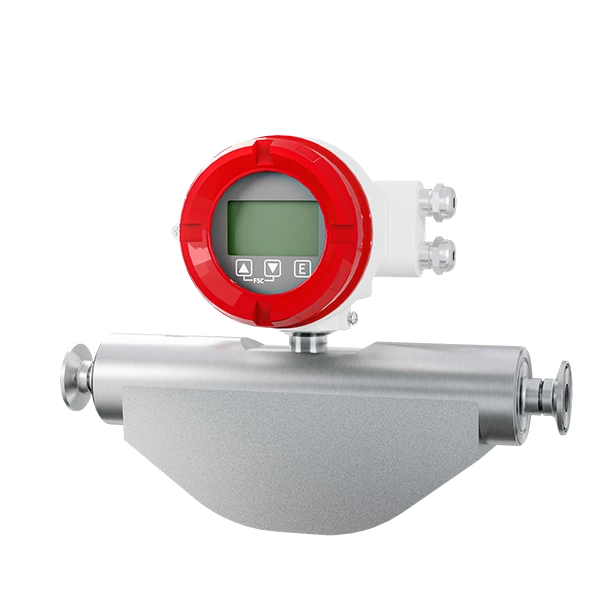
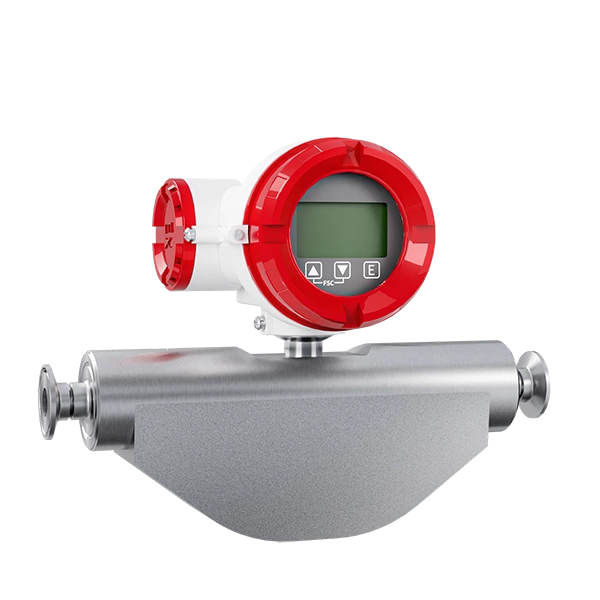
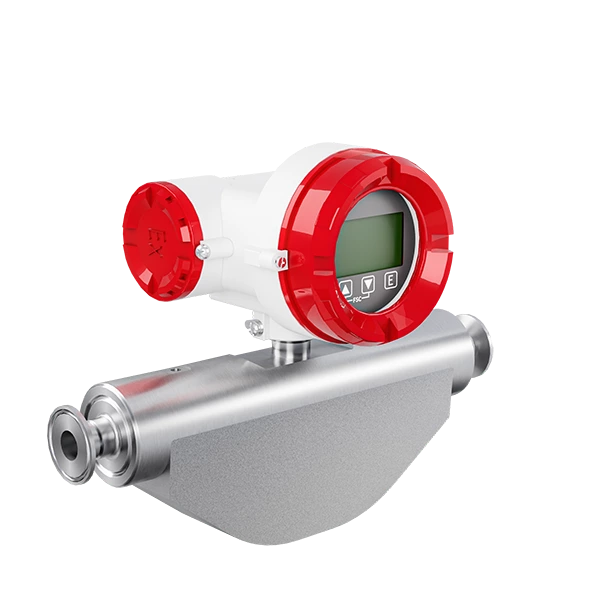
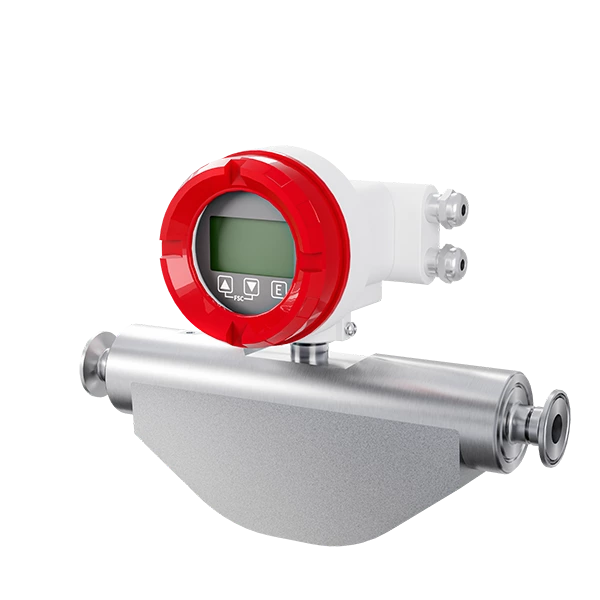
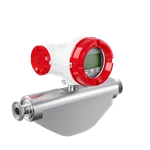
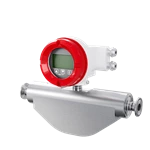
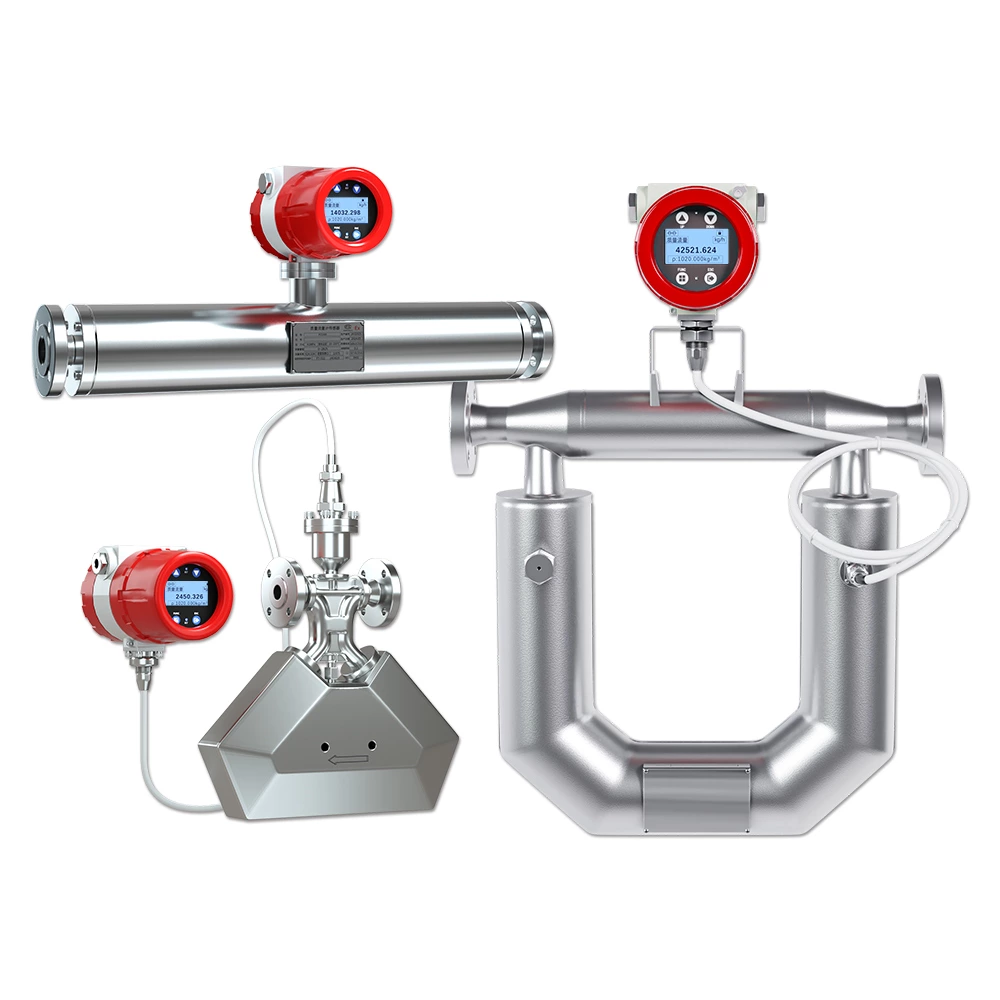
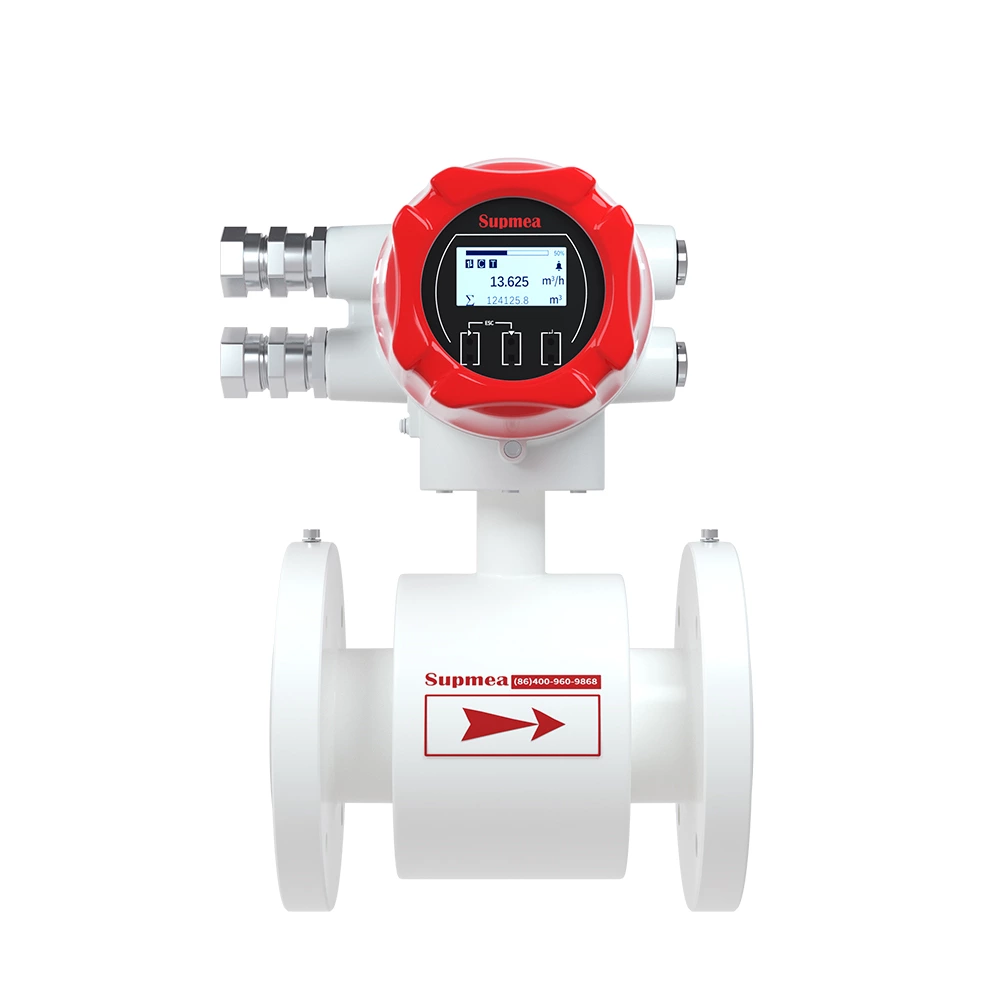
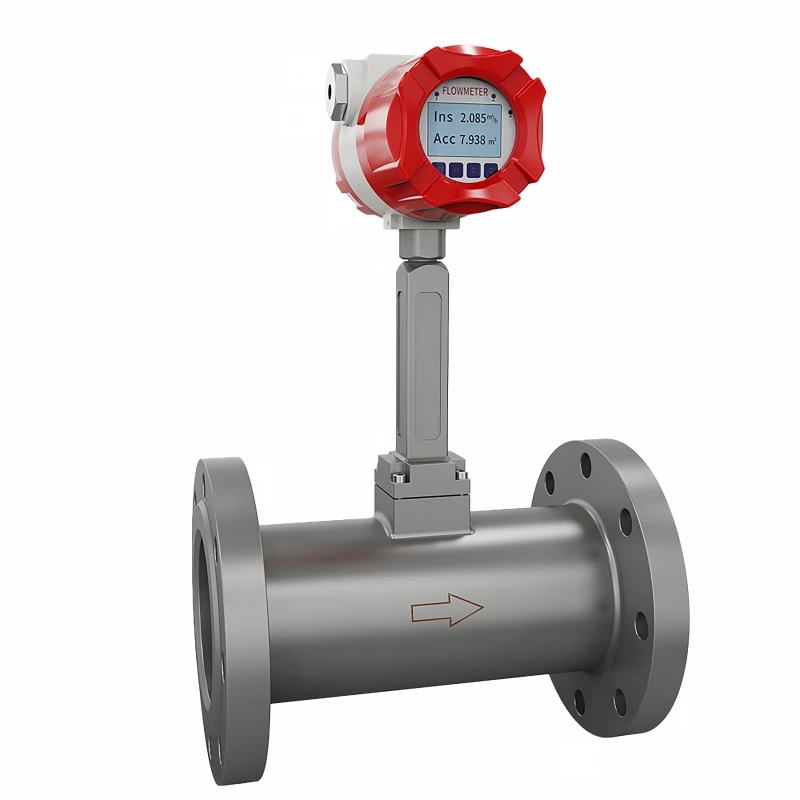
FCC800 Coriolis Mass Flow Meter for Chemical, Industrial, and Marine Fluids Measuring
The FCC800 Coriolis Mass Flow Meter delivers direct and accurate measurement of mass flow, density, and temperature for liquid and gas applications in demanding industrial, marine, petroleum, chemical, and other environments.
Featuring robust construction, IP67 protection, and standard 4–20 mA output, this FCC800 flow meter based on the Coriolis principle integrates easily with industrial and shipboard control systems.
Designed to withstand vibration, humidity, and harsh operating conditions, the FCC800 flow meter is an ideal solution for fuel management, ballast systems, and marine process monitoring.
The FCC800 Coriolis Mass Flow Meter measures the mass flow rate of liquids and gases directly by detecting the Coriolis force induced by fluid movement inside the specifically designed vibrating tubes.
In addition to mass flow measurement, the FCC800 Coriolis effect mass flow meter also reports fluid density, fluid temperature, and volumetric flow derived from mass data. Its key performance parameters, such as excellent linearity, fast response, and strong anti-vibration capability, make it ideal for marine instrumentation systems.
Designed to support ISO and marine regulatory requirements, the FCC800 Coriolis principle flow measurement enhances operational control, fuel management accuracy, and safety in marine process systems.
Working principle
The FCC800 flow meter, based onthe Coriolis principle, employs Coriolis mass flow technology to operate via the three key mechanisms:
1. Vibration Excitation
The Coriolis effect flow meter’s sensor tubes are mechanically excited to vibrate at a consistent frequency, and this vibration serves as the baseline for detecting fluid-induced changes.
2. Fluid Movement & Coriolis Force
As fluid moves through the vibrating tubes, Coriolis forces develop, which cause slight twists in the tube motion proportional to the mass flow rate. The greater the mass flow, the more pronounced the tube deformation.
3. Signal Detection & Calculation
Strain sensors on the tubes detect the deformation caused by Coriolis forces, and these signals are processed by the meter’s electronics to calculate mass flow, density, and temperature. After that, the output values are integrated into control systems through analog, digital, or fieldbus protocols for further operations.
Key features
Engineered for accuracy, durability, and seamless system integration, the FCC800 Marine-Grade Coriolis Mass Flow Meter delivers dependable performance in demanding industrial environments.
1. Direct Mass Flow Measurement
Measures mass flow directly using Coriolis technology, eliminating the need for pressure or temperature compensation.
Provides stable and repeatable results for both liquid and gas applications.
2. Integrated Density & Temperature Output
Simultaneously outputs mass flow, density, and fluid temperature from a single instrument.
Enables real-time process insight for fuel management and marine fluid control.
3. Marine-Grade Mechanical Design
Robust sensor construction designed to withstand vibration, shock, and dynamic operating conditions common on vessels and offshore platforms.
Suitable for continuous operation in harsh marine and industrial environments.
4. High Measurement Accuracy & Stability
Excellent linearity and fast response support precise monitoring of fuel, ballast water, and process fluids.
Strong resistance to external interference ensures reliable performance at sea.
5. Flexible Signal Output & System Integration
Supports 4–20 mA analog output, pulse/frequency output, and RS-485 digital communication (Modbus).
Easily integrates with shipboard PLC, DCS, and marine automation systems.
6. Wide Application Adaptability
Handles a broad range of fluid densities and viscosities, making it suitable for fuel oil, diesel, lubricants, hydraulic fluids, and gases.
Compact design simplifies installation in confined marine spaces.
7. User-Friendly Configuration
Onboard display and intuitive parameter setup allow efficient commissioning and maintenance.
Reduces downtime during installation and system adjustments.
Designed for accurate measurement of mass flow, density, and temperature, the FCC800 Coriolis Mass Flow Meter is suitable for a wide range of industrial and marine fluid measurement applications.
Marine Fuel & Fluid Management:Measures mass flow of marine fuels, lubricants, hydraulic oils, and auxiliary fluids to support fuel monitoring, system efficiency, and stable vessel operation.
Ballast Water Systems: Monitors ballast water transfer flow to help maintain vessel balance and operational safety during loading and unloading.
Chemical & Pharmaceutical Processing: Supports precise flow and density measurement for chemical dosing, reaction control, and regulated production processes.
Food & Beverage Production: Ensures accurate liquid ingredient measurement for consistent batching and product quality.
Power & Energy Systems: Measures feedwater, fuel, and cooling media in power generation and district energy systems to improve operational efficiency and system balance.
Water & Wastewater Treatment: Assists in monitoring process water, treatment flows, and discharge streams for stable and compliant operation.
Industrial Manufacturing & Automation: Provides real-time mass flow data for batching, dosing, and automated fluid handling across manufacturing processes.
We use cookies to collect information about how you use this site. We use this information to make the website work as well as possible and improve our services.