Product Overview
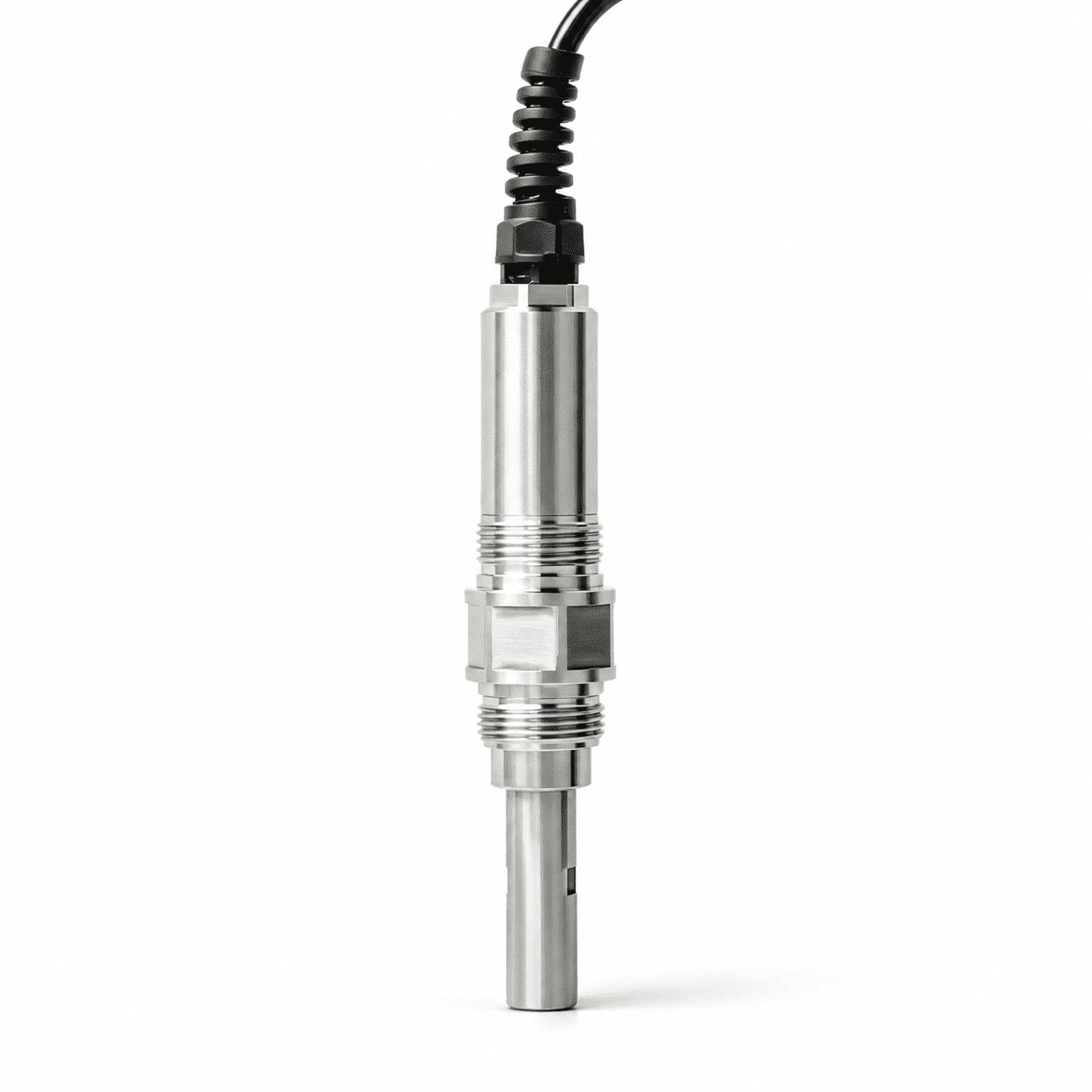
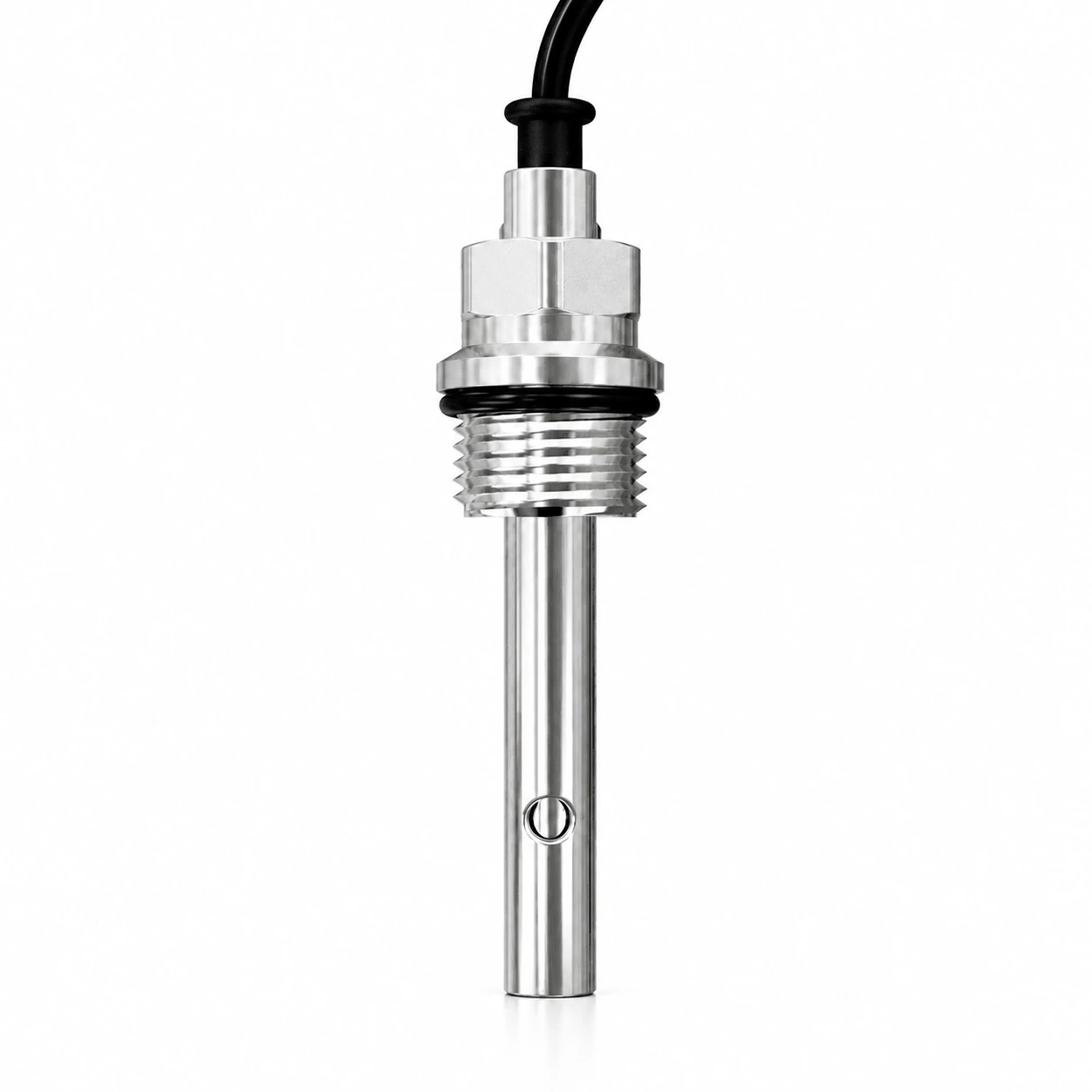
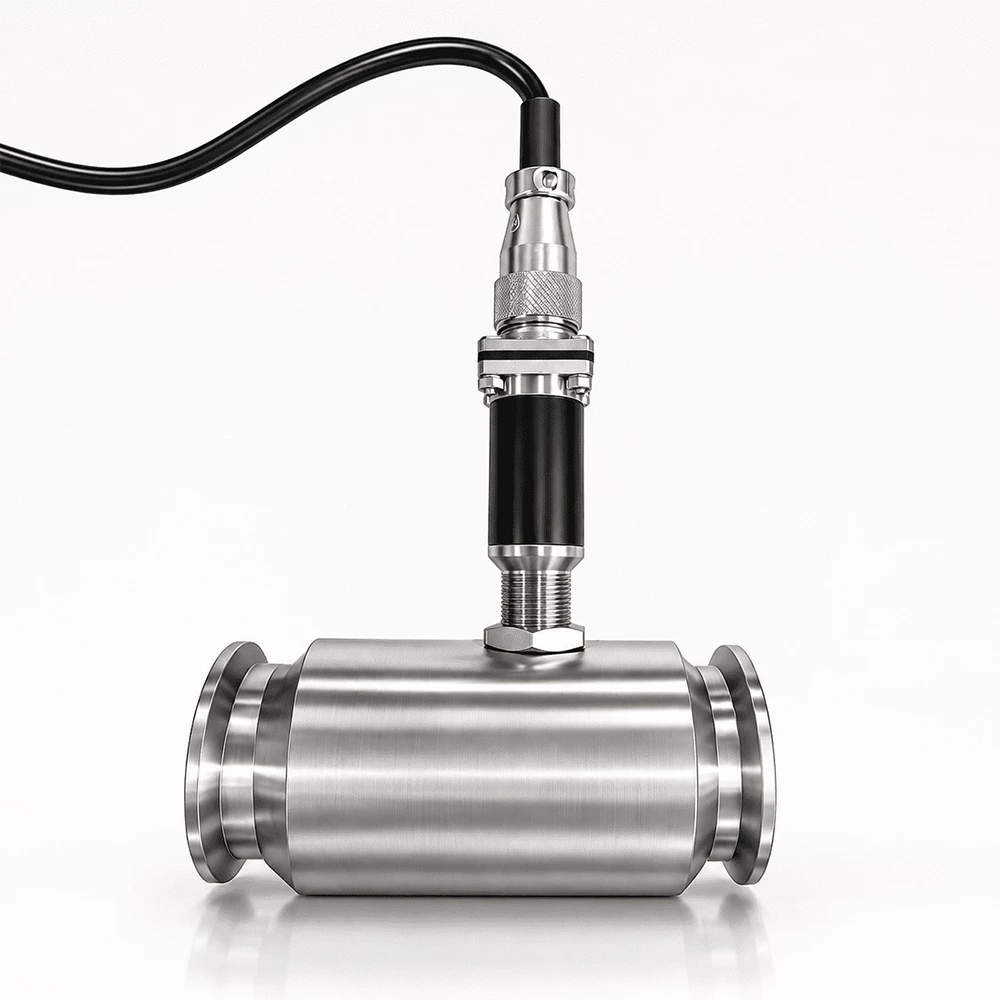
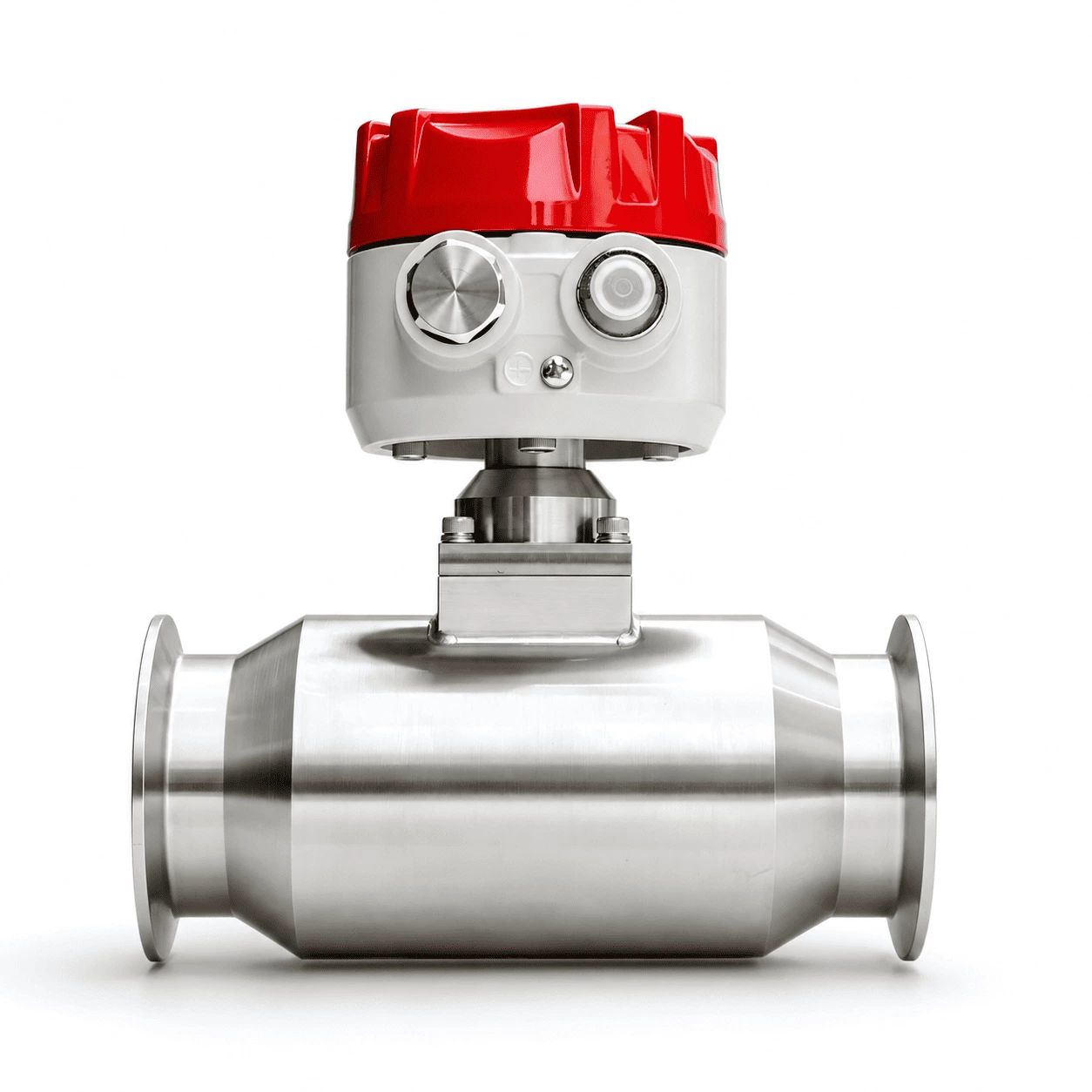
The SUP-ADE3300 conductivity sensor is designed for measuring conductivity and temperature in water-based processes. It is particularly suitable for pure water measurement, conventional water treatment, tap water monitoring, and conductivity measurement in thermal power plant water systems.
The sensor uses a contacting conductivity measurement principle. Its electrode structure detects the electrical conductivity of ions in the measured solution and converts this response into conductivity data.
Key Features
Conductivity and Temperature Measurement
Two Electrode Constant Options
Automatic Temperature Compensation
RS485 Modbus RTU Communication
IP68 Protection
304 Stainless Steel Housing
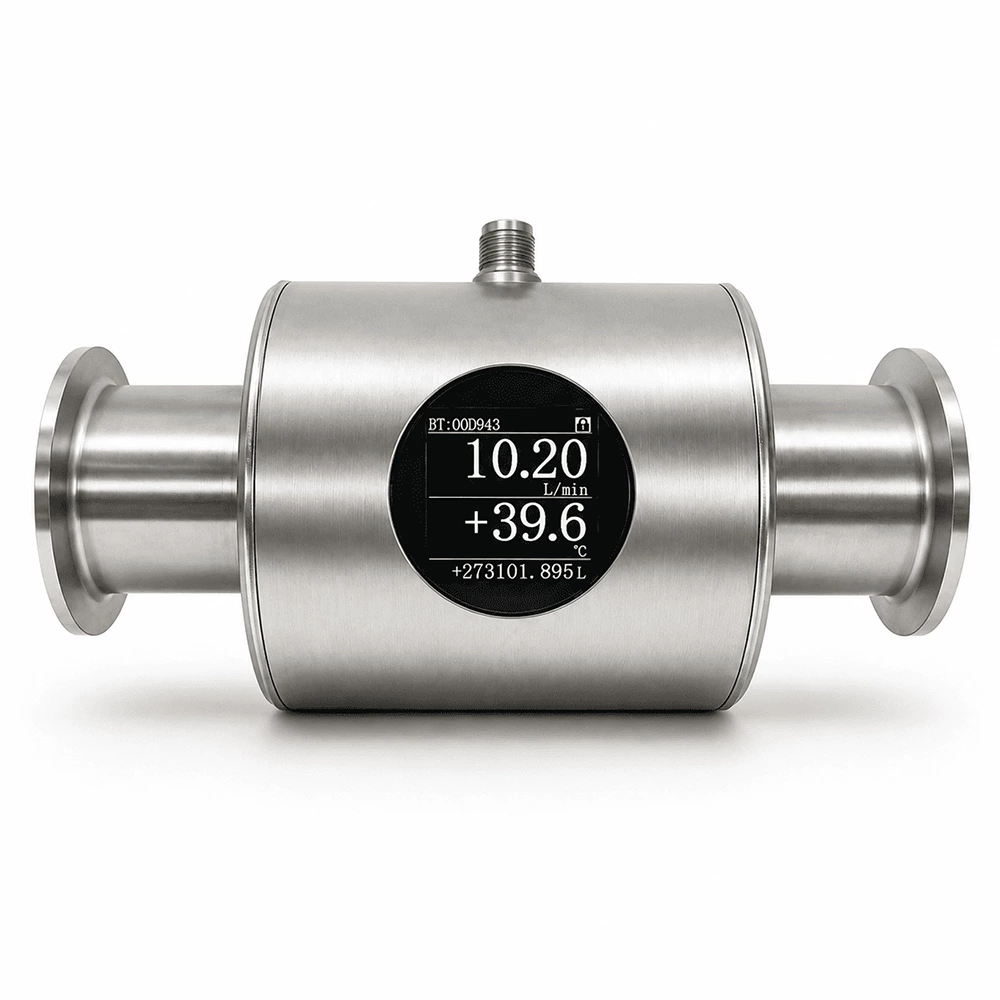
Threaded or Clamp Process Connection
Measurement Principle
The ADE3300 uses the contacting electrode principle for conductivity measurement. Two electrodes are positioned at a fixed distance from each other in the measured solution. When voltage is applied across the electrodes, ions in the solution move under the influence of the electric field.
Anions migrate toward the anode and cations migrate toward the cathode, allowing electrical current to pass through the solution. By measuring the resulting current and electrical resistance between the electrodes, the conductivity of the solution can be determined.
Technical Specifications
| Parameter |
Specification |
| Product |
Conductivity Sensor |
| Model |
SUP-ADE3300 |
| Measured Variables |
Conductivity, Temperature |
| Electrode Constant |
K=0.1 / K=1.0 |
| Conductivity Range, K=0.1 |
0.1–200 μS/cm |
| Conductivity Range, K=1.0 |
10–8000 μS/cm |
| Temperature Range |
0–50 °C or 0–100 °C |
| Conductivity Accuracy |
±2% FS |
| Temperature Accuracy |
±0.5 °C |
| Temperature Compensation |
Built-in automatic temperature compensation |
| Temperature Sensor |
NTC10K / NTC22K |
| Protection Rating |
IP68 |
| Process Temperature |
0–50 °C standard / 0–100 °C high-temperature version |
| Process Pressure |
≤1 MPa |
| Housing Material |
304 Stainless Steel |
| Process Connection |
G3/4 Thread or Clamp |
| Weight |
205 g, excluding leads |
| Communication Interface |
RS485 |
| Protocol |
Modbus RTU |
| Default Communication Setting |
9600, N, 8, 1 |
Applications
Pure Water Monitoring
Suitable for conductivity monitoring in pure water systems where low conductivity measurement is required.
Water Treatment
Continuous conductivity monitoring for industrial and conventional water treatment processes.
Thermal Power Plants
Suitable for conductivity measurement in water treatment and water quality monitoring systems used in thermal power plants.
Tap Water Monitoring
The K=1.0 configuration can be used for conductivity measurement in conventional tap water applications within the specified measurement range.
Industrial Water Quality Monitoring
RS485 Modbus RTU communication enables conductivity data to be integrated into compatible industrial water quality monitoring and control systems.
Frequently Asked Questions
Q: What does the SUP-ADE3300 measure?
The ADE3300 is specified for conductivity and temperature measurement.
Q: What conductivity ranges are available?
For the K=0.1 version, the specified conductivity range is 0.1–200 μS/cm. For the K=1.0 version, the specified range is 10–8000 μS/cm.
Q: Does the ADE3300 support automatic temperature compensation?
Yes. The sensor provides built-in automatic temperature compensation using NTC10K / NTC22K temperature elements.
Q: What communication protocol does the ADE3300 use?
The sensor supports RS485 communication using Modbus RTU protocol. The default communication setting is 9600, N, 8, 1.
Q: What is the protection rating?
The ADE3300 conductivity sensor is rated IP68.
Q: What process connections are available?
The sensor supports G3/4 threaded connection or clamp connection.
Q: What industries is the ADE3300 suitable for?
According to the product manual, it is designed primarily for pure water and water treatment conductivity measurement and is particularly suitable for thermal power plants and the water treatment industry.
Q: How often should the sensor be calibrated?
The manual recommends calibration approximately every 1–2 months to help maintain measurement accuracy.