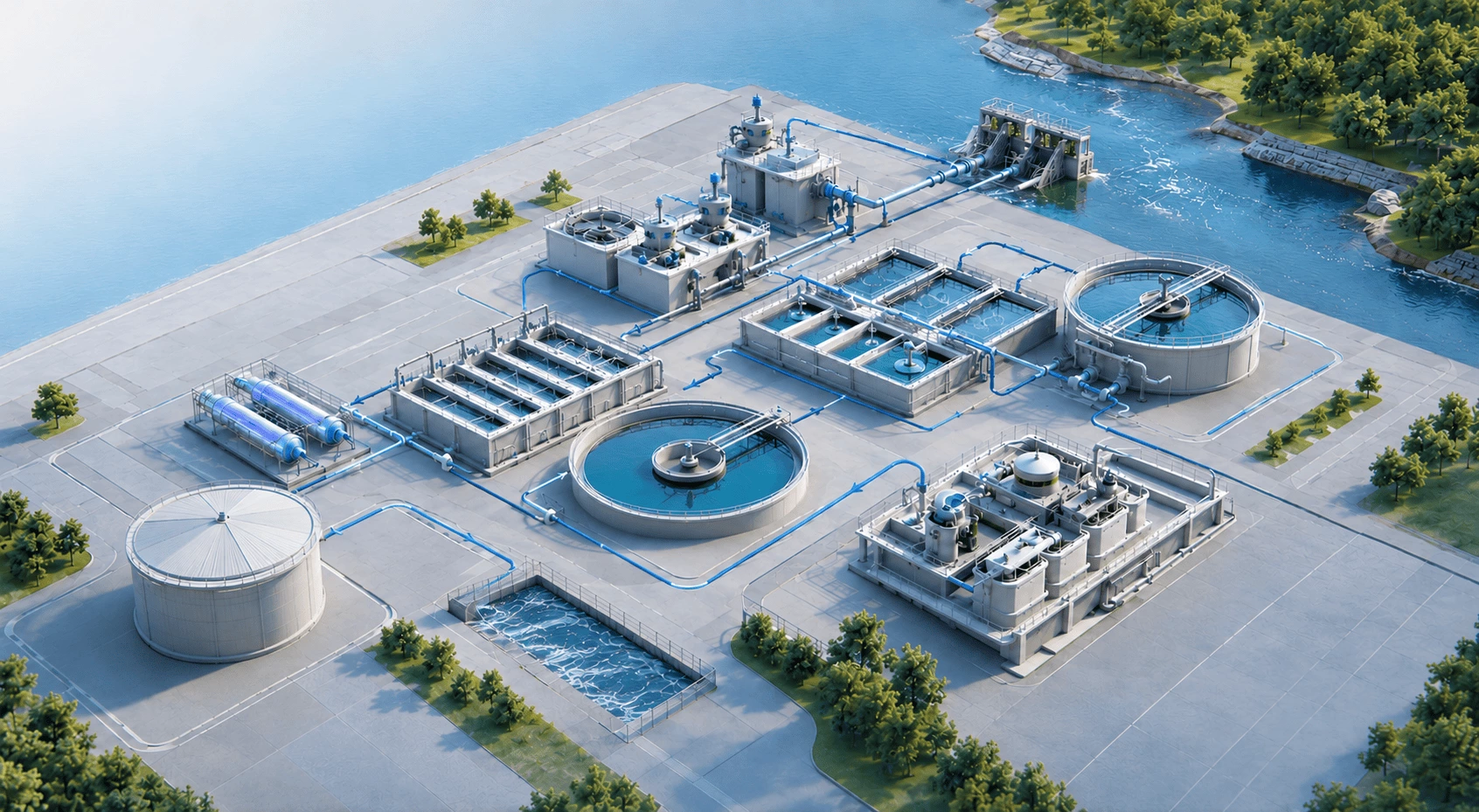


Challenges in Water & Wastewater Treatment
Water and wastewater treatment facilities must improve efficiency, reduce maintenance costs, and ensure regulatory compliance. Process monitoring and control help address these challenges and support sustainable operations.
Measurement Accuracy
Variable flow, solids, foam, and changing water quality can compromise measurement accuracy, affecting process stability and resource efficiency.
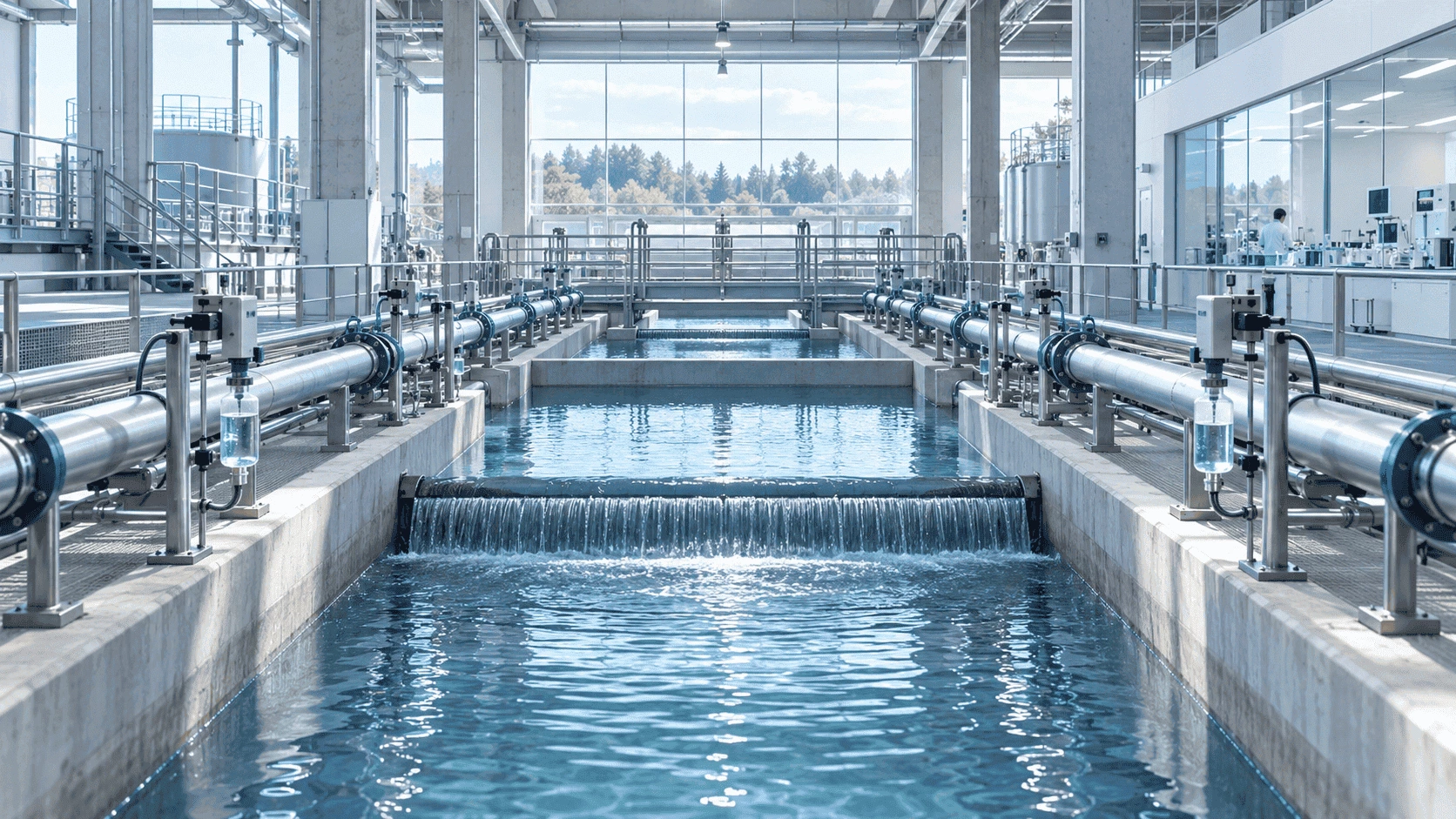
Minimizing Downtime
Equipment failures and manual inspections increase costs and disrupt operations. Reliable monitoring helps maintain plant availability.
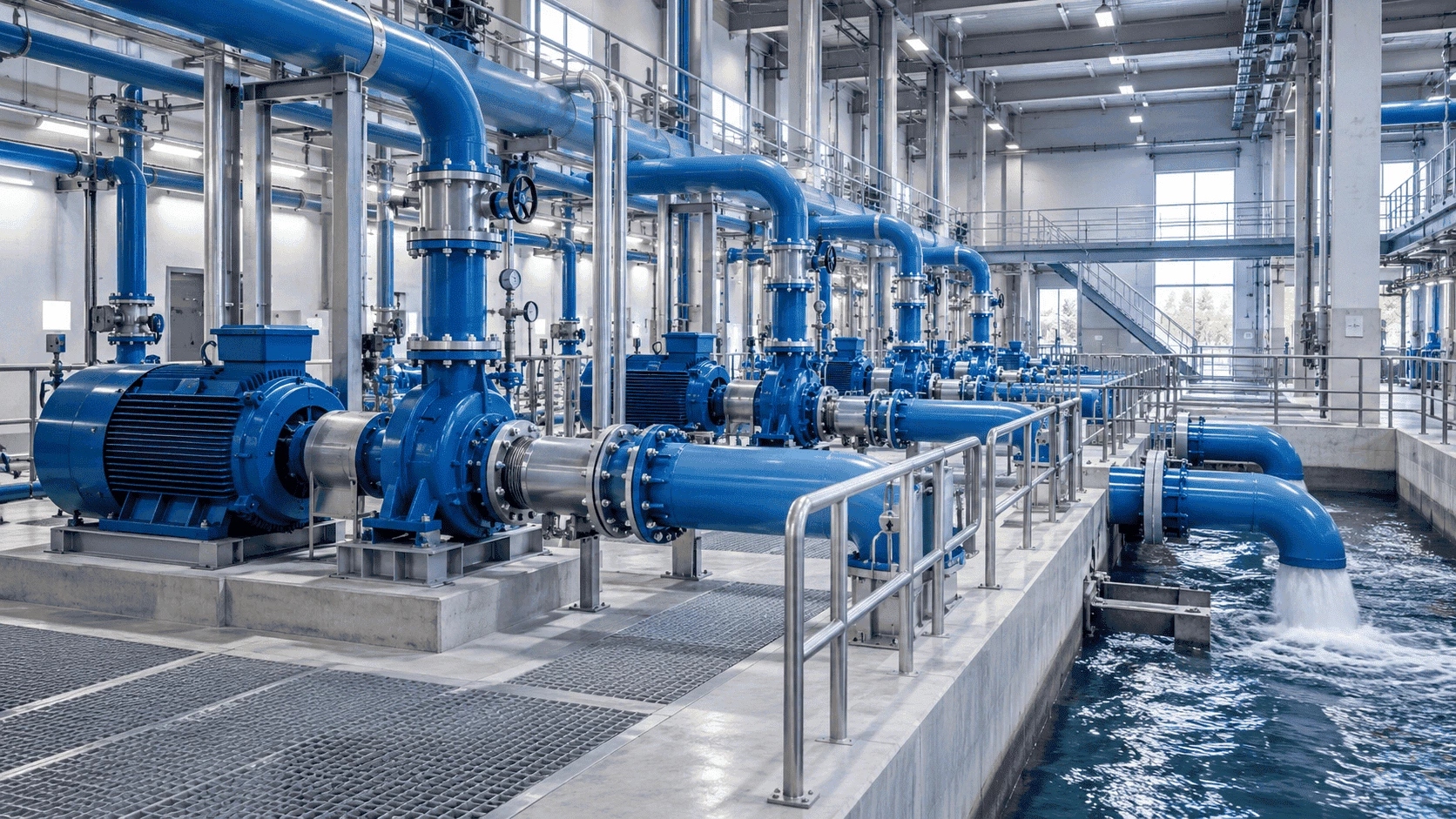
Stable Water Quality
Continuous monitoring of pH, conductivity, dissolved oxygen, turbidity, and residual chlorine helps maintain water quality within operating limits.
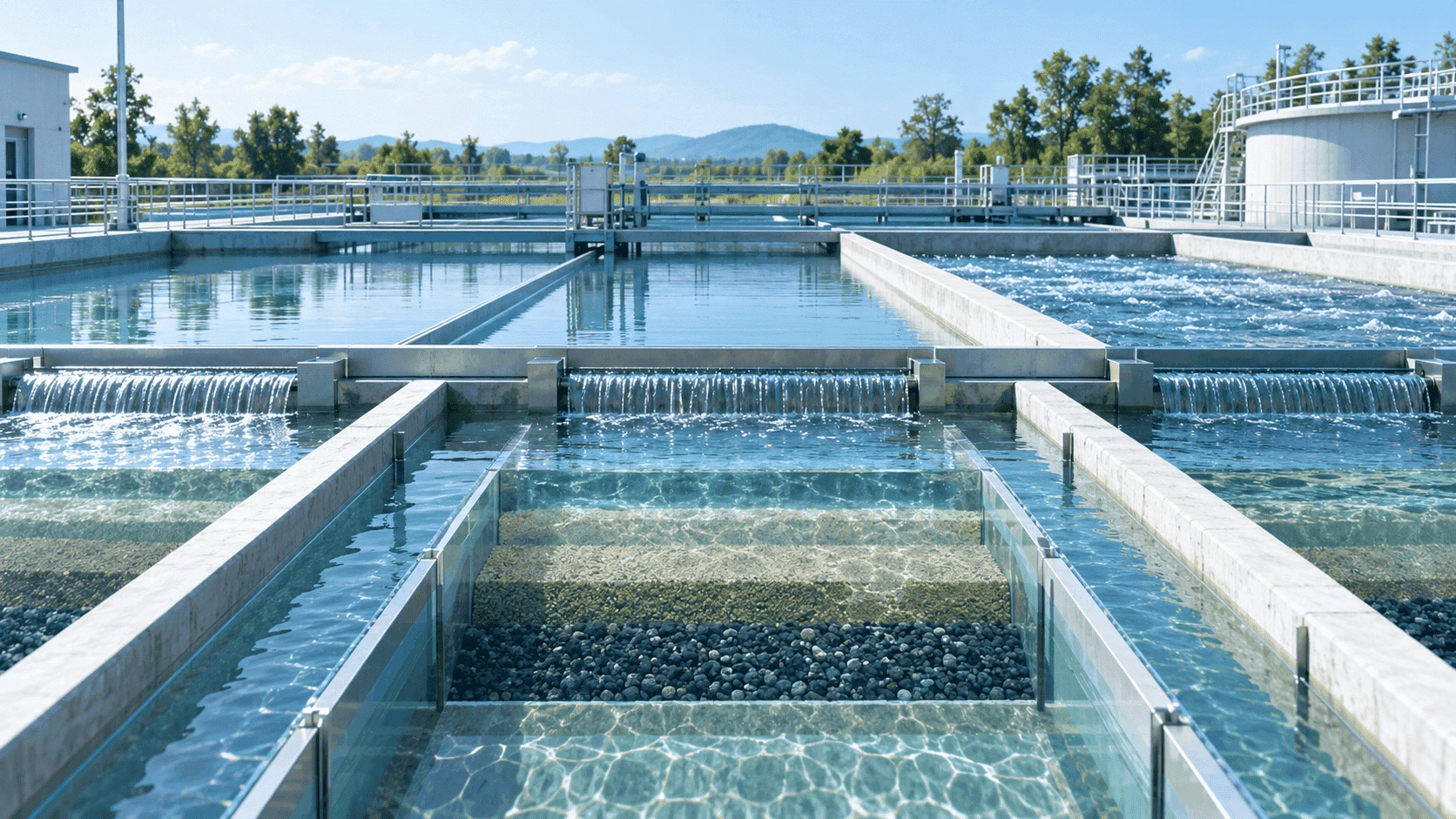
Process Efficiency
Limited visibility across treatment stages reduces efficiency. Accurate process data supports control and lowers operating costs.
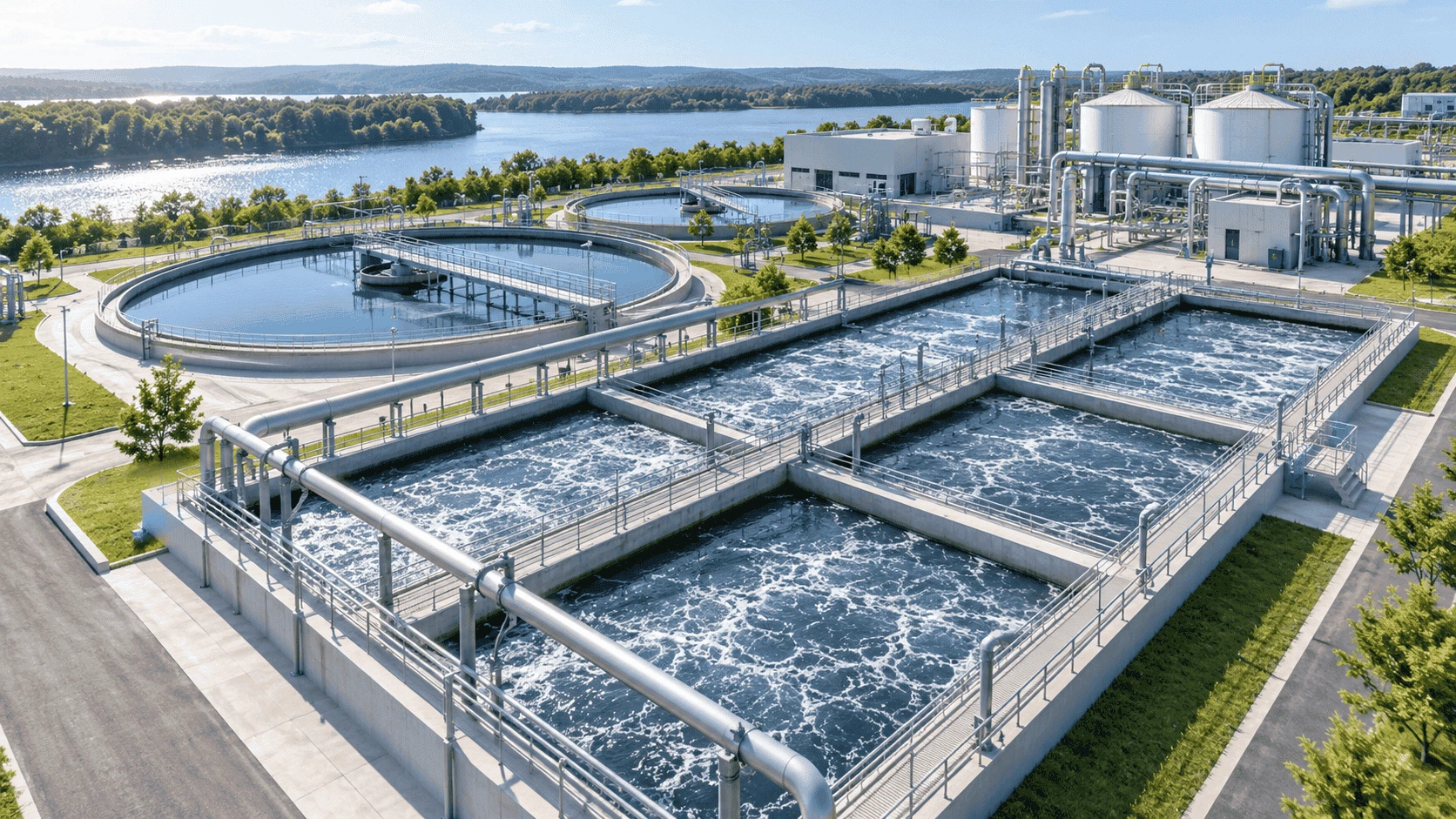
Regulatory Compliance
Continuous monitoring, accurate reporting, and consistent process control help meet environmental requirements and limit environmental impact.
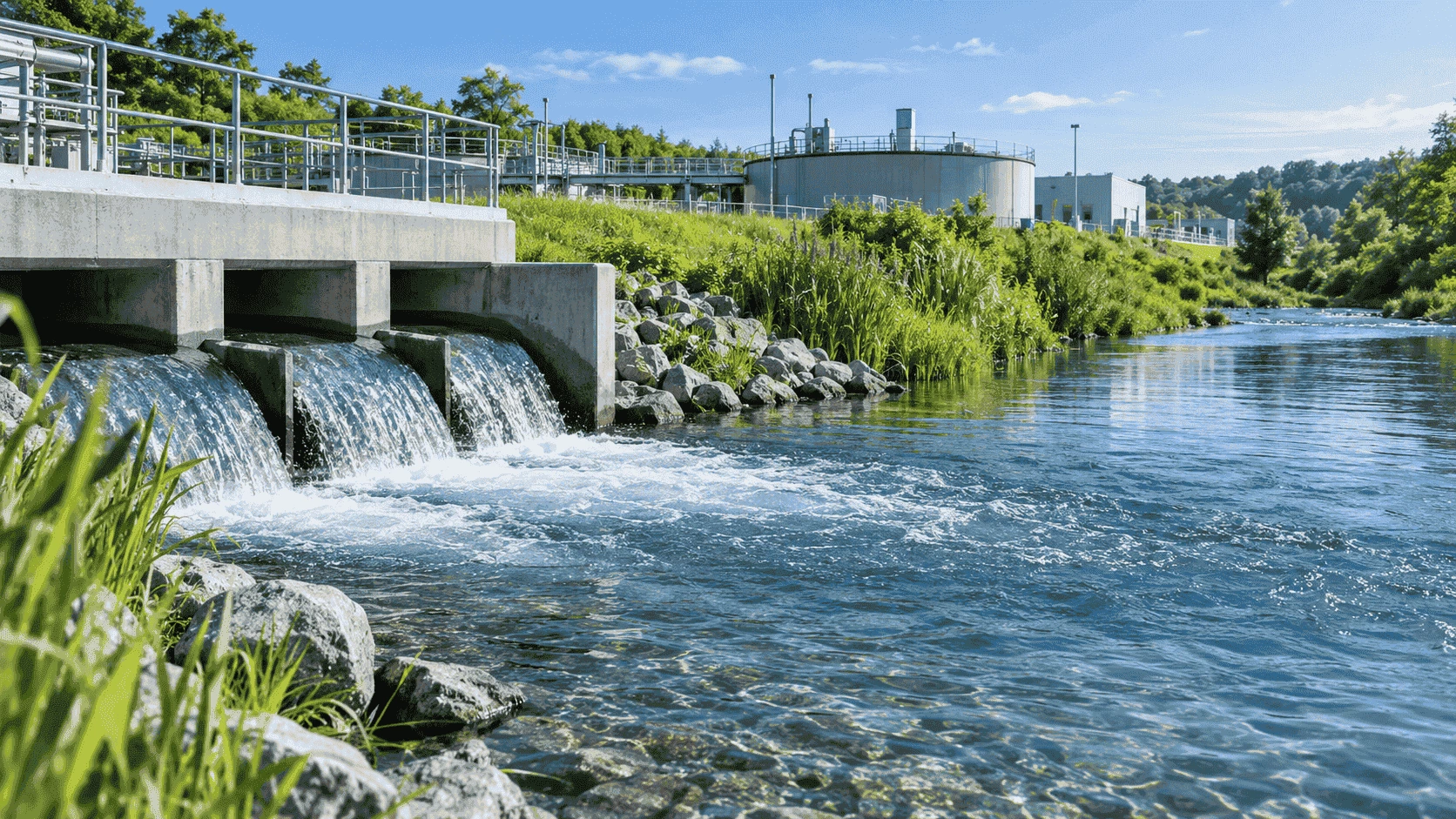
Digital Integration
Remote monitoring, centralized data, and seamless SCADA integration support informed decisions and efficient plant management.
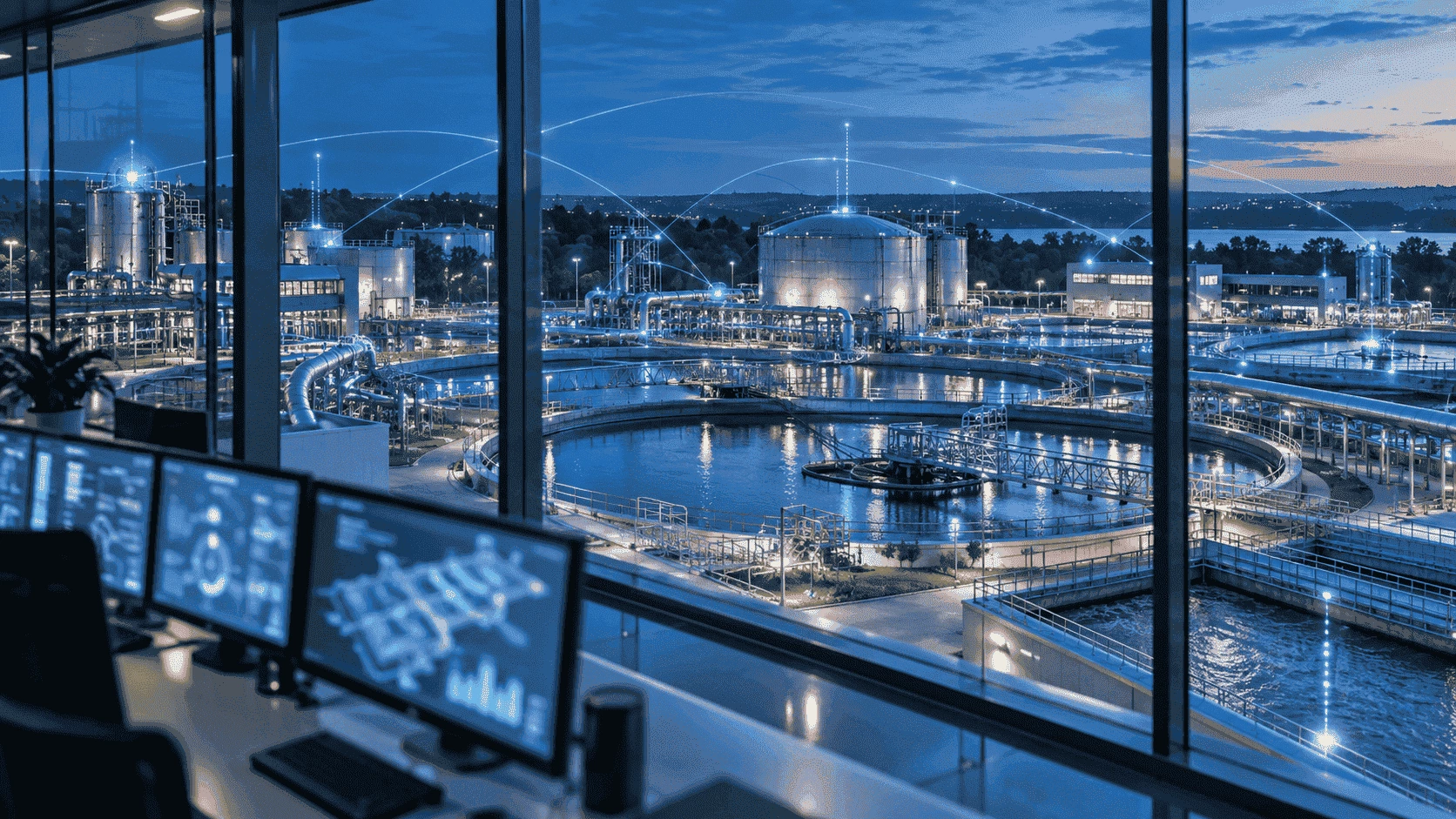
Instrumentation Throughout the Water Treatment Process
Every stage of the water treatment process presents unique measurement and control requirements. From raw water intake to final distribution, selecting the right instrumentation ensures accurate monitoring, stable operation, and optimized process efficiency.
Raw Water Intake
Screening & Pretreatment
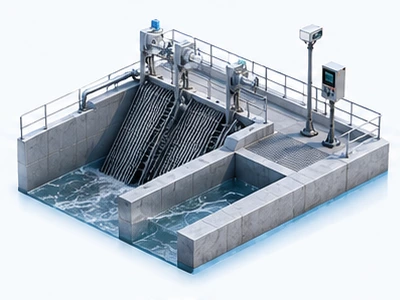
Coagulation & Flocculation
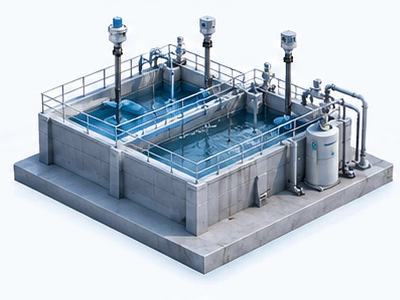
Sedimentation
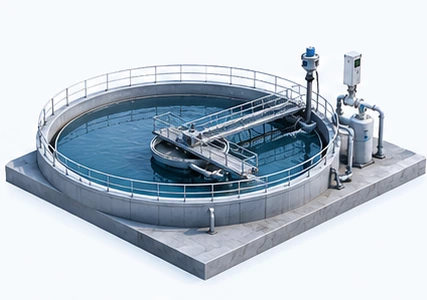
Filtration
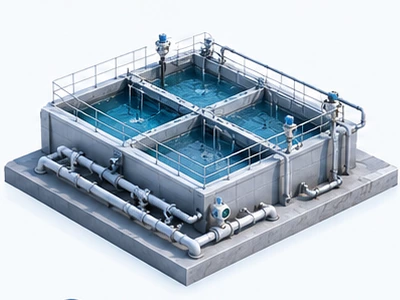
Disinfection & Water Quality Monitoring
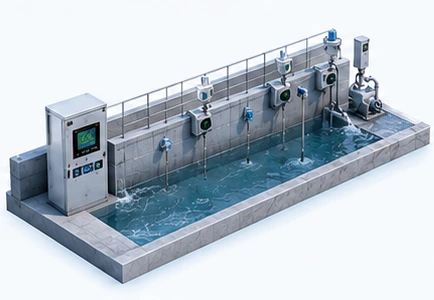
Clean Water Storage & Distribution
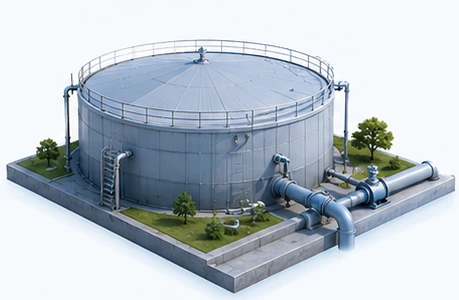
Process Overview
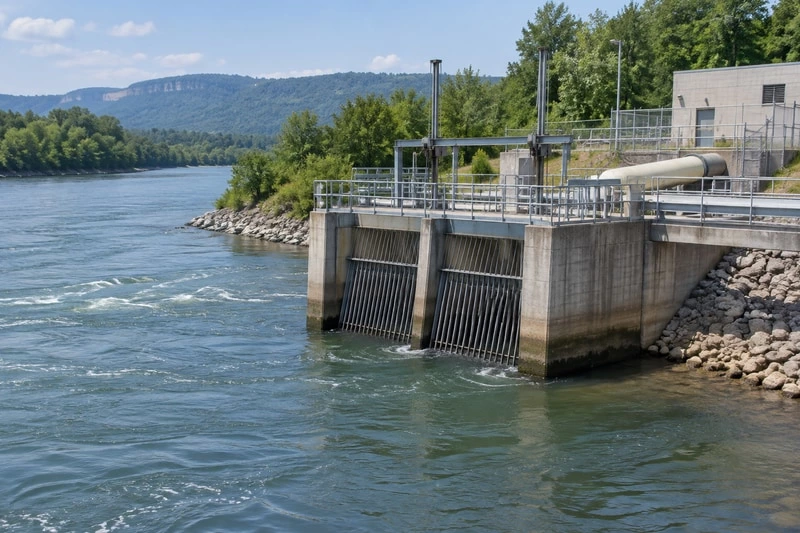
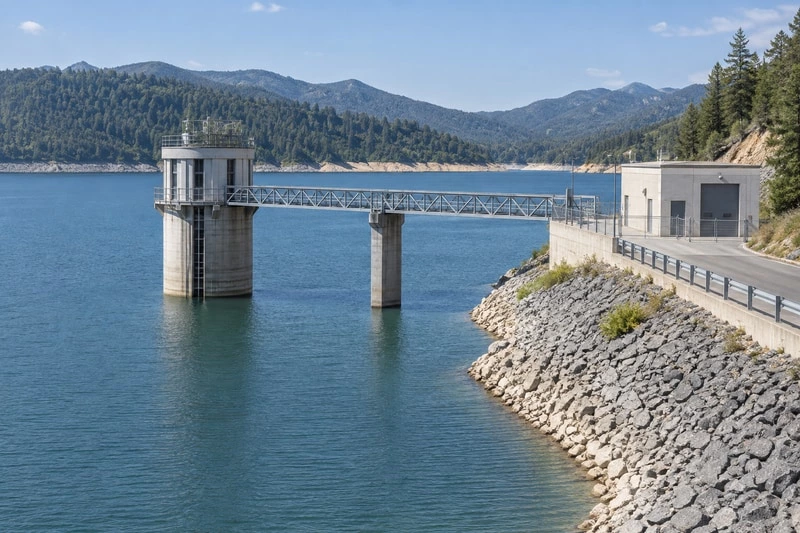
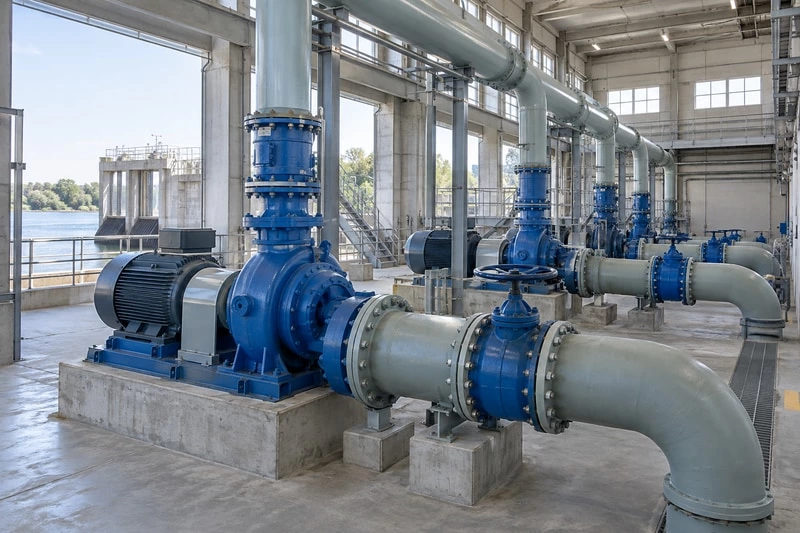
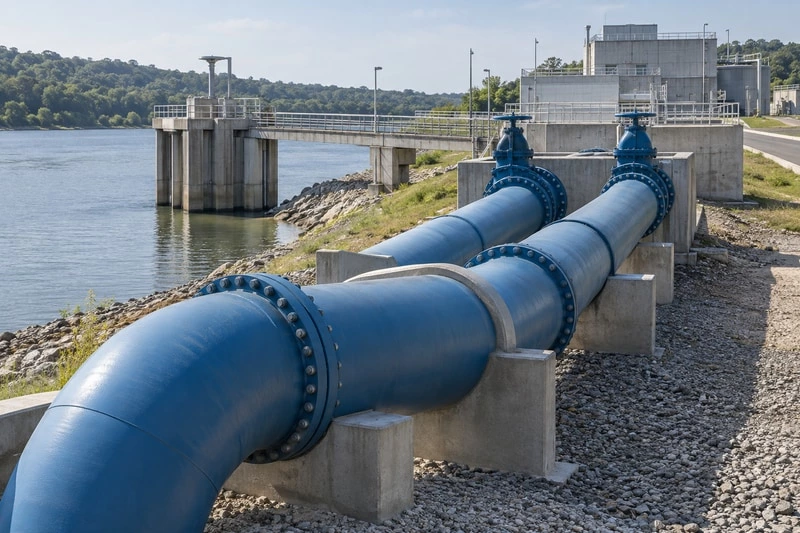
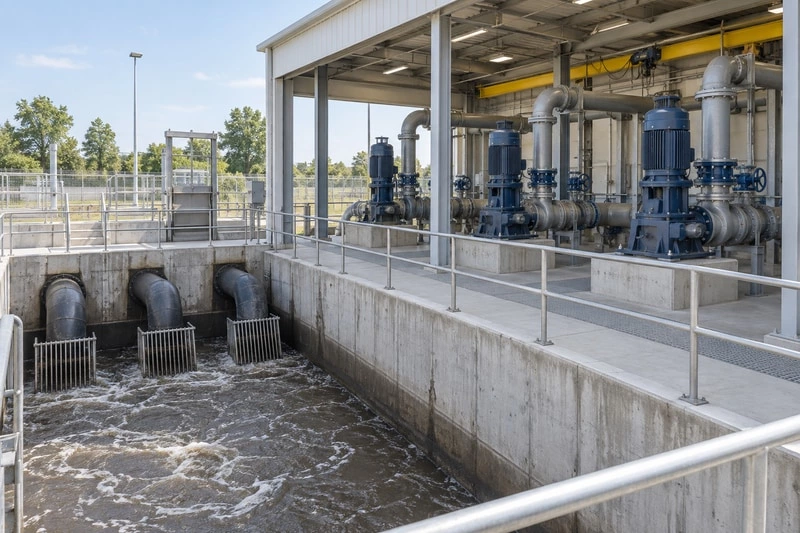
Water is collected from rivers, lakes, reservoirs, or groundwater sources before entering the treatment plant. Accurate flow and level monitoring help optimize water abstraction and protect pumping equipment.
Typical Applications
Process Overview
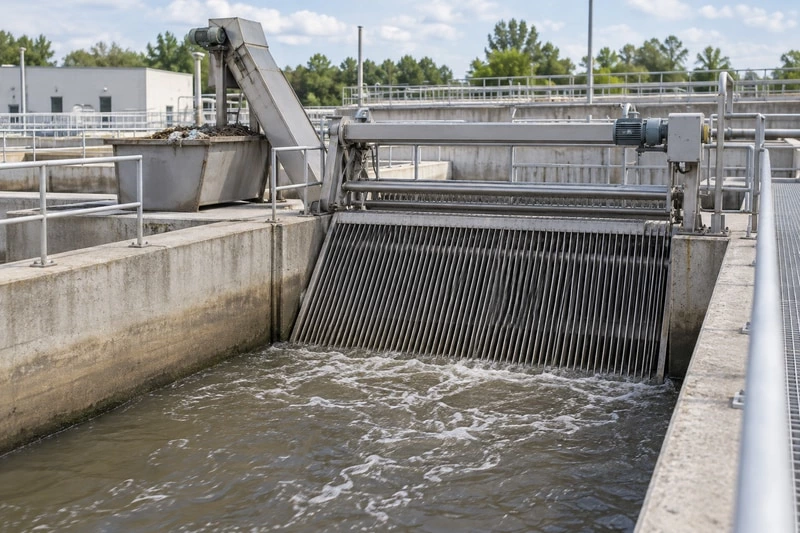
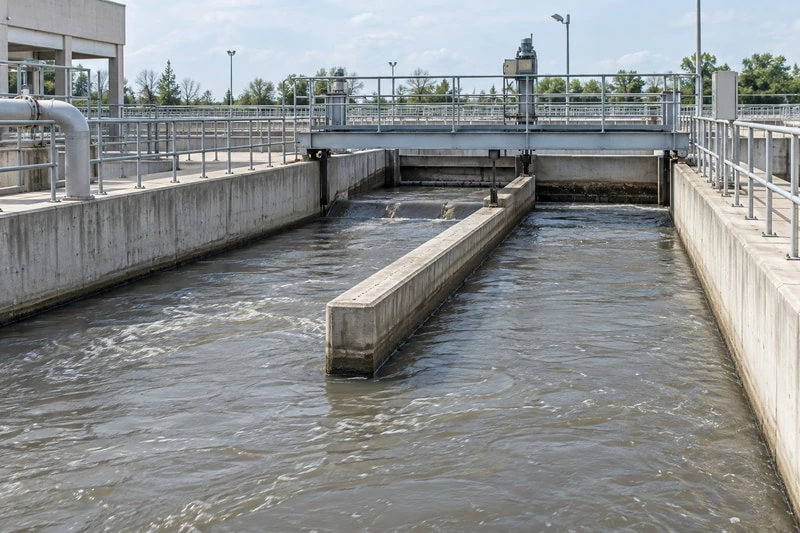
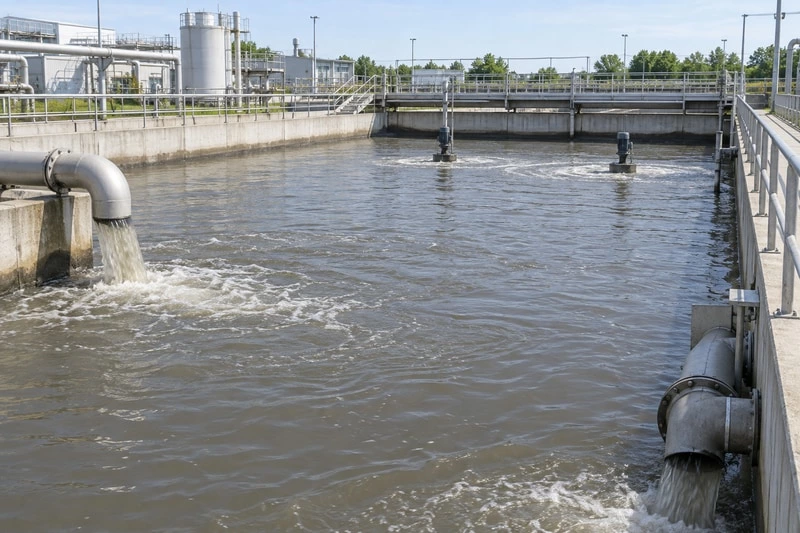
Large debris, sand, and suspended solids are removed to protect downstream equipment and improve treatment efficiency.
Typical Applications
Process Overview
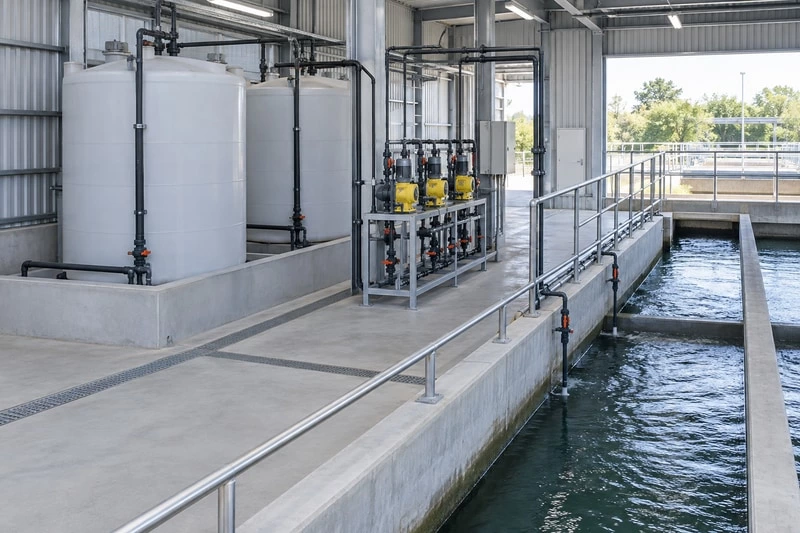
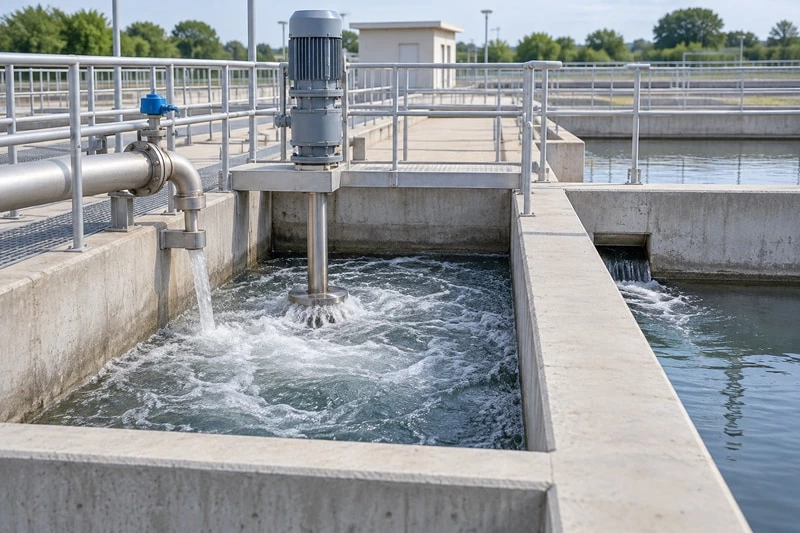
Chemical dosing destabilizes suspended particles, allowing them to combine into larger flocs for easier removal during sedimentation.
Typical Applications
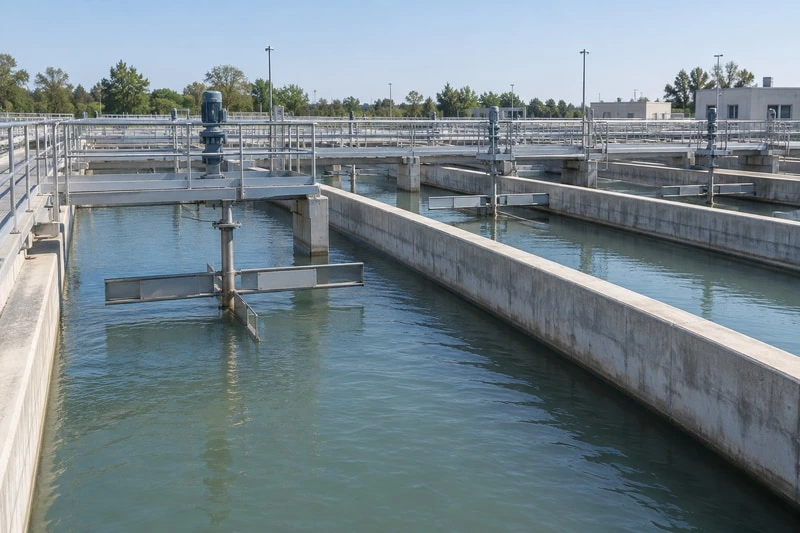
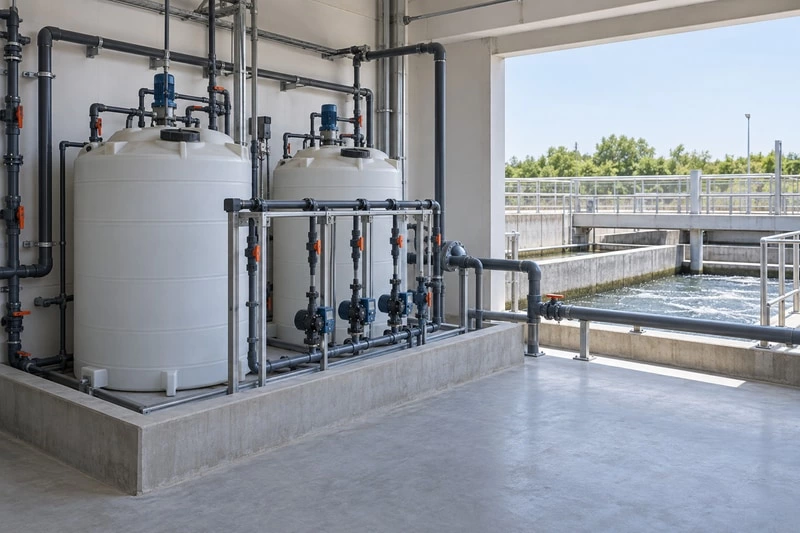
Process Overview
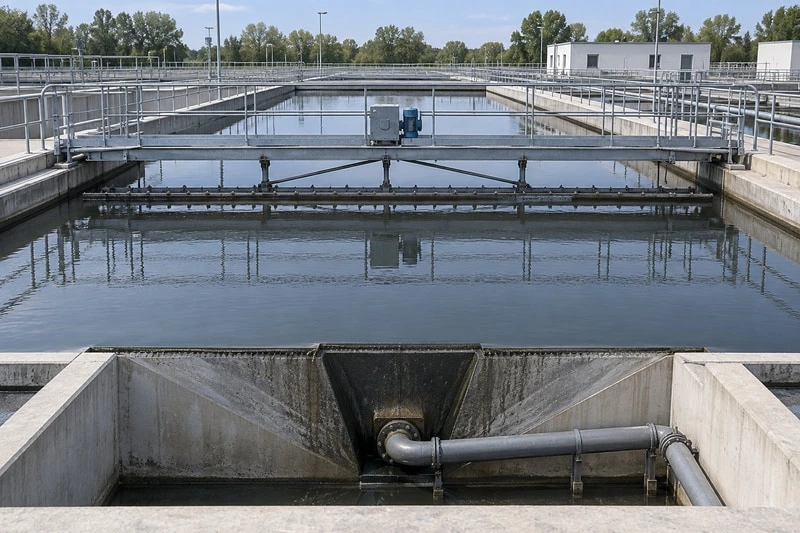
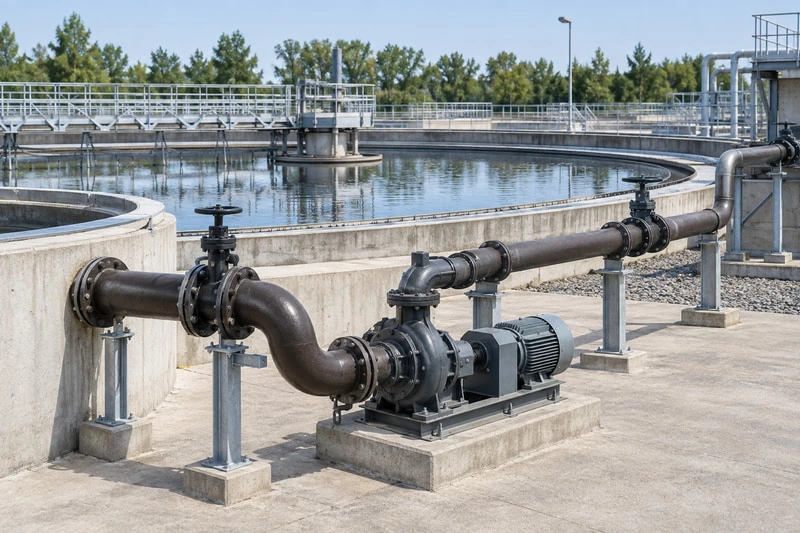
Gravity separates suspended solids from water, producing clarified water while collecting sludge for further treatment.
Typical Applications
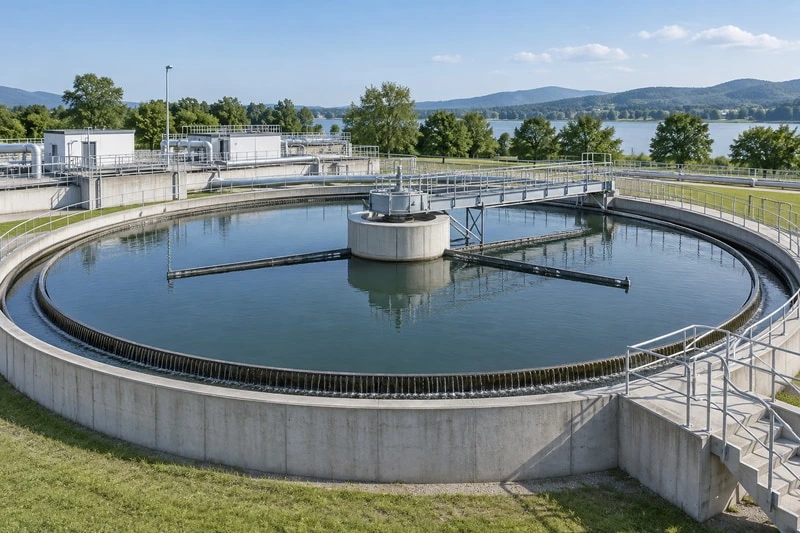
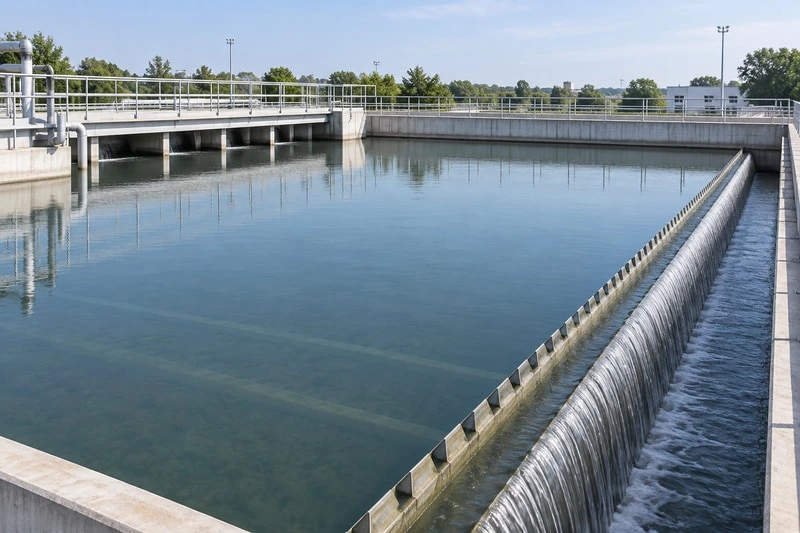
Process Overview
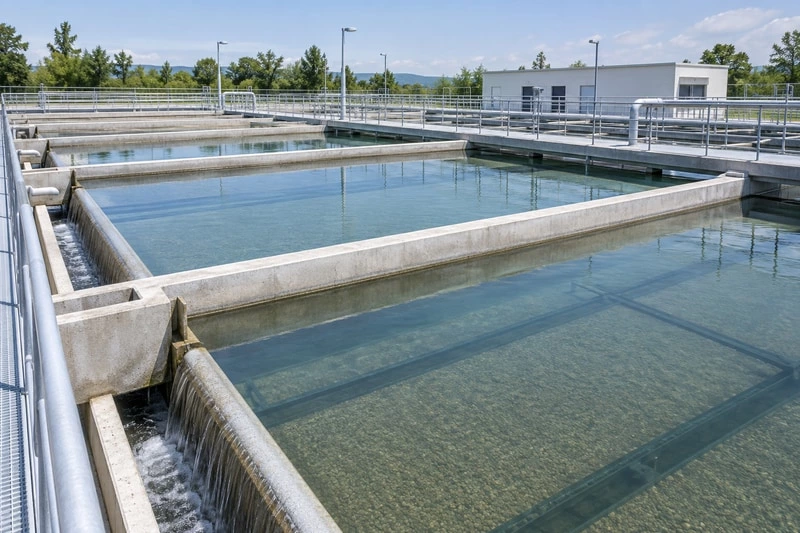
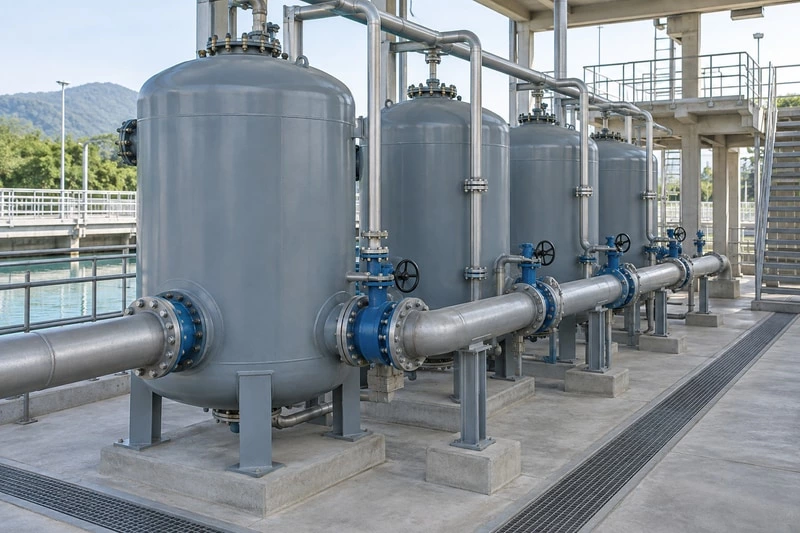
Remaining fine particles are removed through sand filters, activated carbon, or membrane filtration to improve water clarity and quality.
Typical Applications
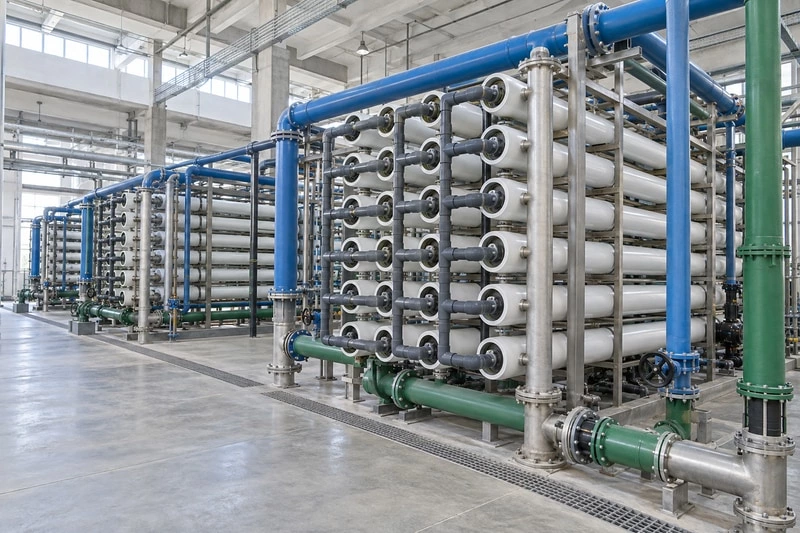
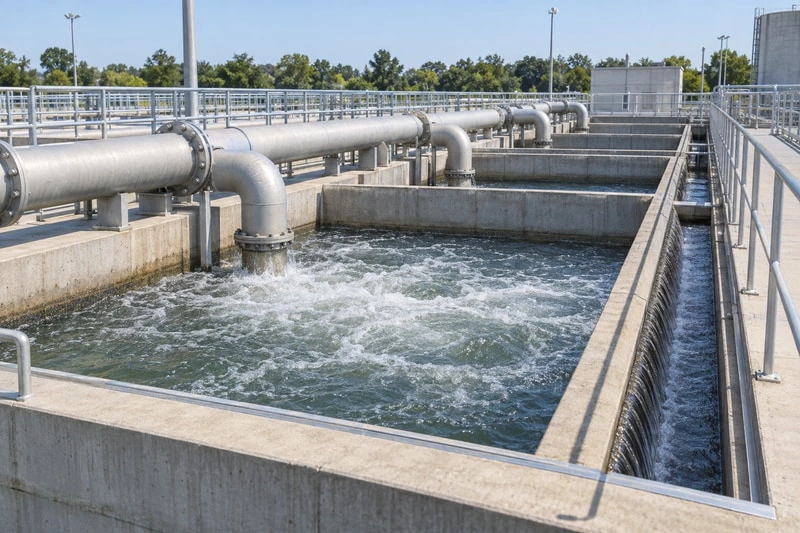
Process Overview
Disinfection eliminates harmful microorganisms while continuous online monitoring ensures water quality complies with operational and environmental standards.
Typical Applications
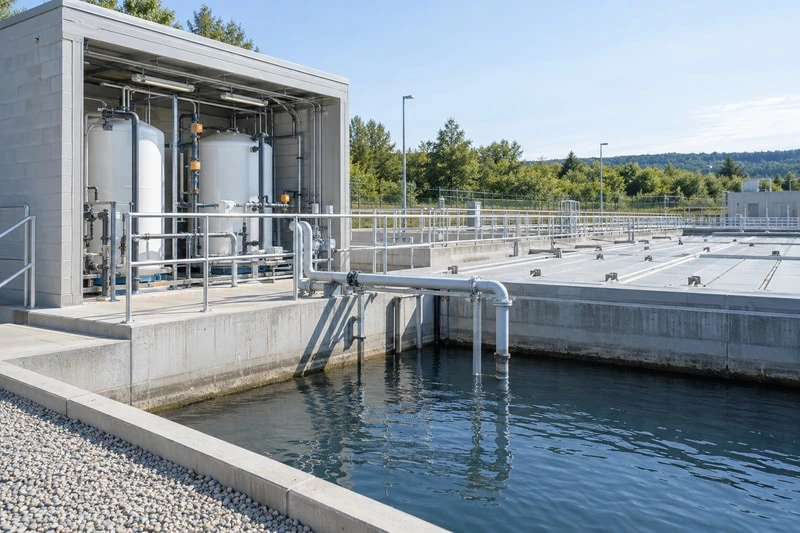
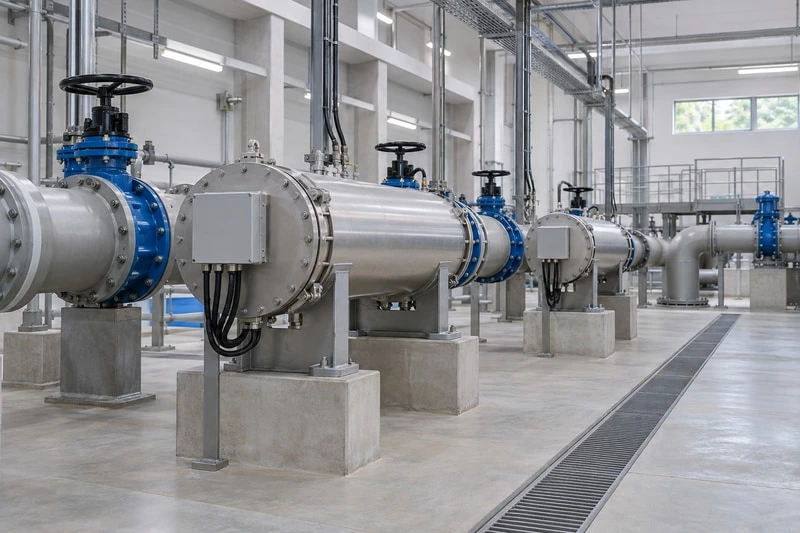
Process Overview
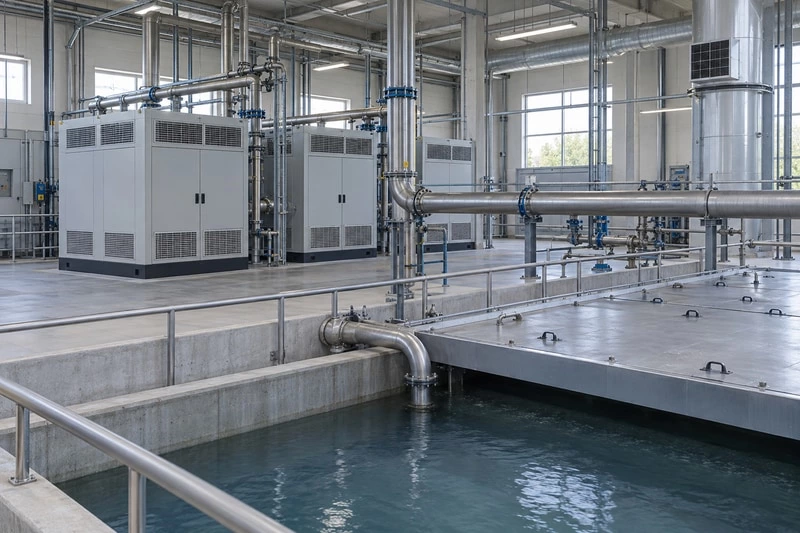
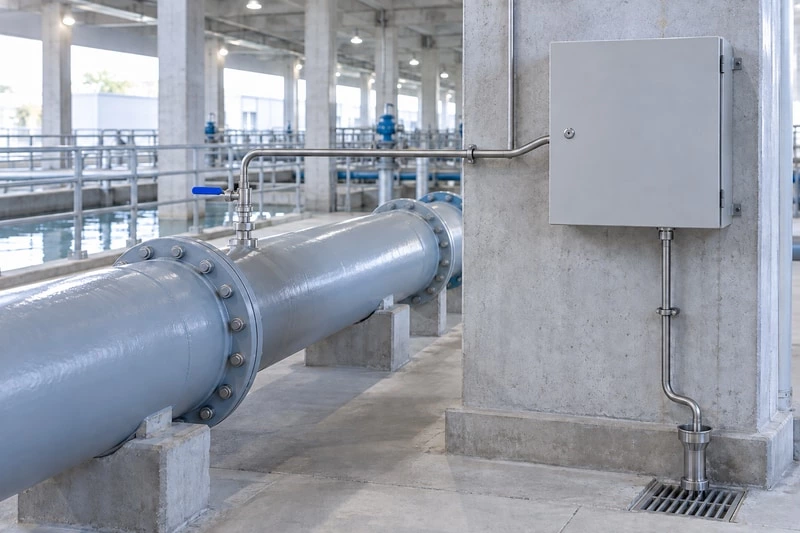
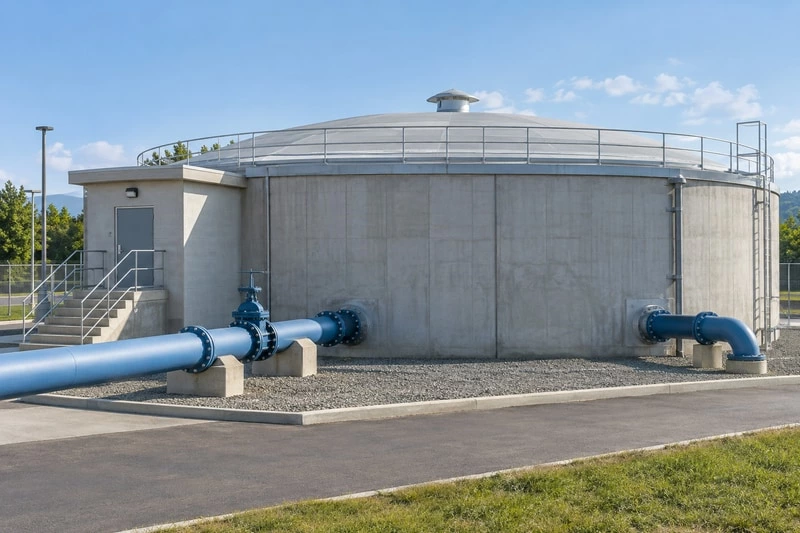
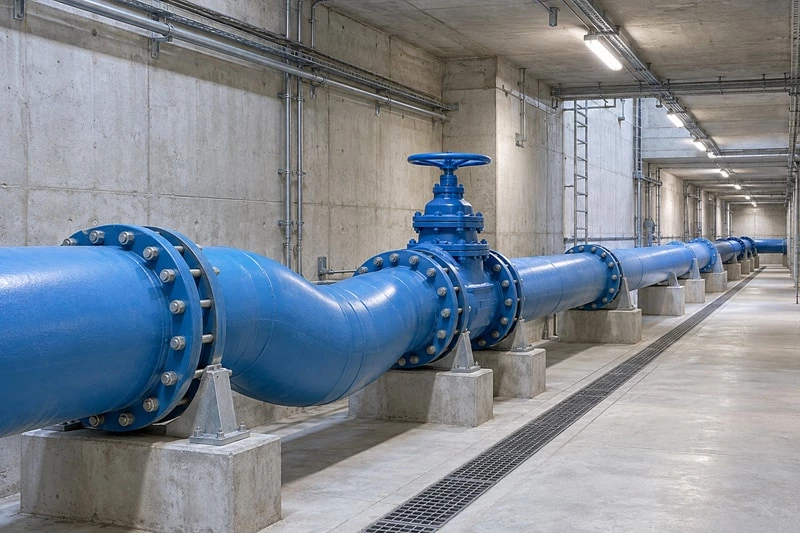
Treated water is stored and distributed through municipal or industrial water networks while maintaining stable pressure, flow, and water quality.
Typical Applications
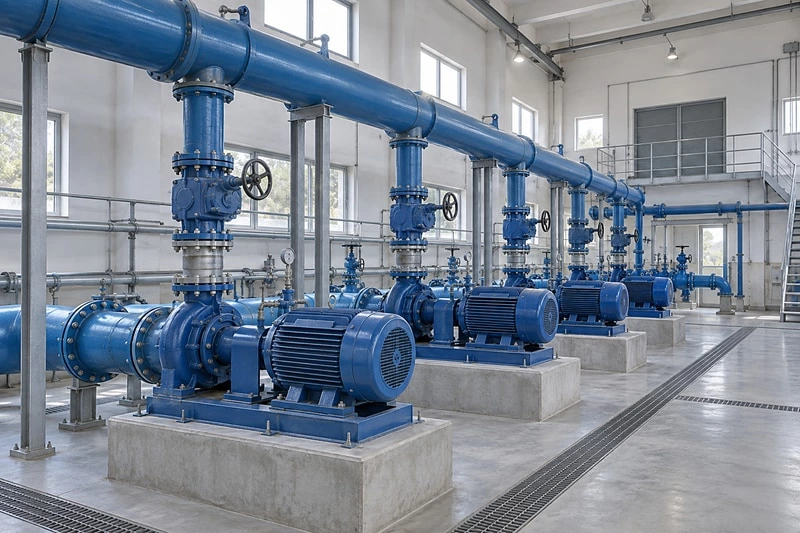
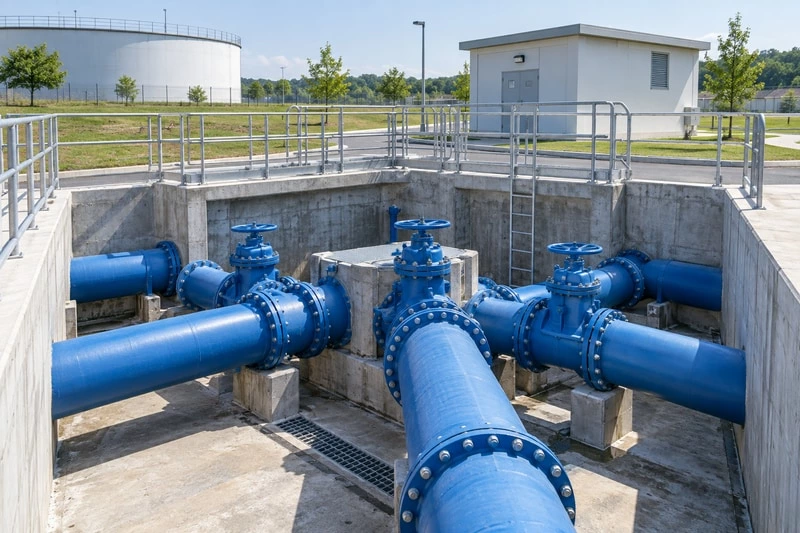
Complete Water Treatment Solutions
From intake to discharge, SUPMEA provides complete instrumentation solutions that improve measurement accuracy, enhance operational efficiency, and simplify plant automation.
Industry Solution
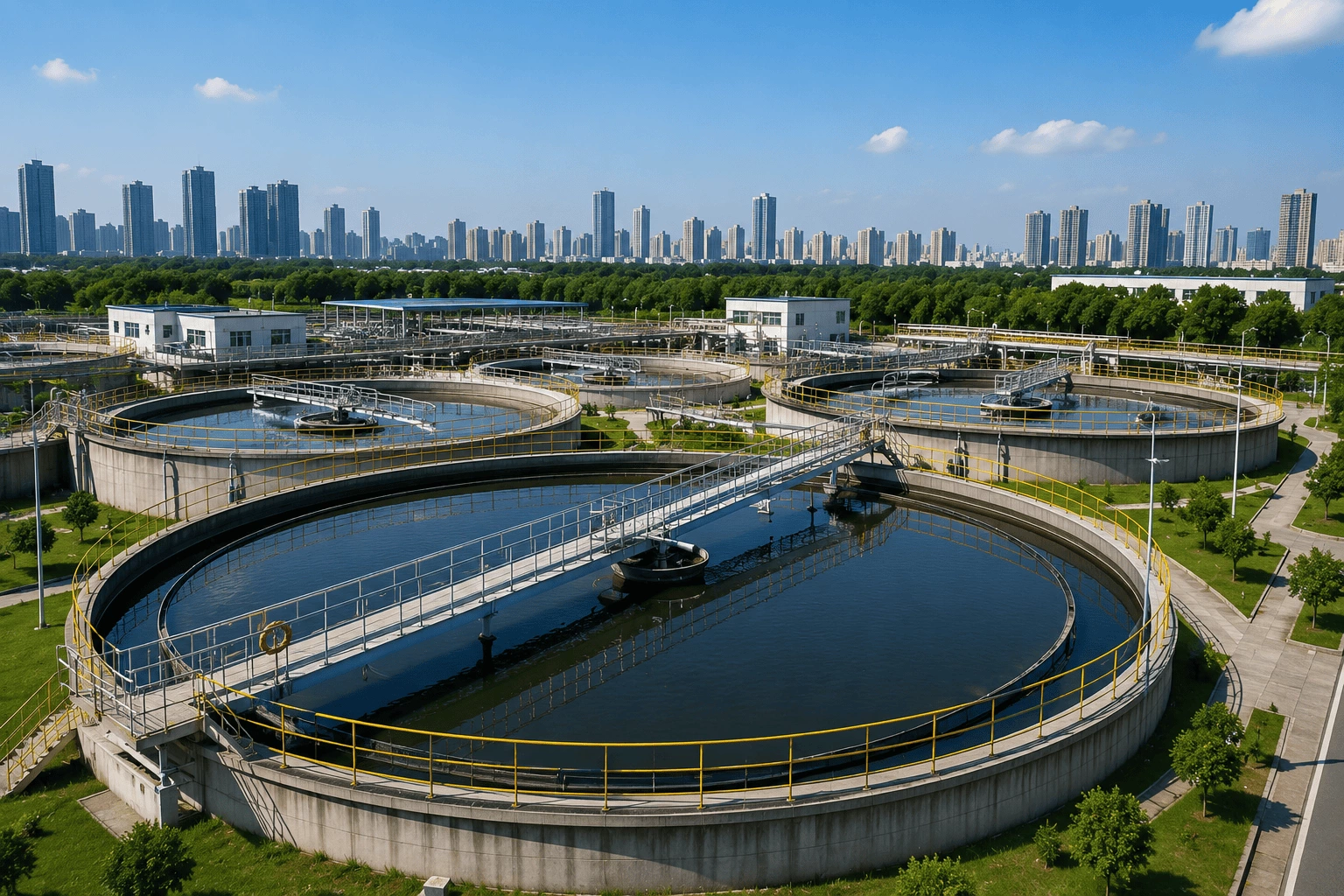
Municipal Wastewater
Improve wastewater collection and treatment with reliable monitoring of flow, level, pressure, and water quality to ensure efficient operation and environmental compliance.
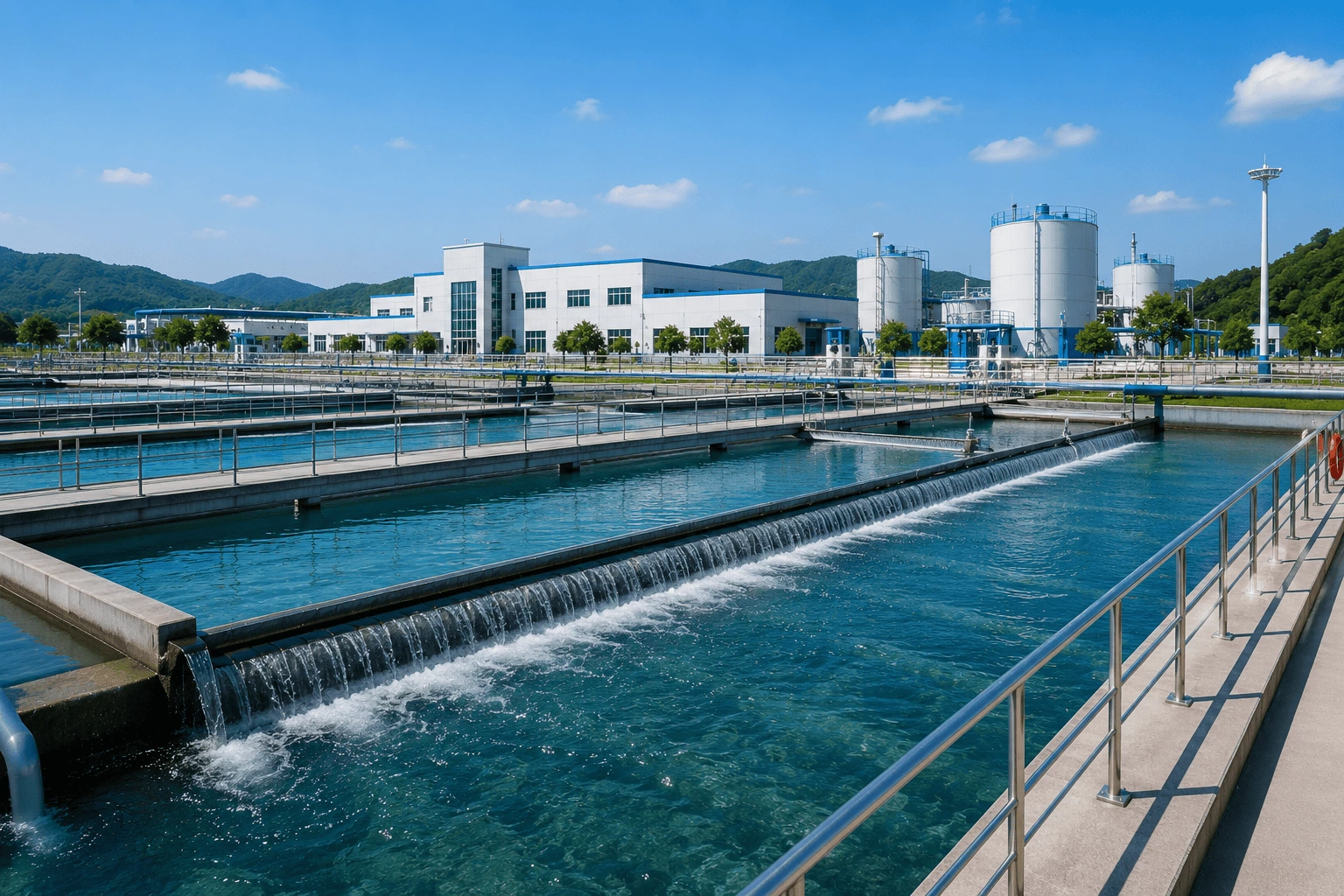
Drinking Water
Ensure safe drinking water through accurate process monitoring from raw water intake to treatment, storage, and distribution.
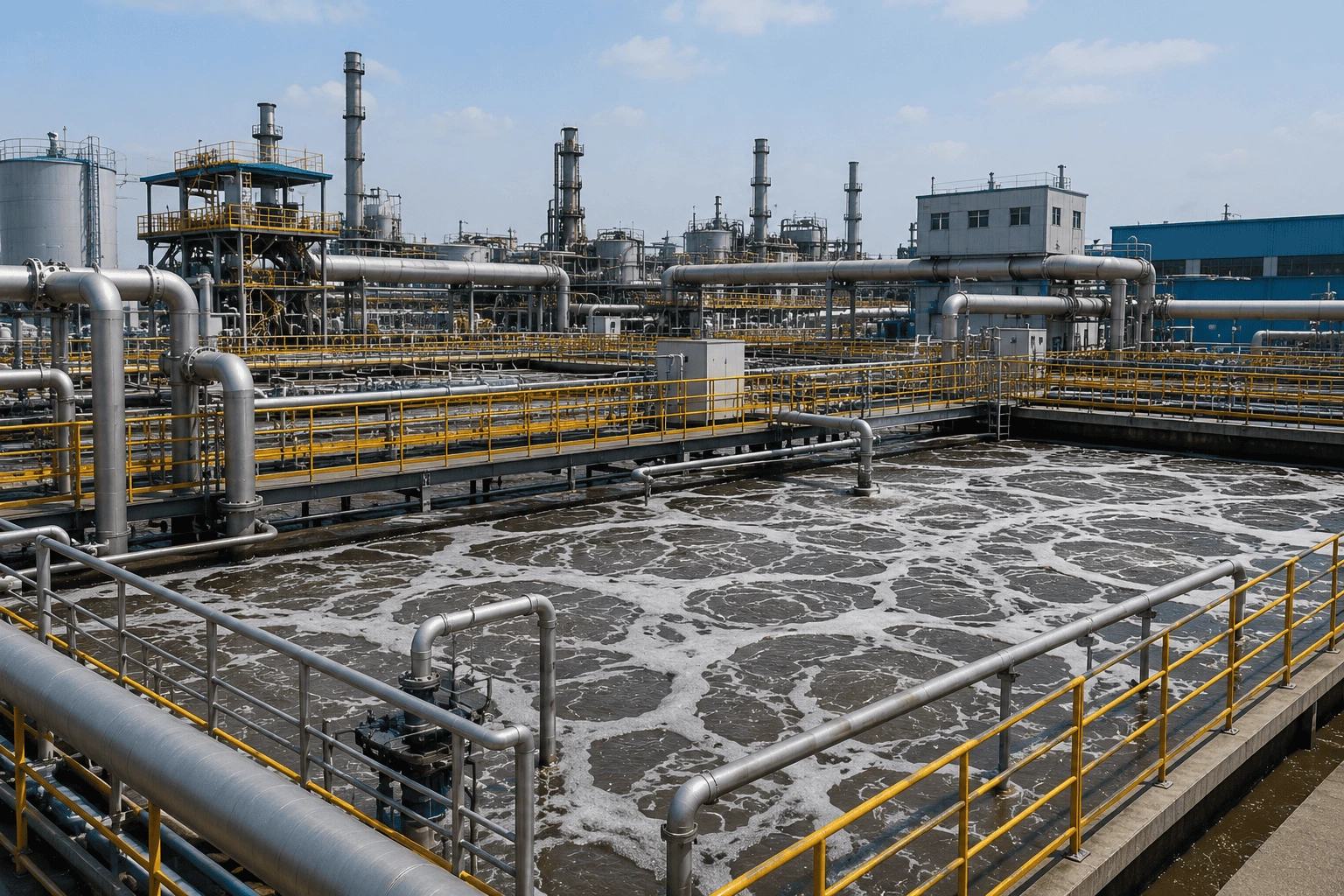
Industrial Wastewater
Optimize industrial wastewater treatment with reliable measurement solutions for challenging processes, helping reduce operating costs and improve compliance.
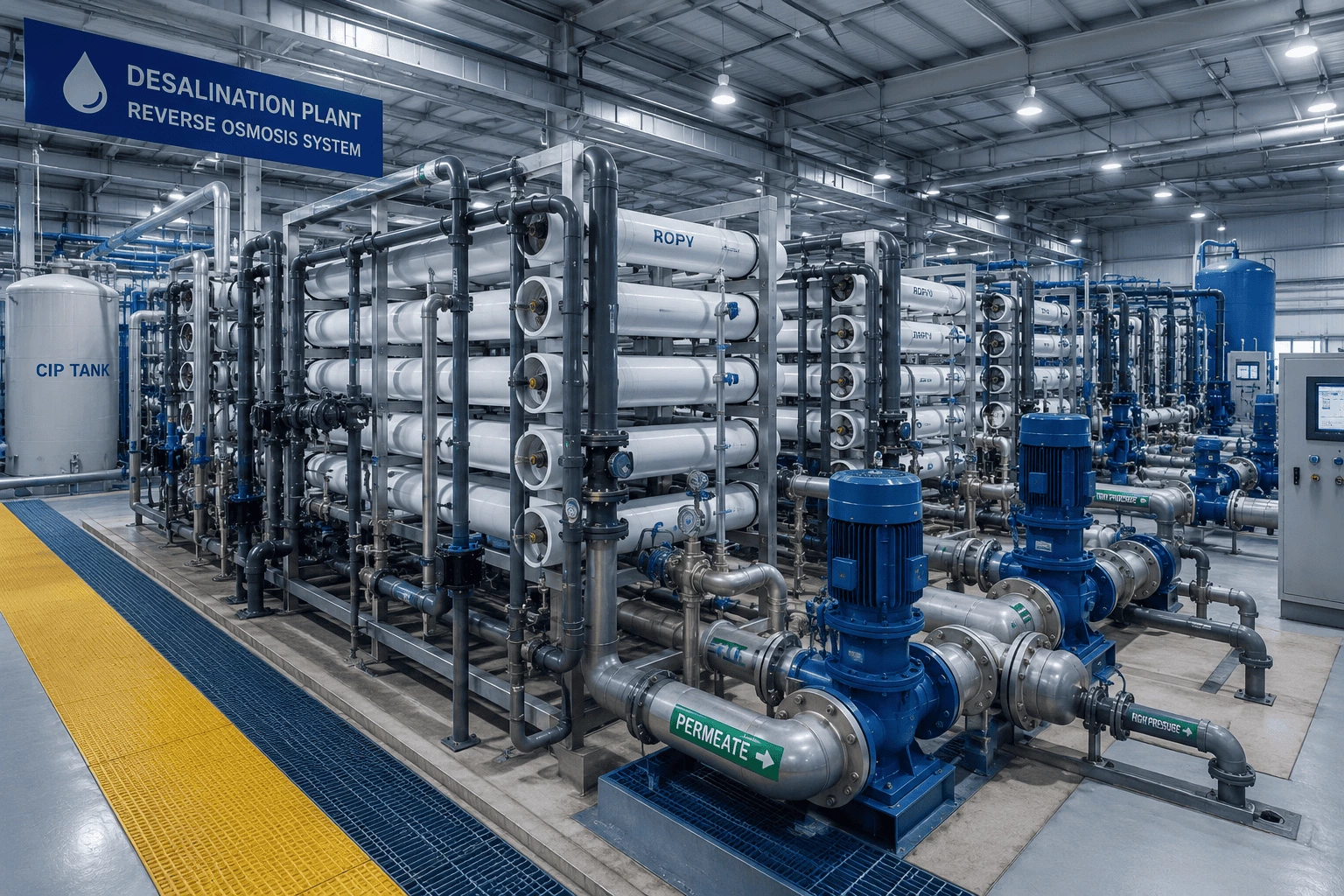
Desalination
Support seawater desalination with precise monitoring across pretreatment, reverse osmosis, chemical dosing, and product water distribution.
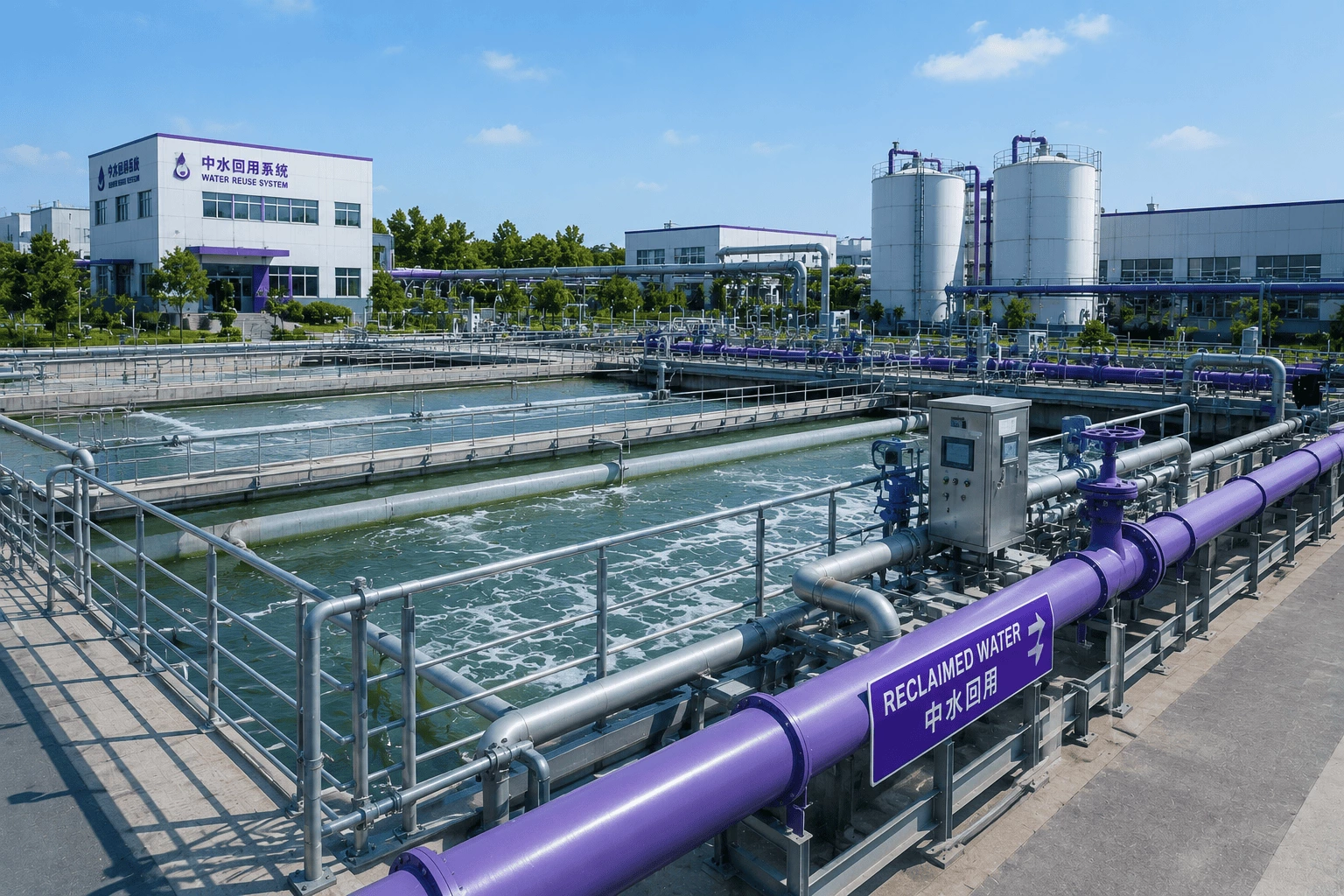
Water Reuse
Enable sustainable water reuse through continuous monitoring and intelligent process control for reclaimed water treatment and distribution.
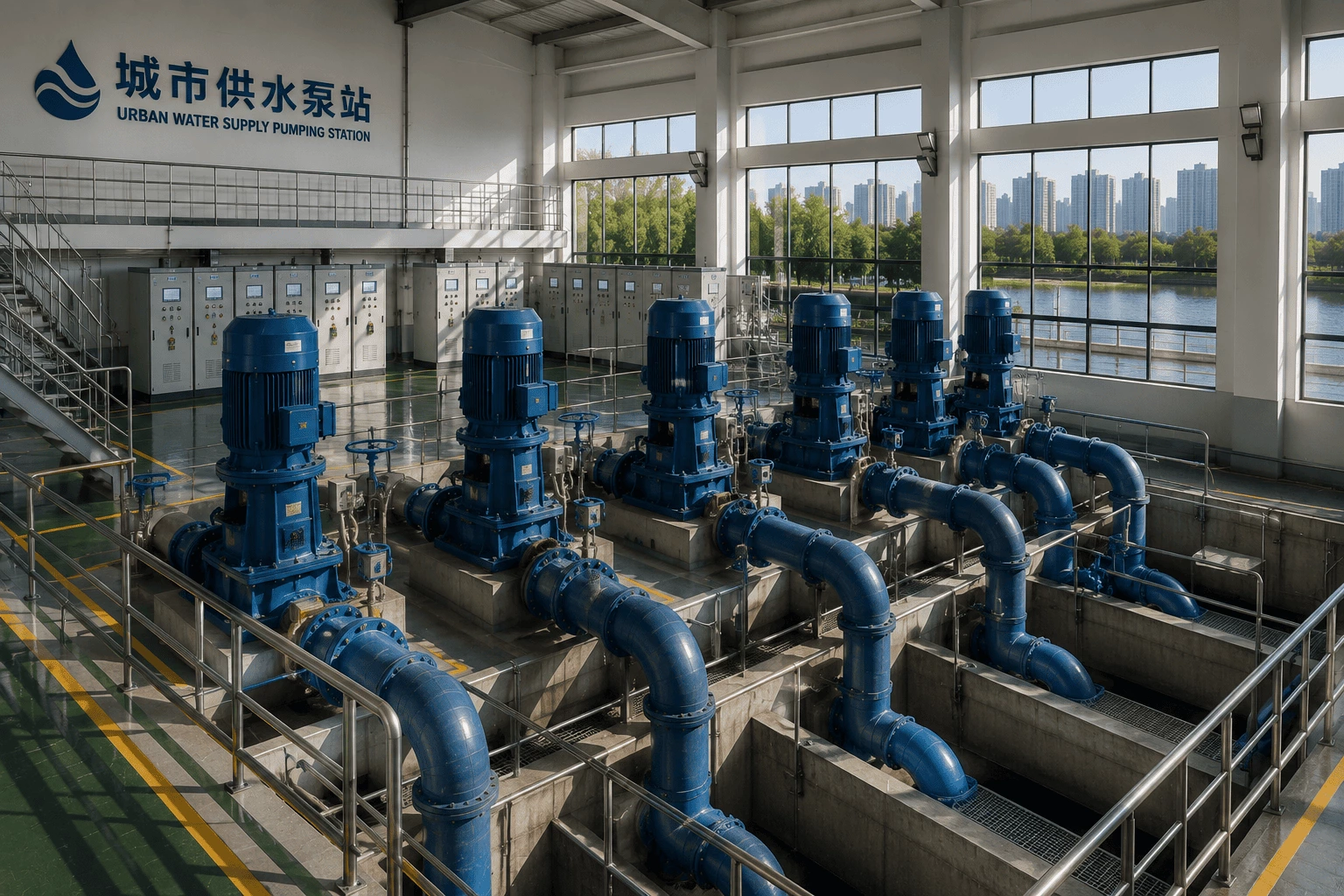
Pumping Station
Enhance pumping station reliability with real-time monitoring of flow, level, pressure, and pump performance for efficient water transportation.
Featured Products
Discover our most trusted process instruments for water and wastewater applications. Designed for reliable measurement, intelligent monitoring, and efficient process control across every stage of the treatment cycle.
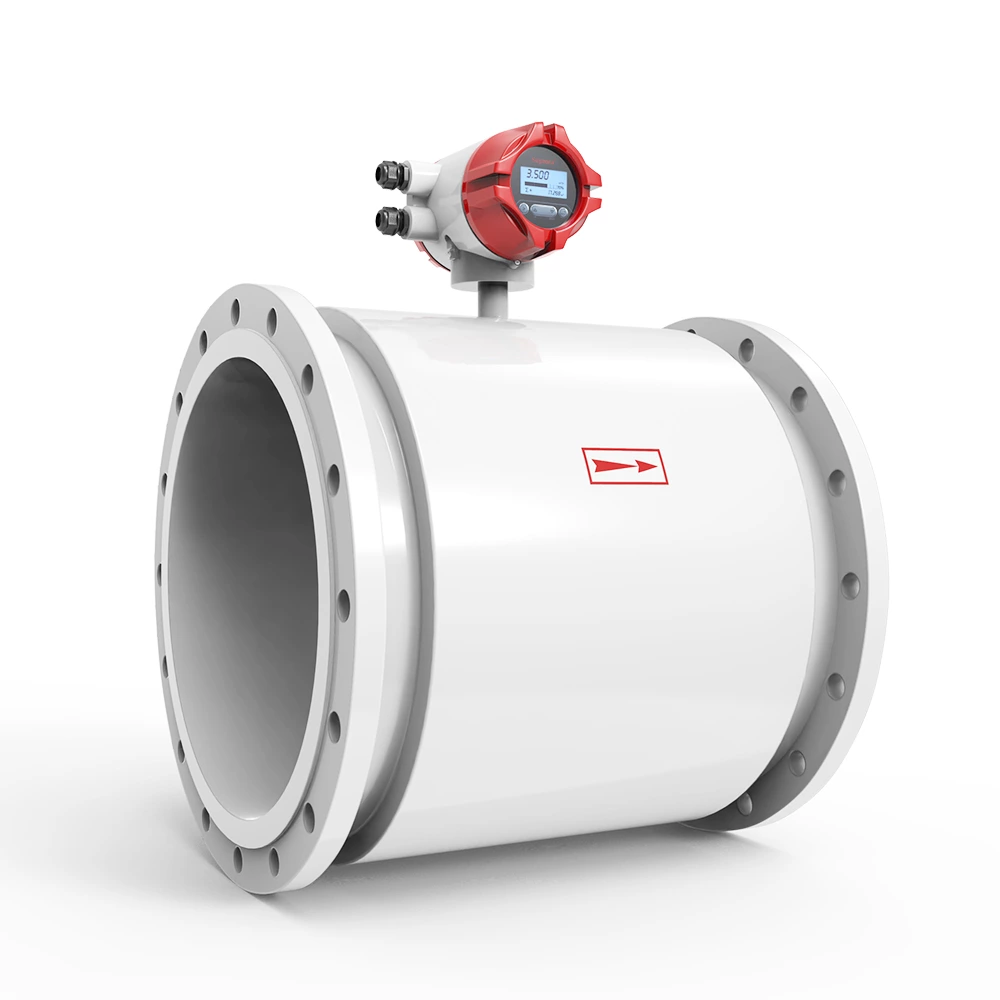
LDG-SUP Electromagnetic Flowmeter: Precision Flow Measurement for Demanding Industrial Applications
View Products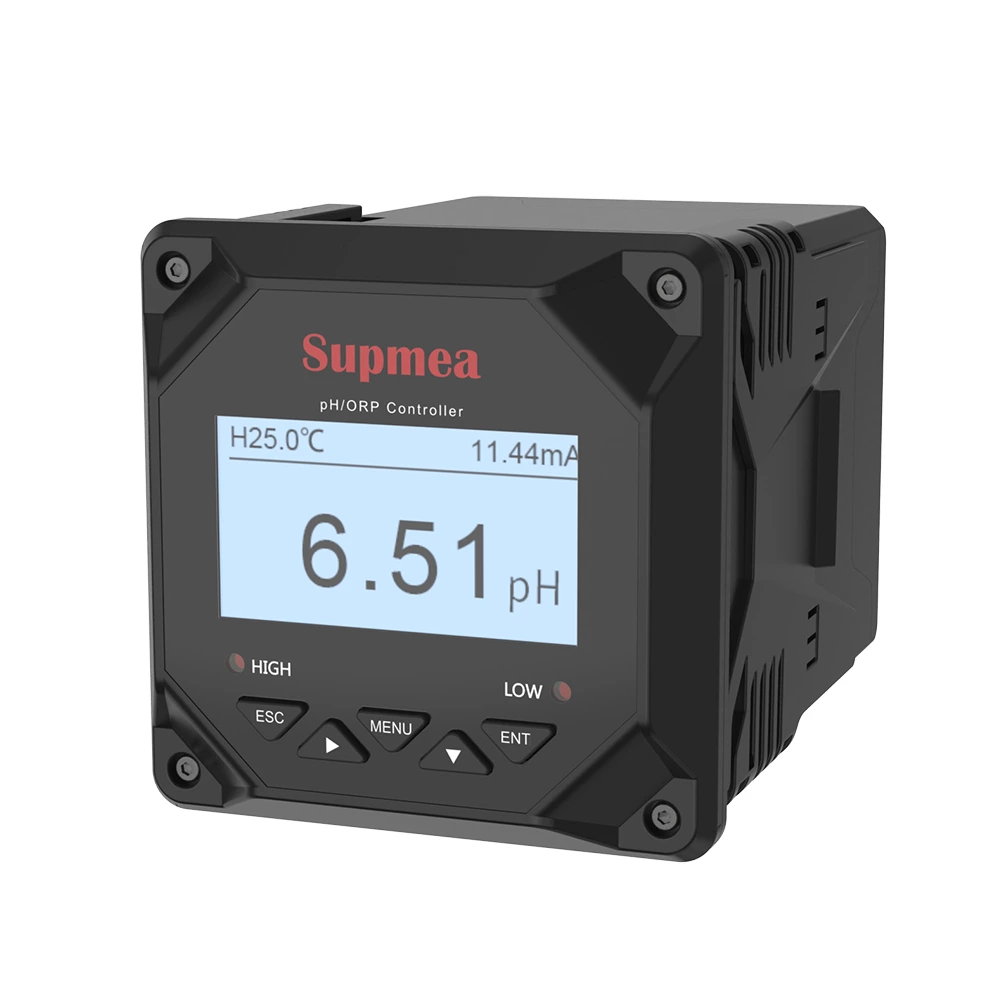
SUP-PH6.5 pH/ORP meter—Precision Online pH & ORP Monitoring for Industrial Process Control
View Products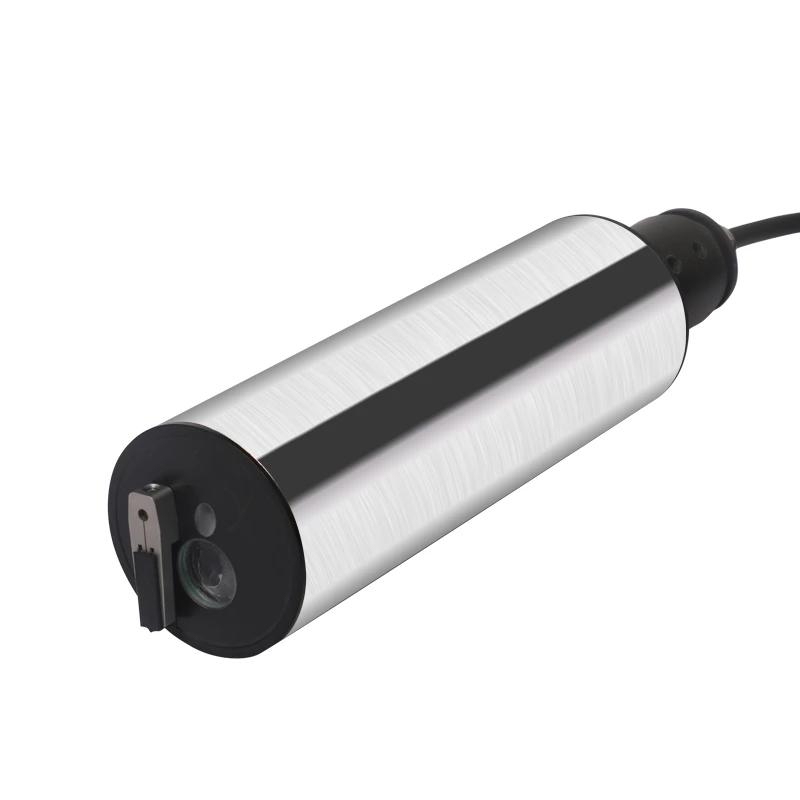
SUP-PTU-8011 Turbidity Sensor
View Products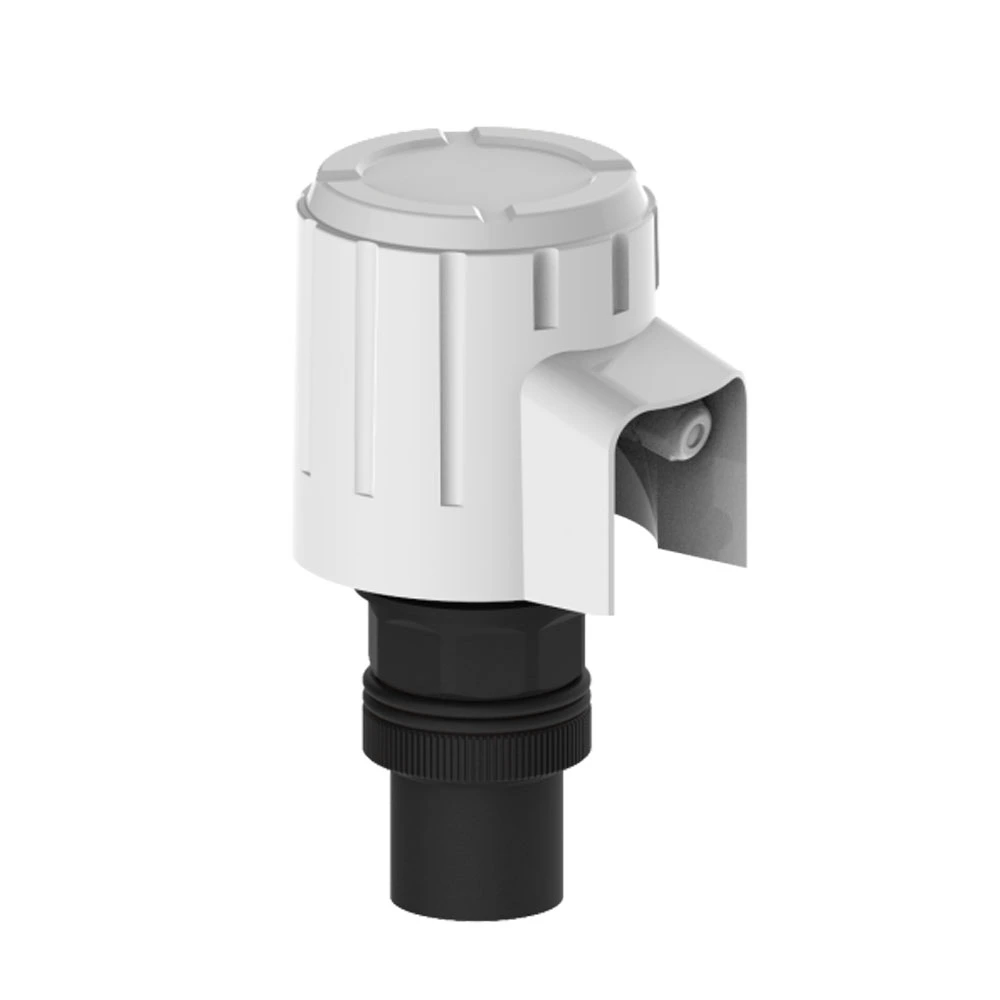
SUP-MP-C Ultrasonic level transmitter
View Products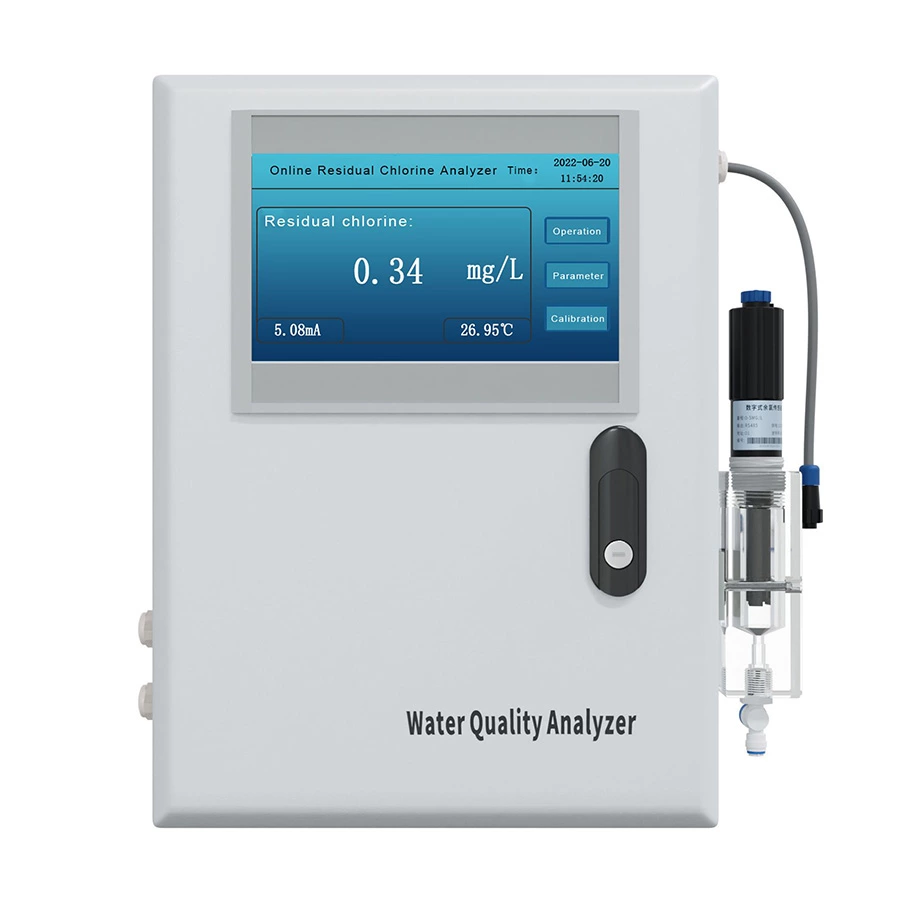
SUP-TRC400 Residual chlorine meter
View Products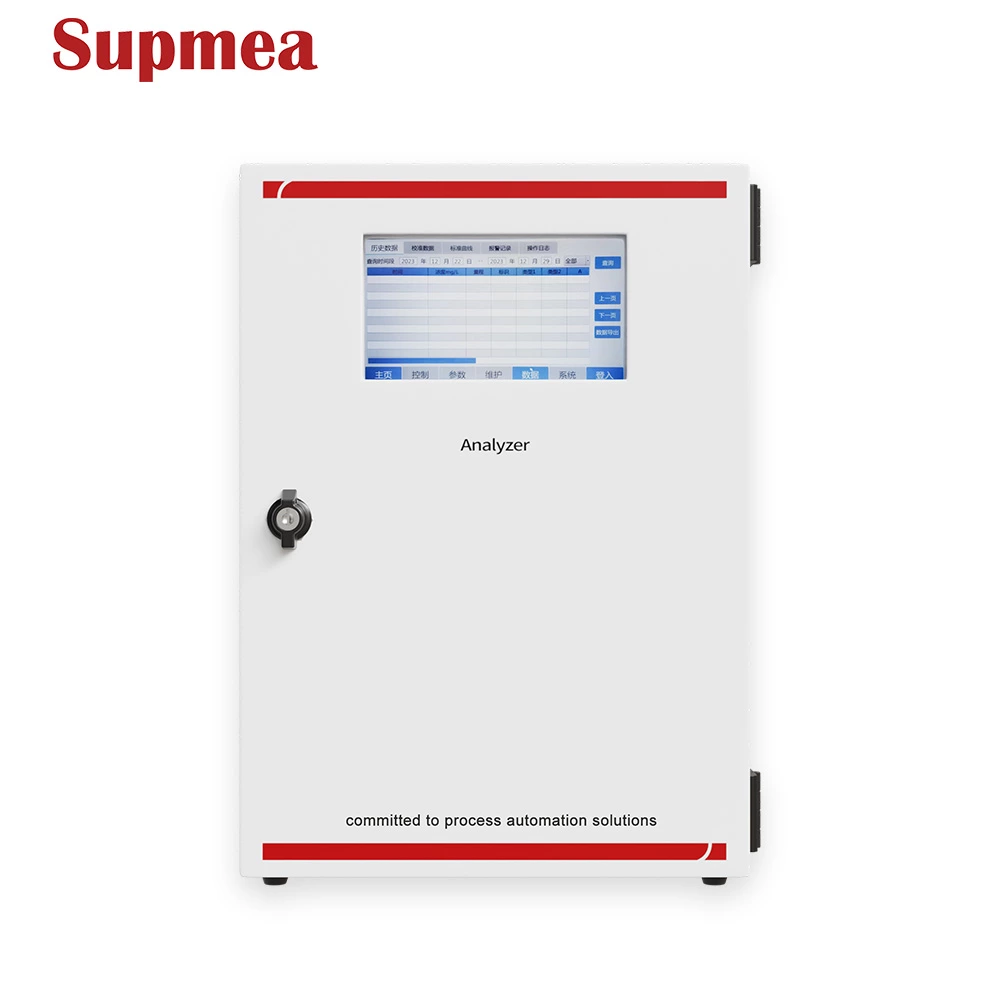
COD Analyzer Liquiline System: Precise Monitor for Wastewater Treatment
View Products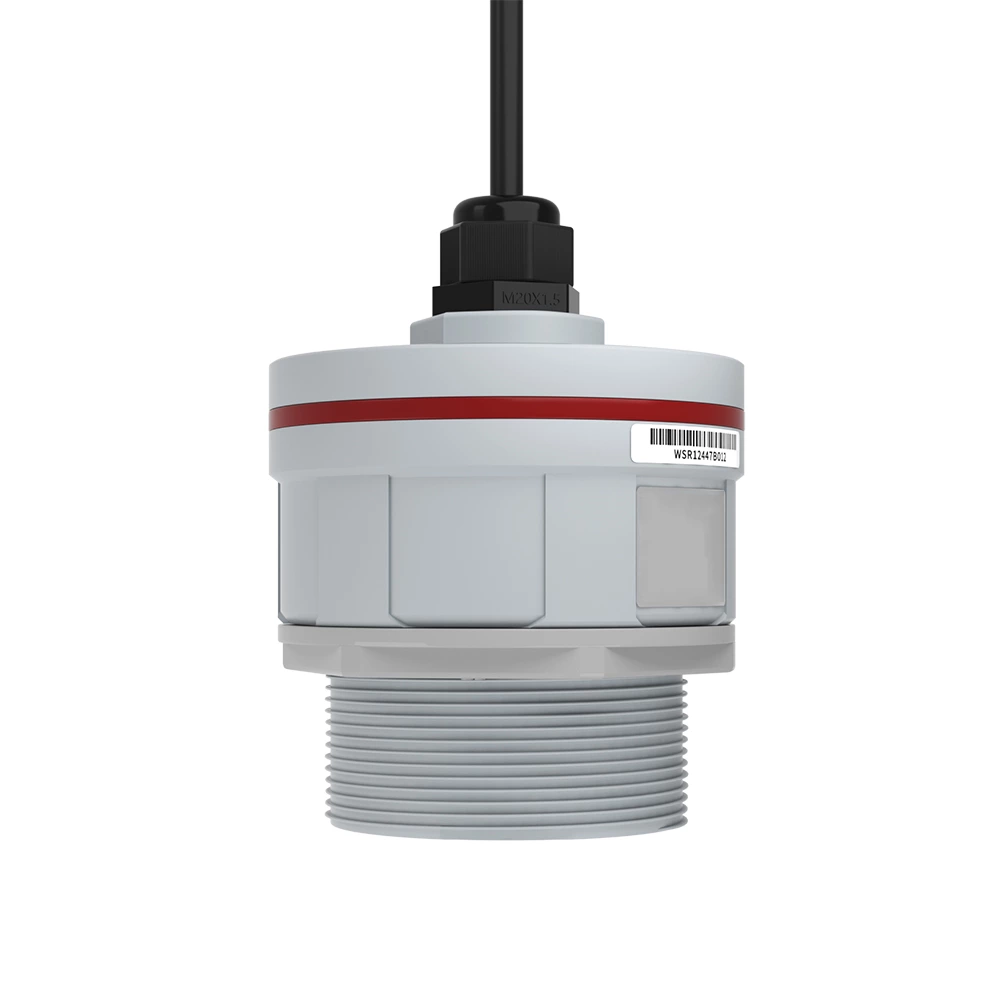
WSR201 60G Radar level meter
View ProductsSuccess Stories
See how our integrated measurement solutions support reliable monitoring, intelligent automation, and efficient operation across a wide range of water treatment applications.
Reliable Water Treatment
SUPMEA delivers reliable process instrumentation and industry expertise to help water utilities and industrial facilities improve efficiency, ensure compliance, and achieve long-term operational performance.
Accurate & Reliable Measurement
Deliver precise flow, level, pressure, and water quality measurement for stable process control and consistent plant performance.

Complete Product Portfolio
One trusted source for flow, level, pressure, temperature, and analytical instruments across the entire water treatment process.

Easy System Integration
Support for 4–20 mA, HART, RS485, and Modbus RTU enables seamless integration with PLC, SCADA, and DCS systems.

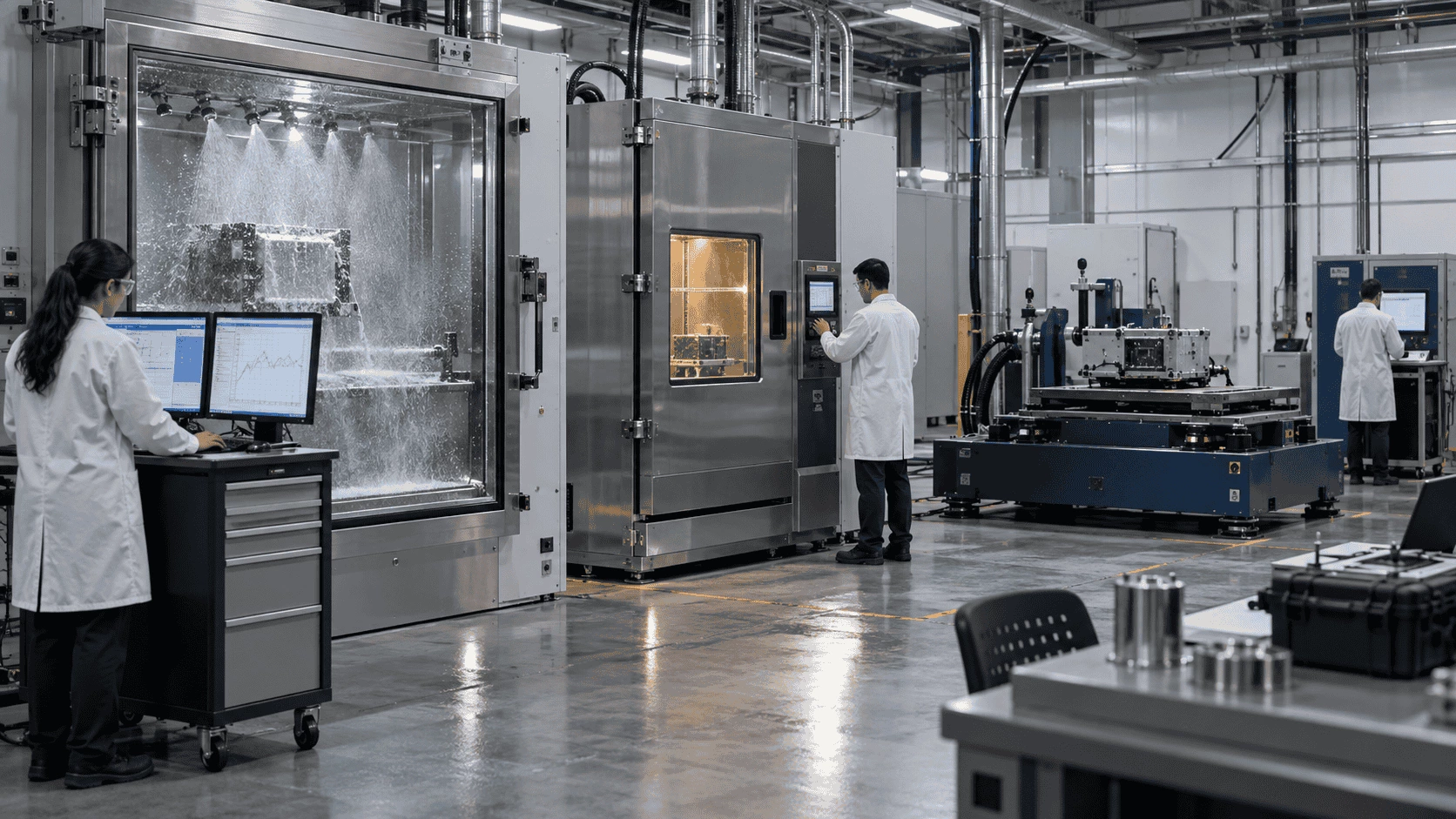
Built for Harsh Environments
Engineered to perform reliably in demanding applications, including wastewater, sludge, corrosive chemicals, and outdoor installations.
Global Service & Fast Delivery
With worldwide project experience and responsive technical support, we help customers reduce lead times and keep projects on schedule.

Cost-Effective Solutions
Deliver reliable performance, low maintenance, and competitive lifecycle costs without compromising quality or accuracy.
Frequently Asked Questions
Which flow meter is best for measuring raw sewage containing suspended solids and grit?
Electromagnetic flow meters are the industry standard for raw sewage. Their non-intrusive, open-flow design prevents clogging, and they can be equipped with durable liners (like rubber or polyurethane) and electrodes (like 316L SS or Hastelloy) to resist abrasion from grit and sand.
How do I prevent false readings on level sensors caused by foam in aeration tanks?
Foam can disrupt ultrasonic sensors by absorbing the signal. For aeration tanks with heavy foam, radar level transmitters (specifically 80GHz high-frequency radar) or hydrostatic pressure sensors are recommended as they are unaffected by foam layers and provide stable measurements.
What is the difference between optical and electrochemical Dissolved Oxygen (DO) sensors?
Optical DO sensors use fluorescence quenching technology, requiring no electrolyte replacement, no warm-up time, and minimal drift, making them lower maintenance than traditional electrochemical (membrane-based) sensors, which require regular electrolyte refills and calibration.
Can I measure flow in large diameter pipes without cutting the pipe?
Yes, clamp-on ultrasonic flow meters are the ideal solution for large pipes or retrofitting existing lines. They install on the outside of the pipe, requiring no downtime or cutting, and are suitable for clean water or wastewater with minimal solids.
How can I protect my pressure transmitters from clogging in sludge lines?
Using a flush diaphragm seal or an isolation diaphragm prevents viscous sludge from entering the sensor cavity. Alternatively, a "hammer union" style or a sensor with a wide, open port is designed specifically to handle viscous media without clogging.
What maintenance is required for pH sensors in wastewater treatment?
Regular cleaning is critical to remove biofilm or scale buildup on the glass bulb. Using an automatic cleaning system (air or water jet) can significantly reduce manual maintenance. Additionally, periodic calibration with buffer solutions ensures accuracy as the sensor ages.
Why is my magnetic flow meter reading fluctuating in the discharge line?
Fluctuations often result from partially filled pipes, air bubbles, or poor grounding. Ensure the sensor is installed at a low point in the piping (or a vertical rising pipe) to guarantee a full pipe, and verify that proper grounding rings or straps are installed to eliminate electrical noise.
Do I need a specific liner for measuring ferric chloride or other dosing chemicals?
Yes. Aggressive chemicals like ferric chloride can corrode standard materials. For chemical dosing, use an electromagnetic flow meter with a PTFE (Teflon) or PFA liner and Tantalum or Platinum electrodes to ensure long-term chemical resistance.