
Challenges in Textile & Dyeing Industry
Textile production requires precise control of water, chemicals, temperature, and process parameters. Reliable instrumentation helps manufacturers improve consistency, reduce resource consumption, and meet increasingly strict environmental requirements.
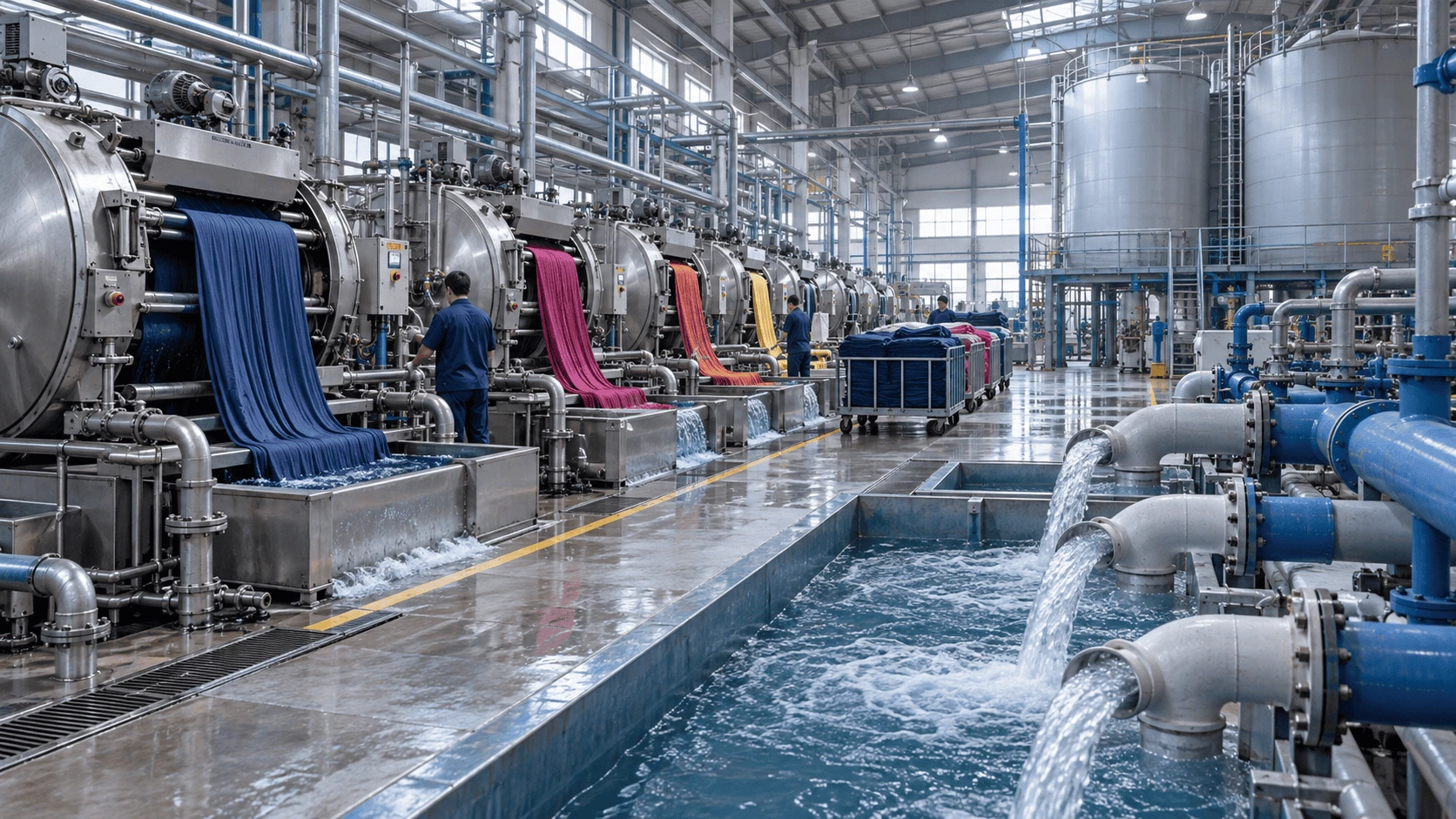
High Water Consumption
Accurate water flow measurement helps reduce consumption across pretreatment, dyeing, washing, and finishing processes.
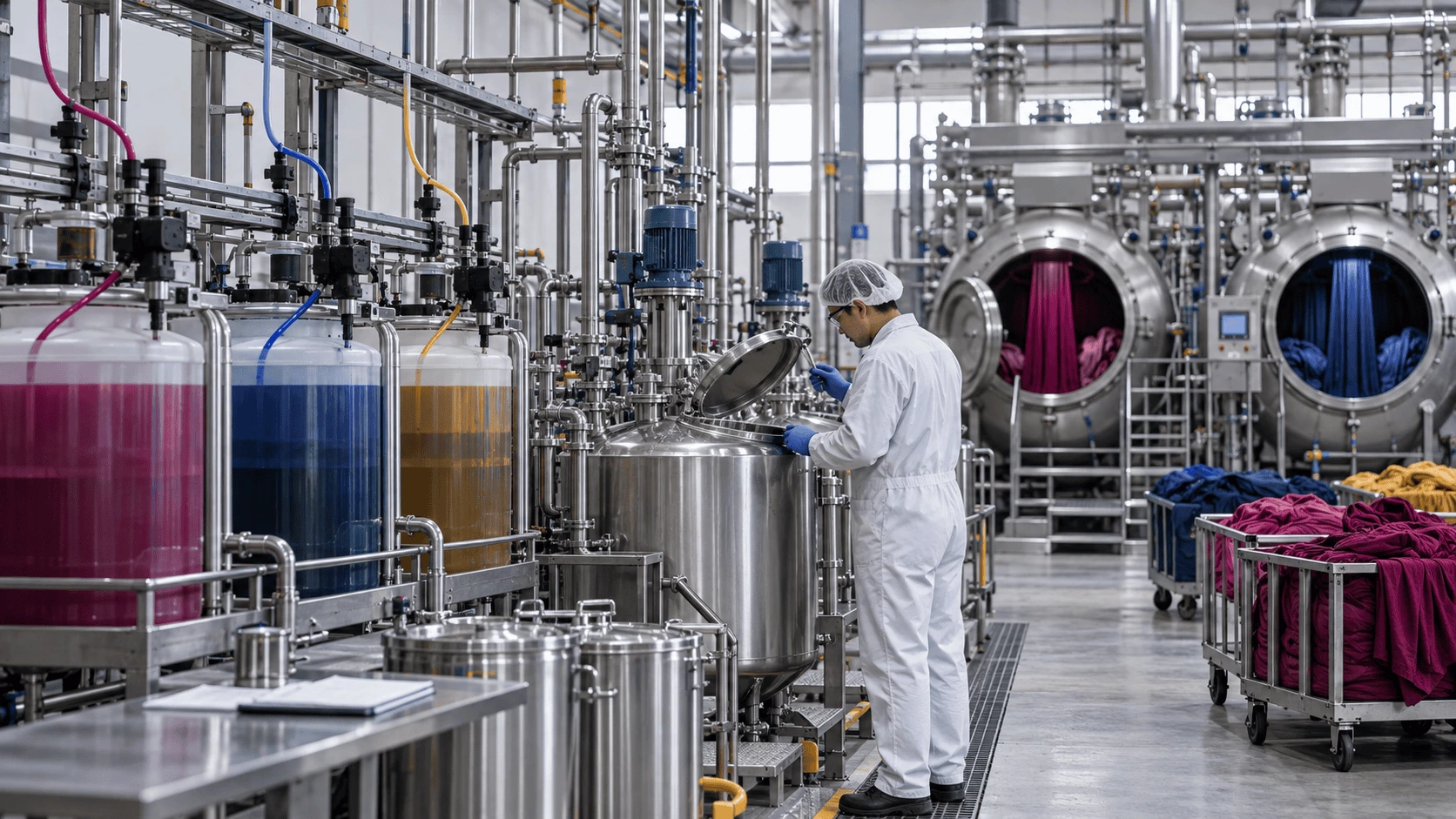
Precise Chemical Dosing
Precise dosing of dyes and chemicals supports consistent color quality and reduces material waste.
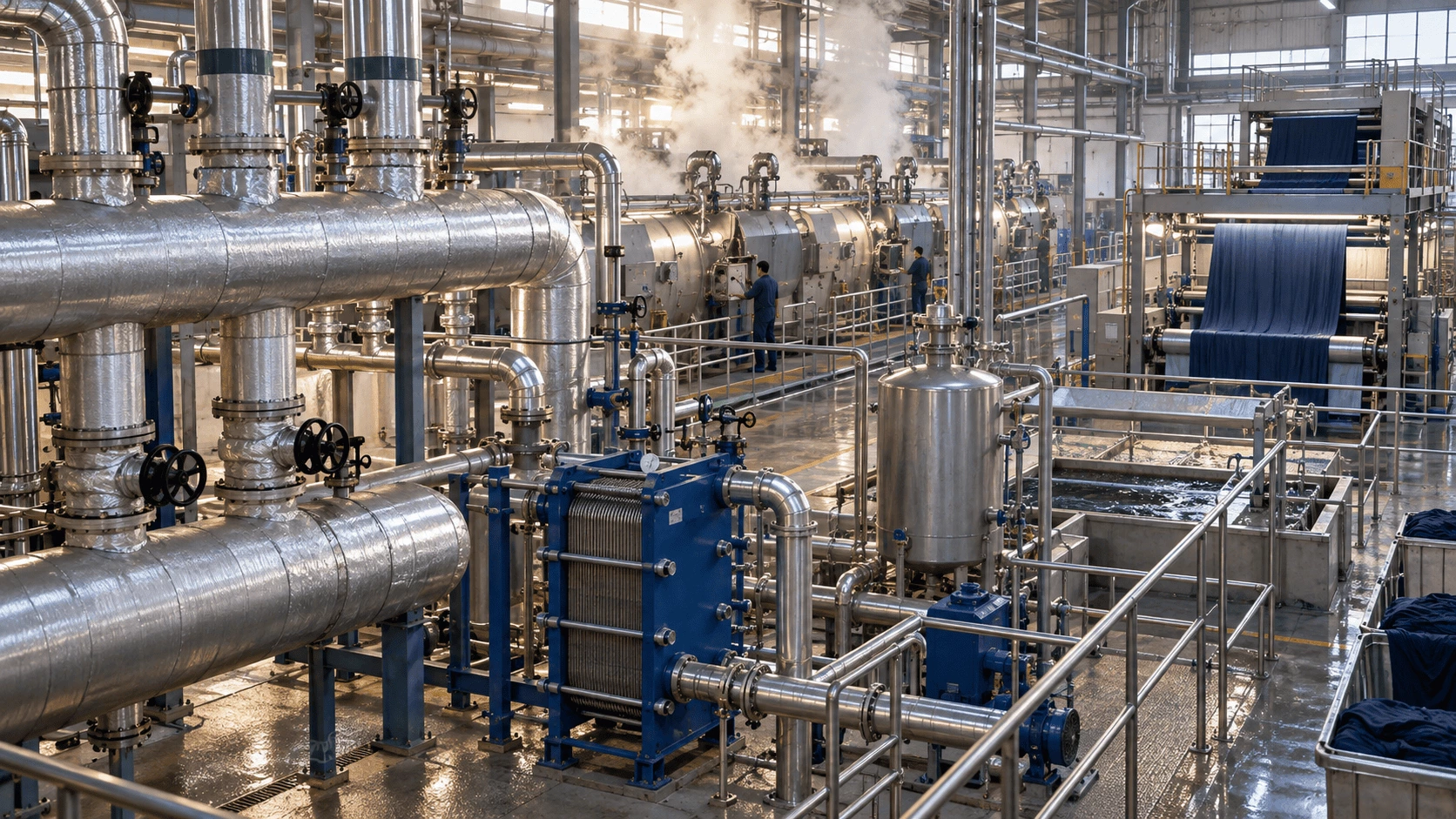
Energy Efficiency
Monitoring steam and thermal energy consumption helps optimize drying and finishing processes and reduce operating costs.
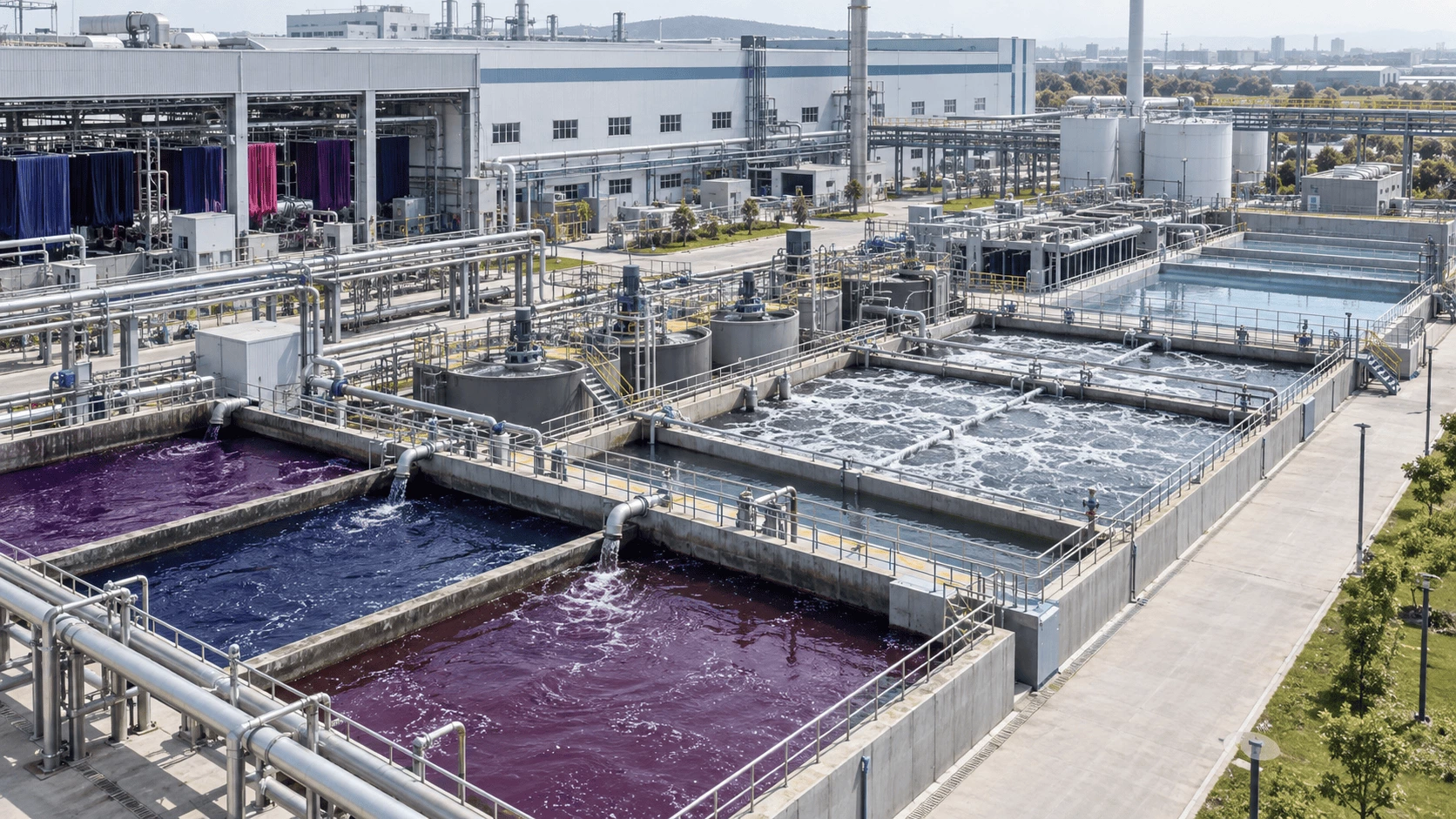
Wastewater Treatment
Reliable monitoring of dyes, chemicals, and suspended solids supports effective wastewater treatment and compliant discharge.
Process Stability
Stable temperature, flow, pressure, and level control help maintain fabric quality and production consistency.
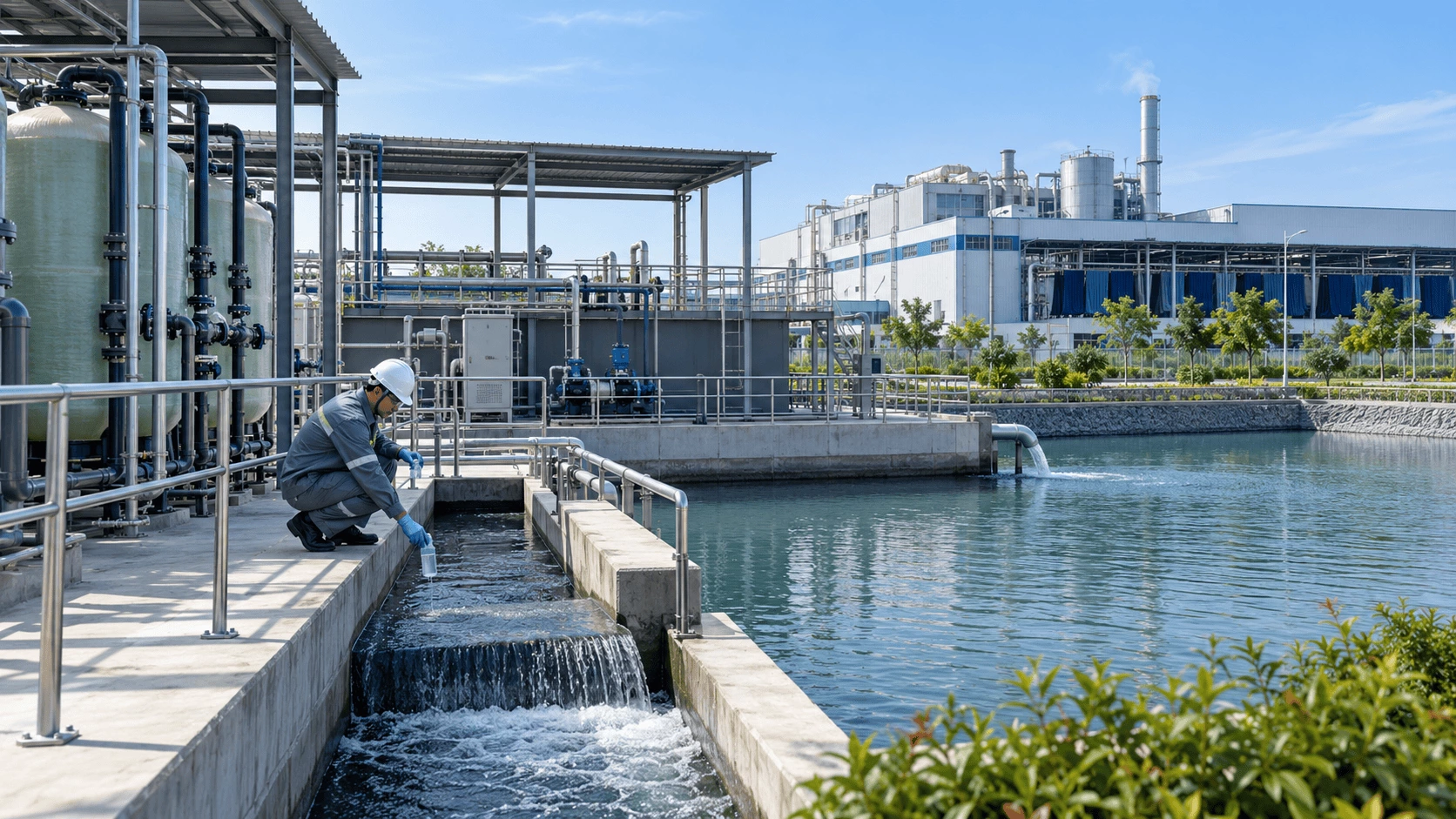
Regulatory Compliance
Continuous monitoring supports environmental compliance through improved wastewater control and efficient resource use.
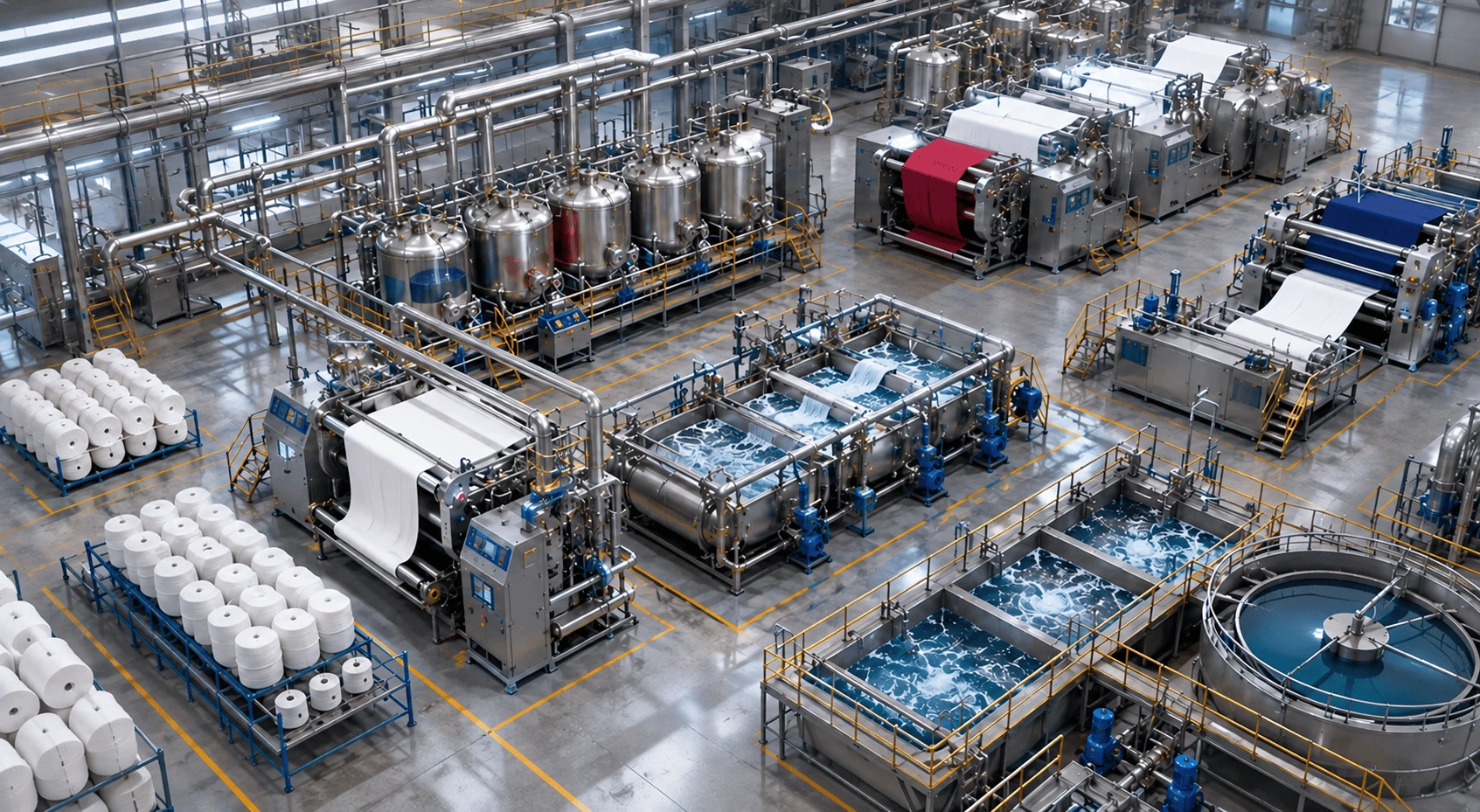
Textile & Dyeing Process Flow
From fiber preparation and dyeing to finishing and wastewater treatment, Supmea provides accurate measurement and control solutions that improve process efficiency, ensure consistent product quality, and optimize resource utilization throughout textile production.
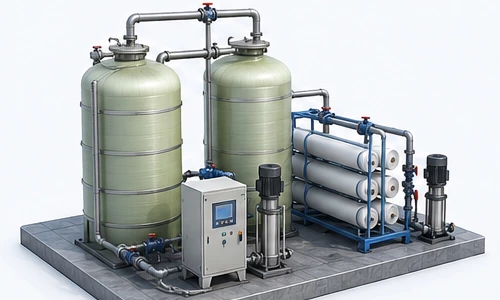
Water Preparation
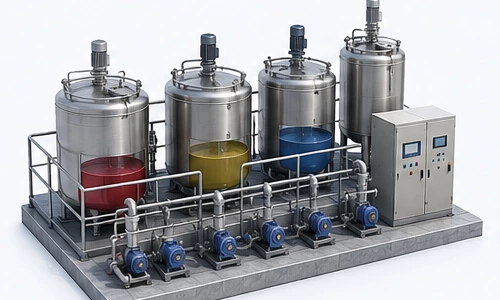
Dye Preparation & Chemical Dosing
Dyeing Process
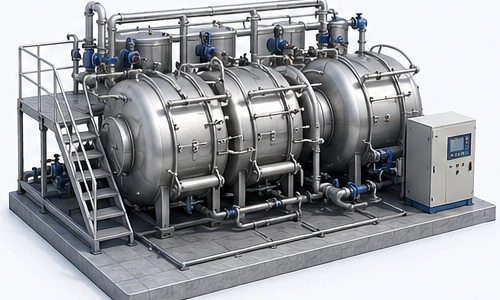
Washing & Rinsing
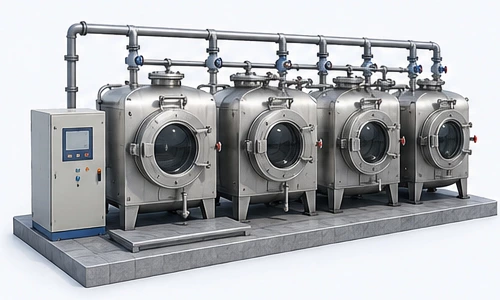
Drying & Finishing
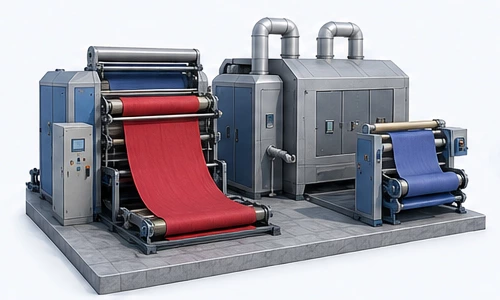
Wastewater Treatment & Reuse
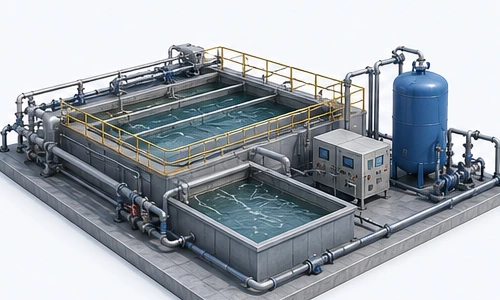
Process Overview
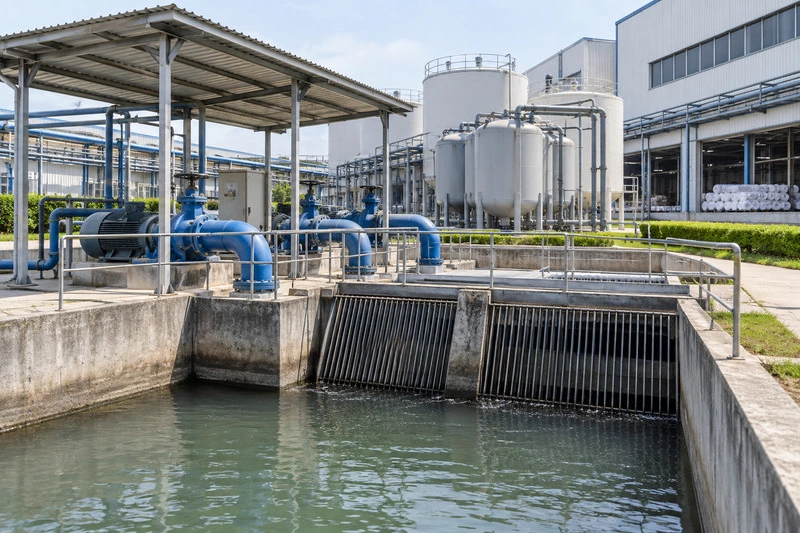
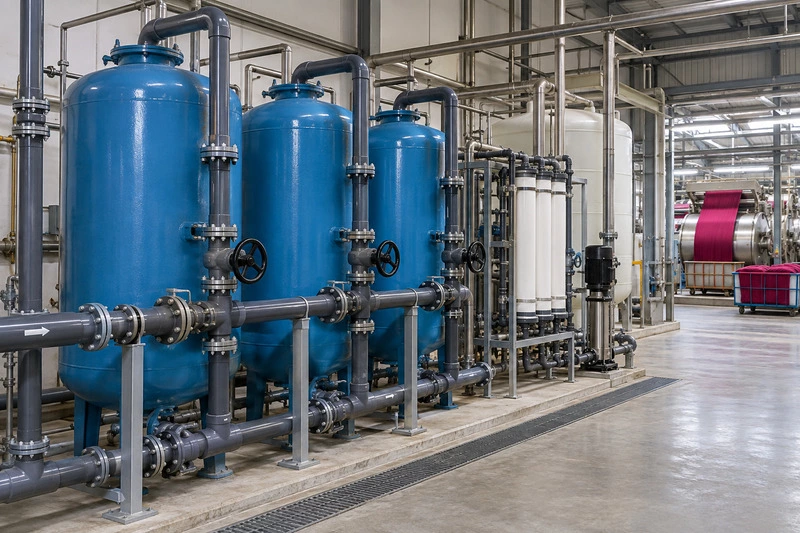
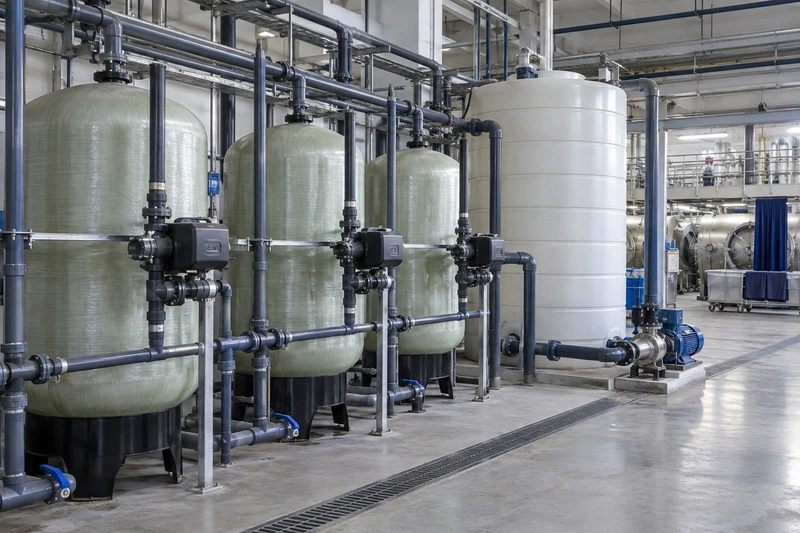
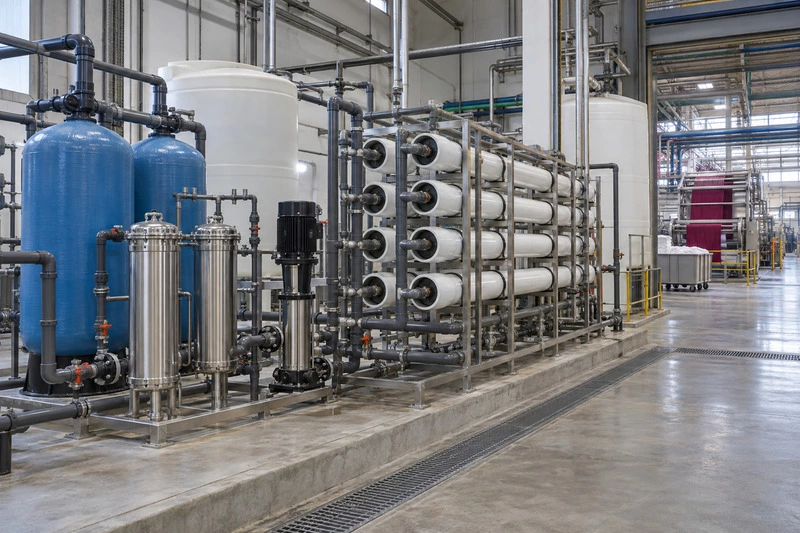
Clean and stable water is the foundation of textile production. Water treatment systems ensure consistent water quality before entering dyeing and finishing processes.
Typical Applications
Process Overview
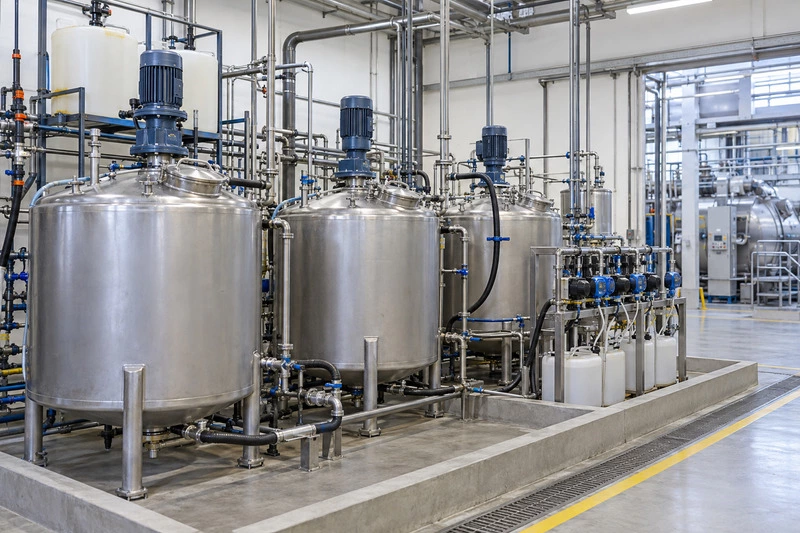
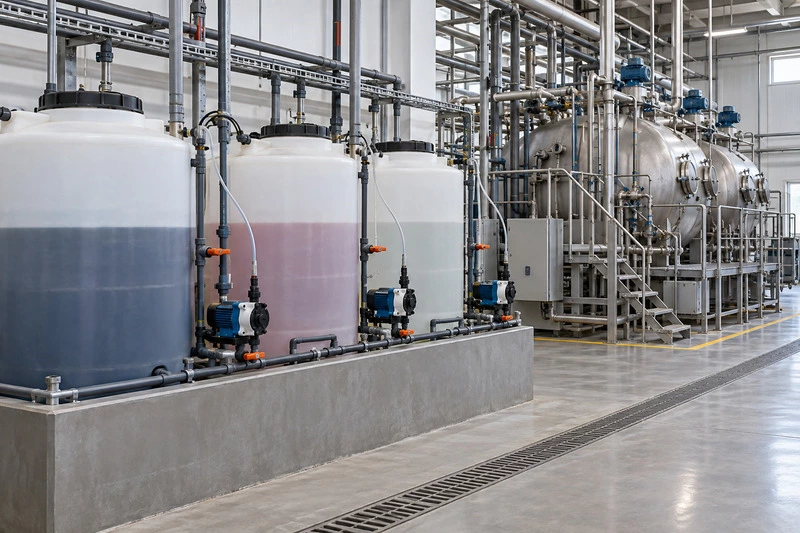
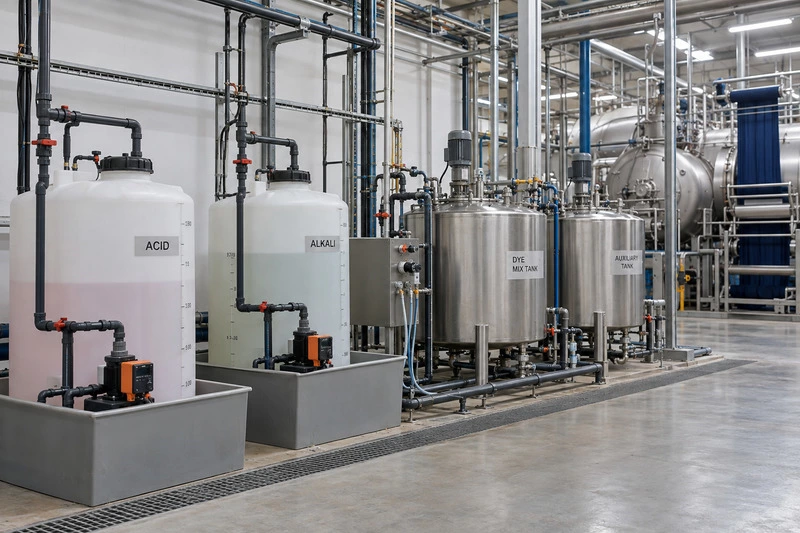
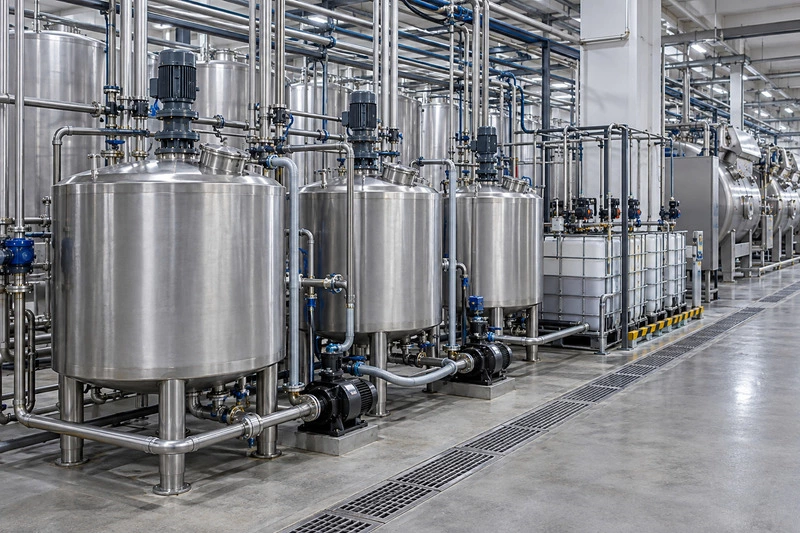
Accurate preparation and dosing of dyes and auxiliaries are essential for maintaining color consistency, reducing chemical waste, and improving batch repeatability.
Typical Applications
Process Overview
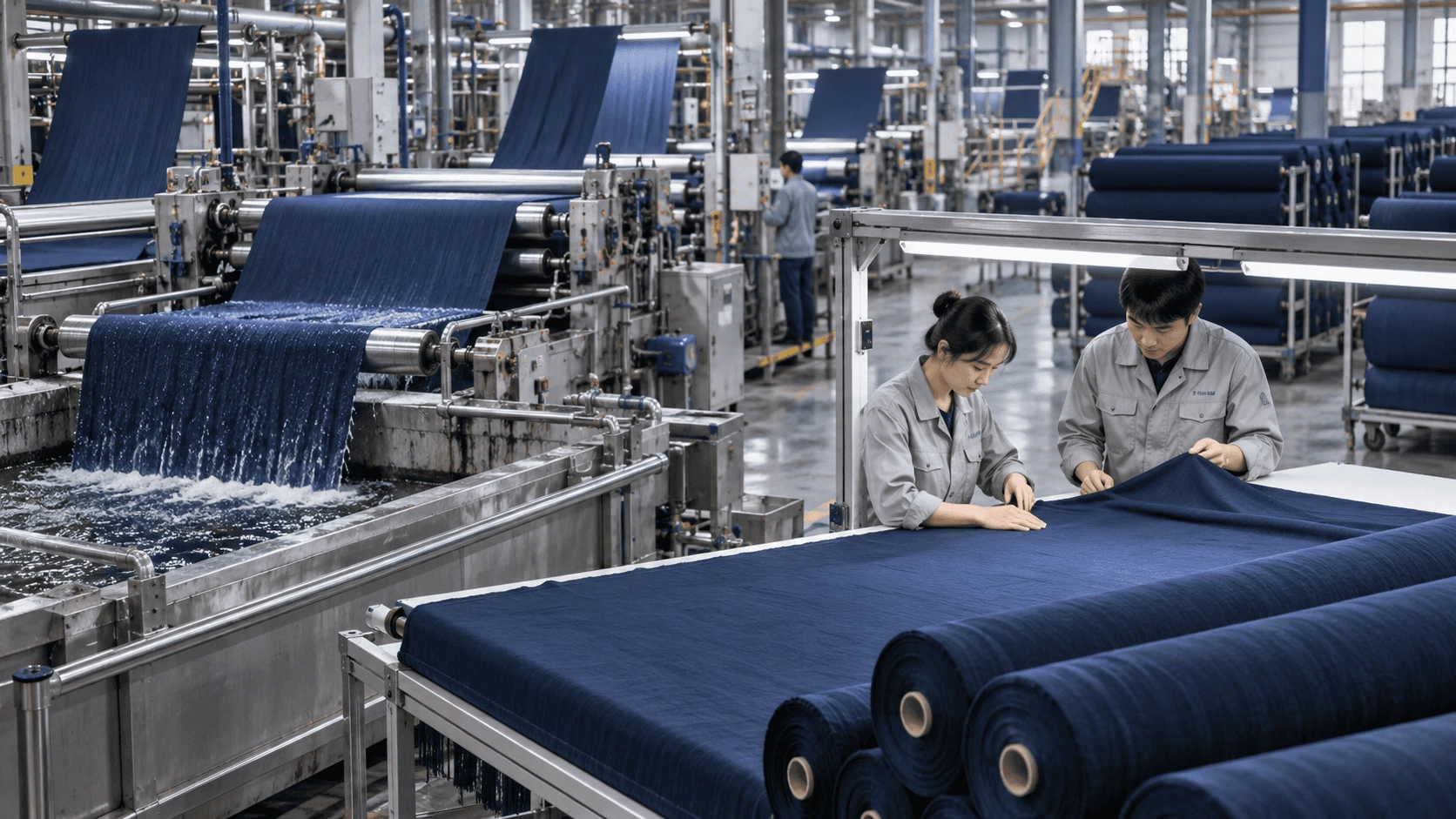
Temperature, flow rate, pressure, and liquid level must be precisely controlled during dyeing to achieve uniform coloration and improve production efficiency.
Typical Applications
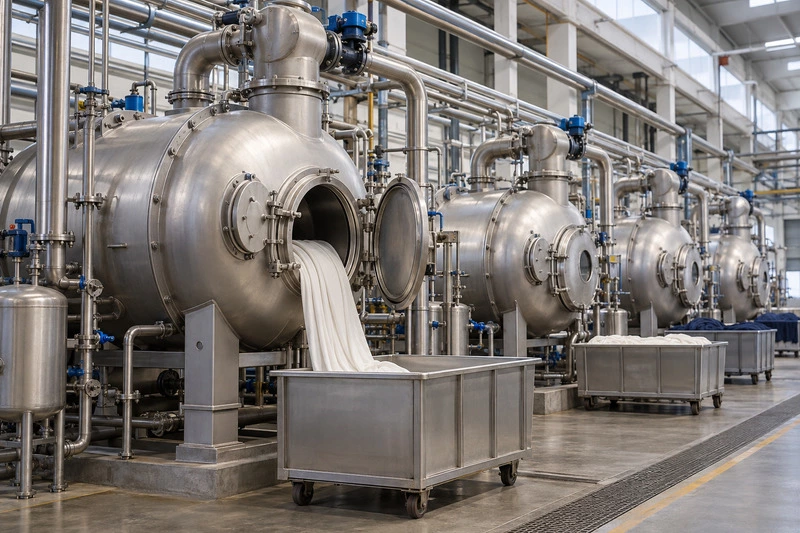
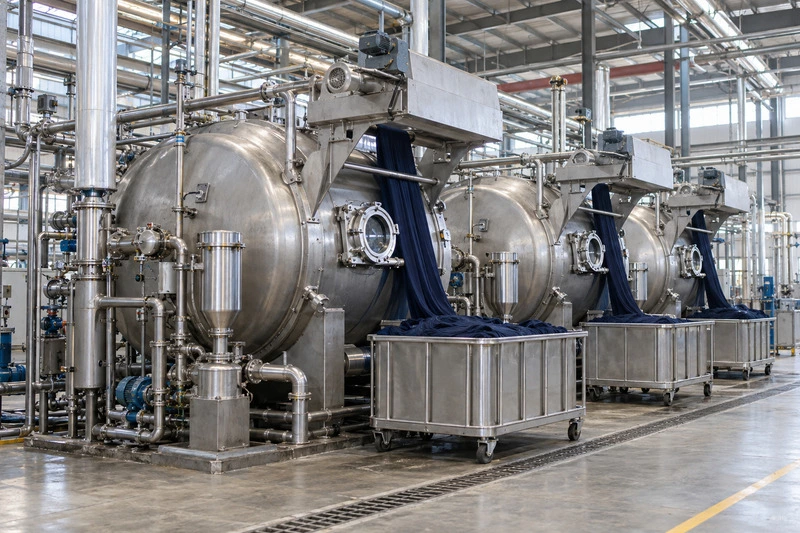
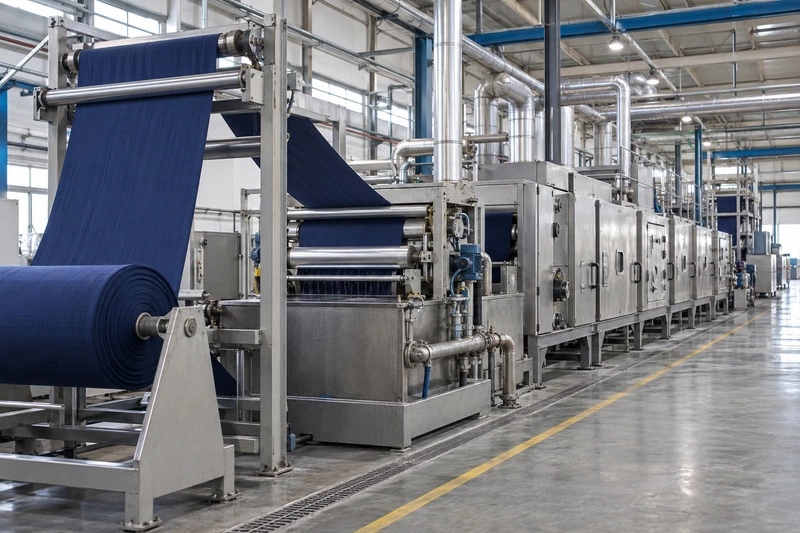
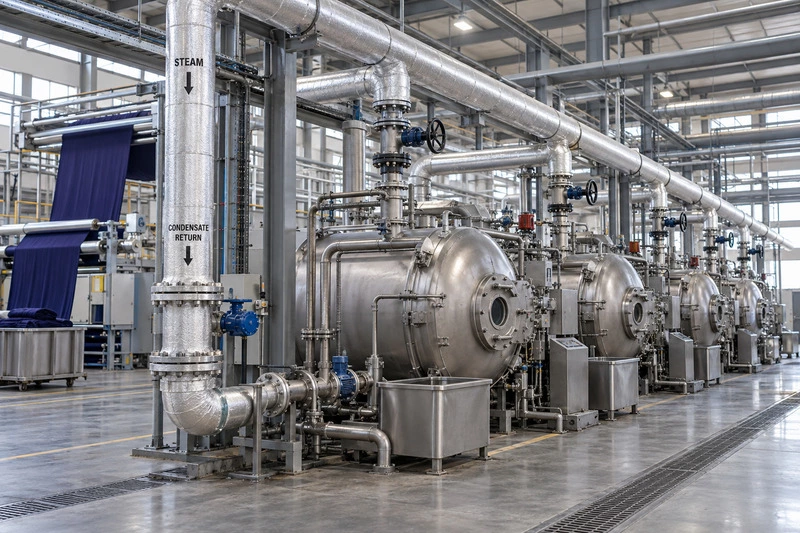
Process Overview
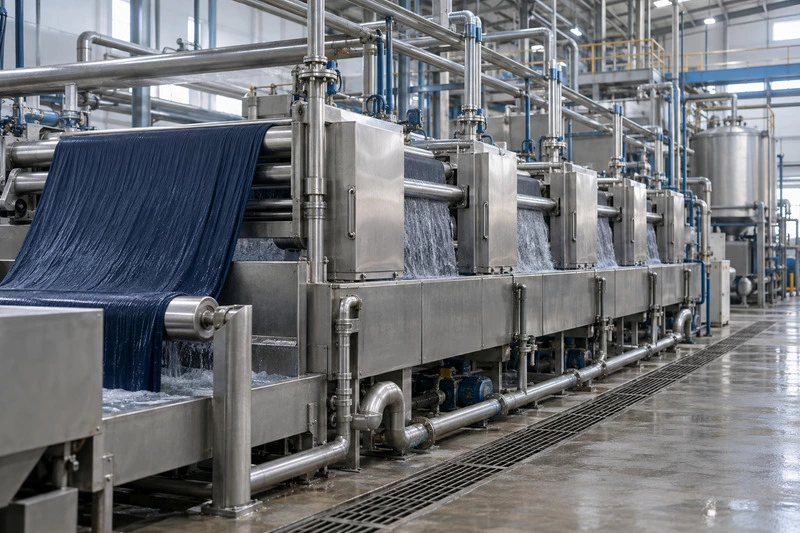
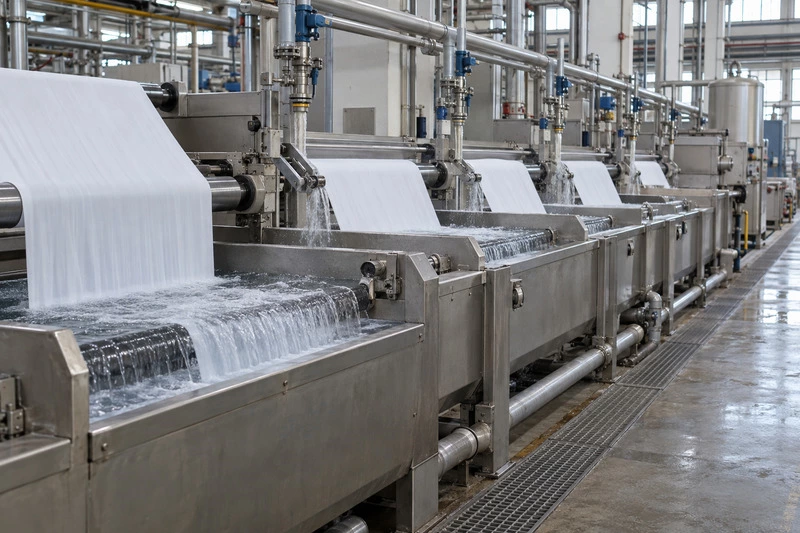
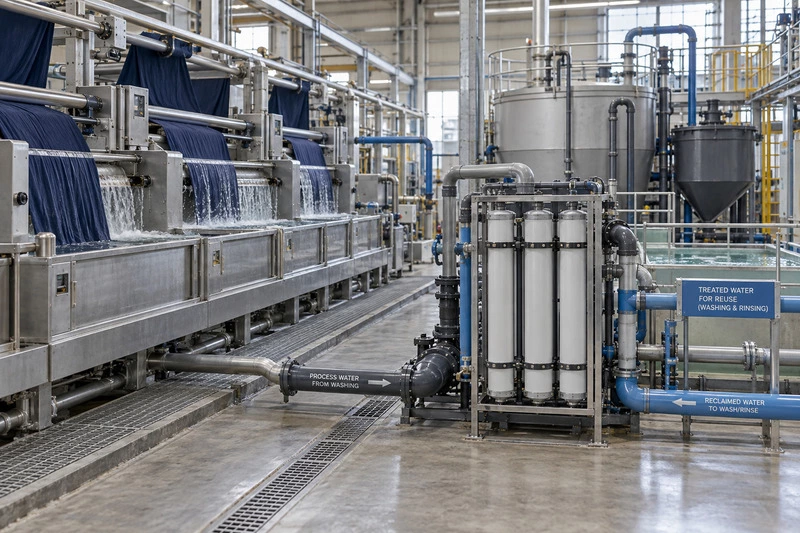
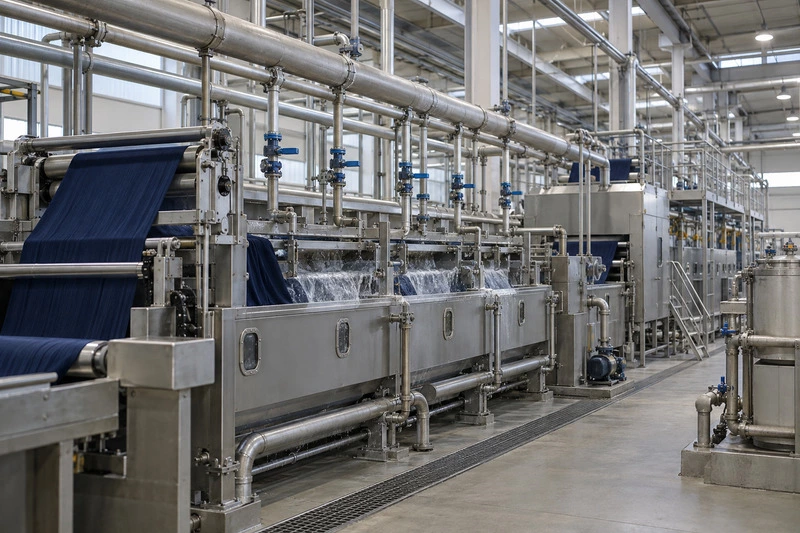
Multiple washing stages remove residual dyes and chemicals while minimizing water consumption through optimized process control.
Typical Applications
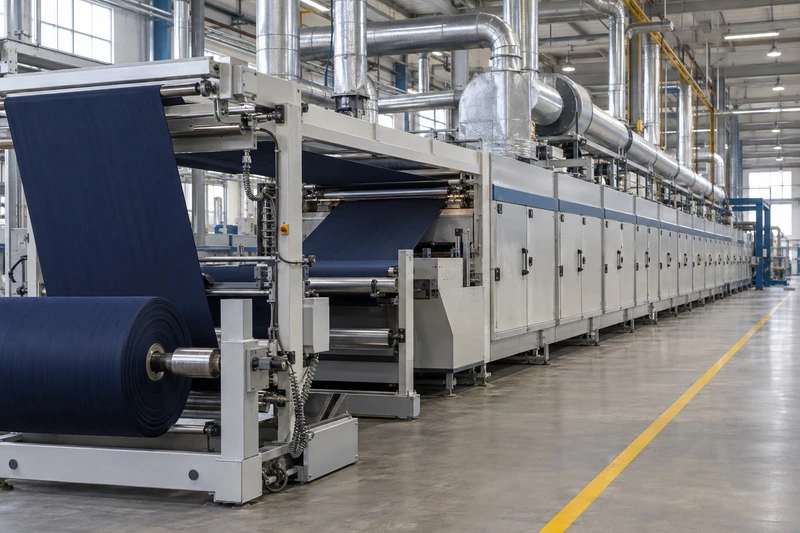
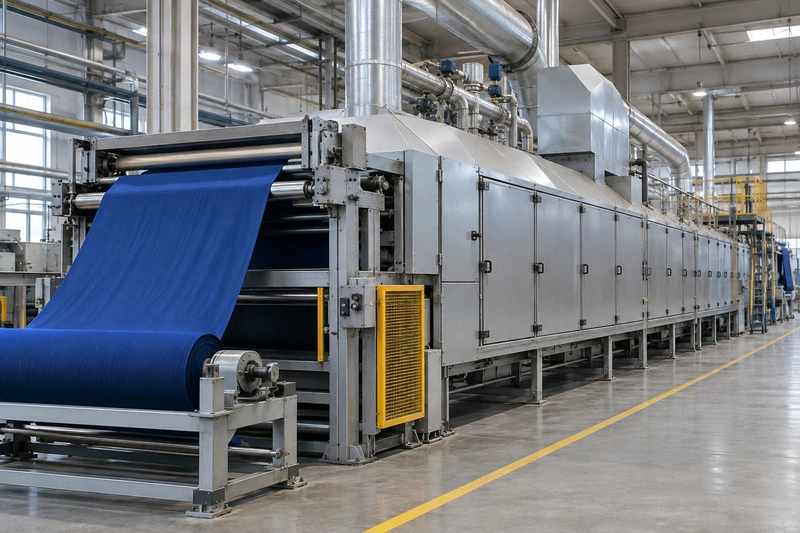
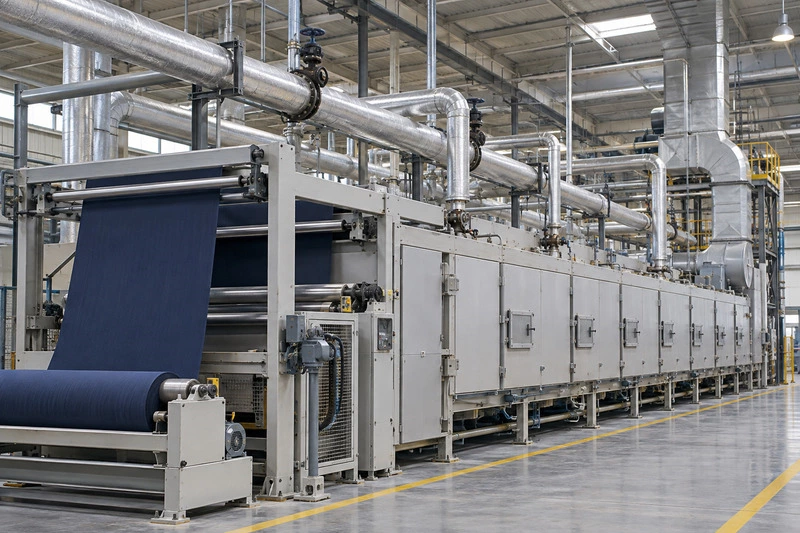
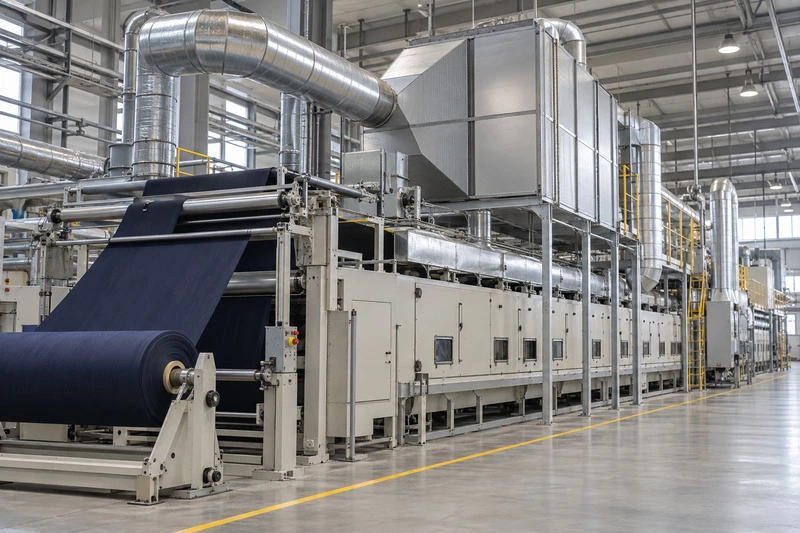
Process Overview
Drying and finishing processes require stable steam supply, precise temperature control, and utility monitoring to ensure consistent fabric quality.
Typical Applications
Process Overview
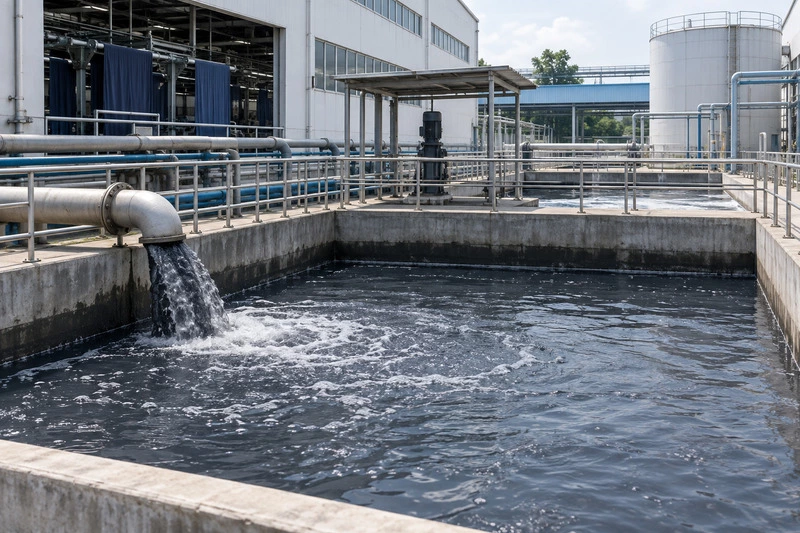
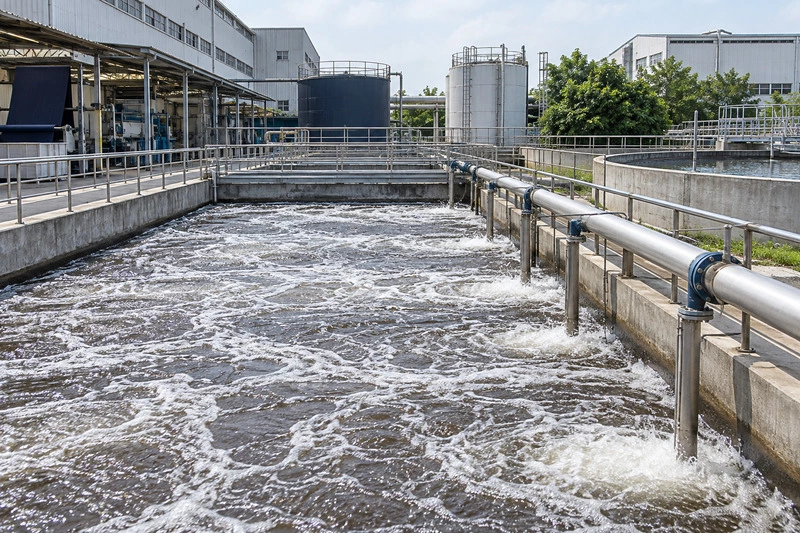
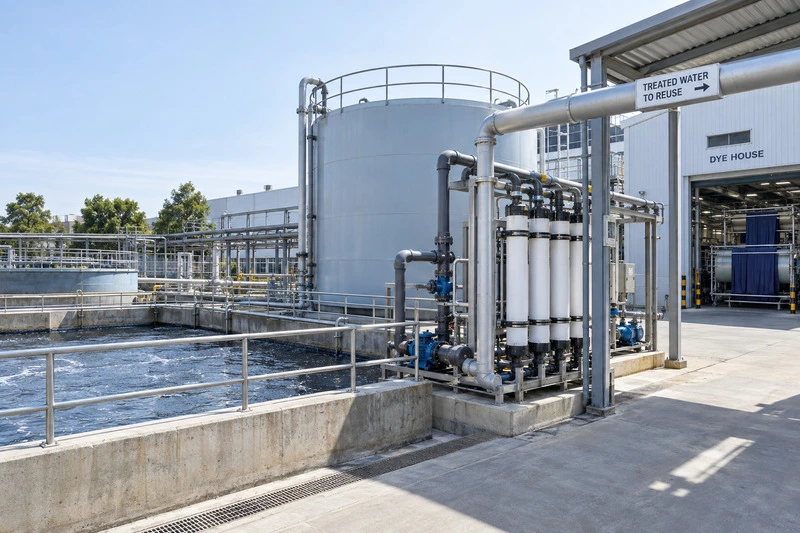
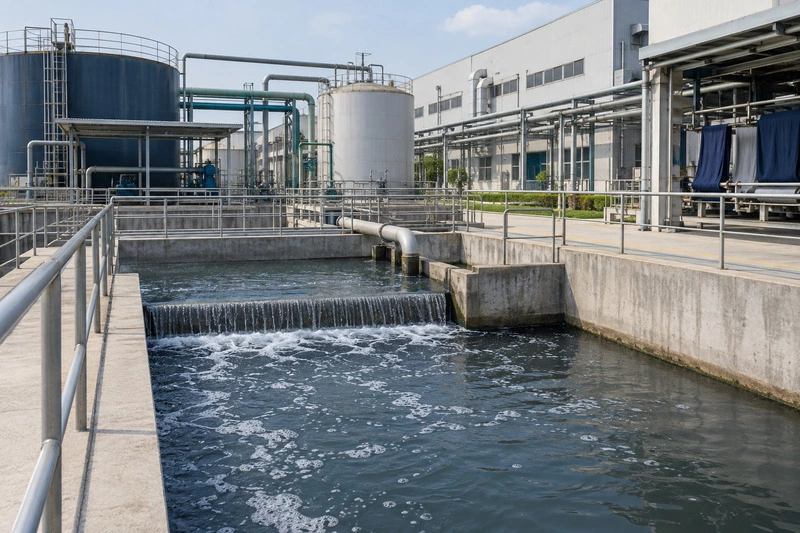
Textile wastewater treatment ensures environmental compliance while enabling water reuse through continuous monitoring of water quality and treatment efficiency.
Typical Applications
Optimize Textile Process with Reliable Instrumentation
Whether you're upgrading a dyeing line, improving water treatment, or optimizing utility systems, Supmea delivers accurate measurement solutions tailored to your textile manufacturing process.
Industry Solution
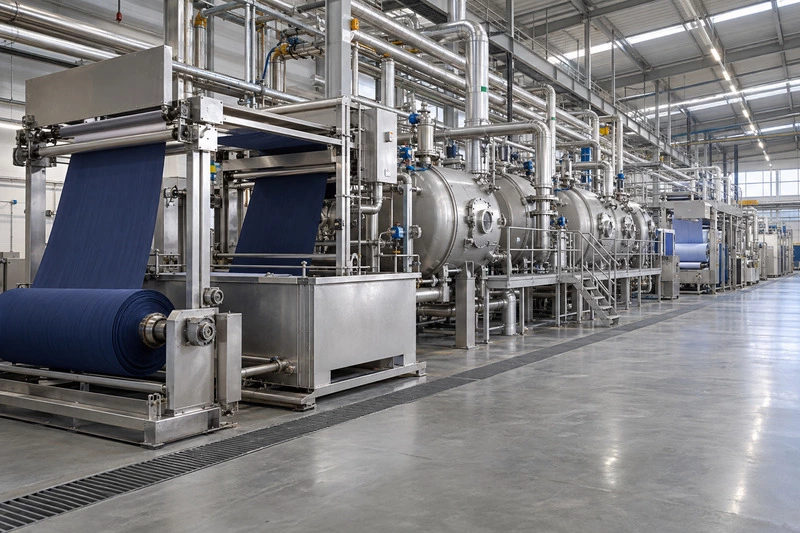
Process Automation
Improve production stability through accurate monitoring and real-time process control across textile manufacturing.
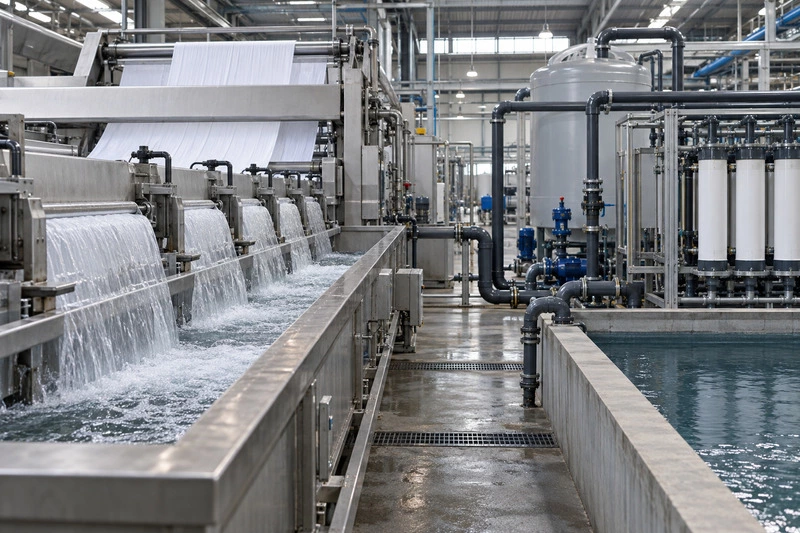
Water Efficiency
Optimize water usage with precise flow measurement and continuous monitoring to support sustainable production.
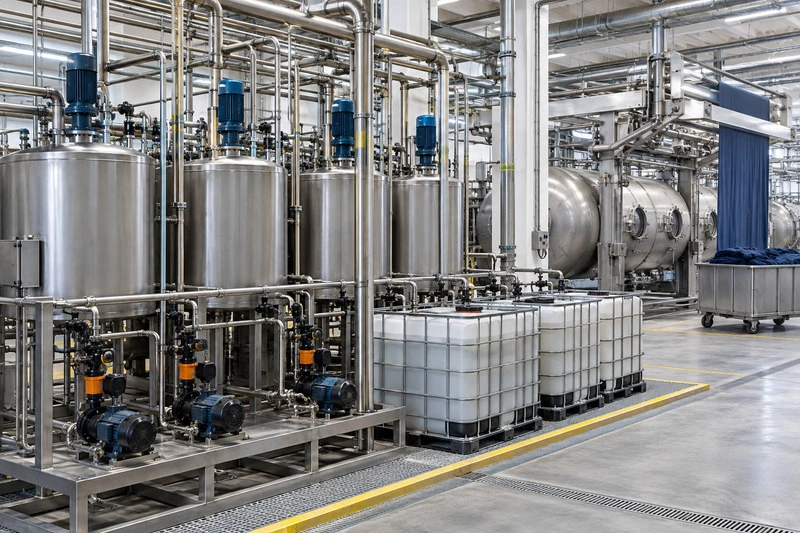
Chemical Control
Maintain consistent dosing accuracy, reduce chemical waste, and improve batch-to-batch consistency.
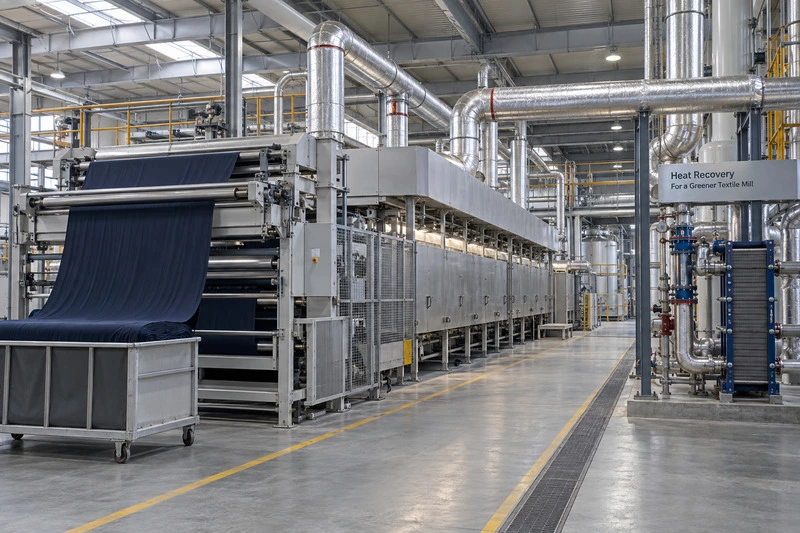
Energy Management
Monitor steam, compressed air, and utilities to reduce energy consumption and operating costs.
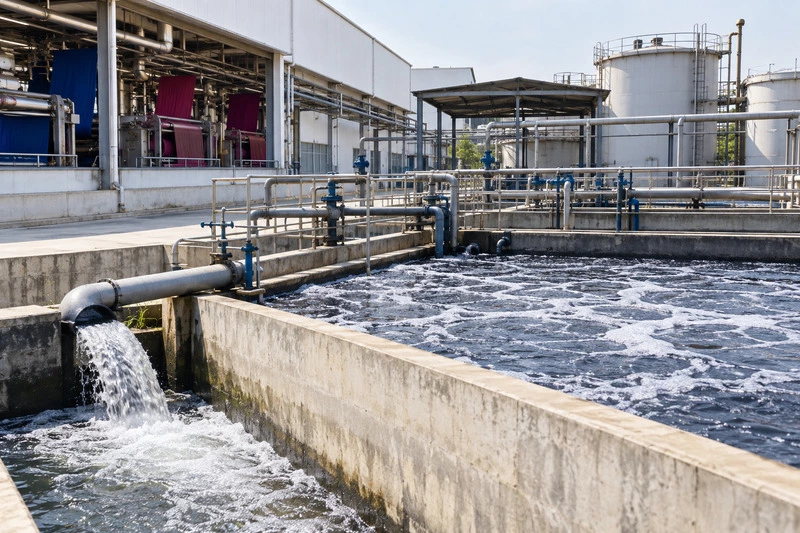
Compliance Monitoring
Continuously monitor wastewater processes to support regulatory compliance and reliable discharge quality.
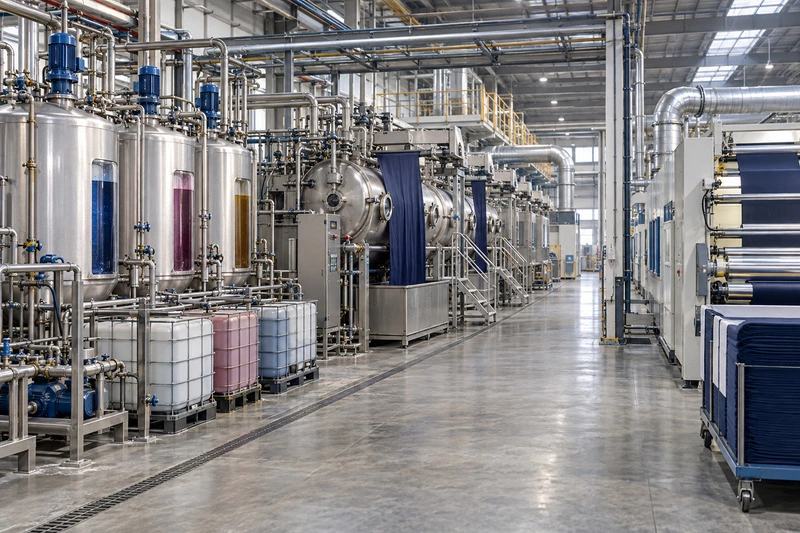
Digital Integration
Connect field instruments with PLC, DCS, and SCADA systems for centralized monitoring and data-driven decision making.
Featured Products
A complete portfolio of process instrumentation designed for textile production, utility systems, and wastewater treatment
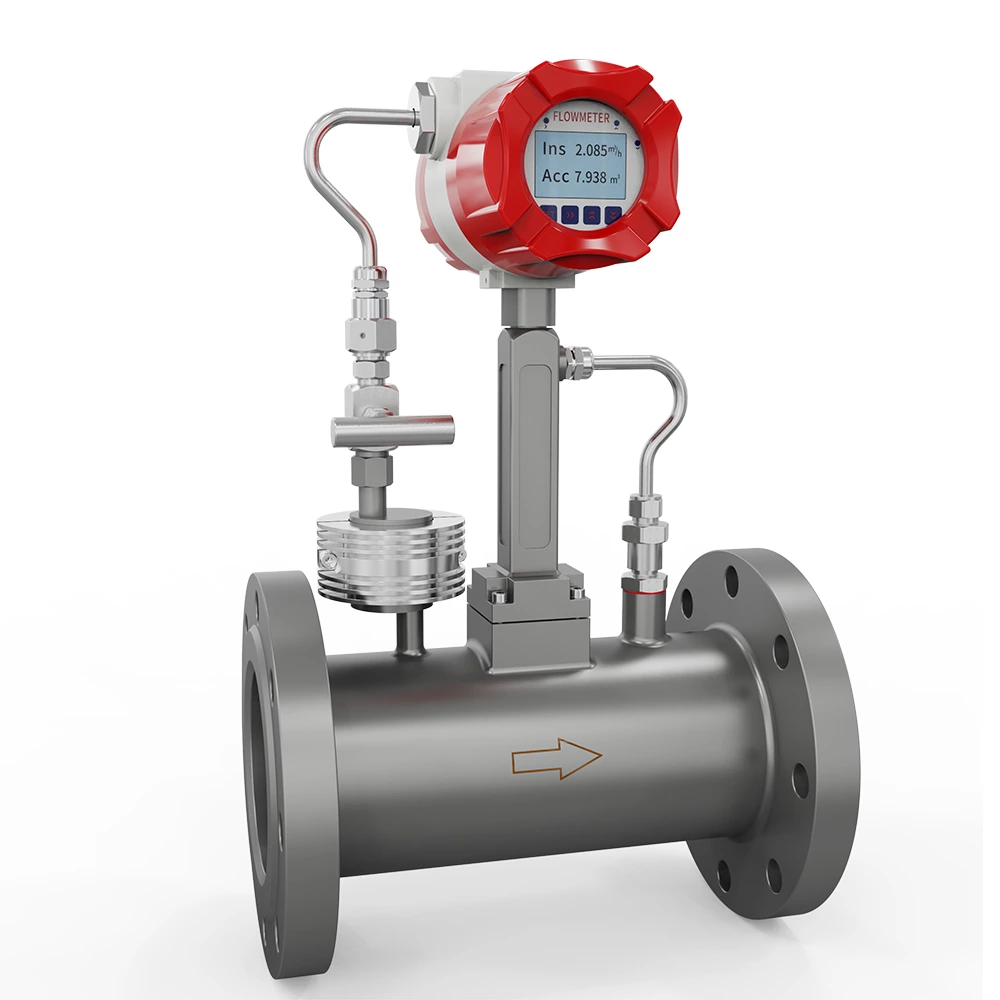
SUP-LUGB Vortex flowmeter with temperature & pressure compensation
View Products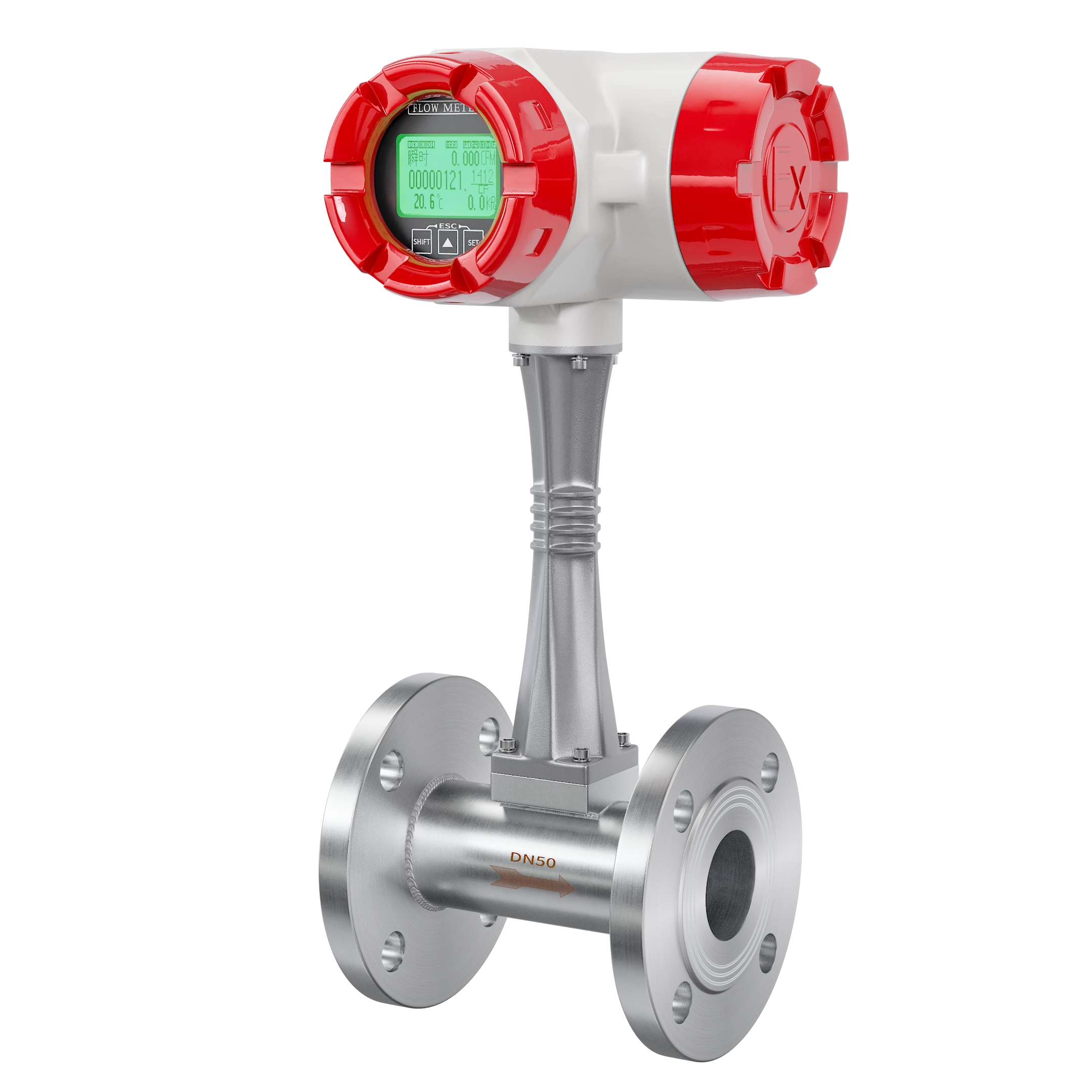
SUP-LUGB-C Vortex Flow Meter for Steam, Gas & Liquid Flow Measurement
View Products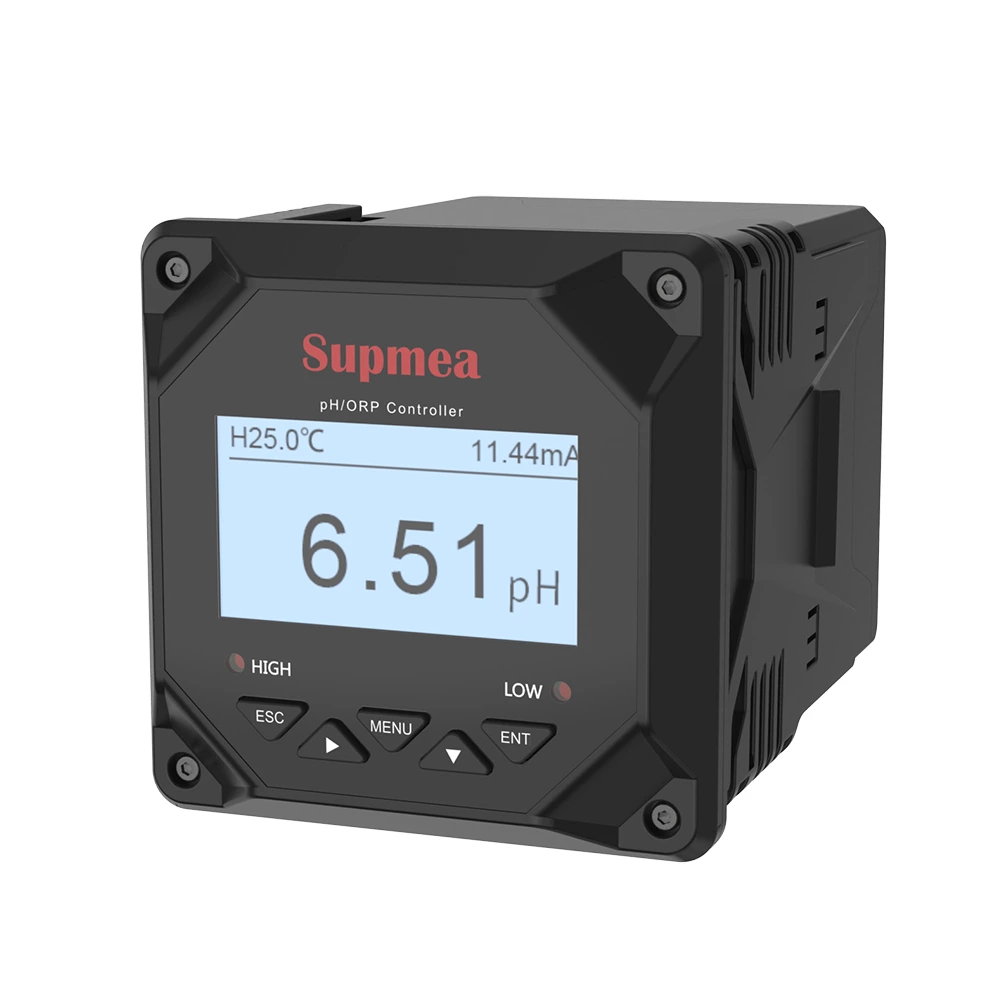
SUP-PH6.5 pH/ORP meter—Precision Online pH & ORP Monitoring for Industrial Process Control
View Products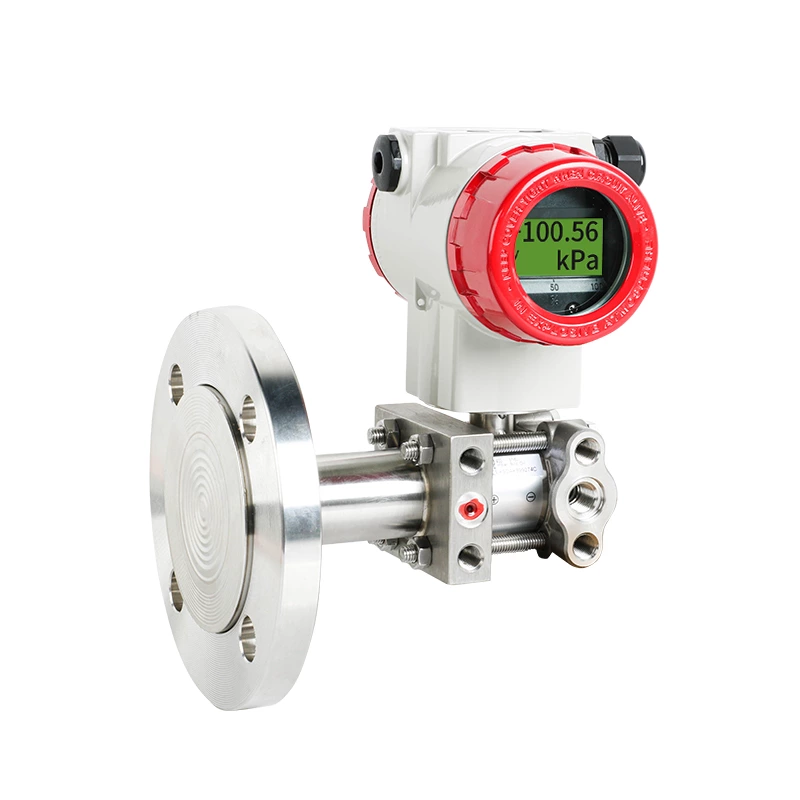
SUP-2051LT Flange mounted differential pressure transmitters
View Products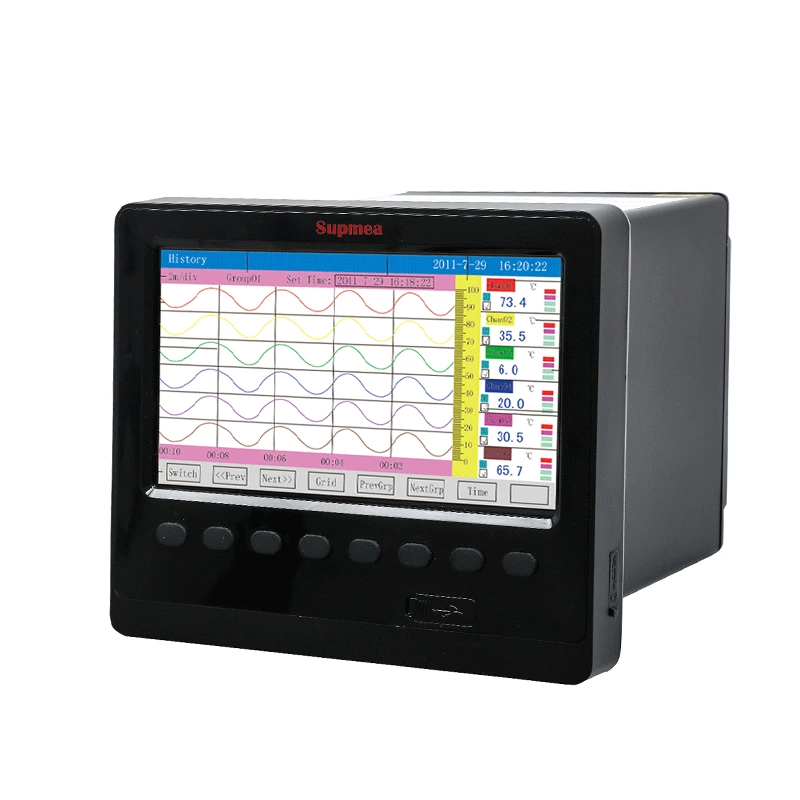
SUP-R6000C Paperless recorder up to 48 channels universal input
View Products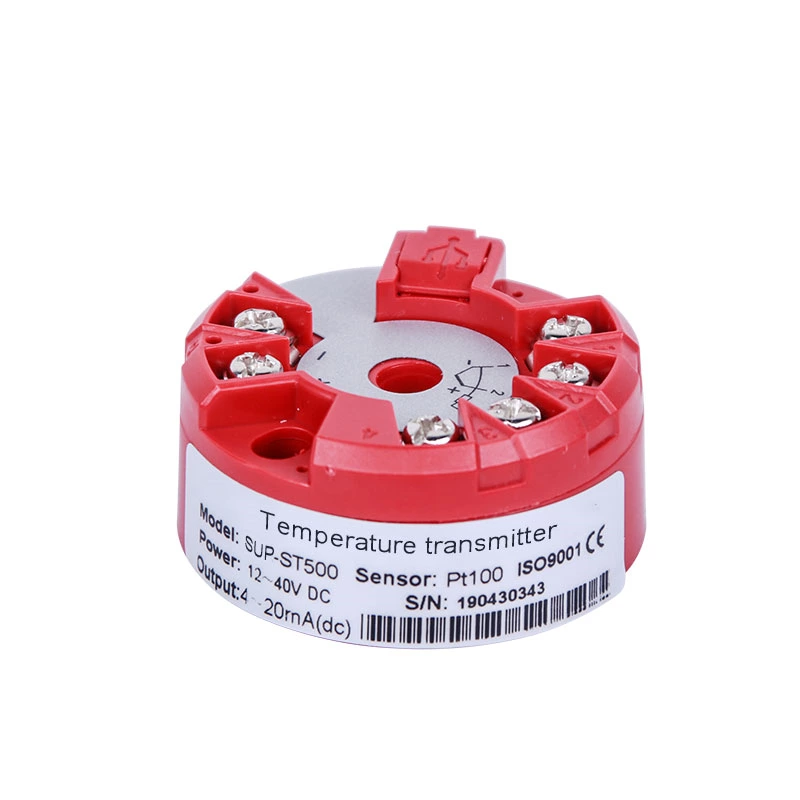
SUP-ST500 Temperature transmitter programmable
View ProductsSuccess Stories
Supmea instrumentation helps textile manufacturers improve process stability, reduce resource consumption, and achieve consistent production quality worldwide.
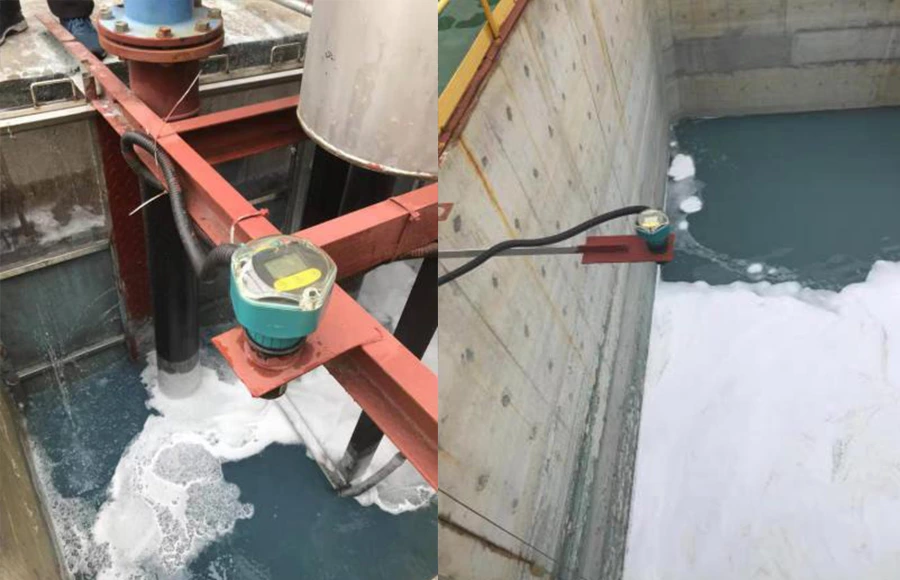
Supmea level meter use in Shanghai Lingkai Medical Disinfection Technology Co., Ltd.
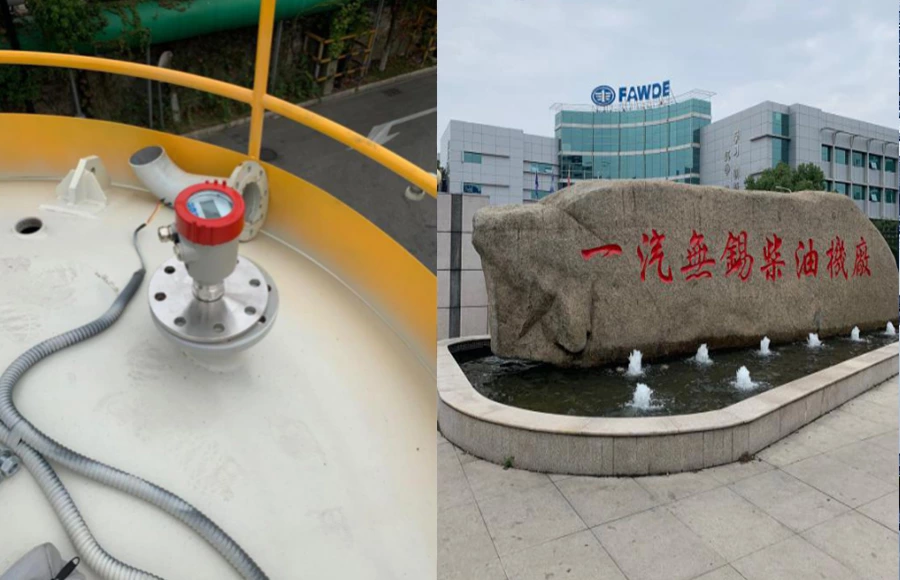
Supmea level meter used in FAW Jiefang Automobile Co., Ltd.
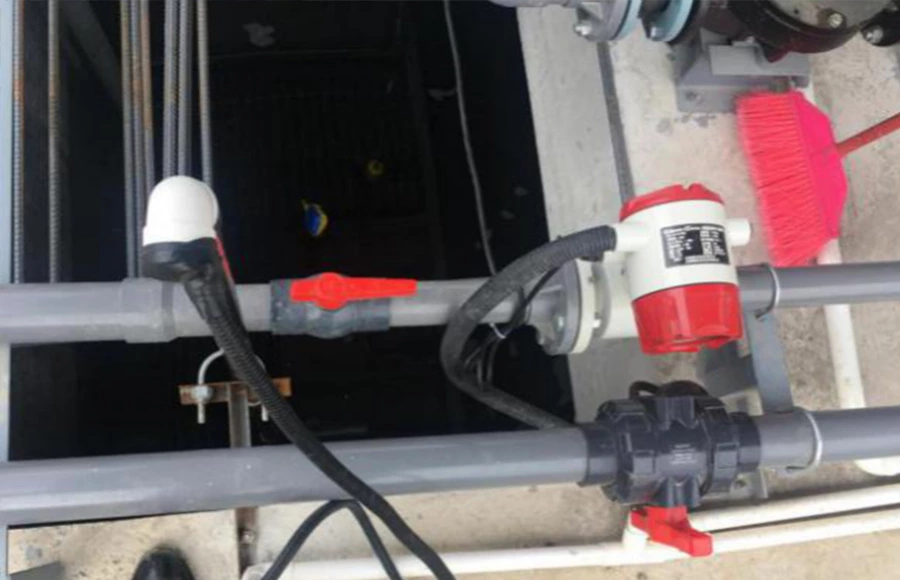
Case s of electroplating, printing and dyeing professional base in Mayong Town
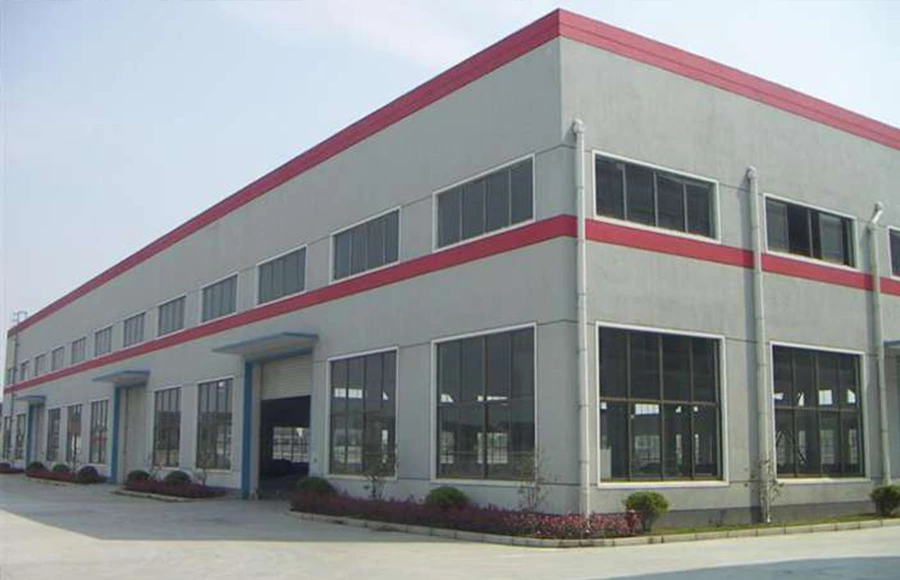
Case of Guangzhou Menghong Machinery Dyeing and Finishing Equipment
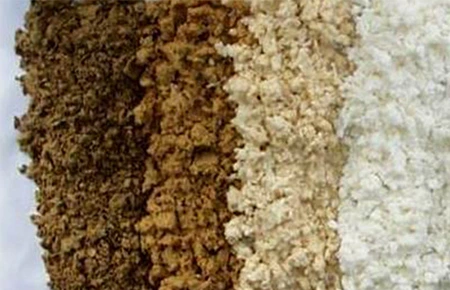
Bleaching Process
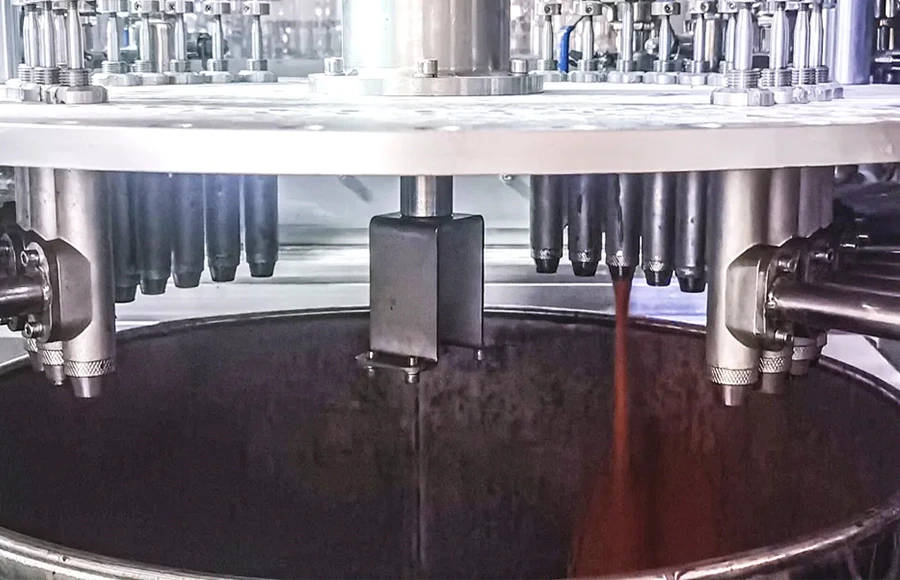
Efficient Textile Processing
Beyond individual instruments, Supmea delivers integrated measurement solutions that help textile manufacturers improve quality, efficiency, and sustainability across the entire production process.
Industry Expertise
Extensive experience across dyeing, finishing, utilities, and wastewater treatment applications.

Complete Portfolio
Comprehensive products covering flow, level, pressure, temperature, and analytical measurement.
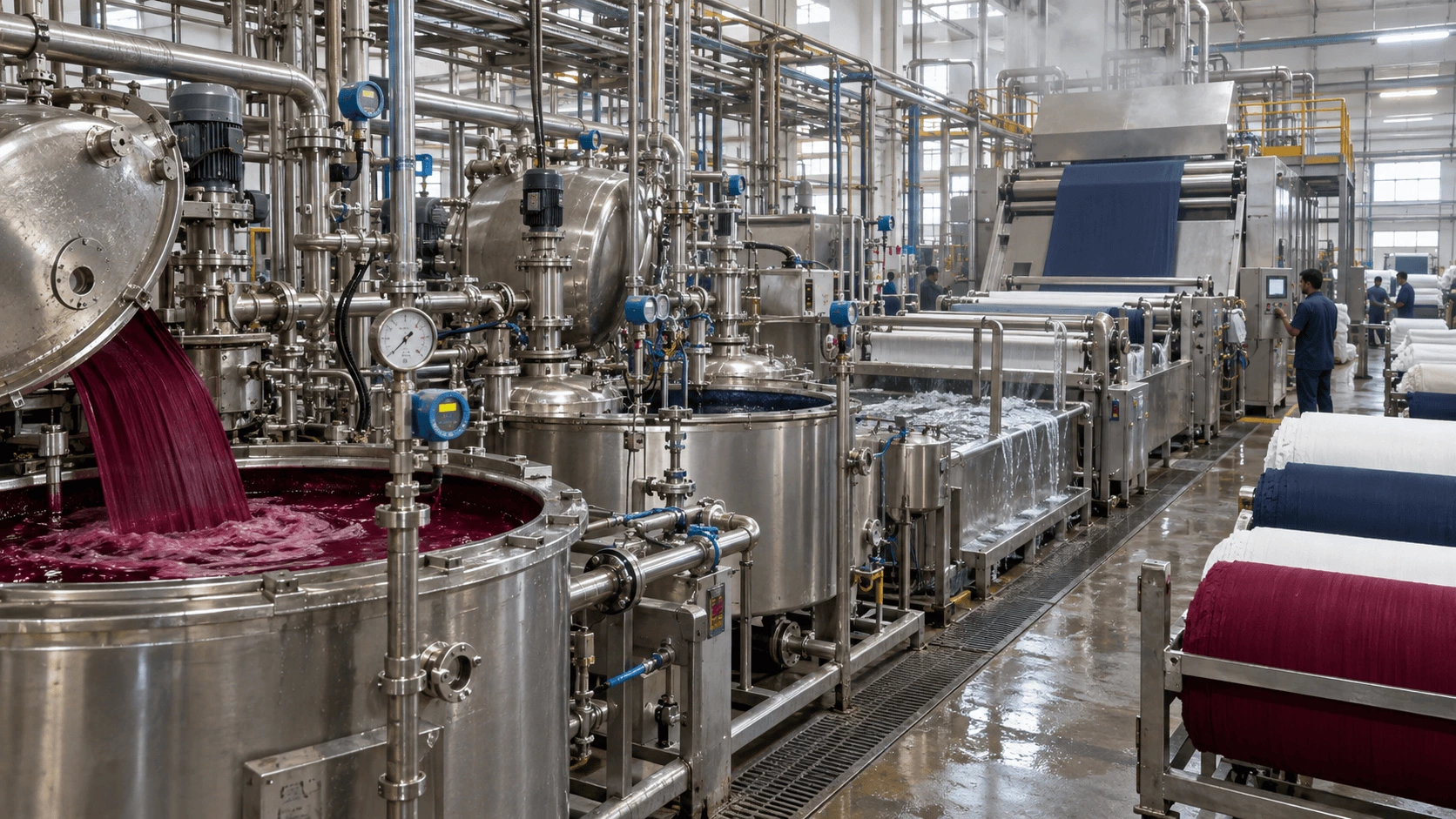
Reliable Performance
Stable operation under high temperature, steam, humidity, and chemically demanding textile processes.
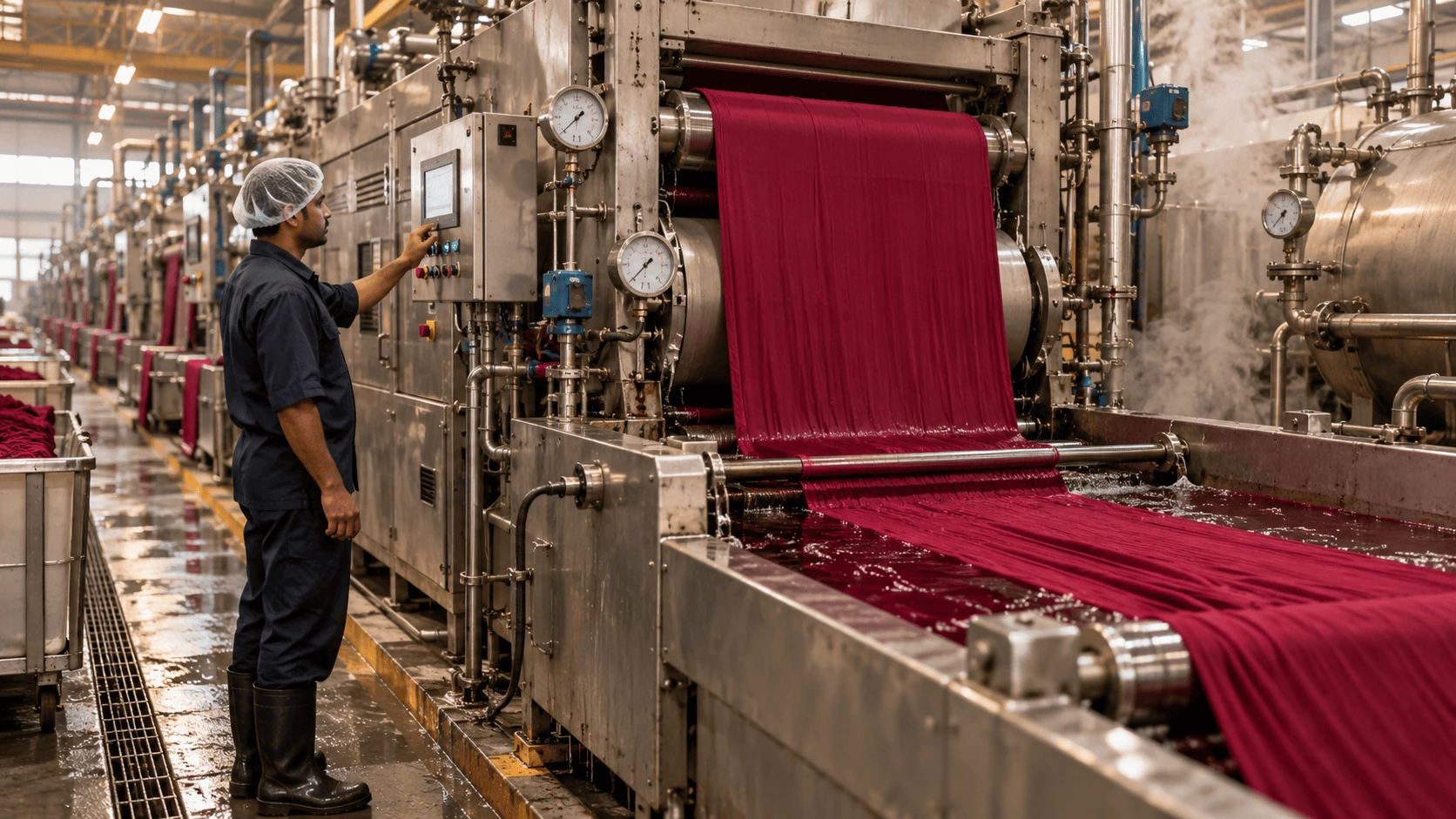
Easy System Integration
Support for Modbus, HART, 4–20 mA, and seamless integration with PLC, DCS, and SCADA platforms.
Global Service
Fast response, professional engineering assistance, and global delivery for textile projects.

Long-Term Value
Reliable products, reduced maintenance requirements, and long service life help minimize lifecycle costs.
Frequently Asked Questions
Why is pH control critical in the textile dyeing process?
The pH level determines how well the fabric absorbs the dye. Incorrect pH can lead to "patchy" colors or poor color fastness. Online pH sensors with high-temperature reference systems are used to automatically dose acid or alkali to maintain the perfect chemical balance
What flow meter is best for measuring steam consumption in dye machines?
Vortex flow meters are the standard for steam measurement in dye houses. They provide accurate data on steam usage, helping mills calculate the exact energy cost per batch of fabric and optimize boiler efficiency.
How is the flow of hot dye liquor measured?
Electromagnetic flow meters are ideal because they have no moving parts to clog with lint or fibers and can withstand the high temperatures (up to 140°C) of the dye bath.
How can water level in a dyeing jigger or winch be automated?
Hydrostatic level transmitters or compact radar sensors are used to monitor bath levels continuously. This allows the PLC to automatically fill and drain the machine, ensuring consistent liquid-to-fabric ratios.
Can textile wastewater with high lint content be measured?
Yes. A remote-type electromagnetic flow meter with a "scraper" electrode or a replaceable electrode design is beneficial. The open-pipe design allows lint to pass through, while the remote display keeps electronics away from wet, humid floor conditions.
What is the best way to monitor the temperature of the drying stenter?
Infrared (IR) non-contact temperature sensors are often used to measure the fabric web temperature directly. For the machine air temperature, robust RTD sensors are installed in the heating chambers.
How is COD (Chemical Oxygen Demand) measured in textile effluent?
Online COD analyzers (often using UV-Vis spectral analysis) are used at the treatment plant outlet to ensure the mill meets environmental discharge regulations (e.g., COD < 100 mg/L) in real-time.
Is a special flow meter required for caustic soda recovery systems?
Caustic soda (Mercerizing agent) is highly conductive and corrosive. An electromagnetic flow meter with a PFA liner and Platinum or Tantalum electrodes is the most reliable solution for recovery lines.