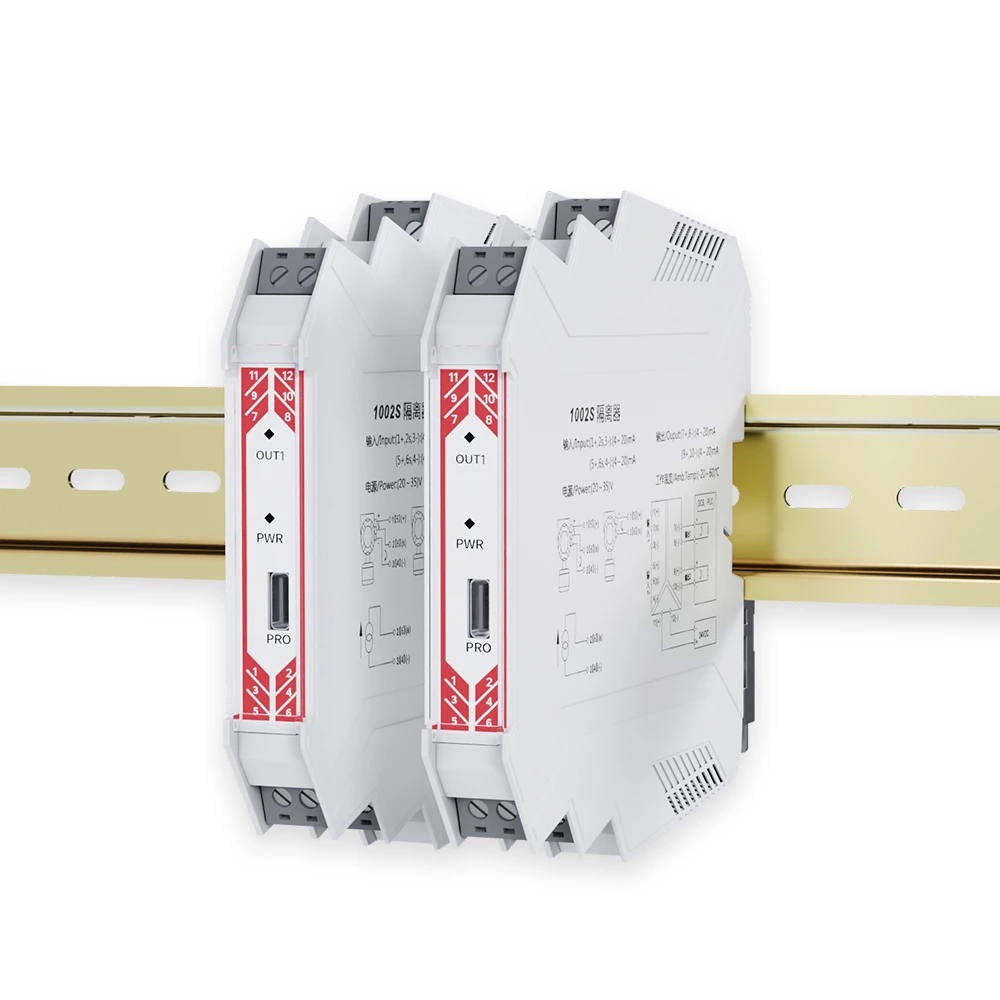
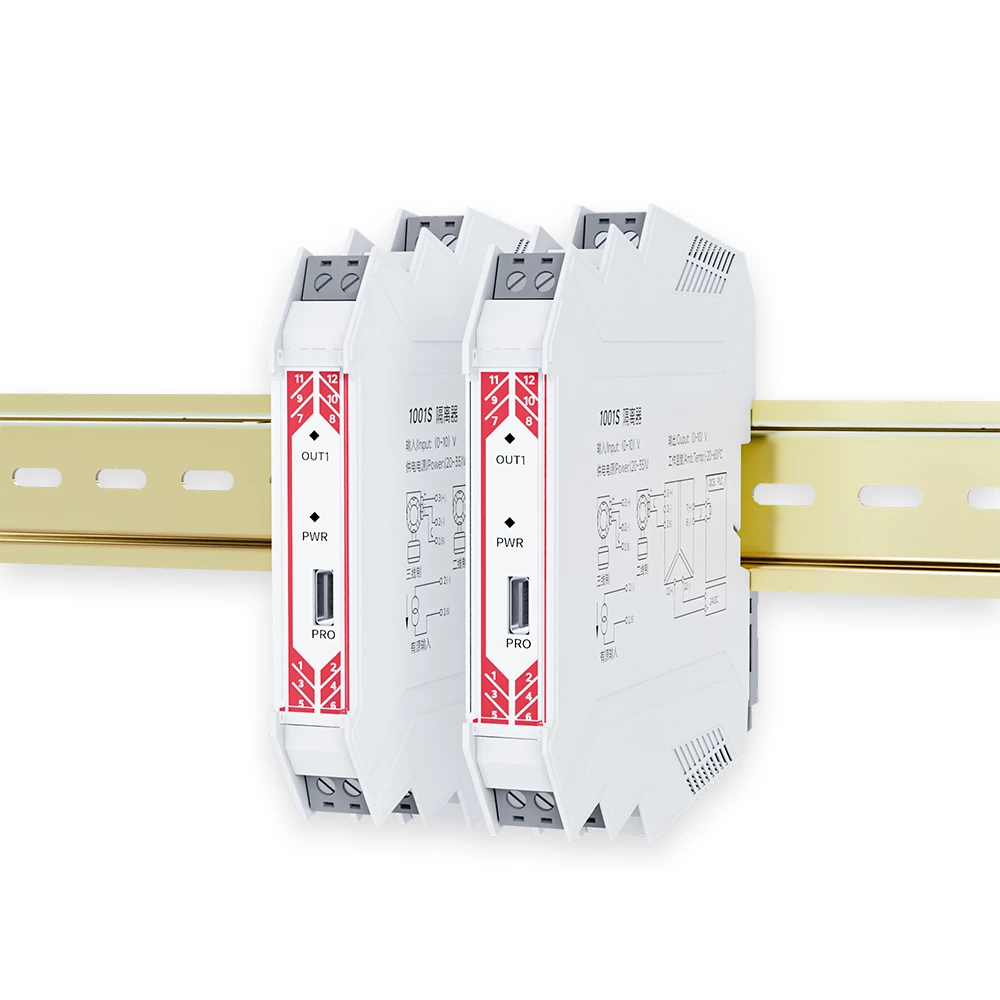
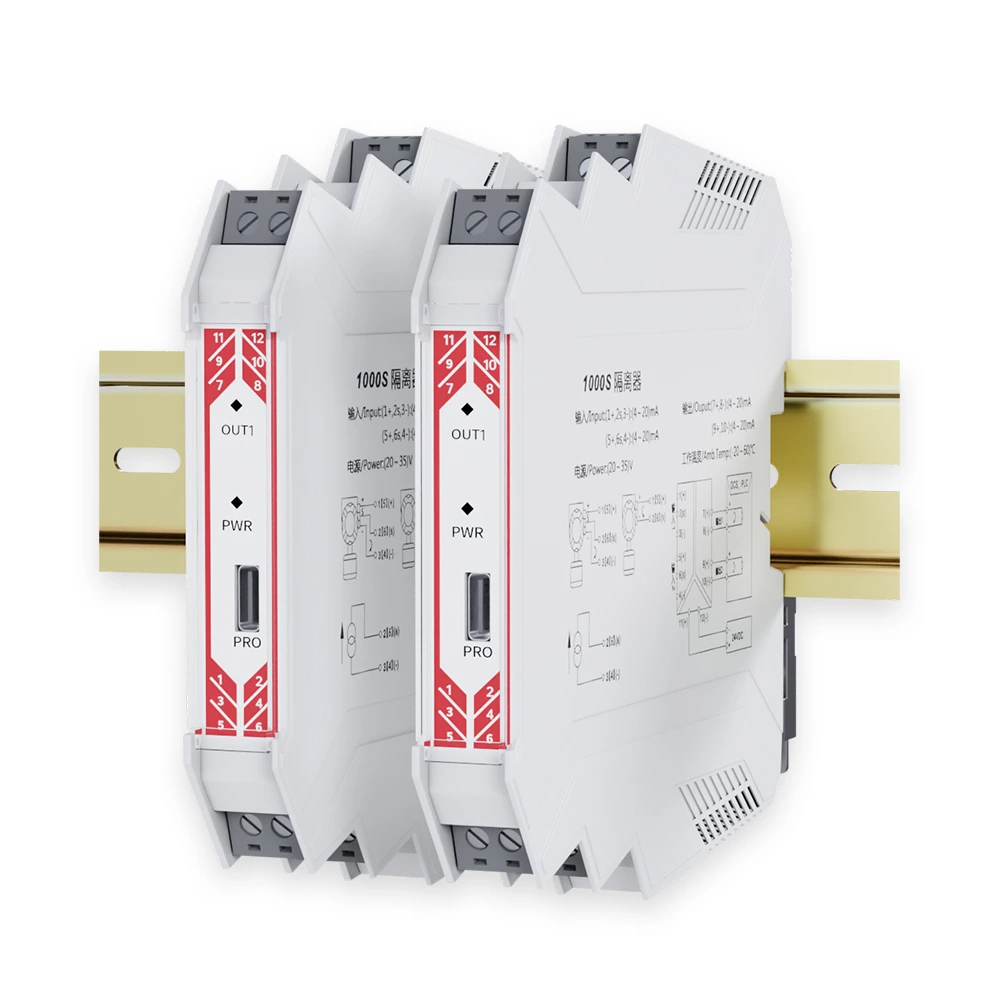
Quick product selection
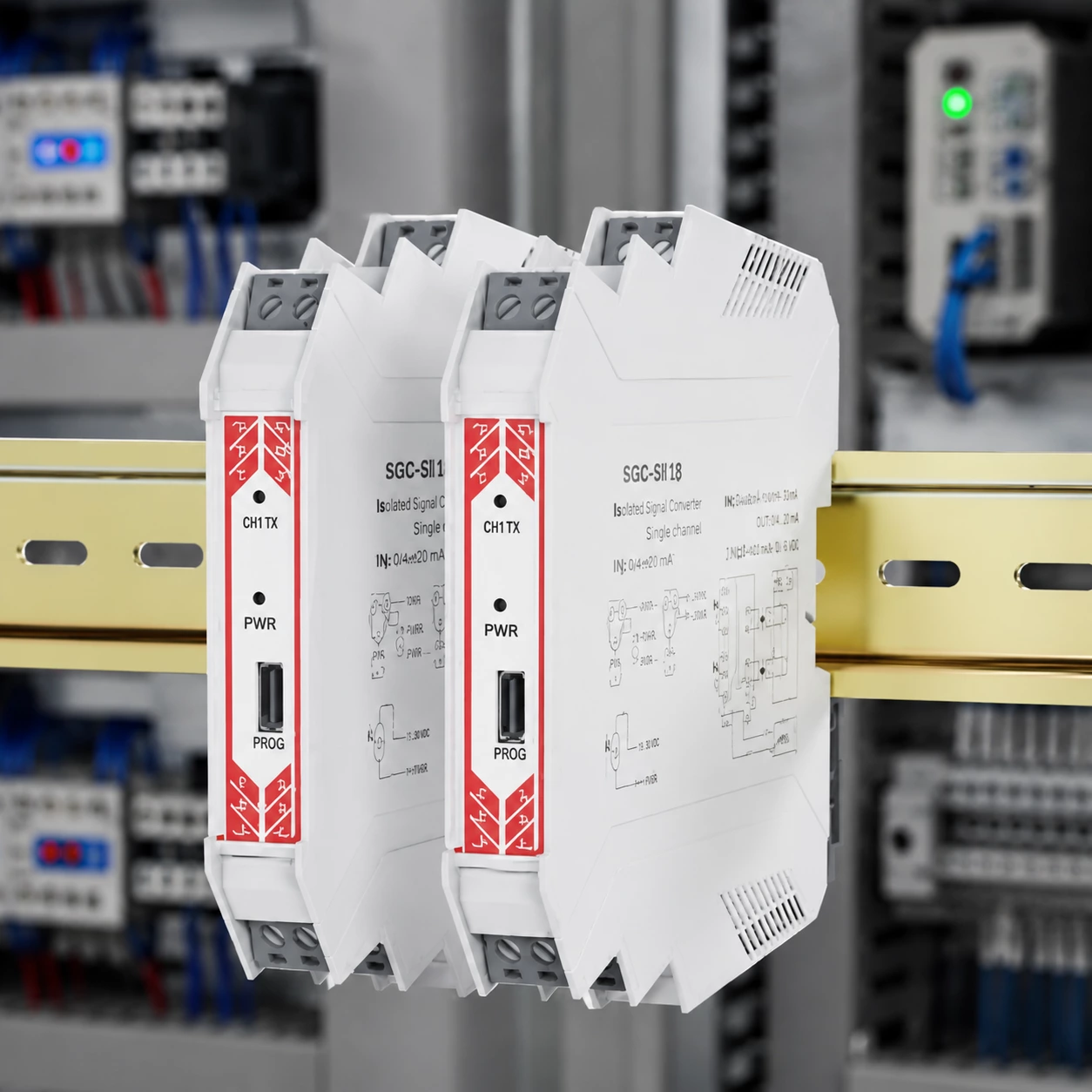
Find the right instrument for your application.
How signal isolator work
Applications & Industries
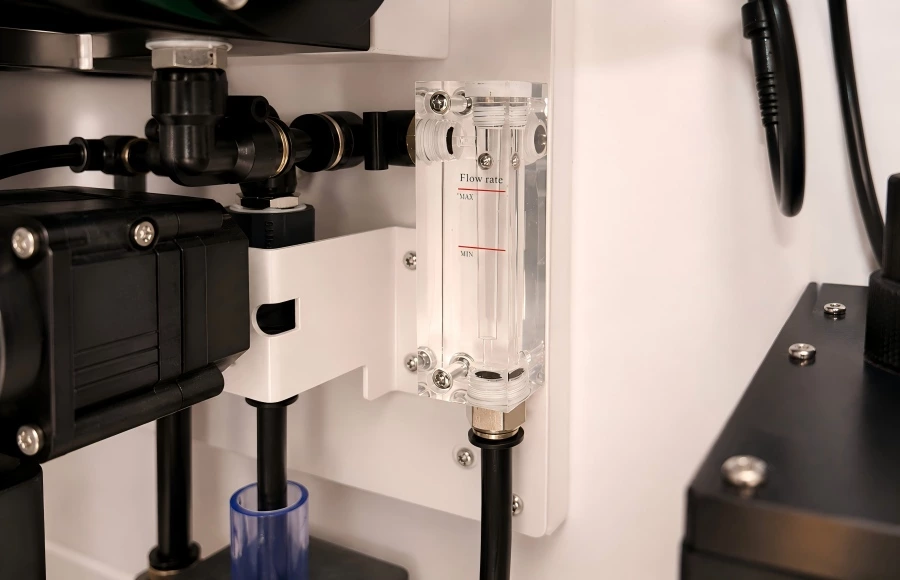
Multi-Parameter Water Quality Monitoring for a Building Project in Dubai
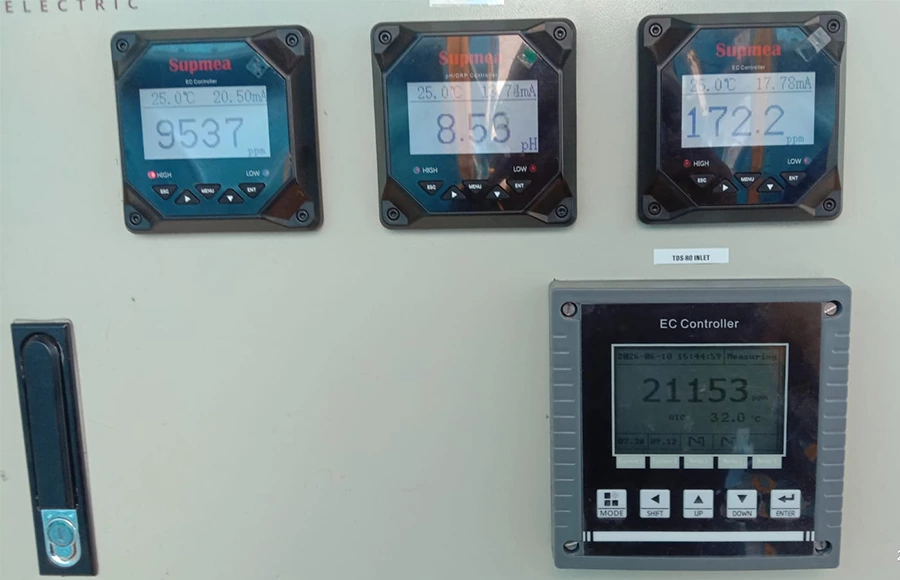
Integrated Flow and Water Quality Monitoring for an RO System in Indonesia
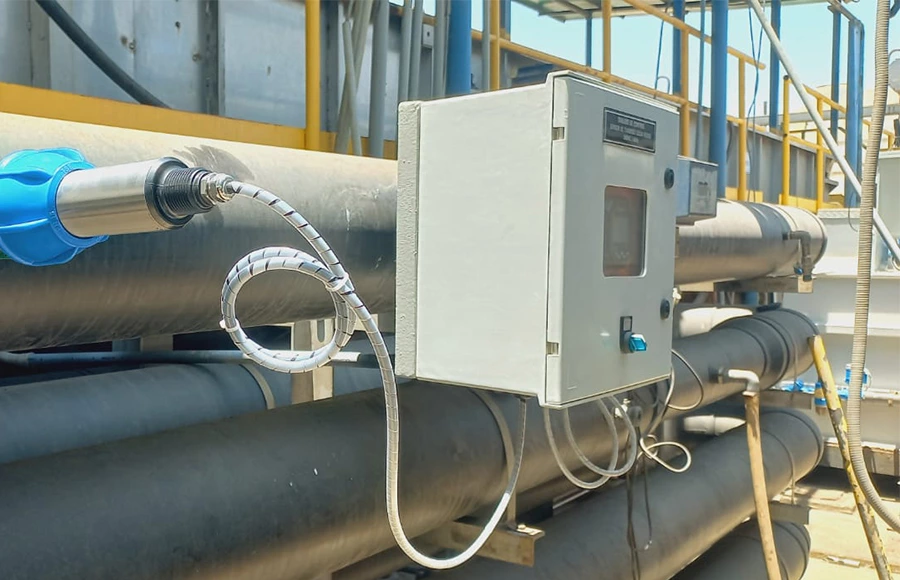
Inline Wastewater Turbidity Monitoring for a Treatment Pipeline in Peru
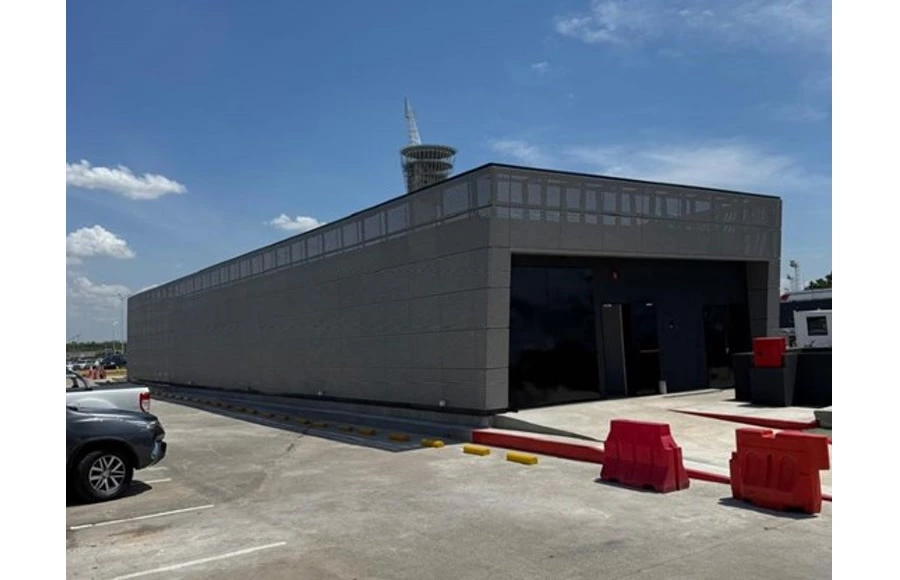
Supmea Multi-Parameter Monitoring Supports Water Treatment at an International Airport in Argentina
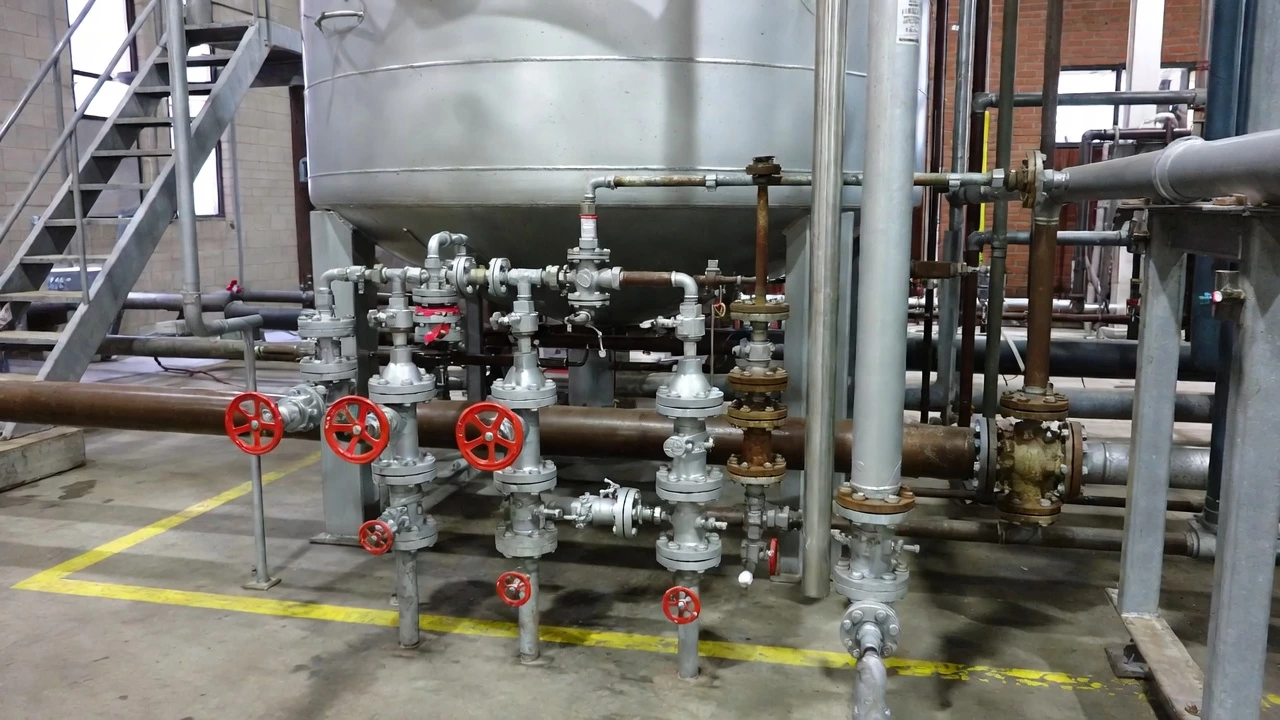
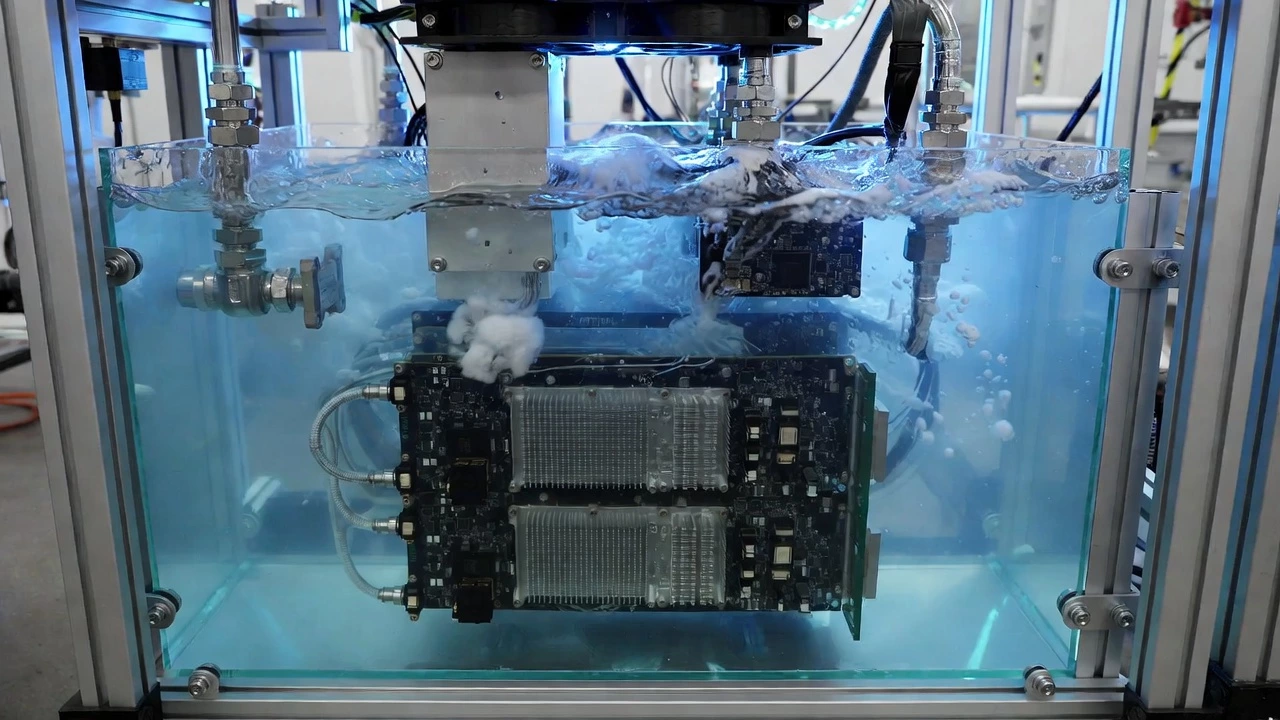
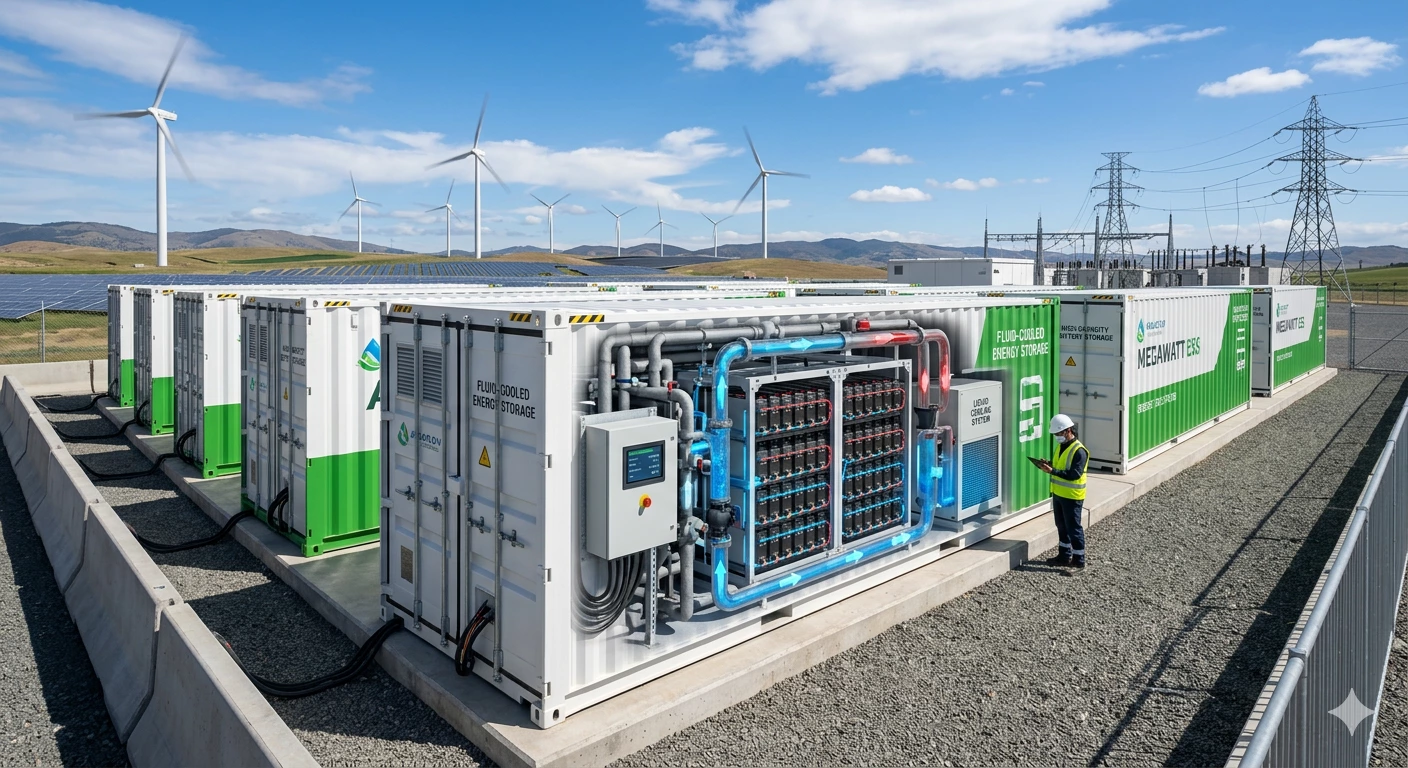
Related Products
Discover our most trusted process instruments for water and wastewater applications. Designed for reliable measurement, intelligent monitoring, and efficient process control across every stage of the treatment cycle.
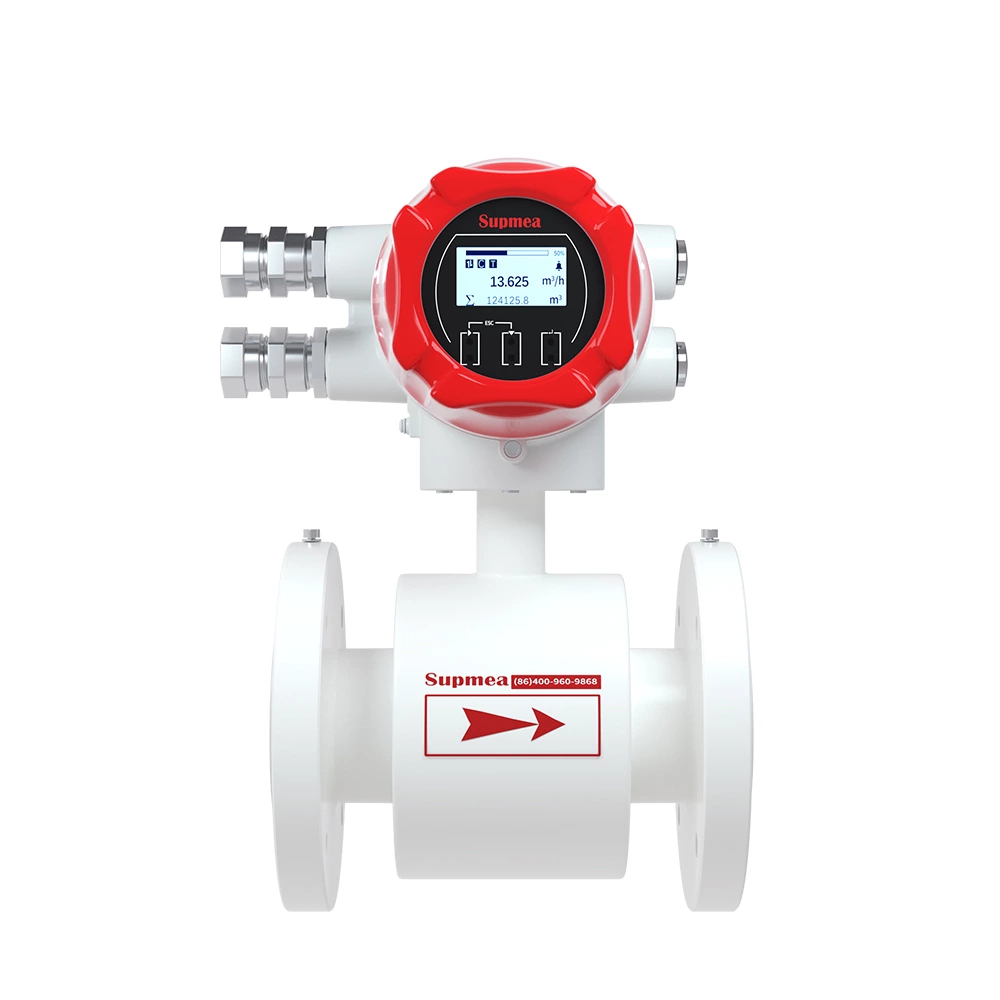
LDG-SUP-A100D Explosion-Proof Electromagnetic Flowmeter
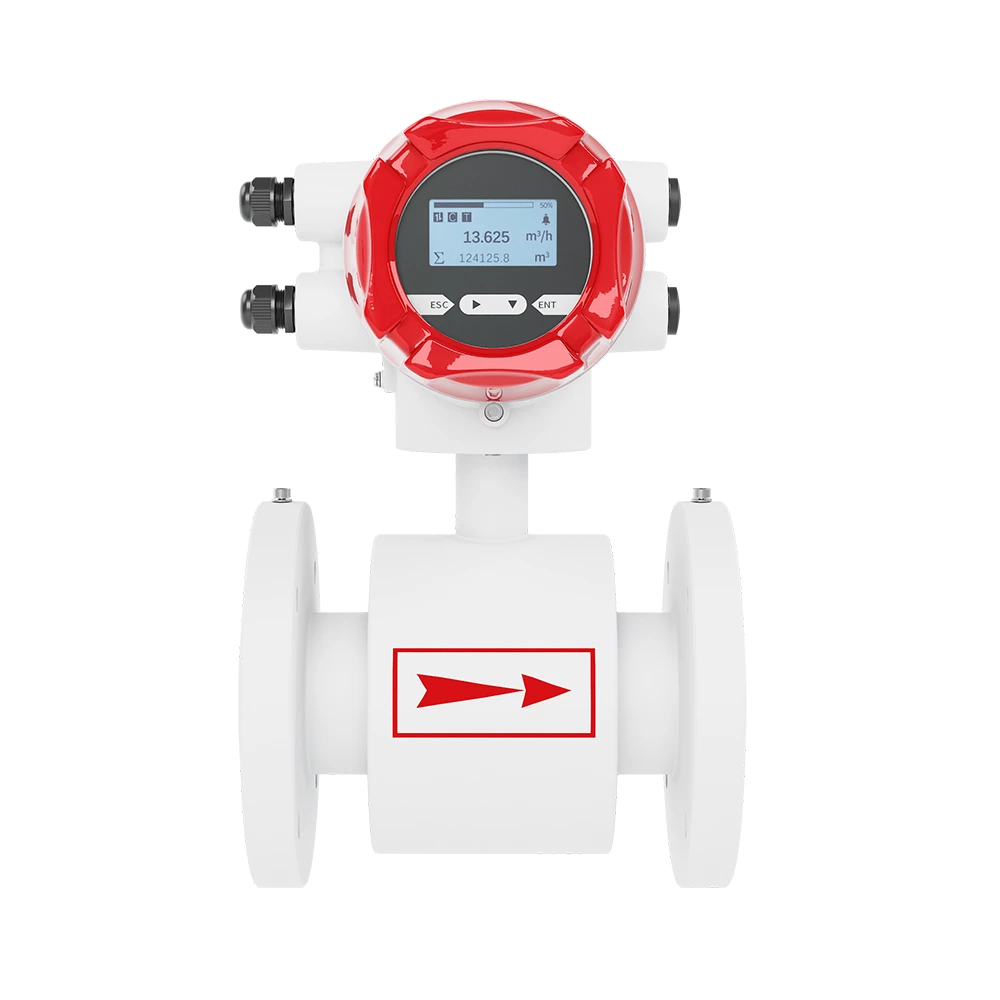
LDG-SUP-A100 Electromagnetic Flow Meter — High-Accuracy Conductive Liquid Measurement
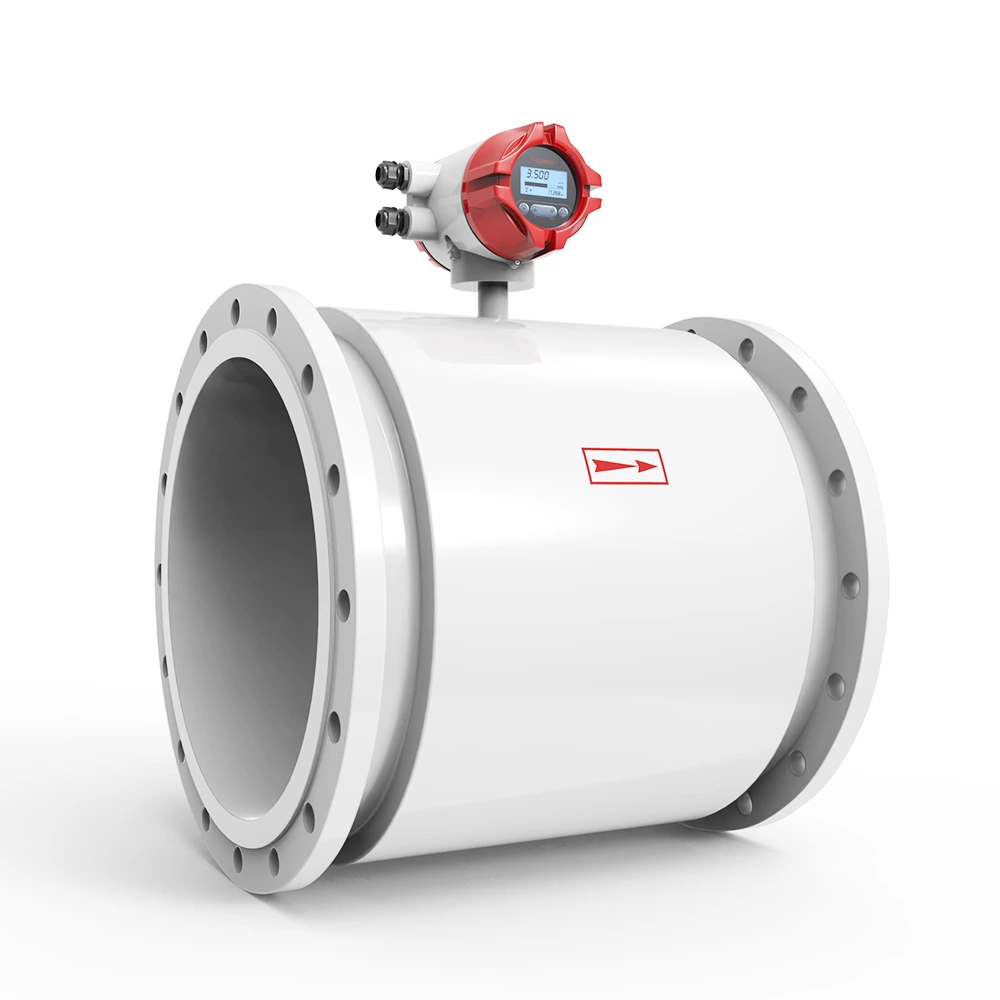
LDG-SUP Electromagnetic Flowmeter: Precision Flow Measurement for Demanding Industrial Applications
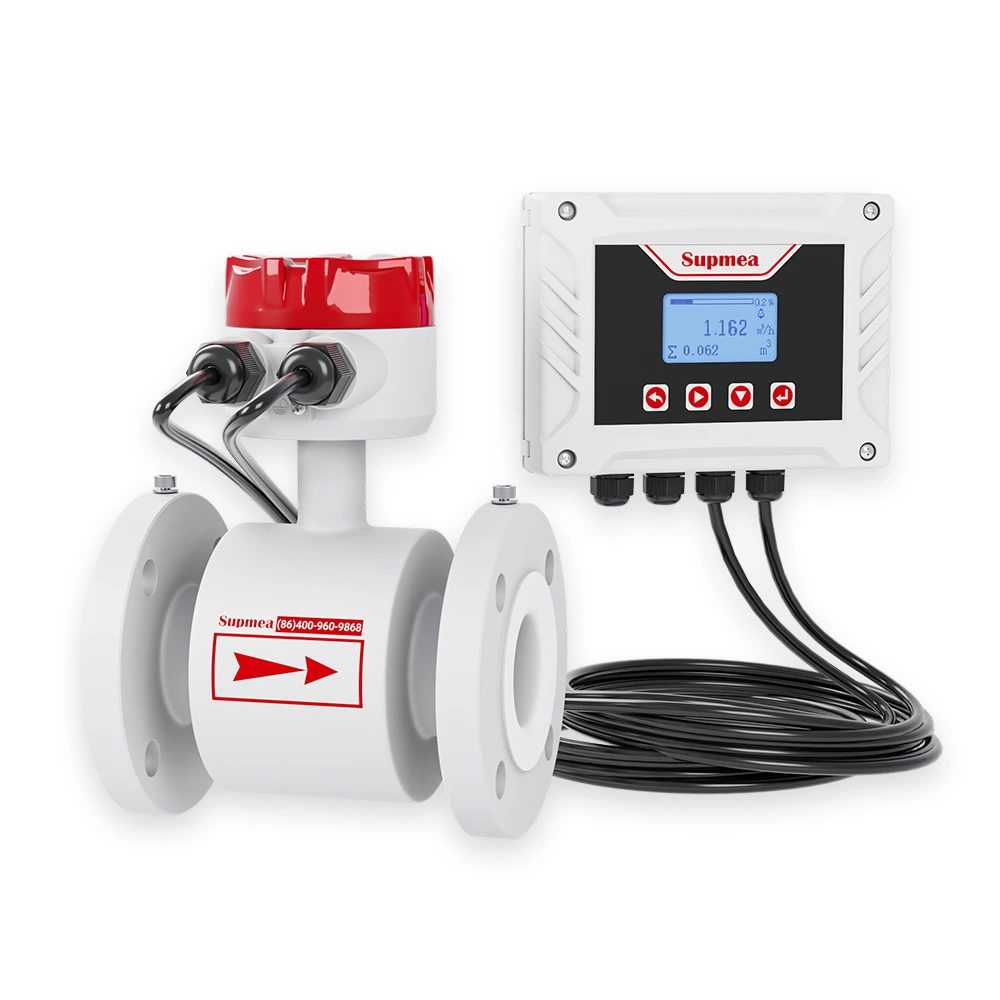
SUP-LDG Remote type electromagnetic flowmeter
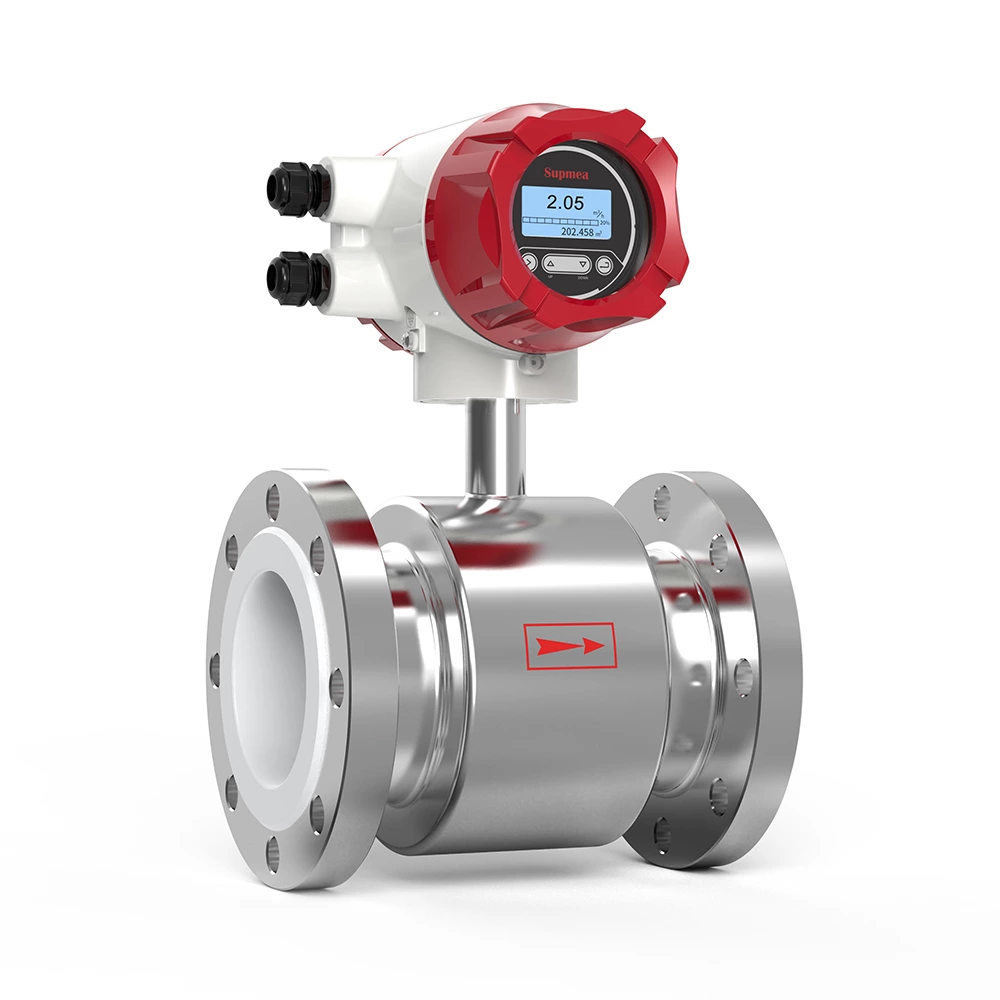
SUP-LDG Stainless steel body electromagnetic flowmeter
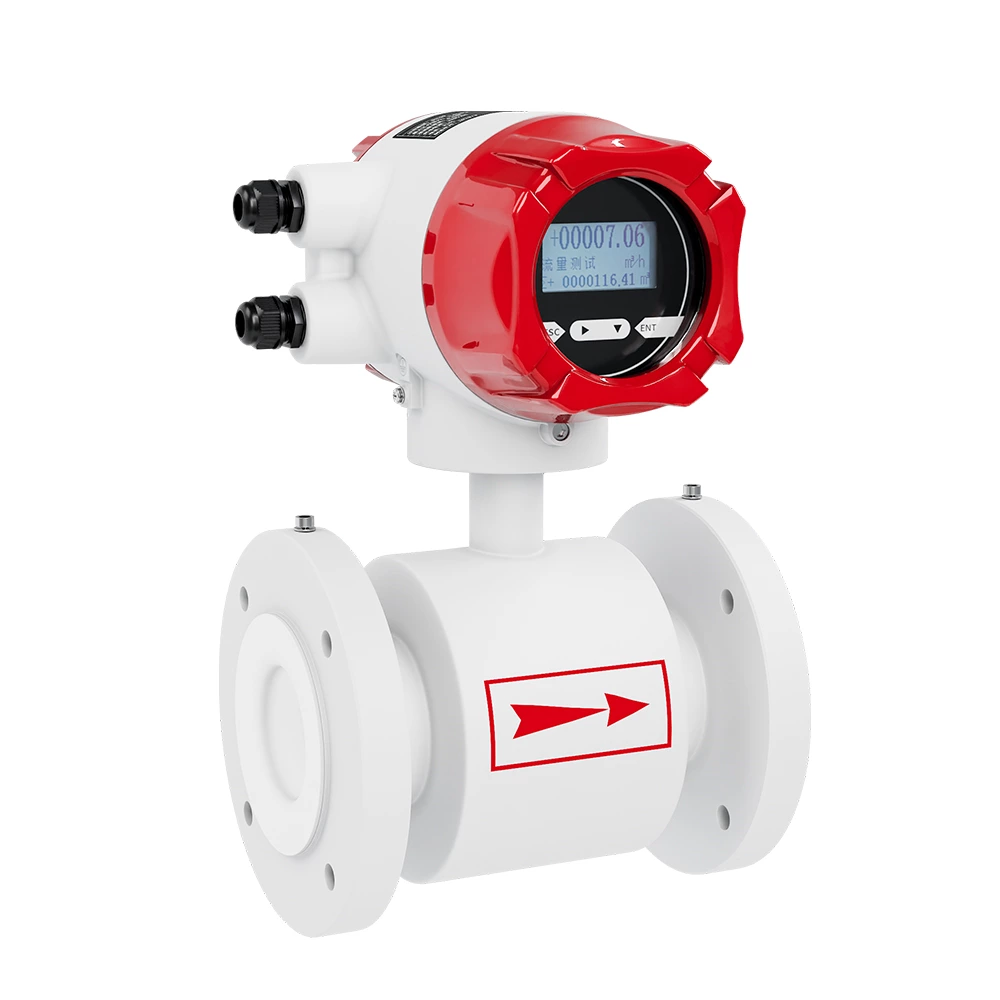
SUP-FMC400 Low Conductivity Electromagnetic flow meter
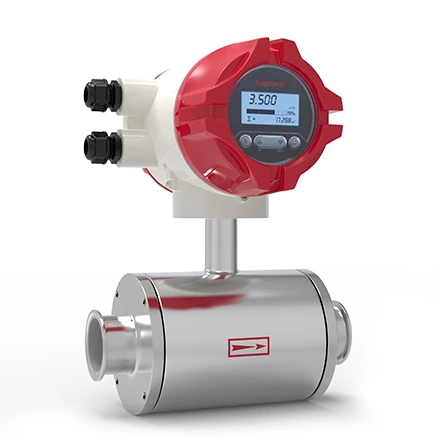
SUP-LDG Sanitary electromagnetic flowmeter for food processing
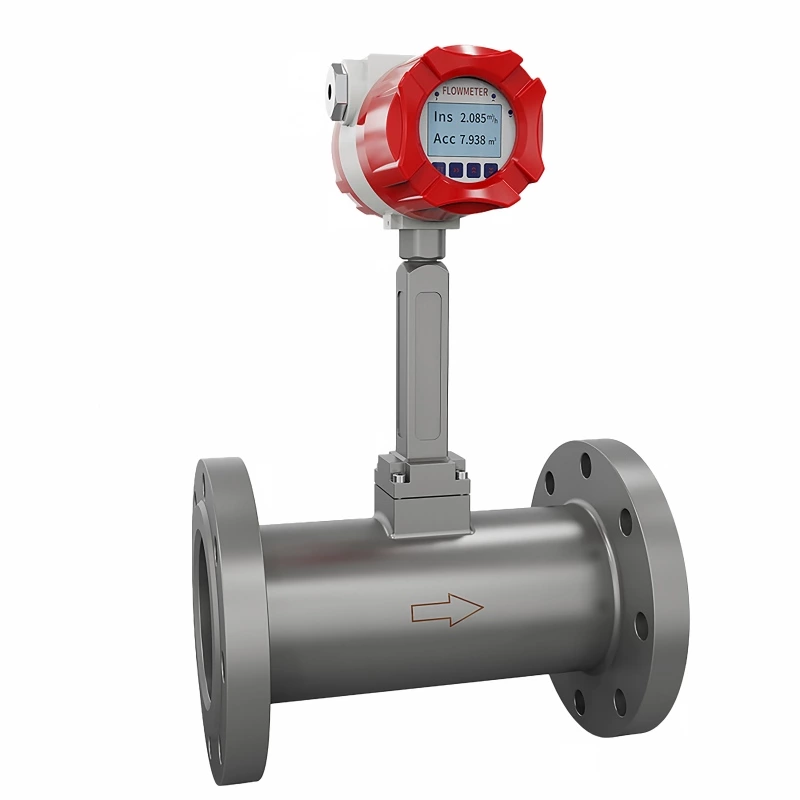
SUP-LUGB Vortex flowmeter without temperature & pressure compensation
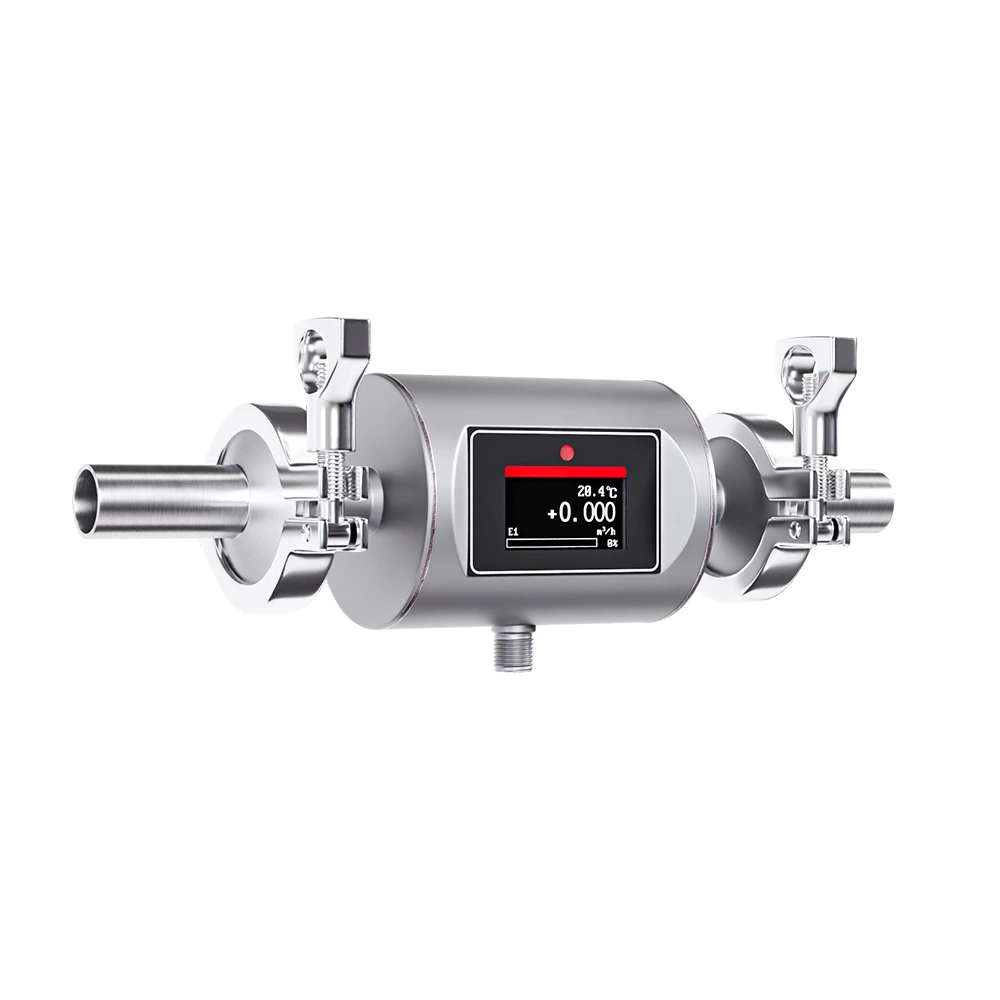
SUP-FMX240 Compact Electromagnetic Flow Meter—Precision Flow Measurement in a Space-Saving Design
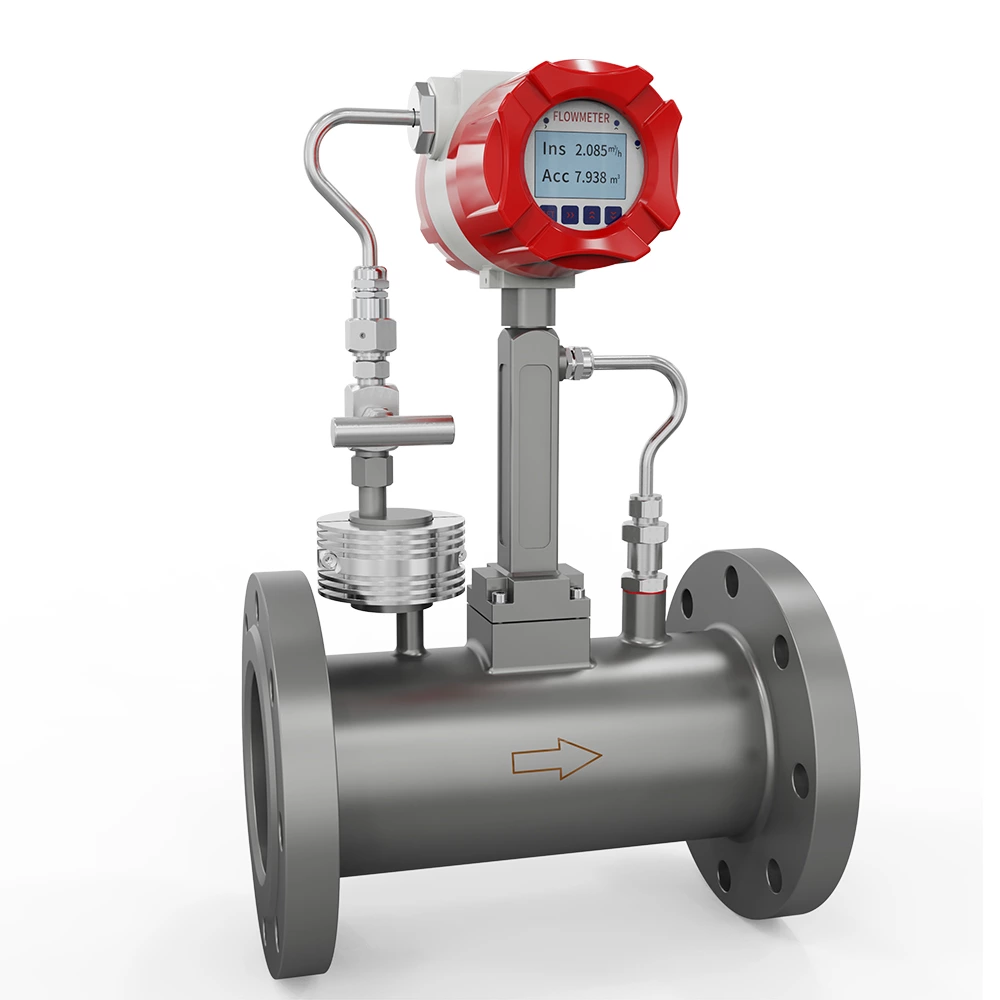
SUP-LUGB Vortex flowmeter with temperature & pressure compensation
Frequently Asked Questions
What does a signal isolator do?
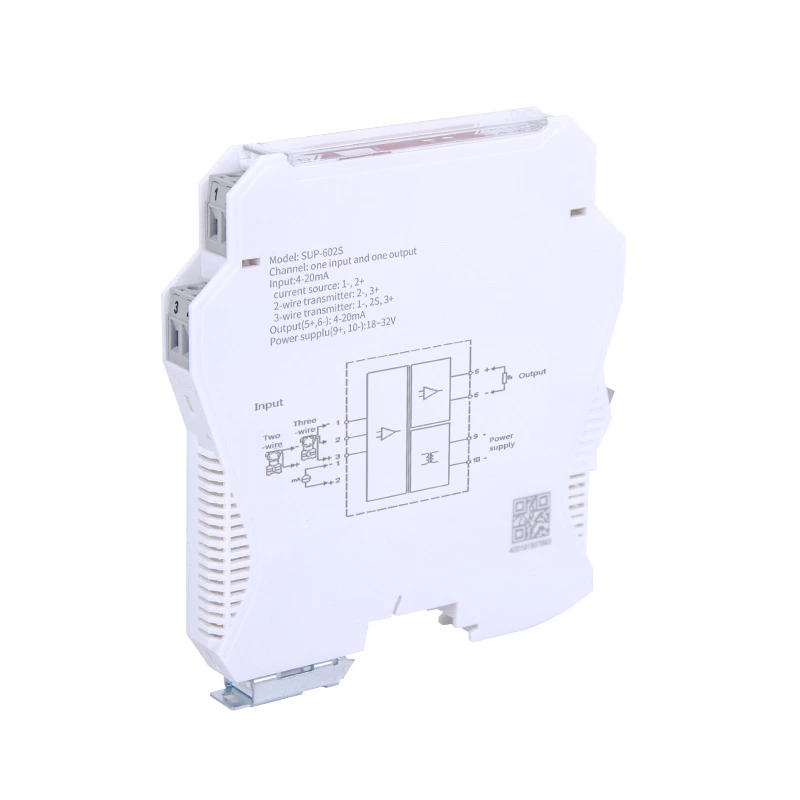
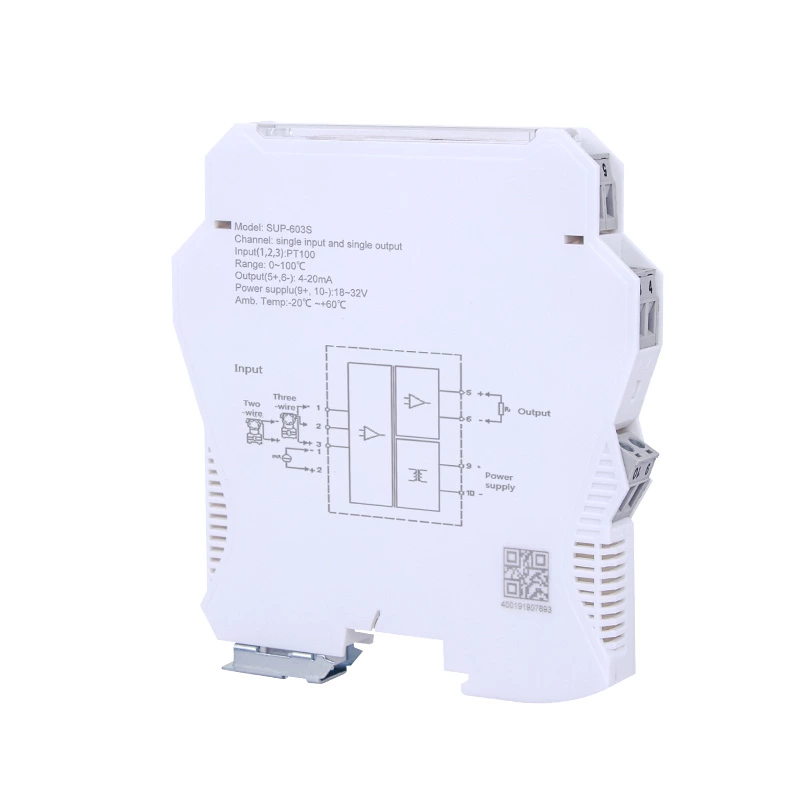
A signal isolator electrically separates a field signal from the receiving circuit while reproducing the measurement as a standard output. This helps reduce interference, break ground loops and protect connected equipment.
Which signal types can SUPMEA isolators handle?
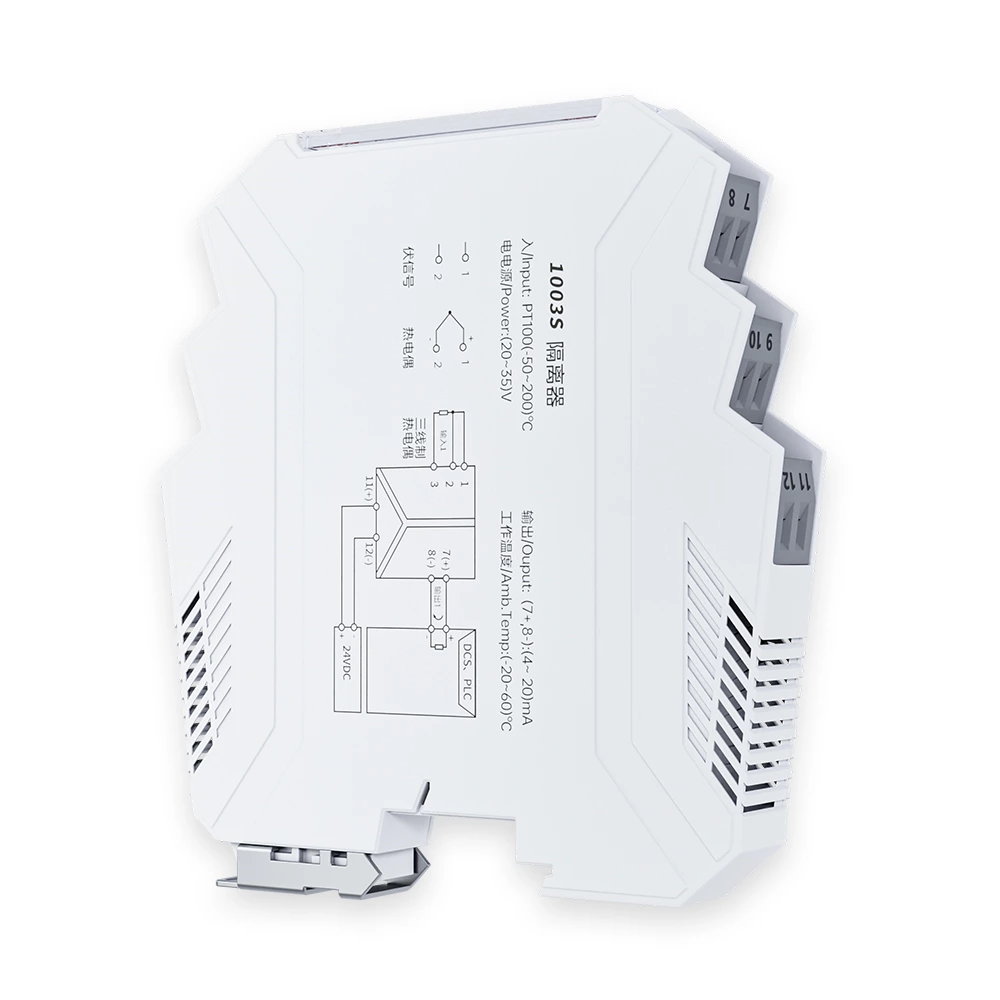
The available input types depend on the model and include standard current, voltage, thermocouple, RTD and mV signals.
Can a signal isolator convert one signal type into another?
Yes. Selected models can convert current or voltage inputs into standard current or voltage outputs. Temperature models convert thermocouple or RTD signals into standard outputs.
Can the isolator power a transmitter?
Selected current-input models provide isolated operating power for 2-wire and 3-wire transmitters. Confirm the transmitter type and distribution-voltage requirement during selection.
What is three-terminal isolation?
It means the input, output and power-supply circuits are electrically separated from one another, helping improve anti-interference performance and system stability.
Are single- and dual-output versions available?
Yes. Selected SUP-1000S-series models are offered with single- or dual-output configurations.