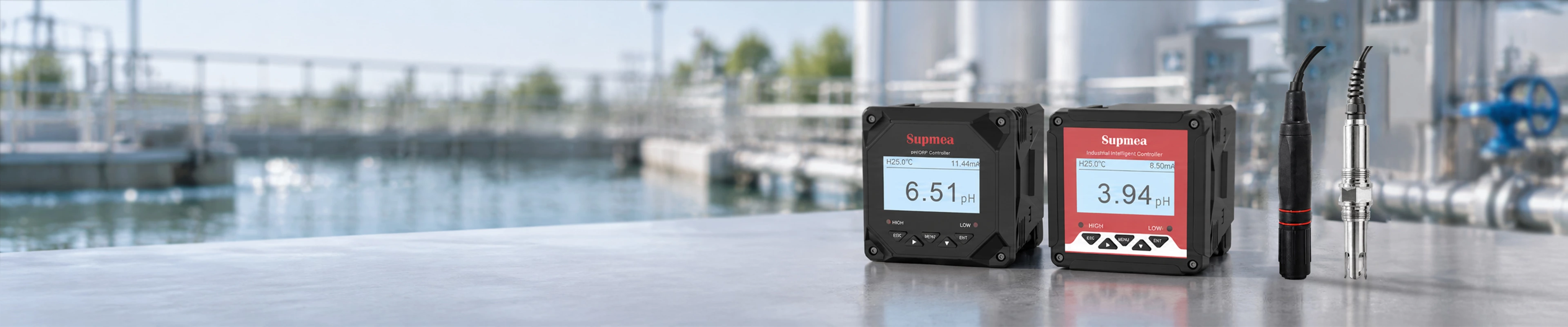
Quick product selection
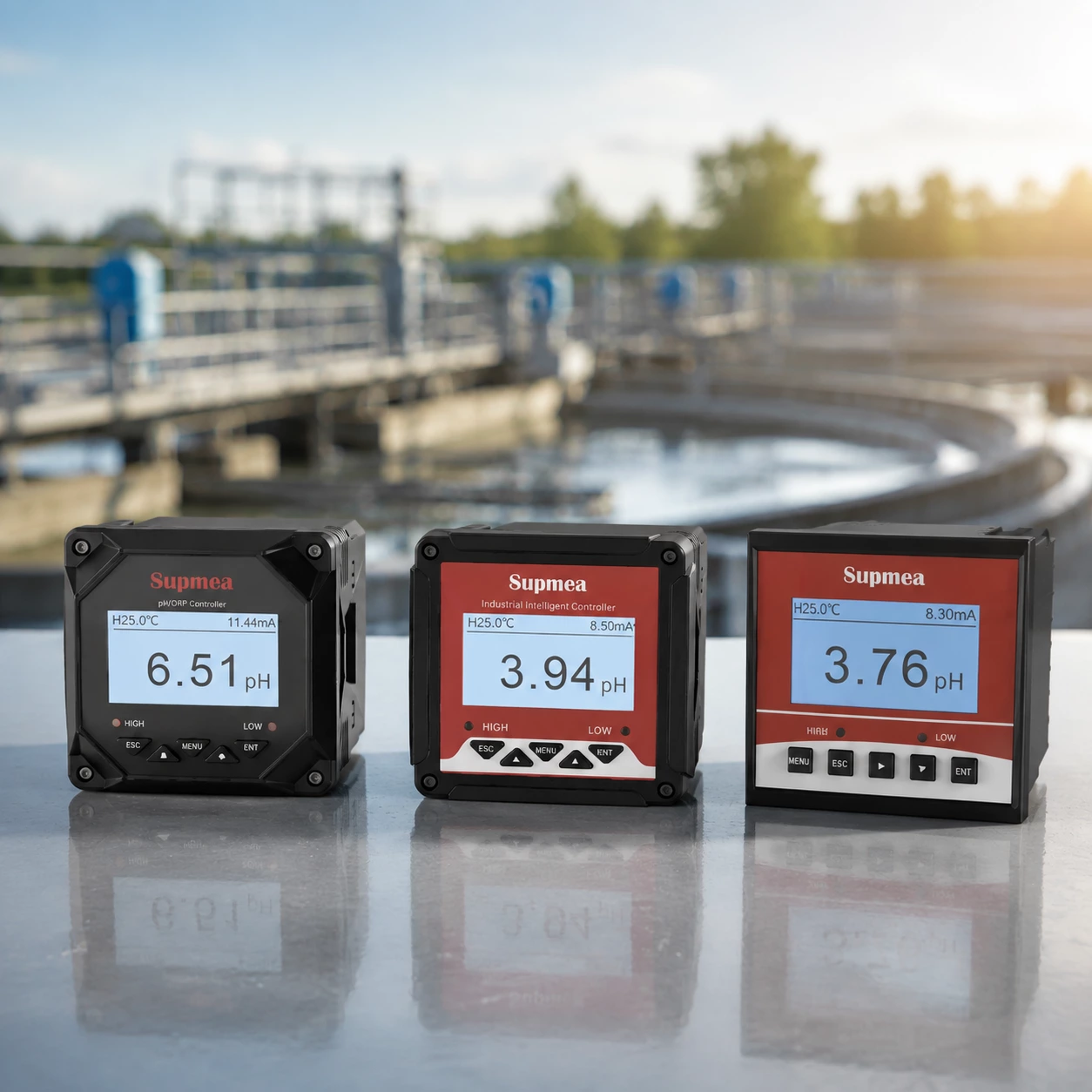
Find the right instrument for your application.
How pH Measurement work
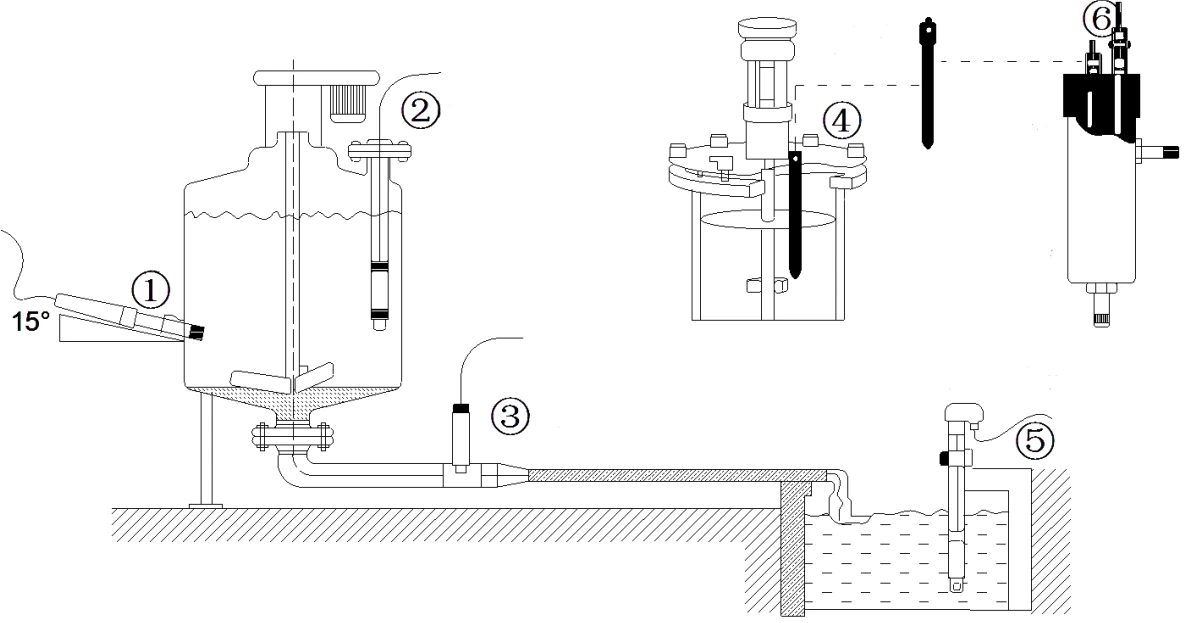
Immersion Installation
Install the sensor in an open tank, basin or channel using a suitable immersion holder.
Keep the sensing tip continuously submerged and position it where the liquid is representative and sufficiently mixed. Avoid locations with heavy sediment accumulation, strong impact or trapped air.
Pipeline Installation
Install the sensor in a continuously filled section of the pipeline using a compatible holder or process assembly.
Avoid high points where air can collect. Where practical, provide an isolation valve, bypass or maintenance chamber so the sensor can be inspected without stopping the entire process.
Applications & Industries
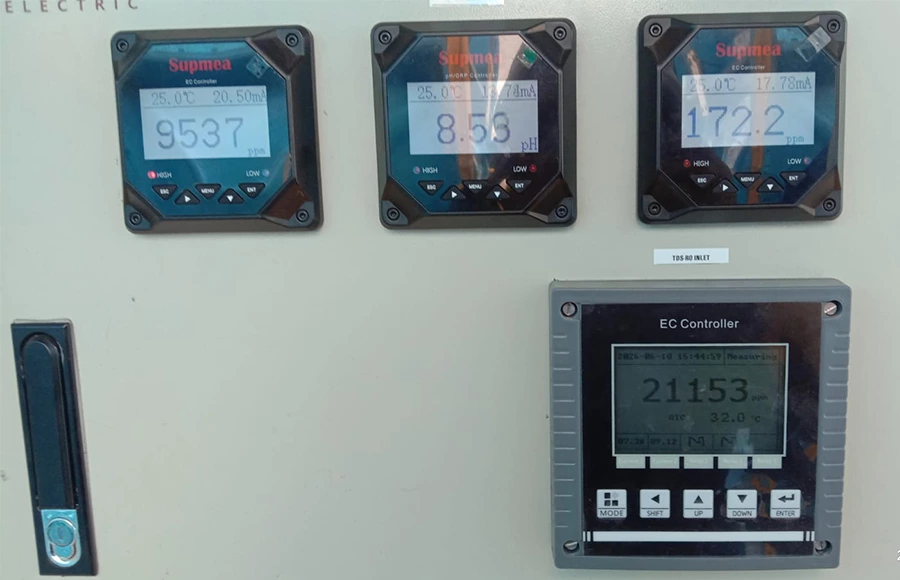
Multi-Parameter Water Quality Monitoring for a Building Project in Dubai
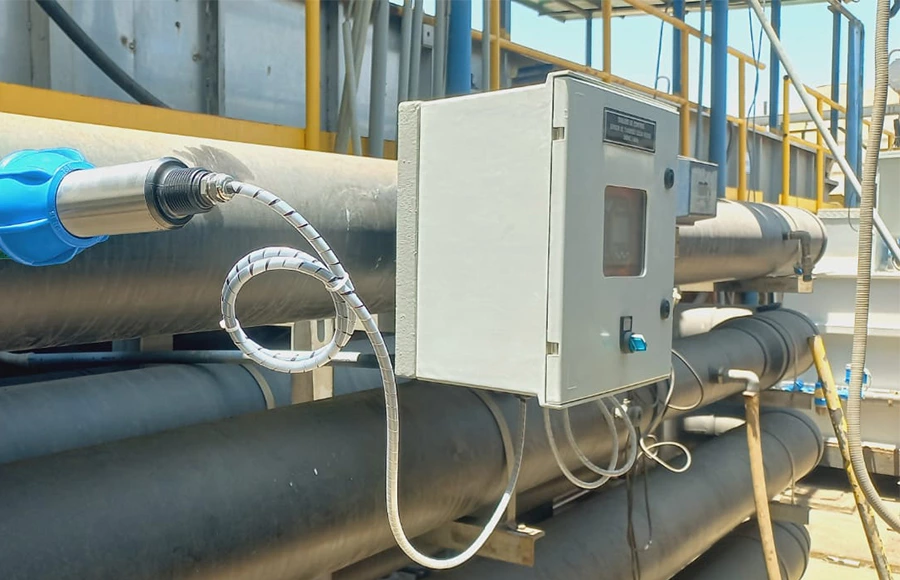
Integrated Flow and Water Quality Monitoring for an RO System in Indonesia
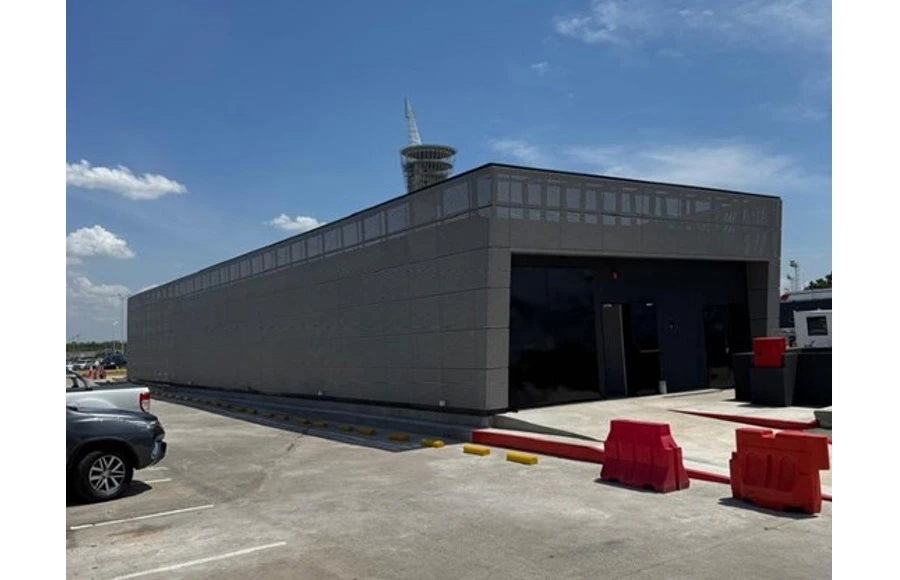
Inline Wastewater Turbidity Monitoring for a Treatment Pipeline in Peru
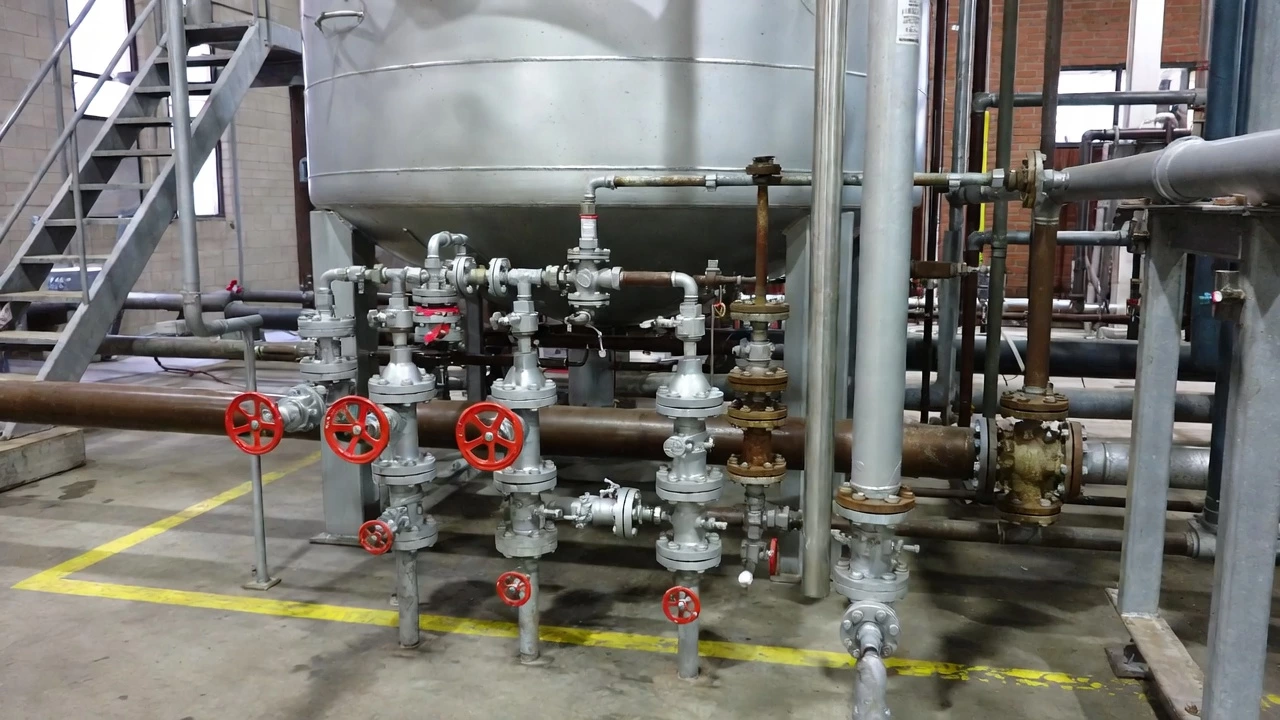
Supmea Multi-Parameter Monitoring Supports Water Treatment at an International Airport in Argentina
Related Products
Discover our most trusted process instruments for water and wastewater applications. Designed for reliable measurement, intelligent monitoring, and efficient process control across every stage of the treatment cycle.
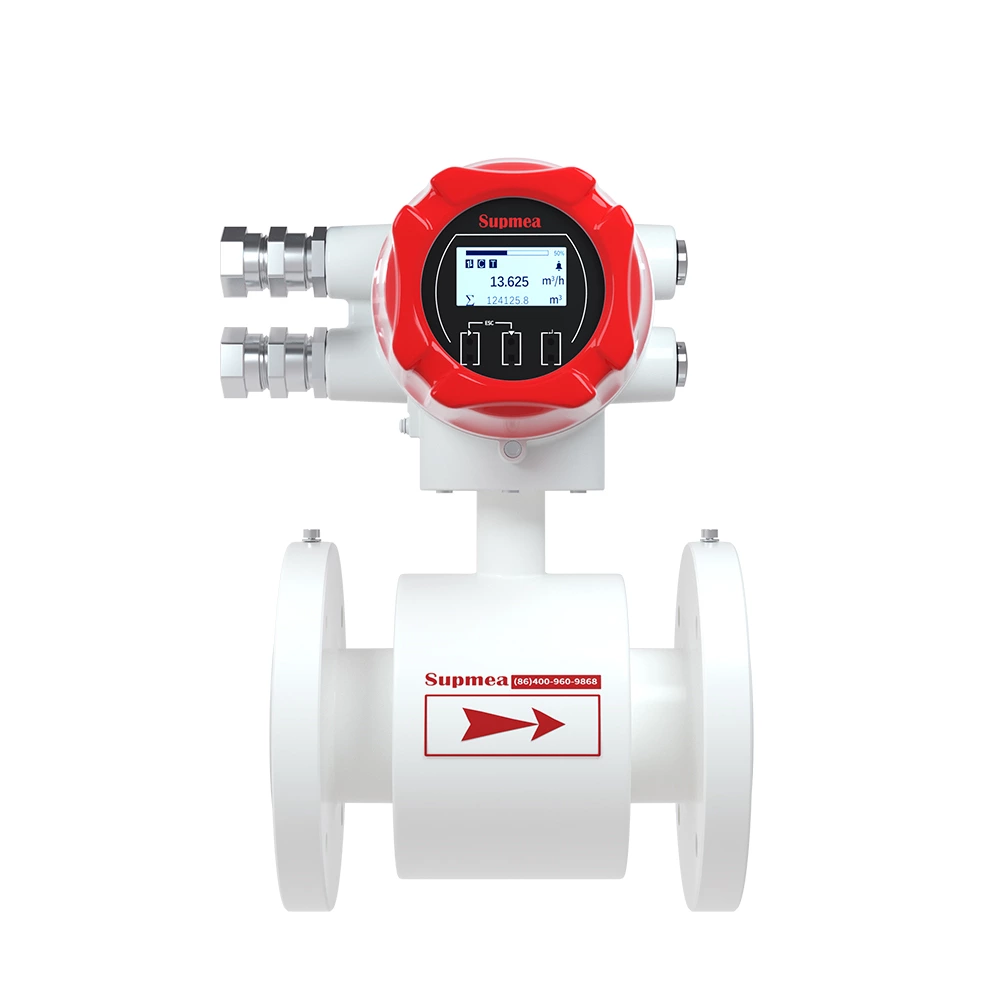
LDG-SUP-A100D Explosion-Proof Electromagnetic Flowmeter
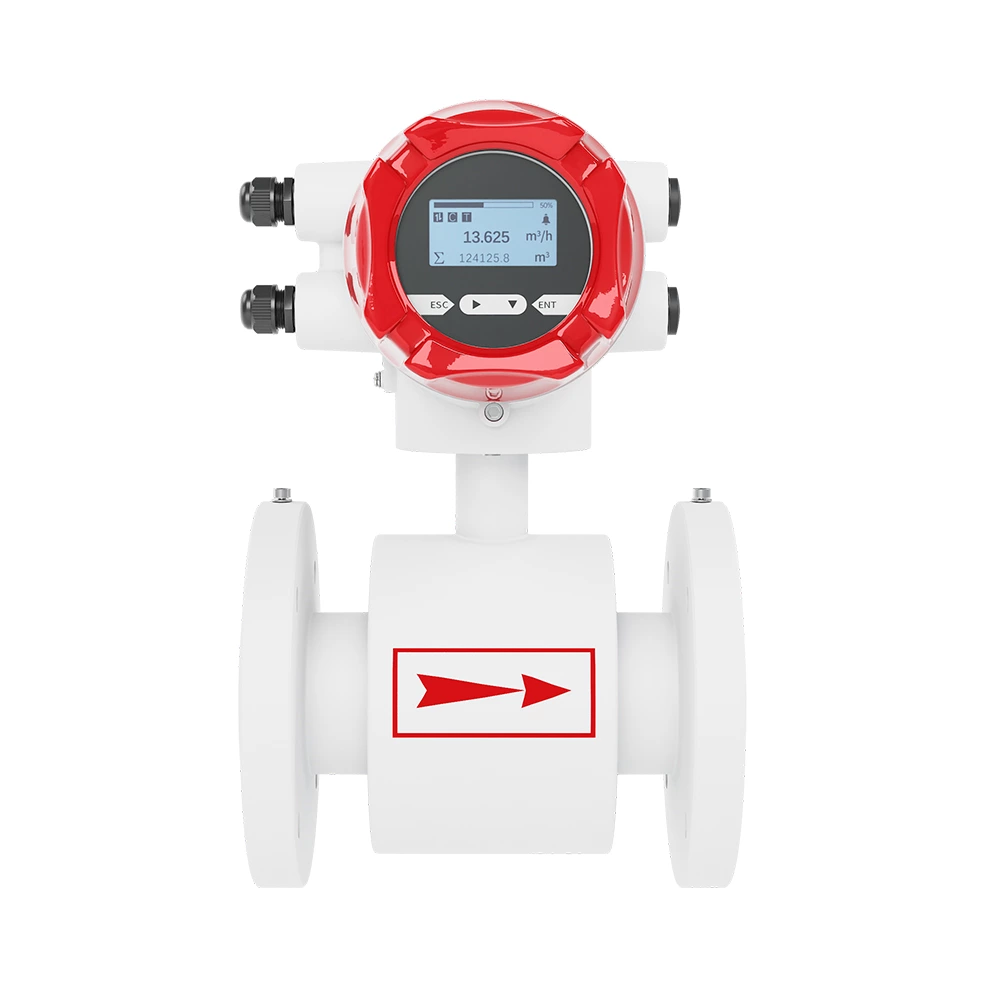
LDG-SUP-A100 Electromagnetic Flow Meter — High-Accuracy Conductive Liquid Measurement
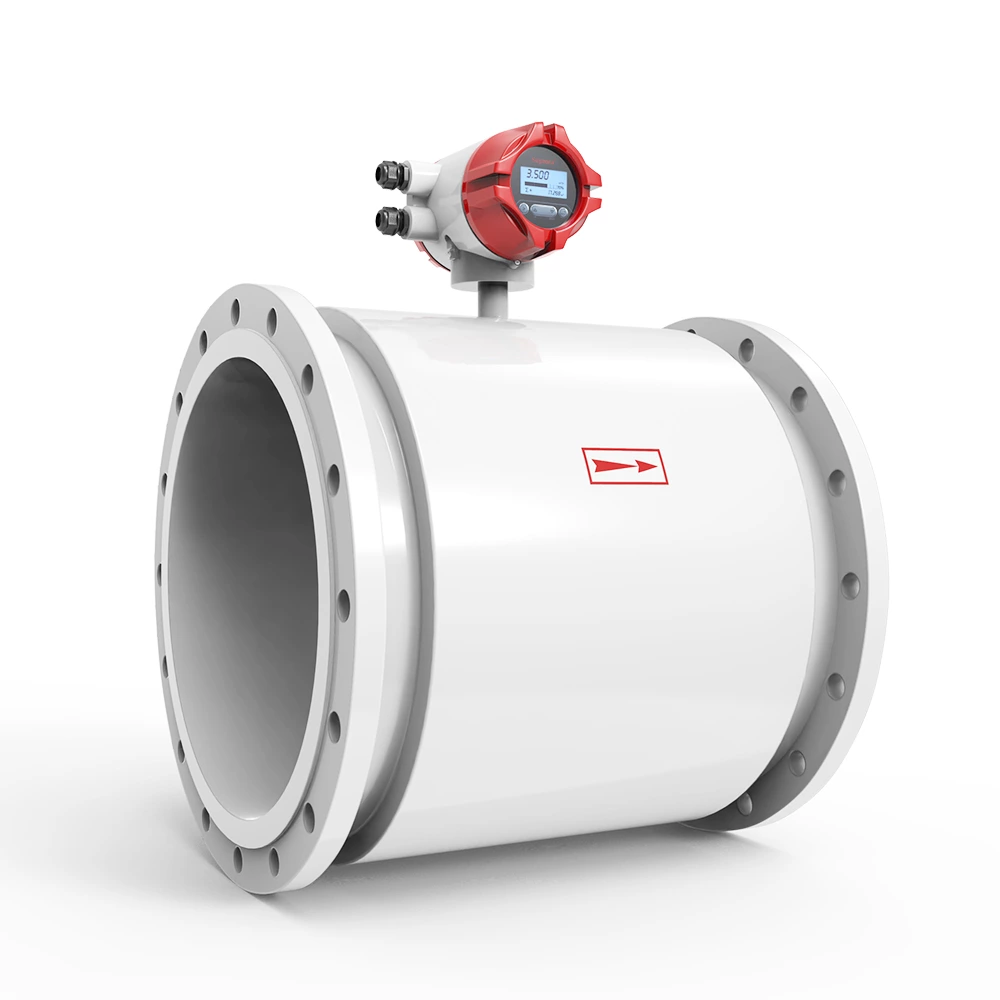
LDG-SUP Electromagnetic Flowmeter: Precision Flow Measurement for Demanding Industrial Applications
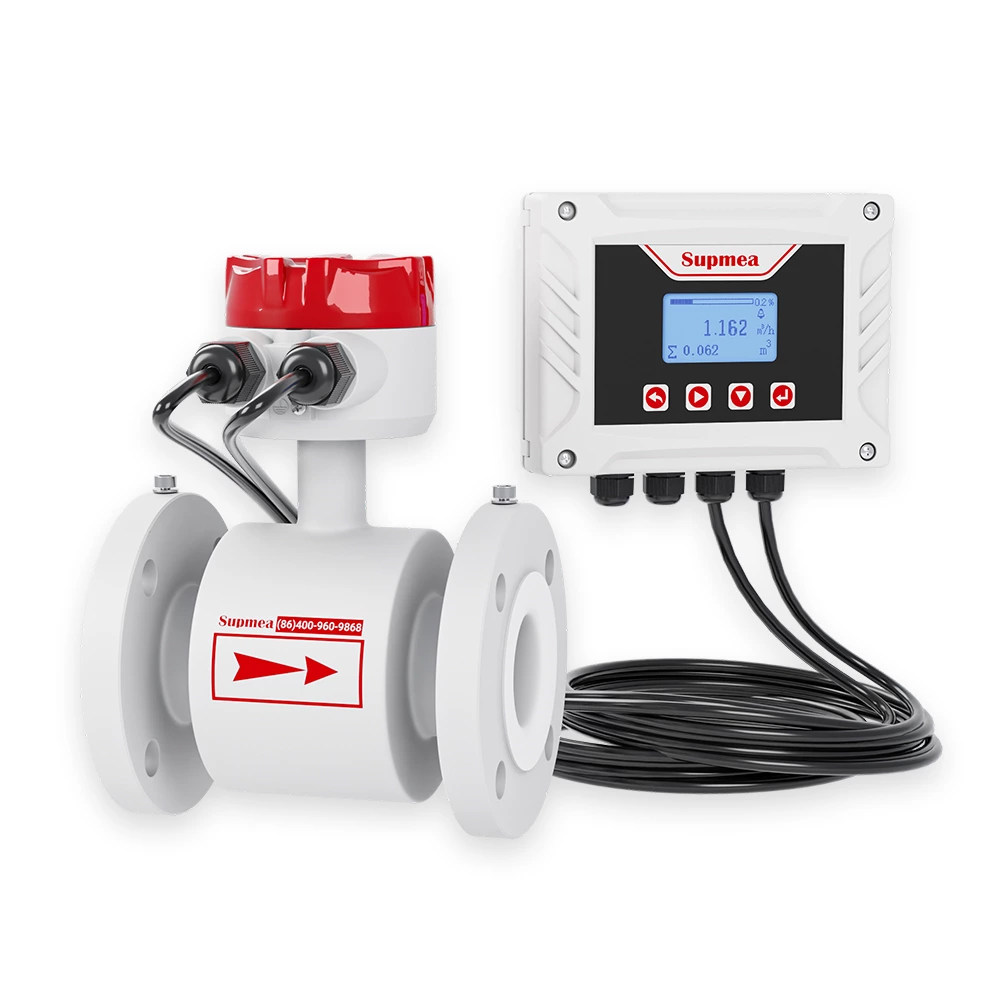
SUP-LDG Remote type electromagnetic flowmeter
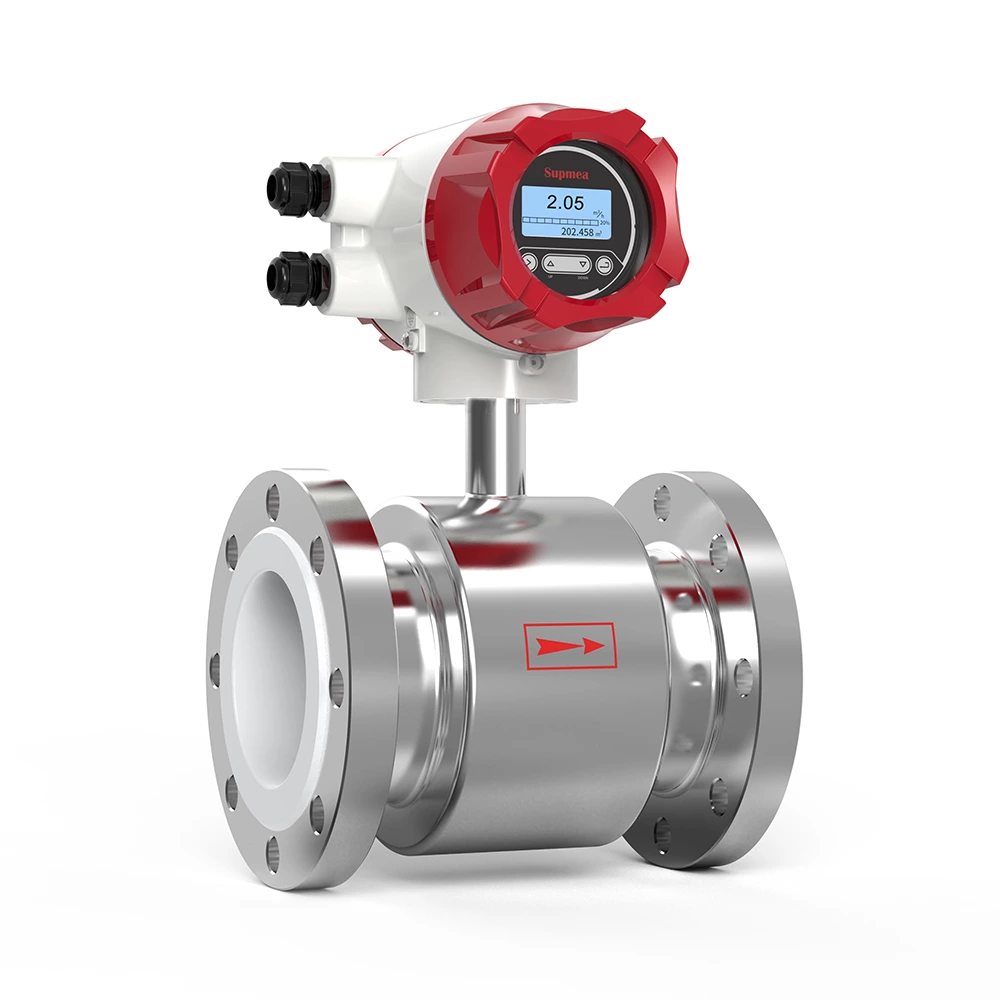
SUP-LDG Stainless steel body electromagnetic flowmeter
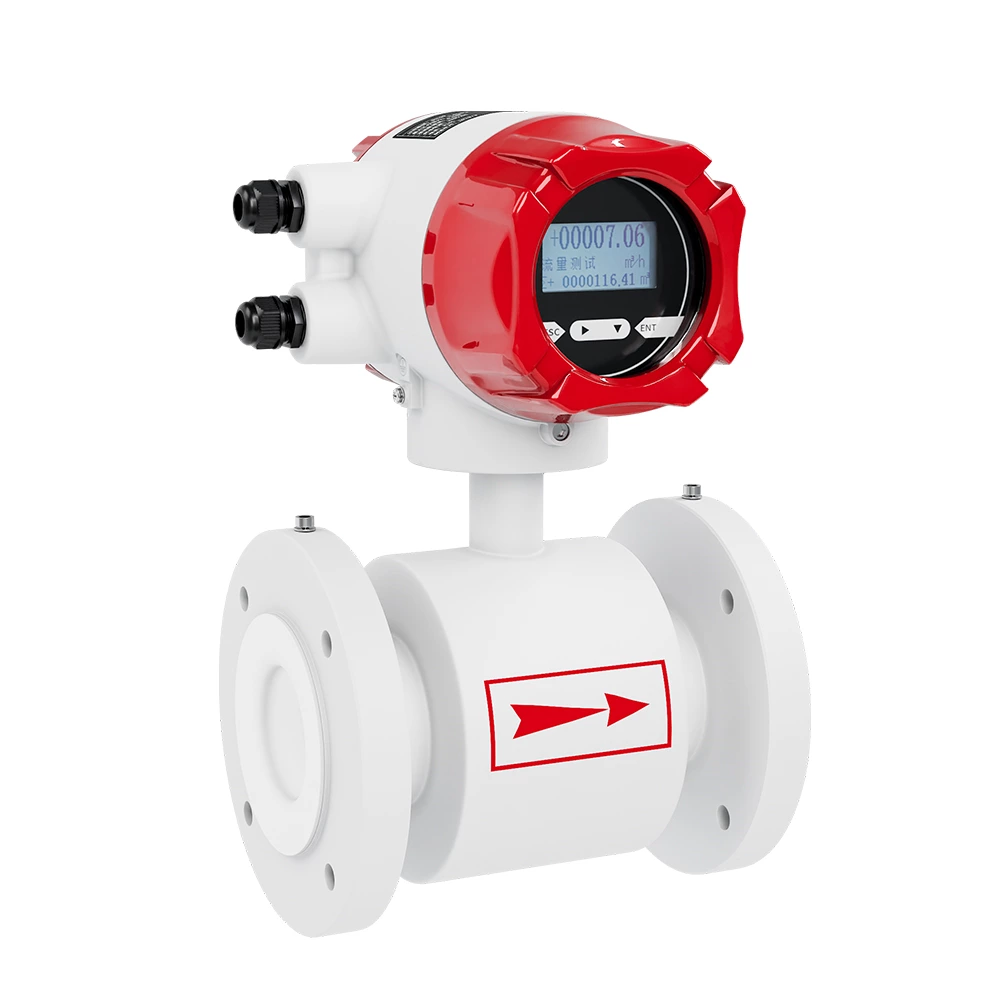
SUP-FMC400 Low Conductivity Electromagnetic flow meter
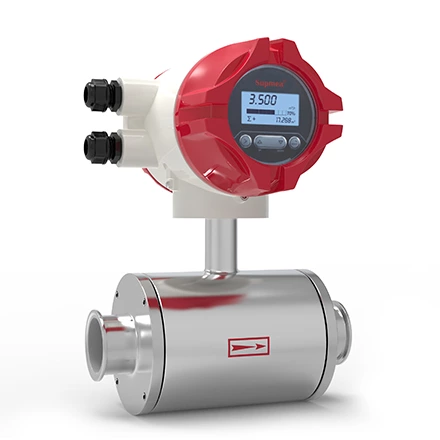
SUP-LDG Sanitary electromagnetic flowmeter for food processing
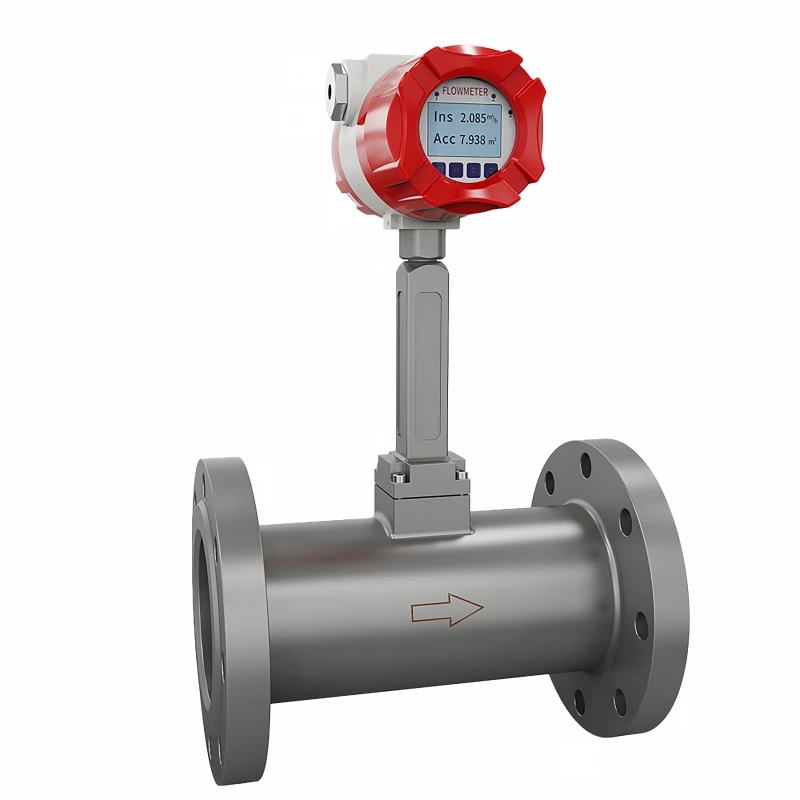
SUP-LUGB Vortex flowmeter without temperature & pressure compensation
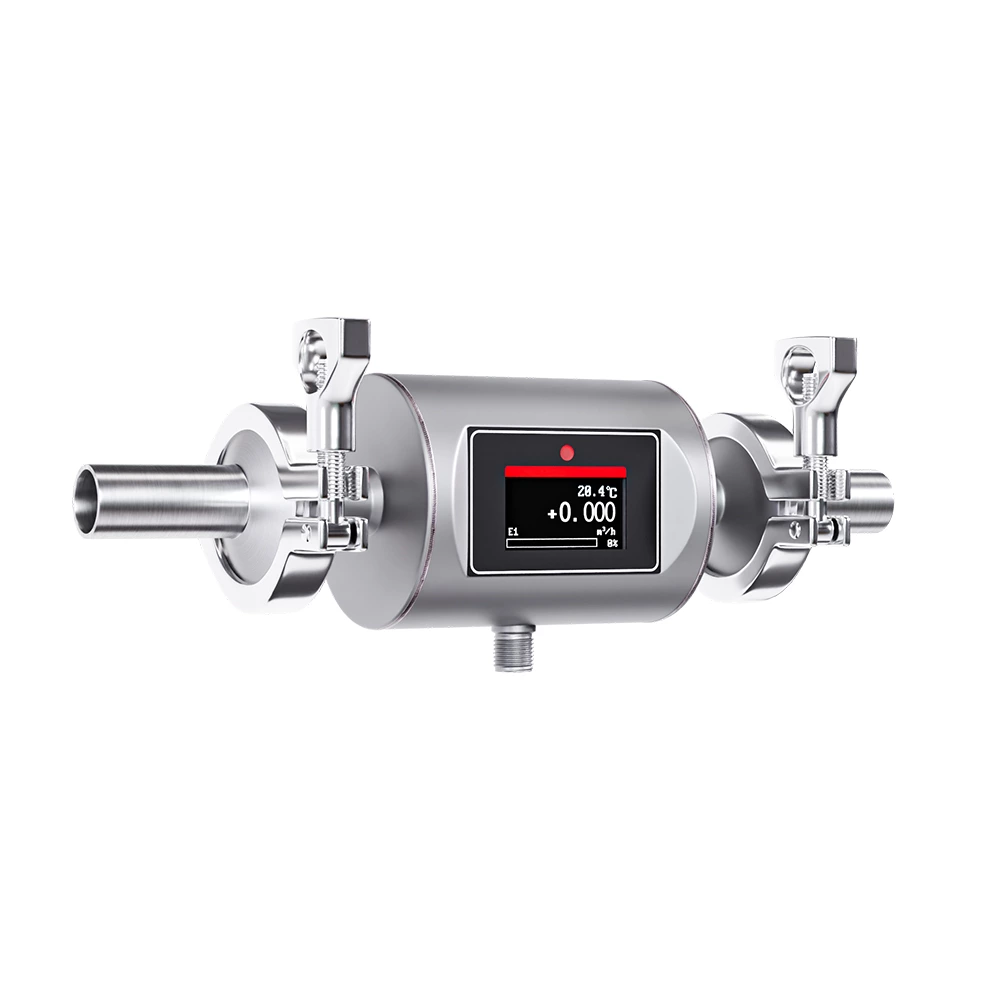
SUP-FMX240 Compact Electromagnetic Flow Meter—Precision Flow Measurement in a Space-Saving Design
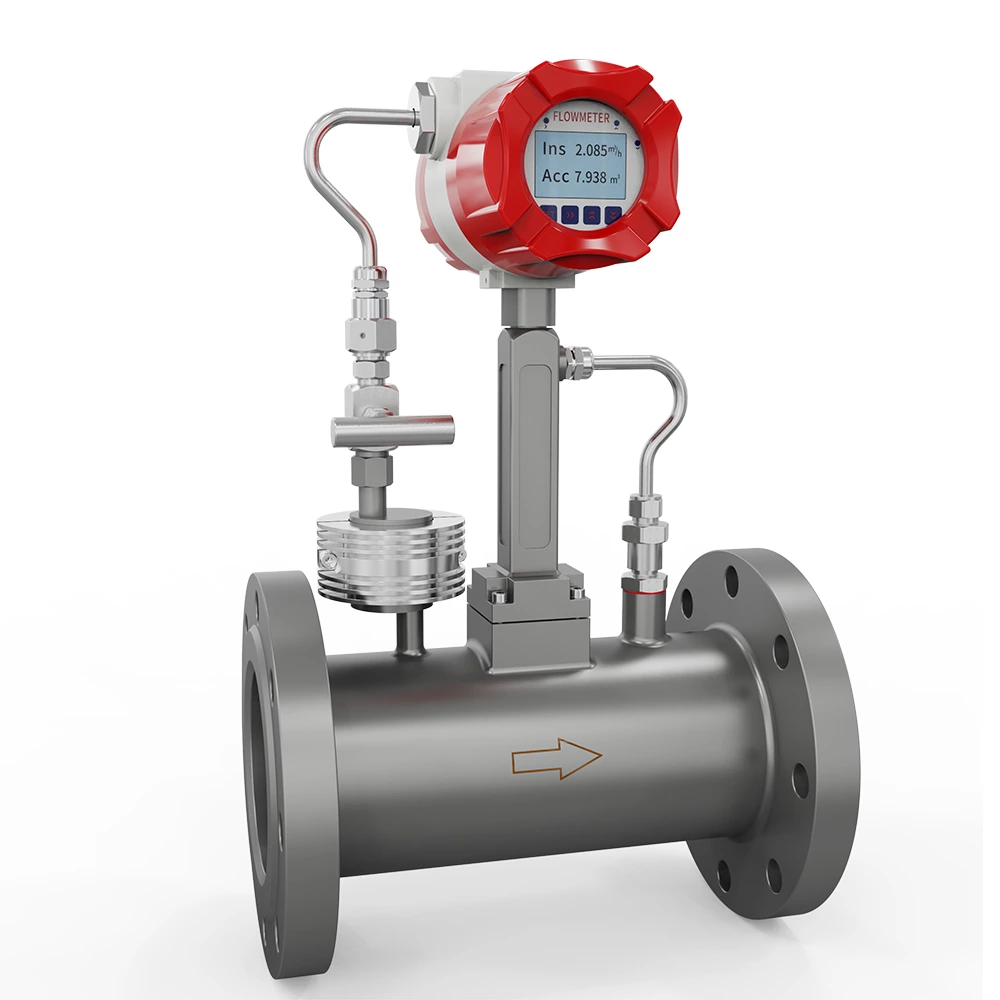
SUP-LUGB Vortex flowmeter with temperature & pressure compensation
Frequently Asked Questions
What is the difference between a pH sensor and a pH controller?
The sensor contacts the process and generates a millivolt signal. The controller converts the signal into a pH value and provides display, communication, alarms or control functions.
Can any pH sensor be connected to any controller?
No. The sensor signal, temperature element, connector, cable and input specifications must be compatible with the controller. Check the product datasheets before selection.
How do I choose the correct pH sensor?
Consider the medium, pH range, conductivity, temperature, pressure, chemical composition, suspended solids, installation method and required maintenance frequency.
Can a pH controller operate a dosing pump?
Selected controllers provide relay outputs that can control acid or alkali dosing pumps. The control strategy should consider mixing time, process delay and suitable setpoint deadband.
Which outputs and communication protocols are available?
Depending on the model, options may include 4–20 mA, RS485, Modbus-RTU and relay outputs for connection to PLC, DCS, SCADA or alarm equipment.
Which installation method should I choose?
Use immersion installation for tanks and channels, pipeline installation for full pipes, and flow-through installation for bypass or sampling systems. Selection depends on maintenance and process conditions.
Can a standard pH sensor measure pure water?
Standard sensors may respond slowly or become unstable in low-conductivity water. A dedicated pure-water sensor and controlled sample system are normally recommended.