Integrated Flow and Water Quality Monitoring for an RO System in Indonesia
Online flow, pH, conductivity, and TDS data support stable reverse-osmosis operation
-
Project Overview
An Indonesian project-support company required a coordinated monitoring package for a reverse-osmosis system. Changes in raw-water quality were affecting RO performance, while membrane fouling and repeated cleaning increased maintenance requirements. The project needed continuous visibility of flow and key water-quality parameters at inlet and outlet pipelines.
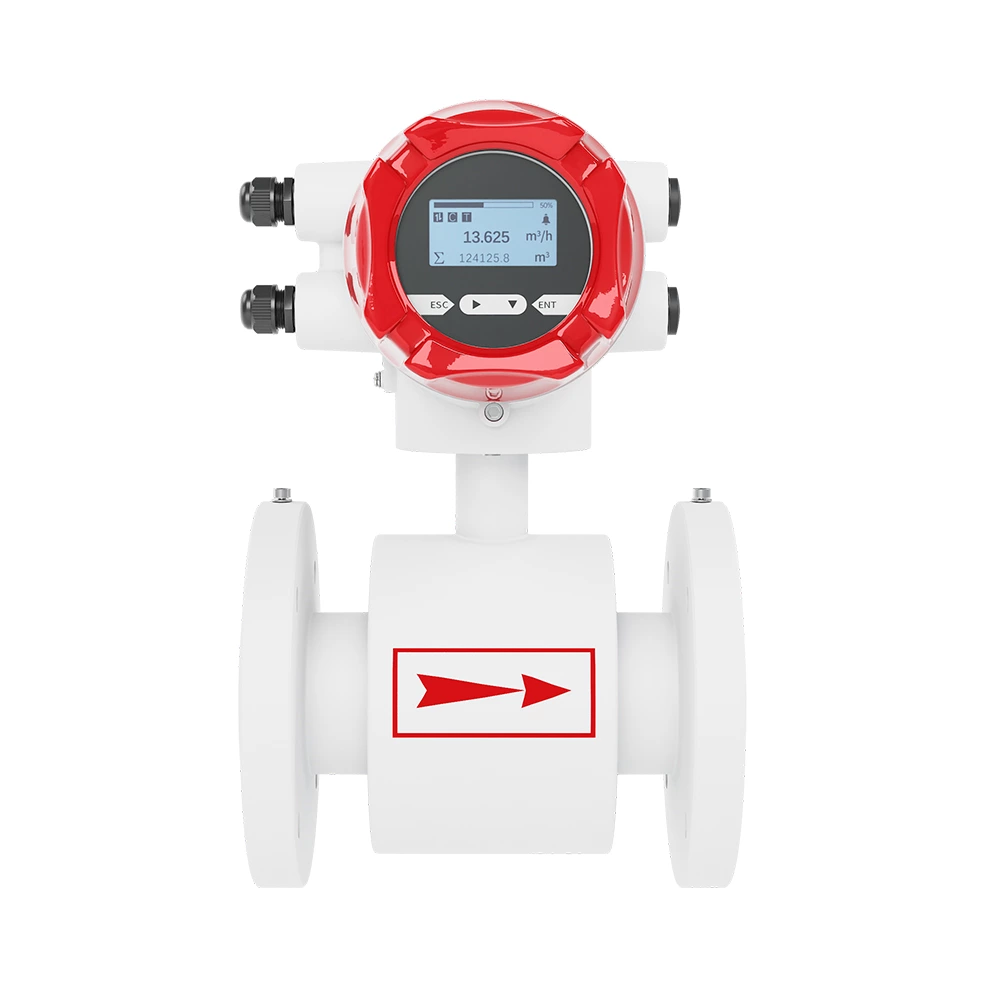
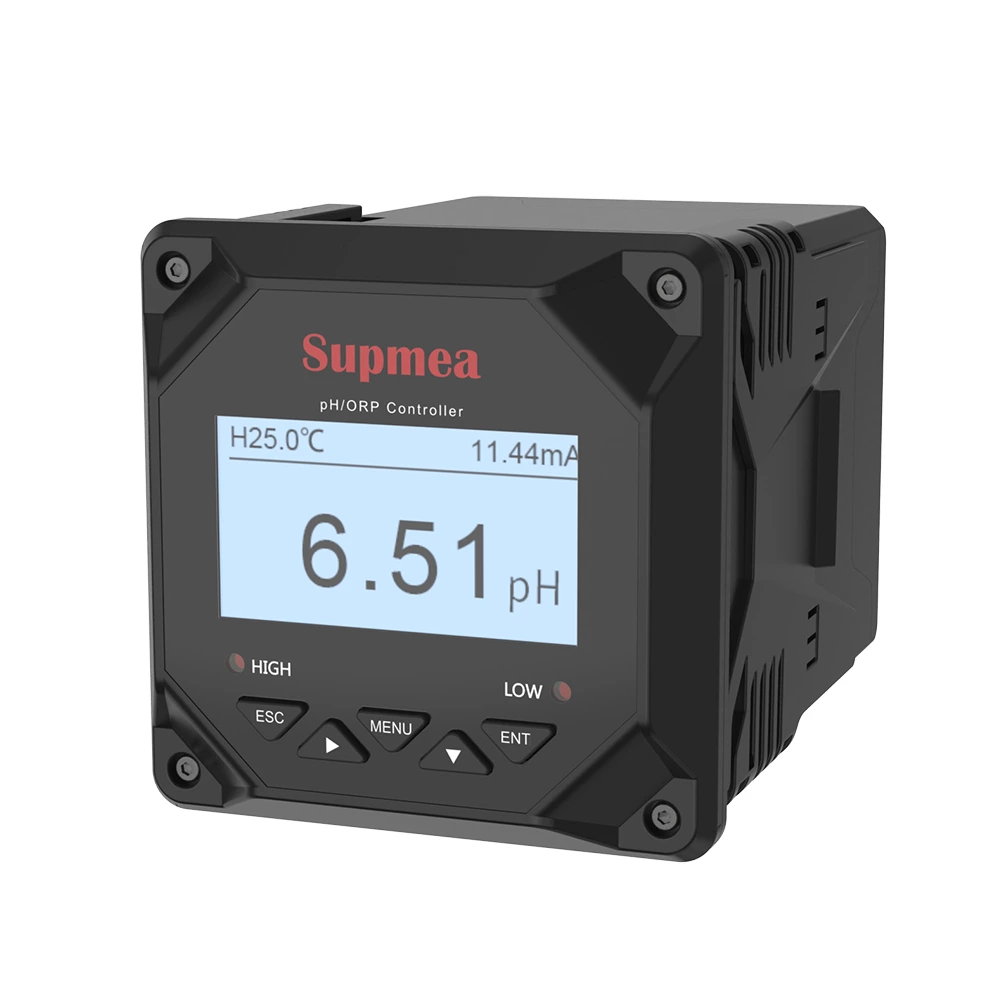
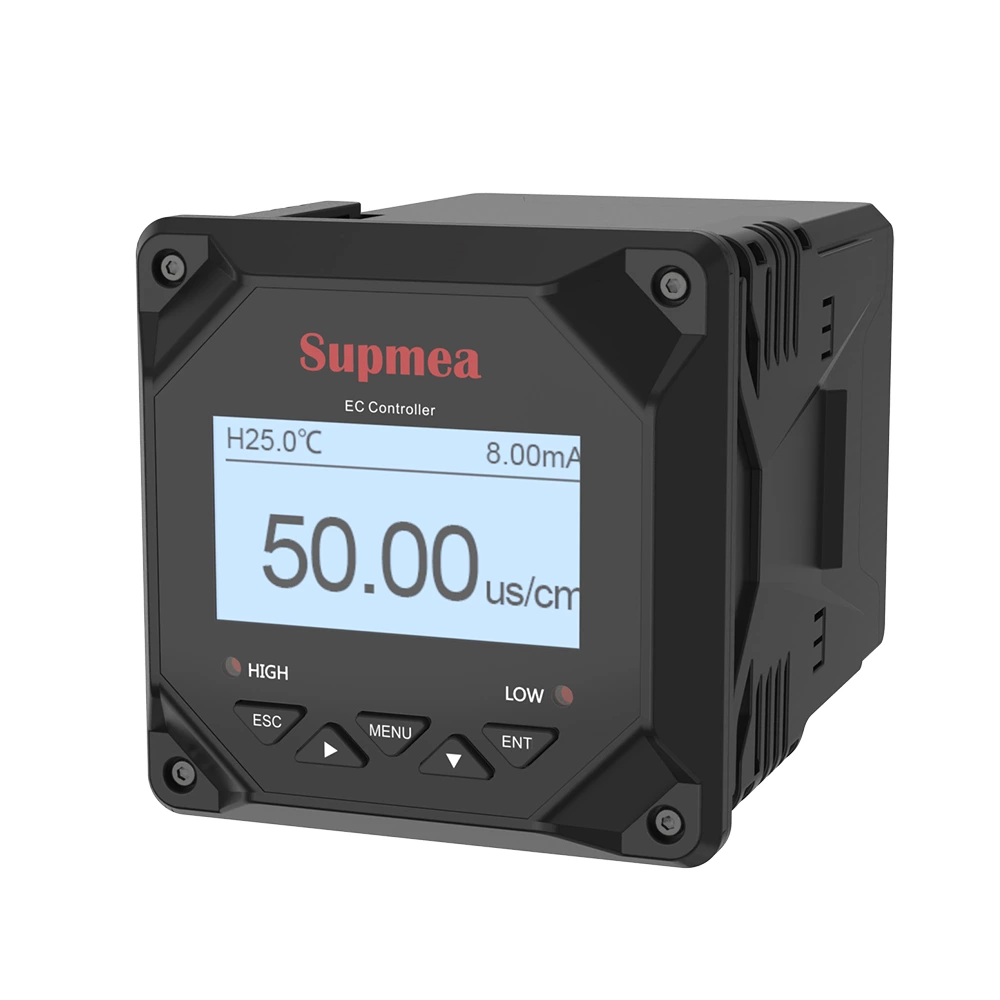
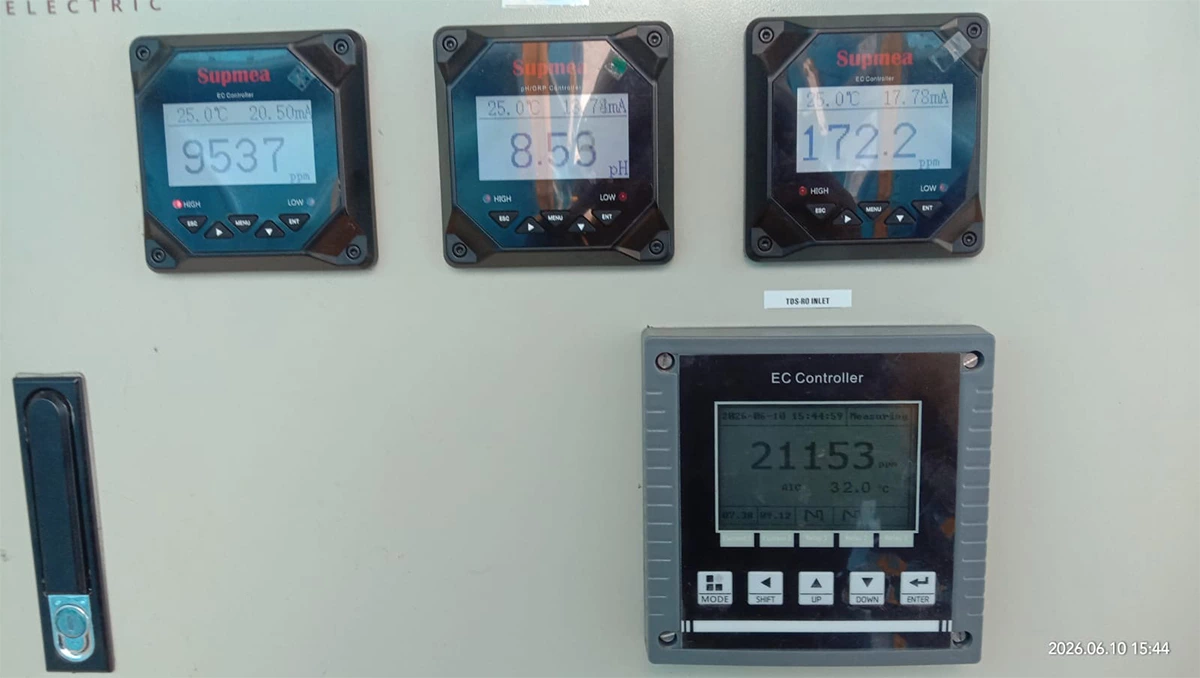
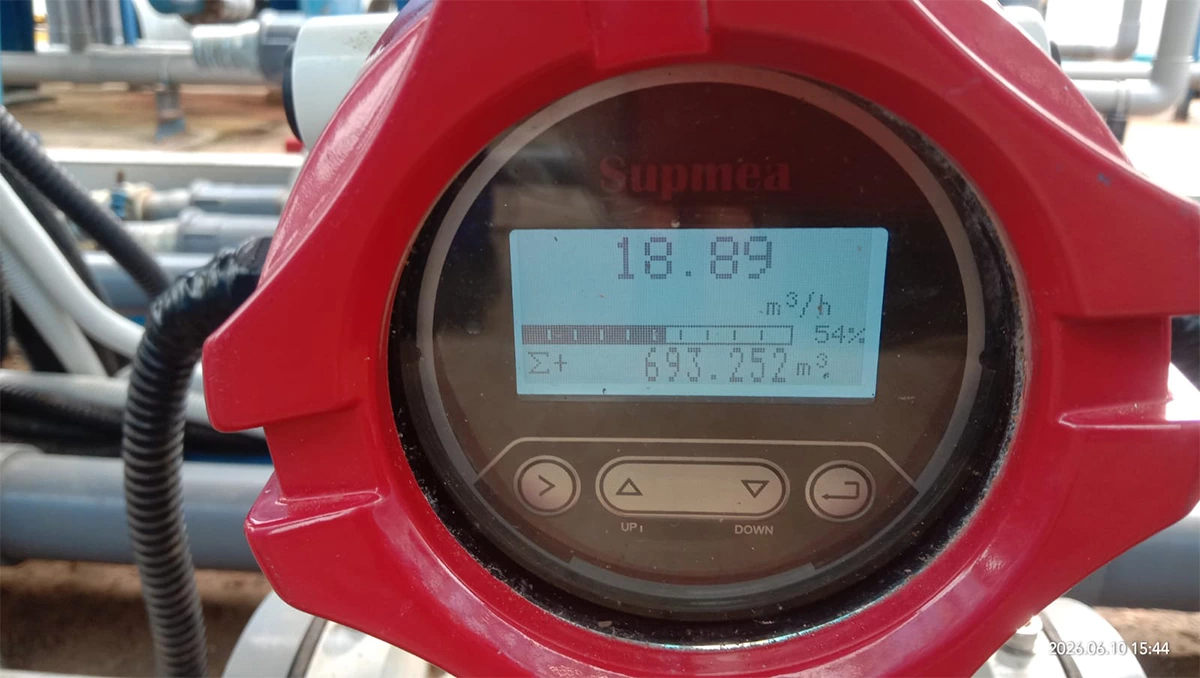
Supmea supplied electromagnetic flowmeters, pH analyzers, TDS analyzers, and conductivity analyzers for the DN32 system. The instruments provide local online measurement together with 4-20 mA and RS485 Modbus outputs, allowing the control panel to monitor process conditions and respond to changes more quickly.
-
Customer Challenges
-
Unstable raw-water quality affected RO-system performance.
-
Frequent membrane fouling increased maintenance workload and operating costs.
-
Critical flow, pH, conductivity, and TDS values needed continuous monitoring rather than periodic manual checks.
-
The project required stable and efficient operation to maintain consistent purified-water quality.
-
Application Conditions
| Medium | RO water |
| Pipe size | DN32 |
| Temperature | Room temperature |
| Pressure | 0.3 MPa |
| Flow range | 1.4-14 m³/h |
| Installation | Inlet and outlet pipelines |
| Communication | 4-20 mA / RS485 |
| Environment | Outdoor and humid |
-
Supmea Solution
The monitoring package combines flow measurement with three water-quality measurement functions. Electromagnetic flowmeters monitor process throughput, pH analyzers track acid-base conditions, and the EC/TDS instruments provide continuous indication of ionic concentration and RO-water quality. Standard analog and Modbus outputs connect the field instruments to the RO control panel for centralized operation.
Products and Configuration
| Electromagnetic flowmeters | SUP-LDG-A100; 10 units |
| pH analyzers | SUP-PH6.5; 5 units |
| TDS analyzers | SUP-TDS210-B; 5 units |
| Total quantity | 25 instruments / analyzers |
| Selection reasons | Stable RO-water measurement, corrosion resistance, fast delivery, and competitive cost |
Key Configuration Highlights
-
SUP-LDG-A100: ±0.5% accuracy, 4-20 mA, RS485 Modbus, IP68 sensor, AC/DC power, and DN10-DN1000 range as recorded in the workbook.
-
SUP-PH6.5: pH/ORP monitoring, ±0.02 pH accuracy, 4-20 mA, RS485 Modbus, automatic temperature compensation, and dual relay.
-
SUP-TDS210-B: EC/TDS measurement, multi-range support, 4-20 mA, RS485 Modbus, and automatic temperature compensation.
Delivery and Technical Support
-
Model-selection guidance for the DN32 flow range and RO-water measurement points.
-
Online installation and wiring guidance for the field instruments and control panel integration.
-
Stock-order commercial support for the multi-instrument package.
-
Measured Results
OUTCOME SUMMARY:According to customer feedback, the integrated monitoring package improved real-time visibility of the RO process, supported more timely adjustments, and reduced dependence on daily manual inspection.
-
Flow-measurement accuracy was reported at ±0.5%.
-
Response to conductivity and TDS fluctuations was reported to be 30% faster.
-
Membrane-cleaning frequency was reported to decrease by 20%.
-
Operating costs were reported to decrease by 15%.
-
System uptime was reported at 99.5%.
-
Overall RO-process efficiency was reported to improve by 18%.
Customer Feedback
“The instruments work very well with my RO-system control panel. I plan to continue placing stock orders.”
-
Why Integrated Monitoring Matters in RO Systems
RO performance depends on more than a single measurement. Flow indicates throughput and hydraulic balance, pH affects pretreatment and membrane conditions, and conductivity or TDS provides a direct indicator of dissolved-ion levels and permeate quality. Bringing these measurements into one control panel helps operators identify changes earlier and adjust the process before they lead to unstable water quality or unnecessary cleaning.
-
Recommended Products
The following products can be presented as related recommendations beneath this case. Final selection should consider the feed-water composition, measurement point, conductivity range, sensor constant, temperature, pressure, pipe size, required accuracy, outputs, and cleaning method.
SUP-LDG-A100 Electromagnetic Flowmeter
Recommended for monitoring conductive feedwater, concentrate, or suitable process-water streams where stable flow data is required for RO control. Confirm that the measured stream meets the conductivity requirements of the electromagnetic principle.
SUP-PH6.5 Online pH/ORP Analyzer
Recommended for pretreatment, chemical dosing, and RO feed monitoring where stable pH control supports membrane protection and process consistency.
Recommended when operators need a direct online view of TDS or conductivity-related water-quality changes at RO inlet, permeate, or product-water points.
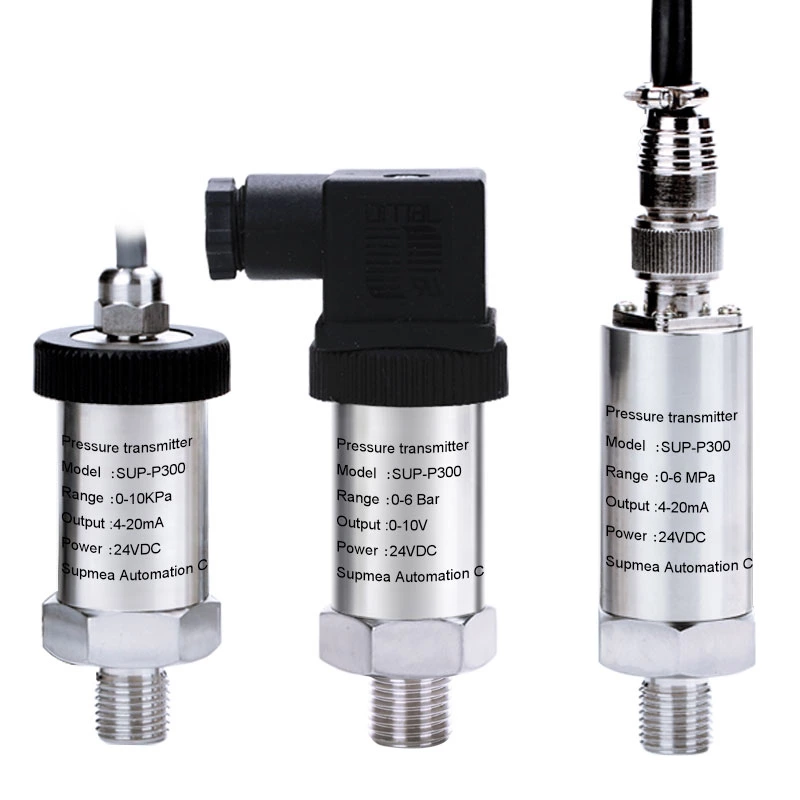
Recommended as a complementary instrument for monitoring feed pressure, differential-pressure trends across filters, pump discharge, and RO skid operating conditions.
Paperless Recorder or Data Acquisition System
Recommended when the project requires centralized trends, alarms, historical comparison, or reporting across multiple flow and water-quality parameters.
Share the feedwater and product-water conditions, pipe sizes, flow ranges, pressure, pH and EC/TDS ranges, measuring points, sensor mounting, power supply, control-panel signals, and communication protocol with Supmea for selection support.