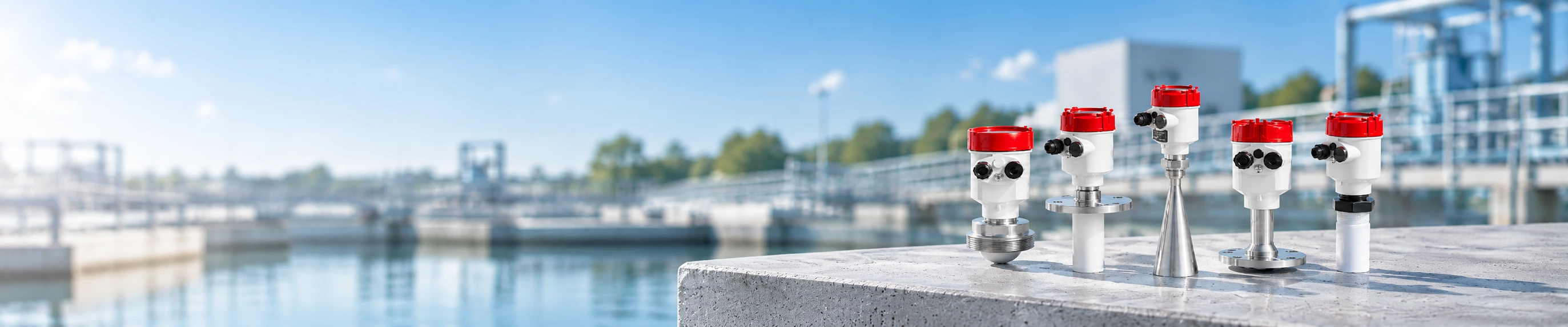
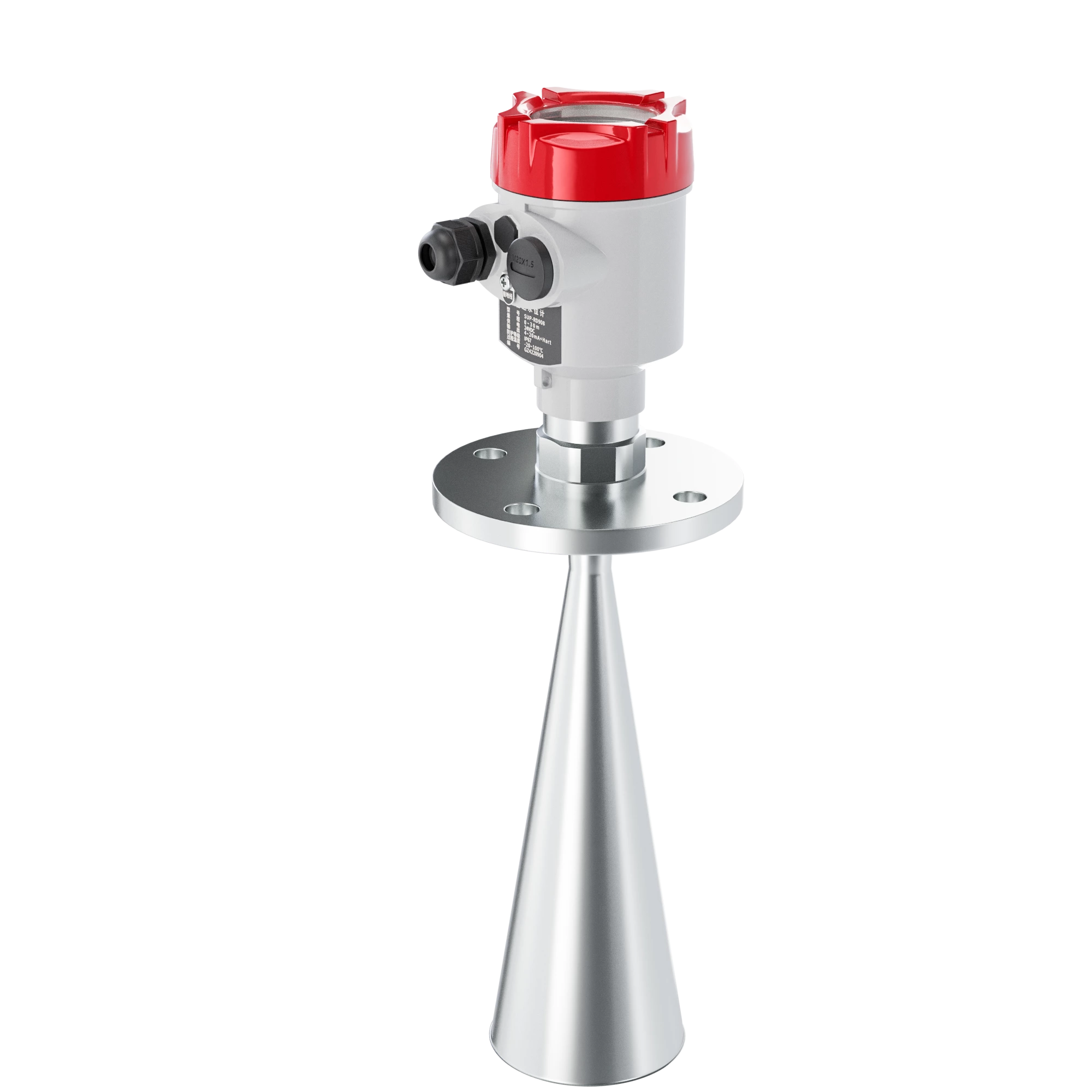
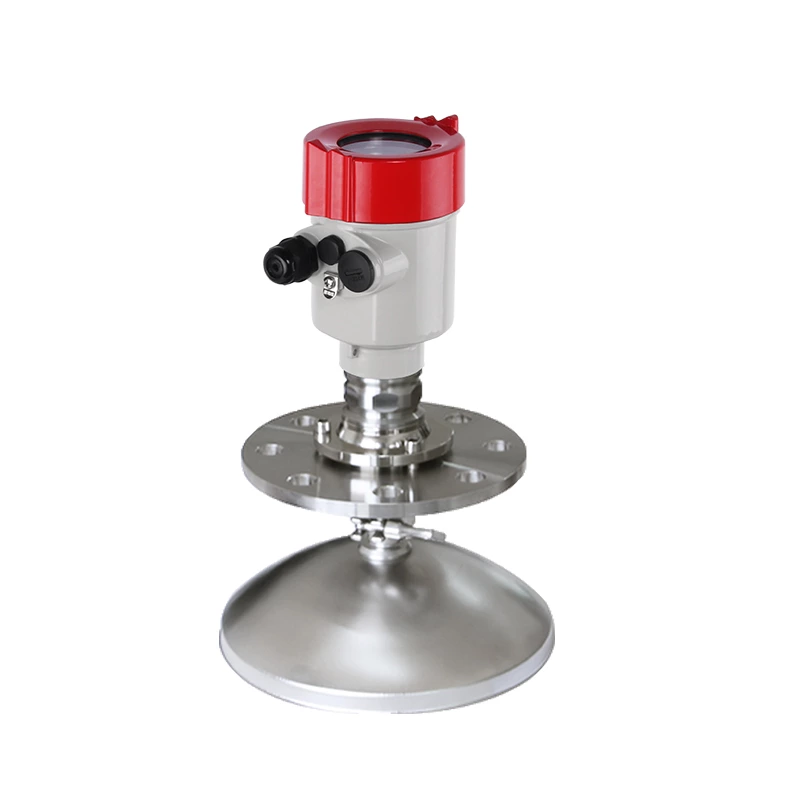
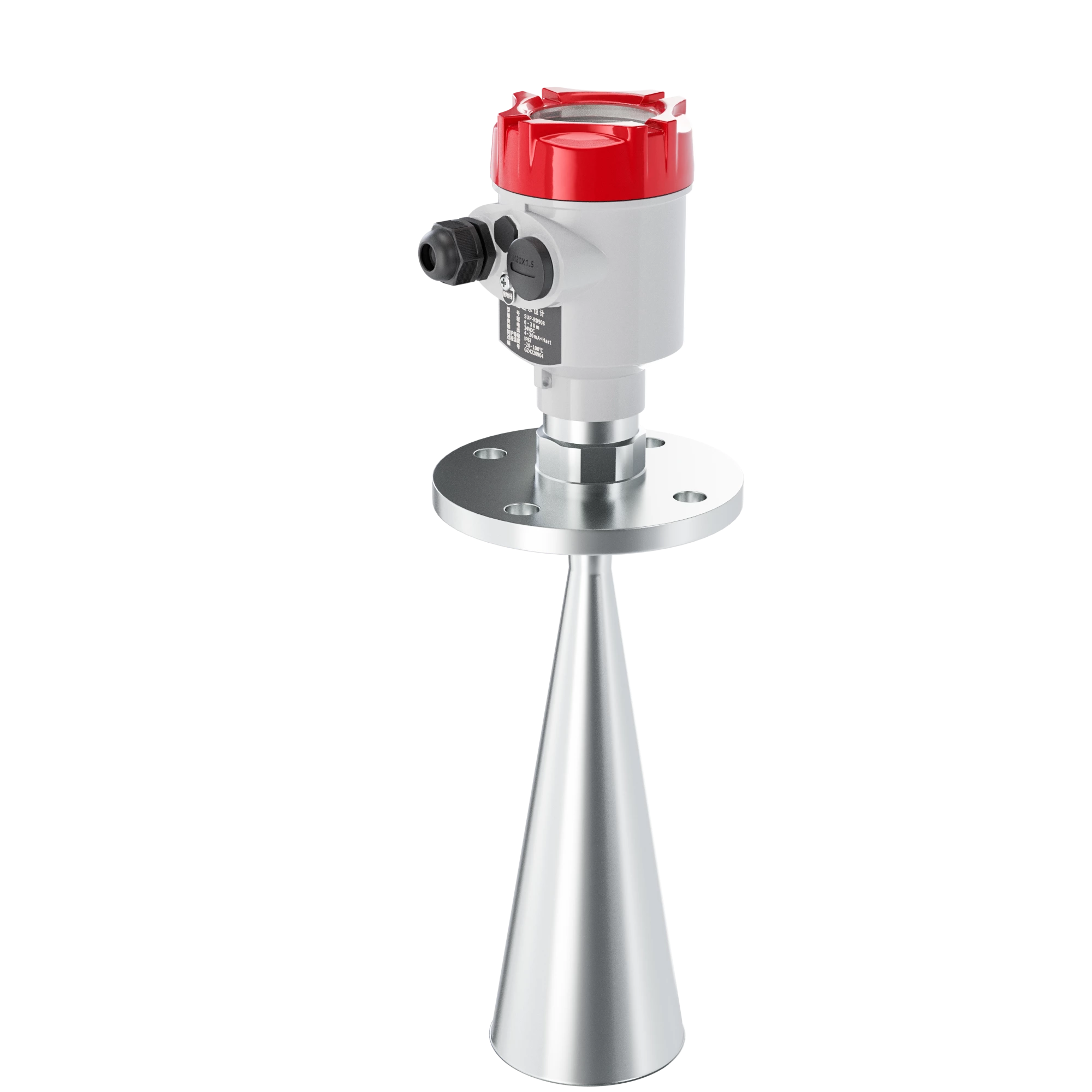
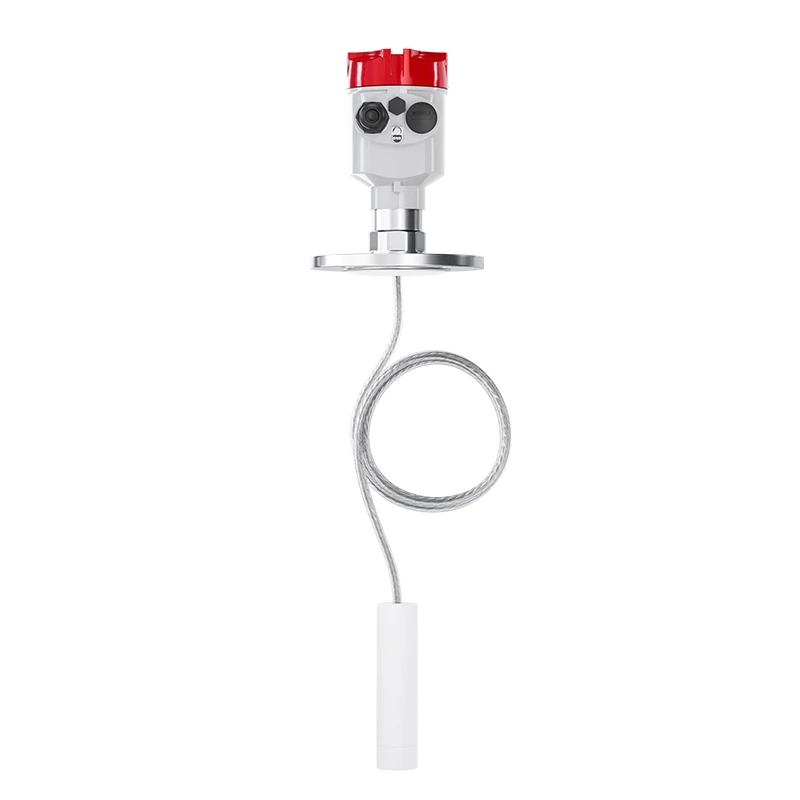
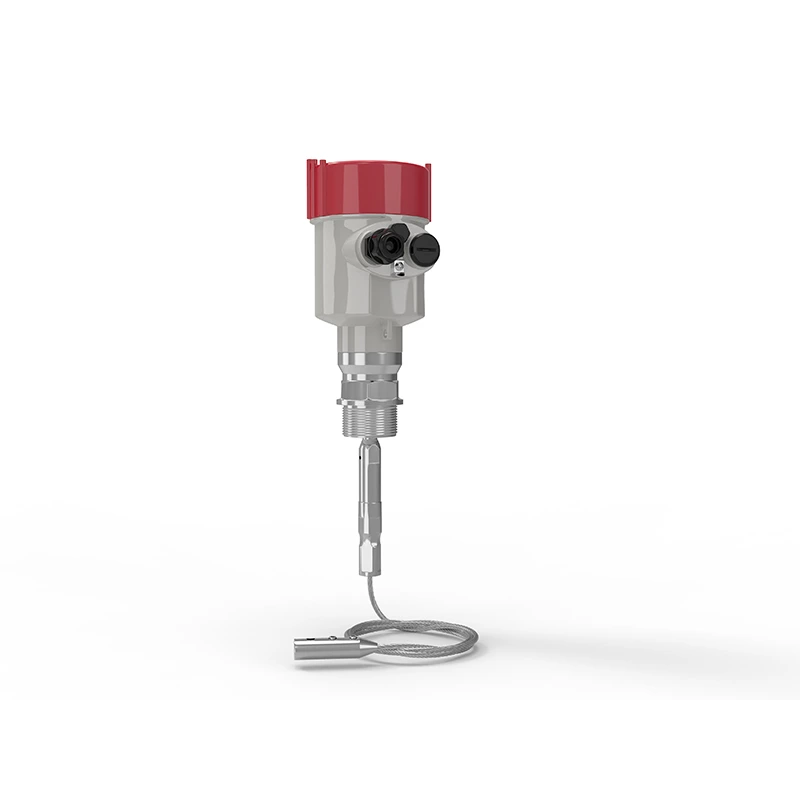
Quick product selection
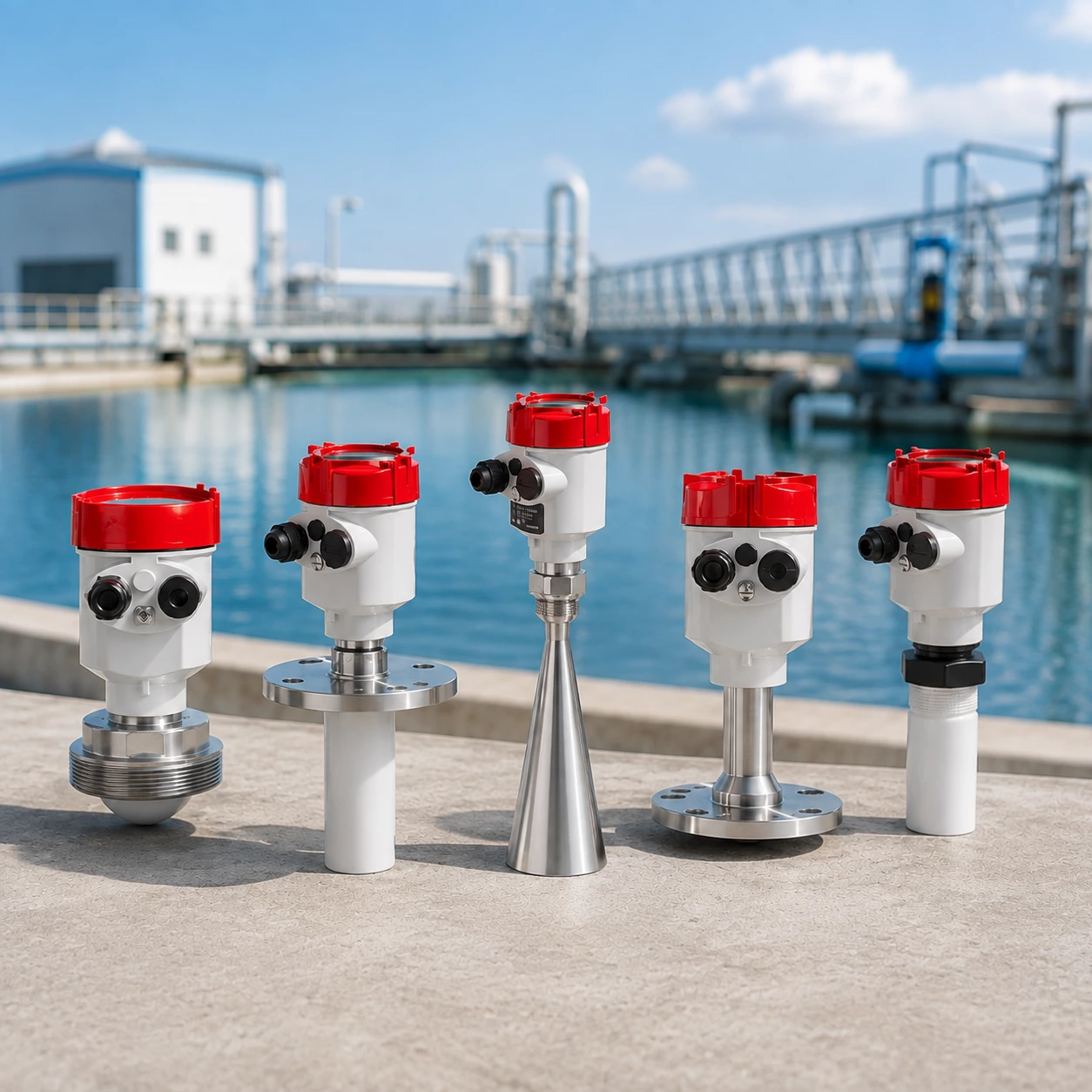
Find the right instrument for your application.
How radar level transmitter work
Applications & Industries
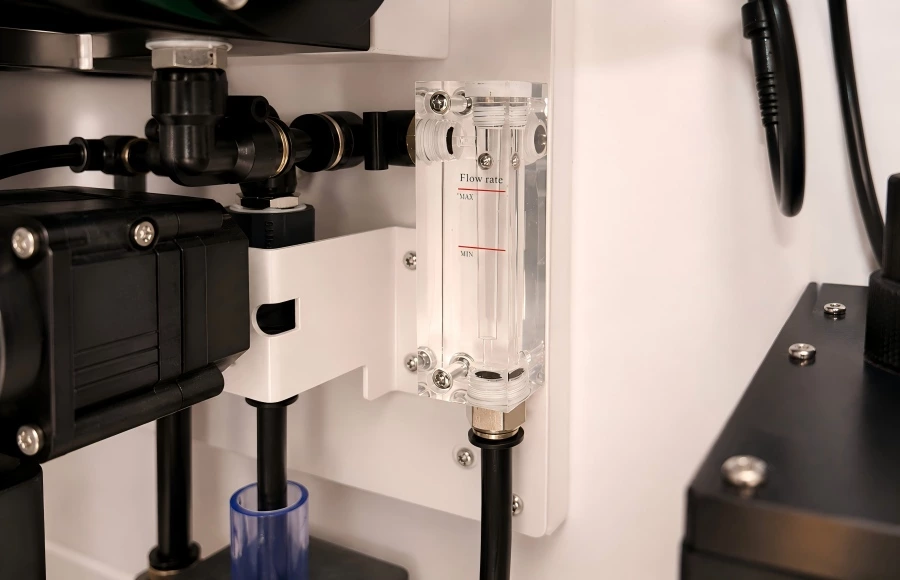
Multi-Parameter Water Quality Monitoring for a Building Project in Dubai
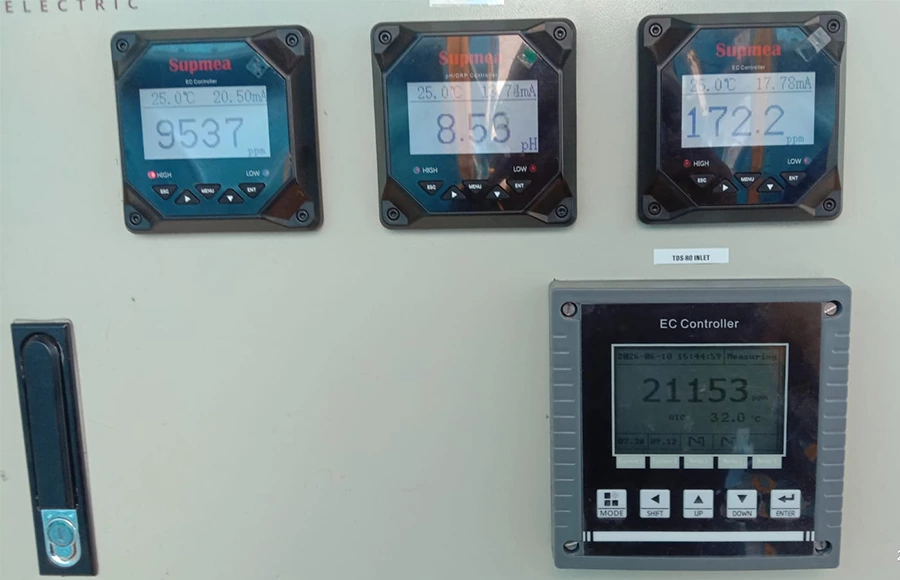
Integrated Flow and Water Quality Monitoring for an RO System in Indonesia
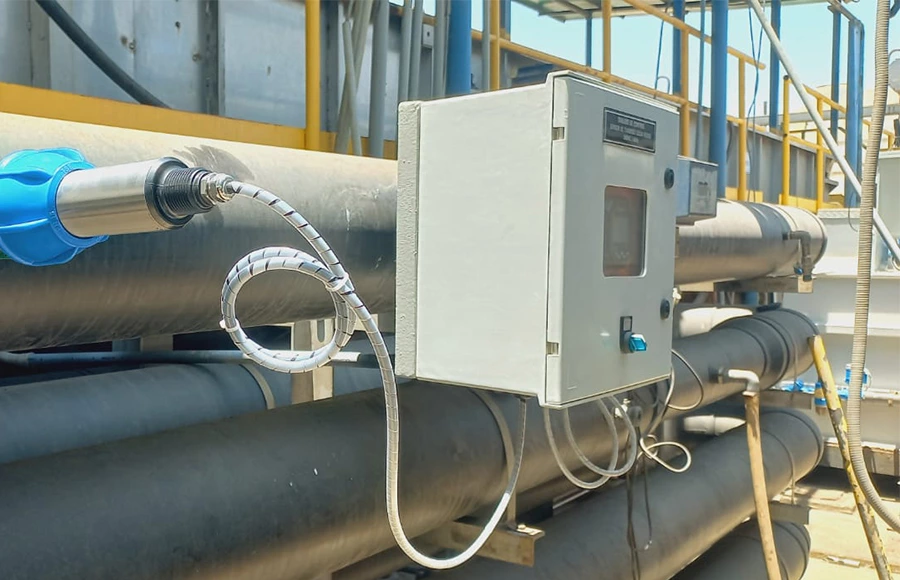
Inline Wastewater Turbidity Monitoring for a Treatment Pipeline in Peru
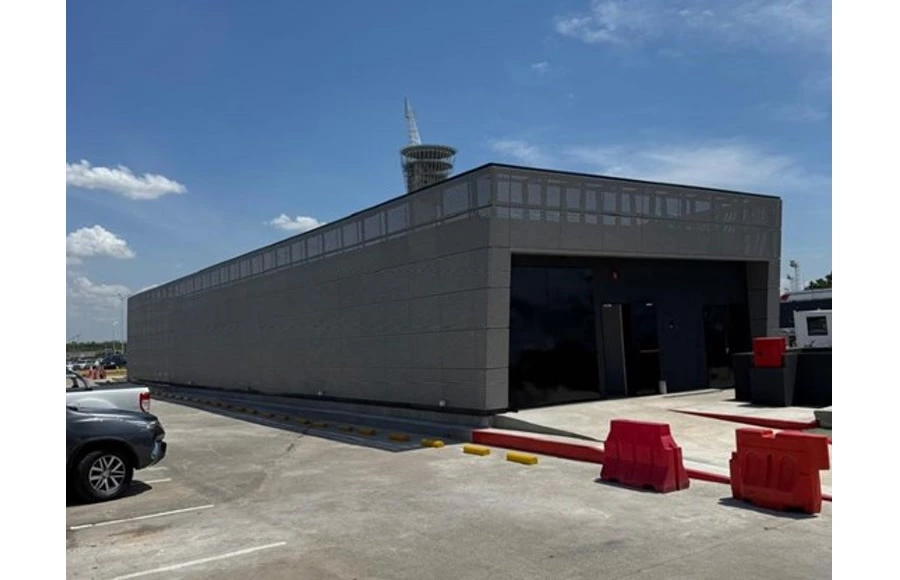
Supmea Multi-Parameter Monitoring Supports Water Treatment at an International Airport in Argentina
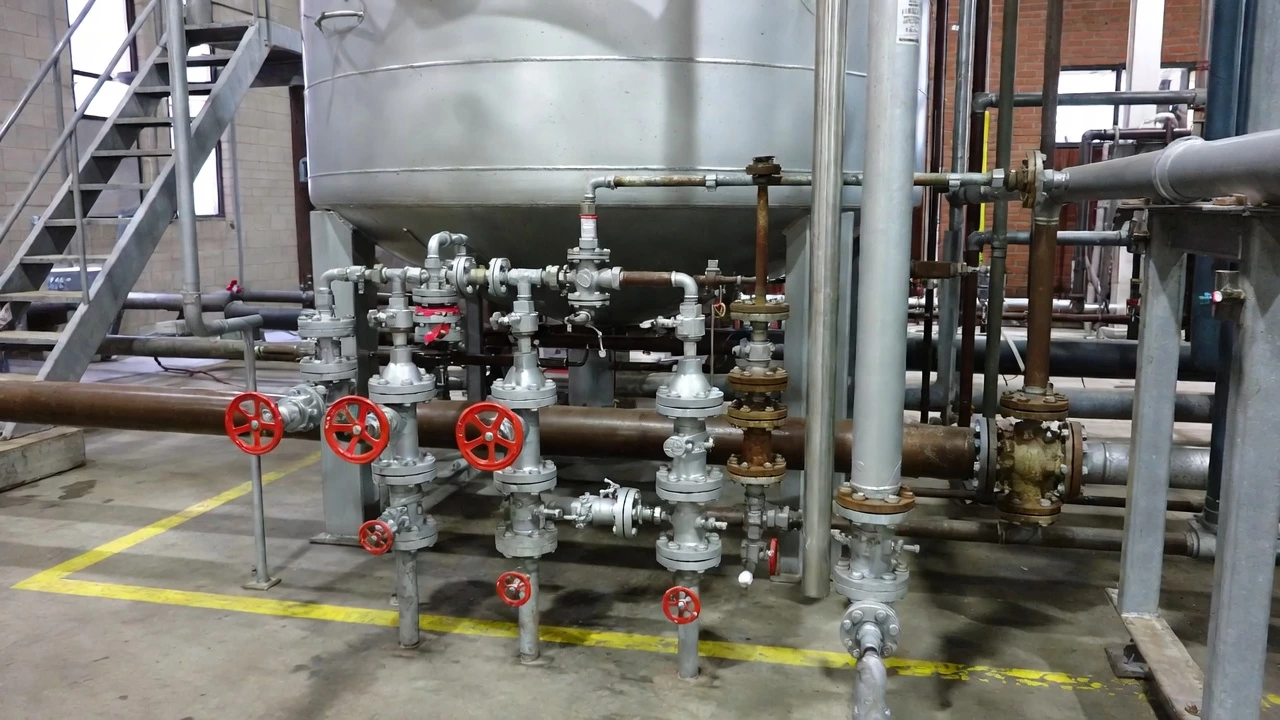
Related Products
Discover our most trusted process instruments for water and wastewater applications. Designed for reliable measurement, intelligent monitoring, and efficient process control across every stage of the treatment cycle.
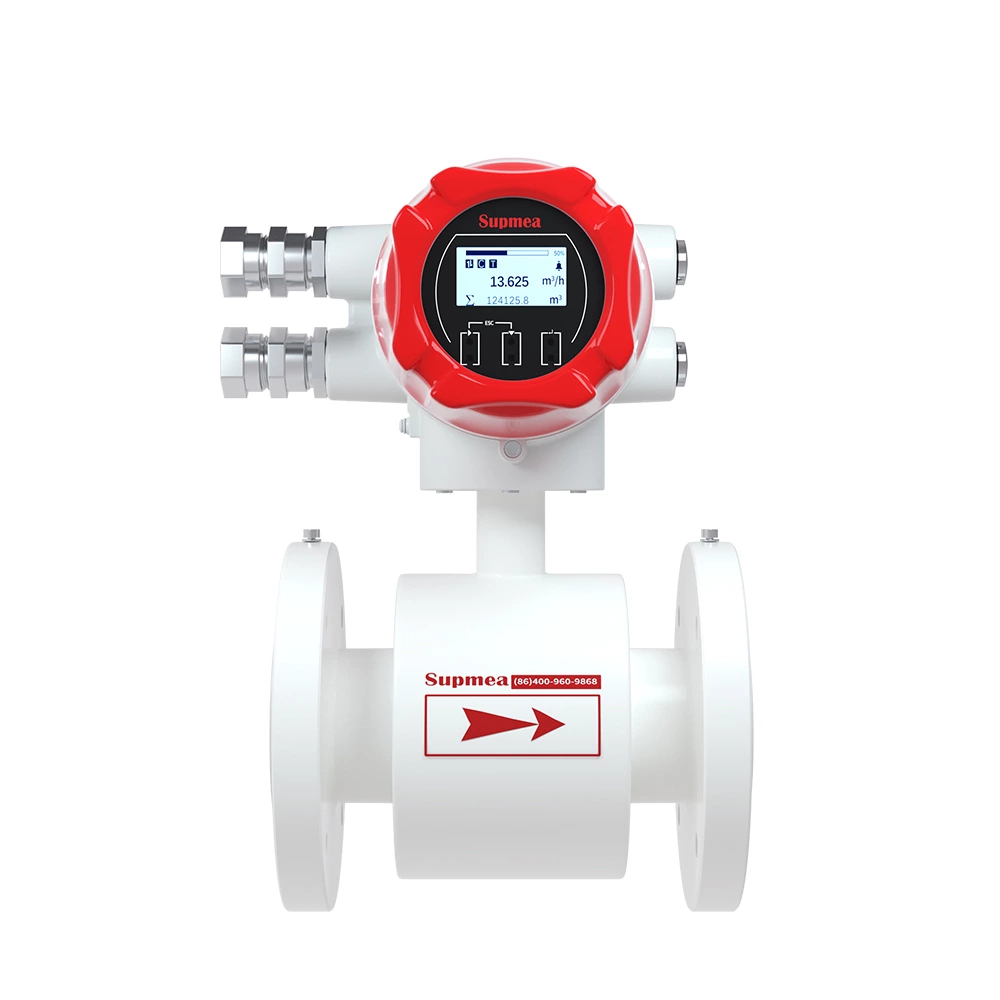
LDG-SUP-A100D Explosion-Proof Electromagnetic Flowmeter
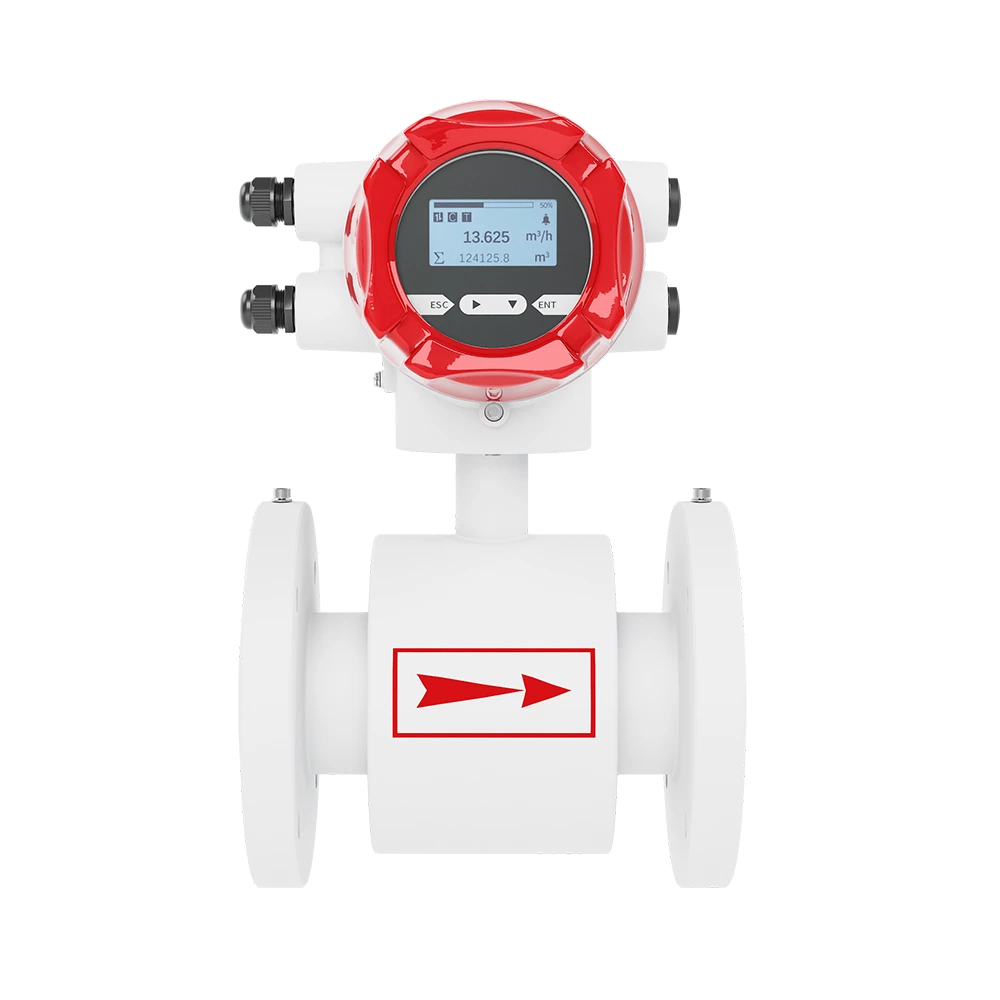
LDG-SUP-A100 Electromagnetic Flow Meter — High-Accuracy Conductive Liquid Measurement
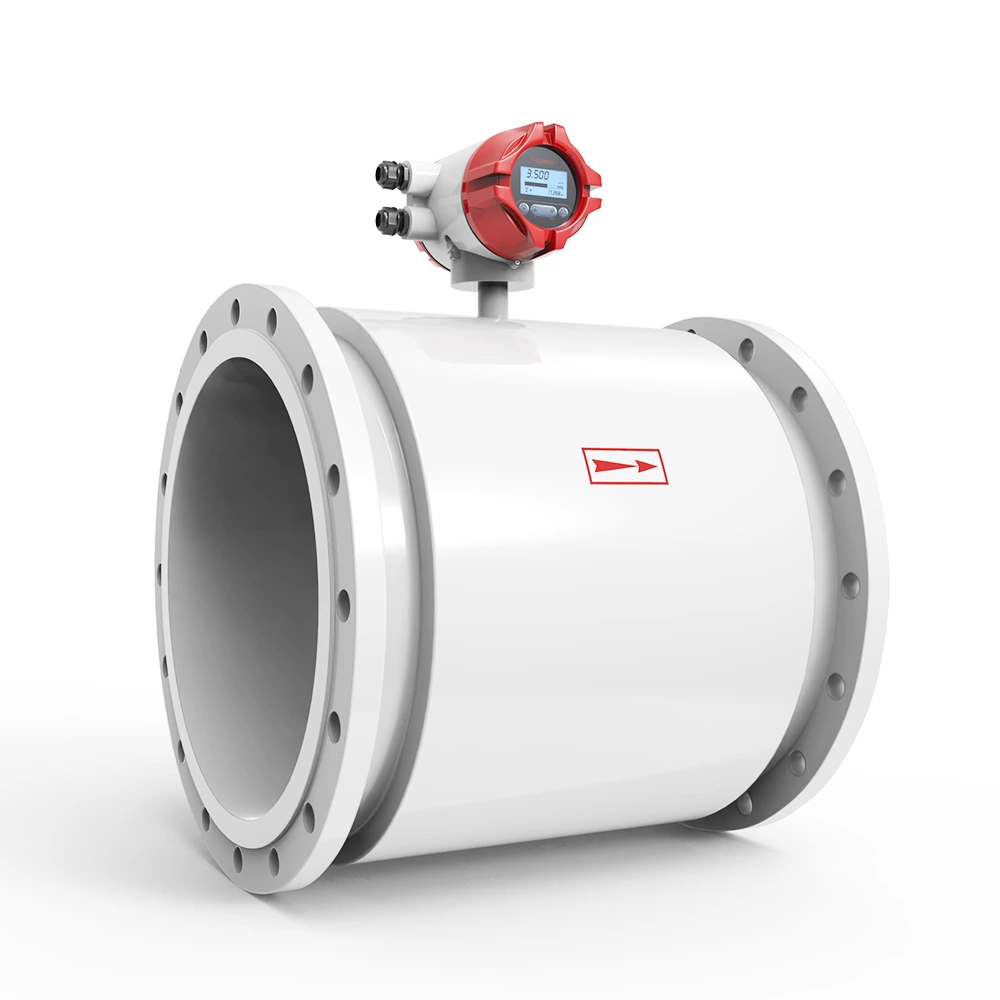
LDG-SUP Electromagnetic Flowmeter: Precision Flow Measurement for Demanding Industrial Applications
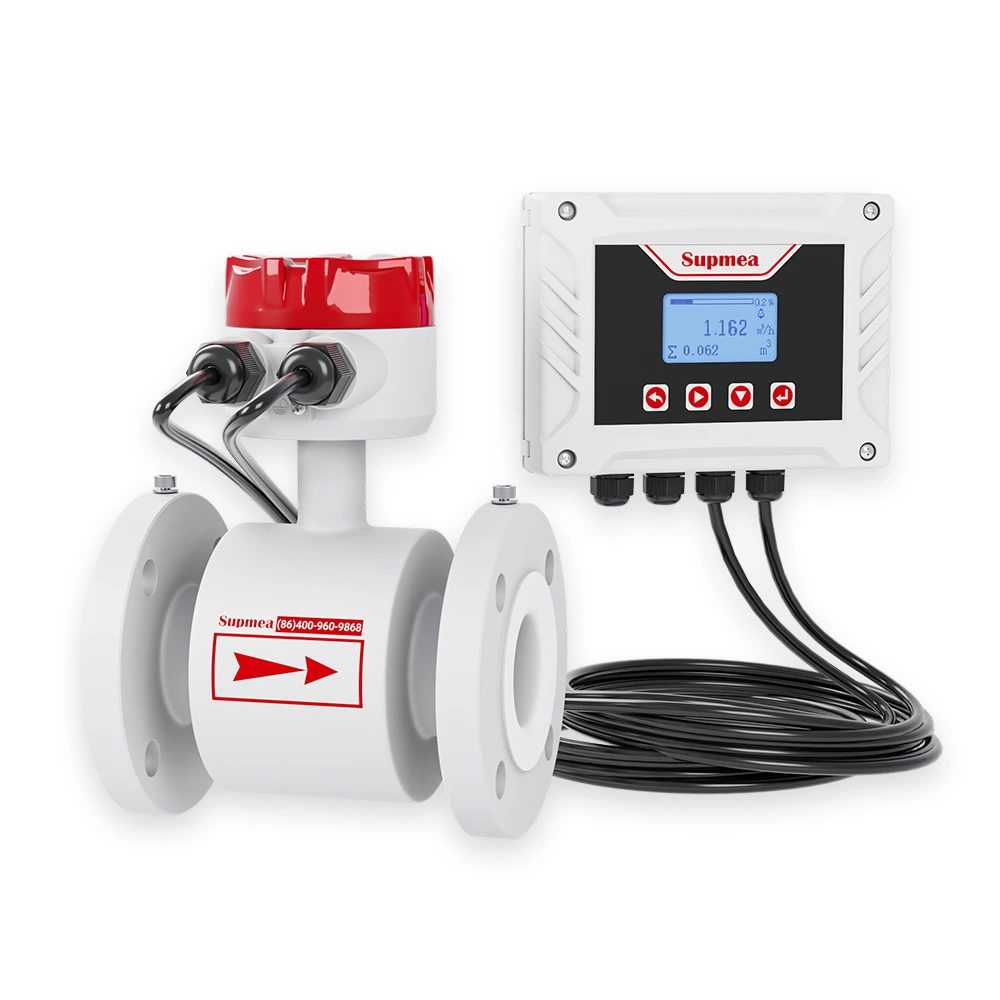
SUP-LDG Remote type electromagnetic flowmeter
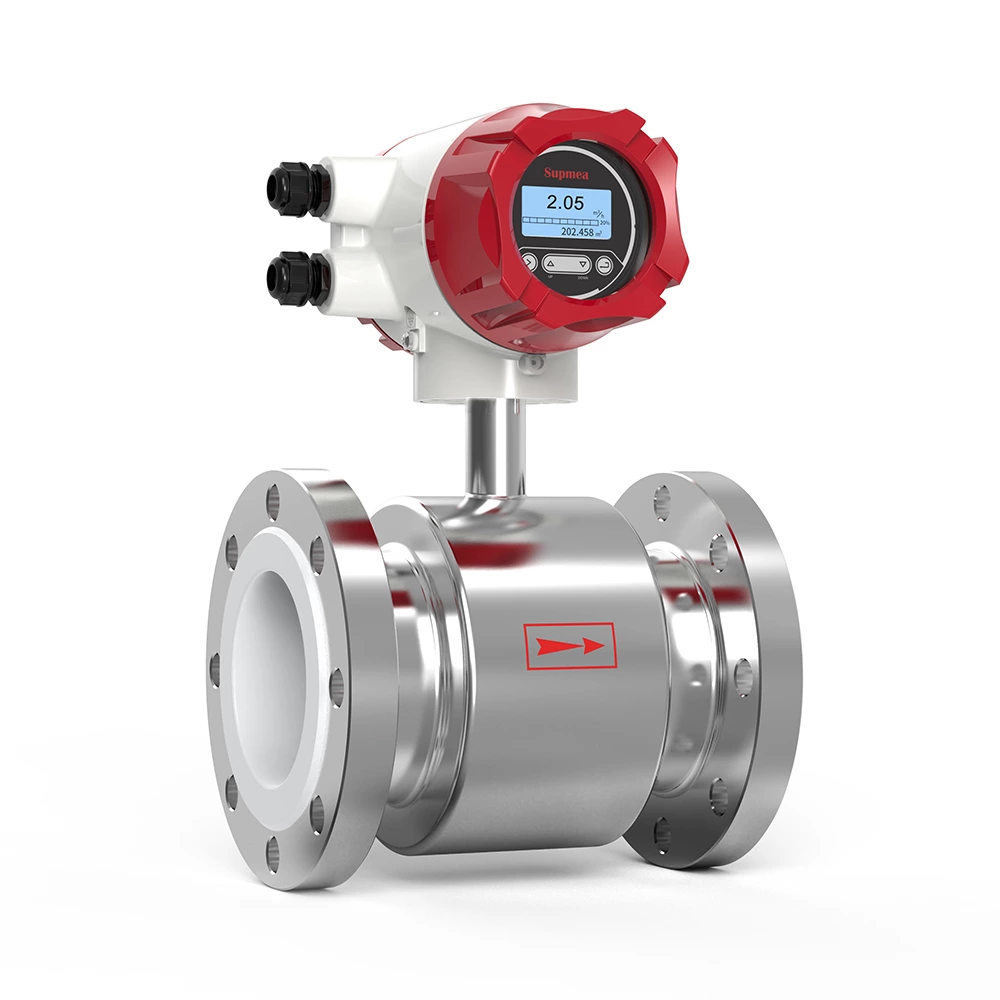
SUP-LDG Stainless steel body electromagnetic flowmeter
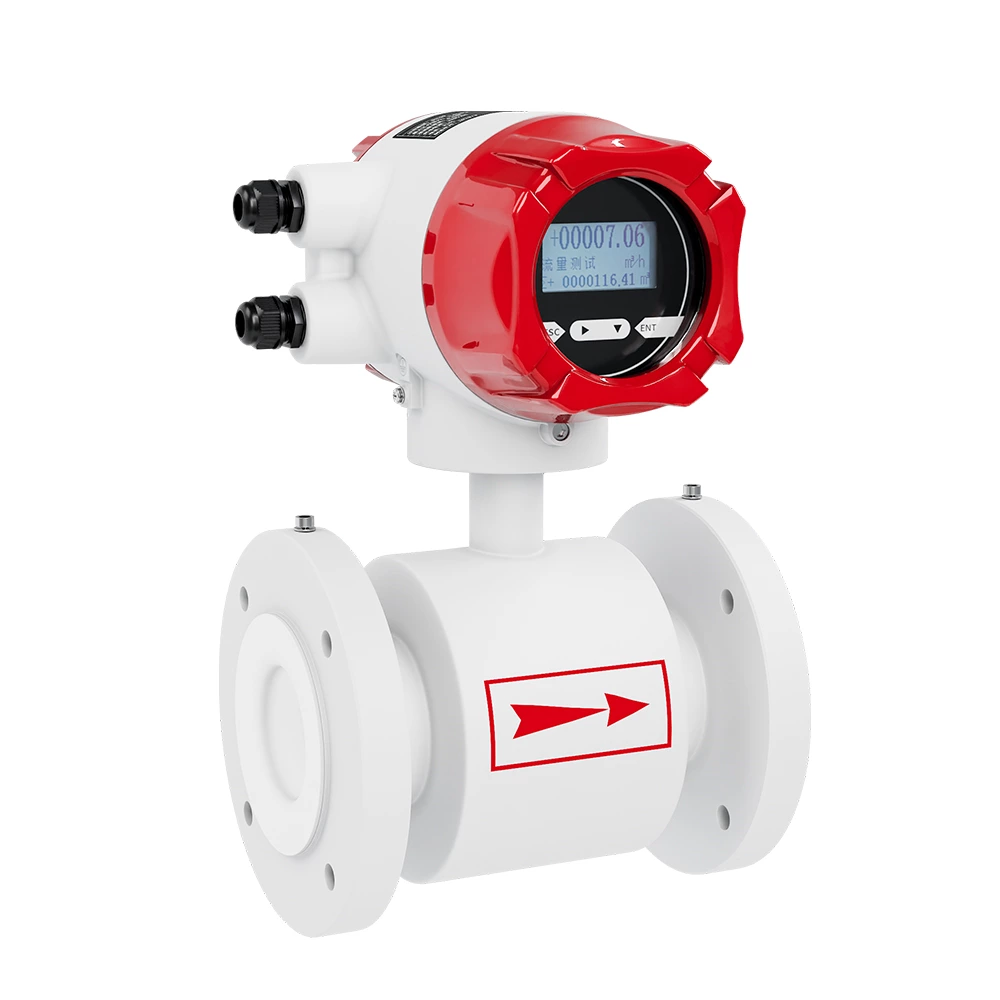
SUP-FMC400 Low Conductivity Electromagnetic flow meter
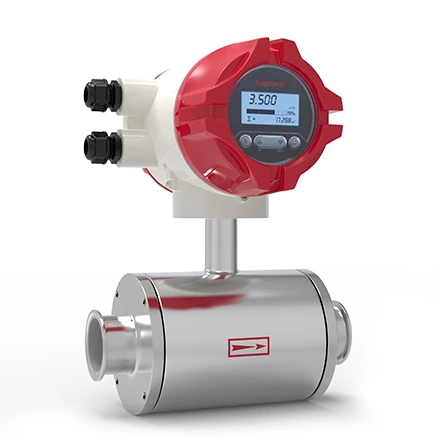
SUP-LDG Sanitary electromagnetic flowmeter for food processing
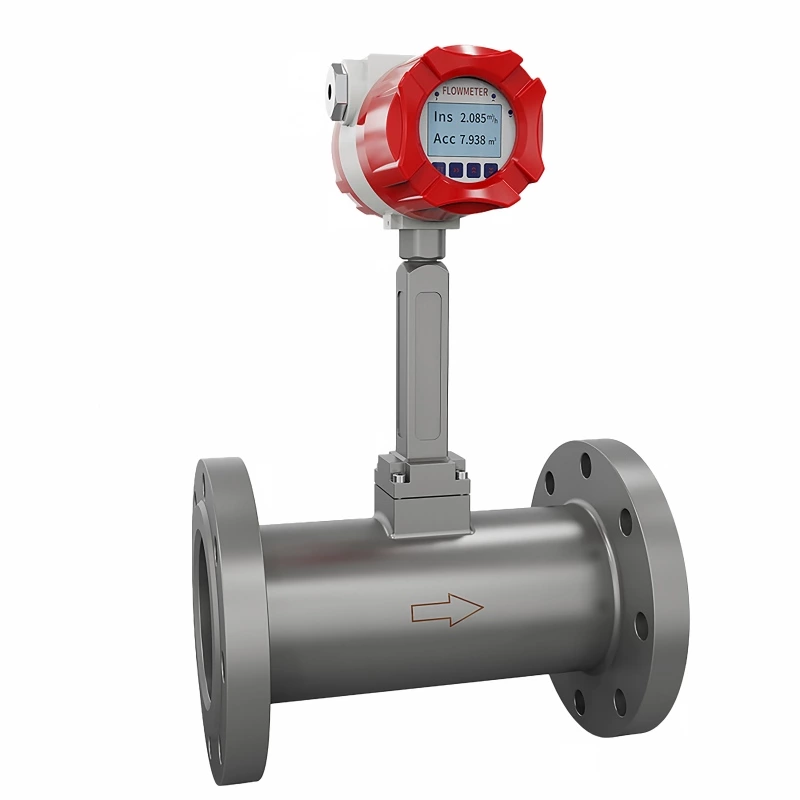
SUP-LUGB Vortex flowmeter without temperature & pressure compensation
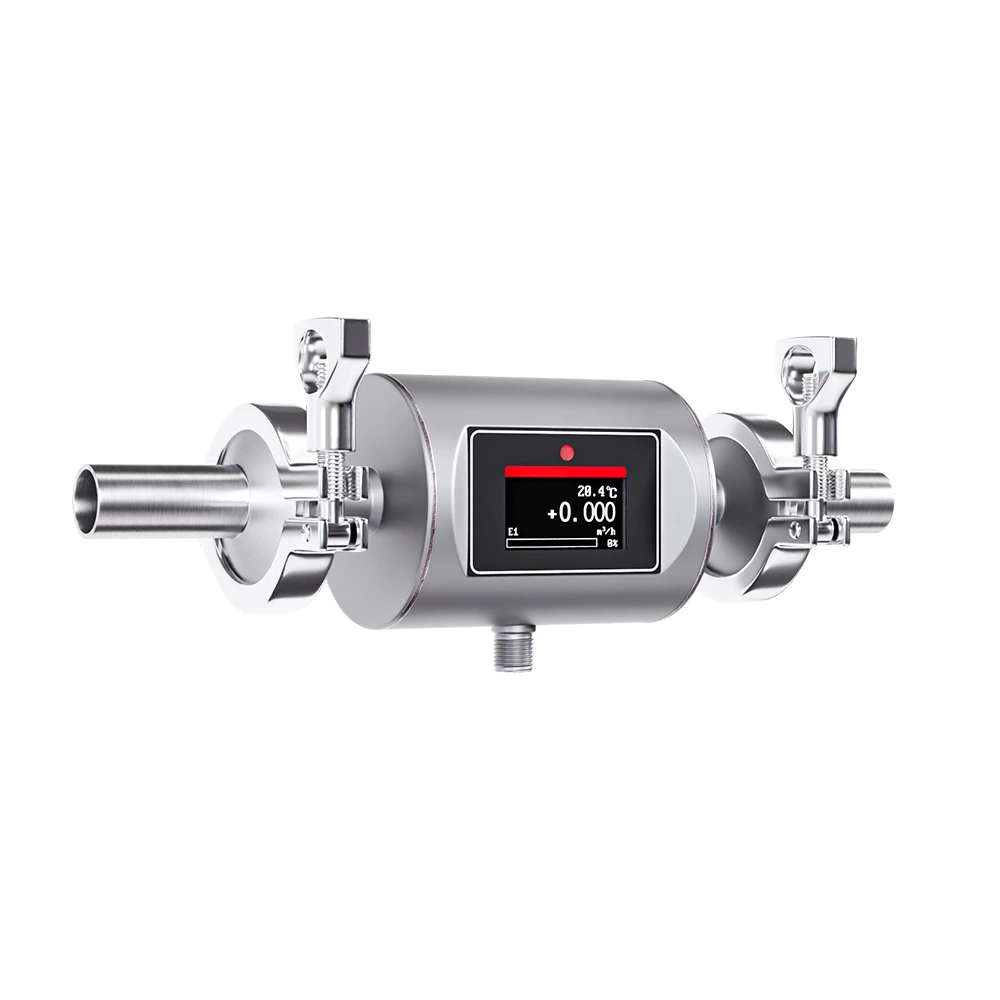
SUP-FMX240 Compact Electromagnetic Flow Meter—Precision Flow Measurement in a Space-Saving Design
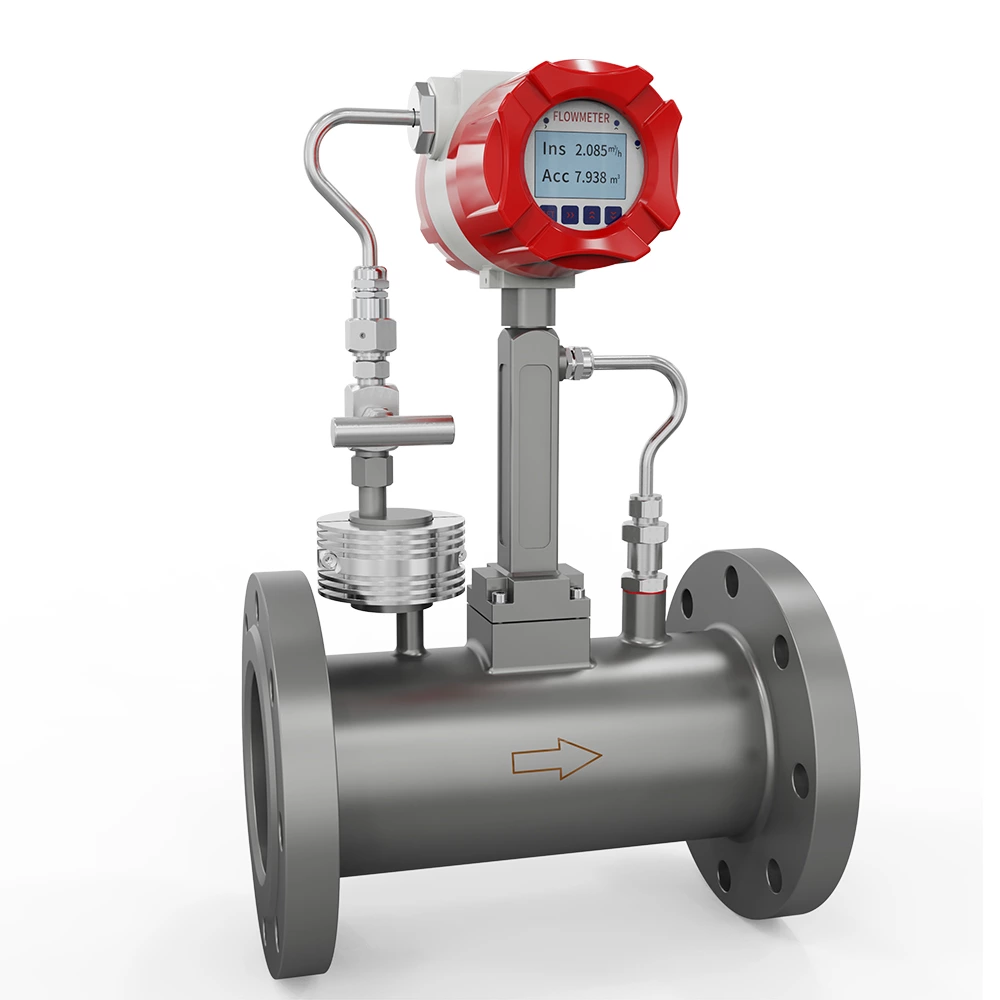
SUP-LUGB Vortex flowmeter with temperature & pressure compensation
Frequently Asked Questions
Which models are suitable for solid materials?
WSR550 can be configured for solid level measurement. SUP-RD905 is intended for powders and solid particles, while SUP-RD903 and SUP-RD904 are designed for longer-range solid-material applications involving dust, crystallization or condensation.
What is a radar level meter?
A radar level meter uses microwave signals to determine the distance to a liquid or material surface. The transmitter converts the measured distance into level, volume or another configured process value.
Are all radar level meters non-contact?
No. Conventional radar level transmitters send microwave signals through the space above the medium and do not contact the product. Guided wave radar transmits microwave pulses along a rod or cable probe that is in contact with the medium.
What is the difference between 80 GHz, 60 GHz and 26 GHz radar?
Higher-frequency radar generally provides a narrower beam and can be useful in compact vessels, tanks containing internal structures and some solid-material applications. Supmea's WSR550 operates at 76–81 GHz, WSR201 operates at 57–64 GHz, and the SUP-RD900 series uses 26 GHz technology. The appropriate frequency should be selected according to the medium, range, vessel structure and installation conditions.
Can radar level meters measure both liquids and solids?
Yes, but the model and antenna must match the application. Supmea provides models for liquids, corrosive media, powders, solid particles and open-water monitoring. Guided wave radar models are also available for selected liquids and bulk solids.
Which model is suitable for corrosive liquids?
SUP-RD901 uses a PTFE sensor for compatible corrosive liquids. SUP-RD702 is a guided wave radar model with a PTFE probe configuration for compatible acids, alkalis and other corrosive media. Chemical compatibility must be confirmed before selection.