Quick product selection
Find the right instrument for your application.
How process indicator work
Applications & Industries
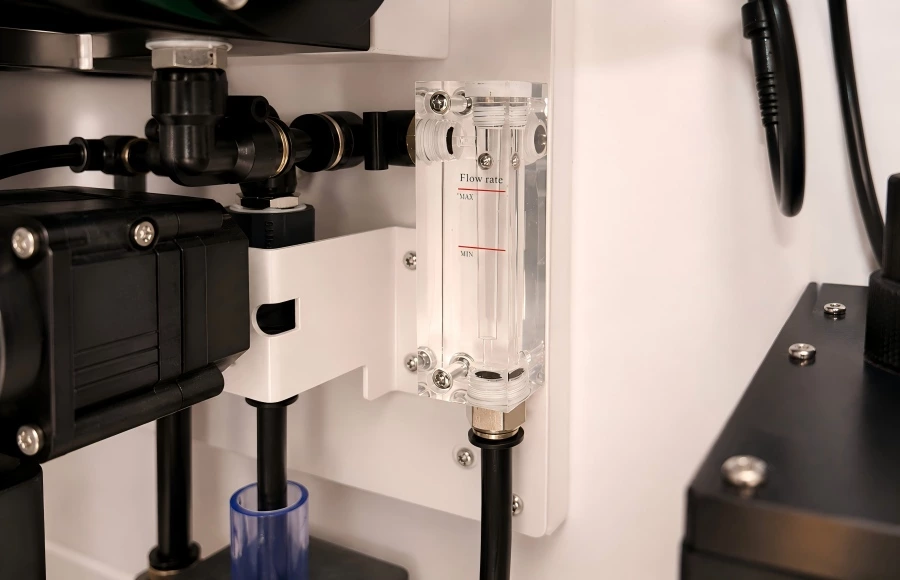
Multi-Parameter Water Quality Monitoring for a Building Project in Dubai
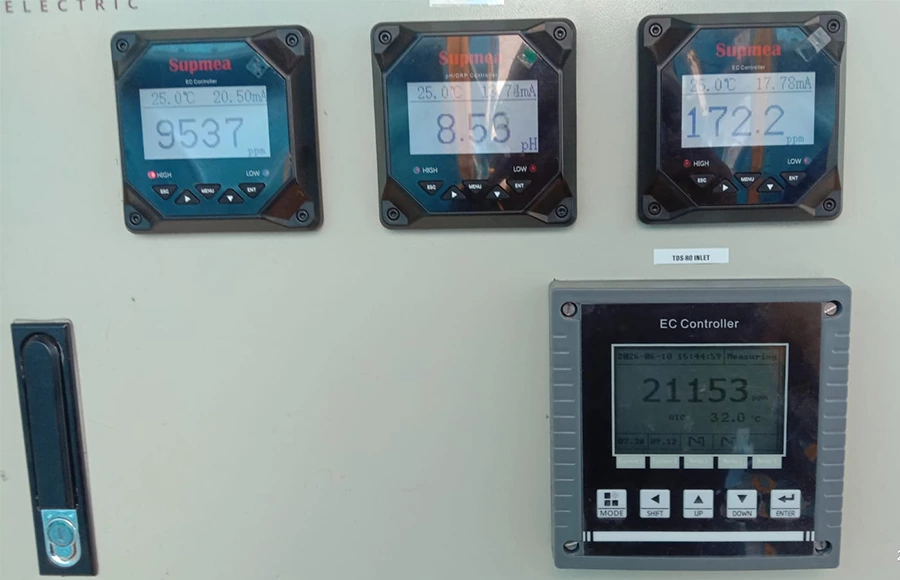
Integrated Flow and Water Quality Monitoring for an RO System in Indonesia
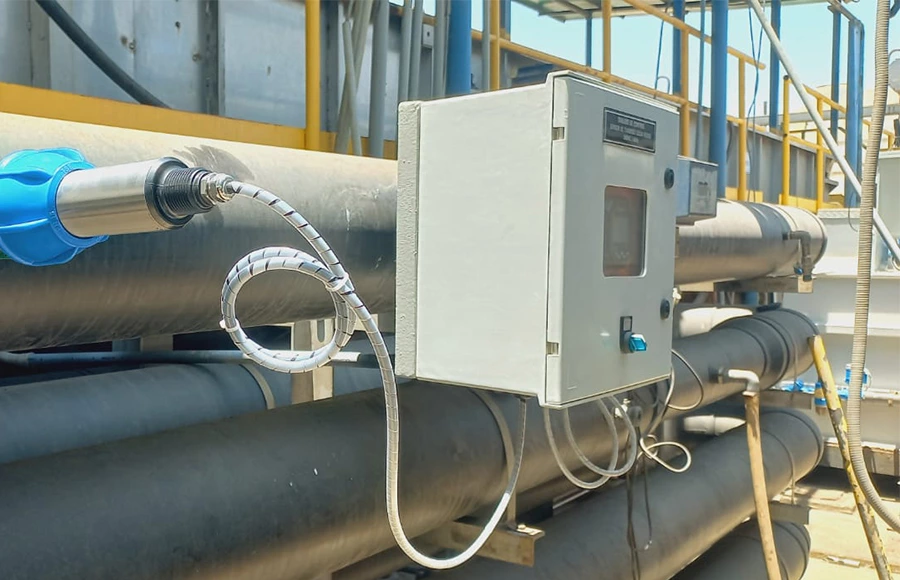
Inline Wastewater Turbidity Monitoring for a Treatment Pipeline in Peru
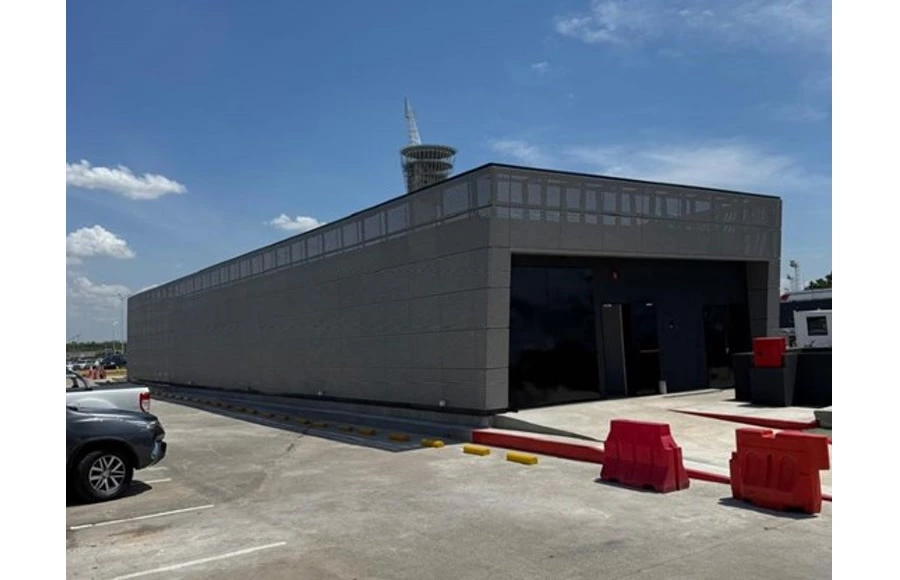
Supmea Multi-Parameter Monitoring Supports Water Treatment at an International Airport in Argentina
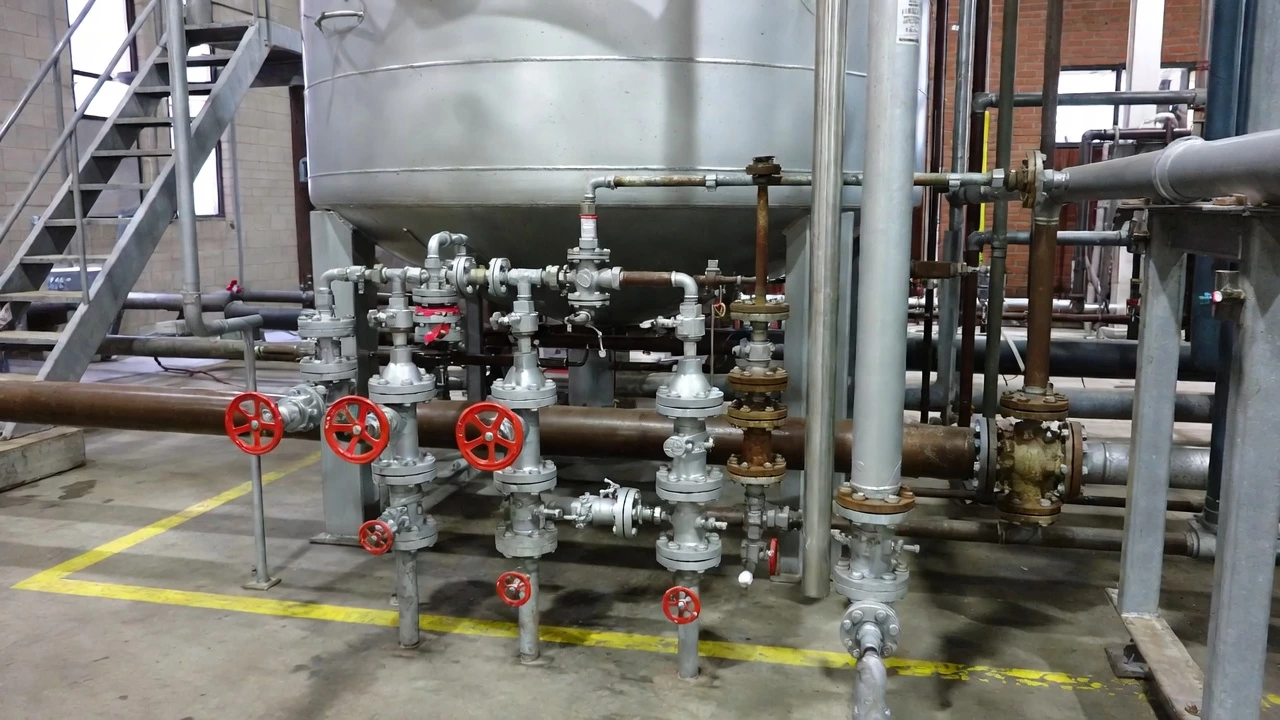
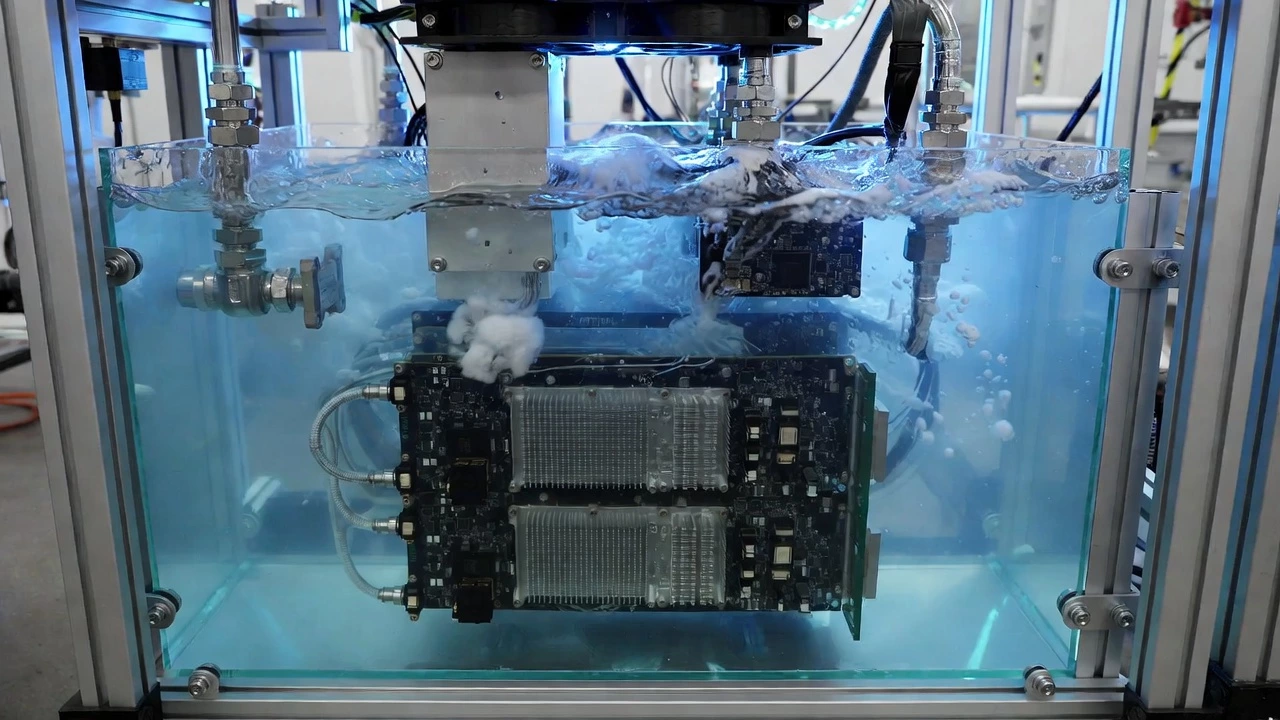
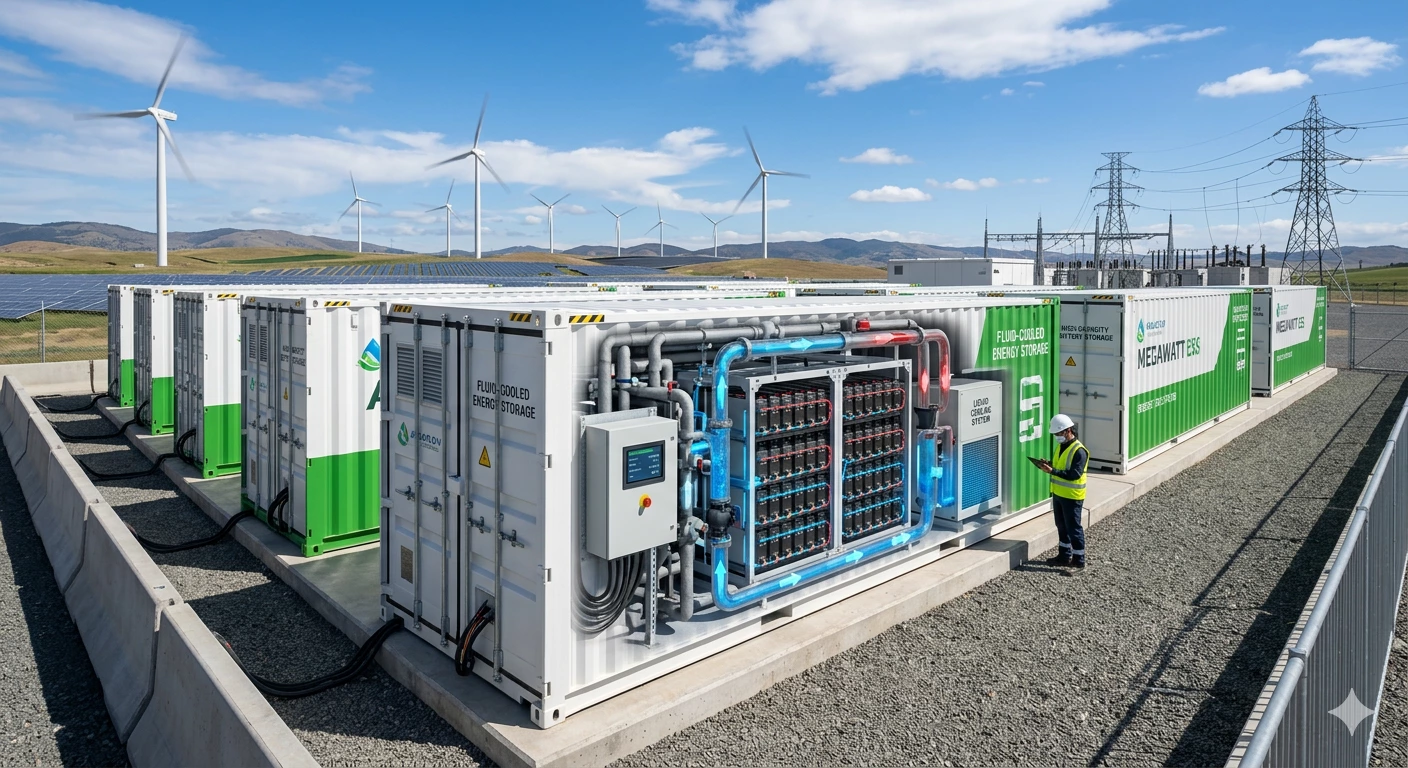
Related Products
Discover our most trusted process instruments for water and wastewater applications. Designed for reliable measurement, intelligent monitoring, and efficient process control across every stage of the treatment cycle.
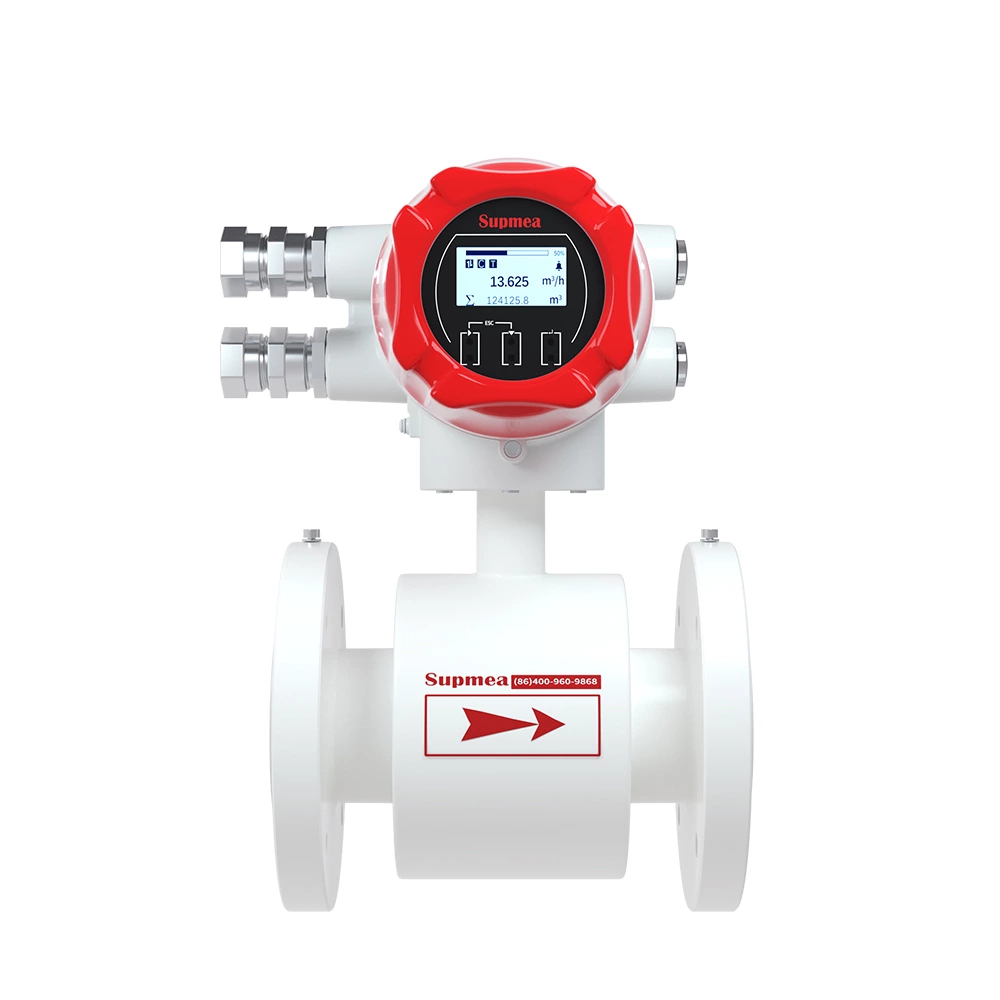
LDG-SUP-A100D Explosion-Proof Electromagnetic Flowmeter
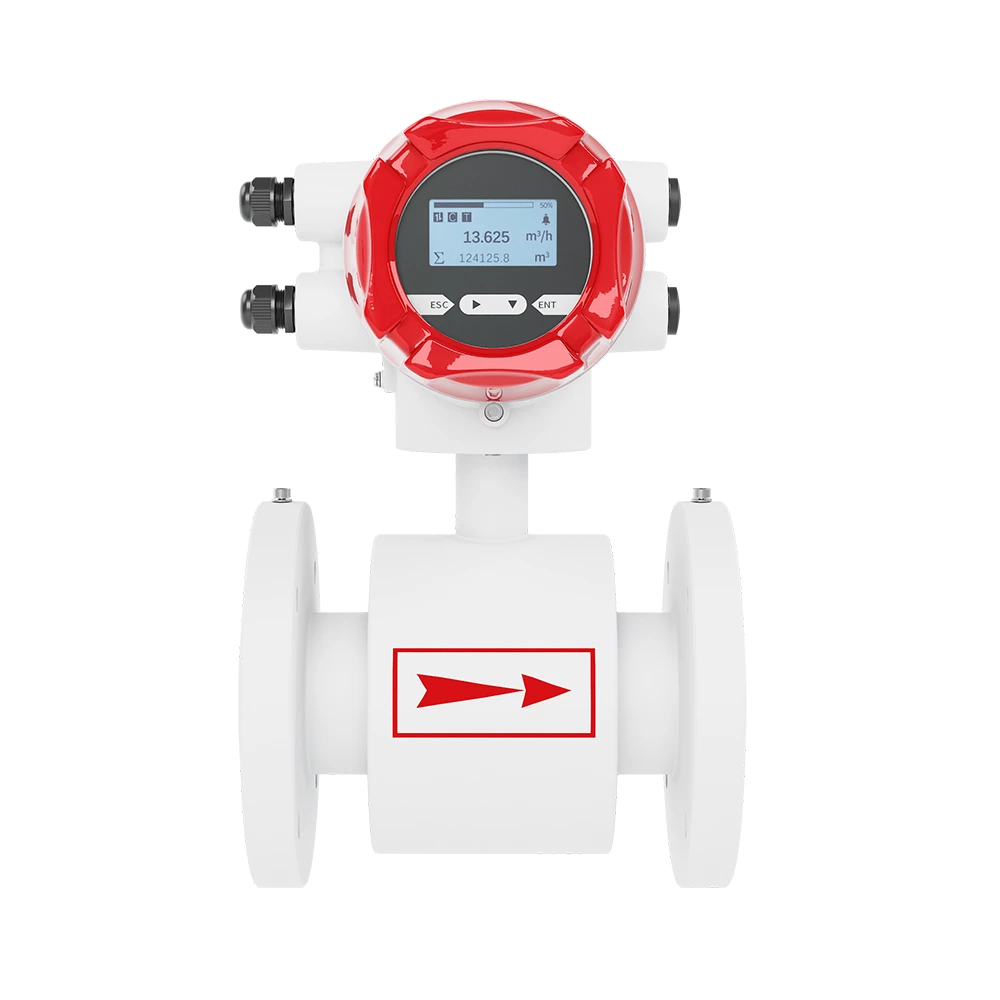
LDG-SUP-A100 Electromagnetic Flow Meter — High-Accuracy Conductive Liquid Measurement
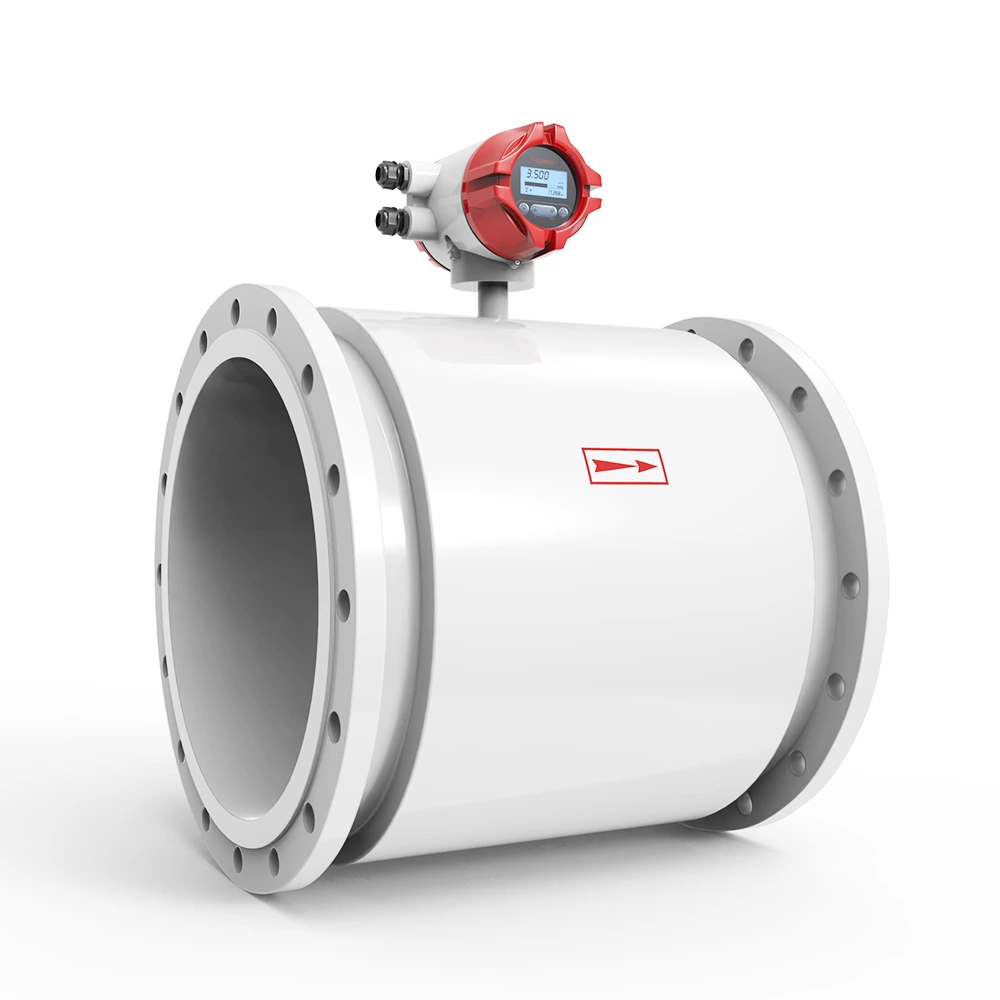
LDG-SUP Electromagnetic Flowmeter: Precision Flow Measurement for Demanding Industrial Applications
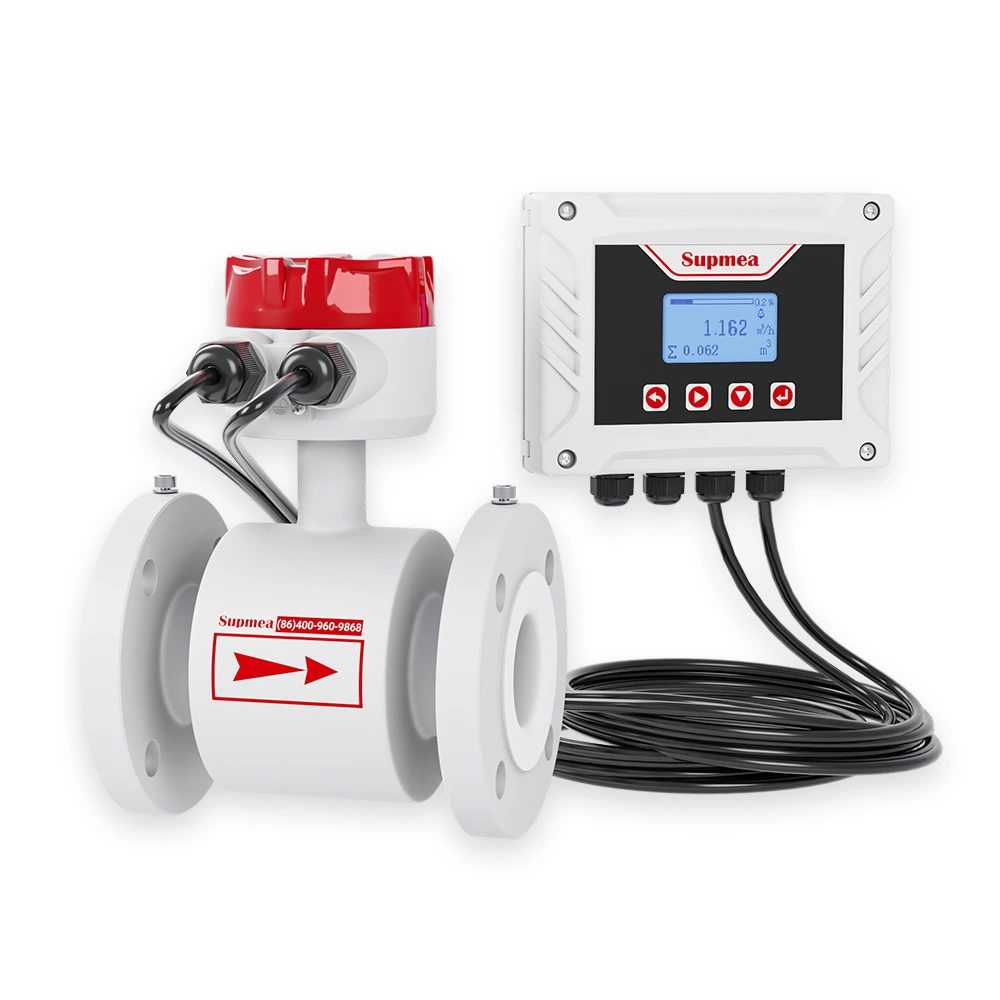
SUP-LDG Remote type electromagnetic flowmeter
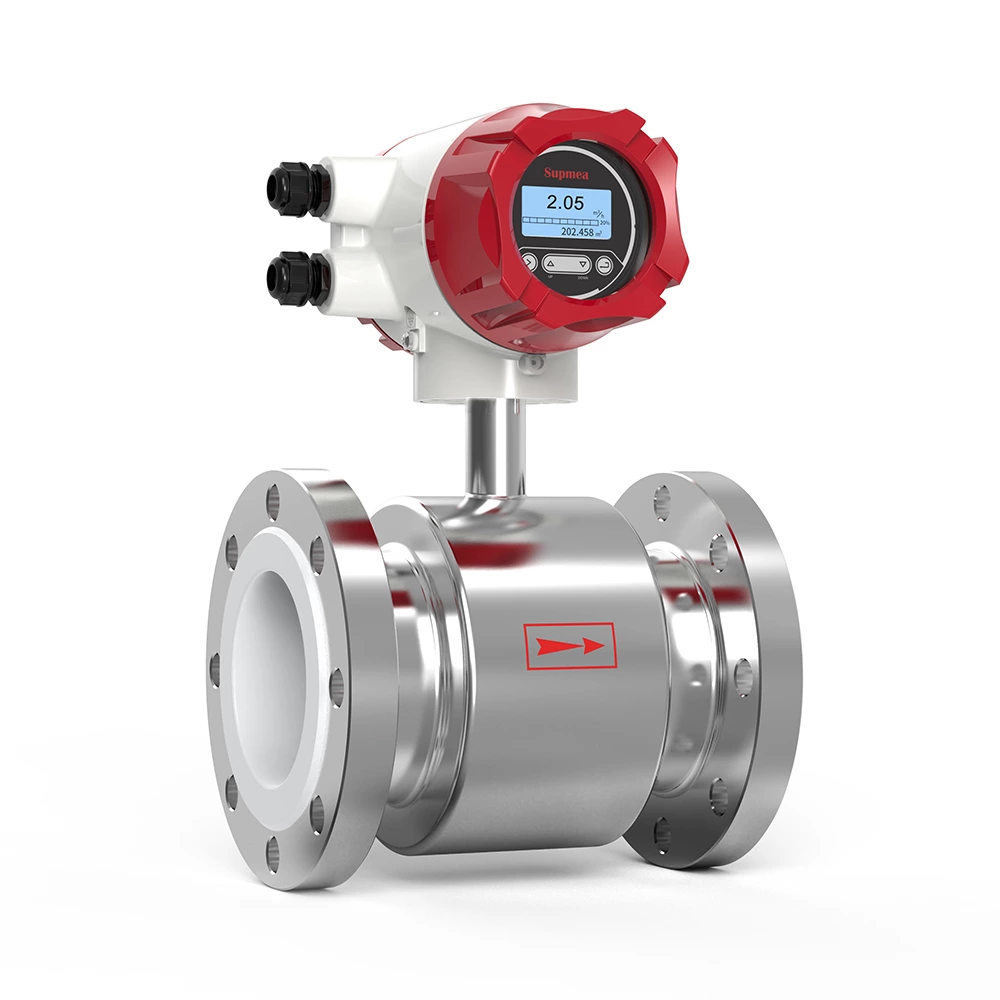
SUP-LDG Stainless steel body electromagnetic flowmeter
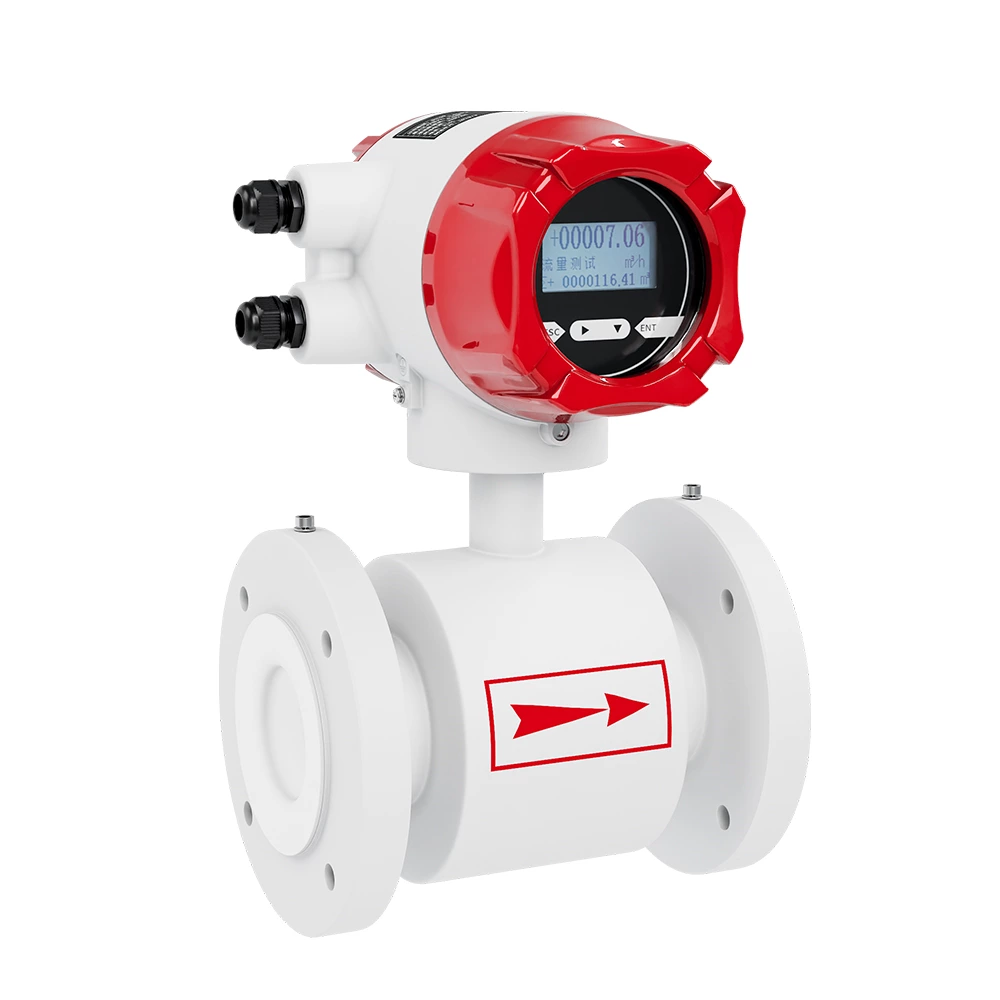
SUP-FMC400 Low Conductivity Electromagnetic flow meter
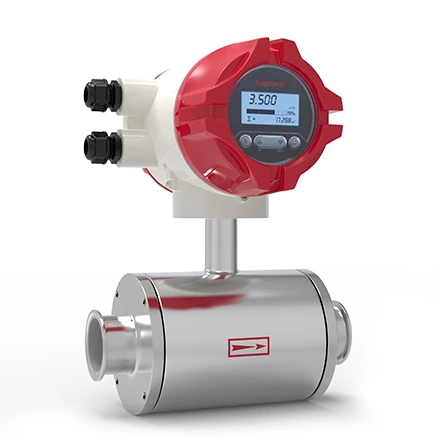
SUP-LDG Sanitary electromagnetic flowmeter for food processing
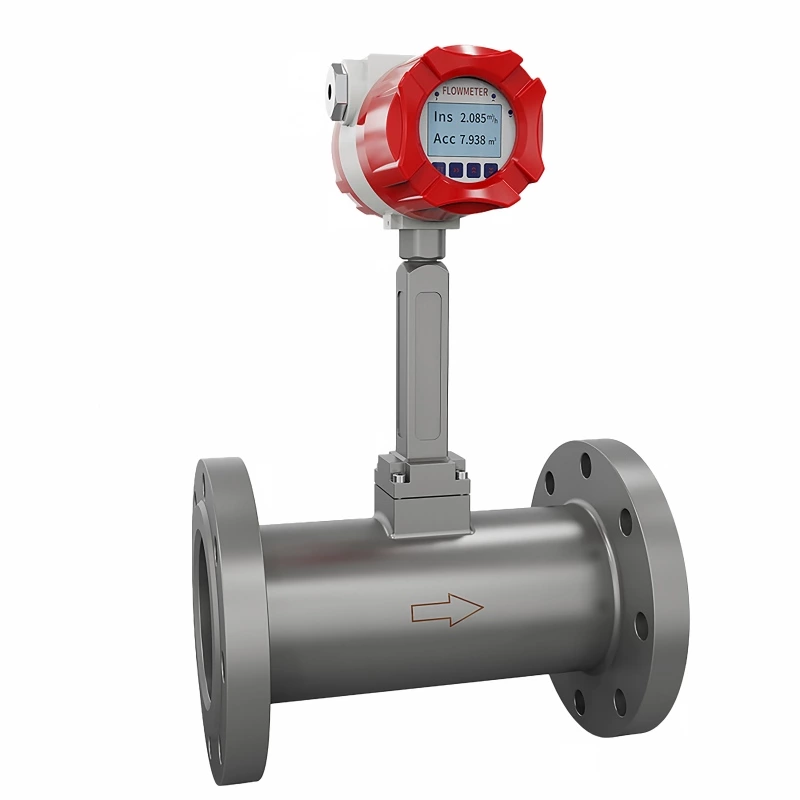
SUP-LUGB Vortex flowmeter without temperature & pressure compensation
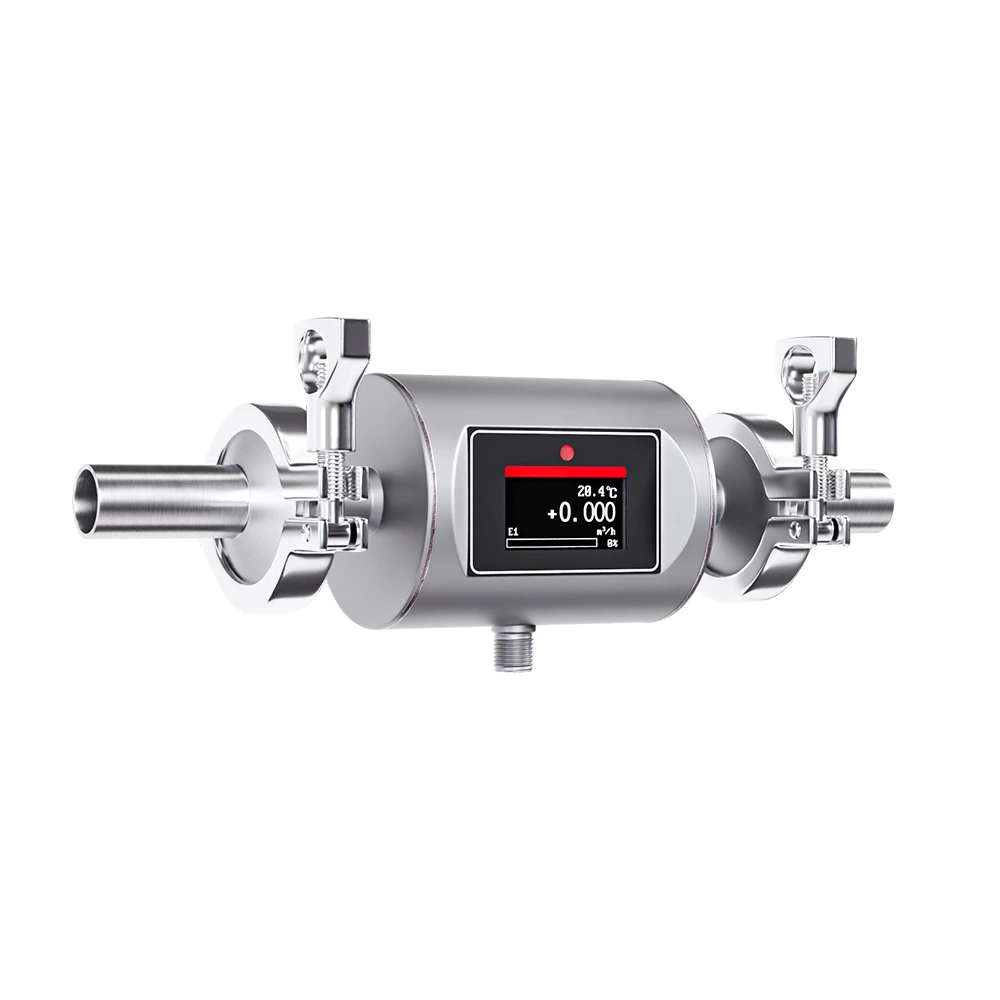
SUP-FMX240 Compact Electromagnetic Flow Meter—Precision Flow Measurement in a Space-Saving Design
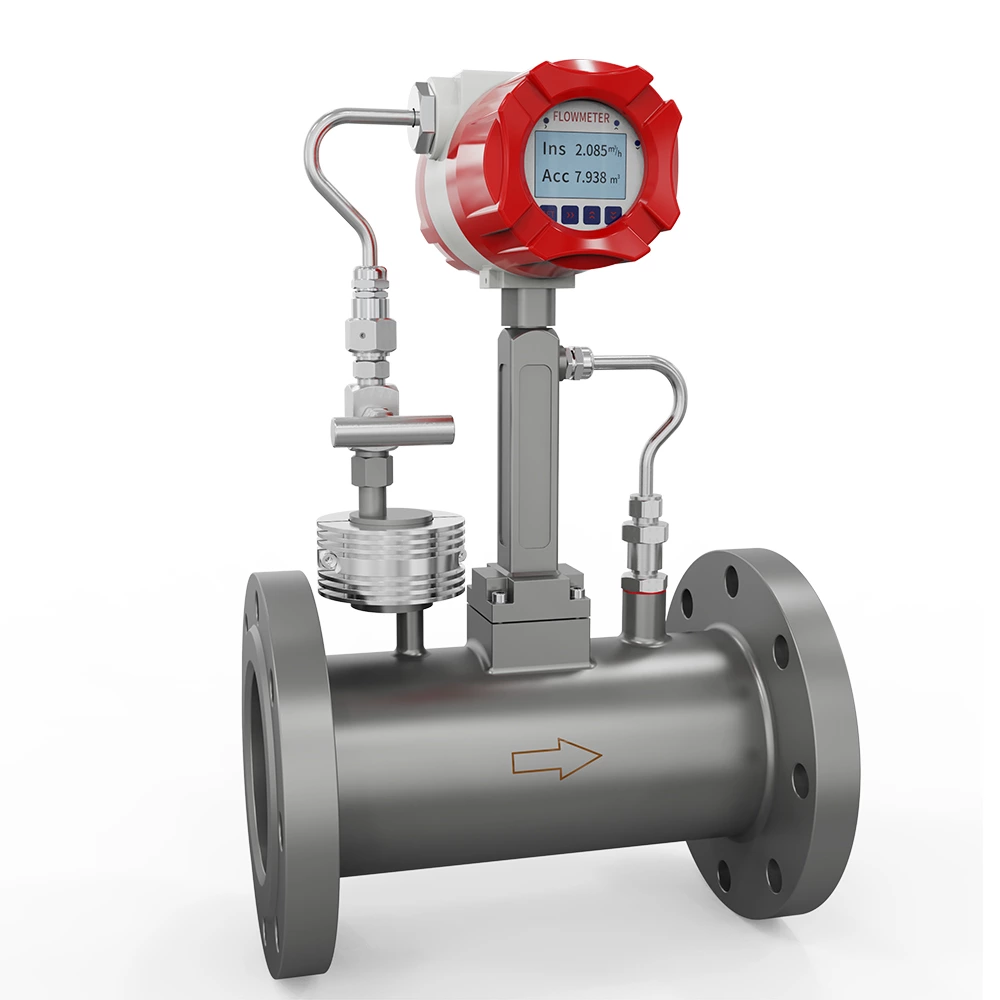
SUP-LUGB Vortex flowmeter with temperature & pressure compensation
Frequently Asked Questions
What is a process indicator?
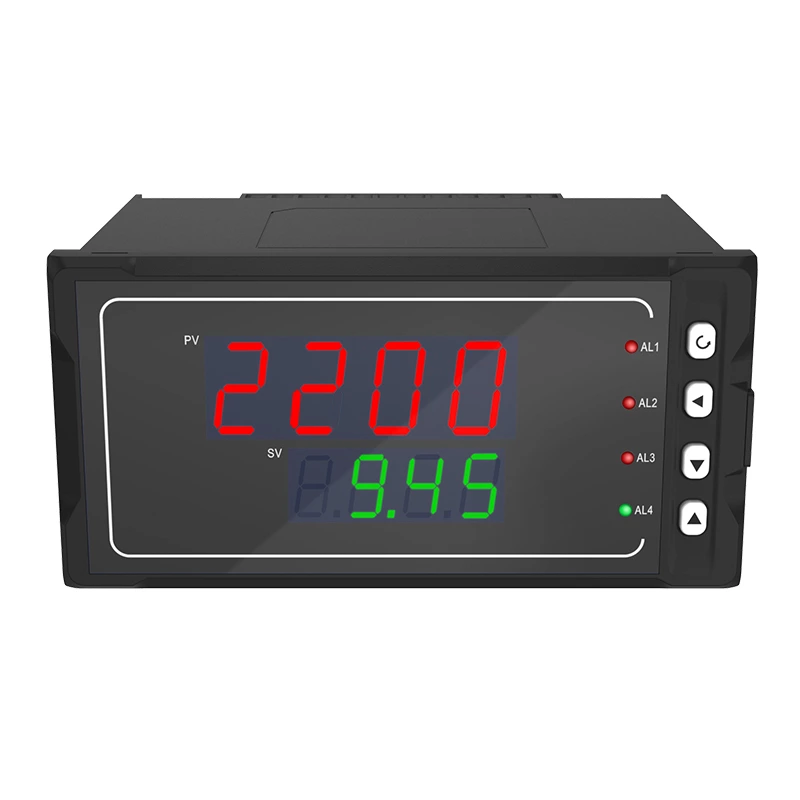
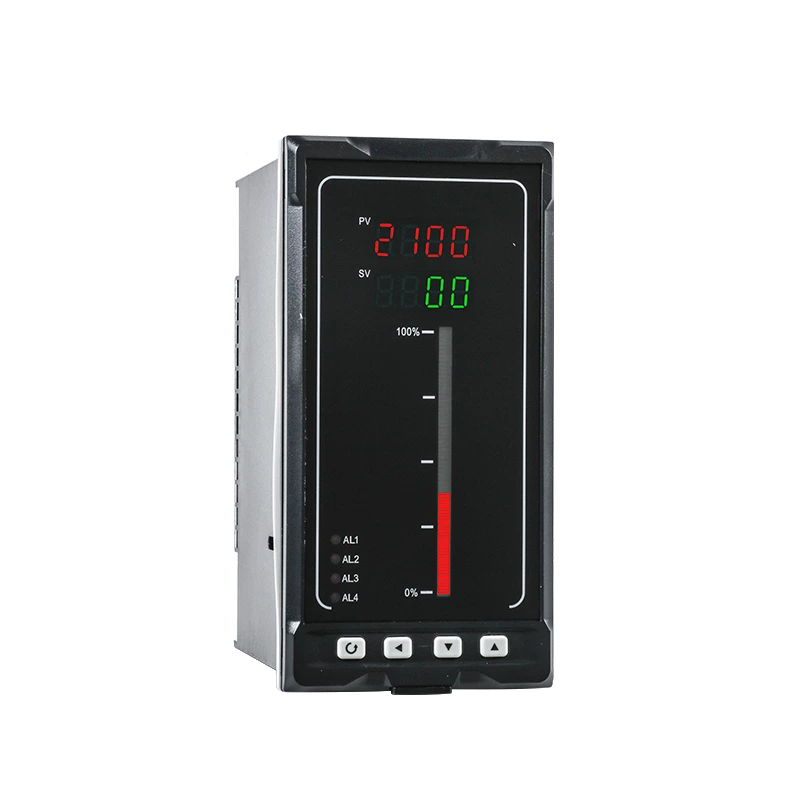
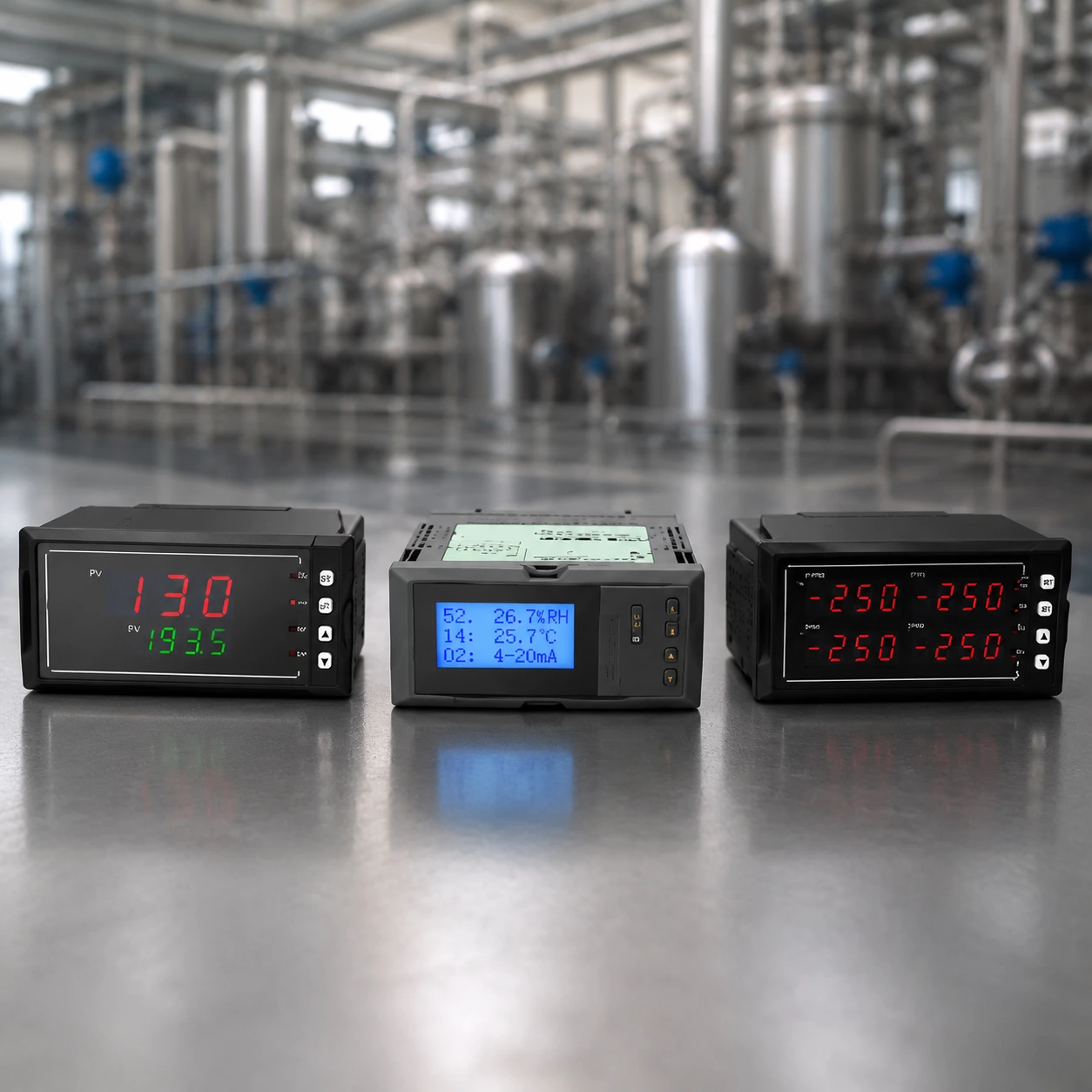
A process indicator is a panel-mounted instrument that receives a sensor or transmitter signal and displays the corresponding engineering value. Selected models also provide alarms, transmission outputs, communication, totalizing or PID control.
Which signals can SUPMEA process indicators accept?
Input capability depends on the model. Available options include thermocouples, RTDs, resistance, current, voltage, frequency and standard transmitter signals.
What is the difference between a process indicator and a PID controller?
A process indicator mainly displays and monitors a measured value. A PID controller also compares the measured value with a setpoint and adjusts an output to regulate the process.
Are single-loop, dual-loop and multi-loop models available?
Yes. The product range includes single-loop, dual-loop and 8–16-loop controllers.
Can these instruments communicate with a PLC or SCADA system?
Selected models support RS485 or RS232 communication. Modbus-RTU is available on specific products and configurations.
Do the products provide alarm or analog outputs?
Selected models support relay alarms and analog retransmission, including 4–20 mA and other configurable signals.