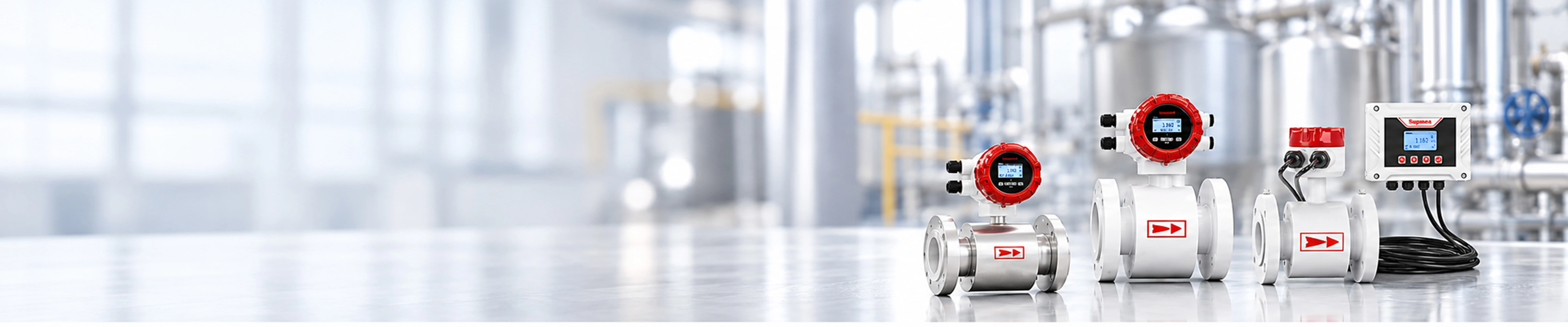
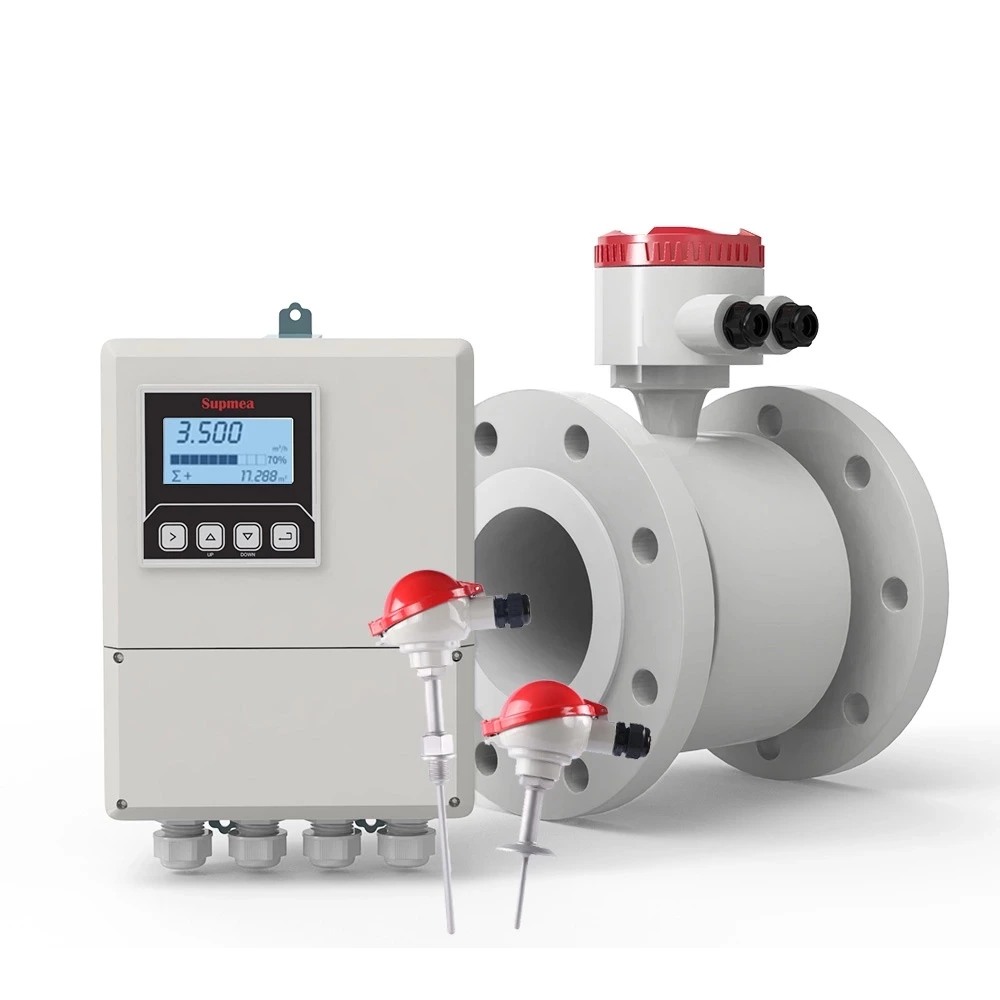
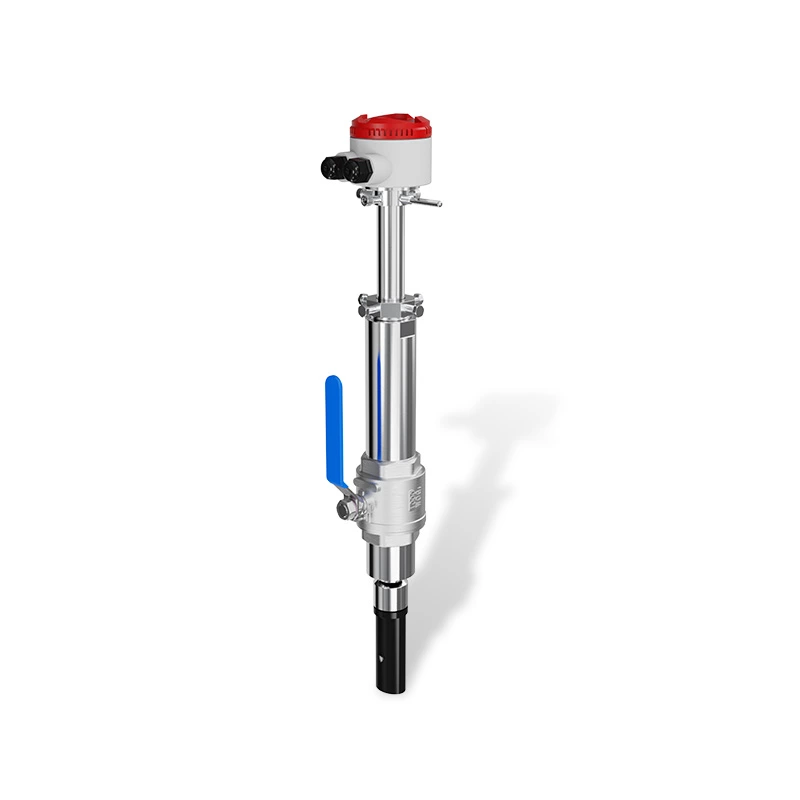
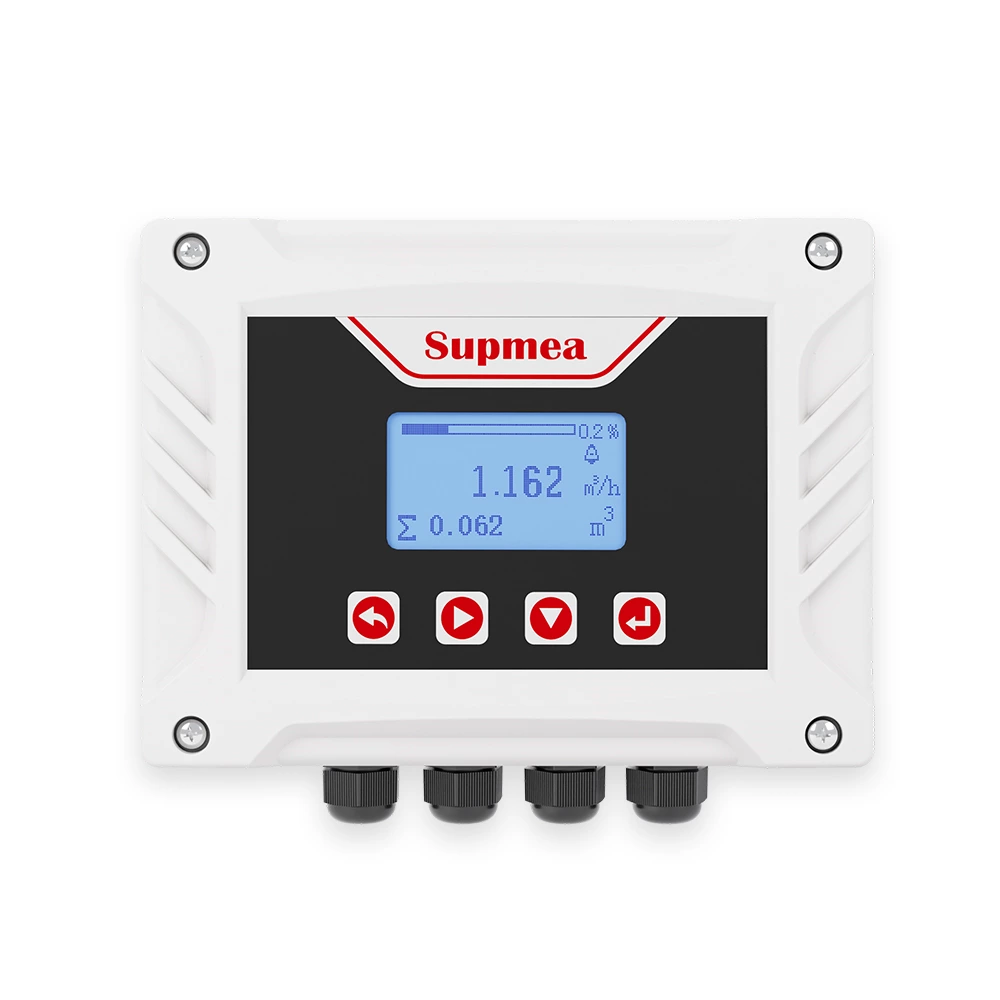
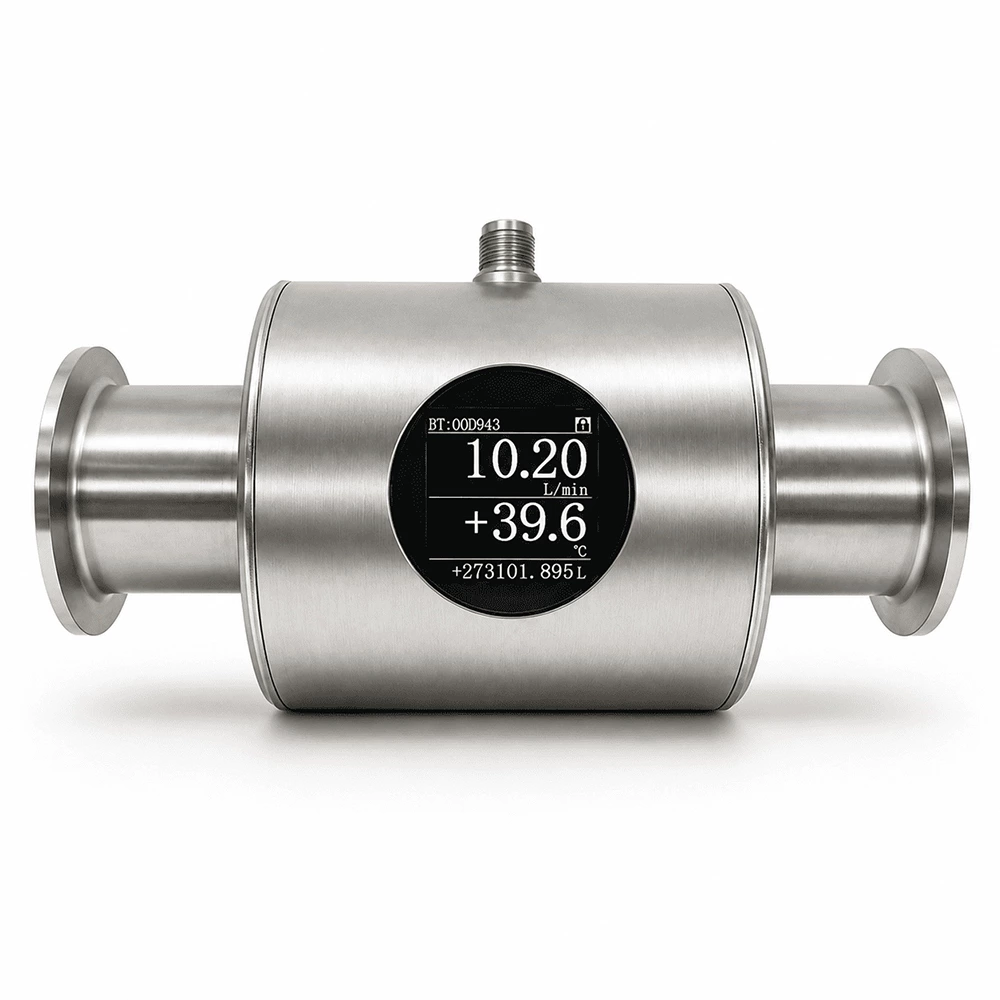
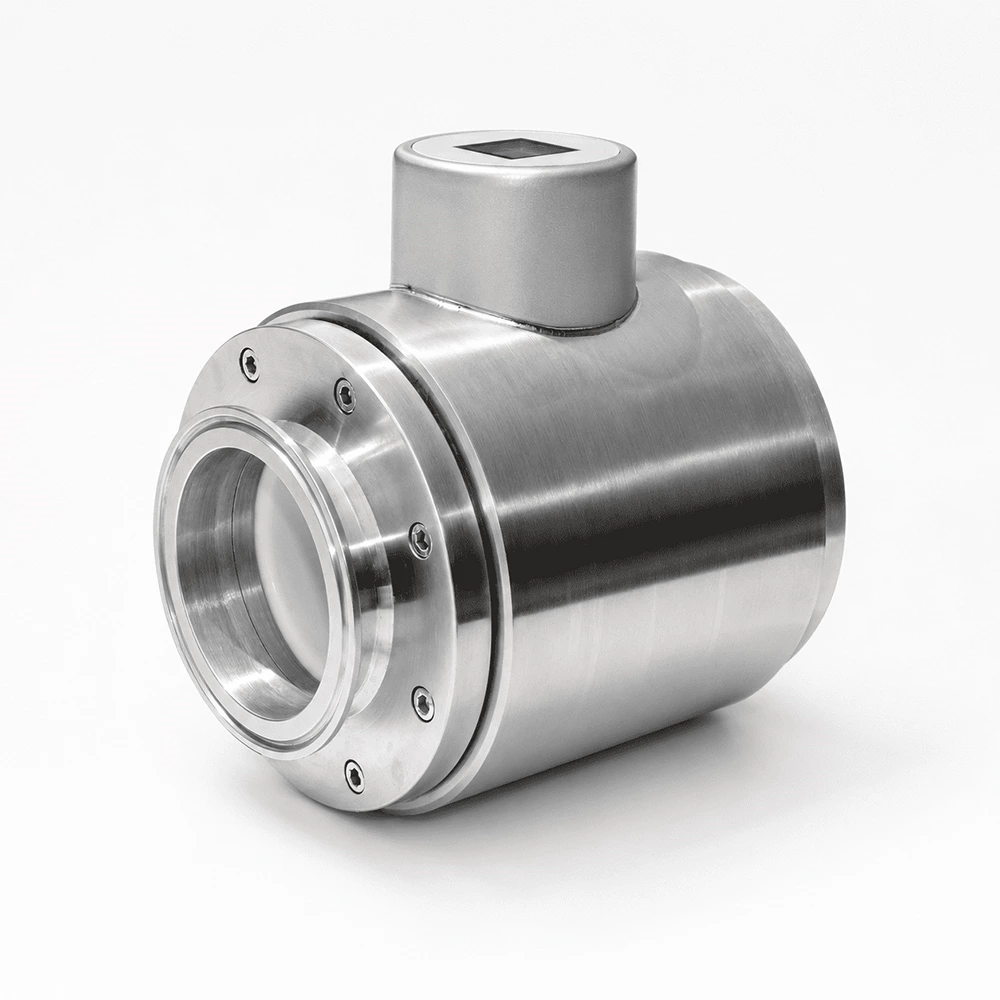
Quick product selection
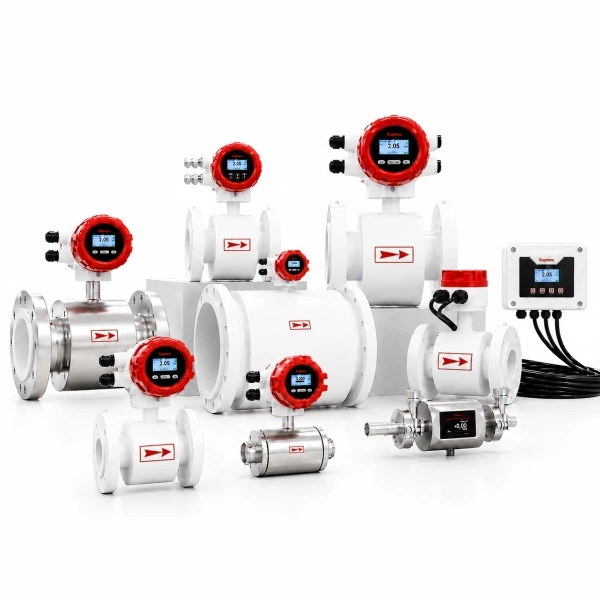
Find the right instrument for your application.
How electromagnetic flowmeter Works
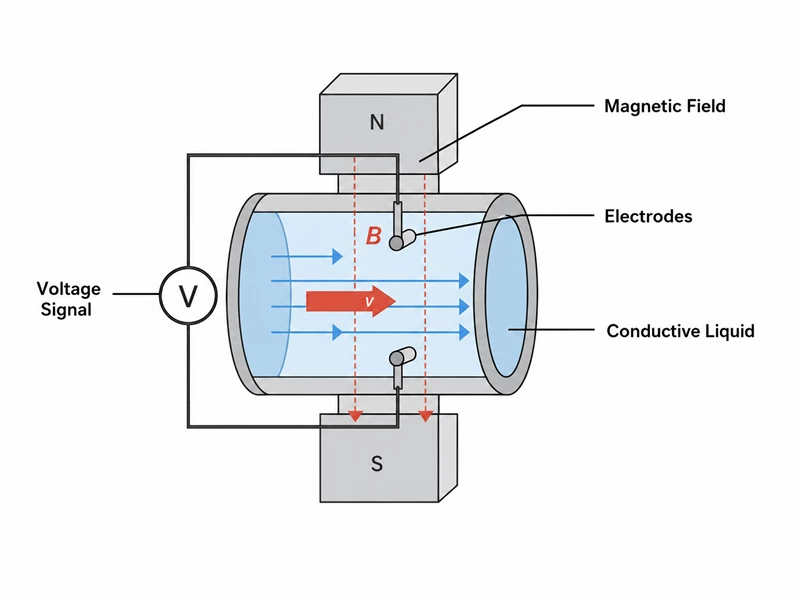
Magnetic flow meters operate using the principle of Faraday’s Law of electromagnetic induction.
Magmeters utilize a set of coils and electrodes with the coils powered by an electric current from the transmitter. The applied current creates a magnetic field across the pipe.
When the pipe is full and flowing, the force of the magnetic field causes charged particles in the fluid to separate.
This separation of positively and negatively charged particles results in an induced voltage between the electrodes.
The induced voltage is proportional to flow rate, providing an accurate flow measurement.
Applications & Industries
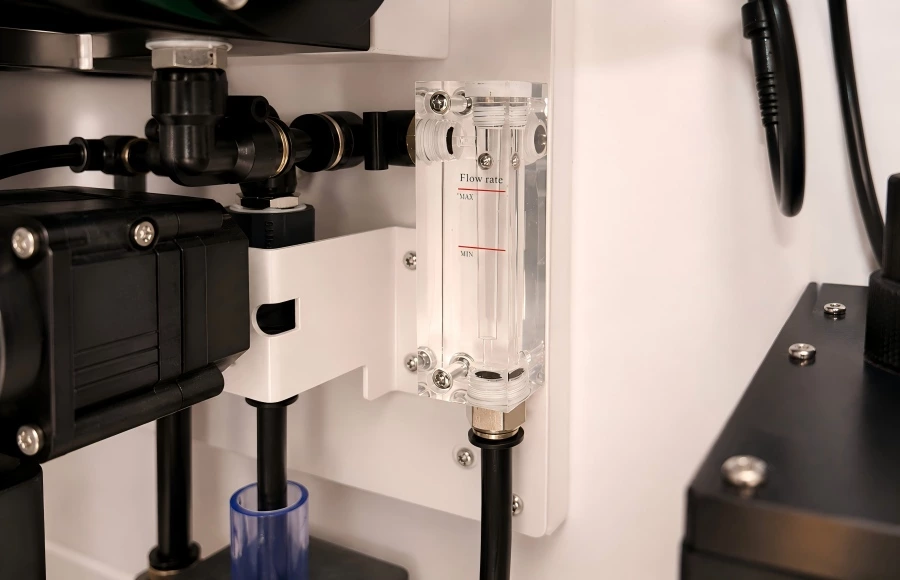
Multi-Parameter Water Quality Monitoring for a Building Project in Dubai
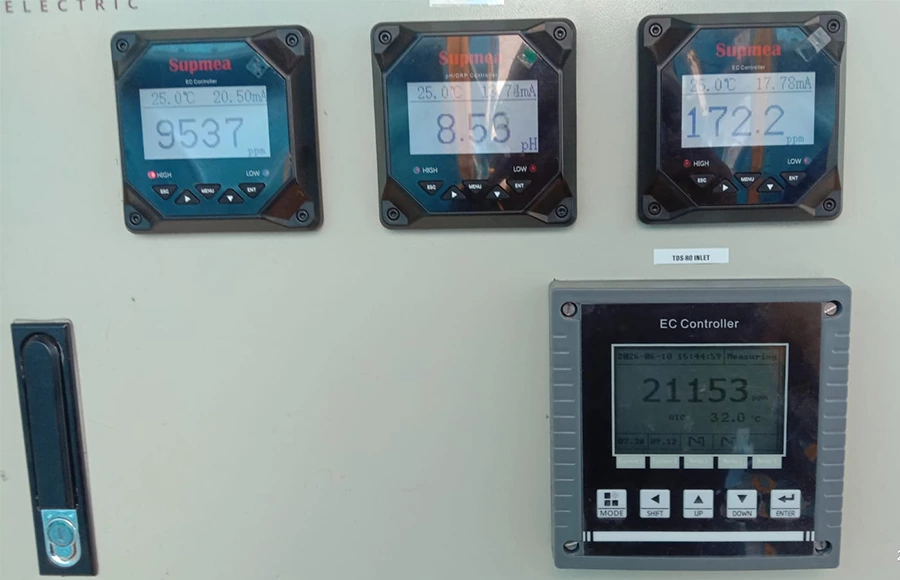
Integrated Flow and Water Quality Monitoring for an RO System in Indonesia
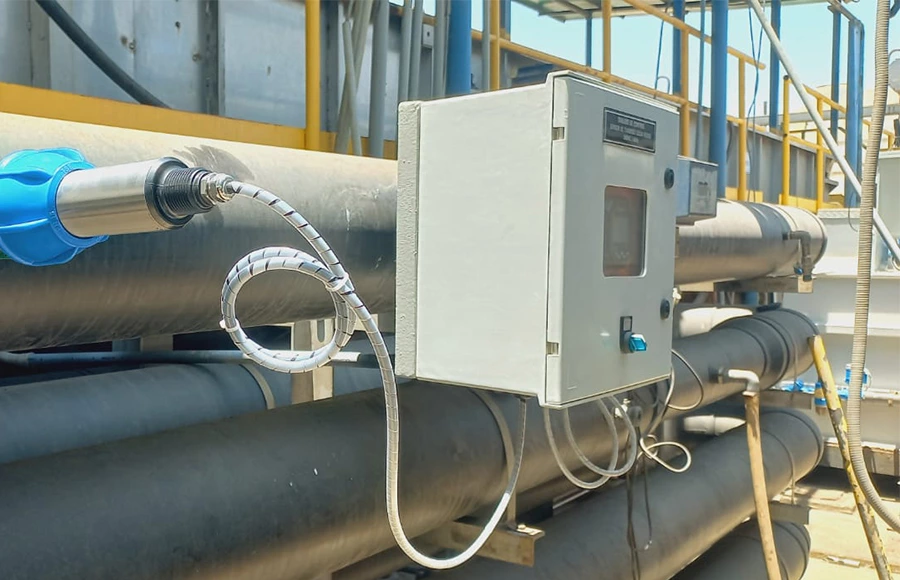
Inline Wastewater Turbidity Monitoring for a Treatment Pipeline in Peru
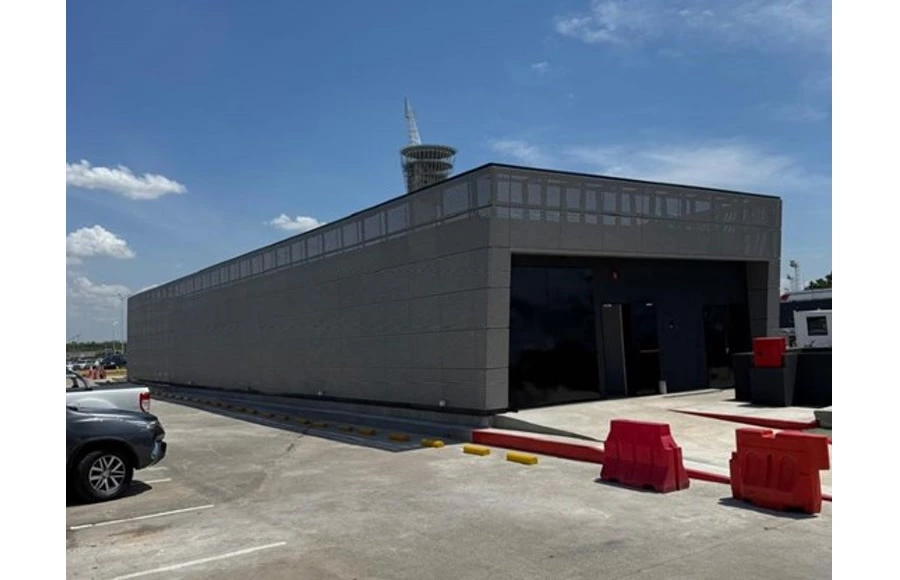
Supmea Multi-Parameter Monitoring Supports Water Treatment at an International Airport in Argentina
Related Products
Discover our most trusted process instruments for water and wastewater applications. Designed for reliable measurement, intelligent monitoring, and efficient process control across every stage of the treatment cycle.
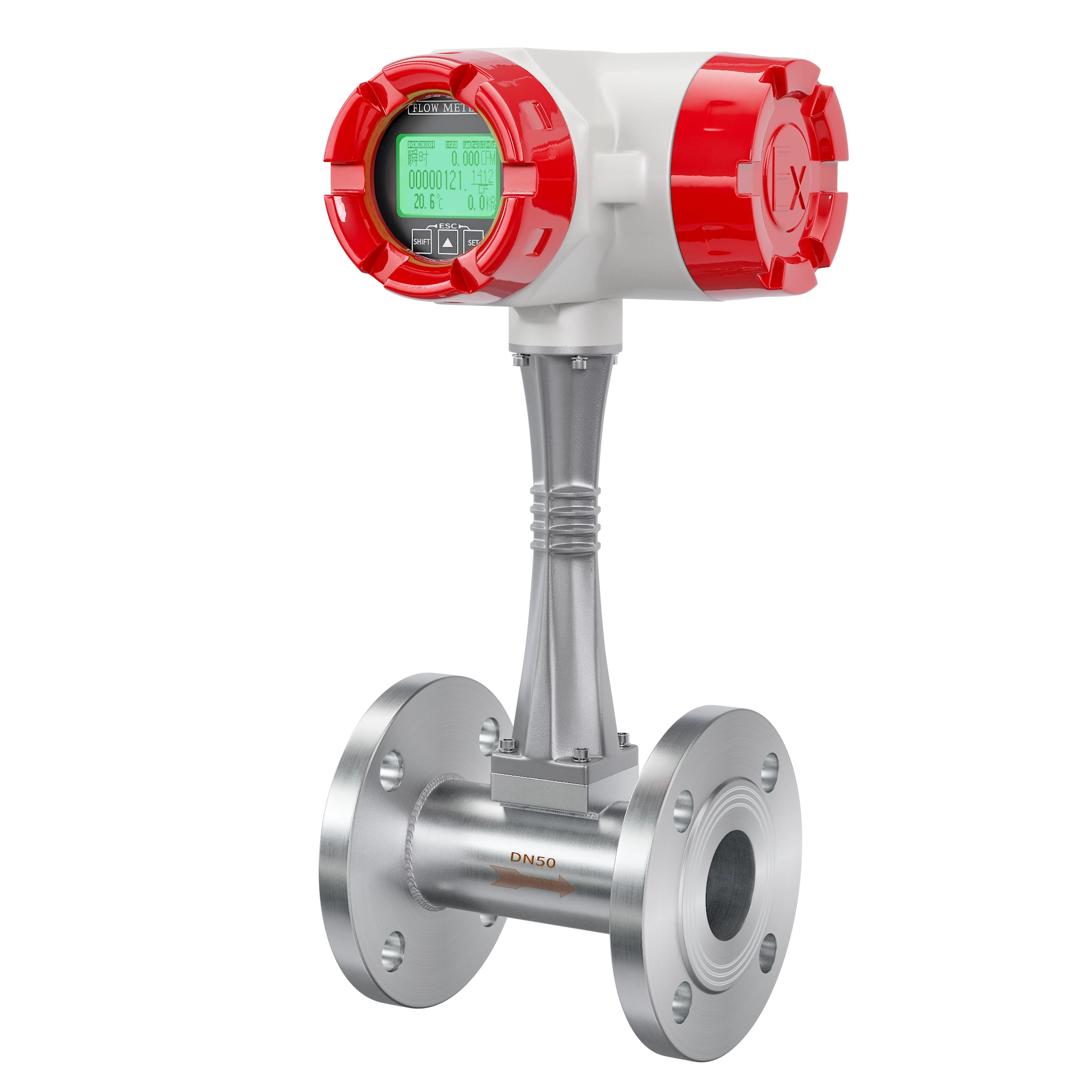
SUP-LUGB-C Vortex Flow Meter for Steam, Gas & Liquid Flow Measurement
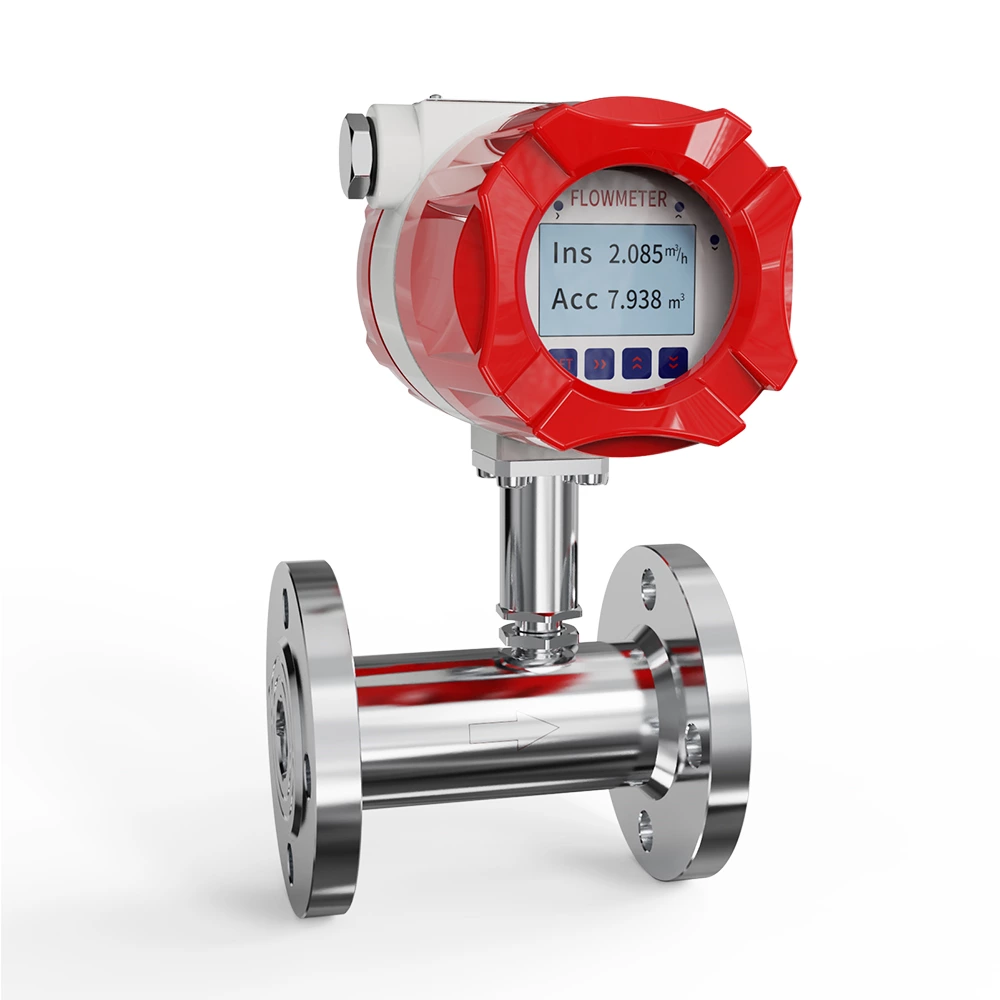
SUP-LWGY Turbine flowmeter flange connection
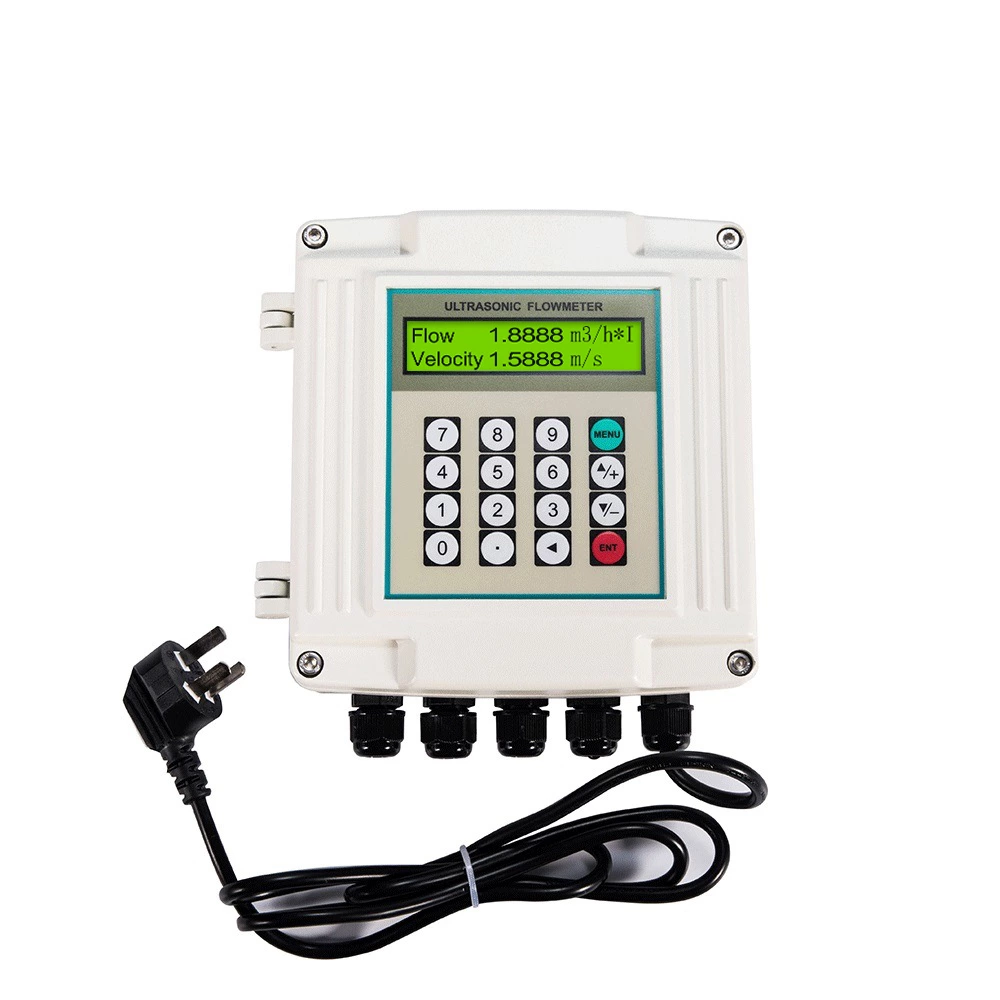
SUP-1158S Wall mounted ultrasonic flowmeter
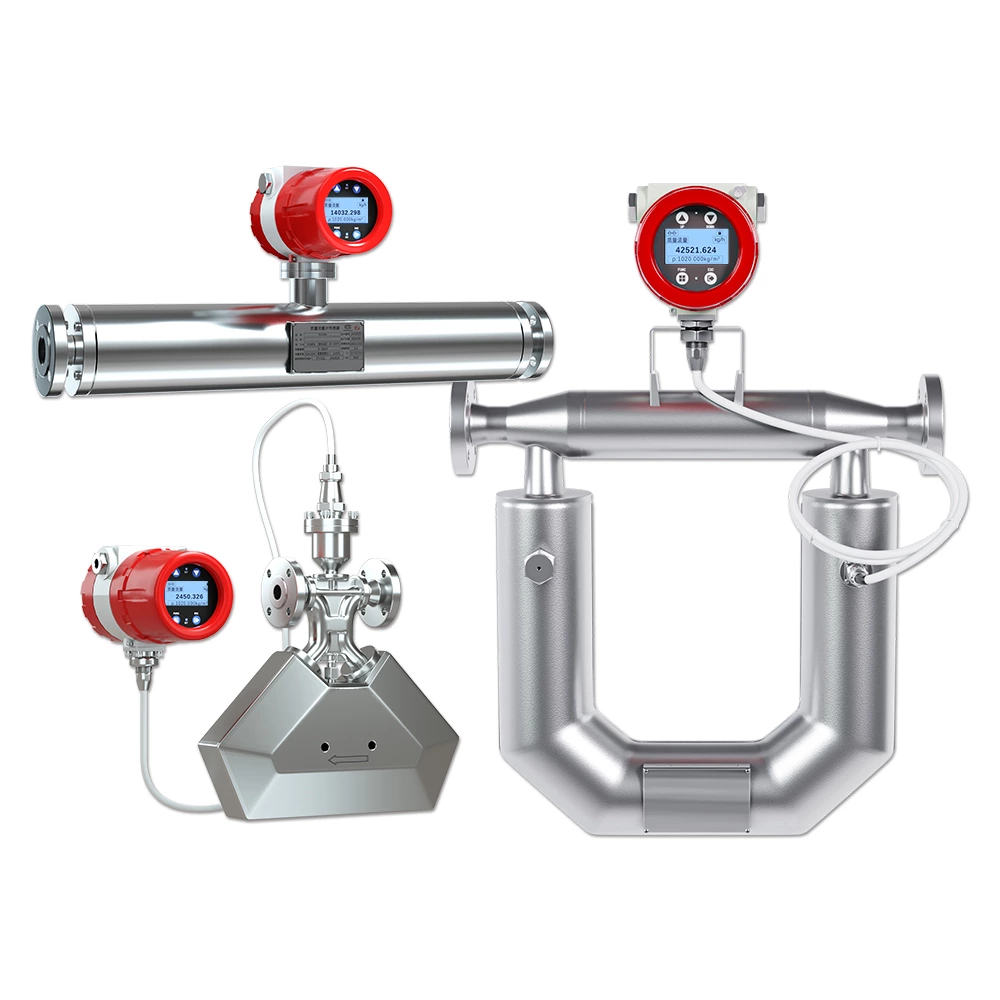
FCC-300 Coriolis Effect Mass Flow Meter For Oil, Gas, Liquid Processing
Frequently Asked Questions
How does an electromagnetic flowmeter work?
A conductive liquid moving through a magnetic field generates voltage. The electrodes detect it, and the converter calculates flow rate and total volume.
What measurement accuracy is available?
Many Supmea electromagnetic flowmeters offer ±0.5% accuracy. Selected models and pipe sizes may achieve higher accuracy under specified conditions.
Which outputs and communication protocols are supported?
Depending on the model, options include 4–20 mA, pulse, RS485, Modbus RTU and HART for connection to PLC, DCS or monitoring systems.
How do I choose between compact and remote types?
Choose compact type for simple, accessible installation. Choose remote type for vibration, flooding, high temperature or hard-to-access locations.
What liquids can electromagnetic flowmeters measure?
They measure conductive liquids such as water, wastewater, acids, alkalis, chemical solutions, slurry and pulp in closed pipes.
Can an electromagnetic flowmeter measure gas, steam or oil?
No. It requires a conductive liquid, so it is unsuitable for gas, steam and most non-conductive oils or hydrocarbons.
What is the minimum conductivity required?
It varies by model. Some Supmea models require over 2 μS/cm, while others require 30 or 50 μS/cm. Check the selected datasheet.