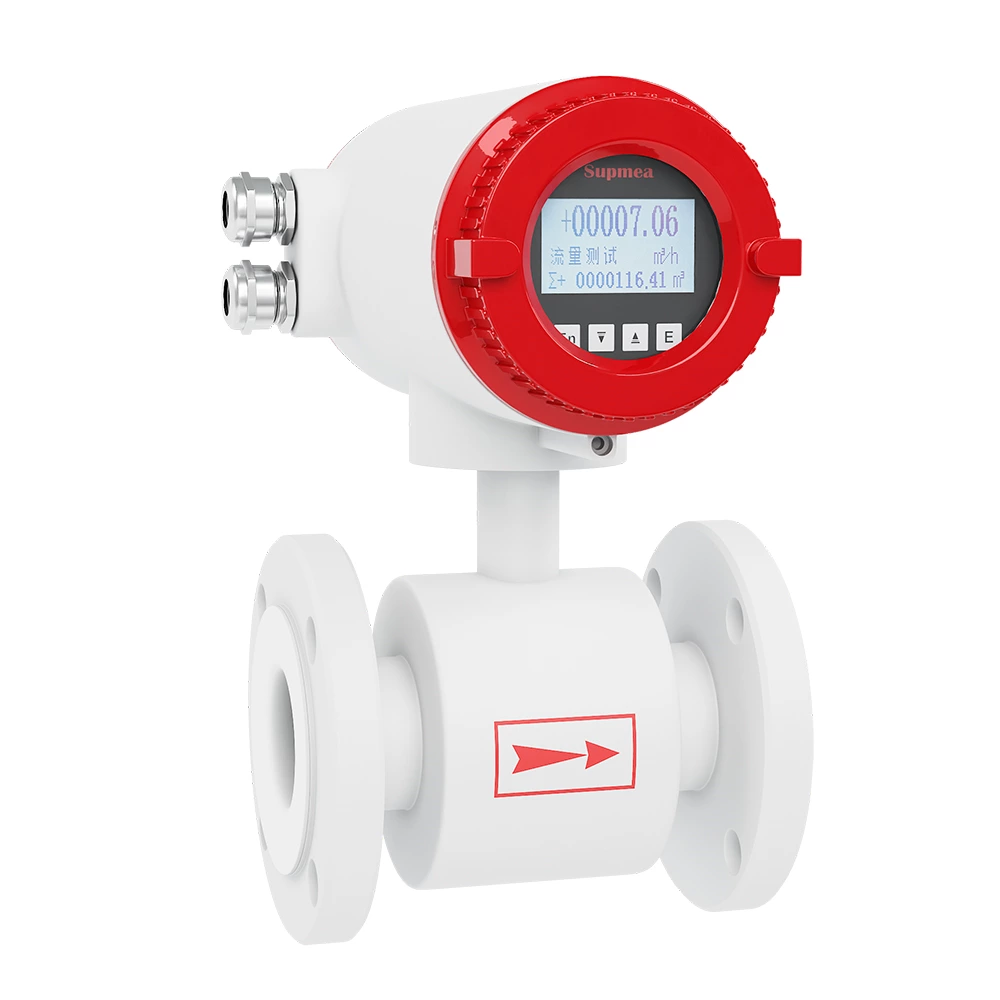
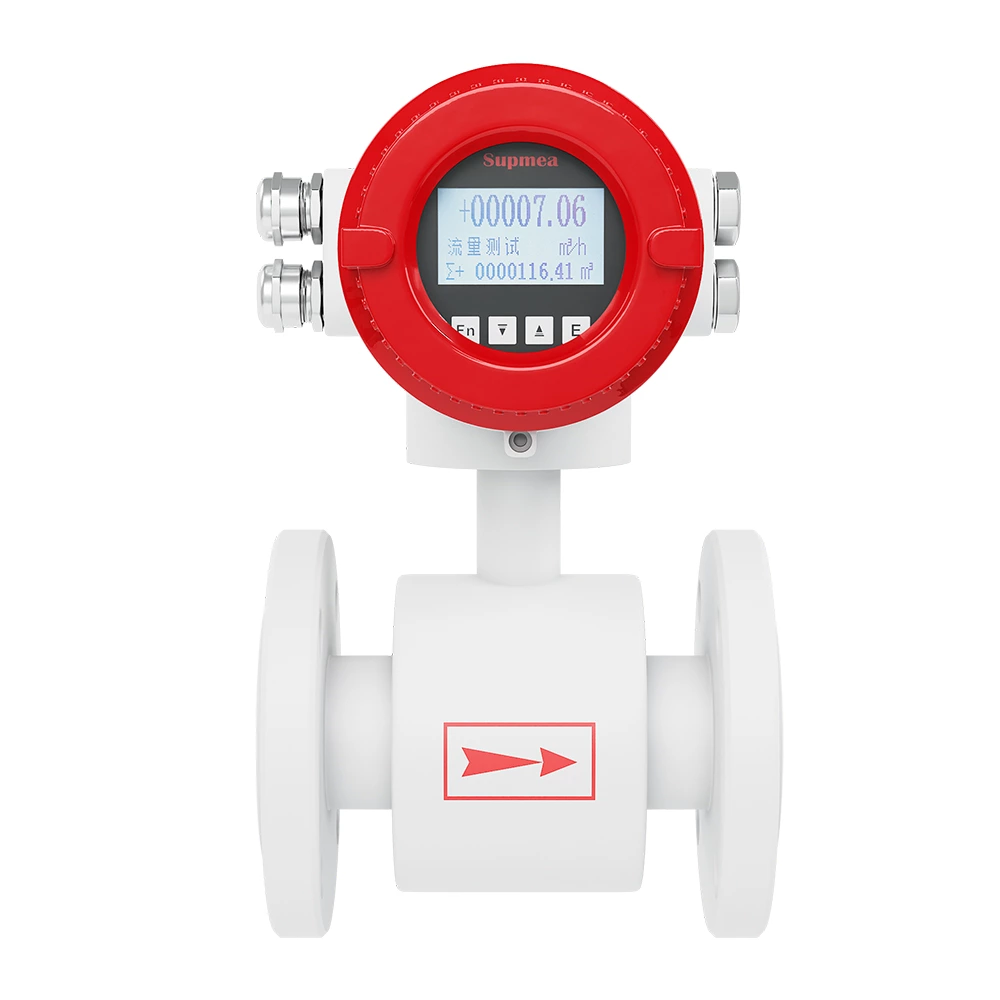
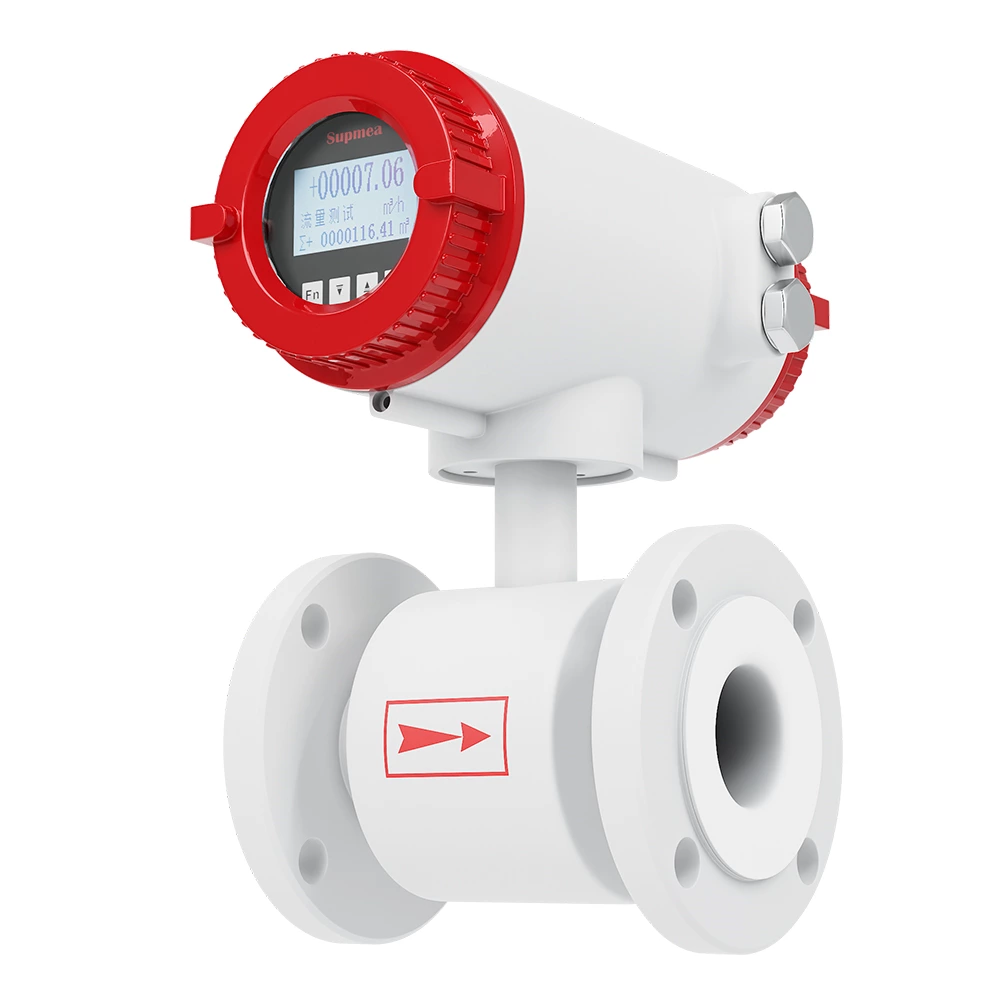
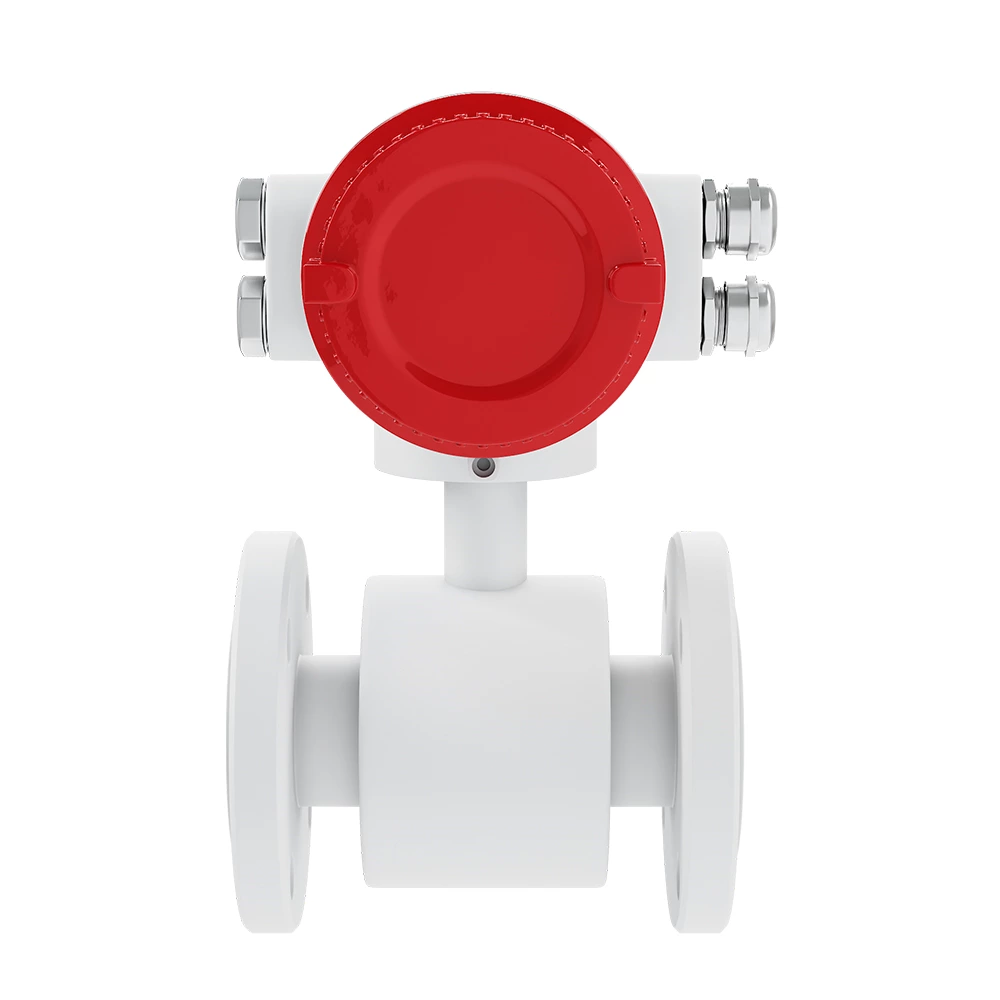
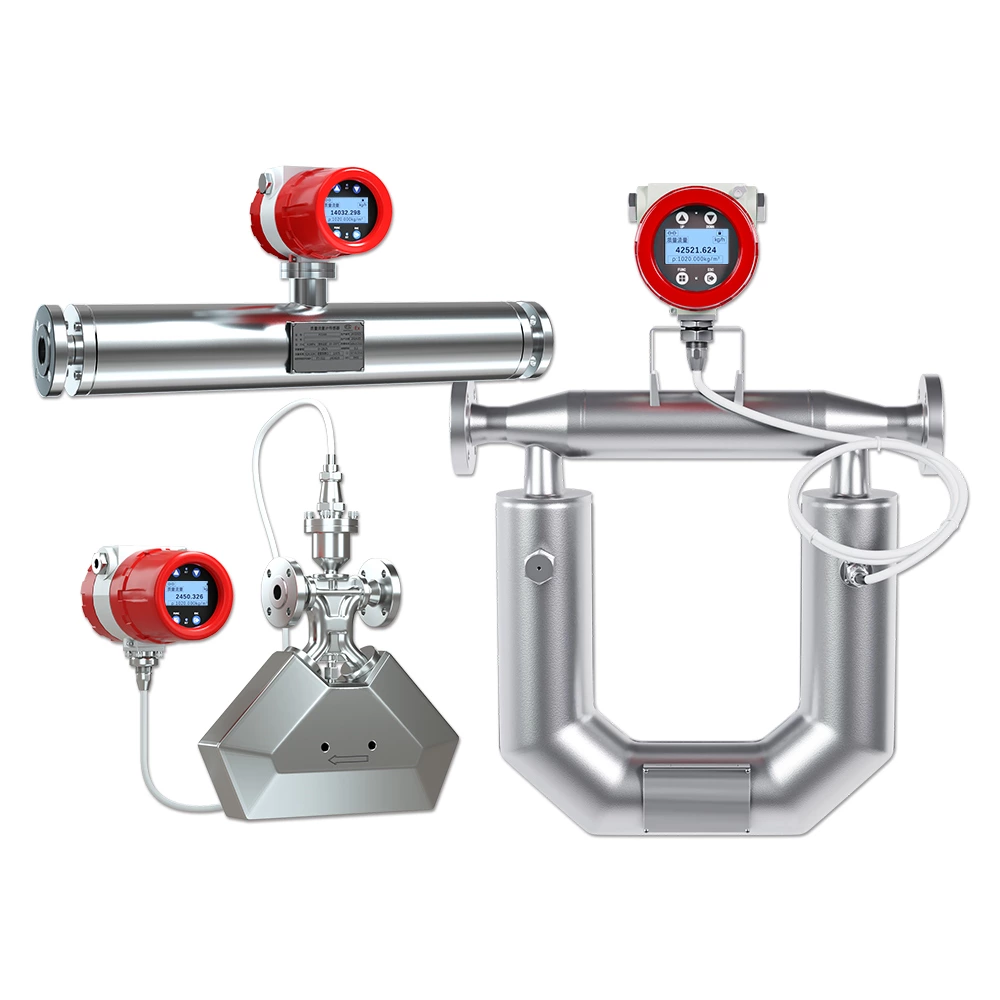
Measuring flow in slurry media — coal-water slurry, ore pulp, wood pulp, and dredge slurry — presents unique challenges. High solid concentrations generate at least five distinct types of electromagnetic noise, causing inaccurate readings or complete signal loss in conventional flowmeters.
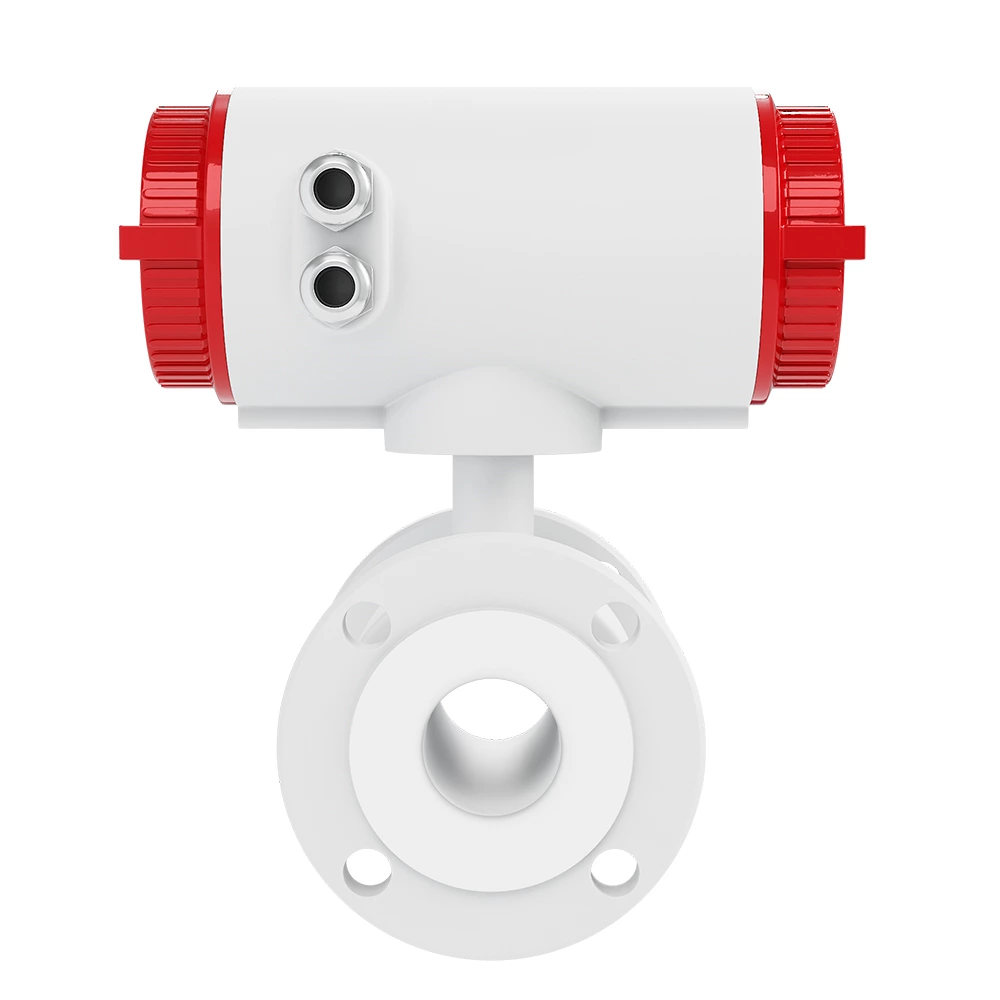
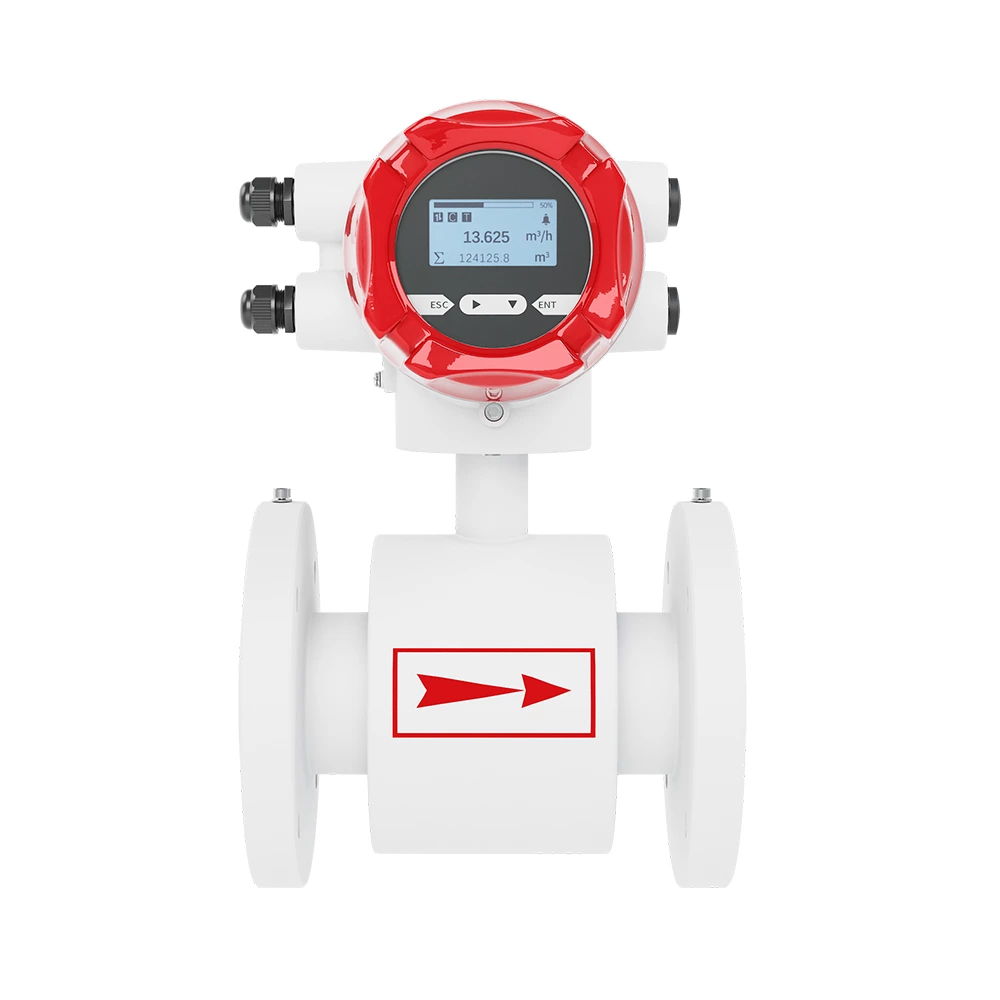
The FMC410 overcomes these challenges through hybrid low- and high-frequency excitation technology (up to 75 Hz), combined with multi-stage digital filtering, wavelet transform, and adaptive signal reconstruction. This proprietary slurry noise suppression system extracts the true flow signal even in the most complex interference environments.
The result: reliable, precise flow measurement at solid concentrations up to 78%, with ±0.5% accuracy and 0.16% repeatability — meeting or exceeding the performance benchmarks set by leading international brands.
Hybrid Low- & High-Frequency Excitation
FMC410 employs a dual-mode excitation strategy: low-frequency excitation eliminates baseline drift and polarization noise, while high-frequency excitation (up to 75 Hz) enables rapid data sampling to capture subtle flow variations. Multiple software filters, optimized for slurry environments, ensure reliable measurement even at high solid content.
Enhanced Signal-to-Noise Ratio (SNR) Design
Optimized electrode geometry and advanced signal processing — including multi-stage digital filtering, wavelet transformation, and adaptive signal reconstruction — dramatically improve the signal-to-noise ratio. FMC410 precisely extracts flow signals from complex, interference-prone environments, reducing measurement deviation caused by turbulent flow or entrained gas.
Wear-Resistant Construction for Extended Service Life
To withstand the high abrasiveness of slurries such as coal-water slurry and ore pulp, the FMC410 offers a full range of wear-resistant lining materials (PU, PTFE, F46, CR) and electrode options including tungsten carbide, Hastelloy, Titanium, and Tantalum. Material selection is tailored to your specific media to maximize service life and minimize maintenance frequency.
Zero Moving Parts — Truly Maintenance-Free Operation
With no moving parts and a full-bore, obstruction-free design, the FMC410 creates zero additional pressure drop in your pipeline. Delivered pre-configured to your order specifications, the meter requires no mechanical maintenance under normal operating conditions — minimizing total cost of ownership.
| Product |
Electromagnetic flowmeter |
| Model |
SUP-FMC410 |
| Diameter nominal |
DN10~DN1000 |
| Nominal pressure |
DN15 - DN250, PN ≤1.6MPa |
| DN300 - DN1000, PN ≤1.0MPa |
| Accuracy |
Measurement value ±0.5%(Flow velocity 0.5m/s~5m/s) |
| Repetitiveness |
0.16% |
| Liner material |
CR,UR,PTFE(F4),FEP(F46),and PTFE(PTA) |
| Electrode material |
316L Stainless Steel, Hastelloy C, Hastelloy B, Ti, Ta, Pt |
| Medium temperature |
Polyurethane: -10…+60℃ ;PTFE/FEP: -10…+120℃;Chloroprene: -10…+70℃;PFA: -10…+120℃ |
| Power supply |
AC:85V~264V,50Hz~60Hz; DC:18V~28V |
| Communications |
RS485,MODBUS-RTU |
| Ingress protection |
IP65 |
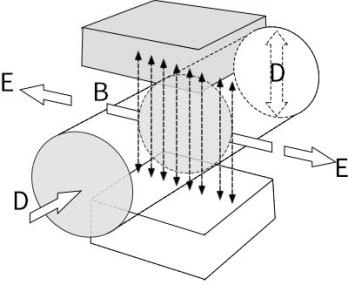
Mag meter works based on Faraday's law, when the liquid goes through the pipe at the flow rate of v with a diameter D, within which a magnetic flux density of B is created by an exciting coil, the following electromotive E is generated in proportion to flow speed v:
E=K×B×V×D
Where:
E-Induced electromotive force
K-Meter constant
B-Magnetic induction density
V-Average flow speed in cross-section of measuring tube
D-Inner diameter of measuring tube
Mining & Mineral Processing
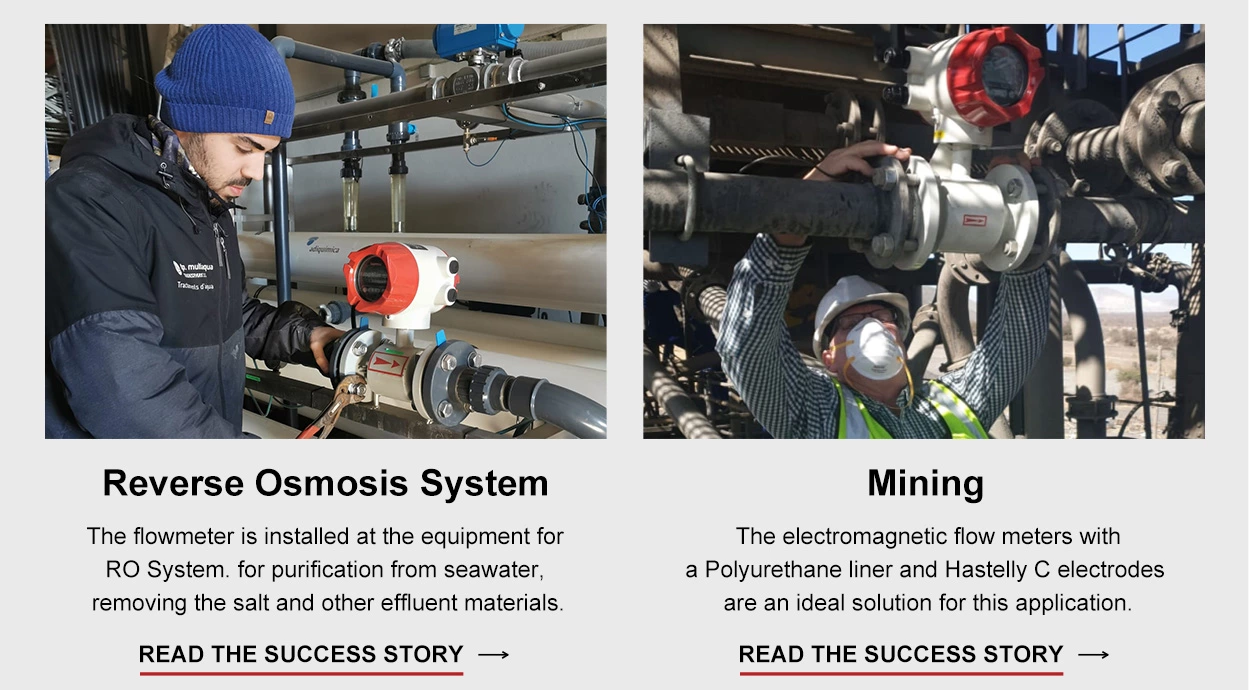
Ore slurry, tailings, and mineral concentrates demand wear-resistant measurement solutions. FMC410 with PU lining and tungsten carbide electrodes delivers consistent accuracy in the harshest mine environments.
Paper & Pulp Industry
Wood pulp, recycled fiber slurry, and black liquor present both abrasion and chemical challenges. FMC410 offers liner and electrode options specifically matched to pulp and paper process conditions.
Coal Preparation
Coal-water slurry measurement is where FMC410's hybrid excitation technology was battle-tested. Achieve ±0.5% accuracy in dense, highly conductive coal slurry pipelines.
Wastewater & Sludge Treatment
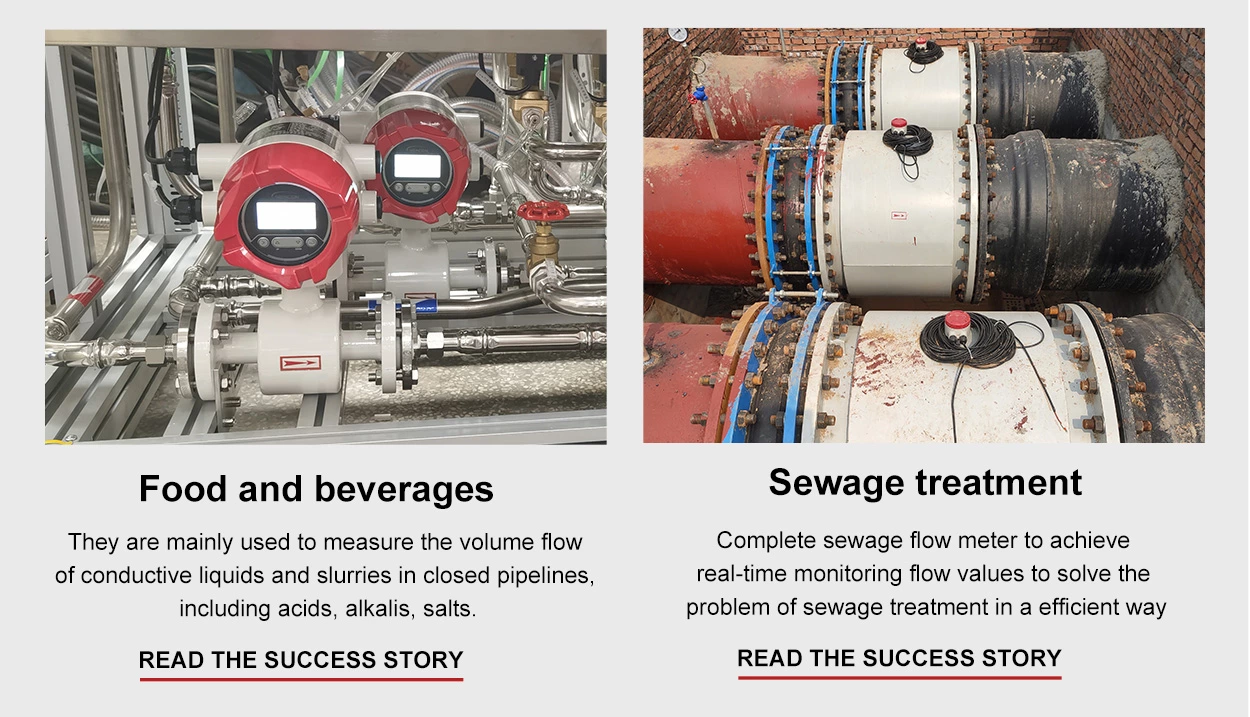
Municipal and industrial sludge, biogas digestate, and wastewater streams: FMC410's IP65 protection and maintenance-free design suit the demanding conditions of water treatment facilities.
Chemical Processing
Abrasive chemical slurries, acid mine drainage, and chemical reactor feeds require corrosion-resistant materials. Select Hastelloy, Tantalum, or PTFE configurations for full chemical compatibility.
Dredging & Excavation
Sand-water mixtures and dredge slurry require rugged, full-bore meters that handle variable solid content without clogging or accuracy loss. FMC410 delivers consistent readings across the dredging cycle.
Q:What is the maximum solid content the FMC410 can measure?
The FMC410 Slurry Electromagnetic Flowmeter is engineered to reliably measure media with solid concentrations up to 78% by volume. This performance has been validated in demanding applications including coal-water slurry, ore pulp, and dense tailings slurry.
Q:How does FMC410 differ from a standard electromagnetic flowmeter?
A standard electromagnetic flowmeter is designed for clean liquids or low-solids fluids. FMC410 is purpose-built for slurry, using hybrid low/high-frequency excitation (up to 75 Hz) with multi-stage wavelet-based signal processing to suppress the five or more noise types inherent in slurry flow — delivering accurate measurement where standard meters fail.
Q:Which lining material should I choose for abrasive ore slurry?
For highly abrasive applications such as ore slurry, iron concentrate, or sand-water mixtures, we recommend Polyurethane (PU) lining paired with tungsten carbide electrodes. PU provides excellent wear resistance at temperatures up to 60°C. For higher-temperature or chemically aggressive slurries, PTFE or F46 lining may be more appropriate.
Q:Can the FMC410 measure flow in both directions?
Yes. The FMC410 is fully bidirectional and independently accumulates forward and reverse cumulative flow totals. Reverse flow measurement can be enabled or disabled via the menu, and a flow direction indication output signal is available for external monitoring.