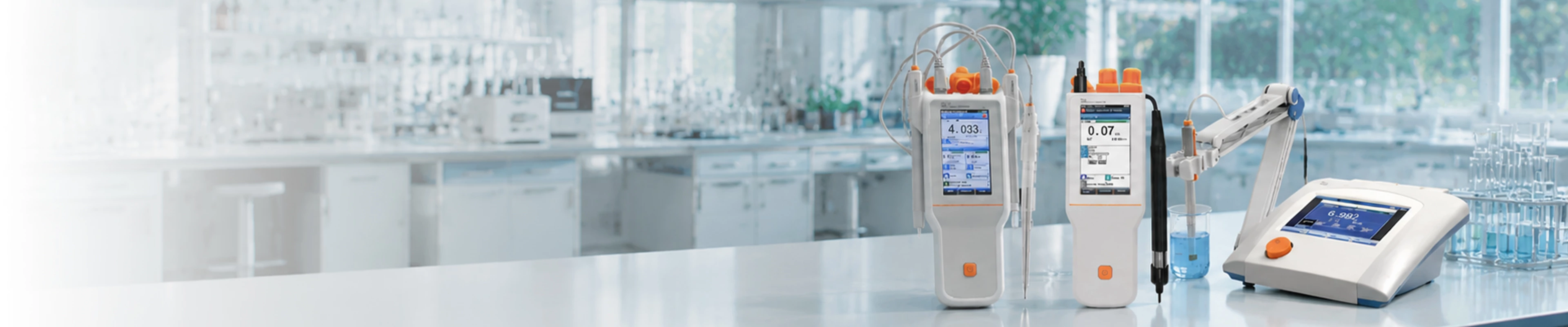
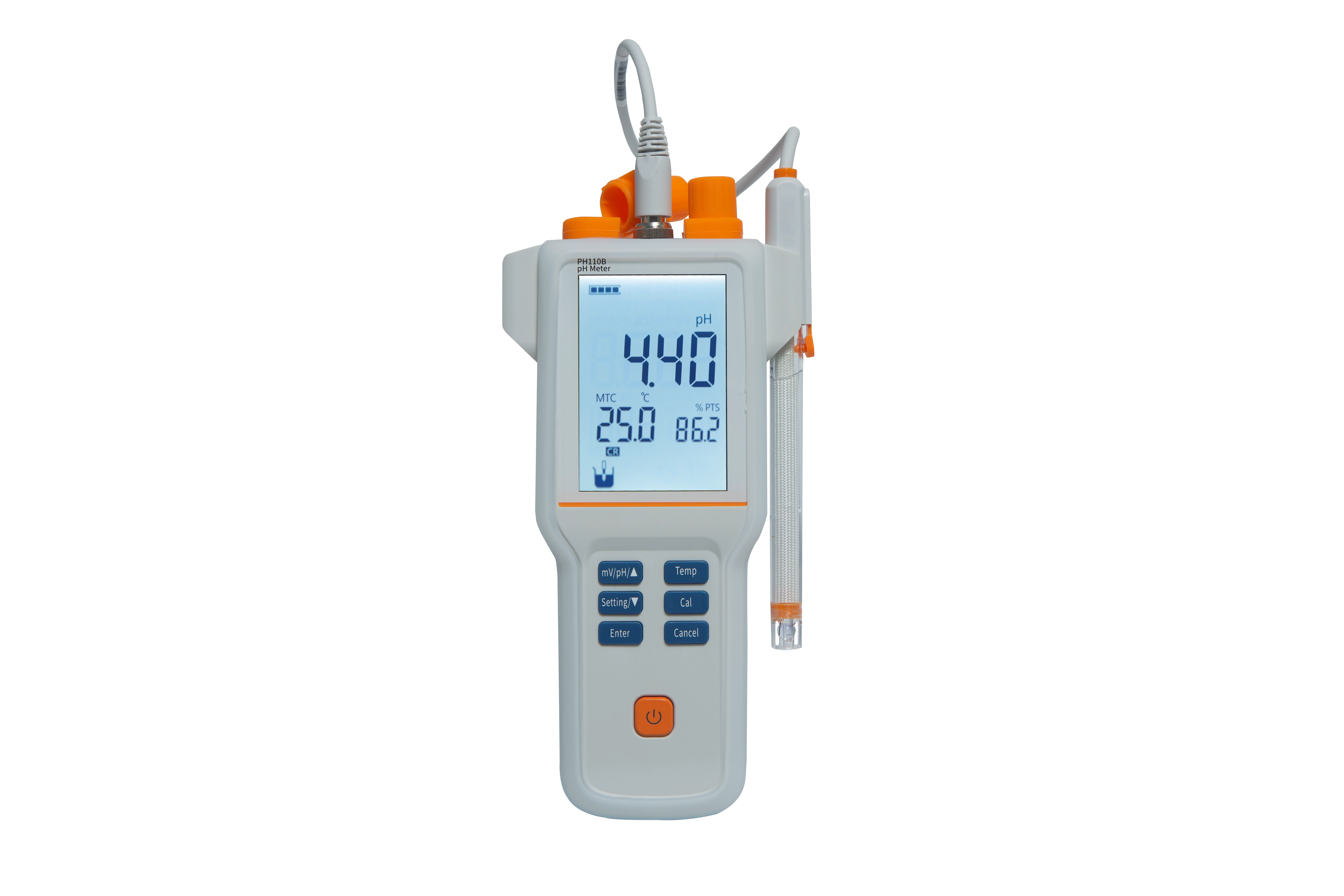
Quick product selection
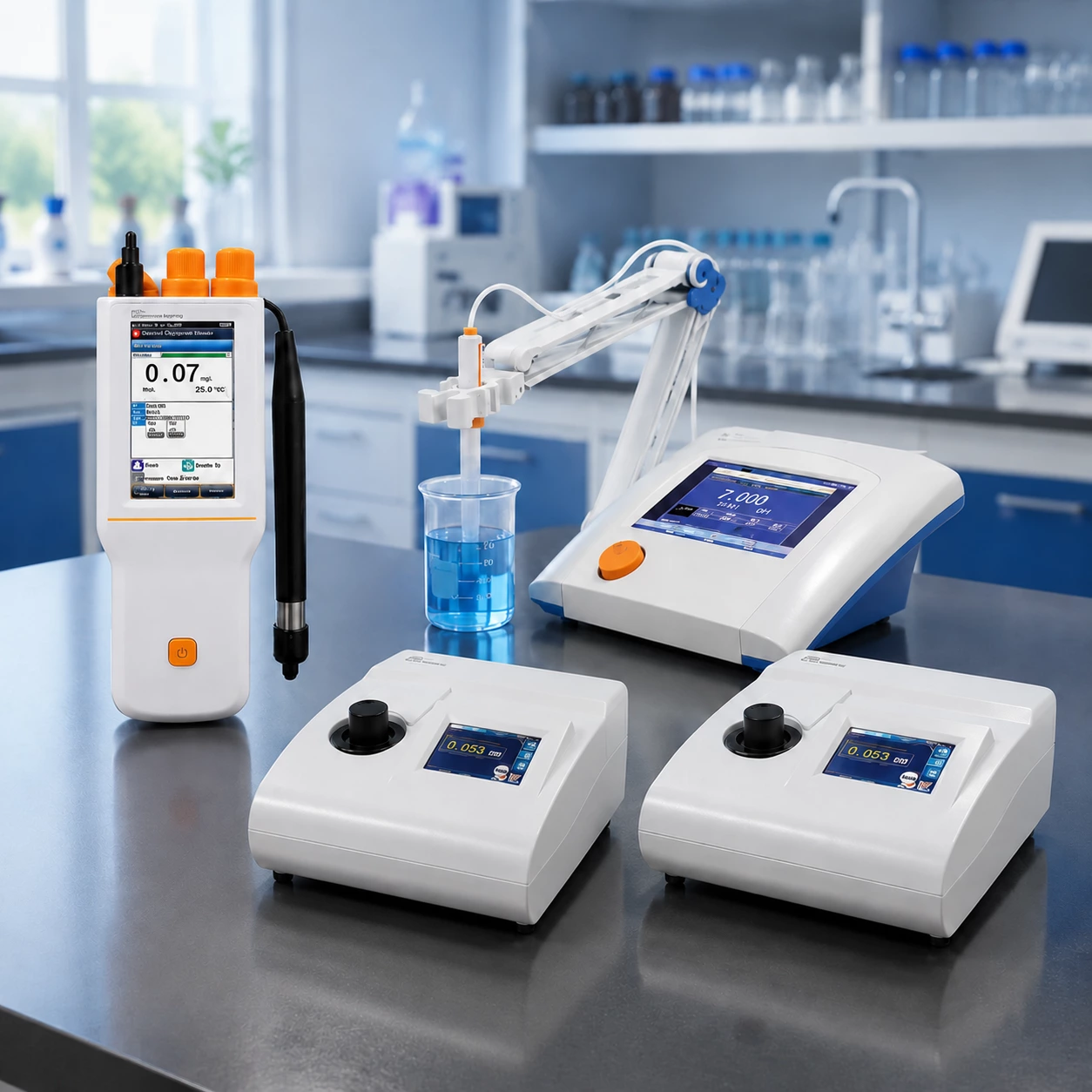
Find the right instrument for your application.
How Laboratory water quality meters work
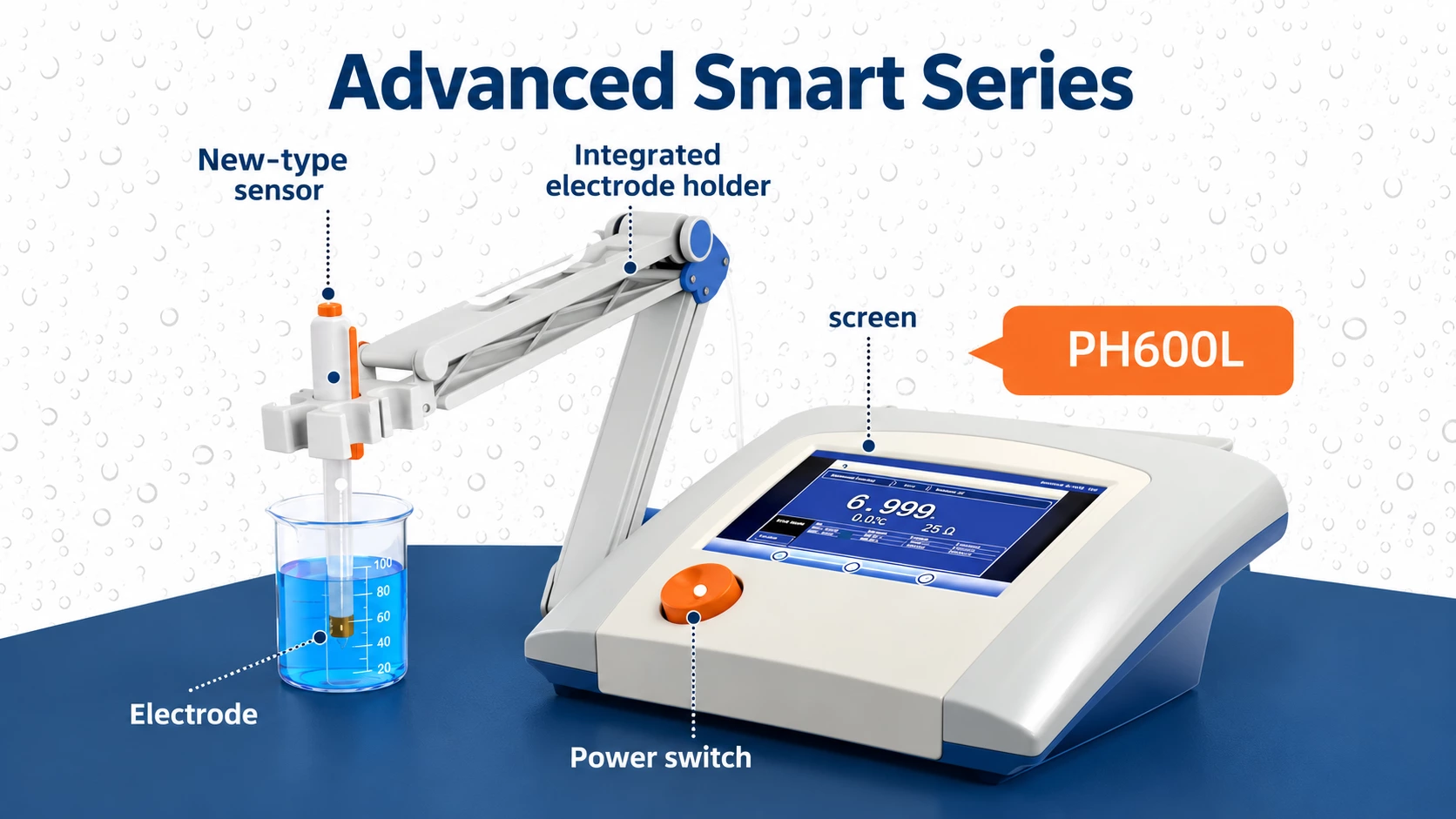
Electrode & Probe Measurement
Laboratory water quality meters use parameter-specific electrodes or probes to detect physical or electrochemical changes in a prepared sample. The instrument receives the probe signal, applies the selected calibration and temperature compensation settings, and converts the signal into a readable measurement result.
Depending on the installed probe or measurement module, the analyzer can determine pH, ORP, ion concentration, conductivity, resistivity, TDS, salinity, dissolved oxygen or temperature. Multi-parameter analyzers combine several compatible measurement modules within one instrument.
Applications & Industries
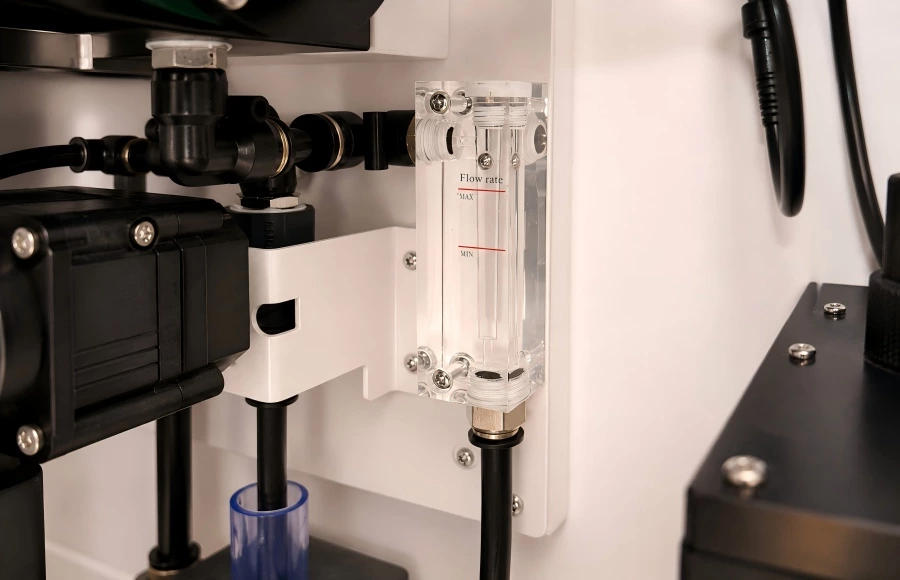
Multi-Parameter Water Quality Monitoring for a Building Project in Dubai
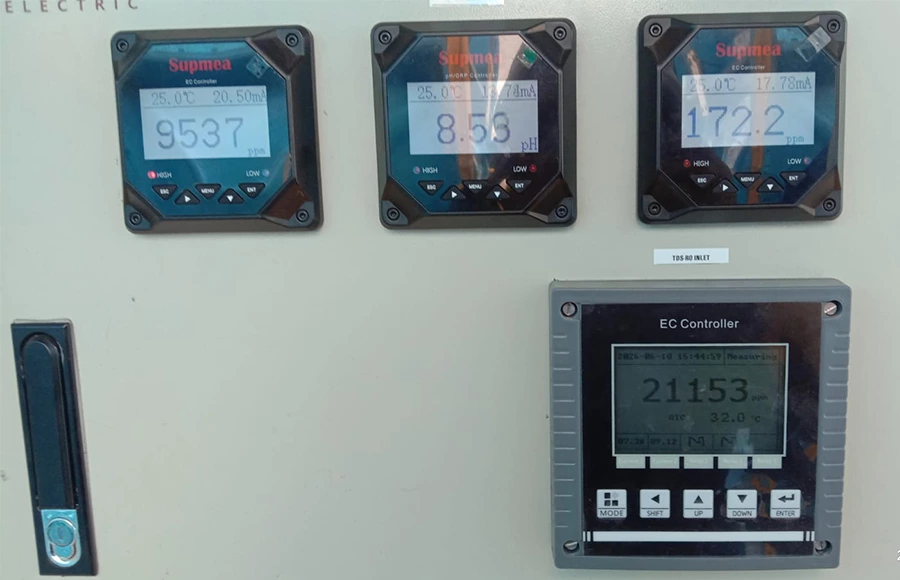
Integrated Flow and Water Quality Monitoring for an RO System in Indonesia
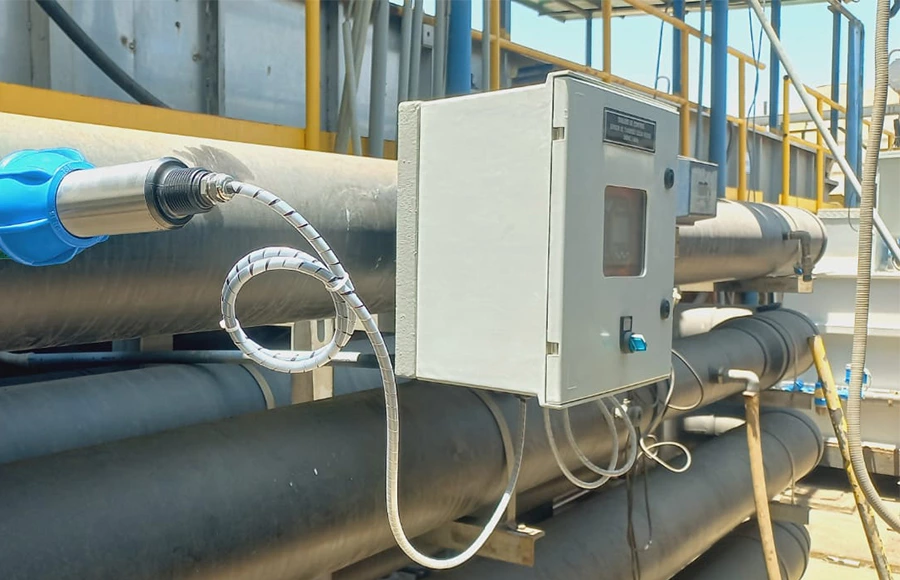
Inline Wastewater Turbidity Monitoring for a Treatment Pipeline in Peru
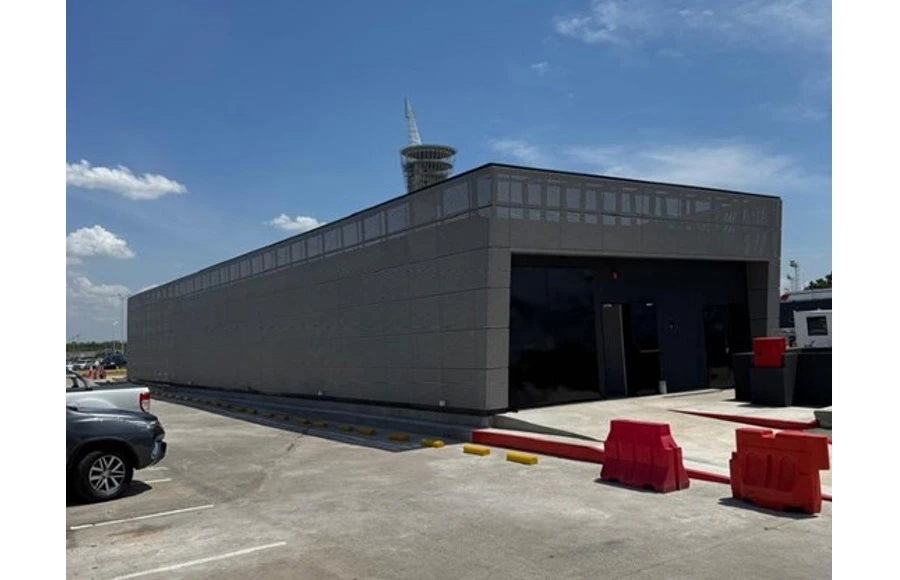
Supmea Multi-Parameter Monitoring Supports Water Treatment at an International Airport in Argentina
Related Products
Discover our most trusted process instruments for water and wastewater applications. Designed for reliable measurement, intelligent monitoring, and efficient process control across every stage of the treatment cycle.
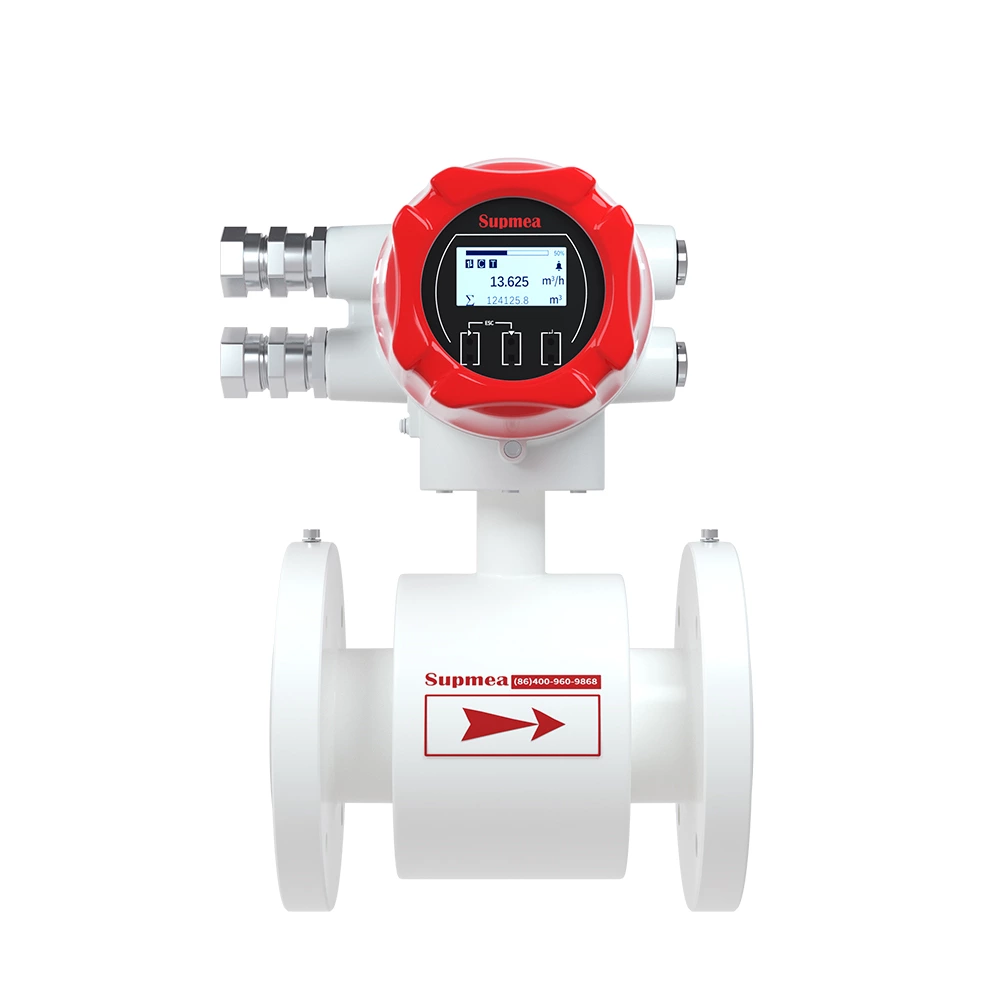
LDG-SUP-A100D Explosion-Proof Electromagnetic Flowmeter
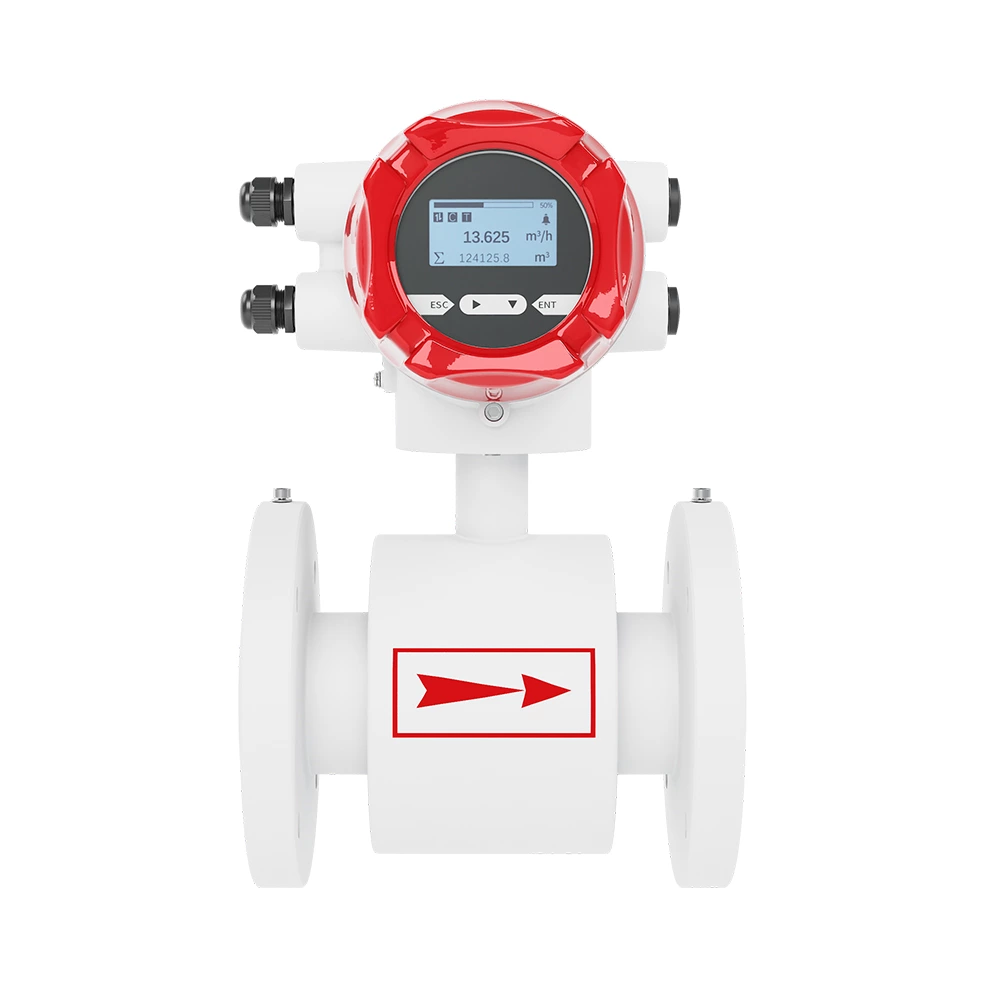
LDG-SUP-A100 Electromagnetic Flow Meter — High-Accuracy Conductive Liquid Measurement
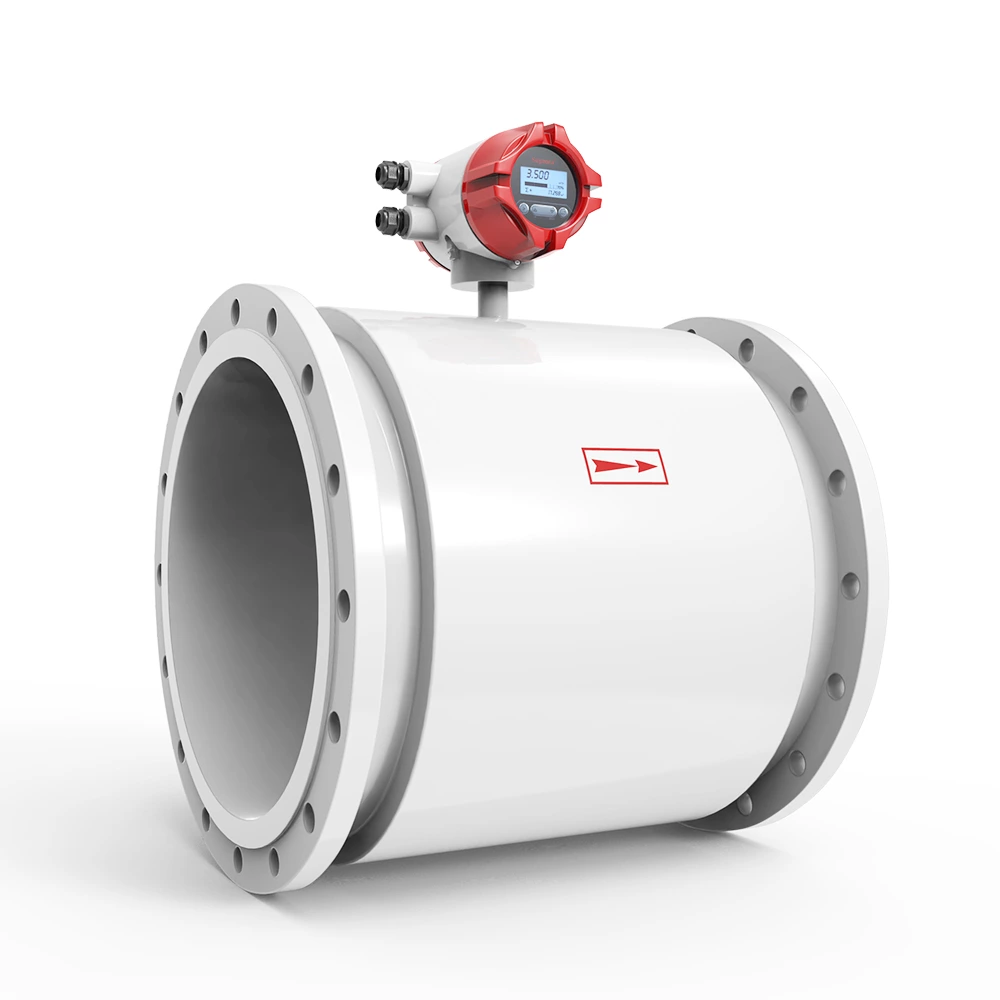
LDG-SUP Electromagnetic Flowmeter: Precision Flow Measurement for Demanding Industrial Applications
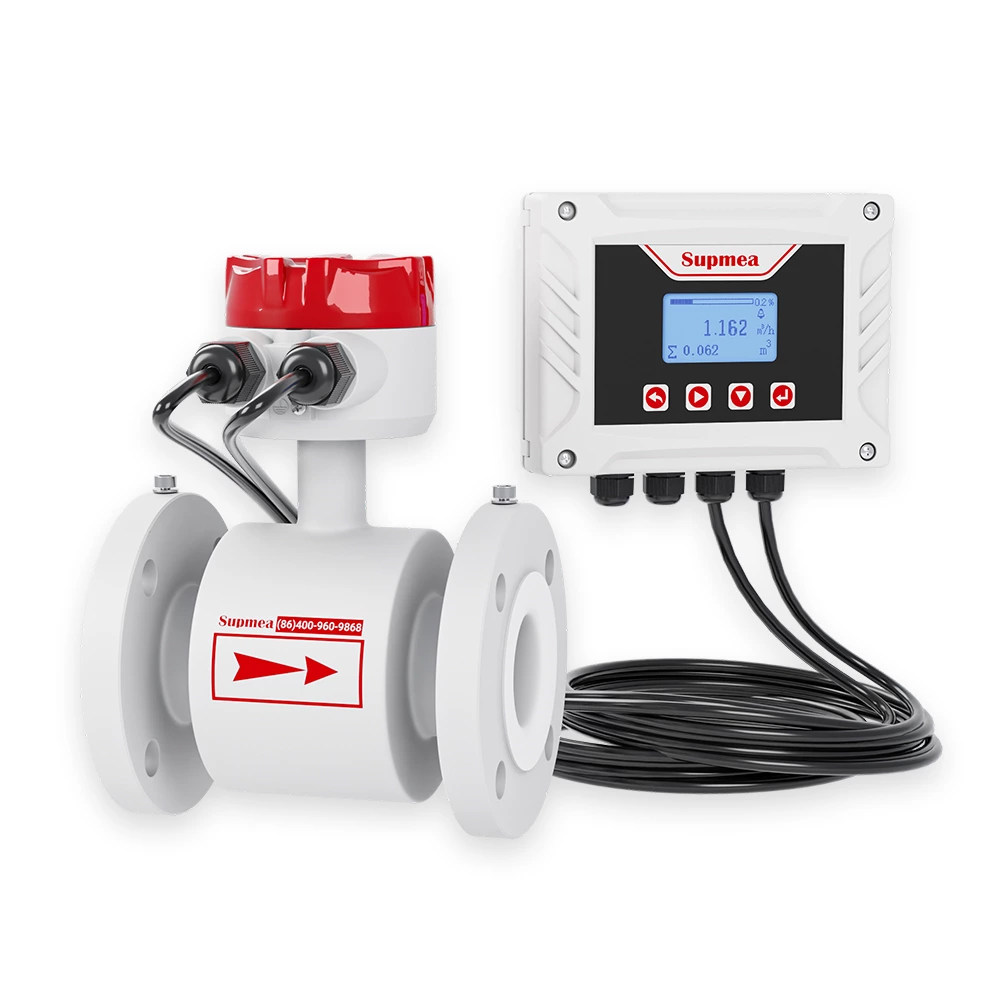
SUP-LDG Remote type electromagnetic flowmeter
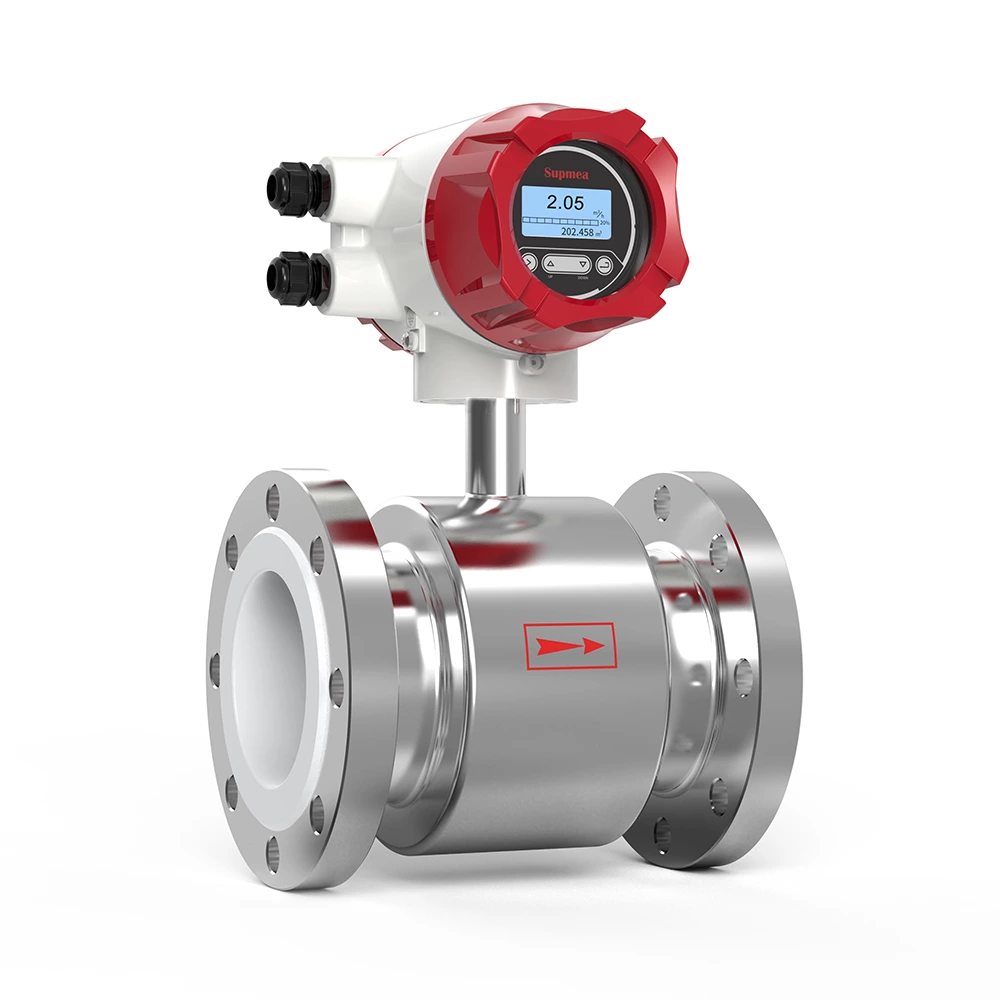
SUP-LDG Stainless steel body electromagnetic flowmeter
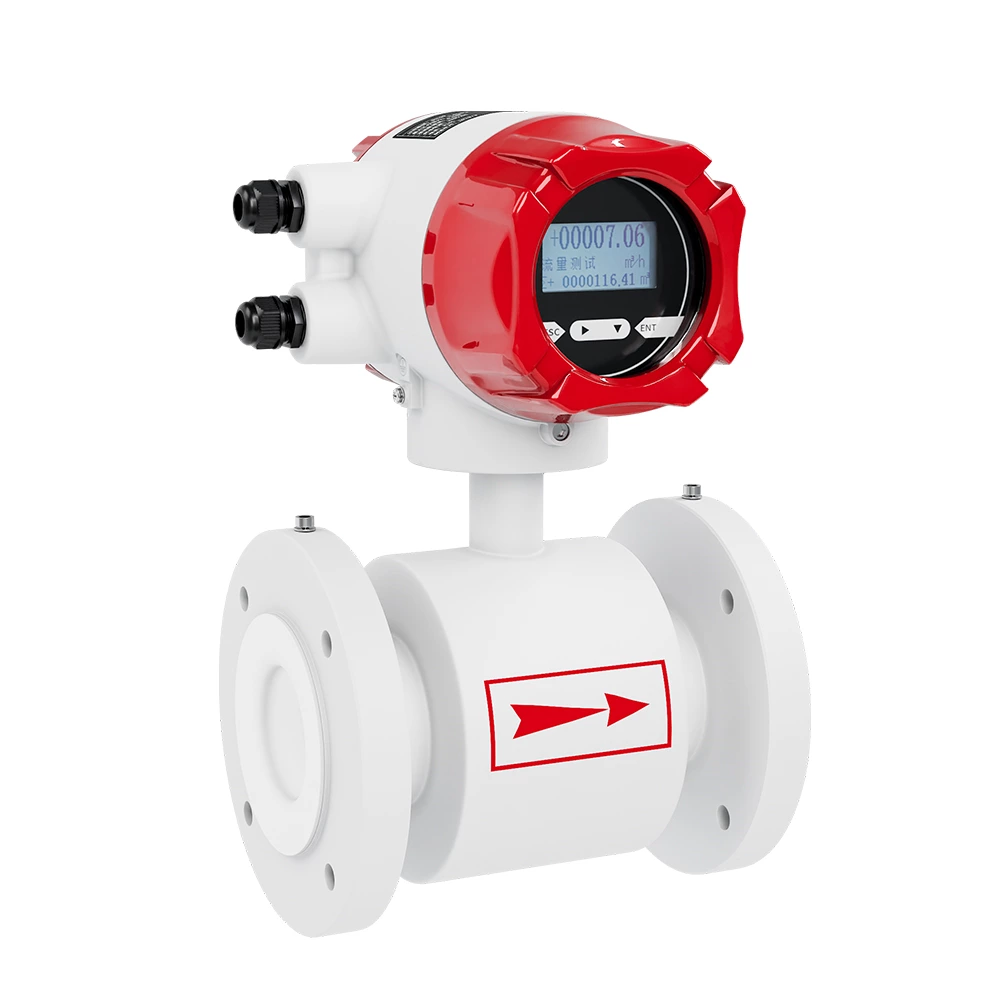
SUP-FMC400 Low Conductivity Electromagnetic flow meter
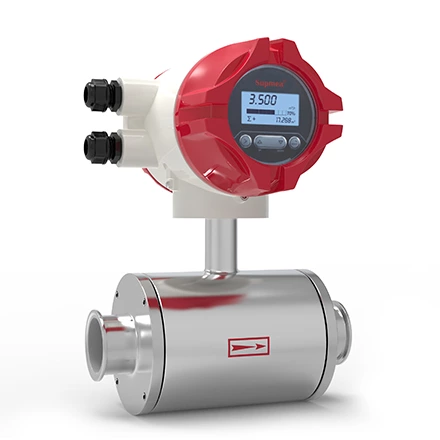
SUP-LDG Sanitary electromagnetic flowmeter for food processing
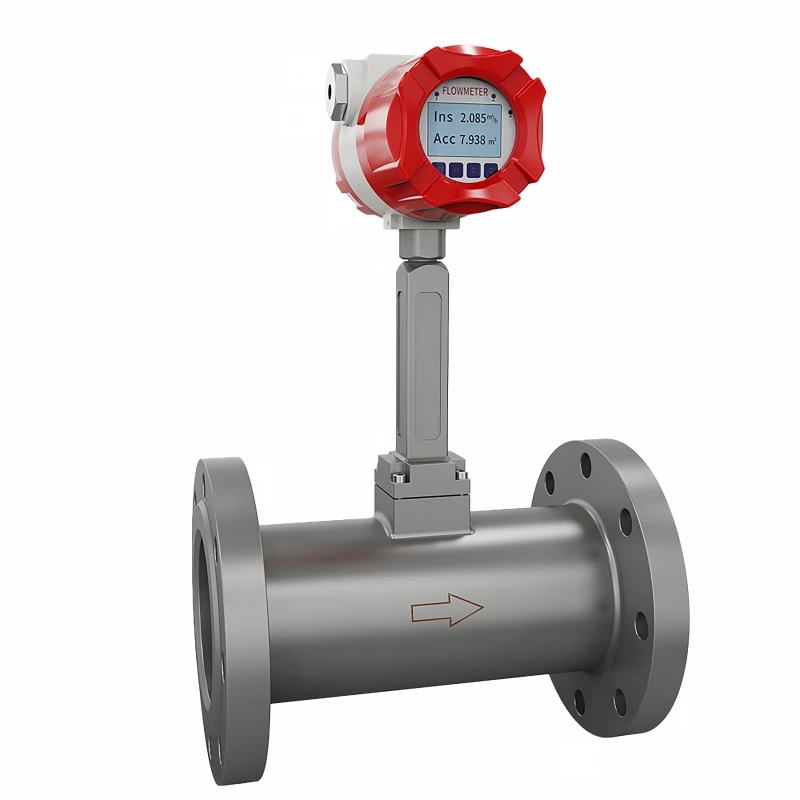
SUP-LUGB Vortex flowmeter without temperature & pressure compensation
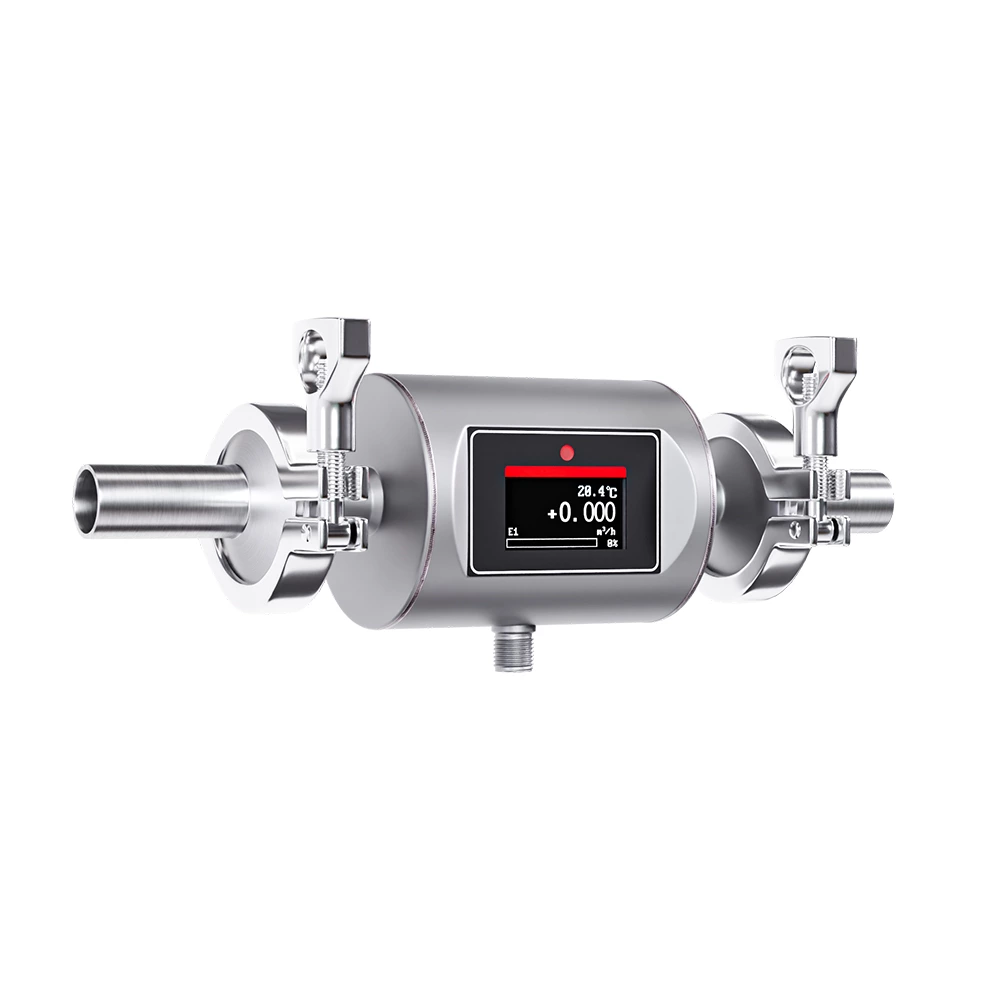
SUP-FMX240 Compact Electromagnetic Flow Meter—Precision Flow Measurement in a Space-Saving Design
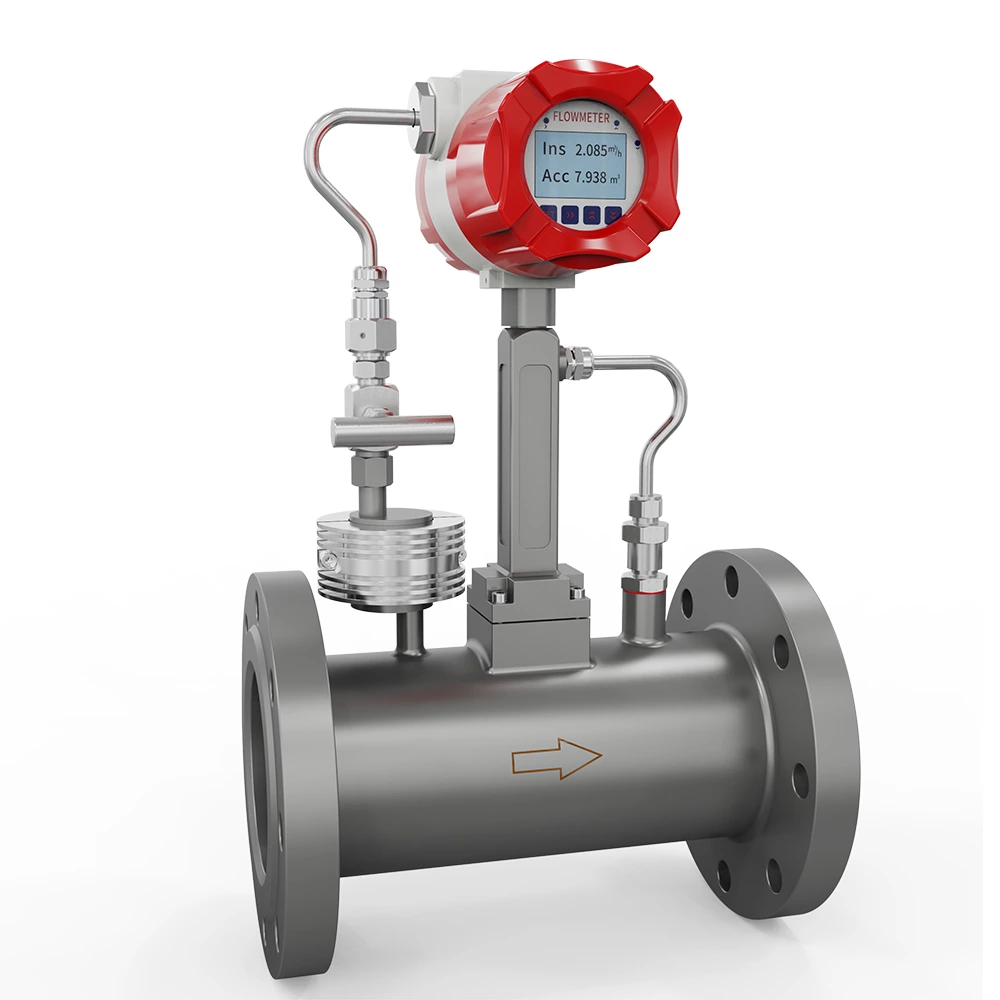
SUP-LUGB Vortex flowmeter with temperature & pressure compensation
Frequently Asked Questions
What parameters can SUPMEA laboratory water quality analyzers measure?
Depending on the model and installed probe, available parameters include pH, mV, ORP, ion concentration, conductivity, resistivity, TDS, salinity, dissolved oxygen, oxygen saturation, turbidity and temperature.
What is the difference between portable and benchtop analyzers?
Portable models use rechargeable batteries and IP65-protected housings for field and outdoor measurements. Benchtop models provide larger touchscreen displays, AC power and expanded laboratory data management functions.
Can one analyzer measure every water quality parameter?
No. Measurement capability depends on the instrument, installed module and connected electrode or probe. Select the required parameters before choosing the analyzer configuration.
Do the analyzers support temperature compensation?
Selected models support automatic and manual temperature compensation. SUP-pH110B provides manual temperature compensation, while several M-series, DO and conductivity instruments support both automatic and manual compensation.
Can measurement data be stored and exported?
Selected models store up to 1,000 GLP-compliant data sets per parameter. Depending on the instrument, data can be transferred through USB, RS-232 or Bluetooth.