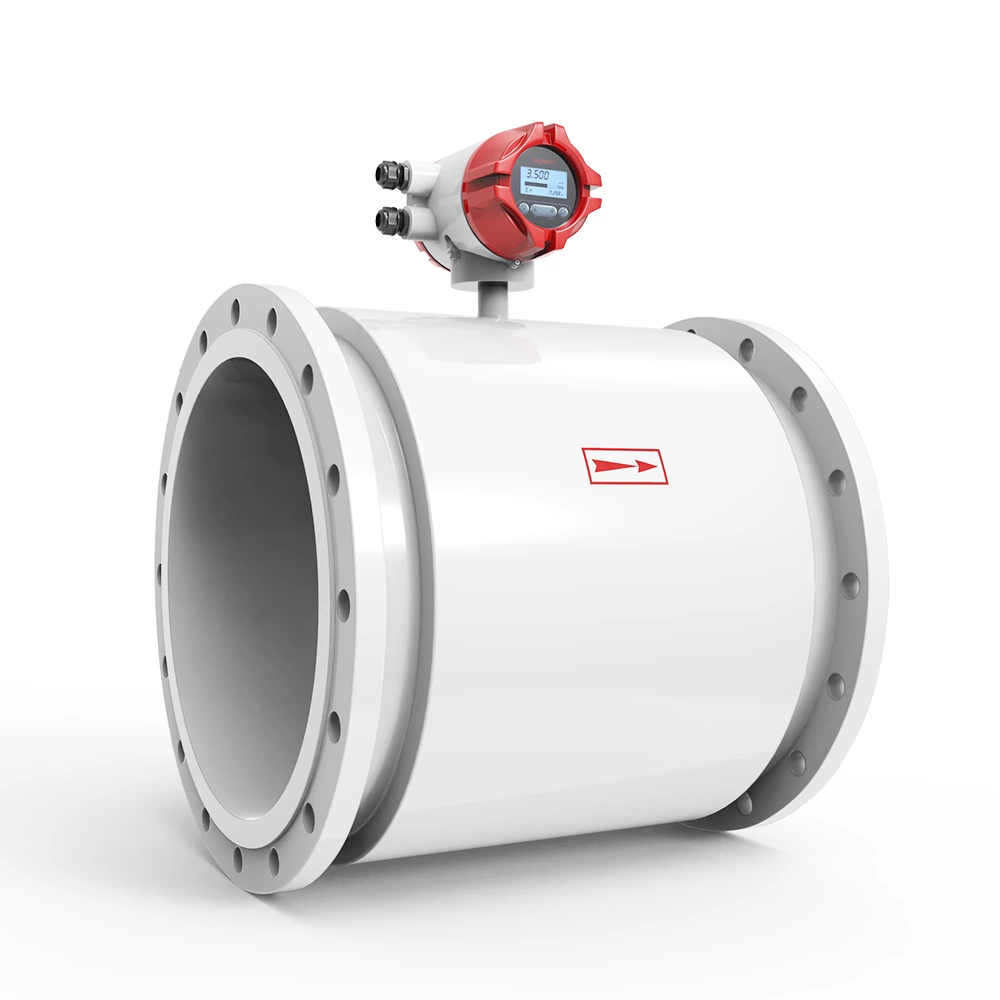
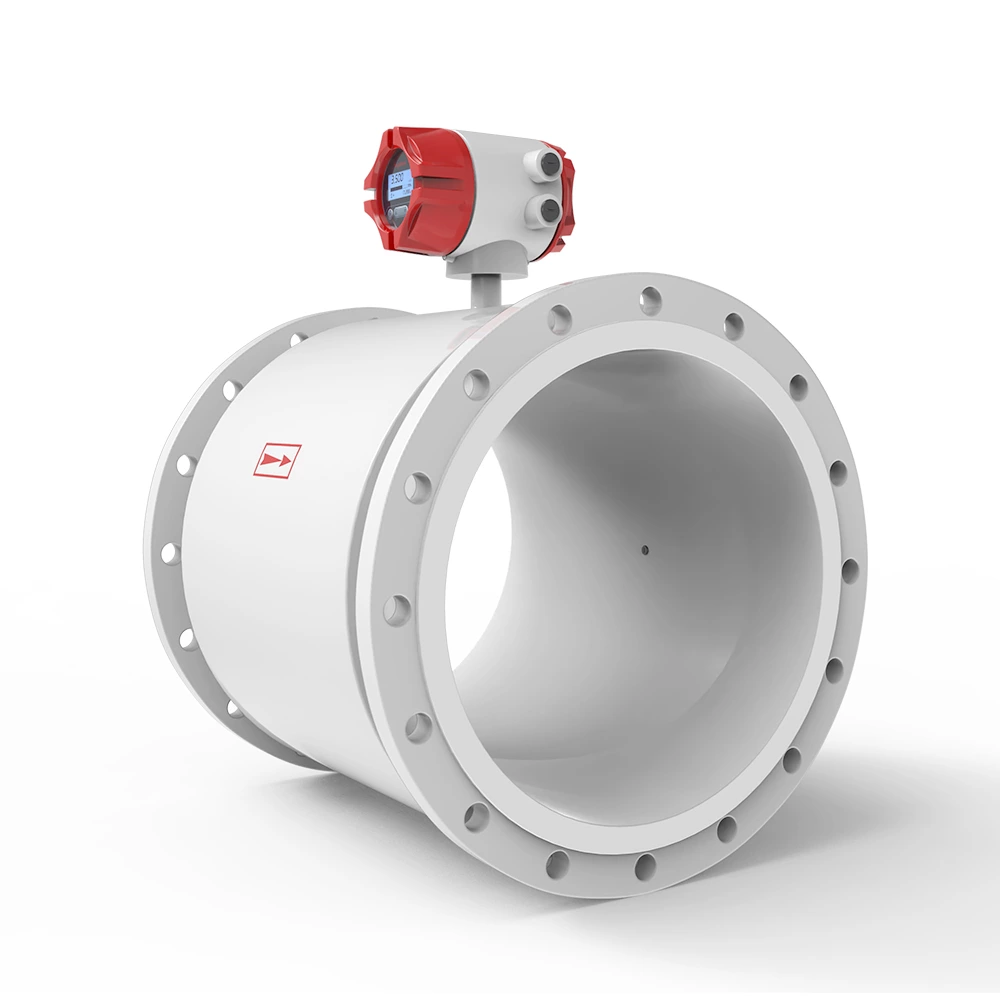
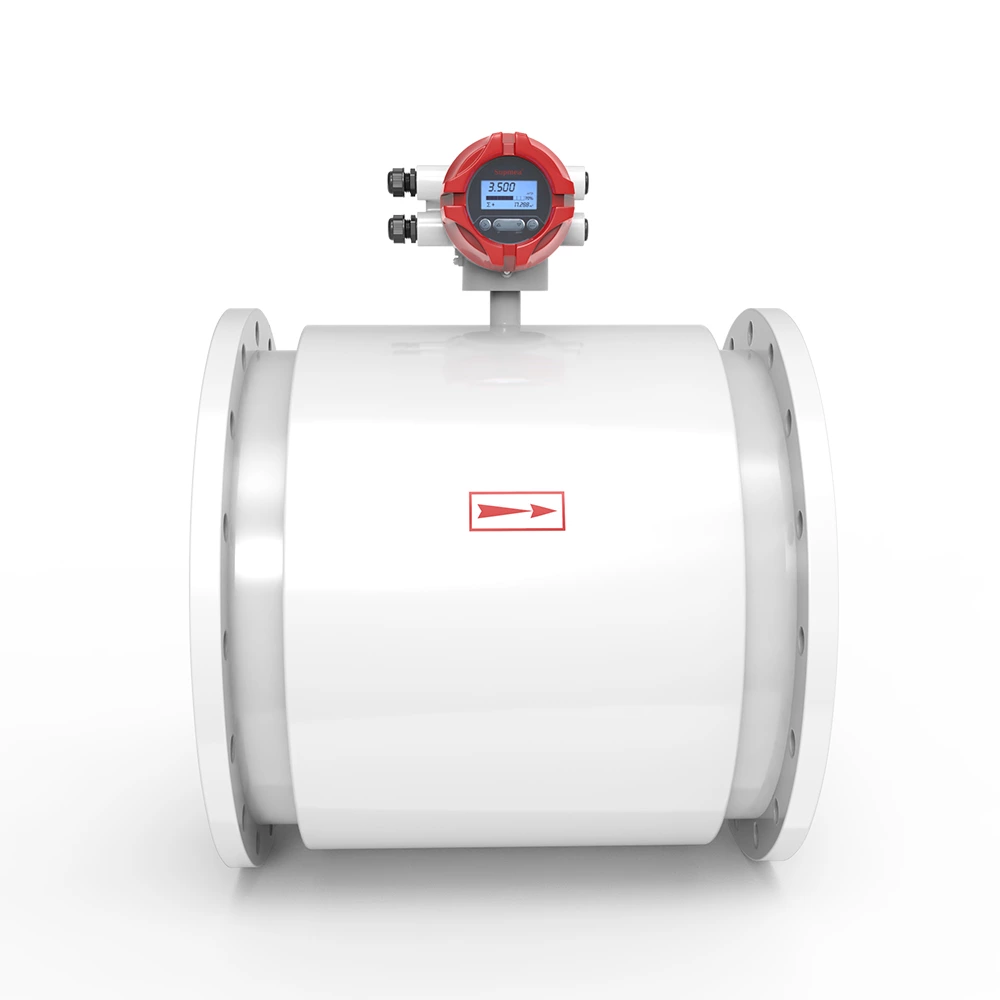
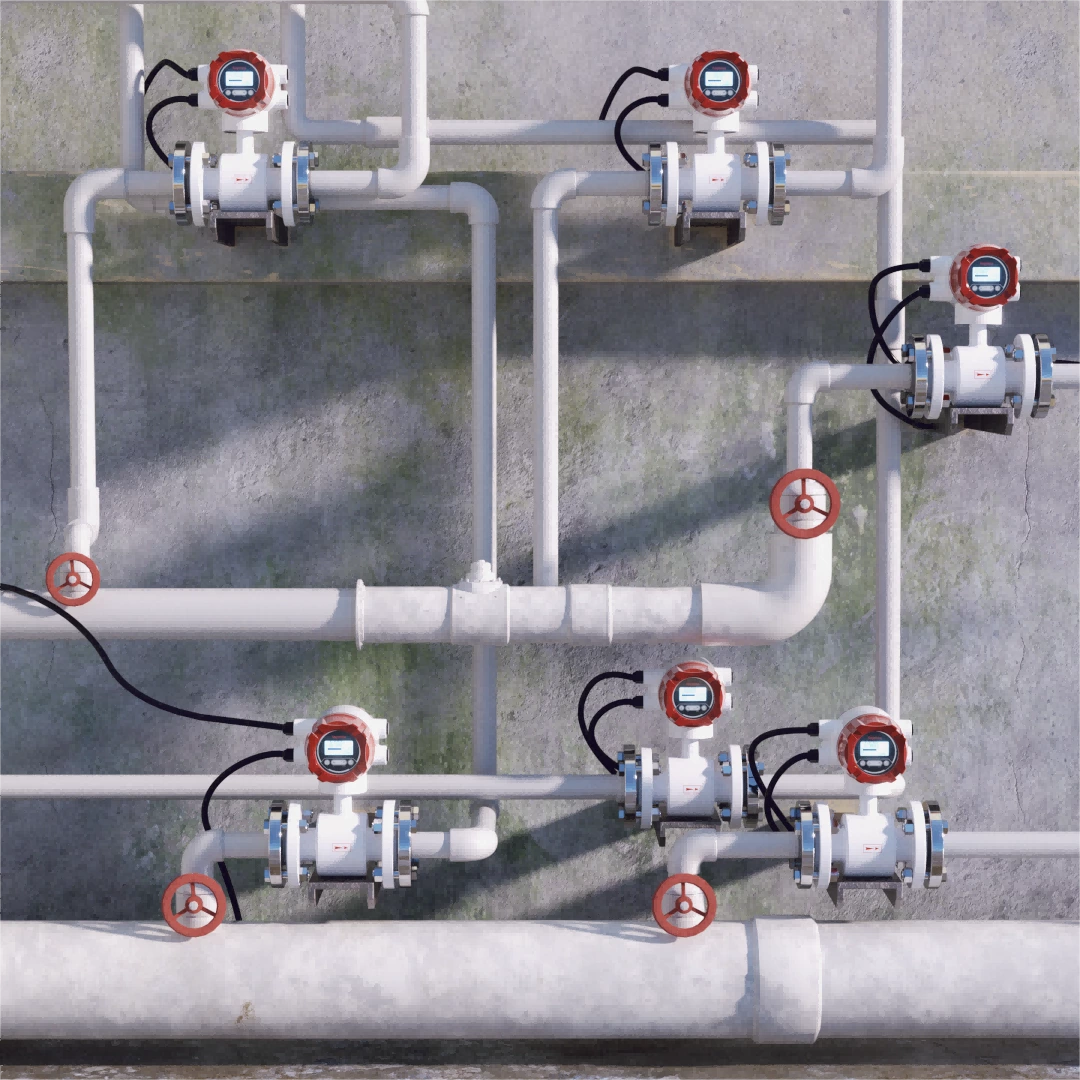
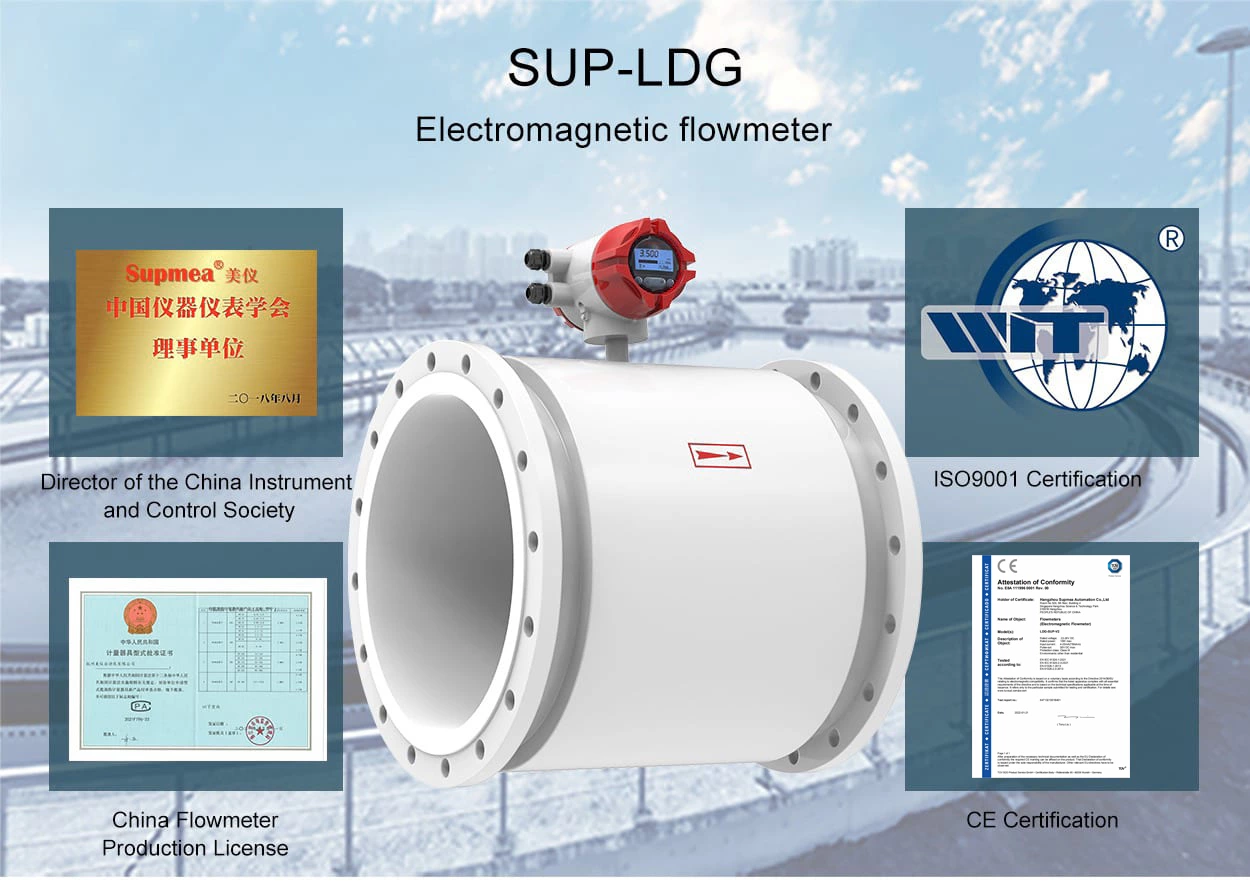
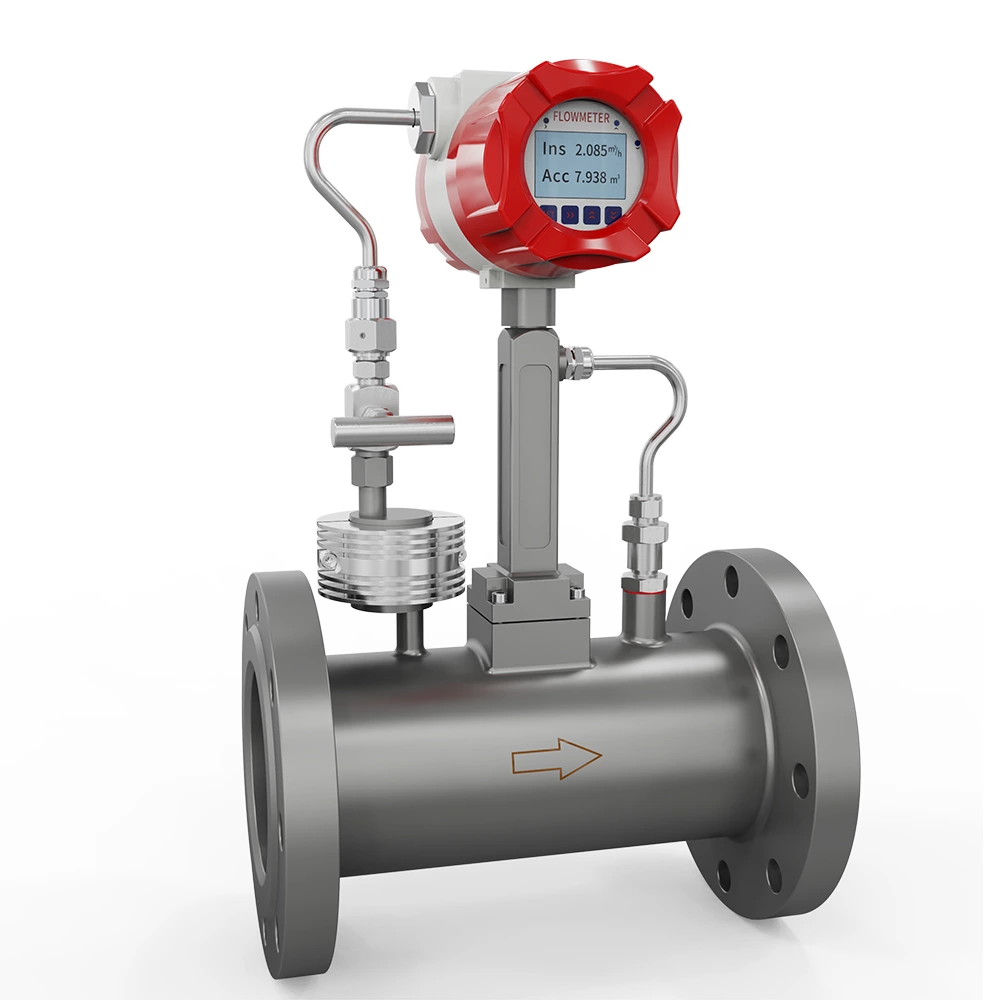
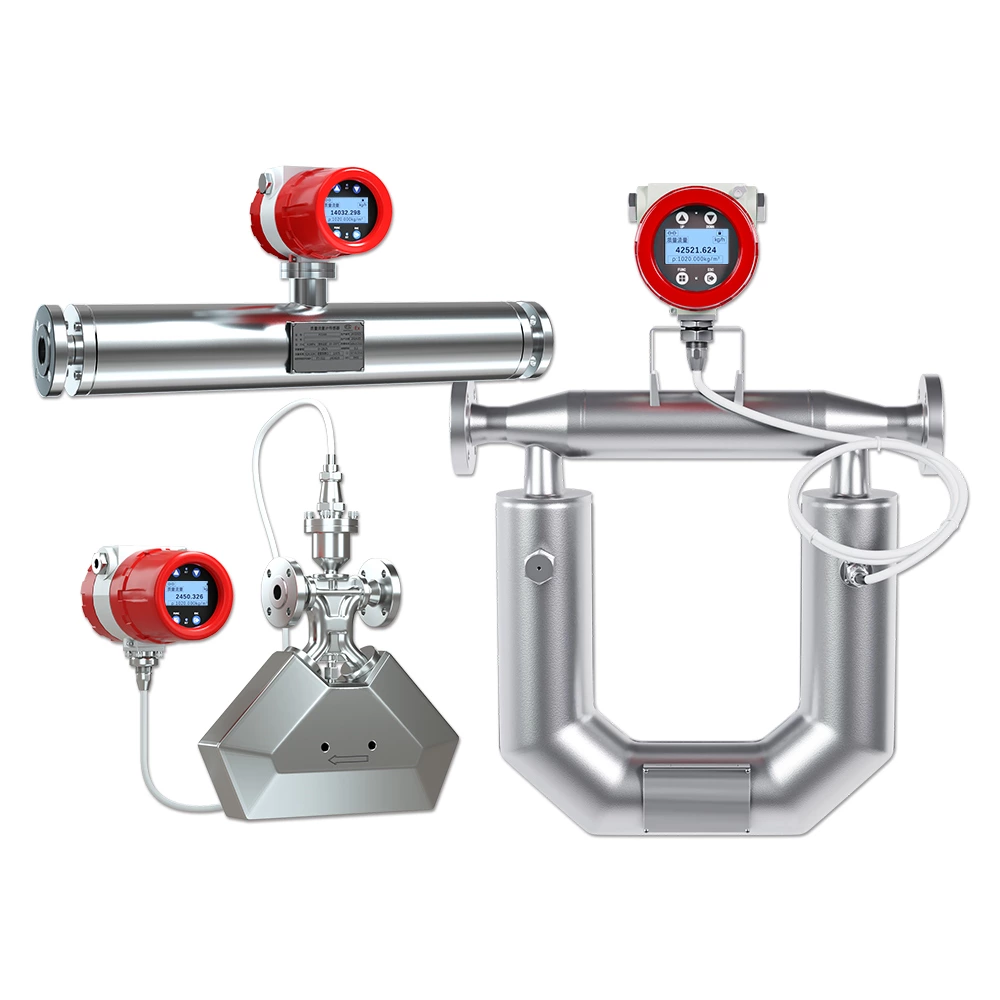
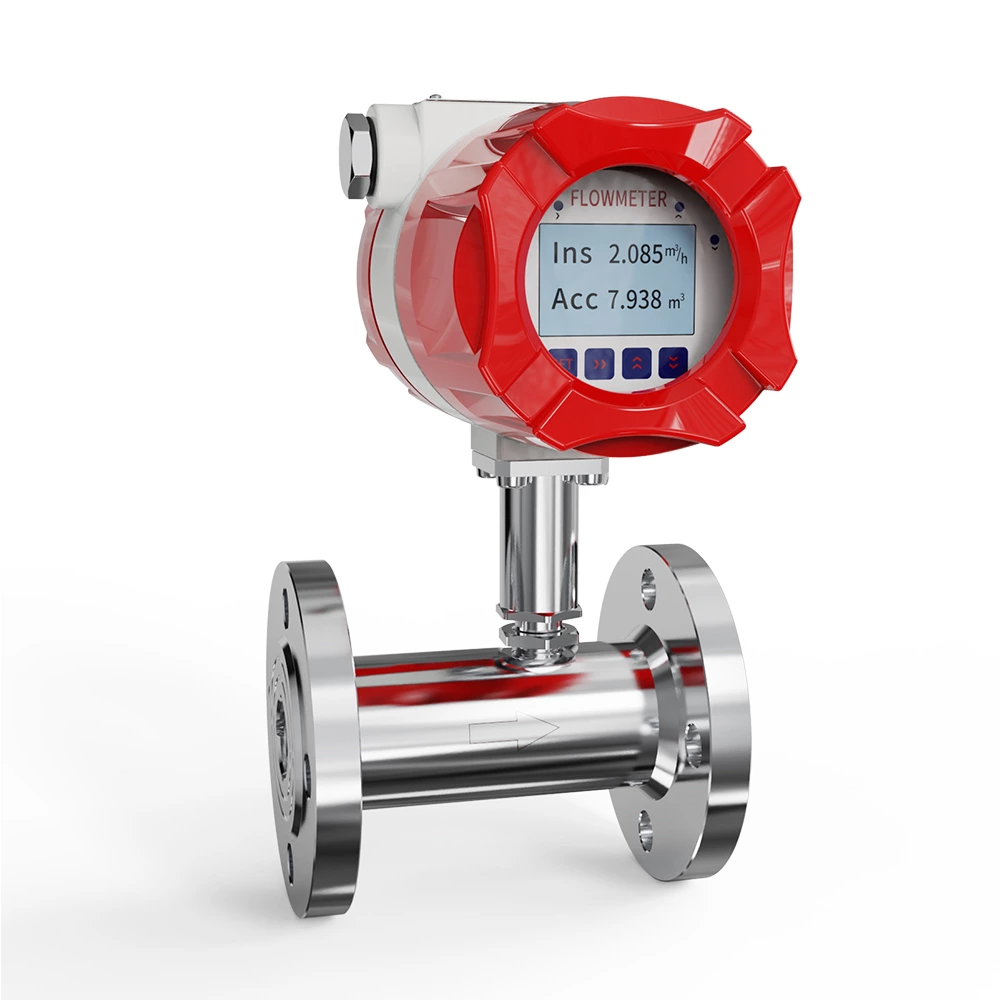
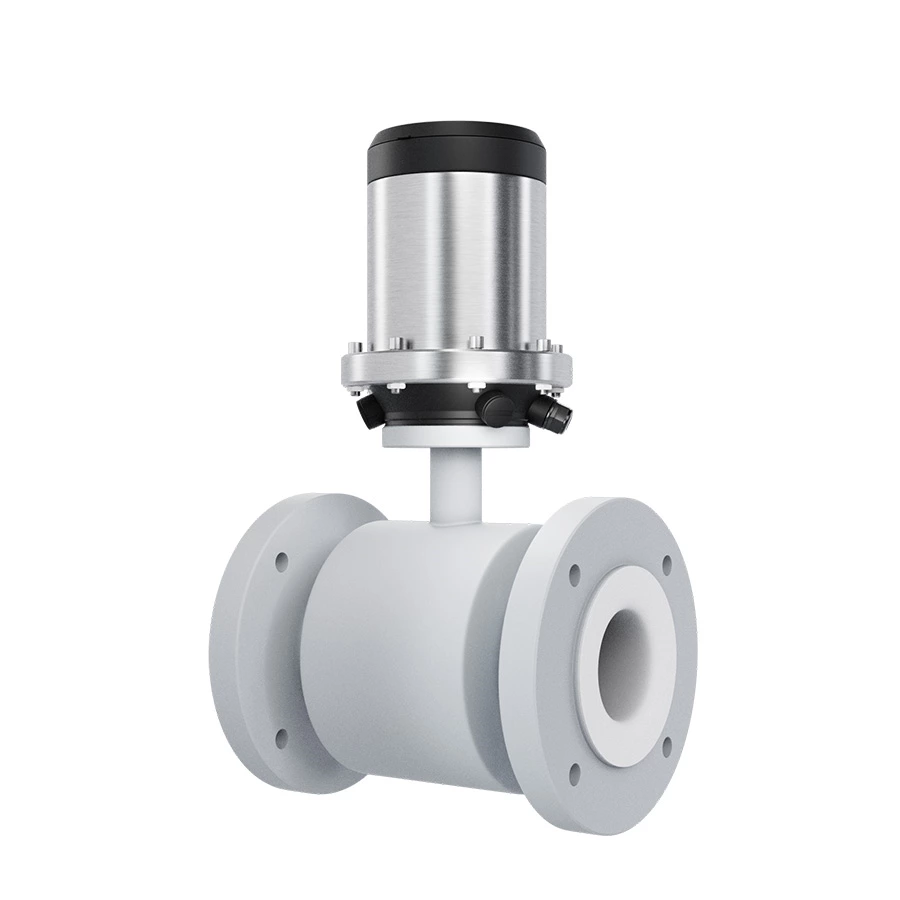
LDG-SUP Electromagnetic Flowmeter: Precision Flow Measurement for Demanding Industrial Applications
The SUP-LDG series electromagnetic flowmeter applies Faraday's law of electromagnetic induction to deliver ±0.5% measurement accuracy across flow velocities from 0 to 15 m/s. Engineered for demanding industrial environments, it features IP65/IP68 ingress protection, RS-485 MODBUS communication, and a wide selection of liner and electrode materials — making it the trusted choice for water treatment, chemical processing, food & beverage, HVAC, and municipal water networks.
Characteristics
Pipe diameter: DN15~DN1000
Accuracy: ±0.5%(Flow speed > 1m/s)
Theoretical value: Water: Min. 20μS/cm; Other liquid: Min. 5μS/cm
Recommended value: >30μS/cm
Turndown ratio: 1:100
Power supply: 100-240VAC,50/60Hz; 22-26VDC
Minimal Maintainice. Has no moving parts or flow obstructiions, which virtually eliminates maintenance and pressure drops
The LDG-SUP electromagnetic flowmeter combines Faraday's law precision with rugged industrial design. Measure virtually any conductive liquid — from ultrapure water to corrosive chemicals — with ±0.5% accuracy and zero moving parts, ensuring maintenance-free operation for years.
Engineered for reliability in the toughest industrial environments, the LDG-SUP electromagnetic flowmeter series provides accurate, drift-free flow measurement for conductive liquids and liquid-solid two-phase flows. With 6 lining material options (Neoprene, Polyurethane, PTFE, FEP, PFA), 6 electrode materials (316L, Hastelloy B/C, Titanium, Tantalum, Platinum), and communication protocols including RS485 Modbus-RTU and HART 6.0, the LDG-SUP integrates seamlessly into PLC, DCS, and SCADA systems. Backed by ±0.5% reference accuracy (flow velocity >1 m/s), IP68 submersible sensor rating, and a comprehensive warranty program.
The LDG-SUP delivers Endress+Hauser-grade measurement performance at a competitive price point — making precision electromagnetic flow measurement accessible for mid-scale industrial operations worldwide.
Achieve precise process control and reduced material waste with industry-leading ±0.5% accuracy. Repeatability of 0.16% ensures consistent batch quality across production cycles.
Wide Diameter Range —— Available in DN15 to DN1200 (1/2" to 48") Nominal Diameters
One standardized platform covers your entire facility — from small dosing lines (DN15) to main distribution headers (DN1200). Simplify procurement, maintenance, and spare parts management.
IP68 Submersible Sensor —— IP68-Rated Sensor for Buried (Up to 5m) and Submerged (Up to 3m) Installation
Install confidently in flooded pits, underground vaults, and outdoor exposed locations. IP65 converter housing provides additional environmental protection for electronics.
Dual Power Supply —— 85-245VAC (50/60Hz) and 22-26VDC Power Options
Flexible installation without additional power infrastructure. AC for plant installations, DC for remote/solar-powered sites and mobile equipment.
Protect your pump systems from dry-running damage. Automatic alarm triggers when the pipe runs empty, preventing measurement errors and equipment failure.
Bi-Directional Flow —— Bi-Directional Flow Measurement with Separate Forward/Reverse Totalizers
Monitor both supply and return lines with a single instrument. Built-in net flow accumulation simplifies energy balance calculations and leak detection.
Low-Flow Precision —— Flow Cutoff Adjustable (0-10%) with Non-Linear Correction for Low Velocities
Accurate measurement even at trickle flows and during plant startup/shutdown. 4-segment non-linear correction ensures linearity below 0.5 m/s.
Pulse & Frequency Output —— Configurable Pulse Output (0.001L-1m³/Pulse) and Frequency Output (0-5000Hz)
Direct interface with batching controllers, totalizing counters, and PLC high-speed counters. No intermediate signal converters required.
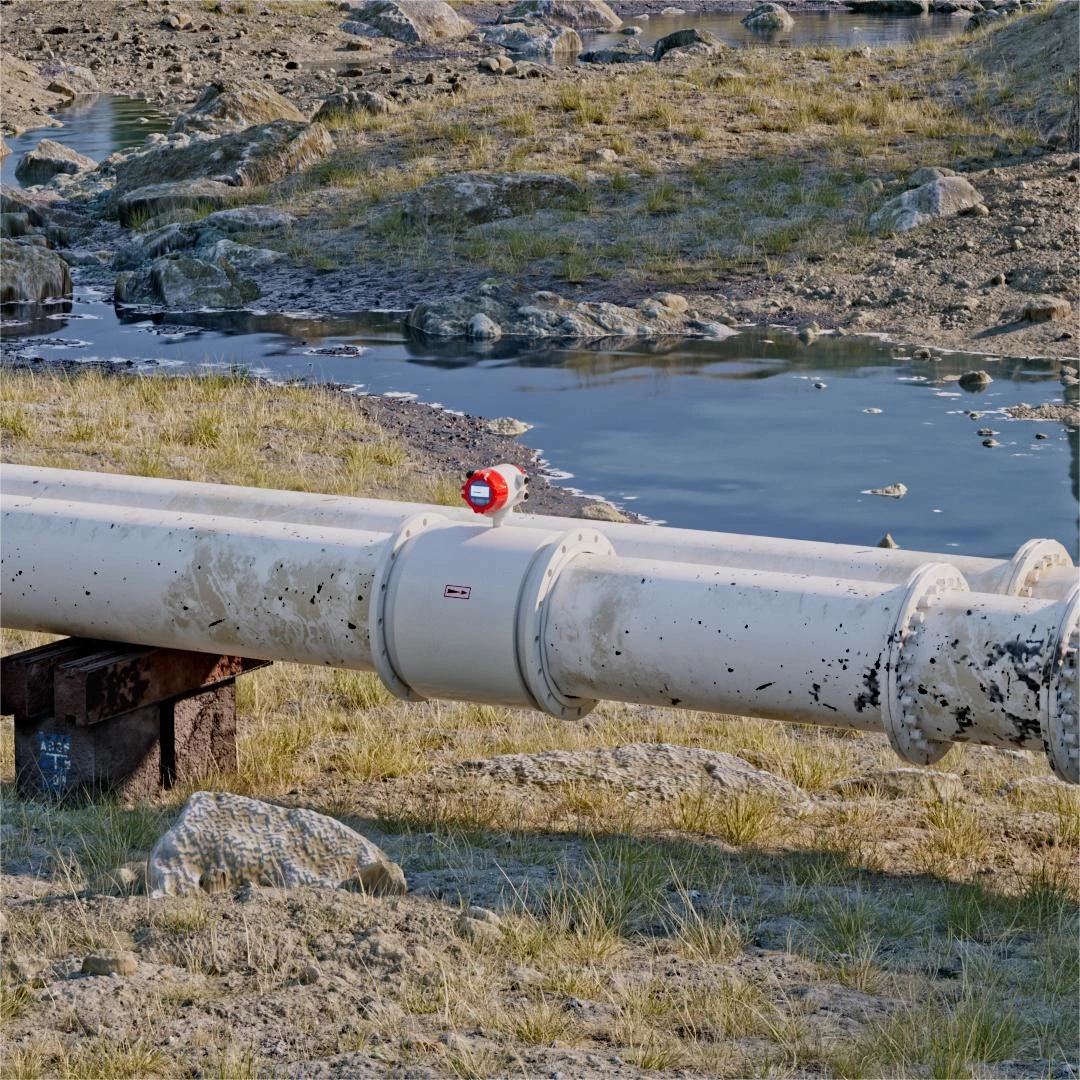
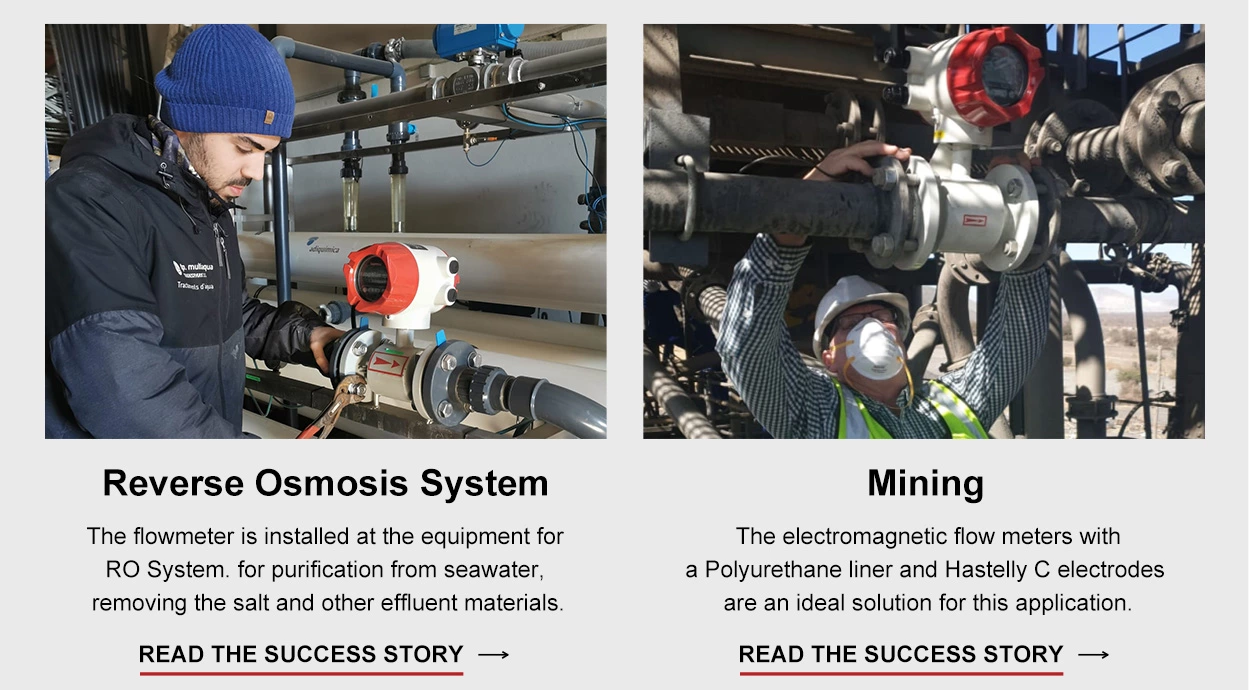
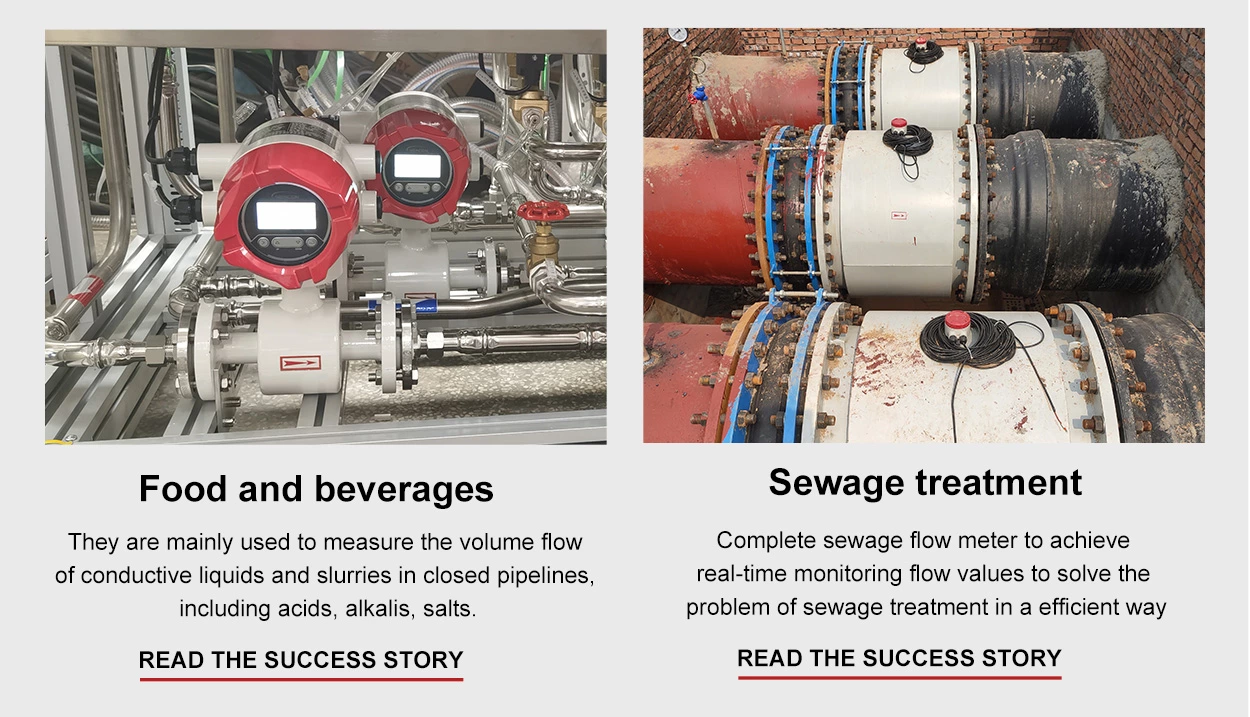
Reliably measures drinking water, wastewater, and reclaimed water flows in municipal treatment plants, pumping stations, and distribution networks — even with aggressive or slightly contaminated media.
⚗️ Chemical & Petrochemical
Hastelloy, titanium, or tantalum electrodes paired with PFA or PTFE liners withstand acids, alkalis, solvents, and oxidizing media encountered in chemical reactors, pipelines, and dosing systems.
🍺 Food & Beverage (F&B)
Smooth, crevice-free PTFE or PFA liners and Pt-Ir electrodes meet hygienic requirements for beer, juice, dairy, and beverage processing lines where CIP compatibility is essential.
🏢 HVAC & Building Systems
Integrates directly into chilled water, hot water, and glycol loops via MODBUS for BMS connectivity, delivering accurate energy metering and optimised building performance.
📄 Pulp, Paper & Textile
Measures slurry, pulp, and dye flows with high solid content; the PTFE or rubber liner resists abrasion while the robust electrode design ensures low maintenance over extended production runs.
🌱 Agriculture & Irrigation
Monitors irrigation water volumetric flow and cumulative totals in smart agricultural systems, supporting precision irrigation scheduling and water resource management.
⚡ Power Generation
Measures cooling water, condensate, and demineralised water flows in thermal and nuclear power plants, with IP68 capability for underground or submerged pipeline installations.
⚓ Marine & Offshore
316L or Hastelloy C electrodes and IP68 protection make the SUP-LDG suitable for seawater, ballast water, and desalination plant measurements in marine and offshore environments.
Measuring principle
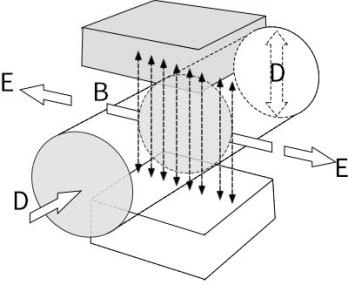
Mag meter works based on Faraday's law, when the liquid goes through the pipe at the flow rate of v with a diameter D, within which a magnetic flux density of B is created by an exciting coil, the following electromotive E is generated in proportion to flow speed v:
E=K×B×V×D
Where:
E-Induced electromotive force
K-Meter constant
B-Magnetic induction density
V-Average flow speed in cross-section of measuring tube
D-Inner diameter of measuring tube
FAQ
Q: What is an electromagnetic flowmeter?
An electromagnetic flowmeter (also called a magmeter or magnetic flowmeter) measures the volumetric flow rate of electrically conductive liquids using Faraday's Law of Electromagnetic Induction. As the conductive fluid passes through a magnetic field generated by excitation coils, it induces a voltage proportional to the average flow velocity. This voltage is detected by electrodes and converted into a flow reading. Unlike mechanical meters, electromagnetic flowmeters have zero moving parts, meaning no pressure drop, no wear, and minimal maintenance.
Q: What is the accuracy of the LDG-SUP?
The LDG-SUP achieves ±0.5% of measured value when the flow velocity exceeds 1 m/s. For lower velocities (<1 m/s), the accuracy is ±0.5% ±2 mm/s. Repeatability is 0.16%. These specifications meet or exceed the requirements for custody transfer, process control, and utility billing applications. Reference conditions: water medium, 20°C, 0.1 MPa, ≥10D upstream and ≥5D downstream straight pipe.
Q: What pipe sizes (diameters) are available?
The LDG-SUP is available in nominal diameters from DN15 (1/2") to DN1200 (48"), covering virtually all industrial pipe sizes. Larger diameters up to DN2000 are available for special orders. For detailed flow range data by diameter, refer to the technical specifications table on our product page.
Q: What types of liquids can the LDG-SUP measure?
The LDG-SUP measures any electrically conductive liquid with a minimum conductivity of 20 µS/cm for water-based media and 5 µS/cm for other liquids. For stable measurement, we recommend >50 µS/cm. Typical media include: water (raw, treated, wastewater), acids, alkalis, slurries, pulps, liquid foods (milk, beer, juice), chemicals, and liquid-solid two-phase flows. It CANNOT measure non-conductive liquids such as pure oils, hydrocarbons, distilled/deionized water below 5 µS/cm, or gases.
Q: How do I select the right electrode and lining material?
Electrode selection depends on the corrosiveness of your medium:
- 316L SS: General water, sewage, weak acid/base (most common)
- Hastelloy C: Oxidizing acids (nitric, mixed), seawater, hypochlorite
- Hastelloy B: Reducing acids (hydrochloric, hydrofluoric), concentrated alkalis
- Titanium: Chlorides, seawater, oxidizing acids
- Tantalum: Concentrated acids at high temperature
- Platinum: Most acids and alkalis (except aqua regia)
Lining selection depends on temperature and abrasion:
- Neoprene (CR): ≤60°C, general water (≥DN50)
- Polyurethane (PU): ≤60°C, abrasive slurries (≤DN600)
- PTFE/FEP: ≤120°C, corrosive chemicals (DN15-DN1200)
- PFA: ≤180°C (remote), most demanding chemical applications"
Q: What is the difference between the integrated and remote versions?
The integrated (inline) version mounts the converter directly onto the sensor body — ideal for locations with good accessibility and non-extreme ambient temperatures (-10°C to 55°C). The remote version separates the converter from the sensor via a signal cable (standard 10 m; maximum 100 m), allowing the converter to be installed in a control room or junction box while the sensor is submerged or buried (IP68 up to 3 m depth).
We use cookies to collect information about how you use this site. We use this information to make the website work as well as possible and improve our services.