-
Importance of Digital Aquaculture
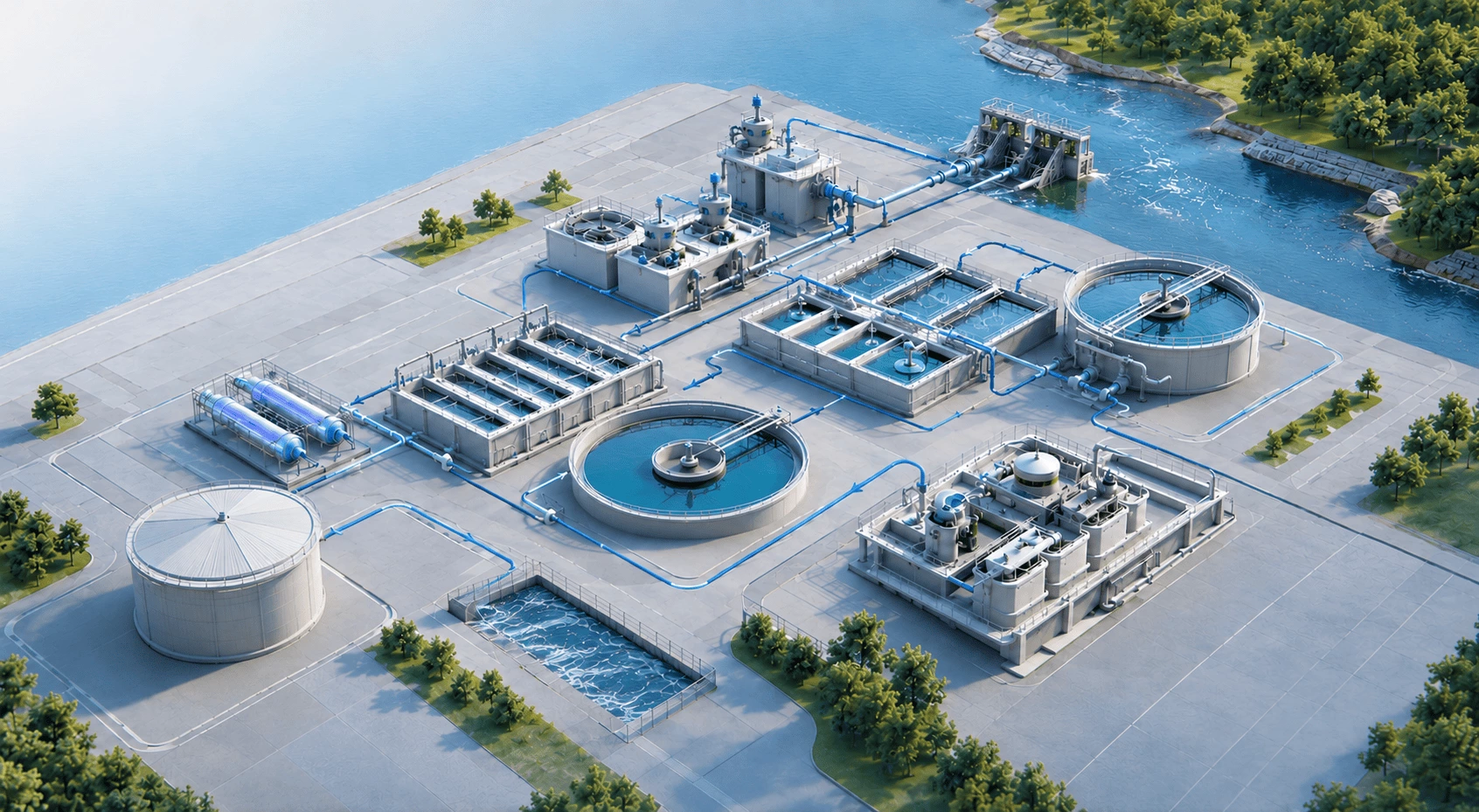
Digital aquaculture transforms traditional farming by deploying IoT sensors, real-time data collection and automatic control systems.
Dissolved oxygen (DO) is the most critical water quality parameter for aquatic organisms.
Low dissolved oxygen will cause slow growth, stress and mass mortality of fish/shrimp. Manual spot-checking can only capture discrete data and fails to respond promptly to oxygen fluctuations, especially during dawn, rainy weather or high-density breeding. Digital monitoring enables 24/7 continuous online measurement, automatic aerator control, early warning of abnormal water conditions, reduced feed waste, lower mortality rate, energy saving and stable farm output. It helps aquaculture operators shift from experience-based farming to data-driven precision farming.
-
Project Background
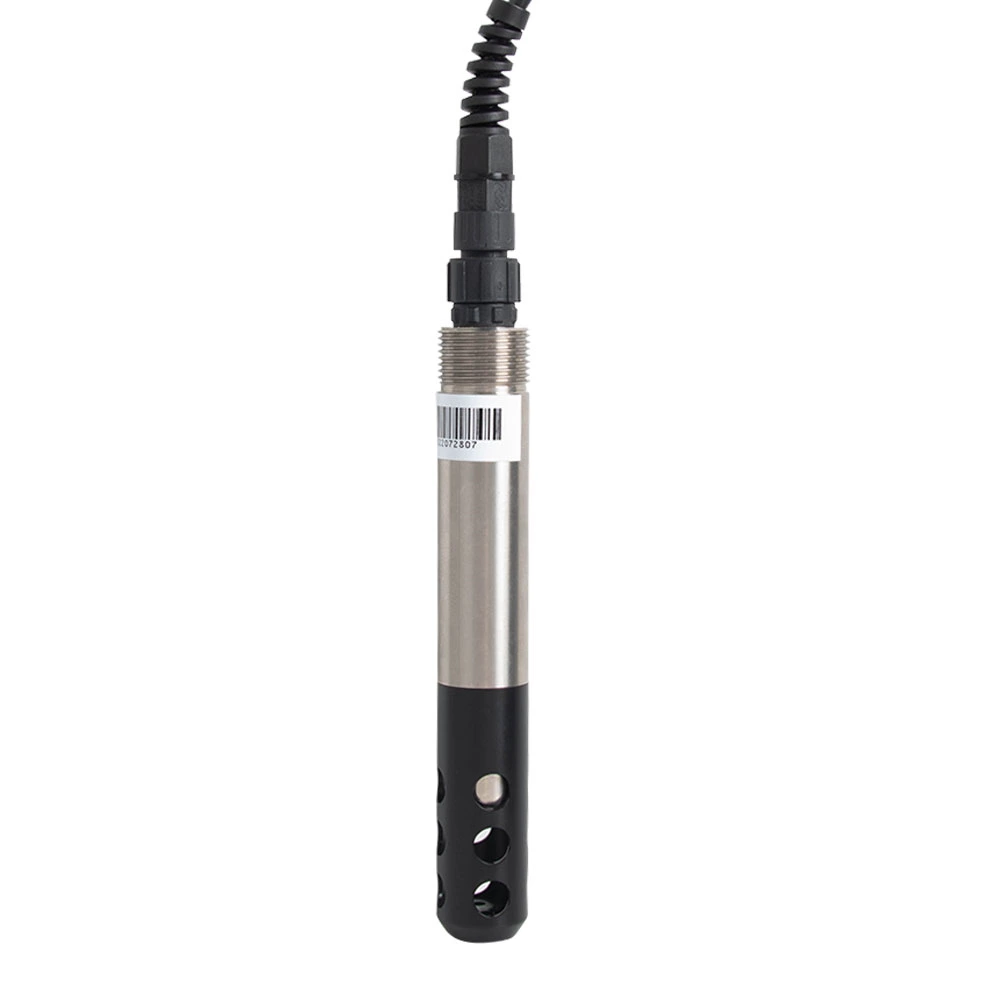
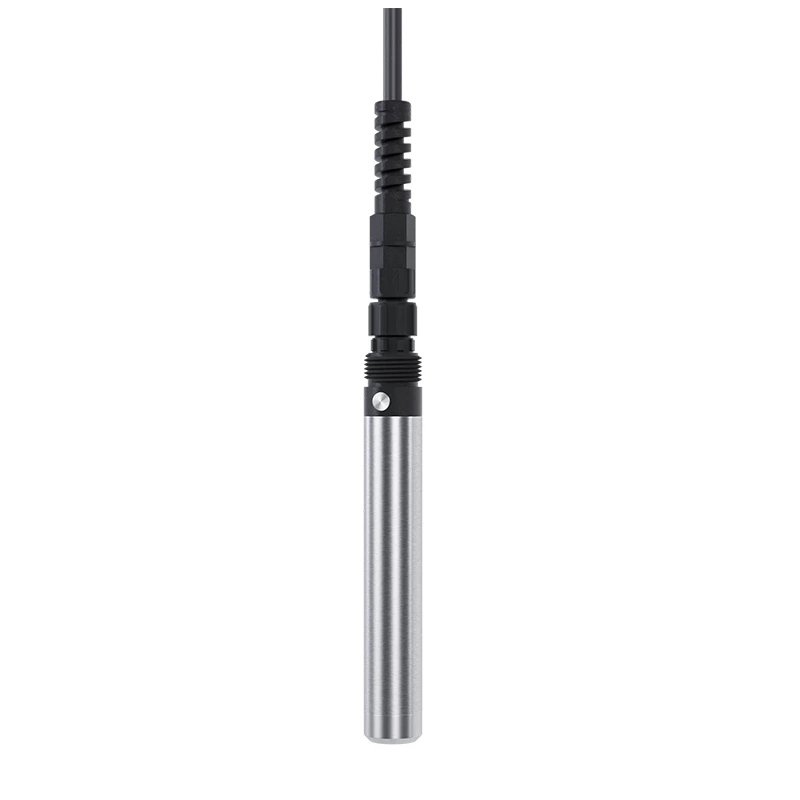
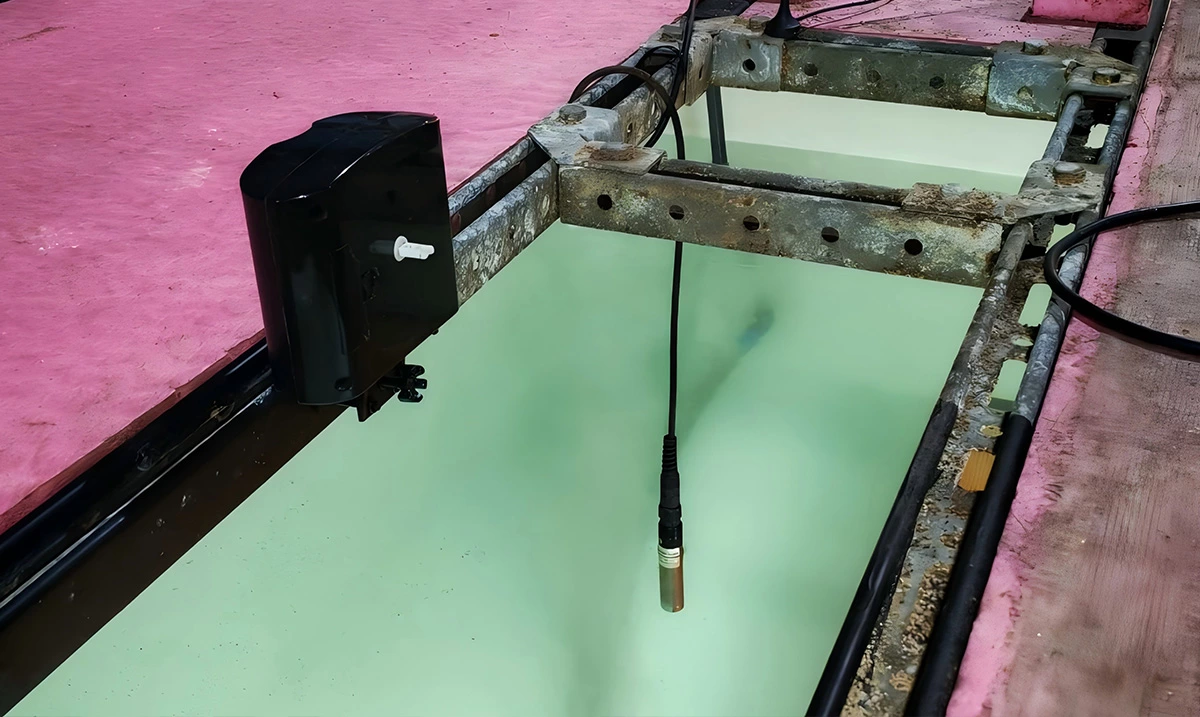
A commercial recirculating aquaculture farm adopted Supmea DO-7019-AB10RC fluorescence dissolved oxygen electrodes to build a digital water quality monitoring system for multiple culture ponds. The sensors were submerged in ponds to continuously track dissolved oxygen levels and feed real-time data to the farm’s PLC and cloud platform for automatic aeration control.
-
Pain Points Solved
-
Product Specifications
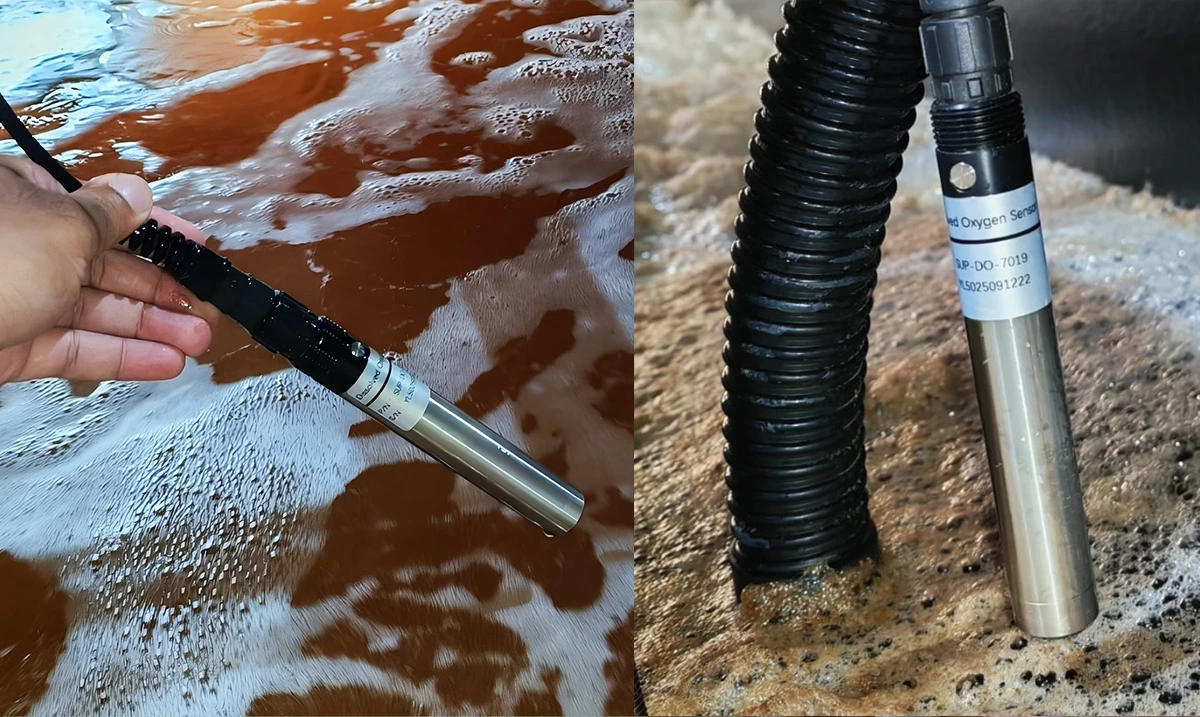
Product Name: Fluorescence Dissolved Oxygen Electrode Model: DO-7019-AB10RC
- Output: RS485 (Modbus RTU)
- Power Supply: 12VDC
- Cable Length: 10m
- Housing Material and Thread Type: Titanium M22×1.5
- Measuring Principle: Optical fluorescence, no membrane, no electrolyte
- Measurement Range: 0~20 mg/L or 0~200% saturation
- Accuracy: ±3%FS
- Built-in temperature sensor with automatic temperature compensation
- IP68 waterproof, submersible installation
-
Application Results & Customer Satisfaction
After installation of SUPMEA DO-7019-AB10RC electrodes, the farm achieved stable, continuous DO monitoring. The fluorescence design eliminates membrane and electrolyte replacement, greatly cutting maintenance workload. The RS485 digital signal supports seamless connection to the farm’s automatic aeration system: aerators turn on/off automatically according to preset DO thresholds.
- Aquatic mortality rate decreased significantly; feed utilization improved.
- Power consumption of aeration equipment reduced.
- Long-term measurement stability is excellent, with minimal data drift under pond water environment.
Customer Feedback: